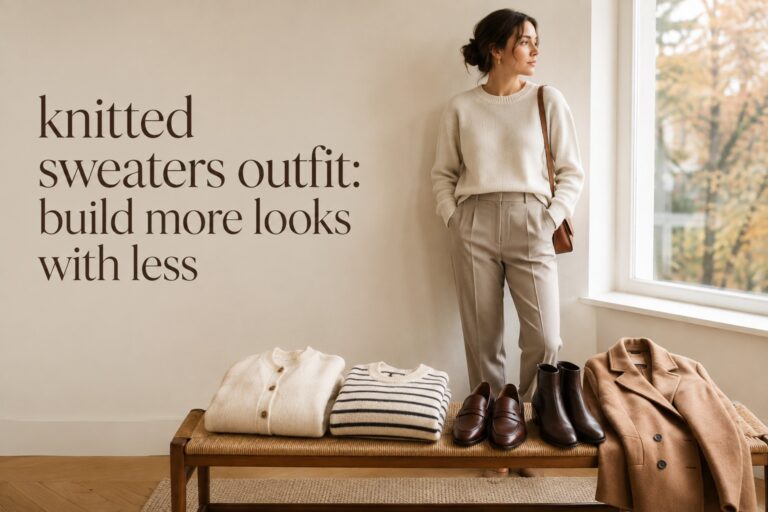
Warm Clothing: How to Choose Layers for Real Winter Days
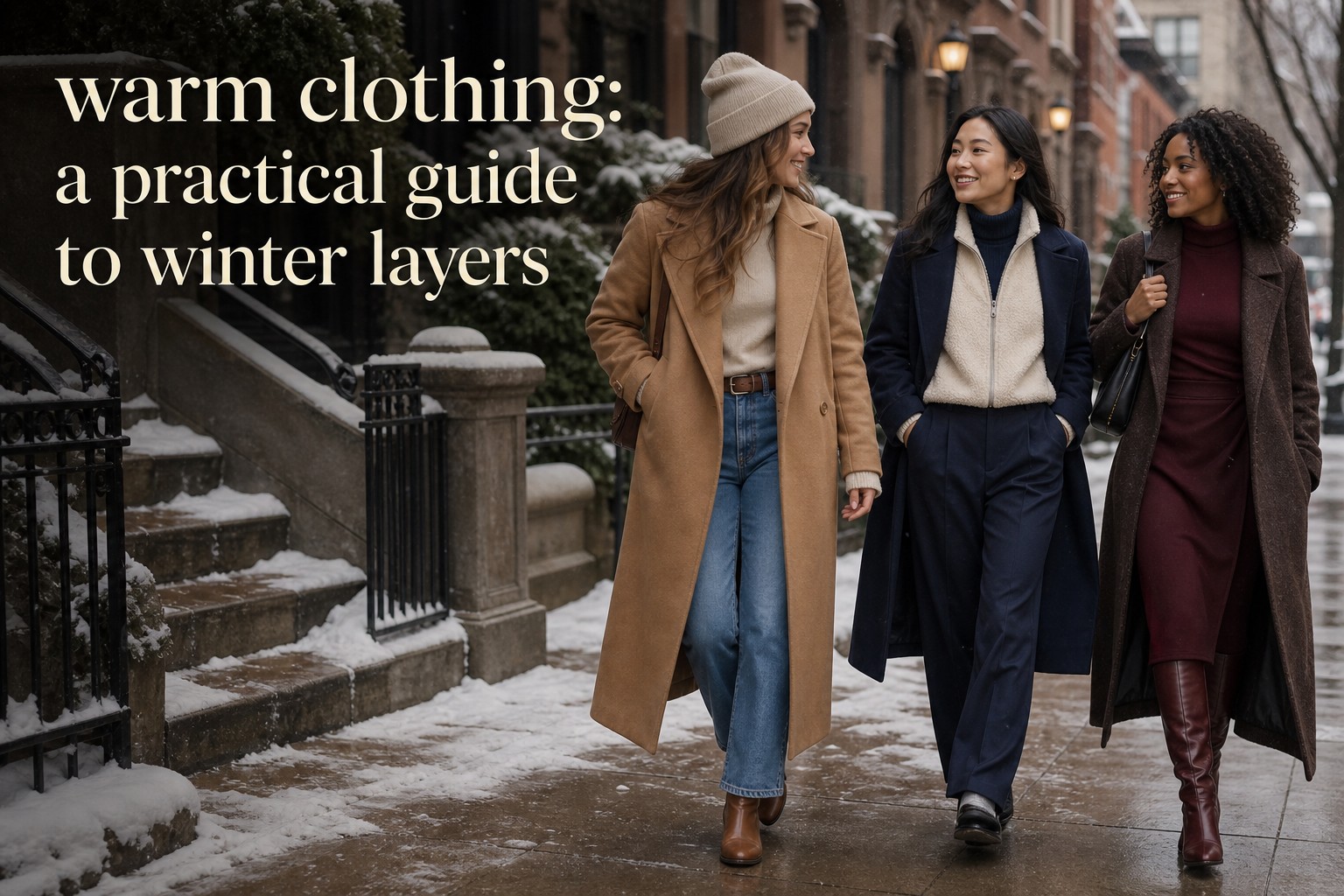
The warmest outfit is rarely the one with the thickest single garment. Reliable warm clothing works as a small system: a comfortable layer near the skin, an insulating layer that holds heat, and an outer layer that manages wind or precipitation. That system also needs to fit your real day. A person walking to work in wet weather has different needs from someone moving between a heated car and a cold office, while someone standing outside for an hour needs more insulation than someone who stays active.
This comparison guide makes the choices easier. You will learn how wool, synthetics, fleece, down, and everyday knits differ; when to choose a streamlined layer or a roomier one; how to build warm clothing outfits without losing your shape; and which small accessories often make the biggest difference. The goal is not to buy an entirely new wardrobe. It is to make the pieces you own work together more intelligently.
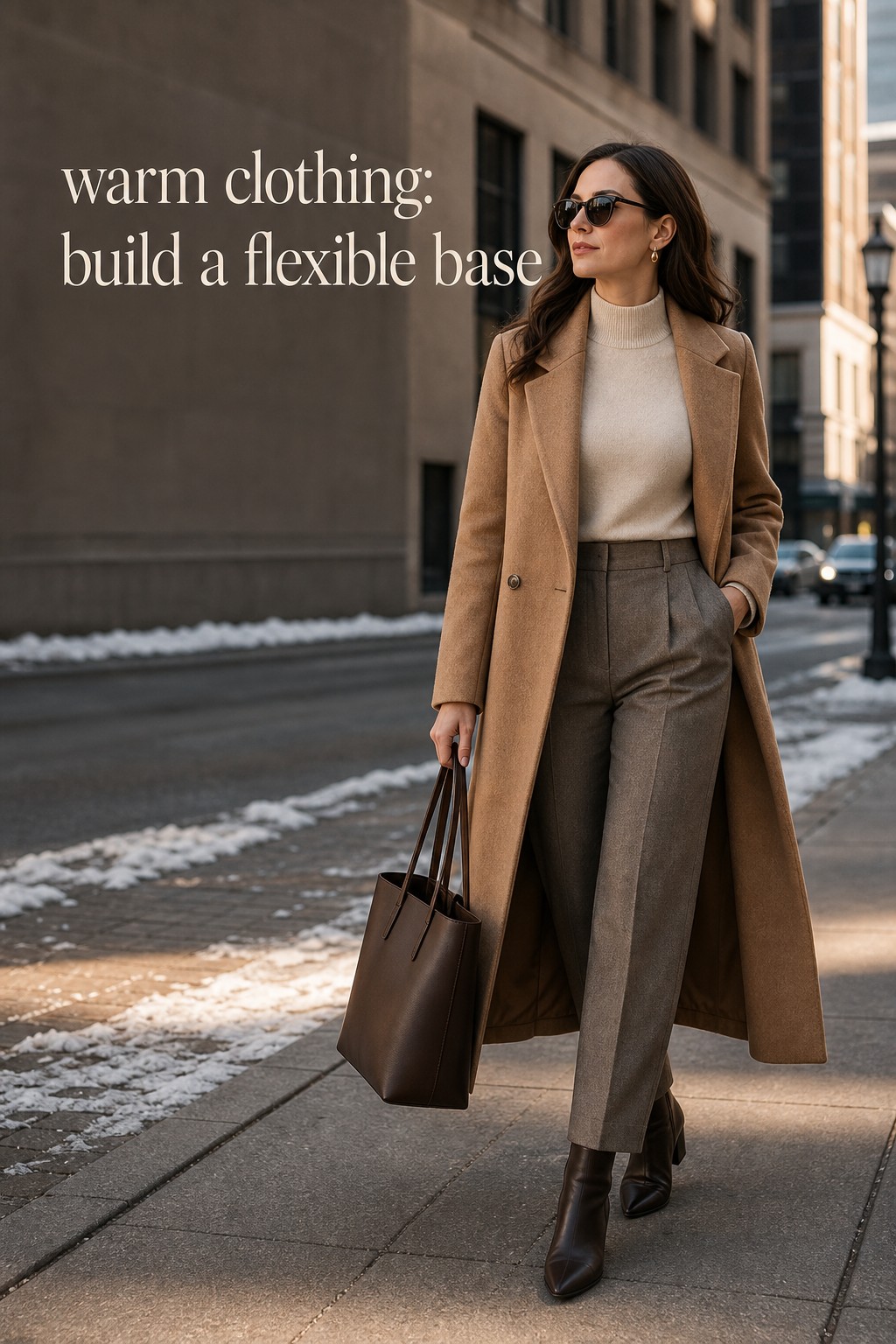
Warm clothing works best when you compare the whole system
Start with five criteria: warmth, moisture management, weather protection, mobility, and care. Warmth is obvious, but it is only one part of comfort. A very insulating jacket can feel cold if wind enters through the collar or if sweat makes the inner layer damp. A thin merino top can be more useful than a heavy cotton sweatshirt when you are moving between outdoors and a heated interior. A beautiful coat can become impractical if there is no room for a sweater underneath.
The Fashion-Note Edit
Five effortless pieces to refresh your everyday wardrobe
A polished, practical edit for workdays, weekends, and everything in between.

The Drop
Women’s Blake Long Blazer
A longline, tailored blazer with a notched collar and a single-button closure—an easy layer for denim, dresses, or office-ready looks.
Shop the blazer
Amazon Essentials
Women’s Lightweight Crewneck
A soft, lightweight sweater with a clean crew neckline—the kind of reliable layer that works from cool mornings to air-conditioned spaces.
Shop the sweater
Amazon Essentials
Women’s Loafer Flat
A classic flat loafer that gives casual outfits a more polished finish and pairs naturally with tailored pants, skirts, and straight-leg jeans.
Shop the loafers
Levi’s
Women’s 501 90s Jeans
A relaxed, vintage-inspired take on the iconic 501 silhouette—made for an easy, lived-in look without the thrift-store search.
Shop the jeans
Colorfulkoala
High-Waisted 7/8 Leggings with Pockets
Soft, four-way-stretch leggings with side pockets and a high-rise waistband—designed for movement, errands, and off-duty comfort.
Shop the leggings
Affiliate disclosure: This section contains affiliate links. If you make a purchase through these links, I may earn a commission at no additional cost to you. Product selection, pricing, availability, and delivery terms may change—please review the current details on Amazon before purchasing.
As an Amazon Associate I earn from qualifying purchases.
- Warmth: How much still air can the clothing trap around your body?
- Moisture: Can sweat move away from the skin and dry without leaving you chilled?
- Weather: Does the outer layer block wind, rain, sleet, or snow?
- Mobility: Can you walk, sit, drive, carry a bag, and raise your arms comfortably?
- Care: Will the garment survive your laundry routine and dry quickly enough for regular use?
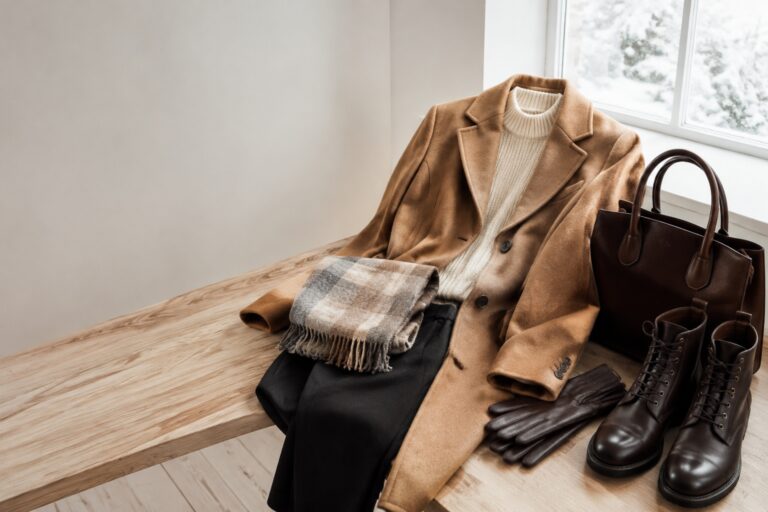
Think of each layer as having a job. The base layer manages the relationship between your skin and the clothing. The middle layer creates insulation. The outer layer protects the system from the weather. Accessories close the gaps around your head, neck, hands, and feet. A coat alone cannot solve a wet base layer, a drafty neckline, or thin socks inside cold boots.
Your wedding style is personal.
Your plan should feel that way, too.
Zarellea keeps your guest list, budget, vendors, and every next step beautifully organized — so you can focus on the moments that feel like you.
Fit matters because insulation needs a little space, but too much empty volume can let warm air escape. A base layer should lie smoothly without squeezing. A midlayer should allow movement and sit comfortably under a coat. The outer layer should not compress a thick sweater so tightly that it loses loft. Check the shoulders, armholes, zipper, and hem while wearing the layers together, not one piece at a time.
Base layers: wool, synthetics, and everyday alternatives
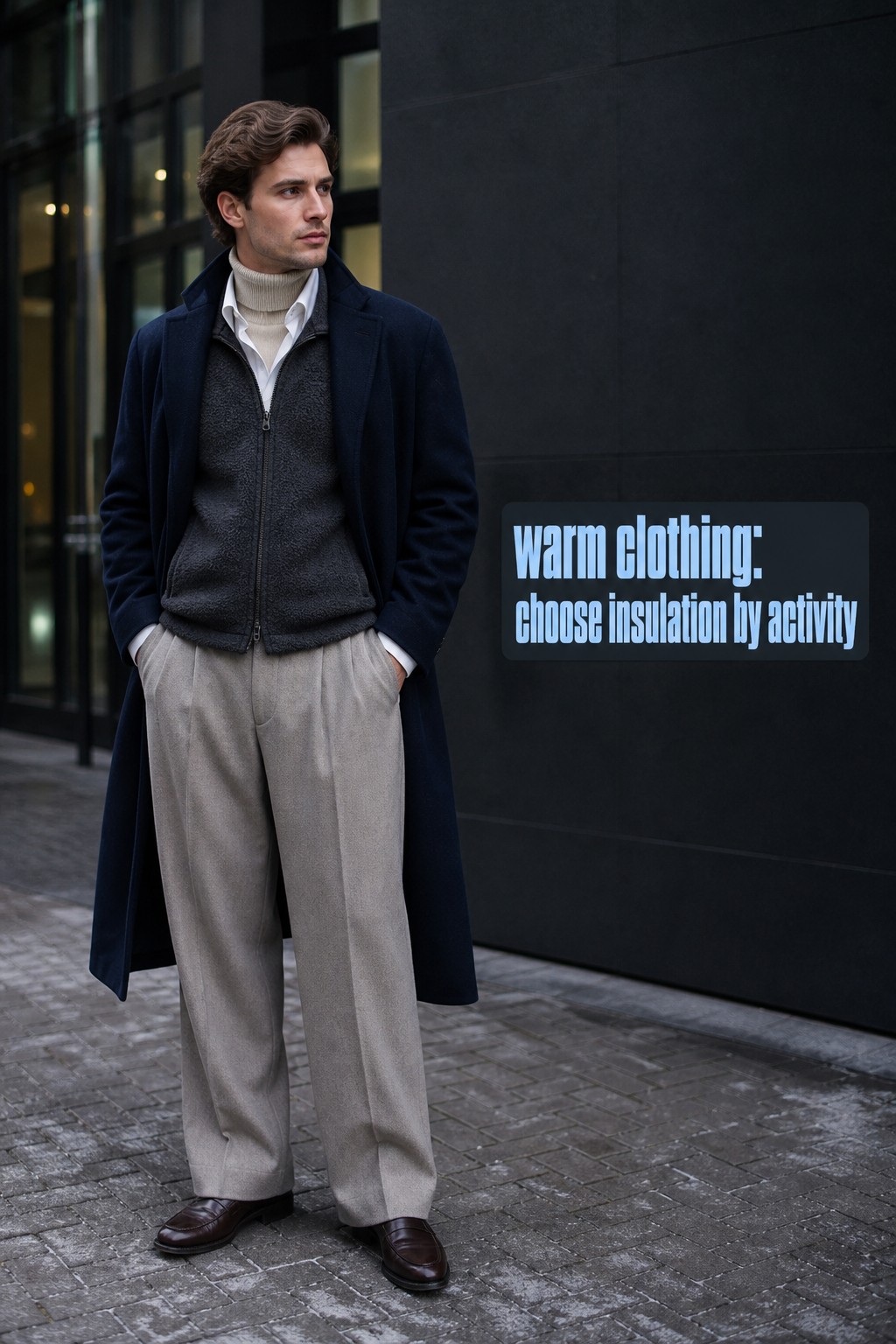
The base layer is the first decision because it controls comfort for the rest of the outfit. Its job is to sit close enough to the body to move moisture while leaving you free to add layers. A long-sleeve thermal, fitted merino top, lightweight mock neck, or smooth camisole can all work, depending on the temperature and activity level.
Merino wool for temperature changes
Fine merino wool is valued because it can insulate, breathe, and manage odor while remaining comfortable across changing temperatures. It is especially useful for travel, commuting, and long days when you may not be able to change clothes. Merino can be worn under a shirt, a sweater, or a dress. Choose a smooth, lightweight version if you want it to disappear under other pieces.
The trade-offs are price, durability, and personal sensitivity. Some wool feels itchy, and fine fibers can need gentler washing. Look for a blend if you want extra strength or a lower cost. A high-quality wool base layer is not automatically the best choice for every person, but it is a strong option when you want warmth without a bulky appearance.
Synthetic base layers for movement and easy care
Polyester, nylon, and polypropylene are common synthetic base-layer fibers. They are often affordable, dry quickly, and handle active days well. Choose a synthetic thermal when you will walk quickly, exercise outdoors, layer under work clothes, or need a garment that can be washed frequently. A close-fitting synthetic top can also be useful under a puffer or shell when the weather is changeable.
Synthetics can hold odor more readily than wool, and some fabrics feel less soft against the skin. Construction matters: flat seams, stretch, a smooth finish, and a neckline that stays flat can make an inexpensive base layer much more wearable. Look for the fabric’s intended activity rather than assuming every thermal top performs the same way.
When cotton is comfortable but not the warmest choice
Cotton tees and sweatshirts are easy, familiar, and perfectly useful for dry, low-intensity indoor days. The problem begins when cotton becomes damp from sweat, rain, or snow. It absorbs moisture and dries slowly, which can make you feel colder after activity or exposure. If you love cotton, use it as an indoor layer or under a protective outfit when you are unlikely to sweat.
Denim has a similar limitation. It may feel substantial, but it is not efficient insulation, and wet denim stays heavy for a long time. For a cold walk, leggings or tights under trousers can supply more comfort than relying on thick jeans alone. A warm outfit is about performance and air pockets, not simply fabric weight.
Insulating layers: compare fleece, wool, down, and knits
The middle layer is where you add most of the heat. This layer can be a sweater, fleece, quilted vest, light puffer, cardigan, or wool overshirt. The best choice depends on how active you are, how much room your coat has, and whether you need to look polished when you arrive.
Fleece for active warmth and quick drying
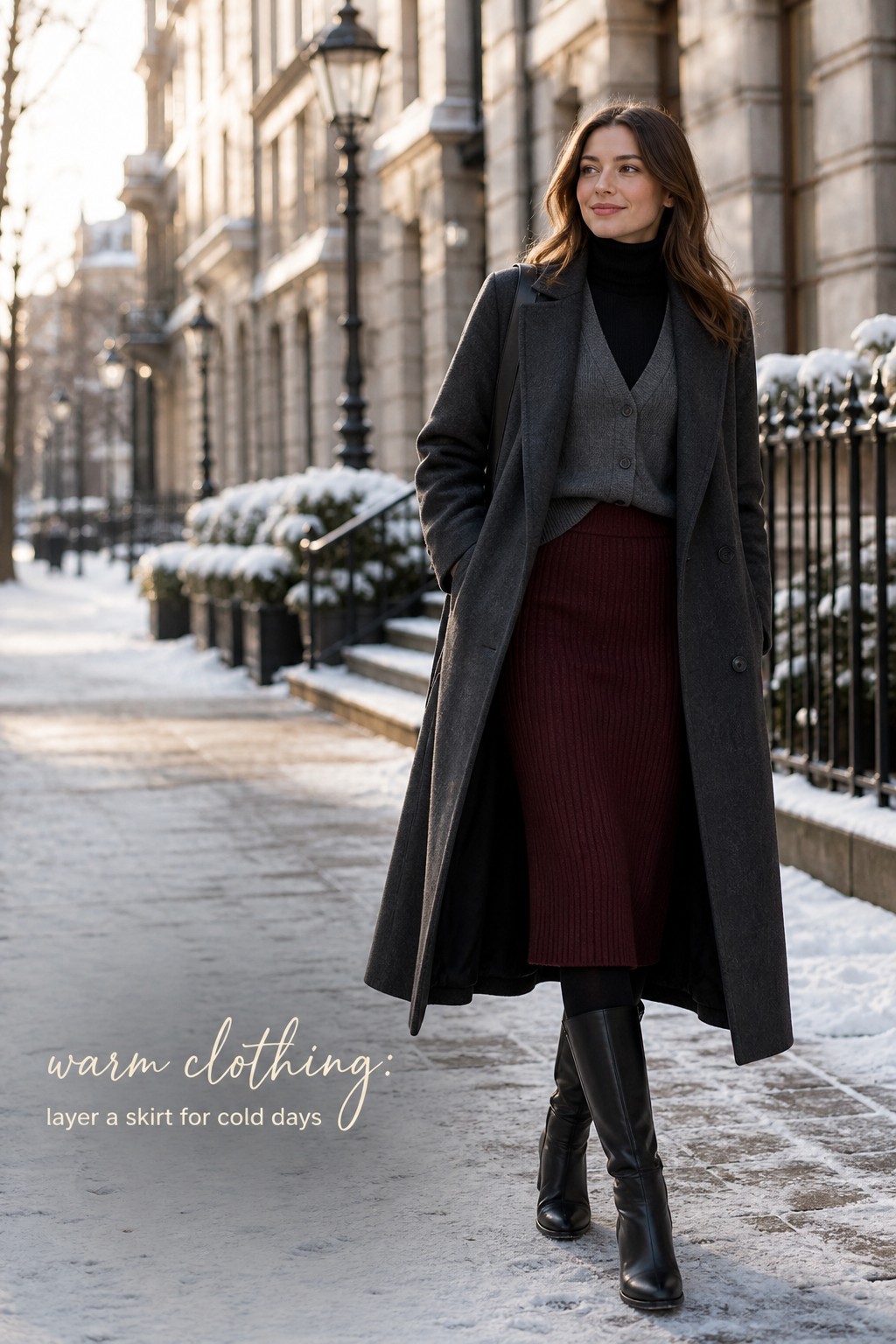
Fleece is light, warm for its weight, and quick to dry. It is a practical choice for walking, outdoor errands, travel, and casual outfits. A fine fleece zip-up can fit under a roomy coat, while a thicker pile fleece can act as the visible statement layer. If your style is more polished, choose a clean-lined fleece jacket in charcoal, cream, navy, or olive and pair it with straight trousers or a midi skirt.
Fleece does not block wind by itself, so it needs a protective outer layer in exposed conditions. It can also create static or look sporty if the rest of the outfit is equally casual. Balance it with a structured bag, a neat boot, or a simple wool coat when the setting calls for more refinement.
Wool and cashmere for polished everyday warmth
Wool sweaters trap air and bring natural structure to an outfit. A medium-weight crew neck, turtleneck, cardigan, or sweater vest can create warmth without the technical look of performance gear. Cashmere is soft and light, but it needs careful care and may not be the most practical outer midlayer for wet commutes. Wool blends can offer a useful compromise between softness, durability, and cost.
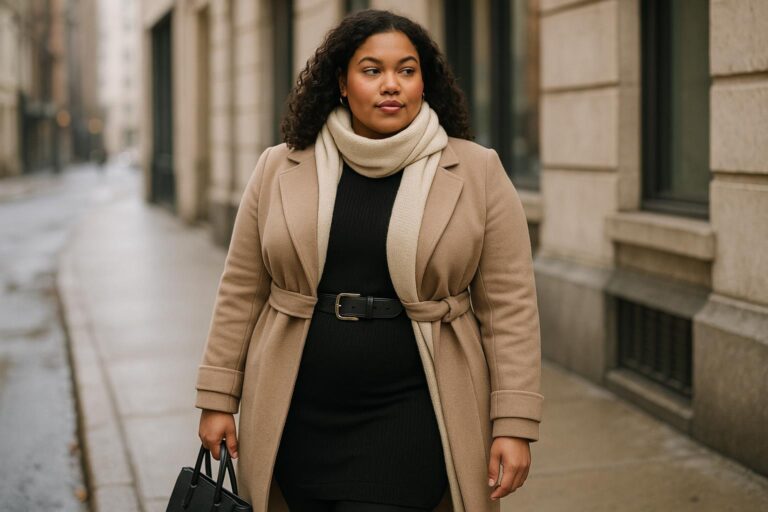
Use proportion to avoid looking swallowed by knitwear. If the sweater is oversized, try a straighter bottom and a visible shoe. If the trousers are wide, choose a shorter sweater, a tucked front, or a defined shoulder. A thin turtleneck under a button-down or blazer gives a polished layered effect without requiring a large sweater.
Down and synthetic insulation for maximum warmth
Down is lightweight and highly compressible, making it effective when you need substantial warmth without a heavy garment. It performs best when kept dry and allowed to retain its loft. Synthetic insulation is often a better choice for damp conditions because it can continue to provide warmth when moisture is present and usually dries more easily.
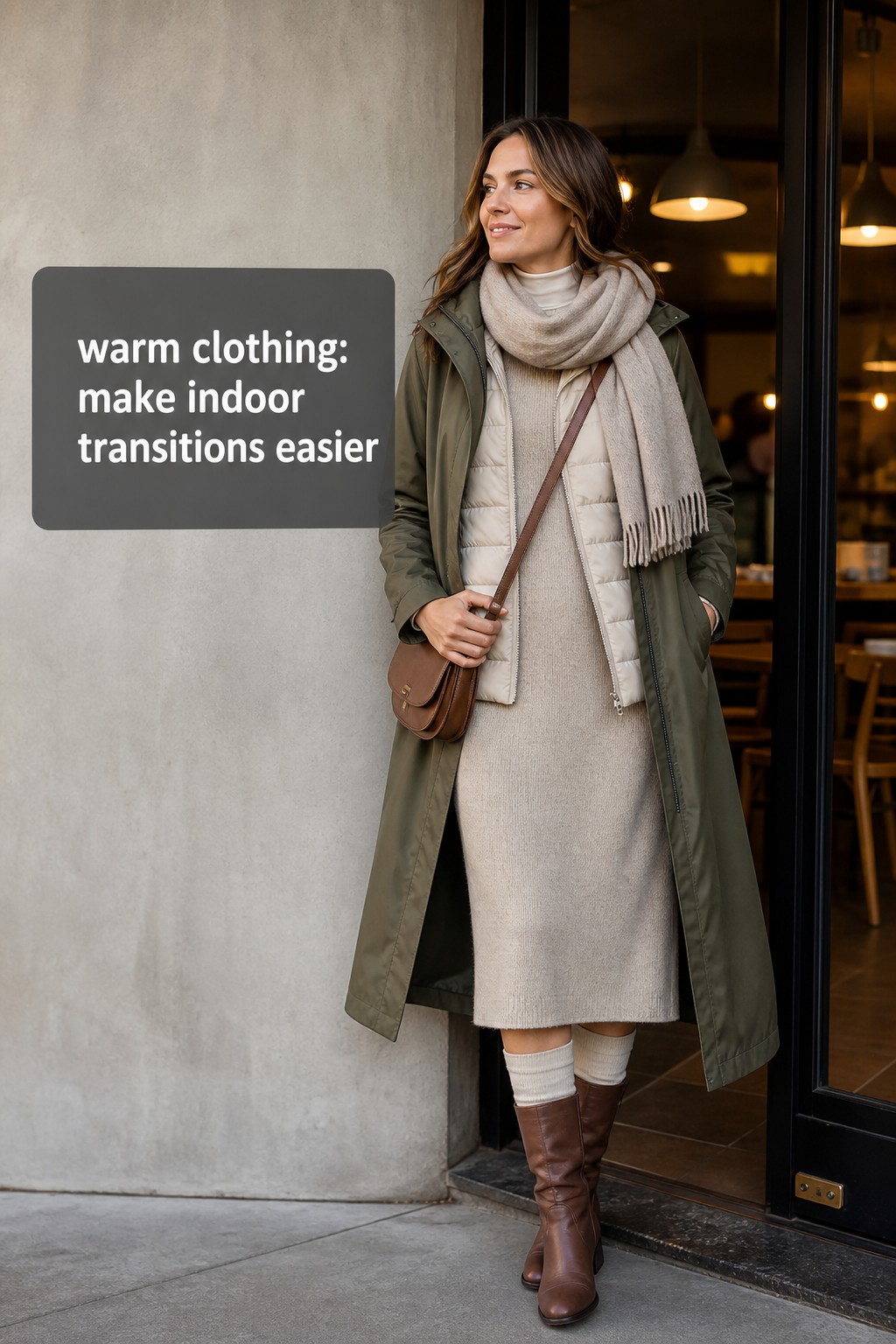
A thin insulated vest can warm the core while leaving your arms free. It works over a knit dress, under a coat, or between a base layer and an overshirt. A full puffer is better for stillness, severe cold, and exposed wind. To keep the silhouette intentional, pair a larger puffer with streamlined leggings, straight jeans, or compact boots rather than adding volume everywhere.
Choose warm clothing by situation, not by one universal formula
There is no single best warm clothing combination. Use your activity, weather, and indoor plan to choose the level of protection. The following comparisons are useful starting points for a normal wardrobe.
For a daily commute and indoor office
Start with a smooth base layer, a fine knit or shirt, and a wool coat or weather-resistant coat with enough room. Add tailored trousers, tights under a skirt, and comfortable ankle boots. A scarf can close the neckline outdoors and come off indoors. If your office is warm, choose two lighter layers rather than one extremely thick sweater. This gives you control without making your desk outfit uncomfortable.
For long outdoor walks and active errands
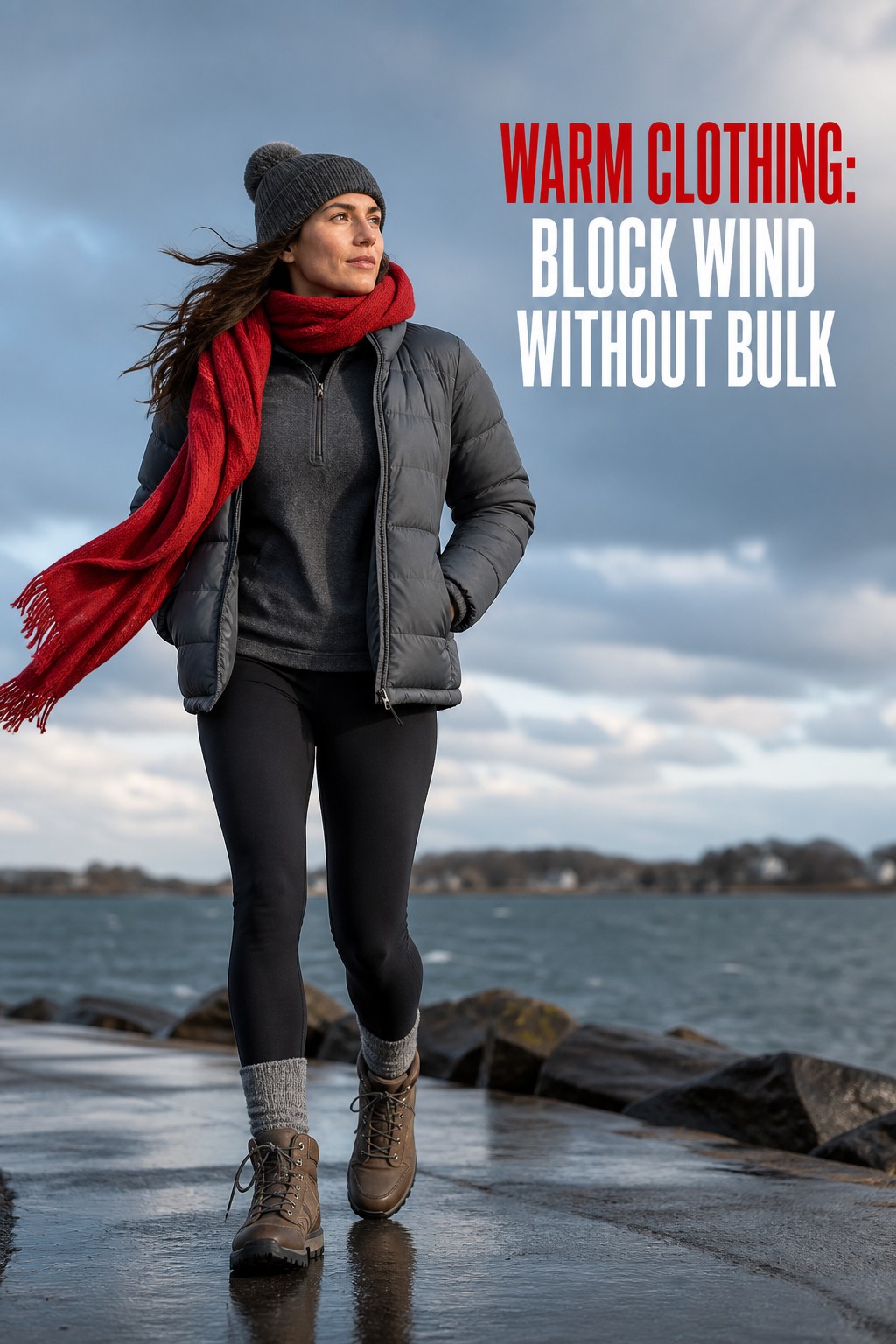
Use a moisture-managing base, fleece or light insulation, and a wind-resistant outer layer. Add wool socks and shoes with enough grip for the route. A hat and gloves often improve comfort more than adding another bulky torso layer. Keep the fit close enough that fabric does not flap in the wind, but loose enough for a full stride and natural arm movement.
For wet, windy, or snowy weather
Prioritize the protective outer layer. A warm sweater cannot do its job if rain soaks through it or wind strips away the heat. Choose a coat with a hood or pair it with a water-resistant hat, and check the cuffs, hem, zipper, and collar. Wear quick-drying or wool layers beneath it, then select waterproof footwear with room for warm socks. Avoid making the outfit so tight that the insulation is compressed.
For severe cold and standing still
Layer a thermal top and bottom, an insulating midlayer, and a windproof or water-resistant insulated coat. Add a long hem when practical because it protects more of the body than a short jacket. Use mittens if your hands become cold quickly, wool socks that do not make the boots tight, and coverage for the ears and neck. If skin becomes numb, painful, pale, or unusually hard, go indoors and seek appropriate medical help rather than trying to style your way through dangerous exposure.
For a polished outfit with less bulk
Choose a thin base, one high-quality insulating layer, and a clean outer coat. A merino mock neck under a blazer and wool coat can look sharper than several casual sweatshirts. An insulated vest under a tailored coat adds warmth without changing the sleeve shape. Tights, tall boots, and a long skirt create a warm column, while a defined waist or structured bag keeps the outfit from feeling shapeless.
Common warm clothing mistakes and the better adjustment
- Wearing one giant sweater: Add a thin base and a protective coat so the warmth is distributed and adjustable.
- Making every layer loose: Keep the base smooth and use one controlled volume point instead of oversized pieces throughout.
- Ignoring the feet: Use wool or technical socks and make sure boots are not so tight that circulation is restricted.
- Choosing a coat for appearance alone: Test it over your actual sweater and check the collar, cuffs, pockets, and movement.
- Using cotton for high-output activity: Switch to wool or synthetic fibers when sweat and drying time matter.
- Forgetting indoor transitions: Select removable layers, zip fronts, or a vest rather than a single heavy item.
- Buying warmth without a plan: Ask which specific cold-weather problem the garment solves and how many outfits it can join.
Before buying another warm piece, make three test outfits from what you already own. Try a commute look, an active outdoor look, and a polished indoor look. Note where the system fails. Perhaps you need a better base layer, not another coat. Perhaps your hands are cold because the gloves are too thin, or your legs need thermal tights. Small, targeted improvements usually create more comfort than repeating the same type of purchase.
Warm clothing can still express personal style. Repeat a color through your scarf and bag, use a bright sweater under a neutral coat, or choose one interesting texture such as shearling, corduroy, brushed wool, or quilted nylon. Keep the functional structure underneath the visual choices. When warmth, movement, and weather protection are solved first, styling becomes easier and more creative.
FAQ
What is the warmest clothing material?
No single material is warmest in every situation. Wool and down can provide excellent insulation, while fleece and synthetic insulation offer useful warmth with quick drying. The best choice depends on whether you are active, exposed to wind or rain, standing still, and able to care for the garment properly.
Is wool warmer than synthetic clothing?
Wool is naturally insulating, breathable, and useful across temperature changes. Synthetics are often lighter on the budget, quick drying, and durable for active use. A wool-synthetic blend can combine softness and odor resistance with strength, so compare the garment’s construction and intended activity rather than choosing by fiber name alone.
What should I wear under warm clothing?
Choose a smooth base layer that manages moisture and allows comfortable movement. Merino wool, polyester, nylon, or a purpose-made thermal can work well. Avoid a base that is so tight it restricts breathing or so loose that it bunches beneath the next layer.
How many layers should I wear in cold weather?
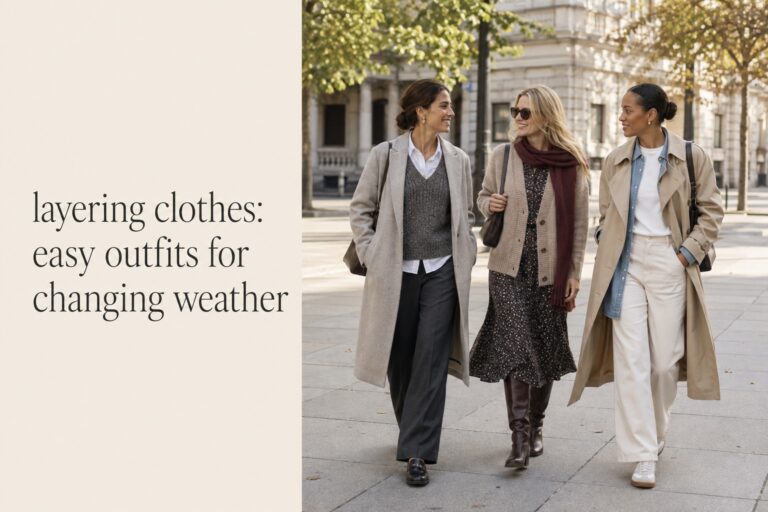
Begin with a base, add insulation, and finish with weather protection. You may need more or fewer pieces depending on temperature, wind, activity, and time outside. Several light layers are easier to adjust than one bulky garment, especially when you move between a cold street and a heated building.
Are cotton clothes good for keeping warm?
Cotton can be comfortable for dry, low-activity indoor wear, but it absorbs moisture and dries slowly. For exercise, long outdoor exposure, rain, or snow, wool or synthetic base layers are usually more dependable. If you wear cotton, protect it with a suitable outer layer and avoid relying on it as your only insulation.
How can I stay warm without looking bulky?
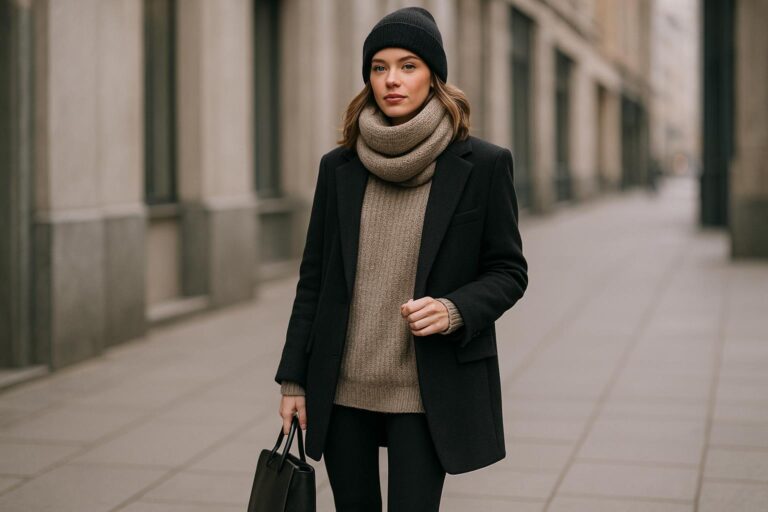
Use a thin base, one effective insulating layer, and an outer coat with enough room to preserve loft. Balance a larger coat with a straighter bottom or streamlined boot, and use long vertical lines, tonal colors, or a defined waist to clarify the silhouette. Warmth and polish usually improve when every layer has a clear job.
The most useful warm clothing is clothing you can adjust, move in, and repeat. Build around your actual weather and schedule, choose fibers for the work they need to do, protect the system from wind and moisture, and let accessories close the gaps. That approach keeps you warmer while making everyday winter dressing much less complicated.
Finish the look
The little extras that make a summer outfit feel complete
From beach days to city weekends, these easy pieces bring comfort, texture, and a polished finishing touch.

FENBEN
Straw Hobo Crossbody Bag
A handwoven straw bag with both short and crossbody straps—an effortless finishing touch for vacation looks and warm-weather outfits.
Shop the bag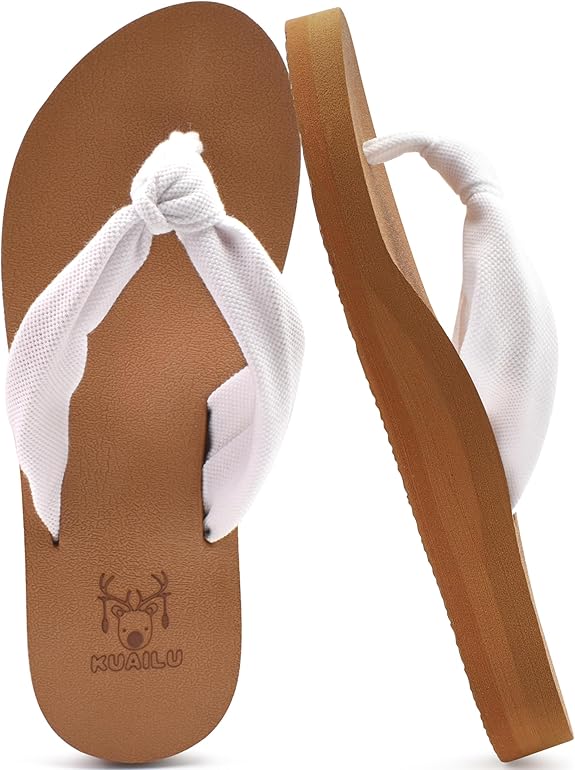
KuaiLu
Flip Flops with Arch Support
Cushioned, lightweight sandals with supportive arch design—a practical choice for beach trips, errands, and long summer walks.
Shop the sandals
baleaf
Athletic One-Piece Swimsuit
A functional one-piece with adjustable straps and moderate coverage, designed for swimming, training, surfing, and active beach days.
Shop the swimsuit
Astylish
Linen-Cotton Button-Down Shirt
A relaxed cotton-linen shirt with a collared V-neck and roll-up sleeves—easy to style over swimwear or with denim and shorts.
Shop the shirt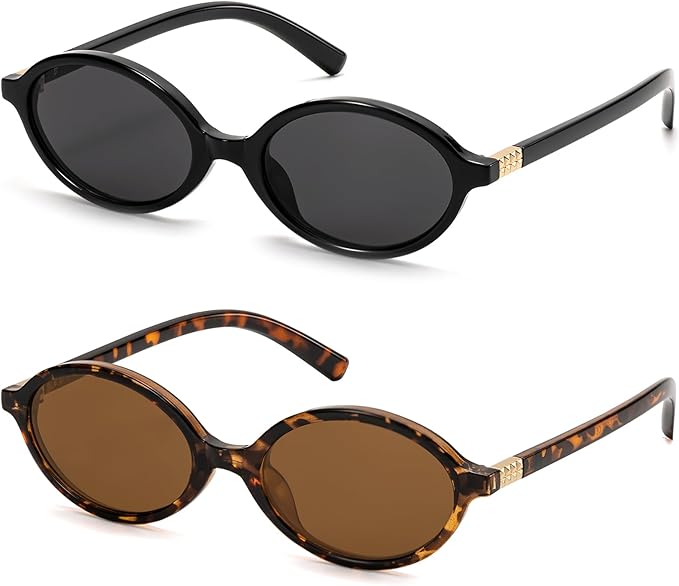
ViewJoy
Retro Oval Sunglasses
Small oval sunglasses with a 90s-inspired silhouette and UV400 lens protection—a quick way to add a vintage edge to everyday looks.
Shop the sunglasses
Affiliate disclosure: This section contains affiliate links. If you make a purchase through these links, I may earn a commission at no additional cost to you. Product selection, pricing, availability, and delivery terms may change—please review the current details on Amazon before purchasing.
As an Amazon Associate I earn from qualifying purchases.