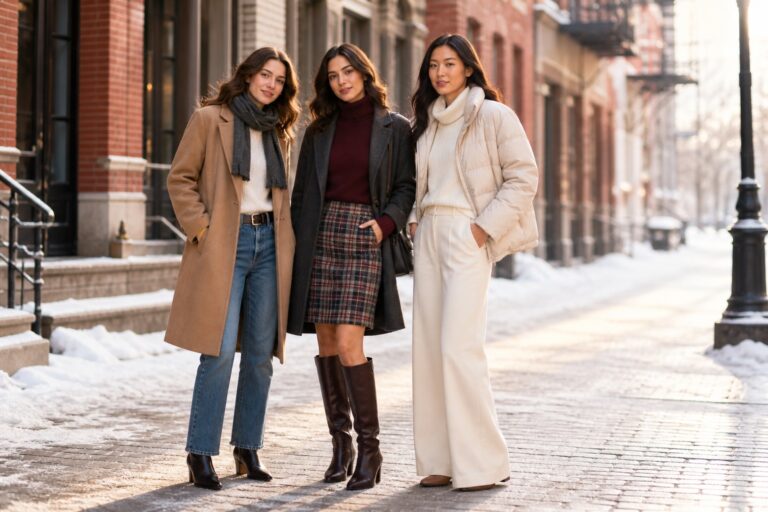
Winter Work Outfits for Women That Stay Warm
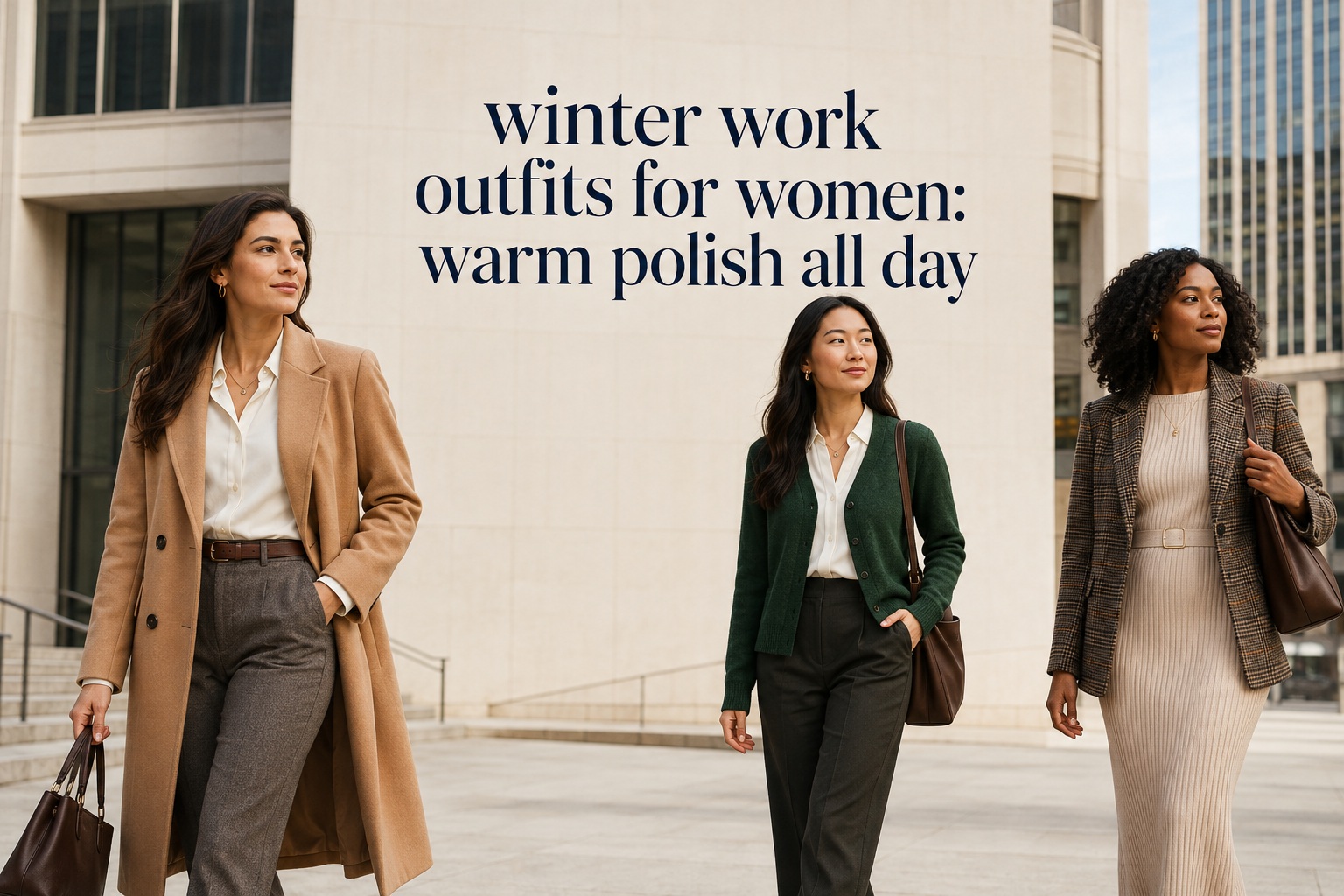
The hardest part of winter workwear is not finding a beautiful coat. It is building an outfit that survives the entire day. You may leave home in freezing wind, walk several blocks, sit in a warm conference room, move through a drafty hallway, and still need to look professional at dinner. The outfit has to handle weather, movement, office expectations, and the uncomfortable gap between being cold outside and overheated indoors.
The most reliable winter work outfits for women are built as flexible systems. A breathable base layer prevents bulk, a structured middle layer creates polish, and a weather-ready outer layer handles the commute. From there, the right trousers, dress, skirt, shoes, and accessories depend on your workplace and your schedule. This guide names the common points of friction first, then gives practical formulas for solving them without buying an entirely new wardrobe.
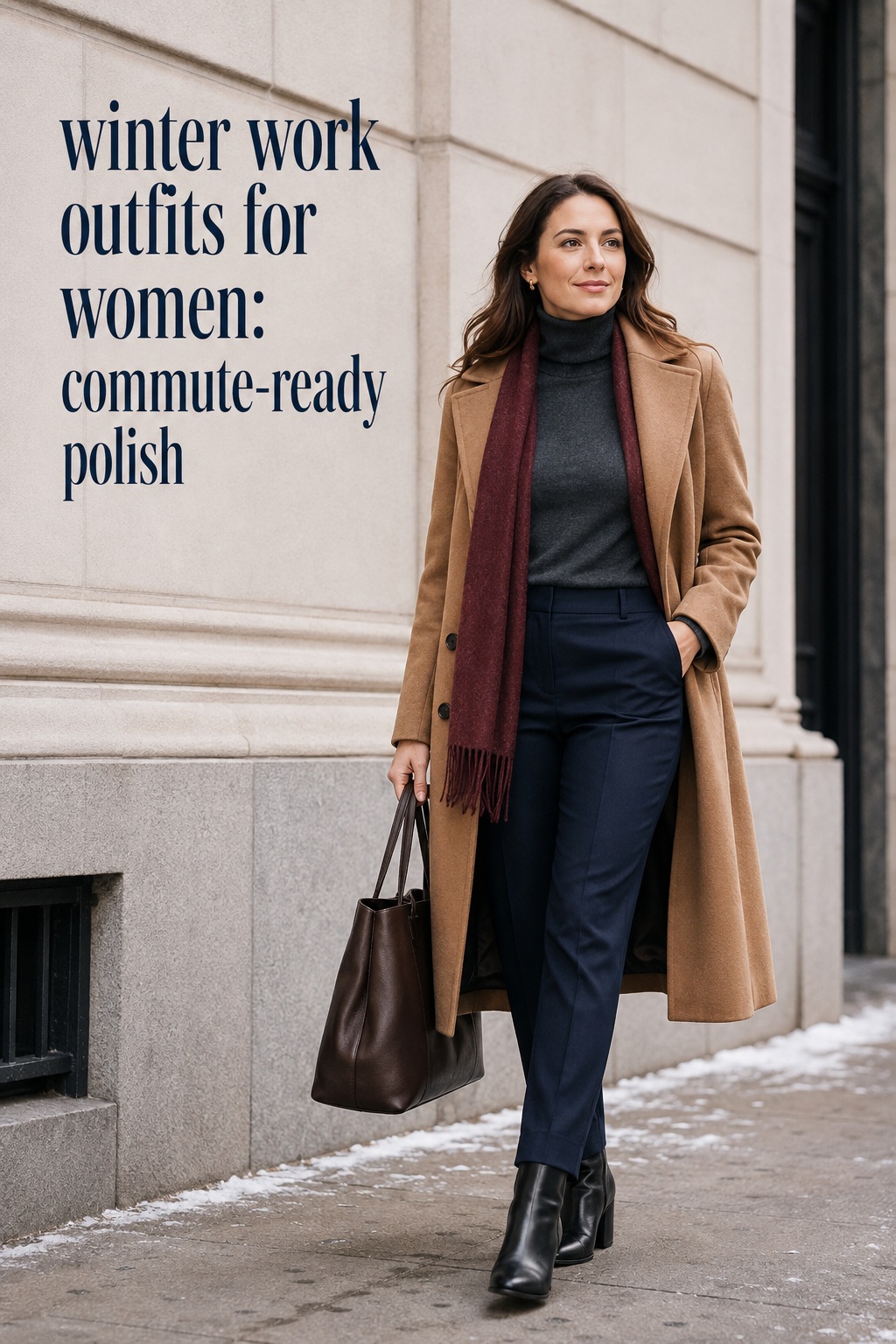
Why winter work outfits become difficult in the first place
Winter dressing becomes frustrating when one outfit is expected to perform several unrelated jobs. Your coat must block wind, but it also needs to fit over a blazer. Your shoes must look appropriate at work, but they also need traction on wet sidewalks. Your sweater should keep you warm, but it cannot be so bulky that you feel trapped at your desk. The solution is to stop asking one item to solve every problem.
The Fashion-Note Edit
Five effortless pieces to refresh your everyday wardrobe
A polished, practical edit for workdays, weekends, and everything in between.

The Drop
Women’s Blake Long Blazer
A longline, tailored blazer with a notched collar and a single-button closure—an easy layer for denim, dresses, or office-ready looks.
Shop the blazer
Amazon Essentials
Women’s Lightweight Crewneck
A soft, lightweight sweater with a clean crew neckline—the kind of reliable layer that works from cool mornings to air-conditioned spaces.
Shop the sweater
Amazon Essentials
Women’s Loafer Flat
A classic flat loafer that gives casual outfits a more polished finish and pairs naturally with tailored pants, skirts, and straight-leg jeans.
Shop the loafers
Levi’s
Women’s 501 90s Jeans
A relaxed, vintage-inspired take on the iconic 501 silhouette—made for an easy, lived-in look without the thrift-store search.
Shop the jeans
Colorfulkoala
High-Waisted 7/8 Leggings with Pockets
Soft, four-way-stretch leggings with side pockets and a high-rise waistband—designed for movement, errands, and off-duty comfort.
Shop the leggings
Affiliate disclosure: This section contains affiliate links. If you make a purchase through these links, I may earn a commission at no additional cost to you. Product selection, pricing, availability, and delivery terms may change—please review the current details on Amazon before purchasing.
As an Amazon Associate I earn from qualifying purchases.
Start by separating the day into three environments: outside, transit, and indoors. Outside requires protection from wind, moisture, and low temperatures. Transit requires easy movement and a bag that will not fight your layers. Indoors requires a polished outfit that can stand alone after the coat and perhaps one middle layer come off. When you plan those environments separately, a winter work outfit feels much less like a compromise.
Your wedding style is personal.
Your plan should feel that way, too.
Zarellea keeps your guest list, budget, vendors, and every next step beautifully organized — so you can focus on the moments that feel like you.
- Cold commute: protect your neck, hands, ankles, and feet, not only your torso.
- Public transit: choose layers that allow you to sit, hold a rail, and carry your bag without constant adjusting.
- Warm office: make sure the base outfit looks complete after the coat is removed.
- Dress code: use the most formal requirement of the day as your anchor, then soften it with texture or color.
- Long schedule: select shoes and fabrics you can wear for hours rather than for a single entrance.
It also helps to distinguish warmth from visual heaviness. A thick sweater is not automatically warmer or more comfortable than a thin merino or thermal layer under a wool-blend jacket. A long coat can provide more useful coverage than several bulky tops. Opaque tights, warm socks, and a wind-blocking outer layer often do more for comfort than piling on another sweatshirt. Think about where heat escapes and where the weather reaches you before adding volume.
Your office culture should guide the level of polish. In a formal workplace, a tailored trouser, dress, or skirt can form the base, with knitwear used as the comfortable layer. In a business-casual setting, dark denim, refined sneakers, or a sweater dress may work if they fit the policy. In a creative office, a textural coat, velvet blazer, printed skirt, or unusual accessory can provide personality. The same layering logic works across all three environments.
Build the layers from the inside out
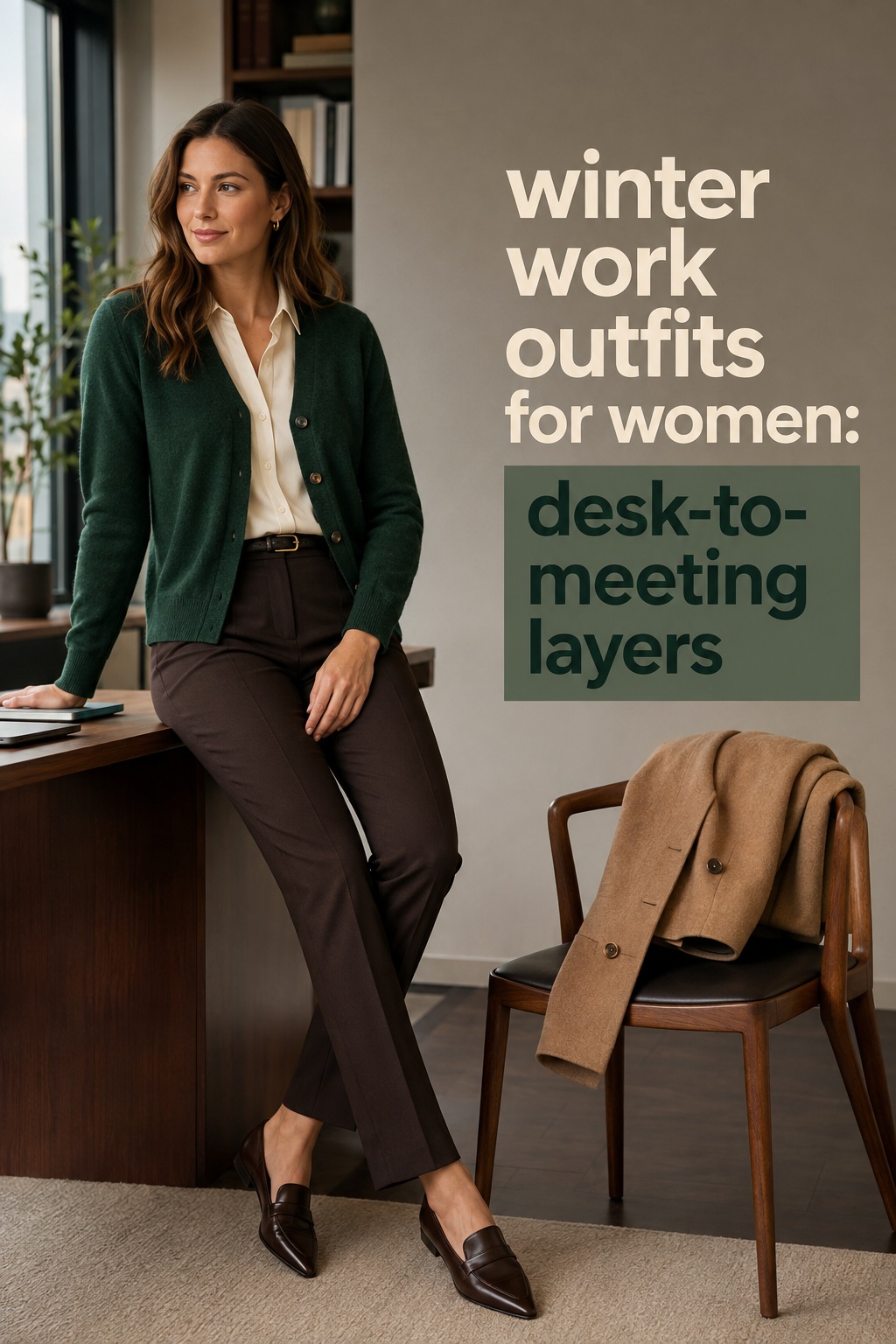
The base layer sits closest to your body, so comfort and breathability matter more than visual drama. A smooth long-sleeve tee, lightweight mock neck, fine merino top, or thin camisole can reduce the need for a heavy sweater. Choose a neckline that works with your next layer. A mock neck looks intentional under a collarless jacket, while a simple crew neck disappears easily under a crewneck knit or blazer.
Do not automatically add a thermal layer under every pair of pants. In some climates, a thin silk or synthetic base can block wind without creating a second bulky waistband. If you wear tights beneath trousers, test the combination while sitting. Too many tight layers can feel restrictive by midafternoon. For skirts and dresses, opaque tights or warm leggings may be the simplest way to add insulation while preserving the line of the outfit.
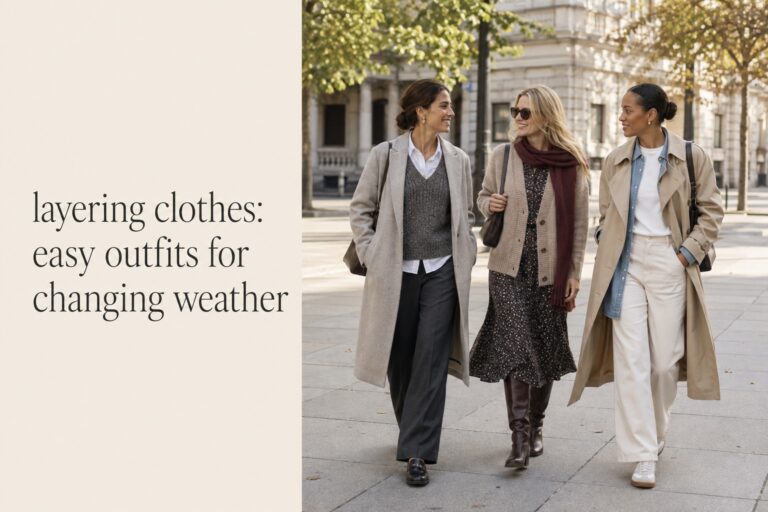
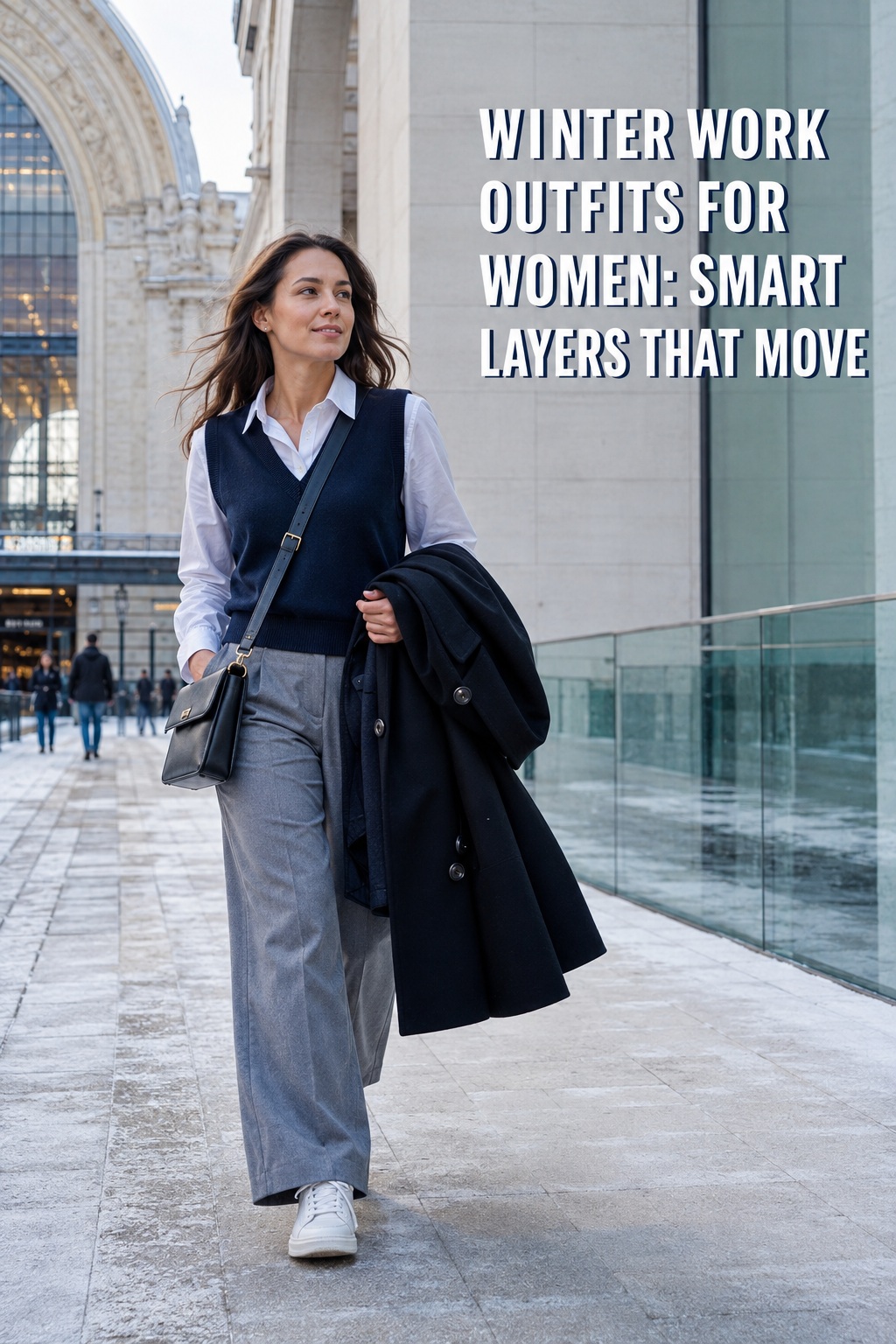
The middle layer provides most of the style. A fine-gauge turtleneck looks sharp with tailored pants. A cardigan softens a button-down and can be removed at your desk. A sweater vest adds dimension without crowding the arms under a coat. A knit jacket gives the structure of a blazer with more comfort. A traditional blazer remains useful, but it may be better carried to the office when your commute is warm or crowded.
- Fine knit: ideal beneath a blazer, coat, or jacket when you want a clean silhouette.
- Cardigan: the easiest third piece for a business-casual office and a useful temperature adjustment.
- Sweater vest: adds warmth at the torso while leaving your arms free for a coat and bag.
- Knit jacket: bridges the space between a cardigan and a tailored blazer.
- Blazer: the strongest polish move for meetings, presentations, and creative-office separates.
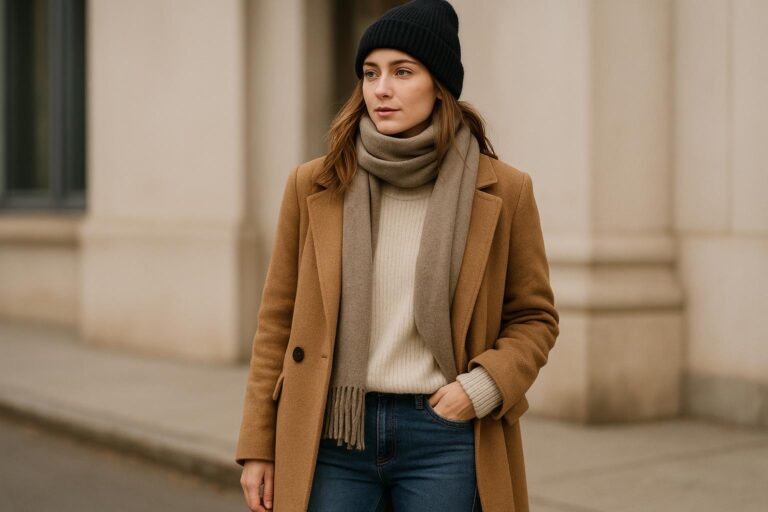
The outer layer should be selected according to your commute, not only your indoor outfit. A long wool coat gives a tailored look and useful coverage. A belted coat defines the waist without needing a complicated outfit underneath. A weather-resistant puffer is practical for long waits, snow, and windy walks, especially when the rest of the look is simple. If you need both warmth and polish, choose a clean shape, restrained hardware, and a color that works with most of your work wardrobe.
Proportion keeps layers from looking accidental. A long coat can work over wide-leg trousers when the hem is controlled and the shoes are substantial enough. A cropped jacket often balances a midi skirt or high-waisted pants. A relaxed sweater looks more intentional with a straighter bottom, while a full trouser can take a closer-fitting knit or shorter jacket. The goal is not to make every garment slim. It is to give the eye a clear shape to follow.
Winter work outfits for women by workday situation
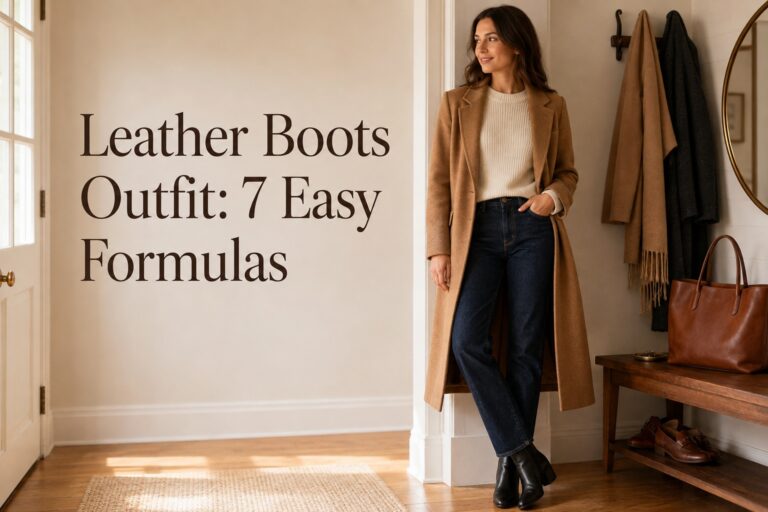
For a freezing commute and a formal office, start with a smooth mock neck, straight or wide tailored trousers, and a blazer that fits without pulling. Wear a long wool coat over the top and commute in weather-ready ankle boots. If your office requires dress shoes, keep a pair at your desk. A leather tote or structured work bag makes the layers look deliberate, while a simple scarf adds warmth without competing with the neckline.
For a business-casual office, try dark straight-leg jeans, a fine knit, and a cardigan or sweater jacket. Choose a polished sneaker, loafer, or low block-heel boot based on the weather and your commute. The combination feels relaxed but still intentional when the jeans are clean, the knit is in good condition, and the third piece has shape. Add a belt or small earrings if the outfit needs definition.
For a presentation day, let one tailored element lead. A matching trouser suit with a lightweight knit underneath is easy to layer. A column of dark trousers and a blazer can look confident without feeling severe. A midi dress with a structured jacket is another strong one-piece solution. Choose a shoe you can stand and walk in, then bring a warm coat that does not crush the shoulders of your presentation layer.
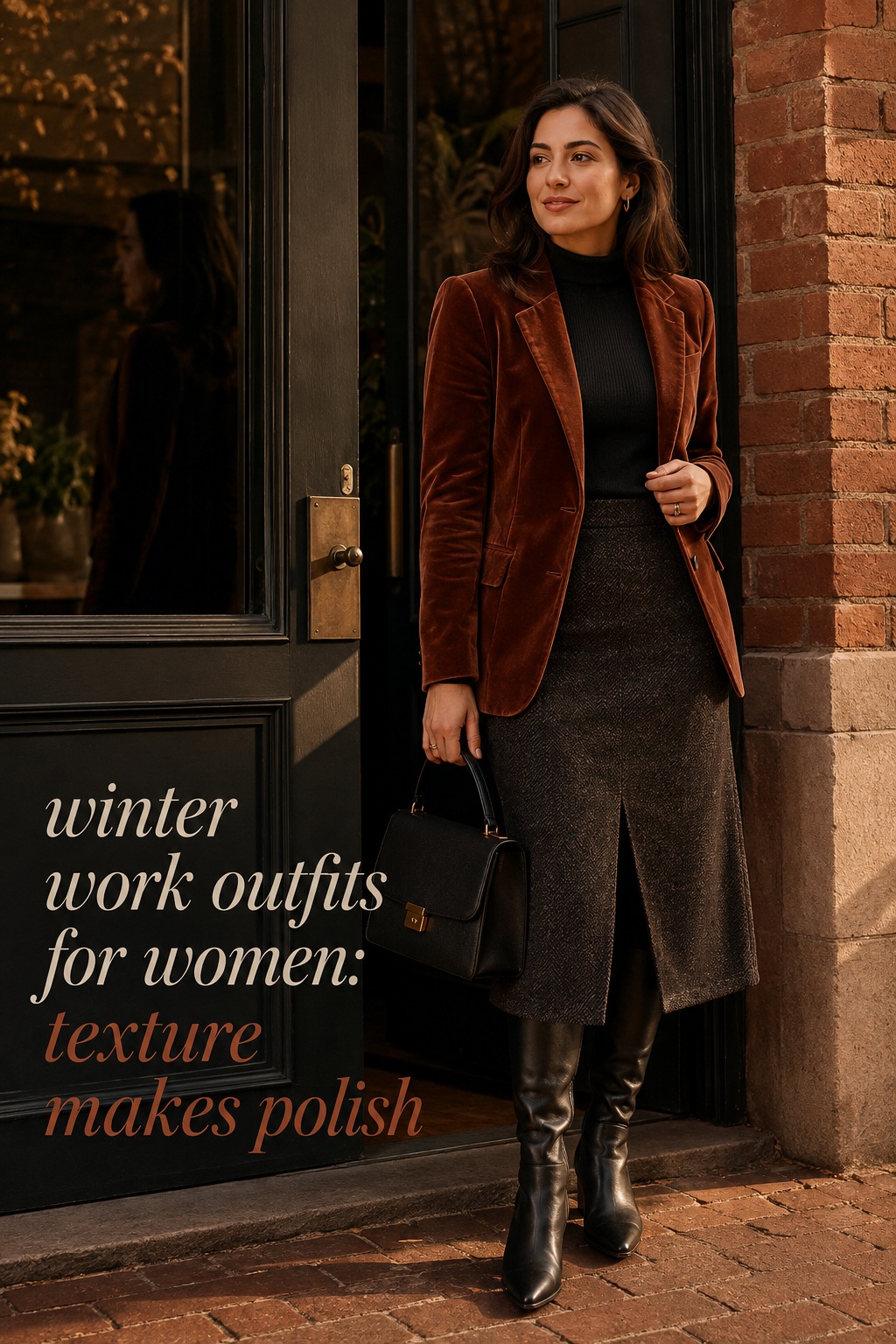
For a creative office, use texture or color instead of excessive decoration. A burgundy sweater with chocolate trousers, a velvet blazer over a simple dress, or an ivory knit with a deep green skirt can feel seasonal and expressive. Keep the practical parts quiet: clean boots, a useful bag, and a coat with enough room for the outfit. One visible focal point is usually more convincing than several competing trends.
For a long day of meetings and errands, choose a base that can handle sitting and movement. Relaxed tailored trousers, a close-fitting tee, and a cardigan provide comfort without looking like loungewear. A crossbody bag may be easier on public transit, but use a tote or backpack if you need to carry a laptop. Finish with supportive shoes and a coat that can be removed easily when you enter a warm building.
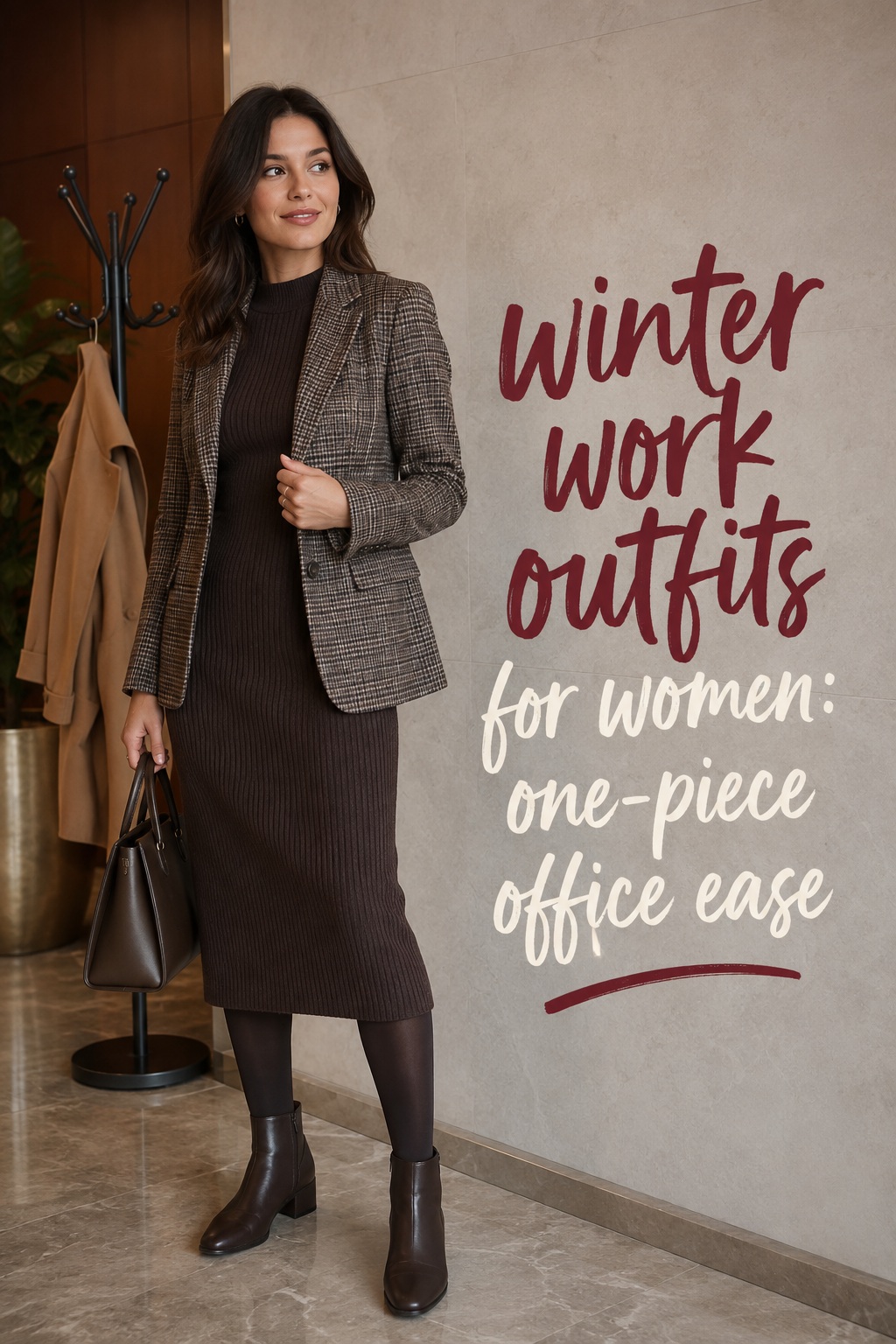
For a dress or skirt outfit, treat hosiery and footwear as part of the warm layer. A knit midi dress works with a tailored coat and knee-high or ankle boots. A pleated skirt can pair with a mock neck, sweater vest, and loafers. Opaque tights create a cleaner, warmer foundation than trying to hide leggings beneath a thin skirt. Check the hem while sitting and walking, especially if your workplace has specific length expectations.
For casual Friday, combine one relaxed item with two work-ready pieces. Dark denim with a turtleneck and blazer is a dependable formula. A knit dress with a long cardigan and neat boots can also work. If you choose sneakers, select a clean, minimal pair and balance them with a structured coat or bag. Save sweatpants, distressed clothing, and overt athletic layers for outside the office unless your policy clearly allows them.
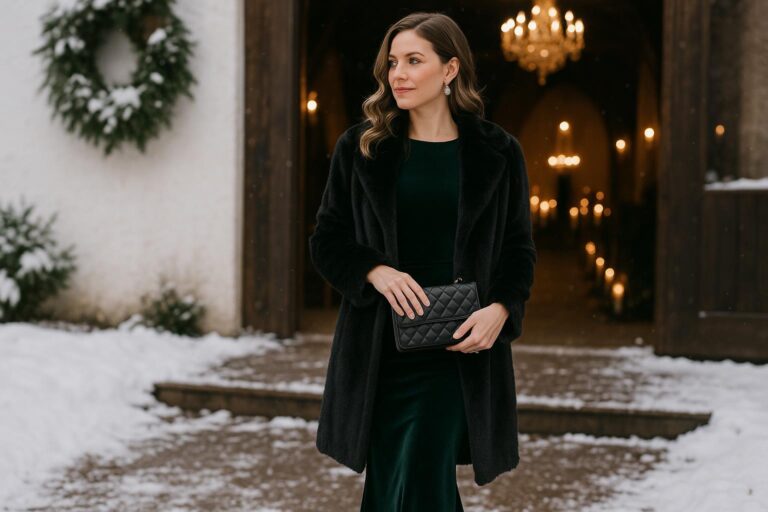
For a holiday office event, add the festive note through fabric or color rather than sacrificing comfort. A velvet blazer over trousers, a satin midi skirt with a fine knit, or a deep-red sweater with a dark suit can transition from work to a gathering. Keep a simple base underneath so you can remove one layer if the venue is warm. Closed-toe boots or low heels are often easier than delicate party shoes during a winter commute.
Fix the most common winter workwear problems
If you are cold outside but overheated inside, stop adding thick layers at the top. Use a breathable base and a removable middle layer, then let the coat handle the commute. Your indoor outfit should be complete without the coat. A cardigan, vest, or jacket is easier to take off than a chunky sweater, and a blazer can be carried or stored until you arrive.
If every outfit feels bulky, examine the sleeves, shoulders, and waistbands first. Two thin layers often sit better than one oversized sweater under a coat. Replace a thick turtleneck with a fine knit and choose a coat with a smooth lining. Keep one garment responsible for volume. A wide trouser can work with a neat top; a substantial sweater can work with a straighter bottom.
If your shoes ruin the outfit or your feet hurt, separate commuting shoes from office shoes when the route is difficult. A weather-ready boot can look polished if it has a clean shape, a stable sole, and room for socks. Keep loafers, flats, or low heels at work and change after arriving. This is not an unnecessary extra step. It protects your feet and lets your indoor outfit look more refined.
If your coat makes professional clothes look casual, check its line and details. A puffer is entirely reasonable in severe weather, but a clean, longer shape will look more intentional than a short, overstuffed style. A belted coat, tailored wool coat, or minimal parka can bridge the gap between protection and polish. Match the formality of the coat to the most formal part of your day.
If you repeat the same sweater and pants combination, change the third piece, shoe, or color relationship. Keep the base and rotate a cardigan, sweater jacket, blazer, coat, scarf, or belt. A tonal outfit in gray, camel, navy, or chocolate will feel different from the same pieces styled with a bright accent. Repeating a successful base is smart; repeating every finishing decision is what creates boredom.
If the office dress code is unclear, dress one level more polished until you understand the norm. You can soften a blazer with a knit or make trousers feel less formal with a refined sneaker if the setting allows it. Check the written policy and observe what colleagues wear for ordinary days, client meetings, and internal events. A flexible cardigan or jacket is useful while you are still learning the culture.
A practical buy-first checklist for winter workwear
You do not need to purchase every item at once. Start with the piece that solves your most repeated problem. If you are shivering on the commute, prioritize a coat or weather-ready boot. If your indoor outfits feel unfinished, prioritize a cardigan, blazer, or knit jacket. If you have plenty of tops but nothing combines easily, look for one versatile bottom in a fabric that works across the season.
- First priority: one outer layer that fits over your most substantial work outfit and handles your local weather.
- Second priority: one comfortable professional shoe with traction or a separate commute shoe.
- Third priority: two thin base layers that work beneath your existing sweaters and jackets.
- Fourth priority: one third piece, such as a cardigan, blazer, or sweater jacket, that changes several outfits.
- Fifth priority: warm hosiery, socks, gloves, or a scarf that addresses the places you actually feel cold.
Before buying, use the three-outfit test. Can the new item work with a trouser outfit, a skirt or dress, and a more relaxed business-casual base? Can you wear it in your real commute conditions? Can you sit, walk, reach, and carry your bag comfortably? Does it fit your laundry and care routine? A piece that passes these questions is more valuable than a dramatic item that works only in one photograph.
Color planning can make a small work wardrobe feel much larger. Choose two or three dependable neutrals, such as black, navy, gray, camel, brown, cream, or denim. Add one or two accents, such as burgundy, forest green, cobalt, rust, or soft blue. You do not need every piece to match exactly. You need enough shared color that a tired morning still produces combinations without extensive thought.
Care is the final styling tool. Remove lint, brush salt from boots, repair loose buttons, and let knitwear rest between wears. Keep a stain wipe, safety pin, hair tie, and compact tote in your work bag. If you remove a layer at the office, give it a place to hang rather than stuffing it under your desk. Winter work outfits look more polished when the practical details are managed as carefully as the silhouette.
The best winter work outfits for women are not the ones with the most pieces. They are the ones that respond to the actual day. Start with a comfortable base, add structure where you need polish, protect yourself from the weather, and keep one layer easy to remove. Once that system is working, color, texture, and accessories become enjoyable choices rather than emergency fixes.
FAQ
What should I wear to work in winter if I commute?
Build an indoor-ready outfit from a breathable base, a professional middle layer, and a weather-appropriate coat. Wear shoes with traction for the commute and keep office shoes at work if necessary. A long coat, warm socks, and a practical bag can protect you without making the outfit look bulky.
How do I stay warm at work without looking bulky?
Use thin layers rather than several thick ones. A smooth thermal or fine knit under a cardigan, blazer, or knit jacket adds warmth while preserving the silhouette. Let the coat provide most of the outdoor protection, and choose only one layer to carry the visible volume of the outfit.
Are sweaters appropriate for winter business casual?
Yes, when the sweater is clean, well-fitting, and styled with work-ready pieces. Pair a fine knit or turtleneck with tailored trousers, a midi skirt, dark denim where allowed, or a structured jacket. Avoid worn-out fabric, distracting graphics, and proportions that make the outfit look like loungewear.
What shoes are best for winter work outfits?
Choose shoes according to both weather and walking distance. Weather-resistant ankle boots, loafers with a stable sole, low block heels, and polished flats can work in different offices. Look for traction, room for warm socks, and a shape that supports your feet. If conditions are severe, commute in practical boots and change at work.
Can I wear a dress or skirt to work in winter?
Yes. Knit dresses, midi dresses, and skirts work well with opaque tights, warm socks, boots, and a coat that provides enough coverage. Add a mock neck, cardigan, blazer, or sweater vest for warmth. Check the hem while sitting and walking, and follow your workplace’s dress-code requirements.
What coat looks professional with winter workwear?
A long wool coat, belted coat, streamlined parka, or cleanly shaped puffer can look professional when it fits over your layers and suits the weather. Neutral colors are easiest to repeat, while a restrained seasonal color can add personality. Prioritize coverage, mobility, and a comfortable shoulder fit over decoration.
How can I make winter work outfits feel less repetitive?
Keep reliable base pieces and rotate the third layer, shoe, color, or accessory. A cardigan, blazer, sweater jacket, scarf, or belt can change the impression without requiring a new outfit. Try tonal combinations one week and a single rich accent color the next. Repeating formulas is efficient; changing one finishing decision keeps them fresh.
Finish the look
The little extras that make a summer outfit feel complete
From beach days to city weekends, these easy pieces bring comfort, texture, and a polished finishing touch.

FENBEN
Straw Hobo Crossbody Bag
A handwoven straw bag with both short and crossbody straps—an effortless finishing touch for vacation looks and warm-weather outfits.
Shop the bag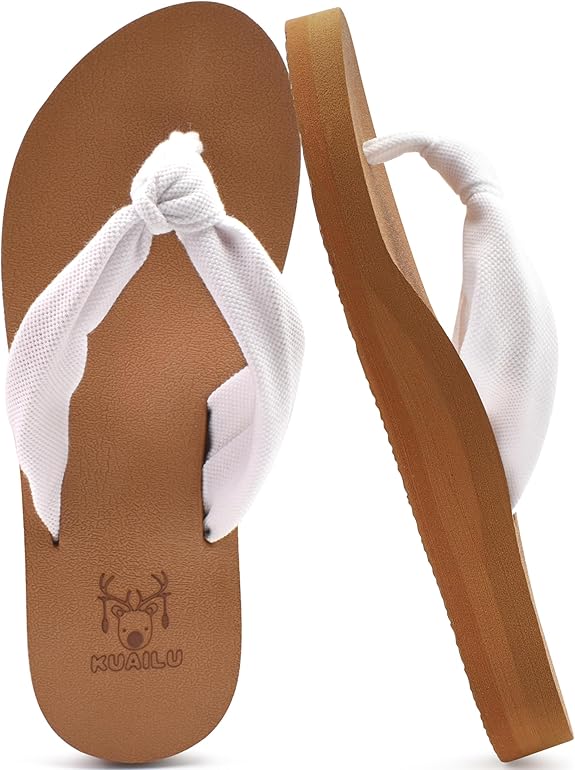
KuaiLu
Flip Flops with Arch Support
Cushioned, lightweight sandals with supportive arch design—a practical choice for beach trips, errands, and long summer walks.
Shop the sandals
baleaf
Athletic One-Piece Swimsuit
A functional one-piece with adjustable straps and moderate coverage, designed for swimming, training, surfing, and active beach days.
Shop the swimsuit
Astylish
Linen-Cotton Button-Down Shirt
A relaxed cotton-linen shirt with a collared V-neck and roll-up sleeves—easy to style over swimwear or with denim and shorts.
Shop the shirt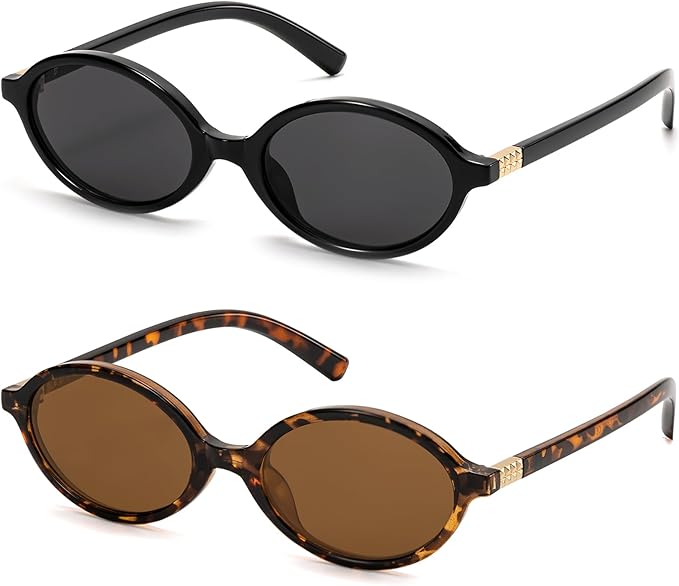
ViewJoy
Retro Oval Sunglasses
Small oval sunglasses with a 90s-inspired silhouette and UV400 lens protection—a quick way to add a vintage edge to everyday looks.
Shop the sunglasses
Affiliate disclosure: This section contains affiliate links. If you make a purchase through these links, I may earn a commission at no additional cost to you. Product selection, pricing, availability, and delivery terms may change—please review the current details on Amazon before purchasing.
As an Amazon Associate I earn from qualifying purchases.