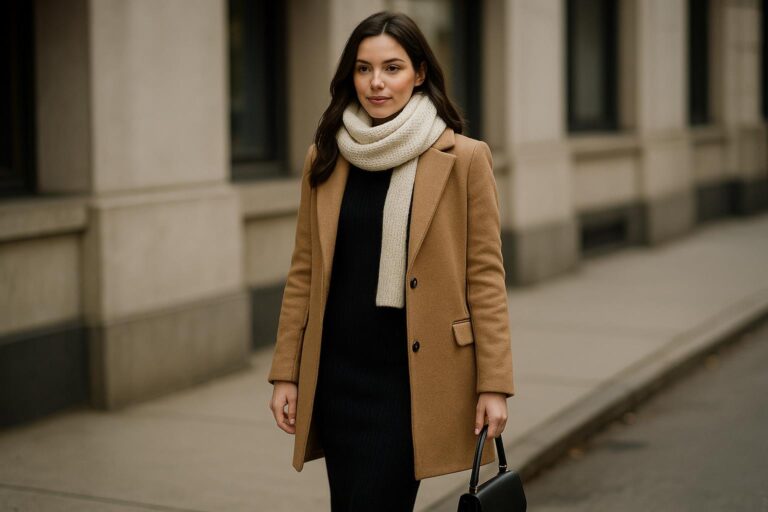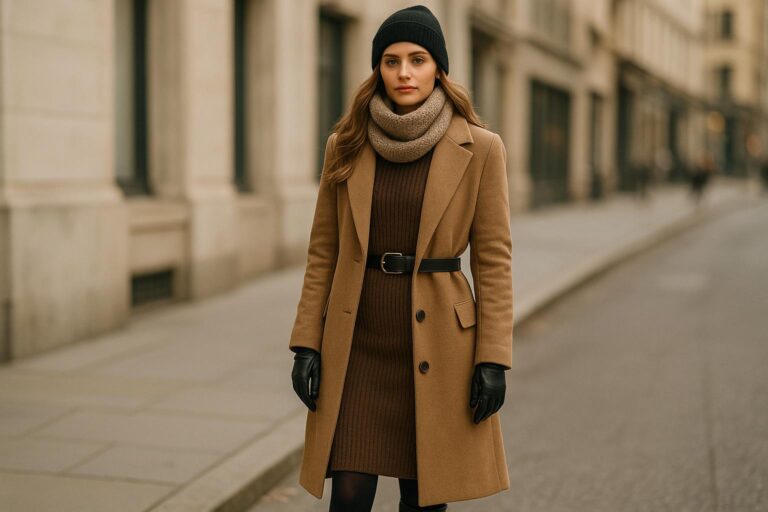
Winter Puffer Jackets: The 2026 Styling Shift
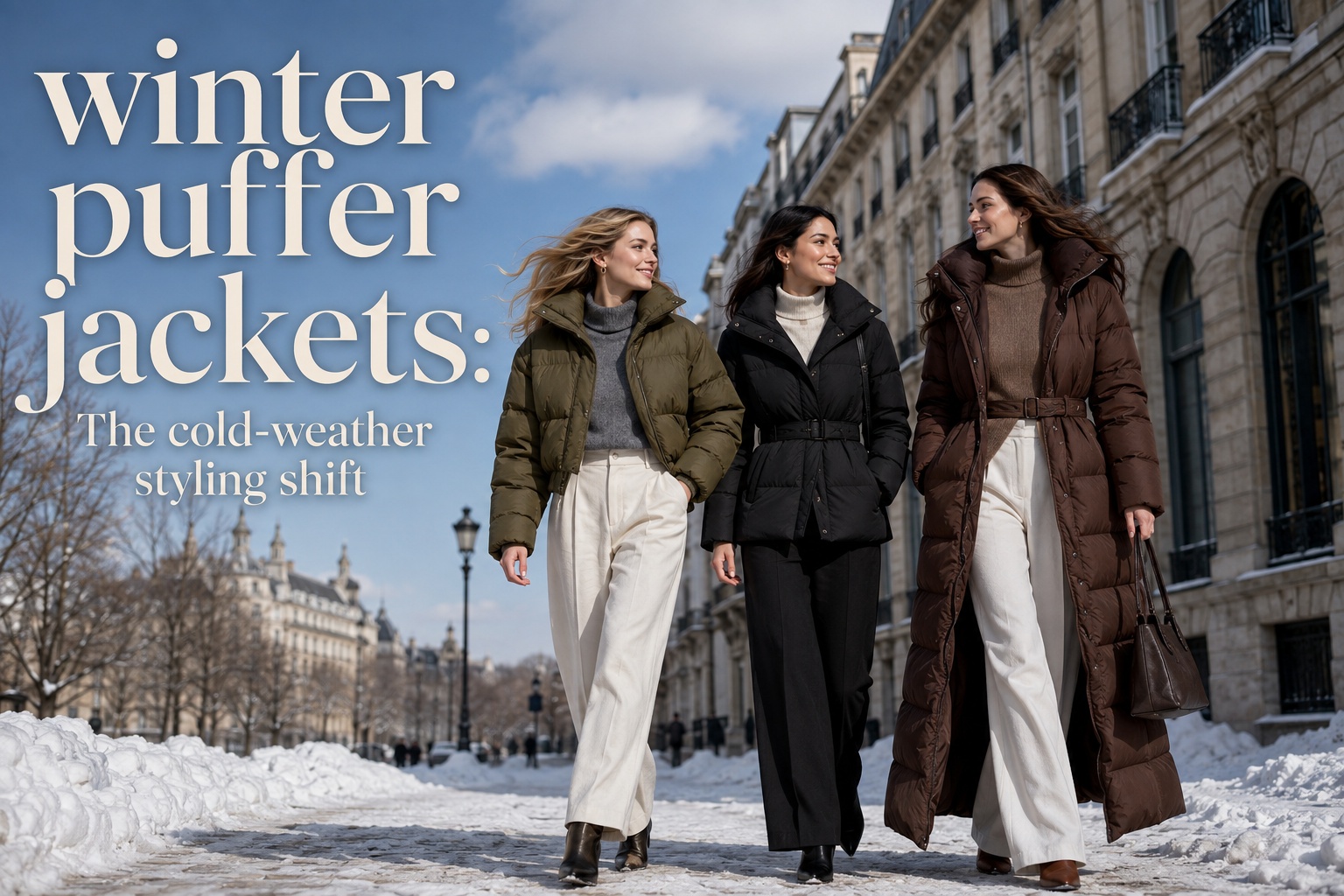
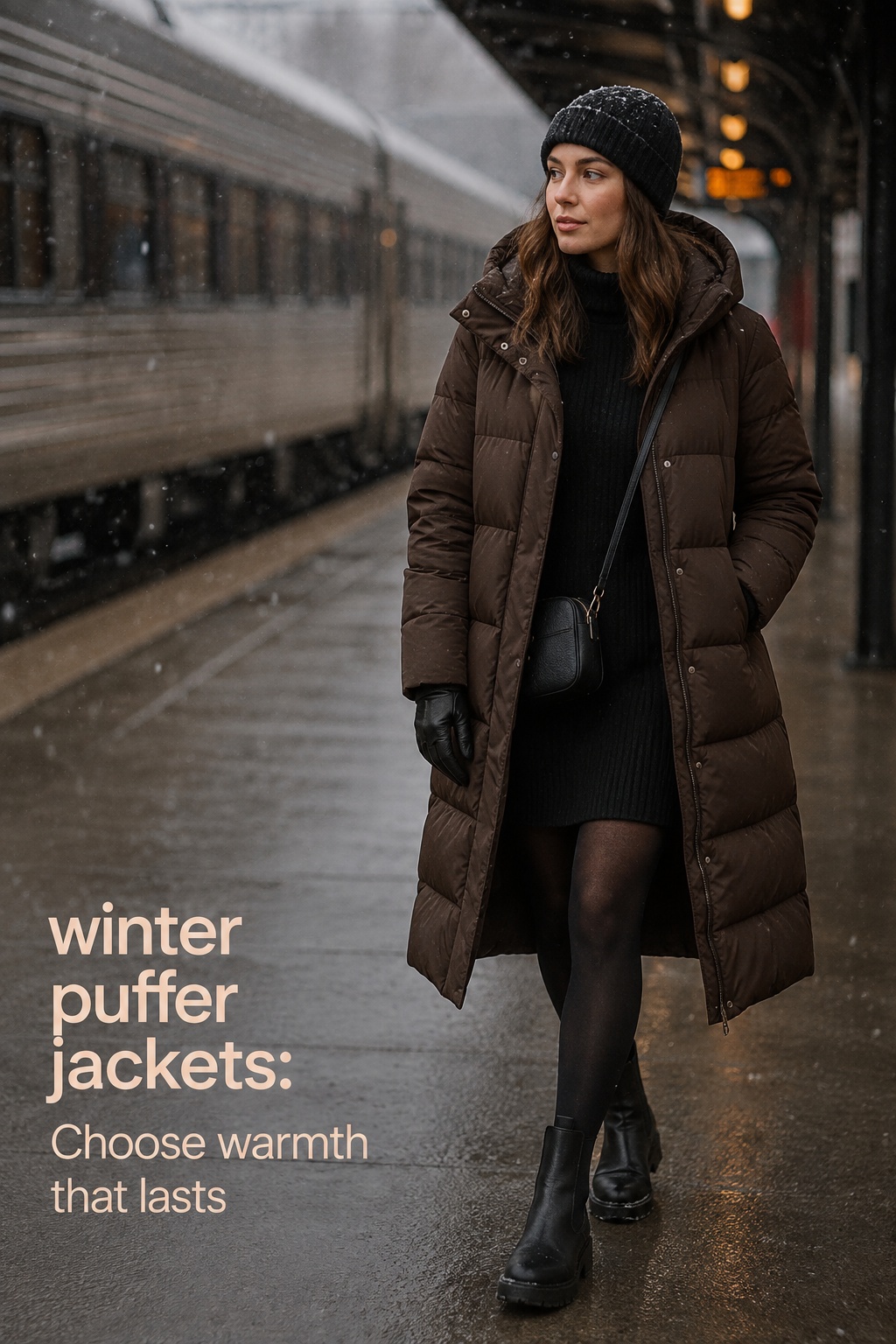
Winter puffer jackets are entering a more considered phase. The coat is still built to solve a practical problem, but the strongest versions no longer ask you to choose between insulation and a finished outfit. Across recent fashion coverage, the shift is toward puffers with clearer proportions, richer textures, more intentional color, and styling that connects the outer layer to the rest of the look. That matters because a puffer is often the first and last thing people see during the coldest months.
The useful question is not whether winter puffer jackets are fashionable. They clearly remain relevant. The better question is how to recognize the updates that will make an outfit feel current without buying a coat that becomes difficult to wear next year. This trend analysis breaks down the most practical changes, explains why they work, and turns them into outfit formulas for commuting, errands, casual plans, and slightly more polished winter days.
What is changing in winter puffer jackets
The first change is a move away from one universal puffer shape. For several seasons, the oversized, rounded jacket dominated casual winter dressing. It remains useful, especially when you need room for sweaters, but it is now sharing space with cropped jackets, longline coats, belted shapes, cleaner quilting, and versions with a more defined shoulder. This broader range makes the category easier to adapt to personal style. A short jacket can support a high-rise trouser, while a long coat can create a simple column over a narrow base.
The Fashion-Note Edit
Five effortless pieces to refresh your everyday wardrobe
A polished, practical edit for workdays, weekends, and everything in between.

The Drop
Women’s Blake Long Blazer
A longline, tailored blazer with a notched collar and a single-button closure—an easy layer for denim, dresses, or office-ready looks.
Shop the blazer
Amazon Essentials
Women’s Lightweight Crewneck
A soft, lightweight sweater with a clean crew neckline—the kind of reliable layer that works from cool mornings to air-conditioned spaces.
Shop the sweater
Amazon Essentials
Women’s Loafer Flat
A classic flat loafer that gives casual outfits a more polished finish and pairs naturally with tailored pants, skirts, and straight-leg jeans.
Shop the loafers
Levi’s
Women’s 501 90s Jeans
A relaxed, vintage-inspired take on the iconic 501 silhouette—made for an easy, lived-in look without the thrift-store search.
Shop the jeans
Colorfulkoala
High-Waisted 7/8 Leggings with Pockets
Soft, four-way-stretch leggings with side pockets and a high-rise waistband—designed for movement, errands, and off-duty comfort.
Shop the leggings
Affiliate disclosure: This section contains affiliate links. If you make a purchase through these links, I may earn a commission at no additional cost to you. Product selection, pricing, availability, and delivery terms may change—please review the current details on Amazon before purchasing.
As an Amazon Associate I earn from qualifying purchases.
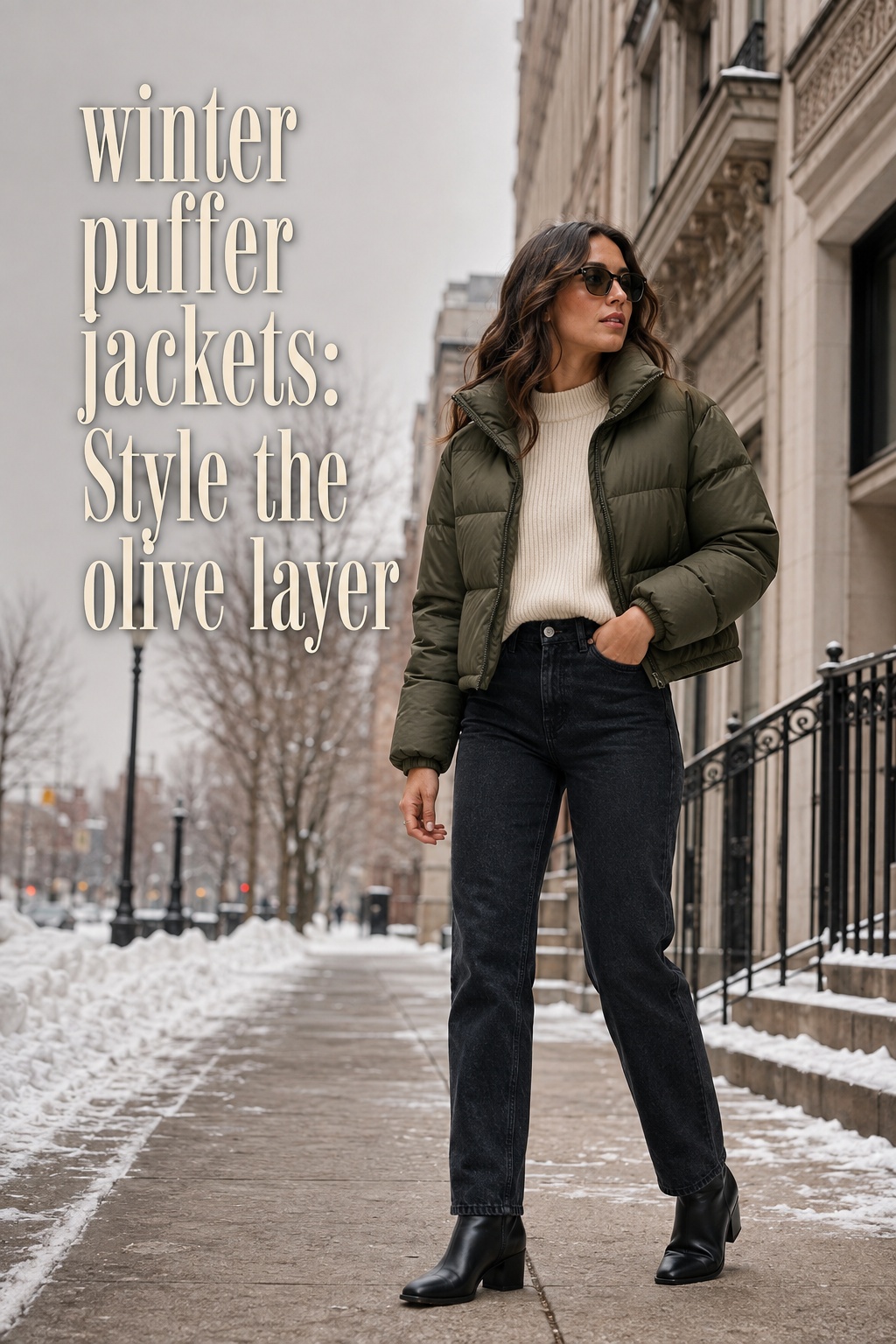
The second change is that finish is doing more visual work. Matte nylon still makes sense for wet commutes and active days, but glossy surfaces, brushed fabrics, corduroy panels, faux shearling collars, checked patterns, and subtle metallics give a puffer more presence. These details are useful when the rest of the outfit is simple. A black puffer with an interesting collar can replace a statement sweater. A deep olive or chocolate brown jacket can make denim and knitwear feel more deliberate without requiring bold accessories.
Your wedding style is personal.
Your plan should feel that way, too.
Zarellea keeps your guest list, budget, vendors, and every next step beautifully organized — so you can focus on the moments that feel like you.
The third change is styling context. Editors and street-style photographers are showing puffers with pieces that used to belong to separate wardrobes. A quilted coat may sit over winter-white denim, a satin skirt, tailored trousers, or a fine knit dress. That contrast is important. When every part of an outfit is soft, sporty, and oversized, the result can feel accidental. When the puffer meets one sharper, smoother, or more delicate element, the outfit gains a point of view.
There is also a practical correction to the old idea that a fashionable puffer must be dramatic. A very large coat can look modern, but only if the volume is balanced and the wearer can move comfortably. A medium-weight jacket with a high collar, a clean zipper, and a slightly shaped hem can be just as current. The lasting trend is not maximum puff. It is intentional insulation that looks connected to the outfit underneath.
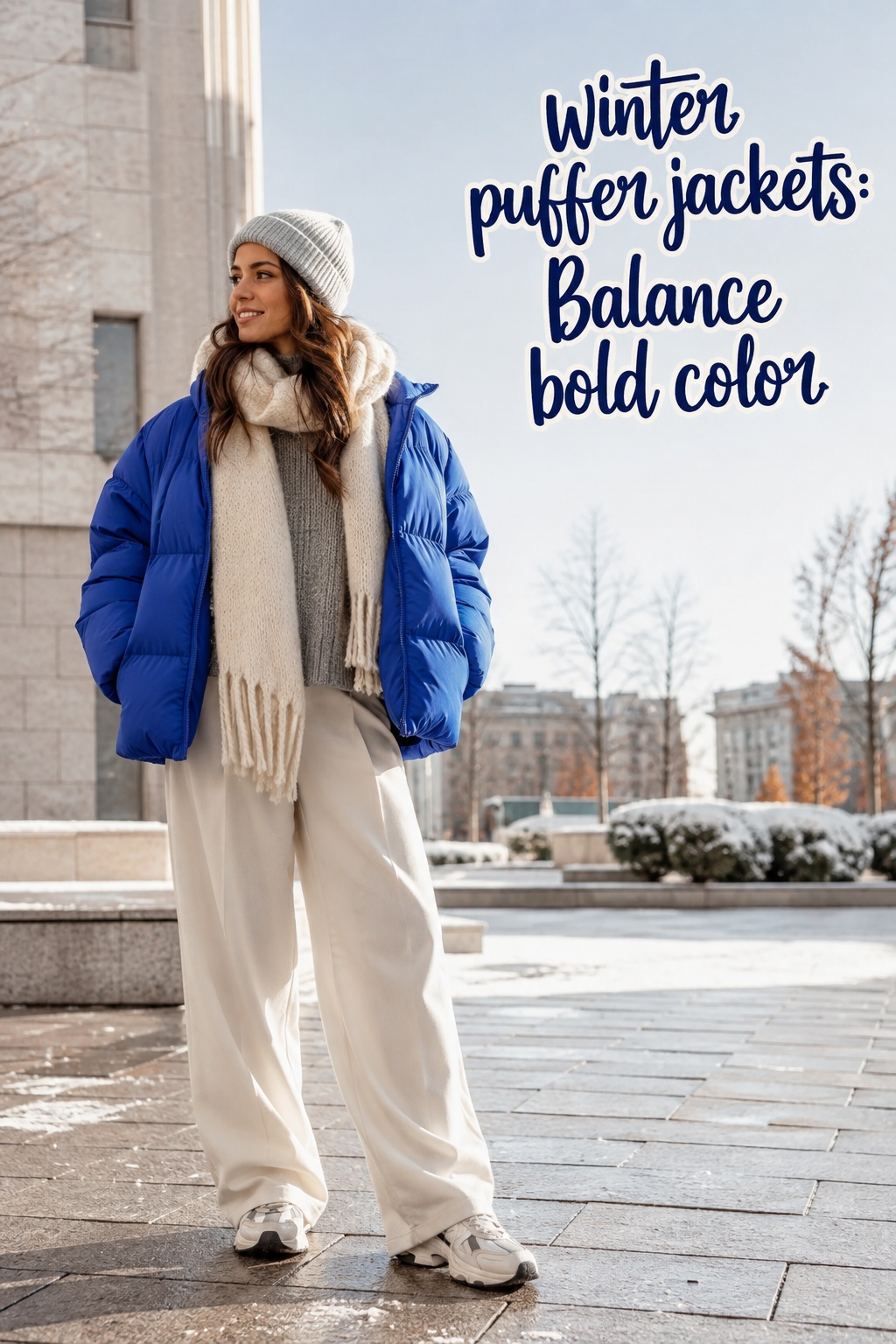
Why proportion and finish matter more than the logo
Proportion is the fastest way to make winter puffer jackets feel styled rather than simply put on. Start by looking at the coat’s relationship with the lower half of your outfit. A cropped or waist-length puffer usually works with high-rise jeans, wide-leg trousers, cargo pants, and long skirts because the higher hem reveals the shape of the bottom. A hip-length jacket is more forgiving with straight-leg denim and everyday sneakers. A longline puffer creates a strong outer column, so it often looks best with a cleaner base such as leggings, straight trousers, a knit dress, or a narrow maxi skirt.
Volume does not have to be matched with the opposite volume every time. The goal is visual clarity, not a rigid rule. You can wear a large puffer with wide-leg pants when the outfit has a visible anchor. That anchor may be a tucked sweater, a defined waistband, a pointed boot, a compact handbag, or a scarf tied close to the neck. These small signals stop the eye from reading one uninterrupted mass of fabric. They also make a relaxed outfit look intentional without making it uncomfortable.
Finish matters because it communicates the setting. A high-shine puffer and lug boots feel energetic and urban. A matte taupe coat with suede shoes and a fine knit reads quieter and more refined. A checked jacket with dark denim can feel preppy, while a monochrome black version with leather trousers feels sharper. None of these choices is automatically better. They simply tell the viewer how to understand the warmth, sport, polish, or playfulness of the outfit.
Color is another form of proportion. A neutral jacket allows the silhouette to lead, which is helpful if the coat is oversized or has unusual quilting. A saturated color can give a simple outfit structure, but it works best when one other detail quietly repeats it. A burgundy puffer might meet burgundy socks, a small bag, or a stripe in a scarf. The repetition does not need to be exact. It only needs to create a relationship between the coat and the rest of the look.
Finally, inspect the functional design before treating a detail as fashionable. A generous hood, storm cuffs, a two-way zipper, an adjustable hem, and a water-resistant surface can improve the way a puffer looks because they reduce the need for awkward extra layers. The best winter puffer jackets do both jobs. They protect the body and make the outfit easier to control.
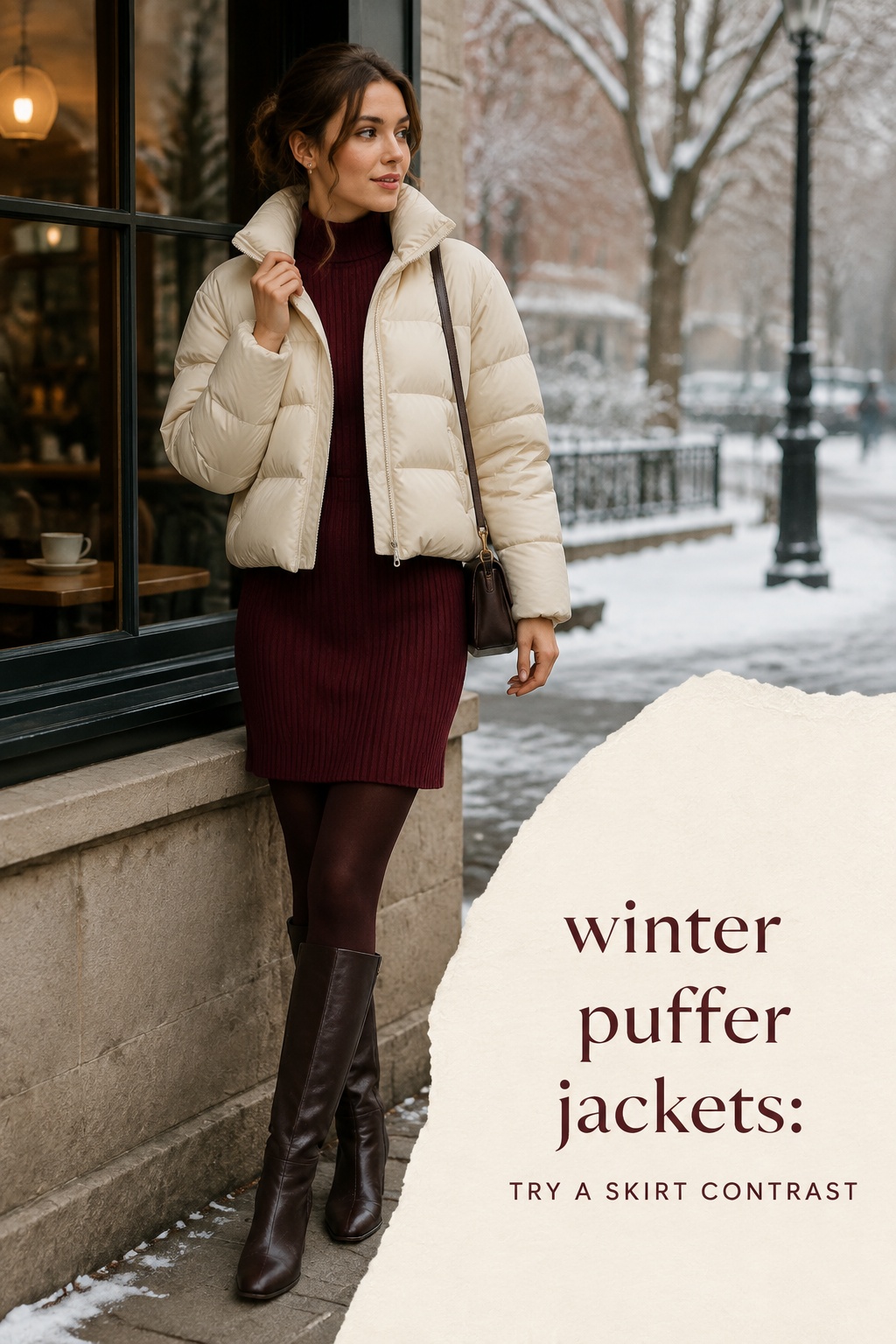
Five wearable ways to interpret the trend
1. Build a tonal city uniform. Choose a black, charcoal, navy, or dark brown puffer and keep most of the outfit in the same color family. Add a fine-gauge sweater, straight jeans or trousers, and a boot with a clean toe. The tonal base lets the quilting and silhouette stand out without becoming loud. A scarf in a close shade can add warmth around the face, while a small contrast in texture keeps the look from becoming flat.
2. Pair a short puffer with a long line. A waist-length jacket over a maxi skirt or long dress is one of the simplest ways to make a practical coat feel fashion-aware. Use a fitted or softly draped base so the hem remains visible. Tights and weather-ready boots make the formula usable in real winter. If the skirt is printed, keep the puffer solid. If the jacket is bright, use a quieter skirt and let the hem create the movement.
3. Let tailored trousers sharpen the coat. A puffer can look surprisingly polished with pleated trousers, a button-down shirt, and a thin turtleneck. Choose a jacket that ends around the hip or lower, and avoid too many competing oversized pieces. A structured tote and simple leather shoe finish the idea. This is a strong choice for a commute because the outfit has warmth, but it does not rely on athleisure codes.
4. Use texture against texture. Corduroy, denim, leather, brushed wool, and satin all change the way insulation reads. Try a matte puffer with corduroy pants, or a glossy jacket with a soft knit dress. The key is to give each texture enough space to register. Too many high-impact surfaces create noise, while one contrast makes the outfit feel edited. Accessories should support the material story rather than introduce a completely unrelated finish.
5. Treat the puffer as a color decision. A red, cobalt, cream, olive, or metallic jacket can carry a simple outfit through the entire season. Start with a base of denim, black trousers, or gray knitwear. Then repeat a small part of the jacket’s color in one accessory. The result feels more planned than a random bright coat, but it remains easy to wear. This approach is especially useful when your winter wardrobe is mostly neutral.
For commuting, prioritize a longer hem, secure pockets, a hood, and shoes that can handle wet sidewalks. The styling can stay simple: straight pants, a fine knit, a long scarf, and one useful bag. For errands, a cropped or medium-length puffer works with jeans, leggings, or cargo pants. Add a beanie and a substantial sneaker or boot, then keep the top half clean so the coat remains the focus.
For a casual dinner or indoor-outdoor plan, consider a puffer with a satin skirt, knit dress, or dark tailored jeans. The contrast signals that you dressed for the destination rather than simply adding your warmest coat at the door. Keep the rest of the outfit restrained. A simple earring, compact bag, or polished boot is usually enough.
For very cold weather, style from the base layer outward. Begin with a close-fitting thermal or merino layer, add a sweater that does not bunch under the armholes, and choose the puffer according to the space you need. Warmth will look more elegant when the layers are smooth. A puffer that is too tight creates pulling and an untidy zipper line, while one that is too large may hide the shape of every layer underneath.
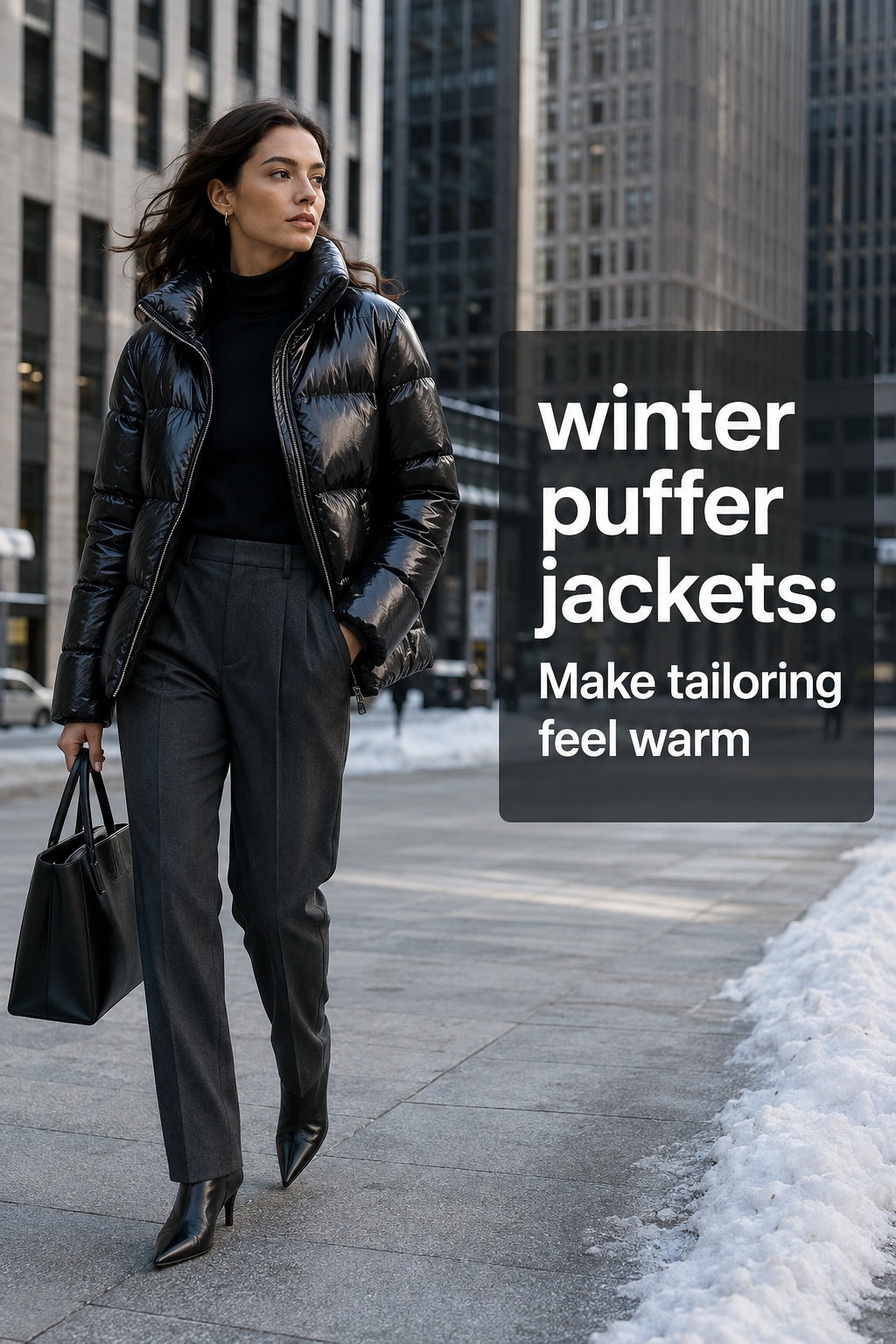
How to make a puffer purchase last beyond one season
Start with your actual winter, not an imagined lifestyle. If you walk, wait for transit, or spend time outside, prioritize insulation, coverage, wind resistance, and a hood before choosing a fashion detail. If most of your winter is car-to-door, you can choose a shorter silhouette or a lighter layer. A coat that matches your routine will be worn more often, which is the first measure of a successful purchase.
Next, decide which proportion your wardrobe is missing. If you already own a long black coat, a cropped puffer in olive or cream may offer more variety. If your closet is full of jeans and wide trousers, a shorter jacket may give you useful balance. If you wear dresses and skirts often, a longer puffer with a clean front can create a more continuous line. Buying a second coat that repeats the same length and function usually creates less value than adding a different silhouette.
Look closely at the collar, cuffs, zipper, hem, and quilting. These are the details that remain visible after the color trend fades. A collar that stands neatly can frame the face. A two-way zipper can change the proportions over a skirt. A hem that sits flat can make the whole jacket look more expensive. Quilting should support the shape instead of distorting it. Small design decisions often matter more than a recognizable label.
Use the fill and care information as part of the style decision. Down can provide excellent warmth with less weight, but it needs appropriate care and protection from prolonged moisture. Synthetic insulation can be a practical choice for wet conditions and frequent washing. Neither option automatically looks better. What matters is whether the coat performs in the conditions where you will use it. A beautiful jacket that leaves you cold will quickly become an expensive closet decoration.
Choose a color with at least three existing outfit partners. Black, navy, gray, cream, olive, and chocolate are easy starting points, but a strong color can also work if your basics are quiet. Before buying, imagine the jacket with your most-worn pants, your everyday boots, and the scarf you already own. If it only works with a new set of accessories, it may be a trend purchase rather than a wardrobe solution.
Be cautious with details that create visual fatigue. Excessive shine, oversized logos, very loud contrast piping, or an unusual shape can be fun, but they make repetition harder. One distinctive element is usually enough. The most durable winter puffer jackets often have a simple base with one memorable decision, such as a rich color, a curved hem, a checked fabric, or a sculptural collar.
Mistakes that make winter puffers look accidental
The first mistake is choosing a coat that fights the layers you actually wear. If you love chunky sweaters, a narrow armhole will create discomfort and visible bunching. If you prefer thin layers, an enormous coat may overwhelm your frame and swallow the outfit. Try the jacket with a real winter sweater before buying, and move your arms. Comfort is not separate from polish. It is what makes the silhouette sit correctly.
The second mistake is matching sport with sport from head to toe without adding a focal point. A puffer, hoodie, leggings, running shoes, and a knit cap can be perfect for an active day, but the look may feel unfinished if every piece has the same casual message. Add a cleaner bag, a visible sock, a sharper sunglasses shape, or a contrast in texture when you want the outfit to read as styled.
The third mistake is ignoring the lower half. Because the puffer is large and eye-catching, it is easy to focus only on the jacket. Yet the shoe and trouser relationship determines whether the whole look feels balanced. A long coat may need a narrower or more continuous bottom. A cropped puffer may benefit from a visible high waist. A wide trouser often looks better when the jacket ends at a deliberate point rather than floating randomly across the hip.
The fourth mistake is over-accessorizing to compensate for a plain coat. You do not need a large scarf, statement hat, bold bag, and dramatic boot all at once. Pick one accessory to change the message of the outfit. A leather bag can make a matte puffer feel urban. A bright scarf can make a neutral jacket feel personal. A simple gold earring can soften a utilitarian coat. Editing creates more impact than accumulation.
The final mistake is treating a trend report as a shopping command. You do not need every new shape. Use the current conversation to test what solves a real need in your wardrobe. If a classic hip-length puffer keeps you warm and works with most of your clothes, it is already doing valuable work. Update the styling before replacing the coat. A different shoe, skirt, scarf, or proportion underneath may be enough to make it feel fresh.
FAQ
Are winter puffer jackets still stylish?
Yes. The category remains stylish because designers and editors are offering more shapes, finishes, and outfit contexts. The most current approach is to choose a deliberate proportion and connect the jacket to the rest of the outfit through color or texture.
What should you wear with an oversized puffer jacket?
Try a close-fitting knit, straight trousers, leggings, a narrow skirt, or wide pants with a clear waist anchor. The goal is not to make every piece slim. It is to give the eye one defined point so the outfit does not become one large block.
Which puffer jacket length is easiest to style?
A hip-length puffer is usually the most versatile because it works with jeans, trousers, skirts, and casual shoes. A cropped style is useful for high-rise bottoms, while a longline coat is best when you want maximum coverage and a strong vertical line.
How can you make a puffer jacket look more polished?
Use one refined element such as tailored trousers, a satin skirt, a leather boot, a structured bag, or a fine-gauge sweater. Keep the rest of the outfit simple, and choose a coat with clean quilting, a neat collar, and a finish that suits the setting.
Are down or synthetic winter puffer jackets better?
Neither is universally better. Down is often warm for its weight, while synthetic insulation can be practical in damp conditions and for frequent care. Choose based on your weather, activity level, maintenance preferences, and the amount of room you need for layering.
What color puffer jacket is easiest to wear?
Black, navy, gray, cream, olive, and chocolate work with many winter wardrobes. If you want a brighter color, keep the rest of the outfit quiet and repeat a small part of the jacket’s shade in an accessory for a cohesive result.
Finish the look
The little extras that make a summer outfit feel complete
From beach days to city weekends, these easy pieces bring comfort, texture, and a polished finishing touch.

FENBEN
Straw Hobo Crossbody Bag
A handwoven straw bag with both short and crossbody straps—an effortless finishing touch for vacation looks and warm-weather outfits.
Shop the bag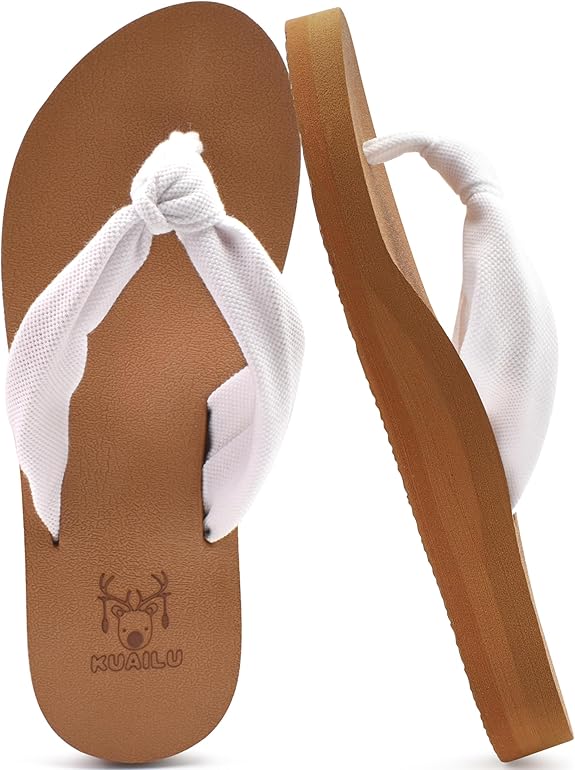
KuaiLu
Flip Flops with Arch Support
Cushioned, lightweight sandals with supportive arch design—a practical choice for beach trips, errands, and long summer walks.
Shop the sandals
baleaf
Athletic One-Piece Swimsuit
A functional one-piece with adjustable straps and moderate coverage, designed for swimming, training, surfing, and active beach days.
Shop the swimsuit
Astylish
Linen-Cotton Button-Down Shirt
A relaxed cotton-linen shirt with a collared V-neck and roll-up sleeves—easy to style over swimwear or with denim and shorts.
Shop the shirt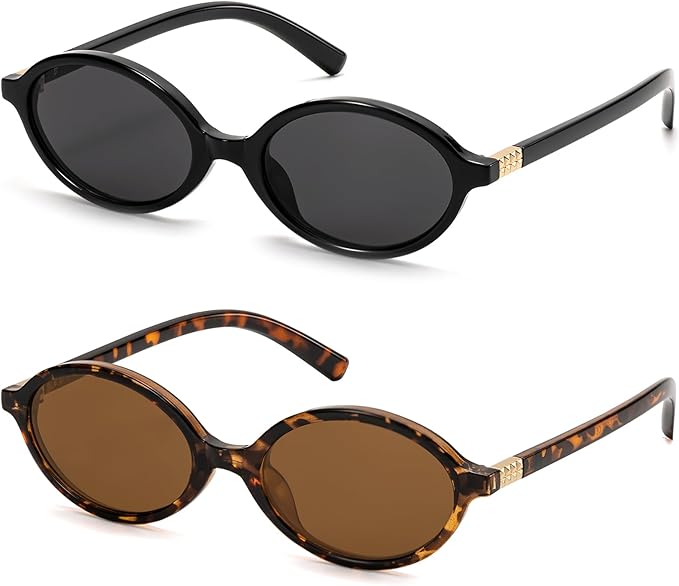
ViewJoy
Retro Oval Sunglasses
Small oval sunglasses with a 90s-inspired silhouette and UV400 lens protection—a quick way to add a vintage edge to everyday looks.
Shop the sunglasses
Affiliate disclosure: This section contains affiliate links. If you make a purchase through these links, I may earn a commission at no additional cost to you. Product selection, pricing, availability, and delivery terms may change—please review the current details on Amazon before purchasing.
As an Amazon Associate I earn from qualifying purchases.