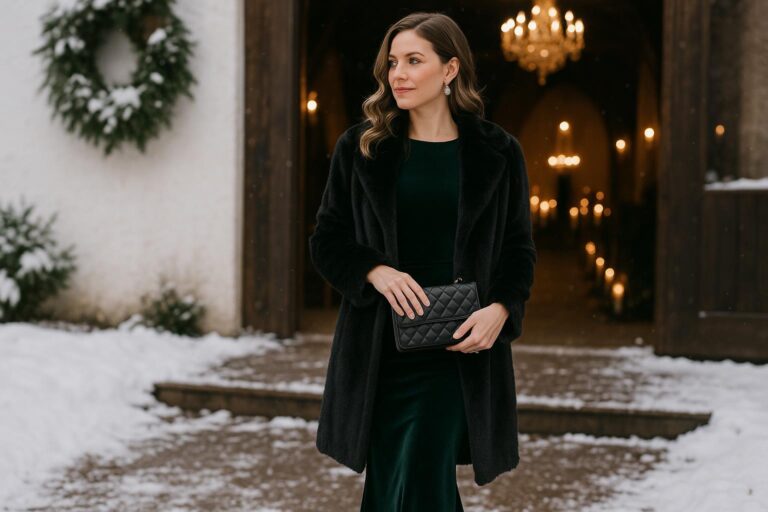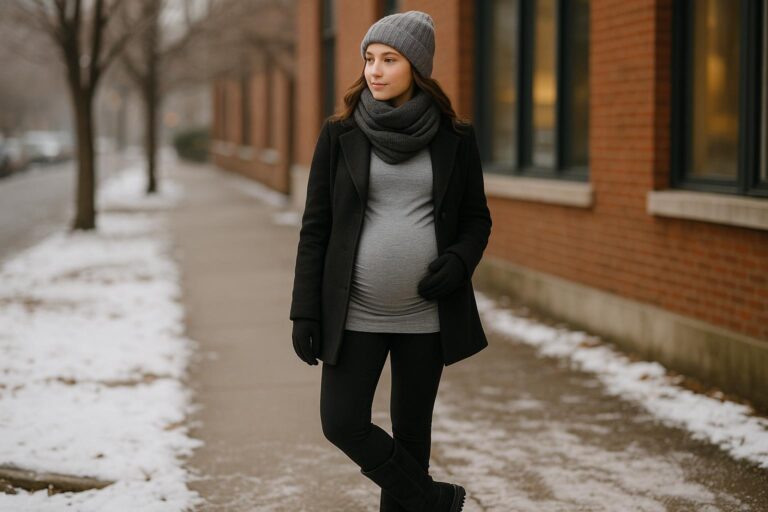
Winter Inspo Outfits: A Practical Style Checklist
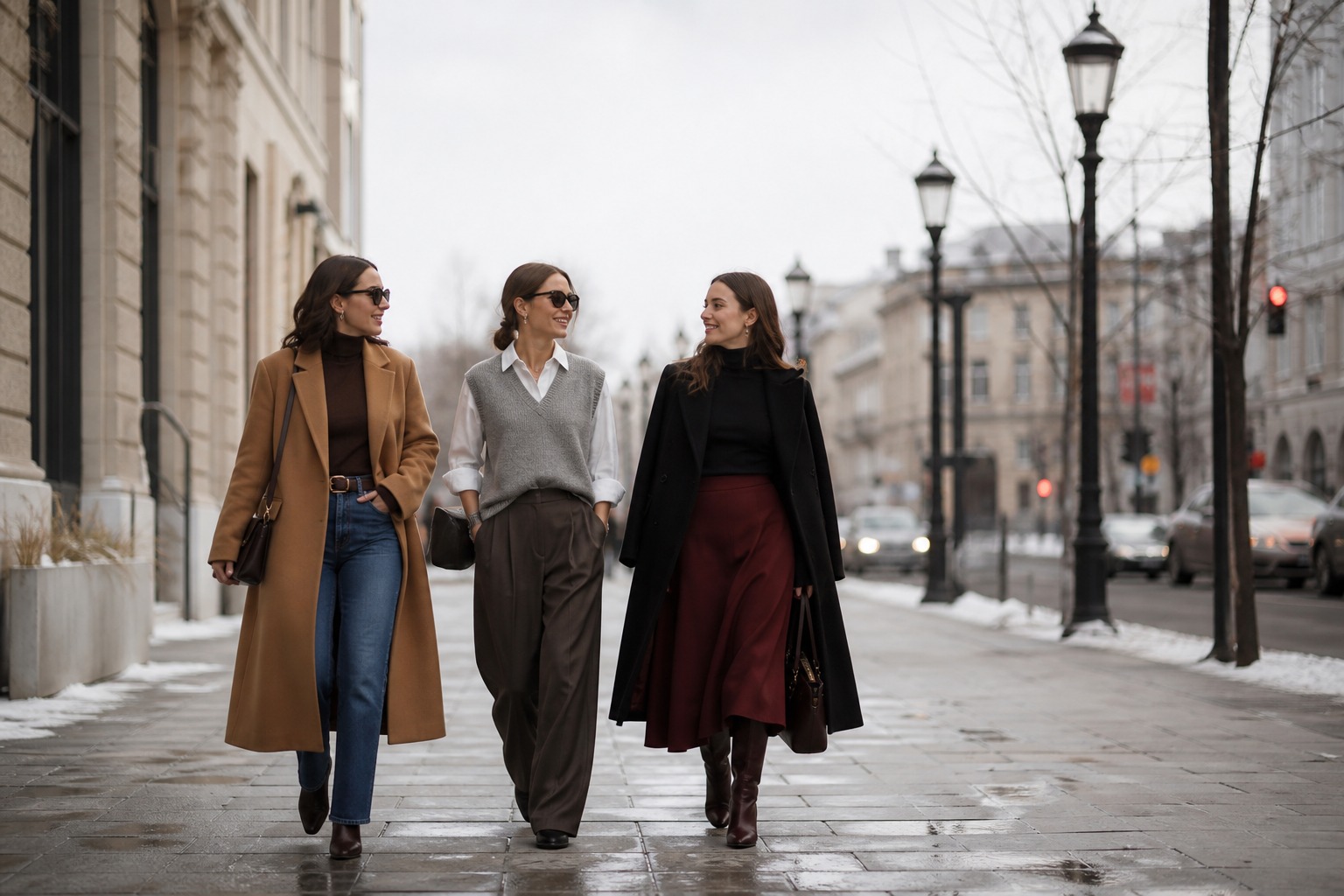
Winter outfit inspiration is easy to save and surprisingly hard to wear. A look can be beautiful in a photo yet feel cold on the sidewalk, bulky under a coat, or too complicated on a weekday morning. The most useful winter inspo outfits are not costumes. They are repeatable formulas with enough warmth, shape, and personality to make getting dressed feel easier.
This checklist turns the inspiration into a practical system. You will start with a comfortable base, add warmth in lightweight stages, choose one structure-building piece, and finish with shoes and accessories that match the weather. The goal is not to copy one influencer’s closet. It is to understand why a combination works, then rebuild it with the pieces you already own.
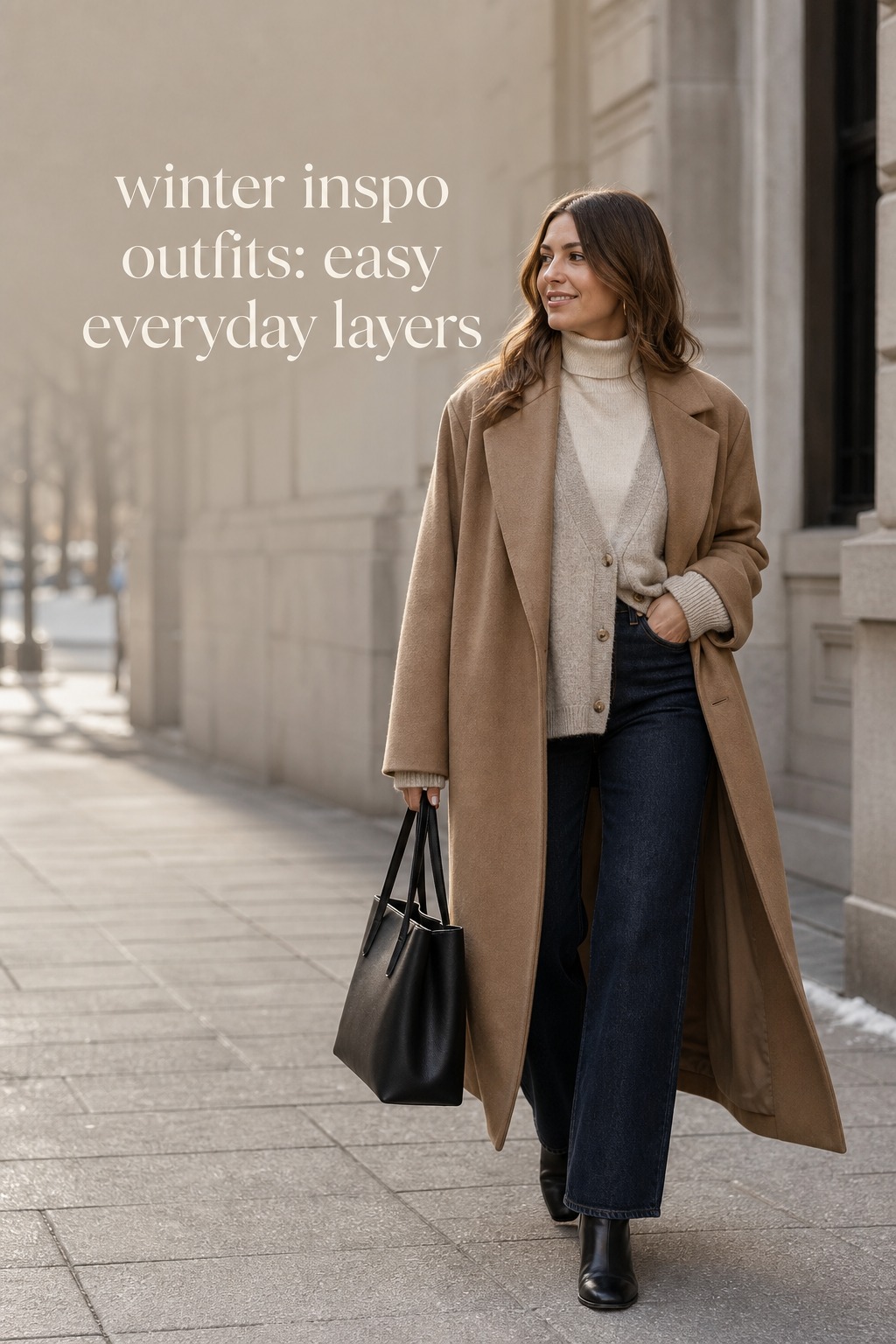
1. Prepare the outfit before you style it
Before reaching for a statement coat, decide what the day actually requires. A sunny 45-degree commute, a wet school run, a long office day, and a below-freezing evening need different versions of winter inspo outfits. Start with the weather, then the movement, then the mood. This order prevents you from building a look that photographs well but fails at the first bus stop.
The Fashion-Note Edit
Five effortless pieces to refresh your everyday wardrobe
A polished, practical edit for workdays, weekends, and everything in between.

The Drop
Women’s Blake Long Blazer
A longline, tailored blazer with a notched collar and a single-button closure—an easy layer for denim, dresses, or office-ready looks.
Shop the blazer
Amazon Essentials
Women’s Lightweight Crewneck
A soft, lightweight sweater with a clean crew neckline—the kind of reliable layer that works from cool mornings to air-conditioned spaces.
Shop the sweater
Amazon Essentials
Women’s Loafer Flat
A classic flat loafer that gives casual outfits a more polished finish and pairs naturally with tailored pants, skirts, and straight-leg jeans.
Shop the loafers
Levi’s
Women’s 501 90s Jeans
A relaxed, vintage-inspired take on the iconic 501 silhouette—made for an easy, lived-in look without the thrift-store search.
Shop the jeans
Colorfulkoala
High-Waisted 7/8 Leggings with Pockets
Soft, four-way-stretch leggings with side pockets and a high-rise waistband—designed for movement, errands, and off-duty comfort.
Shop the leggings
Affiliate disclosure: This section contains affiliate links. If you make a purchase through these links, I may earn a commission at no additional cost to you. Product selection, pricing, availability, and delivery terms may change—please review the current details on Amazon before purchasing.
As an Amazon Associate I earn from qualifying purchases.
- Check the exposure: Wind, rain, and snow often matter more than the temperature shown in the app.
- Check the indoor time: If you will spend hours inside, favor removable layers over one extremely heavy sweater.
- Check the movement: Choose roomier trousers and flat, grippy shoes for walking; save delicate heels for short transitions.
- Choose one visual priority: Let the coat, knit, color, texture, or shoe lead. Everything else should support it.
Next, create a four-part stack. The base layer sits close to the body and manages comfort. The warmth layer traps heat without adding unnecessary width. The structure layer gives the outfit a clear silhouette. The weather layer protects everything from the elements. A fitted long-sleeve tee, fine turtleneck, or thin thermal can be a base. A cardigan, sweater vest, fleece, or fine knit is the warmth layer. A blazer, denim jacket, leather jacket, or tailored trouser can provide structure. The coat or puffer is the weather layer.
Your wedding style is personal.
Your plan should feel that way, too.
Zarellea keeps your guest list, budget, vendors, and every next step beautifully organized — so you can focus on the moments that feel like you.
Layering works best when every piece has a job. If two thick sweaters are both trying to be the warmth layer, the result usually feels tight and shapeless. If every item is oversized, the eye loses a point of focus. A slim base under a relaxed knit, followed by a long coat, creates a clean progression. A fitted skirt with an oversized sweater creates a different but equally intentional contrast.
2. Use a five-point decision checklist
When a saved look catches your eye, break it into decisions rather than treating it as one mysterious outfit. These five checks help you recreate the effect with different colors, budgets, and body proportions.
Check one: build from the thinnest layer outward
Start with the fabric that rests against your skin. Cotton, merino, silk, and technical thermal materials can all work, depending on the day. The important detail is low bulk at the neck, armhole, and waistband. A thin turtleneck under a crew-neck sweater adds warmth and a purposeful line. A long-sleeve tee under a button-down gives you an easy indoor layer. If the first layer already has thick sleeves or a high, crowded neckline, the next pieces will fight for space.
Check two: balance volume with one clear line
Volume is not the problem. Unplanned volume is. Pair a wide-leg trouser with a shorter or more fitted top, or echo the long line with a slim base and a long coat. With an oversized sweater, show a little wrist, ankle, collar, or shirt hem if the weather allows. These small breaks tell the eye where one piece ends and another begins. A belt can do the same job over a cardigan or coat, especially when the layers underneath are soft.
Check three: mix textures, not just colors
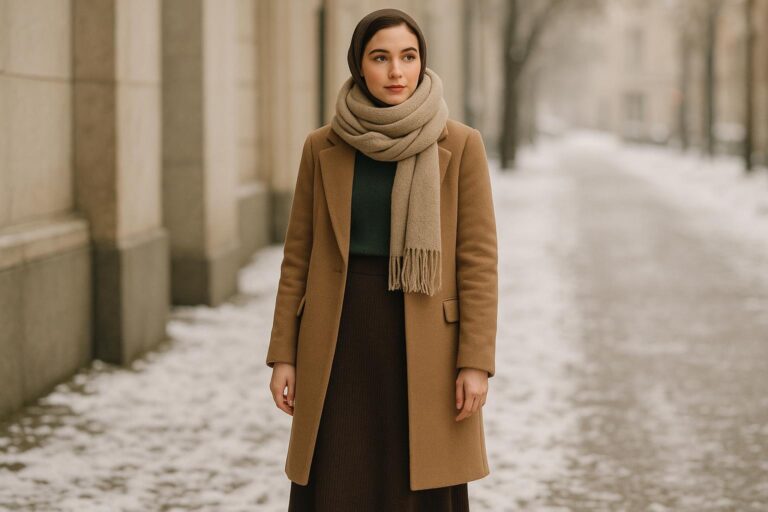
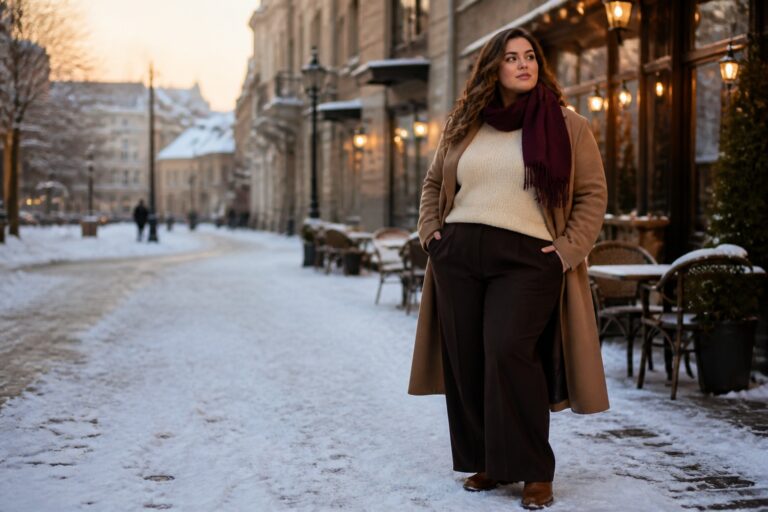
A monochrome outfit feels rich when its surfaces differ. Try smooth wool with ribbed knit, matte denim with polished leather, brushed shearling with crisp cotton, or satin with a chunky cardigan. This approach is especially helpful when your palette is neutral. Cream, charcoal, camel, navy, and chocolate can look intentional when the textures create depth. One contrasting accessory, such as a burgundy scarf or bright glove, can add energy without requiring a whole new outfit.
Check four: let footwear finish the proportion
Boots change the visual weight of winter inspo outfits. Tall boots create a continuous line under a midi skirt or dress. Lug-sole boots ground a wide trouser or relaxed puffer. Sleek ankle boots sharpen a tailored coat. Sneakers can work when the rest of the outfit has enough structure, such as a wool coat, crisp shirt, or defined bag. In wet weather, choose traction and a protected upper before chasing a specific silhouette.
Check five: add one personal signal
The final detail is what stops a formula from feeling generic. It might be a striped scarf, a red sock peeking above a boot, a vintage brooch, a colored bag, tortoiseshell sunglasses, or a sweater tied around the shoulders. Keep the signal small enough to live with. A practical outfit becomes much more memorable when one detail clearly belongs to you.
3. Work through five winter outfit formulas
The formulas below are starting points, not rules. Adjust the warmth layer, hemline, and shoe for your climate. Each one uses familiar pieces so the styling lesson remains useful after a trend passes.
Everyday denim: fine knit, relaxed jeans, and a long coat
Choose straight or wide-leg jeans, a fine turtleneck, and a relaxed cardigan or sweater. Add a long wool coat or streamlined puffer, then finish with weather-ready ankle boots. The long outer layer makes the denim feel more polished, while the simple base keeps the outfit comfortable. If the jeans are very wide, use a shorter middle layer or tuck only the front of the sweater to give the waist a little definition. A structured tote and a soft scarf make this formula ready for errands, travel, or a casual office.
Polished weekday: shirt, sweater vest, tailored trousers, and coat
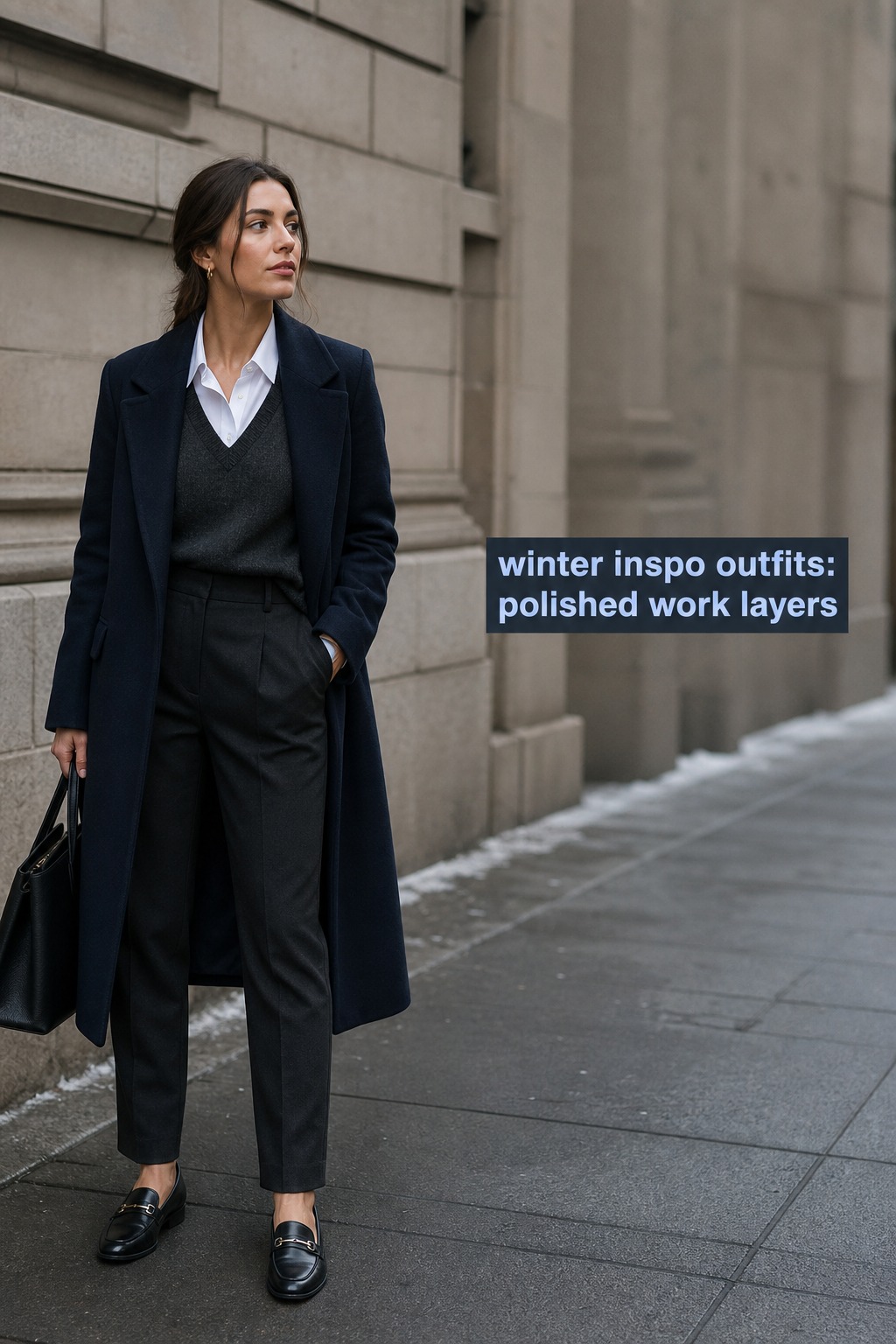
Layer a crisp button-down under a fine sweater vest or V-neck knit. Pair it with straight tailored trousers and a coat that is slightly longer than the top layer. Loafers can work for a mild day, while slim boots make the outfit more winter-ready. Keep the shirt hem and cuffs visible in controlled amounts. If the vest is cropped, choose high-waisted trousers. If the vest is long and relaxed, use a straighter trouser so the silhouette does not become one uninterrupted block.
Skirt and tall boots: midi hem, warm tights, and a substantial knit
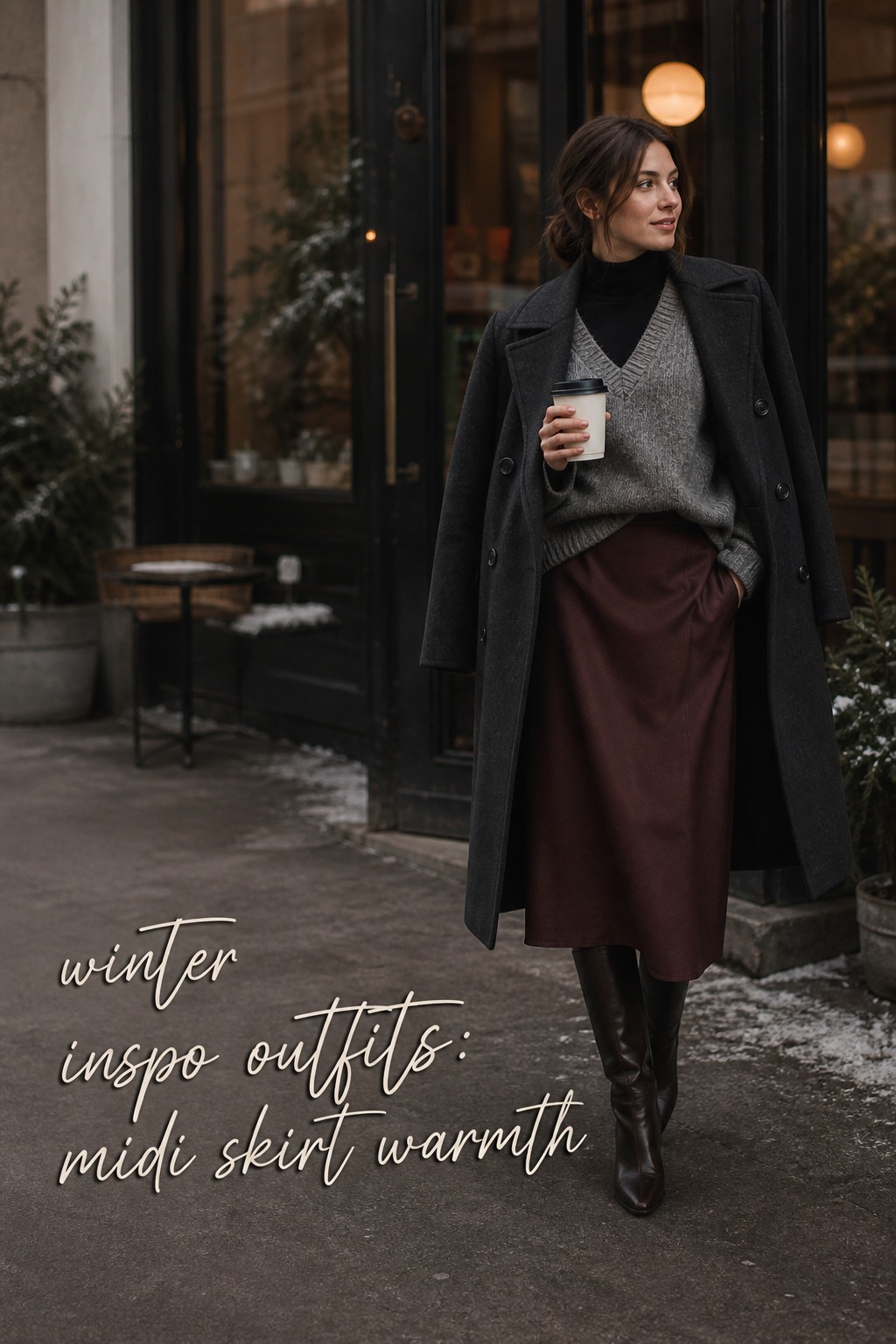
A midi skirt is one of the most versatile foundations for winter inspo outfits because it creates a clear space for boots. Add opaque or fleece-lined tights, a fitted long-sleeve base, and a sweater that has shape rather than excessive length. Tall leather or suede boots keep the leg line continuous. For more definition, add a narrow belt or choose a tucked sweater with a high-rise skirt. For wind, layer a long coat over the top and use a scarf that can be wrapped close to the neck.
Cozy color: tonal knitwear with one bright accessory
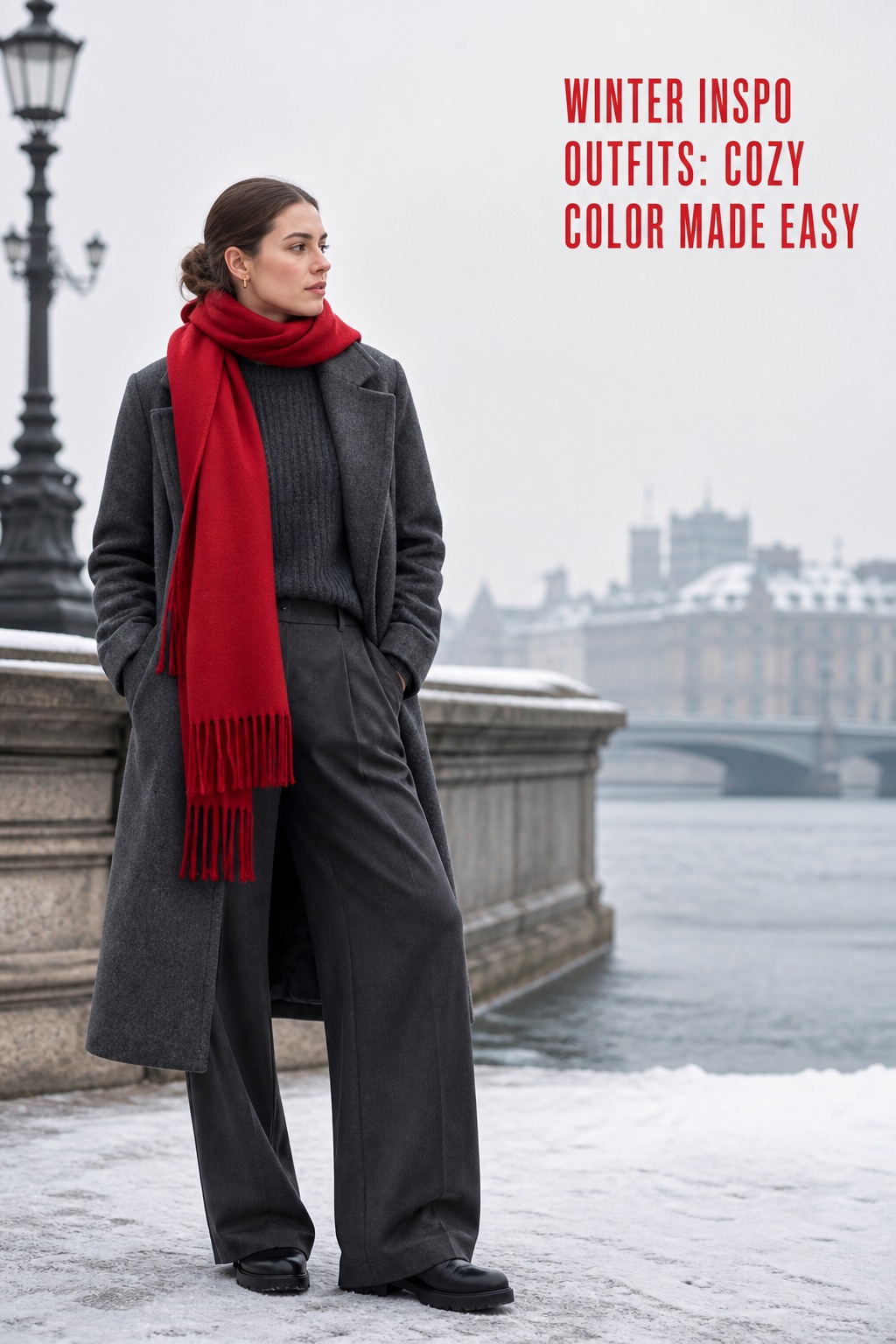
Pick one family of shades, such as oatmeal and tan, charcoal and silver, or navy and denim. Combine two or three tonal pieces with visibly different textures: a ribbed sweater, smooth trousers, and a brushed coat. Add one bright accessory, like a cherry-red scarf, cobalt bag, or emerald gloves. This formula makes simple pieces look considered because the eye notices both the color relationship and the surface contrast. Keep the bright accent away from areas where a bulky knot or bag strap will interfere with movement.
Severe-cold layering: thermal base, soft midlayer, protective puffer
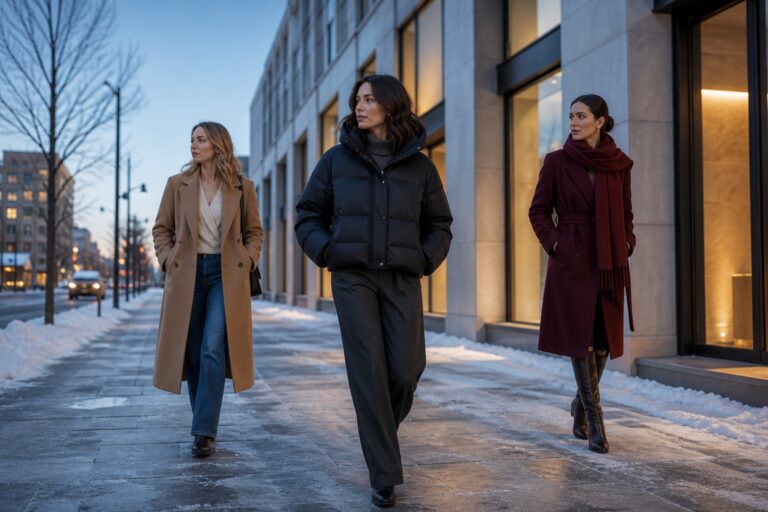
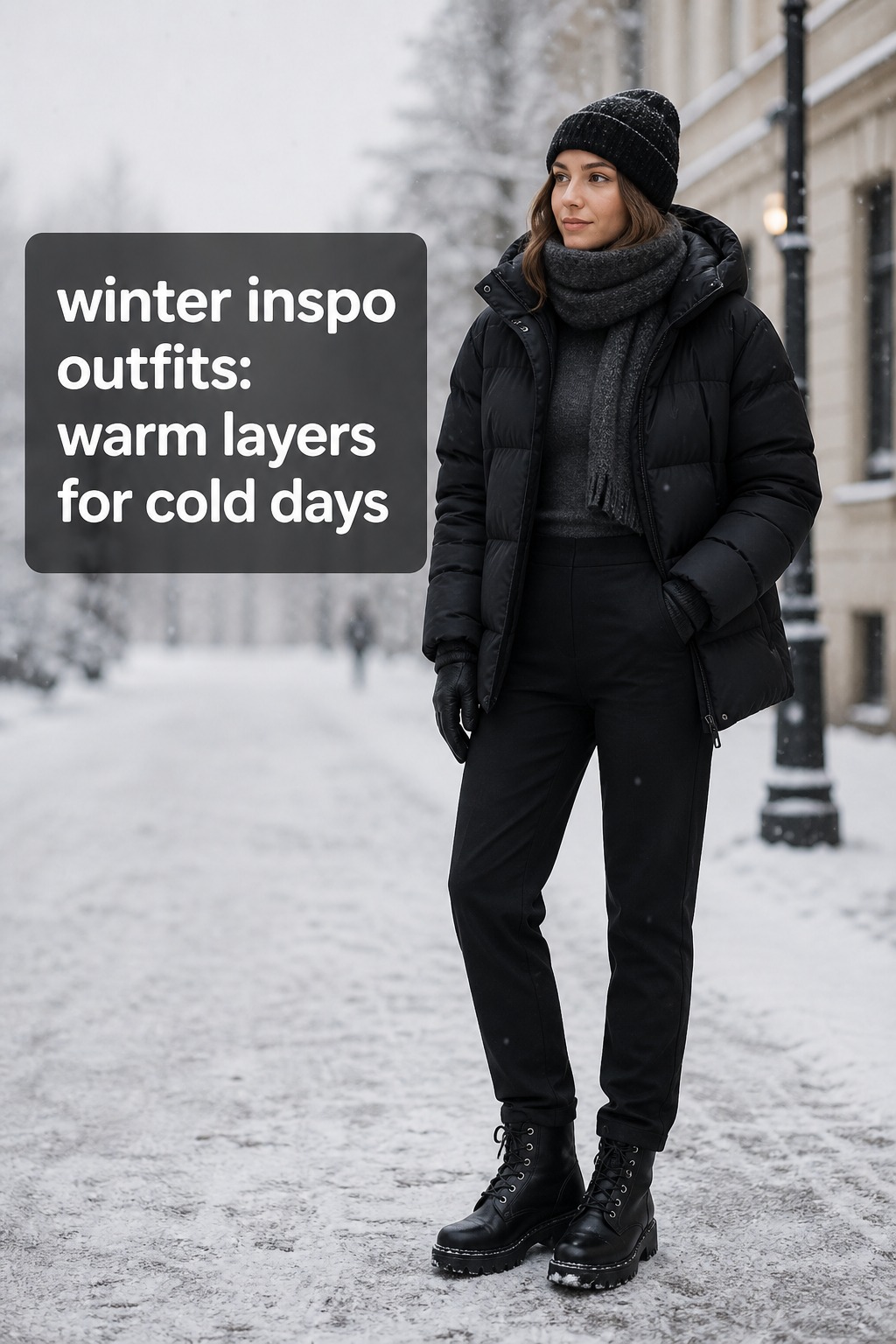
On the coldest days, choose performance first and make the styling intentional. Begin with a close-fitting thermal top and leggings under trousers or a skirt. Add a thin fleece, merino sweater, or quilted vest, then a puffer with enough room to move. A beanie, insulated gloves, and a scarf that closes the gaps at the neck and wrists are part of the outfit, not afterthoughts. Keep the palette simple and use one polished element, such as a leather crossbody or sleek sunglasses, to prevent the look from feeling purely utilitarian. If the puffer is very oversized, use a straight trouser and a compact boot to restore balance.
For a social plan after the cold commute, build the outfit around removable layers. A thermal under a slip dress, a cardigan under a wool coat, or a fine knit under a blazer gives you options indoors. Keep the accessory that changes the mood in your bag: a statement earring, lipstick, narrow belt, or small evening bag can shift the outfit without requiring a full change.
To make the formulas easier to use, sort your closet into three temperature bands. For mild winter days, rely on a thin base, one polished middle layer, and a wool coat. This is the moment for a cotton tee under a cardigan, a blazer over a fine knit, or a button-down under a sweater vest. The coat supplies most of the visual authority, so it can be simple. Finish with loafers, sneakers, or ankle boots according to the pavement and the amount of walking.
For genuinely cold days, replace one thick layer with two thin ones. A thermal and fine turtleneck usually sit more comfortably under a blazer or coat than a single oversized cable knit. This also gives you more control once you reach a heated room. Look for smooth sleeves under textured sleeves, and keep the waist area neat by choosing either a tucked base or a middle layer that ends close to the hip. A long coat can then skim over the entire stack.
For wet or snowy days, make the outermost pieces do the practical work. A water-resistant puffer, treated wool coat, or weatherproof shell protects the outfit while a scarf and hat add softness. Keep hems away from slush when possible, and choose a boot with a sole that grips. You can still create a refined look with a tonal palette, a clean bag, and one strong texture such as shearling, brushed wool, or a ribbed knit. Warmth and polish are not opposites when the layers are chosen in the right order.
Occasion matters just as much as temperature. For work, use a crisp collar, tailored trouser, or structured bag to sharpen comfortable knits. For a coffee date or weekend walk, let the scarf, sweater, or boot provide the personality while the rest stays easy. For dinner, build around a dress or skirt and use a fine base layer, tall boots, and a long coat. For travel, prioritize pieces that do not crease badly and can be removed without disturbing the whole outfit. The same neutral sweater can move through all four situations when the accessory language changes.
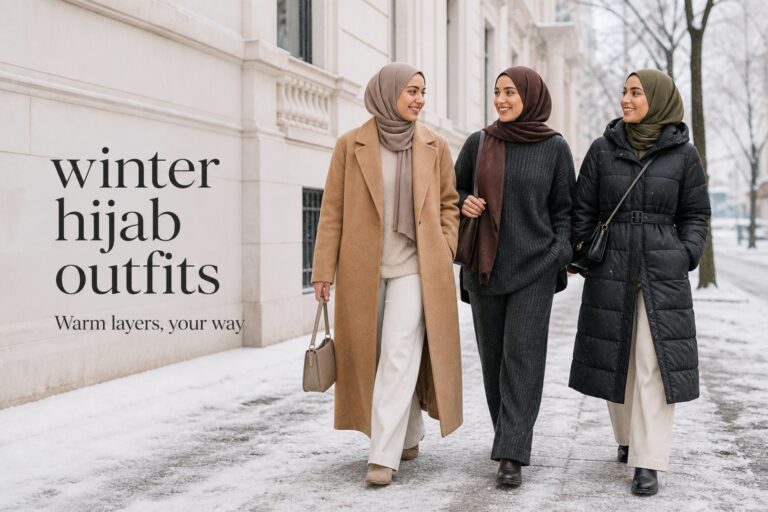
Pay attention to the relationship between the coat and the layer underneath. A coat that is too narrow at the shoulder will make every outfit feel wrong, even when the individual pieces fit. A very long coat can handle a longer skirt or wide trouser, but it benefits from a visible waist or a compact shoe. A cropped puffer works well with high-rise bottoms because the eye sees a clear start and finish. When both the coat and the bottom are oversized, use a more defined top, a small bag, or a clean boot to add structure.
4. Review the look before you leave
A two-minute review saves an entire day of adjusting your clothes. Stand, sit, walk, and reach forward. If the coat pulls at the shoulders, remove a middle layer or switch to a thinner knit. If the hem catches on your boot, change the boot shaft or skirt length. If the outfit feels visually heavy, reveal one lighter layer at the collar or cuff, add a belt, or switch to a more streamlined shoe.
- Warmth: Are your neck, wrists, ankles, and lower back protected for the time you will spend outside?
- Movement: Can you sit, climb stairs, carry your bag, and use your hands without fighting the layers?
- Proportion: Is there one clear line, such as a defined waist, long coat, visible ankle, or continuous boot?
- Texture: Do the fabrics create interest, especially if most of the colors are neutral?
- Practicality: Are the shoes safe for the ground, and can you remove a layer indoors?
- Personality: Is there one detail that feels like your own styling choice?
Take a quick mirror photo when a formula works. Note the temperature, the pieces, and what you would change next time. After a few weeks, you will have your own library of winter inspo outfits based on real life rather than wishful styling. That record also shows which purchases would genuinely expand your wardrobe, such as a thin merino layer, a better boot, a coat with room for knitwear, or a scarf in a color you wear often.
FAQ
How many layers should winter inspo outfits have?
Most everyday looks need three functional levels: a close base, a warmth layer, and a weather layer. Add a structure layer when you need polish or extra insulation. The right number depends on fabric weight, wind, activity, and how warm your indoor destination will be.
How do I layer without looking bulky?
Keep the first layer thin, use only one intentionally oversized piece, and create a visible line through a tuck, belt, open coat, or exposed hem. Mixing smooth and textured fabrics also makes the outfit look designed rather than simply piled on.
What shoes work best with winter skirts?
Tall boots make a midi skirt feel continuous and warm, while ankle boots create a sharper break at the hem. Choose insulated or weather-protected styles for long outdoor periods, and use opaque tights to keep the formula comfortable.
How can I make a puffer jacket look polished?
Keep the base streamlined, repeat one color from the puffer elsewhere, and add a structured accessory such as a leather bag or clean-lined sunglasses. Straight trousers and compact boots usually balance an oversized puffer better than several relaxed pieces at once.
What should I buy first for a winter outfit wardrobe?
Start with the item that solves your daily discomfort. That may be a warm base layer, a coat with enough room, reliable boots, or a scarf that closes the neck gap. Once that foundation works, add versatile midlayers before buying statement pieces.
Finish the look
The little extras that make a summer outfit feel complete
From beach days to city weekends, these easy pieces bring comfort, texture, and a polished finishing touch.

FENBEN
Straw Hobo Crossbody Bag
A handwoven straw bag with both short and crossbody straps—an effortless finishing touch for vacation looks and warm-weather outfits.
Shop the bag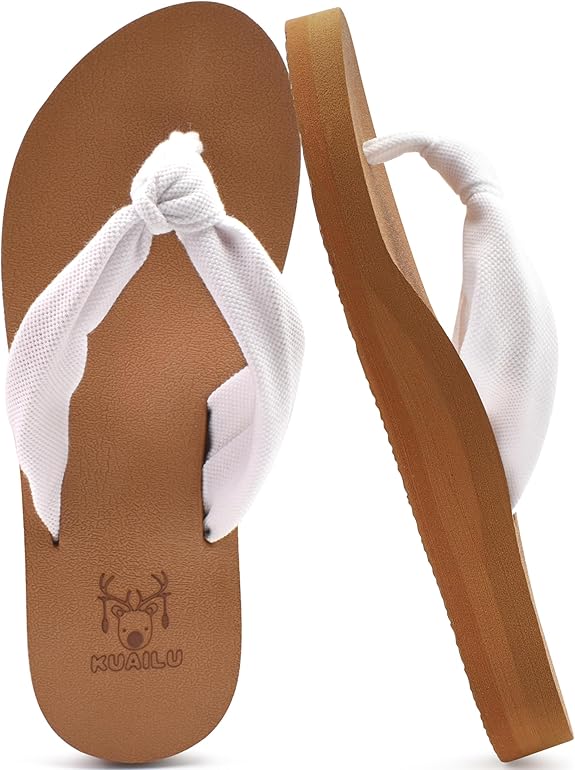
KuaiLu
Flip Flops with Arch Support
Cushioned, lightweight sandals with supportive arch design—a practical choice for beach trips, errands, and long summer walks.
Shop the sandals
baleaf
Athletic One-Piece Swimsuit
A functional one-piece with adjustable straps and moderate coverage, designed for swimming, training, surfing, and active beach days.
Shop the swimsuit
Astylish
Linen-Cotton Button-Down Shirt
A relaxed cotton-linen shirt with a collared V-neck and roll-up sleeves—easy to style over swimwear or with denim and shorts.
Shop the shirt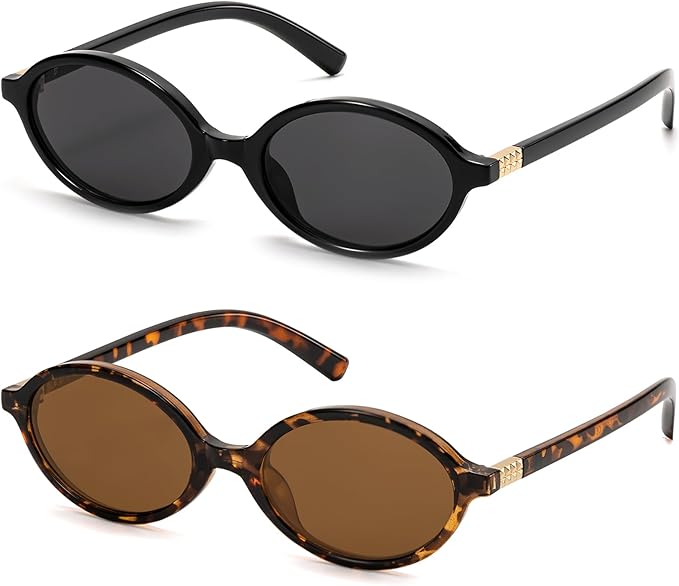
ViewJoy
Retro Oval Sunglasses
Small oval sunglasses with a 90s-inspired silhouette and UV400 lens protection—a quick way to add a vintage edge to everyday looks.
Shop the sunglasses
Affiliate disclosure: This section contains affiliate links. If you make a purchase through these links, I may earn a commission at no additional cost to you. Product selection, pricing, availability, and delivery terms may change—please review the current details on Amazon before purchasing.
As an Amazon Associate I earn from qualifying purchases.