Winter Formal Outfits: Elegant, Warm Looks for Every Event
Your Complete Guide to Winter Formal Outfits
Winter events often require a careful balance between elegance and warmth. Whether attending a formal dinner, a holiday party, or an evening celebration, outfits need to look refined while still feeling comfortable in colder weather. The most successful winter formal looks usually rely on rich fabrics, thoughtful layering, and classic silhouettes that remain stylish throughout the season.
Looking for a complete guide? Read our Winter Outfit Ideas Guide.
Why Winter Formal Style Feels Different
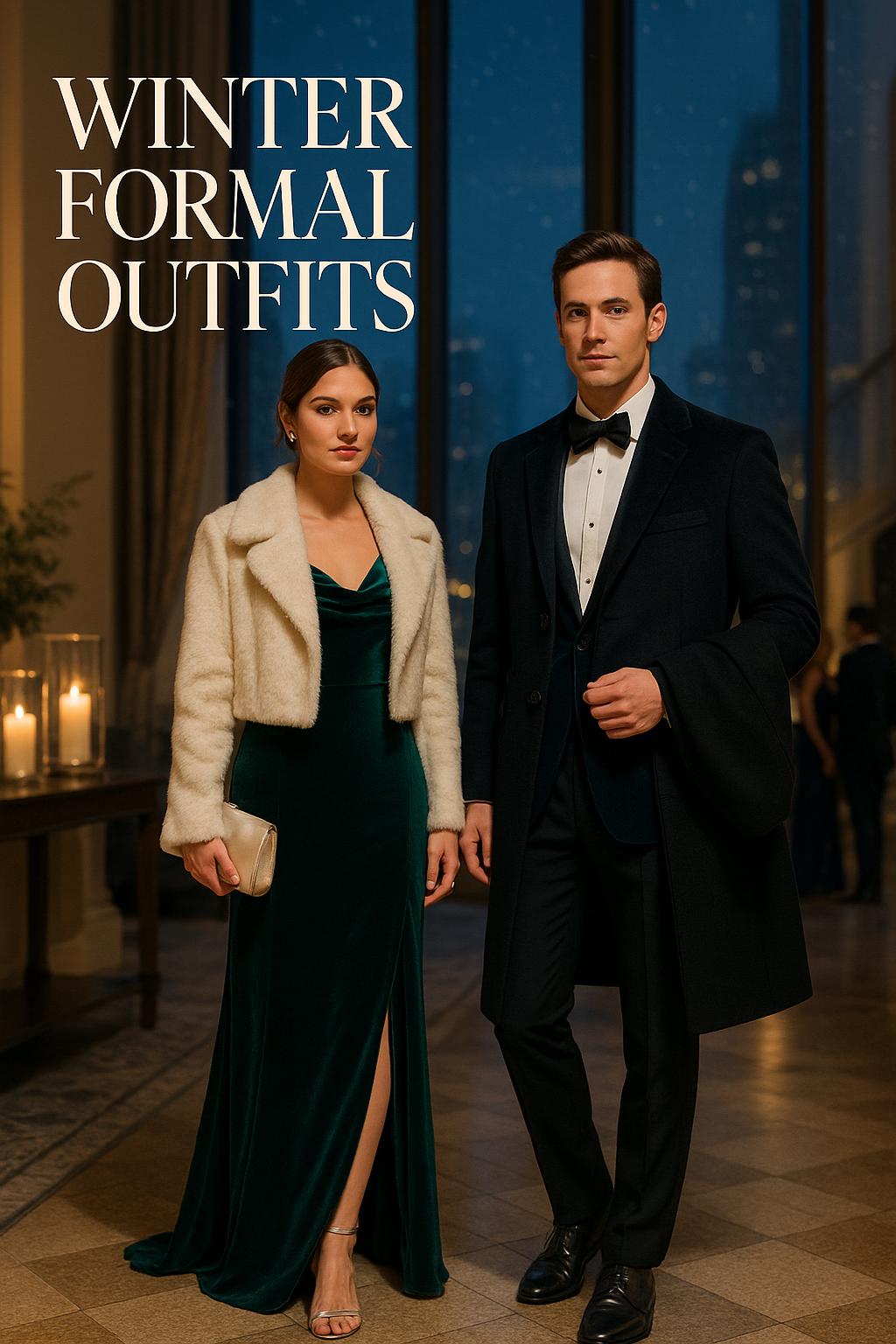
Formal outfits in winter often rely on different elements than those worn during warmer seasons. Heavier fabrics, deeper colors, and structured outer layers become more important as temperatures drop. Materials such as velvet, wool, satin, and thicker knits create a sense of warmth while still maintaining an elegant appearance.
The Fashion-Note Edit
Five effortless pieces to refresh your everyday wardrobe
A polished, practical edit for workdays, weekends, and everything in between.

The Drop
Women’s Blake Long Blazer
A longline, tailored blazer with a notched collar and a single-button closure—an easy layer for denim, dresses, or office-ready looks.
Shop the blazer
Amazon Essentials
Women’s Lightweight Crewneck
A soft, lightweight sweater with a clean crew neckline—the kind of reliable layer that works from cool mornings to air-conditioned spaces.
Shop the sweater
Amazon Essentials
Women’s Loafer Flat
A classic flat loafer that gives casual outfits a more polished finish and pairs naturally with tailored pants, skirts, and straight-leg jeans.
Shop the loafers
Levi’s
Women’s 501 90s Jeans
A relaxed, vintage-inspired take on the iconic 501 silhouette—made for an easy, lived-in look without the thrift-store search.
Shop the jeans
Colorfulkoala
High-Waisted 7/8 Leggings with Pockets
Soft, four-way-stretch leggings with side pockets and a high-rise waistband—designed for movement, errands, and off-duty comfort.
Shop the leggings
Affiliate disclosure: This section contains affiliate links. If you make a purchase through these links, I may earn a commission at no additional cost to you. Product selection, pricing, availability, and delivery terms may change—please review the current details on Amazon before purchasing.
As an Amazon Associate I earn from qualifying purchases.
Winter events also tend to take place in the evening, which naturally encourages richer color palettes and more polished silhouettes. Darker tones like black, navy, burgundy, and emerald often appear in formal winter wardrobes because they feel both sophisticated and seasonally appropriate.
Your wedding style is personal.
Your plan should feel that way, too.
Zarellea keeps your guest list, budget, vendors, and every next step beautifully organized — so you can focus on the moments that feel like you.
Understanding Winter Formal Dress Codes
Before you choose any winter formal outfit, you need to understand what level of formality the event expects. The invitation, venue, and host all give clues about how dressy you should be. Knowing whether you are dressing for a school dance, charity ball, corporate event, or semi-formal gathering will help you avoid being underdressed or overdressed.
Formal vs. Semi-Formal vs. Cocktail
Winter events often blend categories like formal, semi-formal, and cocktail, which can be confusing. Formal typically calls for longer dresses or gowns for women and suits or tuxedos for men, while semi-formal allows more flexibility with lengths and silhouettes. Cocktail usually means shorter, party-ready outfits, but winter versions often use richer fabrics and darker color palettes to align with the season.
- Formal: Evening gowns, floor-length dresses, sophisticated jumpsuits, dark suits, or tuxedos.
- Semi-formal: Midi dresses, sleek jumpsuits, chiffon or satin dresses, dressy separates, dark suits without a tie, or dress shirts with dress pants.
- Cocktail: Shorter dresses, dressy skirts, stylish tops, playful yet polished jumpsuits, and tailored blazers with trousers.
When in doubt, lean one step more formal for a winter event. Layers and rich fabrics mean you can easily adjust your look to feel more casual or more dressed up once you arrive.
School Winter Formal vs. Adult Winter Events
Outfits for a high school or college winter formal differ slightly from what you might wear to a work holiday party or black-tie gala. For younger attendees, the tone is often more fun, colorful, and trend-driven, with sequins, tulle, and playful accessories. Adult events tend to skew more classic, polished, and tailored, with subtle sparkle and timeless shapes that can be worn again to future occasions.
Consider the guest list and setting. A school gym or campus ballroom offers more flexibility, while a historic venue, luxury hotel, or country club usually calls for more refined winter formal outfits. Matching your outfit to the environment is one of the simplest ways to look appropriately dressed.
Dressing for Different Winter Events
Not every winter formal event requires the same type of outfit. A holiday dinner may call for a relaxed elegant look, while a formal evening reception often involves more structured silhouettes and refined fabrics. Understanding the context of the event helps determine whether to choose a classic dress, tailored suit, or a layered ensemble.
The goal is usually to create an outfit that feels elegant without sacrificing comfort, especially when moving between outdoor and indoor spaces during colder months.
Best Winter Formal Outfits for Women
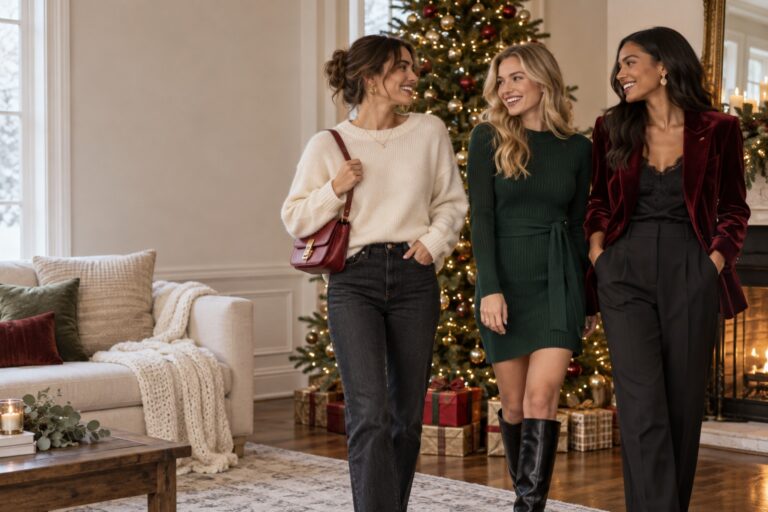
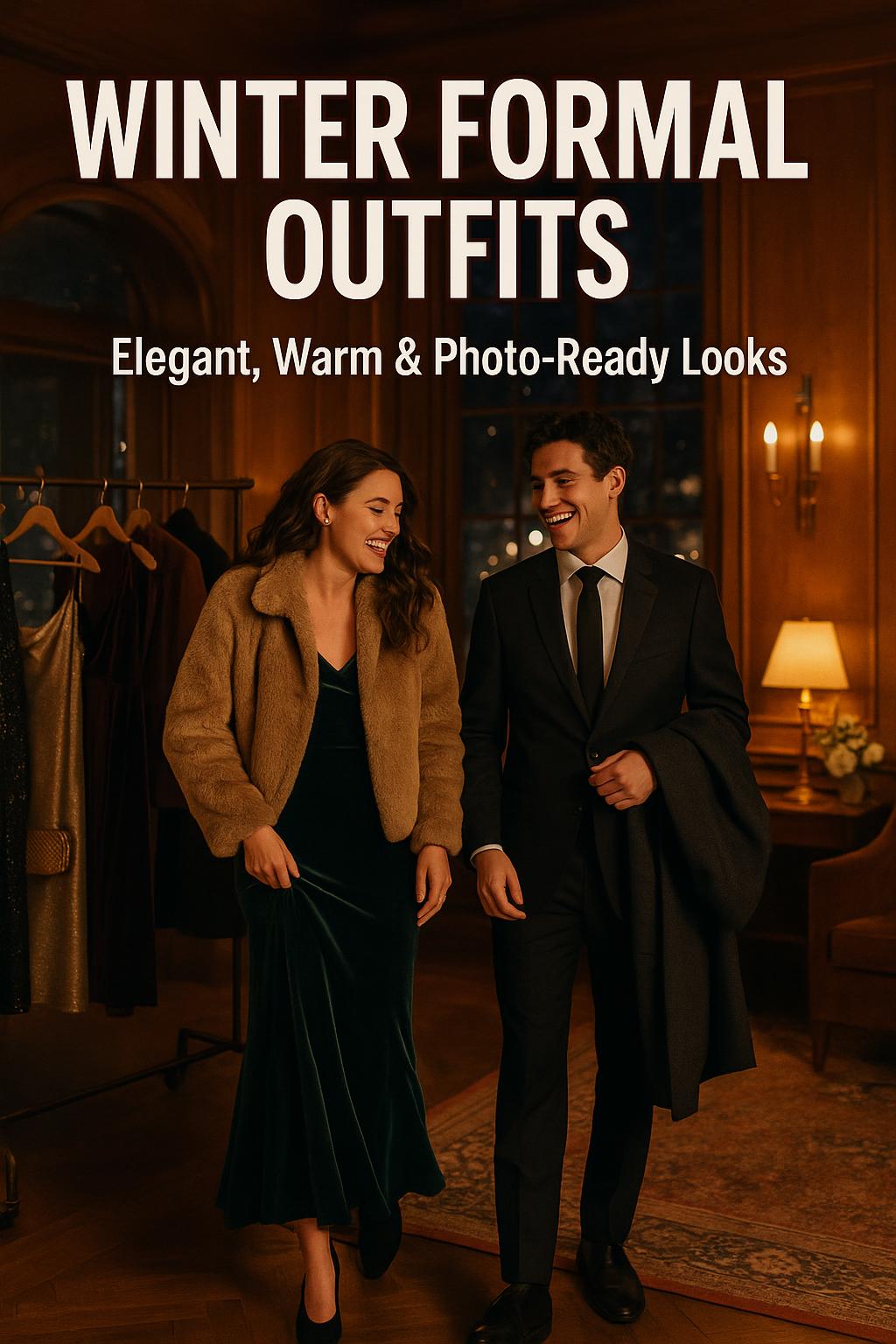
Women’s winter formal outfits are all about balancing glamour with warmth. The season lends itself to rich fabrics, jewel tones, metallic accents, and layered styling that can easily transition from chilly sidewalks to heated ballrooms.
Long Winter Formal Dresses and Gowns
Floor-length and maxi dresses are classic for winter formals because they look elegant and help keep your legs warmer than mini styles. They work especially well for more traditional or formal events, evening galas, and school dances held in larger venues.
- Satin and silk: Offer a sleek, high-end look that photographs beautifully under indoor lighting.
- Velvet: Adds texture and warmth, making it ideal for colder temperatures and giving a luxe, seasonal feel.
- Chiffon and tulle overlays: Bring movement and romance while still allowing for warmth with the right underlayers.
- Structured crepe: Creates clean lines and a smooth silhouette, ideal for minimalist looks.
Look for winter elements like long sleeves, higher necklines, or thicker straps that allow you to wear comfortable undergarments or shapewear without showing. Gowns with open backs or deep slits can still work, but consider pairing them with a dress coat for transit between locations.
Midi and Short Winter Formal Dresses
Midi and knee-length dresses are ideal for semi-formal winter events, work parties, or when you want something you can wear again. They are easier to walk and dance in, and they offer a great opportunity to showcase statement shoes or hosiery.
- Midi slip dresses with a blazer or faux fur jacket.
- Fit-and-flare dresses with lace or beaded detailing.
- Bodycon minis paired with opaque tights and a long coat.
- A-line dresses in brocade or jacquard fabrics for added texture.
If you choose a shorter dress for a winter formal, balance exposure with coverage. Long sleeves, higher necklines, or thicker fabric can make shorter hemlines feel more seasonally appropriate and comfortable in cooler temperatures.
Jumpsuits and Dressy Separates
Jumpsuits and coordinated separates are modern alternatives to dresses and can be just as dressy. They often provide more coverage, which is perfect for winter, and can be very flattering when tailored properly.
- Wide-leg jumpsuits with a belted waist for definition.
- Tailored jumpsuits with statement sleeves or an asymmetrical neckline.
- Matching satin or velvet sets, like a camisole and high-waisted trousers.
- Dressy palazzo pants paired with a sequined or embellished top.
These options are also easier to rewear after the event by dressing them down with more casual layers or swapping heels for flats or boots. They’re especially practical for those who get cold easily or prefer more coverage on their legs.
Best Winter Formal Outfits for Men
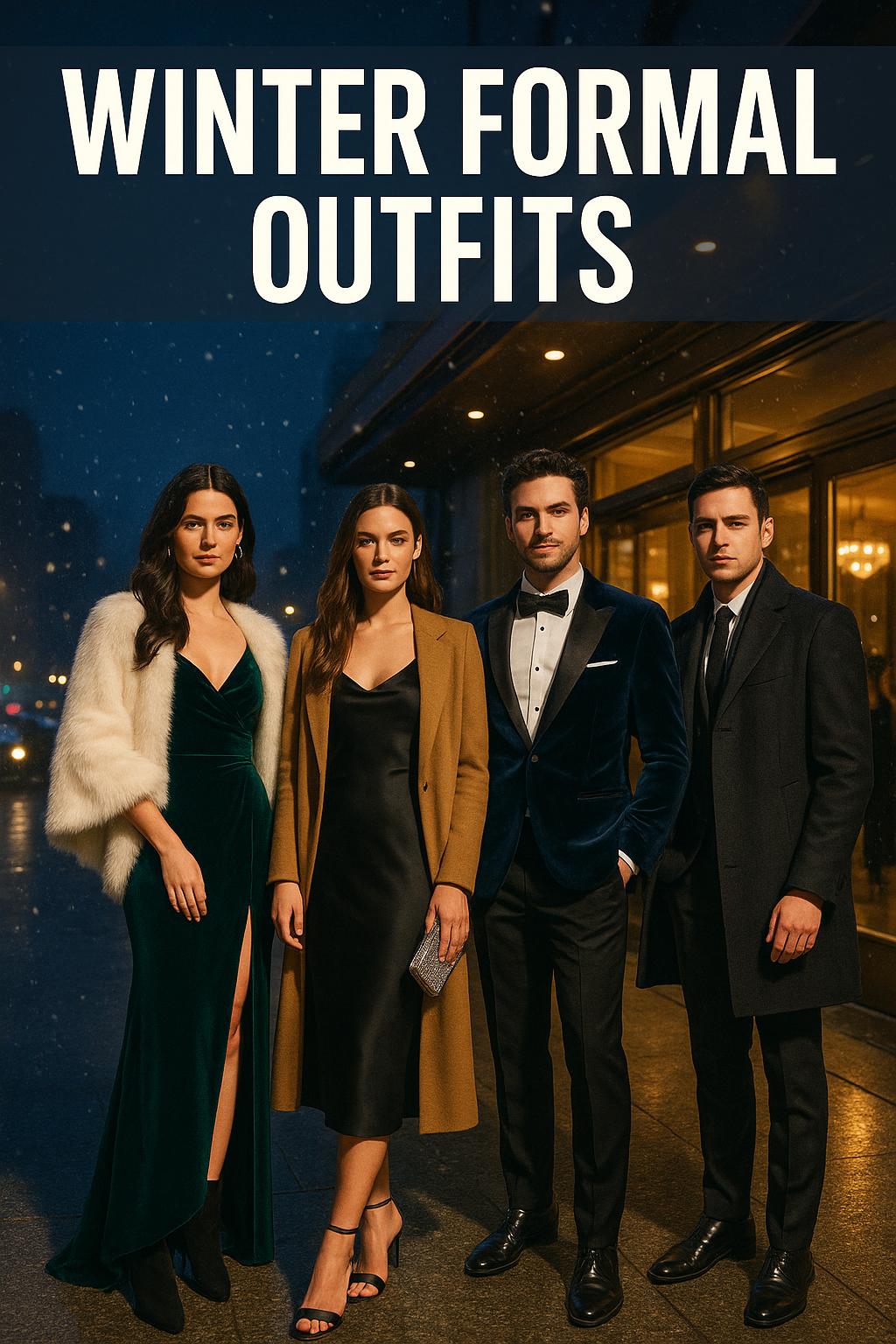
Men’s winter formal outfits center around tailored pieces, sharp details, and appropriate layering. Winter is a great time to experiment with texture, deeper colors, and seasonal fabrics while still keeping your look polished.
Classic Suit Options
A well-fitting suit works for most winter formal events outside of strictly black-tie occasions. Deeper shades feel especially appropriate for the season and can be dressed up or down with shirt and tie choices.
- Colors: Charcoal, navy, midnight blue, deep green, and black for more formal nights.
- Fabrics: Wool or wool-blend suits provide warmth and structure, while flannel or tweed textures create a more seasonal feel for slightly less formal settings.
- Shirts: Crisp white for the most formal vibe, or subtle patterns and pale colors for semi-formal events.
A tailored suit should allow you to move comfortably, sit, and dance without pulling or gaping. If your event is mainly indoors, you can skip heavy layering underneath and add warmth through your outerwear instead.
Tuxedos and Black-Tie Looks
For more formal winter events, a tuxedo is often the best choice. The combination of dark, structured fabric and polished details works particularly well against the richer décor and lighting common at winter formals and galas.
- Traditional black tuxedo with a satin lapel and matching trousers.
- Midnight blue tuxedo, which reads as black indoors but offers a subtle twist.
- Velvet dinner jackets for a seasonal, luxurious touch at holiday parties or semi-formal black-tie events.
Pair your tuxedo with a formal dress shirt, bow tie, and polished dress shoes. Keep accessories minimal and refined, such as a classic watch or simple pocket square, to maintain a cohesive and elegant winter formal outfit.
Smart-Casual Winter Formal Alternatives
Some winter formals, especially school dances, smaller gatherings, and certain corporate events, offer more flexible dress codes. In these cases, you can opt for smart-casual outfits that blend comfort with dressy details without resorting to a full suit.
- Dress pants with a button-up shirt and a blazer or sport coat.
- Dark, well-fitting chinos with a fine-gauge sweater layered over a collared shirt.
- Monochromatic looks, such as black trousers with a black turtleneck and tailored coat.
These outfits work best when each piece is in good condition, properly fitted, and coordinated in a cohesive color palette suitable for evening wear, such as navy, charcoal, black, or deep jewel tones.
Fabrics That Work Best for Winter Formal Outfits
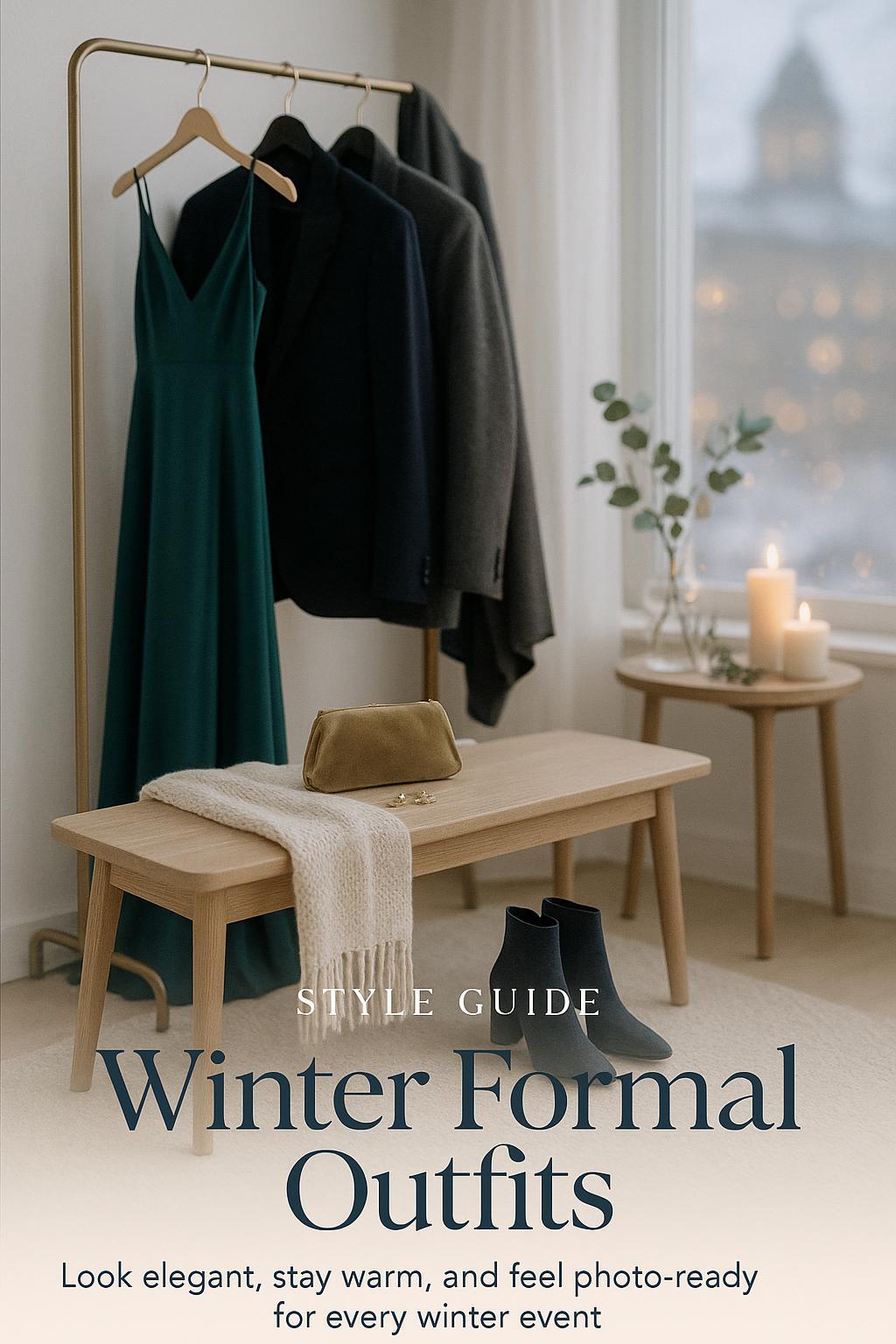
Fabric choice plays a major role in winter formal styling. Materials that provide structure and warmth tend to look more appropriate for colder seasons. Velvet, wool blends, satin, and thicker crepe fabrics often appear in winter formal wardrobes because they combine comfort with visual depth.
Choosing fabrics that hold their shape well can also help maintain a polished appearance throughout an event.
Seasonal Fabrics, Colors, and Textures
Choosing the right fabrics and colors for your winter formal outfits can instantly make your look feel more intentional and season-appropriate. Winter is the time for rich tones, plush textures, and materials that offer both style and insulation.
Winter-Friendly Fabrics
The fabric of your outfit affects warmth, comfort, and how it moves while you walk or dance. Some materials naturally align with winter and formal dress codes, making them strong choices for both men and women.
- Velvet: Luxurious, soft, and warm, ideal for dresses, blazers, and accessories.
- Satin: Smooth and glossy, perfect for gowns, skirts, and accents on menswear.
- Wool and wool blends: Excellent for suits, coats, and some dresses, offering structure and warmth.
- Brocade and jacquard: Heavier, patterned fabrics that add visual interest and look particularly festive.
- Sequins and beading: Best used in moderation or on specific sections of a garment to prevent discomfort.
Fabrics with a bit of stretch can also help maintain comfort during longer events, while lining in dresses and skirts reduces clinging to tights and increases warmth.
Color Palettes That Feel Elegant in Winter
Winter formal outfits often rely on deeper, more dramatic color palettes. Classic shades such as black, deep navy, burgundy, emerald, and charcoal gray create an elegant foundation for many looks. Metallic accents like gold or silver can also add subtle contrast without overwhelming the outfit.
These tones complement the evening atmosphere of winter events while remaining timeless and versatile.
Best Winter Colors and Prints
Color contributes significantly to the overall mood of winter formal outfits. Darker shades and jewel tones tend to photograph well and complement colder weather, while metallics echo the sparkle of the season.
- Jewel tones: Emerald, sapphire, ruby, amethyst, and deep teal.
- Neutrals: Black, charcoal, navy, ivory, champagne, and deep brown.
- Metallics: Gold, silver, rose gold, and gunmetal in fabrics or accessories.
- Subtle prints: Dark florals, tone-on-tone patterns, small-scale metallic accents.
Prints and bold colors can still be appropriate for winter formals when grounded by classic silhouettes or paired with neutral layers. Aim for a cohesive palette rather than a wide mix of competing shades.
Outerwear and Layering for Warmth
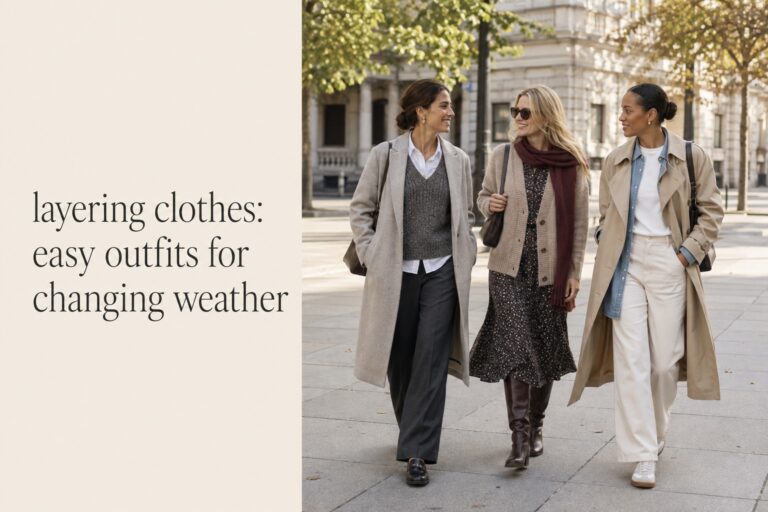
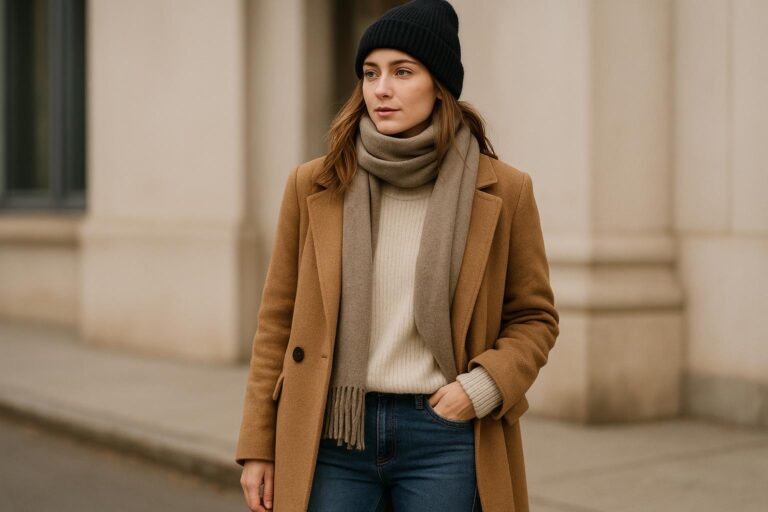
Even the most polished winter formal outfits need appropriate outerwear. The transition from car to venue, photos outdoors, or waiting in line can be uncomfortable if you don’t plan your layers. The goal is to stay warm without overshadowing or clashing with your main outfit.
Dress Coats and Formal Jackets
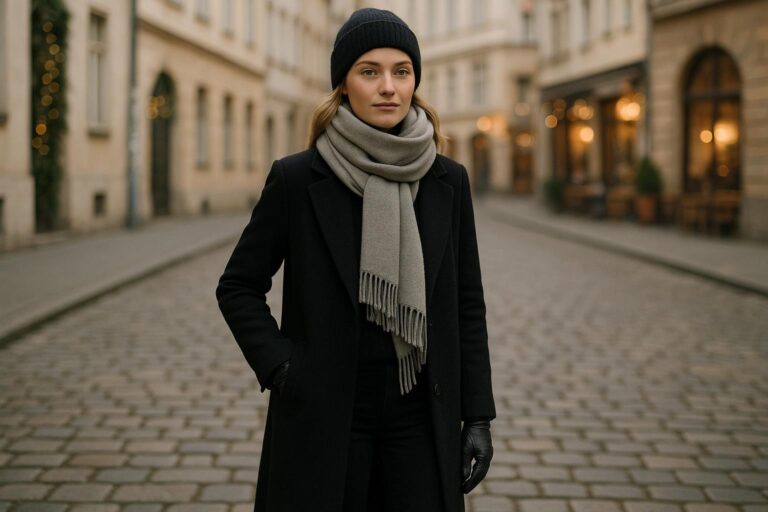
A tailored coat is the easiest way to keep any winter formal look elevated. Choose outerwear that complements your outfit and looks good in photos, since you may be wearing it for arrival or outdoor shots.
- Long wool coat in black, camel, charcoal, or navy.
- Wrap or belted coat that cinches at the waist over dresses.
- Tuxedo-style overcoat for men, designed to layer over a suit or tuxedo.
- Chic faux fur coat or jacket for a glamorous, seasonal feel.
Make sure the sleeves and shoulders of your coat accommodate the layers underneath. Avoid bulky puffer jackets for formal events if possible, opting instead for sleek silhouettes that complement your look.
Subtle Underlayers
Layering under your outfit is a strategic way to stay warm without changing how your look appears from the outside. This approach works especially well for colder climates or partially outdoor events.
- Skin-toned thermal tops under dresses or blouses.
- Opaque tights or fleece-lined tights under skirts and dresses.
- Thin base layers under men’s dress shirts or suits.
- Slip dresses or half-slips to add warmth and prevent static.
Choose seamless or close-fitting layers to avoid visible lines. Removing some layers once inside, like gloves, scarves, or hats, allows you to adapt comfortably to changing temperatures throughout the event.
Shoes, Accessories, and Finishing Touches
Accessories and shoes can transform winter formal outfits from simple to standout. They also serve practical functions like providing extra warmth, better traction in winter weather, and easy ways to personalize your look.
Winter-Ready Formal Shoes
Your shoes should balance style, comfort, and safety, especially if you are dealing with icy sidewalks, snow, or long periods of standing and dancing. Plan ahead if you expect to walk outdoors or across uneven ground.
- Closed-toe heels or dress shoes for added warmth and protection.
- Block heels and platforms for stability over slippery surfaces.
- Dressy ankle boots that pair well with midi dresses or tailored pants.
- Classic oxfords, loafers, or derby shoes for men in polished leather or suede.
Consider bringing a second pair of shoes: more practical boots for commuting and your formal pair for inside the venue. This preserves your dress shoes and keeps you safer in winter conditions.
Jewelry, Bags, and Extra Layers
The right accessories complete your winter formal outfit without overwhelming it. Focus on a few key pieces that coordinate with your clothing and feel comfortable to wear for several hours.
- Statement earrings or a single bold necklace paired with simpler pieces.
- Small clutch or evening bag that fits essentials like your phone, ID, and lip product.
- Dress scarves or stoles that can double as a shawl inside the event.
- Gloves and hats for outdoor portions of the evening, chosen to coordinate with your coat.
For men, subtle accessories like a quality watch, cufflinks, or a pocket square can add dimension. Avoid overloading your look with too many focal points; instead, pick one or two statement elements and keep the rest streamlined.
Outfit Ideas by Event Type
While personal style and comfort should guide your choices, it helps to visualize complete winter formal outfits for different types of events. Adapting your look to the occasion ensures you feel confident in both how you look and how appropriately you are dressed.
High School or College Winter Formal
For school dances, you can embrace current trends, playful details, and bold touches while still looking polished. Comfort and the ability to dance freely matter just as much as appearance.
- Sequin or glitter mini dress with opaque tights and block-heel ankle boots.
- Midi slip dress layered with a cropped faux fur jacket and strappy heels.
- Dressy jumpsuit with wide legs, paired with a belt and platform shoes.
- For guys: dark dress pants, a button-up shirt, slim tie or no tie, and a tailored blazer.
Choose pieces that feel age-appropriate and comfortable for photos, dancing, and socializing with friends, and factor in school rules on dress codes where relevant.
Holiday Parties and Seasonal Galas
Holiday winter formals often have festive themes, upscale venues, and more decorative settings. This is the time to embrace richer colors, touches of metallic, and more dramatic silhouettes while staying within the event’s dress expectations.
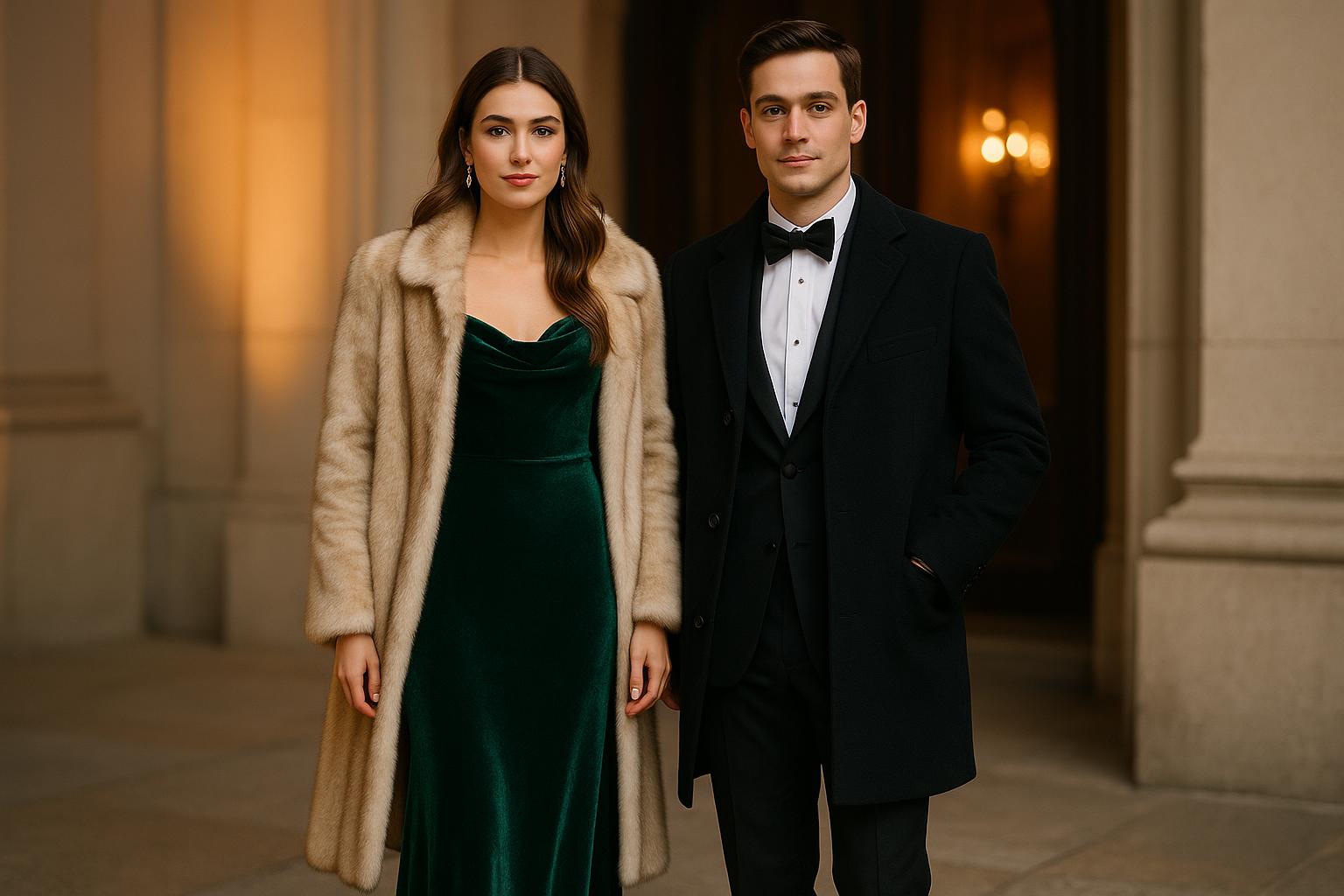
- Velvet gown with a slit and wrap coat for an evening gala.
- Metallic midi dress with simple heels and a wool coat.
- Tailored suit with a velvet blazer for men, paired with a white shirt and dress shoes.
- Classic black tuxedo or evening dress for more traditional black-tie celebrations.
When attending work-related holiday events, keep necklines, hemlines, and fit within professional boundaries while still embracing seasonal colors and textures.
Winter Weddings and Formal Dinners
Weddings and formal dinners in winter often have their own specific dress codes, but they still fall under the broader umbrella of winter formals. Respecting the couple’s or host’s request is essential while selecting outfits that work with colder temperatures.
- Guests at a winter wedding might opt for long dresses in jewel tones or elegant midi dresses in rich fabrics.
- Men can wear dark suits or tuxedos, depending on whether the event is formal or black-tie optional.
- Consider the venue—rustic barns, city hotels, and historic estates each pair well with slightly different levels of formality.
Layering thoughtfully ensures you stay comfortable during outdoor photos or ceremonies while still looking refined at the reception and dinner.
Tips for Choosing the Right Winter Formal Outfit
The best winter formal outfits are the ones you feel comfortable and confident wearing. Beyond trends or specific colors, focus on fit, functionality, and how the outfit performs in real conditions, from getting ready at home to the end of the night.
Fit, Comfort, and Movement
No matter how stylish your outfit is, it needs to let you walk, sit, and dance without constant adjusting. Trying on the full look in advance gives you a realistic sense of how it will feel during a multi-hour event.
- Practice walking, sitting, and climbing stairs in your shoes and outfit.
- Check that straps, closures, and waistbands stay in place.
- Confirm that the fabric is not too sheer under bright lighting or camera flash.
- Ensure that any shapewear or layering pieces remain invisible and comfortable.
Choosing slightly more modest cuts or secure fastenings can reduce stress about wardrobe malfunctions and help you relax and enjoy the event fully.
Planning Ahead for Weather and Logistics
Winter events come with extra considerations like cold temperatures, potential snow or ice, and longer travel times. Thinking through the logistics before the day of your event helps avoid last-minute outfit issues.
- Check the forecast a few days before and again on the day of the event.
- Plan transportation so you know how far you will walk outdoors.
- Organize a garment bag, lint roller, and small emergency kit for quick fixes.
- Test your chosen coat, shoes, and accessories with your outfit in advance.
By addressing these practical details ahead of time, you ensure that your winter formal outfit not only looks good in photos but also works in real-world conditions.
Staying Warm Without Losing Elegance
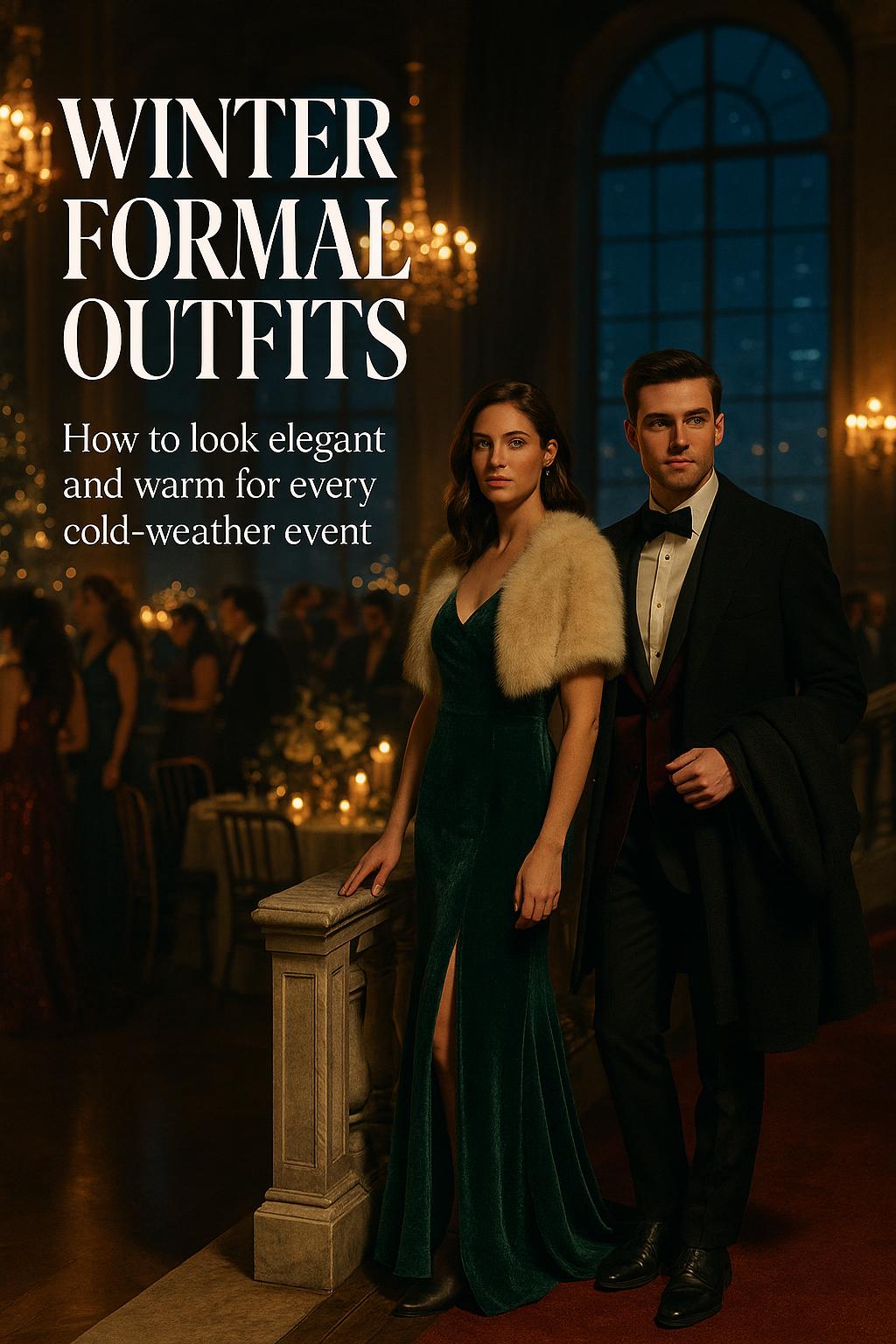
Balancing warmth and elegance can be challenging during winter events. Layering becomes one of the most effective strategies for maintaining comfort without compromising style. A well-fitted coat, structured cape, or elegant shawl can provide warmth while still complementing the overall outfit.
Choosing thermal underlayers or thicker fabrics can also help maintain warmth without altering the silhouette of formal clothing.
Common Mistakes When Choosing Winter Formal Outfits
One common mistake is selecting outfits designed primarily for warmer seasons. Lightweight fabrics or sleeveless dresses without layering options may feel uncomfortable during colder months. Another issue is relying on overly bulky outerwear that disrupts the elegant silhouette of a formal outfit.
Choosing seasonally appropriate fabrics and structured outer layers helps create outfits that remain both comfortable and refined.
FAQ
What should I wear to a high school winter formal?
For a high school winter formal, aim for a dressy but age-appropriate outfit that you can dance and move in comfortably. Popular options include short or midi dresses in fabrics like satin, chiffon, or sequins, paired with tights and closed-toe heels or dressy boots. Guys typically wear dress pants with a button-up shirt, sometimes adding a tie and blazer. Focus on a polished look that fits your school’s dress code and feels comfortable for several hours.
Are long dresses better than short dresses for winter formals?
Long dresses are often preferred for winter formals because they offer more warmth and tend to look more formal, especially for galas, weddings, or traditional dances. However, short and midi dresses can be just as appropriate when styled thoughtfully with opaque tights, dressy outerwear, and seasonally appropriate fabrics. The best choice depends on the event’s dress code, your personal style, and how warm you need to be.
Can I wear a jumpsuit instead of a dress to a winter formal?
Yes, a tailored jumpsuit is a stylish and practical alternative to a dress for many winter formals. Look for jumpsuits made from dressy fabrics like crepe, satin, or velvet, with details such as wide legs, defined waists, or interesting necklines. Pair them with heels or dressy boots and polished accessories. As long as the jumpsuit looks refined and matches the event’s formality, it is a perfectly appropriate choice.
What colors work best for winter formal outfits?
Winter formals usually favor darker, richer shades and jewel tones that complement the season. Popular choices include black, navy, charcoal, emerald green, burgundy, deep blue, and dark purple. Metallic accents in gold, silver, or gunmetal also work well, especially in accessories or fabrics with a subtle sheen. You can also wear lighter neutrals like ivory or champagne, particularly for dresses, as long as the overall look feels appropriate for an evening winter event.
How can I stay warm in a formal outfit without ruining the look?
To stay warm without sacrificing style, combine discreet underlayers with polished outerwear. Wear a tailored wool or wrap coat over your outfit, add opaque or fleece-lined tights with dresses, and consider thin thermal tops or base layers under shirts or dresses. Choose closed-toe shoes or dressy boots, and use accessories like gloves and scarves for outdoor portions of the night. Once indoors, you can remove the outer layers and reveal your full outfit.
What kind of shoes should I wear to a winter formal?
For a winter formal, choose shoes that are both dressy and practical for cold or potentially slippery conditions. Closed-toe heels, block heels, and dressy ankle boots are good options for women, while men typically wear leather dress shoes such as oxfords, loafers, or derby shoes. If you will be walking on snow or ice, consider wearing weather-appropriate boots while traveling and changing into your formal shoes at the venue.
Is it okay to wear boots with a formal dress?
Dressy boots can absolutely work with formal dresses at winter events, especially midi or shorter hemlines. Choose sleek, heeled ankle or knee-high boots in leather or suede that complement the dress rather than heavy winter boots designed purely for warmth. Ensure the boots are clean, in good condition, and proportionate to the dress so the overall look remains polished and appropriate for a formal setting.
What should men wear to a semi-formal winter event?
For a semi-formal winter event, men typically wear a dark suit or dress pants with a button-up shirt and a blazer. A tie is often recommended but can be optional depending on how dressy the event feels. Wool or wool-blend fabrics offer warmth, and deeper colors like navy, charcoal, or black look seasonally appropriate. Dress shoes such as oxfords or loafers complete the look, and a tailored coat can be added for outdoor warmth.
How far in advance should I plan my winter formal outfit?
Ideally, plan your winter formal outfit at least a couple of weeks in advance, especially if you need to order pieces, schedule alterations, or coordinate with a date or group. This timeline gives you room to try on the full outfit, test shoes and layers, and make adjustments for comfort or weather. Planning early reduces stress and helps you feel more confident and prepared on the day of the event.
Creating Elegant Winter Outfits That Feel Comfortable
Winter formal style is often about thoughtful details rather than dramatic changes. With the right fabrics, color palette, and layering approach, it becomes possible to create outfits that feel elegant while still providing warmth during colder months. A few versatile pieces can easily form the foundation for multiple formal looks throughout the season.
More Outfit Inspiration
- Summer Music Festival Outfits That Stay Polished All Day
- 7 Portugal Outfits Spring: Pack-Light Capsule for US Travelers
- 10 Polished Spring Outfits London Ideas for US Travelers
- 7 Polished new york outfits spring for NYC’s Changing Weather
Finish the look
The little extras that make a summer outfit feel complete
From beach days to city weekends, these easy pieces bring comfort, texture, and a polished finishing touch.

FENBEN
Straw Hobo Crossbody Bag
A handwoven straw bag with both short and crossbody straps—an effortless finishing touch for vacation looks and warm-weather outfits.
Shop the bag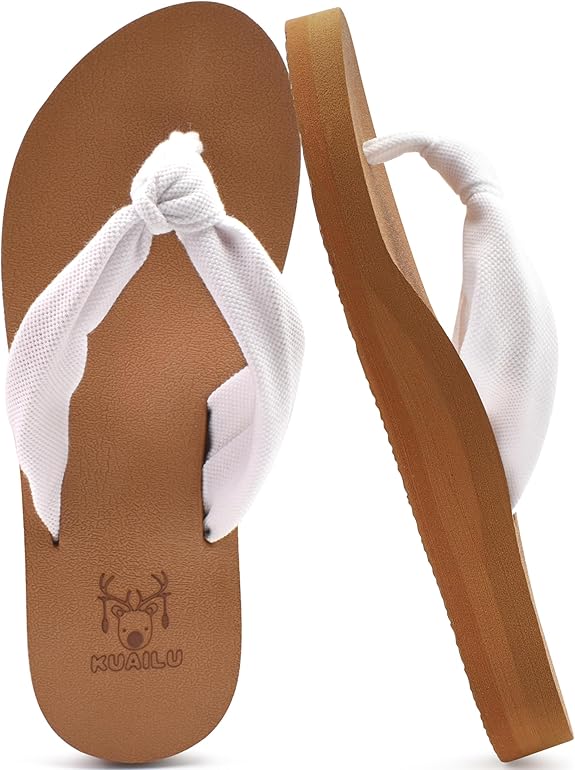
KuaiLu
Flip Flops with Arch Support
Cushioned, lightweight sandals with supportive arch design—a practical choice for beach trips, errands, and long summer walks.
Shop the sandals
baleaf
Athletic One-Piece Swimsuit
A functional one-piece with adjustable straps and moderate coverage, designed for swimming, training, surfing, and active beach days.
Shop the swimsuit
Astylish
Linen-Cotton Button-Down Shirt
A relaxed cotton-linen shirt with a collared V-neck and roll-up sleeves—easy to style over swimwear or with denim and shorts.
Shop the shirt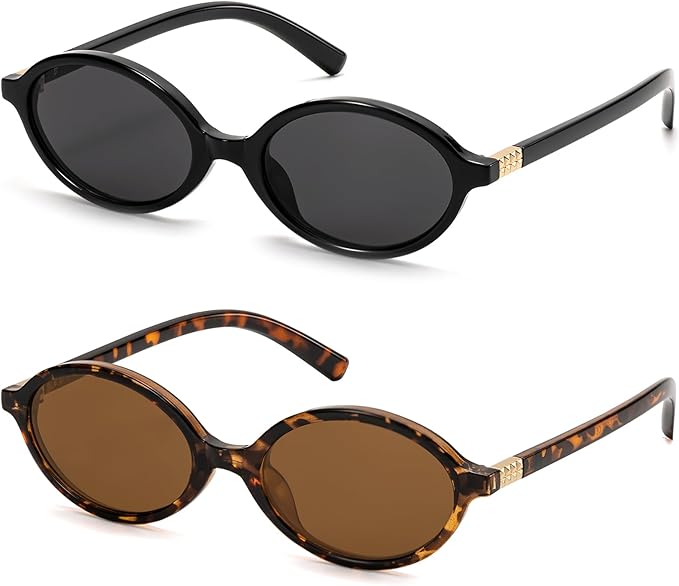
ViewJoy
Retro Oval Sunglasses
Small oval sunglasses with a 90s-inspired silhouette and UV400 lens protection—a quick way to add a vintage edge to everyday looks.
Shop the sunglasses
Affiliate disclosure: This section contains affiliate links. If you make a purchase through these links, I may earn a commission at no additional cost to you. Product selection, pricing, availability, and delivery terms may change—please review the current details on Amazon before purchasing.
As an Amazon Associate I earn from qualifying purchases.