80 Workout Outfits: Build an 80s Aerobics Capsule
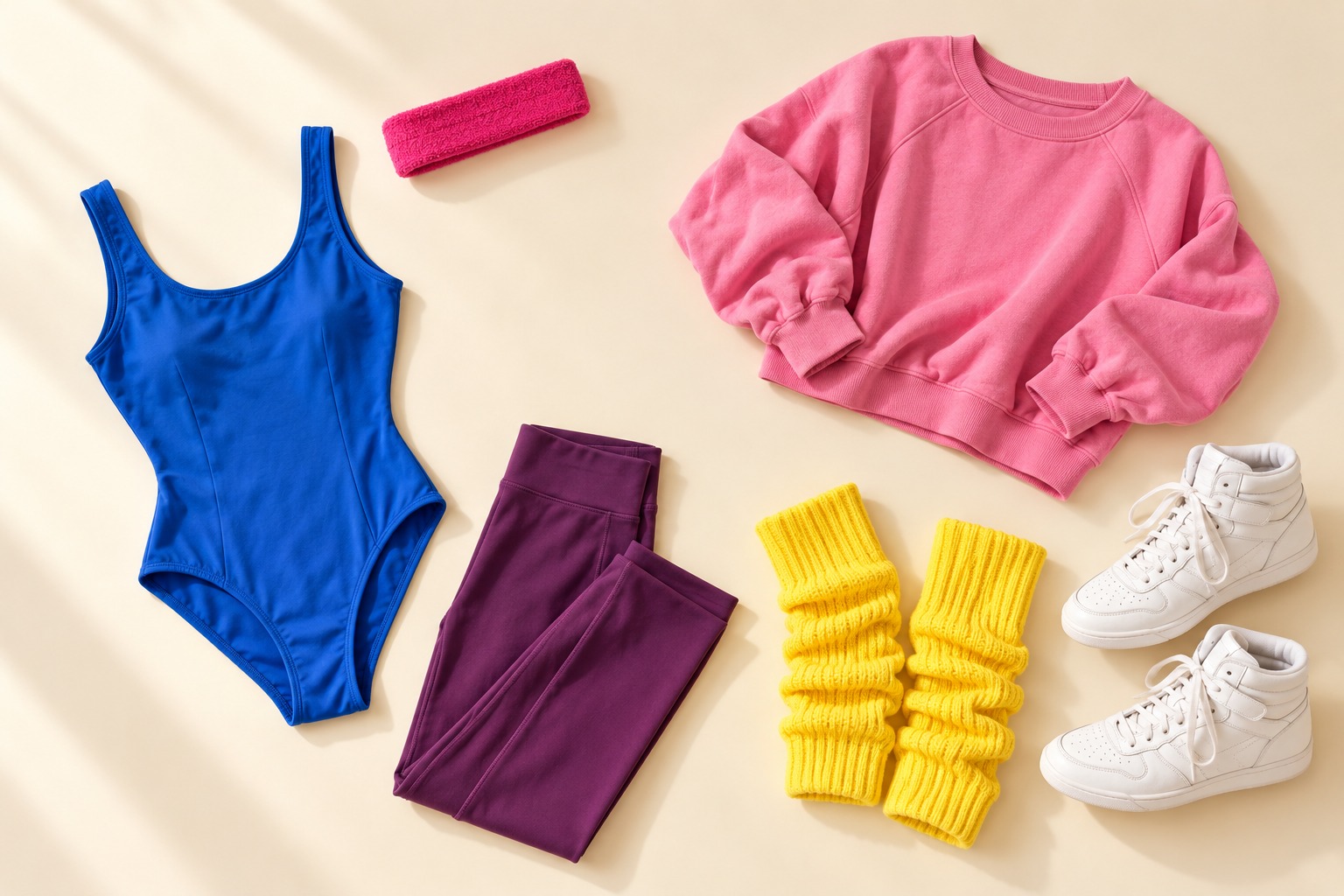
You want the bright, upbeat energy of an eighties aerobics look, but the usual costume checklist can make getting dressed feel like a shopping assignment. For 80 workout outfits with a clear point of view, you do not need every familiar piece at once. Start with one fitted base, add one contrasting layer, then choose a single finishing accent. That small system can read subtle, dance-inspired, or full theme-party depending on the color and accessories you pick.
This guide builds the look as a capsule rather than a costume uniform. You will see which pieces do the most visual work, four combinations at different levels of nostalgia, and ways to adjust the same pieces for coverage, weather, and actual movement. Use the decade as inspiration, then make the outfit fit the plans you have today.
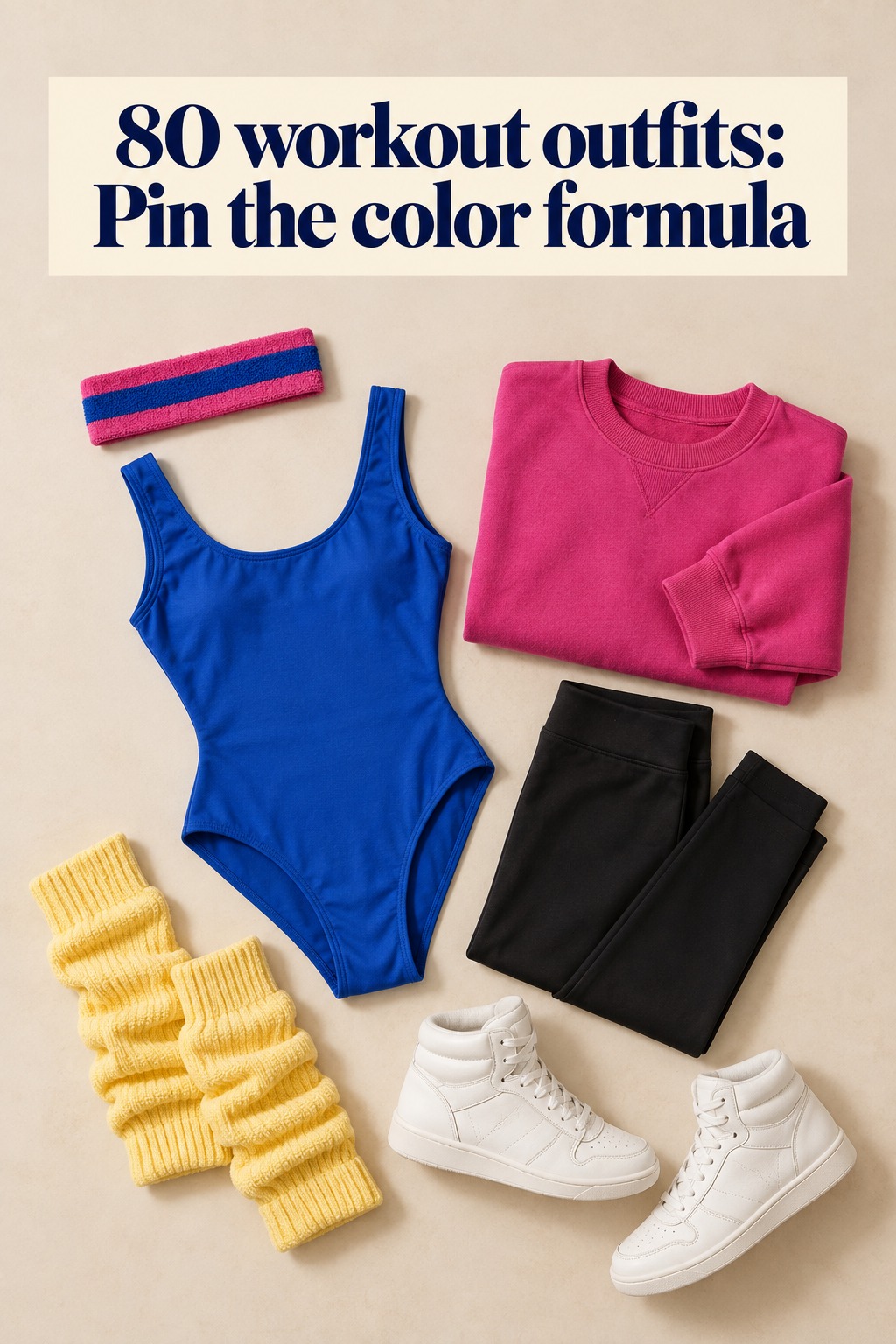
The 80s workout outfit formula, without a full costume
The recognizable aerobics silhouette is built from contrast: a close-fitting base, a looser layer, and one accessory that creates a strong line or color note. That contrast is more useful than a strict list of mandatory garments. The Fashion History Timeline at the Fashion Institute of Technology notes that the fitness craze helped stylish gym wear enter everyday dress, while dancewear influenced leggings and off-the-shoulder sweatshirts. The clothes sat between exercise, dance, and daywear, so an outfit can reference that mix without copying one studio uniform. See the FIT timeline of 1980s fashion for period context.
The Fashion-Note Edit
Five effortless pieces to refresh your everyday wardrobe
A polished, practical edit for workdays, weekends, and everything in between.

The Drop
Women’s Blake Long Blazer
A longline, tailored blazer with a notched collar and a single-button closure—an easy layer for denim, dresses, or office-ready looks.
Shop the blazer
Amazon Essentials
Women’s Lightweight Crewneck
A soft, lightweight sweater with a clean crew neckline—the kind of reliable layer that works from cool mornings to air-conditioned spaces.
Shop the sweater
Amazon Essentials
Women’s Loafer Flat
A classic flat loafer that gives casual outfits a more polished finish and pairs naturally with tailored pants, skirts, and straight-leg jeans.
Shop the loafers
Levi’s
Women’s 501 90s Jeans
A relaxed, vintage-inspired take on the iconic 501 silhouette—made for an easy, lived-in look without the thrift-store search.
Shop the jeans
Colorfulkoala
High-Waisted 7/8 Leggings with Pockets
Soft, four-way-stretch leggings with side pockets and a high-rise waistband—designed for movement, errands, and off-duty comfort.
Shop the leggings
Affiliate disclosure: This section contains affiliate links. If you make a purchase through these links, I may earn a commission at no additional cost to you. Product selection, pricing, availability, and delivery terms may change—please review the current details on Amazon before purchasing.
As an Amazon Associate I earn from qualifying purchases.
Think of the base as the anchor. A leotard is the most direct reference, but a fitted tank, a short-sleeve bodysuit, or a neat athletic top can do the job. For bottoms, choose leggings, capri tights, bike shorts, or a fitted short over tights according to the look you want and what feels comfortable. The purpose is to create a smooth starting shape under a layer, not to follow one prescribed level of coverage.
Your wedding style is personal.
Your plan should feel that way, too.
Zarellea keeps your guest list, budget, vendors, and every next step beautifully organized — so you can focus on the moments that feel like you.
The second layer supplies movement and softness. An oversized sweatshirt, cropped sweatshirt, zip jacket, or warm-up top changes the outline immediately. You can wear it normally, push up the sleeves, or let the neckline sit slightly off one shoulder if that feels secure and comfortable. A bright layer over a darker base looks graphic; a tonal layer creates a quieter version. The layer also makes the outfit feel more like clothing you might already own.
Finish with one or two small signals rather than every accessory you can find. Leg warmers, a fabric headband, wristbands, scrunchie, or high-top sneakers each provide a clear cue. Pick the detail that best supports your outfit. If the top and leggings already have strong colors, a simple headband may be enough. If the clothes are mostly black or gray, a pair of contrasting leg warmers can carry the reference.
Historical examples show combinations rather than a single fixed recipe. A September 1986 magazine feature described a set with capri tights, contrasting ankle warmers, a tank-cut leotard, and a braided headband. That is a useful period-specific example: the leg treatment and head detail gave a simple fitted base a more deliberate finish. It is one documented outfit, not evidence that everyone dressed this way.
The capsule pieces that do the most work
Before shopping, lay out the athletic or dance-inspired pieces you already own. Look for a fitted top, leggings or shorts, a sweatshirt or light jacket, and comfortable sneakers. The best starting piece is often the one with the strongest color or clearest silhouette. Build around that item, then stop when the outfit reads clearly. An eighties reference can come from proportions and color relationships as much as from a novelty print.
Choose a base that suits your coverage preference
A leotard gives a smooth, tucked-in line and feels close to dancewear. A fitted tank or tee is an easy substitute if you prefer a familiar neckline or want to wear the outfit beyond a party. A bodysuit can provide a similar outline under a sweatshirt, while a cropped athletic top creates a more contemporary proportion. None is automatically more authentic or more flattering. Consider how the fabric sits when you reach, bend, and walk, and choose coverage that lets you enjoy the event.
For bottoms, full-length leggings make the outfit streamlined and are easy to layer. Capri-length tights expose more of the lower leg and work well with socks or leg warmers. Bike shorts are a useful option for warm indoor events or a look that needs less fabric. If you want extra coverage, place shorts over tights or add a longer sweatshirt. The goal is a combination you can move in without repeatedly adjusting it.
Use one relaxed layer to change the silhouette
An oversized sweatshirt is one of the easiest closet substitutions because its volume contrasts with the fitted base. A cropped sweatshirt leaves the leg line visible; a full-length sweatshirt makes the outfit more relaxed. A zip-up warm-up jacket creates a sporty finish and is easy to remove indoors. You can also tie a sweatshirt around your waist when you want color and texture without wearing another layer on your upper body.
Check the balance from the side as well as the front. A very roomy top over loose bottoms can hide the outfit’s shape, while a fitted top with fitted leggings may feel more exposed than you want. Change one proportion at a time: keep the leggings and switch to a longer top, or keep the sweatshirt and choose a more fitted bottom. This simple adjustment tends to solve more styling problems than adding extra accessories.
Make leg warmers, socks, and shoes work together
Leg warmers are a strong visual accent, but they do not have to match the leotard exactly. A related color creates a coordinated look; a contrasting color gives the lower half more energy. Wear them scrunched at the ankle or pulled higher over tights, depending on their length and the line you want. If you do not own leg warmers, try tall socks or layered slouch socks. They will not be identical, but they can echo the soft, gathered finish.
Shoes should match the setting. Clean sneakers or high-tops provide a period-inspired shape for a party. If the outfit is for exercise, use footwear suited to the activity and surface, and do not let a costume detail replace a practical choice. The 1980s fitness boom also had a strong sneaker story: TIME’s retrospective connects Jane Fonda’s workout videos with the 1982 Reebok Freestyle. That reference helps explain why sneakers belong naturally in an aerobics-inspired outfit, while your own pair should still be chosen for how you plan to use it.
Keep jewelry simple if you expect to dance or move around. Small earrings, a fabric wristband, or a watch can finish a party look without catching on layers. Large costume jewelry can be fun for photos, but set it aside if it gets in the way. The most successful finishing detail is the one you forget about once you leave the mirror.
Four 80 workout outfits, from subtle to full aerobics
Use these formulas as starting points, not strict uniforms. Each one has a lead piece and a reason the other elements support it. You can change the colors, coverage, and shoe while keeping the balance intact. If you are dressing for a themed party, lean into the color and accessories. For a casual outfit or an actual class, choose fewer costume cues and prioritize comfort and movement.
1. The understated sweatshirt and leggings look
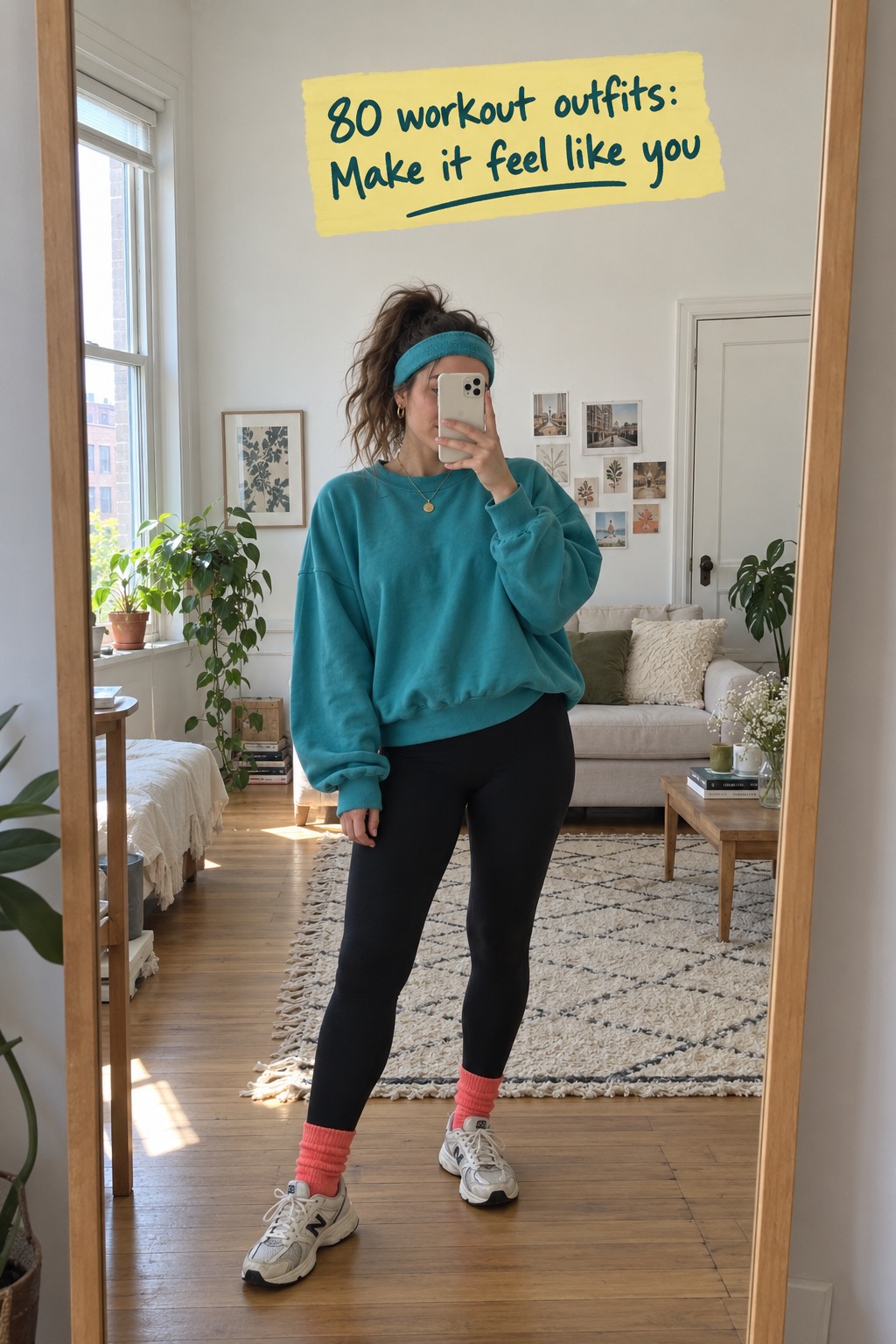
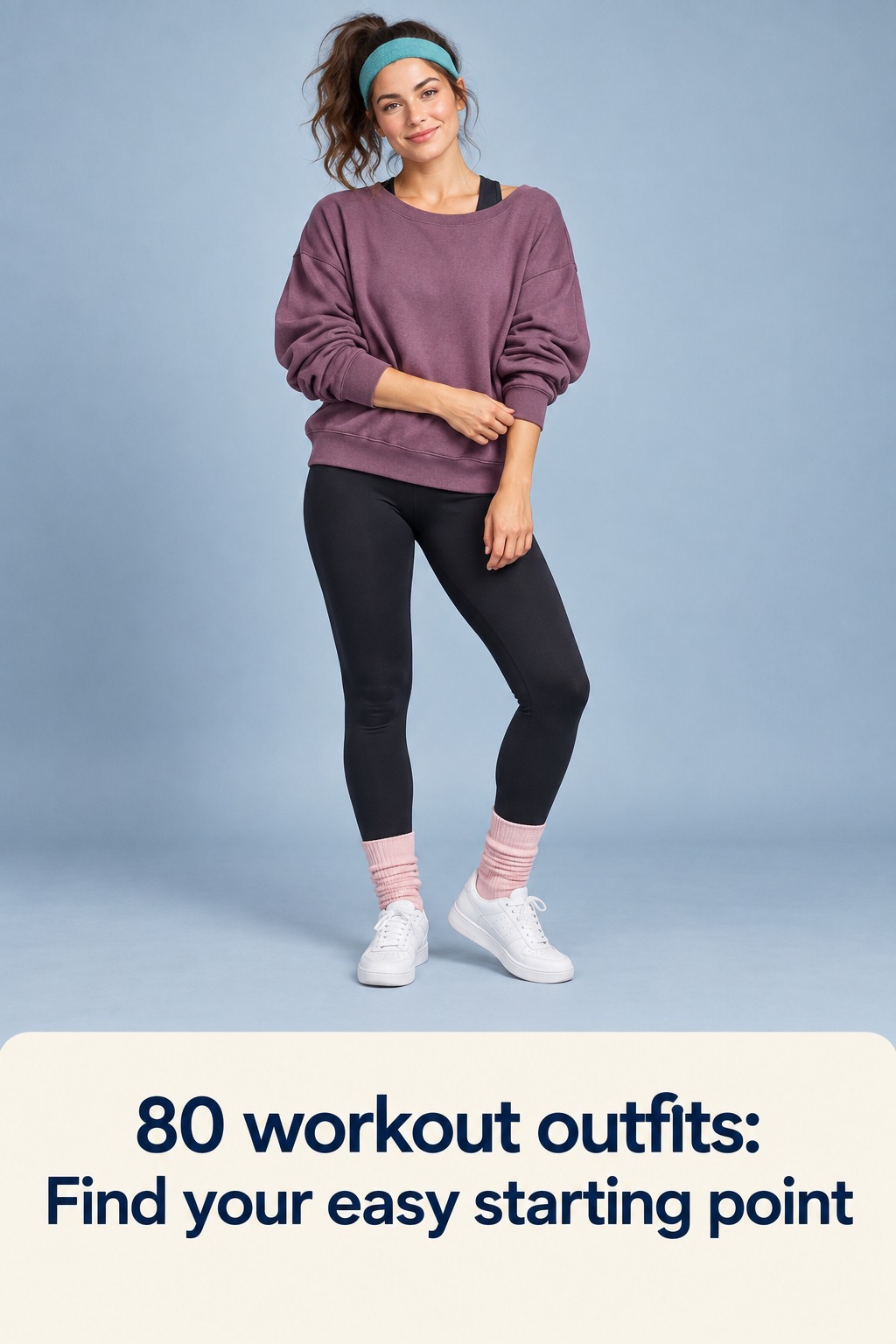
Start with black, navy, or charcoal leggings and a simple fitted tank. Add a bright sweatshirt in pink, teal, cobalt, or purple, then finish with clean sneakers and a fabric headband. The sweatshirt is the focal point, so the rest of the outfit can stay quiet. Push up the sleeves or let the top layer sit loosely at the shoulder if it remains secure when you move.
This is the easiest formula for someone who wants the mood without wearing a leotard. It also transitions well from a theme event to ordinary errands if you remove the headband or swap a vivid sweatshirt for a softer color. If the top feels too oversized, half-tuck the front only if the fabric stays put, or choose a shorter sweatshirt that lands near the waist.
For a more obvious eighties finish, add leg warmers in a color already present in the sweatshirt. For a subtle finish, skip them and choose tall socks instead. One accent is enough because the vivid top already gives the outfit its point of view.
2. The dance-studio leotard and capri look
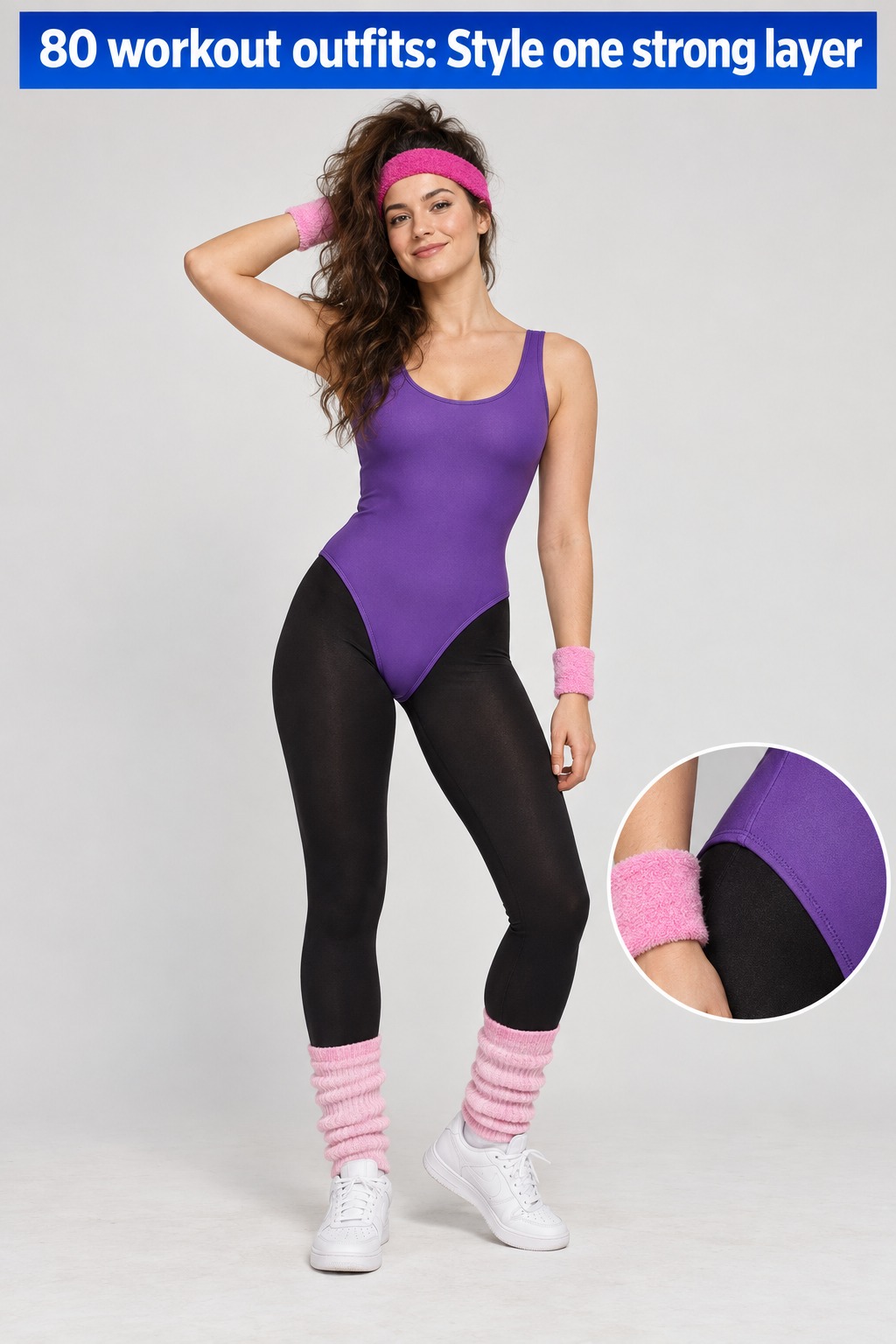
Choose a leotard or fitted bodysuit, capri tights, and leg warmers that contrast with one of those pieces. A braided headband or simple elastic band pulls attention upward and echoes the strong color at the ankles. Finish with sneakers that feel secure for the event. The result has a clear dancewear reference without needing a slogan tee or a full set of matching accessories.
Adjust the formula to your own comfort. Layer fitted shorts over the leotard if you prefer more coverage, or add a cropped sweatshirt for arrival and remove it indoors. Try sitting, taking a full step, and raising your arms before committing to the outfit. If a neckline slips or a layer rides up, choose another base or add a secure layer rather than spending the evening fixing it.
Color does not have to mean fluorescent. A plum leotard with gray leg warmers and white sneakers still reads retro through its proportions. Pastel pink and mint create a softer mood, while black with one vivid accent keeps the look graphic. Let the contrast show in one place instead of matching every accessory.
3. The color-block warm-up set
Build around a zip jacket or lightweight warm-up top in a bold color block. Wear it over a plain tee or tank with leggings, then repeat one jacket color in the socks or headband. This combination suits readers who do not want a fitted one-piece but still want the athletic reference to be clear. A jacket also makes the outfit easier to adjust when you move between indoors and outdoors.
If you do not have a vintage-looking track jacket, a modern zip layer can work. Look for a simple shape and a clean color relationship rather than a fake retro logo. Pair a teal jacket with black bottoms, or a cream and cobalt jacket with navy leggings. Keep the shirt beneath it plain so that the jacket reads as the lead piece.
For a party, you can add leg warmers and a headband. For a more everyday version, keep the shoes and accessories understated. A single strong layer often gives more flexibility than buying a complete themed set, and you can wear it again with jeans or other workout clothes.
4. The full theme-party aerobics look
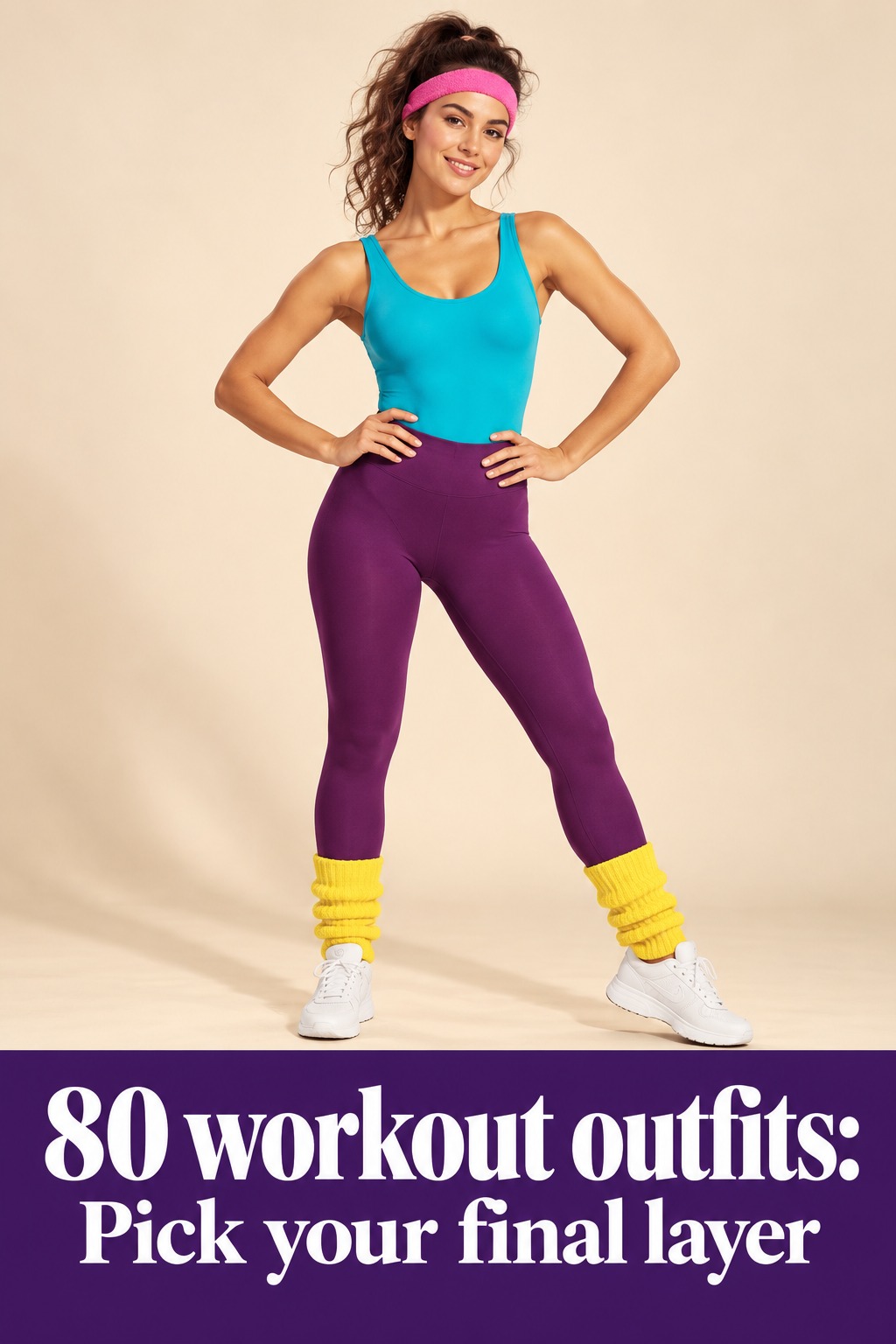
For a party where the brief is clearly eighties, combine a vivid leotard or fitted top, contrasting tights or leggings, leg warmers, a headband, and sneakers. You can add a sweatshirt tied at the waist or worn over the base. A hot-pink top with purple tights and yellow warmers is intentionally theatrical; a turquoise top with black leggings and pink accents is more controlled. Decide whether you want a coordinated palette or a playful clash, then repeat one color so the pieces still feel connected.
This is the formula for the most recognizable costume effect, but it is also the easiest one to overbuild. Start with the outfit, then add accessories one at a time. Look in the mirror after the leg warmers, after the headband, and again after any jewelry. If every piece is bright and competing, remove one accent or use a neutral bottom to give the eye a place to rest.
For photos, give the outfit a clean background and keep the top or shoes visible. If you are attending an event where people will dance, choose layers that will not drag, slip, or make you too warm. A costume can be expressive and still be planned around the real evening ahead.
What to buy first and what to borrow from your closet
Do not begin by buying six accessories. First decide where you will wear the outfit and how much of the reference you want to show. Then choose one lead piece: a bright sweatshirt, a fitted leotard, a color-block jacket, or a pair of leg warmers. That piece determines the palette. A small capsule is easier to style because each additional garment has a clear job.
- First priority: the lead piece that creates the silhouette or color story.
- Second priority: a simple bottom or top that lets the lead piece stand out.
- Third priority: one accent such as leg warmers, a headband, or a wristband.
- Last priority: optional extras like costume jewelry, novelty glasses, or a second bright layer.
Check your drawers for close substitutes before shopping. A plain bodysuit can stand in for a leotard, a sweatshirt can become the relaxed layer, and tall socks can add color at the ankle. A wide fabric hair band can replace a dedicated sweatband. If the party is one night, borrow or thrift the most specific pieces rather than buying a set you are unlikely to wear again. If you want to keep wearing the clothes, prioritize washable basics and layers that work with your existing wardrobe.
Choose colors with a simple rule. Pick one dominant shade, one supporting neutral, and one accent. For example, cobalt can lead, black can ground the look, and pink can appear only at the headband or socks. Or use a black base, a lilac sweatshirt, and white sneakers. Repeating a color once helps even a playful outfit feel deliberate. Matching every item exactly can feel too uniform; repeating just one shade gives the outfit more ease.
When deciding between new and secondhand pieces, inspect the fabric and fastenings. Stretch items should recover rather than feel loose or brittle. Look at seams, waistbands, and areas that may have been altered. For secondhand leggings or a leotard, make sure you are comfortable with the garment’s condition and fit. You can always use a new base with a vintage sweatshirt or use secondhand accessories over modern basics.
Set a stopping point before you get dressed. If you have the silhouette, the main color, and one recognizable accessory, the outfit is already legible. Extra pieces should improve comfort or clarify the mood. If they only repeat what is already visible, leave them in the drawer.
How to adapt the outfit for weather, coverage and movement
For a warm indoor party, use a light base and keep the sweatshirt removable. For a chilly journey, add a warm-up jacket or a coat over the outfit, then take off the outer layer once indoors. Leg warmers create a visual layer at the lower leg, but they are not a substitute for weather-appropriate outerwear. Build a practical outfit first and add the decade cues where they will not interfere.
For a casual day look, reduce the number of costume signals. Try a sweatshirt and leggings with clean sneakers, then add either a headband or contrasting socks. A track jacket over a plain tee and leggings can feel sporty without reading like a party costume. Keep the strongest color in one place and use familiar pieces elsewhere. This lets the outfit nod to aerobics fashion without requiring a special occasion.
For a dance class or workout, treat the clothes as activewear rather than as a costume. Choose fabrics and layers that feel secure during the movements you plan to do. Make sure waistbands and necklines stay in place, avoid accessories that catch or distract, and wear shoes appropriate to the class surface. If a garment is too warm, slippery, restrictive, or difficult to adjust, change it. The visual reference should support the activity you have chosen.
Coverage is personal. Some people enjoy the uninterrupted line of a leotard over tights; others feel more at ease with shorts, a longer top, or a sweatshirt tied at the waist. Use a mirror and a few ordinary movements to check that the combination feels right to you. There is no styling benefit in keeping a piece that makes you self-conscious or uncomfortable. The outfit works when you can stop thinking about the clothes and enjoy what you are doing.
Body proportions do not need correcting. If you like a defined waist, try a shorter sweatshirt or a tied layer. If you prefer a longer line, leave the sweatshirt untucked and choose leggings in a related shade. If you want more visual balance, use contrast near the area you want to emphasize, such as a bright headband or colorful shoes. These are options, not rules. Pick the line that makes you feel most like yourself.
Think about the setting, too. A crowded dance floor calls for secure layers and shoes you can stand in comfortably. A photo-focused party gives you more room for dramatic color and accessories. An outdoor event may require a jacket and weather-ready shoes. Let the event determine which pieces are practical, then let the decade reference guide the color and silhouette.
A quick final check before you head out
Before leaving, look at the outfit from head to toe and ask four short questions. Is there one clear lead piece? Do the colors repeat at least once? Can you move without adjusting the clothes? Does the level of nostalgia fit the event? If each answer is yes, you can stop styling. If one answer is no, fix that issue directly rather than adding more accessories.
If the look feels too costume-like, remove a headband or leg warmers and keep the strongest piece. If it feels too plain, add one vivid accent at the ankles or hair. If the proportions seem unbalanced, switch either the top length or the bottom shape, not both at once. If the colors feel chaotic, repeat one shade and remove the least useful contrast. Small edits preserve the outfit’s character while making it easier to wear.
The most convincing 80 workout outfits are not necessarily the loudest ones. They are the ones with an understandable combination of fitted and relaxed pieces, a color story that looks chosen, and details suited to the occasion. A leotard and leg warmers can be joyful; a sweatshirt, leggings, and one bright headband can be just as recognizable. Let the capsule adapt to you.
Sources and Methodology
This guide combines current US outfit-search intent with museum and period-source research. The Fashion Institute of Technology’s Fashion History Timeline provides context for fitness and dancewear influences on 1980s dress. A September 1986 magazine feature provides one contemporary example of a leotard, capri tights, ankle warmers, and a braided headband. TIME’s retrospective on Jane Fonda and the Reebok Freestyle informs a brief note about the period’s fitness and sneaker culture. Outfit formulas, substitutions, and event adaptations are styling suggestions, not claims that every person in the decade wore the same uniform.
FAQ
What makes an outfit look like 80s workout fashion?
A fitted base, a relaxed layer, and one clear accent create an easy starting point. Leggings or capri tights, a sweatshirt, leg warmers, a headband, or sporty sneakers can each add a recognizable cue. You do not need every item at once.
Do I need a leotard for an 80s aerobics outfit?
No. A fitted tank, bodysuit, or athletic tee can create a similar base under a sweatshirt or jacket. Choose the garment that gives you the coverage and movement you want, then use color or an accessory to make the decade reference clearer.
How do I make an 80s workout costume from clothes I already own?
Start with leggings or fitted shorts, add a bright top or sweatshirt, then finish with tall socks, a fabric headband, or sneakers. Repeat one color so the pieces feel connected. A thrifted or borrowed accent can supply the most specific detail without requiring a full new outfit.
Can I wear leg warmers with leggings?
Yes. Try them scrunched at the ankle or pulled higher over the lower leg, depending on their length. A contrasting shade makes them a focal point, while a related shade feels more coordinated. Tall socks are a simple substitute when you do not have leg warmers.
What shoes go with 80 workout outfits?
For a party, clean sneakers or high-tops complete the sporty reference. For an actual workout, choose footwear suited to the activity and surface. The outfit can be nostalgic while the shoe remains practical for the way you plan to move.
How can I make the look less like a costume?
Keep one strong eighties piece and simplify the rest. A bright sweatshirt with leggings and sneakers, or a fitted top with one pair of leg warmers, feels more relaxed than combining every accessory. Choose colors you already wear and remove details that do not suit the event.
What should I wear to an 80s workout themed party?
A vivid fitted top, contrasting leggings, leg warmers, a headband, and sneakers make a recognizable party look. You can make it more dramatic with color-block pieces or more restrained with a neutral base and one bright accessory. Plan layers around the temperature and activities at the event.
Can an 80s workout outfit be comfortable for dancing?
Yes, if the pieces stay secure and let you move comfortably. Try the outfit with a few dance-like steps before leaving, and remove anything that slips, catches, or needs constant adjustment. Keep costume jewelry and extra layers optional so you can adapt as the evening changes.
Finish the look
The little extras that make a summer outfit feel complete
From beach days to city weekends, these easy pieces bring comfort, texture, and a polished finishing touch.

FENBEN
Straw Hobo Crossbody Bag
A handwoven straw bag with both short and crossbody straps—an effortless finishing touch for vacation looks and warm-weather outfits.
Shop the bag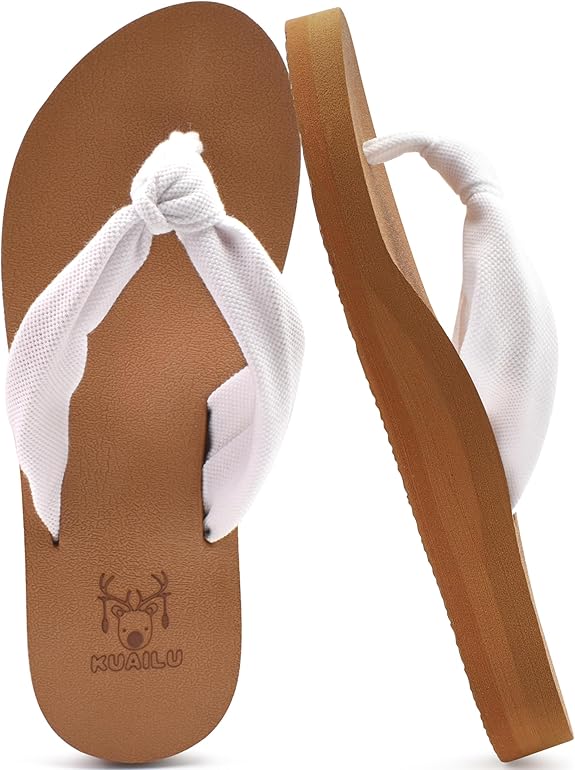
KuaiLu
Flip Flops with Arch Support
Cushioned, lightweight sandals with supportive arch design—a practical choice for beach trips, errands, and long summer walks.
Shop the sandals
baleaf
Athletic One-Piece Swimsuit
A functional one-piece with adjustable straps and moderate coverage, designed for swimming, training, surfing, and active beach days.
Shop the swimsuit
Astylish
Linen-Cotton Button-Down Shirt
A relaxed cotton-linen shirt with a collared V-neck and roll-up sleeves—easy to style over swimwear or with denim and shorts.
Shop the shirt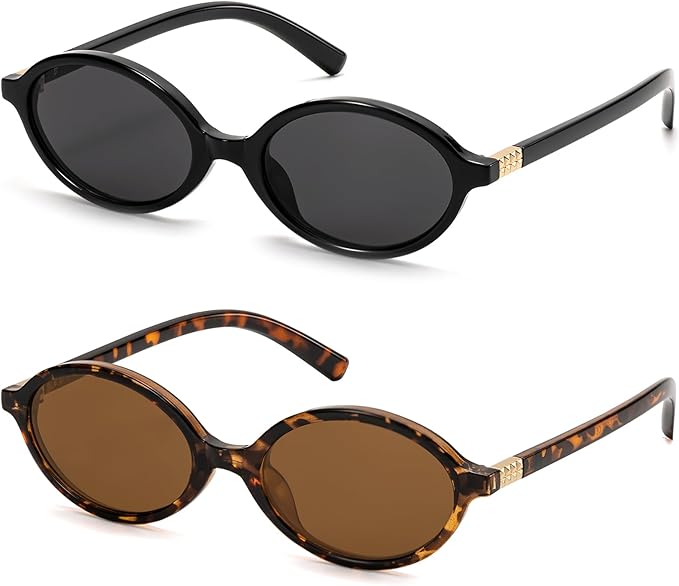
ViewJoy
Retro Oval Sunglasses
Small oval sunglasses with a 90s-inspired silhouette and UV400 lens protection—a quick way to add a vintage edge to everyday looks.
Shop the sunglasses
Affiliate disclosure: This section contains affiliate links. If you make a purchase through these links, I may earn a commission at no additional cost to you. Product selection, pricing, availability, and delivery terms may change—please review the current details on Amazon before purchasing.
As an Amazon Associate I earn from qualifying purchases.