80 90 Fashion Outfits: Mix the Decades With Intention
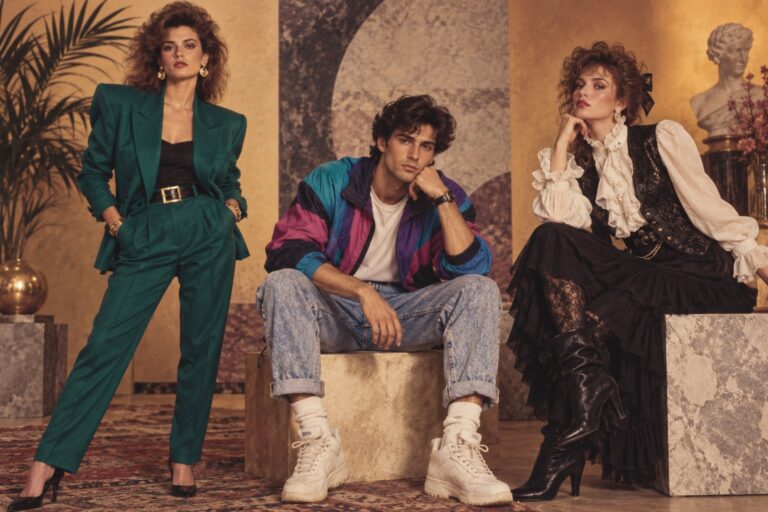
You are halfway out the door when the outfit starts to feel oddly hard to name. The shoulder line says one decade, the loose shirt says another, and the shoes seem to belong to a third idea entirely. That is the useful puzzle behind 80 90 fashion outfits: two neighboring decades share pieces, but they often use proportion and polish differently. The answer is not to dress as if you are attending a costume party. Choose one clear point of view, then let the second decade play a smaller, deliberate role.
A good mixed-era look can be as simple as a structured jacket over relaxed denim, or as expressive as a slip dress grounded by a more assertive shoe. The styling succeeds when the pieces appear to be in conversation. This guide compares a few recognizable cues, gives four outfit directions, and shows how to edit a blend until it feels like your own clothes rather than a decade checklist.
Why 80s and 90s outfits can blur together
Fashion does not reset at midnight on January 1, 1990. Clothes already in a closet continue to be worn, and designers, music scenes, stores, and personal taste do not all change at the same speed. Some sporty shapes and familiar basics carried across the decade line. At the same time, the 1980s and 1990s contained multiple style languages of their own, from polished tailoring to experimental subculture and pared-back dressing.
The Fashion-Note Edit
Five effortless pieces to refresh your everyday wardrobe
A polished, practical edit for workdays, weekends, and everything in between.

The Drop
Women’s Blake Long Blazer
A longline, tailored blazer with a notched collar and a single-button closure—an easy layer for denim, dresses, or office-ready looks.
Shop the blazer
Amazon Essentials
Women’s Lightweight Crewneck
A soft, lightweight sweater with a clean crew neckline—the kind of reliable layer that works from cool mornings to air-conditioned spaces.
Shop the sweater
Amazon Essentials
Women’s Loafer Flat
A classic flat loafer that gives casual outfits a more polished finish and pairs naturally with tailored pants, skirts, and straight-leg jeans.
Shop the loafers
Levi’s
Women’s 501 90s Jeans
A relaxed, vintage-inspired take on the iconic 501 silhouette—made for an easy, lived-in look without the thrift-store search.
Shop the jeans
Colorfulkoala
High-Waisted 7/8 Leggings with Pockets
Soft, four-way-stretch leggings with side pockets and a high-rise waistband—designed for movement, errands, and off-duty comfort.
Shop the leggings
Affiliate disclosure: This section contains affiliate links. If you make a purchase through these links, I may earn a commission at no additional cost to you. Product selection, pricing, availability, and delivery terms may change—please review the current details on Amazon before purchasing.
As an Amazon Associate I earn from qualifying purchases.
The Fashion History Timeline at the Fashion Institute of Technology describes the 1980s through varied examples that include power dressing, expressive designer silhouettes, and contrasting subcultural work. Its 1990s overview also traces continuity at the decade’s beginning, followed by more casual and minimalist directions. Those histories are useful reminders that a decade label is shorthand, not a complete outfit recipe. See the FIT 1980s timeline and the FIT 1990s timeline for dated examples.
Your wedding style is personal.
Your plan should feel that way, too.
Zarellea keeps your guest list, budget, vendors, and every next step beautifully organized — so you can focus on the moments that feel like you.
That overlap can make a modern outfit difficult to read. A boxy jacket might feel 1980s because of its shoulder and shape, while a plain tee and loose jeans may bring a 1990s casual mood. Neither clue cancels the other. The question is whether the combination feels intentional. If you can describe the outfit’s main idea in a short phrase, such as “tailored 80s shape, relaxed 90s finish,” you are already making a clear choice.
It helps to separate historical reference from faithful reproduction. A present-day outfit can borrow one proportion, a color contrast, or a styling gesture without recreating an exact archival look. You are choosing visual cues, not claiming that every person in either decade dressed the same way. Treat the decades as sources of ideas and let the occasion, comfort, and pieces you already own set the boundaries.
There is also a practical reason to avoid piling on every familiar detail. When several strong cues compete, it becomes difficult to tell what the outfit is trying to do. Large shoulders, bright accessories, ripped denim, a plaid shirt, a slip dress, and a mini bag can each lead the eye in a different direction. A more convincing result usually comes from choosing one anchor and one supporting detail, then allowing the rest of the outfit to stay quiet.
The three details that make an outfit read 80s or 90s
1. Start with the silhouette
Before you think about accessories, look at the outline from a few steps away. Does the outfit build width at the shoulder, define the waist, or let a layer hang loosely over the body? An intentionally shaped blazer can supply an 80s reference through structure. A fluid slip dress, straight trouser, or relaxed shirt can shift the feeling toward a 90s direction. These are styling cues rather than rules, and different designers in both periods challenged familiar silhouettes.
Try a quick mirror test: cover the small details with your hand and notice what remains. If the outfit still has a strong shoulder, a defined waist, and a crisp line, it may read more tailored and 80s-led. If you mostly see an easy vertical shape, a soft layer, or relaxed proportions, the 90s influence may be stronger. The exercise is about recognizing the dominant outline, not grading your outfit for historical accuracy.
One common mistake is assuming that oversized always means 90s or that a fitted shape must be 80s. Either decade included different silhouettes. Instead, focus on the relationship among the pieces. A roomy jacket with straight jeans can feel balanced when the top layer is the only broad element. A close-fitting skirt with a loose shirt can create contrast without making the outfit look like it is borrowing from every decade at once.
2. Decide how much visual volume you want
“Styling density” means how many details ask for attention at the same time. Bright color, shine, patterns, large jewelry, visible layers, and bold footwear all add density. A look with one vivid focal point and several calm supporting pieces feels different from one in which every item makes a statement. Neither approach is automatically better. The goal is to decide whether you want a high-energy outfit or a quieter one, then use contrast to keep the result readable.
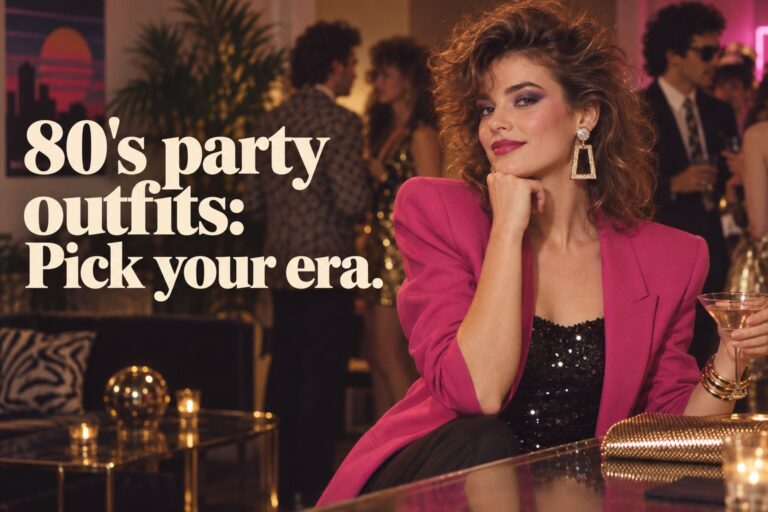
For a stronger 80s-led impression, let one expressive detail do the work. That could be a sculptural jacket, a confident color block, or a prominent earring. Keep the other pieces clean enough to give that anchor room. For a more 90s-led feeling, try a narrower palette, a spare layer, or a simple shoe, then let texture or fit create the interest. A dark palette is not required, and a bright color does not automatically turn an outfit into an 80s look.
Accessories make useful volume controls. If you already have a patterned top and a strong jacket, choose a small bag and a simpler shoe. If the clothing is very plain, a belt, pendant, or one noticeable pair of earrings can help the outfit feel finished. Think of each accessory as a vote for the look’s main idea. When too many votes pull in separate directions, remove one item before adding another.
3. Pay attention to finish and mood
Two outfits can use similar garments but feel very different because of their finish. A pressed jacket, sharp tuck, and polished shoe suggest intention and control. A rumpled shirt, open layer, and lived-in denim bring ease. Think of finish as the last sentence in the outfit: it tells the viewer whether the look is meant to feel crisp, relaxed, romantic, rebellious, or somewhere between.
For a polished mixed-era look, pair a clean modern base with one strong period cue. A tailored blazer over a plain top and straight trousers can carry a structured reference while the rest stays current. For an undone direction, keep the base relaxed and add a more defined piece, such as a neat jacket or a narrow belt. The tension between those finishes often makes a blend feel interesting without requiring a head-to-toe vintage look.
Check the fabric surfaces together as well. Smooth and textured pieces can complement each other when one is clearly dominant. For instance, a matte knit can calm a glossy skirt, while a crisp cotton shirt can give a soft dress more structure. This is a visual suggestion, not a claim about what materials were universally popular in a decade. Use what you have and notice how the light, weight, and drape change the overall mood.
Finally, consider the setting. A party outfit can carry more contrast than a workday outfit, while a casual coffee run may benefit from a comfortable shoe and fewer layers. The same jacket can look more formal with tailored trousers or more relaxed with jeans and an open shirt. Occasion is not an afterthought: it helps you choose which parts of the reference should stay visible and which should remain subtle.
Four 80s and 90s fashion outfits with a clear point of view
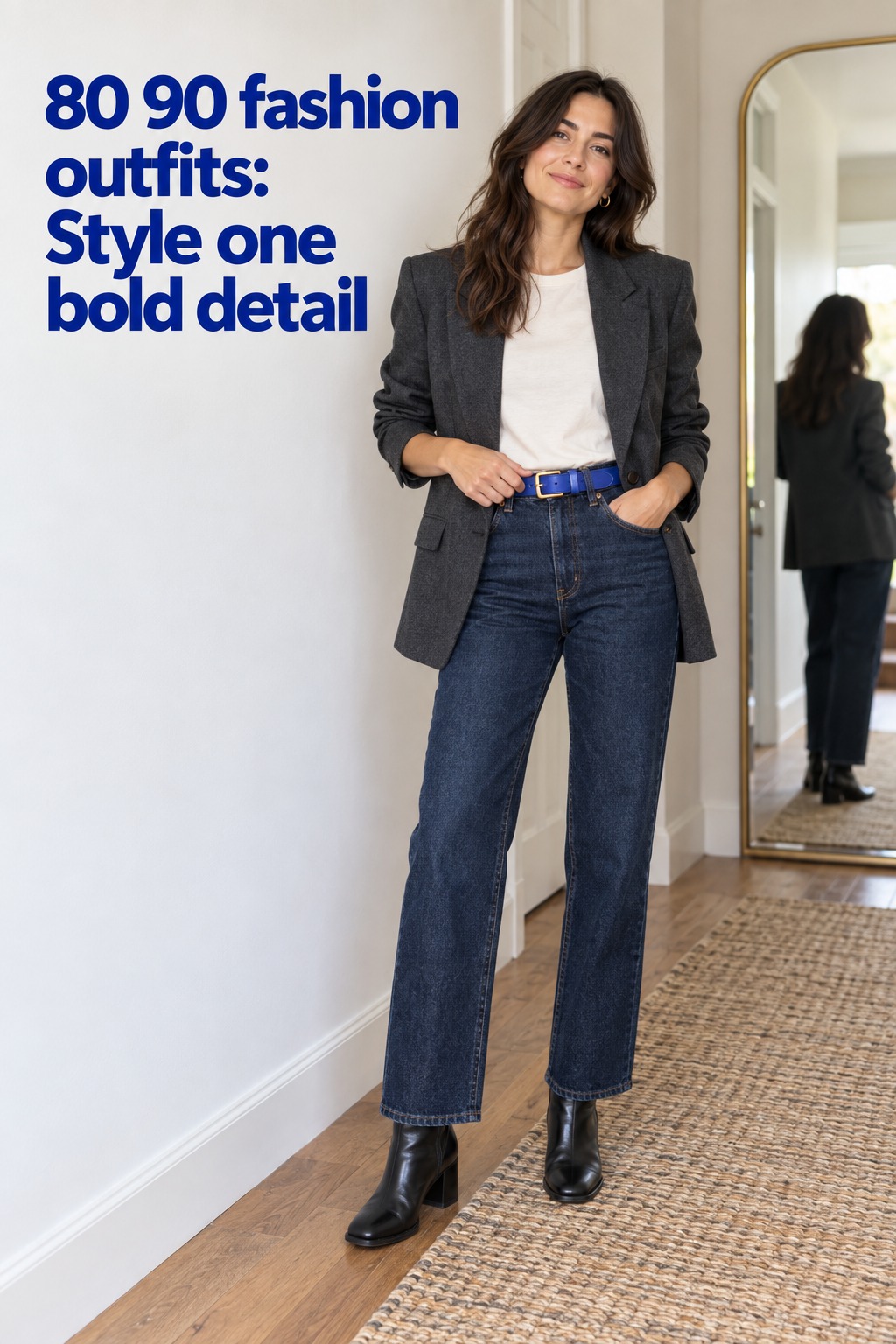
An 80s-led jacket with an easy base
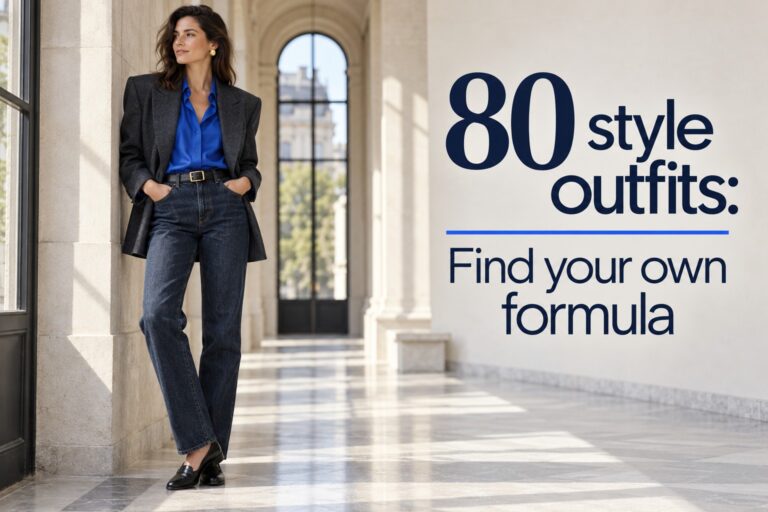
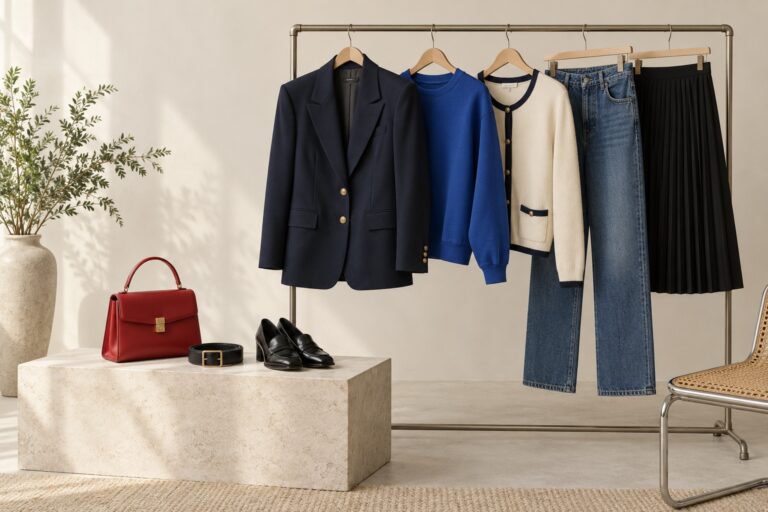
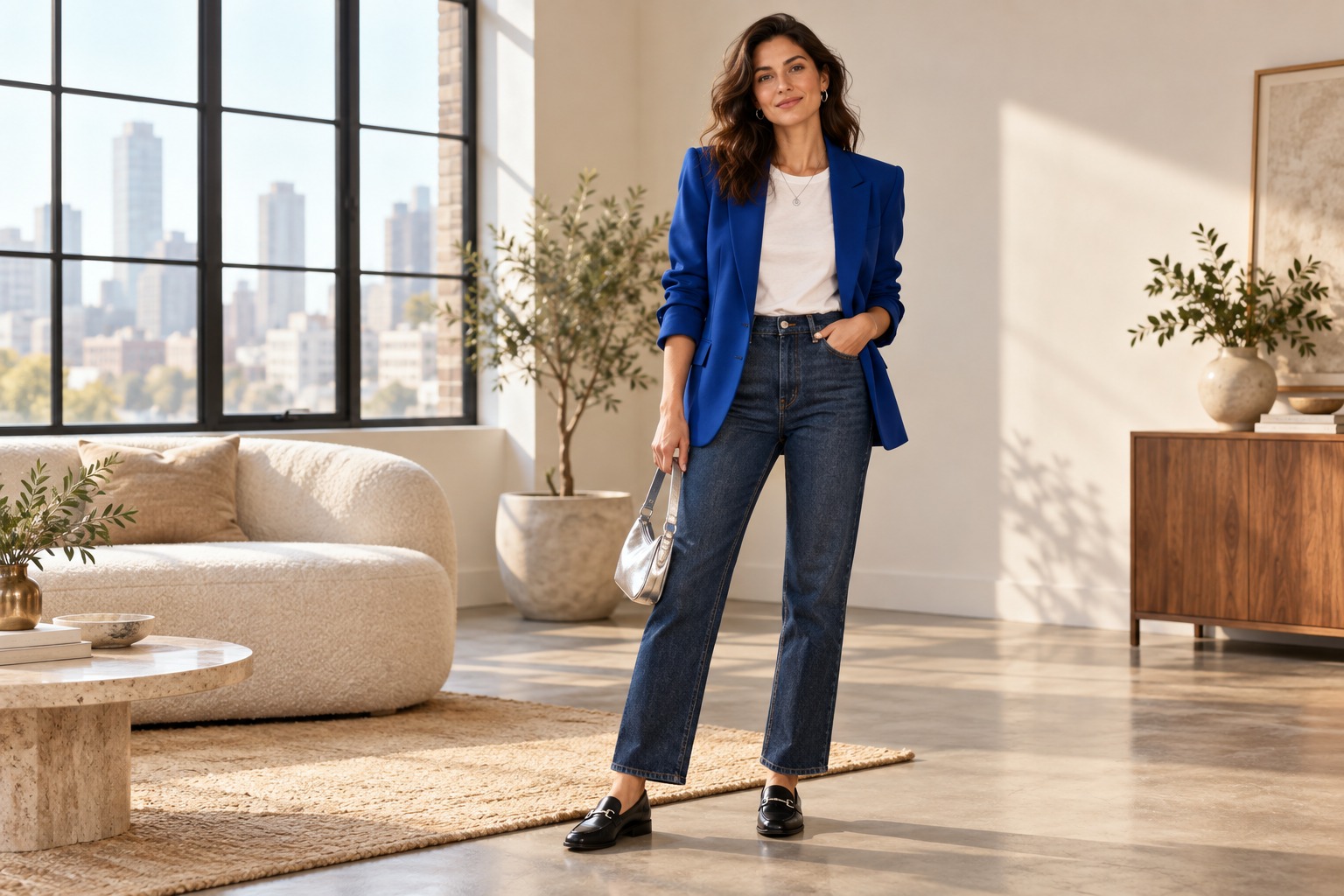
Begin with a jacket that has a confident shape, whether that means a defined shoulder, a neat waist, or a slightly boxy cut. Add a plain tee or a fine knit, then choose straight-leg jeans or simple trousers. The base keeps the jacket from feeling like a costume piece, while the silhouette gives the outfit a clear direction. If your jacket is already colorful or patterned, let the rest of the palette repeat one of its quieter shades.
Finish with a shoe that fits the day: loafers for a sharper feel, clean sneakers for casual plans, or ankle boots when you want more weight at the bottom. A simple belt can connect the jacket to the trousers without adding another loud feature. Keep jewelry to one focal point, perhaps earrings or a watch. The result feels structured without depending on a complete period set.
If the outfit feels too formal, loosen one element rather than changing everything. Wear the jacket open, swap a crisp blouse for a tee, or choose a less polished shoe. If it feels too plain, bring back one expressive accessory. Those small edits preserve the strong shape and let you adjust the mood for where you are going.
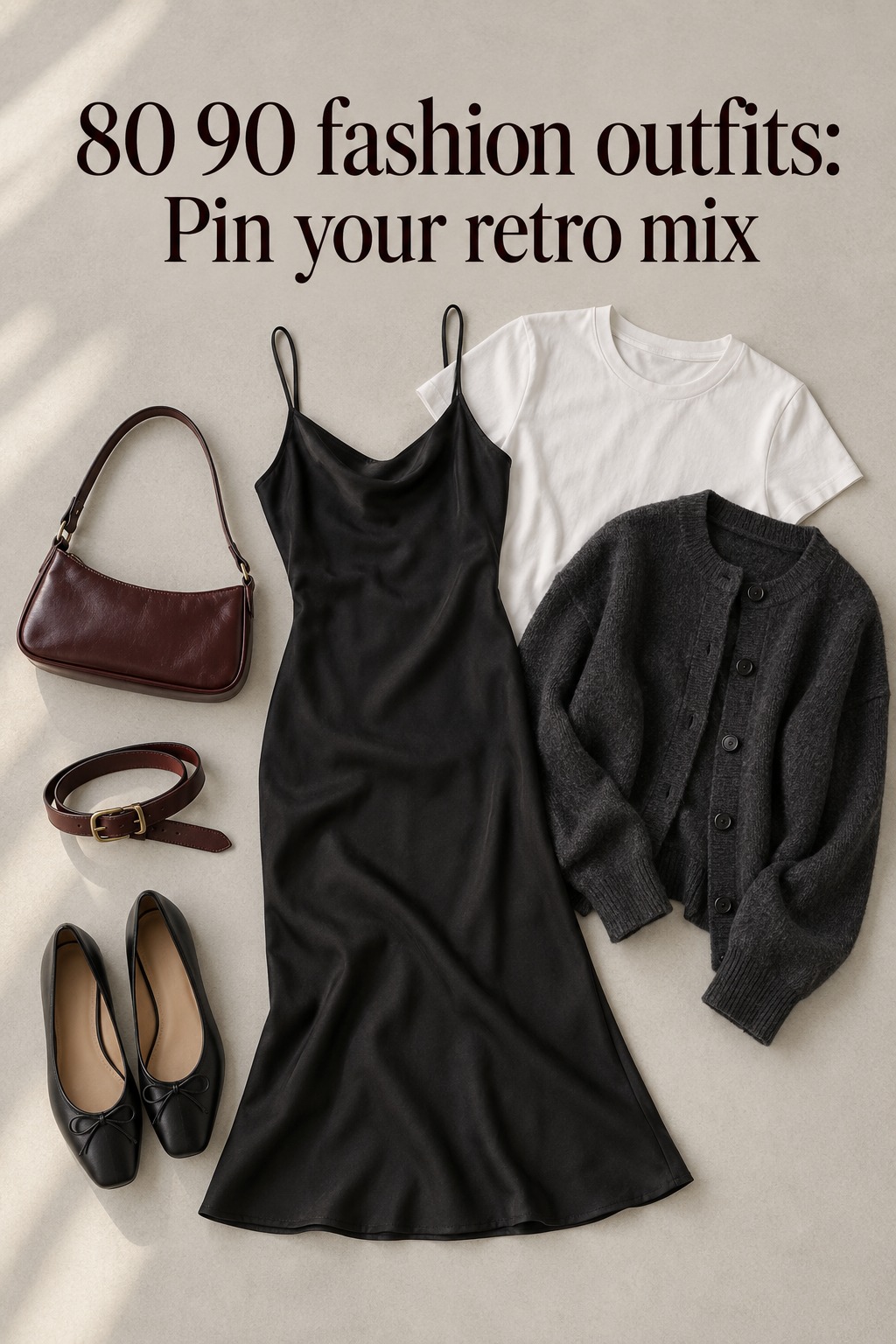
A 90s slip-inspired look with everyday layers
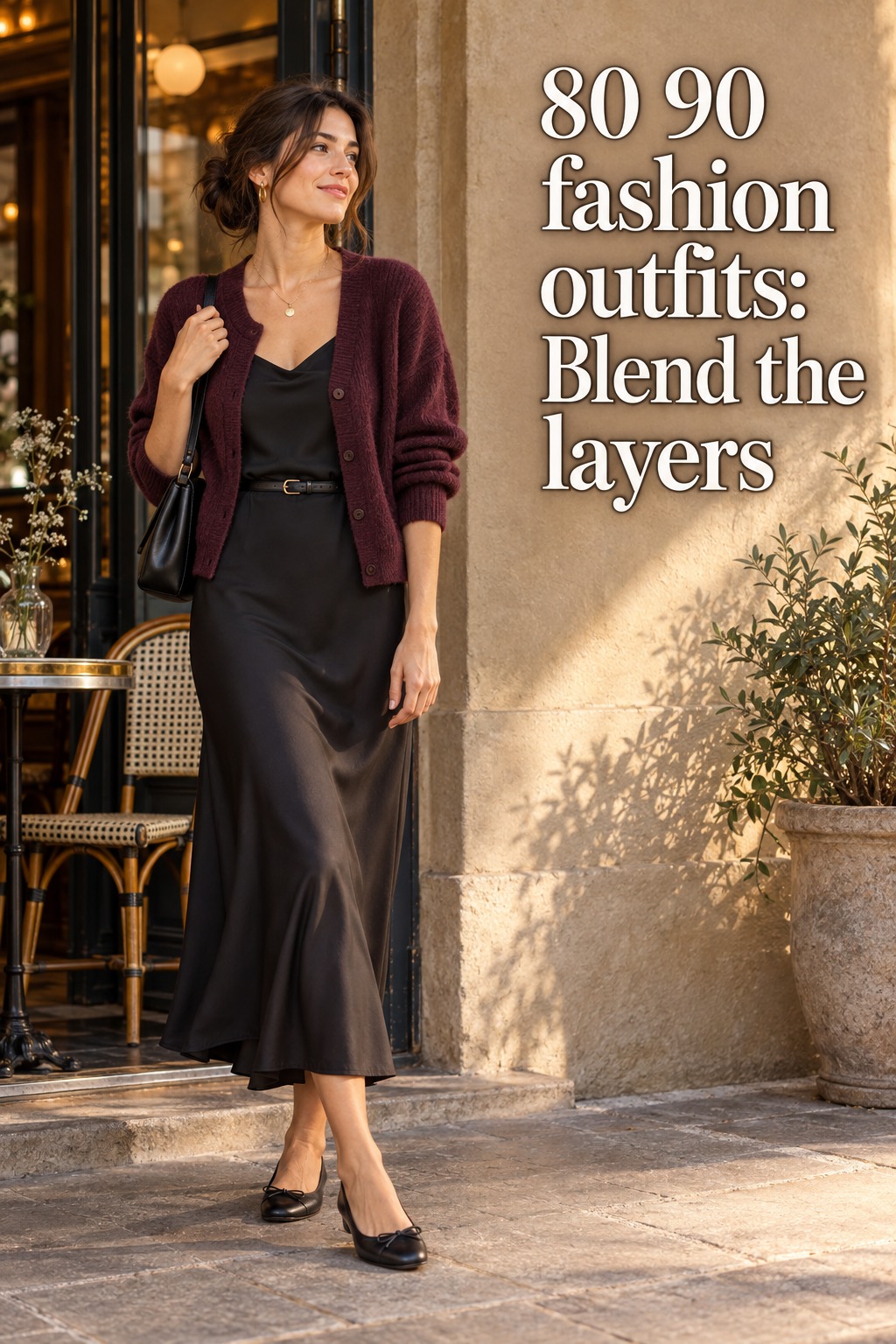
Use a slip-style dress or skirt as the fluid centerpiece, then add a plain tee, a fine cardigan, or a clean blazer depending on how much coverage and structure you want. Keep the neckline and hem comfortable for your plans. A shoe with a simple shape allows the dress to remain the main idea. If the fabric feels delicate or dressy, grounding it with an everyday layer can make the outfit easier to wear in daylight.
For a cooler or more casual setting, layer a shirt or knit over the dress instead of adding several accessories. A slim belt can define the waist if you want more shape, but it is optional. Choose either a delicate necklace or a slightly stronger shoe as the finishing point. The 90s reference comes from the clean line and relaxed layering, not from reproducing a specific celebrity outfit.
If a slip shape does not suit your comfort preferences, keep the same logic with a straight skirt and a simple top. The important idea is a streamlined base plus one practical layer. You can also reverse the proportion by wearing a close top with a looser skirt. Fit is personal, so use the version that lets you move naturally and feel at ease.
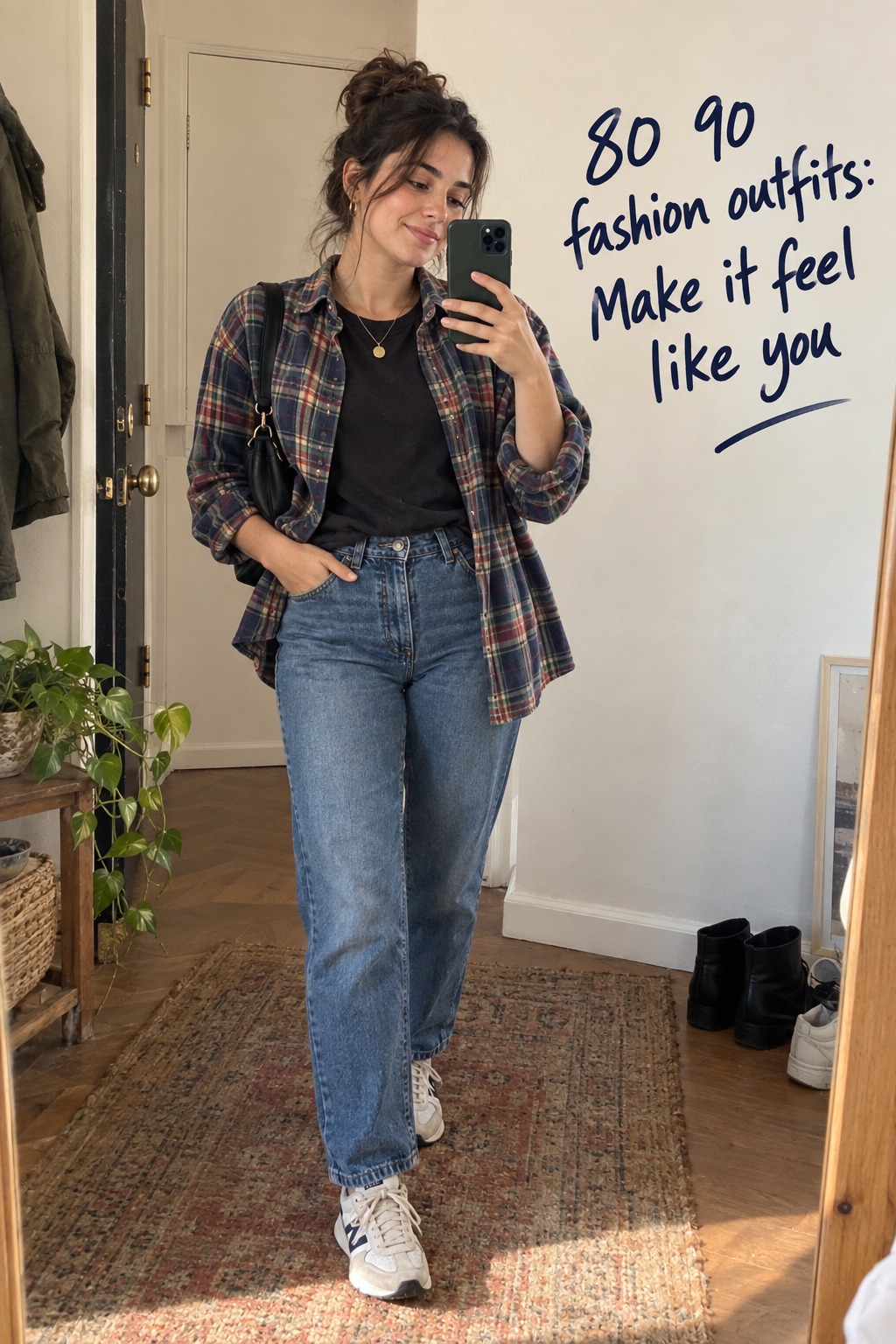
A punk-to-grunge bridge with a deliberate edit
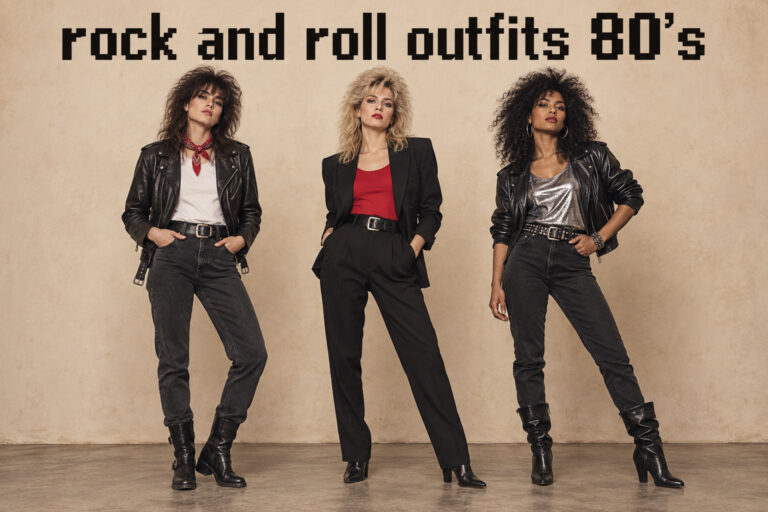
Alternative style can connect the two decades, but it works best when you specify the mood. A fitted jacket, dark top, and sturdy shoe can make a sharper, more defined base. A loose plaid shirt or relaxed denim can soften that structure. Pick one of these directions to lead. If the jacket has hardware or a strong cut, keep the plaid and accessories quiet. If the shirt is the focal point, let the other pieces become a calmer frame.
Think about how the layers sit when you move. An open shirt should not bunch awkwardly under a jacket, and a hem should not compete with another visible hemline. You can tie a shirt at the waist, leave it open, or wear it as a light top layer. Each choice changes the outline. A smoother shoe makes the combination feel more considered, while a heavier boot brings a more assertive finish.
To keep the outfit from turning into a costume, avoid adding every possible reference at once. A graphic tee, plaid shirt, distressed jeans, chains, leather jacket, and dramatic makeup can overwhelm one another. Choose two related cues and let the rest of the outfit do a supporting job. The goal is a look you can wear comfortably, not a checklist of recognizable objects.
A polished hybrid for dinner or a creative workplace
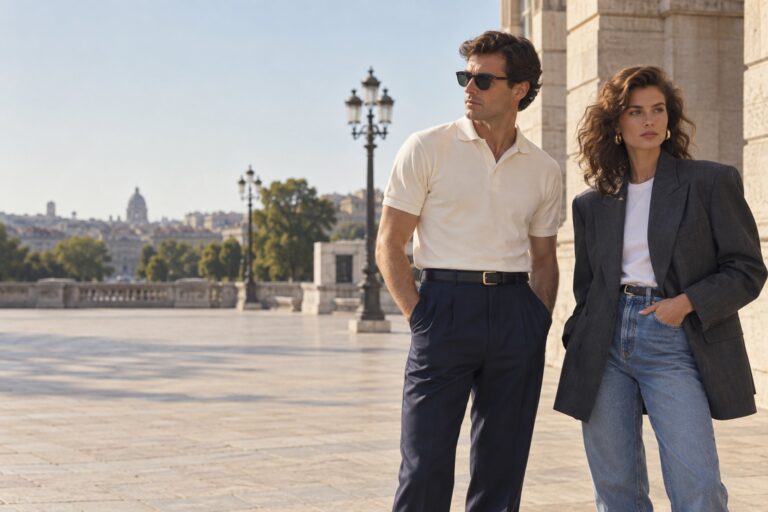
Start with a clean trouser, skirt, or dress that already fits the setting. Add one more expressive layer, such as a defined blazer, a softly oversized shirt, or a cardigan with a memorable shape. Then choose one connector that repeats a color or texture across the pieces. A belt, bag, or shoe can do this quietly. This outfit formula allows both decades to appear without giving equal space to every reference.
For instance, an assertive jacket can lead while a simple slip skirt and understated shoe provide a relaxed finish. Or a minimal dress can lead while the jacket adds a stronger shoulder and more deliberate shape. These are different hybrids even though they use similar building blocks. Before leaving, decide which version you intended. If you cannot tell, remove the detail that makes the outfit feel busiest.
For a workplace, consider the dress code and the amount of movement your day requires. A neat base and a single statement layer can feel expressive while still being easy to sit, walk, and carry items in. For dinner, you might shift the shoe or add a small piece of jewelry instead of changing the entire outfit. The same formula can adapt to the occasion through finish and proportion.
How to mix 80s and 90s pieces without looking like a costume
Use a simple lead, support, connector method. The lead is the strongest decade reference in the outfit. The support is the quieter base that lets the lead stay visible. The connector is one detail that links the two, such as a repeated color, a familiar texture, or a consistent level of polish. You do not need one item for each role; a single piece can support the look and connect it at the same time.
First, choose the lead. Decide whether the outfit should feel structured and expressive, relaxed and pared back, or alternative and layered. Then pick a garment that communicates that choice without explanation. A shaped jacket can lead a tailored direction. A clean slip silhouette can lead a quieter one. A loose shirt can lead a relaxed blend. Do not begin by collecting accessories, because accessories are easier to judge once the main outline is settled.
Second, choose a support piece that gives the outfit breathing room. If the lead is visually strong, use a simple tee, straight trouser, or calm shoe. If the lead is a plain dress, a more distinctive jacket may support the outfit by adding structure. The supporting item should be clear enough to look intentional but quiet enough that it does not compete for first place.
Third, look for a connector. A color repeated in the jacket and shoe can bring a mixed palette together. A belt can link a top to a bottom. A crisp finish across several items can make otherwise different pieces feel related. Connectors should be easy to notice but do not need to be literal matches. A small repeated detail often feels more natural than buying a matching set solely to make the outfit look coordinated.
Then take away one thing. This is the edit that most often improves a cross-decade outfit. Remove the extra necklace, the second loud pattern, or the accessory that introduces a third mood. Step back and check whether the lead is still obvious. If the outfit becomes clearer, the removed item was not helping. If it becomes flat, bring back one detail that supports the lead rather than competing with it.
Use proportions to make the blend feel deliberate. If a jacket is broad, try a simpler or straighter bottom. If a skirt is fluid, consider a shorter or more structured layer. If both pieces are loose, define one edge with a tuck, a cuff, or a belt only if that feels comfortable. These adjustments are options, not body rules. There is no single shape that everyone needs to create or conceal.
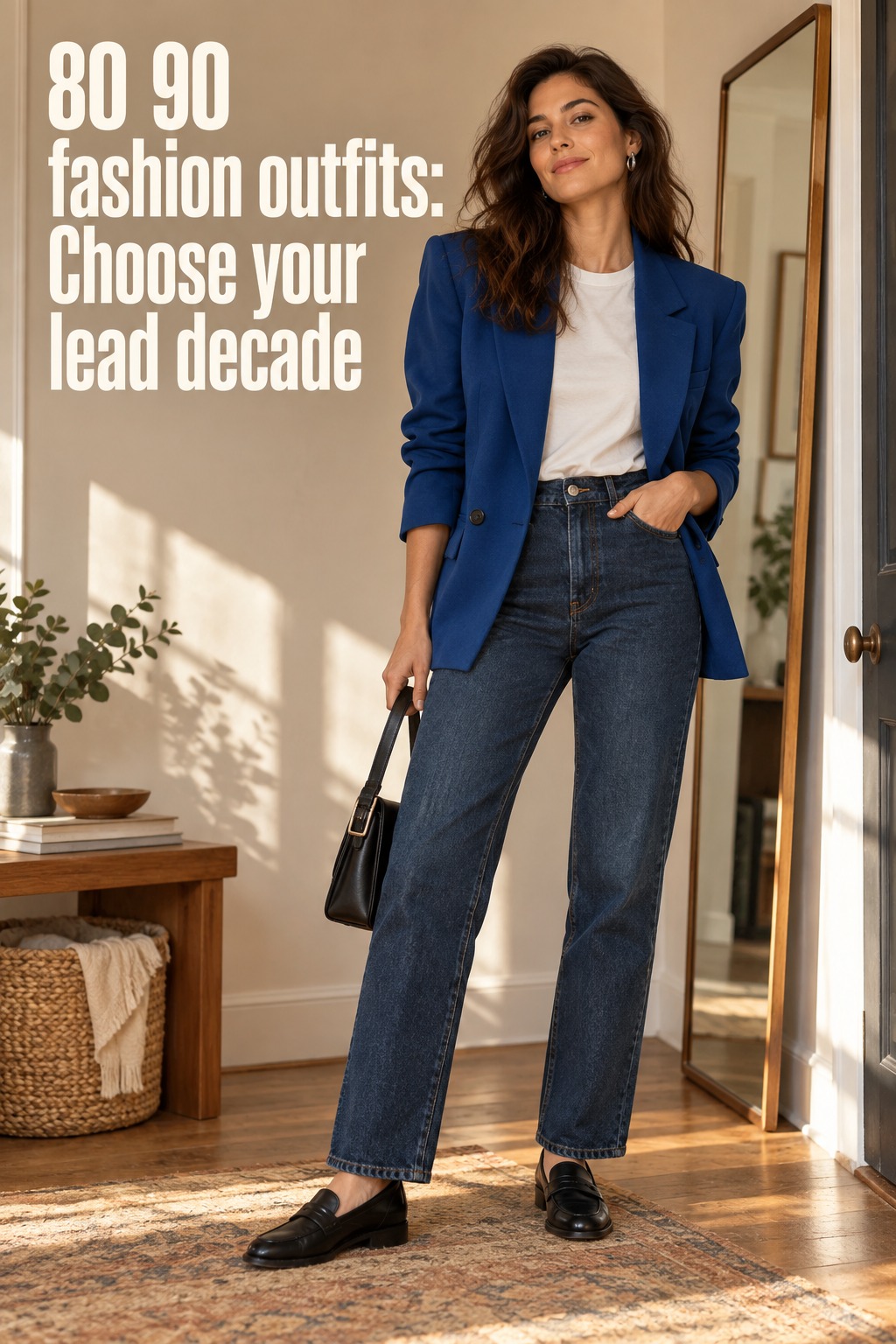
Use color with the same restraint. A two- or three-color palette makes it easier to combine a bright reference with a minimal one. You might pair a saturated jacket with dark denim and a plain neutral top, or keep the clothing quiet and let one colorful accessory add the period hint. If a print is already doing a lot, choose a plain piece beside it. This allows the outfit to feel considered even when the colors are not neutral.
Finally, test the outfit in motion. Sit down, reach forward, walk a few steps, and check the layers from the side as well as the front. A sleeve that keeps sliding, a skirt that needs constant adjustment, or a shoe that makes you change your stride can distract you all day. Practical comfort is part of the styling decision. If you feel at ease, it is easier to carry the look with confidence.
A final outfit check before you leave
Give the outfit a final ten-second review. Name the lead piece. Identify the decade feeling it creates. Check that the other pieces support or connect to it. Look for one detail that may be competing unnecessarily, then decide whether removing it makes the outfit easier to read. This small process is more useful than asking whether every item belongs to one exact year.
Check the occasion next. Does the outfit feel appropriate for your plans? Can you move comfortably? Is there a layer you will need to carry or remove? A look that works in a mirror but becomes awkward after an hour is not finished. You can swap shoes, simplify jewelry, or change a layer without losing the decade reference that made the outfit appealing.
Then check the balance from top to bottom. If the upper half is the focal point, allow the bottom half to stay relatively calm. If the skirt or trousers have the strongest shape, keep the top from adding competing volume. This is not a rule about what suits a body. It is a way of managing attention so the outfit communicates one idea clearly.
Take a quick photo if you are uncertain. A camera flattens the details and makes it easier to see color, shape, and spacing together. Look at the image briefly, then trust your comfort and preference. You do not need to make the outfit historically pure. A considered nod to the 80s, 90s, or both is enough to make the clothes feel personal.
The most useful approach to 80 90 fashion outfits is to start with a clear mood, build around one anchor, and make one purposeful edit before you leave. You can lean toward structure, relaxed minimalism, alternative layers, or a blend that borrows from each decade. Once the lead is clear, the outfit stops feeling like a debate between eras and starts feeling like a choice you made.
Sources and methodology
The historical framing was checked against the Fashion History Timeline pages linked above, which include dated garments and examples rather than a single universal outfit formula. Other fashion museum, editorial, and current outfit pages informed the research comparison, but are not linked here. The outfit combinations in this article are original styling suggestions, not claims of first-hand testing or exact historical reconstruction. Generated images are illustrative concepts, not archival photographs.
FAQ
How do I tell an 80s outfit from a 90s outfit?
Look first at the overall silhouette, then at how many details compete for attention and how polished or relaxed the finish feels. A defined, expressive shape may lean 80s, while a clean line or casual layer may lean 90s. These are broad cues, not rules. Both decades included varied styles.
Can I mix 80s and 90s pieces in one outfit?
Yes. Choose one piece to lead, keep the supporting pieces simpler, and use a repeated color, texture, or level of polish to connect them. If the outfit feels crowded, remove one accessory or competing pattern before adding anything else.
What is an easy 80s-inspired outfit to wear today?
Try a structured jacket over a plain tee with straight jeans or trousers. Keep the shoe comfortable and let one detail, such as a strong earring or belt, carry the expressive note. The simple base makes the reference easy to wear for ordinary plans.
What is an easy 90s-inspired outfit to wear today?
Start with a clean slip-style dress or skirt, a plain top, and an easy layer such as a cardigan or blazer. A simple shoe keeps the line calm. Adjust the fit and coverage to your comfort, and use only one accessory if you want a more defined focal point.
How can I avoid looking like I am wearing a costume?
Use one or two recognizable cues instead of stacking every familiar detail. Combine the reference piece with current basics, and make sure the outfit works for the place you are going. A clear silhouette and comfortable fit usually feel more personal than a full checklist of decade details.
Do I need vintage clothing to create an 80s or 90s look?
No. You can borrow a silhouette, color relationship, or layering idea from pieces you already own. Vintage garments can offer a direct reference, but they are optional. Focus on the visual cue you want and style it in a way that fits your present-day plans.
Which shoes work with mixed 80s and 90s fashion outfits?
Choose shoes according to the outfit’s lead and the day’s needs. Loafers or simple flats can keep a look polished, sneakers can make it relaxed, and boots can add weight to an alternative mix. The shoe should support the outfit and let you move comfortably.
Finish the look
The little extras that make a summer outfit feel complete
From beach days to city weekends, these easy pieces bring comfort, texture, and a polished finishing touch.

FENBEN
Straw Hobo Crossbody Bag
A handwoven straw bag with both short and crossbody straps—an effortless finishing touch for vacation looks and warm-weather outfits.
Shop the bag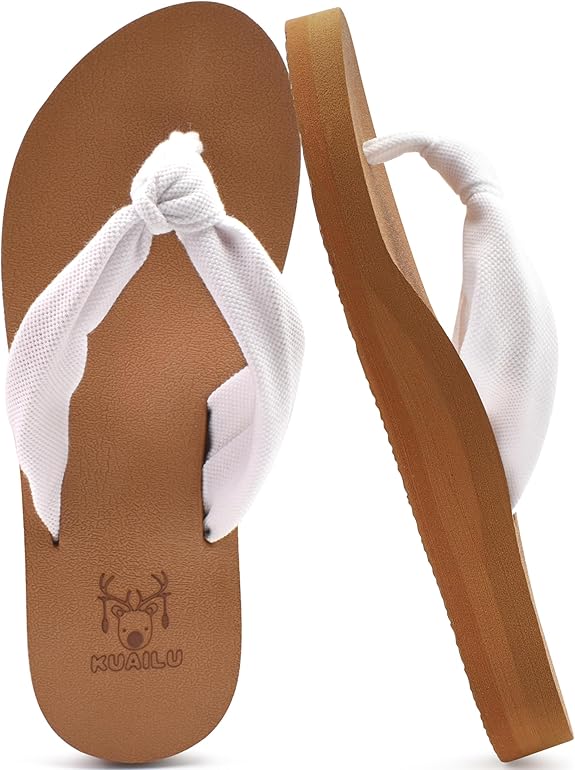
KuaiLu
Flip Flops with Arch Support
Cushioned, lightweight sandals with supportive arch design—a practical choice for beach trips, errands, and long summer walks.
Shop the sandals
baleaf
Athletic One-Piece Swimsuit
A functional one-piece with adjustable straps and moderate coverage, designed for swimming, training, surfing, and active beach days.
Shop the swimsuit
Astylish
Linen-Cotton Button-Down Shirt
A relaxed cotton-linen shirt with a collared V-neck and roll-up sleeves—easy to style over swimwear or with denim and shorts.
Shop the shirt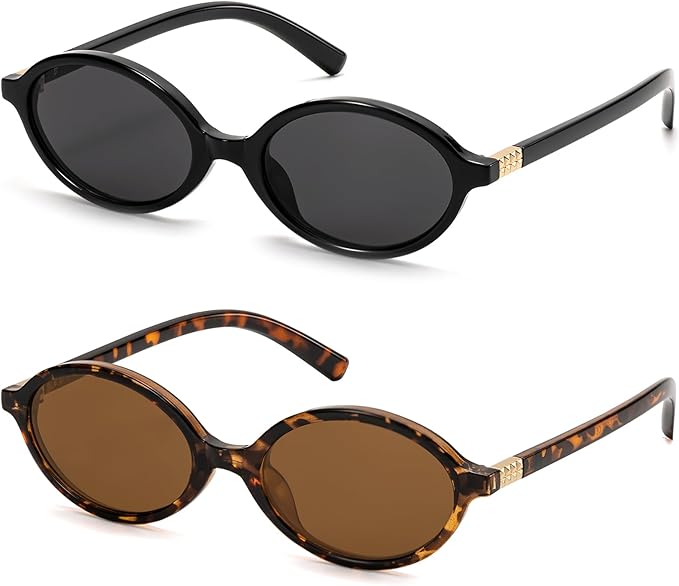
ViewJoy
Retro Oval Sunglasses
Small oval sunglasses with a 90s-inspired silhouette and UV400 lens protection—a quick way to add a vintage edge to everyday looks.
Shop the sunglasses
Affiliate disclosure: This section contains affiliate links. If you make a purchase through these links, I may earn a commission at no additional cost to you. Product selection, pricing, availability, and delivery terms may change—please review the current details on Amazon before purchasing.
As an Amazon Associate I earn from qualifying purchases.