Daily Outfit Ideas: Build a 7-Day Capsule System
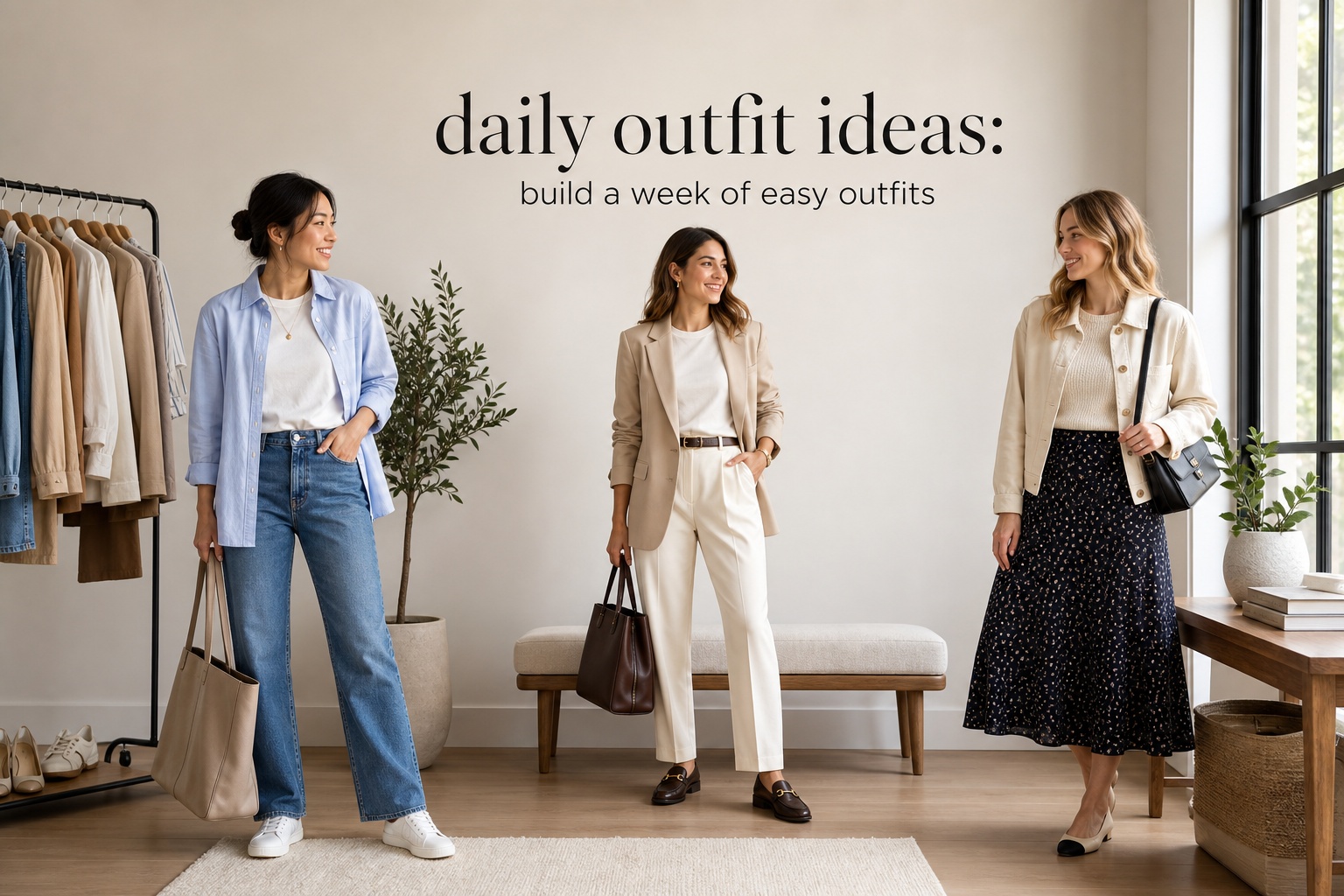
Daily outfit ideas are most useful when they do more than show you one attractive look. They should help you open your closet on a busy morning, understand what works together, and get dressed without starting from zero. The answer is not owning a new outfit for every day. It is building a small system of dependable pieces that can shift with your schedule, weather, comfort, and mood.
This capsule-system guide turns everyday dressing into a repeatable process. You will start with a practical wardrobe base, then use six formulas for ordinary situations such as errands, work, warm weather, travel, dinner, and low-energy mornings. The goal is not a strict uniform. It is a set of flexible starting points that make your own clothes easier to see and wear.
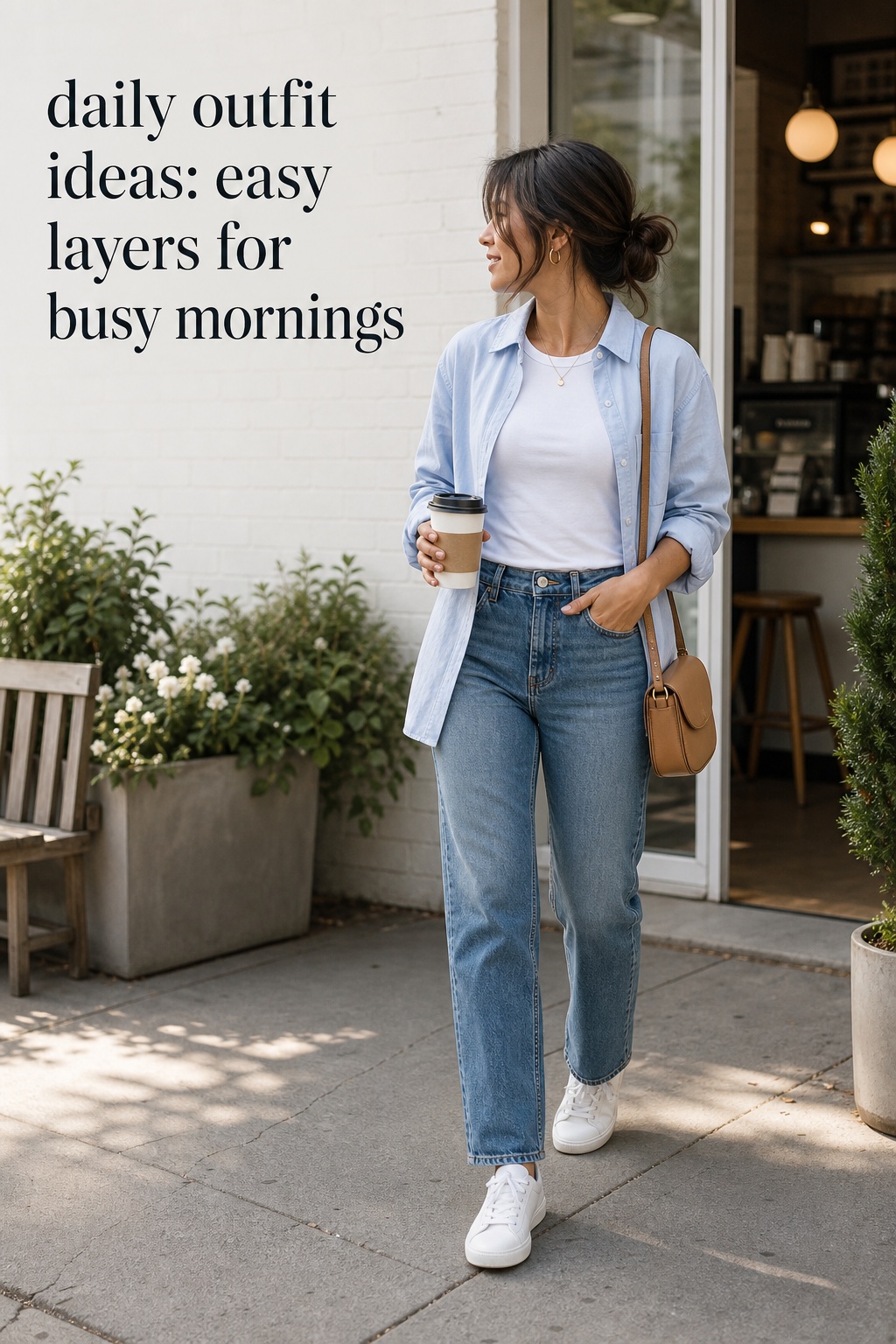
The capsule building blocks behind reliable daily outfit ideas
A useful capsule is not defined by a magic number of garments. It is defined by how often the pieces cooperate. If your tops only work with one pair of pants, or your shoes only suit one level of formality, the closet may be full but the outfit options will still feel narrow. Begin with categories that support several formulas and choose colors that can share the same visual language.
The Fashion-Note Edit
Five effortless pieces to refresh your everyday wardrobe
A polished, practical edit for workdays, weekends, and everything in between.

The Drop
Women’s Blake Long Blazer
A longline, tailored blazer with a notched collar and a single-button closure—an easy layer for denim, dresses, or office-ready looks.
Shop the blazer
Amazon Essentials
Women’s Lightweight Crewneck
A soft, lightweight sweater with a clean crew neckline—the kind of reliable layer that works from cool mornings to air-conditioned spaces.
Shop the sweater
Amazon Essentials
Women’s Loafer Flat
A classic flat loafer that gives casual outfits a more polished finish and pairs naturally with tailored pants, skirts, and straight-leg jeans.
Shop the loafers
Levi’s
Women’s 501 90s Jeans
A relaxed, vintage-inspired take on the iconic 501 silhouette—made for an easy, lived-in look without the thrift-store search.
Shop the jeans
Colorfulkoala
High-Waisted 7/8 Leggings with Pockets
Soft, four-way-stretch leggings with side pockets and a high-rise waistband—designed for movement, errands, and off-duty comfort.
Shop the leggings
Affiliate disclosure: This section contains affiliate links. If you make a purchase through these links, I may earn a commission at no additional cost to you. Product selection, pricing, availability, and delivery terms may change—please review the current details on Amazon before purchasing.
As an Amazon Associate I earn from qualifying purchases.
Choose three dependable bottoms
Start with one pair of jeans that feels good for walking, one pair of trousers with enough structure for polished casual settings, and one alternative such as a midi skirt, relaxed chinos, or soft utility pants. The exact cuts should match your life. Straight-leg denim is a useful middle ground, while wide-leg trousers create a longer, fluid line and can work with fitted or cropped tops. A midi skirt adds movement without requiring a completely different wardrobe.
Your wedding style is personal.
Your plan should feel that way, too.
Zarellea keeps your guest list, budget, vendors, and every next step beautifully organized — so you can focus on the moments that feel like you.
- Choose a dark or medium neutral for your most versatile bottom.
- Keep one relaxed shape for long days and travel.
- Add one piece with a different texture or movement so the rotation does not feel repetitive.
- Check that each bottom works with at least three tops and two shoe options.
Fit matters more than the label on the garment. A bottom that stays comfortable when you sit, climb stairs, or carry a bag will appear more polished because you will not spend the day adjusting it. Treat comfort as part of the styling brief, not as a compromise you make after the outfit is chosen.
Keep five tops that cover different levels of ease
Your top group can include a simple tee, a more fitted knit, a button-down shirt, a fine cardigan or sweater, and one top with personality. Personality might come from a stripe, a subtle print, an interesting neckline, or a color that makes you feel awake. The point is to create contrast without making every outfit depend on a statement item.
Think in roles rather than shopping categories. One top should be easy to tuck. One should layer under a jacket. One should look complete without a third piece. One should add softness to tailored bottoms. One should provide a small visual surprise. When each top has a job, daily outfit ideas become easier to assemble because you are choosing the role your day needs first.
Add layers, shoes, and finishing details that change the message
Layers are the quickest way to make a small wardrobe feel larger. A denim jacket keeps a dress or skirt relaxed. A blazer adds structure to jeans. A cardigan softens trousers and makes a simple tee more complete. A utility jacket brings practical texture to a skirt or tailored pant. Choose one light layer, one structured layer, and one weather layer before adding more special pieces.
Shoes act as the outfit’s level-setting tool. Clean sneakers make tailoring feel approachable, loafers make denim feel considered, flat sandals keep a dress relaxed, and ankle boots add weight when the outfit needs grounding. You only need a few reliable options if each one changes the direction of several bases. Finish with one intentional detail: a belt, watch, earrings, scarf, useful bag, or pair of sunglasses.
A simple test helps: can you create at least eight combinations from your selected bottoms, tops, layers, and shoes without repeating every item in the same way? If not, add versatility before novelty. The strongest capsule is the one that removes friction from your actual week.
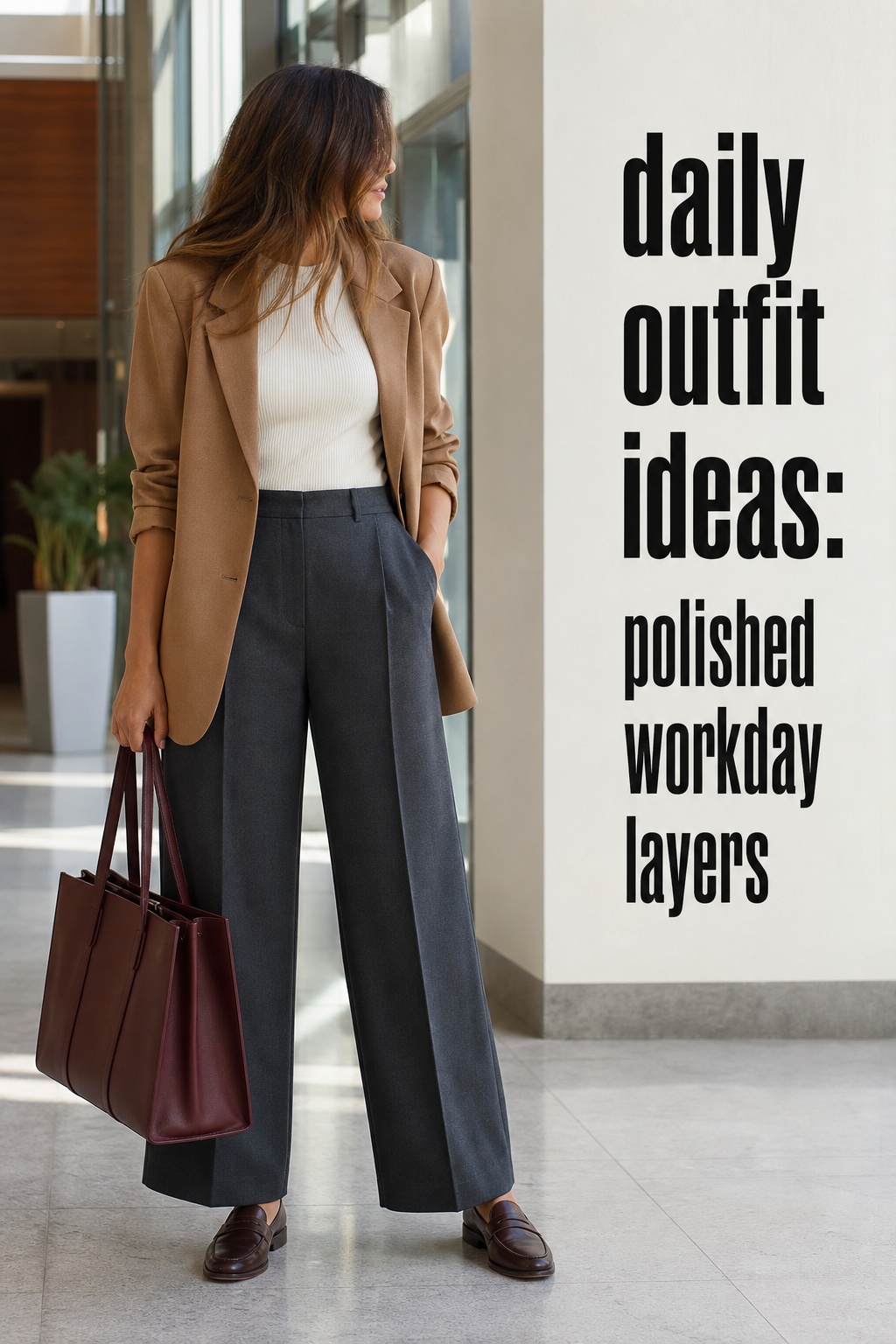
Six daily outfit formulas for the situations that fill a real week
Use the formulas below as templates, not prescriptions. Substitute pieces from your own closet while keeping the role of each category intact. A tee can become a knit, jeans can become trousers, and sneakers can become loafers. The formula stays useful because its structure remains recognizable even when the individual garments change.
1. The easy class or errand day
Use straight-leg jeans, a fitted or semi-fitted tee, an open button-down or denim jacket, clean sneakers, and a crossbody bag. This combination handles groceries, appointments, school runs, casual coffee, and a long stretch of walking. The base is familiar, while the open layer gives the outfit a clear vertical line and protects you from indoor air conditioning.
For a softer version, replace denim with relaxed trousers and the jacket with a cardigan. For a sharper version, choose a crisp shirt and a structured tote. If the outfit feels too plain, repeat one color in the shoes and bag or add a belt. One small connection is usually enough to make basics look deliberate.
2. The polished casual workday
Pair tailored trousers with a fine knit or simple blouse, a relaxed blazer, loafers, and a structured bag. This is a useful middle point for offices that do not require a full suit, remote days with a video meeting, or a day that moves from work to dinner. Keep the base comfortable and let the blazer provide the authority.
Balance is more important than matching. If the trousers are wide, try a shorter or tucked top. If the top is loose, choose a straighter trouser and show a little wrist or ankle when practical. A belt can clarify the waist, but it is not mandatory. A neat neckline and shoes that look intentional may do all the work.
3. The warm-weather day
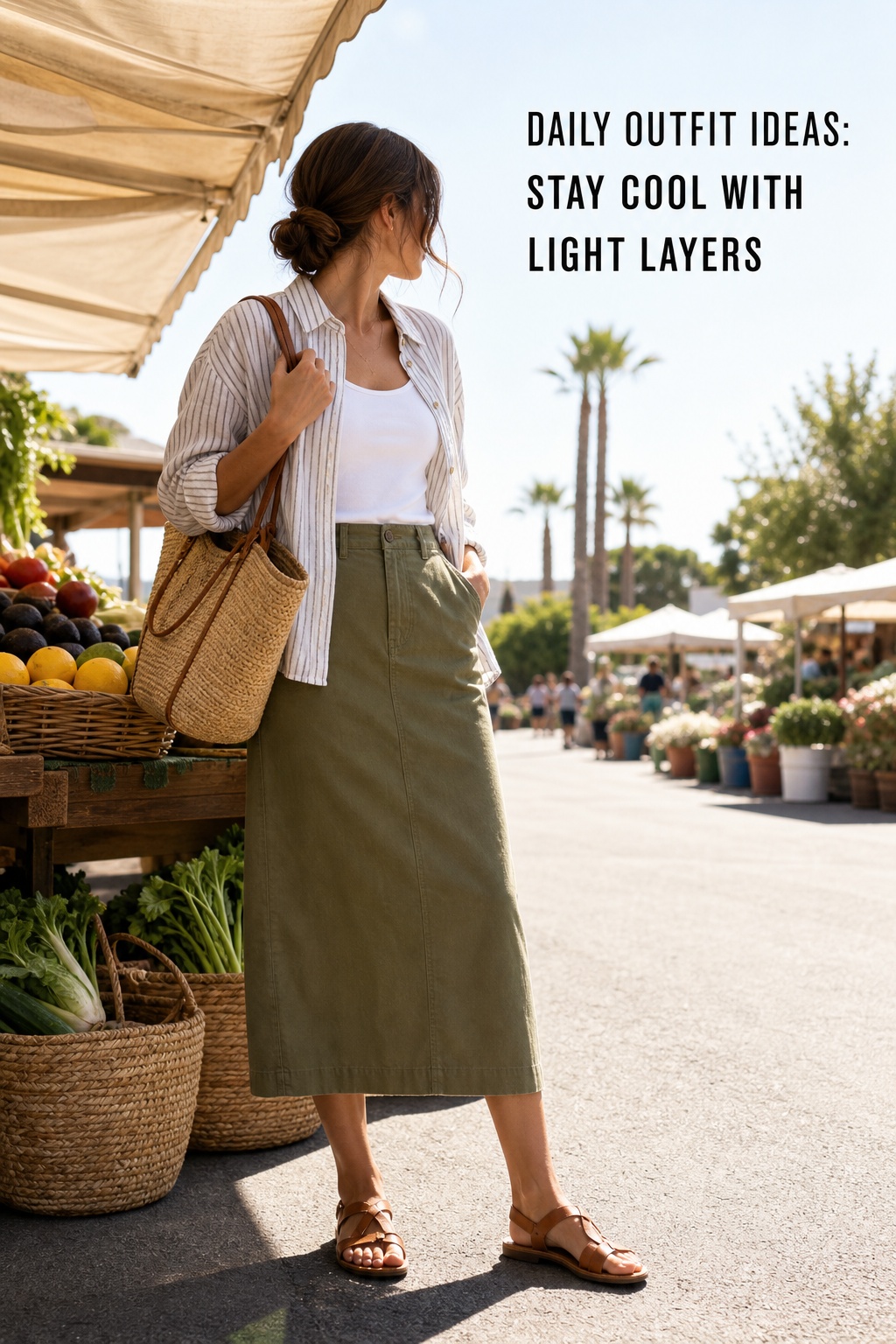
Choose breathable trousers or a midi skirt, a cotton tank or short-sleeve blouse, an open linen shirt, and flat sandals. The open shirt supplies coverage and structure while allowing airflow. This formula works for lunch, a market, a warm commute, or a relaxed office when the fabric and neckline suit the dress code.
When the temperature rises, reduce visual and physical weight in stages. Start with the layer you can remove, then choose lighter fabric, then choose a shoe that exposes more of the foot. Avoid adding accessories that make the outfit feel busy or hot. A woven bag, small hoops, or sunglasses can provide enough finish without competing with the clean shape.
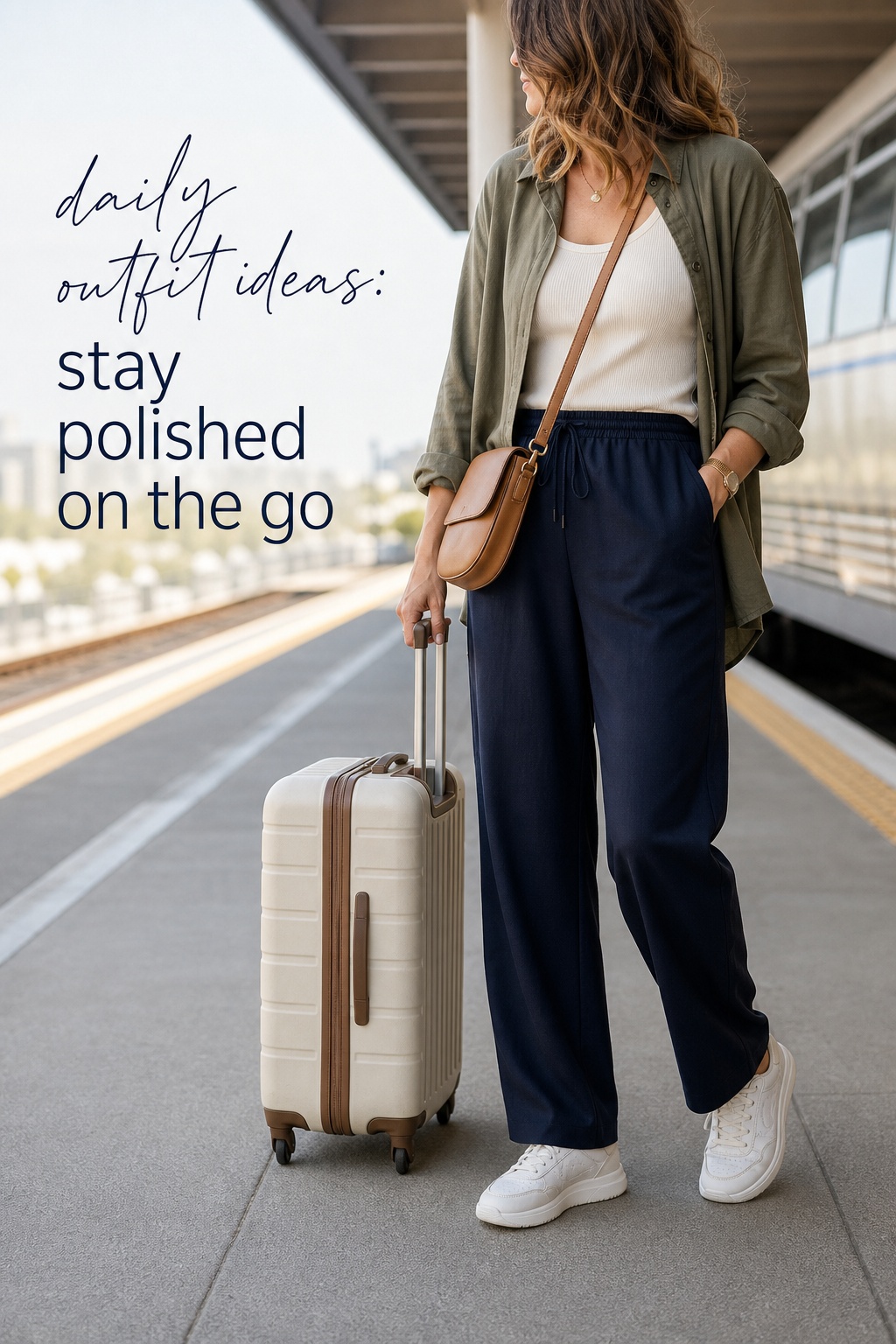
4. The travel and walking day
Build around relaxed trousers, a fitted tank or tee, a button-down or lightweight jacket, supportive flat shoes, and a crossbody bag. The formula has enough ease for sitting, enough structure for arriving somewhere, and enough layers for changing temperatures. Choose fabrics that resist creasing or recover quickly after a long journey.
Keep the palette calm if you want to pack fewer pieces. Navy, cream, olive, black, denim, and soft gray can share accessories easily. For personality, add a colorful sock, scarf, bag, or earring rather than a difficult-to-style garment. This creates a travel wardrobe that photographs well but still works when you are carrying luggage and looking for directions.
5. The dinner or date after a normal day
Start with a simple dress or a satin or fluid midi skirt, add a matte fitted top, a leather or tailored jacket, ankle boots or refined flats, and one piece of jewelry. The texture contrast creates interest without requiring a dramatic outfit. It is especially useful when you need to move from an ordinary day into an evening setting.
If a dress feels too formal, layer it with a denim or utility jacket and choose flat shoes. If the skirt feels too romantic, add a simple sweatshirt or sharp blazer and ground it with a practical bag. Keep the change focused. Switching one category is often more convincing than adding several decorative elements at once.
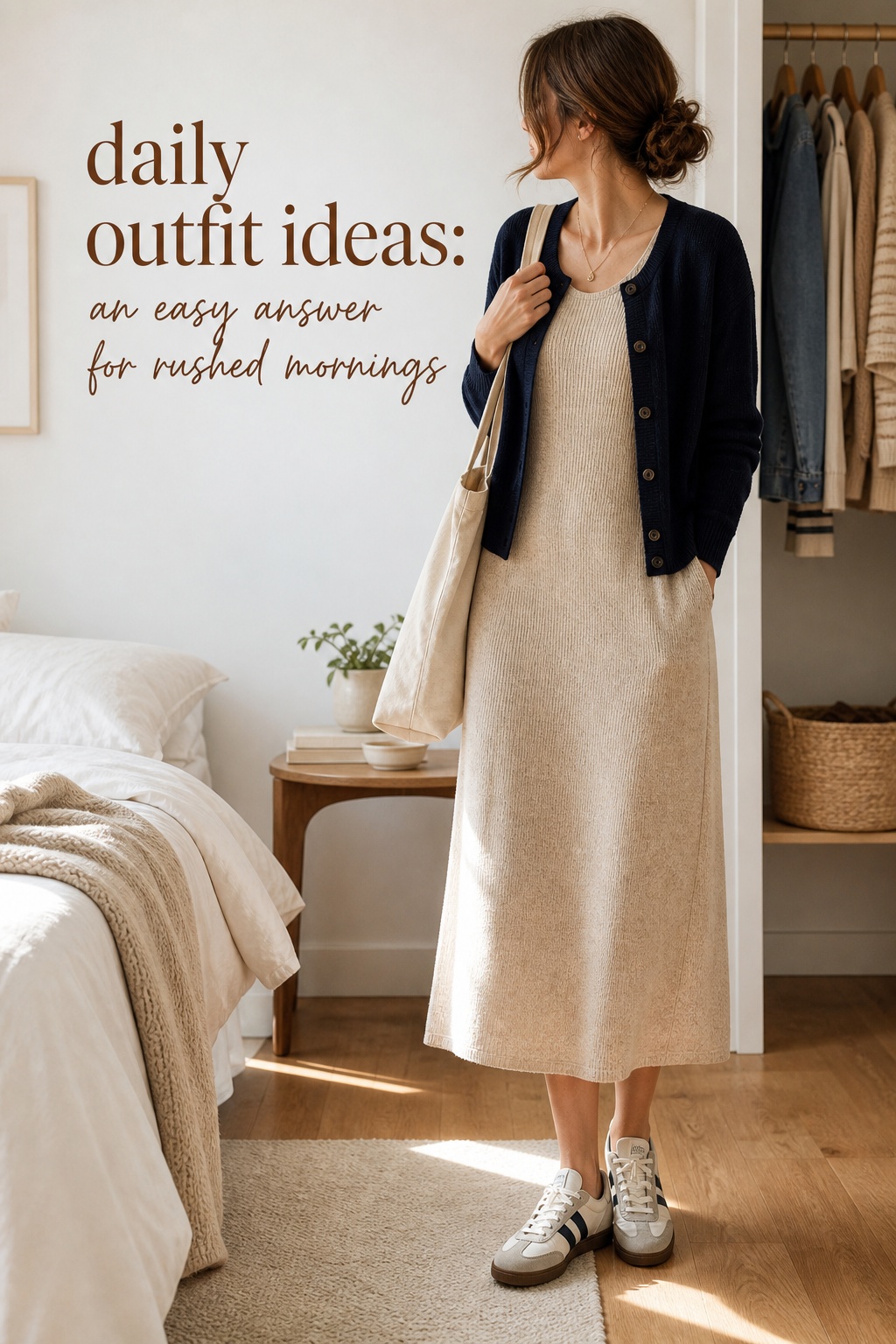
6. The low-energy morning
Use a soft matching set or an easy knit dress, then add one structured outer layer, clean sneakers or loafers, and a practical bag. Matching pieces remove the need to solve color coordination, while the outer layer stops the result from feeling unfinished. This formula is for mornings when the goal is to feel presentable quickly, not to prove your creativity.
Keep a ready version of this outfit together in your closet or save a mirror photo. The less energy you have, the more valuable a known answer becomes. You can still add personality with a familiar lipstick, watch, scarf, or pair of earrings once the base is on.
How to adapt daily outfit ideas to weather, proportions, and personal style
A formula can look perfect in a photo and fail in real life if it ignores temperature, movement, or your preferred silhouette. Adapt the categories in a deliberate order. Start with comfort and weather, then solve proportion, then add personality. This sequence keeps styling practical and prevents accessories from being used to disguise an uncomfortable base.
Use the third piece as a control knob
The third piece is the layer that changes how a base outfit reads. A cardigan makes jeans and a tee feel soft and approachable. A blazer gives the same base more authority. A cropped jacket can sharpen a long skirt or wide trouser. A long coat creates a clean column and protects the outfit from unpredictable weather.
Choose the third piece according to the message of your day. If the clothes feel too casual, add structure. If they feel too formal, add texture or a relaxed shoe. If they feel shapeless, select a layer with a defined shoulder, hem, or waist. This is more efficient than replacing the entire outfit.
Balance volume and visual weight
Proportion does not mean every outfit must be fitted. It means the volumes should feel intentional. A loose top can work with a straighter bottom, a shorter hem, or a visible shoe. A wide trouser can work with a defined shoulder or a tucked top. If both top and bottom are generous, use a clear layer, a visible wrist, a belt, or a more substantial shoe to keep the shape from disappearing.
Visual weight matters too. Heavy boots can anchor a floaty skirt, while delicate flats may make a large jacket feel more balanced than chunky sneakers. Look at the outfit from a distance or take a quick mirror photo. The camera often reveals whether the eye can find a clear base, layer, and finishing point.
Change one category at a time
When an outfit feels wrong, avoid changing everything at once. Replace the shoe first if the dress level is off. Replace the layer if the silhouette lacks structure. Replace the top if the color or neckline does not feel right. This diagnostic habit teaches you which categories are doing useful work and which pieces are creating friction.
For weather, use the same approach. Add a thermal base for cold, a removable knit for indoor transitions, and a water-resistant outer layer for rain. In heat, remove the least breathable layer before shortening the hem or adding brighter accessories. Practical adjustments should preserve the formula rather than erase it.
Build a seven-day rotation without repeating the same look
A weekly rotation makes daily outfit ideas actionable. Choose five formulas that match your real calendar, then assign them to days based on activity and weather. You do not need seven completely different outfits. You need enough variation in silhouette, layer, color, or shoe that the week feels considered and the laundry schedule remains realistic.
The weekly planning method
- Check the forecast and your calendar before choosing garments.
- Mark the days that need walking comfort, polish, weather protection, or an evening transition.
- Assign one formula to each day, then change at least two categories from the previous use.
- Place the most reliable low-energy option on the day that usually feels rushed.
- Take quick photos of combinations that work and label them by situation.
For example, Monday might use jeans, a tee, a blazer, and sneakers. Tuesday can use the same blazer with trousers, a knit, and loafers. Wednesday can shift to the warm-weather formula with a skirt, tank, open shirt, and sandals. Thursday can use a dress and utility jacket. Friday can combine relaxed trousers with a polished shoe and a more expressive accessory. The garments repeat, but the outfit logic changes.
A five-minute fit and comfort check
Before leaving, sit down, lift your arms, walk across the room, and check the outfit from the side. Make sure the waistband stays comfortable, the layer does not pull, the shoe supports the day, and the bag does not fight the coat or sleeve. These small tests prevent the most common reason an attractive formula goes unworn: it is not practical enough for the person wearing it.
Then ask three style questions. Is there a clear base? Is one layer giving the outfit shape? Is there one finishing detail that feels like you? If the answer is yes, stop styling. More accessories are not automatically more polished.
Mistakes that make a capsule feel boring or impractical
- Buying basics without checking whether they connect to the rest of the wardrobe.
- Choosing a formula for an imaginary lifestyle instead of your actual commute, work, or comfort needs.
- Repeating the same silhouette, shoe, and color combination until the system feels flat.
- Using statement pieces as a substitute for fit, proportion, or a weather-appropriate layer.
- Keeping clothes that require constant adjustment because they look good only when standing still.
A capsule should create more freedom, not more rules. Let the formulas evolve as your schedule, season, and preferences change. Review them every few weeks and notice what you actually wore. Your most useful daily outfit ideas will come from that evidence, not from a fantasy version of your closet.
FAQ
How many daily outfit ideas should I keep in rotation?
Keep five to ten reliable formulas, then adapt them with different colors, layers, shoes, and accessories. This is enough variety for most weeks without creating a new decision every morning. Start with the situations you dress for most often rather than collecting formulas for occasions that rarely happen.
What is the easiest everyday outfit formula?
Try straight-leg jeans, a simple tee, one open layer, clean sneakers, and a small bag. It is easy to adjust with a cardigan, blazer, or utility jacket. If you prefer skirts or dresses, use the same structure with a midi skirt or everyday dress and a practical third piece.
How can I look polished without dressing formally?
Mix one structured category with relaxed pieces. A blazer with jeans, loafers with a tee, or tailored trousers with a soft knit creates balance without looking corporate. Fit, clean shoes, and one intentional accessory usually have a greater effect than adding more formal garments.
How do I adapt daily outfit ideas for changing weather?
Build outfits in removable layers. Use a breathable base, add a knit or shirt that can come off indoors, and finish with weather-appropriate outerwear. Keep the same formula while changing fabric weight, sleeve length, and footwear. A packable layer is especially useful when outdoor and indoor temperatures differ.
How do I make repeatable outfits feel personal?
Choose one signature detail and repeat it in different ways. That might be a favorite color, a distinctive bag, a certain jewelry scale, an interesting shoe, or a preference for relaxed tailoring. Personal style comes from consistent choices, not from making every outfit completely different.
What should I do when I own clothes but still have nothing to wear?
Perform a small wardrobe audit. Choose three bottoms, five tops, three layers, and three shoes, then test how many complete outfits they create. Remove pieces that require a rare occasion or a difficult pairing from your daily view. You may need better combinations, not more clothes.
Reliable daily outfit ideas are less about constant novelty and more about making your existing wardrobe cooperate. Once your capsule has clear roles, practical layers, and a few personal details, getting dressed becomes faster and far less mysterious.
Finish the look
The little extras that make a summer outfit feel complete
From beach days to city weekends, these easy pieces bring comfort, texture, and a polished finishing touch.

FENBEN
Straw Hobo Crossbody Bag
A handwoven straw bag with both short and crossbody straps—an effortless finishing touch for vacation looks and warm-weather outfits.
Shop the bag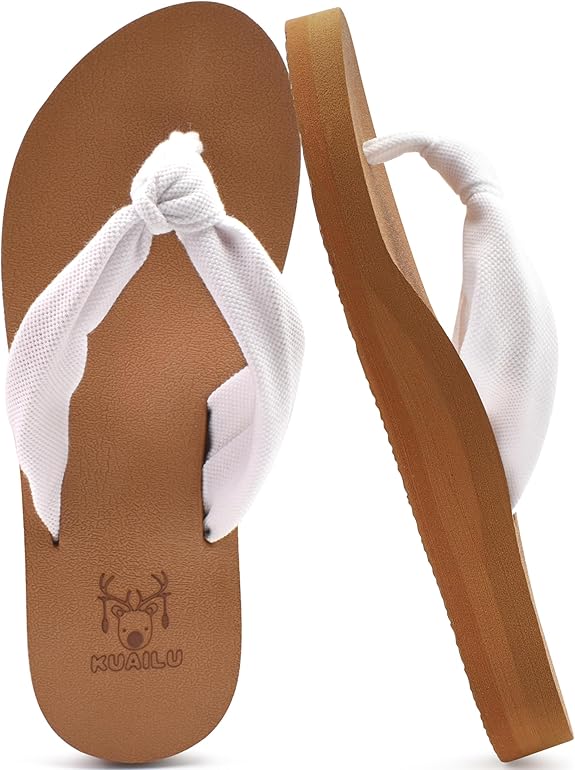
KuaiLu
Flip Flops with Arch Support
Cushioned, lightweight sandals with supportive arch design—a practical choice for beach trips, errands, and long summer walks.
Shop the sandals
baleaf
Athletic One-Piece Swimsuit
A functional one-piece with adjustable straps and moderate coverage, designed for swimming, training, surfing, and active beach days.
Shop the swimsuit
Astylish
Linen-Cotton Button-Down Shirt
A relaxed cotton-linen shirt with a collared V-neck and roll-up sleeves—easy to style over swimwear or with denim and shorts.
Shop the shirt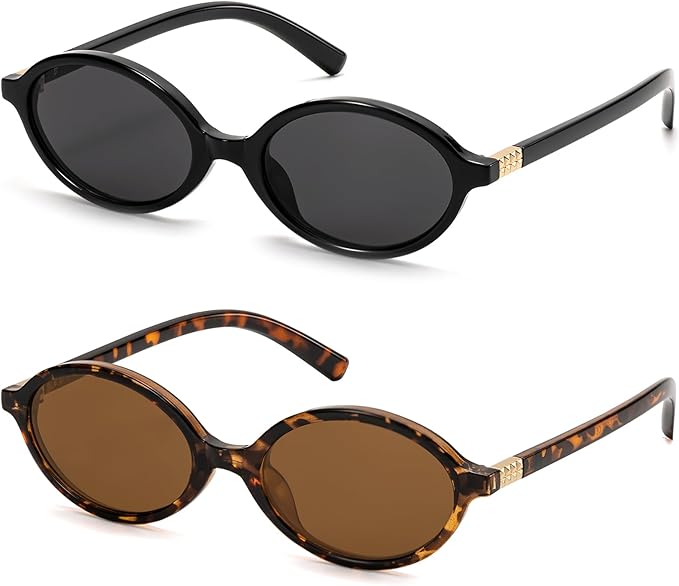
ViewJoy
Retro Oval Sunglasses
Small oval sunglasses with a 90s-inspired silhouette and UV400 lens protection—a quick way to add a vintage edge to everyday looks.
Shop the sunglasses
Affiliate disclosure: This section contains affiliate links. If you make a purchase through these links, I may earn a commission at no additional cost to you. Product selection, pricing, availability, and delivery terms may change—please review the current details on Amazon before purchasing.
As an Amazon Associate I earn from qualifying purchases.