Winter School Outfits That Solve Cold-Morning Dressing
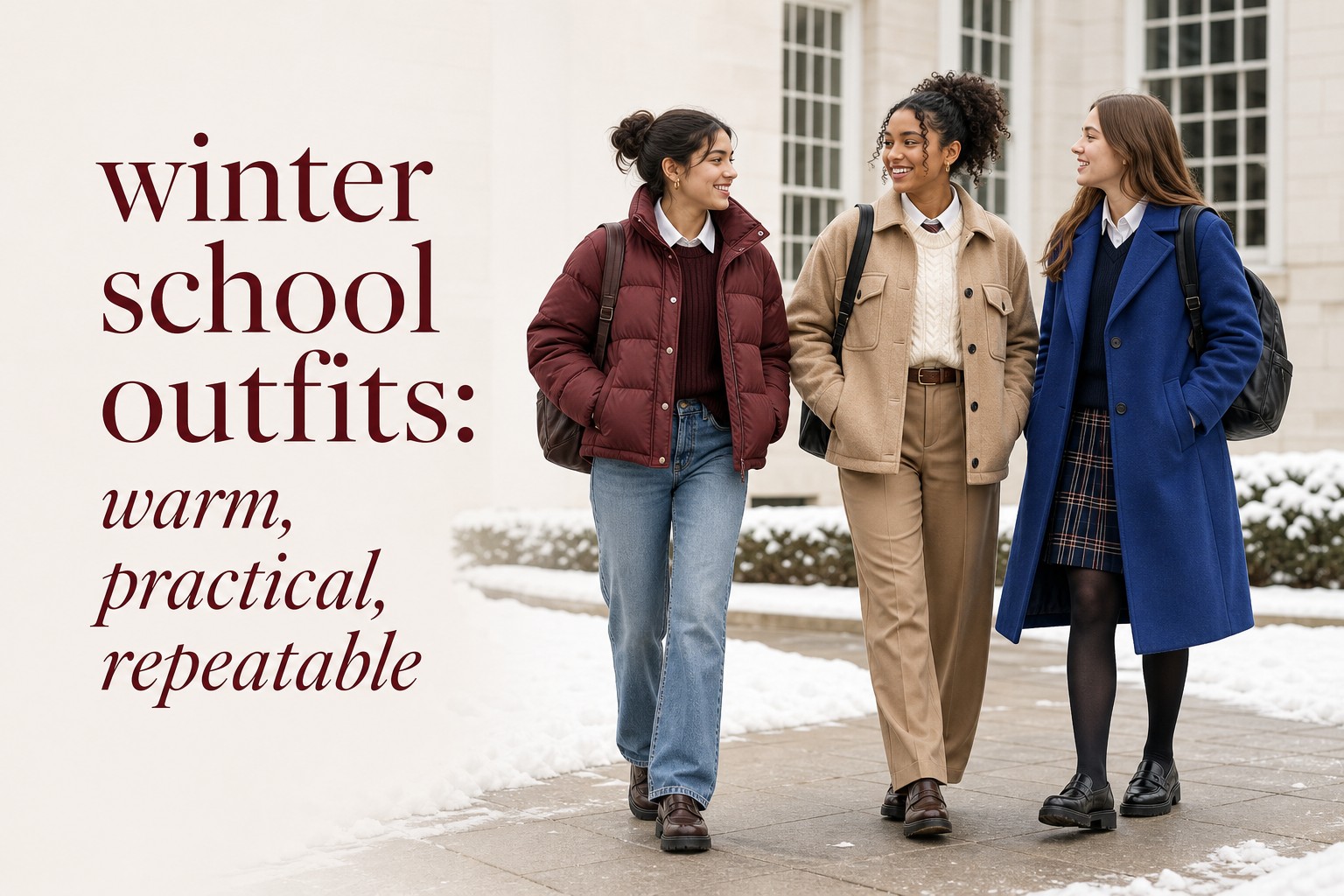
Winter school outfits have to do something most everyday looks do not: work in two climates before lunch. The walk, bus stop, or car ride can feel icy, while the classroom is warm enough to make a heavy coat and thick sweater uncomfortable. Add a dress code, a backpack, a gym period, wet sidewalks, and a short morning routine, and getting dressed becomes a practical problem instead of a simple style choice.
The most useful solution is not owning more clothes. It is building a few flexible formulas that keep warmth close to the body, make the outer layer easy to remove, and still look intentional when the coat comes off. This guide breaks down the friction points, then turns them into winter school outfits you can repeat, adjust, and personalize.
The real problem with winter school outfits: cold outside, warm inside, limited time
The first mistake is dressing for the coldest moment of the day as if it will last all day. A thick turtleneck under a fleece hoodie, a padded jacket, and a scarf may feel sensible at the bus stop, but that combination can become bulky and distracting at a desk. The second mistake is solving warmth with one oversized item. A huge sweatshirt hides the shape of an outfit, catches on backpack straps, and does not always protect hands, ankles, or the neck.
The Fashion-Note Edit
Five effortless pieces to refresh your everyday wardrobe
A polished, practical edit for workdays, weekends, and everything in between.

The Drop
Women’s Blake Long Blazer
A longline, tailored blazer with a notched collar and a single-button closure—an easy layer for denim, dresses, or office-ready looks.
Shop the blazer
Amazon Essentials
Women’s Lightweight Crewneck
A soft, lightweight sweater with a clean crew neckline—the kind of reliable layer that works from cool mornings to air-conditioned spaces.
Shop the sweater
Amazon Essentials
Women’s Loafer Flat
A classic flat loafer that gives casual outfits a more polished finish and pairs naturally with tailored pants, skirts, and straight-leg jeans.
Shop the loafers
Levi’s
Women’s 501 90s Jeans
A relaxed, vintage-inspired take on the iconic 501 silhouette—made for an easy, lived-in look without the thrift-store search.
Shop the jeans
Colorfulkoala
High-Waisted 7/8 Leggings with Pockets
Soft, four-way-stretch leggings with side pockets and a high-rise waistband—designed for movement, errands, and off-duty comfort.
Shop the leggings
Affiliate disclosure: This section contains affiliate links. If you make a purchase through these links, I may earn a commission at no additional cost to you. Product selection, pricing, availability, and delivery terms may change—please review the current details on Amazon before purchasing.
As an Amazon Associate I earn from qualifying purchases.
Think in zones instead. Your base layer manages comfort next to the skin. Your middle layer provides most of the removable warmth. Your outer layer blocks wind, rain, or snow during the commute. Shoes and accessories handle the places where cold enters quickly. When each zone has a clear job, you can remove one piece indoors without losing the logic of the outfit.

Your wedding style is personal.
Your plan should feel that way, too.
Zarellea keeps your guest list, budget, vendors, and every next step beautifully organized — so you can focus on the moments that feel like you.
Before choosing colors or trends, check the real conditions. A five-minute walk in dry, mild cold calls for a different solution than a thirty-minute wait in wind and sleet. Also check your school’s rules for hemlines, logos, hats, open-toe shoes, and athletic clothing. A beautiful outfit that cannot move through the day is not a successful school outfit.
- Cold commute: prioritize a wind-blocking coat, warm socks, and shoes with traction.
- Heated classroom: choose thin base layers and one easy-to-remove middle layer.
- Dress code: keep the foundation simple, then use texture, color, or accessories for personality.
- Busy schedule: repeat reliable silhouettes and change only one visible element.
- Backpack reality: avoid sleeves and scarves that constantly snag on straps.
This approach also makes mornings calmer. Instead of asking, “What outfit can I invent today?” ask, “Which formula fits today’s temperature and schedule?” That small shift turns winter school outfits into a decision system.
Build the base before choosing the statement piece
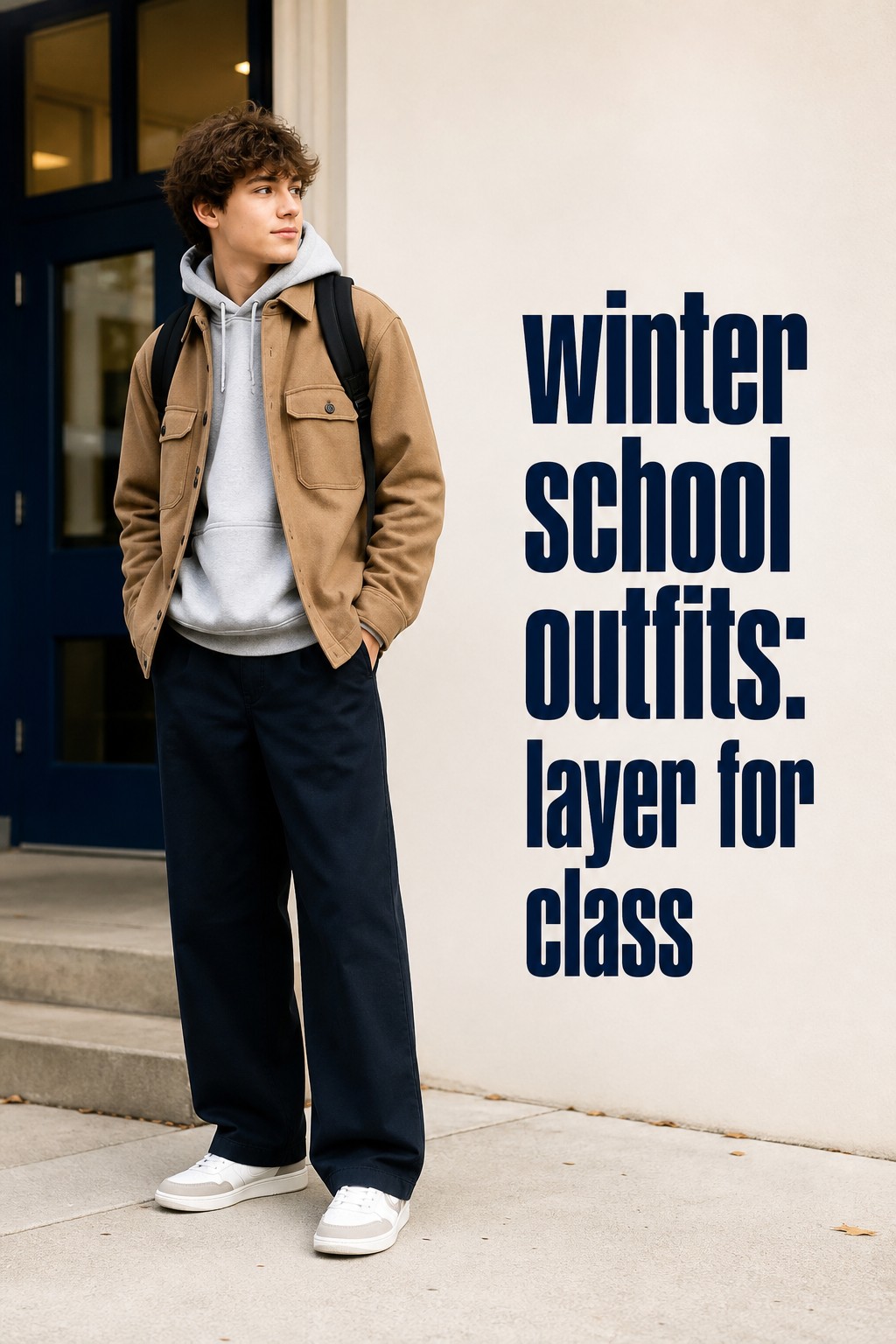
A strong winter outfit starts with thin, comfortable layers rather than maximum thickness. A fitted long-sleeve tee, lightweight mock-neck, or smooth thermal top can add warmth without making the sweater sit awkwardly. Choose a neckline that works with the next layer. A mock-neck looks polished under a crewneck cardigan, while a simple crewneck base is easier under a hoodie or quarter-zip.
The middle layer is where the outfit gets its personality. A cardigan feels flexible and slightly polished. A crewneck sweatshirt is practical for long school days. A sweater vest adds a preppy direction while leaving the arms free under a coat. A cropped puffer vest provides warmth at the torso without creating a crowded sleeve situation. Pick one middle layer, not several competing ones.
Balance volume from top to bottom. If the sweater is relaxed, choose straight-leg jeans, a slim knit skirt with opaque tights, or leggings under a longer shirt. If the pants are wide, a shorter jacket or a tucked-in fine-gauge sweater gives the outfit a clear shape. This does not mean every item must be fitted. It means the eye should be able to see where one proportion ends and another begins.
Color can do the same work. A navy, charcoal, cream, or brown base creates a calm canvas for a red beanie, striped sweater, colorful socks, or a plaid overshirt. Tonal outfits are especially useful when the weather is messy because they look considered even when the silhouette is simple. If you prefer brighter colors, keep the shoes and bag neutral so the outfit stays easy to repeat.
- Fine-gauge knit: warm enough for layering and less likely to make a coat feel tight.
- Opaque tights or tall socks: useful under skirts, dresses, and cropped pants.
- Longer base top: prevents exposed skin when a sweater moves during the day.
- Flexible shoes: sneakers, loafers, or boots should allow ordinary walking and stairs.
- Removable outer layer: a coat, puffer, or weatherproof shell should come off quickly indoors.
Once the base works, choose one statement piece. That might be a checked overshirt, a burgundy cardigan, a quilted jacket, a textured scarf, or a pleated skirt. One focal point is enough to make practical winter school outfits feel personal.
Winter school outfits by situation
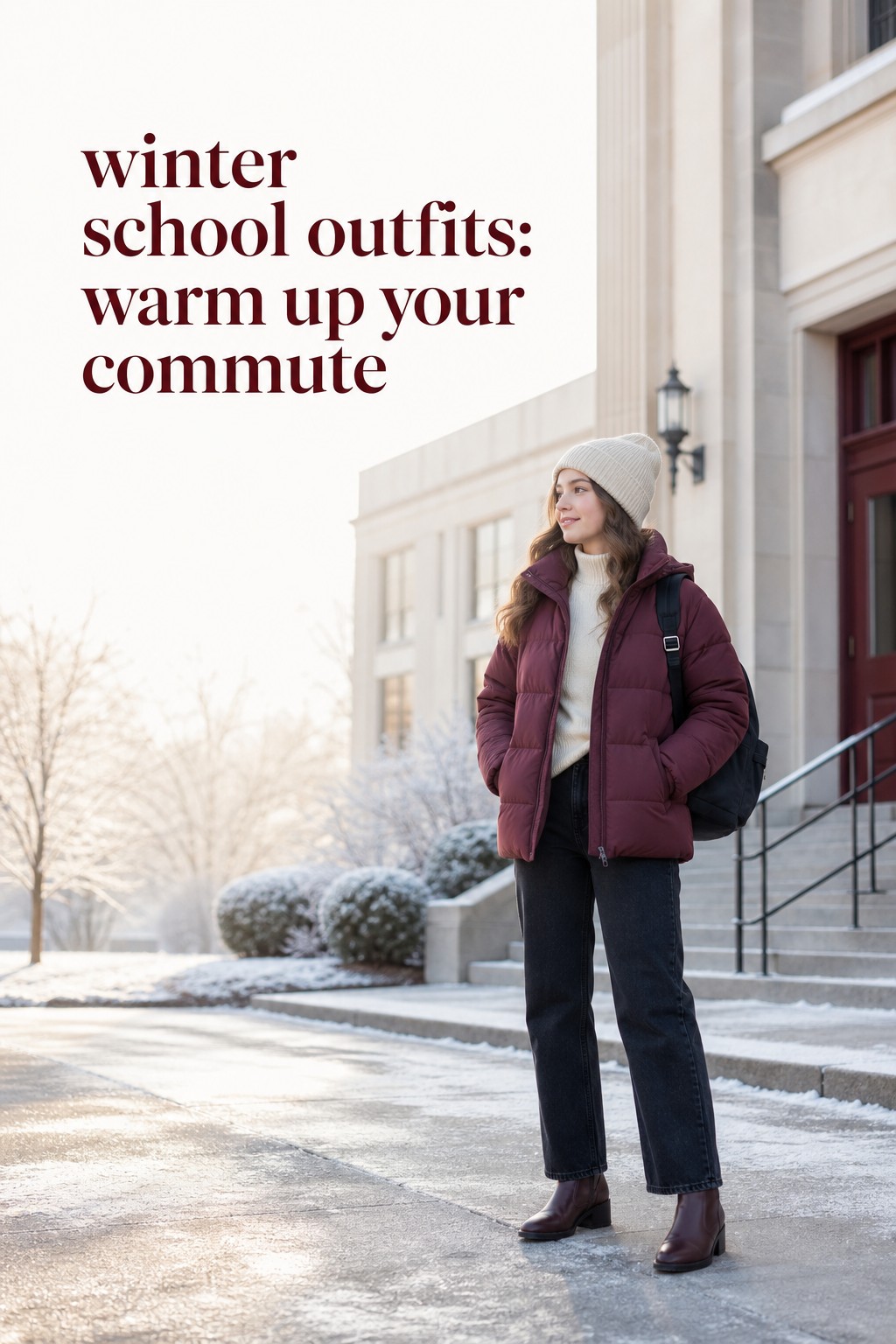
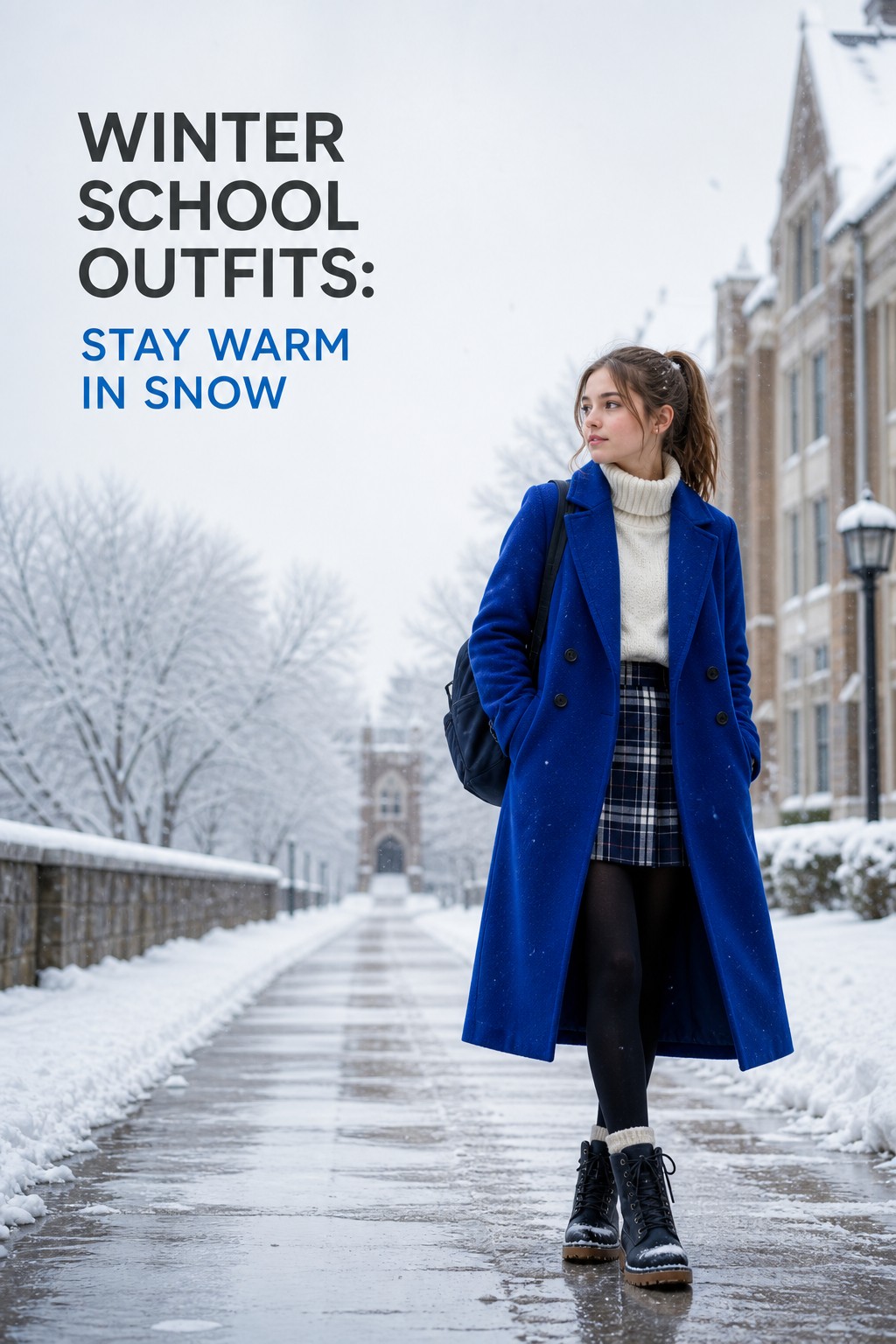
For a freezing morning commute, start with a long-sleeve base, straight-leg jeans, and a medium-weight sweater. Add a puffer or wool-blend coat that covers the upper thigh if you spend time outside. Finish with wool-blend socks, weather-resistant boots, and a beanie that fits under the hood or sits securely on its own. Keep the inside layer smooth so the coat does not pull or bunch.
For a mild winter day, use a cotton long-sleeve tee, relaxed jeans, and a cardigan or shacket. Low-profile sneakers work if sidewalks are dry, while ankle boots make the same outfit feel more weather-ready. A compact scarf can add color without creating too much heat once you get indoors. This formula is useful in regions where mornings are cold but afternoons change quickly.
For snow or slush, build around the shoes first. Choose boots with traction, a sole that can handle moisture, and enough room for warm socks. Wear them with cuffed or straight-leg pants that do not drag near puddles. A fleece-lined coat, waterproof shell, or long puffer handles the outer layer. Keep the rest of the look simple: a thermal top, sweatshirt, and a beanie are easier to manage than many delicate layers.
For a rainy winter day, a water-resistant jacket is more useful than a very warm coat that absorbs moisture. Try a striped tee under a knit sweater, dark straight-leg jeans, and waterproof Chelsea boots. A crossbody bag may be less convenient than a backpack, but whichever bag you use, protect books and electronics with a dry inner pouch. A small hair tie or clip can also keep wet-weather styling low effort.
For a skirt or dress, make the legs part of the warmth plan. Opaque tights, knee socks, or thin leggings under a dress can provide coverage without changing the overall look. Pair a knit dress with a cropped jacket and flat boots, or wear a pleated skirt with a fitted mock-neck, sweater vest, and loafers. If your school has a specific hemline rule, check the outfit while sitting, walking, and reaching for a locker.
For a gym day, separate the school outfit from the workout layer. A soft base tee, joggers or flexible trousers, and a zip jacket can look complete before class and still allow a quick change. Pack athletic clothes in a separate pouch so damp items do not touch notebooks. A clean pair of indoor sneakers is practical, and it saves your winter boots from being worn on gym floors.
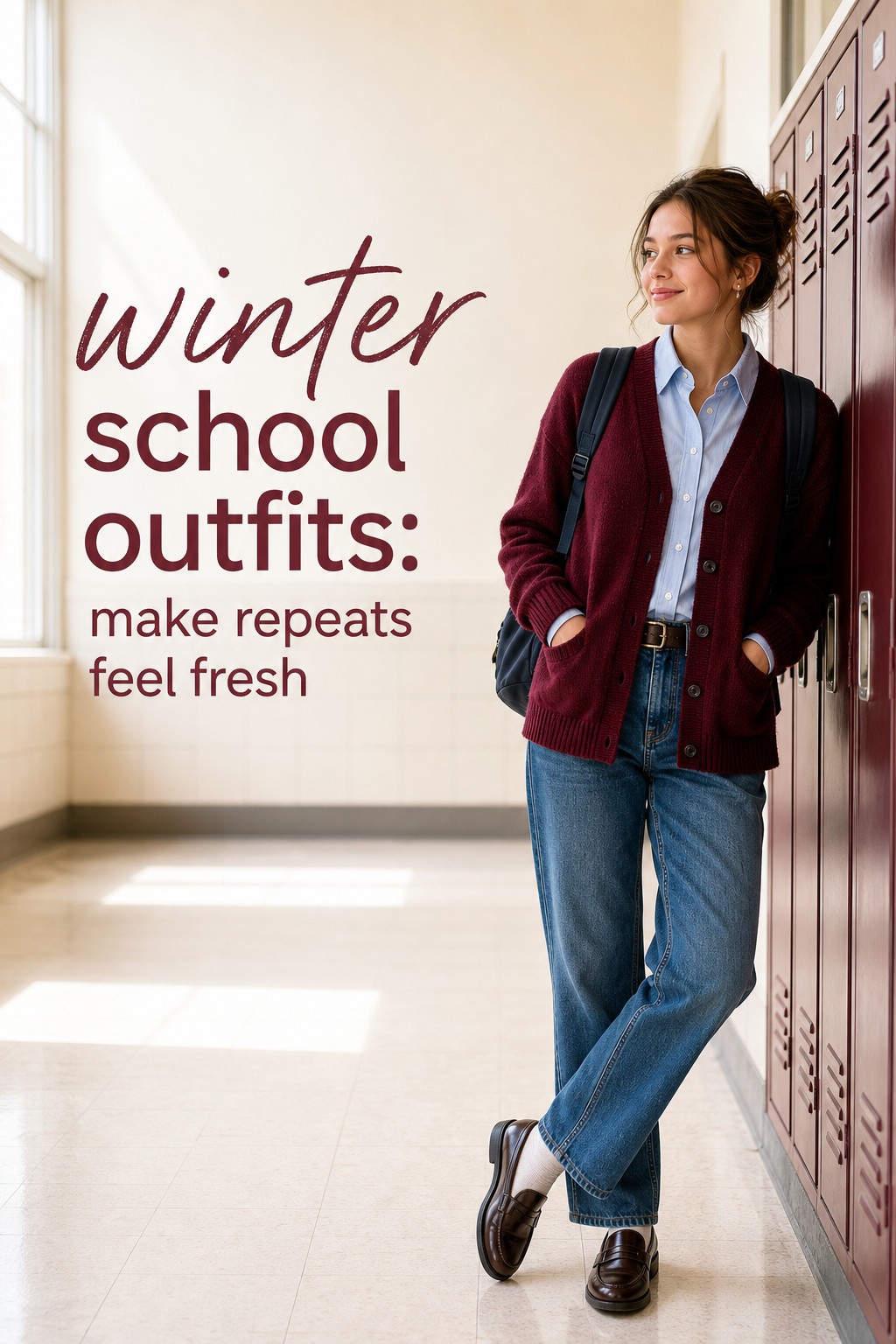
For a dress-code-heavy school, use the approved pieces as the foundation. A white or pale blue button-up under a cardigan, tailored trousers, and simple loafers can feel fresh when you vary the knit color, socks, or coat. If skirts are allowed, tights and a school-approved sweater often give more warmth than trying to hide a thermal under a thin blouse. The goal is to work with the rules while making the details feel like yours.
For a casual day that still needs polish, pair one athletic item with two structured pieces. Try a hoodie with straight jeans and a wool-look coat, leggings with an oversized button-up and a quilted vest, or joggers with a neat cardigan and clean sneakers. This keeps comfort while preventing the entire outfit from looking like sleepwear. Tidy shoes and one intentional accessory make a noticeable difference.
Quick fixes for repeated outfits and common winter friction
If every outfit feels bulky, remove thickness before removing warmth. Replace a chunky sweater with a fine-gauge knit and add a warmer coat. Replace two loose tops with one close-fitting base and one structured middle layer. Check the sleeves at the wrist and the shoulder seam. Excess fabric there creates the feeling of bulk faster than a longer hem does.
If you overheat in class, plan the reveal. Wear a top that looks complete without the coat, and make sure the removable layer has a finished neckline. A cardigan, zip jacket, or vest can hang on a chair or fit in a locker more easily than a thick hoodie. Avoid relying on a scarf to hide a shirt that only works under a coat.
If winter school outfits start to feel repetitive, change the third piece rather than rebuilding the whole look. Keep the same jeans and base top, then rotate a cardigan, plaid overshirt, sweater vest, cropped jacket, or long coat. You can also change the visual weight at your feet with loafers, clean sneakers, or ankle boots, provided the weather and school rules allow them.
If skirts or dresses feel too cold, check the gaps. A skirt may be fine with a warm base and tights but uncomfortable if the coat ends above the hem. A dress can work with a thermal layer underneath, tall boots, and a coat that covers more of the leg. Add warmth where the wind actually reaches you instead of automatically adding a bulky sweater.
If your outfit looks unfinished, use a simple finishing triangle: one visible color repeated in two places, one clear proportion, and one practical accessory. For example, repeat burgundy in a sweater and socks, balance a long coat with straight pants, and add a beanie. These details create cohesion without requiring a large wardrobe.
Keep a small winter rescue kit in your backpack or locker. Include spare socks, lip balm, a compact umbrella when appropriate, hair ties, stain remover wipes, and a lightweight tote for carrying a removed layer. These are not glamorous purchases, but they make the outfit easier to live in. A look that survives the day will always outperform a look that only photographs well.
Mistakes to avoid when planning winter school outfits
Do not choose shoes only for appearance. Smooth soles can become dangerous on wet tile or icy sidewalks, and delicate fabric can be ruined by salt. A practical pair of boots can still look stylish when the rest of the outfit is clean and proportioned. If you want to wear indoor shoes, carry them and change when you arrive.
Do not ignore the backpack. A very wide sweater sleeve, long scarf, or coat with slippery shoulders can make straps fall and create constant adjustments. Test the outfit with the bag you actually use. Walk, sit, reach, and open a locker before deciding it is a school-ready combination.
Do not treat “warm” as a single fabric category. A thick acrylic sweater may feel less comfortable than a thinner breathable base with a windproof coat. Soft fleece can be excellent for a cold commute, but it may feel too warm indoors. Look at weight, breathability, coverage, and removability together.
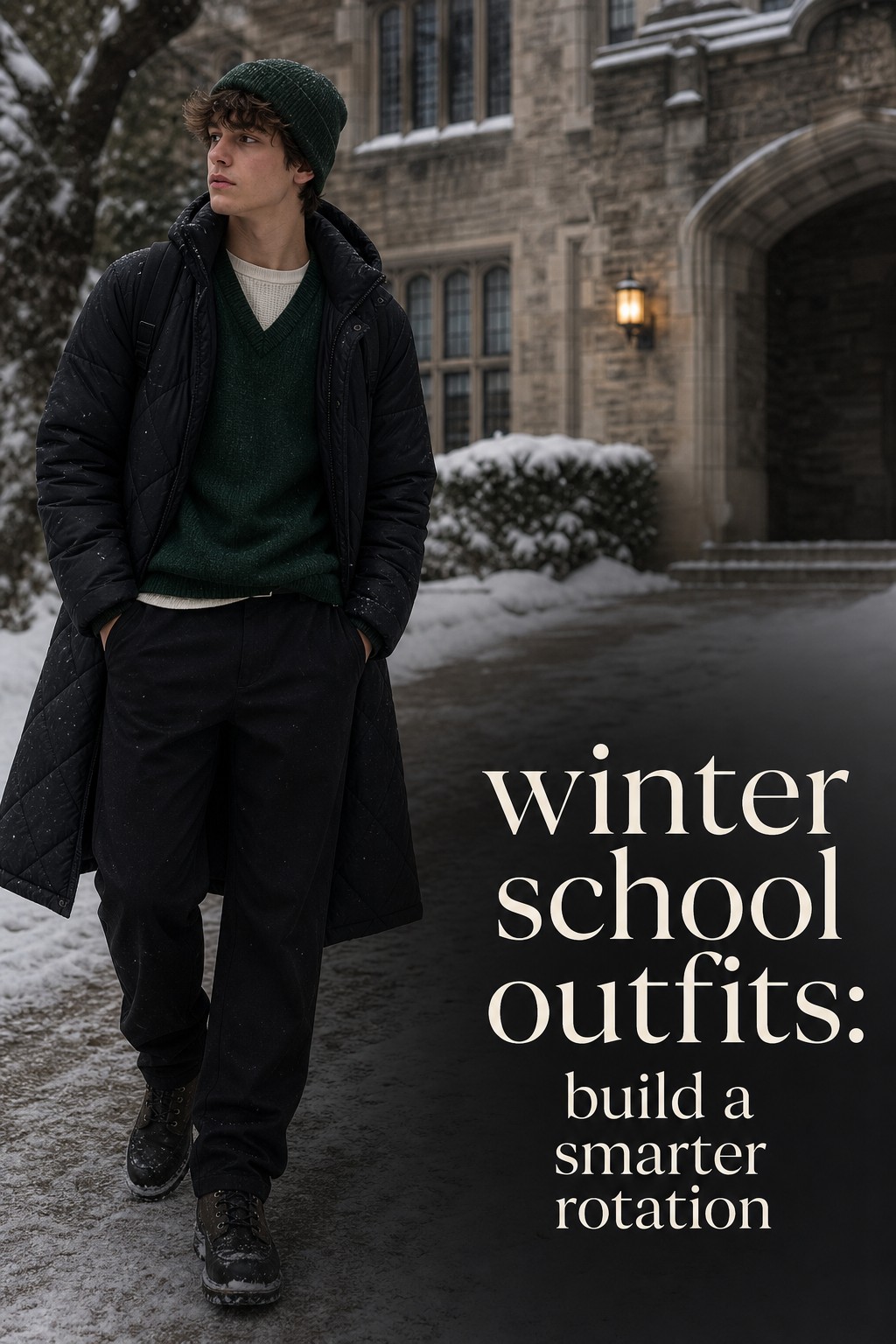
Do not buy a trend before checking your existing wardrobe. The best winter school outfits usually combine familiar pieces in a sharper way: a turtleneck under a button-up, a sweater vest over a long-sleeve top, a skirt with opaque tights, or a puffer over a monochrome base. Start with what you can wear at least three ways.
Finally, do not let inspiration images replace your own conditions. A snow-ready coat may be unnecessary in a mild climate, while a thin fashion jacket may be inadequate in a windy one. Adapt the formula to the forecast, commute, dress code, and your comfort. Style becomes much easier when it supports your actual day.
FAQ
What is the warmest base layer for winter school outfits?
A close-fitting long-sleeve thermal, mock-neck, or soft merino-blend top is usually a useful base. Choose one that feels comfortable under your middle layer and does not restrict your arms. The best option is the one you can wear for several hours without sweating or adjusting it.
How can I avoid overheating in a warm classroom?
Use one thin base layer and one removable middle layer instead of several thick tops. A cardigan, zip jacket, vest, or shacket is easier to take off than a tight stack of sweaters. Make sure your outfit still looks finished after the outer layer is removed.
Can I wear a skirt to school in winter without freezing?
Yes. Pair the skirt with opaque tights, warm socks, or a thin thermal layer, then add weather-appropriate boots and a coat that covers enough of the leg. Check your school’s length and layering rules, and test the outfit while sitting and walking.
What shoes work best for snowy school days?
Choose insulated or weather-resistant boots with dependable traction and enough room for warm socks. If you prefer sneakers or loafers indoors, carry a second pair and change after arriving. This keeps your winter shoes functional outside and your classroom outfit comfortable.
How do I make winter school outfits look less bulky?
Use thinner layers, control proportions, and let one piece carry the volume. A fine-gauge sweater with straight-leg pants often looks sleeker than two oversized tops. Choose a coat that fits over the outfit without compressing the shoulders, and keep accessories tidy around the backpack.
How many winter school outfits do I really need?
A small rotation can work well: two or three bottoms, three base tops, two middle layers, one casual jacket, one warm coat, and weather-ready shoes. Change the look with color, socks, accessories, and the third piece. Repeating a reliable formula is more useful than owning many one-purpose outfits.
How should I dress for a winter school dress code?
Start with approved basics, then add personality through knit colors, textures, socks, coats, and permitted accessories. Layer a thin long-sleeve top under a school sweater when allowed, and use tights or trousers for extra warmth. Always check the written policy because rules vary by school.
Finish the look
The little extras that make a summer outfit feel complete
From beach days to city weekends, these easy pieces bring comfort, texture, and a polished finishing touch.

FENBEN
Straw Hobo Crossbody Bag
A handwoven straw bag with both short and crossbody straps—an effortless finishing touch for vacation looks and warm-weather outfits.
Shop the bag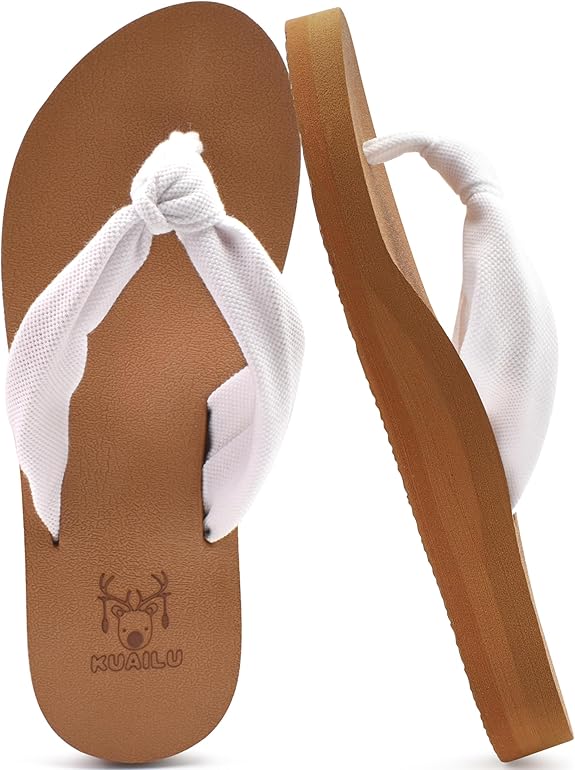
KuaiLu
Flip Flops with Arch Support
Cushioned, lightweight sandals with supportive arch design—a practical choice for beach trips, errands, and long summer walks.
Shop the sandals
baleaf
Athletic One-Piece Swimsuit
A functional one-piece with adjustable straps and moderate coverage, designed for swimming, training, surfing, and active beach days.
Shop the swimsuit
Astylish
Linen-Cotton Button-Down Shirt
A relaxed cotton-linen shirt with a collared V-neck and roll-up sleeves—easy to style over swimwear or with denim and shorts.
Shop the shirt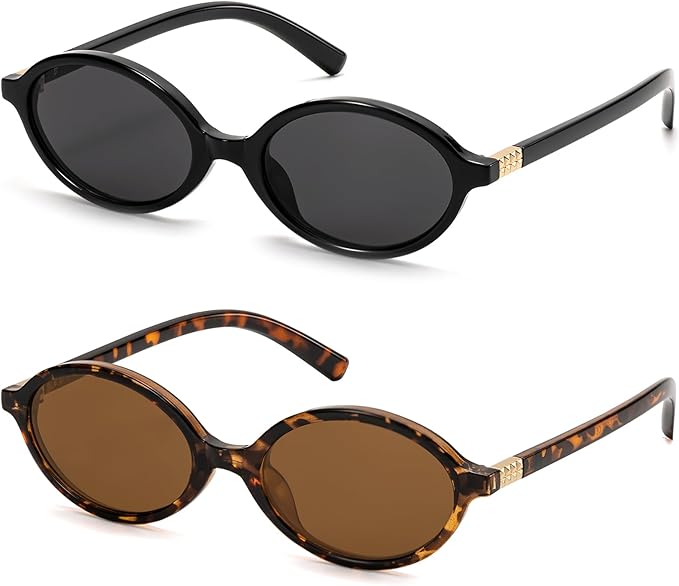
ViewJoy
Retro Oval Sunglasses
Small oval sunglasses with a 90s-inspired silhouette and UV400 lens protection—a quick way to add a vintage edge to everyday looks.
Shop the sunglasses
Affiliate disclosure: This section contains affiliate links. If you make a purchase through these links, I may earn a commission at no additional cost to you. Product selection, pricing, availability, and delivery terms may change—please review the current details on Amazon before purchasing.
As an Amazon Associate I earn from qualifying purchases.