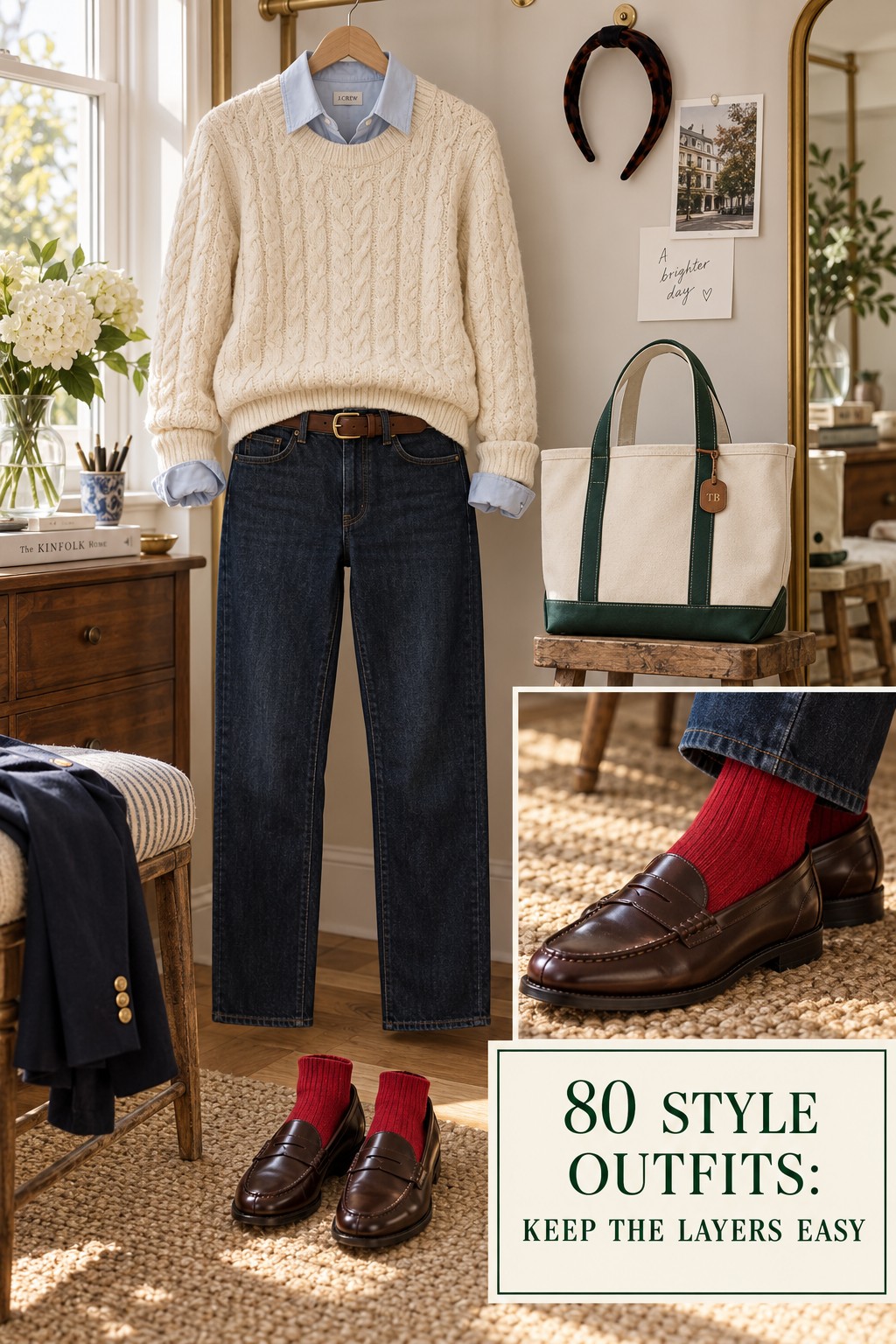
80 Style Outfits: A Checklist for Every Occasion
When you search for 80 style outfits, the first images can make the decade look like a contest to wear the brightest color, biggest shoulder, and most accessories at once. A memorable eighties reference does not have to be a costume, though. The easiest way to get dressed is to choose the setting, decide how much retro energy you want, and give one or two details a clear job.
This checklist turns that idea into a usable plan. Start with clothes that suit your day, add a recognizable shape or finish, balance the proportions, and check that you can move comfortably. The examples below range from quiet weekday denim to a full theme-party look, so you can choose the level that feels like you rather than copying an outfit that belongs to someone else.
The decade itself included many different ways of dressing. Tailored power looks sat alongside sportswear, preppy combinations, romantic blouses, club clothes, and experimental design. The Fashion History Timeline at the Fashion Institute of Technology describes that variety, including stylish sportswear, power dressing, and casual American preppy styles. That range is useful: there is no single uniform you have to reproduce.
The Fashion-Note Edit
Five effortless pieces to refresh your everyday wardrobe
A polished, practical edit for workdays, weekends, and everything in between.

The Drop
Women’s Blake Long Blazer
A longline, tailored blazer with a notched collar and a single-button closure—an easy layer for denim, dresses, or office-ready looks.
Shop the blazer
Amazon Essentials
Women’s Lightweight Crewneck
A soft, lightweight sweater with a clean crew neckline—the kind of reliable layer that works from cool mornings to air-conditioned spaces.
Shop the sweater
Amazon Essentials
Women’s Loafer Flat
A classic flat loafer that gives casual outfits a more polished finish and pairs naturally with tailored pants, skirts, and straight-leg jeans.
Shop the loafers
Levi’s
Women’s 501 90s Jeans
A relaxed, vintage-inspired take on the iconic 501 silhouette—made for an easy, lived-in look without the thrift-store search.
Shop the jeans
Colorfulkoala
High-Waisted 7/8 Leggings with Pockets
Soft, four-way-stretch leggings with side pockets and a high-rise waistband—designed for movement, errands, and off-duty comfort.
Shop the leggings
Affiliate disclosure: This section contains affiliate links. If you make a purchase through these links, I may earn a commission at no additional cost to you. Product selection, pricing, availability, and delivery terms may change—please review the current details on Amazon before purchasing.
As an Amazon Associate I earn from qualifying purchases.
Start with the setting and the amount of 80s you want
Before choosing a top or accessory, name the plan. A weekday outfit for errands has different needs from a long office day, dinner, dancing, or a themed celebration. This first step prevents a familiar trap: building an outfit around a trend detail, then realizing the clothes are too delicate, too warm, or too theatrical for the actual event.
Your wedding style is personal.
Your plan should feel that way, too.
Zarellea keeps your guest list, budget, vendors, and every next step beautifully organized — so you can focus on the moments that feel like you.
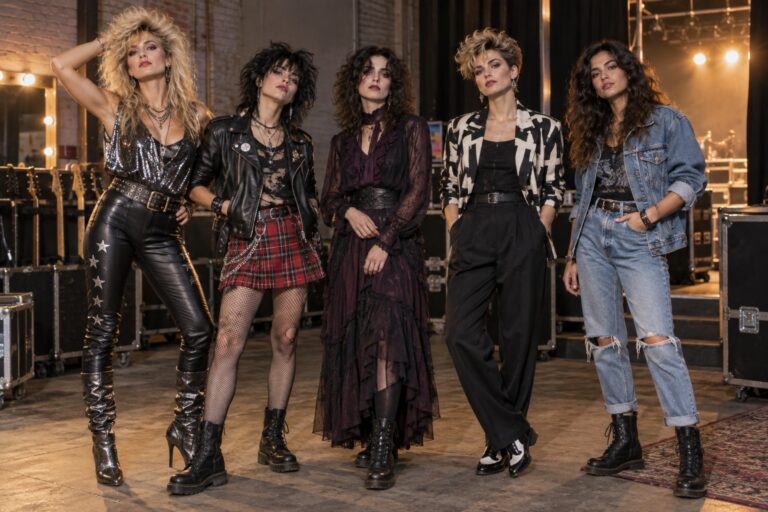
Next, select a retro setting on a simple three-point scale. A subtle outfit borrows one clue, such as a defined high waist, strong shoulder, or bright accessory. A medium outfit combines two related clues, like a roomy blazer and straight jeans with a noticeable belt. A full-reference outfit uses a coordinated silhouette, color story, and accessories that clearly signal the decade. All three can work. The occasion and your own comfort decide which one makes sense.
For a regular day, you might choose high-rise jeans and a tucked tee, then let a sculptural earring or color-block layer carry the reference. For a themed party, you can turn up the volume with a bright windbreaker, matching legwear, and high-top sneakers. If you are unsure, begin at the subtle level. It is easier to add a detail after you get dressed than to remove five competing ideas at the last minute.
Write down one practical constraint as well. It could be walking between appointments, sitting at a desk, being outside, or dancing. Choose footwear and layers with that activity in mind. A look feels more convincing when the wearer can actually spend the day in it. Your outfit should answer both questions: what visual mood do I want, and what does this day ask my clothes to do?
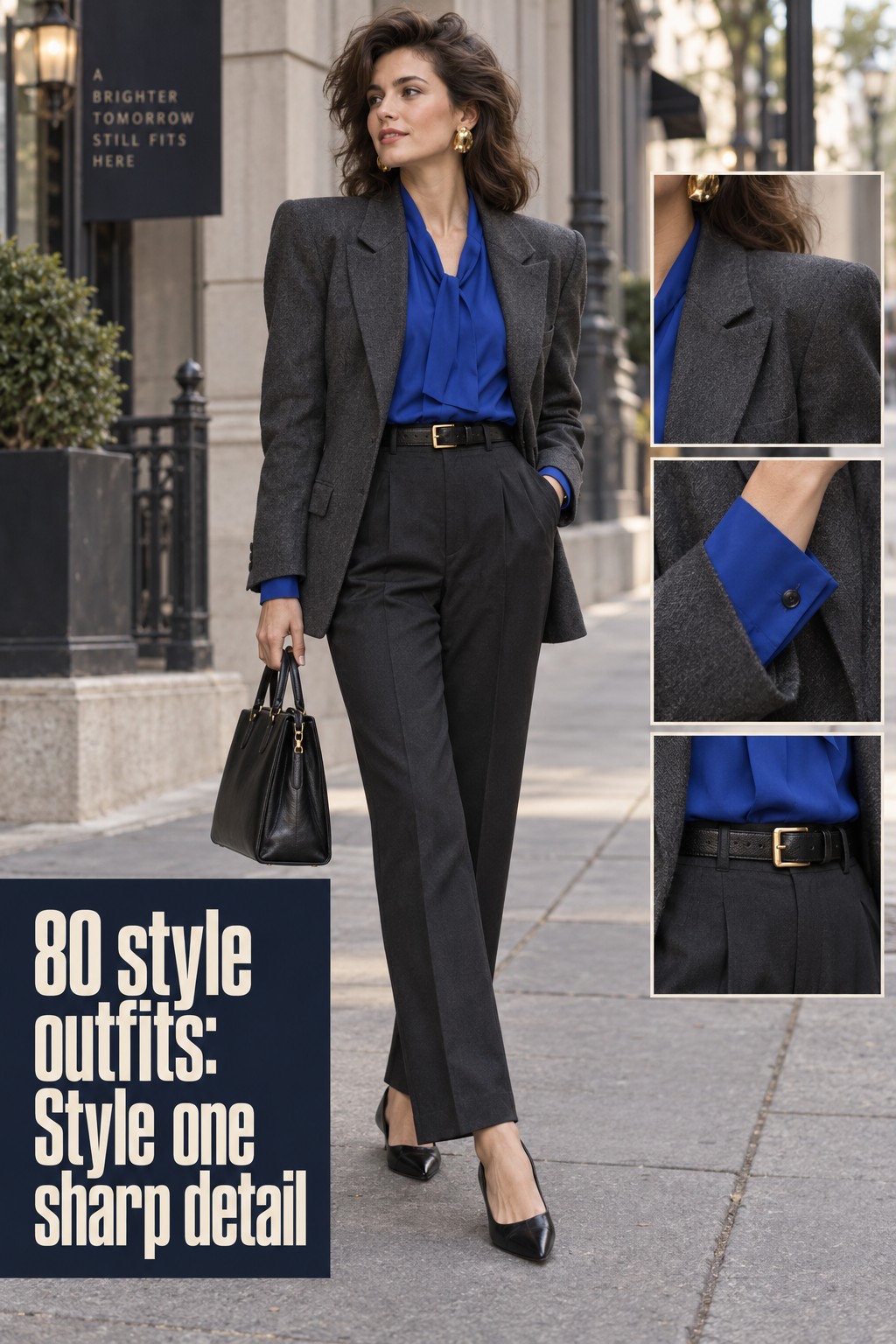
Build the outfit with a four-part checklist
Use four parts to assemble the look: a base, a decade signal, a proportion balance, and a shoe choice. Think of them as checkpoints rather than a shopping list. You may already own the pieces, and no outfit needs every recognizable eighties item.
1. Choose a comfortable base
Start with one familiar garment that fits the plan: straight jeans, a simple skirt, tailored trousers, a knit dress, or leggings for a sporty outfit. A calm base gives the more expressive detail somewhere to land. Dark denim, black, cream, navy, and gray are easy starting points, but a bright base can also work if the rest stays purposeful.
Check the fabric and fit before adding anything. If your top is close to the body, a looser jacket can add contrast. If the base already has volume, a more defined top or visible waist can make the outline feel deliberate. Comfort does not erase the retro reference. It simply keeps the outfit useful after the mirror check.
2. Pick one main decade signal
Choose the detail that will tell the story. It might be a structured shoulder, a high waist, a tucked graphic tee, an off-the-shoulder sweatshirt, a color-block jacket, a puff sleeve, or a wide belt. Decide whether you want the cue to come from shape, color, texture, or an accessory. One clear lead usually reads better than several unrelated references competing for attention.
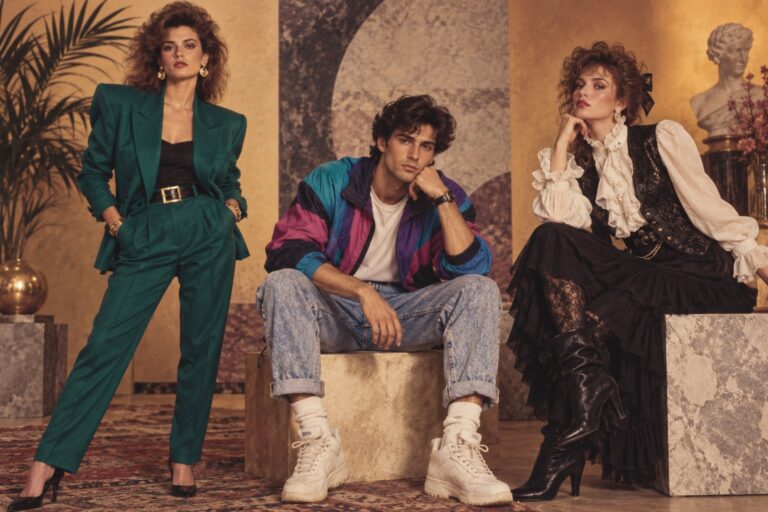
Match that signal to your own wardrobe. A blazer can suggest power dressing without needing exaggerated padding. A sporty jacket can bring movement and color to jeans. A romantic blouse can supply volume and softness while plain trousers keep it grounded. For more visual inspiration across daywear and party looks, see Teen Vogue’s eighties outfit ideas; use the examples as prompts, then make the combination fit your setting.
3. Balance the outline
Look at the outfit from shoulder to hem. If the top is oversized or structured, a straighter bottom often gives the shape room to read. If a skirt or trouser has generous volume, a tucked or closer-fitting top can keep the waist visible. You are not following a strict body rule. You are deciding where the eye should pause and whether the pieces feel connected.
Balance can come from more than fit. A long jacket over a short skirt may need opaque tights or a visually simple shoe. A strong shoulder can be echoed by a clear waist rather than another oversized layer. A fitted top with a full skirt can feel intentional when a belt or clean tuck marks the transition. Try one adjustment at a time and notice whether the whole outline gets easier to understand.
4. Finish with shoes that belong to the day
Shoes change the setting quickly. High-top sneakers or chunky trainers support a sporty route. Loafers can make jeans or a skirt feel preppy. Ankle boots add weight to denim, while a low heel can make a tailored or evening outfit feel more finished. Choose a pair you can wear for the expected amount of walking, standing, or dancing.
Once the shoes are chosen, decide whether socks should disappear or become part of the styling. A visible sock can add a playful period cue with loafers or sneakers, while a clean ankle line makes the rest of the outfit feel quieter. This small choice is useful because it adds or removes retro emphasis without requiring another statement garment.
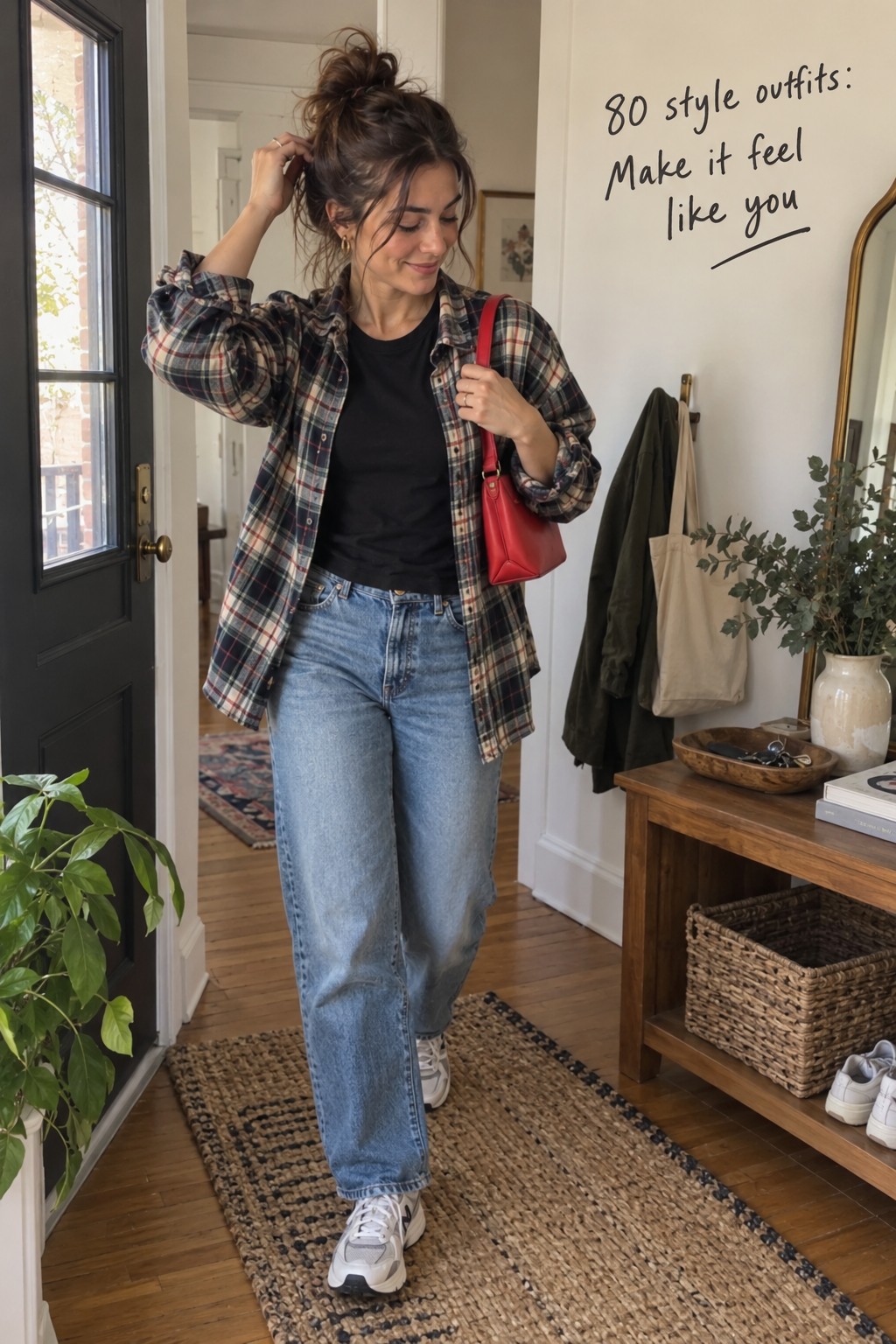
Use these outfit formulas by real-life situation
The formulas below are starting points, not rules. Change the color, sleeve length, hem, or shoe to suit your closet and the conditions of your day. Keep the main idea visible so the outfit still has a point of view.
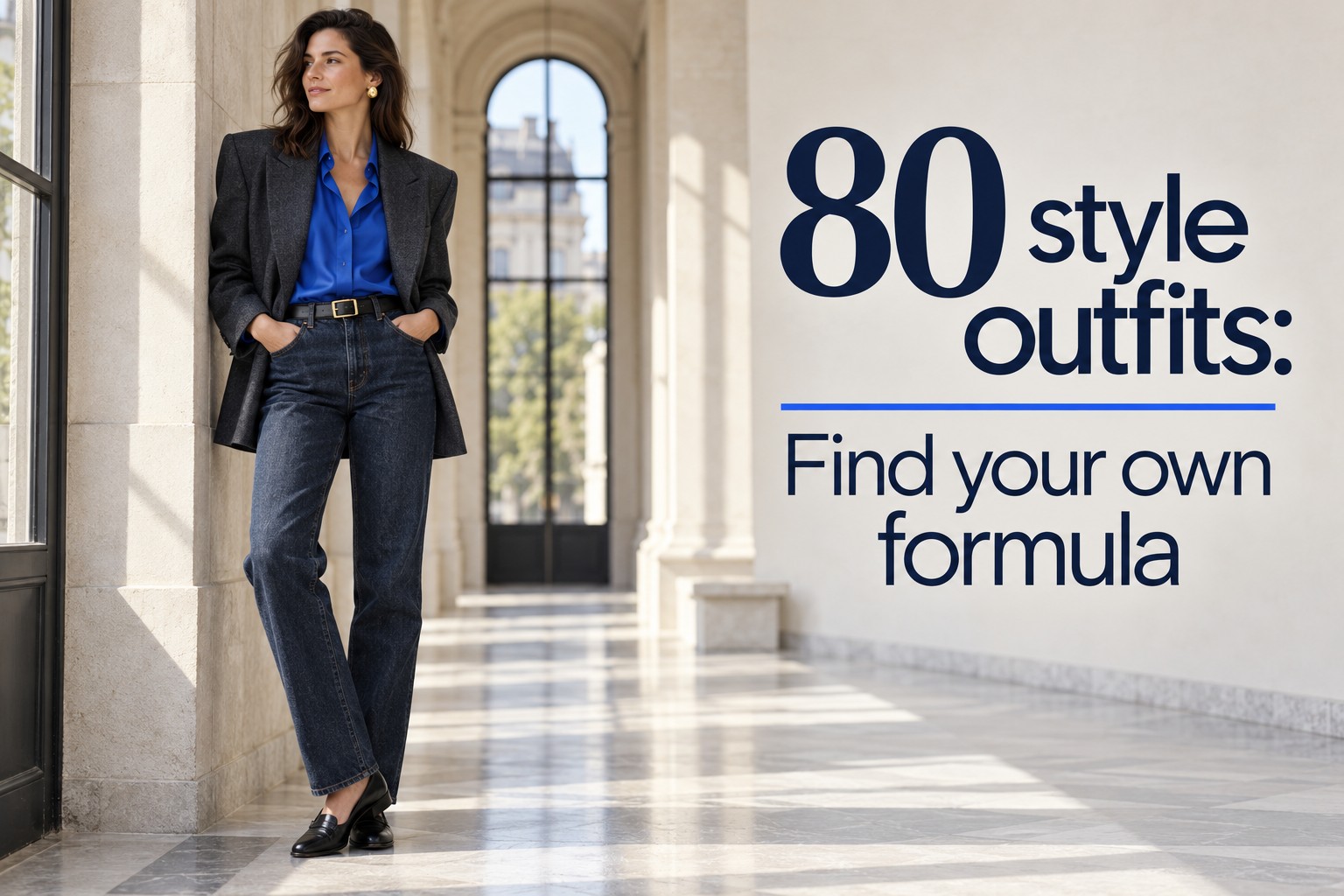
Everyday denim: blazer, tee, and straight jeans
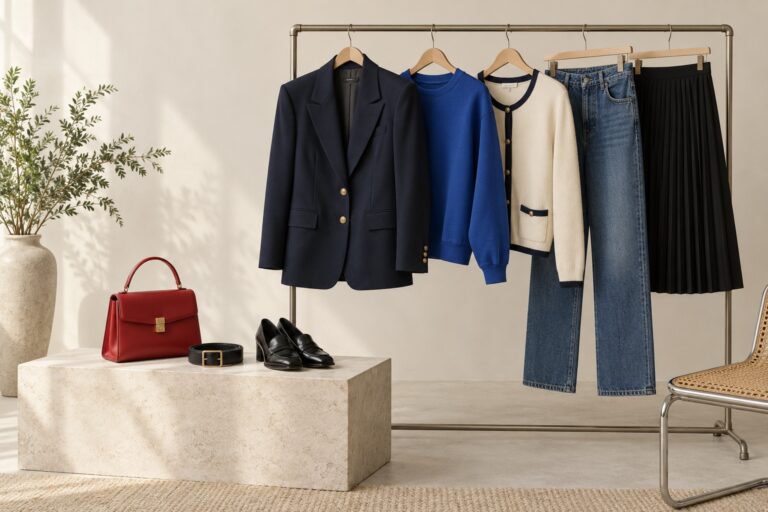
Pair a softly structured blazer with a plain or graphic tee and straight-leg jeans. Tuck the shirt enough to show the rise, then add loafers, simple sneakers, or ankle boots. Choose one finishing detail, such as a belt, hoop earrings, or a bright bag. This is a useful medium-intensity outfit because the silhouette carries the decade reference while the base stays familiar.
If your blazer is already bold, let the tee and shoes stay quiet. If the jacket is plain, try a saturated shirt or a more noticeable belt. Avoid adding a large necklace, bright socks, loud print, and another oversized layer all at once. The outfit can feel expressive without making each piece compete to be the headline.
Sporty errands: color-block layer and leggings
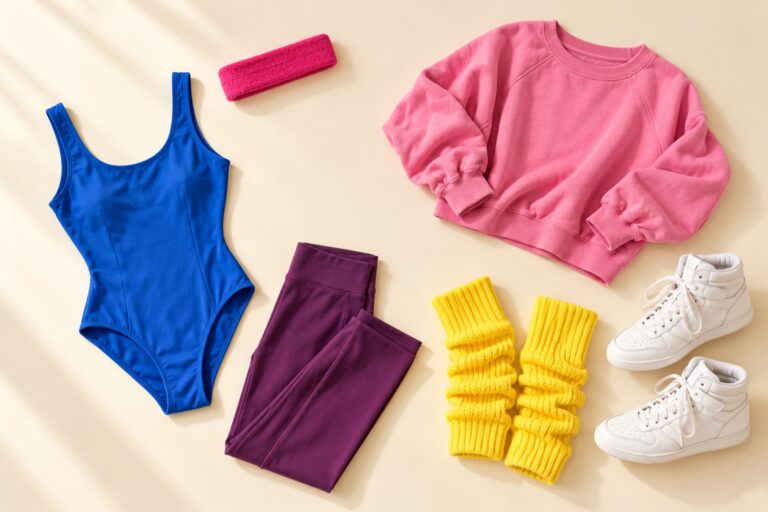
Wear leggings or slim joggers with a relaxed sweatshirt, then add a lightweight color-block jacket or a bright headband. High-top sneakers make the reference clear; a neutral sneaker tones it down. Keep the bag practical and the layers easy to remove if the weather or indoor temperature changes. This formula works when you expect to move around and want the outfit to feel casual rather than styled for a photograph.
For a quieter version, choose a sweatshirt in a single color and let the jacket carry the contrast. If the jacket is vivid, use dark or neutral bottoms. The visual connection between the sporty layer and the shoe is more useful than adding every gym-inspired accessory at once.
Polished day: defined shoulders and a clear waist
Start with a blazer that has a defined shoulder, a fine knit or blouse, and high-rise trousers or a straight skirt. Add a belt only if the waist needs emphasis; the jacket and bottom do not need to be aggressively tailored at the same time. Loafers or a low heel keep the finish composed. A single bright color in the blouse, bag, or earring can make the look feel more personal.
For a less formal workplace, swap the trousers for dark jeans and keep the rest of the combination. For an important meeting, choose a smoother fabric and a simple shoe. This is not a claim that one outfit suits every office. Use the existing dress expectations as your guide, then borrow the silhouette in a way that feels appropriate there.
Preppy daytime: knit, collared shirt, and relaxed bottom
Layer a collared shirt under a crewneck sweater or cardigan, then pair it with straight jeans, chinos, or a simple skirt. A sweater draped over the shoulders, a slim belt, or a headband can add a second reference. Loafers or clean sneakers finish the outfit. Keep the palette to a few related colors if you want the result to feel classic rather than deliberately ironic.
A crisp shirt and knit already create several layers near the face. Resist adding a statement necklace and a large patterned scarf in the same area. If you want more color, place it in the sweater or socks so the outfit still has a clear focal point.
Soft romantic: puff sleeve and clean lower half
Let a puff-sleeve or ruffled blouse lead. Pair it with a plain skirt or tailored trousers, then use a simple shoe and one small accessory. The blouse supplies shape and texture, so it does not need a dramatic print as well. If you prefer a softer reference, choose a muted color or a smaller sleeve; if you want the look to read more clearly, define the waist with a tuck or narrow belt.
For an evening plan, switch the flat shoe for a low heel and add a compact bag. For daytime, wear the blouse with jeans and flats. This way the same top can move between settings without turning into a one-event purchase.
Evening: one shine, one strong line
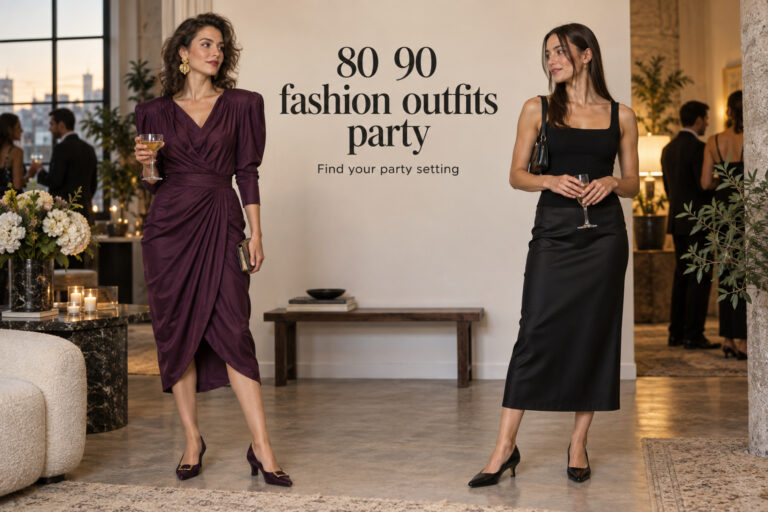
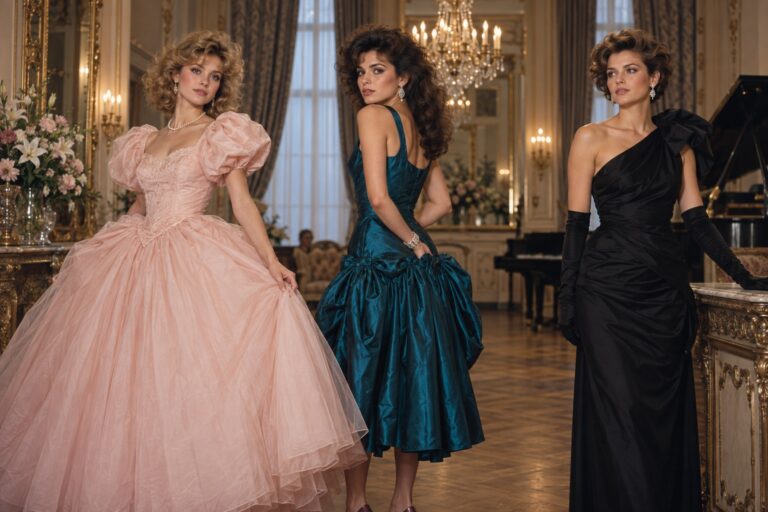
Choose a sleek dress or a simple top with a skirt or trousers, then add one reflective or dramatic detail: metallic shoes, a glossy belt, sculptural earrings, or a rich color. A defined shoulder or gathered sleeve can give the outfit a stronger eighties outline. Keep the remaining pieces simple enough that the chosen finish remains visible.
If the event involves dancing, test the shoe before you leave and make sure the hem will not catch. A comfortable outfit can still look intentional. You can also bring a removable layer for the trip there and back, then take it off once indoors.
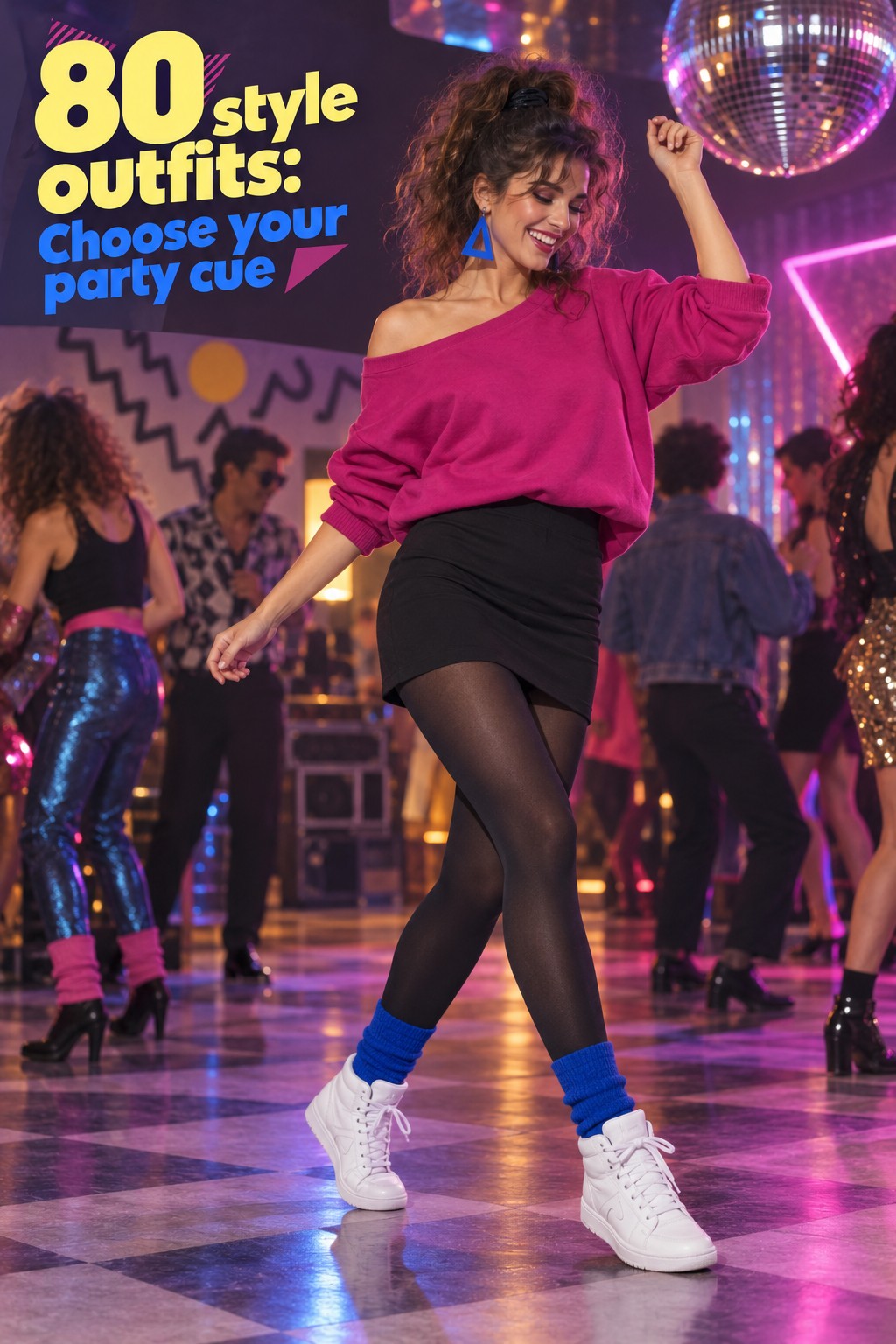
Theme party: commit to a connected reference
For a party with an explicit decade theme, choose a recognizable route such as dancewear, a bright color-block tracksuit, a romantic party dress, or a tailored power look. Build the outfit from two or three connected cues: for example, a vivid windbreaker, high-rise shorts, and athletic socks, or a puff-sleeve dress with a defined waist and bold earrings. One coherent reference reads more clearly than a pile of disconnected props.
Check the invitation and the venue before choosing delicate fabric or shoes. A house party may call for an easy layer, while a dance floor rewards a secure shoe and clothes that stay in place. If you borrow an iconic image, treat it as a starting point rather than a requirement to reproduce someone else’s body, hair, or personal style.
Edit the outfit when it feels like a costume
If an outfit feels too theatrical for your plans, do not discard the whole idea. Find the element that is doing the most work and edit around it. In many cases, one change to color, volume, or accessories brings the look back into balance while preserving the reference.
Too many statements are competing
Circle the strongest detail. If it is the jacket, simplify the print, belt, jewelry, and shoes. If the blouse has a dramatic sleeve and a bow, use a plain bottom and restrained accessories. You do not have to remove all personality; just let one piece lead and give the supporting pieces a quieter role.
The proportions look bulky everywhere
Change one line rather than tightening the entire outfit. Tuck the front of a top, open the jacket, roll a sleeve, or swap a very full bottom for a straighter one. If you like volume, keep it. The goal is a visible relationship between pieces, not a narrow silhouette for its own sake.
The color is louder than you intended
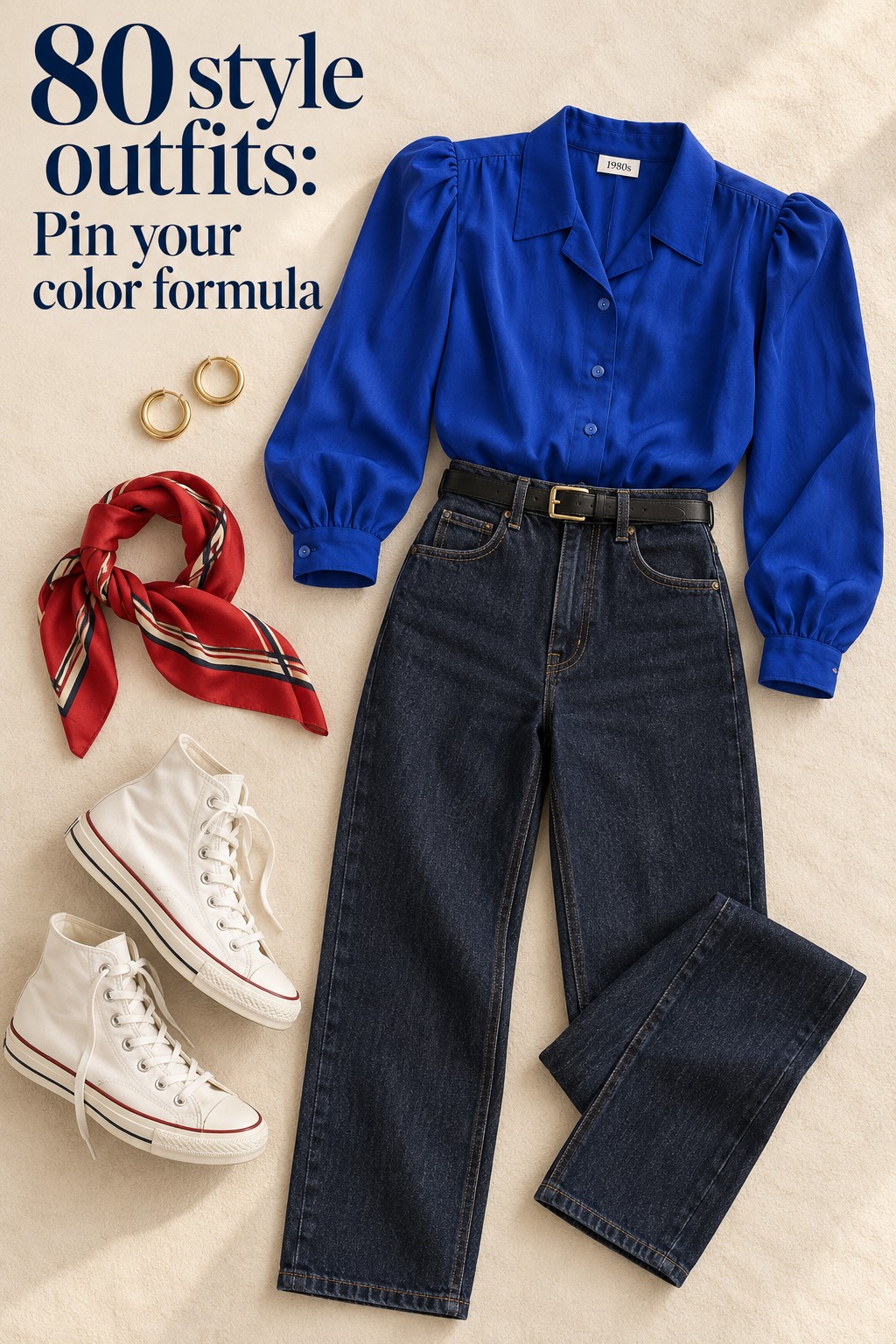
Keep the bright item and reduce the number of nearby colors. Pair a vivid jacket with denim or black, or let a colorful top sit against cream or charcoal. If you love a high-energy palette, repeat one color in a small accessory so the combination feels considered rather than accidental.
The outfit does not suit the event
Preserve the visual cue and change its formality. A blazer can stay while a miniskirt becomes straight jeans. A party top can work with tailored trousers instead of a sequined skirt. Sneakers can replace a heel when the day involves walking. You are adapting the reference to the event, not failing to follow a dress code from the decade.
Make a last-minute version from clothes you already own
Lay out two or three familiar bases, then choose the one that best matches your plans. Search your closet for a jacket with shape, a high-rise bottom, a knit with a strong color, a graphic tee, or an accessory that you rarely wear. Put together one outfit before looking for anything to buy. A small styling adjustment often does more than a new item.
Try a belt if the outfit needs a clearer waist. Roll or push the sleeves if a jacket feels too formal. Change the tuck, show a sock, add a headband, or swap a shoe. Each move is reversible, which makes this a practical way to test the intensity before committing to it for a full day.
When a needed piece is missing, use the nearest equivalent rather than chasing a perfect vintage version. A modern blazer can supply shoulder structure; straight dark jeans can stand in for a period denim shape; a bright scarf can add color where a full windbreaker would be too much. Keep the element that carries the idea and let the rest come from your real wardrobe.
Separate inspiration from literal replication. The same visual idea may be expressed through fabric, cut, or color. If you do not enjoy leg warmers, you can still make a sporty outfit with a sweatshirt and high-tops. If a padded jacket is not comfortable, choose a blazer with a clean shoulder line. A recognizable outfit should feel wearable to you, not like a uniform assembled for an audience.
Run the final mirror check
Before you leave, use this short review. It takes less time than changing into a second outfit and catches the problems that are easiest to miss while getting dressed.
- Setting: Does the outfit match the plan and the venue?
- Retro signal: Can you name the one detail that makes the reference clear?
- Proportion: Does the outline feel balanced to you from shoulder to hem?
- Focal point: Is one part leading, with the other details supporting it?
- Movement: Can you sit, walk, work, or dance as the day requires?
- Finish: Do the shoes, bag, and accessories belong to the same outfit?
If one answer is no, make one adjustment and look again. Remove an accessory, switch shoes, change the layer, or give the waist a clearer line. You do not need to solve every styling question at once. The useful outcome is a look that communicates the amount of eighties influence you intended and still works for your real day.
FAQ
How do I make 80 style outfits look wearable today?
Start with a familiar base, then add one recognizable shape, color, or accessory. Balance volume and choose shoes suited to your plans. A clear reference with a few supporting details usually feels more wearable than combining every trend at once.
What is the easiest 80s outfit to put together?
A blazer, tucked tee, and straight jeans are a simple starting point. Add a belt, hoop earrings, or a bright bag if you want a stronger reference. Sneakers, loafers, or ankle boots can shift the outfit toward casual, preppy, or polished.
Can I wear an 80s-inspired look without neon?
Yes. Use shape, proportion, texture, or accessories instead. A defined shoulder, high-rise waist, puff sleeve, color-block detail in a muted palette, or a statement belt can create an eighties cue without neon.
How many 80s details should one outfit have?
For everyday wear, one or two clear details are often enough. A themed party can support a more complete reference. Treat that as a flexible editing guide, then decide based on the setting and how expressive you want the outfit to feel.
What shoes go with 80s style outfits?
High-top sneakers work with sporty looks, loafers suit preppy combinations, and ankle boots or low heels pair well with denim, skirts, and tailored outfits. The best choice is the one that matches both the outfit’s mood and the activity you have planned.
What can I wear to an 80s theme party if I dislike costumes?
Choose a regular outfit with two connected decade cues, such as a structured blazer and high-rise trousers or a bright jacket and sneakers. Add one finishing detail if you want more emphasis. You can respect the theme without wearing a costume that feels unlike you.
Can I make an 80s outfit from clothes I already own?
Often, yes. Look for straight jeans, a blazer, a tucked tee, a colorful knit, a belt, or a sporty layer. Change the tuck, roll a sleeve, or adjust the accessories before deciding that you need a new garment.
Finish the look
The little extras that make a summer outfit feel complete
From beach days to city weekends, these easy pieces bring comfort, texture, and a polished finishing touch.

FENBEN
Straw Hobo Crossbody Bag
A handwoven straw bag with both short and crossbody straps—an effortless finishing touch for vacation looks and warm-weather outfits.
Shop the bag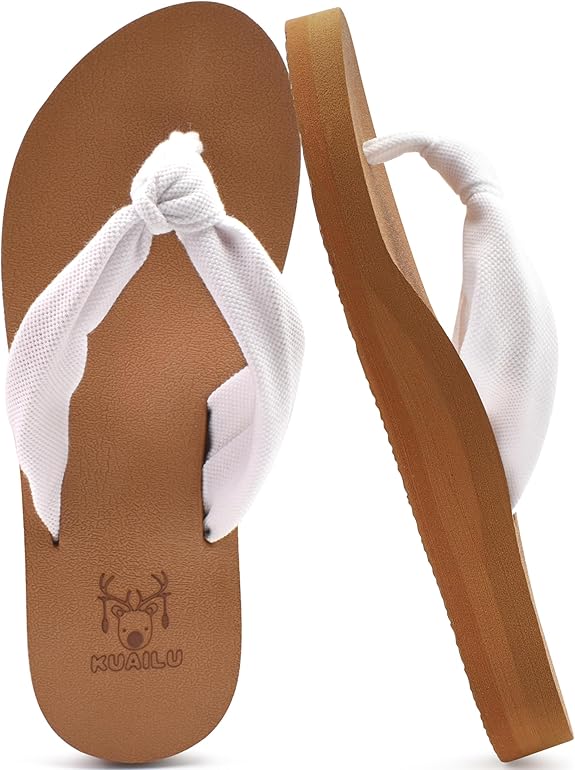
KuaiLu
Flip Flops with Arch Support
Cushioned, lightweight sandals with supportive arch design—a practical choice for beach trips, errands, and long summer walks.
Shop the sandals
baleaf
Athletic One-Piece Swimsuit
A functional one-piece with adjustable straps and moderate coverage, designed for swimming, training, surfing, and active beach days.
Shop the swimsuit
Astylish
Linen-Cotton Button-Down Shirt
A relaxed cotton-linen shirt with a collared V-neck and roll-up sleeves—easy to style over swimwear or with denim and shorts.
Shop the shirt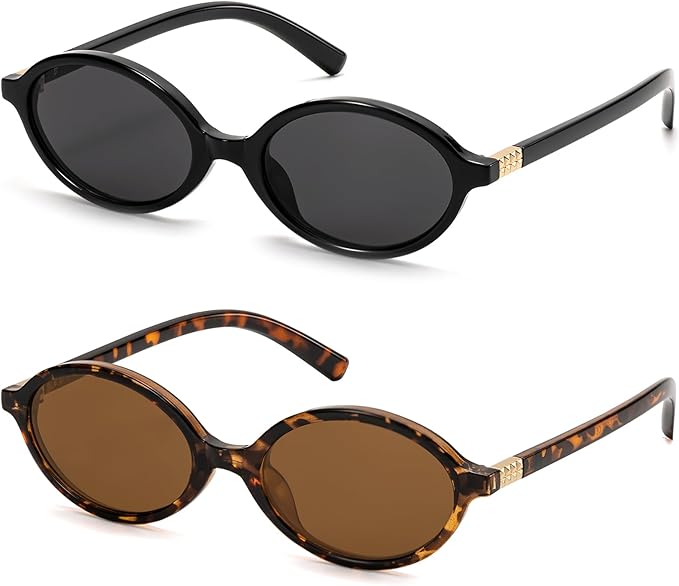
ViewJoy
Retro Oval Sunglasses
Small oval sunglasses with a 90s-inspired silhouette and UV400 lens protection—a quick way to add a vintage edge to everyday looks.
Shop the sunglasses
Affiliate disclosure: This section contains affiliate links. If you make a purchase through these links, I may earn a commission at no additional cost to you. Product selection, pricing, availability, and delivery terms may change—please review the current details on Amazon before purchasing.
As an Amazon Associate I earn from qualifying purchases.