Vintage Style Outfits That Feel Modern, Not Costume-y
Some wardrobes are built around trends. Others are built around memory, mood, and the quiet confidence of clothes that already feel storied. That is why vintage style outfits keep returning to the center of everyday dressing: they bring shape, personality, and a sense of intention that can make even a simple day feel more considered.
The appeal is visual but also practical. A bias-cut slip dress layered with a graphic tee feels modern enough for a festival setting like Coachella, while a tea dress with a cardigan works for brunch, work, or an afternoon walk. Vintage style can read polished, romantic, playful, tailored, or minimalist depending on the era you borrow from and how you balance it with modern basics.
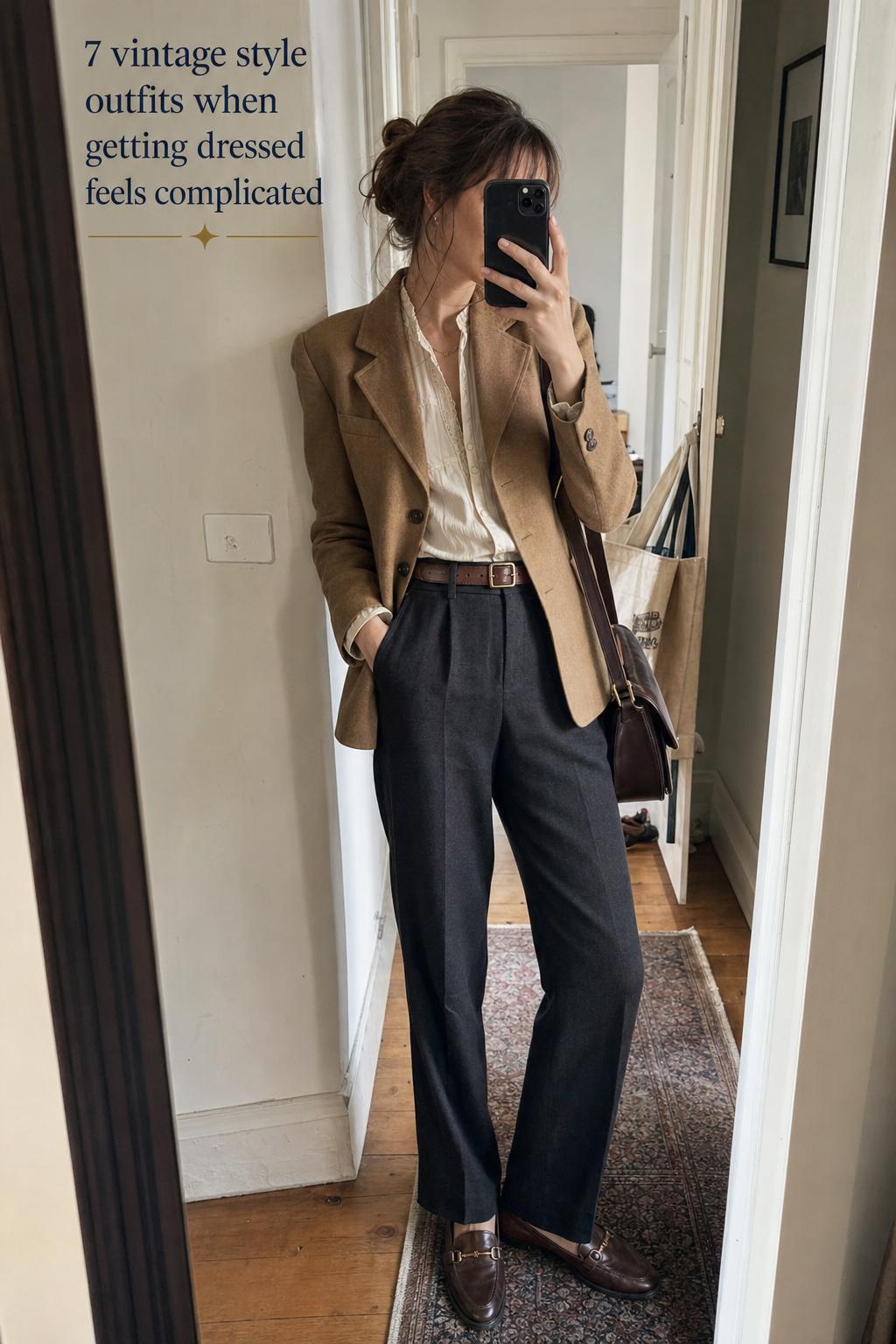
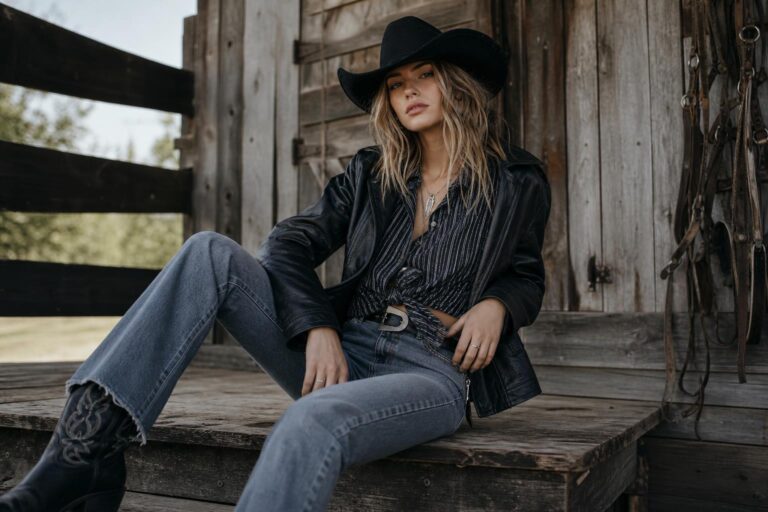
What makes these outfits so wearable today is not strict costume dressing. It is the mix: classic silhouettes, thoughtful accessories, and updated proportions that let 1920s glamour, 1950s femininity, 1970s boho ease, or 1990s minimalism fit naturally into real life. The best vintage-inspired wardrobes feel timeless with a modern edge.
The Fashion-Note Edit
Five effortless pieces to refresh your everyday wardrobe
A polished, practical edit for workdays, weekends, and everything in between.

The Drop
Women’s Blake Long Blazer
A longline, tailored blazer with a notched collar and a single-button closure—an easy layer for denim, dresses, or office-ready looks.
Shop the blazer
Amazon Essentials
Women’s Lightweight Crewneck
A soft, lightweight sweater with a clean crew neckline—the kind of reliable layer that works from cool mornings to air-conditioned spaces.
Shop the sweater
Amazon Essentials
Women’s Loafer Flat
A classic flat loafer that gives casual outfits a more polished finish and pairs naturally with tailored pants, skirts, and straight-leg jeans.
Shop the loafers
Levi’s
Women’s 501 90s Jeans
A relaxed, vintage-inspired take on the iconic 501 silhouette—made for an easy, lived-in look without the thrift-store search.
Shop the jeans
Colorfulkoala
High-Waisted 7/8 Leggings with Pockets
Soft, four-way-stretch leggings with side pockets and a high-rise waistband—designed for movement, errands, and off-duty comfort.
Shop the leggings
Affiliate disclosure: This section contains affiliate links. If you make a purchase through these links, I may earn a commission at no additional cost to you. Product selection, pricing, availability, and delivery terms may change—please review the current details on Amazon before purchasing.
As an Amazon Associate I earn from qualifying purchases.
What vintage style means today
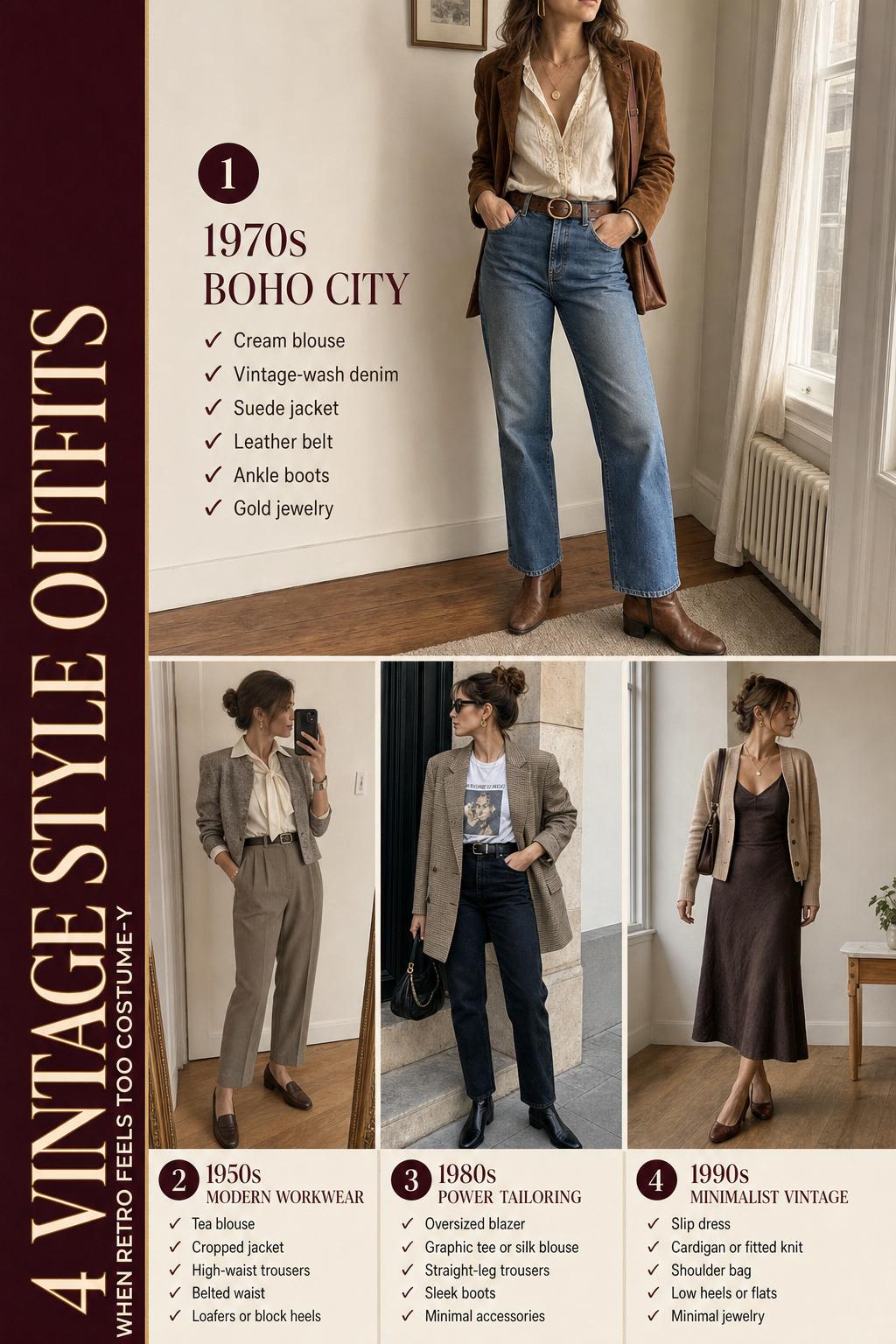
Vintage style is less about copying one decade from head to toe and more about choosing recognizable silhouettes, fabrics, and details from earlier eras, then wearing them in a way that feels current. In practice, that can mean a drop-waist shape with cleaner accessories, a Dior-inspired hourglass line grounded by simple shoes, or 1990s minimalist separates sharpened with modern tailoring.
Your wedding style is personal.
Your plan should feel that way, too.
Zarellea keeps your guest list, budget, vendors, and every next step beautifully organized — so you can focus on the moments that feel like you.
People are drawn to vintage fashion for different reasons. Some love the romance of old Hollywood glamour. Others want the crisp structure of tailored menswear, the softness of a tea dress, the easy individuality of thrifted pieces, or the sustainability of secondhand and circular fashion. All of those instincts fit under the same umbrella.
The easiest way to make vintage style outfits feel current is to think in relationships: era to silhouette, silhouette to garment, garment to accessory. A cloche hat changes the mood of a 1920s-inspired dress. A pencil skirt sharpens a 1950s line. A graphic tee over a slip dress turns a more archival reference into something youthful and wearable.
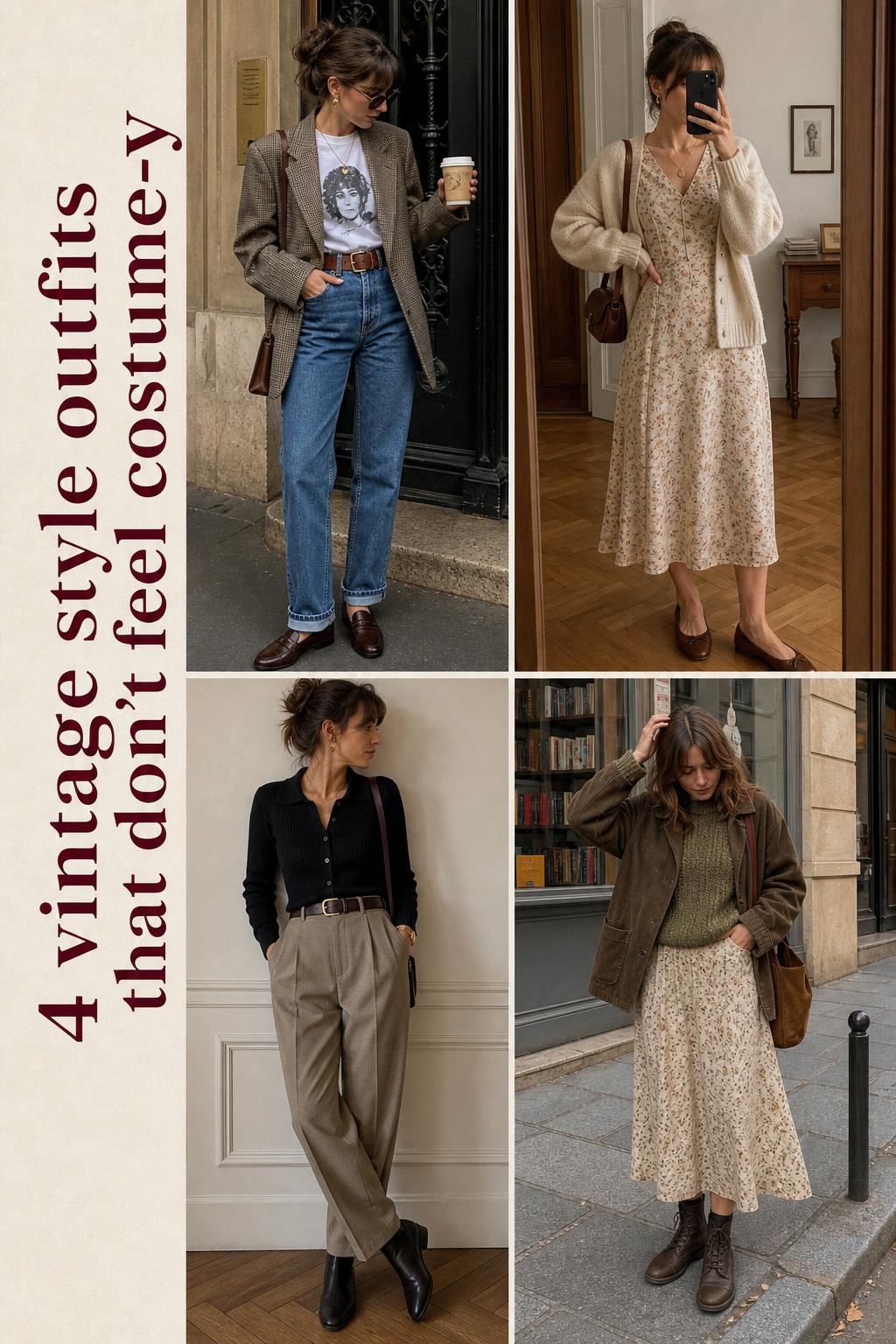
The eras that shape the most wearable vintage wardrobes
1920s glamour with a lighter hand
The 1920s still influence some of the most memorable vintage looks, but in everyday life they work best when the mood is edited down. Think relaxed glamour rather than full costume. The visual identity is straight, fluid, and slightly decorative, with movement in the fabric instead of heavy structure through the waist.
A drop-waist silhouette, a softer dress with drape, or a piece influenced by Chanel creates that 1920s direction without feeling theatrical. Accessories matter here more than quantity. A small hat reference, delicate jewelry, or sleek shoes can suggest the era without overwhelming the outfit.
Why it works: the 1920s look flatters when you let the line stay easy and keep the styling restrained. Too many period details can push it toward costume. A cleaner finish keeps it elegant for dinner, an event, or a stylish city evening.
1930s hollywood softness and bias-cut movement
The 1930s mood is quieter and more fluid. This is where vintage style becomes especially appealing for readers who want understated elegance. The silhouette is softer against the body, often with gentle drape and more graceful movement than the decade before or after.
Bias-cut dressing is the key visual clue. A slip dress, a softly skimming gown shape, or a draped blouse paired with a sleek skirt can create that old Hollywood feeling without needing formalwear. This is the same family of styling that makes a vintage Christian Dior slip dress feel relevant in a modern wardrobe, especially when contrasted with something casual like a tee.
For real life, this look is ideal for date nights, cocktails, or summer evenings when you want vintage glamour without stiffness. Keep the palette clean, the jewelry minimal, and the layering light so the drape remains the focus.
1940s utility dressing for polished everyday wear
The 1940s bring a more practical kind of vintage charm. The line is neat, purposeful, and slightly structured, which makes this era one of the easiest to wear for daytime. Utility-inspired shapes, modest tailoring, and defined shoulders create a refined look that still feels grounded.
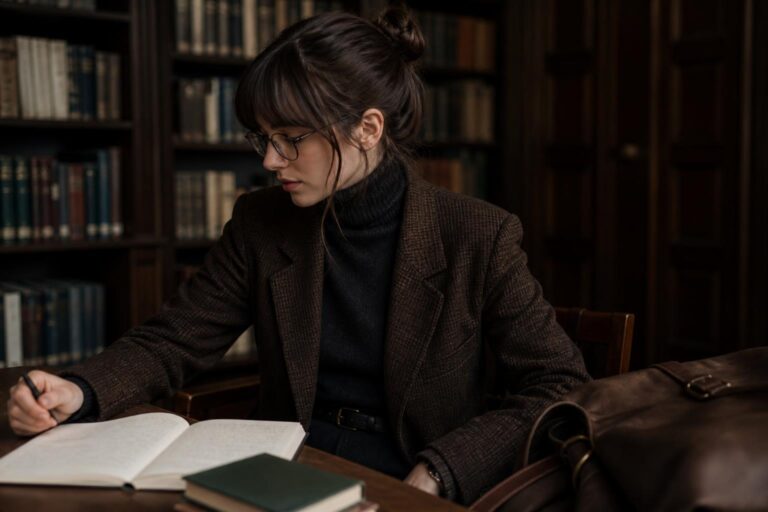
Blouses, tailored skirts, structured jackets, and sensible accessories build this mood well. In a modern closet, a 1940s-inspired outfit often works best when one or two pieces carry the era while the rest stays simple. A fitted blouse with high-waisted trousers or a structured jacket over a dress gives enough vintage direction without making the outfit feel rigid.
This is a strong route for workwear, especially if you want classy vintage outfits that still move easily through meetings, commuting, or dinner afterward. The practicality is part of the charm.
1950s femininity and the return of shape
If vintage style outfits are supposed to feel instantly recognizable, the 1950s are often the decade people picture first. The mood is feminine, composed, and highly flattering, with shapes that celebrate the waist and create visual balance through volume or clean tailoring.
Dior is central to this conversation because the 1950s silhouette is so often tied to that polished, cinched sensibility. Tea dresses, full skirts, pencil skirts, fitted blouses, gloves, and small accessories all belong here. For a more wearable version, choose one statement shape and keep the rest grounded. A tea dress with ankle boots feels easier than a full period recreation. A pencil skirt with a simple knit feels more everyday than formal.
Style tip: if you love the romance of the 1950s but worry about looking overdone, swap high-gloss accessories for quieter ones. The silhouette carries enough identity on its own.
1960s mod energy with graphic clarity
The 1960s offer a different kind of vintage appeal: cleaner, more graphic, and slightly playful. Mod dressing works because the shapes are easy to understand at a glance. Shorter hemlines, A-line dresses, strong color blocking, and neat accessories create a look that feels youthful and sharp.
This is also where designer references like Pucci can help frame the mood, especially if you enjoy bolder prints and a more fashion-forward vintage angle. For everyday wear, though, the easiest approach is to keep the silhouette mod while simplifying the palette. An A-line dress, structured outerwear, and compact accessories create a polished city outfit without too much visual noise.
It suits travel days, gallery afternoons, and any setting where you want your outfit to feel neat, intentional, and a little spirited.
1970s boho and disco moods that still feel relaxed
The 1970s are especially versatile because they hold two different energies that still read well now: boho softness and disco confidence. One leans earthy, layered, and slightly undone. The other feels sleek, bolder, and more night-oriented.
For daytime, think flowing dresses, cardigans, soft blouses, and layered accessories that suggest movement. For evening, the silhouette becomes sharper or more fluid in a dramatic way, with dresses that catch the light or tailored pieces that feel more expressive. This is the decade where suede, soft knits, and tactile fabrics can really shape the outfit’s personality.
Because 1970s references are so strong, balance matters. If the garments already have volume or print, keep the shoes and bag more understated. That restraint is what keeps the look cozy but refined instead of chaotic.
1980s power tailoring without the excess
The 1980s contribute structure, confidence, and strong tailoring. In the best modern versions, the idea is power suit energy rather than every exaggerated detail at once. Vintage-inspired jackets, broad-shouldered outerwear, and tailored trousers are enough to create that mood.
This is where oversized tailoring can remain flattering if the proportions are managed well. A strong jacket works best with a cleaner base underneath, whether that is a fitted top, a slip dress, or a slim skirt. The shape should feel intentional, not bulky.
For office dressing or city evenings, the 1980s approach can look especially strong on readers who prefer a sharper silhouette over soft romance. It is vintage with authority.
1990s grunge and minimalism for the easiest modern crossover
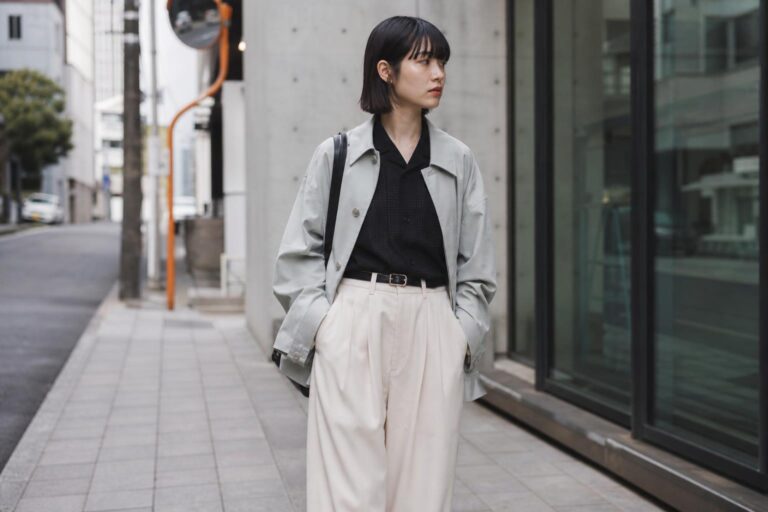
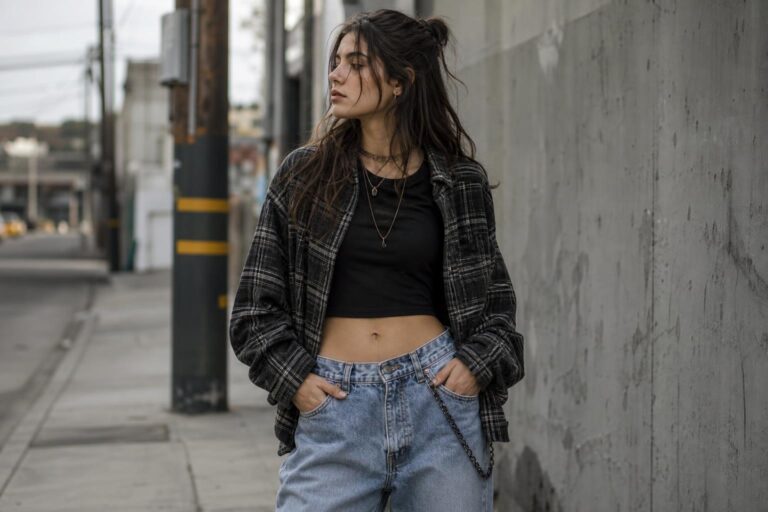
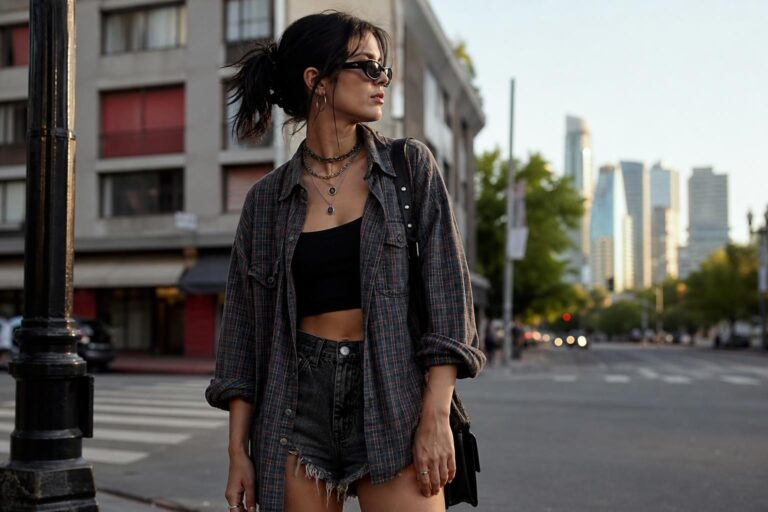
If one era slips into a current wardrobe with almost no effort, it is the 1990s. That is why 90s outfit trends still feel as cool now as they did then. The decade holds two especially wearable lanes: grunge layering and minimalist polish.
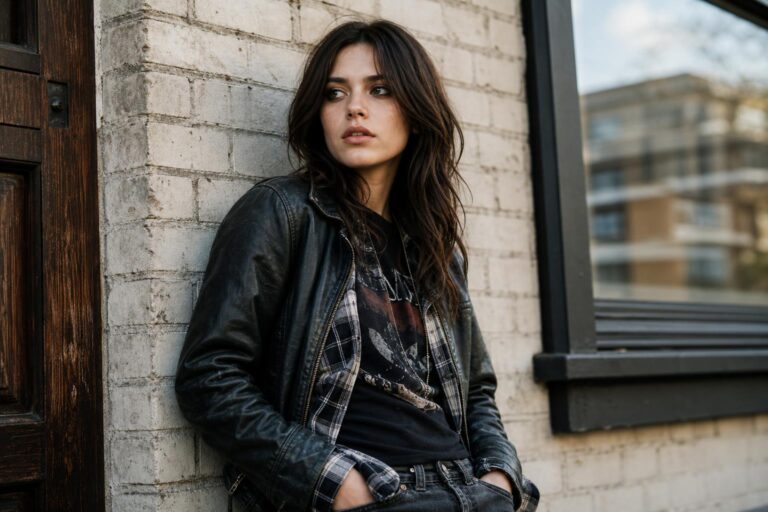
Minimalist 1990s dressing relies on clean lines, slip dresses, cardigans, simple trousers, and pared-back accessories. Carolyn Bessette-Kennedy is part of the broader influence here, with looks that feel crisp and composed rather than busy. Grunge pulls in looser silhouettes and more contrast, but still works best when edited so the outfit feels deliberate rather than thrown together.
This is the era to reach for when you want model-off-duty energy, elevated basics, and outfits that move from coffee runs to dinner with barely any adjustment.
Look: soft 1950s tea dress for a polished daytime mood
A tea dress creates one of the most approachable vintage style outfits because the silhouette already feels complete. It gives shape through the waist, softness through the skirt, and enough movement to look feminine without feeling precious. This kind of outfit works beautifully for brunch, daytime celebrations, or a city afternoon when you want to feel dressed up in an easy way.
Choose a tea dress in a soft cotton feel or another fabric with gentle drape, then anchor it with a cardigan if the day is cooler. Small jewelry, a belt if the waist needs definition, and simple shoes keep the line clean. If the dress has print or vintage detailing, keep the bag and outer layer quieter so the silhouette remains the focus.
The reason this outfit is so reliable is balance. The fitted upper half and softer lower half create natural proportion, and that visual structure makes the outfit feel effortlessly polished. If you want it to read less formal, replace delicate shoes with ankle boots or a less dressy layer.
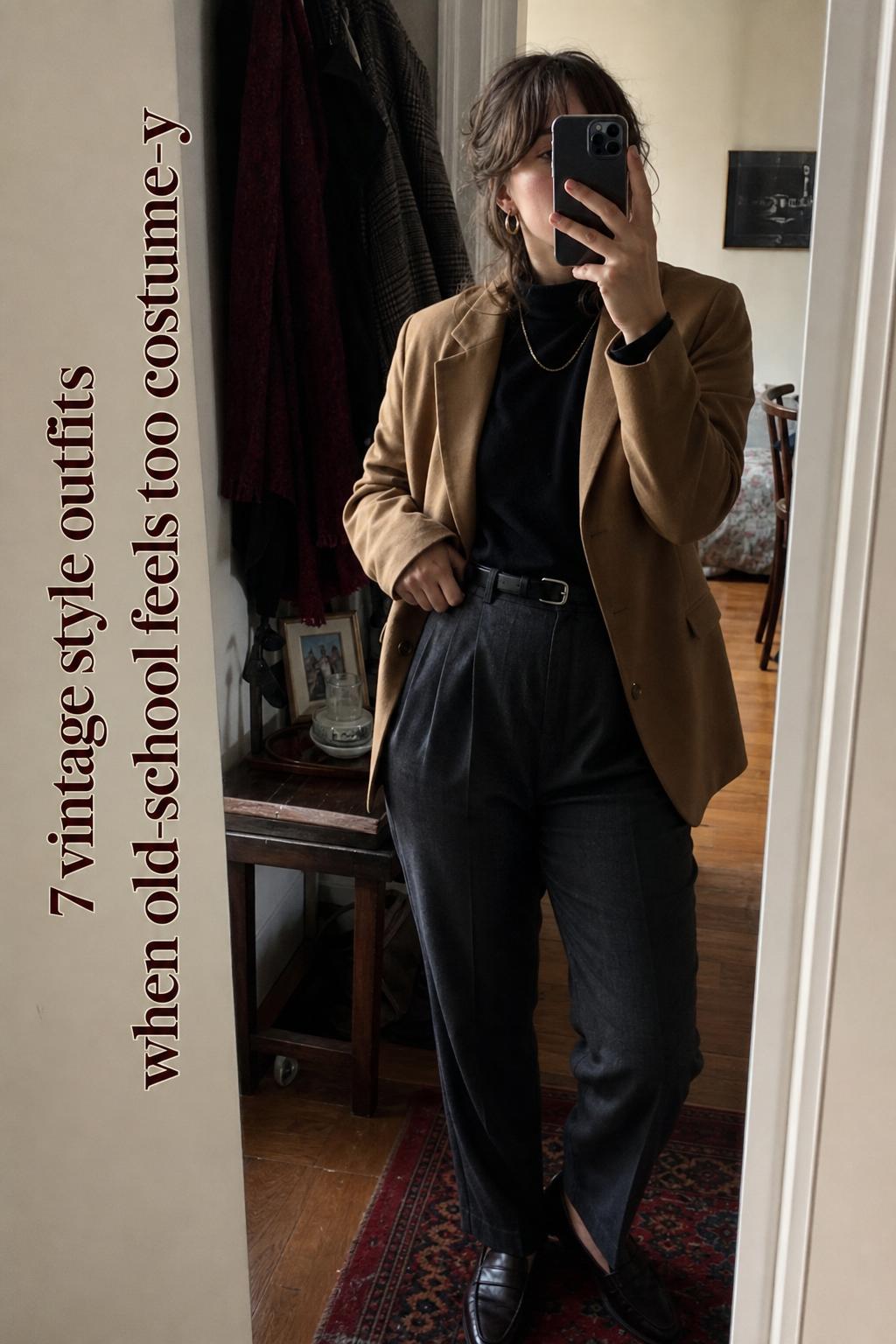
Look: slip dress and graphic tee with festival energy
This is the vintage-meets-modern combination that captures how people actually wear archival references now. A slip dress has all the fluidity and old Hollywood appeal of the 1930s and 1990s, but layering it over or under a graphic tee gives it a younger, more casual rhythm. It is the kind of outfit that feels at home at a festival, a concert, or a warm evening out.
The visual contrast is what makes it work. The slip dress brings drape and shine. The tee brings structure and attitude. That same tension is what made Hailey Bieber’s vintage Christian Dior slip dress styling feel current at Coachella. You get elegance without fragility. Add compact accessories and shoes that can handle movement, and the outfit instantly becomes more practical.
To adapt the idea for everyday wear, switch the statement tee for a simpler one and keep the palette more tonal. If the dress is already dramatic, one casual layer is enough to modernize it.
Look: classy vintage separates for work and dinner after
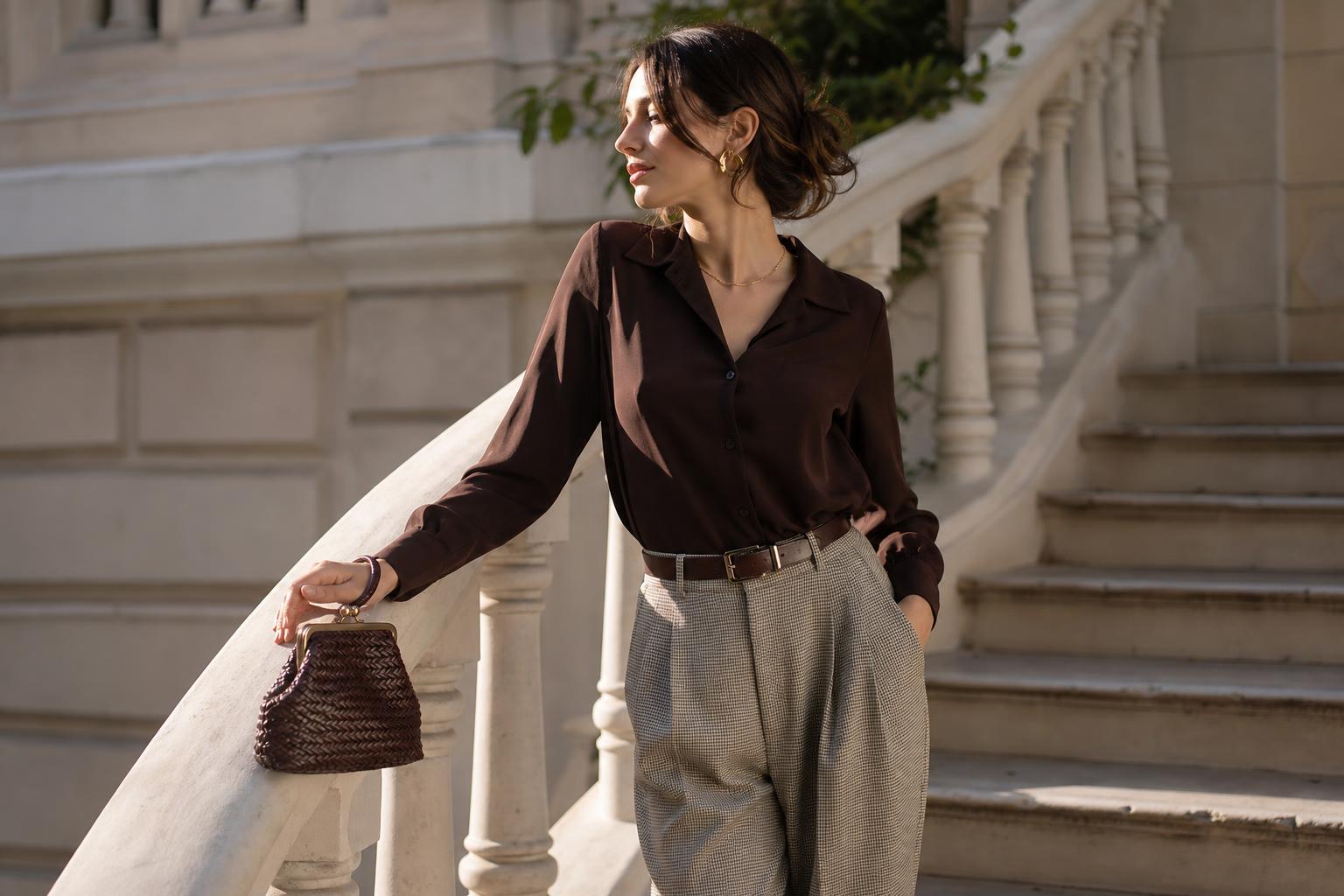
Some of the best classy vintage outfits are built from separates rather than dresses. A blouse tucked into a pencil skirt or tailored trousers creates a refined line that feels 1940s to 1950s inspired without becoming too formal for daytime. This is the kind of outfit that moves well through a workday and still feels finished enough for dinner.
The key is structure with softness. A blouse with a slightly feminine shape, a skirt or trouser with a clean line, and minimal accessories create understated elegance. A jacket can sharpen the look further, especially if you want a little 1980s power tailoring in the mix. Keep the colors cohesive rather than overly contrasted if you want the outfit to feel more modern than theatrical.
Why this aesthetic works: it avoids the common mistake of using too many vintage signals at once. One tailored shape, one soft piece, and one restrained accessory direction usually create a stronger result than trying to make every element period-specific.
Look: 1970s boho layers for weekend vintage casual
This is the outfit for flea markets, slow weekends, and coffee runs that still call for personality. The 1970s boho direction is softer around the edges, with more layering, more texture, and a looser silhouette that feels relaxed yet intentional.
A flowing dress or skirt paired with a cardigan creates a lived-in vintage mood without looking heavy. Accessories can do more here than in some other eras, but they should still feel connected rather than random. Soft knits, tactile fabrics, and a bag or jewelry choice that supports the earthy feeling make the outfit more dimensional.
If you want the outfit to stay wearable, choose one focal texture at a time. Too much volume plus too many decorative accessories can make the look feel cluttered. A cleaner base gives the boho styling room to breathe.
Look: 1960s mod lines for city days
A mod-inspired outfit feels especially right for urban settings because it looks crisp from every angle. The line is compact, slightly graphic, and easy to wear when you want something more playful than minimalism but more controlled than boho dressing. This is a strong choice for city lunches, museum visits, or travel days when polished simplicity matters.
An A-line shape, neat outerwear, and accessories with a bit of structure carry the mood. The palette can be monochrome or lightly color-blocked depending on how bold you want the finish to feel. Shoes should support the clean geometry rather than compete with it.
How to make the look more wearable: reduce the number of mod references if you are new to the style. One clear silhouette plus modern grooming and simpler accessories often creates a stronger result than a full decade-inspired set.
Look: 1990s minimalism for effortless off-duty styling
This is the vintage outfit formula that most people can recreate from basics they already own. The mood is calm, pared back, and quietly confident. Nothing feels overworked, which is exactly why the result looks so good in everyday life. Think errands, a casual lunch, an airport day, or a simple dinner that still calls for a little polish.
A slip dress, a fine cardigan, or clean separates in a restrained palette build that minimalist 1990s feel. The beauty of the outfit is in the line rather than decoration. Accessories should be sparse and purposeful. If you are using a vintage piece, surround it with simpler modern items so it feels integrated instead of precious.
This outfit works because monochrome or tonal dressing creates a cleaner silhouette. It also makes mixing old and new pieces easier, since visual consistency does much of the styling work for you.
Look: vintage menswear with tailored ease
Vintage style is not limited to dresses and romantic shapes. Menswear-inspired looks bring a different kind of charm, built around jackets, shirts, trousers, and accessories that suggest period style without losing everyday function. The result can feel especially polished for dinners, creative workplaces, or events where smart casual dressing needs a little more personality.
Tailored silhouettes are the foundation. A structured jacket, clean shirt, and trousers with a vintage line create the shape, while accessories and color palette refine the mood. Formal versions can lean more classic, while casual versions relax the fit and let the styling breathe. The strongest looks usually balance one tailored statement piece with simpler supporting garments.
For men exploring vintage outfits, this is often the easiest starting point because the garments already have a place in a modern wardrobe. The shift comes from silhouette, proportion, and detail rather than a full style overhaul.
Build a capsule vintage wardrobe without making it feel like a costume closet
A strong vintage wardrobe does not need to be large. It needs range. The most useful approach is to collect a few silhouettes from different eras that can be mixed with modern anchors. That gives you visual variety while keeping the wardrobe wearable.
- A tea dress or similarly feminine day dress for 1950s-inspired polish
- A slip dress for 1930s or 1990s styling, from evening looks to layered casual outfits
- A structured jacket that can reference 1940s practicality or 1980s power tailoring
- A blouse with vintage character to wear with skirts or trousers
- A pencil skirt or other defined skirt shape for classic silhouettes
- A cardigan for 1970s softness, layering, and easy transitions between seasons
- Accessories such as belts, hats, gloves, or jewelry used selectively rather than all at once
Modern anchors matter just as much as vintage pieces. A simple tee, understated shoes, or a cleaner bag can stop the outfit from looking too literal. This is especially useful for readers who love old-school style but still want their clothes to work for commuting, weekend plans, and everyday movement.
Budget also changes the strategy. A beginner can build around one strong dress, one jacket, and a few accessories. A more advanced wardrobe can include multiple era references, but the same principle still applies: buy for silhouette and versatility before novelty.
Where vintage style fits in real life
One reason vintage fashion stays relevant is that it is not tied to a single setting. A well-chosen vintage-inspired outfit can work for daily life just as easily as for a themed event. The difference is usually in the level of styling rather than the garments themselves.
For work and polished daytime plans
Choose cleaner silhouettes such as blouses, tailored jackets, pencil skirts, and dresses with modest structure. This is where classy vintage dressing shines. The look feels intentional, but not distracting.
For weekends and casual outings
Use softer layers, cardigans, easy dresses, and accessory-led styling. Thrifted vintage pieces often work well here because a little individuality feels natural in a casual setting.
For evenings and events
Lean into drape, glamour, and stronger accessories. Slip dresses, refined jewelry, and sharper silhouettes create that red-carpet-inspired mood without requiring full formalwear.
For festivals and fashion-forward moments
This is where celebrity styling has had the most visible influence. A vintage Dior reference, a graphic tee, or a bolder 1970s or 1990s cue can feel playful here because the setting invites more personality.
Celebrity and pop culture references that shape modern vintage dressing
Modern interest in vintage style is often reinforced by celebrities who show how archival or vintage-inspired pieces can live in the present. Hailey Bieber is a clear example because the styling around her vintage Christian Dior slip dress at Coachella demonstrated an important lesson: one standout vintage item becomes more wearable when paired with a casual layer that shifts the mood.
That same idea carries into wider pop culture styling. Celebrity vintage looks tend to succeed when they reinterpret rather than replicate. The result is usually stronger because it lets the historic silhouette remain visible while the surrounding pieces signal current taste.
References such as Olivia Dean or the minimalist influence associated with Carolyn Bessette-Kennedy also help explain why certain vintage moods keep returning. They offer styling shorthand. Readers are not only drawn to the clothes themselves, but to the clean, confident energy those outfits project.
Shopping routes: vintage, vintage-inspired, thrifted, and retro
Not every reader wants to hunt for rare originals, and that is fine. Vintage style outfits can come from authentic vintage, thrifted secondhand finds, retro-inspired retailers, or a mix of all three. The important part is understanding what each route offers.
- Authentic vintage can offer the strongest period character, especially in silhouette and construction, but sizing and condition may require patience.
- Thrifted pieces are often the most affordable way to experiment, especially with blouses, jackets, cardigans, and accessories.
- Vintage-inspired retail can be easier for fit and everyday wear, particularly if you want a modern take on decade dressing.
- Store and content hubs such as VintageDancer or Historical Emporium can be helpful for seeing period-inspired combinations in one place.
- Brand content from retailers like Chico’s can also be useful if your goal is to style vintage influences in a more contemporary wardrobe.
Sustainability is part of the conversation for many shoppers. Secondhand, thrift, and recommerce routes often appeal not only because they are interesting, but because they align with circular fashion habits. That said, convenience, fit, and garment condition are real trade-offs, so it helps to decide whether you want authenticity, ease, or a balance of both.
Practical styling notes that make vintage feel modern
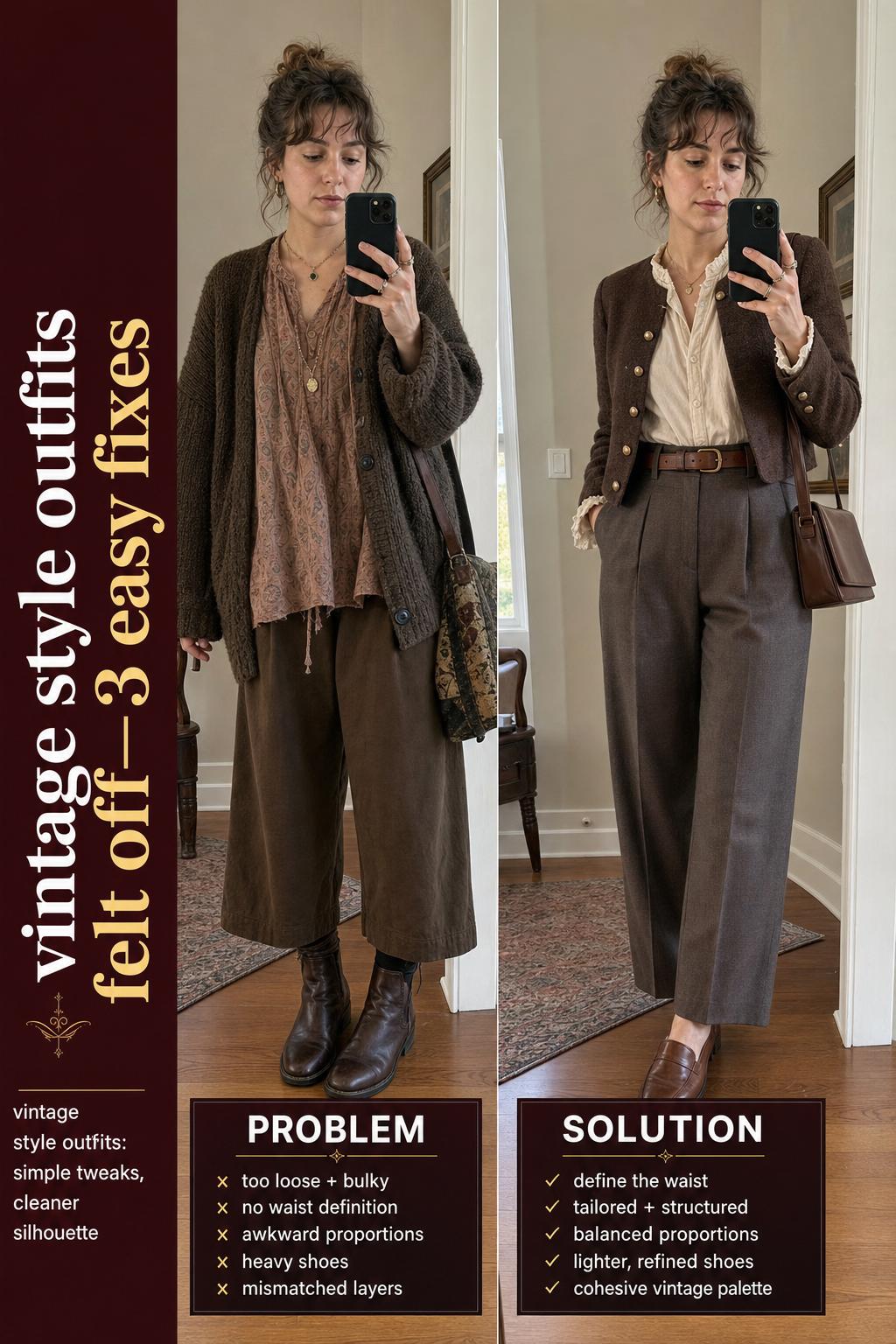
The biggest difference between a stylish vintage outfit and one that feels costume-like usually comes down to editing. Most people do not need every element of an outfit to come from the same decade. In fact, the more wearable result often comes from limiting the number of obvious references.
- Let one silhouette lead, such as a full skirt, a drop-waist line, or oversized tailoring.
- Use accessories with restraint so they support the mood instead of taking over.
- Keep color harmony in mind; tonal combinations make vintage pieces easier to integrate.
- Use texture contrast to add depth, especially when the palette is simple.
- Think about movement and comfort if you plan to wear the outfit all day.
- Swap footwear to shift the tone from formal to casual without changing the entire outfit.
A practical example: a 1950s-style dress can feel sweet to the point of formality with delicate shoes and multiple accessories, but the same dress becomes more relaxed with a cardigan and simpler footwear. A slip dress can read evening-only until a tee changes the context. These small shifts are often more effective than buying entirely new clothes.
Why certain fabrics, shapes, and details matter
Even when you are not using highly technical language, understanding a few garment details can make vintage styling easier. Drape affects whether an outfit feels soft and fluid. A bias-cut line changes how a dress skims the body. An A-line shape creates a cleaner, more graphic mood. A pencil skirt sharpens the outfit and gives it structure.
Accessories also change the reading of a look very quickly. Gloves and hats can push an outfit toward a stronger period reference. Belts help define shape. Jewelry can either refine the mood or make it feel too busy depending on scale and quantity. This is why vintage dressing is often more successful when one or two details carry the story instead of every detail competing at once.
If you are shopping visually rather than analytically, this is still useful to remember: choose pieces for how they move, where they define the body, and how they layer with modern basics. That is what keeps the outfit believable in everyday life.
Common mistakes that make vintage outfits harder to wear
Most styling problems happen when the outfit becomes too literal or too visually crowded. The goal is not to erase the vintage character. It is to let it come through in a more natural way.
- Using too many era-specific accessories in one outfit
- Choosing a dramatic silhouette without balancing proportions elsewhere
- Ignoring context, such as weather, walking distance, or how long you will be in the outfit
- Mixing multiple decades without a clear focal point
- Forgetting that modern basics can improve the overall result
- Buying novelty pieces before building a functional base wardrobe
One of the most useful mindset shifts is to dress for the day first and the decade second. Once the outfit works for the real setting, the vintage influence usually looks more convincing.
Glossary of key vintage style terms
Some terms appear often in vintage fashion because they help describe why an outfit looks the way it does. A drop-waist silhouette lowers the waistline and creates a straighter 1920s effect. Bias-cut describes fabric cut in a way that gives more fluid movement, often associated with slinky 1930s and 1990s dressing. A-line means a shape that skims out gently from the body, a useful 1960s reference. A pencil skirt is slim and structured, often connected with 1950s polish. A cloche hat is a close-fitting hat strongly linked with 1920s styling. Tea-length or tea dress usually refers to a feminine dress shape that feels especially at home in mid-century-inspired wardrobes.
Final styling perspective
Vintage style lasts because it gives people more than one way to get dressed. It can be romantic, structured, bohemian, minimal, glamorous, or practical depending on the decade and the mood. That range is what makes it so easy to adapt, whether your wardrobe leans toward Dior-inspired femininity, mod clarity, thrifted individuality, or 1990s restraint.
The most memorable outfits usually come from thoughtful contrast: a vintage silhouette with a modern basic, a dramatic dress with simple accessories, a tailored jacket with softer layers. Start with the era that feels most natural to you, build around pieces you can actually wear, and let the styling stay personal. That is when vintage stops looking like a theme and starts looking like your style.
FAQ
What is vintage fashion?
Vintage fashion is clothing and styling inspired by earlier eras such as the 1920s, 1950s, 1970s, or 1990s, worn in a way that highlights recognizable silhouettes, garments, and accessories. Today, it often includes both authentic vintage pieces and modern clothing styled with vintage influence.
How do I wear vintage style outfits without looking costume-like?
The easiest approach is to let one vintage element lead the outfit, then support it with modern basics or restrained accessories. A slip dress with a simple tee, a tea dress with cleaner shoes, or a tailored vintage jacket over understated separates usually feels more natural than dressing head to toe in one era.
Which vintage decade is easiest to wear every day?
The 1990s are often the easiest for everyday wear because minimalist silhouettes, slip dresses, cardigans, and clean separates already fit naturally into modern wardrobes. The 1940s and 1950s also work well for daily dressing if you prefer polished blouses, tailored skirts, and feminine dresses.
How can I build a beginner vintage wardrobe?
Start with a small capsule: one dress with vintage character, one structured jacket, one blouse, one skirt or trouser shape, and a few accessories. Add modern anchors such as a simple tee or understated shoes so you can mix pieces easily instead of saving them only for special occasions.
Where should I shop for vintage style outfits?
You can shop authentic vintage, thrifted secondhand pieces, vintage-inspired retailers, or curated store hubs. Each option has trade-offs: authentic vintage offers stronger period character, thrift can be budget-friendly, and vintage-inspired retail is often easier for sizing and everyday wear.
How do I style vintage clothing for a modern look?
Focus on contrast and proportion. Pair vintage garments with simpler modern pieces, keep the color palette cohesive, and avoid stacking too many period-specific details in one outfit. Often, one strong silhouette and one casual or minimal element are enough to make the look feel current.
Are vintage style outfits good for work?
Yes, especially when you choose cleaner silhouettes such as blouses, pencil skirts, tailored jackets, and modest dresses. Vintage-inspired workwear tends to be most successful when it feels polished and practical rather than highly themed.
What accessories work best with vintage outfits?
Belts, hats, gloves, and jewelry can all work well, but restraint usually gives the best result. Accessories should support the silhouette and mood of the outfit rather than compete with it, especially if the garment already has strong vintage detailing.
How do I know if a vintage piece is worth buying?
Look at silhouette, versatility, and how easily the piece can work with your existing wardrobe. A good vintage buy usually offers a clear shape or character that you can style in multiple ways, rather than only feeling useful for one specific occasion.
Finish the look
The little extras that make a summer outfit feel complete
From beach days to city weekends, these easy pieces bring comfort, texture, and a polished finishing touch.

FENBEN
Straw Hobo Crossbody Bag
A handwoven straw bag with both short and crossbody straps—an effortless finishing touch for vacation looks and warm-weather outfits.
Shop the bag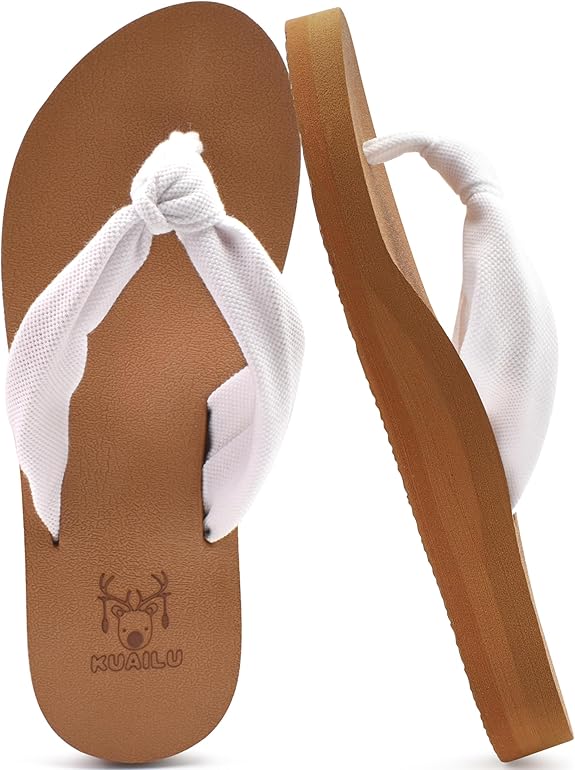
KuaiLu
Flip Flops with Arch Support
Cushioned, lightweight sandals with supportive arch design—a practical choice for beach trips, errands, and long summer walks.
Shop the sandals
baleaf
Athletic One-Piece Swimsuit
A functional one-piece with adjustable straps and moderate coverage, designed for swimming, training, surfing, and active beach days.
Shop the swimsuit
Astylish
Linen-Cotton Button-Down Shirt
A relaxed cotton-linen shirt with a collared V-neck and roll-up sleeves—easy to style over swimwear or with denim and shorts.
Shop the shirt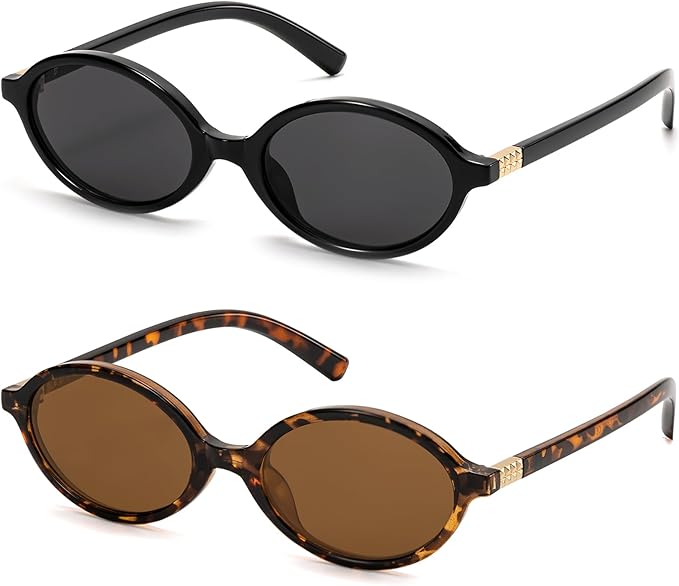
ViewJoy
Retro Oval Sunglasses
Small oval sunglasses with a 90s-inspired silhouette and UV400 lens protection—a quick way to add a vintage edge to everyday looks.
Shop the sunglasses
Affiliate disclosure: This section contains affiliate links. If you make a purchase through these links, I may earn a commission at no additional cost to you. Product selection, pricing, availability, and delivery terms may change—please review the current details on Amazon before purchasing.
As an Amazon Associate I earn from qualifying purchases.