Casual Dark Academia Outfits for Everyday, Polished Style

Some outfits look academic in a polished, almost formal way. Others keep the same moody intelligence but feel easy enough for a coffee shop run, a long library afternoon, or a campus stroll. That is where casual dark academia outfits become especially useful: they keep the texture, depth, and scholarly mood of dark academia without feeling too dressed up for everyday life.
People often blur dark academia into one visual category, but there is a noticeable difference between the classic version and the casual one. A full tweed blazer, pleated skirt, brogues, and structured layers can read more traditional and styled. A softer cardigan, simple knitwear, jeans, loafers, or boots creates the same atmosphere in a way that feels more natural for daily wear.
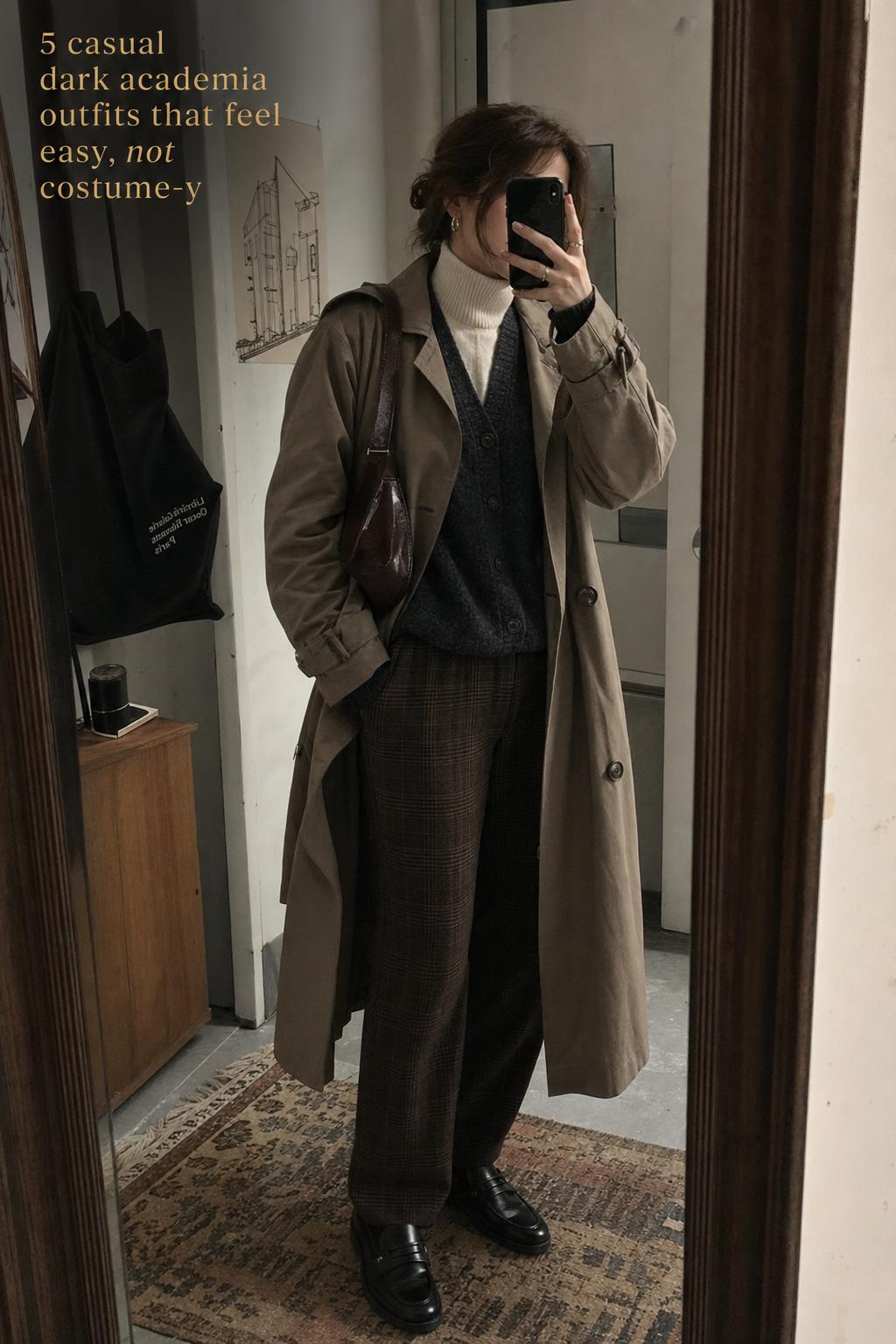
This breakdown looks at how casual dark academia works in real wardrobes: what defines it, how it differs from a more formal dark academia look, which pieces create the strongest visual identity, and how to make the aesthetic feel wearable rather than costume-like. The goal is not just inspiration, but clarity—so you can recognize the mood, understand the styling logic, and build outfits that actually fit your life.
The Fashion-Note Edit
Five effortless pieces to refresh your everyday wardrobe
A polished, practical edit for workdays, weekends, and everything in between.

The Drop
Women’s Blake Long Blazer
A longline, tailored blazer with a notched collar and a single-button closure—an easy layer for denim, dresses, or office-ready looks.
Shop the blazer
Amazon Essentials
Women’s Lightweight Crewneck
A soft, lightweight sweater with a clean crew neckline—the kind of reliable layer that works from cool mornings to air-conditioned spaces.
Shop the sweater
Amazon Essentials
Women’s Loafer Flat
A classic flat loafer that gives casual outfits a more polished finish and pairs naturally with tailored pants, skirts, and straight-leg jeans.
Shop the loafers
Levi’s
Women’s 501 90s Jeans
A relaxed, vintage-inspired take on the iconic 501 silhouette—made for an easy, lived-in look without the thrift-store search.
Shop the jeans
Colorfulkoala
High-Waisted 7/8 Leggings with Pockets
Soft, four-way-stretch leggings with side pockets and a high-rise waistband—designed for movement, errands, and off-duty comfort.
Shop the leggings
Affiliate disclosure: This section contains affiliate links. If you make a purchase through these links, I may earn a commission at no additional cost to you. Product selection, pricing, availability, and delivery terms may change—please review the current details on Amazon before purchasing.
As an Amazon Associate I earn from qualifying purchases.
What casual dark academia actually looks like
Casual dark academia is the everyday side of the dark academia aesthetic. It still draws from classic academic wardrobe staples such as a tweed blazer, loafers, knitwear, pleated skirts, trousers, and oxford shirt styling, but it relaxes the overall finish. The silhouette becomes less strict, the layering more comfortable, and the outfit reads more lived-in than ceremonial.
Your wedding style is personal.
Your plan should feel that way, too.
Zarellea keeps your guest list, budget, vendors, and every next step beautifully organized — so you can focus on the moments that feel like you.
Visually, the casual version usually keeps three things intact: a moody color palette, rich texture, and a scholarly sense of structure. Deep browns, charcoal, black, cream, and earth tones create the familiar dark academia mood. Fabrics like tweed, wool, cable-knit sweaters, corduroy, and leather add depth. Then everyday pieces like jeans, a softer cardigan, or practical boots make the look feel approachable.
The easiest way to spot it is this: formal dark academia tends to feel styled for impression, while casual dark academia feels styled for movement. You can imagine it in a library, at a coffee shop, on a campus weekend, or during a quiet day at home in lounge-friendly layers. The visual language is still scholarly and slightly mysterious, but the outfit no longer depends on full tailoring to communicate the aesthetic.
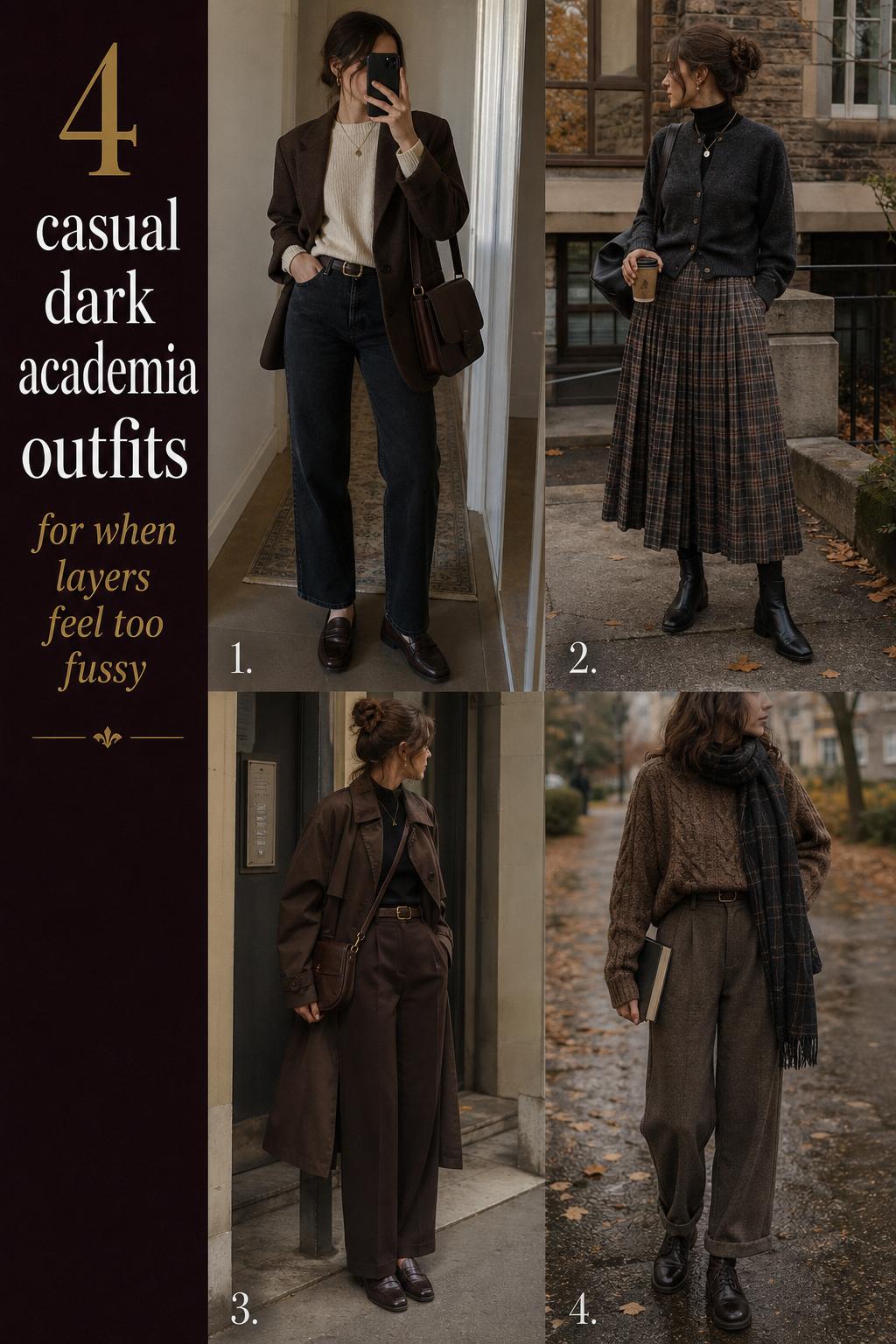
Style overview: classic dark academia versus the casual version
Classic dark academia
Classic dark academia leans into heritage dressing. It favors structure, visible formality, and strong academic references. A tweed blazer over a turtleneck, tailored trousers, brogues, a pleated skirt, or even a cape creates a deliberate old-world impression. The silhouette is usually neat and composed, with layers that look intentional from every angle.
The mood is serious, bookish, and slightly dramatic. Textures matter a great deal here. Tweed, wool, and leather carry more visual weight than lighter basics, so the outfit feels denser and more atmospheric. Accessories such as satchel bags, belts, or scholarly-looking eyewear tend to reinforce that identity.
Casual dark academia
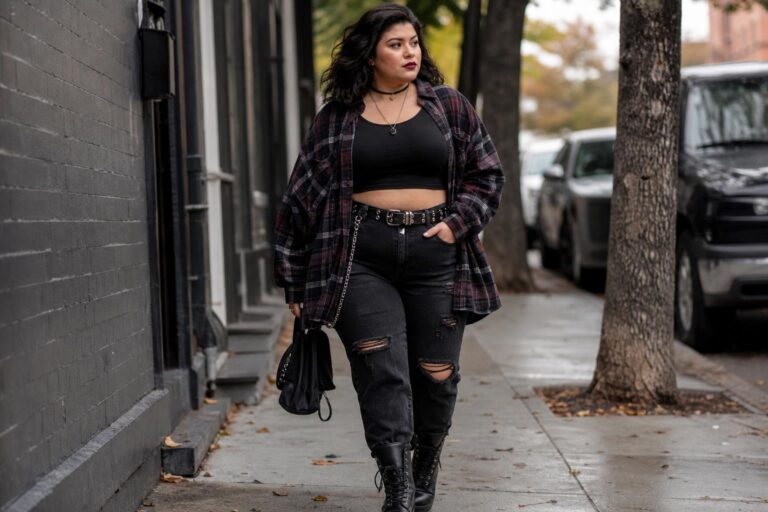
Casual dark academia keeps the same academic backbone but softens the execution. The blazer may still be present, but it can be swapped for a cardigan or simple knit sweater. Trousers can replace more rigid tailoring, and jeans can sit comfortably beside loafers or boots. Instead of looking fully dressed for a literary portrait, the outfit feels ready for everyday wear.
The mood is quieter and more practical. There is still that storybook or moody aesthetic, but it comes through in color harmony, layering, and texture rather than in overtly formal styling. This is what makes casual dark academia especially appealing for people who love the aesthetic but need it to work across ordinary routines.
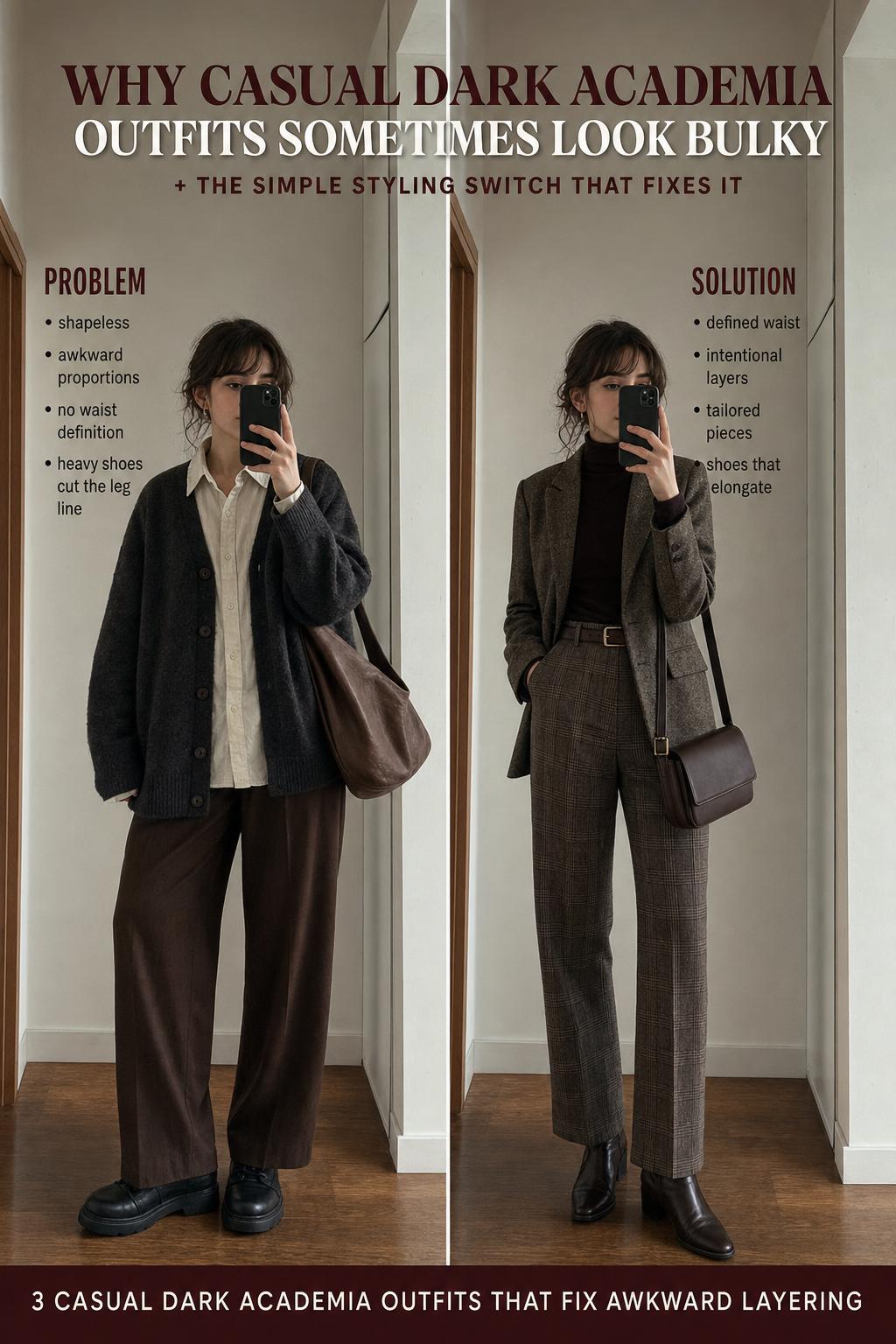
Why these two versions are often confused
The confusion happens because both versions use the same core vocabulary. A blazer is still a blazer. Loafers are still loafers. A plaid skirt, knitwear, trench coat, or turtleneck can belong to either look. The difference is not only in the pieces themselves, but in the way they are combined, balanced, and toned down.
For example, a tweed blazer paired with tailored pants and brogues feels more traditionally dark academia. The same blazer thrown over a simple sweater with jeans and loafers shifts the outfit toward casual dark academia. The garments overlap, but the impression changes because the level of polish changes.
This distinction matters because many people want the atmosphere of dark academia without committing to a full costume-like interpretation. Understanding the casual version helps you create a wardrobe that captures the aesthetic consistently, even when the setting is relaxed.
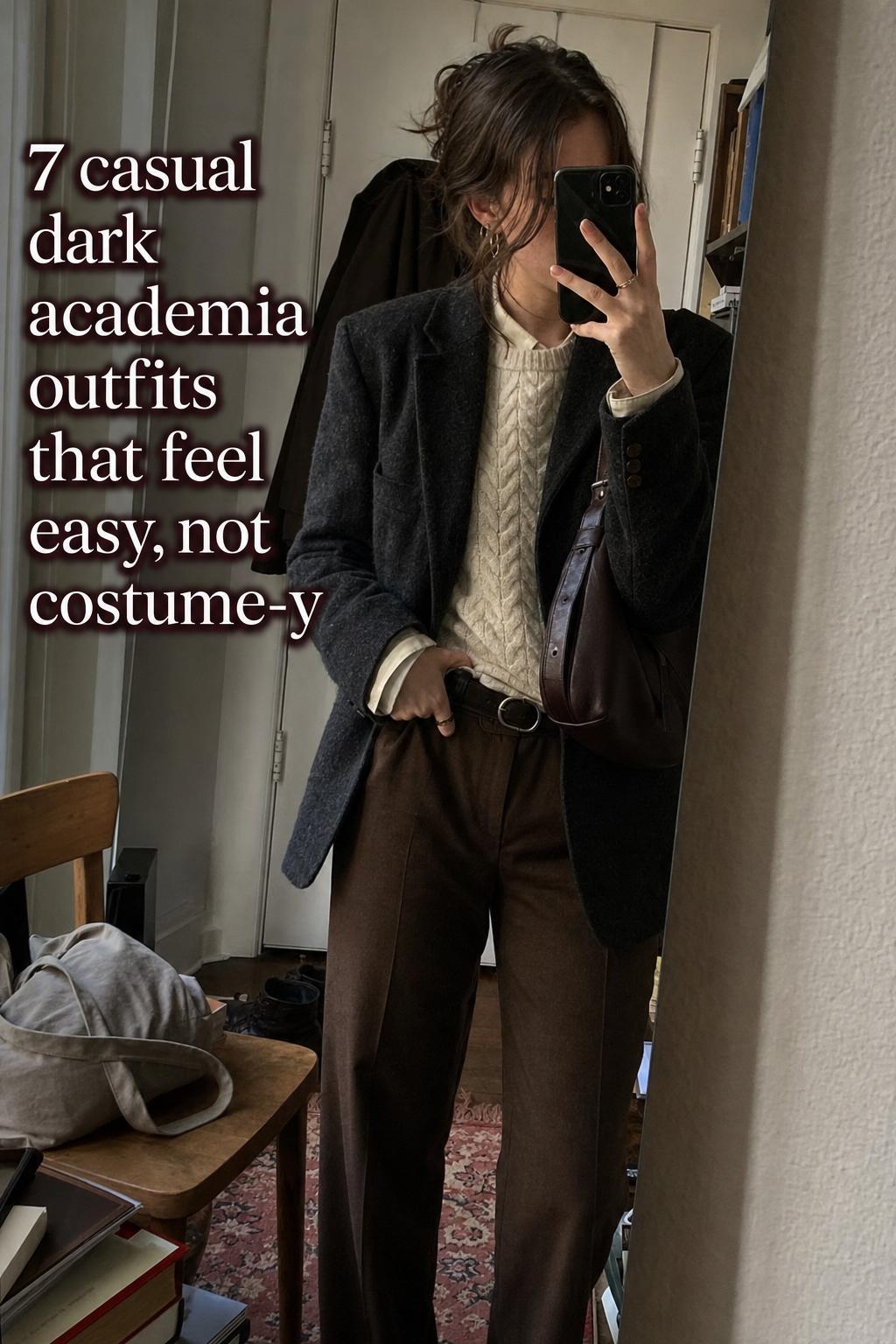
The core pieces that make the aesthetic readable
If you strip casual dark academia down to its essentials, a few pieces carry most of the visual weight. These are the items that immediately signal the aesthetic, even when the outfit is simple.
- A tweed blazer or classic blazer for structure
- Knitwear, including sweaters, cable-knit sweaters, cardigans, and turtlenecks
- Pleated skirts, plaid skirts, plaid pants, or tailored trousers
- Loafers, brogues, ankle boots, or combat boots
- A trench coat or long coat for layered outerwear
- A satchel bag or other leather bag for subtle academic character
What makes these pieces effective is how easily they can move between dressy and relaxed styling. A pleated skirt can feel polished with a blazer, but softer with a chunky knit. Loafers can sharpen jeans, while boots can make the same outfit feel more grounded and casual. The power of the aesthetic comes from these flexible staples rather than from one rigid formula.
Blazers and tweed as the academic backbone
A blazer is one of the fastest ways to establish dark academia. A tweed blazer is even stronger because the fabric itself carries heritage and texture. In casual outfits, though, the blazer works best when it is not overcompensating for every other piece. Pairing it with relaxed knitwear, simple trousers, or even jeans keeps the look grounded.
This is where balance matters. If every item is equally formal, the outfit stops reading casual. But if the blazer is the only structured piece in an otherwise easy look, it adds exactly the right amount of academic shape.
Knitwear and cardigans as the softening layer
Knitwear is what makes dark academia wearable beyond a single moodboard image. A black cardigan, simple sweater, cable-knit sweater, or turtleneck brings texture and warmth while softening the formality of tailoring. In home-friendly versions of the aesthetic, oversized cardigans and lounge-friendly knits keep the palette moody without sacrificing comfort.
Visually, knitwear also helps connect the darker palette to a softer silhouette. A blazer can feel strict on its own, but a knit underneath adds depth and makes the outfit feel more inviting. That contrast is one of the most recognizable features of casual dark academia outfits.
Bottoms and shoes that control the mood
Bottoms and footwear usually determine whether the outfit leans more classic or more casual. Pleated skirts and plaid skirts emphasize the academic reference most directly. Trousers create a clean, tailored line. Jeans make the outfit instantly easier and more everyday, especially when paired with loafers rather than more formal shoes.
Shoes shift the outfit just as much. Loafers and brogues keep the scholarly feel intact. Ankle boots or combat boots create a more practical, slightly tougher finish. That is often why boots appear in casual versions of the aesthetic: they preserve mood while lowering formality.
How to instantly tell the difference in a real outfit
In real life, the difference usually shows up in five visual areas: silhouette, layering, texture, footwear, and overall polish. Once you notice those, the distinction becomes much easier to read.
- Silhouette: classic dark academia looks more structured; casual dark academia looks softer or slightly relaxed.
- Layering: classic styling stacks intentional pieces; casual styling simplifies the layers while keeping depth.
- Texture: both use rich fabrics, but the casual version often mixes heritage textures with basic everyday materials.
- Footwear: loafers and brogues feel sharper; boots often make the look more informal.
- Polish: classic dark academia appears curated; casual dark academia looks more natural and wearable.
If an outfit looks like it belongs equally well in a library and on a casual weekend errand, it is probably leaning toward the casual side. If it feels carefully assembled with every item reinforcing a formal academic image, it sits closer to classic dark academia.
Color palettes and textures do more work than people expect
Many people focus first on specific garments, but in casual dark academia, color and texture often matter just as much as the individual pieces. A simple cardigan and trousers can feel unmistakably dark academia if the colors are moody and the fabrics have visible depth.
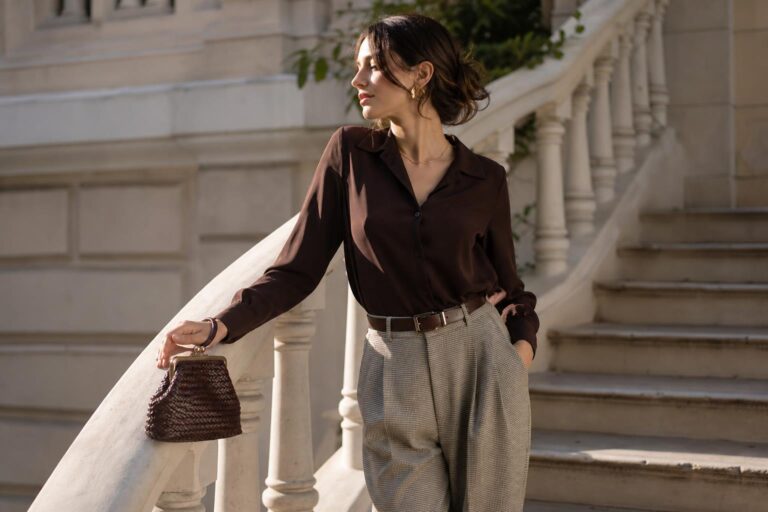
The most recognizable palette stays within deep browns, black, charcoal, cream, and other earth tones. This color family creates the quiet, vintage academia style associated with the aesthetic. Cream or ivory softens the darkness, while charcoal and brown keep it grounded. The effect is richer than a basic neutral wardrobe because the tones feel intentionally atmospheric.
Texture is what keeps the palette from looking flat. Tweed gives visual density. Wool feels classic. Corduroy adds a subtle heritage note. Leather in belts, shoes, or a satchel bag adds polish. Even a cable-knit sweater can carry the mood more effectively than a smooth basic knit because the surface texture makes the outfit feel layered before you add anything else.
Tip: use texture to replace extra layers
If you do not want a heavily layered outfit, lean harder into texture. A chunky cardigan with tailored trousers and loafers can create the same dark academia feeling that another outfit might achieve with a blazer, shirt, vest, and coat. This is one of the easiest ways to keep the look practical for everyday wear.
Everyday settings where casual dark academia makes the most sense
One of the strongest things about this aesthetic is how clearly it fits certain real-life environments. It does not need a formal event to make sense. In fact, it often looks best in ordinary places that already carry some atmosphere.
Library and study-session dressing
A library look is where casual dark academia feels most natural. A blazer over knitwear with tailored pants creates structure, but it still allows you to sit, move, and stay comfortable for hours. Loafers or ankle boots finish the outfit without making it feel overly dressed. The appeal here is not just visual; it is practical. Layers can come off easily, and the outfit keeps its shape even after a long day.
Coffee shop casual
For a coffee shop setting, the aesthetic usually softens further. A cardigan, blouse, jeans, and loafers create a relaxed silhouette that still reads scholarly. This is a useful example of how casual dark academia relies on suggestion rather than full historical styling. The mood comes from the cardigan, dark palette, and shoes—not from a highly styled costume approach.
Campus weekends and city walks
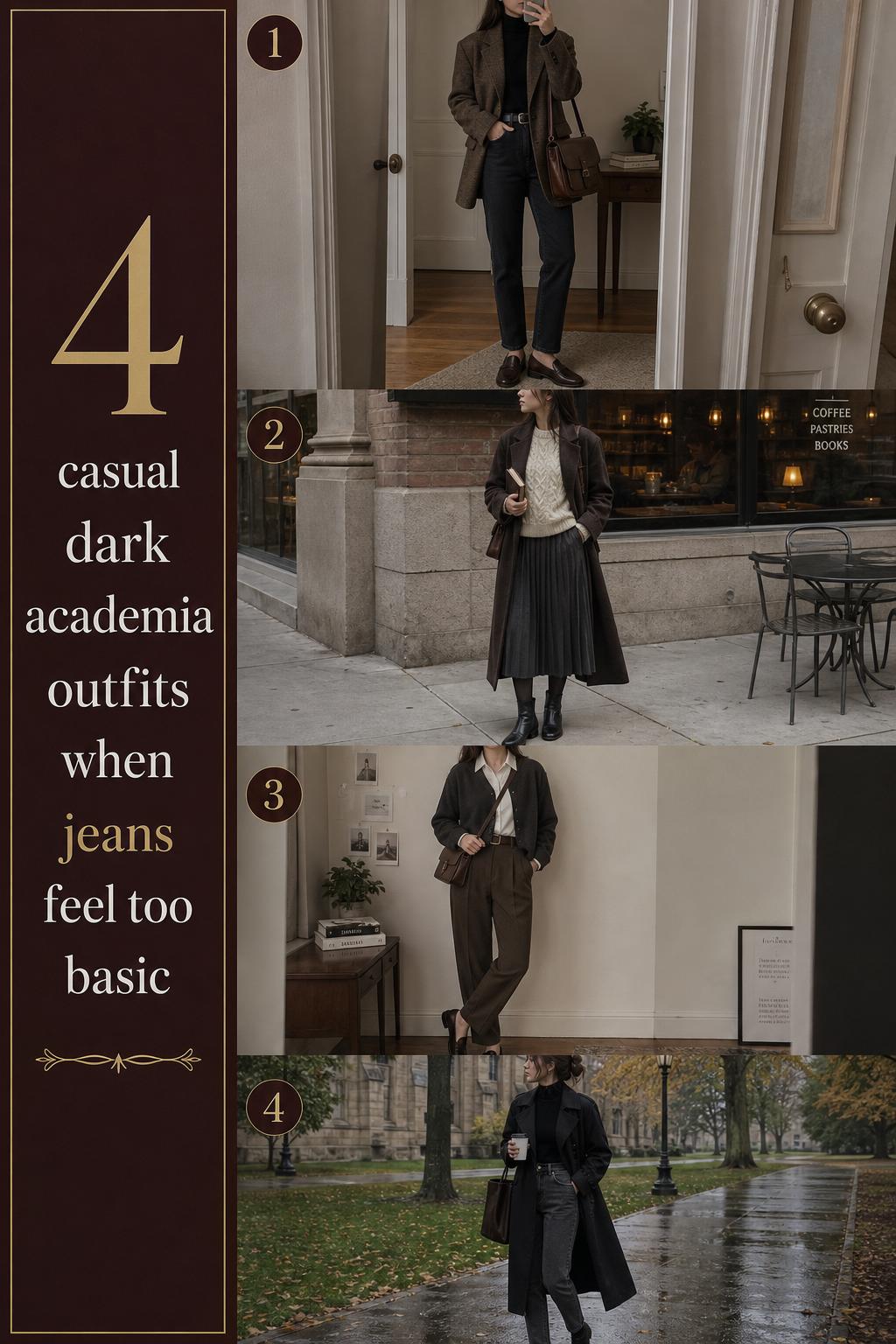
A trench coat over a pleated skirt with boots has a clear campus or city-stroll energy. It looks especially convincing because it combines movement and structure. The coat adds drama, the skirt reinforces the academic reference, and the boots make the outfit practical for walking. This is the kind of outfit that works because each piece has a role, not because there are many pieces.
Relaxed at-home styling
At home, the aesthetic shifts toward oversized cardigans, cozy fabrics, and lounge-friendly layers. The moody palette stays, but the silhouette becomes softer and more comfort-driven. This version proves that casual dark academia is not only about public-facing polish. It can also function as a home casual mood built around knitwear and subdued color.
Outfit comparison: the same situation styled two different ways
Casual coffee shop outfit
A classic dark academia interpretation would likely use a tweed blazer, oxford shirt, tailored trousers, and brogues. The silhouette is composed and visibly styled. A casual dark academia version would switch the oxford shirt for a soft knit or cardigan and replace the trousers with jeans or easier trousers. Loafers still keep the scholarly edge, but the overall impression is lighter and more natural.
Everyday campus look
The classic version may lean into a pleated skirt, fitted turtleneck, long coat, and polished shoes. The casual version keeps the pleated skirt but adds a looser sweater and practical boots. The mood stays academic, but the posture of the outfit changes. Instead of looking formal and composed, it looks like something you could wear all day without adjusting it.
Presentation or casual meeting outfit
For a class presentation or a casual meeting, a structured blazer with a midi dress and ankle boots sits neatly in the middle. A more formal dark academia look would sharpen the dress and footwear choices further. The casual version lets one element remain soft—whether that is the dress silhouette, the knit layer, or the boots—so the outfit feels capable rather than severe.
Weekend walk in cool weather
A formal interpretation might use a long coat, fitted layers, and brogues or loafers. Casual dark academia would likely favor a trench coat or long coat over a cable-knit sweater with plaid pants or a plaid skirt and boots. The outerwear still creates a strong line, but the relaxed knit gives the outfit ease and makes it more believable for real weather and movement.
The small details that change the entire outfit
In this aesthetic, accessories are rarely loud, but they quietly decide how convincing the outfit feels. A satchel bag, leather belt, dark loafers, or simple boots can pull an outfit into the dark academia orbit even when the clothing itself is minimal. The opposite is also true: if every clothing piece suggests dark academia but the accessories feel too disconnected, the look loses its coherence.
Outerwear matters in the same way. A trench coat gives movement and everyday practicality. A long coat adds drama and weight. A cape, while less common for daily wear, pushes the outfit back toward a more stylized dark academia expression. This is a good example of trade-off: the more dramatic the outerwear, the more careful you need to be about keeping the rest of the outfit simple if you want the final look to stay casual.
Tip: let one element carry the drama
If you choose a tweed blazer, long coat, or plaid skirt with a lot of visual presence, keep the rest of the outfit quieter. That is often what separates a strong everyday outfit from one that feels overworked. Casual dark academia looks best when one or two elements make the statement and the rest support the mood.
Common styling mistakes that make the look feel costume-like
The biggest mistake is trying to force every dark academia reference into one outfit. A tweed blazer, vest, tie, pleated skirt, tall socks, brogues, long coat, and satchel may all fit the aesthetic individually, but together they can feel too literal for everyday wear. Casual dark academia depends on restraint.
Another common issue is ignoring comfort and context. Heavy wool layers and rigid shoes may look beautiful in theory, but if the outfit is uncomfortable for a long day, it stops functioning as a casual wardrobe choice. The same goes for home or coffee shop looks. Softer cardigans, practical boots, and wearable knitwear often make more sense than full tailoring.
There is also the risk of flattening the palette. Dark academia is moody, but that does not mean every outfit should be one block of black without texture. Mixing browns, charcoal, cream, wool, tweed, and leather creates depth. Without that variation, the outfit can lose the richness that makes the aesthetic recognizable.
- Do not rely on formality alone; casual versions need softness.
- Do not over-layer if the setting does not support it.
- Do not ignore texture, especially when the palette is dark.
- Do not treat every academic piece as necessary in one outfit.
Building a casual dark academia wardrobe that actually works
A practical wardrobe for this aesthetic does not need a huge number of pieces. It needs a reliable set of staples that combine easily across different settings. This is where a capsule wardrobe mindset helps, even if you do not use that label strictly. The goal is repeatable mood, not endless novelty.
A useful base would include at least one blazer, a few knitwear options, a pair of tailored trousers, one pleated or plaid skirt if that suits your style, loafers or boots, and one outerwear layer such as a trench coat or long coat. Add an oxford shirt or blouse for sharper combinations and a satchel bag or leather accessory for subtle continuity.
The reason this works is flexibility. The same blazer can top trousers for a study session, jeans for a coffee shop, or a skirt for a more polished campus look. The same cardigan can be worn at home with lounge pieces or layered under a coat for a city walk. Casual dark academia becomes much easier when the wardrobe is built around texture and color harmony rather than highly specific one-use outfits.
Tip: start with the mood, not the costume
If you are new to the aesthetic, begin with one textured layer, one academic piece, and one practical everyday basic. For example: cardigan, plaid skirt, and boots; or blazer, knitwear, and jeans. This approach keeps the styling believable and helps you learn which elements you actually enjoy wearing.
When this style works best in real wardrobes
Casual dark academia works especially well for people who already like layered dressing, muted colors, and a slightly polished everyday look. It fits students naturally because campus, libraries, and coffee shops already support the aesthetic. It also works for anyone with a casual dress code who wants more depth than standard basics provide.
It may feel less practical for someone who prefers very minimal, low-texture outfits or very sporty dressing. The aesthetic relies on visible texture and some degree of structure, even when casual. If your wardrobe is built entirely around slick, simple basics, adding dark academia elements can still work—but the shift will need to be gradual.
For everyday wear, the casual version is generally the most sustainable approach because it leaves room for repetition. A formal dark academia look can be beautiful, but it may not make sense every day. Casual dark academia outfits succeed because they hold onto the visual identity while adapting to comfort, movement, and routine.
How to blend dark academia with modern basics without losing the mood
The easiest way to modernize dark academia is to let one classic piece anchor the outfit and let the rest feel current and easy. A black blazer over a white tee and jeans still echoes the aesthetic when paired with loafers and a dark bag. A cardigan with trousers and boots can feel just as dark academia as a more traditional combination if the palette and textures are right.
This is also where budget-friendly swaps make sense. You do not always need a full set of heritage garments. Sometimes a regular blazer, simple sweater, and practical loafers create the same impression more naturally than a full vintage-inspired look. The styling philosophy matters as much as the specific garment names.
For readers who like adjacent aesthetics such as a lighter academic wardrobe, the clearest distinction is mood. Casual dark academia stays deeper, moodier, and more textured. If you keep that principle in mind, even simple outfits can stay visually consistent.
Final styling perspective
The core visual difference between classic and casual dark academia is not whether the outfit contains a blazer, loafers, knitwear, or a pleated skirt. It is how those pieces are used. Classic dark academia is more composed, formal, and visibly styled. Casual dark academia is softer, more flexible, and built for real daily movement.
Once you recognize the role of texture, layering, and polish, the aesthetic becomes much easier to interpret. A tweed blazer can feel sharp or relaxed. A cardigan can feel cozy or scholarly. Boots can make a skirt more practical, and jeans can make a blazer feel less strict. Those small shifts are what make the casual version so wearable.
If you want the mood of old libraries, quiet campus corners, coffee shop afternoons, and storybook depth without dressing too formally, this is the version of dark academia that makes the most sense. It leaves room for personality, comfort, and repetition while still keeping the atmosphere intact.
FAQ
What defines casual dark academia outfits?
Casual dark academia outfits combine the moody, scholarly feel of dark academia with more wearable everyday styling. They usually keep core elements like blazers, knitwear, loafers, pleated skirts, or trousers, but the final look is softer, less formal, and easier to wear for regular activities.
How is casual dark academia different from regular dark academia?
The casual version uses the same visual language but lowers the formality. Regular dark academia often looks more structured and heritage-driven, while casual dark academia relies on relaxed layering, practical shoes, softer knitwear, and simpler outfit combinations that still keep the moody academic mood.
What colors work best for dark academia outfits for everyday wear?
The most reliable palette includes deep browns, black, charcoal, cream, and other earth tones. These colors create the atmosphere associated with dark academia, and they are easy to mix across blazers, sweaters, skirts, trousers, coats, and accessories without losing the overall mood.
Do I need a tweed blazer to dress in casual dark academia style?
No, but a tweed blazer is one of the strongest pieces for the aesthetic. A regular blazer, cardigan, or textured sweater can also work well, especially when paired with loafers, trousers, a plaid skirt, or other academic-inspired staples in a darker, richer palette.
Can jeans work in casual dark academia outfits?
Yes, jeans can work well in the casual version of the aesthetic. They make the outfit feel more everyday, especially when balanced with loafers, a cardigan, a blazer, or knitwear. The key is to keep the rest of the styling aligned with the dark academia mood through color and texture.
What shoes fit the casual dark academia aesthetic best?
Loafers are one of the clearest dark academia choices because they keep the outfit scholarly and polished. Brogues also fit well, while ankle boots and combat boots make the look more practical and casual. The best choice depends on whether you want the outfit to feel sharper or more relaxed.
How can I make dark academia look casual instead of costume-like?
Keep the outfit focused on one or two strong academic elements instead of using every reference at once. A blazer with jeans, or a plaid skirt with a simple sweater and boots, usually feels more natural than heavily layering too many formal pieces together.
Are cardigans part of casual dark academia?
Yes, cardigans are one of the most useful pieces in casual dark academia because they soften the look while keeping the texture and mood intact. They work especially well for coffee shop outfits, at-home styling, and any situation where a full blazer would feel too formal.
Can I build a dark academia wardrobe on a budget?
Yes, because the aesthetic depends more on wardrobe staples, color palette, and texture than on highly specific items. A few practical pieces such as a blazer, knitwear, loafers or boots, trousers, and one skirt can create many outfit combinations without requiring a large wardrobe.
Where do casual dark academia outfits work best?
They work especially well in settings like libraries, campuses, coffee shops, casual meetings, city walks, and relaxed indoor spaces. The style suits environments where layered dressing, muted tones, and a polished but comfortable look feel appropriate.
Finish the look
The little extras that make a summer outfit feel complete
From beach days to city weekends, these easy pieces bring comfort, texture, and a polished finishing touch.

FENBEN
Straw Hobo Crossbody Bag
A handwoven straw bag with both short and crossbody straps—an effortless finishing touch for vacation looks and warm-weather outfits.
Shop the bag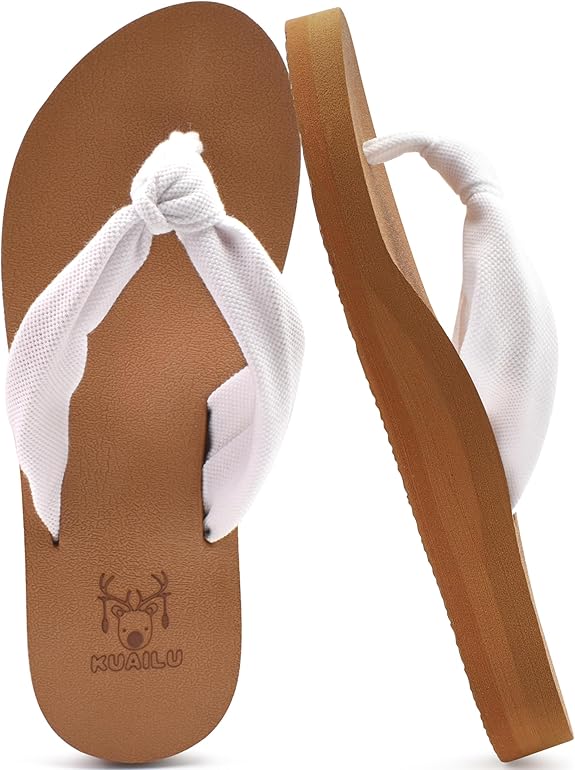
KuaiLu
Flip Flops with Arch Support
Cushioned, lightweight sandals with supportive arch design—a practical choice for beach trips, errands, and long summer walks.
Shop the sandals
baleaf
Athletic One-Piece Swimsuit
A functional one-piece with adjustable straps and moderate coverage, designed for swimming, training, surfing, and active beach days.
Shop the swimsuit
Astylish
Linen-Cotton Button-Down Shirt
A relaxed cotton-linen shirt with a collared V-neck and roll-up sleeves—easy to style over swimwear or with denim and shorts.
Shop the shirt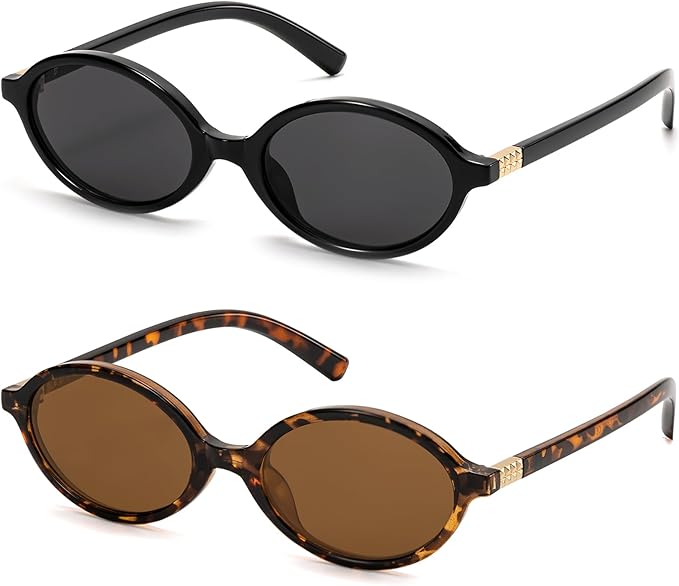
ViewJoy
Retro Oval Sunglasses
Small oval sunglasses with a 90s-inspired silhouette and UV400 lens protection—a quick way to add a vintage edge to everyday looks.
Shop the sunglasses
Affiliate disclosure: This section contains affiliate links. If you make a purchase through these links, I may earn a commission at no additional cost to you. Product selection, pricing, availability, and delivery terms may change—please review the current details on Amazon before purchasing.
As an Amazon Associate I earn from qualifying purchases.