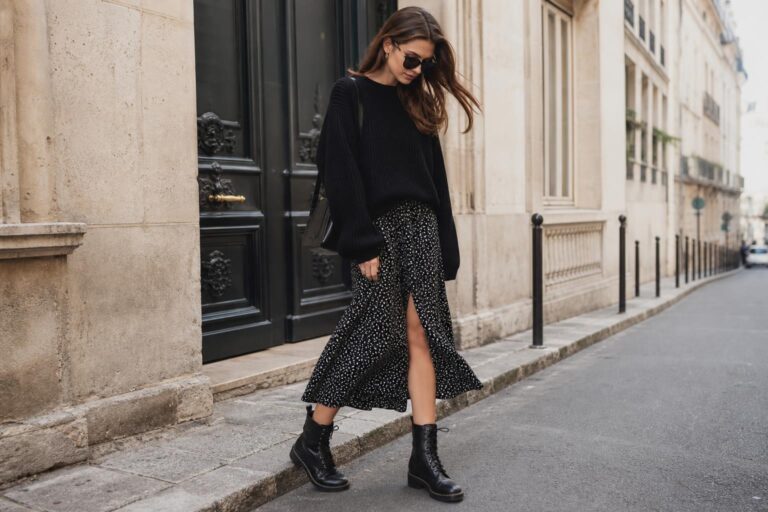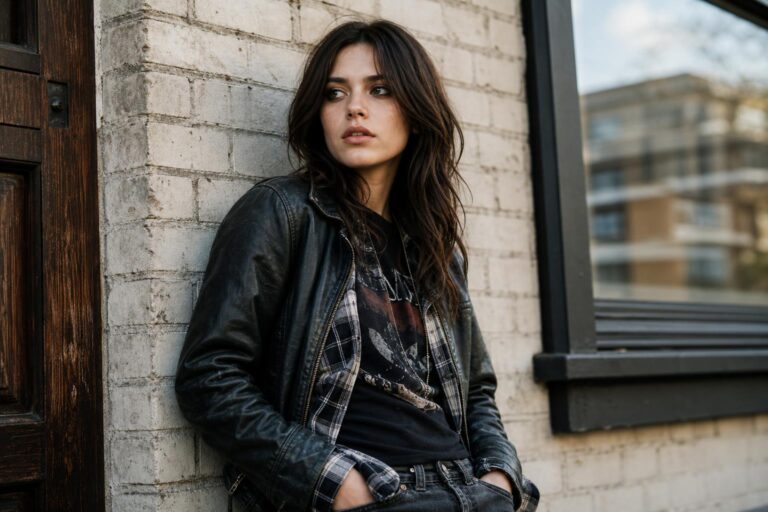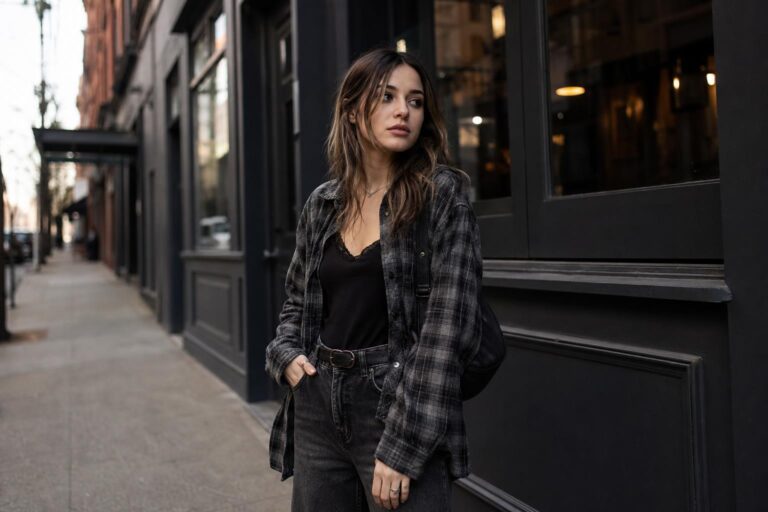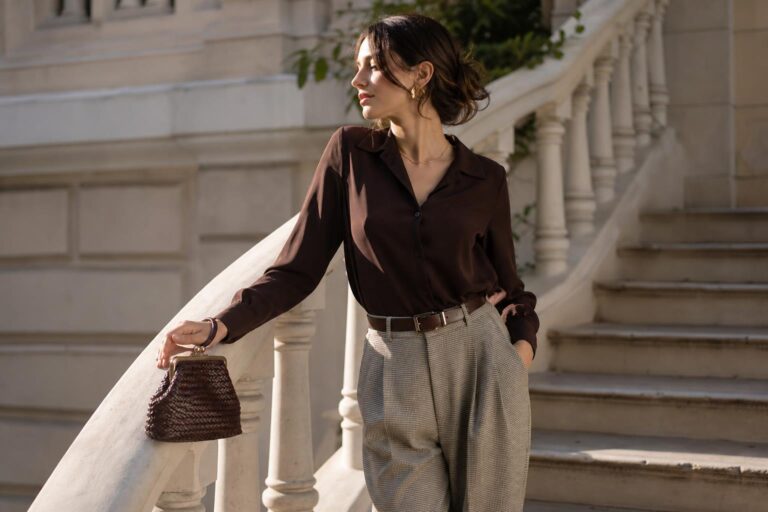
Pink Alternative Fashion That Feels Fresh, Bold, and Wearable
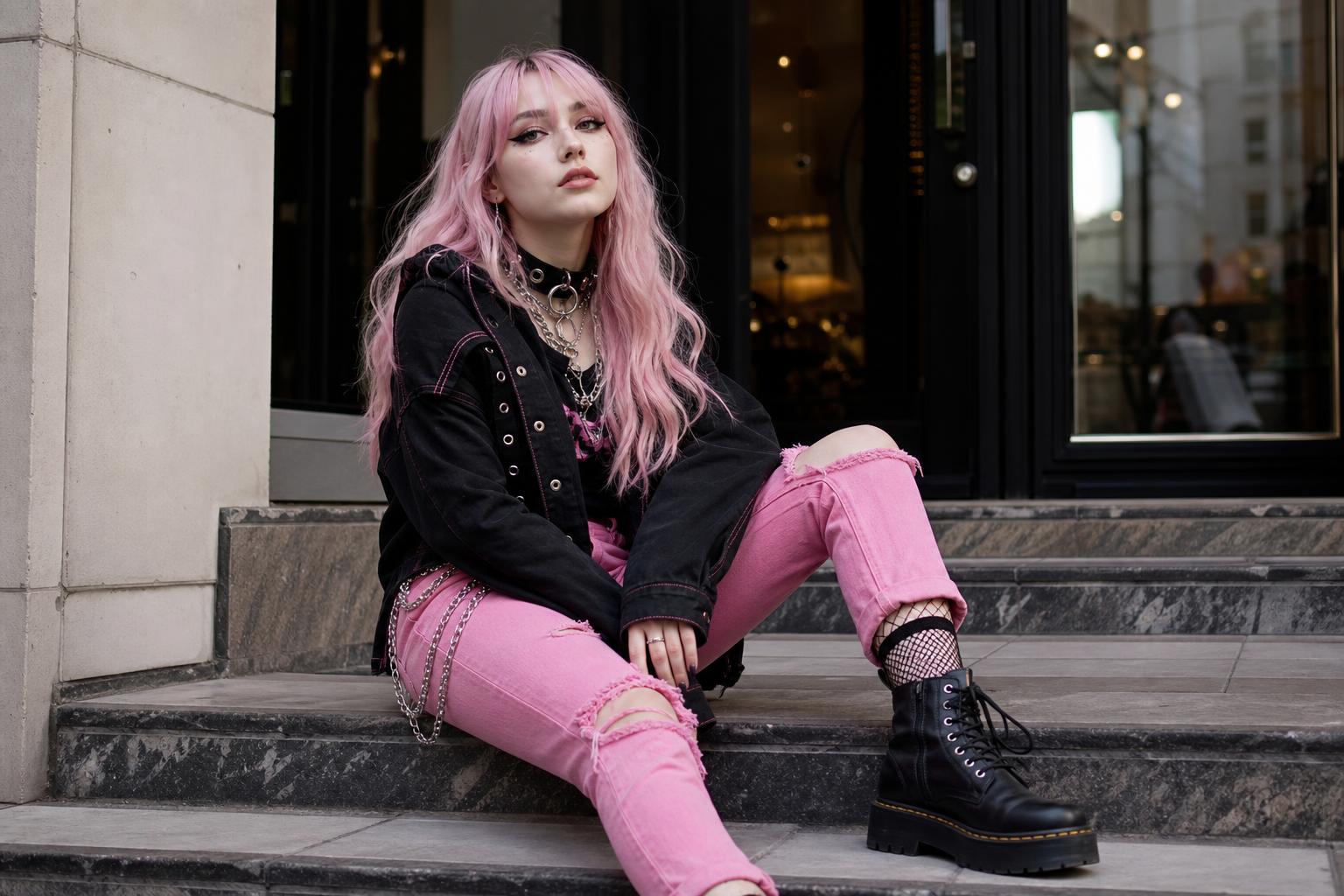
Pink no longer sits outside the darker corners of style. In pink alternative fashion, it changes the mood of goth, softens punk, brightens kawaii, and gives visual kei or decora a sharper sense of contrast. That is exactly why this area of fashion feels so interesting right now: the same color can read sweet, rebellious, glossy, eerie, playful, or deliberately artificial depending on silhouette, fabric, and styling context.
People often group pastel goth, Barbiecore, pink punk, and Japanese pink-led substyles into one broad aesthetic because they all share rosy palettes. In real outfits, though, they function very differently. A black-and-pink pastel goth look builds tension. A Barbiecore outfit usually leans into saturation and hero-color dressing. Decora and visual kei use pink as part of a busier visual language, while soft punk treats it more like a twist on attitude than a full mood on its own.
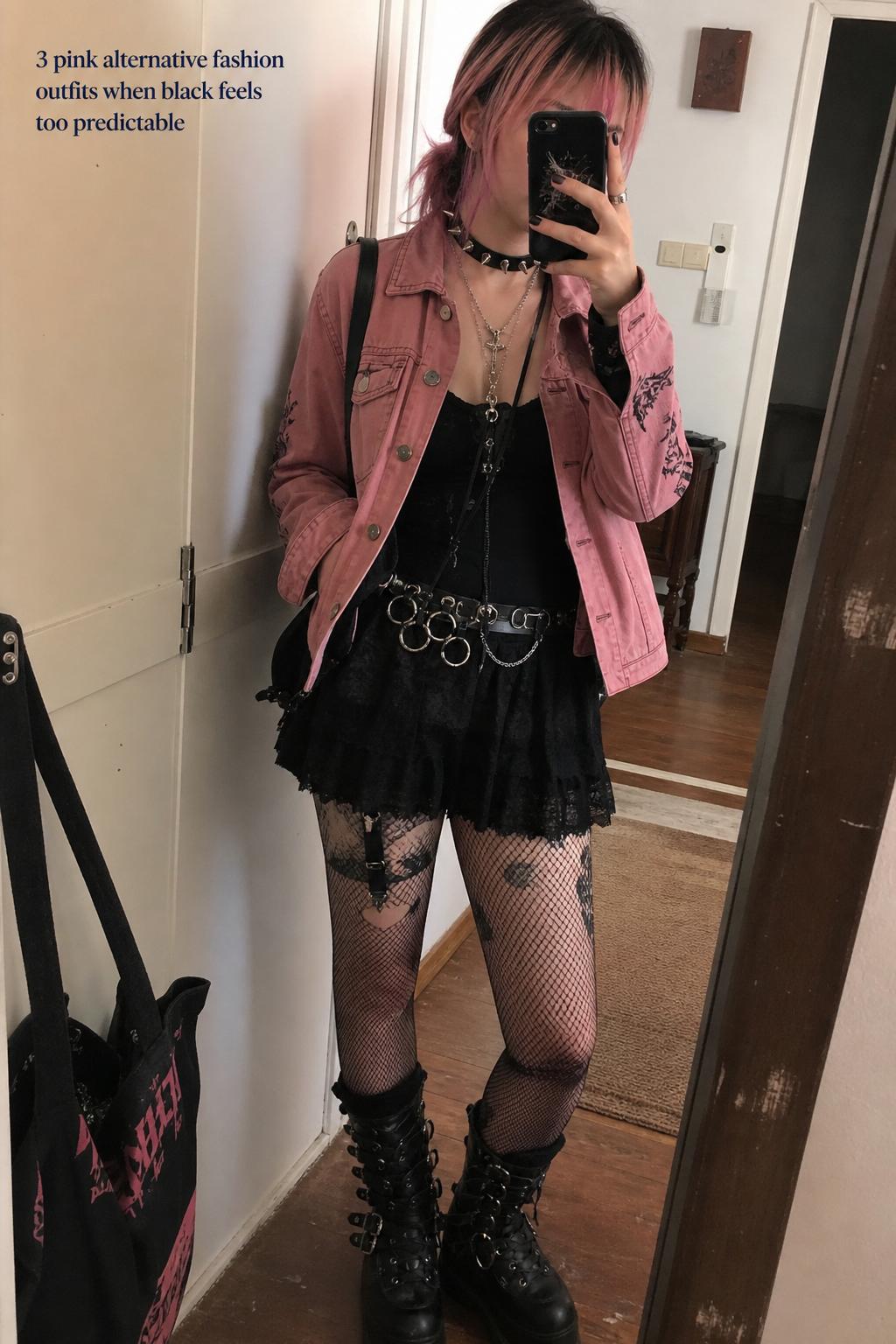
This breakdown looks closely at how pink alternative fashion works in everyday wardrobes, how the major substyles differ, what details instantly change the impression of an outfit, and how to decide which version of pink feels most natural for your closet, lifestyle, and styling instincts.
The Fashion-Note Edit
Five effortless pieces to refresh your everyday wardrobe
A polished, practical edit for workdays, weekends, and everything in between.

The Drop
Women’s Blake Long Blazer
A longline, tailored blazer with a notched collar and a single-button closure—an easy layer for denim, dresses, or office-ready looks.
Shop the blazer
Amazon Essentials
Women’s Lightweight Crewneck
A soft, lightweight sweater with a clean crew neckline—the kind of reliable layer that works from cool mornings to air-conditioned spaces.
Shop the sweater
Amazon Essentials
Women’s Loafer Flat
A classic flat loafer that gives casual outfits a more polished finish and pairs naturally with tailored pants, skirts, and straight-leg jeans.
Shop the loafers
Levi’s
Women’s 501 90s Jeans
A relaxed, vintage-inspired take on the iconic 501 silhouette—made for an easy, lived-in look without the thrift-store search.
Shop the jeans
Colorfulkoala
High-Waisted 7/8 Leggings with Pockets
Soft, four-way-stretch leggings with side pockets and a high-rise waistband—designed for movement, errands, and off-duty comfort.
Shop the leggings
Affiliate disclosure: This section contains affiliate links. If you make a purchase through these links, I may earn a commission at no additional cost to you. Product selection, pricing, availability, and delivery terms may change—please review the current details on Amazon before purchasing.
As an Amazon Associate I earn from qualifying purchases.
What pink alternative fashion actually means
Pink alternative fashion sits under the broader umbrella of alternative fashion, but instead of treating pink as a novelty accent, it makes pink part of the aesthetic logic. That can mean blush and black in pastel goth, high-saturation glossy pink in Barbiecore, candy tones in kawaii and decora, or sharper pink touches inside punk and dark alt wardrobes. The color is the shared thread, but the styling philosophy changes from substyle to substyle.
Your wedding style is personal.
Your plan should feel that way, too.
Zarellea keeps your guest list, budget, vendors, and every next step beautifully organized — so you can focus on the moments that feel like you.
What makes the category feel modern is how many references can exist in one outfit. A reader might wear a pink dress with black fishnets and a choker for a soft goth mood, or style pink denim with darker layers for an easier street-level version of alt dressing. Pink can feel romantic, but in alternative fashion it often works through contrast: sweet against severe, glossy against distressed, pastel against heavy texture, or bright against charcoal and black.
That is also why the term gets used across magazines, e-commerce shops, and style guides. It can describe a full subculture look or simply a color-led way of interpreting goth, punk, kawaii, gyaru, or visual kei influences.
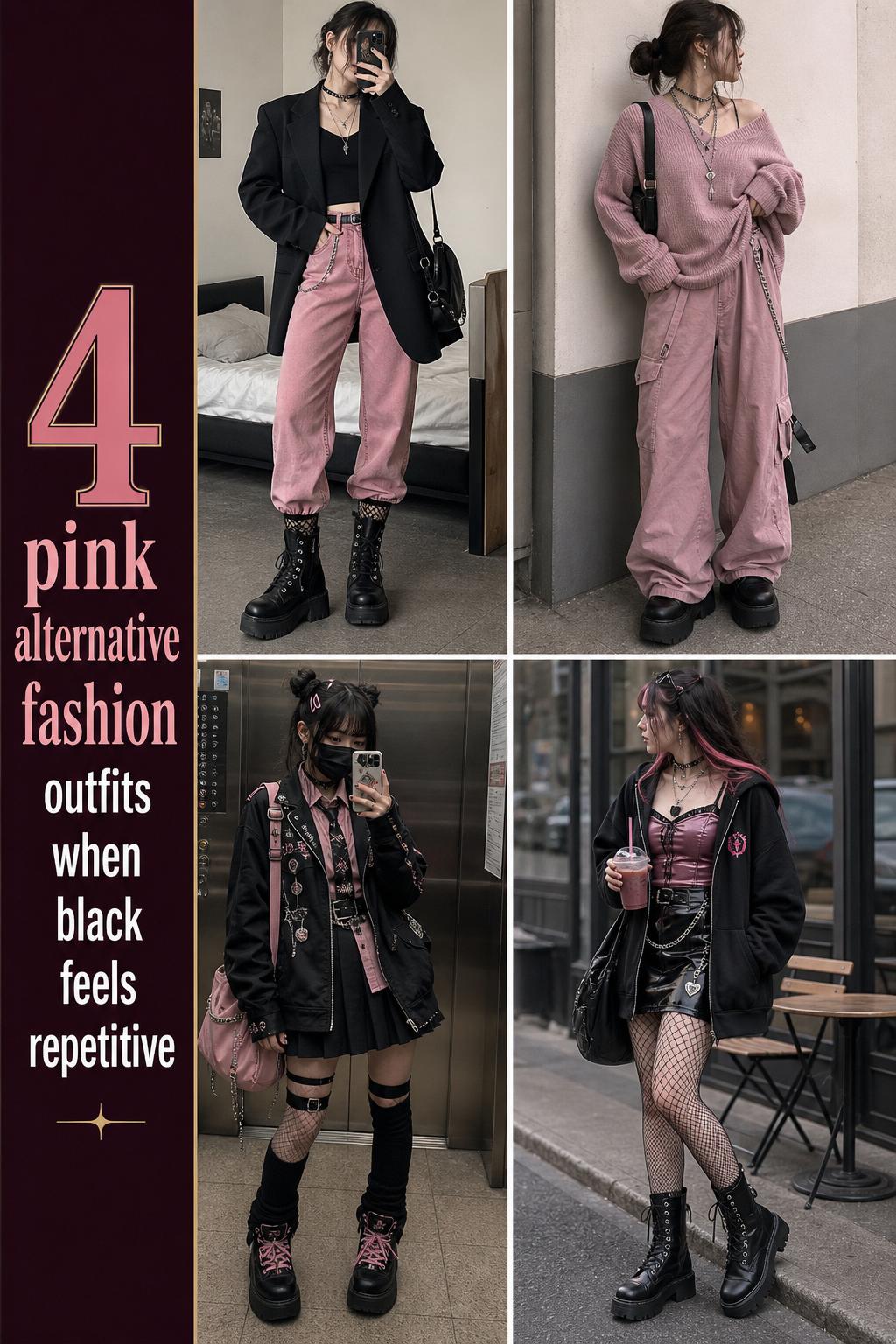
The main pink aesthetics people compare most often
Pastel goth: softness with tension
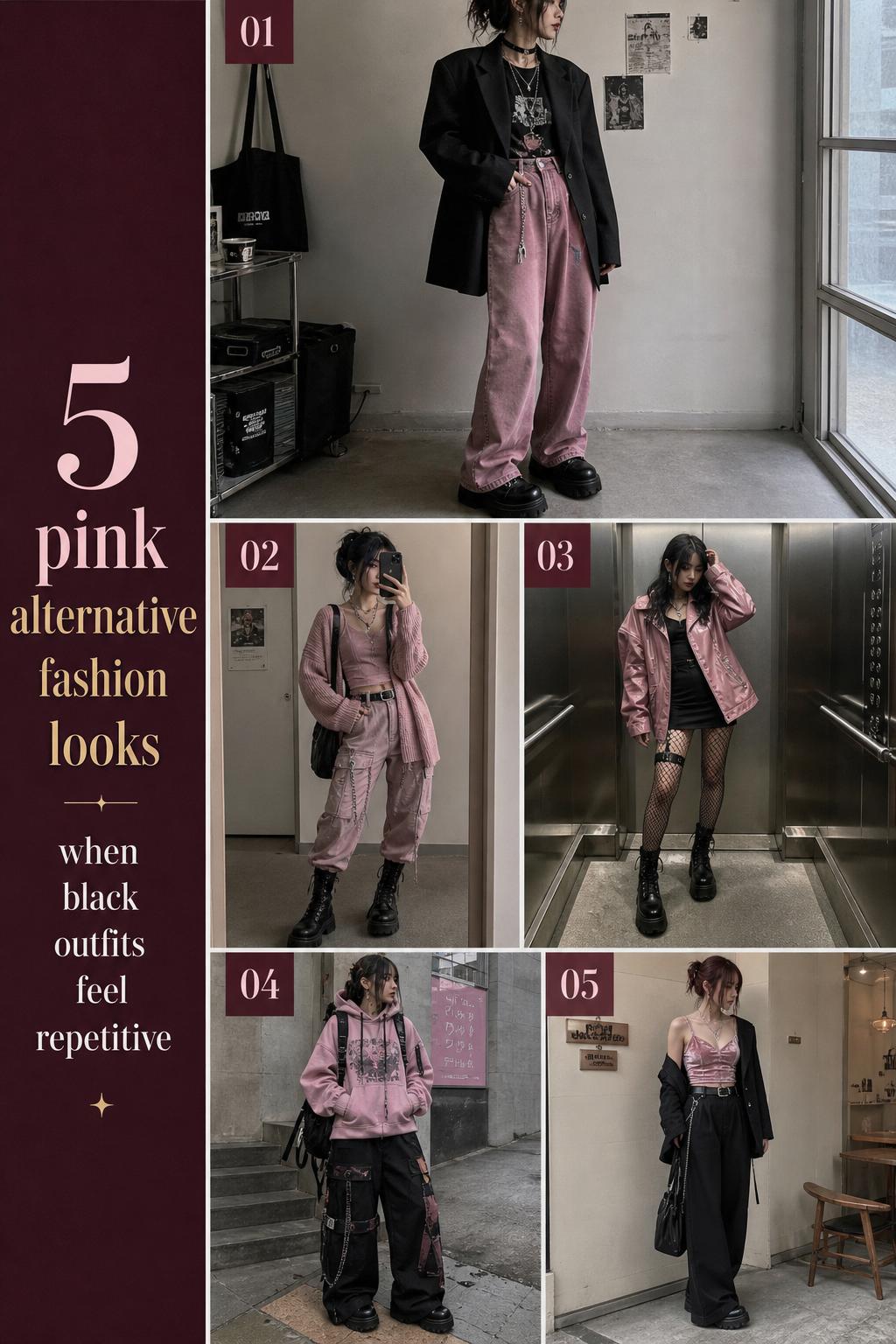
Pastel goth is probably the most recognizable version of pink alt dressing because the visual formula is so clear. It combines gothic references with pastel colors, especially pink, and usually relies on contrast rather than purity. The silhouette might still suggest goth through dresses, jackets, chokers, fishnets, or heavier footwear, but the palette interrupts the darkness with blush, candy pink, or other softened shades.
What makes pastel goth feel distinct is that the pink is never completely innocent. Black gives it edge, and the edge makes the pink look intentional rather than merely cute. This is why a pastel goth outfit often feels stronger in real life when it includes at least one grounding element: a dark jacket, a structured bag, darker footwear, or layered accessories that stop the outfit from becoming too airy.
Barbiecore: pink as the whole statement
Barbiecore treats pink as the hero color rather than a balancing act. Where pastel goth asks pink to play against darkness, Barbiecore usually lets pink dominate the look. The effect is glossier, more direct, and often more polished. Silhouettes can feel cleaner, materials can look shinier, and the outfit tends to create impact through saturation rather than contrast alone.
In a pink alternative fashion context, Barbiecore matters because it intersects with alt dressing without fully becoming goth or punk. A wearer might borrow the confidence of Barbiecore, then add alternative elements through sharper accessories, unusual layering, or a less traditionally polished finish. That is where the crossover becomes useful: not every pink alt outfit has to look dark to feel alternative.
Visual kei and decora: pink in a high-information outfit
Visual kei and decora approach pink differently from both pastel goth and Barbiecore. These styles come from Japanese subculture fashion and tend to make pink part of a fuller visual system. In visual kei, pink can appear inside more dramatic or directional styling. In decora, pink often joins a layered, playful, highly decorated outfit language. The key difference is that pink is rarely left to carry the entire look by itself.
That creates a more crowded, expressive silhouette. If Barbiecore can feel color-led and clean, decora and visual kei can feel image-led and detail-heavy. Accessories, proportions, and category references matter more. A pink item in these aesthetics rarely reads minimal, even when the actual garment is simple.
Soft punk and punk-candy hybrids: disruption through color
Soft punk or pink punk outfits use pink less as romance and more as disruption. The shape vocabulary still comes from punk or alt fashion, but pink changes the emotional register. It can make a look feel younger, more ironic, or less expected. A pink accent in a punk outfit is often effective because it interrupts the standard black-heavy formula without removing the attitude.
This version of pink alternative fashion is especially wearable for readers who already own darker basics. Instead of rebuilding the wardrobe, they can introduce pink through accessories, jackets, pink denim, or a single statement piece and still keep the outfit rooted in a familiar alt silhouette.
Why these styles get confused so easily
The confusion usually comes from color-first thinking. Once people see pink, they often assume the styling message is the same. In reality, the mood is built by what surrounds the pink. Black-pink pairing signals something different from all-pink saturation. A pink dress with darker layered accessories feels different from a pink dress styled cleanly with glossy emphasis. A pink accessory in a visual kei or decora outfit does different work than it would in a pared-back Barbiecore look.
Another reason is shopping environments. E-commerce stores and blogs often group pink-led products together even when the actual aesthetics are separate. A shopper might see pastel goth dresses, kawaii accessories, visual kei sets, and Barbiecore pieces in adjacent categories, which makes the visual language blur. Stores such as pastelgoth.co, Shoptery, Rags and Rebels, and other alternative fashion retailers reinforce the overlap because pink works commercially across several substyles at once.
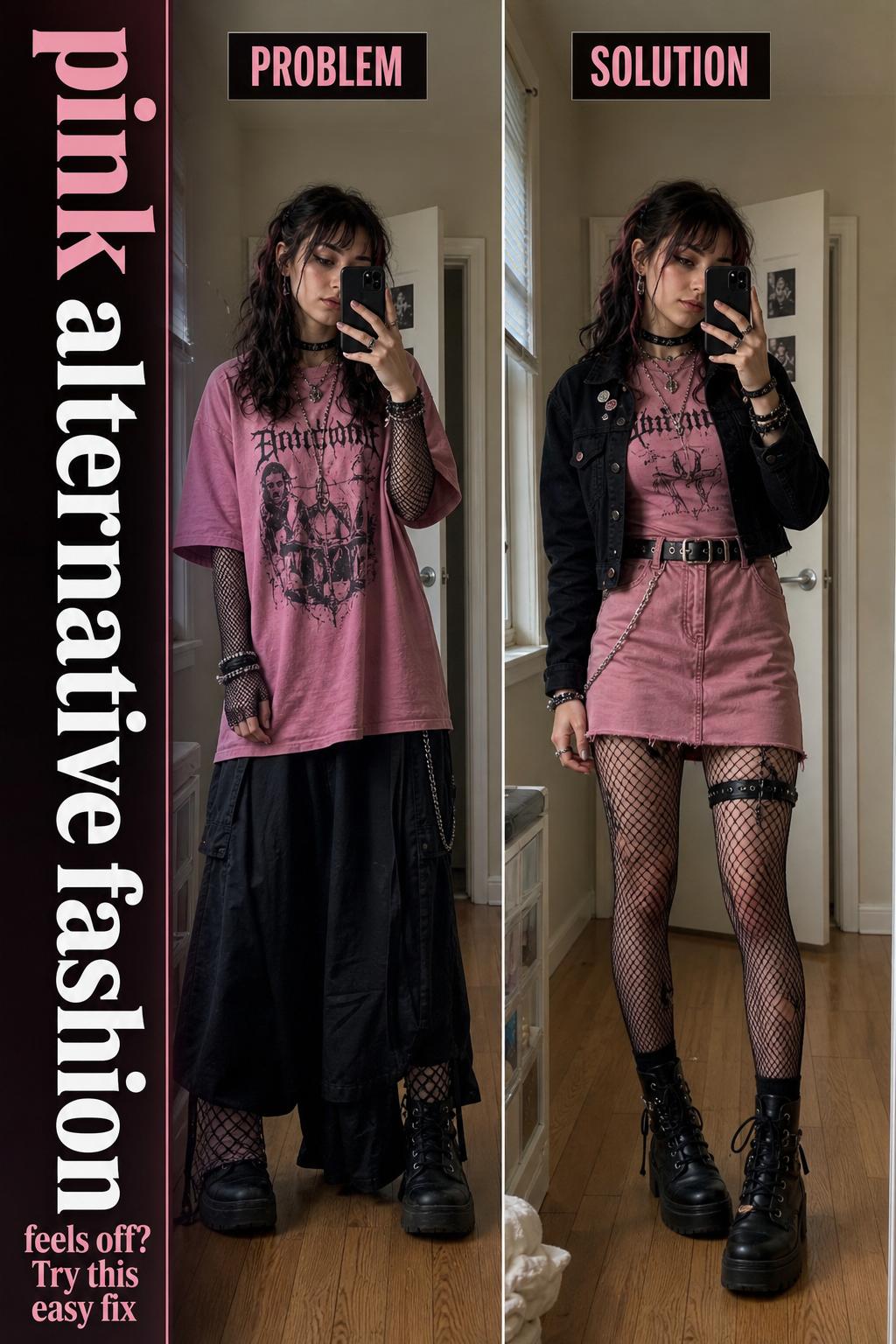
The differences that change the whole impression
Silhouette direction
Pastel goth usually looks best when the shape keeps some darkness or weight. Even if the color is light, the outline often benefits from structure, layering, or a slightly harder finish. Barbiecore tends to feel more complete when the silhouette allows the color to stay visible and uninterrupted. Visual kei and decora often accept more visual complexity, so the silhouette can feel less controlled but more expressive.
Color harmony
Pastel goth relies on pink plus black as its core tension. Barbiecore pushes pink into a more dominant role, often allowing related rosy tones to build a stronger monochrome effect. Scandi pink, as seen in broader color-trend conversations around Copenhagen and Nordic styling, feels cleaner and more practical, with pink working inside a calmer palette rather than a theatrical one. That makes it useful as a reference point for readers who want pink without full costume energy.
Texture and finish
A glossy pink fabric creates a completely different message than matte cotton, velvet, denim, or vinyl. Barbiecore often reads strongest in shinier or more polished finishes, while pastel goth can absorb softer or moodier textures. Pink denim creates a casual, street-friendly version of the trend, which is why magazine coverage around pink jeans feels so relevant: denim lowers the barrier and makes pink easier to wear daily.
Accessory logic
If the accessories are dark, strapped, layered, or visibly subculture-coded, the pink starts leaning alt fast. If the accessories stay smooth and polished, the outfit may drift toward a cleaner Barbiecore or trend-led pink look. In decora and kawaii styling, accessories become part of the main event rather than a finishing touch. That is often the quickest way to tell the difference.
How to instantly tell the difference in real-life outfits
- If pink is softened by black, fishnets, chokers, or gothic references, you are likely looking at pastel goth or soft goth territory.
- If pink dominates the outfit with a more polished, glossy, or hero-color effect, the look is moving toward Barbiecore.
- If the outfit feels busy, decorated, and layered with a stronger Japanese subculture energy, pink is probably being used through visual kei, decora, or kawaii logic.
- If the base looks punk or dark alt and pink appears as a sharp interruption, the outfit fits better into pink punk or a soft punk hybrid.
- If the overall effect feels restrained, practical, and color-conscious rather than theatrical, the pink may align more closely with Scandi pink styling than with a full alternative substyle.
Seeing the outfits in context
A casual city coffee run
A pastel goth version of this outfit might use pink denim with a black top, a dark jacket, and heavier accessories. The pink feels integrated but still contrasted, which keeps the outfit grounded for daytime wear. This is often one of the easiest ways to wear pink alternative fashion in the U.S. without feeling overdone, especially for readers who want the mood of alt fashion but still need an outfit that works in ordinary urban settings.
A Barbiecore version of the same situation would likely keep the pink more continuous. Instead of relying on black for tension, it would let the color create the impact. The outfit reads brighter, more direct, and less mysterious. Both work, but the first feels moodier and more layered, while the second feels cleaner and more statement-led.
An event or subculture meetup
For a meetup shaped by alt scenes or Japanese subculture references, visual kei and decora styling make more sense because they can hold more detail. Pink in this setting does not need to be subtle. It can be one part of a denser outfit language, with categories and accessories doing as much work as the color itself. The mood is expressive and social rather than streamlined.
Pastel goth still works for an event setting, but it creates a more edited image. The look is easier to read from a distance because the black-pink contrast is so immediate. If your goal is a stronger silhouette with less visual clutter, pastel goth tends to deliver that more clearly.
An everyday shopping or travel day
Travel and long walking days usually expose whether a pink aesthetic is actually wearable. Pink denim, a softer jacket, practical footwear, and a few alt accessories often work better than a highly saturated or heavily decorated outfit. This is where soft punk and toned-down pink goth styling have an advantage. They translate into movement, comfort, and layering more naturally than a look built entirely around one showpiece color moment.
For readers who love the idea of pink but need realistic clothes, this is an important distinction. The best pink alt wardrobe is not always the most visually dramatic one. It is often the one that can shift from a casual afternoon to a dinner or evening event just by changing accessories and adding one sharper layer.
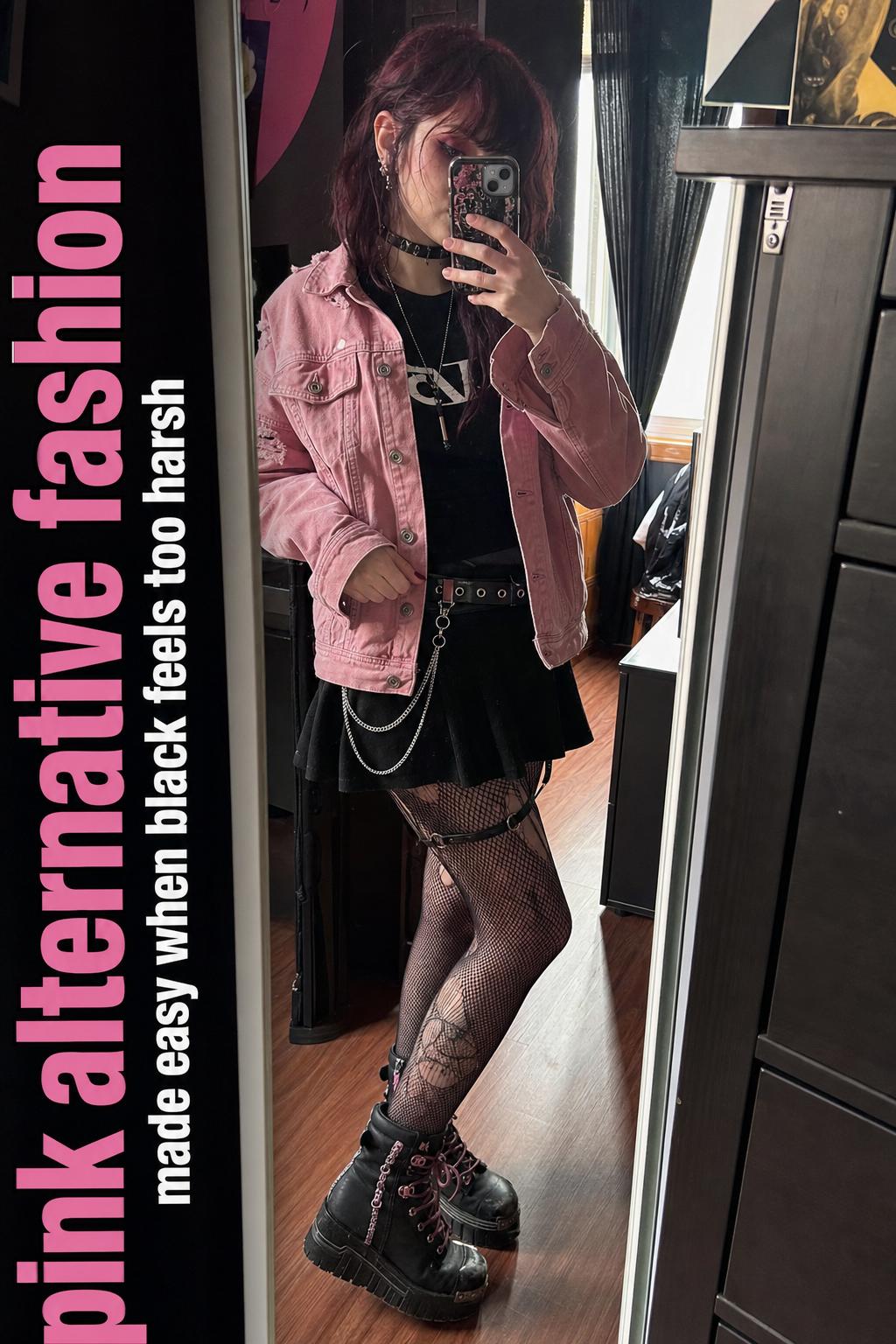
The wardrobe-building logic behind each style
A good pink alt wardrobe works best when it starts with styling function rather than impulse buying. Many readers are drawn to pink dresses, pink jackets, or pink accessories first, but those pieces only feel useful when they connect to a stable substyle direction. Building around a visual idea keeps the closet from turning into a mix of disconnected trend pieces.
For pastel goth wardrobes
- Start with black grounding pieces so pink has contrast.
- Add one or two pink statement garments rather than filling the closet with light tones too quickly.
- Use texture to stop the palette from feeling flat: velvet, vinyl, denim, or layered fabrics make the look feel more intentional.
- Choose accessories that keep a slight edge, especially if the base garments are soft in color.
For Barbiecore-leaning alt wardrobes
- Keep the pink palette more continuous and let one shade lead.
- Focus on clean shapes and polished finishes so the color remains the main statement.
- Introduce alternative details carefully, otherwise the outfit can lose its strong visual point.
- Use bags, footwear, or a sharper jacket if you want the look to feel less mainstream.
For visual kei, decora, and kawaii wardrobes
These wardrobes rely more on category depth. A pink item matters, but so does the overall outfit language around it. Layering, accessories, and a sense of scene are essential. A simple pink dress on its own may not fully communicate the style, while the same dress inside a more detailed, subculture-aware outfit can read correctly right away.
For soft punk wardrobes
Soft punk wardrobes are often the easiest entry point because they can grow from an existing dark closet. Pink accessories, pink denim, or one pink jacket can shift the entire outfit without demanding a full reset. This route is practical for readers who like alt fashion but want to keep the wardrobe flexible for everyday life.
Key pieces that define each look
Not every pink item does the same work. Some garments immediately identify a substyle, while others are more neutral and can move across several moods. Understanding that difference saves money and makes outfits more coherent.
- Pink dresses often push the look toward Barbiecore, kawaii, or pastel goth depending on styling.
- Pink denim is one of the easiest cross-style pieces because it can be casual, trend-led, or alt depending on the layers around it.
- Pink accessories are the safest way to test a substyle before committing to full outfits.
- Pink footwear can either sharpen the outfit or make it feel playful, depending on what else is in the look.
- Pink jackets tend to set the mood quickly because outerwear frames the entire silhouette.
Brands and shopping ecosystems shaping the pink alt landscape
The pink alt market is spread across different kinds of platforms. Fashion media such as Who What Wear frame pink through trends like pink jeans and seasonal styling. Stores such as pastelgoth.co center pastel goth directly. Retailers like Rags and Rebels and Midnight Rebellion lean into broader alternative fashion assortments where pink appears as a palette variation inside goth, emo, and punk. Shoptery brings in Japanese subculture references like visual kei, gyaru, and decora. Blog-retail spaces such as L. Royalty Clothing use trend terms like Barbiecore to connect pink with current shopping behavior.
That range matters because shopping for pink alternative fashion is rarely about one store doing everything well. Readers usually need to decide whether they want a subculture-specific wardrobe, a trend-led pink wardrobe with alt crossover, or a mixed closet where pink appears in selected statement pieces. The first path is more coherent. The second is easier to wear. The third is often the most realistic.
Tips for making pink look intentional, not accidental
Pink works best in alt fashion when it looks chosen rather than added at the last minute. The easiest mistake is treating pink as a novelty piece without adjusting the rest of the outfit. That usually creates a mismatch between mood and styling message.
- Repeat pink somewhere else in the outfit, even in a small way, so the color feels anchored.
- If the garment is very sweet in shape, add one darker or sharper element to keep the look balanced.
- If the pink fabric is glossy, simplify the silhouette so the finish can stand out.
- If the outfit already has many accessories, keep the pink shade consistent rather than introducing too many competing tones.
- For everyday wear, denim and jackets are often easier than dresses because they blend into existing wardrobes more naturally.
Color palette decisions that change the mood
Shades of pink matter more than many shoppers expect. Blush, millennial pink, candy pink, rose quartz, and stronger rosy tones do not create the same effect even when the silhouette is similar. Lighter pinks can drift sweet or ethereal quickly, which is why they often need darker support in pastel goth outfits. More saturated pinks can carry a whole look, which is why they suit Barbiecore so well.
Pairing also changes everything. Pink with black looks more dramatic. Pink with white reads cleaner. Pink with charcoal often feels calmer and easier for daytime. Neon accents can push pink into a more expressive, scene-oriented direction. If you are building a practical wardrobe, this is the part worth slowing down for. The same pink jacket can feel entirely different depending on whether it is worn with black layers, softer neutrals, or brighter contrast colors.
Skin tone and visibility matter in a practical way as well. Some shades of pink will feel more wearable close to the face, while others are easier as skirts, denim, or bags. That is not a rule about who can wear pink. It is simply a useful styling decision that helps the outfit feel more natural in daily life.
Where each version of pink works best
For everyday casual dressing
Pink denim, a pink jacket, or a dark outfit with pink accessories usually works best for day-to-day wear. This approach is practical for errands, coffee runs, travel days, or a casual city afternoon because the silhouette stays familiar while the palette adds personality.
For trend-focused social settings
Barbiecore makes more impact in settings where color can do the talking. Dinner, parties, fashion-focused meetups, and content-friendly environments suit it well because the outfit reads clearly and photographs strongly. It asks less from layering and more from confidence and finish.
For alt scenes and subculture events
Pastel goth, visual kei, decora, and kawaii-leaning pink outfits generally feel strongest in spaces where references will be recognized. Their details become part of the appeal. The styling can be more expressive because the environment supports it.
A brief look at the broader style context
Pink in alternative fashion does not exist in isolation. It sits inside a wider history of subcultural crossover, trend cycles, and changing fashion palettes. Reference points from the 1980s and retro denim styling still shape pink jeans conversations. Goth and punk continue to influence how pink gets “toughened up.” Japanese styles like visual kei, gyaru, and decora expand what pink can mean beyond softness. More recently, Barbiecore and broader global trend discussions, including Scandi pink linked with places like Copenhagen, have given pink new visibility across both mainstream and alternative spaces.
That mix is why pink alternative fashion feels especially current. It can move between shopping categories, media trend stories, and subculture-specific wardrobes without losing its point of view.
Common styling mistakes that weaken the look
The most common mistake is mixing substyle signals without deciding which one should lead. A reader may combine a glossy Barbiecore dress, heavy gothic accessories, and decora-style detailing in one outfit and end up with a look that feels visually uncertain rather than creative. Blending styles can absolutely work, but one message needs to stay dominant.
Another issue is ignoring fabric behavior. Pink can already draw attention, so if the fabric is shiny, bulky, or stiff, the silhouette needs control. Likewise, if the fabric is very soft or faded, the outfit may need stronger accessories or darker layers to avoid looking washed out. This is especially true when styling pink with black, because the contrast can either sharpen the look beautifully or expose how unfinished it is.
How to blend these aesthetics without losing clarity
The easiest way to blend styles is to choose one dominant silhouette and let the second influence only the palette or accessories. For example, a pastel goth outfit can borrow Barbiecore saturation in one statement piece without becoming Barbiecore. A soft punk look can borrow kawaii pink accessories without shifting fully into decora. A visual kei outfit can use a cleaner rosy palette without losing its identity if the overall shape and detailing still hold.
In practical terms, this means asking one simple question before getting dressed: is the outfit led by contrast, saturation, decoration, or attitude? Once that answer is clear, the rest of the styling decisions usually follow more easily.
FAQ
What is pink alternative fashion?
Pink alternative fashion is a color-led branch of alternative fashion that uses pink within substyles such as pastel goth, soft goth, punk, kawaii, visual kei, decora, and Barbiecore-inspired looks. The difference between these styles is not just the color itself, but how pink is combined with silhouette, layering, texture, and accessories.
How is pastel goth different from Barbiecore?
Pastel goth relies on contrast, especially pink with black, to create a softer but still dark mood. Barbiecore usually treats pink as the main statement and often feels cleaner, glossier, and more color-saturated. One style builds tension through contrast, while the other builds impact through pink dominance.
Can pink work in goth looks without losing the gothic feel?
Yes, as long as the outfit keeps enough grounding elements. Black layers, darker accessories, fishnets, chokers, structured outerwear, or moodier textures help pink feel integrated into goth or soft goth styling rather than separate from it.
What are the easiest pink pieces to start with?
Pink denim, a pink jacket, and pink accessories are usually the easiest starting points because they can work with an existing dark wardrobe. They let you test the mood of pink alternative fashion without needing to rebuild your entire closet around one color.
Where can visual kei and decora pink look different from Western pink trends?
Visual kei and decora use pink inside more detailed, subculture-specific outfit systems. The color is part of a fuller styling language that includes stronger accessories, layered references, and more expressive proportions. That makes these looks feel less like a simple color trend and more like a complete aesthetic direction.
Is pink denim part of pink alternative fashion?
Yes. Pink denim is one of the most wearable entries into the category because it translates pink into an everyday fabric. It can be styled casually, paired with darker layers for an alt mood, or used to connect trend-led pink dressing with a more practical wardrobe.
How do I style pink with black without making the outfit feel harsh?
Use pink as the visual softener and let black provide structure rather than overpowering contrast. A balanced silhouette, repeated color placement, and textures such as denim, velvet, or softer fabrics can keep the outfit from feeling too severe while still preserving the edge that makes pink-and-black styling so effective.
Which pink alt style is easiest for everyday wear?
Soft punk, toned-down pastel goth, and pink-denim-based outfits are usually the easiest for everyday life because they work with familiar layers and practical footwear. Full Barbiecore, decora, or highly detailed visual kei looks can be more situational depending on where you live and how expressive you want your daily wardrobe to be.
Can I combine multiple pink aesthetics in one wardrobe?
Yes, but it helps to keep each outfit anchored by one main idea. You can mix pastel goth, Barbiecore, kawaii, or punk influences in the same wardrobe as long as individual looks still have a clear styling direction. The easiest way to do that is to let one substyle lead the silhouette and let the others appear through accessories or color choices.
Finish the look
The little extras that make a summer outfit feel complete
From beach days to city weekends, these easy pieces bring comfort, texture, and a polished finishing touch.

FENBEN
Straw Hobo Crossbody Bag
A handwoven straw bag with both short and crossbody straps—an effortless finishing touch for vacation looks and warm-weather outfits.
Shop the bag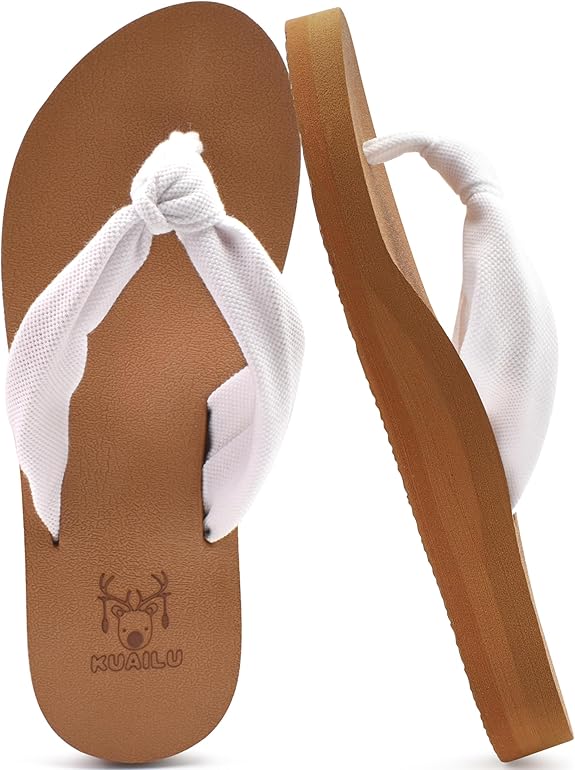
KuaiLu
Flip Flops with Arch Support
Cushioned, lightweight sandals with supportive arch design—a practical choice for beach trips, errands, and long summer walks.
Shop the sandals
baleaf
Athletic One-Piece Swimsuit
A functional one-piece with adjustable straps and moderate coverage, designed for swimming, training, surfing, and active beach days.
Shop the swimsuit
Astylish
Linen-Cotton Button-Down Shirt
A relaxed cotton-linen shirt with a collared V-neck and roll-up sleeves—easy to style over swimwear or with denim and shorts.
Shop the shirt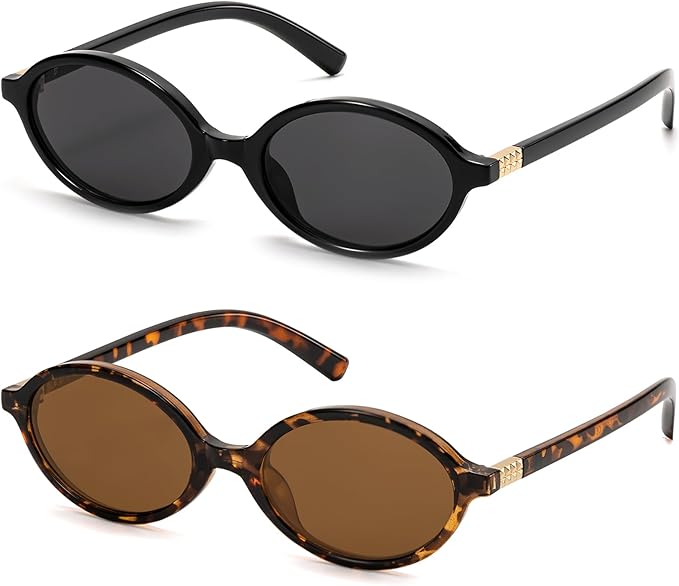
ViewJoy
Retro Oval Sunglasses
Small oval sunglasses with a 90s-inspired silhouette and UV400 lens protection—a quick way to add a vintage edge to everyday looks.
Shop the sunglasses
Affiliate disclosure: This section contains affiliate links. If you make a purchase through these links, I may earn a commission at no additional cost to you. Product selection, pricing, availability, and delivery terms may change—please review the current details on Amazon before purchasing.
As an Amazon Associate I earn from qualifying purchases.