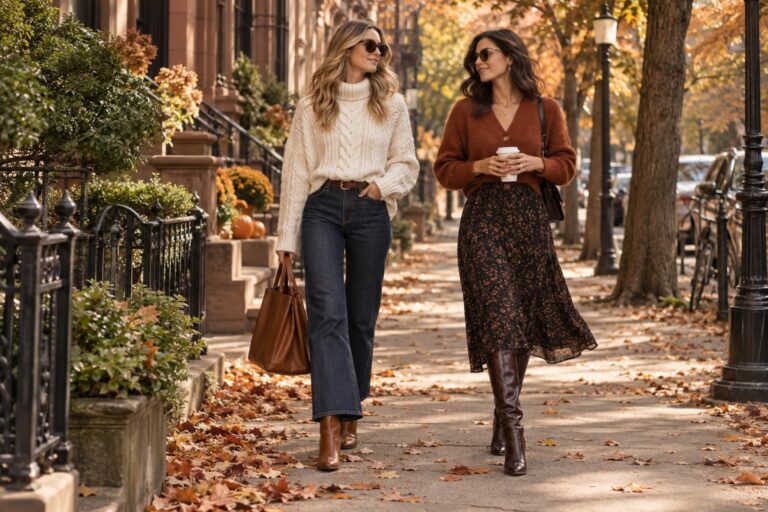
Sweater Weather Outfits: A Practical Styling Guide
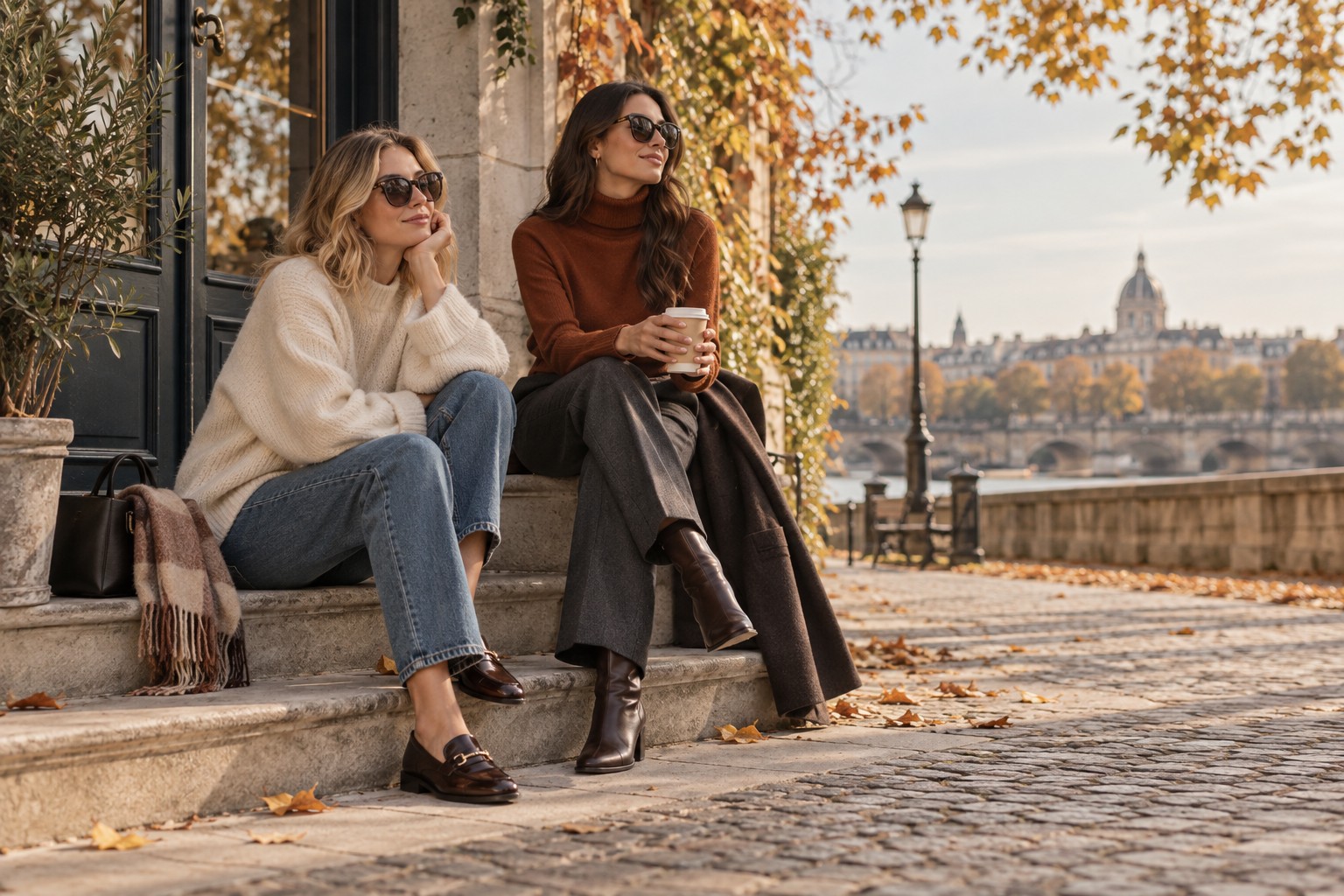
The best sweater weather outfits make a cool day easier without turning you into a shapeless bundle of layers. You want enough warmth for the walk outside, enough flexibility for a heated room, and enough structure that the outfit still feels intentional after you remove your coat. That balance comes from a few decisions, not from owning a closet full of new knitwear.
Start by looking at the sweater you want to wear, then decide what the rest of the outfit needs to do. A thick oversized knit usually needs a cleaner, slimmer base below it. A fitted ribbed sweater can support a fuller skirt or relaxed trouser. A cropped cardigan may need a high waist, while a longline layer can create an easy column over a dress. The formulas below help you choose quickly and adjust the look when the weather or your schedule changes.
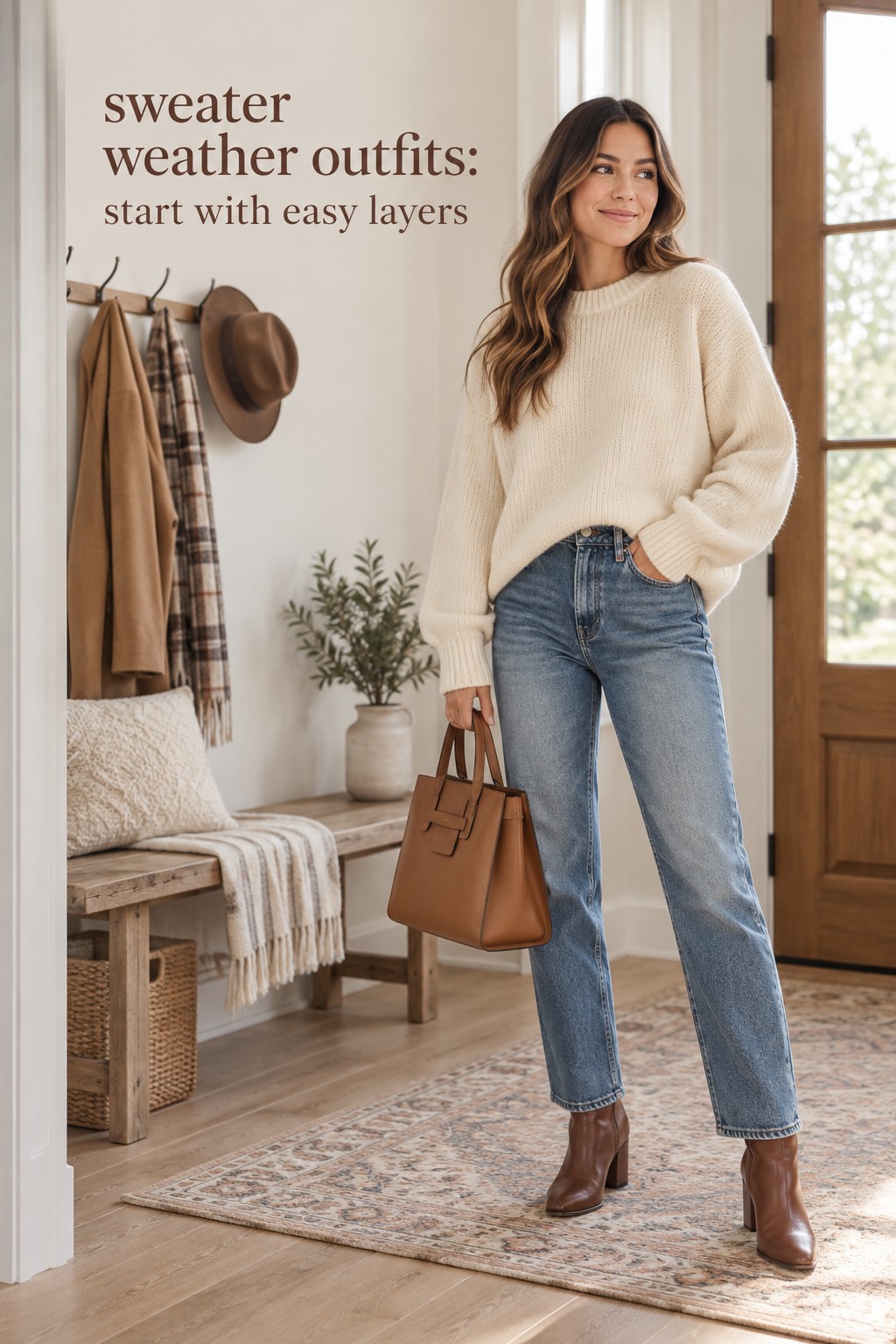
Start With the Sweater Weather Outfit Decision
Before you pull on the first cozy sweater you see, ask three short questions: How cold will the day feel? What silhouette do you want? What will you actually be doing? These questions keep a warm outfit from becoming too heavy, too casual, or impractical for the setting.
The Fashion-Note Edit
Five effortless pieces to refresh your everyday wardrobe
A polished, practical edit for workdays, weekends, and everything in between.

The Drop
Women’s Blake Long Blazer
A longline, tailored blazer with a notched collar and a single-button closure—an easy layer for denim, dresses, or office-ready looks.
Shop the blazer
Amazon Essentials
Women’s Lightweight Crewneck
A soft, lightweight sweater with a clean crew neckline—the kind of reliable layer that works from cool mornings to air-conditioned spaces.
Shop the sweater
Amazon Essentials
Women’s Loafer Flat
A classic flat loafer that gives casual outfits a more polished finish and pairs naturally with tailored pants, skirts, and straight-leg jeans.
Shop the loafers
Levi’s
Women’s 501 90s Jeans
A relaxed, vintage-inspired take on the iconic 501 silhouette—made for an easy, lived-in look without the thrift-store search.
Shop the jeans
Colorfulkoala
High-Waisted 7/8 Leggings with Pockets
Soft, four-way-stretch leggings with side pockets and a high-rise waistband—designed for movement, errands, and off-duty comfort.
Shop the leggings
Affiliate disclosure: This section contains affiliate links. If you make a purchase through these links, I may earn a commission at no additional cost to you. Product selection, pricing, availability, and delivery terms may change—please review the current details on Amazon before purchasing.
As an Amazon Associate I earn from qualifying purchases.
1. Choose warmth by the whole day, not the morning
Cool mornings and warm interiors are the reason sweater weather outfits can feel so difficult. A chunky cable knit may be comfortable at the bus stop but excessive in a heated office. A fine merino-style knit, cotton crewneck, or lightweight cardigan gives you more control when temperatures will change. If the day includes a long outdoor walk, add warmth with a coat, scarf, socks, or boots rather than automatically choosing the thickest sweater.
Your wedding style is personal.
Your plan should feel that way, too.
Zarellea keeps your guest list, budget, vendors, and every next step beautifully organized — so you can focus on the moments that feel like you.
Think of warmth as a stack. A thin base layer manages comfort next to your skin. The sweater provides the visible mid layer. The jacket or coat handles wind and rain. This makes the outfit easier to edit. You can remove the outer layer without losing the shape of the look, or swap a heavy knit for a lighter one when the forecast is mild.
2. Pick the silhouette before the color
Color is fun, but proportion determines whether a sweater outfit feels polished. Decide whether you want a relaxed, streamlined, cropped, or elongated shape. Then choose a bottom that supports it. An oversized sweater with straight jeans looks different from the same sweater with a floaty skirt, even if the color stays the same. The question is not whether a piece is fashionable. It is whether the volumes can share the outfit comfortably.
A simple rule is enough for most mornings: if the top is full, keep at least one line below it clean. That can mean a straight jean, a tapered trouser, a narrow midi skirt, or a fitted base under a longer layer. If the sweater is close to the body, you can add movement with wide-leg trousers, a pleated skirt, or a soft dress. This is a starting point, not a restriction.
3. Match the outfit to the setting
For errands, prioritize walking comfort and easy layers. For an office, add one structured element such as tailored trousers, a blazer, a belt, or a polished loafer. For dinner, let texture do the work with satin, leather-look fabric, a refined knit, or a small piece of jewelry. For a weekend at home or a casual coffee, a relaxed sweater can stay soft when the shoes and bag provide a little definition.
- Cold and active: medium knit, flexible bottom, weather-ready shoes, removable coat.
- Cool and polished: fine sweater, tailored bottom, structured bag, loafers or ankle boots.
- Warm indoors: light base, breathable knit, open layer, easy-to-remove scarf.
- Dressier evening: refined knit, fluid skirt or trouser, one deliberate accessory.
When these three decisions agree, the outfit usually needs fewer pieces. You are dressing for the conditions and the shape at the same time, instead of adding accessories to rescue a combination that never felt right.
Match Sweater Volume to the Bottom
The most useful sweater weather outfits are built around contrast. Contrast does not always mean bright color. It can mean bulky with slim, soft with tailored, short with long, or matte with a subtle sheen. Use the guide below as a quick styling matrix, then adjust it to your preferred level of ease.
Oversized sweater with a clean bottom
An oversized sweater works beautifully with straight-leg jeans, slim trousers, leggings, or a narrow skirt because the outfit has a clear anchor. You do not need a tight bottom if you dislike that fit. A straight jean or a fluid trouser with a controlled hem can create the same balance. The important detail is that the lower half should not compete with every inch of the sweater.
Try a half tuck only if the knit is thin enough to lie flat. With a bulky sweater, a small front tuck can create a strange lump. Instead, let the hem fall naturally and show a clean cuff, a belt, or a little shirt collar at the neckline. Roll the sleeves once or twice to reveal the wrist and keep the look from feeling entirely covered.
Fitted sweater with a fuller bottom
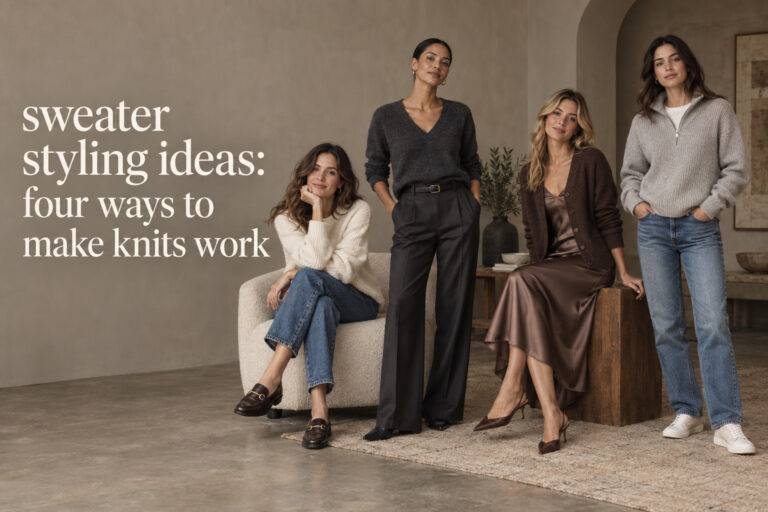
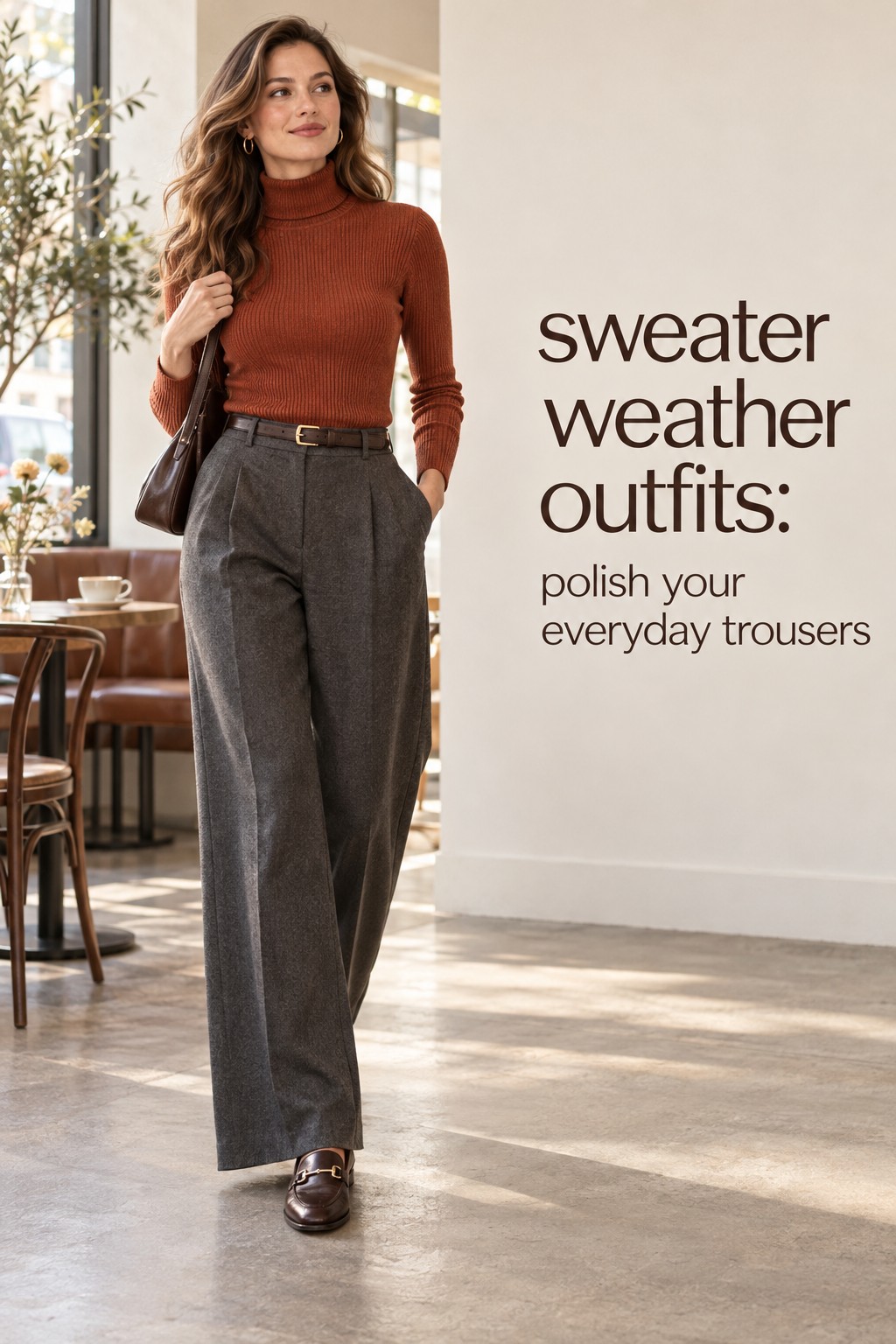
A fitted ribbed sweater, slim turtleneck, or neat cardigan is a strong partner for wide-leg trousers, a pleated midi, a satin skirt, or relaxed jeans. The close top lets the bottom move while keeping the waist and upper body defined. This is also a useful formula when you want to wear a dramatic coat or large scarf without making the whole outfit feel oversized.
If the fitted sweater is very simple, add interest through texture or one clear accessory. A leather belt, sculptural earring, patterned scarf, or refined boot can make the outfit feel finished. Avoid adding several small details at once. The clean shape is the point, so let one element provide the emphasis.
Cropped cardigan with a high waist
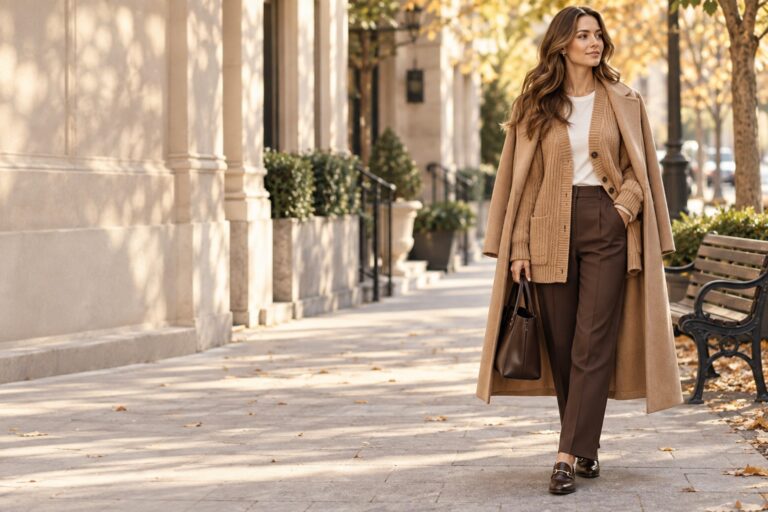
A cropped cardigan naturally meets a high-rise trouser, jean, or skirt. Wear it buttoned as a top over a smooth camisole, or leave one or two buttons open over a fitted tee. The high waist gives the outfit a clear starting point and makes the shorter layer feel intentional rather than accidentally shrunken.
To soften the preppy effect, pair the cardigan with relaxed denim and a simple sneaker. To make it more polished, choose a fluid trouser and a loafer. A small contrast at the neck, such as a white tee or fine shirt collar, can keep the cardigan from looking too plain without adding another bulky layer.
Longline sweater or cardigan over a column
A longline knit is easiest to style over a column: a similar-color tee and trouser, a slim dress, a fitted top with straight jeans, or a narrow skirt. The repeated vertical line makes the extra length feel calm. Leave the front open when you want movement, or use a slim belt when you need more waist definition.
Pay attention to the hem. A long sweater that ends at the widest point of the calf can make the outfit feel interrupted, especially with a flat shoe. Try a hem that falls near the knee, above the ankle, or clearly below the seat. If the proportions are close but not quite right, changing the shoe height may solve the problem faster than changing the entire outfit.
Build Five Repeatable Sweater Weather Outfits
Use these as templates rather than strict uniforms. The point is to know what each outfit solves. Once you understand the role of every piece, you can repeat the formula with different colors, textures, and shoes while keeping the same reliable shape.
1. The everyday sweater and straight-jean formula
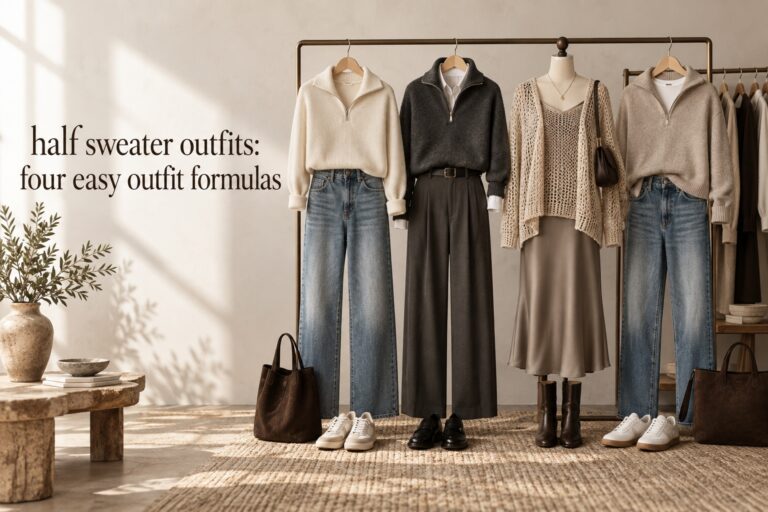
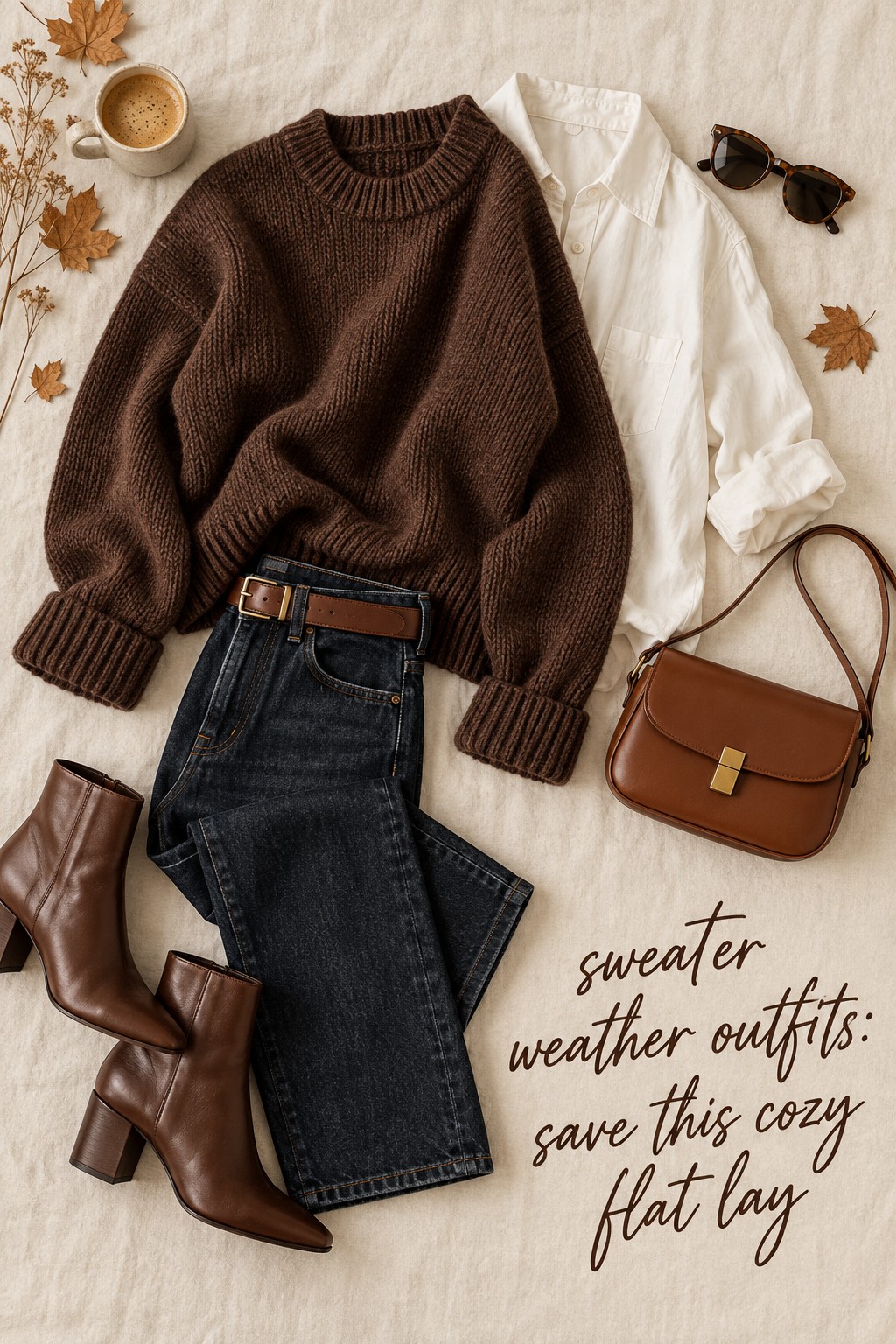
Start with a medium-weight crewneck or relaxed V-neck, straight-leg jeans, and ankle boots or clean sneakers. Add a thin tee underneath if the neckline allows it, then finish with a short jacket or a simple wool coat. This is the dependable outfit for errands, casual workdays, and coffee plans because every item can move comfortably.
Make it look more considered by repeating one color in two places. A brown boot can meet a brown belt or bag. A muted blue sweater can echo a blue denim tone. You can also create polish by keeping the sweater relaxed but choosing jeans with a clean hem and shoes that look intentional. Avoid adding a giant scarf if the sweater is already high and chunky. A smaller scarf tied close to the neck will add warmth without swallowing the neckline.
2. The refined sweater and tailored trouser formula
Pair a fine crewneck, fitted turtleneck, or neat cardigan with tailored trousers. The contrast between soft knit and crisp trouser creates an outfit that can work for an office, a museum visit, or a dinner that is not fully formal. Add loafers, pointed flats, or a low ankle boot, then carry a structured bag.
For a long, relaxed trouser, keep the sweater either fitted or lightly tucked so the waist does not disappear. If the sweater is boxy, choose a trouser with a clean front and a little drape rather than many pleats. A blazer can go over the top when you need extra structure, but check the sleeves before leaving. A thick knit under a narrow blazer sleeve creates bunching and makes the outfit less comfortable.
3. The sweater and midi skirt texture contrast
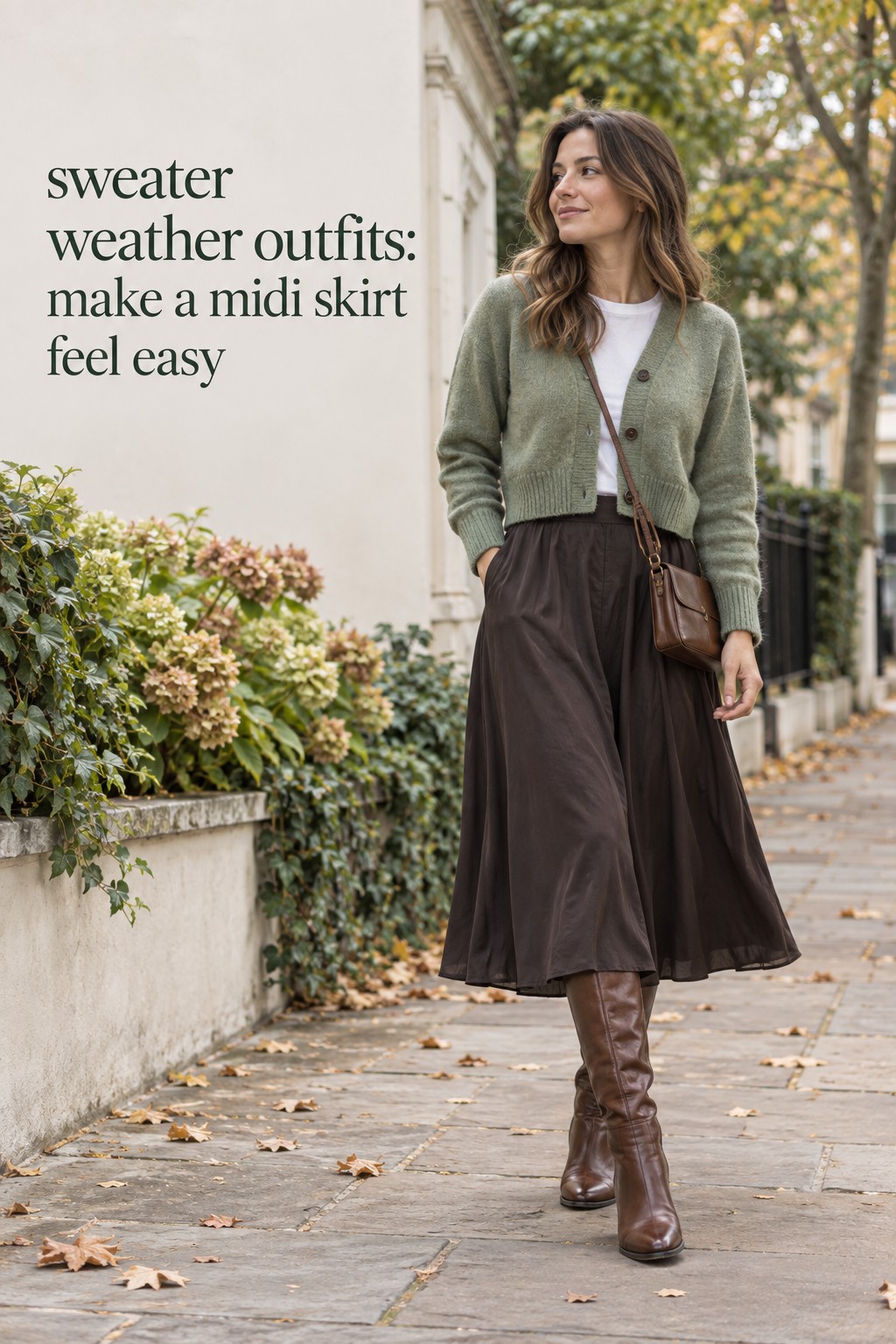
Choose a fitted or softly oversized sweater with a midi skirt. A smooth satin skirt brings lightness to a chunky knit, while a knit or wool skirt makes a fine sweater feel warmer and more grounded. Finish with ankle boots, tall boots, or a polished flat depending on the hem and the weather.
If the sweater is oversized, let the skirt show a clear line at the waist with a small tuck, a belt, or a cropped hem. If you want the sweater untucked, choose a skirt that is narrow enough to keep the lower half from becoming too full. Tights can make the formula more comfortable on cold days, but keep the shoe and bag in the same visual family so the outfit does not feel split into separate pieces.
4. The knit-over-dress transition formula
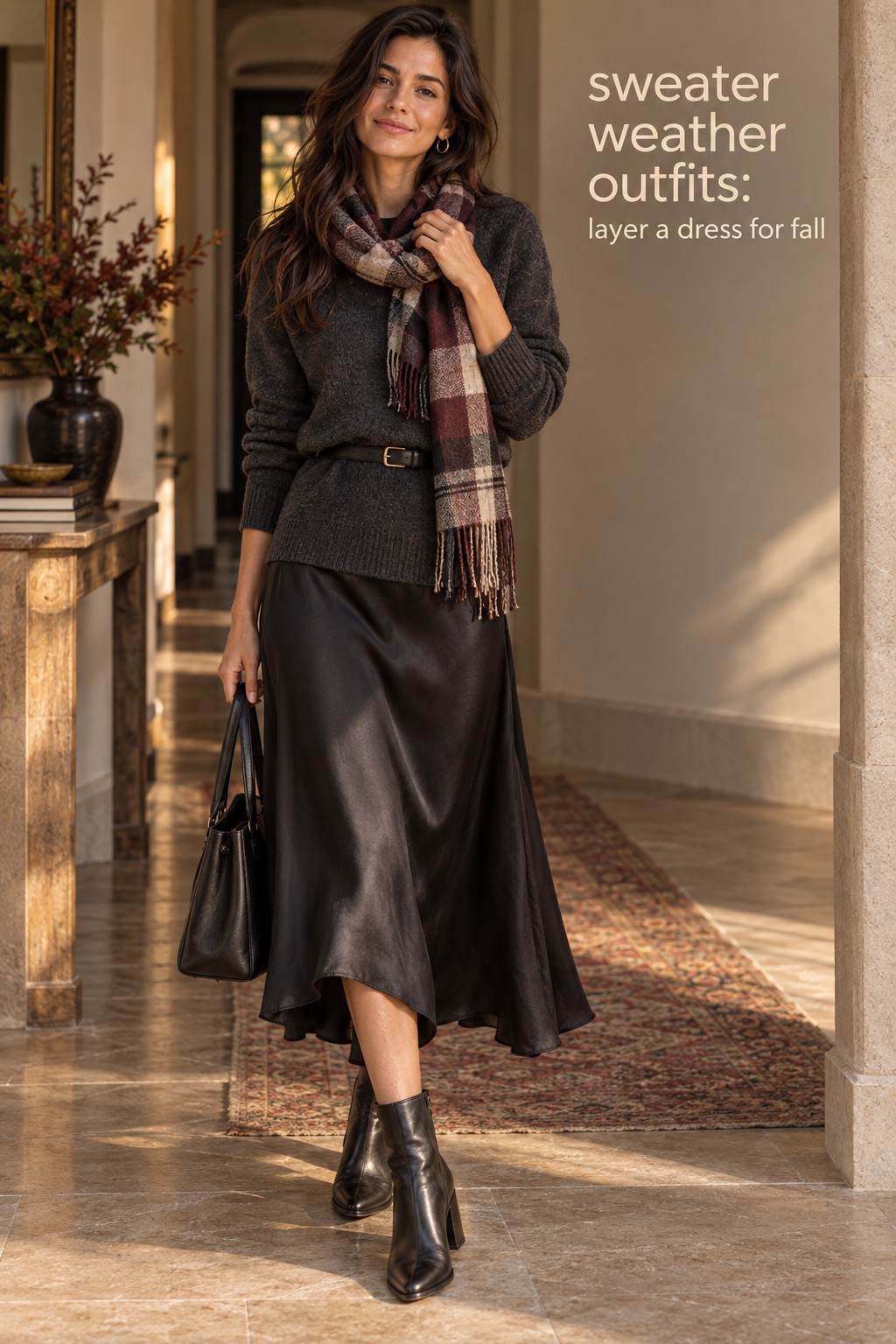
Extend a slip dress or simple knit dress into sweater weather by adding a sweater over it. A cropped knit makes the dress feel like a skirt. A fitted turtleneck under the dress adds a visible layer at the neckline. A long cardigan keeps the look soft and easy for a less formal day.
Pay attention to where the sweater ends. If it stops at the widest part of the dress, use a belt or a shorter hem to create a clearer shape. If the dress is already patterned, keep the sweater quiet and let the print remain visible. Boots usually give this combination enough weight for fall, while loafers or ballet flats can keep it lighter during a warmer transition day.
5. The relaxed weekend sweater formula
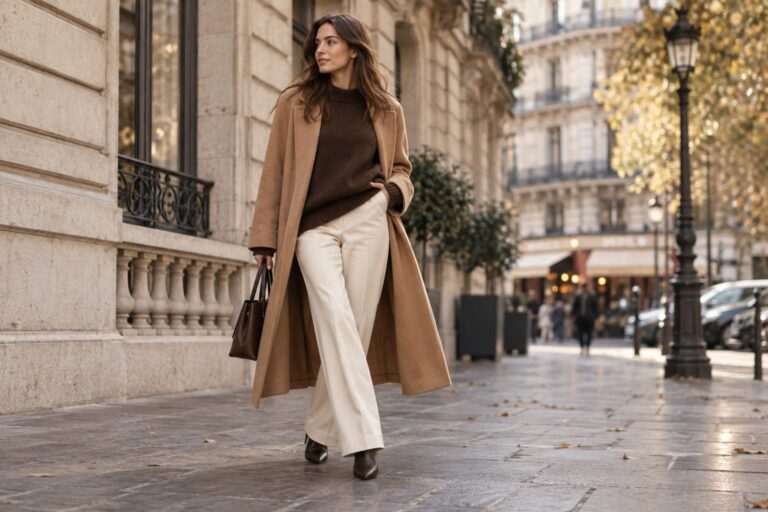
For a casual weekend, combine a soft sweater with relaxed jeans, corduroy pants, or polished leggings, then add a practical coat and comfortable sneakers. The outfit stays easy, but it should still have one point of structure. That might be a clean shoulder bag, a crisp shirt collar underneath, a neat beanie, or a shoe with a simple shape.
Do not make every element oversized. If the sweater is roomy and the pants are relaxed, keep the coat shorter or more structured. If the coat is long and generous, use a cleaner bottom below the sweater. A rolled cuff, visible sock, or small hoop can also give the outfit a finishing edge without making it feel dressed up.
Fix the Details That Make Cozy Outfits Look Unfinished
A good sweater formula can still fail because of small fit and finishing issues. These are easy to correct when you know what to look for. Use the following checks before you leave, especially when you are combining a new sweater with pieces that already live in your closet.
Remove bulk at the neckline and waist
Three thick layers rarely look or feel as good as three different weights. Put the thinnest fabric closest to your skin, use a medium sweater as the visible layer, and save the thickest piece for the coat or jacket. If you want a shirt collar, choose a smooth cotton shirt rather than a heavy flannel under a chunky knit. If you want a scarf, choose a lighter weave when the sweater already has a high neck.
At the waist, avoid forcing a full tuck into a thick waistband. Try a front tuck with a fine knit, a cropped layer, or a belt over a longer sweater. For a bulky knit, an untucked hem can look better when the bottom is clean and the sleeves are controlled.
Use hems to create intentional layers
When a shirt, sweater, and coat all end at nearly the same point, the outfit can look accidental. Let one hem show clearly. A shirt can peek one or two inches below a cropped sweater. A dress can extend below a cardigan. A coat can cover the whole combination and create one strong outer line. Small differences make the layers readable.
Check the back as well as the front. A sweater may look balanced from the mirror but catch on the back of a chair, drag across a bag, or bunch under a coat. Walk, sit, raise your arms, and put on your outer layer before deciding that the outfit works.
Let shoes set the level of polish
Shoes can shift the same sweater combination from casual to polished. Sneakers keep a skirt or trouser relaxed. Loafers add structure without the formality of a heel. Ankle boots ground a dress or midi skirt. Tall boots create a stronger line with shorter skirts and dresses. Choose the shoe after considering the hem, the amount of walking, and whether the ground may be wet.
If the outfit feels too soft, a structured shoe or bag usually helps more than extra jewelry. If it feels too serious, a sneaker, rolled sleeve, or relaxed tote can lower the formality. Think of accessories as controls for the outfit’s volume, not as decorations you must add automatically.
Keep texture varied but the palette calm
Knitwear already has visual texture, so it pairs well with smoother denim, leather-look fabric, satin, cotton poplin, or crisp wool trousers. If every piece is fuzzy, nubby, or heavily patterned, the outfit may lose definition. One textured sweater and one smoother bottom is often enough.
A calm palette lets texture and proportion show. Try cream with camel, charcoal with denim, olive with brown, navy with gray, or burgundy with a neutral base. You do not need to limit yourself to autumn colors. A pale blue, soft pink, or clean white sweater can feel fresh when paired with seasonal boots and a practical outer layer.
Run a five-minute indoor-outdoor test
Before leaving, wear the complete outfit, including the coat and bag, for five minutes. Sit down, walk up and down stairs, raise your arms, and remove the outer layer. Notice whether the sweater rides up, the waistband rolls, the shirt collar collapses, or the coat sleeve feels tight. If the room will be warm, ask whether you still like the outfit with the coat and scarf removed.
Make one adjustment at a time. Swap a scarf before changing the sweater. Change a shoe before replacing the entire bottom. Remove a thick base layer before adding another accessory. This keeps the original formula visible and helps you learn which part caused the problem.
Sources and Methodology
This guide synthesizes current outfit formulas and layering advice from Adrianna Papell’s fall sweater styling guide and Capsule Wardrobe Style’s layering guide, then narrows them into a sweater-led decision process. The recommendations are styling guidance rather than claims about a single required body shape, climate, brand, or trend.
FAQ
What are the easiest sweater weather outfits for everyday wear?
Start with a medium-weight sweater, straight-leg jeans, ankle boots or clean sneakers, and a removable coat. Add a belt or small structured bag if the combination feels too casual. This formula is comfortable, easy to repeat, and simple to adapt indoors.
How do you style an oversized sweater without looking bulky?
Pair it with a clean lower line such as straight jeans, tapered trousers, leggings, or a narrow skirt. Use a thin base layer, control the sleeves, and avoid tucking a thick knit into a waistband. A shorter coat or structured shoe can add definition.
Can you wear a sweater with a skirt in fall?
Yes. A fitted sweater works with a fuller midi skirt, while an oversized sweater works best with a slimmer or more fluid skirt. Add boots or loafers based on the hem and temperature, and use a tuck or belt when the waist needs more definition.
What should you wear under a sweater?
Choose a smooth tee, tank, thin long-sleeve top, or crisp shirt depending on the neckline and warmth you need. The base should not create bunching at the shoulders or waist. A visible collar or hem can add interest when the sweater is cropped or open.
How can sweater weather outfits work in a warm office?
Use a fine knit or cardigan over a lightweight base and save the heavier layer for your coat. Choose a bottom that looks polished on its own, such as tailored trousers or a midi skirt. Keep the scarf and outer layer removable so the outfit still works at your desk.
Which shoes go best with sweater outfits?
Sneakers suit relaxed denim and weekend formulas, loafers work well with tailored trousers and skirts, and ankle boots ground dresses, jeans, and midis. Tall boots are useful with shorter skirts and dresses. Choose the shoe that supports the hem, walking plan, and weather.
How do you make a simple sweater outfit look more polished?
Add one structured element, such as a belt, tailored trouser, polished loafer, neat bag, or crisp coat. Repeating one color in the shoes and bag can also pull the outfit together. Keep the rest simple so the chosen detail has room to work.
Finish the look
The little extras that make a summer outfit feel complete
From beach days to city weekends, these easy pieces bring comfort, texture, and a polished finishing touch.

FENBEN
Straw Hobo Crossbody Bag
A handwoven straw bag with both short and crossbody straps—an effortless finishing touch for vacation looks and warm-weather outfits.
Shop the bag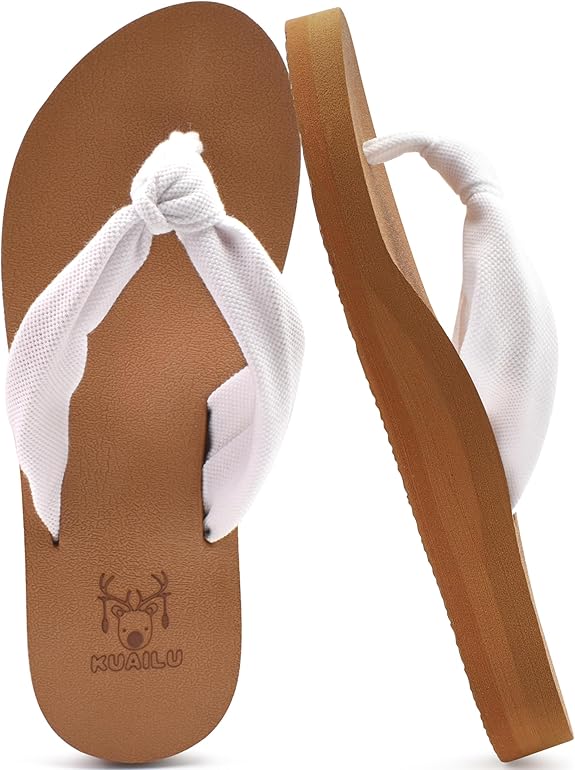
KuaiLu
Flip Flops with Arch Support
Cushioned, lightweight sandals with supportive arch design—a practical choice for beach trips, errands, and long summer walks.
Shop the sandals
baleaf
Athletic One-Piece Swimsuit
A functional one-piece with adjustable straps and moderate coverage, designed for swimming, training, surfing, and active beach days.
Shop the swimsuit
Astylish
Linen-Cotton Button-Down Shirt
A relaxed cotton-linen shirt with a collared V-neck and roll-up sleeves—easy to style over swimwear or with denim and shorts.
Shop the shirt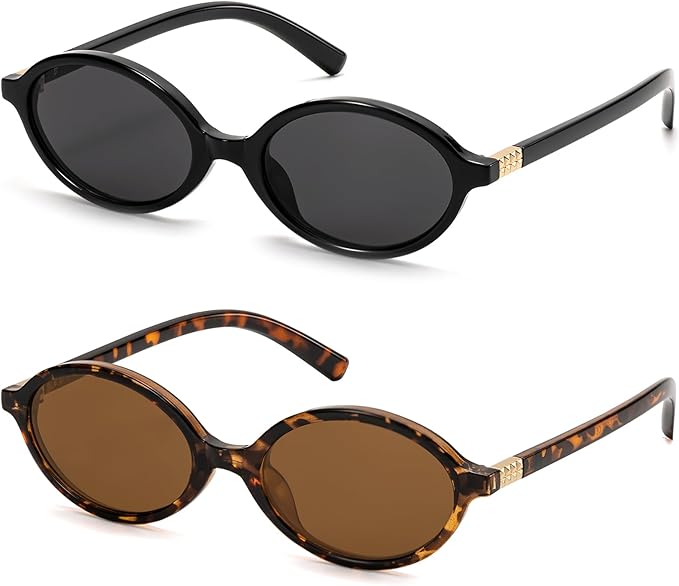
ViewJoy
Retro Oval Sunglasses
Small oval sunglasses with a 90s-inspired silhouette and UV400 lens protection—a quick way to add a vintage edge to everyday looks.
Shop the sunglasses
Affiliate disclosure: This section contains affiliate links. If you make a purchase through these links, I may earn a commission at no additional cost to you. Product selection, pricing, availability, and delivery terms may change—please review the current details on Amazon before purchasing.
As an Amazon Associate I earn from qualifying purchases.