Fall Fashion Ideas: 6 Outfit Routes to Try
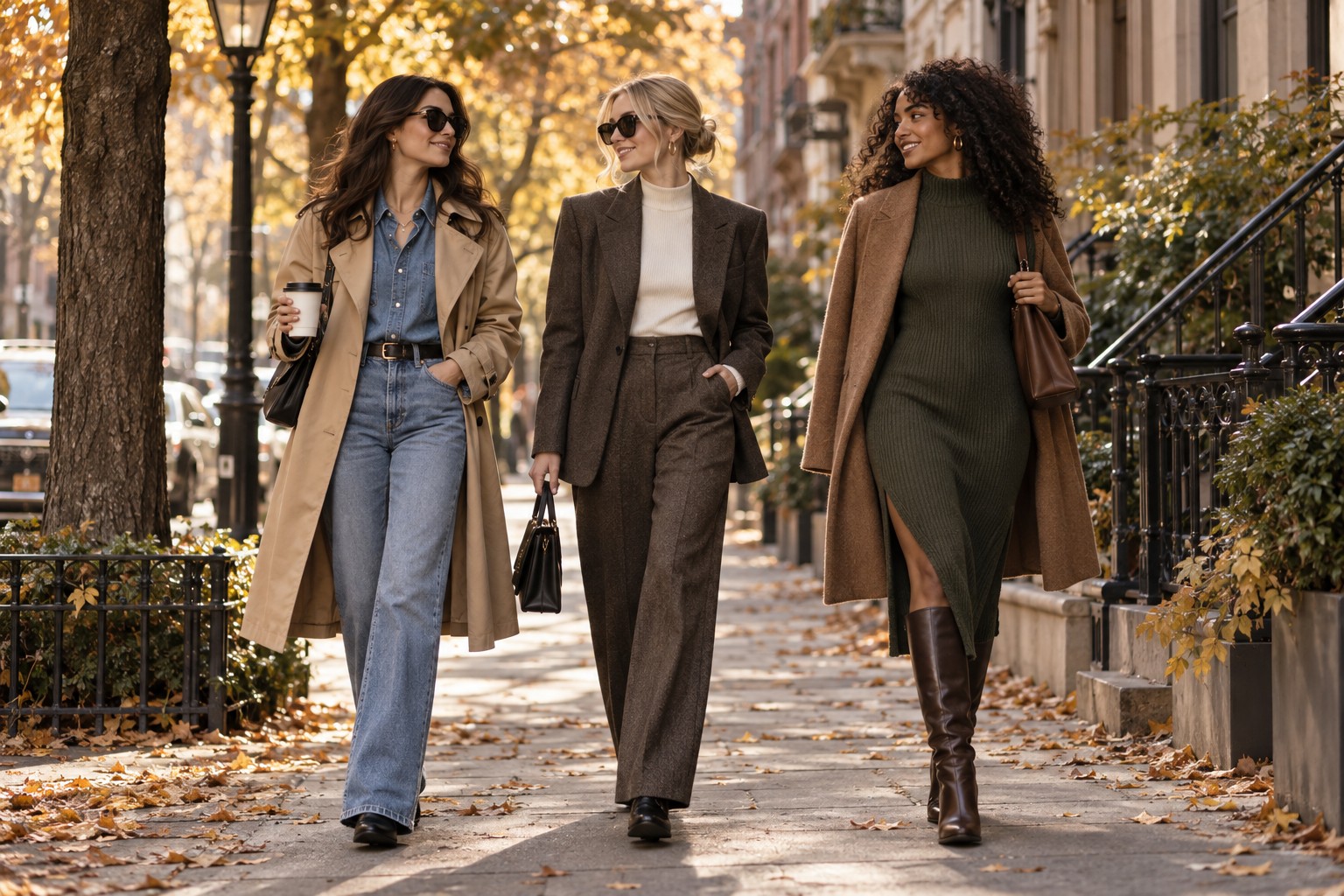
The best fall fashion ideas do more than look good in a saved image. They help you get dressed for the actual day: a cool morning, a warm afternoon, a commute, a casual lunch, or a workday that turns into dinner. Instead of treating autumn style as one long list of trends, compare a few outfit routes and choose the one that fits your weather, movement, dress code, and closet.
This guide compares six useful routes: denim with layers, tailored separates, a dress with boots, a skirt with knitwear, utility contrast, and lighter early-fall pieces. None is the only right answer. Each solves a different dressing problem, and each can be made more casual or more polished with one change. Start with the route that matches your day, then use the formulas as a practical starting point.
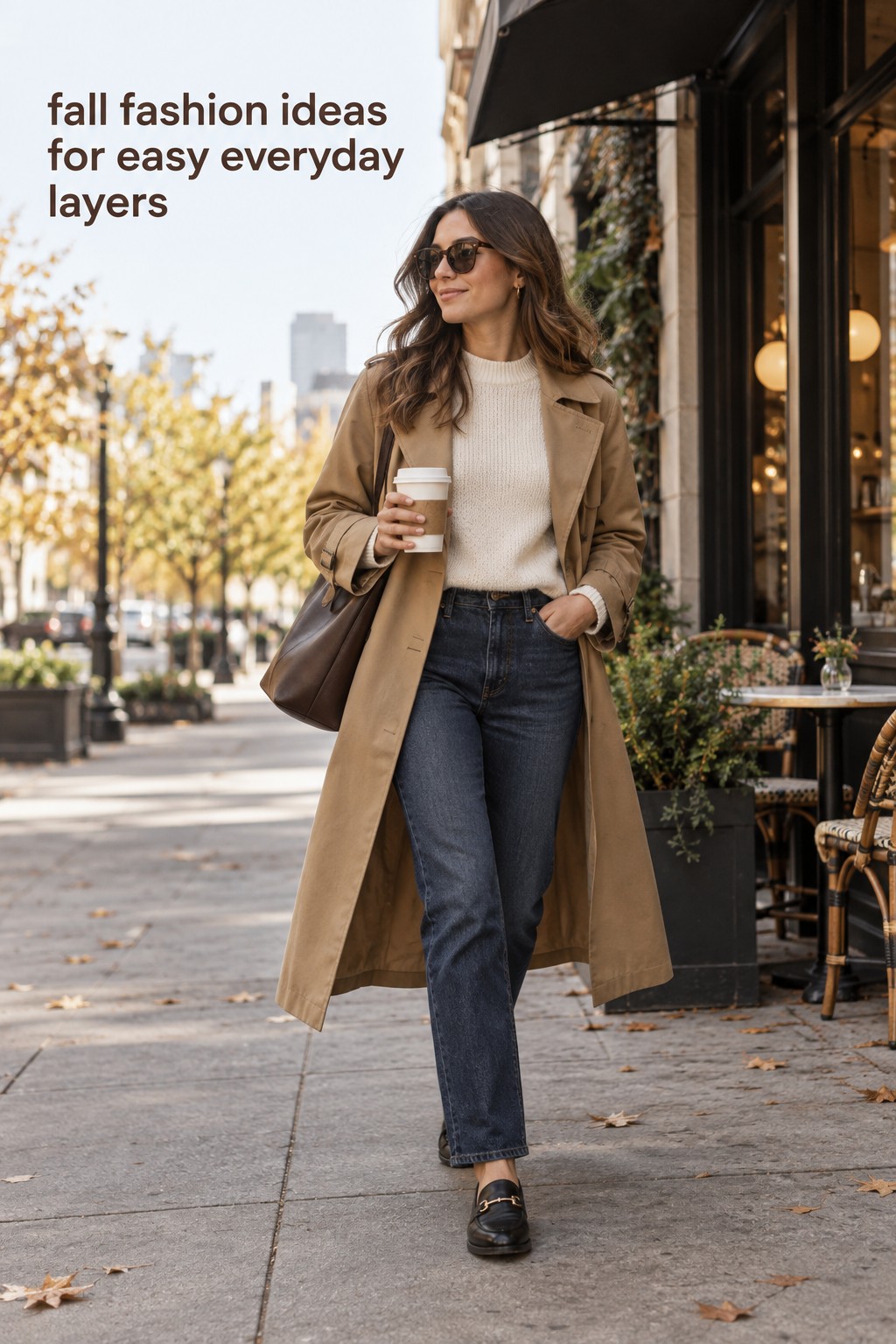
Start with the day, not the trend
Before choosing colors or searching for a new jacket, define what the outfit has to do. Fall weather can shift quickly, and the outfit that works for a short walk to a coffee shop may fail on a long transit day. A useful decision begins with four questions: How cool will it feel outside? How much will you move? What level of polish does the setting require? Which pieces are already available?
The Fashion-Note Edit
Five effortless pieces to refresh your everyday wardrobe
A polished, practical edit for workdays, weekends, and everything in between.

The Drop
Women’s Blake Long Blazer
A longline, tailored blazer with a notched collar and a single-button closure—an easy layer for denim, dresses, or office-ready looks.
Shop the blazer
Amazon Essentials
Women’s Lightweight Crewneck
A soft, lightweight sweater with a clean crew neckline—the kind of reliable layer that works from cool mornings to air-conditioned spaces.
Shop the sweater
Amazon Essentials
Women’s Loafer Flat
A classic flat loafer that gives casual outfits a more polished finish and pairs naturally with tailored pants, skirts, and straight-leg jeans.
Shop the loafers
Levi’s
Women’s 501 90s Jeans
A relaxed, vintage-inspired take on the iconic 501 silhouette—made for an easy, lived-in look without the thrift-store search.
Shop the jeans
Colorfulkoala
High-Waisted 7/8 Leggings with Pockets
Soft, four-way-stretch leggings with side pockets and a high-rise waistband—designed for movement, errands, and off-duty comfort.
Shop the leggings
Affiliate disclosure: This section contains affiliate links. If you make a purchase through these links, I may earn a commission at no additional cost to you. Product selection, pricing, availability, and delivery terms may change—please review the current details on Amazon before purchasing.
As an Amazon Associate I earn from qualifying purchases.
Use temperature as the first filter
For a mild early-fall day, choose one light layer that can be removed. A cotton shirt, lightweight cardigan, denim jacket, or unlined blazer may be enough over a T-shirt or tank. For a cooler day, move warmth closer to the body with a fine knit, long-sleeve base, tights, or socks, then add a coat. This keeps the outfit adjustable instead of making a single sweater carry every temperature change.
Your wedding style is personal.
Your plan should feel that way, too.
Zarellea keeps your guest list, budget, vendors, and every next step beautifully organized — so you can focus on the moments that feel like you.
Think about where the wind and chill will reach you. A scarf, closed shoe, or longer outer layer may provide more useful comfort than another bulky top. If you are walking between indoor spaces, favor thin layers with a clear role. If you will spend most of the day outdoors, start with the coat and shoes, then build the outfit underneath them.
Match the route to movement
A fall outfit should survive more than a mirror check. Sit down, walk quickly, reach for a bag, climb stairs, and put on the outer layer you actually plan to wear. Wide trousers need a hem that does not catch. A midi skirt needs enough stride. A fitted blazer needs shoulder room. Boots need to feel stable before you add a long walking day.
Movement also changes the amount of visual volume you can comfortably manage. A roomy knit may be lovely for a short outing but frustrating under a coat or backpack. A sleek base can be more useful for travel, while a fuller skirt or dramatic sleeve may be easy for an indoor event. Choose the silhouette you can live in, not only the one that looks strongest for a few minutes.
Let the setting set the polish level
For work, let tailoring, a clean shoe, or a structured bag provide the anchor. For a weekend, denim, knitwear, and sneakers can lead, with one sharper piece keeping the outfit intentional. For dinner or a social plan, use texture, a strong color, or a refined shoe rather than adding every statement item at once. If the dress code is unclear, build a polished base and soften it with one relaxed detail.
- Casual day: prioritize comfort, then add one structured or textural piece.
- Office day: start with the most formal item required and keep layers neat.
- Travel day: choose a soft base, easy layers, and shoes you can walk in.
- Dinner or event: let one fabric, color, or accessory carry the visual interest.
- Uncertain setting: use a blazer, tailored trouser, or simple dress as the adaptable anchor.
The current fashion conversation includes color, tailoring, practical outerwear, fluid fabrics, and updated classics. That does not mean every idea belongs in your wardrobe. Use trends as prompts for combinations you can actually repeat. A bright skirt may be your color solution. A leather blazer may be your outerwear solution. A sweater vest may be your temperature solution. Naming the job makes the choice easier.
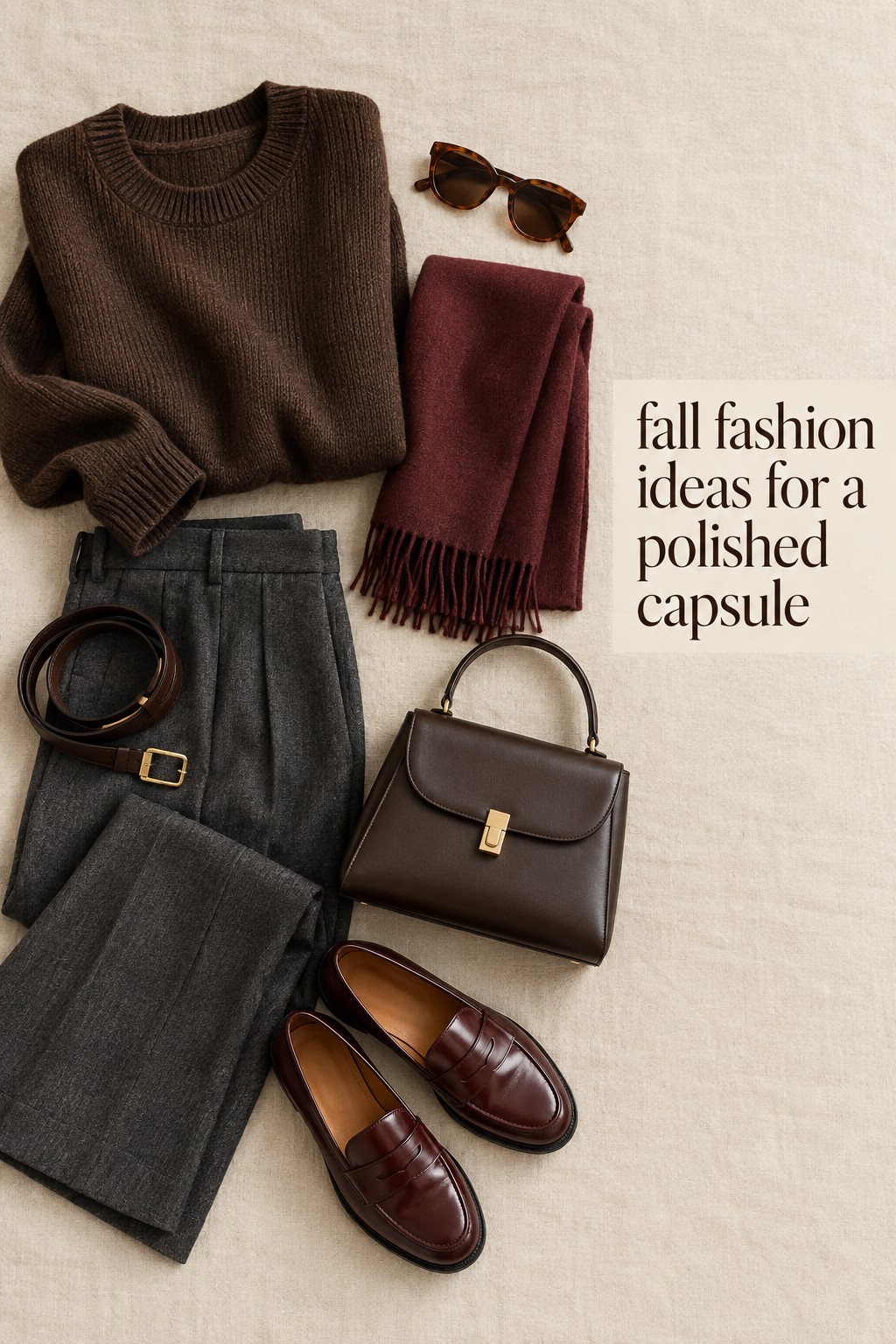
Six fall fashion idea routes to compare
These six routes cover the most common fall dressing needs without requiring six separate wardrobes. Each one has a recognizable formula, a reason it works, and a trade-off to consider. Use the route as a framework, then substitute the fabrics, colors, and shoes that suit your style.
1. Denim plus one thoughtful layer
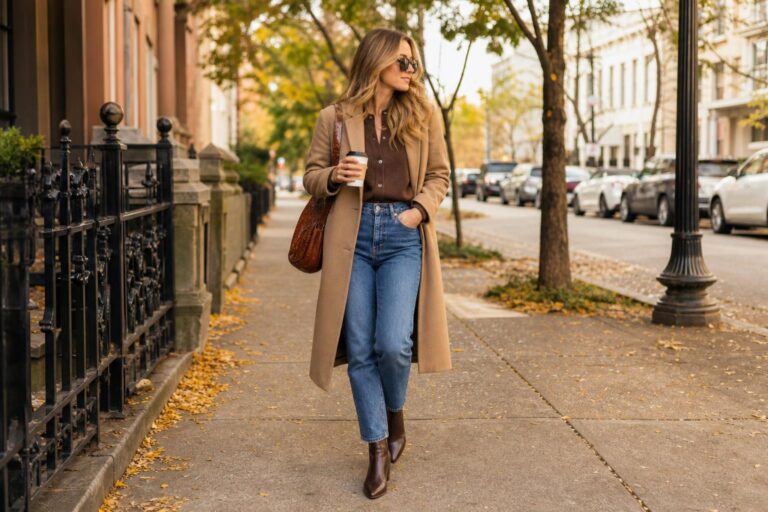
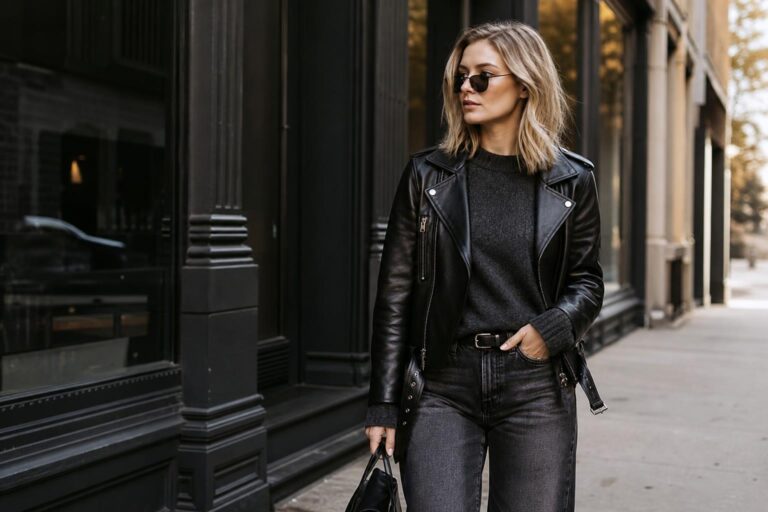
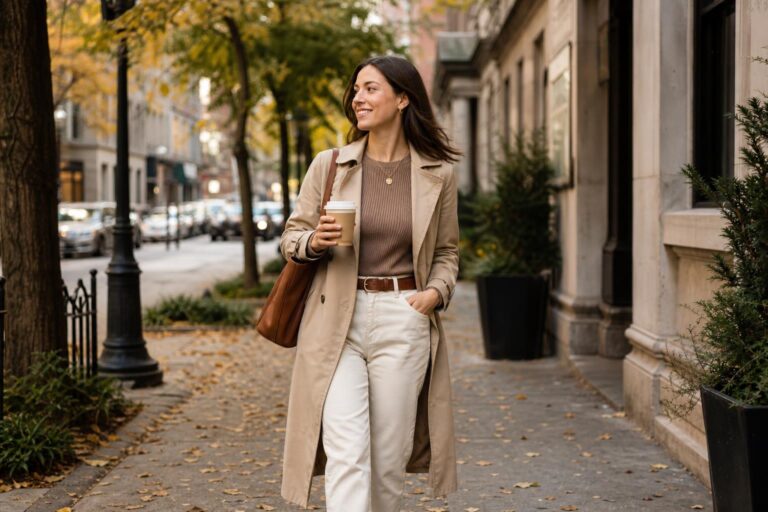
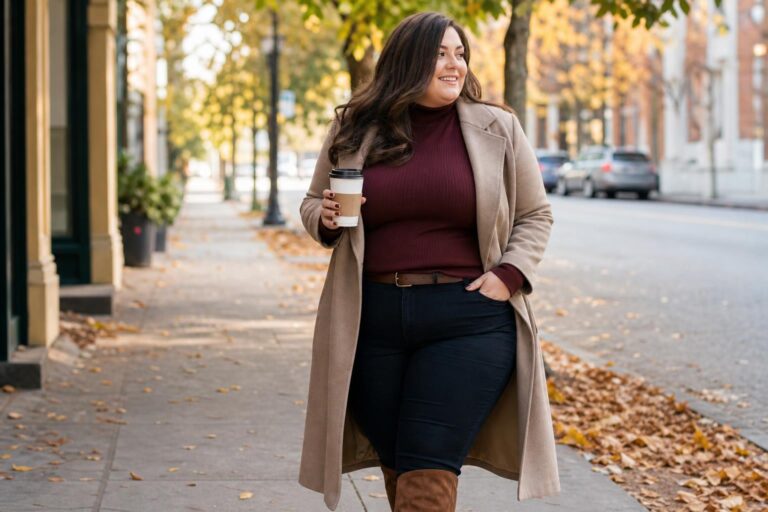
Start with straight-leg or relaxed jeans, a simple T-shirt or fine knit, and one visible layer. That layer could be a trench, leather blazer, cardigan, quilted jacket, or cropped jacket. Finish with loafers, ankle boots, or clean sneakers. This is the easiest route when you want a reliable everyday uniform that can change mood through the outer layer.
For a casual direction, use a soft cardigan, sneakers, and a crossbody bag. For work, switch to a crisp shirt, tailored blazer, and loafer if denim is allowed. For a dinner plan, choose dark jeans, a silk or satin top, and a sharp jacket. Keep the jeans as the constant and let the third piece do the styling work.
The main trade-off is familiarity. Jeans and a sweater can become repetitive if every finishing choice stays the same. Change the proportion by adding a longer coat, a shorter jacket, a visible belt, or a different shoe. One new relationship between the pieces can make the base feel considered again.
2. Tailored separates with a relaxed finish
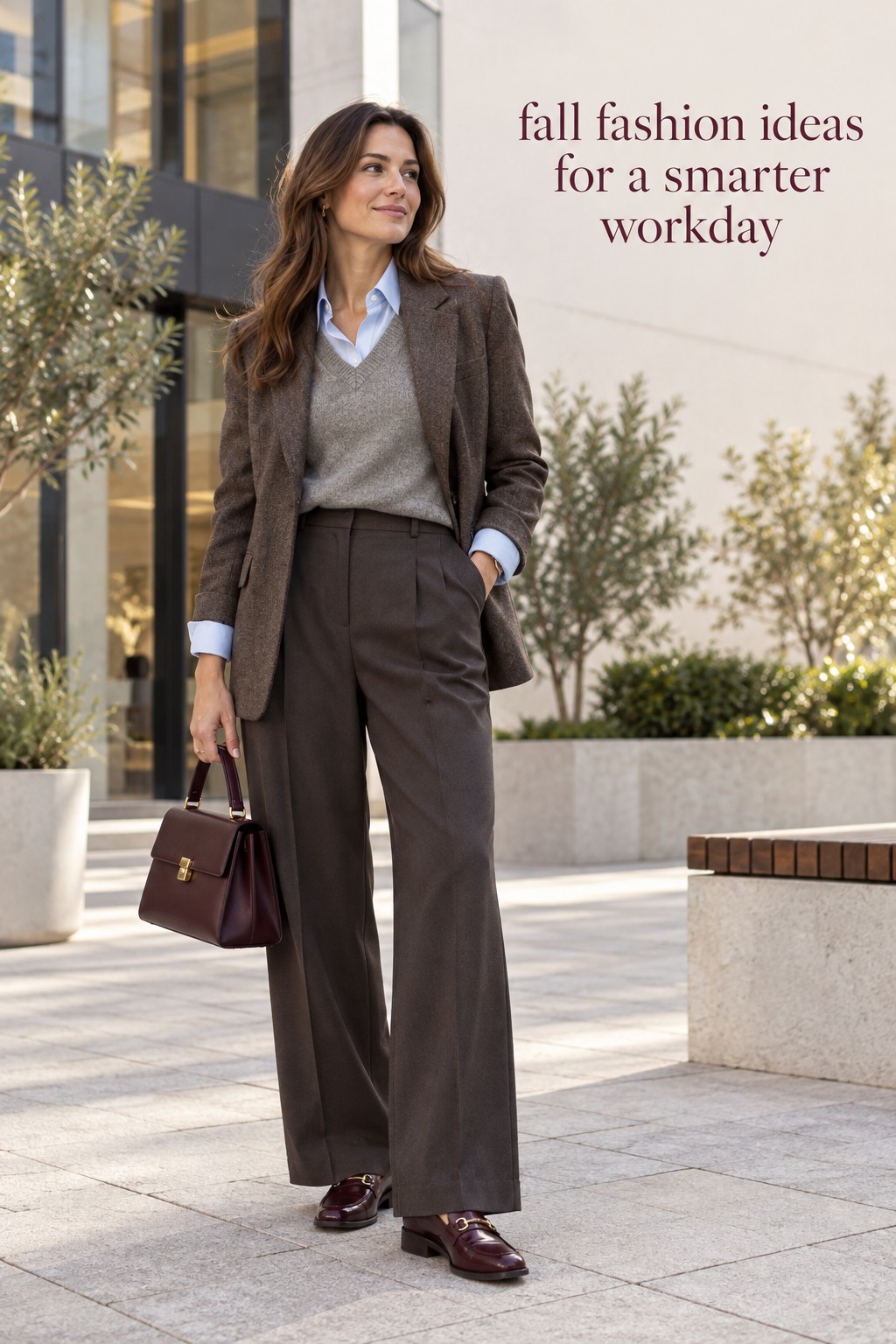
Use tailored trousers, a vest, a button-down, or a blazer as the structure, then loosen the result with a knit, a T-shirt, a flat shoe, or a soft bag. A simple formula is wide-leg trousers, a fitted knit, a blazer, and loafers. Another is a matching vest and trouser with a plain shirt and a low-profile sneaker. The contrast between structure and ease keeps the outfit from looking too formal.
This route is strong for presentations, creative offices, lunches, and travel when you want to look pulled together after sitting. Keep the color relationship simple. A dark trouser with a cream top and brown shoe is enough. A gray suit with a soft blue shirt feels different from the same suit with a black mock neck. You do not need a loud print if the cut and texture are doing the work.
Check the coat over the shoulders before leaving. Tailoring can look polished indoors but feel restrictive under a fitted outer layer. A longer coat, a knit blazer, or a roomy trench may be a better match than forcing a thick jacket over a structured suit. The best version of this route gives you room to move while keeping a clear line from shoulder to shoe.
3. Dress plus boots for a complete silhouette
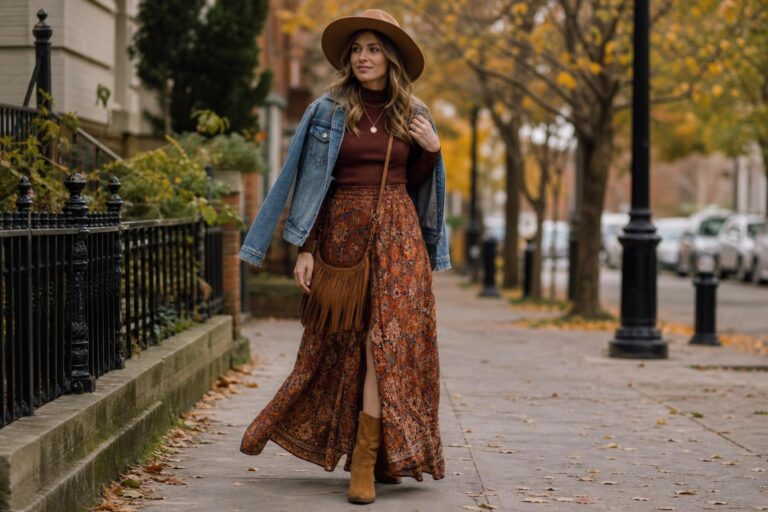
A dress is useful when you want a finished outfit with fewer decisions. Try a knit midi with ankle boots, a printed dress with a long coat, or a simple slip dress over a fine turtleneck. Add opaque tights or a close-fitting base layer when the temperature drops. The dress creates the main line, while the shoe and coat decide whether the result feels casual, polished, romantic, or practical.
For the office, choose a controlled print, a clean neckline, and a blazer or tailored coat. For the weekend, use a denim jacket, flat boot, or sneaker. For a dinner plan, add a textured jacket, a small bag, or a refined heel. If the dress is the statement, keep the rest quiet. If the dress is simple, let the coat, belt, or jewelry provide the change.
The trade-off is temperature control. A dress can feel perfect indoors and too light outside, or warm enough in the morning and too warm on a crowded commute. Solve that with removable layers rather than a complicated underlayer. A long coat, scarf, and boots can protect the look without changing its main shape.
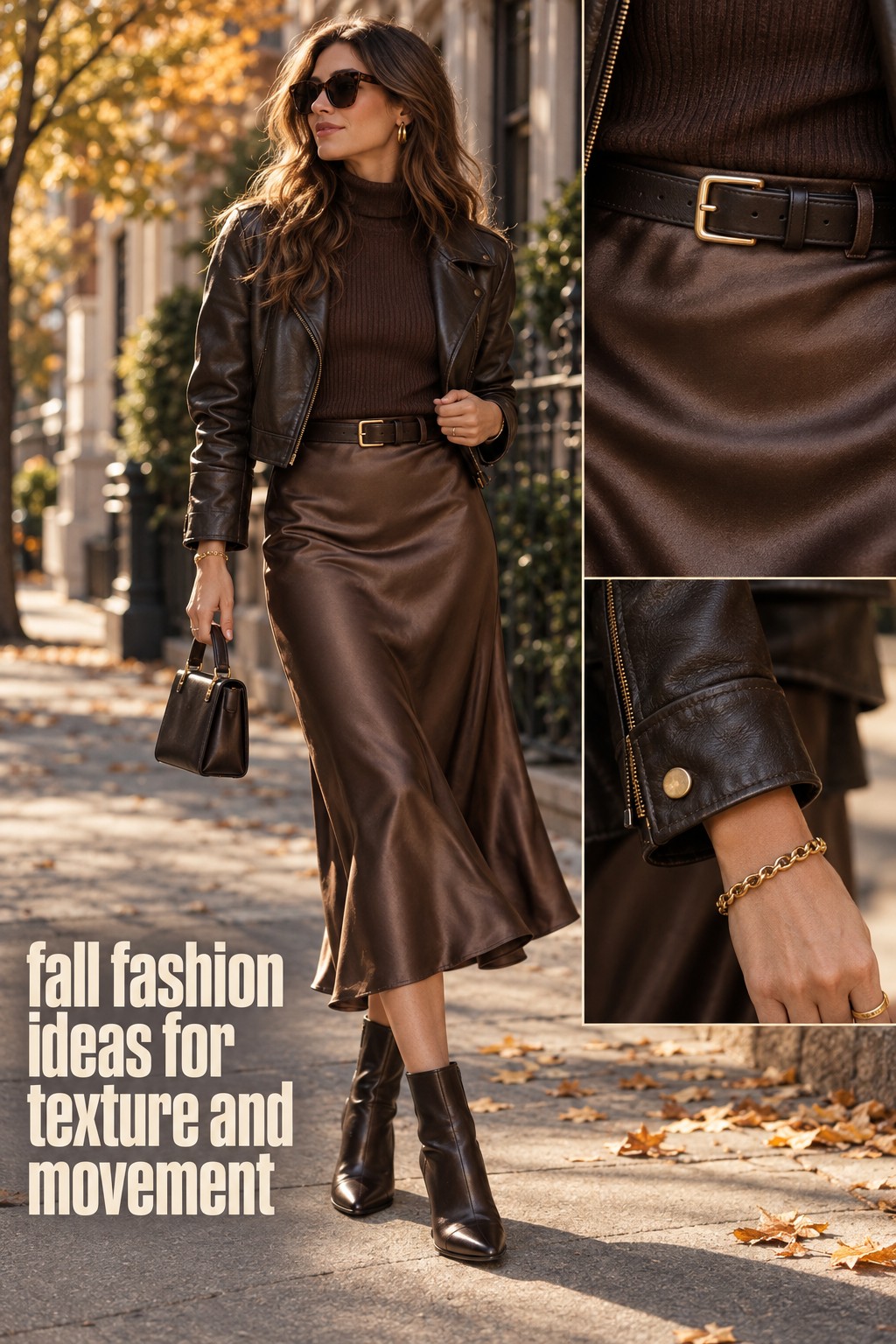
4. Skirt plus knitwear for texture and movement
Pair a midi skirt with a fine sweater, cardigan, mock neck, or sweater vest. The skirt can be satin, denim, pleated, knit, or wool, but let one item carry the strongest movement. A fluid skirt works with a closer-fitting knit. A bulky sweater usually looks clearer with a straighter skirt or a defined waist. Add loafers, ballet flats, or ankle boots according to the setting and weather.
This route is useful when you want a softer alternative to trousers but still need a practical fall outfit. A satin skirt with a fine knit and loafers can move from lunch to an office. A denim midi with a cardigan and boots feels relaxed. A pleated skirt with a mock neck and structured coat gives you a sharper line without relying on a suit.
Pay attention to the waist. Two long layers can make the body look visually crowded if neither shows where the outfit changes direction. A partial tuck, a shorter cardigan, a belt, or a cropped jacket can restore clarity. If you prefer a loose silhouette, repeat a similar color from top to bottom and use the shoe to ground the length.
5. Utility pieces balanced with feminine or polished details
Cargo pants, a field jacket, a chore coat, or a practical overshirt can form the foundation of a modern fall outfit. Balance the utility shape with a silk shirt, fitted knit, ballet flat, pointed shoe, or small top-handle bag. The contrast is the point: a functional piece keeps the outfit grounded, while a refined detail prevents it from feeling purely outdoorsy.
For an everyday look, try cargo pants with a white T-shirt, leather blazer, and suede sneaker. For a more polished setting, choose a less bulky utility trouser with a tucked knit, belt, and loafer. A field jacket can work over a dress when the dress is simple and the shoe has enough structure. Keep the palette restrained if the pockets or hardware are already visually busy.
The trade-off is volume. Utility garments often add width around the legs, shoulders, or torso. Use one substantial utility piece at a time, then keep the next layer smooth or fitted enough to create a clear shape. If you want a relaxed result, let the volume be deliberate and finish with a shoe that has visual weight.
6. Early-fall light pieces with a seasonal anchor
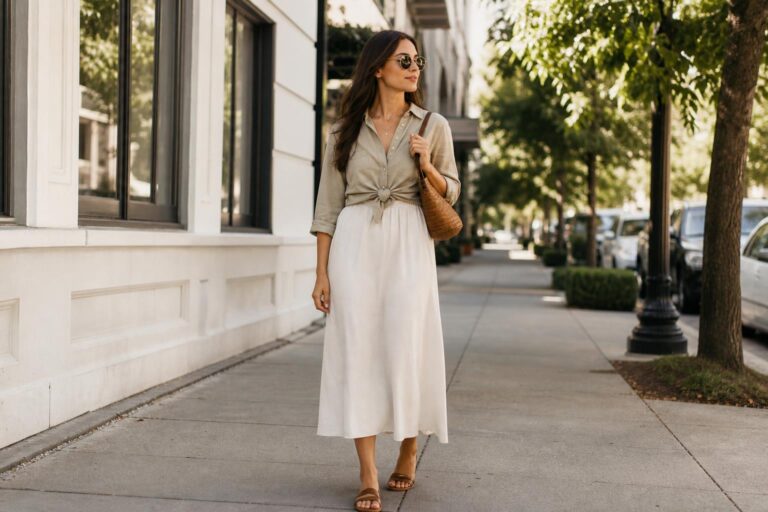
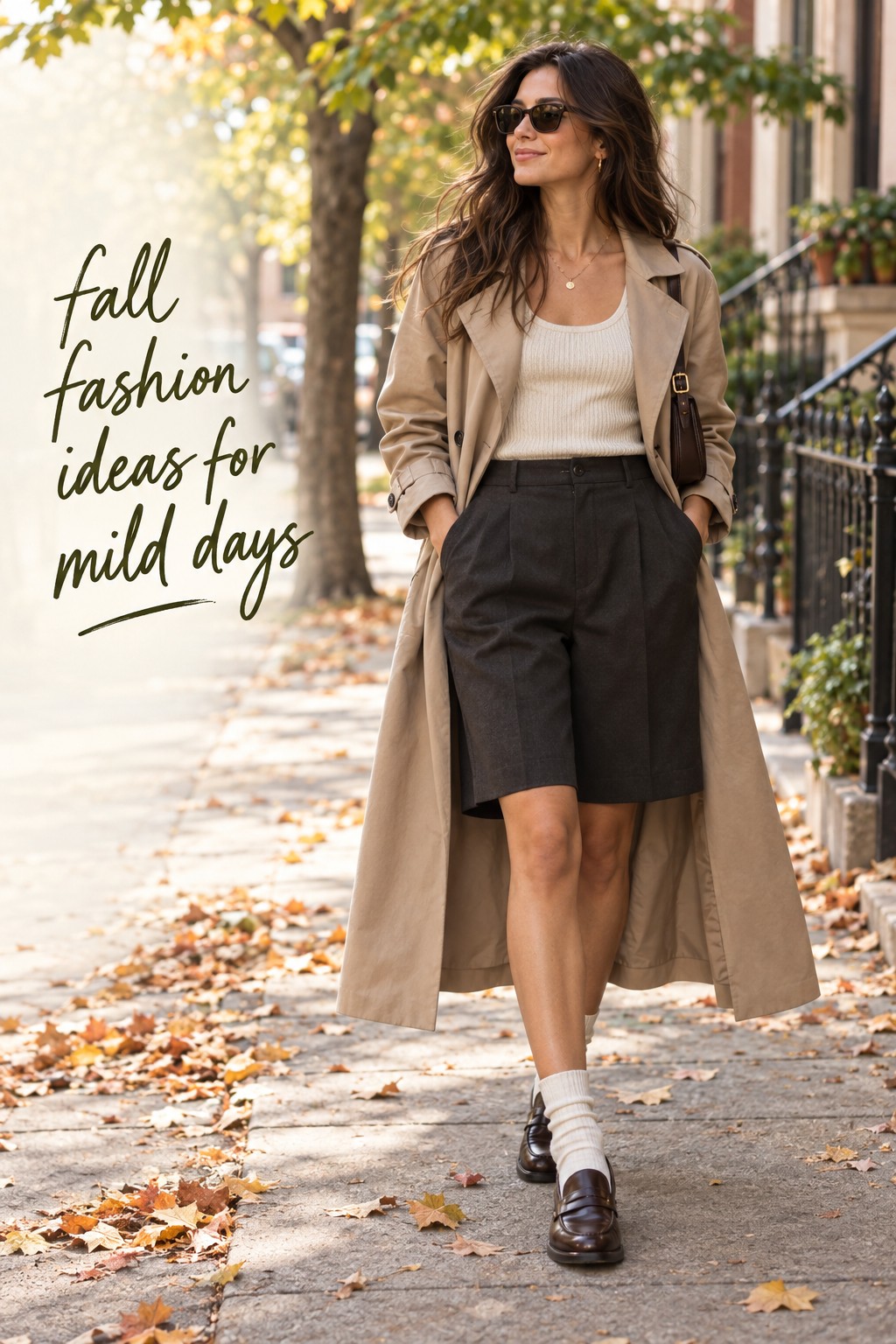
Some fall days still feel close to summer, so do not force a heavy outfit too early. Keep a lightweight skirt, Bermuda short, tank, or linen trouser in rotation and add one autumn anchor: a trench, cardigan, loafer, leather belt, or darker bag. The seasonal piece tells the eye where the outfit belongs without making you uncomfortable.
A trench over a T-shirt and denim Bermuda shorts with loafers is a relaxed transitional formula. A navy cardigan over light shorts changes the proportion and gives the look more texture. A tank under a blazer with wide trousers can work when the daytime temperature is mild. The point is not to pretend that summer has disappeared. It is to connect the light piece to a fall material or shape.
The trade-off is timing. This route depends on real weather and may not suit a cold morning or evening. Build in an easy adjustment, such as a fine knit in your bag, tights you can add, or a coat that does not clash with the lighter base. Transitional style works best when the practical backup is part of the plan.
Compare the routes before you get dressed
When several outfits seem possible, compare them by the job they need to perform. The most fashionable route is not automatically the most useful one. A look that photographs beautifully may be too warm for your office, too delicate for your commute, or too difficult to repeat with what you own.
- Choose denim plus a layer when you need the lowest-effort everyday base and already own reliable jeans.
- Choose tailored separates when polish, meetings, or a flexible smart-casual wardrobe matter most.
- Choose a dress plus boots when you want a complete silhouette and fewer individual pieces.
- Choose a skirt plus knitwear when you want texture, movement, and a softer alternative to trousers.
- Choose utility contrast when you want practical pieces to feel more refined through styling.
- Choose early-fall light pieces when the weather is mild and you want to extend summer items into autumn.
Now score the possible outfit in five categories: warmth, comfort, polish, repeatability, and effort. You do not need numbers, but a quick comparison exposes the weak point. A dress may score high on polish and low on temperature flexibility. Jeans may score high on comfort and repeatability but need a more interesting layer. Tailored trousers may score high on polish but require the right coat and shoe.
Warmth: can you adjust it?
Look for at least one removable layer and one piece that protects the parts of your body that feel cold first. A fine base, cardigan, coat, scarf, or tights can make a bigger difference than adding a thick top that you cannot remove. If the outfit only works at one exact temperature, reserve it for a day with a predictable schedule.
Comfort: can you move normally?
Comfort is not the same as wearing the loosest possible clothing. It means the waistband, sleeves, armholes, hem, and shoes support your actual movement. Test the bag and coat too. A knit that feels comfortable alone may become bulky under a backpack. A skirt that looks fine standing may restrict your stride. Make the final decision in the complete outfit.
Polish: what gives the outfit intention?
Most outfits need one anchor that makes them look deliberate. It could be a sharp coat, a neat collar, a belt, a refined shoe, a controlled color palette, or a structured bag. You rarely need all of them. If the outfit feels unfinished, add one anchor. If it feels overdone, remove the least useful signal.
Repeatability: can you make three versions?
A good fall fashion idea should survive a color change or a different shoe. Ask whether the formula works with at least three pieces you already own. Can the cardigan work over jeans, a skirt, and a dress? Can the blazer make a T-shirt, a knit, and a silk shirt feel different? Can the boots work with trousers, a midi, and denim? Repeatability tells you whether the idea belongs in your wardrobe.
Effort: will you actually style it on a busy morning?
Some combinations rely on precise tucking, careful layering, or delicate accessories. That can be enjoyable for an event, but it may not be realistic for an ordinary morning. Keep a few low-effort formulas ready: dark jeans with a fine knit and blazer, a knit dress with boots, or tailored trousers with a simple top and coat. Save the more complicated styling for days when you have time to enjoy it.
Fix the most common fall outfit problems
When a fall outfit feels wrong, the answer is often one small edit. Before replacing the whole look, identify whether the issue is temperature, proportion, texture, formality, or footwear. Changing one category at a time keeps the process fast.
When the outfit feels too bulky
Keep one layer responsible for volume. If the sweater is chunky, choose a smoother shirt, straighter bottom, and coat with enough room. If the trousers are wide, try a closer-fitting top or shorter jacket. Remove a scarf, open the coat, or swap a thick base for a fine knit. Bulk usually comes from several medium-volume pieces competing at once.
When you are cold but do not want a heavy look
Move warmth underneath and outside. A thin long-sleeve base, fine turtleneck, tights, warm socks, scarf, and wind-blocking coat can preserve a cleaner silhouette than a second oversized sweater. Make sure the coat fits over the outfit you will actually wear. A warm layer is only useful if it allows normal movement.
When the outfit looks flat
Add contrast in one category. Use a textured knit against smooth trousers, a leather belt with denim, a bright skirt with a quiet top, or a polished shoe with a casual base. You can also create interest through proportion, such as a long coat over a shorter bottom or a cropped jacket over a high-rise trouser. More color is not the only way to add depth.
When you look too dressed up
Relax one element instead of dismantling the outfit. Replace heels with loafers or sneakers, open the blazer over a simple tee, use a softer bag, or trade a matching suit for separates. A polished base can handle one casual signal without losing its shape. This is especially useful when the setting is more relaxed than expected.
When you look too casual
Add structure through the third piece. A blazer, trench, belt, structured bag, or neat loafer can lift jeans and a knit quickly. Pay attention to care too. Clean shoes, smooth collars, and a lint-free sweater often make a larger difference than adding another trend.
When the shoes do not match the weather
Choose footwear before the final accessories. If the route includes wet pavement or a long walk, use a stable boot, loafer, or sneaker with a practical sole, then let the rest of the outfit support that choice. If you need a dressier shoe indoors, commute in a weather-ready pair and change when you arrive. The outfit will look better when your posture and pace remain comfortable.
A five-minute fall dressing routine is simple. Check the weather, name the setting, pick one route, choose the shoes, add one layer, and run the movement test. If the outfit passes, stop styling. The goal is not to use every fall fashion idea at once. It is to choose one clear direction and make it work for your real life.
Sources and methodology
This comparison was shaped by a review of ten English-language US search results covering transitional layering, tailoring, dresses, utility pieces, knitwear, and early-fall formulas. The research included current editorial trend coverage from Vogue and practical outfit examples from Harper’s Bazaar. Trend references are treated as optional styling prompts. The recommendations above focus on choosing by weather, movement, setting, and repeat wear.
FAQ
What are the best fall fashion ideas for everyday wear?
Start with a reliable base such as straight-leg jeans, a fine knit, or tailored trousers, then add one seasonal layer. A trench, cardigan, leather blazer, or practical jacket can change the mood without requiring a completely new outfit. Choose shoes you can walk in and use color or texture for interest.
How should I choose a fall outfit for changing temperatures?
Build from thin layers that can be removed, then let the outer layer handle the coldest part of the day. A fine long-sleeve top, cardigan, scarf, tights, or lightweight coat is easier to adjust than one very heavy sweater. Test the outfit with the bag and coat you plan to use.
What fall fashion ideas work for a casual office?
Try tailored trousers with a fine knit and blazer, dark jeans with a crisp shirt and loafers if denim is allowed, or a simple midi dress with a structured jacket. Keep the fabrics neat and add one relaxed element such as a sneaker or soft bag only when the dress code supports it.
Can I wear summer clothes in the fall?
Yes, on mild days. Keep a tank, lightweight skirt, Bermuda short, or linen trouser and add a fall anchor such as a trench, cardigan, loafer, darker belt, or leather jacket. The formula works best when you plan a warmer backup for the morning, evening, or a change in weather.
How can I make fall outfits look more polished?
Add one structured element: a clean coat, blazer, belt, loafer, pointed flat, or structured bag. Neat details matter too, so check collars, hems, lint, and shoe condition. You do not need several formal pieces. One clear anchor can give jeans, knitwear, or a simple skirt more intention.
What are easy fall fashion ideas when I have little time?
Keep three formulas ready: dark jeans with a fine knit and blazer, a knit dress with boots and a coat, or tailored trousers with a simple top and loafers. Pick shoes first, add one layer, and stop once the outfit has a clear shape. Repeating a useful formula is more effective than starting from zero each morning.
How many statement pieces should a fall outfit have?
Usually one strong statement is enough, especially when it comes from a bright color, bold texture, dramatic coat, or distinctive shoe. Let the surrounding pieces support it with simpler shapes and calmer colors. If the outfit still feels plain, add contrast through proportion or texture before adding a second statement.
Finish the look
The little extras that make a summer outfit feel complete
From beach days to city weekends, these easy pieces bring comfort, texture, and a polished finishing touch.

FENBEN
Straw Hobo Crossbody Bag
A handwoven straw bag with both short and crossbody straps—an effortless finishing touch for vacation looks and warm-weather outfits.
Shop the bag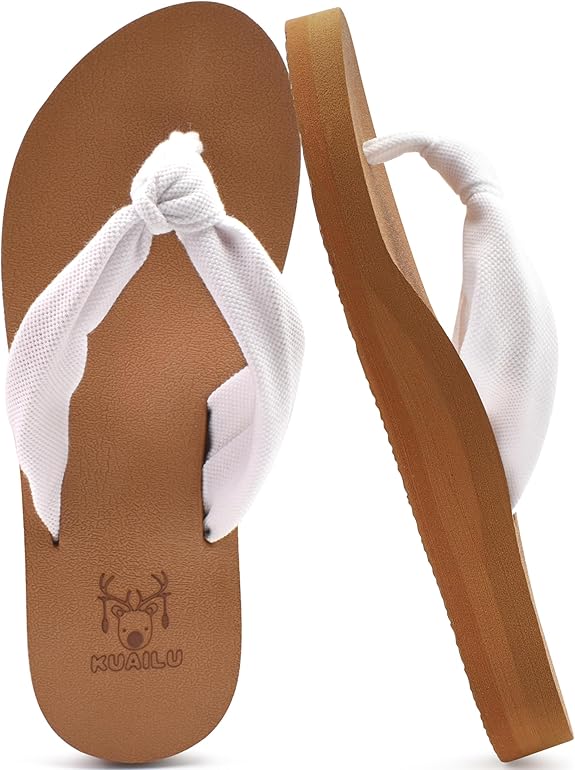
KuaiLu
Flip Flops with Arch Support
Cushioned, lightweight sandals with supportive arch design—a practical choice for beach trips, errands, and long summer walks.
Shop the sandals
baleaf
Athletic One-Piece Swimsuit
A functional one-piece with adjustable straps and moderate coverage, designed for swimming, training, surfing, and active beach days.
Shop the swimsuit
Astylish
Linen-Cotton Button-Down Shirt
A relaxed cotton-linen shirt with a collared V-neck and roll-up sleeves—easy to style over swimwear or with denim and shorts.
Shop the shirt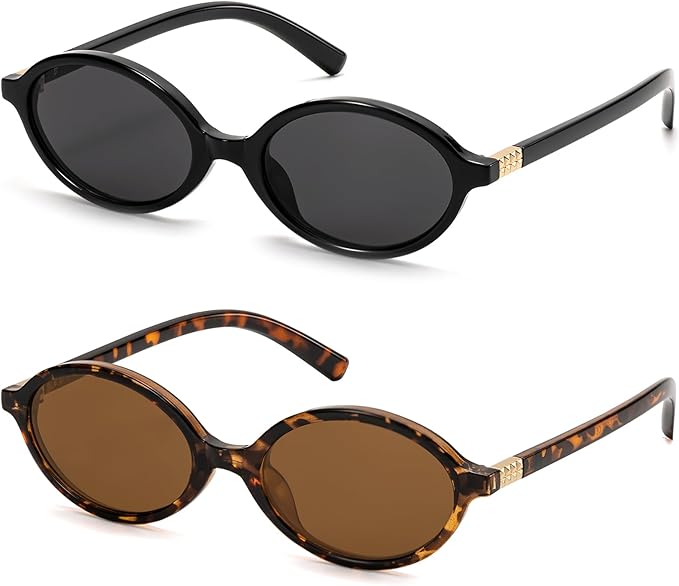
ViewJoy
Retro Oval Sunglasses
Small oval sunglasses with a 90s-inspired silhouette and UV400 lens protection—a quick way to add a vintage edge to everyday looks.
Shop the sunglasses
Affiliate disclosure: This section contains affiliate links. If you make a purchase through these links, I may earn a commission at no additional cost to you. Product selection, pricing, availability, and delivery terms may change—please review the current details on Amazon before purchasing.
As an Amazon Associate I earn from qualifying purchases.