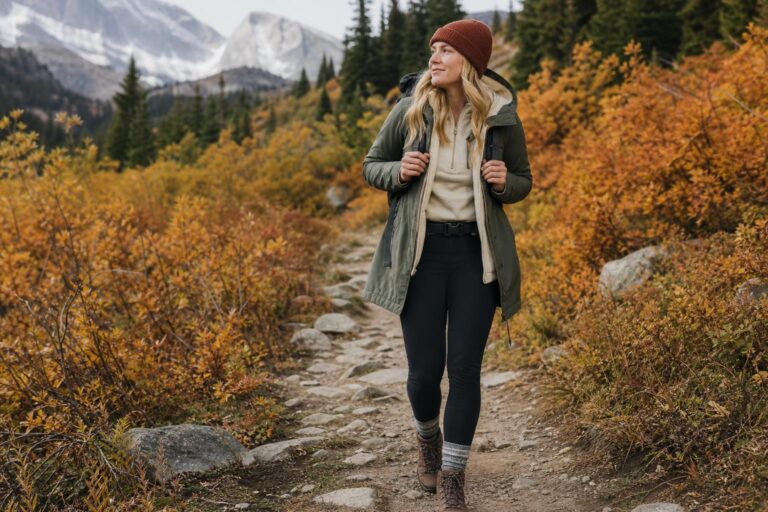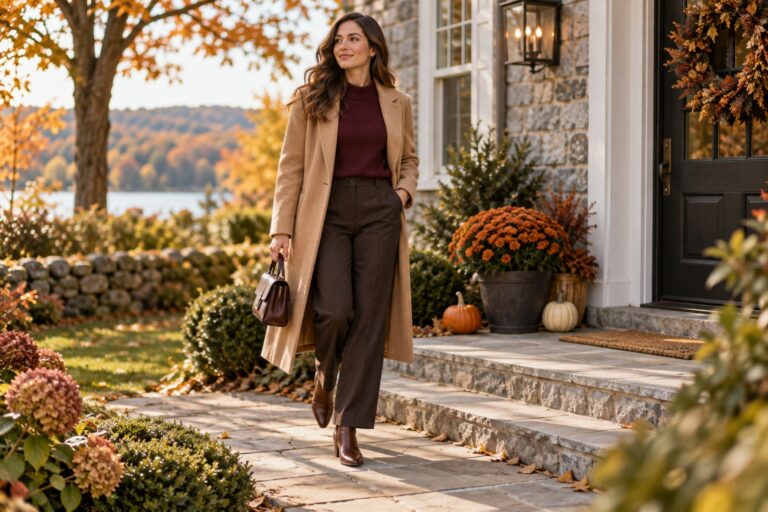
Fall and Winter Outfits: Relaxed or Refined?
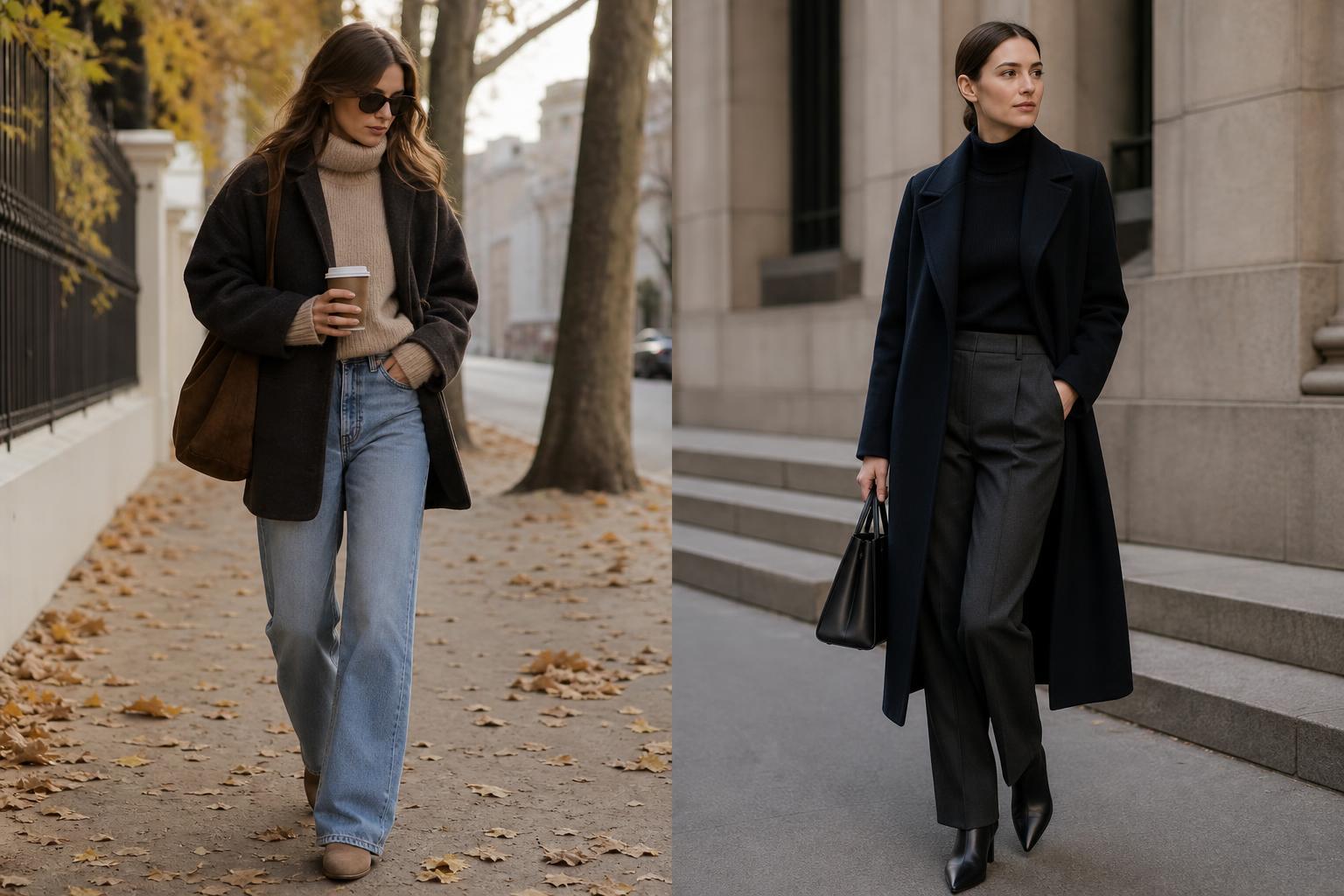
Some of the most wearable fall and winter outfits sit in the space between comfort and polish. That is also where a common style question shows up: why do some cold-weather outfits look relaxed and effortless, while others feel clean, structured, and refined even when the basic pieces are similar? A sweater, coat, boots, and trousers can move in very different directions depending on silhouette, texture, and styling logic.
This comparison focuses on two practical cold-season approaches that are often discussed together: relaxed casual layering and polished structured dressing. They overlap because both rely on seasonal staples and both work in real wardrobes, but they create very different visual results. Understanding that difference makes it easier to build fall and winter outfits that suit your day, your climate, and the amount of formality you actually need.
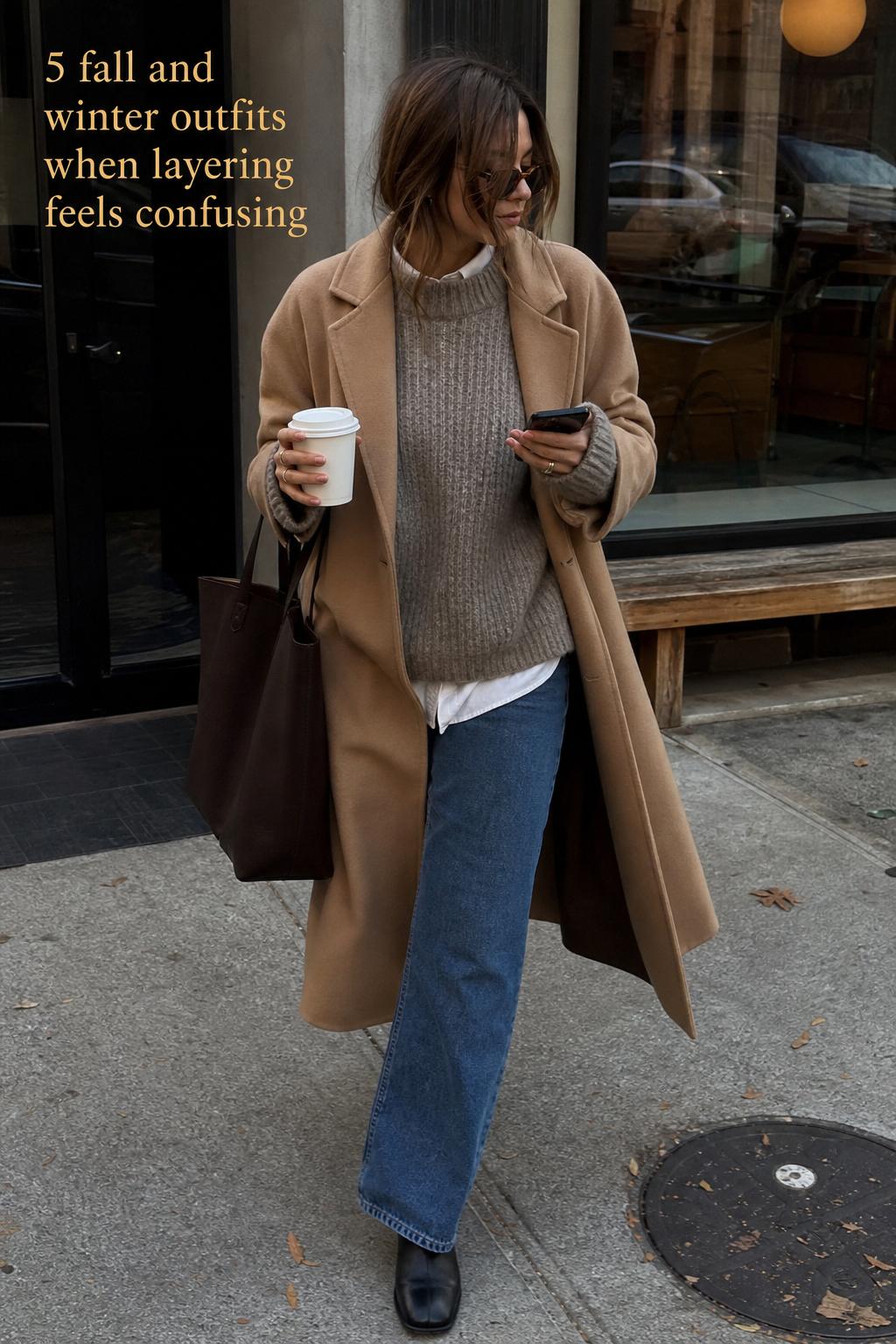
Ahead, the breakdown covers how each style reads in real life, where the pieces start to diverge, how layering changes the mood of an outfit, and how to choose one approach over the other for everyday wear, work, travel, and casual plans. The goal is not to choose one forever. It is to recognize the styling signals behind each look so you can dress with more intention.
The Fashion-Note Edit
Five effortless pieces to refresh your everyday wardrobe
A polished, practical edit for workdays, weekends, and everything in between.

The Drop
Women’s Blake Long Blazer
A longline, tailored blazer with a notched collar and a single-button closure—an easy layer for denim, dresses, or office-ready looks.
Shop the blazer
Amazon Essentials
Women’s Lightweight Crewneck
A soft, lightweight sweater with a clean crew neckline—the kind of reliable layer that works from cool mornings to air-conditioned spaces.
Shop the sweater
Amazon Essentials
Women’s Loafer Flat
A classic flat loafer that gives casual outfits a more polished finish and pairs naturally with tailored pants, skirts, and straight-leg jeans.
Shop the loafers
Levi’s
Women’s 501 90s Jeans
A relaxed, vintage-inspired take on the iconic 501 silhouette—made for an easy, lived-in look without the thrift-store search.
Shop the jeans
Colorfulkoala
High-Waisted 7/8 Leggings with Pockets
Soft, four-way-stretch leggings with side pockets and a high-rise waistband—designed for movement, errands, and off-duty comfort.
Shop the leggings
Affiliate disclosure: This section contains affiliate links. If you make a purchase through these links, I may earn a commission at no additional cost to you. Product selection, pricing, availability, and delivery terms may change—please review the current details on Amazon before purchasing.
As an Amazon Associate I earn from qualifying purchases.
Two cold-weather style directions that look similar at first
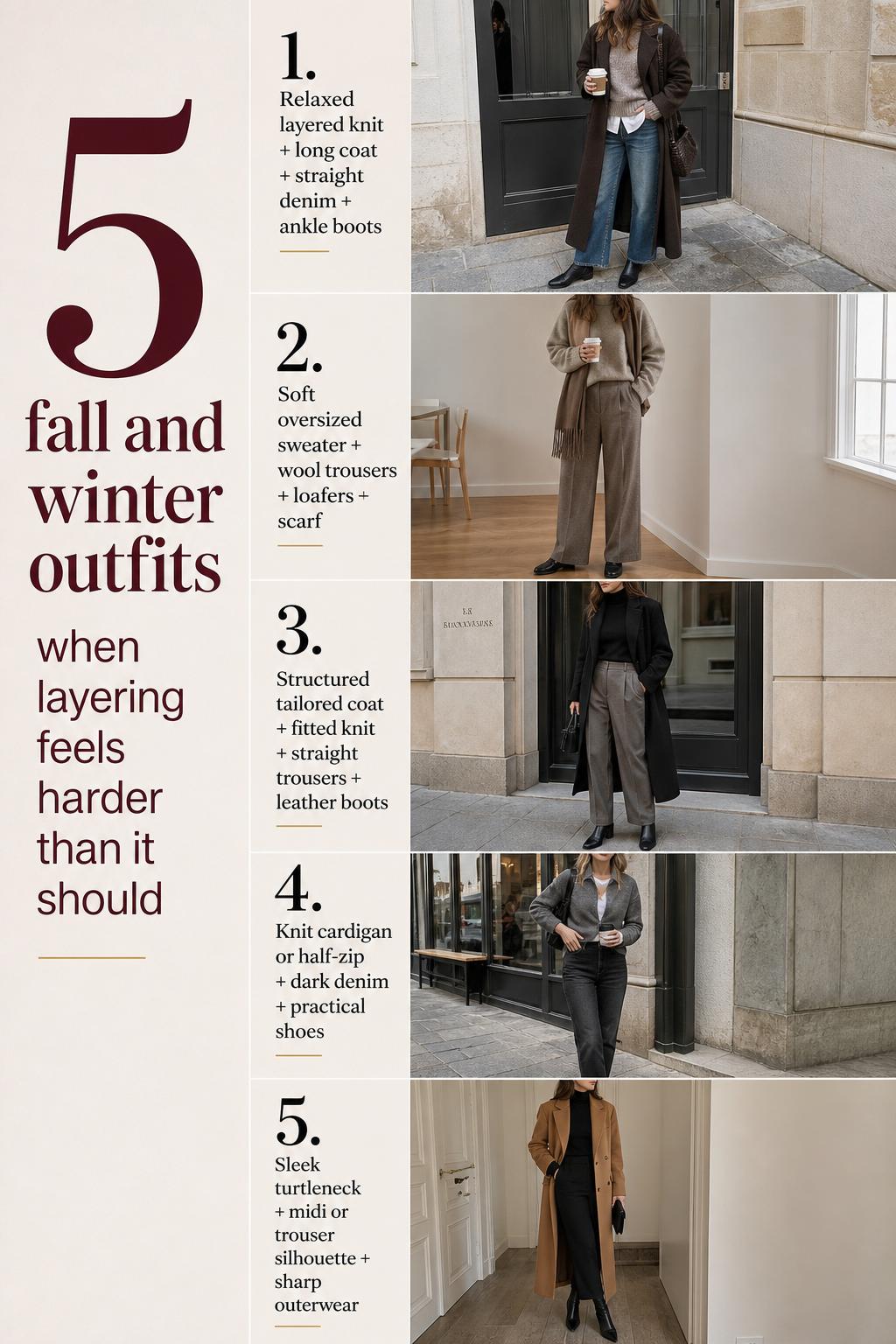
In day-to-day dressing, relaxed casual layering and polished structured dressing often use the same seasonal foundation: knits, outerwear, denim or trousers, and closed-toe shoes. That is why they are easy to confuse. The difference usually appears in proportion, finish, and how tailored the outfit feels once everything is on.
Your wedding style is personal.
Your plan should feel that way, too.
Zarellea keeps your guest list, budget, vendors, and every next step beautifully organized — so you can focus on the moments that feel like you.
Relaxed casual layering leans into softness. Pieces tend to feel easier on the body, with room for movement and a slightly undone finish that still looks considered. Polished structured dressing moves toward sharper lines, clearer shape, and a neater balance between garments. It usually looks more intentional from a distance, even if the outfit itself is simple.
Style overview: relaxed casual layering
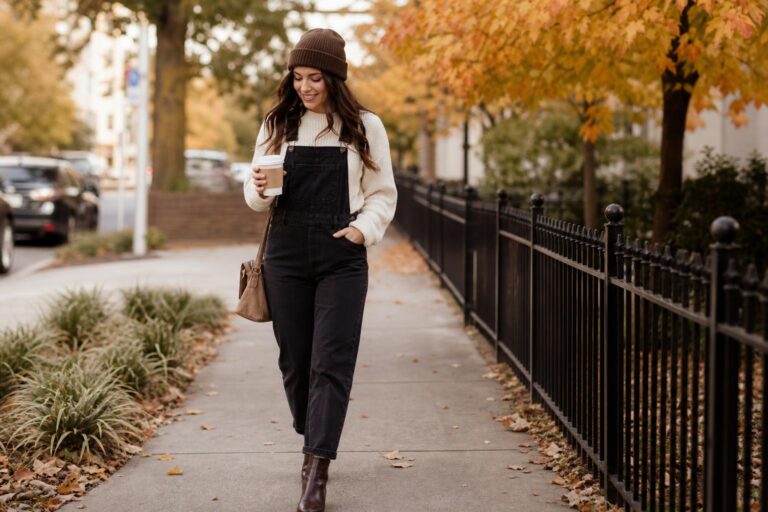
This approach is defined by ease. The silhouette often includes straight or loose layers, comfortable knits, and outerwear that does not cling too closely to the body. The mood is warm, approachable, and everyday-friendly. It works especially well for coffee runs, weekend errands, casual lunches, and long days when comfort matters as much as appearance.
Visually, relaxed casual layering favors softer shapes and tactile textures. A knit may look slightly oversized, denim may sit straight rather than sharply fitted, and a coat may feel roomy enough to layer over heavier pieces. The overall effect is low-pressure and natural rather than precise.
Style overview: polished structured dressing
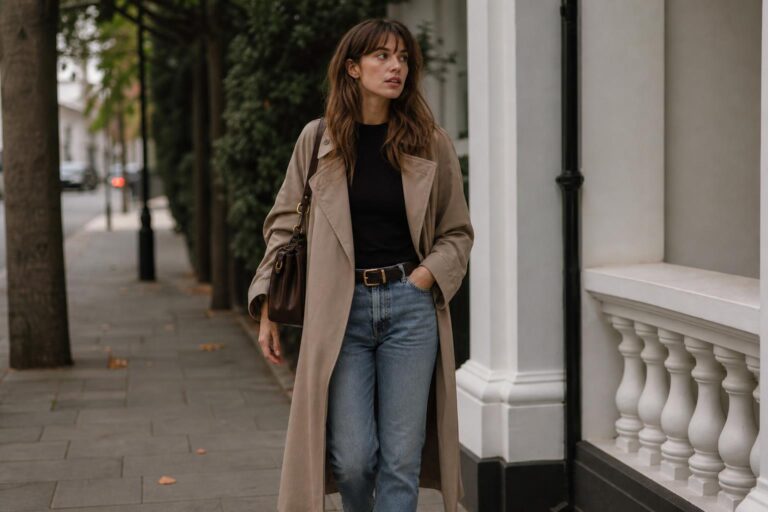
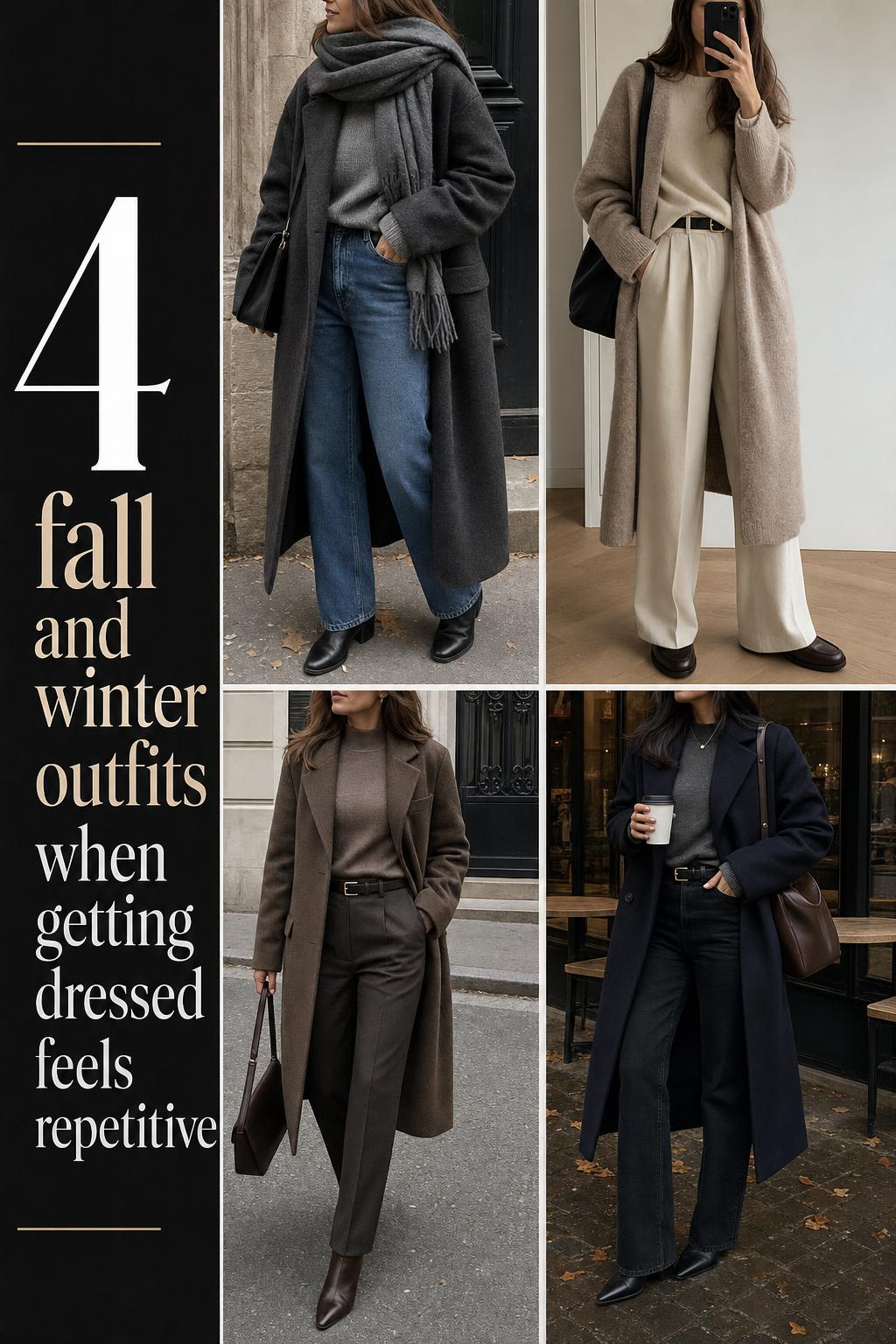
This style is built around clarity and shape. Even in cold weather, the outfit keeps a sense of line. Trousers may sit cleaner through the leg, coats often define the shoulders or skim the body more neatly, and knitwear is usually chosen for a smoother finish. The mood is composed, refined, and slightly elevated without needing formal eventwear.
Polished structured dressing works well when you want seasonal warmth but do not want the outfit to feel bulky or overly casual. It suits office settings, dinners, meetings, city days, and any moment when a tidier appearance matters. The look is not necessarily dressy, but it is controlled.
Where the difference really shows
Silhouette and structure
The easiest way to tell these styles apart is the line of the outfit. Relaxed casual layering allows more volume across the body. A sweater may sit loose over jeans, or a coat may fall in a straight, easy shape over multiple layers. Nothing looks stiff. The silhouette has softness and a little breathing room.
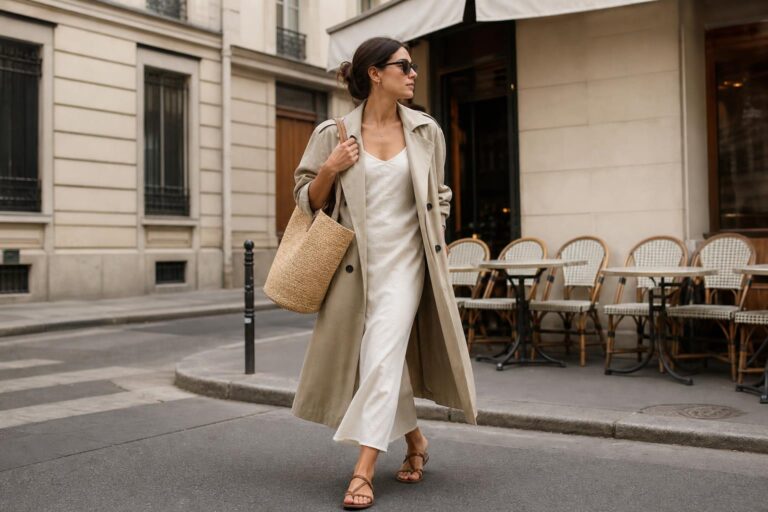
Polished structured dressing keeps volume more controlled. If a coat is long, the layers under it are usually slimmer or more defined. If knitwear has some softness, it is often balanced by straighter trousers or cleaner footwear. The outfit still works for cold weather, but the shape feels edited rather than generous.
Color and visual contrast
Relaxed casual dressing often feels softer in the way colors sit together. The palette may look blended rather than sharply contrasted, which supports the easy mood of the outfit. Even when darker shades appear, the result is usually grounded and low-key.
Polished structured outfits can handle stronger contrast because the style is already anchored by shape. A more defined coat, cleaner trouser line, or neater shoe gives the outfit enough discipline to support a bolder visual balance. This is one reason a polished winter outfit can look striking without appearing overdone.
Formality level
Relaxed casual layering sits closer to everyday casual wear. Even when the pieces are smart, the styling usually communicates comfort first. You can wear it almost anywhere informal, but it may feel too laid-back for spaces where a sharper presence is expected.
Polished structured dressing moves more easily between casual and semi-polished settings. That flexibility is useful in fall and winter, when one outfit may need to work for commuting, indoor meetings, and dinner plans. The trade-off is that it can feel too formal for very relaxed environments if the styling is not softened.
Wardrobe logic
The casual layered wardrobe is often built around comfort-first staples that can be repeated often and mixed without much effort. The polished wardrobe depends more on fit and consistency. Pieces need to hold their line and work together cleanly. Neither approach is better overall, but they solve different problems.
How these fall and winter outfits look in real life
In practical terms, the difference becomes clear the moment someone walks into a room. A relaxed casual outfit has visual softness. The layers look lived-in, the proportions are easier, and the outfit often feels a little more textural. A polished structured outfit looks more composed at first glance. The eye notices cleaner lines, intentional balance, and fewer elements competing for attention.
Layering approach
Relaxed layering tends to stack gently. The base layer, knit, and coat each add warmth, but they do not fight for definition. This works especially well during fluctuating temperatures, because the outfit still looks natural if one piece comes off indoors.
Structured layering is more strategic. Each layer has a clearer role, and bulk is managed more carefully. That matters in cold weather, because too many thick pieces can overwhelm the body and make an outfit feel heavy. A polished look often uses fewer but more intentional layers so the shape stays visible.
Proportion and balance
Relaxed outfits can handle wider proportions as long as one area stays visually grounded. For example, if the upper half is soft and loose, the lower half usually has enough structure to keep the outfit from feeling shapeless. The balance is casual, but it is still balance.
Polished outfits rely on cleaner proportion from the start. The pieces often align more closely in weight and line, which creates a deliberate silhouette. This is why structured cold-weather dressing tends to photograph well and feel a little more put together even on simple days.
Accessories and footwear
Accessories in a relaxed outfit usually support ease. They complete the look without making it feel too styled. Footwear follows the same idea, keeping the outfit practical and grounded for walking, commuting, or spending time outdoors.
In a polished structured outfit, accessories help sharpen the overall impression. Footwear especially changes the tone. Once the shoes look cleaner and more defined, the rest of the outfit starts reading as more intentional. That is often the fastest way to shift an outfit from casual to polished without replacing the whole look.
Outfit comparisons by real-life scenario
A coffee run on a cold morning
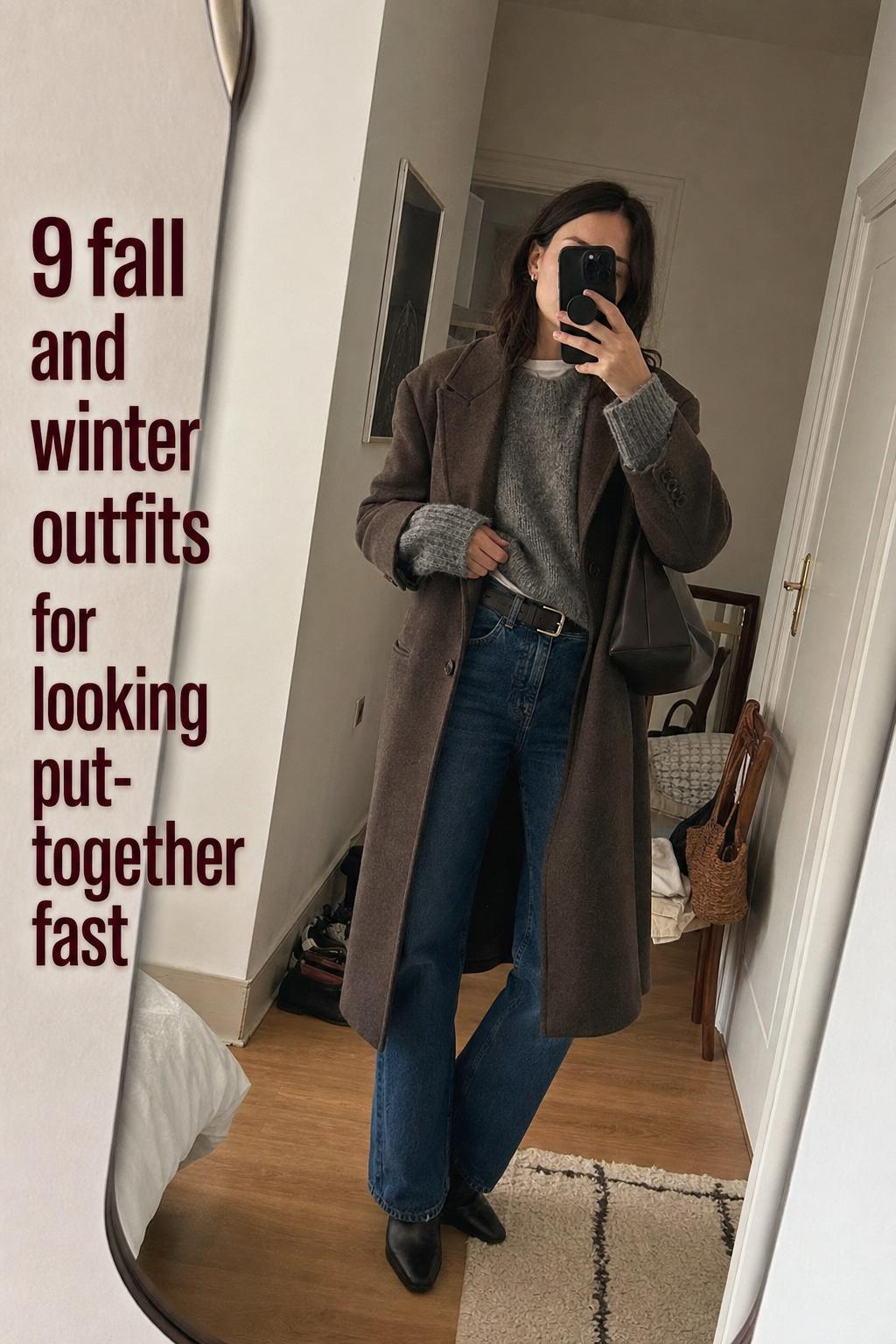
The relaxed casual version of this outfit centers on warmth and movement. Picture an easy knit layered under a roomy outer layer with comfortable bottoms and practical shoes that can handle a chilly sidewalk. The appeal is in the softness of the silhouette. It looks like something you can wear for hours without needing to adjust it.
The polished structured version uses the same cold-weather idea but refines the line. The knit sits neater, the coat shape reads cleaner, and the lower half looks more intentional. This is the kind of outfit that still works if the quick coffee run turns into a lunch meeting or a stop at the office.
A weekday office outfit
For a casual office or creative workplace, relaxed layering can work well if the outfit keeps enough definition around one area, usually the trousers or outerwear. A soft knit and comfortable cold-weather layers create an approachable look that still feels presentable. The key is avoiding too much bulk, especially indoors where heavy layering can quickly look untidy.
In a more traditional work setting, polished structured dressing usually performs better. The reason is simple: cleaner silhouettes hold up across the full day. They transition more easily from commute to desk to dinner and continue to look intentional after the coat comes off. The outfit feels stable in professional spaces because it has clearer shape.
A weekend city day with walking involved
This is where relaxed casual layering often feels most natural. You want warmth, mobility, and enough room for changing temperatures as you move between outdoors and heated interiors. Soft layers, practical footwear, and an easy coat shape make sense here because the day itself is active and informal.
The polished version is still possible, but the styling has to account for comfort. The best approach is usually to keep the structure in one or two elements rather than every piece. That way the outfit still feels elevated without becoming too rigid for a full day of walking.
An easy dinner outfit in late fall
For dinner, relaxed casual dressing can look appealing when the textures do the work. Soft seasonal layers create visual interest without requiring anything too formal. The outfit feels intimate and comfortable, especially for a neighborhood restaurant or a casual evening gathering.
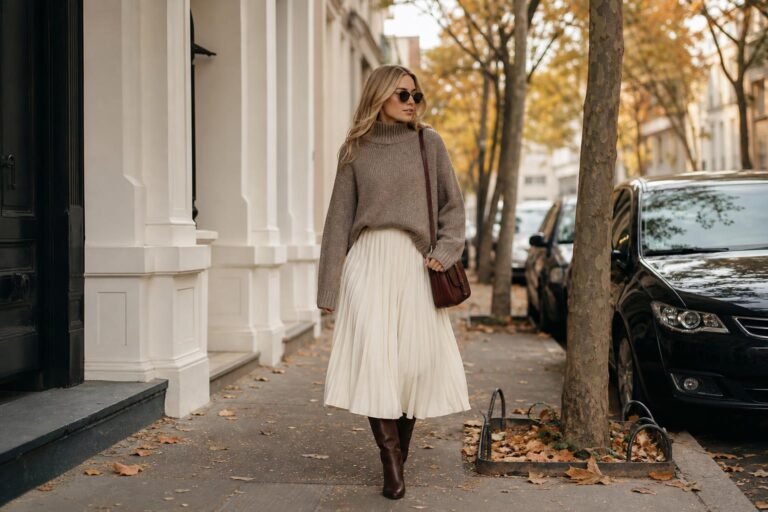
Polished structured dressing brings a little more edge to the same situation. Cleaner lines make the outfit feel more evening-appropriate right away. If you want a cold-weather outfit that looks put together under indoor lighting and still feels seasonally grounded, this approach usually reads stronger.
A practical note on climate, movement, and indoor heating
Cold-weather style is never only about aesthetics. Fall and winter outfits have to work across drafts, overheated interiors, wet sidewalks, long commutes, and days that begin freezing and end much milder. That is one reason the difference between relaxed and structured dressing matters. Some styles handle those conditions more comfortably than others.
Relaxed casual layering is often easier to adapt throughout the day. If you are removing a coat, adding a scarf, or spending hours in motion, the softer silhouette tends to stay believable even when layers shift. Polished structured dressing offers a cleaner final result, but it asks more from fit and planning. Once proportions are disturbed, the outfit can lose some of its clarity.
Tips for dressing around changing temperatures
- Choose one layer that can come off without leaving the outfit incomplete.
- Keep the bulkiest piece on the outside so indoor layers still sit neatly.
- If the day includes a lot of walking, let comfort lead the shoe choice and adjust the rest of the outfit around that.
- Use texture to create interest before adding extra volume.
Common styling mistakes that blur the line
One of the most common issues in cold-weather dressing is trying to create a polished outfit with pieces that are too soft and oversized in every area. The result is not truly relaxed and not truly refined. It simply looks heavy. A better approach is to decide where ease belongs and where definition needs to stay.
The opposite mistake also happens often: forcing structure into every element. A fitted knit, sharp outerwear, clean trousers, and strict footwear can start to look stiff in daily life, especially in winter when the body naturally needs more ease. Even polished dressing benefits from one softer element so the outfit still feels wearable.
Another issue is ignoring scale. Thick cold-weather fabrics visually expand the body, so proportion matters more than it does in warm-weather dressing. If every layer is substantial, the outfit loses shape quickly. This is why successful fall and winter outfits often look simple. The best ones are edited, not overloaded.
Quick correction tips
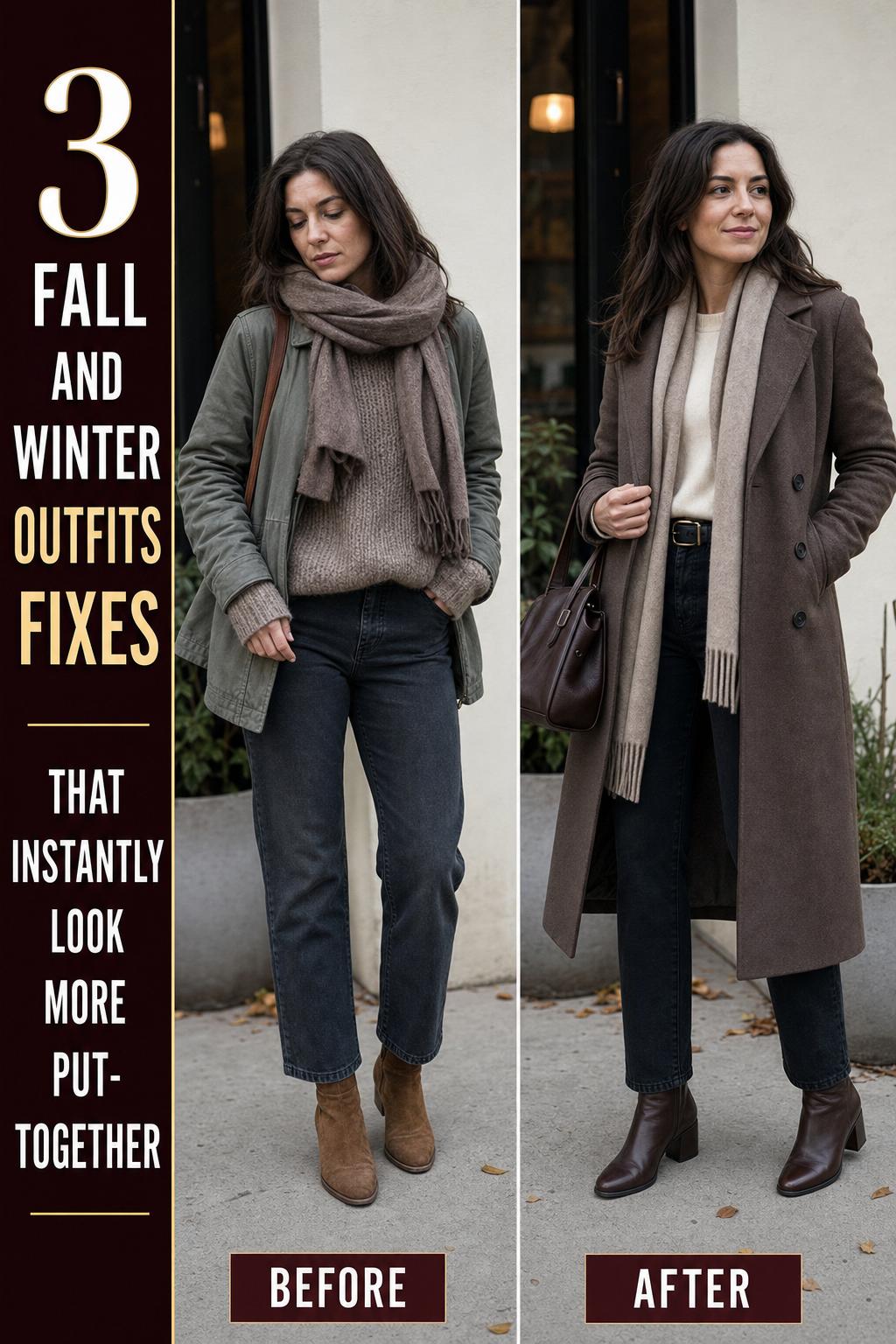
If an outfit feels too casual, define one area clearly, often through cleaner outerwear or more refined footwear. If it feels too formal for the setting, soften the outfit with gentler layering or a more relaxed knit. Small changes usually do more than a full restart because the core pieces are already seasonal and practical.
Choosing the right approach for your wardrobe
The best style direction depends less on trends and more on how your week actually looks. A wardrobe built around neighborhood routines, casual plans, travel days, and flexible schedules will usually benefit from relaxed casual layering. It is forgiving, comfortable, and easy to repeat without looking identical each time.
If your days move through professional settings, city appointments, dinners, or environments where appearance affects first impressions, polished structured dressing may serve you better. It holds its shape through more situations and makes simple outfits feel more intentional.
When relaxed casual layering makes more sense
- Everyday errands and neighborhood plans
- Travel days with lots of walking
- Casual weekends and informal meetups
- Situations where comfort and flexibility matter most
When polished structured dressing is the stronger choice
- Office days and work lunches
- City appointments and meetings
- Dinner plans that call for a neater finish
- Days when you want one outfit to move across multiple settings
The mixed approach that usually works best
Most real wardrobes do not live entirely in one category. In practice, the most useful cold-weather style often comes from combining both approaches. That may mean using a relaxed foundation and adding one structured layer, or starting with a polished base and introducing softness through knitwear or proportion.
This blended method is especially effective for modern fall and winter outfits because daily life rarely stays in one dress code. You may begin with a commute, spend hours indoors, and end with an evening plan. A mixed outfit can handle all of that without feeling overbuilt.
A simple formula for combining both styles
Start by choosing the mood you want the outfit to communicate first: easy or refined. Then add one balancing element from the other side. If the base is relaxed, bring in structure through outerwear or shoes. If the base is polished, add softness with a knit or slightly easier silhouette. This keeps the outfit grounded and prevents it from leaning too far in either direction.
What makes a cold-weather outfit feel finished
Whether you prefer relaxed layering or polished structure, the final outfit needs internal consistency. The shapes should make sense together, the level of formality should feel intentional, and the textures should support the season rather than compete with one another. A finished outfit is not the one with the most pieces. It is the one where every piece seems to belong.
That is the core distinction between these two styles. Relaxed casual layering creates warmth through softness, ease, and natural proportion. Polished structured dressing creates impact through line, clarity, and control. Once you recognize those signals, it becomes much easier to identify which style you are looking at and which one fits the moment in front of you.
And in real life, the most wearable answer is often a thoughtful blend: enough comfort for the season, enough structure for the setting, and a silhouette that still feels like you.
FAQ
What is the main difference between relaxed and polished fall and winter outfits?
The main difference is shape and finish. Relaxed outfits rely on softer silhouettes, easier layering, and a more casual mood, while polished outfits use cleaner lines, more controlled proportions, and a neater overall impression.
Can a casual cold-weather outfit still look put together?
Yes, as long as the outfit keeps some visual balance. Casual dressing looks intentional when the proportions are controlled, the layers make sense together, and at least one part of the outfit adds definition so the look does not become bulky or shapeless.
Which style works better for the office in colder months?
Polished structured dressing usually works better for most office settings because it keeps a cleaner silhouette and transitions well after outerwear is removed. Relaxed layering can still work in casual workplaces if the outfit stays neat and not overly oversized.
How do I make fall and winter outfits look less bulky?
The easiest way is to limit visual weight in one area. If the coat is roomy, keep the layers underneath cleaner. If the knit is substantial, choose a lower half with more line and structure. Editing bulk matters more than adding extra detail.
Is it better to choose comfort or structure in winter dressing?
Most people need both. Comfort helps an outfit work for real life, especially on long days or in changing temperatures, while structure keeps the look intentional. The strongest cold-weather outfits usually combine a comfortable base with one or two more defined elements.
What kind of outfit works best for a winter travel day?
A relaxed layered outfit usually makes the most sense for travel because it allows movement, adapts to temperature changes, and stays comfortable over long hours. Adding one polished element can still help the outfit feel more refined without reducing practicality.
Why do some winter outfits look polished even when they are simple?
They usually have clear proportion, consistent formality, and a clean silhouette. Even basic pieces look elevated when the shapes are deliberate and the outfit does not feel overloaded with competing layers or textures.
Can I mix relaxed and structured pieces in one outfit?
Yes, and that is often the most practical approach. A soft, comfortable base paired with a more structured outer layer or cleaner footwear creates balance and helps the outfit work across both casual and slightly polished settings.
Finish the look
The little extras that make a summer outfit feel complete
From beach days to city weekends, these easy pieces bring comfort, texture, and a polished finishing touch.

FENBEN
Straw Hobo Crossbody Bag
A handwoven straw bag with both short and crossbody straps—an effortless finishing touch for vacation looks and warm-weather outfits.
Shop the bag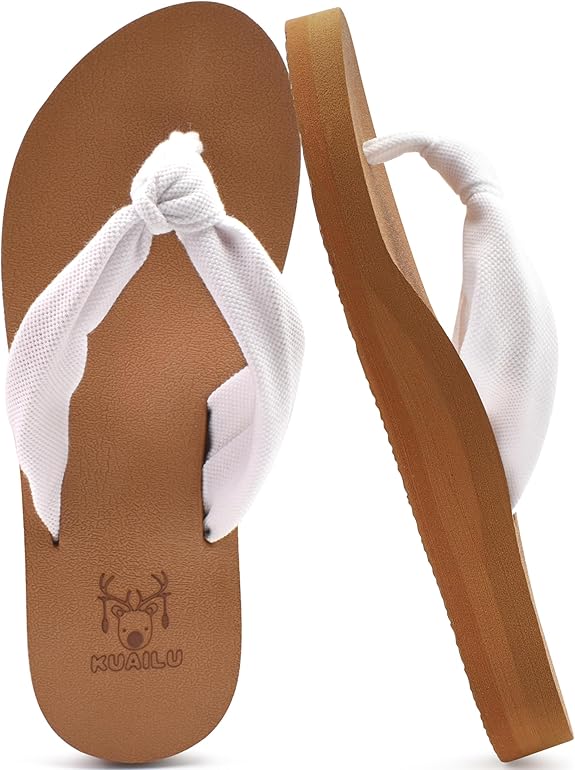
KuaiLu
Flip Flops with Arch Support
Cushioned, lightweight sandals with supportive arch design—a practical choice for beach trips, errands, and long summer walks.
Shop the sandals
baleaf
Athletic One-Piece Swimsuit
A functional one-piece with adjustable straps and moderate coverage, designed for swimming, training, surfing, and active beach days.
Shop the swimsuit
Astylish
Linen-Cotton Button-Down Shirt
A relaxed cotton-linen shirt with a collared V-neck and roll-up sleeves—easy to style over swimwear or with denim and shorts.
Shop the shirt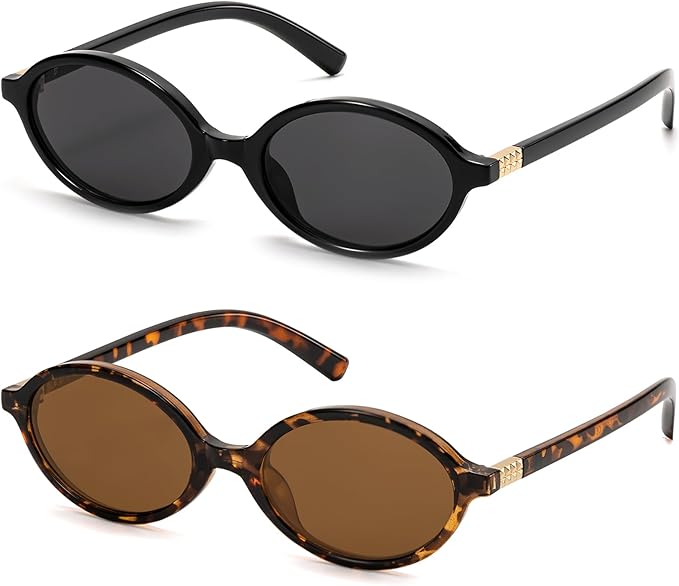
ViewJoy
Retro Oval Sunglasses
Small oval sunglasses with a 90s-inspired silhouette and UV400 lens protection—a quick way to add a vintage edge to everyday looks.
Shop the sunglasses
Affiliate disclosure: This section contains affiliate links. If you make a purchase through these links, I may earn a commission at no additional cost to you. Product selection, pricing, availability, and delivery terms may change—please review the current details on Amazon before purchasing.
As an Amazon Associate I earn from qualifying purchases.