80’s Aesthetic Outfits: Build a Wardrobe That Works
Some mornings, the problem is not having nothing to wear. It is having a closet full of pieces that each suggest a different version of the 1980s. A sharp blazer points toward power dressing, a slouchy sweatshirt feels sporty, and a bright patterned top suggests a more expressive night-out mood. Put every reference into one outfit and the result can feel like a themed costume. Keep one idea in focus, though, and the decade becomes much easier to wear.
The most useful way to build 80’s aesthetic outfits is to treat them as a small wardrobe system. Choose one direction, identify a few details that make it recognizable, then combine those anchors with the clothes you already reach for. You do not need a head-to-toe vintage look or a complete closet of new purchases. You need a clear point of view and enough combinations to make that point of view feel natural on an ordinary day.
Start With One 80s Mood, Not Every Trend at Once
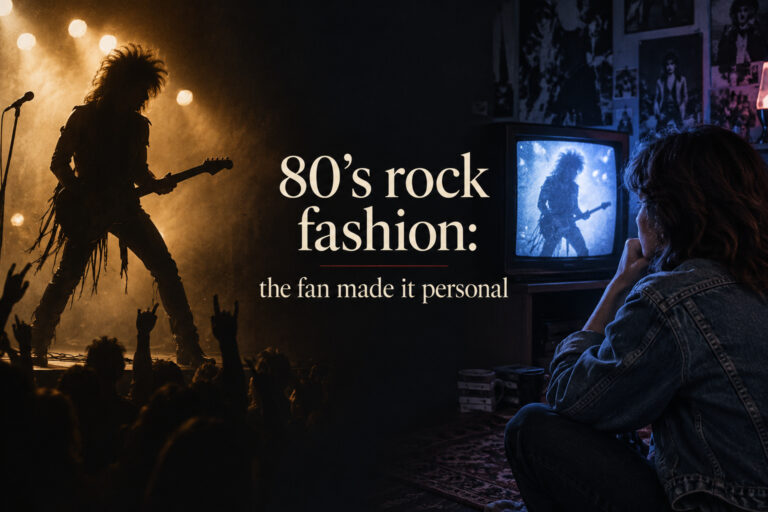
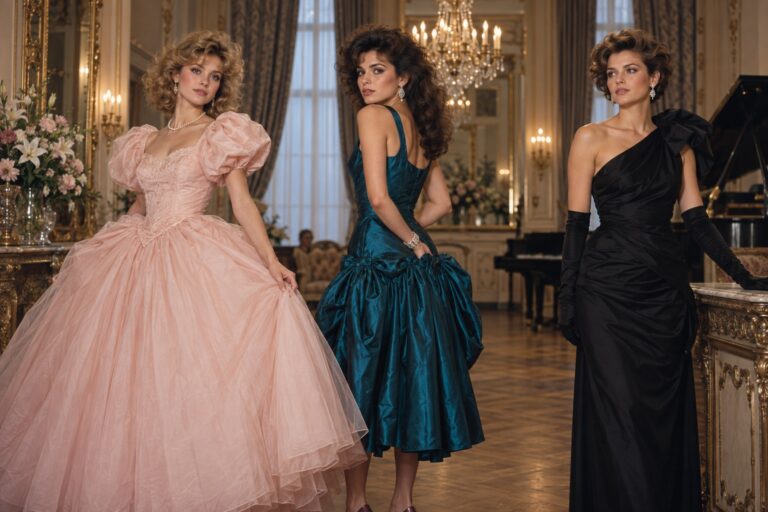
The 1980s did not have one uniform silhouette or one shared idea of what looked fashionable. The Fashion History Timeline at the Fashion Institute of Technology describes an overlap of sportswear, New Romantic styling, power dressing, Japanese avant-garde design, and looks that came from street and music cultures. That range matters when you build a capsule today. It means you can choose the part of the decade that fits your life instead of treating every familiar reference as a required ingredient.
The Fashion-Note Edit
Five effortless pieces to refresh your everyday wardrobe
A polished, practical edit for workdays, weekends, and everything in between.

The Drop
Women’s Blake Long Blazer
A longline, tailored blazer with a notched collar and a single-button closure—an easy layer for denim, dresses, or office-ready looks.
Shop the blazer
Amazon Essentials
Women’s Lightweight Crewneck
A soft, lightweight sweater with a clean crew neckline—the kind of reliable layer that works from cool mornings to air-conditioned spaces.
Shop the sweater
Amazon Essentials
Women’s Loafer Flat
A classic flat loafer that gives casual outfits a more polished finish and pairs naturally with tailored pants, skirts, and straight-leg jeans.
Shop the loafers
Levi’s
Women’s 501 90s Jeans
A relaxed, vintage-inspired take on the iconic 501 silhouette—made for an easy, lived-in look without the thrift-store search.
Shop the jeans
Colorfulkoala
High-Waisted 7/8 Leggings with Pockets
Soft, four-way-stretch leggings with side pockets and a high-rise waistband—designed for movement, errands, and off-duty comfort.
Shop the leggings
Affiliate disclosure: This section contains affiliate links. If you make a purchase through these links, I may earn a commission at no additional cost to you. Product selection, pricing, availability, and delivery terms may change—please review the current details on Amazon before purchasing.
As an Amazon Associate I earn from qualifying purchases.
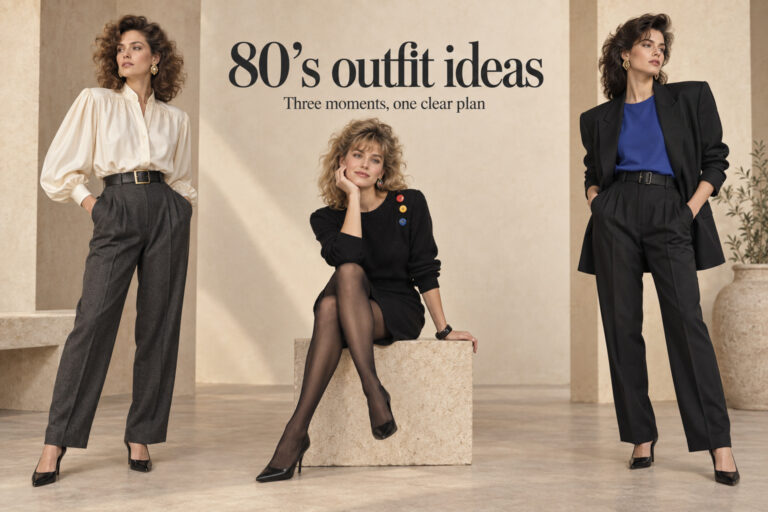
Begin with the way you want your clothes to read. A tailored direction feels composed and confident. A sporty direction feels relaxed and energetic. A preppy direction feels clean and collegiate. An expressive direction can be romantic, theatrical, or intentionally offbeat. These are useful starting points, not strict historical labels. The goal is to give your outfit a consistent visual language that you can recognize and repeat.
Your wedding style is personal.
Your plan should feel that way, too.
Zarellea keeps your guest list, budget, vendors, and every next step beautifully organized — so you can focus on the moments that feel like you.
Use your real week to choose the direction
Think about the places where you actually wear the clothes: a casual office, errands, a commute, a weekend lunch, or evenings out. If you often need a layer that makes jeans look considered, a tailored or preppy capsule may earn the most use. If comfort and movement shape your day, start with the sporty side of the decade. If your current closet is mostly neutral, one expressive accent may be enough to satisfy your interest in color without asking you to dress brightly from head to toe.
It also helps to notice which pieces you already repeat. A blazer, track jacket, cardigan, graphic tee, pleated skirt, or straight pair of jeans can reveal a natural direction. Choose the mood that extends those habits instead of trying to create an entirely new character. When the starting pieces already make sense in your life, you are more likely to wear the capsule in combinations rather than saving it for a special occasion.
Pick three visual cues and let the rest stay quiet
For a simple filter, write down one silhouette cue, one texture or fabric cue, and one color or accessory cue. A tailored capsule might use a defined shoulder, a smooth woven fabric, and a dark belt. A sporty capsule might use a relaxed sweatshirt shape, a soft jersey texture, and one saturated color. A preppy direction might use a neat collar, a knit layer, and a restrained stripe or check. Three cues are enough to make a connection without making every item compete.
Keep those cues specific. “Bold” is too broad to guide an outfit. “One bright color against navy and white” gives you a decision you can use. “Vintage” is also broad. “A relaxed shoulder with a clean straight trouser” is a more useful visual note. You can change the exact garment as your day changes, while the repeated cues make the wardrobe feel coherent. This is the difference between collecting references and building a personal style system.
Borrow a second influence sparingly
If two moods appeal to you, give one the larger role. For example, a tailored jacket can be the main idea while a sporty tee provides a small contrast. Or a preppy knit can set the tone while a bright bag brings in a little expressive energy. The smaller influence should appear in one place, not in every layer, accessory, and color at once. That limit keeps the outfit readable and makes it easier to repeat the combination.
Build the Capsule Around Three Reliable Anchors
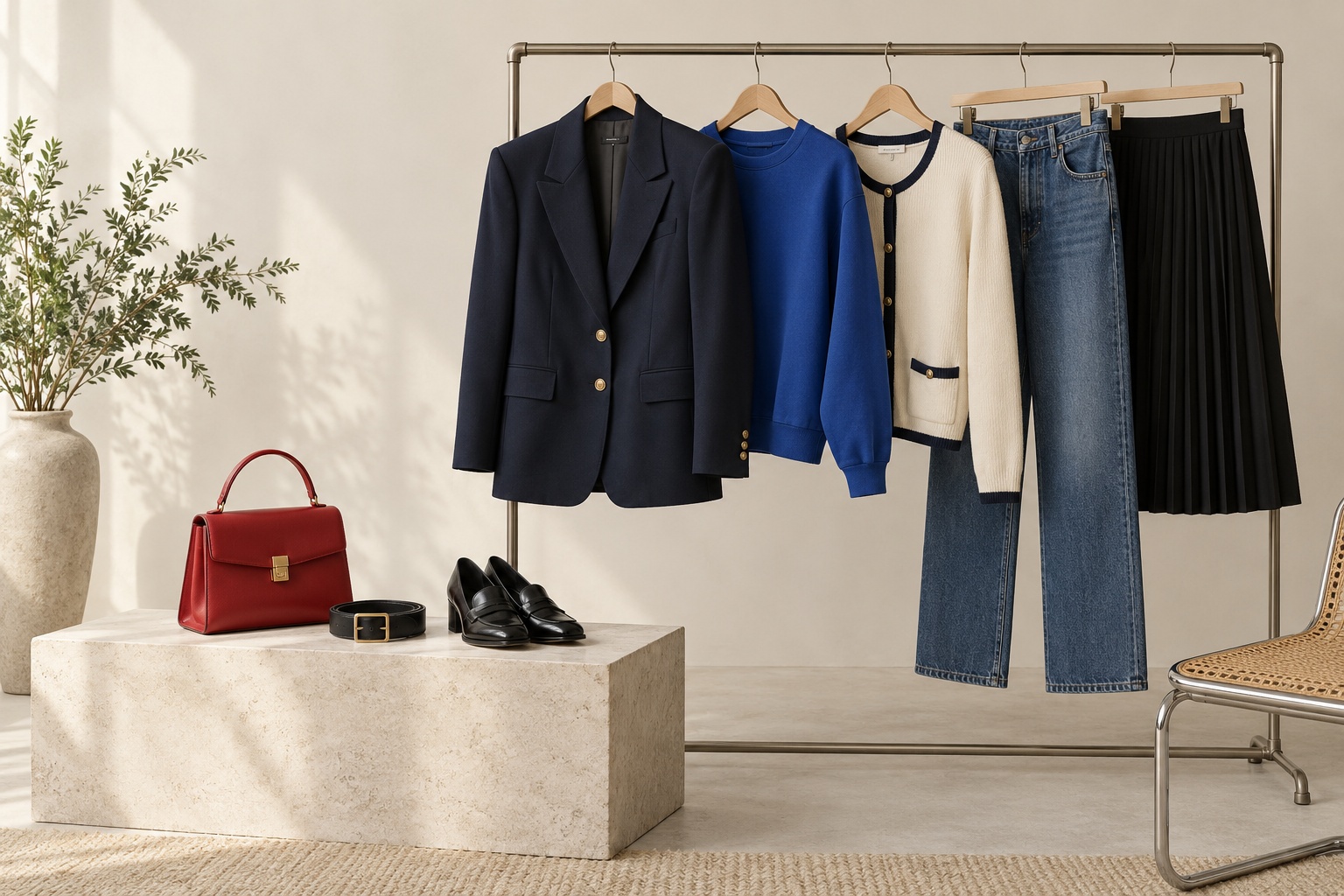
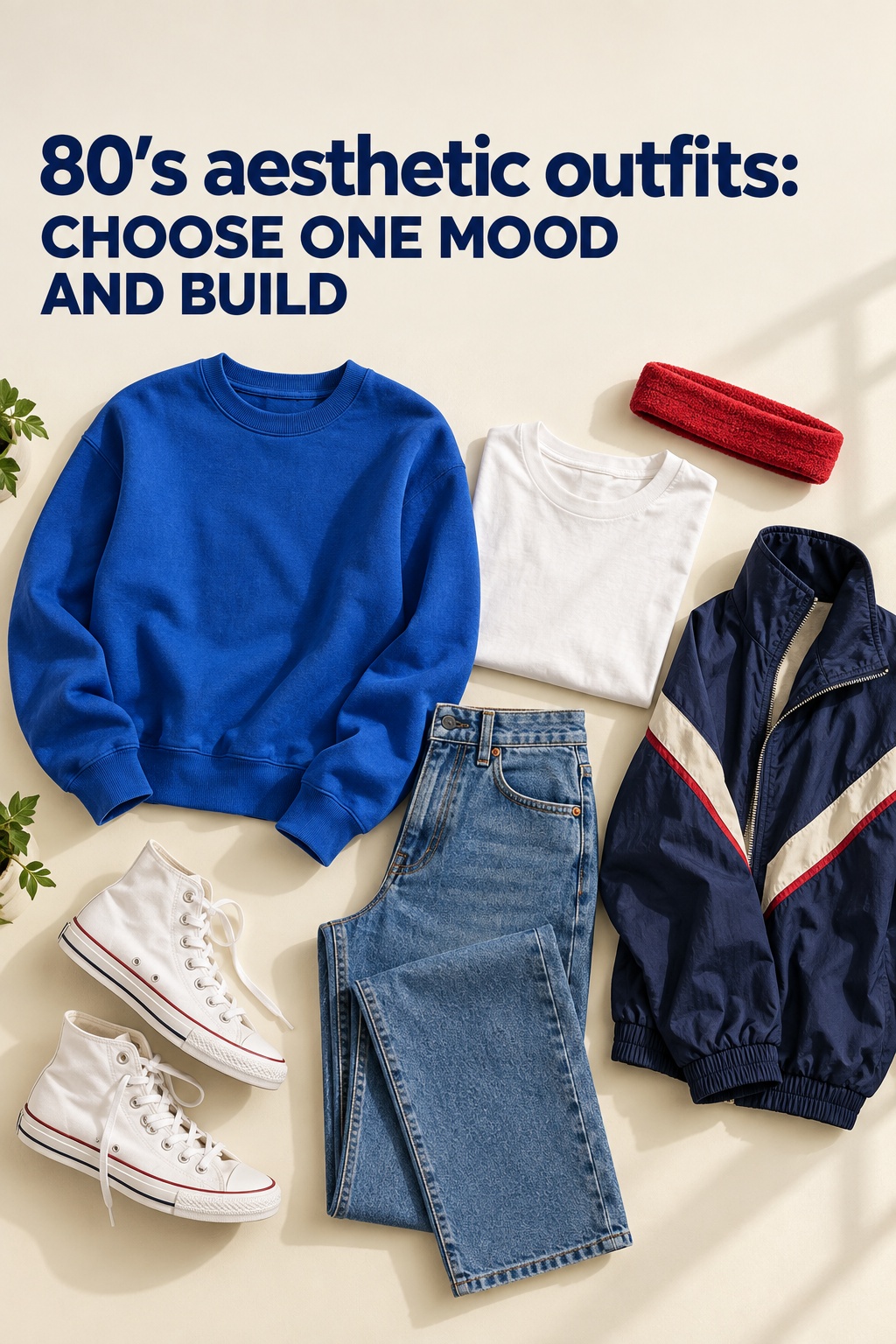
A capsule does not have to follow a fixed number of pieces. Its purpose is to make dressing easier because the clothes share a point of view and work in more than one combination. Start with three anchors: a shape that carries the mood, a supporting piece that connects that shape to everyday clothing, and a signature detail that makes the outfit feel specific. The anchors can be garments you own already. They do not need to be rare or historically exact.
Choose one shape that carries the mood
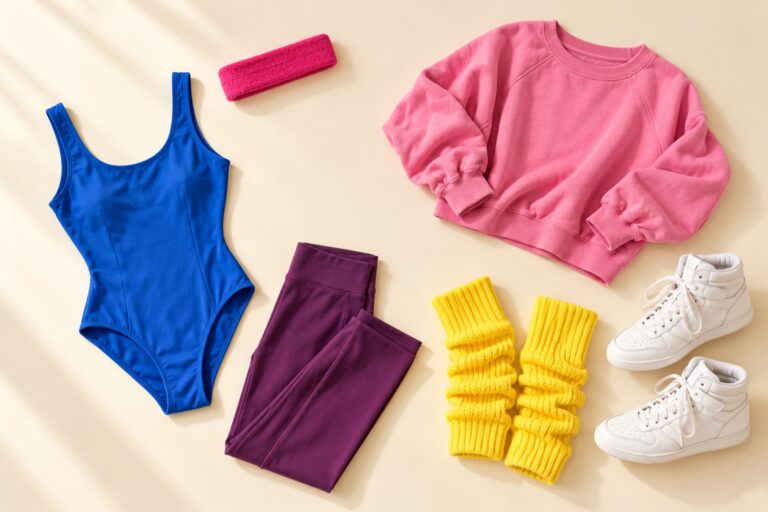
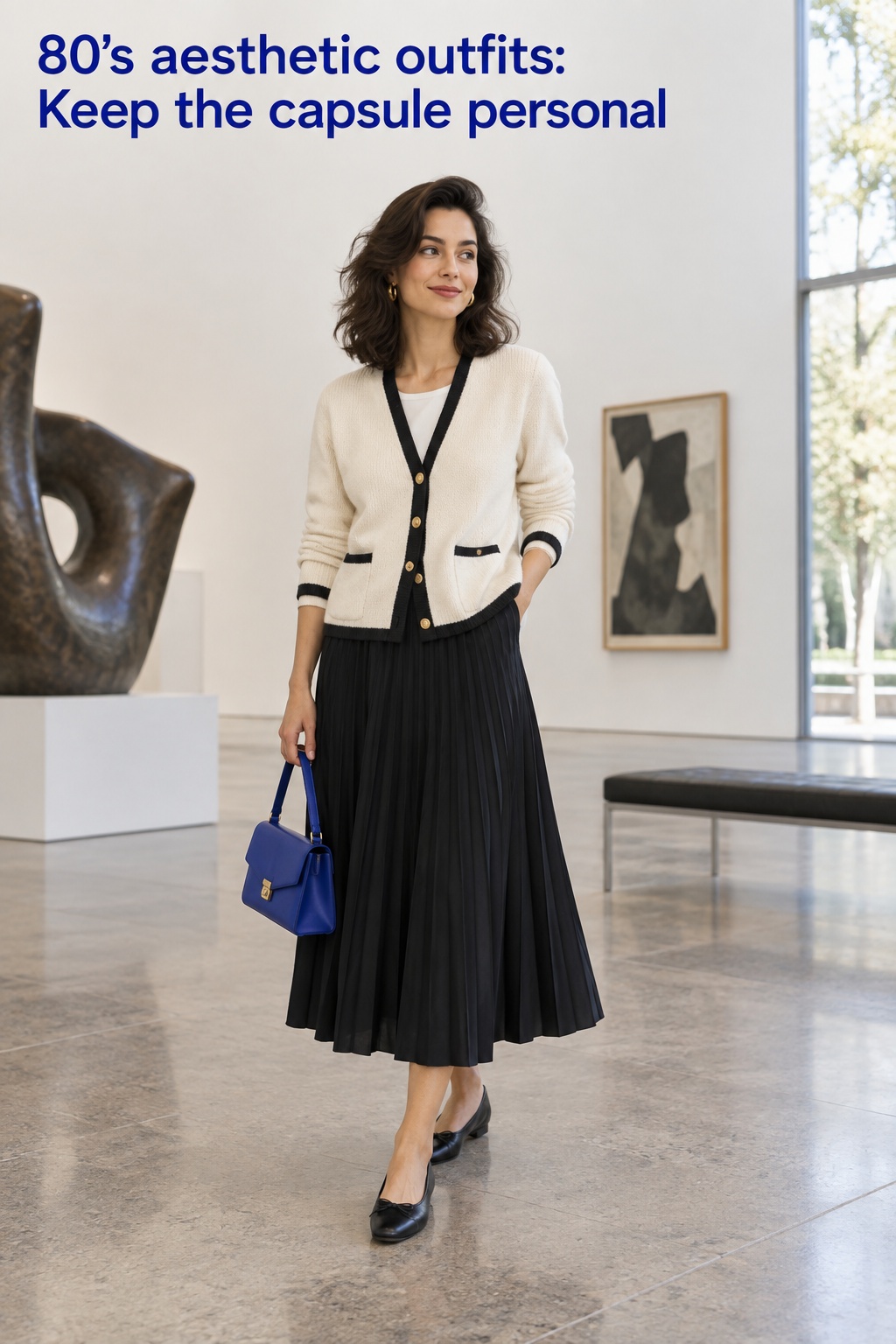
In a tailored capsule, the shape might be a blazer with a defined shoulder or a jacket that creates a clear upper line. In a sporty capsule, it might be a roomy sweatshirt, a track jacket, or a relaxed layer with a visible zipper. For a preppy direction, start with a collared shirt, a neat cardigan, or a pleated skirt. An expressive capsule could begin with a fluid blouse, a patterned piece, or a garment with a gathered or dramatic sleeve. The anchor should be the item that makes the outfit recognizable from a few steps away.
Use proportion to keep the shape comfortable for your present-day wardrobe. If the jacket is broad or boxy, try it with a straighter, simpler bottom. If the top is soft and voluminous, balance it with a cleaner waist or a less busy layer. If the anchor follows the body closely, leave some ease elsewhere. These are not rules about what suits a particular body. They are ways to make the garment’s outline visible while letting you move and sit comfortably.
Add a connector that makes the anchor easy to wear
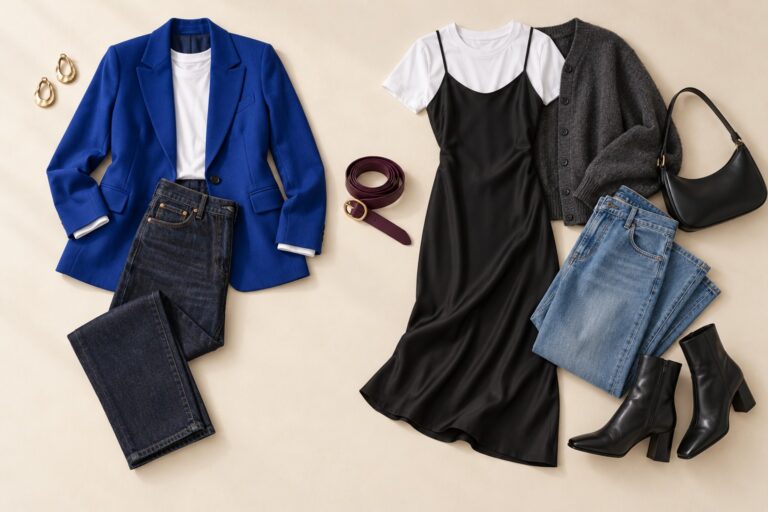
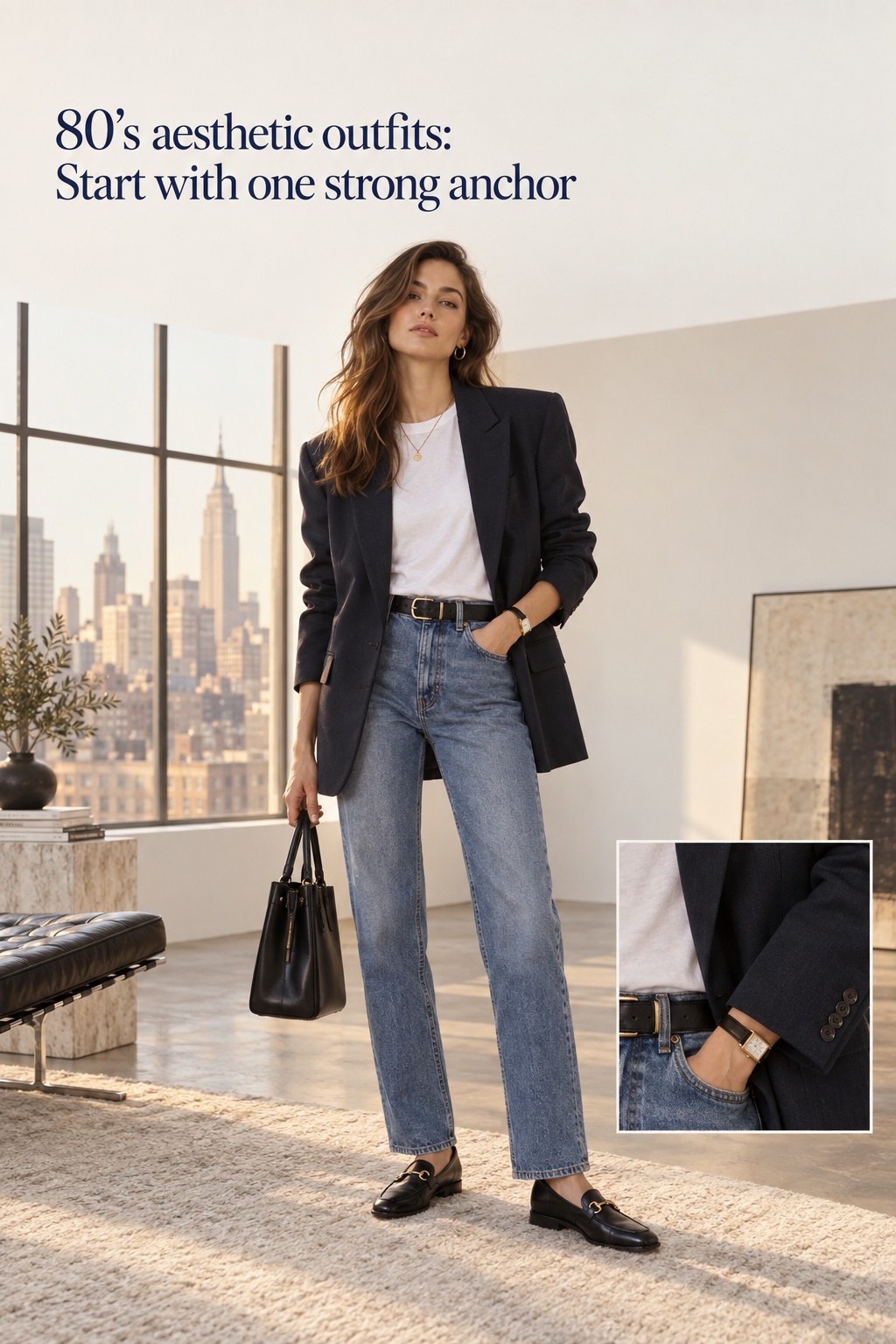
The connector is the piece that helps your 1980s reference work with the rest of your closet. Straight jeans, a simple skirt, a plain knit, a clean tee, or easy trousers can play that role. Keep the connector calmer than the anchor so it gives the outfit room to breathe. In a sporty wardrobe, for instance, a sweatshirt can sit with straight jeans and a crisp coat. In a tailored wardrobe, a structured jacket can sit over a simple tee and relaxed denim.
Choose connectors by looking at what the anchor needs rather than by following a shopping list. Ask whether it needs a plainer color, a less dramatic shape, or a smoother texture next to it. If your anchor is a patterned blouse, clean trousers may be the most useful support. If it is a strong-shouldered jacket, a simple top can stop the upper half from feeling too formal. If it is a bright sweatshirt, a quiet bottom lets the color provide the energy.
Keep one signature detail in rotation
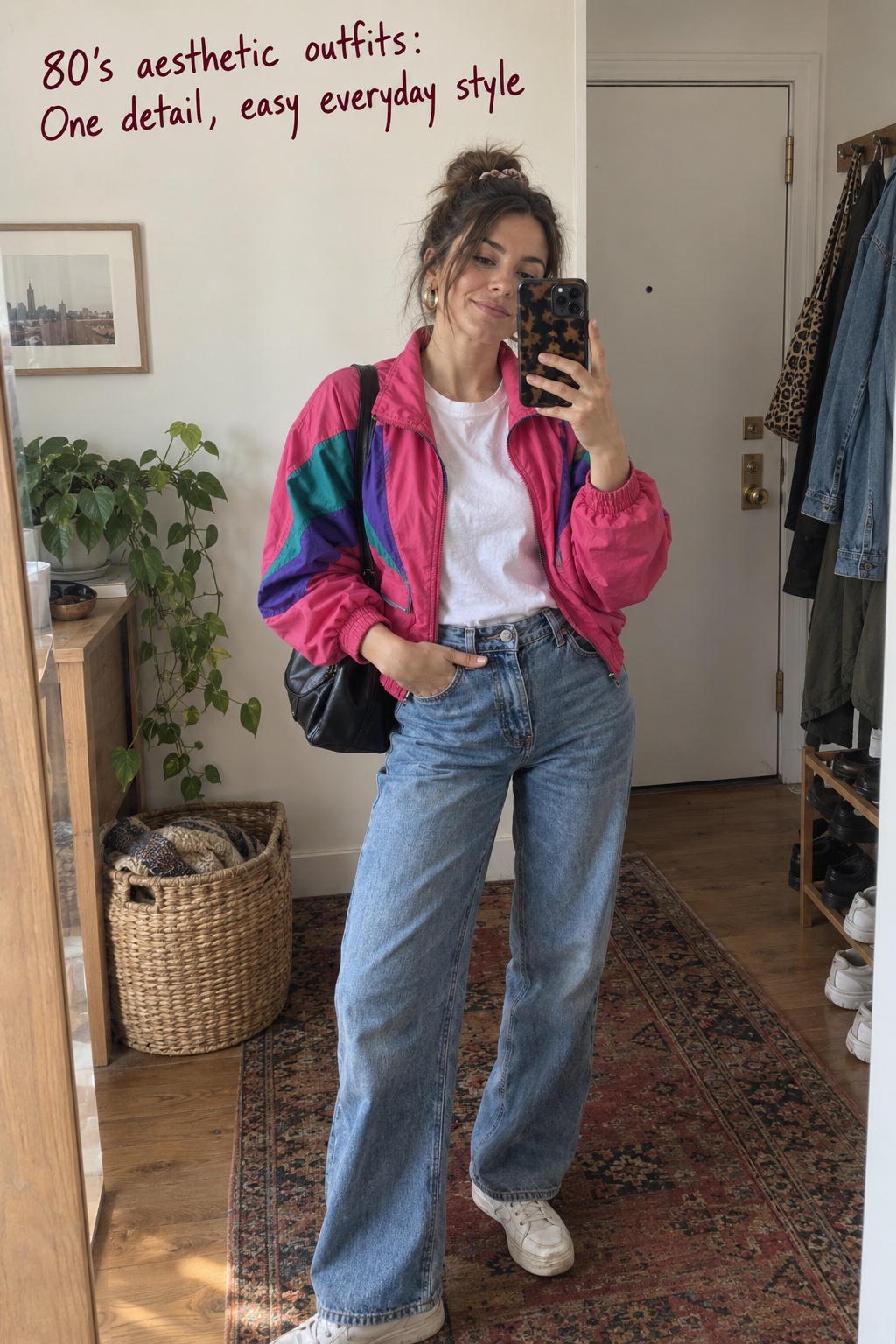
A signature detail can be an accessory, a color, a print, or a small styling habit. It might be a belt that defines the waist, a pair of larger earrings, a striped knit, a bright sock, or a cuff that reveals a contrasting lining. Museum examples at The Museum at FIT show how a wardrobe idea can be built through garments designed to work in different combinations, while one clear silhouette or detail gives each look its own character. Treat the detail as a finishing note, not another anchor that has to dominate the outfit.
For a practical first capsule, choose one anchor top or jacket, one anchor bottom, two connectors, one additional layer, and two details that can move between outfits. This is a starting framework, not a required shopping count. If your closet already contains enough pieces to make three outfits, stop there and test them. If the combinations keep failing for the same reason, such as every bottom feeling too formal or every layer competing with the shoulder line, that repeated problem points to a real gap.
Make More 80’s Aesthetic Outfits From the Same Pieces
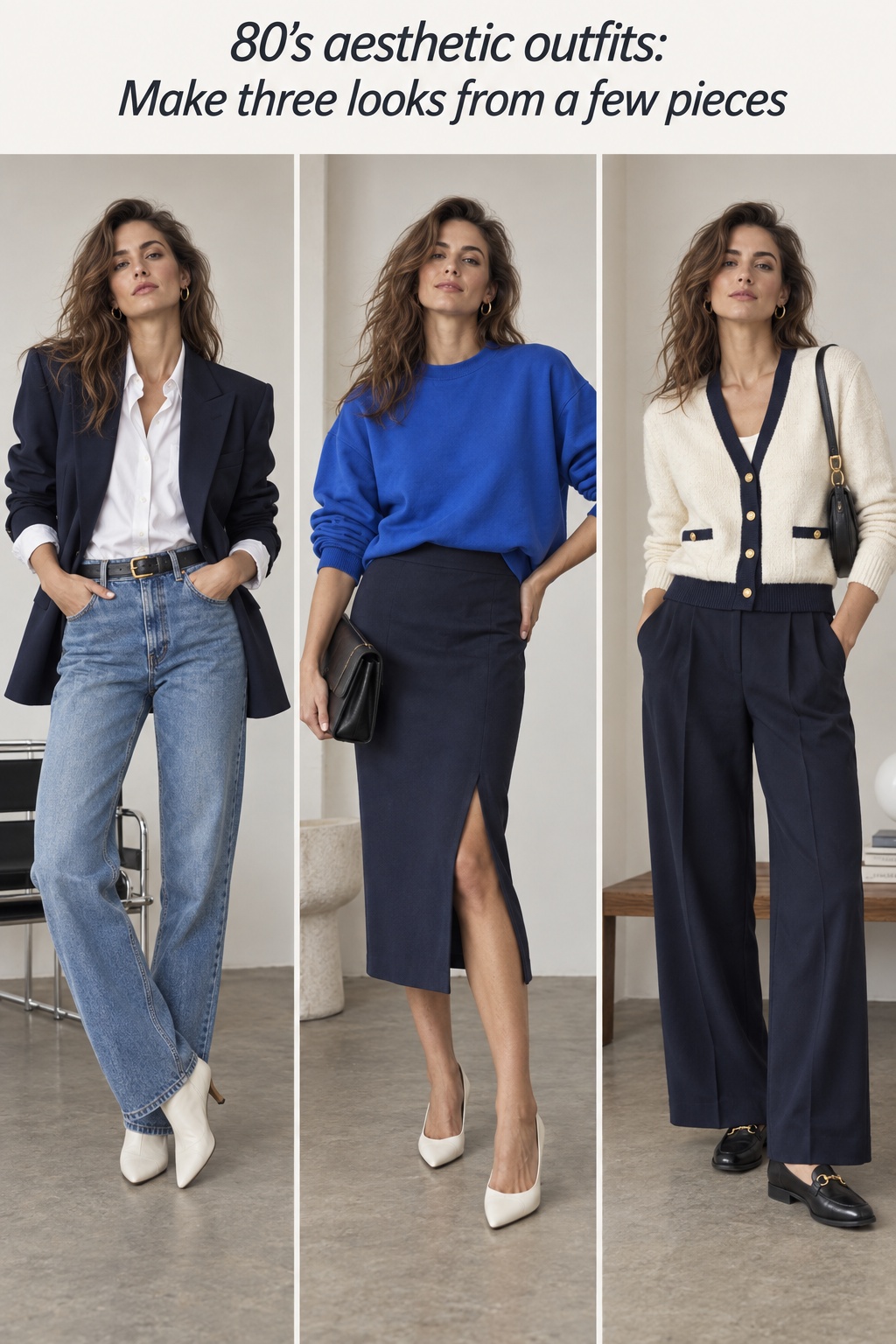
The capsule becomes useful when the pieces create different outfits without losing their connection. Rather than plan a separate look for every occasion, keep the anchor and change one supporting element. A jacket can stay the same while the bottom shifts from jeans to a skirt. A sweatshirt can stay the same while a crisp coat or a neat bag makes the rest of the outfit feel more deliberate. That small adjustment gives you variety without rebuilding the wardrobe each morning.
Use a two-piece base for relaxed days
For an easy day, start with one 80s anchor and one familiar base piece. A relaxed sweatshirt can work with straight denim. A preppy cardigan can go over a plain tee and a simple skirt. A tailored blazer can sit over a clean knit and jeans. Let the main anchor carry the historical reference, then keep the other pieces simple enough to make the outfit feel like something you would actually wear for errands, a coffee, or a casual day out.
If the outfit looks too basic, bring back one of the three cues you selected at the start. That could mean adding a belt, changing to a sharper collar, choosing a stronger color, or adjusting a sleeve so the shape is visible. Avoid adding a new statement piece automatically. Often the missing detail is already in your closet, hidden beneath a layer or lost because the proportions are not yet clear.
Shift the level of polish with one swap
To make the same system feel more polished, change either the texture or the finish of one piece. A smooth blouse can replace a tee beneath a blazer. A neat skirt can replace jeans under a cardigan. A more structured bag can give a sporty base a sharper edge. The idea is to change one variable at a time, so you can see what made the outfit feel different and repeat that adjustment when it is useful.
For an evening or a more expressive plan, keep the same base and give the signature detail a little more presence. That might mean a stronger earring, a richer color, a patterned layer, or a more dramatic sleeve. The outfit does not need to acquire every decorative 1980s reference. A single feature against familiar clothes is usually enough to make the direction legible while keeping the rest of the outfit comfortable and personal.
Repeat the visual thread, not the exact outfit
Repetition is what makes a small wardrobe feel intentional. If your thread is a defined shoulder, it can appear in a blazer one day and a jacket another day. If your thread is sporty color, repeat the same accent in a top, an accessory, or a small detail rather than buying a matching set. If your thread is preppy structure, repeat a collar or a neat knit shape. The pieces can change as long as the visual idea stays recognizable.
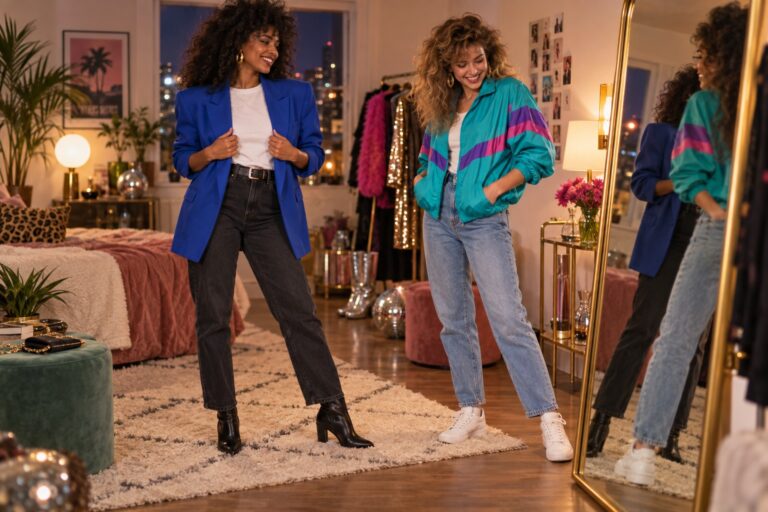
Try photographing three combinations in the same mirror or laying them out side by side. Look for one shared cue in each outfit. If the connection is invisible, add a repeated color or silhouette. If the outfits all look identical, vary one supporting element. This quick check helps you see whether the capsule offers genuine choice or merely repeats one uniform. It also makes it easier to spot a useful gap before spending money.
Edit, Shop, and Adapt the Capsule Without Losing Its Point of View
Once you have a few combinations, resist the urge to fill every imagined role. Wear the pieces you chose and notice where the system breaks down. Does the main layer work with more than one bottom? Can the signature detail move between casual and polished outfits? Is there a comfortable option for the way you actually spend the day? These questions make the capsule more personal than a generic list of “must-have” 80s items.
Audit your closet before looking for new pieces
Pull out the items that already fit your chosen mood and make a few trial combinations. Note which pieces do real work and which only look appealing on their own. A statement jacket that works with one item may be less useful than a plain layer that supports several outfits. An accessory that repeats your chosen color can be more valuable than another bold top. The purpose of the audit is not to remove personality. It is to see which pieces help your idea travel through a normal week.
When something does not work, name the specific reason. Maybe the hem covers the interesting shape, the colors have no connection, or the outfit needs a quieter layer. That diagnosis is more helpful than deciding that the whole aesthetic is wrong. Try a small adjustment first: change the base, simplify the color, or move the accessory. If the same issue appears across several outfits, record it as a gap rather than making an impulse purchase.
Shop for the missing role, not the loudest piece
A shopping decision is easier when you can describe the job a piece needs to do. “A layer that makes my sporty anchor work outside the gym” is more specific than “something more 80s.” “A calm bottom that works with my patterned top” gives you a clear boundary. Before buying, name two outfits you could wear with the item and one piece it connects to. If you cannot make those combinations, the purchase may add another isolated reference rather than strengthen the capsule.
Consider secondhand and current pieces on the same terms: fit, feel, condition, and how well they work with what you own. Vintage does not automatically mean more authentic, and a current garment does not lose its usefulness because it was not made in the decade. The strongest capsule is one you can wear. If a garment is uncomfortable, difficult to style, or only works for a photograph, it is not serving the system you set out to build.
Let layers and small details adapt the mood
When the weather changes, keep the anchor and adjust the supporting layers. A sporty direction can move under a simple coat. A tailored direction can shift with a knit beneath the jacket or a lighter base when the day is warmer. A preppy knit can layer over a shirt or sit on its own. If you use a bold accessory, let it remain the focal point when you add outerwear. Practical layering does not have to erase the mood; it can help the outfit function while keeping one cue visible.
It is also fine for the capsule to change gradually. The 1980s included both sharp, structured clothing and relaxed sportswear, as well as design approaches that questioned familiar silhouettes. You can make the wardrobe more understated over time by softening a color or replacing a statement layer with a quieter version. You can make it more expressive by adding a single texture or print. The underlying system stays useful because it is built around combinations, not a fixed costume.
Sources and Methodology
Historical context in this article draws on the Fashion History Timeline’s overview of 1980–1989, which documents the coexistence of sportswear, New Romantic, tailored, avant-garde, and street-influenced fashion. Examples of modular wardrobe thinking and distinct silhouettes come from The Museum at FIT’s Trend-ology collection notes. The capsule framework and outfit combinations are original styling suggestions, not claims of personal wear-testing.
FAQ
What defines 80’s aesthetic outfits?
There is no single 1980s aesthetic. Recognizable directions include tailored power dressing, sporty clothes, preppy combinations, romantic looks, and more expressive street or music-inspired styles. Choose the details that fit the direction you want instead of combining every decade reference at once.
How do I make an 80s-inspired outfit feel modern?
Use one clear 1980s cue as the anchor, then pair it with familiar, simpler clothes. A defined shoulder, sporty sweatshirt, neat knit, or vivid accessory can provide the reference. Keeping the remaining pieces calm helps the outfit feel wearable rather than like a complete costume.
Can I mix sporty and preppy 80s styles?
Yes. Decide which direction should lead, then borrow one detail from the other. A neat cardigan can sit over a sporty tee, or a relaxed jacket can soften a collared shirt. Keeping one influence secondary gives the combination a clear center.
What pieces should I start with for an 80s capsule?
Start with one anchor shape, a supporting piece that works with your existing wardrobe, and one signature detail. Depending on your preferred mood, those could be a blazer, sweatshirt, cardigan, simple bottom, and belt or colorful accessory. Use pieces you already own before deciding what is missing.
Do 80’s aesthetic outfits need bright colors?
No. Color is one possible cue, but shape, texture, layering, and accessories can also establish a reference. A mostly neutral outfit can still feel 1980s-inspired through a defined shoulder or a sporty layer. Add color only if it supports the mood you chose.
How can I avoid looking like I am wearing a costume?
Limit the outfit to a few related cues and combine them with clothes you normally wear. If several statement pieces compete, remove one and check the proportions again. The goal is to reference an aesthetic in a way that fits your routine, not reproduce a full period look.
Can I create 80s aesthetic outfits without buying vintage?
Yes. Current clothes can create a similar outline, color story, or texture. A blazer with a defined shoulder, a relaxed sweatshirt, a neat knit, or a colorful accessory can provide the cue. Choose based on fit and the combinations you can make with your closet.
How many pieces should an 80s-inspired capsule include?
There is no required count. Start with enough pieces to make at least three combinations around one consistent mood. Add something only when you can name the role it fills and connect it to items you already wear. A smaller working system is more useful than a large set of isolated references.
Finish the look
The little extras that make a summer outfit feel complete
From beach days to city weekends, these easy pieces bring comfort, texture, and a polished finishing touch.

FENBEN
Straw Hobo Crossbody Bag
A handwoven straw bag with both short and crossbody straps—an effortless finishing touch for vacation looks and warm-weather outfits.
Shop the bag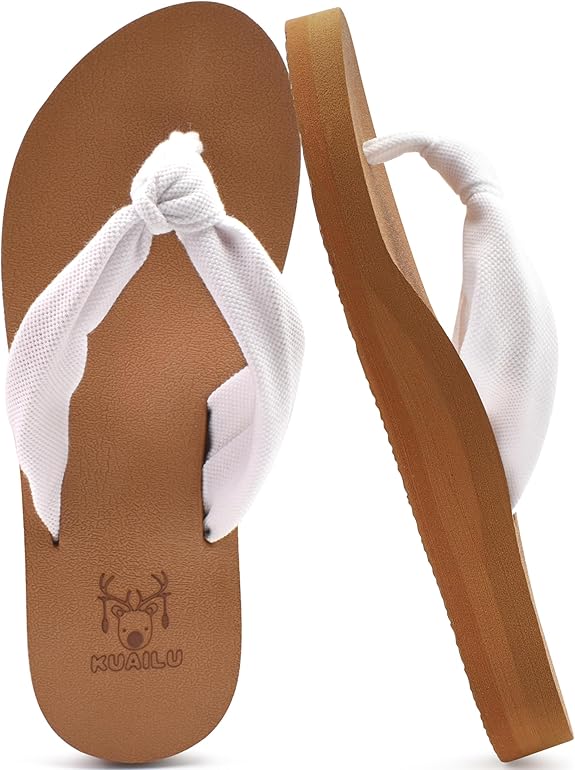
KuaiLu
Flip Flops with Arch Support
Cushioned, lightweight sandals with supportive arch design—a practical choice for beach trips, errands, and long summer walks.
Shop the sandals
baleaf
Athletic One-Piece Swimsuit
A functional one-piece with adjustable straps and moderate coverage, designed for swimming, training, surfing, and active beach days.
Shop the swimsuit
Astylish
Linen-Cotton Button-Down Shirt
A relaxed cotton-linen shirt with a collared V-neck and roll-up sleeves—easy to style over swimwear or with denim and shorts.
Shop the shirt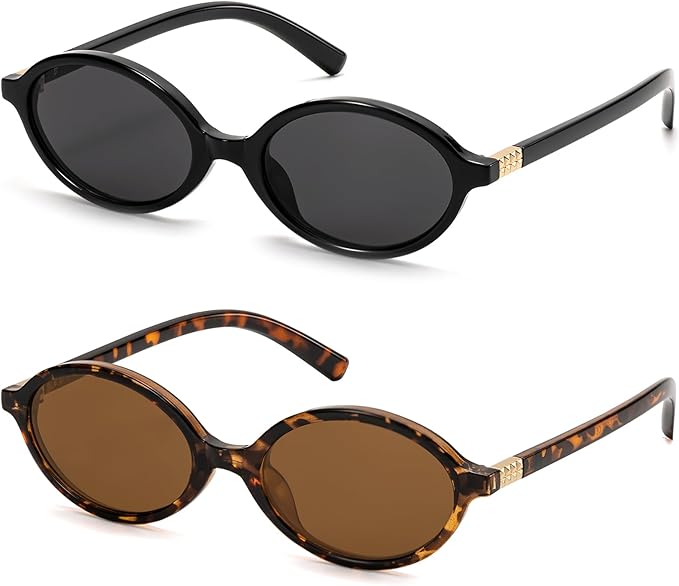
ViewJoy
Retro Oval Sunglasses
Small oval sunglasses with a 90s-inspired silhouette and UV400 lens protection—a quick way to add a vintage edge to everyday looks.
Shop the sunglasses
Affiliate disclosure: This section contains affiliate links. If you make a purchase through these links, I may earn a commission at no additional cost to you. Product selection, pricing, availability, and delivery terms may change—please review the current details on Amazon before purchasing.
As an Amazon Associate I earn from qualifying purchases.