80 Dress Up Ideas 80s Party: Build Your Best Look
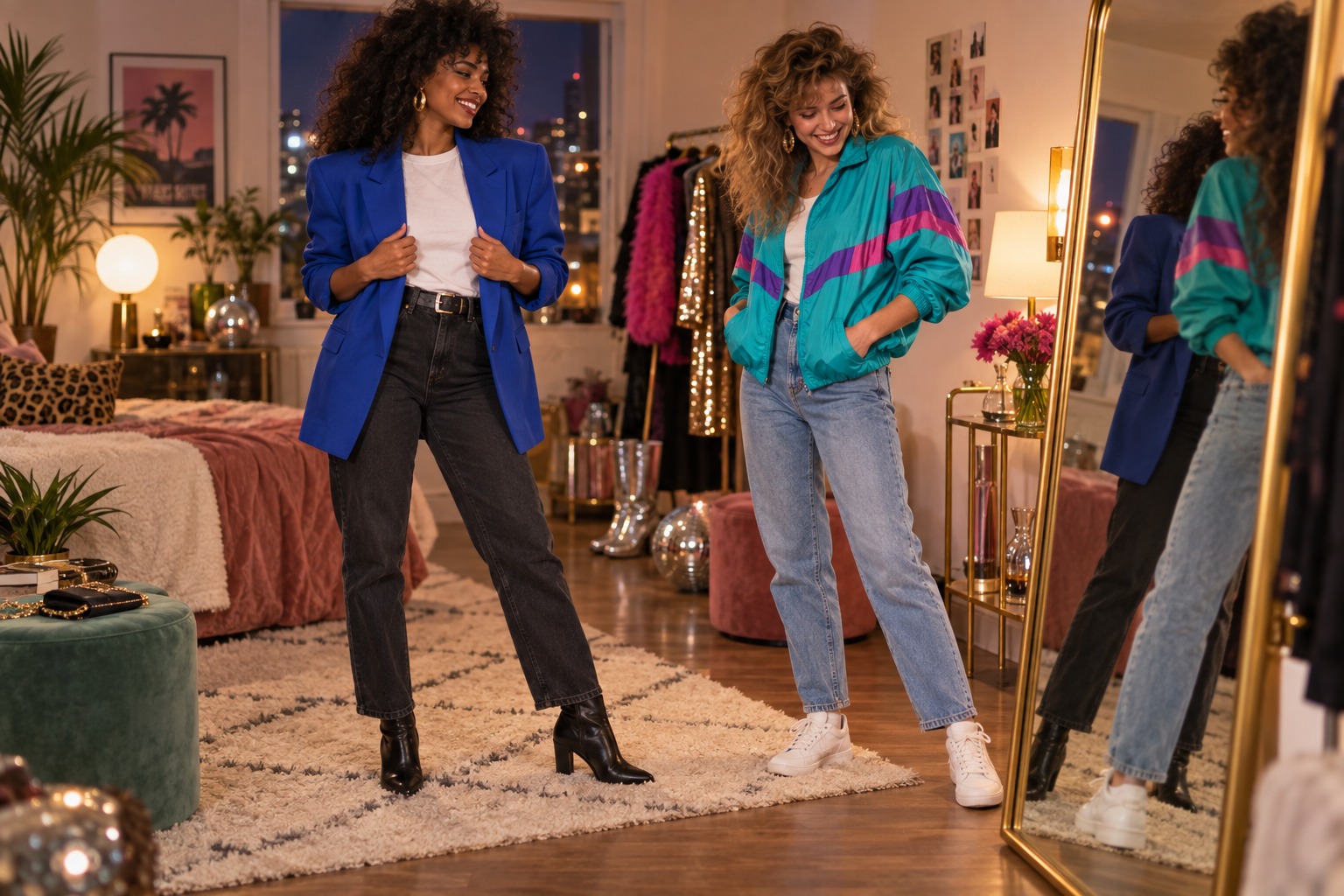
Getting dressed for an 80s party can feel like a choice between buying a complete costume and wearing one bright accessory that barely reads as a theme. There is a more useful middle ground. Start with one piece you already like, decide how boldly you want to dress, and build the rest of the outfit to support that choice. A structured jacket, a roomy sweatshirt, a bright top, a pair of high-waisted jeans, or a patterned skirt can each become a starting point. The goal is not to wear every familiar 1980s reference at once. It is to create one clear outfit that feels right for the party you are actually attending.
The phrase 80 dress up ideas 80s party can lead to long lists of costumes, characters, and accessories. Those lists can spark ideas, but they do not always answer the next question: which pieces work together, and can you sit, dance, travel, and stay comfortable in them? Think of this guide as a way to turn inspiration into a finished look. You will choose a starting piece, set the volume of the reference, and run a short party fit check before leaving. The examples are flexible outfit-building suggestions, not rules about who should wear a certain silhouette.
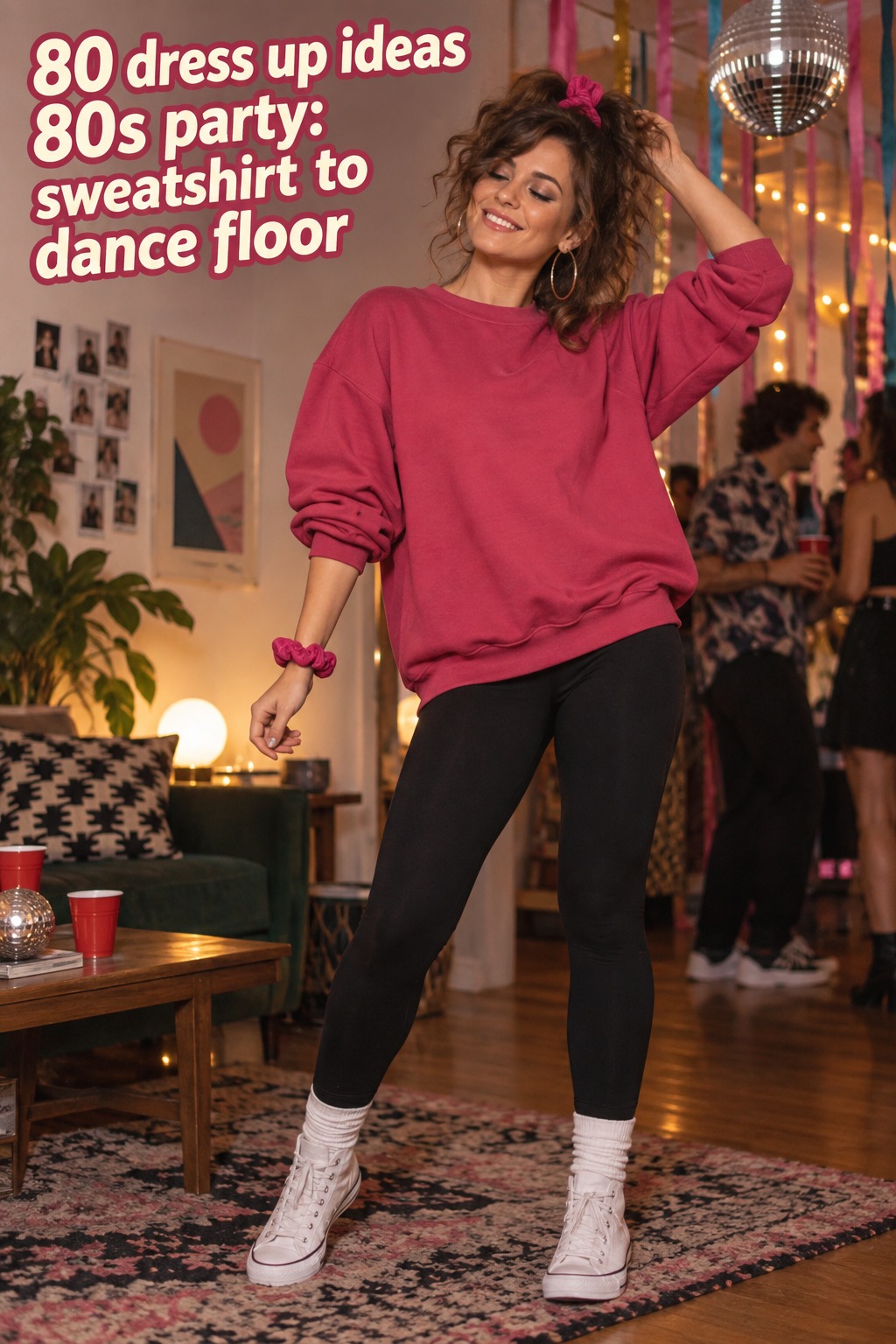
Make the Outfit Read 80s Without Collecting Every Cue
One reason an 80s theme can be hard to dress for is that the decade did not have one uniform. Fashion History Timeline at the Fashion Institute of Technology describes several strands, including sportswear, New Romantic styling, preppy clothes, power dressing, and looks connected to different music scenes. A party guide may turn all of that into a fast visual shorthand: neon, a dramatic shoulder, shiny leggings, big accessories, and teased hair in one frame. Each cue can be fun, but combining them without a plan can make it difficult to tell what your outfit is trying to say.
The Fashion-Note Edit
Five effortless pieces to refresh your everyday wardrobe
A polished, practical edit for workdays, weekends, and everything in between.

The Drop
Women’s Blake Long Blazer
A longline, tailored blazer with a notched collar and a single-button closure—an easy layer for denim, dresses, or office-ready looks.
Shop the blazer
Amazon Essentials
Women’s Lightweight Crewneck
A soft, lightweight sweater with a clean crew neckline—the kind of reliable layer that works from cool mornings to air-conditioned spaces.
Shop the sweater
Amazon Essentials
Women’s Loafer Flat
A classic flat loafer that gives casual outfits a more polished finish and pairs naturally with tailored pants, skirts, and straight-leg jeans.
Shop the loafers
Levi’s
Women’s 501 90s Jeans
A relaxed, vintage-inspired take on the iconic 501 silhouette—made for an easy, lived-in look without the thrift-store search.
Shop the jeans
Colorfulkoala
High-Waisted 7/8 Leggings with Pockets
Soft, four-way-stretch leggings with side pockets and a high-rise waistband—designed for movement, errands, and off-duty comfort.
Shop the leggings
Affiliate disclosure: This section contains affiliate links. If you make a purchase through these links, I may earn a commission at no additional cost to you. Product selection, pricing, availability, and delivery terms may change—please review the current details on Amazon before purchasing.
As an Amazon Associate I earn from qualifying purchases.
A clearer outfit has a lead idea. Maybe you want a lively athletic mood, a polished jacket look, a playful color story, or a relaxed denim outfit with one memorable accent. Choose that direction first. Then pick one anchor piece that makes the direction visible from across the room. It might be a bright windbreaker, a roomy off-shoulder sweatshirt, a bold blazer, a colorful skirt, a graphic top, or a pair of high-waisted jeans. The anchor does not need to be vintage. It needs to give the rest of the outfit a reason to belong together.
Your wedding style is personal.
Your plan should feel that way, too.
Zarellea keeps your guest list, budget, vendors, and every next step beautifully organized — so you can focus on the moments that feel like you.
Think in terms of contrast and support. A vivid top usually benefits from calmer trousers or a skirt. A dramatic jacket can sit over a plain shirt. If your base is simple, a brighter belt, earrings, scrunchie, or pair of socks can supply the theme cue. This approach does not make the outfit less festive. It gives the eye a place to land, which can make one good detail feel more intentional than several competing ones.
There is no required number of bright colors, accessories, or vintage items. If you enjoy a maximal look and the event invites it, use more. If you feel more at ease in a quieter outfit, one recognizable shape or color can still make the theme clear. You are dressing for a party, not taking an exam in historical accuracy. Use references as a starting point and adapt the outfit to your own taste.
For a useful historical overview, FIT’s 1980s fashion timeline shows how distinct clothing directions existed within the decade. That variety is good news for party dressing: there is no single correct costume formula to copy. Decide which mood you want your clothes to communicate, then keep the supporting pieces in that same visual conversation.
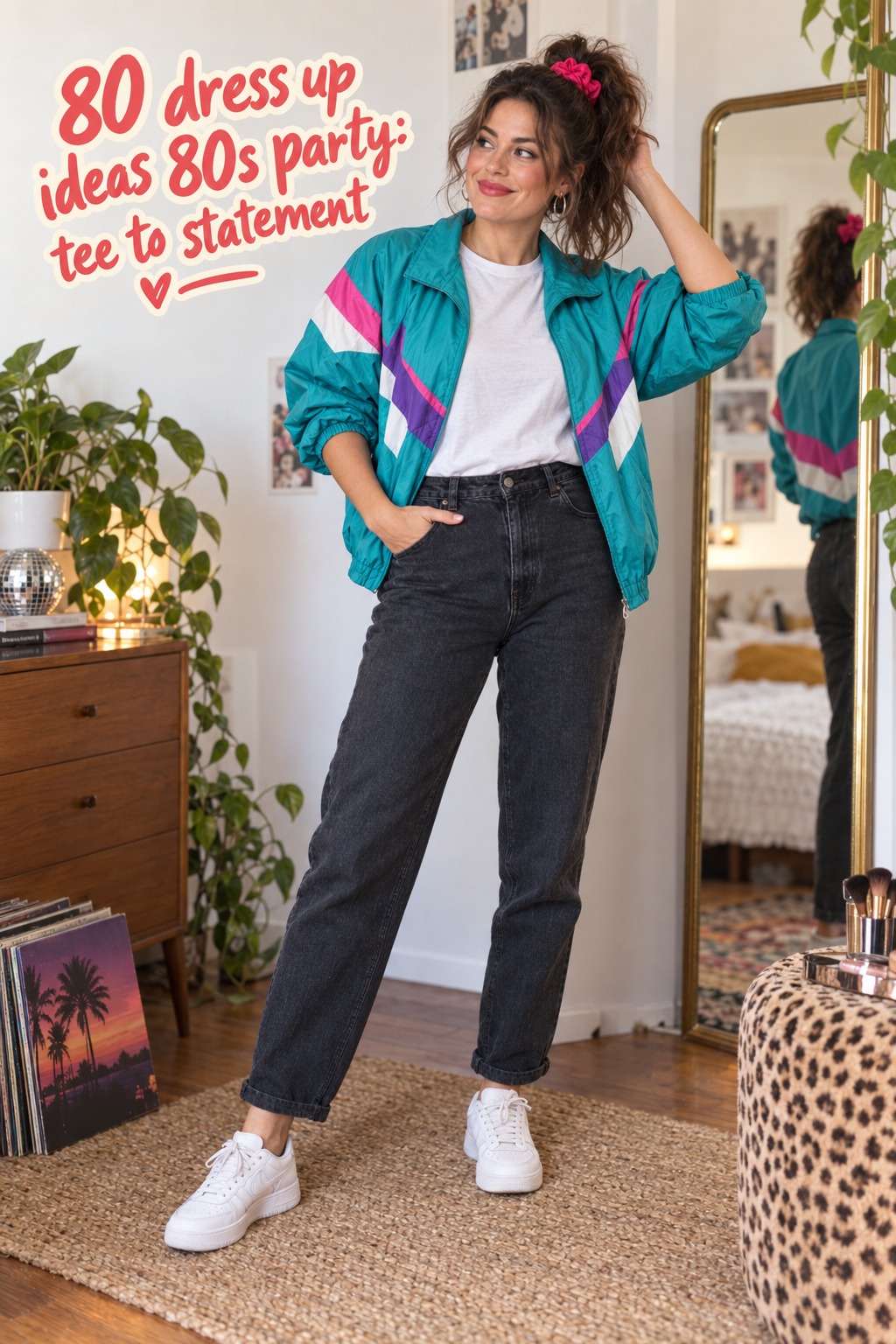
Choose Your Starting Piece Before Your Accessories
Open your closet and pull out three possible starting pieces before you shop or add accessories. Include one item with a strong color or shape, one everyday favorite, and one option that feels comfortable enough for a few hours. Lay them beside the shoes you could realistically wear. This small edit makes the decision easier: instead of asking what an 80s outfit is supposed to contain, you are deciding which available piece can carry the idea.
If you own a jacket with presence, let its shape lead
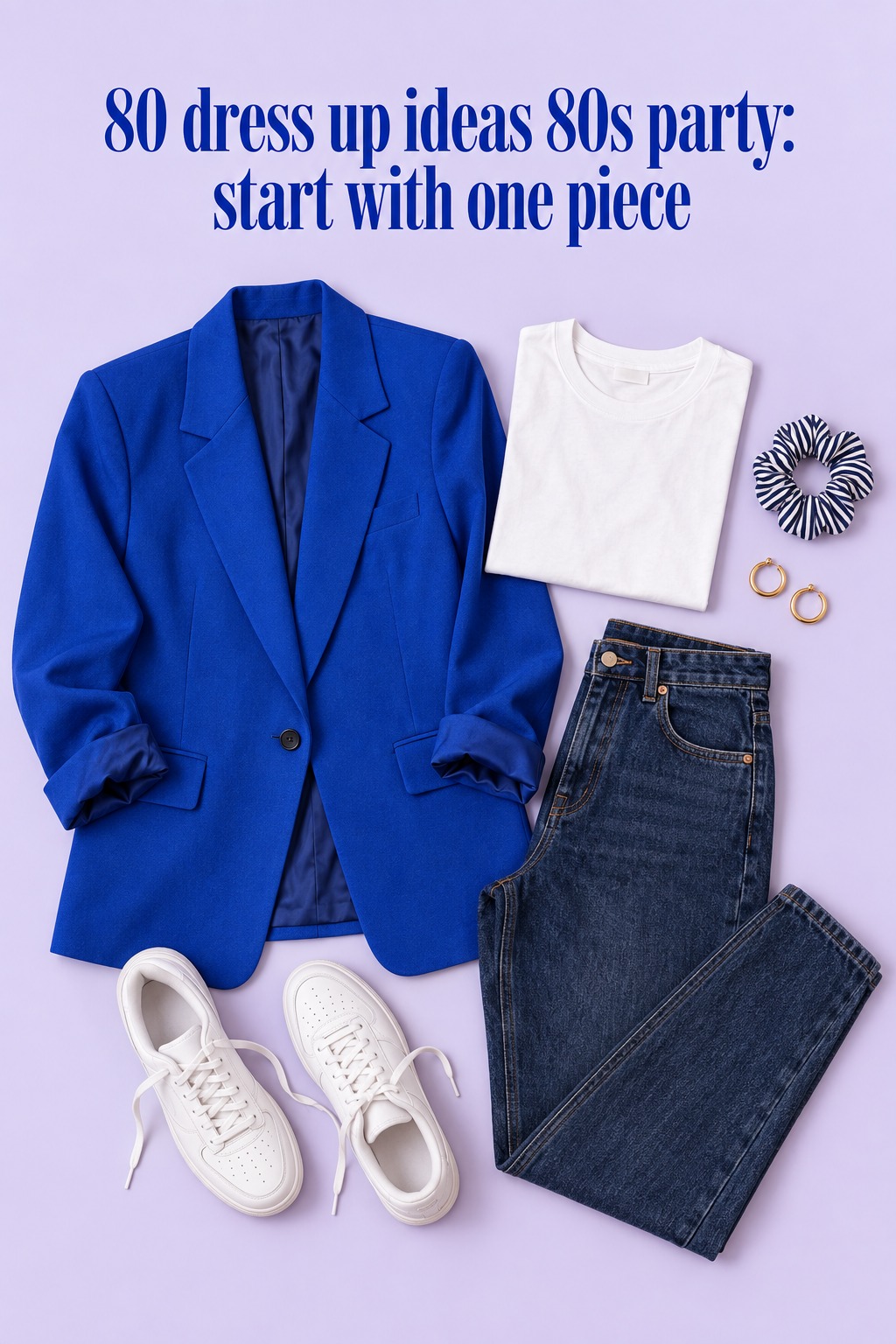
A structured blazer, a denim jacket, or a colorful track jacket can do a lot of visual work. Try it over a plain tee, tank, or simple top, then choose a bottom that lets you move. Straight jeans, trousers, a skirt, or leggings may all be options depending on the jacket and the event. A belt can define the middle if you like that look, but the outfit can also stay relaxed. When the jacket already has a strong line, avoid adding several unrelated statement pieces just to make the decade more obvious.
Check the jacket with your arms raised and when it is open. If the sleeves slide down or the shoulders restrict movement, make it an arrival layer rather than the main piece you plan to wear all night. You can still keep the reference visible with the shirt, belt, or color underneath. The best party outfit is one you can wear through the event, not only during the first photo.
If you own a bright or graphic top, give it room to be seen
A bright tee, patterned blouse, graphic sweatshirt, or saturated knit can become the focus with very little extra work. Pair it with a bottom in a color already present in the print, or use a neutral base to keep the top prominent. A simple tuck, a pushed-up sleeve, or an open layer can change the silhouette without needing a new costume item. If the top has a lot of visual activity, choose one accessory that repeats a color or shape and leave the rest quiet.
If your favorite top is not especially bright, try making the contrast through proportion. A roomier top over a more streamlined bottom, or a closer-fitting top with a fuller skirt or trouser, can make the outfit feel deliberate. These are styling choices for balance, not a rule that every top and bottom must oppose each other. Wear the version that lets you move and feel like yourself.
If you have a skirt or dress, use layering to set the mood
A dress or skirt can make the outfit feel ready quickly. Start with the garment, then decide whether the mood should be polished, playful, or relaxed. A jacket, cardigan, tucked tee, belt, tights, or simple jewelry can steer the result in different directions. A dress with a strong print may need only comfortable shoes and one accessory. A plain dress can take a more noticeable layer or a brighter detail. Try the full combination before committing to hair or makeup so you can see whether the clothing already feels complete.
Consider the room and the evening. A very short skirt can feel different once you sit, climb stairs, or dance. If you want more coverage, add tights or shorts underneath, or choose a length that feels easy to manage. If you expect to be warm indoors, choose a layer that can come off without leaving the outfit unfinished. A removable layer gives you options as the party changes pace.
If you have denim or trousers, use one detail to sharpen the reference
Denim and trousers make a useful base when you want to keep the outfit familiar. Try a tucked shirt, an oversized sweatshirt, a bright belt, a bold pair of earrings, a colorful sock, or a jacket with a defined shape. You do not need every option. Pick the detail that feels most like you and make it visible. If your jeans are the anchor, keep the top or outer layer distinctive. If the jacket is the anchor, let the jeans stay uncomplicated.
For a more polished direction, a neat shirt with trousers and a jacket can suggest a dressed-up mood without becoming formalwear. For a relaxed direction, a sweatshirt or tee can soften the same denim base. For a bolder party look, switch one of those pieces for a brighter color or print. The outfit changes because one key item changes, which is a handy way to create a few options without starting over.
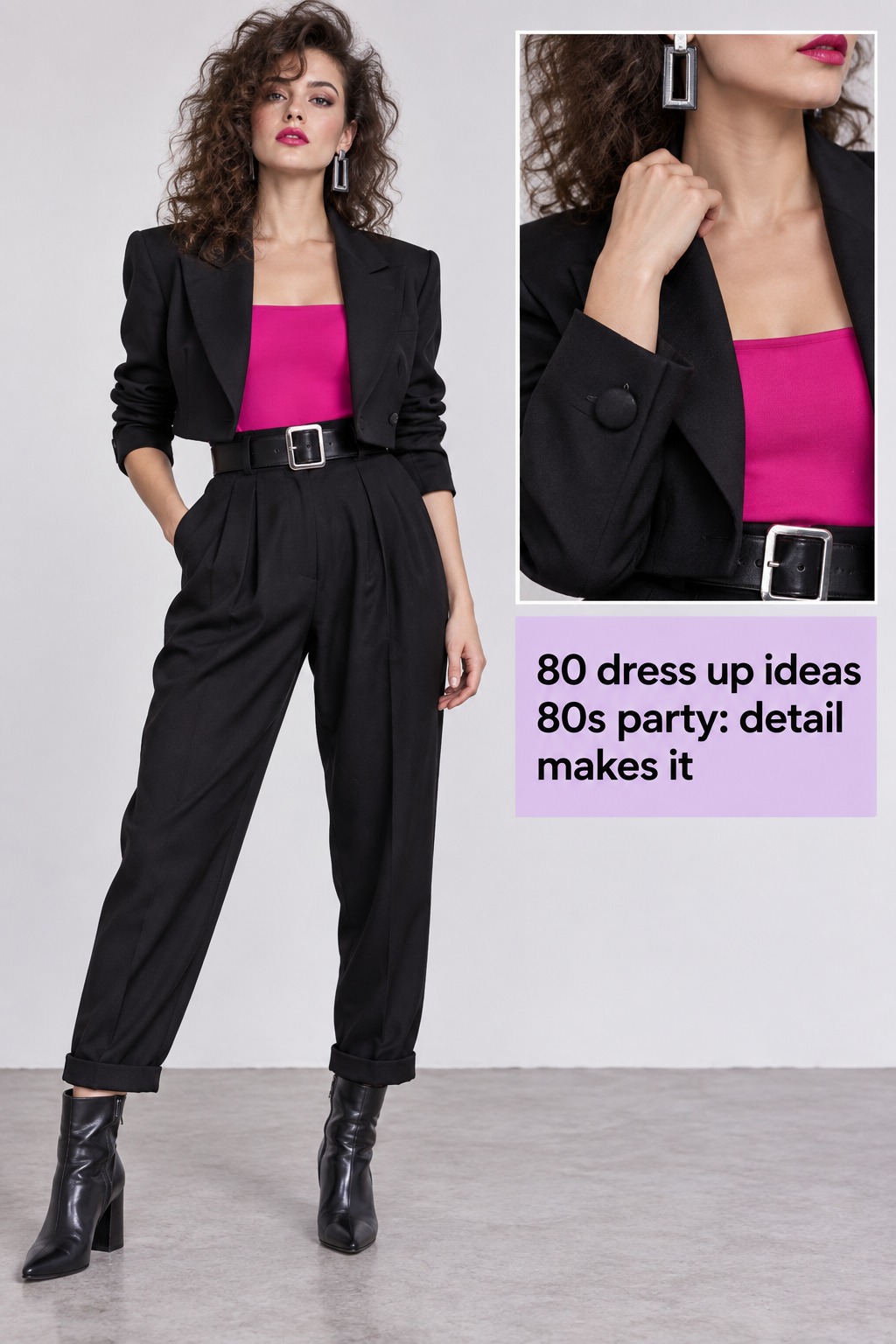
Build the Look in Three Effort Levels
It helps to decide how much effort you want to put into dressing up before choosing details. A low-effort look can be just as clear as a full statement outfit if its main cue is easy to recognize. Think of the levels below as a menu. Start where you feel comfortable and add one step only if the outfit needs it.
Low effort: one anchor and one echo
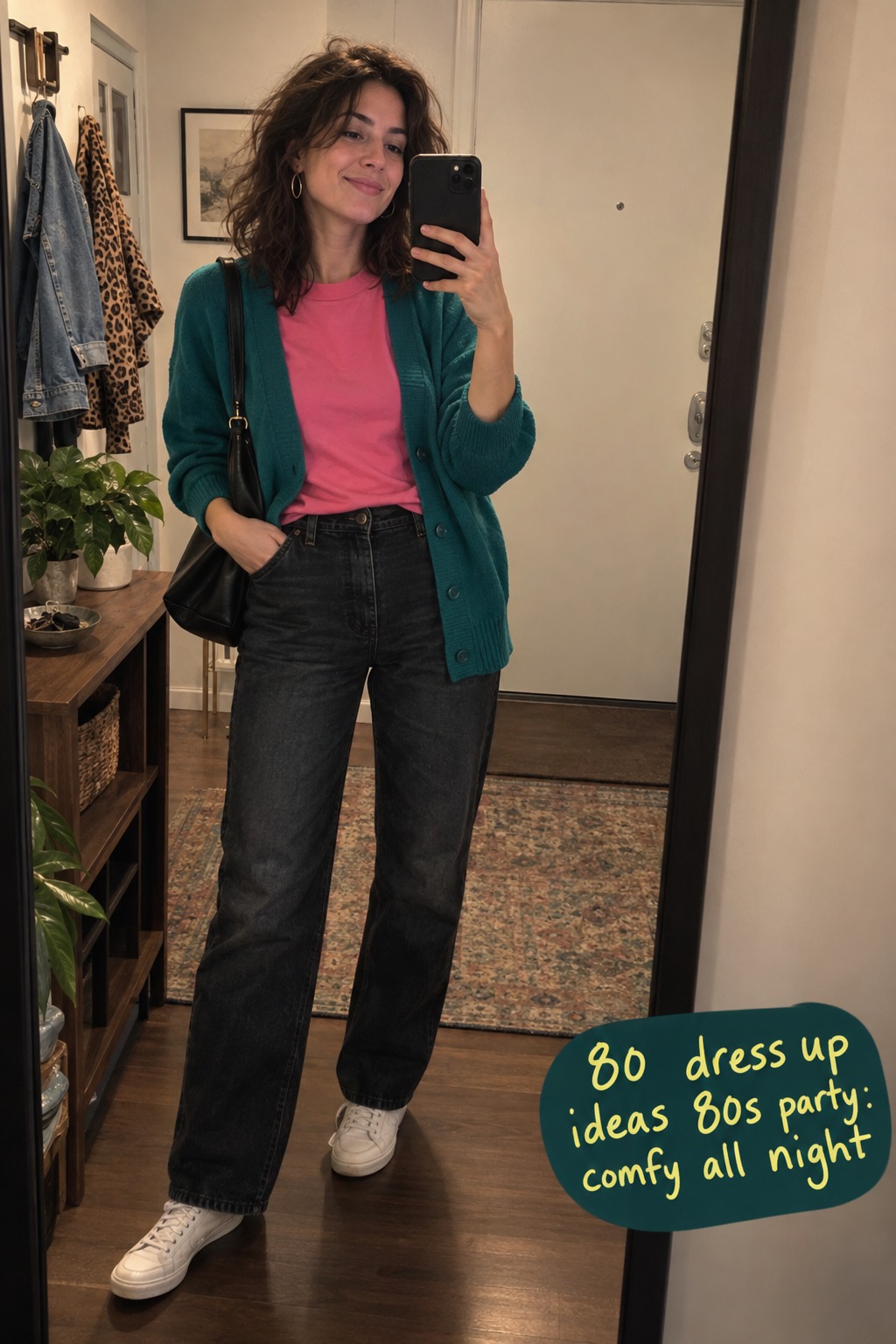
Choose one anchor garment and echo its color or mood once elsewhere. For example, a roomy sweatshirt can pair with straight jeans and sneakers, with a scrunchie or bright sock repeating one accent color. A blazer can sit over a plain tee and dark trousers, with a belt or earring picking up the jacket’s tone. A graphic top can work with a simple skirt and shoes you already trust. These are starting combinations, not a fixed costume recipe.
This level is useful when the invite is casual, you are short on time, or you want to join the theme without feeling like you are wearing a disguise. To make it read more clearly in a photo, choose a piece with noticeable shape or color and keep it unobstructed. A jacket hidden under a coat or a graphic completely covered by a scarf cannot do its job. Let the anchor show.
Medium effort: a coordinated outfit with a clear focal point
For a more dressed-up result, coordinate three parts: a lead piece, a balancing base, and a finishing detail. A bright top might be the lead, dark jeans the base, and a belt or earrings the finish. A structured jacket can lead over a simple shirt and skirt, with a shoe or bag adding the final polish. The colors do not need to match exactly. Repeating one color family or choosing pieces with similar energy is often enough to make the combination feel joined up.
Take a quick mirror photo if you are unsure. Look at the outfit as a small image rather than inspecting each item separately. Ask what you notice first. If the answer is the piece you meant to highlight, the balance is probably working. If your eye jumps between several equally loud details, remove one accessory or swap one piece for something quieter. This is an editing tool, not a demand for minimalism.
High effort: make the whole outfit tell one story
If you enjoy going all in, choose a complete direction rather than adding every 80s object you can find. A color story can connect a jacket, top, and accessories. A sporty outfit can carry the same energy from top to shoes. A dramatic dress can be the star, with hair and jewelry supporting it. You can also build around a particular texture or silhouette, such as denim, shine, volume, or a defined shoulder. The pieces can be thrifted, borrowed, already owned, or a mix.
High effort does not have to mean uncomfortable or expensive. Borrow a layer, use a scarf as a belt, clip on earrings you already own, or adapt a top with a removable accessory. Avoid buying several items for a single night before you know what role they will play. First make the outfit with the pieces available, then identify the one missing element that would improve it. If nothing is missing, you are done.
For any effort level, decide where the outfit sits on a simple scale: a subtle reference, a clearly themed look, or a full statement. That answer makes it easier to judge each new addition. A subtle outfit may need no wig or glitter. A full statement may benefit from a stronger makeup choice or a more dramatic accessory. Keep the choices aligned with your comfort and the party’s setting.
Do the Party Fit Check Before You Leave
A look can be visually successful and still be frustrating after an hour. Before you leave, spend a few minutes testing how the outfit behaves. Put on every layer and accessory, then try a few ordinary movements. This is especially helpful when you have chosen a new combination or a garment you do not often wear.
Move, sit, and raise your arms
Walk across the room, sit in a chair, reach overhead, bend, and take a few dance steps. Check whether a neckline shifts, a skirt needs constant adjustment, a sleeve limits your reach, or a waistband feels tight when seated. These small tests can reveal problems a standing mirror view misses. Adjust the outfit with a tuck, a layer, a different shoe, or a more secure fastening. If a garment requires constant fixing, consider replacing it with another item that gives you the same mood more comfortably.
For dancing, think about shoes and hems together. A long hem should not catch beneath your foot. A heel should feel stable on the kind of floor you expect. If you prefer sneakers or flats, make them part of the outfit rather than a last-minute compromise. A clean sneaker can suit a casual or sporty direction, and a simple flat can work with a dress or skirt. The right choice is the shoe you can enjoy wearing through the event.
Plan for the temperature change
Parties often involve travel outdoors and time in a warmer room. Choose an outer layer that works for the trip, then check that the outfit underneath feels complete when the layer comes off. If you expect to dance, avoid heavy or restrictive pieces that you will not want to carry. A thin layer, cardigan, or jacket can be easier to manage than a bulky coat, depending on the weather and venue. If you need a coat, make sure the bag or coat check plan is realistic for you.
Think about what you will carry. A small bag can keep your hands free, while pockets may be enough if you only need a phone and keys. If you wear a belt bag or crossbody, check that its strap does not cover the detail you chose as the anchor. Practical choices do not have to interrupt the look. They simply need a place in it.
Make one final edit instead of adding one more thing
Before you leave, name the outfit’s main idea in a few words. If you can say “bright track jacket with relaxed denim” or “structured blazer with a playful top,” the direction is clear. Now check whether every visible item helps that idea or supports comfort. Remove anything that feels unrelated or keeps shifting around. Add an item only if it solves a real need, such as warmth, coverage, or a secure fit.
Use the same quick check for a photo. Stand naturally, turn slightly, and see whether the anchor piece is visible. Smooth or arrange a layer if it hides the part of the outfit you like. You do not need a special pose or a perfect costume. A recognizable focal point and an outfit you can move in are enough to make the look feel finished.
The strongest 80s party outfit is the one that balances theme and intention for you. Start with a garment you already like, choose how strongly you want to dress up, and build around one clear reference. A bright item can lead a quiet base. A jacket can bring shape to familiar clothes. A dress can become party-ready with a comfortable layer and one purposeful accessory. Once the outfit passes your movement and temperature check, stop editing and enjoy the event.
FAQ
What can I wear to an 80s party if I do not own a costume?
Start with a piece that has a noticeable color, shape, print, or texture, such as a bright top, roomy sweatshirt, structured jacket, denim, or patterned skirt. Add one detail that supports it, then use familiar clothes for the rest. The outfit can read as themed without being a complete costume or requiring a shopping trip.
How do I make an 80s party outfit look intentional?
Choose one clear direction and one anchor garment before adding accessories. Repeat a color or mood once, then keep the remaining pieces supportive. If several items compete for attention, remove or quiet one of them. A clear focal point usually makes the outfit look planned.
Do I need neon clothes for an 80s party?
No. Bright colors are one recognizable option, but they are not the only way to create an 80s reference. You can use a distinct shape, denim, a graphic piece, a structured jacket, or an accessory instead. Choose a level of color that fits your taste and the party mood.
What shoes should I wear to an 80s themed party?
Choose shoes that fit the outfit and the activity. Sneakers or flats can work for a casual or sporty look, while boots or dress shoes may suit a more polished direction. Walk and take a few dance steps in them before leaving. Stability and comfort matter more than matching a nostalgic image exactly.
How can I stay comfortable while still dressing up?
Test the full outfit by sitting, reaching, walking, and moving as you expect to at the event. Choose layers you can remove, shoes you can wear for the evening, and pieces that stay in place. If one item needs constant adjustment, replace it with something that gives a similar visual effect more comfortably.
How many accessories should I add?
There is no required number. Begin with the anchor garment, then add an accessory if it repeats a color, clarifies the direction, or serves a practical purpose. Try the outfit with and without the extra item. If it does not improve the look or how you use it, leave it out.
Can I wear an 80s inspired outfit without big hair or heavy makeup?
Yes. Hair and makeup are optional parts of the outfit. Let clothing carry the reference through its silhouette, color, print, or styling details. If you want a small finishing touch, choose one easy detail such as a headband or bright lip color, but the look can feel complete without either.
Finish the look
The little extras that make a summer outfit feel complete
From beach days to city weekends, these easy pieces bring comfort, texture, and a polished finishing touch.

FENBEN
Straw Hobo Crossbody Bag
A handwoven straw bag with both short and crossbody straps—an effortless finishing touch for vacation looks and warm-weather outfits.
Shop the bag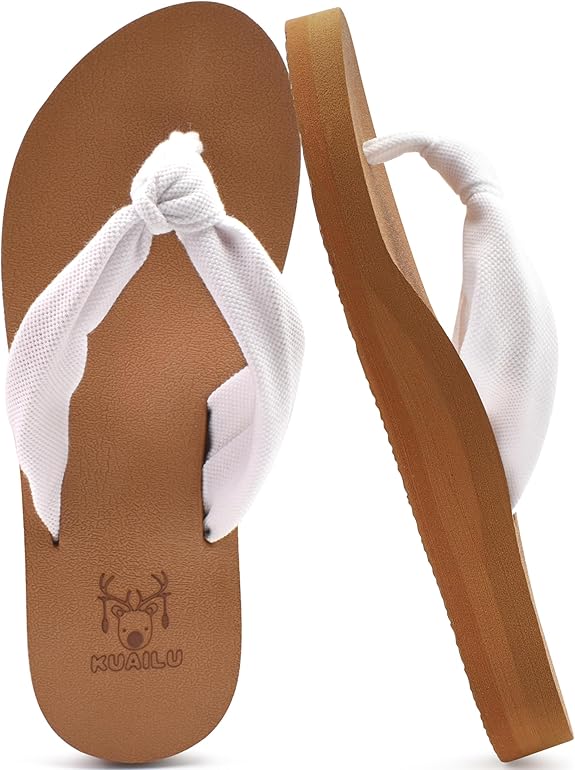
KuaiLu
Flip Flops with Arch Support
Cushioned, lightweight sandals with supportive arch design—a practical choice for beach trips, errands, and long summer walks.
Shop the sandals
baleaf
Athletic One-Piece Swimsuit
A functional one-piece with adjustable straps and moderate coverage, designed for swimming, training, surfing, and active beach days.
Shop the swimsuit
Astylish
Linen-Cotton Button-Down Shirt
A relaxed cotton-linen shirt with a collared V-neck and roll-up sleeves—easy to style over swimwear or with denim and shorts.
Shop the shirt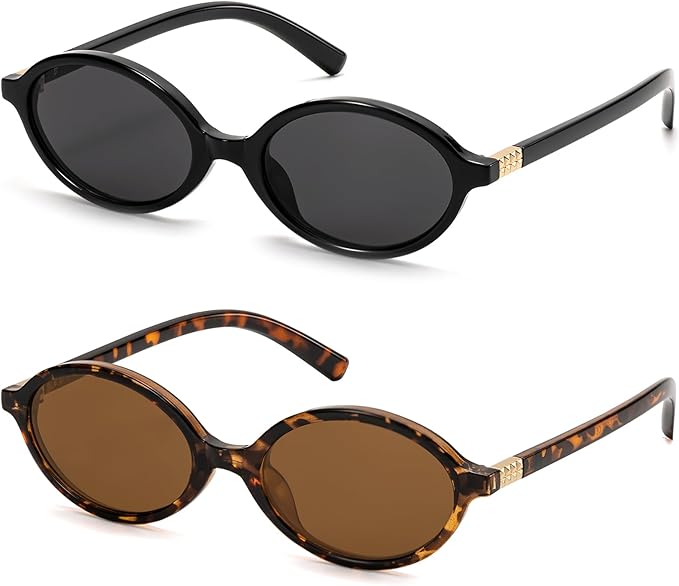
ViewJoy
Retro Oval Sunglasses
Small oval sunglasses with a 90s-inspired silhouette and UV400 lens protection—a quick way to add a vintage edge to everyday looks.
Shop the sunglasses
Affiliate disclosure: This section contains affiliate links. If you make a purchase through these links, I may earn a commission at no additional cost to you. Product selection, pricing, availability, and delivery terms may change—please review the current details on Amazon before purchasing.
As an Amazon Associate I earn from qualifying purchases.