Japanese School Outfits: A Modern Style Guide
Japanese school outfits have a very specific visual language: a crisp collar, a controlled palette, a pleated or tailored bottom, and accessories that make the whole look feel intentional. That language is easy to recognize, but it is also easy to copy too literally. The most useful way to approach the style in 2026 is to treat it as a set of design ideas rather than a costume formula.
In Japan, school uniforms carry history, school identity, seasonal rules, and practical meaning. Outside Japan, the same references appear in preppy wardrobes, street style, cosplay, pop culture, and everyday outfits inspired by Japanese fashion. This guide looks at what is changing, which details create the look, and how to build a wearable version for a US wardrobe without losing comfort or cultural context.
The Fashion-Note Edit
Five effortless pieces to refresh your everyday wardrobe
A polished, practical edit for workdays, weekends, and everything in between.

The Drop
Women’s Blake Long Blazer
A longline, tailored blazer with a notched collar and a single-button closure—an easy layer for denim, dresses, or office-ready looks.
Shop the blazer
Amazon Essentials
Women’s Lightweight Crewneck
A soft, lightweight sweater with a clean crew neckline—the kind of reliable layer that works from cool mornings to air-conditioned spaces.
Shop the sweater
Amazon Essentials
Women’s Loafer Flat
A classic flat loafer that gives casual outfits a more polished finish and pairs naturally with tailored pants, skirts, and straight-leg jeans.
Shop the loafers
Levi’s
Women’s 501 90s Jeans
A relaxed, vintage-inspired take on the iconic 501 silhouette—made for an easy, lived-in look without the thrift-store search.
Shop the jeans
Colorfulkoala
High-Waisted 7/8 Leggings with Pockets
Soft, four-way-stretch leggings with side pockets and a high-rise waistband—designed for movement, errands, and off-duty comfort.
Shop the leggings
Affiliate disclosure: This section contains affiliate links. If you make a purchase through these links, I may earn a commission at no additional cost to you. Product selection, pricing, availability, and delivery terms may change—please review the current details on Amazon before purchasing.
As an Amazon Associate I earn from qualifying purchases.
What Japanese School Outfit Style Looks Like Now
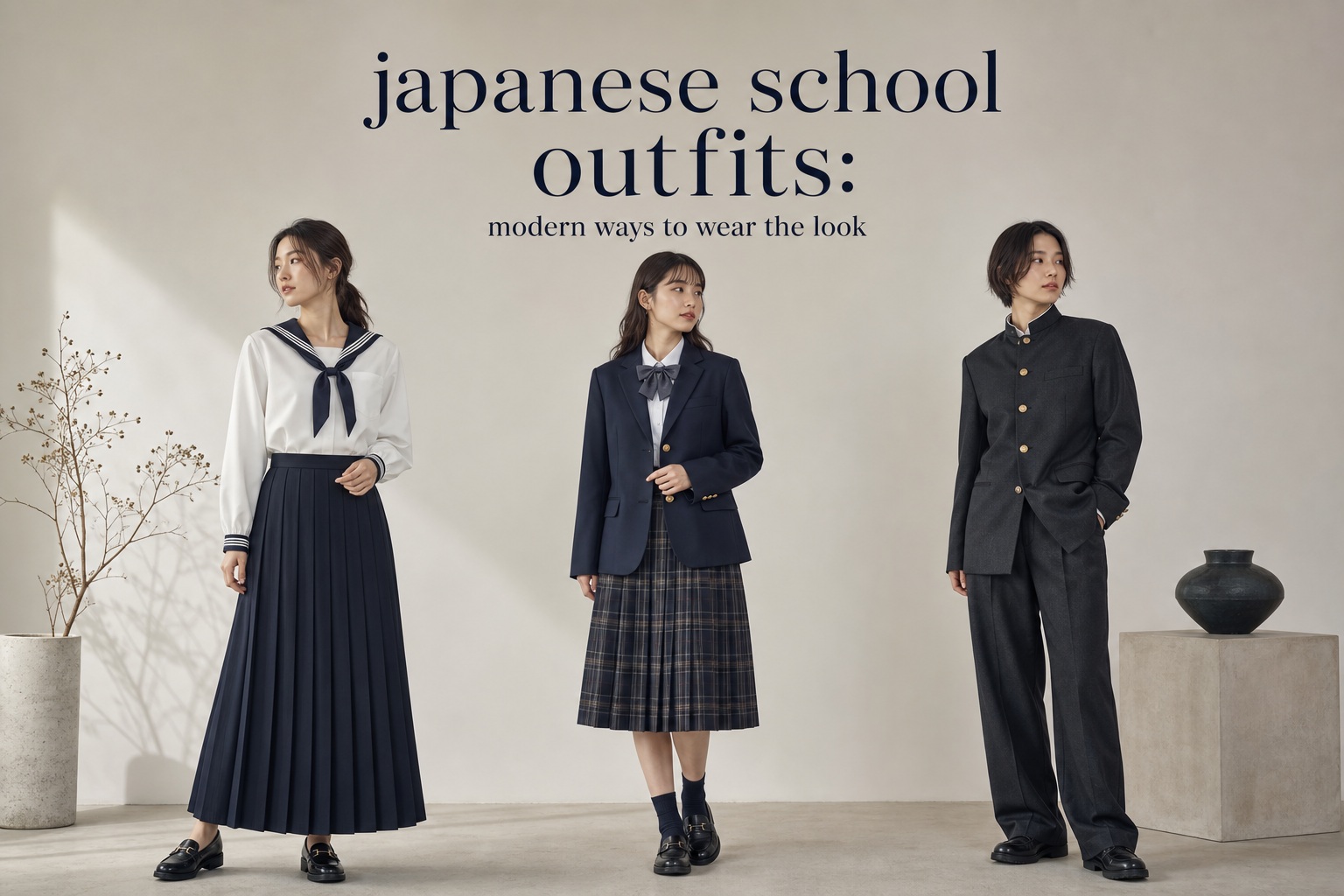
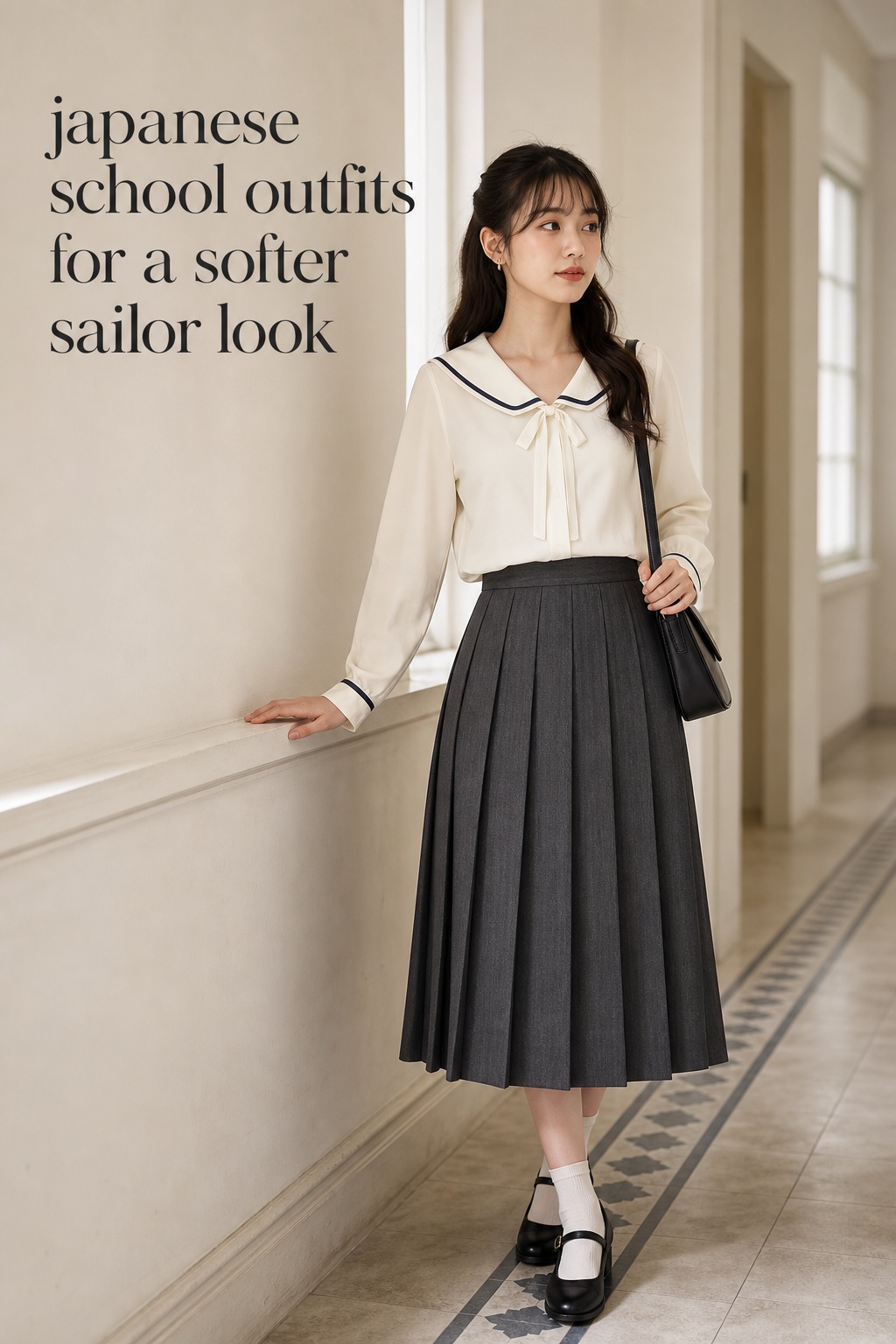
The familiar image of Japanese school fashion usually combines two traditional directions. The sailor fuku has a sailor-style collar, a blouse or pullover top, a pleated skirt, and a ribbon or tie. The gakuran is a more military-influenced uniform with a stand collar, button front, matching trousers, and a compact, upright shape. Alongside both is the blazer uniform, which became increasingly visible as schools adopted a more contemporary and flexible silhouette.
Your wedding style is personal.
Your plan should feel that way, too.
Zarellea keeps your guest list, budget, vendors, and every next step beautifully organized — so you can focus on the moments that feel like you.
Those categories matter because they create different moods. A sailor collar feels graphic, youthful, and instantly recognizable. A blazer with a plaid skirt feels polished and adaptable. A stand-collar jacket with trousers feels sharper and more architectural. You do not need every element at once. Choosing one dominant reference usually makes an outfit look more modern and less like a themed costume.
The historical background also explains why these clothes feel so structured. Japanese school uniforms developed through the Meiji period, when naval and European military references were adapted to a modern Japanese education system. Later, uniforms became associated with school identity, equality, discipline, and the rhythm of the school year. Their meaning is larger than the visual shorthand often seen in anime or online outfit boards.
That distinction is important for styling. Pop culture often exaggerates skirt length, collars, bows, and character-specific accessories. A real-world outfit can borrow the proportion, layering, and color logic without recreating a fictional uniform exactly. Think of the difference between inspiration and imitation. Inspiration gives you room to use a navy cardigan, a white shirt, or a pleated skirt in your own way.
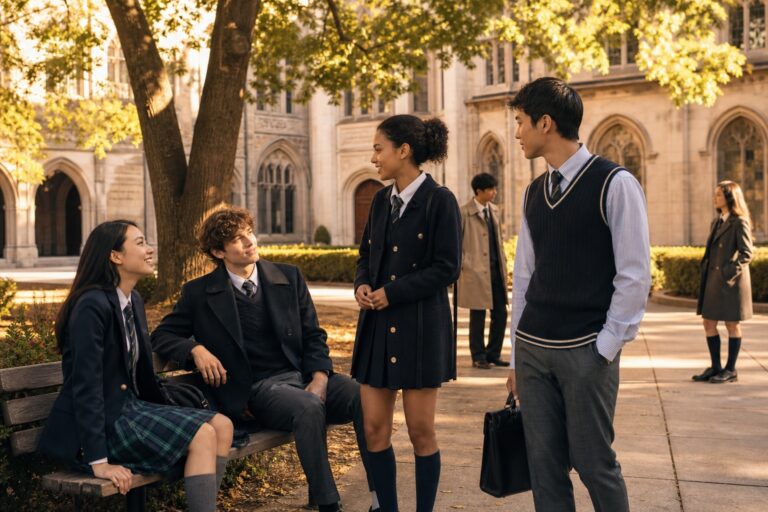
There is also more variety than the classic schoolgirl image suggests. Blazer uniforms may use trousers, checked skirts, sweater vests, or subtle emblems. Summer and winter versions change fabric weight and layering. Accessories can be restrained, and some schools have moved toward less rigid uniform systems. For an everyday wardrobe, these variations create the most useful starting points.
The Visual Codes That Make the Look Work
Successful Japanese school outfits rely on visual editing. The clothing may contain several recognizable pieces, but the overall effect stays clean because the colors and proportions are controlled. Start with a base of two or three colors, then add one detail that carries the strongest reference. Navy, charcoal, cream, black, white, burgundy, forest green, and muted red all work especially well.
1. Choose the strongest upper-body detail
A sailor collar, contrast piping, a narrow tie, or a stand collar can define the outfit before the rest of the look is even finished. If you choose a sailor-style top, keep the skirt or trousers relatively quiet. If you choose a dramatic blazer or a strong crest-inspired button detail, a simple knit or plain shirt underneath may be enough. The goal is visual hierarchy, not a collection of every possible reference.
2. Use pleats with intention
Pleated skirts are one of the fastest ways to suggest Japanese school fashion, but their styling depends on proportion. A high-waisted skirt with a fitted shirt creates a classic preppy line. A longer pleated skirt with a loose cardigan feels more current and relaxed. If you prefer trousers, try pressed wide-leg pants with a cropped blazer or a tucked-in button-down. The pleat is a design feature, not a requirement that determines the entire outfit.
3. Let socks and shoes finish the silhouette
Footwear changes the message dramatically. Loafers and opaque crew socks make the outfit read as polished and academic. Mary Janes add a softer, vintage direction. Minimal sneakers make the look more practical for an American campus or a day of errands. Tall boots can work in winter, especially with a longer skirt or tailored shorts, but they shift the outfit toward fashion styling rather than a literal uniform reference.
4. Keep personalization small but specific
One ribbon, hair clip, bag charm, enamel pin, or colored sock can add personality without making the look busy. A structured tote or compact backpack supports the school-inspired mood, while a shoulder bag can make it feel more adult. Avoid adding multiple novelty items simply because the outfit already has a recognizable theme. A small personal detail feels more believable than a head-to-toe character reference.
- Use one primary silhouette: sailor, blazer, or stand collar.
- Limit the palette before adding accessories.
- Balance a short or structured bottom with a relaxed layer.
- Choose shoes based on the setting, not only the aesthetic.
- Keep the most recognizable detail away from competing logos and novelty pieces.
Wearable Japanese School Outfits for a US Wardrobe
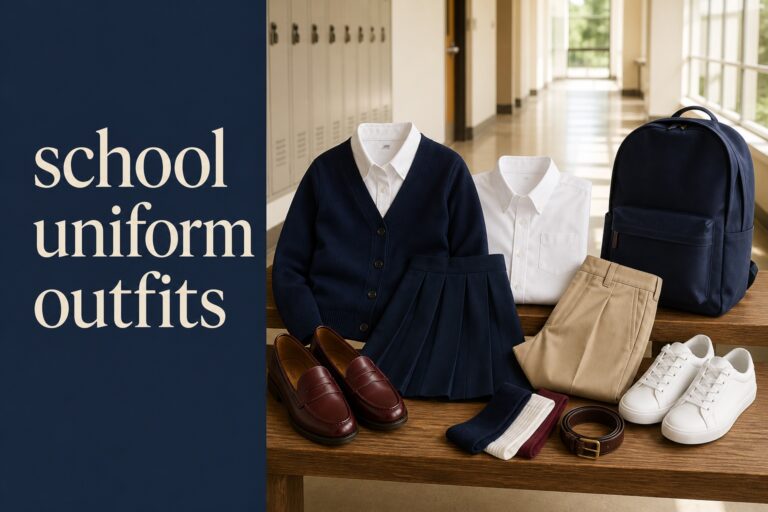
The easiest way to adapt Japanese school outfits is to build around pieces you already understand. A white oxford shirt, a navy cardigan, a pleated skirt, loafers, and a simple bag can create the mood without requiring a complete uniform set. From there, decide whether you want the result to feel soft, polished, minimal, or more visibly connected to Japanese street and pop culture.
The soft sailor look
Start with a white or cream sailor-inspired blouse and pair it with a charcoal, navy, or brown midi skirt. Choose a collar with restrained contrast rather than a highly theatrical bow. Add ballet flats, Mary Janes, or low-profile loafers, then finish with a small shoulder bag. This version works well for a museum visit, a casual date, or a creative office with a relaxed dress code.
The modern blazer uniform
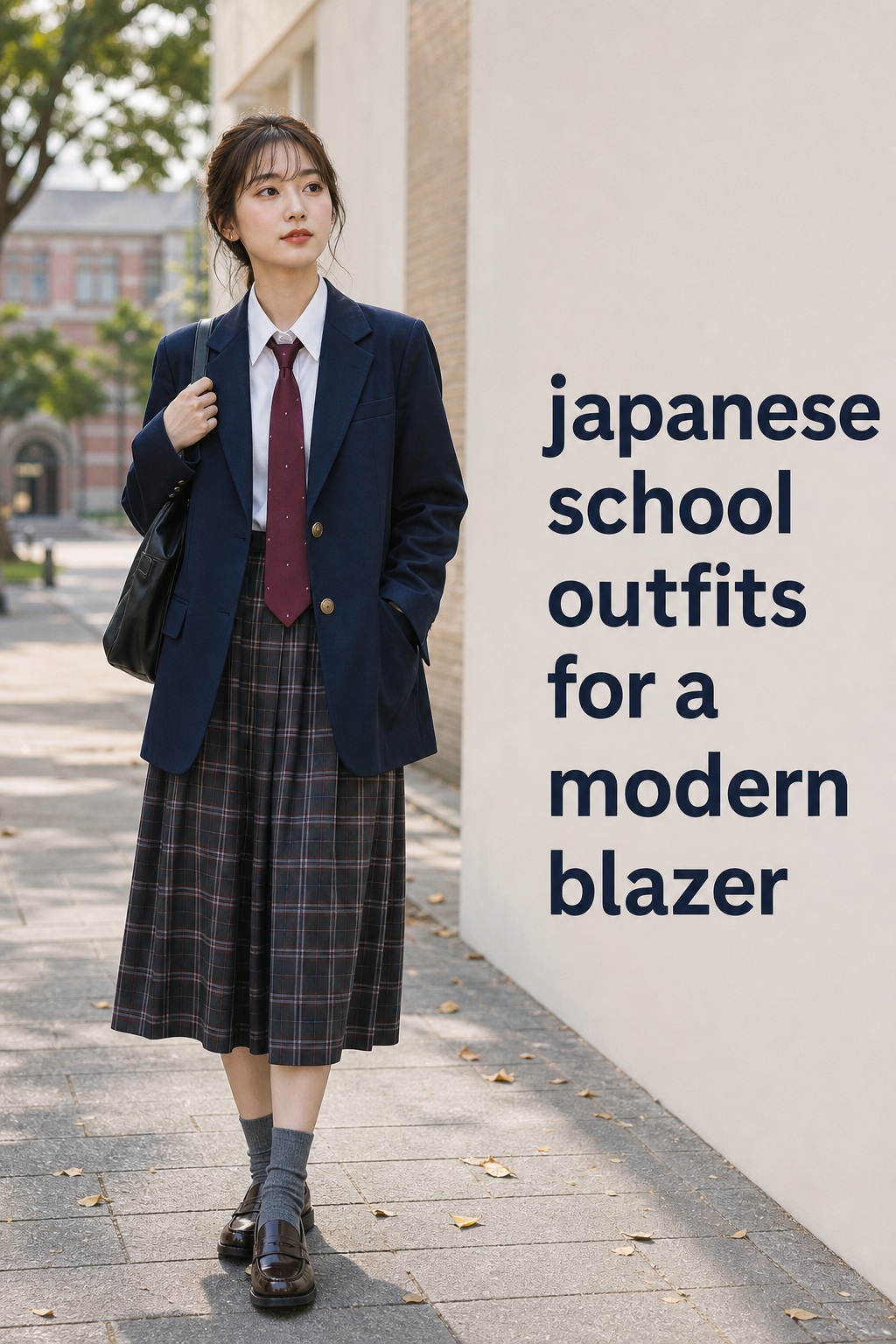
Use a slightly oversized navy or gray blazer over a white shirt, fine-gauge knit, or striped tee. A checked skirt creates the clearest school-inspired direction, while straight-leg jeans make the outfit feel more everyday. Add loafers for a polished finish or clean sneakers for a campus-friendly version. Keep the blazer open if you want a lighter vertical line, or button it and add a narrow tie when you want more structure.
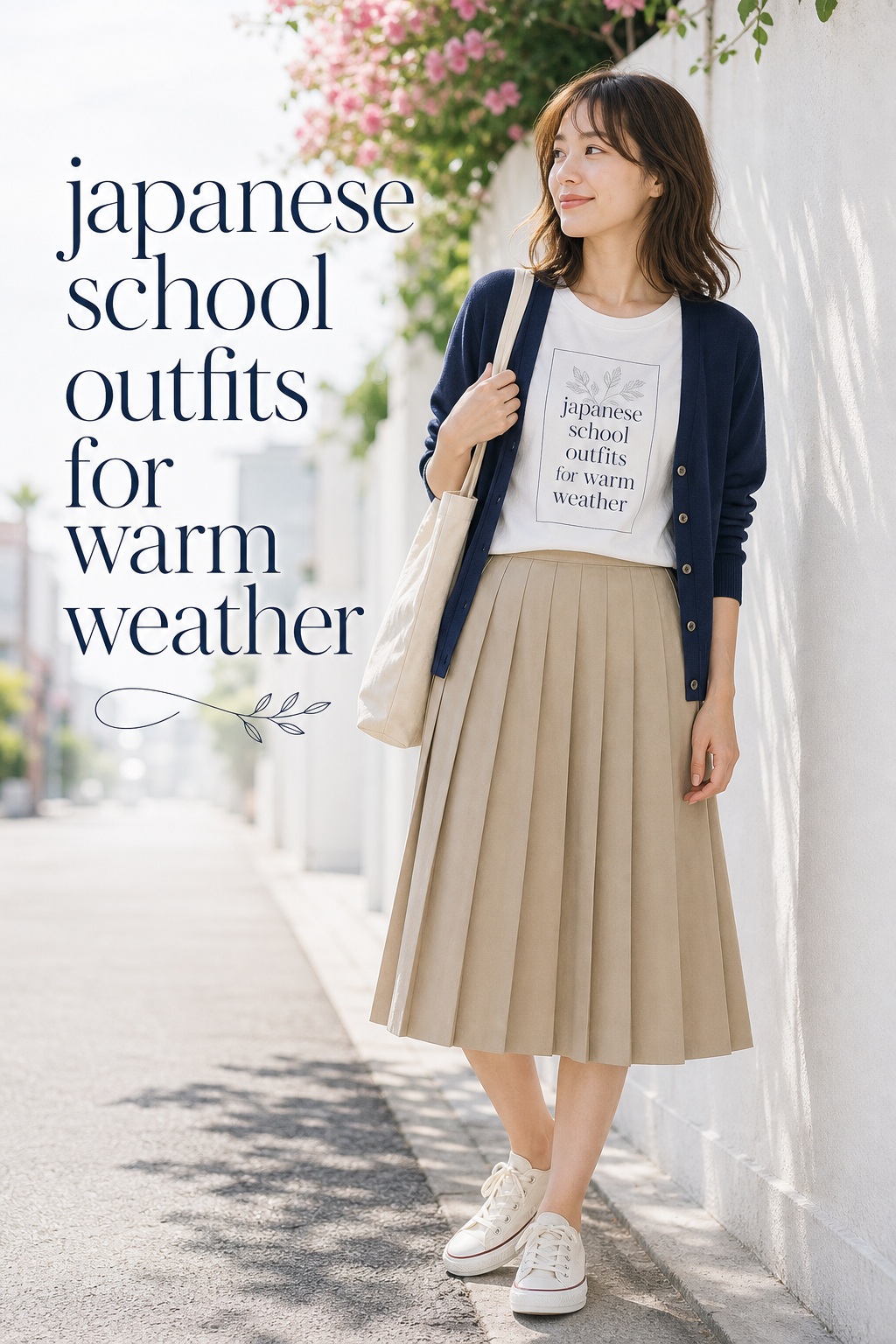
The cardigan and pleated skirt formula
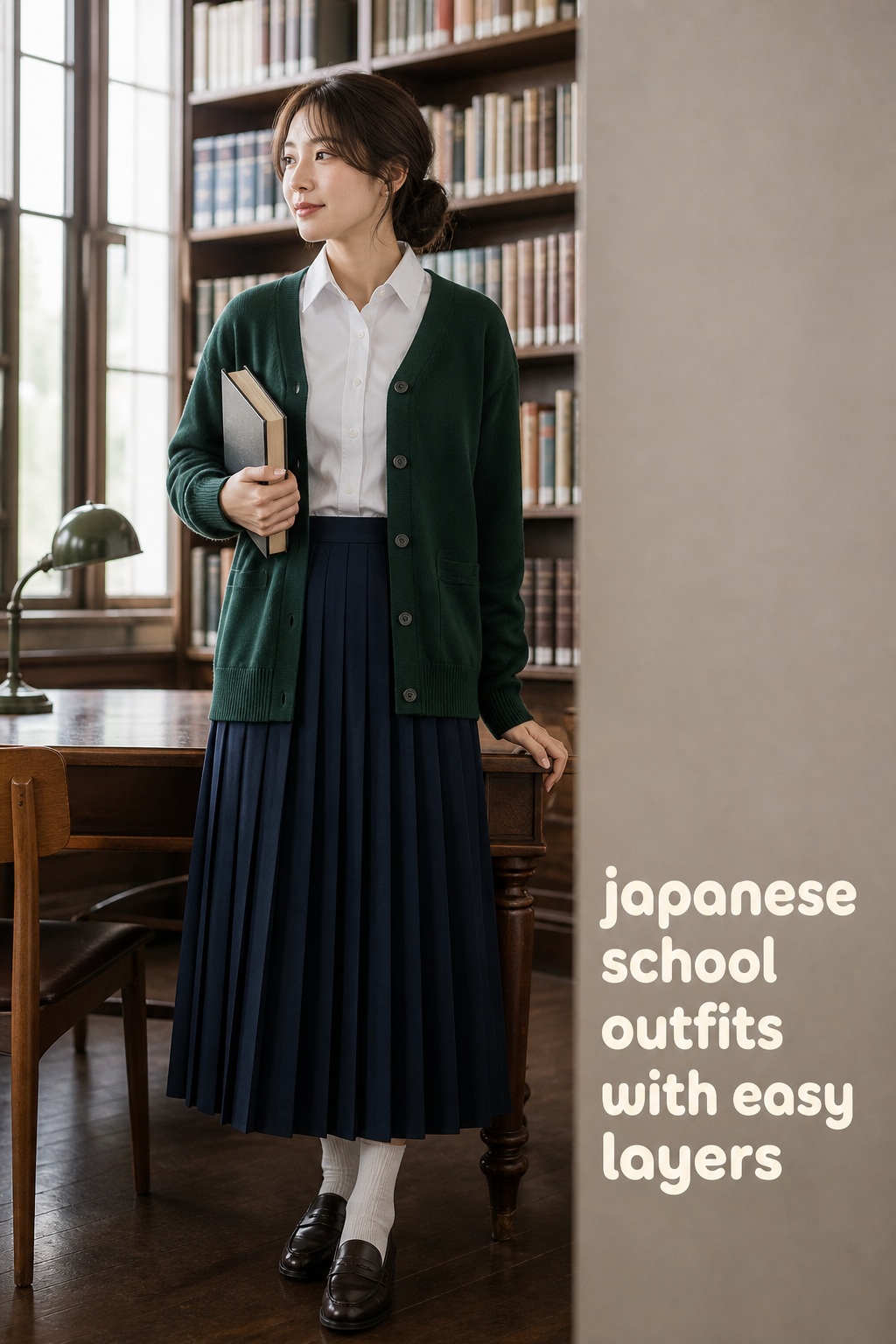
This is one of the most practical interpretations because it can be adjusted for temperature. Tuck a fitted tee or button-down into a pleated skirt, then layer a cardigan in navy, burgundy, cream, or forest green. A slim belt helps define the waist if the cardigan is roomy. For a more contemporary shape, choose a longer skirt and a shorter cardigan, or wear the cardigan open over a tucked shirt.
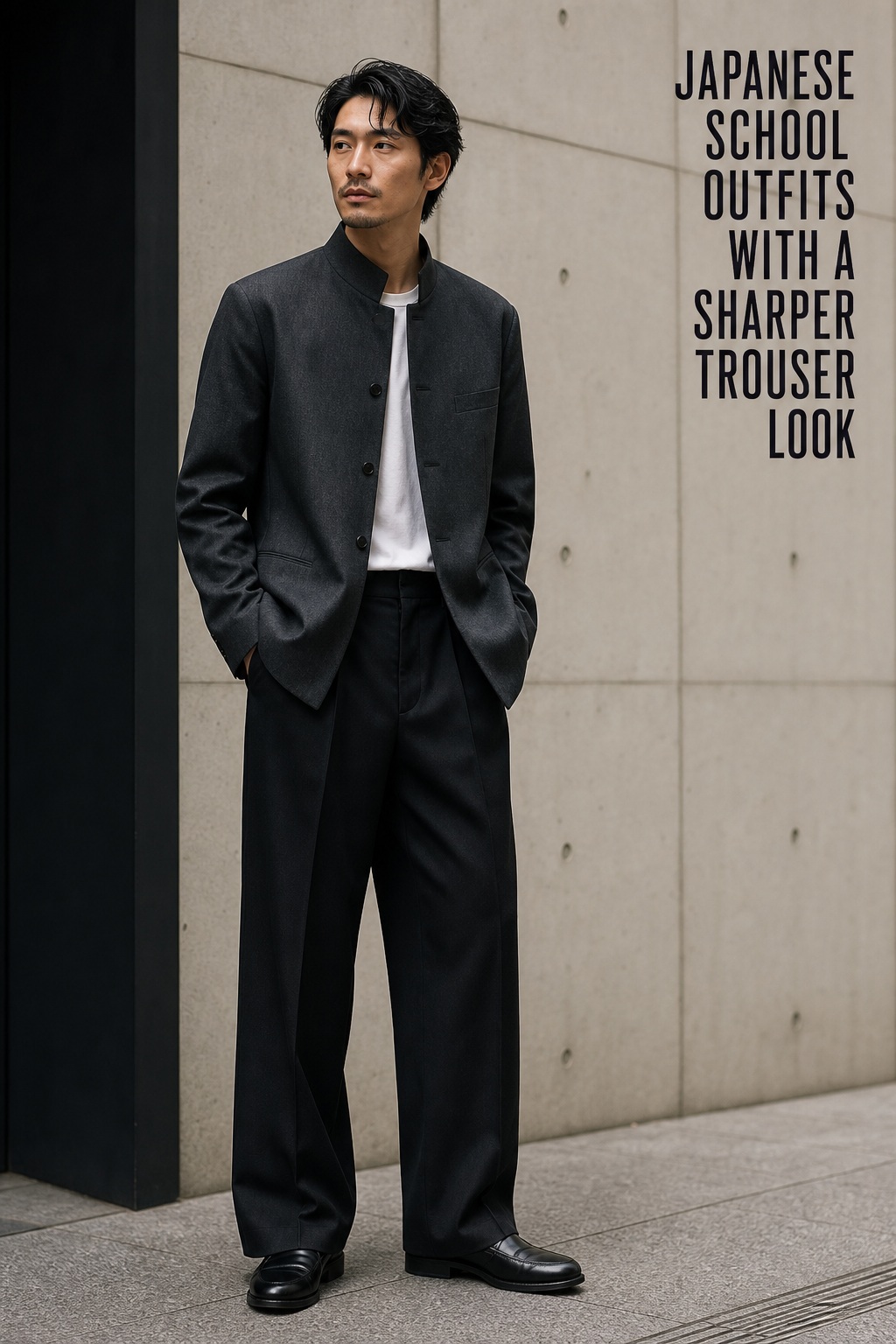
The gakuran-inspired trouser outfit
For a less expected direction, use the gakuran as a reference for clean lines rather than copying a full uniform. Try a black or charcoal stand-collar jacket with wide-leg trousers and a plain tee. Keep jewelry minimal and choose sleek sneakers, loafers, or lace-up shoes. This outfit is especially useful for people who prefer trousers, a gender-neutral wardrobe, or a stronger architectural silhouette.
The summer version
Warm weather calls for lighter materials and fewer layers. Pair a short-sleeve white shirt with a pleated cotton skirt, tailored shorts, or lightweight trousers. Use a ribbon or narrow scarf as the focal point, then choose canvas sneakers or loafers without heavy socks. Seersucker, cotton poplin, linen blends, and breathable knits preserve the crisp feeling while keeping the outfit realistic for humid US summers.
The winter layered version
Layer a turtleneck under a blazer, add a sweater vest over a shirt, or wear a wool coat above a pleated skirt and opaque tights. Winter is the best season for the palette to become deeper: charcoal, navy, cream, oxblood, and dark green create a polished result. Choose one warm accessory, such as a scarf or gloves, instead of adding several unrelated seasonal details.
How to Adapt the Style Without Making It a Costume
The line between inspired and costume-like usually comes down to context, fit, and repetition. A costume tries to communicate one reference as loudly as possible. A wardrobe outfit lets the reference sit inside a complete personal look. If you are wearing a pleated skirt, sailor collar, ribbon, knee socks, loafers, and a cartoon bag at the same time, the result may feel more like a character than an outfit. Removing one or two elements often makes the remaining details stronger.
Fit is equally important. Uniform-inspired clothes can look intentional when the shoulder line, hem, waist, and sleeve length are right for your body. A blazer that is too tight looks like officewear in the wrong size. A skirt that is too short can make the styling feel accidental or impractical. Try the outfit while walking, sitting, reaching, and carrying a bag. The most attractive version is the one that still works after a full day.
Context matters beyond comfort. If you are visiting Japan, a school uniform rental experience or a fashion shoot is different from presenting a costume as though it represents everyday Japanese life. If you are styling the look for a party or convention, a more literal interpretation may be appropriate when the event calls for it. For daily wear, describe the outfit as Japanese-inspired, preppy, sailor-inspired, or uniform-inspired rather than assuming one formula represents all Japanese students.
Rules and authenticity also deserve attention. An official school uniform is connected to a particular institution, and replicas may be designed for cosplay, collecting, or fashion rather than school use. Check sizing carefully, especially when buying from overseas. Look at fabric weight, garment measurements, return policies, and whether the item is intended for a real school, a costume, or a fashion collection.
- Replace a full uniform set with one recognizable piece and neutral basics.
- Choose modern proportions when the outfit is for daily wear.
- Use tailoring and fabric quality to make the look feel intentional.
- Consider weather, walking, and local dress codes before choosing layers.
- Keep pop-culture references separate from claims about real student dress.
A useful final test is the three-detail rule. Can you identify the inspiration from three connected choices, such as a navy blazer, pleated skirt, and loafers? If yes, stop adding. The outfit has already communicated its point. This restraint is what allows Japanese school outfits to influence a wardrobe while leaving room for your own age, lifestyle, gender expression, climate, and personal taste.
What to Buy First and What to Skip
If you are starting from scratch, buy the most versatile foundation first. A well-fitting navy blazer can work with jeans, trousers, skirts, and dresses. A white button-down can support sailor-inspired, preppy, minimalist, and office outfits. Loafers are useful beyond this trend, and a pleated skirt can be styled with sweaters, tees, jackets, and boots. These pieces give you several outfits instead of one finished costume.
Next, decide what kind of reference you actually want. For a softer look, prioritize a cardigan, ribbon, rounded collar, and Mary Janes. For a sharper look, choose a stand-collar jacket, pressed trousers, and simple leather shoes. For a classic blazer direction, look for a checked skirt or tailored trousers, a narrow tie, and a structured bag. Buying according to a clear direction keeps the wardrobe coherent.
Skip pieces that only work when every other piece is equally literal. Oversized novelty bows, shiny synthetic fabric, fake school crests, uncomfortable micro skirts, and low-quality costume shoes may photograph well but have limited daily value. If you love one of these items for a planned event, buy it knowingly as an occasion piece. Do not let it become the foundation of your everyday wardrobe.
Finally, remember that the best Japanese school outfits are not necessarily the most obvious ones. A charcoal cardigan over a white shirt, a long pleated skirt, and black loafers may capture the same discipline and balance as a complete sailor set. A stand-collar jacket with wide trousers can feel more personal than a direct replica. The style becomes convincing when the clothes fit your actual life.
FAQ
What are Japanese school outfits called?
The broad Japanese term is seifuku, meaning school uniform. Sailor-style uniforms are often called sailor fuku or sailor suit, while the traditional stand-collar boys’ uniform is called a gakuran. A blazer uniform is commonly described by its blazer, skirt or trouser, shirt, and tie components rather than one single name.
Can I wear Japanese school-inspired outfits every day?
Yes. The easiest approach is to use one or two references, such as a pleated skirt and cardigan, with ordinary wardrobe pieces. Adjust the hemline, fabric, shoes, and layering to your schedule. For everyday wear, a subtle interpretation is usually more comfortable and versatile than a complete uniform replica.
What shoes work best with Japanese school outfits?
Loafers are the most classic choice, but Mary Janes, simple sneakers, ballet flats, and low boots can all work. Match the shoe to the setting and weather. Black or brown leather keeps the outfit polished, while white sneakers make it more casual and easier to wear on long days.
How do I make a sailor-inspired outfit look modern?
Choose a restrained collar, a longer or tailored bottom, and contemporary shoes. You can also use a sailor-inspired knit or scarf instead of a full blouse. Keep the rest of the outfit simple, with one controlled color contrast and minimal novelty accessories.
Are Japanese school uniforms the same at every school?
No. Schools vary in whether they use sailor uniforms, blazers, stand-collar jackets, skirts, trousers, seasonal layers, colors, and accessory rules. Public and private schools may have different designs, and uniform policies have also become less universal in some areas. Online images often show only the most recognizable versions.
What is the easiest Japanese school outfit to recreate?
Start with a white button-down, navy cardigan or blazer, pleated skirt or pressed trousers, and loafers. Add one ribbon, tie, or structured bag if you want a stronger reference. This formula is affordable, adaptable across seasons, and easy to personalize without needing a full uniform set.
How can I avoid making the outfit look culturally insensitive?
Learn the difference between real school uniforms, fashion-inspired clothing, and cosplay, then describe your outfit accurately. Avoid presenting one anime or rental-uniform image as a complete picture of Japanese student life. Borrow design principles respectfully, prioritize comfort and context, and give your outfit room to be your own.
Finish the look
The little extras that make a summer outfit feel complete
From beach days to city weekends, these easy pieces bring comfort, texture, and a polished finishing touch.

FENBEN
Straw Hobo Crossbody Bag
A handwoven straw bag with both short and crossbody straps—an effortless finishing touch for vacation looks and warm-weather outfits.
Shop the bag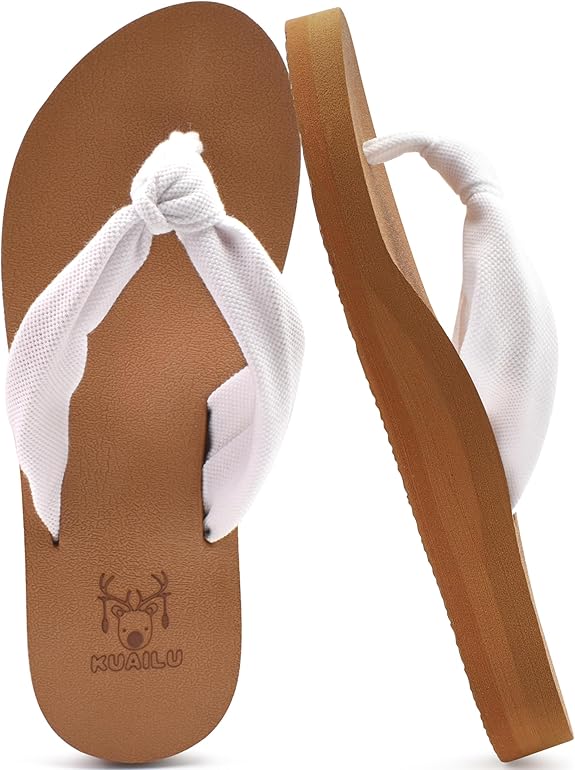
KuaiLu
Flip Flops with Arch Support
Cushioned, lightweight sandals with supportive arch design—a practical choice for beach trips, errands, and long summer walks.
Shop the sandals
baleaf
Athletic One-Piece Swimsuit
A functional one-piece with adjustable straps and moderate coverage, designed for swimming, training, surfing, and active beach days.
Shop the swimsuit
Astylish
Linen-Cotton Button-Down Shirt
A relaxed cotton-linen shirt with a collared V-neck and roll-up sleeves—easy to style over swimwear or with denim and shorts.
Shop the shirt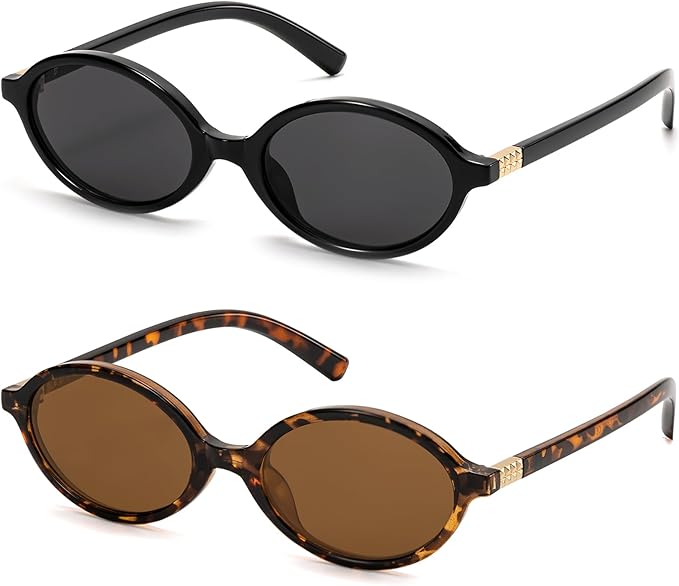
ViewJoy
Retro Oval Sunglasses
Small oval sunglasses with a 90s-inspired silhouette and UV400 lens protection—a quick way to add a vintage edge to everyday looks.
Shop the sunglasses
Affiliate disclosure: This section contains affiliate links. If you make a purchase through these links, I may earn a commission at no additional cost to you. Product selection, pricing, availability, and delivery terms may change—please review the current details on Amazon before purchasing.
As an Amazon Associate I earn from qualifying purchases.