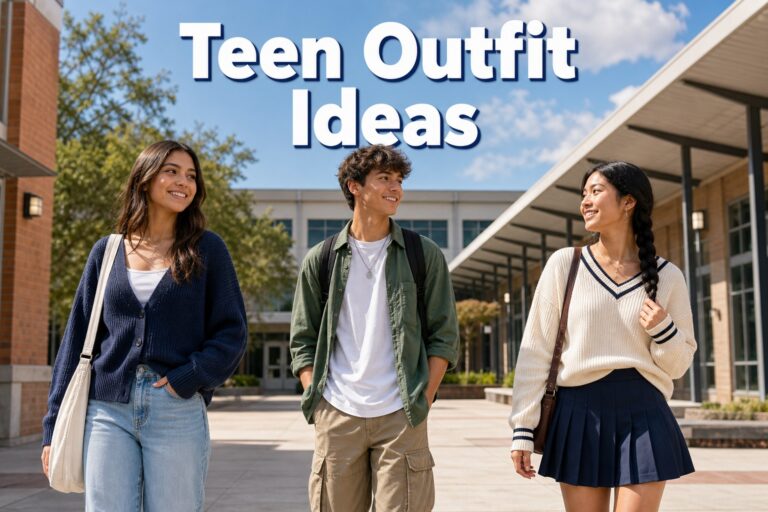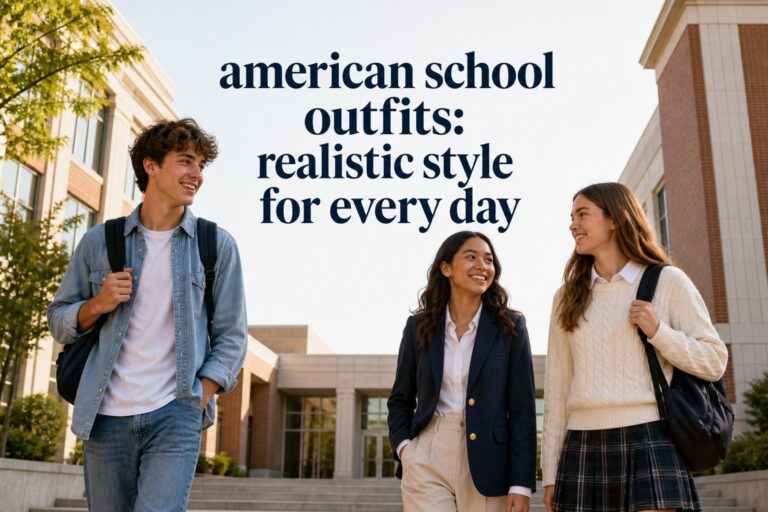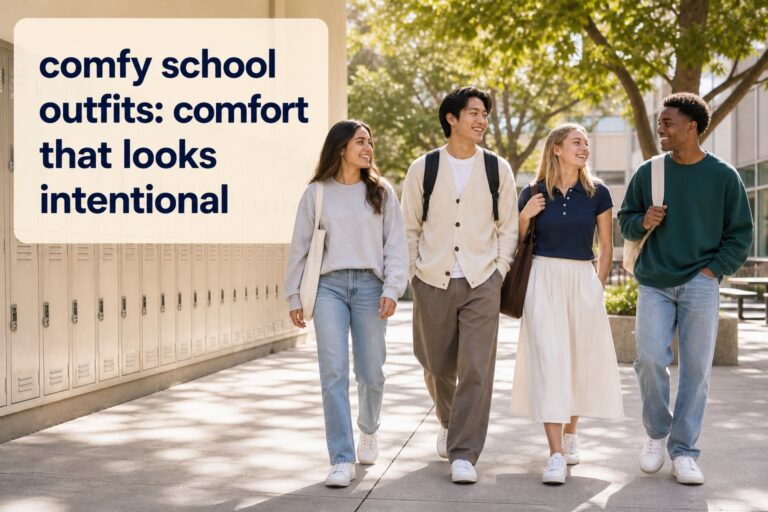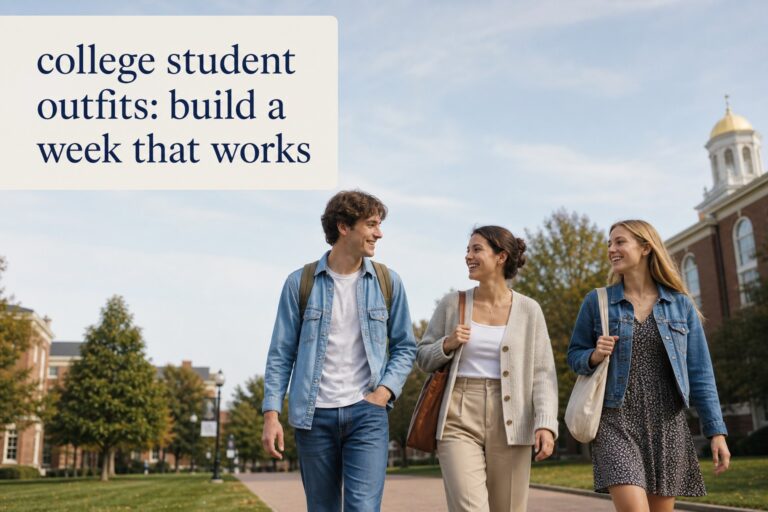
Student Fashion: A Practical Style Reset for Every Day
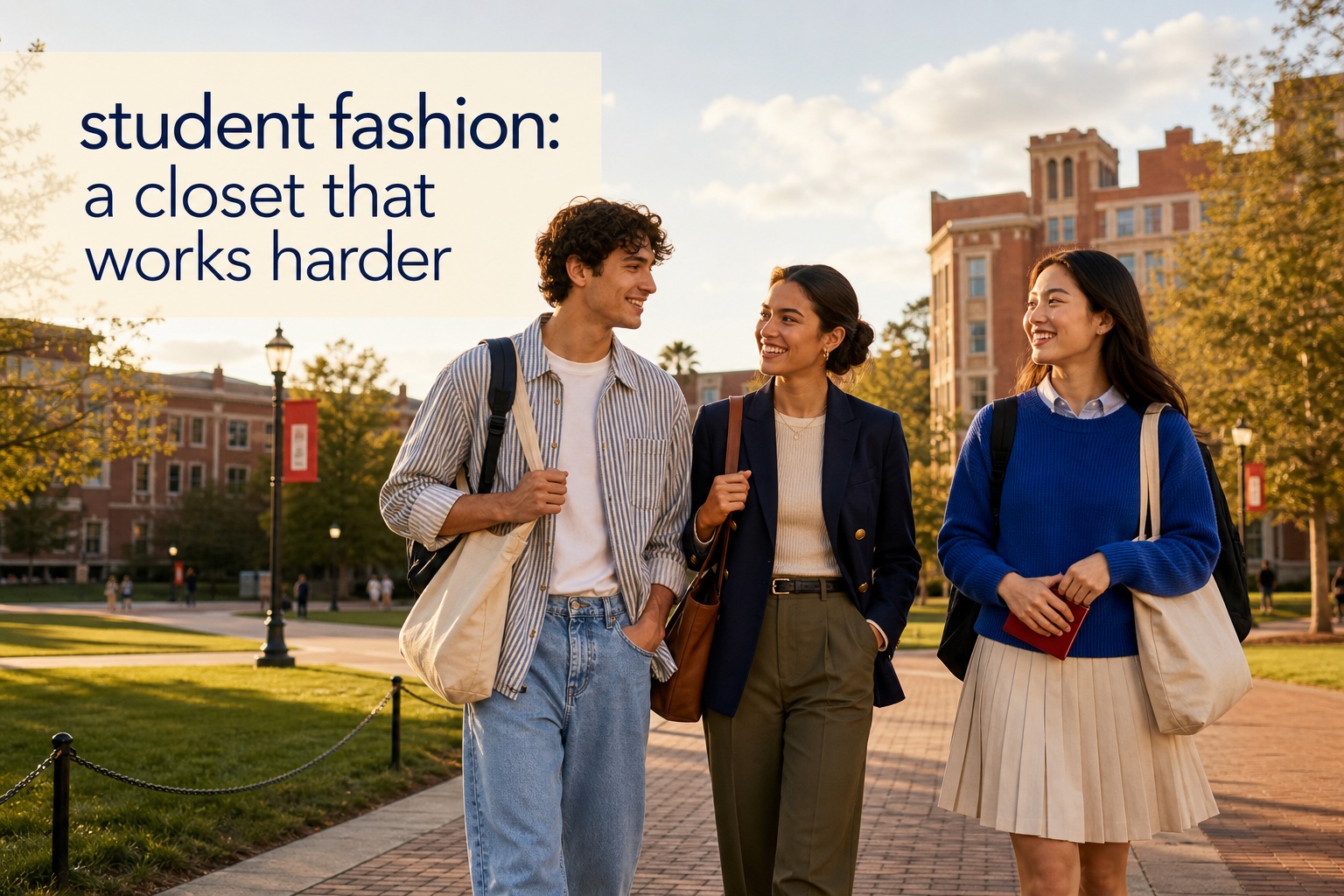
Student fashion can feel strangely difficult because a school or college day is rarely just one kind of day. You may walk across campus, sit through lectures, carry a laptop, hurry to work, meet friends, and face a weather change before dinner. The outfit has to be comfortable, presentable, expressive, and affordable at the same time. That is a lot to ask from a closet that may be small, shared, or still in progress.
The most useful student fashion approach is not copying one aesthetic or buying a complete new wardrobe. It is diagnosing what keeps going wrong, then building a few repeatable solutions from pieces that can work together. The guide below treats style as a practical system. You will find ways to make basics feel intentional, choose trends without wasting money, and get dressed faster when your schedule is full.
The Fashion-Note Edit
Five effortless pieces to refresh your everyday wardrobe
A polished, practical edit for workdays, weekends, and everything in between.

The Drop
Women’s Blake Long Blazer
A longline, tailored blazer with a notched collar and a single-button closure—an easy layer for denim, dresses, or office-ready looks.
Shop the blazer
Amazon Essentials
Women’s Lightweight Crewneck
A soft, lightweight sweater with a clean crew neckline—the kind of reliable layer that works from cool mornings to air-conditioned spaces.
Shop the sweater
Amazon Essentials
Women’s Loafer Flat
A classic flat loafer that gives casual outfits a more polished finish and pairs naturally with tailored pants, skirts, and straight-leg jeans.
Shop the loafers
Levi’s
Women’s 501 90s Jeans
A relaxed, vintage-inspired take on the iconic 501 silhouette—made for an easy, lived-in look without the thrift-store search.
Shop the jeans
Colorfulkoala
High-Waisted 7/8 Leggings with Pockets
Soft, four-way-stretch leggings with side pockets and a high-rise waistband—designed for movement, errands, and off-duty comfort.
Shop the leggings
Affiliate disclosure: This section contains affiliate links. If you make a purchase through these links, I may earn a commission at no additional cost to you. Product selection, pricing, availability, and delivery terms may change—please review the current details on Amazon before purchasing.
As an Amazon Associate I earn from qualifying purchases.
Diagnose the student fashion problem before buying anything
Before shopping, name the actual friction. A closet can be full and still fail because the clothes do not match your routine, the proportions do not balance, or the comfortable pieces have become the only pieces you reach for. The strongest student fashion reset begins with a short audit rather than a cart full of new items.
Your wedding style is personal.
Your plan should feel that way, too.
Zarellea keeps your guest list, budget, vendors, and every next step beautifully organized — so you can focus on the moments that feel like you.
When the closet is full but outfits do not connect
Pull out the items you wear most often and look for a pattern. Perhaps you have plenty of tops but only one pair of bottoms that feels good. Perhaps your clothes are all in different color families, or your favorite shoes only work with casual outfits. These are not signs that you need more clothes. They are signs of a missing bridge.
A bridge is a piece that makes several other pieces useful. It might be a relaxed dark trouser, a neutral overshirt, a soft cardigan, or a pair of clean sneakers. Try to identify one missing bridge in each category rather than replacing everything. A student wardrobe becomes easier when every new purchase answers a specific question: what does this work with, and how often will I wear it?
When comfort has turned into default loungewear
Comfort is not the enemy of style. The problem is usually a lack of contrast. If every item is oversized, soft, and visually similar, the outfit can feel unfinished even when it feels pleasant. Keep the comfortable base, then add one piece with structure or a clear shape. A roomy sweatshirt can work with straight jeans, a pleated skirt, or a sharper jacket. Leggings can look deliberate with a longer button-down, a cropped utility jacket, or a polished tote.
Use the one-to-one balance rule as a starting point. Pair one relaxed item with one item that has a defined line. This does not mean wearing uncomfortable tailoring. It can be as simple as a fitted ribbed tank with wide pants, a crisp shirt over a soft tee, or a structured bag with a knit set. The goal is visual intention, not formality.
When trends do not fit the schedule, budget, or dress code
Trends are useful when they give an existing outfit a new direction. They become expensive when they require several additional purchases. Start by asking whether the trend works for your real day. Can you sit, walk, carry your bag, and move between indoor and outdoor temperatures? Does it fit your school rules or work requirements? Can you style it at least three ways with what you own?
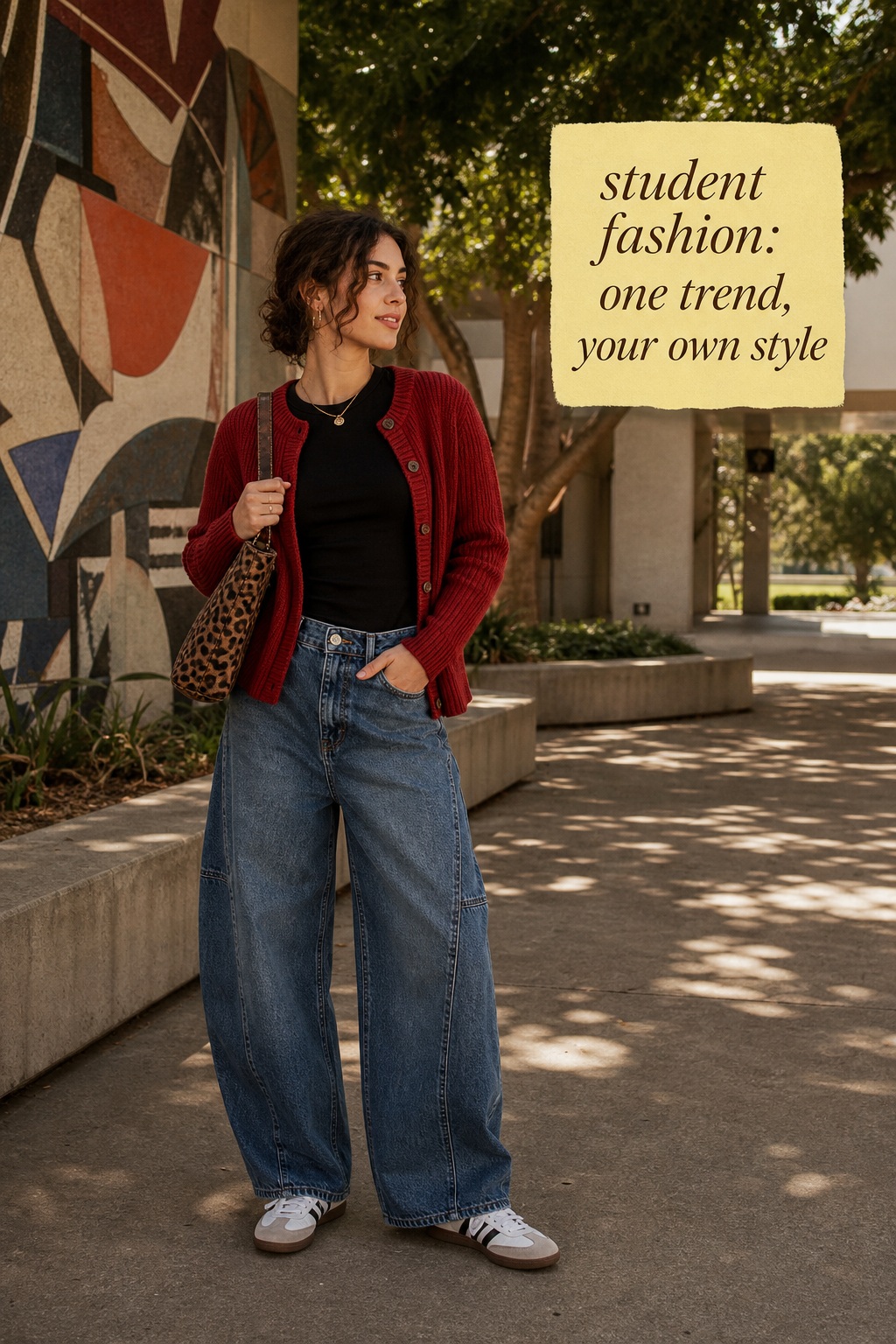
A small trend can be enough. A cherry-red knit, a barrel-leg jean, a patterned bag, a sporty sneaker, or a different belt can refresh a familiar base. Current campus style coverage often points to mixing aesthetics rather than following one strict look. That is useful advice, but the practical filter should come first: choose the trend that improves your wardrobe, not the one that photographs best for one afternoon.
Build a reliable student fashion base from the clothes you already have
Once you understand the friction, make a small working base. You do not need a fixed number of pieces because laundry frequency, climate, activities, and dress codes vary. You do need enough repetition to make dressing easy. Think in roles rather than a shopping list: bottoms that carry outfits, tops that change the mood, layers that solve temperature shifts, and shoes that can survive your day.
Choose two bottoms, three tops, and one useful layer first
For a quick reset, select two bottoms with different functions. One could be comfortable denim or a relaxed trouser for long days. The other could be a skirt, a second denim shape, or a soft athletic bottom that suits your routine. Then choose three tops with different visual effects: a simple tee, a knit or sweatshirt, and a button-down or fitted top that adds definition.
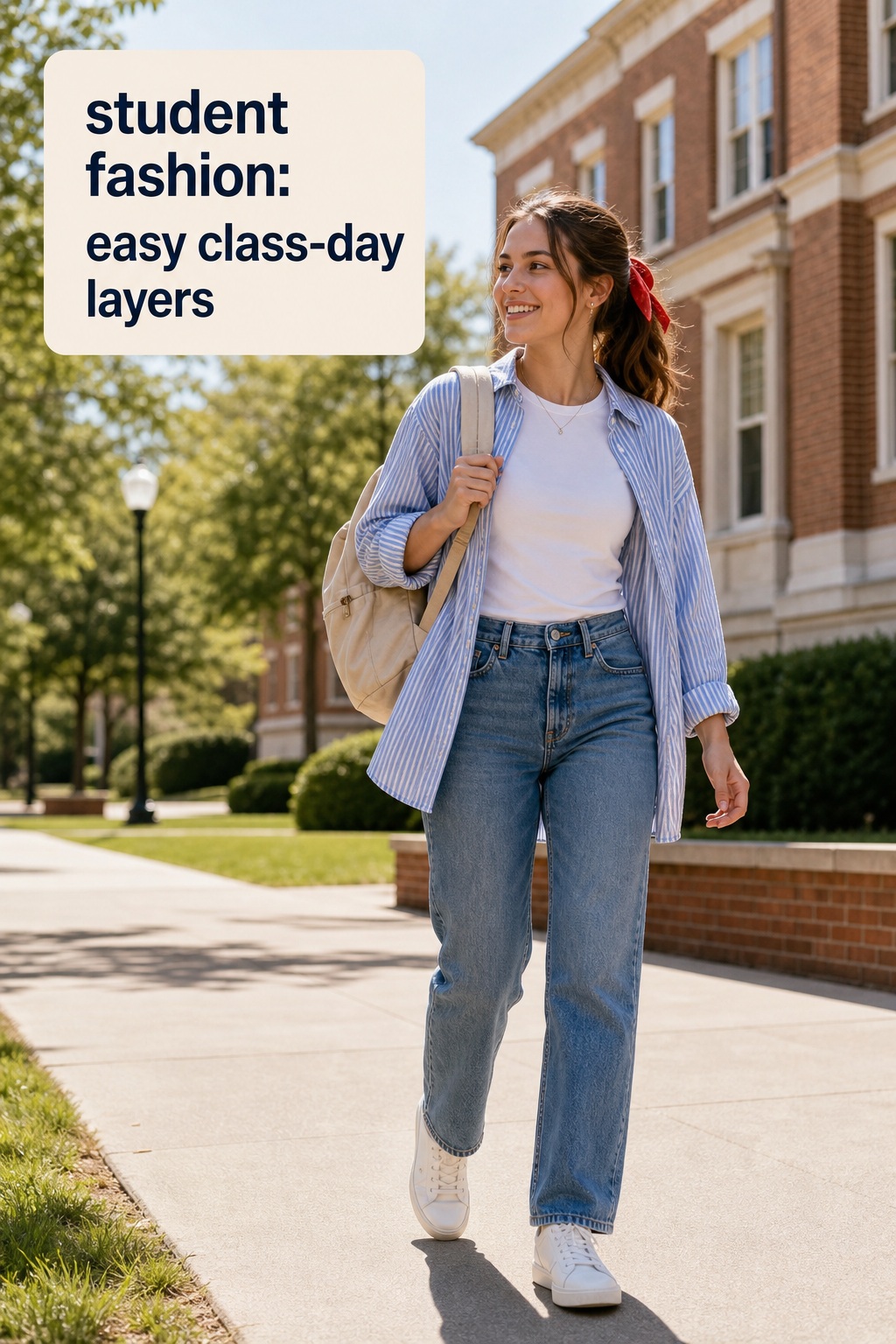
Add one layer that works across at least two temperatures. An open shirt, lightweight jacket, cardigan, chore coat, or vest can change the outfit while handling chilly classrooms and warm walks. If you can make six combinations from these pieces, you have a stronger foundation than a closet full of isolated statement items. Expand only when you discover a genuine gap.
Use a simple color and texture bridge
Color coordination does not require a beige wardrobe. Pick two reliable neutrals, one favorite color, and one accent that can appear in small doses. Navy and cream can support red. Black and denim can support green. Brown and ivory can support blue. The point is to make your clothes look related enough that you can combine them when you are tired.
Texture creates interest when the colors are simple. Combine denim with knitwear, smooth cotton with corduroy, a matte sweatshirt with a shiny hair clip, or a crisp shirt with soft jersey. This is especially helpful for student fashion because a repeated silhouette can feel different when the surface changes. A cardigan, canvas tote, ribbed sock, or textured belt can do more styling work than another graphic tee.
Check fit, movement, weather, and laundry reality
An outfit is not successful if you spend the entire day adjusting it. Sit down in the clothes, walk quickly, lift your arms, and check whether your bag works with the shoulder area. Consider whether the fabric wrinkles immediately, whether the shoes can handle your route, and whether the item can be washed as often as your schedule requires.
Fit is personal, but comfort should not mean ignoring shape. Check where the shoulder seam lands, where a waistband sits, how much room you need through the thigh or torso, and whether the hem works with your shoes. If you like an oversized top, balance it with a cleaner lower line. If you prefer fitted clothes, add a relaxed layer so movement and temperature are easier.
Use situation-based outfit formulas for real student days
Instead of memorizing dozens of looks, keep a few formulas for the situations that repeat. A formula is not a uniform. It is a dependable relationship between pieces, so you can swap colors, fabrics, and accessories without starting from zero. The following combinations are intentionally flexible for school and college settings.
Class and campus walking
Start with straight or wide-leg denim, a simple tee or fitted knit, and a light layer. Add walkable sneakers, a backpack or crossbody, and one small color accent. A striped shirt under a cardigan can make denim feel more considered. A varsity jacket over a plain base gives energy without requiring a complicated outfit. Keep the hem and bag practical when you have stairs, public transportation, or a long route between buildings.
For warmer weather, use a breathable top with a relaxed trouser, denim short, or simple skirt. Carry the layer rather than wearing it if the forecast changes. For cooler days, put the base layer close to the body and add warmth on top, so you can adjust inside. This formula works because it treats student fashion as movement-friendly style, not a static photograph.
Study days and long commutes
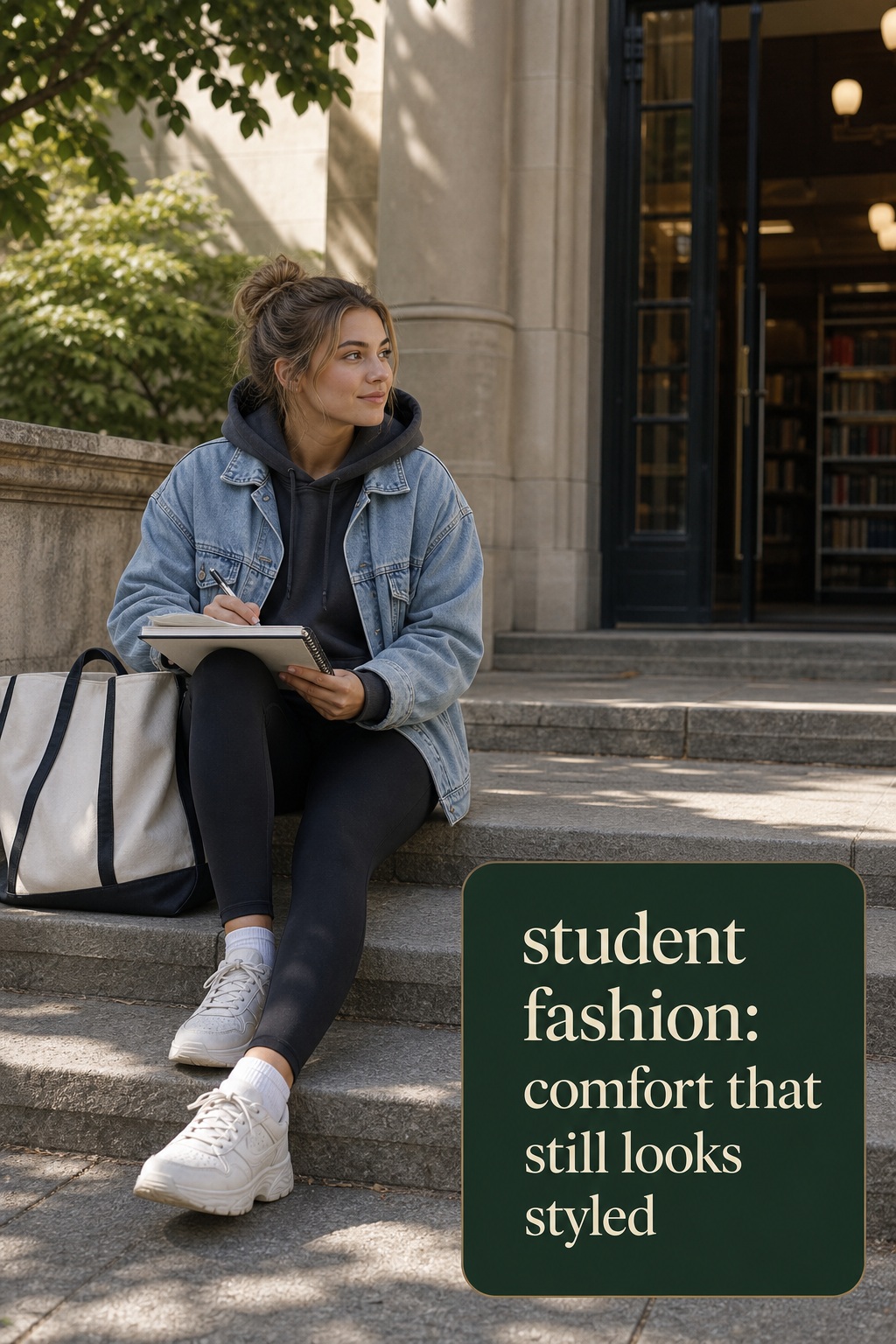
Choose a soft base that will not pinch while sitting, then add a layer with enough shape to keep the outfit from feeling like sleepwear. Black leggings with an oversized hoodie can work with a denim jacket and clean sneakers. Wide jersey pants can work with a close-fitting tank, an open overshirt, and a structured tote. The important detail is a deliberate outer layer or accessory.
Think about the temperature difference between your commute and the library. A removable vest, scarf, zip jacket, or cardigan may be more useful than a heavy item that you cannot store. Choose shoes that are easy to remove if you are studying in a quiet space, and keep one simple accessory in your bag for an unexpected plan. A small hoop, cap, belt, or lip color can change the mood without changing the whole outfit.
Presentations, interviews, and club events
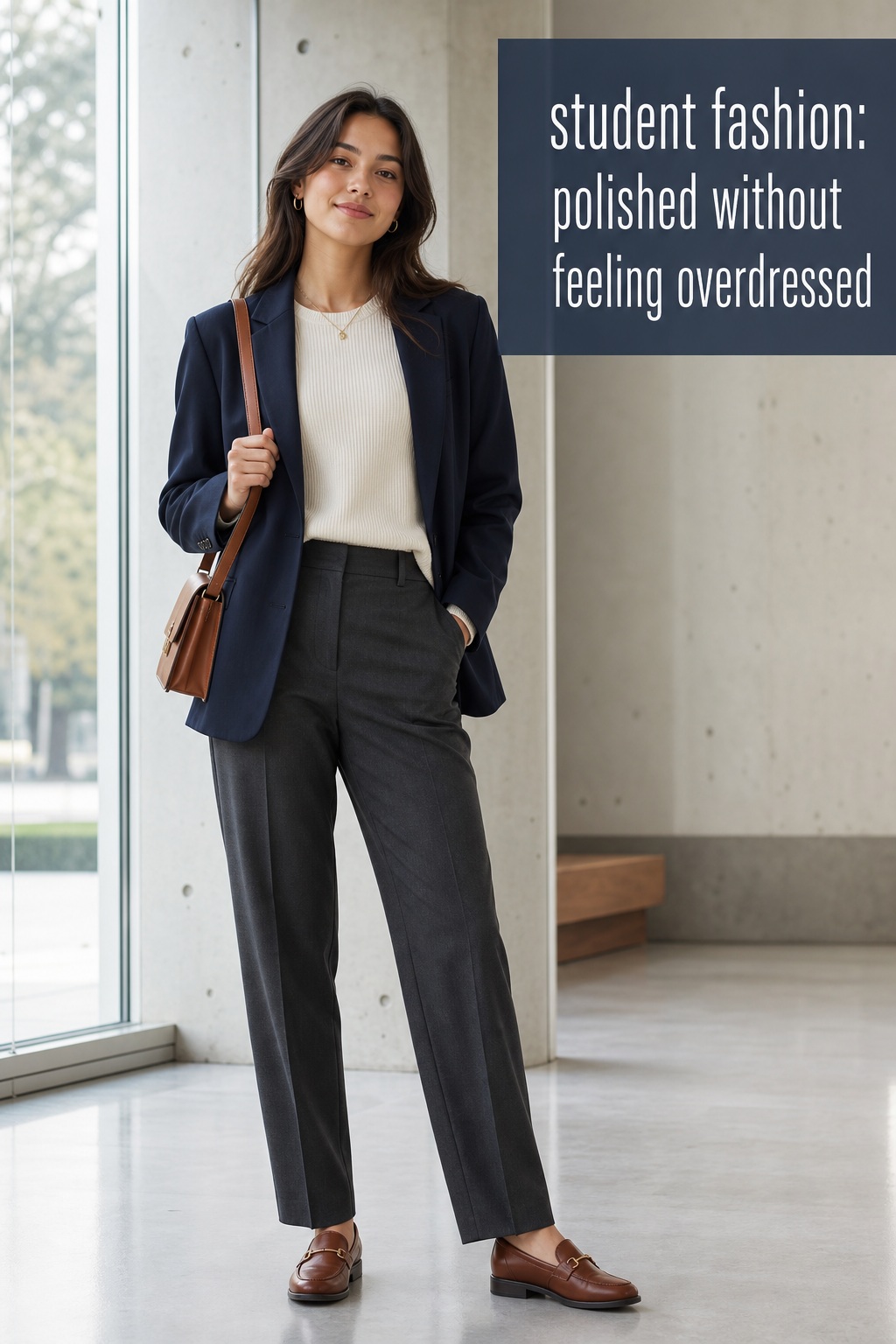
Use a clean base and one structured piece. This could be dark trousers with a knit top and blazer, a midi skirt with a tucked shirt and cardigan, or dark denim with a polished jacket if the setting is casual. Keep the palette calm if you want the outfit to feel composed, then add one personal detail such as a distinctive bag, earrings, shoe color, or patterned scarf.
Test the outfit before the event rather than trying it for the first time that morning. Check how the jacket feels when you sit, whether the shoes are reliable, and whether the fabric shows lint or wrinkles. Student fashion does not need to imitate officewear exactly. It needs to communicate that you prepared, while still allowing you to move, speak, and feel like yourself.
Social plans after class
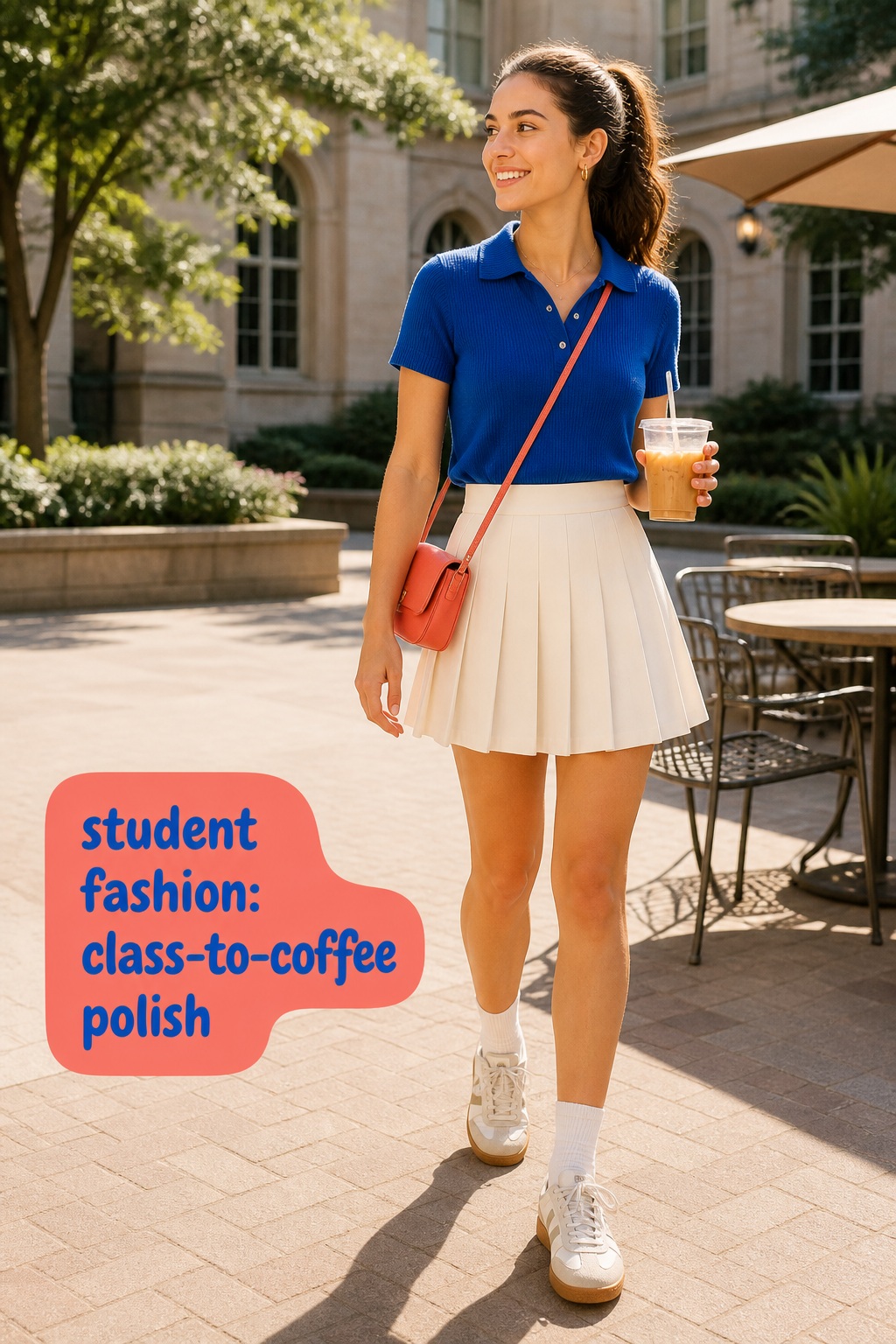
The easiest class-to-social formula changes one visible element instead of rebuilding the outfit. Swap sneakers for loafers or boots, add a stronger lip or hair accessory, replace a backpack with a small shoulder bag, or layer a fitted top under an open shirt. If your daytime outfit is denim and a tee, a statement cardigan or interesting belt can make it feel ready for dinner.
Another option is a one-piece base, such as a simple knit dress, athletic dress, or jumpsuit, with different shoes and layers for each setting. This can be a smart choice for students who want fewer decisions. Make sure the piece works with your movement and temperature needs, then let the accessories establish the occasion.
Add personality and trends without losing practicality
Personal style is built through repetition and editing. You do not need to announce an aesthetic in every outfit. Notice the colors, shapes, and details you repeatedly save or reach for, then use those observations to guide purchases. This makes student fashion feel more individual because the wardrobe grows from your actual preferences instead of a temporary label.
Pick one visible trend at a time
When you want to try a current idea, make it the hero and keep the rest familiar. Wear barrel-leg jeans with a simple tee and low-profile sneakers. Try a cherry-red sweater with denim and a neutral bag. Use a leopard-print bag with a plain outfit. This approach lets you evaluate whether the trend fits your life before spending more money around it.
Ask three questions before buying: can I wear it next week, can I style it with three pieces I own, and will I still like the shape if the trend disappears? If the answer is no to all three, save the image for inspiration instead. A trend can influence proportion, color, or styling without becoming a purchase.
Let accessories change the mood
Accessories are a low-commitment way to make repeated basics feel new. A baseball cap and canvas tote make a cardigan and jeans more casual. A belt, small hoops, and loafers make the same base more polished. Bright socks, a scarf, hair clips, or a bag in an unexpected color can supply personality without creating a storage problem.
Keep accessories visible and easy to reach. If they are buried in a drawer, they will not become part of your outfit routine. Create a small rotation of items that work with your main colors. This is where thrift stores and resale platforms can be especially useful because one unusual accessory may add more identity than several new basics.
Make the outfit feel like you, not a copied aesthetic
Use references as ingredients, not instructions. If you like preppy styling, you might borrow a collared shirt or pleated shape without wearing a complete uniform-inspired outfit. If you like sporty dressing, combine a track pant with a fitted top or tailored layer. If you like softer clothes, introduce contrast through denim, a sharp shoe, or a structured bag.
The best student fashion often comes from one small contradiction: a soft cardigan with wide denim, a sporty sneaker with a skirt, a serious blazer with a graphic tee, or a romantic accessory with utility clothing. That contrast gives a simple outfit a point of view while keeping it wearable.
Repair the five most common student fashion failures
When an outfit is not working, change one variable at a time. You will learn more by making a small adjustment than by changing every item and losing track of the original problem. These quick repairs cover the issues that make students feel as if they have nothing to wear.
The outfit feels shapeless
Keep the oversized item and define one point. Tuck the front of a sweatshirt, open a shirt to show the base, add a belt, roll a sleeve, or choose a cleaner shoe. You can also change the proportion by shortening the top layer or letting a longer base peek below it.
The outfit is cute but impossible to wear all day
Identify the exact failure. If the shoe hurts, keep the look and switch the shoe. If the fabric rides up, add shorts, tights, or a longer layer. If the top is too warm, use a breathable base and a removable outer layer. A reliable outfit is one you can forget about while doing what you came to do.
Nothing works with the shoes or bag
Choose one everyday shoe and one everyday bag that support most of your wardrobe. If they are highly specific, the rest of the closet will feel difficult. White or dark sneakers, simple loafers, ankle boots, or a practical flat can anchor several formulas. A backpack or tote in a neutral color can make casual and polished outfits feel related.
The wardrobe keeps becoming more expensive and less useful
Pause new purchases and make a gap list. Write down the three outfits you wish you could wear, then identify the single item that would unlock each one. Shop your closet, resale options, and sales in that order. The strongest budget strategy is buying fewer items that can appear in several contexts, not chasing a constant stream of newness.
The look ignores the weather or dress code
Build a version of the outfit for your actual environment. In heat, use breathable fabrics and a lighter bag. In rain, protect the shoes and choose a layer that can dry easily. In cold weather, repeat the base but add socks, tights, a warm coat, or a scarf. If your school has rules, treat them as design constraints and express personality through color, texture, accessories, or proportion.
FAQ
What is student fashion?
Student fashion is everyday personal style adapted to school or college life. It balances comfort, movement, weather, dress codes, budget, and self-expression. It can include denim, knitwear, skirts, athletic pieces, tailoring, thrifted items, or uniforms, as long as the choices work for the student’s real routine.
How can I look stylish as a student without spending much?
Start by shopping your closet and identifying gaps. Build outfits around versatile pieces, then use accessories, color, texture, and one trend item to add personality. Thrifting, resale, repairs, and phased shopping can stretch a small budget further than buying several single-use statement pieces.
How many clothes does a student need?
There is no universal number. The right amount depends on laundry access, climate, activities, school requirements, and how often you repeat outfits. Start with enough bottoms, tops, layers, and shoes to cover your week, then add only what solves a repeated problem.
How do I make a comfortable outfit look more intentional?
Add contrast through proportion or structure. Pair a relaxed item with a defined one, such as an oversized sweatshirt with straight jeans, leggings with a long button-down, or wide pants with a fitted top. Clean shoes, a useful bag, and one visible accessory can also make comfort look like a deliberate choice.
What are the best student fashion basics?
The best basics are the pieces you can wear repeatedly in your environment. A comfortable bottom, simple tee, layer, practical shoe, and reliable bag are a useful start. Choose colors and fits that work with what you already own rather than following a fixed capsule list.
How can I add trends without ruining my wardrobe budget?
Try one visible trend at a time and style it with familiar pieces. Before buying, make sure it works with at least three items you own and suits your schedule. You can also borrow a trend through accessories, color, or proportion instead of purchasing a complete new outfit.
What should I wear when I have classes and plans afterward?
Start with a comfortable class base and plan one easy change for later. Swap sneakers for loafers or boots, add a structured layer, change the bag, or use a stronger accessory. This keeps the outfit practical for the day while giving it a clear evening direction.
Finish the look
The little extras that make a summer outfit feel complete
From beach days to city weekends, these easy pieces bring comfort, texture, and a polished finishing touch.

FENBEN
Straw Hobo Crossbody Bag
A handwoven straw bag with both short and crossbody straps—an effortless finishing touch for vacation looks and warm-weather outfits.
Shop the bag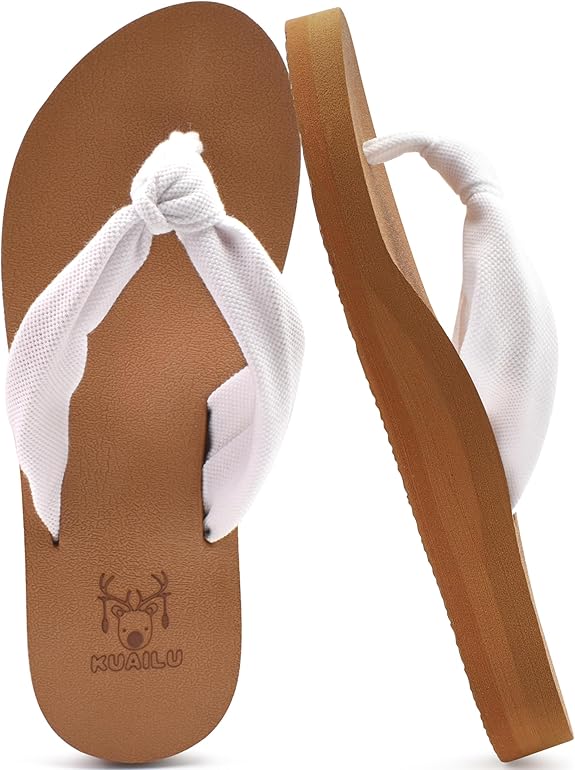
KuaiLu
Flip Flops with Arch Support
Cushioned, lightweight sandals with supportive arch design—a practical choice for beach trips, errands, and long summer walks.
Shop the sandals
baleaf
Athletic One-Piece Swimsuit
A functional one-piece with adjustable straps and moderate coverage, designed for swimming, training, surfing, and active beach days.
Shop the swimsuit
Astylish
Linen-Cotton Button-Down Shirt
A relaxed cotton-linen shirt with a collared V-neck and roll-up sleeves—easy to style over swimwear or with denim and shorts.
Shop the shirt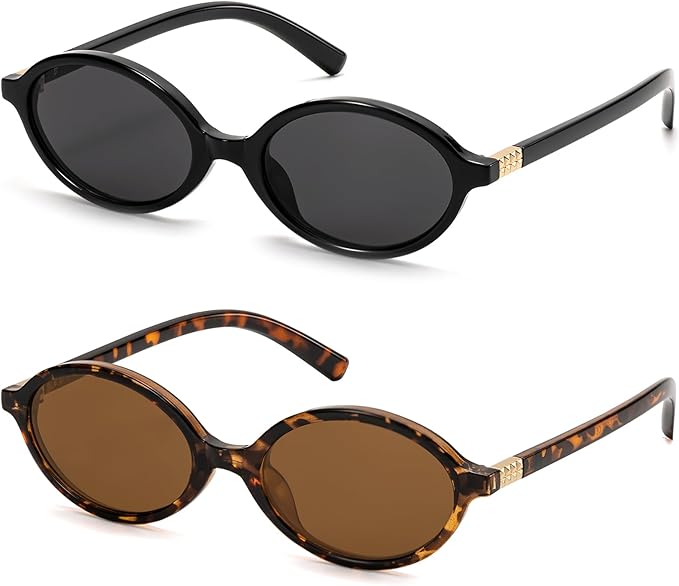
ViewJoy
Retro Oval Sunglasses
Small oval sunglasses with a 90s-inspired silhouette and UV400 lens protection—a quick way to add a vintage edge to everyday looks.
Shop the sunglasses
Affiliate disclosure: This section contains affiliate links. If you make a purchase through these links, I may earn a commission at no additional cost to you. Product selection, pricing, availability, and delivery terms may change—please review the current details on Amazon before purchasing.
As an Amazon Associate I earn from qualifying purchases.