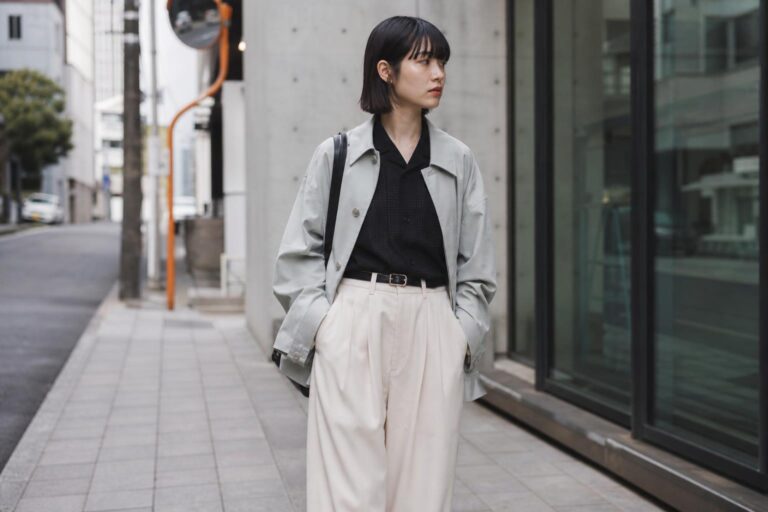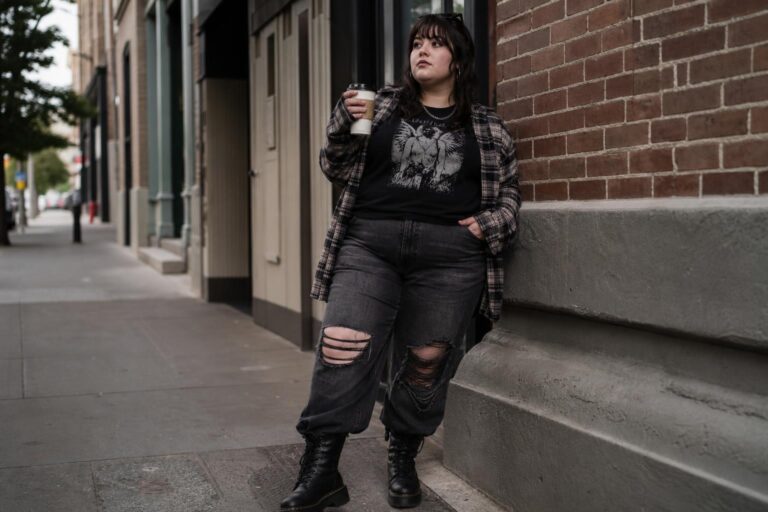
2000s Grunge Outfits That Feel Modern
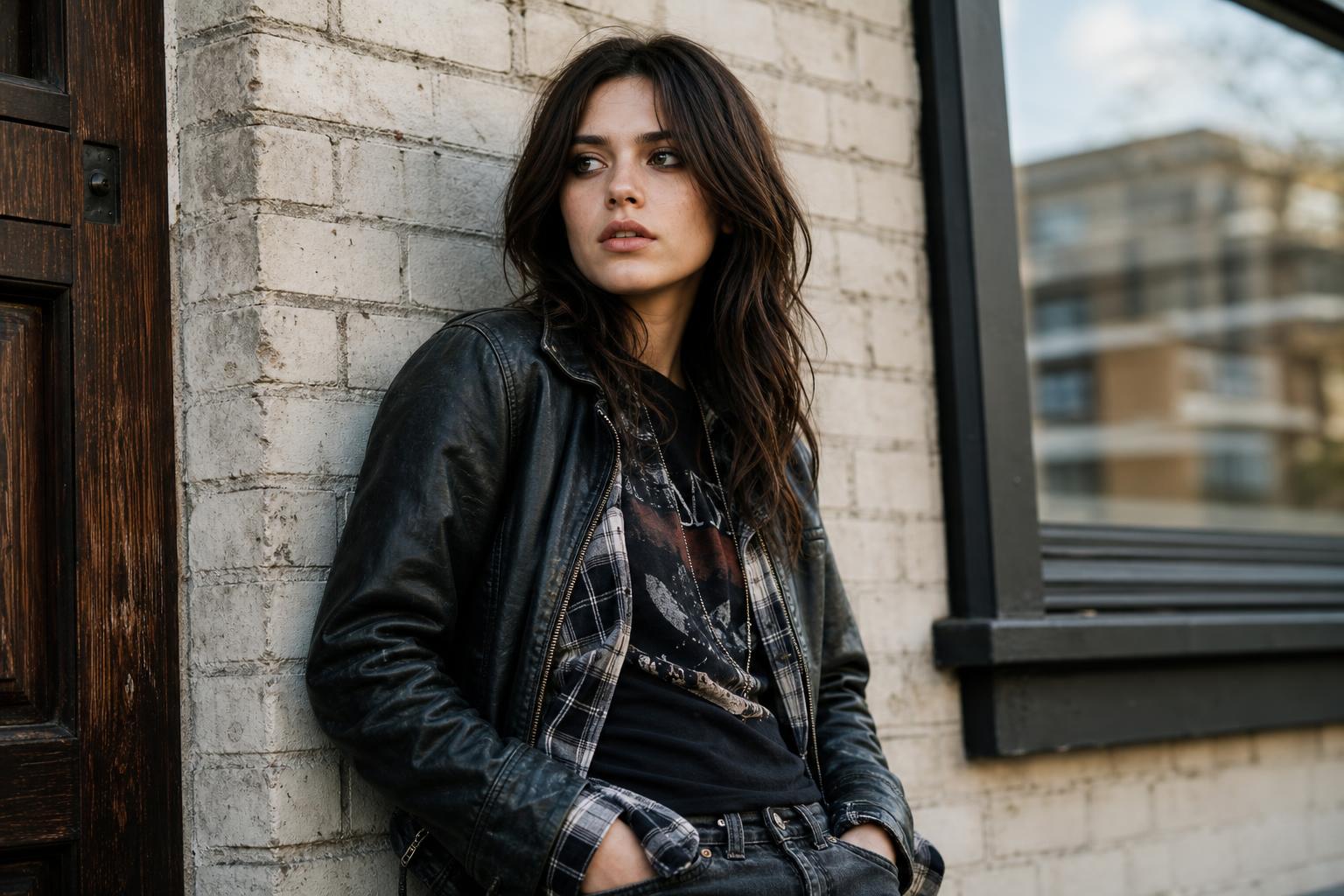
Some outfits look grunge because they include the right pieces. Others feel grunge because the proportions, layering, and attitude are working together. That distinction matters with 2000s grunge outfits, especially because this era sits between classic 1990s grunge, the rise of Y2K fashion, and later offshoots like soft grunge, indie sleaze, and Tumblr grunge.
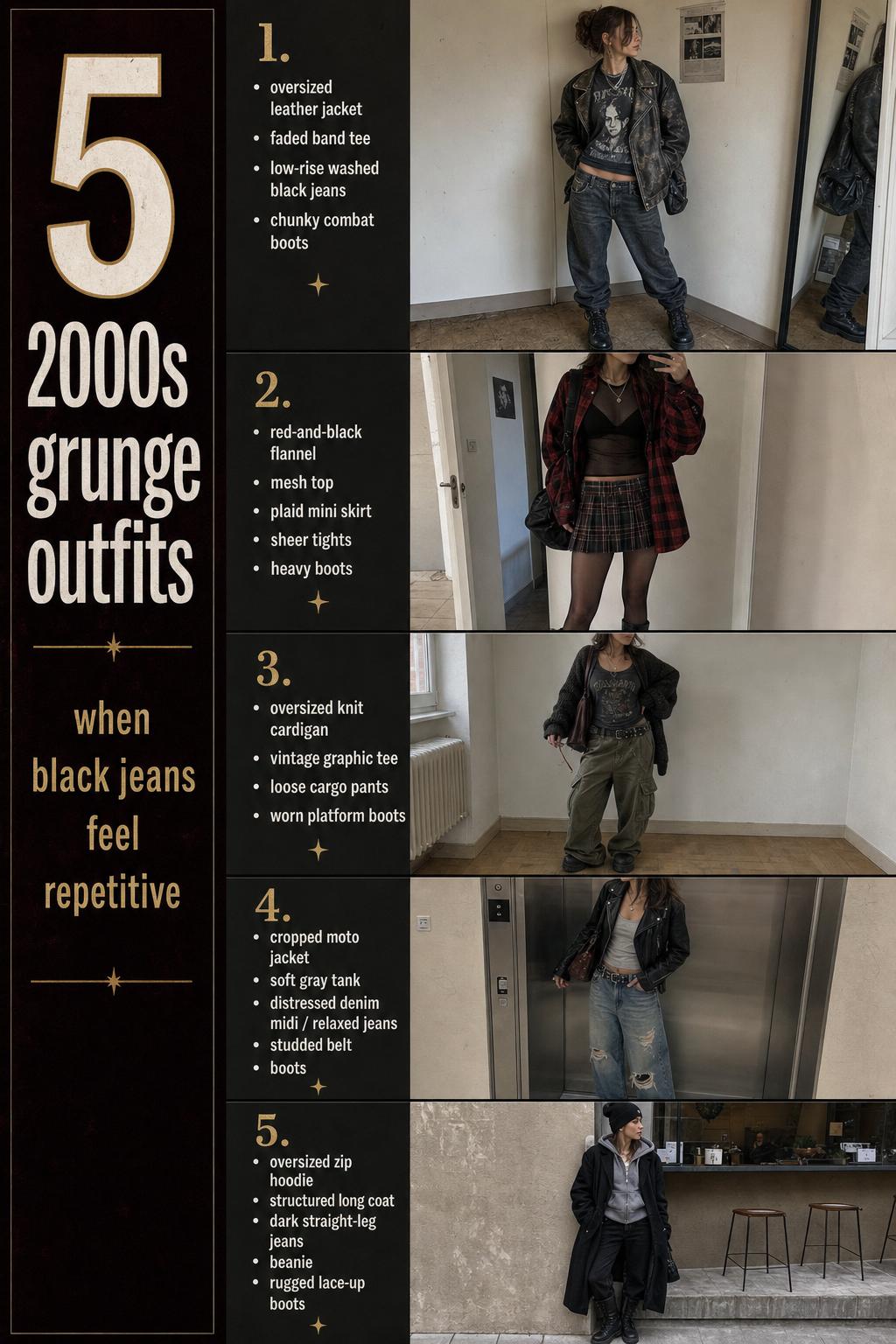
The early-2000s version of grunge was less purely thrift-coded and more mixed. Flannel and ripped jeans stayed central, but low-rise denim, mesh tops, plaid minis, metallic accents, and mass-market styling shifted the mood. The result was a look that could feel rougher, sleeker, sexier, or more commercial depending on how the outfit was built.
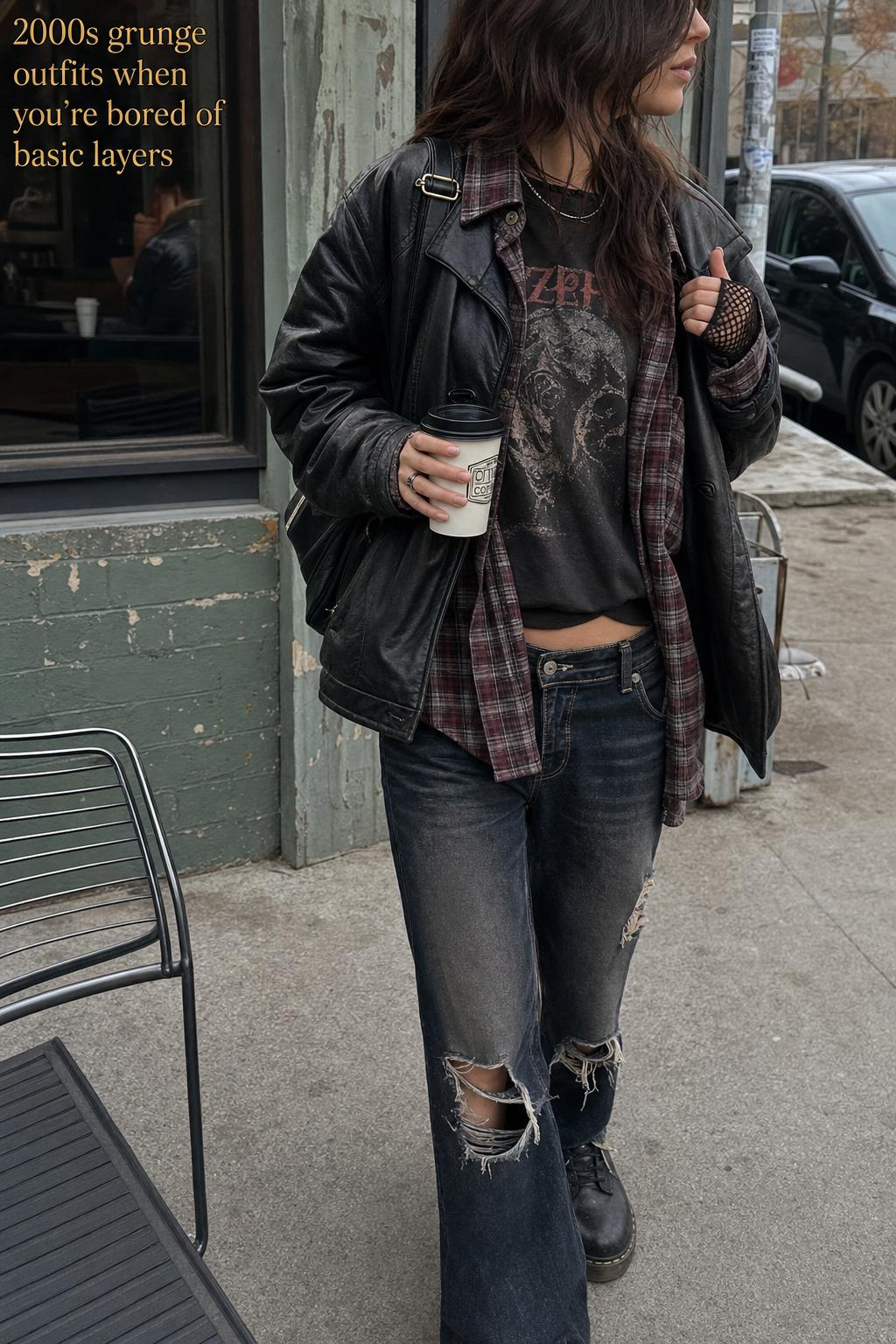
This breakdown looks at how 2000s grunge actually works in real outfits: what defines it, how it differs from 1990s grunge and cleaner Y2K dressing, which details instantly signal the aesthetic, and how to wear it in everyday life without making it look like a costume.
The Fashion-Note Edit
Five effortless pieces to refresh your everyday wardrobe
A polished, practical edit for workdays, weekends, and everything in between.

The Drop
Women’s Blake Long Blazer
A longline, tailored blazer with a notched collar and a single-button closure—an easy layer for denim, dresses, or office-ready looks.
Shop the blazer
Amazon Essentials
Women’s Lightweight Crewneck
A soft, lightweight sweater with a clean crew neckline—the kind of reliable layer that works from cool mornings to air-conditioned spaces.
Shop the sweater
Amazon Essentials
Women’s Loafer Flat
A classic flat loafer that gives casual outfits a more polished finish and pairs naturally with tailored pants, skirts, and straight-leg jeans.
Shop the loafers
Levi’s
Women’s 501 90s Jeans
A relaxed, vintage-inspired take on the iconic 501 silhouette—made for an easy, lived-in look without the thrift-store search.
Shop the jeans
Colorfulkoala
High-Waisted 7/8 Leggings with Pockets
Soft, four-way-stretch leggings with side pockets and a high-rise waistband—designed for movement, errands, and off-duty comfort.
Shop the leggings
Affiliate disclosure: This section contains affiliate links. If you make a purchase through these links, I may earn a commission at no additional cost to you. Product selection, pricing, availability, and delivery terms may change—please review the current details on Amazon before purchasing.
As an Amazon Associate I earn from qualifying purchases.
What 2000s grunge really means
At its core, grunge fashion comes from a visual language built around flannel, denim, boots, band T-shirts, leather, and an intentionally undone attitude. The historical foundation is tied to Seattle and Washington, where the grunge movement and music scene shaped the original aesthetic. In the 2000s, that language did not disappear. It shifted.
Your wedding style is personal.
Your plan should feel that way, too.
Zarellea keeps your guest list, budget, vendors, and every next step beautifully organized — so you can focus on the moments that feel like you.
The 2000s version of grunge became more hybrid. It kept the worn-in feel of thrift culture and 1990s grunge, but it absorbed Y2K styling habits like lower rises, shorter hemlines, layered tops, and more visible accessories. It also moved further into mainstream retail through stores such as Urban Outfitters, Forever 21, H&M, and Nordstrom, which helped turn a subcultural style into something more accessible and more polished in places.
That is why people often confuse 2000s grunge with general Y2K fashion. Both use denim, layering, and attitude. But grunge leans moodier, rougher, and more texture-driven, while mainstream Y2K dressing often reads brighter, glossier, and more playful.
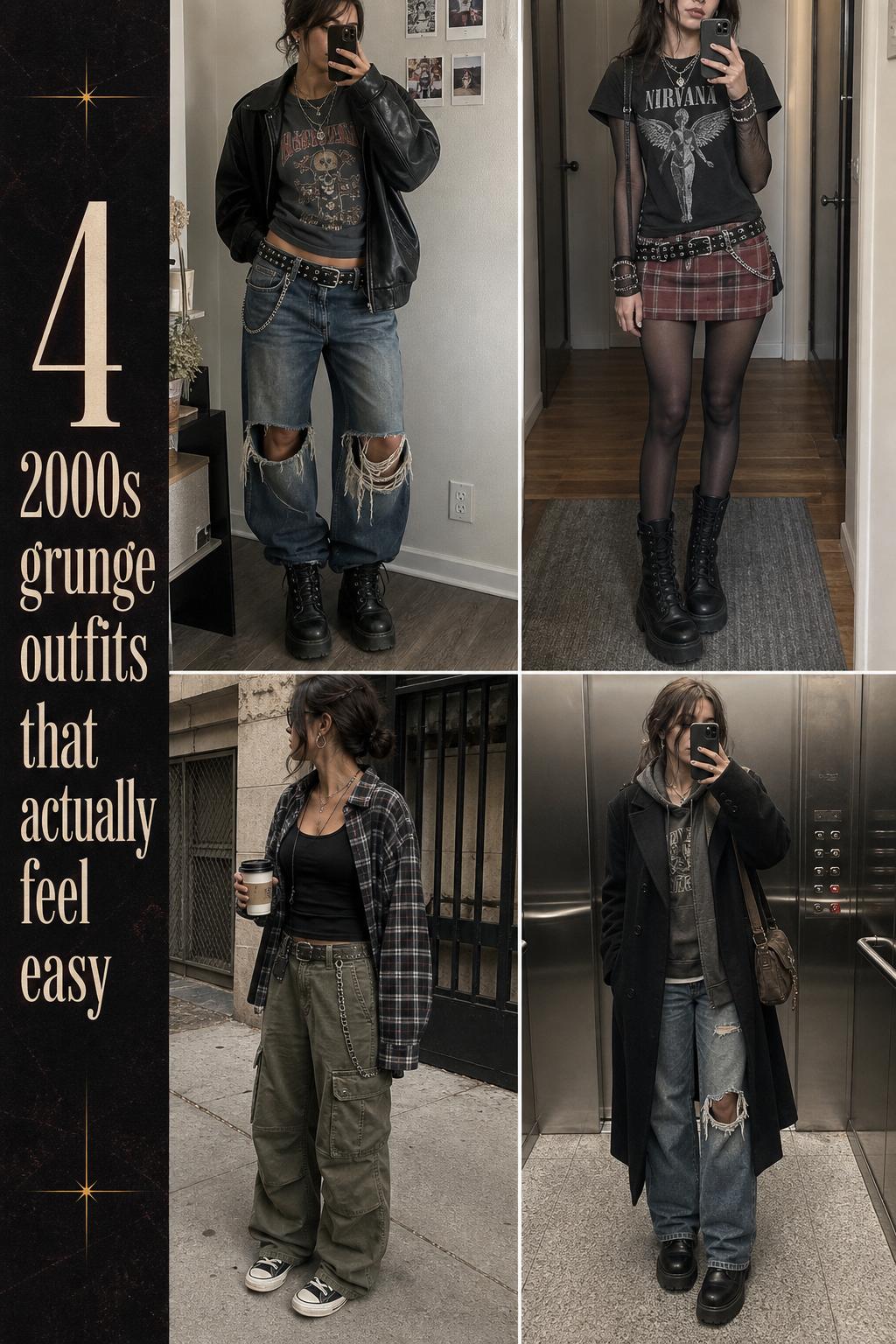
The visual foundation: the pieces that carry the aesthetic
If an outfit is going to read as 2000s grunge, the signal usually starts with a few core garments. These pieces appear again and again because they create the right shape and mood without needing much explanation.
- plaid shirts and flannel
- ripped jeans or distressed denim
- denim jackets
- combat boots and other heavy boots
- band T-shirts and graphic tees
- leather jackets
- cargo pants
- mesh tops
- plaid mini skirts
- low-rise jeans
What makes these items useful is not just recognition. Each one changes the silhouette in a specific way. Flannel softens the line of the body and creates ease. Ripped denim adds visual friction and makes an outfit feel lived-in rather than pristine. Combat boots ground the look and stop it from drifting into something too sweet or too trend-polished. A band tee brings in instant cultural association, which is why it remains one of the easiest anchors for the style.
In the 2000s, pieces like mesh tops, plaid minis, and low-rise jeans pushed grunge closer to Y2K territory. They introduced a sharper, more styled kind of edge. The look could become more body-conscious than 1990s grunge, but still keep its darker tone and layered messiness.
Style overview: classic 1990s grunge vs 2000s grunge
To understand the early-2000s version clearly, it helps to put it next to its direct predecessor. These styles are related, but they do not create exactly the same impression.
1990s grunge
Classic 1990s grunge is usually looser, more thrift-driven, and less obviously styled. The silhouette tends to feel slouchy and practical rather than deliberately fashion-forward. Think flannel over a T-shirt, straight or worn denim, leather, and boots with very little visual polish. The mood is anti-glamour, anti-perfection, and tied closely to music culture and Seattle-rooted authenticity.
2000s grunge
2000s grunge keeps the same dark and undone spirit, but it looks more mixed and more aware of trend cycles. Denim can be baggy or low-rise. Layers become more deliberate. Accessories become more visible. A mesh top under a graphic tee, a plaid mini with combat boots, or a leather jacket over a fitted layer all create a slightly sharper, more commercialized version of grunge. It still feels rebellious, but less accidental.
This is also where celebrity and editorial context matter. Figures such as Kate Moss and Sienna Miller helped normalize early-2000s messy layering and grunge-adjacent styling in a way that felt cooler and more public-facing than the original underground roots.
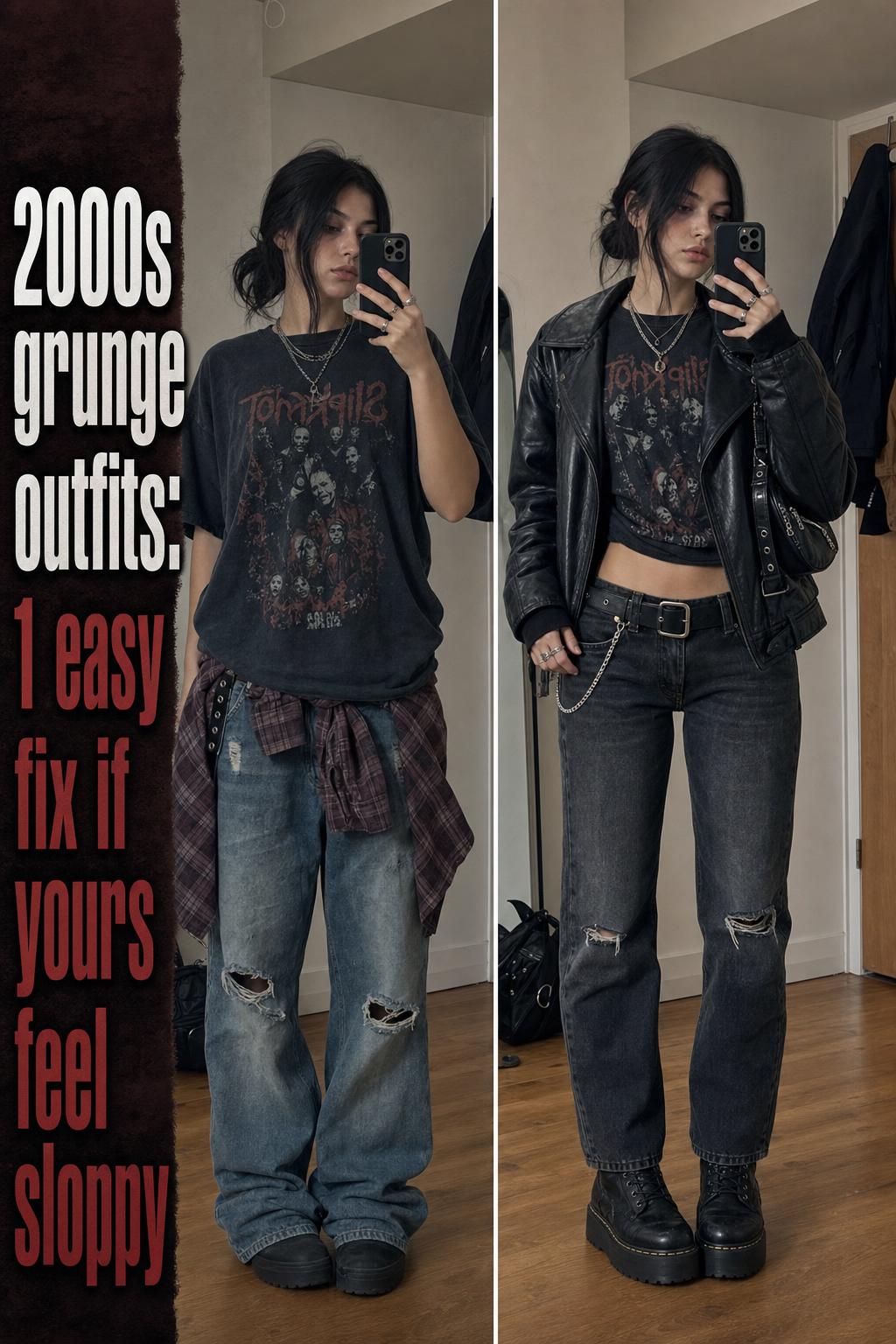
Where Y2K changes the grunge mood
One of the biggest styling questions is whether an outfit reads grunge, Y2K, or a blend of both. The answer usually comes down to finish, contrast, and proportion.
Pure Y2K fashion often emphasizes low-rise jeans, cropped hoodies, metallic accessories, platform shoes, and a more overtly trend-driven energy. The lines can be cleaner or more playful, and the colors do not have to stay dark. In a grunge outfit, those same low-rise jeans or platform-adjacent shoes need support from rougher textures and moodier styling cues. Without them, the outfit drifts into generic early-2000s dressing rather than 2000s grunge.
For example, low-rise jeans with a fitted bright top and metallic accessories can lean mainstream Y2K. Low-rise jeans with a faded band tee, a flannel layer, and boots feel much more grunge. The item stays the same, but the styling philosophy changes completely.
How to instantly tell the difference
- Y2K looks cleaner or more playful; grunge looks rougher and more intentionally undone.
- Y2K often highlights shine and novelty; grunge relies on texture, layering, and darker contrast.
- Y2K footwear can feel more pop-driven; grunge footwear usually adds weight through combat boots or sturdy boots.
- Y2K accessories can be statement-led; grunge accessories support the mood rather than stealing focus.
Substyles that sit inside the 2000s grunge world
Not every grunge outfit from the 2000s looks the same. Several adjacent aesthetics share the same base but shift the mood in different directions. This is where readers often see inspiration overlap and start mixing references.
Soft grunge
Soft grunge takes the dark palette and layered mood of grunge but removes some of the visual heaviness. The silhouette is often gentler, and the styling can feel more approachable for daily wear. Denim still matters, boots still matter, and graphic tops still help, but the overall effect is less raw and less severe. This is one reason soft grunge remains practical for readers who want edge without looking overly costume-like.
Indie sleaze
Indie sleaze overlaps with grunge through messiness, nightlife energy, and an intentionally imperfect finish. Where classic grunge feels rooted in flannel, denim, and music-scene understatement, indie sleaze often feels more social, more urban, and slightly more chaotic. In real outfits, that can mean the same leather jacket or skinny-feeling silhouette is styled with a sharper, more going-out mood.
Tumblr grunge
Tumblr grunge is a later internet-coded interpretation, but it borrows heavily from 2000s and 1990s references. It tends to exaggerate dark visuals, graphic symbolism, layered tops, and moody accessories. Compared with original grunge, it can look more curated and image-driven. Compared with 2000s grunge, it often feels more stylized and less tied to real retail-era outfit habits.
Understanding these substyles helps when building your own wardrobe. If you prefer wearable daytime looks, soft grunge may be the easiest entry point. If you like the roughness but also want nightlife energy, indie sleaze will feel closer. If your references are highly visual and internet-driven, Tumblr grunge may be what you are actually responding to.
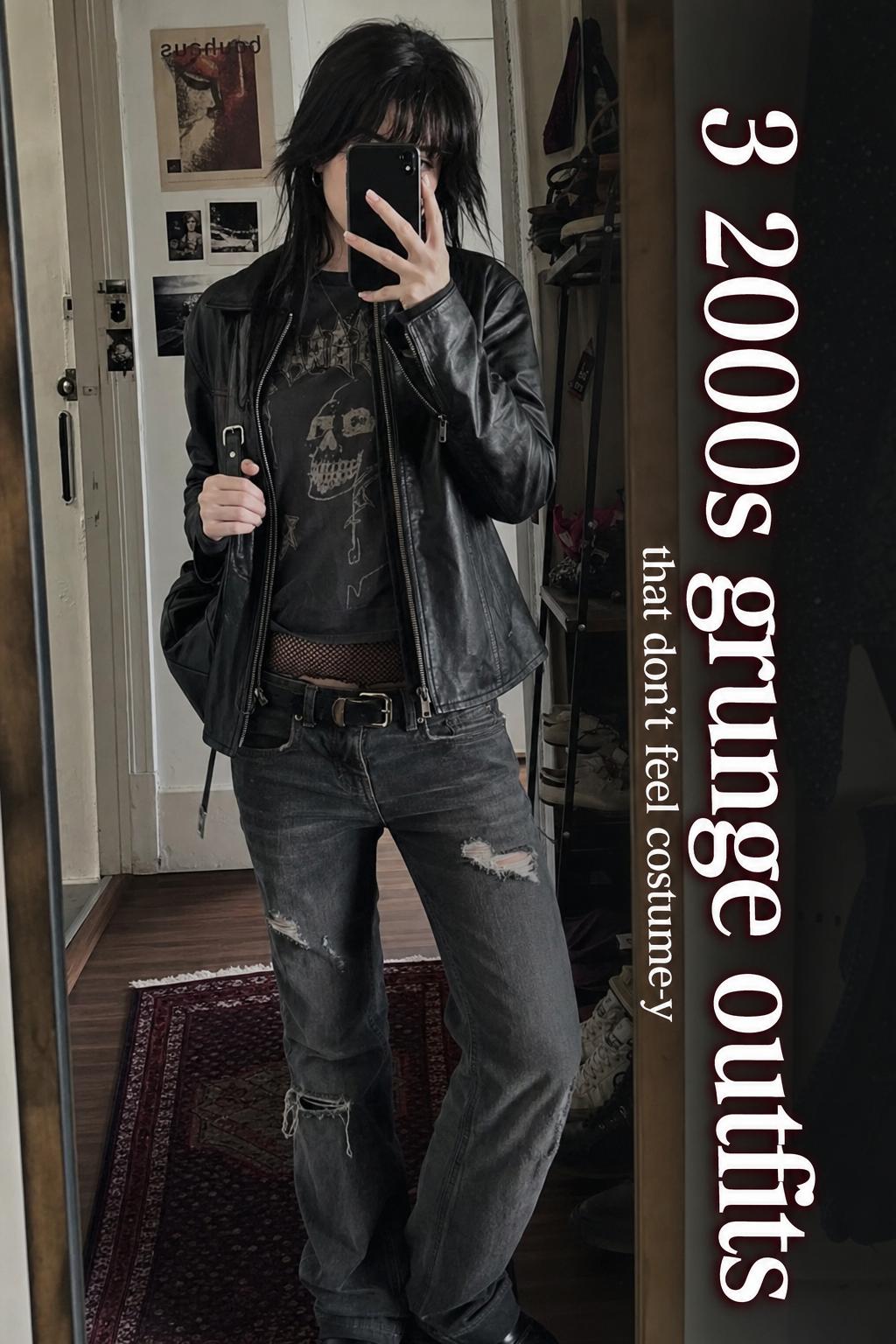
The small details that change the entire outfit
With grunge, the difference between “styled well” and “trying too hard” is often surprisingly small. Footwear, layering tension, and how fitted one item is compared with another all matter more than people expect.
A plaid shirt tied around the waist creates a different mood than a flannel worn open over a tee. The tied version pushes the look toward Y2K styling shorthand. The open version feels more rooted in grunge layering. A denim jacket can also move in two directions: worn with clean basics it reads casual and classic, but over a band tee with distressed denim it becomes more convincingly grunge.
Boot choice is especially important. Combat boots are one of the most reliable signals because they add weight and toughness to the outfit. If the clothing includes lighter or more trend-led pieces like a plaid mini or mesh top, the boots keep the look from becoming too polished or too pop-focused.
Texture also does heavy work. Denim, flannel, mesh, leather, and worn cotton create contrast even when the palette is simple. That contrast is what gives grunge depth. Without it, dark clothes can just look plain rather than atmospheric.
Tip: build one point of tension into every outfit
The most convincing 2000s grunge outfits usually contain a mix rather than a single-note formula. If the top is fitted, let the denim or outer layer feel rougher. If the skirt is short or cleaner, use heavier boots and a more relaxed top. That tension is what keeps the outfit dimensional.
Real-life outfit interpretation: how 2000s grunge works in everyday settings
One reason this aesthetic stays relevant is that it translates easily into real wardrobes. It can be casual, transitional, slightly dressed up, or even toned down for settings where full grunge would feel too heavy. The key is to adjust how many signals you use at once.
A coffee shop or casual daytime look
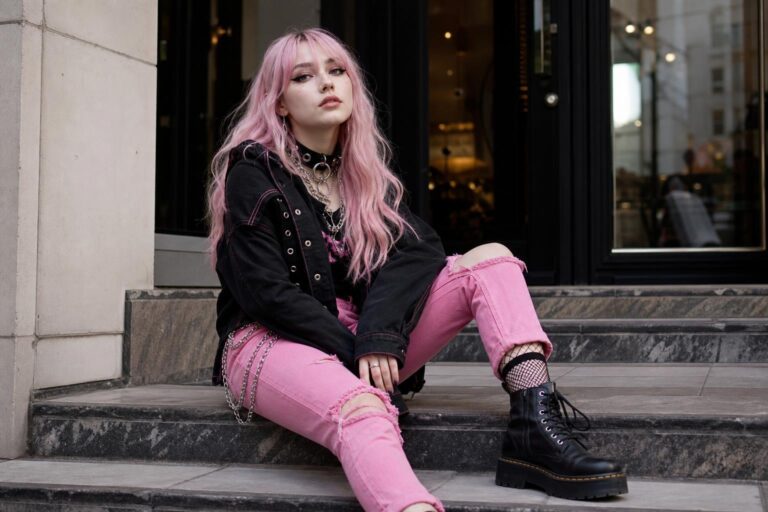
A faded graphic tee, ripped jeans, and combat boots create the clearest everyday version of 2000s grunge. Add a flannel layer for movement and a little extra volume. This works because the silhouette is easy, the textures do the talking, and the outfit feels relaxed without becoming shapeless.
A city outfit with more Y2K influence
Low-rise jeans, a mesh top, and a leather jacket create a more directional grunge look for an evening in the city. Compared with a classic 1990s version, this reads sharper and more body-aware. The jacket and denim keep it grounded, while the mesh layer adds the early-2000s edge that separates it from standard retro grunge.
A fall layering outfit
A turtleneck under a band tee with denim and boots gives the outfit more structure without losing attitude. This kind of layered styling fits the editorial side of grunge and also works in practical weather terms. It is one of the easiest ways to make the aesthetic wearable during cooler months.
A grunge skirt outfit that still feels balanced
A plaid mini with a darker top and combat boots pushes the outfit toward Y2K grunge rather than 1990s grunge. To keep it from reading overly costume-like, add one relaxed piece, such as an open flannel or a denim jacket. That balance matters. Without it, the look can feel too neat for grunge.
Comparison scenarios: the same moment, styled two different ways
The easiest way to understand this aesthetic is to compare how related styles approach the same situation. The clothing categories may overlap, but the final impression changes through proportion and finish.
Everyday city look: 1990s grunge vs 2000s grunge
The 1990s version uses looser denim, a simple tee, flannel, and boots with very little emphasis on body line. It feels practical and unforced. The 2000s version might use lower-rise denim, a more fitted top or mesh underlayer, and a stronger jacket shape. It still feels undone, but there is more styling intention built into it.
Going-out outfit: Y2K vs Y2K grunge
A mainstream Y2K outfit might lean into metallic accessories, cleaner lines, and a more playful finish. A Y2K grunge outfit keeps the same era energy but darkens the palette and roughens the styling. Instead of letting shine dominate, it uses leather, distressed denim, and boots to create more weight.
Fall layering: editorial polish vs intentionally undone
A polished layered outfit might use boots and a turtleneck in a sleek, balanced way. A grunge-led layered outfit interrupts that polish with a worn tee, distressed denim, or a flannel layer that looks a little less controlled. That slight imbalance is what makes the outfit feel authentic to the aesthetic.
Why these styles are often confused
Readers often group 1990s grunge, 2000s grunge, soft grunge, indie sleaze, and Y2K fashion together because they all share denim, dark color stories, layering, and some degree of rebellion. In image-heavy inspiration spaces, those similarities become even harder to separate.
But the mood is not the same. Grunge usually depends on rough textures and an anti-perfect finish. Y2K fashion is more likely to feel glossy, ironic, or overtly trend-based. Soft grunge lowers the intensity. Indie sleaze makes the messier side of styling feel more social and nightlife-driven. Tumblr grunge turns the whole mood into something more visually curated.
Once you start looking at silhouette, footwear weight, and how polished the outfit appears, the difference becomes much easier to spot.
Brands, retail, and the mainstream shift of grunge in the 2000s
Another defining part of 2000s grunge is that it moved through retail in a very visible way. As the style evolved beyond its subcultural roots, stores like Forever 21, H&M, Urban Outfitters, and Nordstrom helped package grunge-adjacent pieces for a broader audience.
This shift matters because it changed the finish of the style. Earlier grunge drew heavily from thrift culture and looked more accidental. Retail-era grunge often looked more assembled, even when it was trying to appear effortless. A band T-shirt could now be part of a curated outfit rather than something purely worn for function or music identity. Plaid shirts, denim jackets, cargo pants, and boots became easier to buy as trend items instead of discovered pieces.
That is one reason some 2000s grunge outfits feel more accessible but also slightly less raw. The look became easier to recreate, yet the original tension between fashion and anti-fashion softened.
A simple timeline that explains the shift
It helps to see this style as a progression rather than a fixed look. The visual cues did not appear all at once, and they did not stay identical across decades.
- 1990s: grunge is closely tied to Seattle, Washington, thrift culture, flannel, denim, boots, and music-scene authenticity.
- 1990s to 2000s transition: grunge influence remains, but styling starts to interact more openly with mainstream fashion and editorial imagery.
- Mid-2000s: grunge appears in a more commercialized form through retail and trend-driven outfit building, often mixing with Y2K elements.
- 2010s and beyond: revival language expands through soft grunge, indie sleaze, and Tumblr grunge, each filtering the original aesthetic differently.
This timeline explains why readers sometimes pull references from different decades without realizing it. A look inspired by flannel and ripped denim may be 1990s in spirit, while the addition of mesh, low-rise denim, or a plaid mini pushes it firmly into a 2000s grunge framework.
Tips for making 2000s grunge look current instead of costume-like
The easiest mistake with grunge is using every obvious marker at once. Flannel, band tee, ripped jeans, heavy boots, layers, dark makeup, and statement accessories together can flatten the outfit into a theme rather than a personal style choice. Most strong looks pick two or three major signals and let the rest stay quiet.
- Choose one anchor piece first, such as combat boots, a band tee, or low-rise distressed denim.
- Use texture contrast rather than adding more and more accessories.
- Let one piece feel relaxed if another piece is fitted or short.
- Keep the color story grounded when using more trend-led items like mesh tops or plaid minis.
- Layer with purpose so the outfit looks lived-in, not overloaded.
A useful test is to look at the outfit and ask what is doing the visual work. If every item is demanding attention, the look usually feels forced. If one or two pieces set the mood and the rest support them, the outfit feels more natural.
Tip: let boots do the grounding
When an outfit includes more obviously Y2K pieces, such as a plaid mini, metallic accents, or a mesh layer, combat boots help pull everything back toward grunge. They add enough visual weight to keep the outfit balanced.
When this style works best in a real wardrobe
2000s grunge works especially well for casual daily dressing, cooler-weather layering, concerts, weekend city outfits, and social settings where you want personality without formal structure. The aesthetic is flexible because denim, flannel, jackets, and boots are all practical pieces in their own right.
It can also adapt to a more toned-down wardrobe. Someone who prefers a simpler closet can use a denim jacket, black jeans, boots, and a graphic tee as a soft version of grunge without leaning fully into the look. On the other hand, someone who enjoys trend-focused styling can push further into Y2K grunge with low-rise jeans, mesh, plaid minis, and statement accessories.
Where it may work less easily is in environments that require a visibly polished dress code. In those settings, the intentionally undone quality of grunge can feel off-balance unless it is heavily softened. A more restrained interpretation, built around clean denim, boots, and a dark layered top, usually translates better.
How to blend grunge with modern wardrobe habits
The most wearable version of this style today usually comes from mixing rather than replicating. You do not need to dress in full revival mode to capture the feeling of 2000s grunge outfits. In fact, many of the strongest looks use just enough reference to create mood.
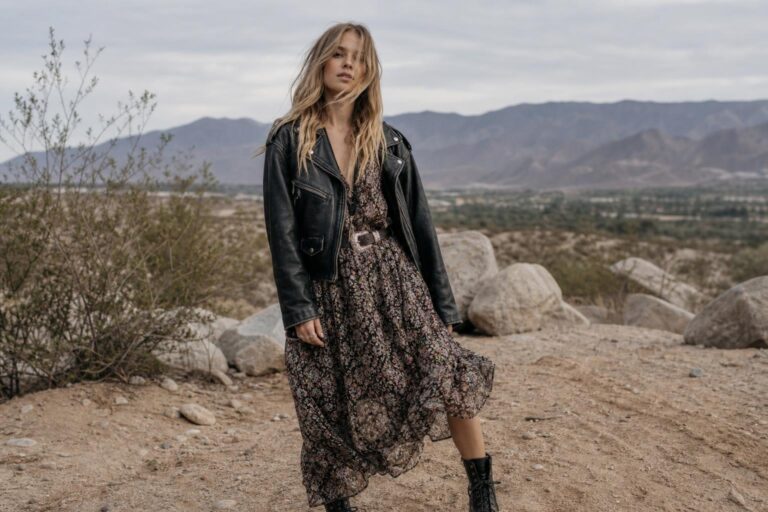
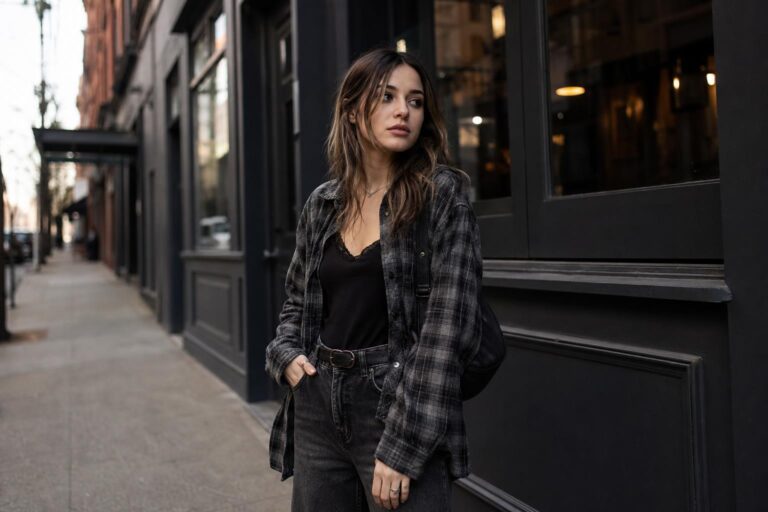
A band tee with straight or distressed denim and boots can be enough. A leather jacket over a darker layered top brings in edge without demanding a full aesthetic commitment. A flannel shirt can act as the relaxed element in an otherwise simple outfit. These are small styling moves, but they preserve the visual logic of grunge: texture, contrast, and a slightly imperfect finish.
If you want the outfit to feel more current, keep one area clean. That might mean a simpler jacket shape, a more edited accessory choice, or denim that feels intentional rather than overly distressed. Grunge survives best when it still feels like real clothing for real movement, not just a collection of references.
FAQ
What defines 2000s grunge outfits?
2000s grunge outfits are defined by a mix of classic grunge staples and early-2000s styling. Core pieces include flannel, ripped jeans, band T-shirts, denim jackets, leather jackets, and combat boots, while Y2K-influenced details like low-rise jeans, mesh tops, and plaid minis give the look a more era-specific edge.
How is 2000s grunge different from 1990s grunge?
1990s grunge tends to look looser, more thrift-driven, and less visibly styled, with strong ties to Seattle, Washington and the original grunge movement. 2000s grunge keeps the same dark, layered spirit but feels more mixed with Y2K fashion, more body-aware in some silhouettes, and more shaped by mainstream retail and editorial styling.
Can 2000s grunge and Y2K fashion overlap?
Yes, and that overlap is one of the main reasons the styles are often confused. Y2K grunge uses early-2000s pieces like low-rise jeans, mesh tops, metallic accents, or plaid minis, but keeps the grunge mood through darker colors, distressed denim, graphic or band tees, and heavier footwear like combat boots.
What shoes work best for a 2000s grunge outfit?
Combat boots are the most reliable choice because they add weight and structure to the outfit. They work especially well with ripped jeans, plaid skirts, cargo pants, and layered tops, and they help keep more trend-led Y2K pieces from looking too polished or too playful.
Are flannel shirts still important for grunge fashion?
Yes, flannel remains one of the clearest visual signals of grunge fashion. In 2000s grunge, it can be worn open over a tee, layered with denim, or used to soften sharper pieces like mesh tops or plaid minis, which makes it both iconic and practical.
What is the difference between soft grunge and 2000s grunge?
Soft grunge uses the same darker palette and grunge-inspired pieces, but the overall finish is gentler and easier for everyday wear. 2000s grunge can be rougher, more layered, and more influenced by Y2K styling details, while soft grunge usually tones down the heaviness and feels less severe.
Which brands helped popularize grunge in the 2000s?
Retailers such as Urban Outfitters, Forever 21, H&M, and Nordstrom helped bring grunge-inspired pieces into mainstream shopping during the 2000s. Their role mattered because they made plaid shirts, denim jackets, cargo pants, boots, and graphic tees easier to buy as trend items rather than only as thrifted finds.
Can men wear 2000s grunge outfits too?
Yes, and the core formula translates easily into menswear. Baggy jeans, denim jackets, sneakers or boots, graphic tees, and grunge-inspired layering all fit naturally within 2000s men’s fashion, especially when the silhouette stays relaxed and a little undone.
How do I make a grunge outfit look wearable for everyday life?
The easiest way is to use one or two strong grunge signals instead of every obvious detail at once. A band tee with distressed denim and boots, or a flannel layered over a simple top with dark jeans, usually feels more natural and easier to wear than a fully stacked outfit with too many competing references.
Finish the look
The little extras that make a summer outfit feel complete
From beach days to city weekends, these easy pieces bring comfort, texture, and a polished finishing touch.

FENBEN
Straw Hobo Crossbody Bag
A handwoven straw bag with both short and crossbody straps—an effortless finishing touch for vacation looks and warm-weather outfits.
Shop the bag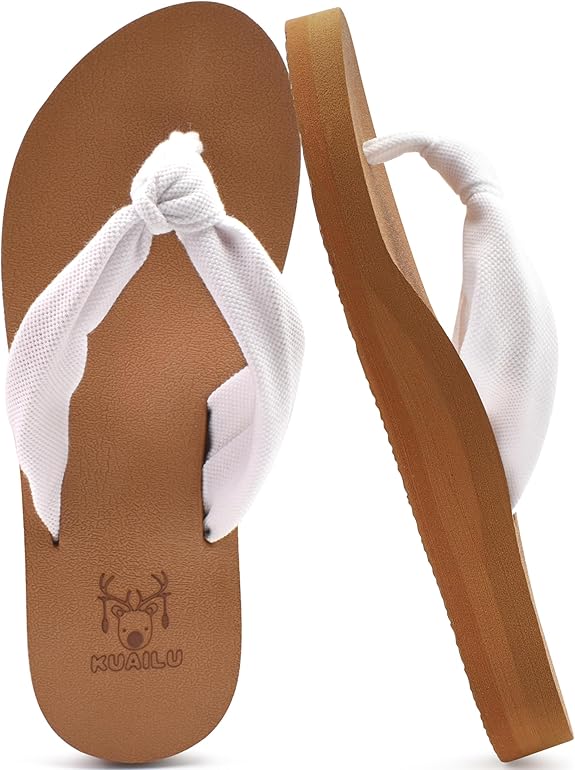
KuaiLu
Flip Flops with Arch Support
Cushioned, lightweight sandals with supportive arch design—a practical choice for beach trips, errands, and long summer walks.
Shop the sandals
baleaf
Athletic One-Piece Swimsuit
A functional one-piece with adjustable straps and moderate coverage, designed for swimming, training, surfing, and active beach days.
Shop the swimsuit
Astylish
Linen-Cotton Button-Down Shirt
A relaxed cotton-linen shirt with a collared V-neck and roll-up sleeves—easy to style over swimwear or with denim and shorts.
Shop the shirt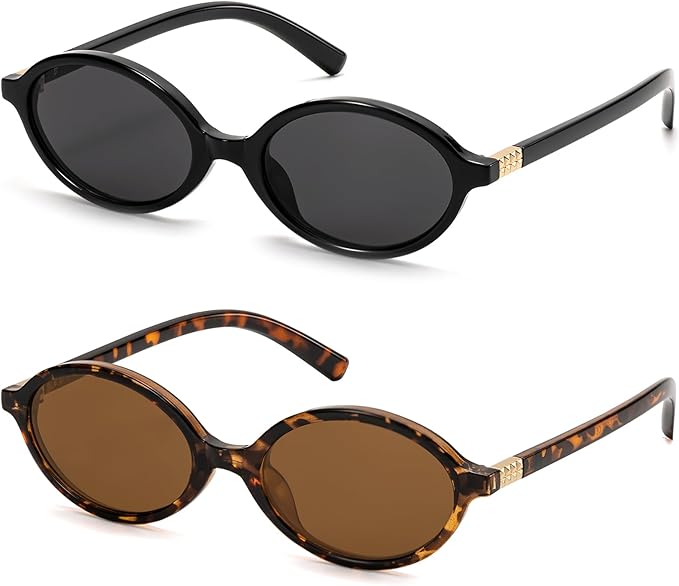
ViewJoy
Retro Oval Sunglasses
Small oval sunglasses with a 90s-inspired silhouette and UV400 lens protection—a quick way to add a vintage edge to everyday looks.
Shop the sunglasses
Affiliate disclosure: This section contains affiliate links. If you make a purchase through these links, I may earn a commission at no additional cost to you. Product selection, pricing, availability, and delivery terms may change—please review the current details on Amazon before purchasing.
As an Amazon Associate I earn from qualifying purchases.