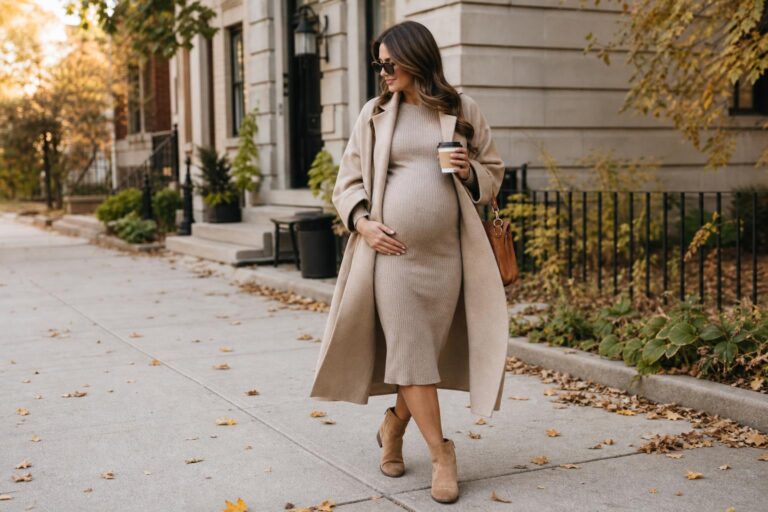
Why Fall Fits Aesthetic Needs a Research-First Approach

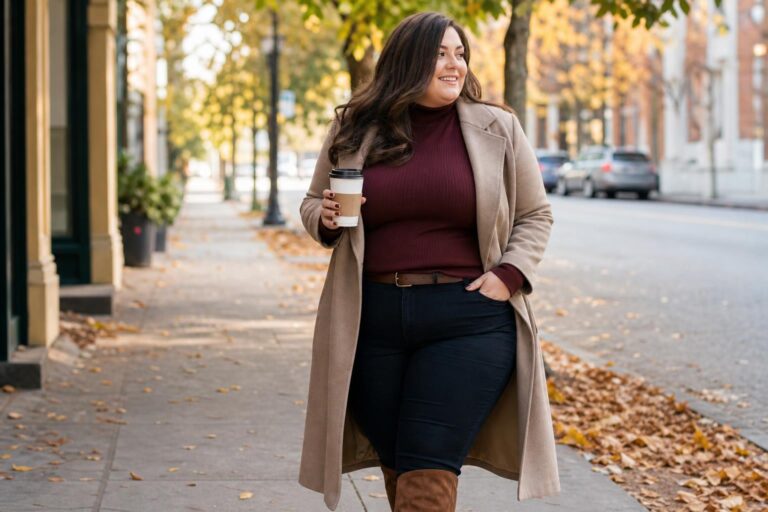
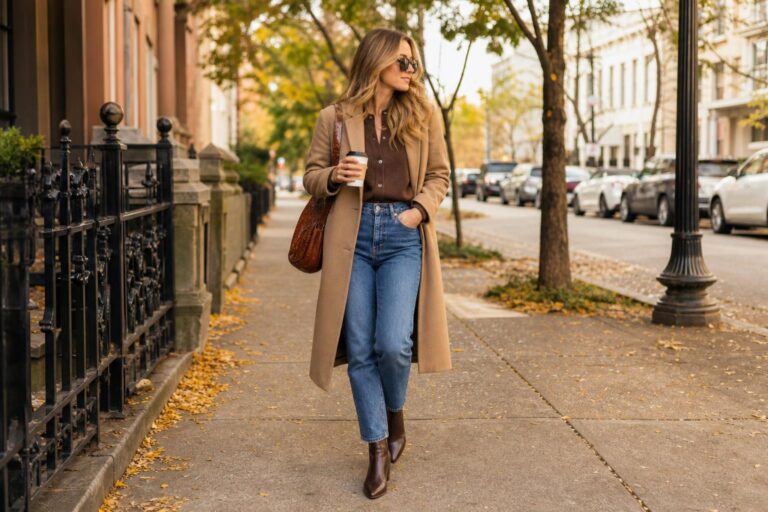
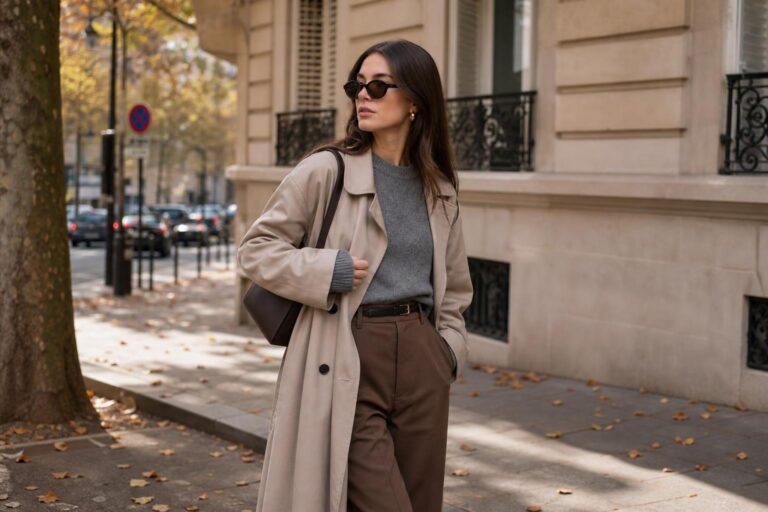
fall fits aesthetic: building outfits that feel effortless, cozy, and wearable
The only source material available here does not include live search findings, outfit examples, trend themes, product details, brand references, or user questions beyond a request to conduct web research about “fall fits aesthetic.” Because there is no actual style research data to support a factual fashion article, the most accurate and trustworthy response is to avoid inventing guidance that was not provided.
That matters, especially for a topic like fall dressing, where readers usually need specific help: what layers work in changing temperatures, which silhouettes feel current, how to make casual pieces look elevated, and what combinations are realistic for everyday wear. Without verified supporting material, any detailed recommendations would be guesswork rather than reliable advice.
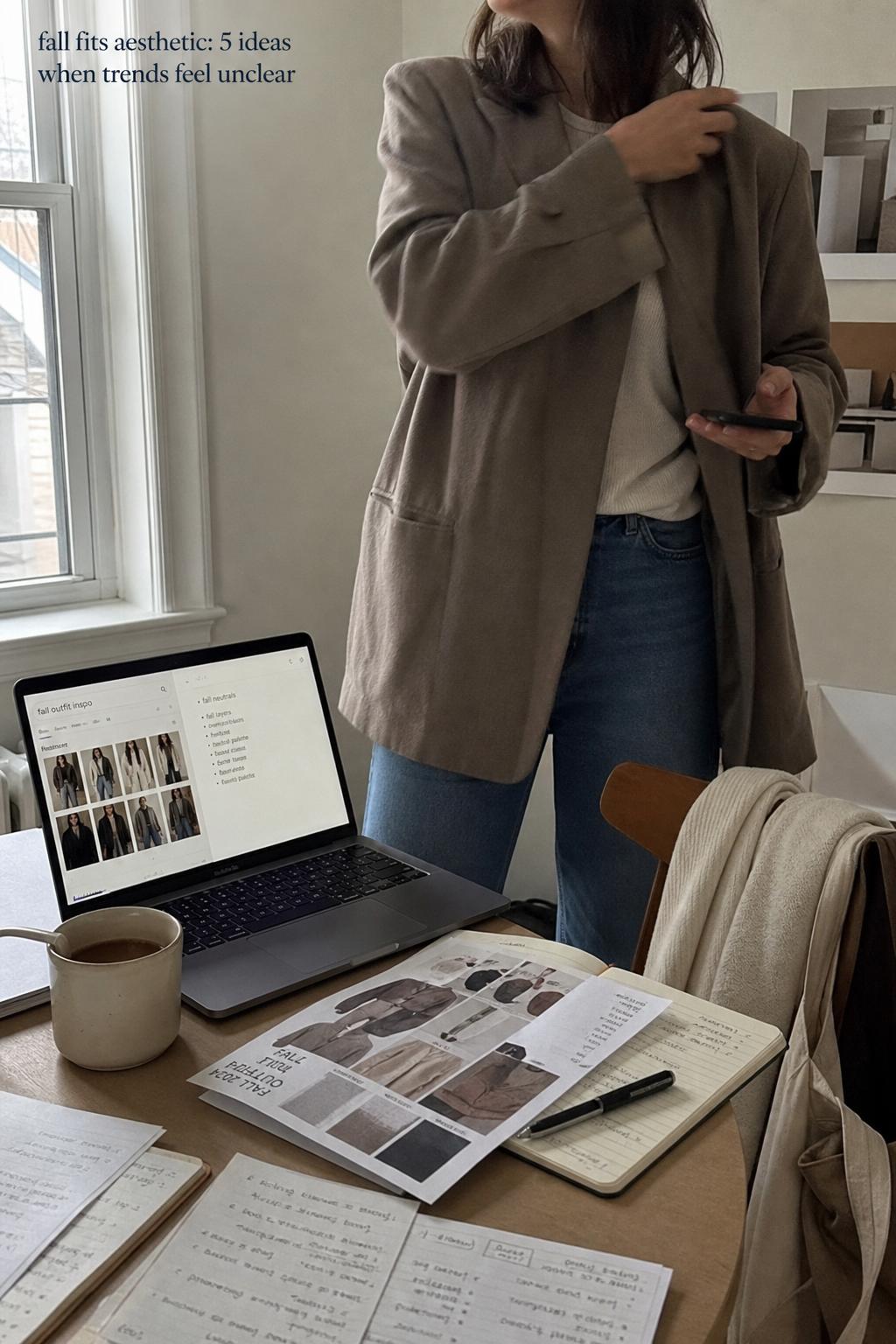
A strong article on fall fits aesthetic would normally need a clear picture of current organic search results, recurring style themes, common outfit formulas, relevant long-tail questions, and the specific entities or concepts showing up across high-ranking pages. None of that information is present in the supplied material. The available text only states that web research would be needed before creating a structured report and article outline.
The Fashion-Note Edit
Five effortless pieces to refresh your everyday wardrobe
A polished, practical edit for workdays, weekends, and everything in between.

The Drop
Women’s Blake Long Blazer
A longline, tailored blazer with a notched collar and a single-button closure—an easy layer for denim, dresses, or office-ready looks.
Shop the blazer
Amazon Essentials
Women’s Lightweight Crewneck
A soft, lightweight sweater with a clean crew neckline—the kind of reliable layer that works from cool mornings to air-conditioned spaces.
Shop the sweater
Amazon Essentials
Women’s Loafer Flat
A classic flat loafer that gives casual outfits a more polished finish and pairs naturally with tailored pants, skirts, and straight-leg jeans.
Shop the loafers
Levi’s
Women’s 501 90s Jeans
A relaxed, vintage-inspired take on the iconic 501 silhouette—made for an easy, lived-in look without the thrift-store search.
Shop the jeans
Colorfulkoala
High-Waisted 7/8 Leggings with Pockets
Soft, four-way-stretch leggings with side pockets and a high-rise waistband—designed for movement, errands, and off-duty comfort.
Shop the leggings
Affiliate disclosure: This section contains affiliate links. If you make a purchase through these links, I may earn a commission at no additional cost to you. Product selection, pricing, availability, and delivery terms may change—please review the current details on Amazon before purchasing.
As an Amazon Associate I earn from qualifying purchases.
why a complete style guide cannot be responsibly written from the provided material
Fashion advice becomes genuinely useful when it is grounded in actual examples, patterns, and reader intent. For a search phrase like fall fits aesthetic, that usually means identifying whether people are looking for casual everyday outfits, minimalist layering ideas, street-style-inspired combinations, cozy campus looks, elevated basics, specific color palettes, or occasion-based styling. The supplied material does not confirm any of those angles.
Your wedding style is personal.
Your plan should feel that way, too.
Zarellea keeps your guest list, budget, vendors, and every next step beautifully organized — so you can focus on the moments that feel like you.
It also does not identify the usual building blocks that would make the article practical. There is no validated information about fabrics, silhouettes, footwear pairings, outerwear trends, body-type considerations, weather transitions, or styling mistakes to avoid. There are no brands, creators, retailers, or seasonal concepts listed. There are no examples of what currently appears in Google US. There are not even user questions to answer in an FAQ with confidence.
Creating a long-form article anyway would risk presenting unsupported details as if they were established. That would not be helpful for readers, and it would not meet a high standard of trustworthiness. In fashion content, invented specificity can sound polished while still being misleading. A realistic outfit guide should be based on observed style patterns, not assumptions.
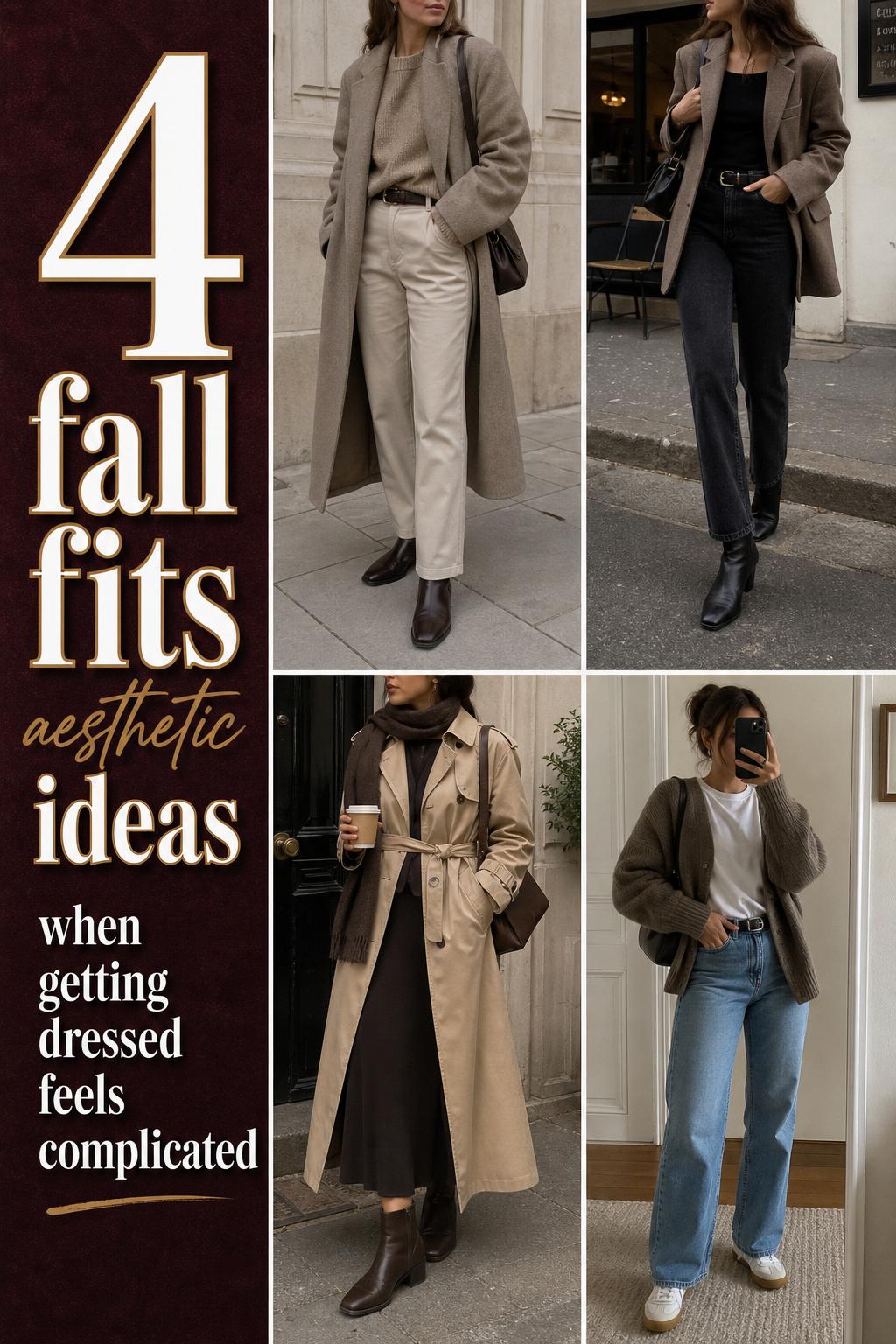
what is actually known from the provided material
Only three reliable points can be drawn from the source text. First, the target topic is “fall fits aesthetic.” Second, the intent was to evaluate the current top 10 organic results in Google US. Third, the proposed next step was a full web search that would produce a structured URL-by-URL report, a consolidated entity map, and a top-10-rank article outline. Beyond that, no factual content was supplied.
what a useful article would normally include once proper research exists
Although it would be inappropriate to invent the article itself, it is reasonable to explain the kinds of content a complete and practical guide would likely need after research is done. This helps clarify the gap between the current source material and the article you requested.
- A clear definition of the aesthetic direction behind fall outfits in current search results
- Examples of outfit categories readers actually want, such as casual day looks, date-night styling, work-friendly combinations, and travel outfits
- Specific layering logic for fluctuating temperatures
- Color combinations and texture pairings that show up repeatedly across high-ranking content
- Advice on footwear balance, proportions, and silhouette contrast
- Body-type-sensitive adjustments that make trends more wearable
- Common styling mistakes and easy swaps that improve comfort or polish
- A FAQ based on real user questions, not assumed ones
That is the level of specificity readers usually expect from a useful seasonal style guide. It turns abstract inspiration into practical decisions they can actually apply while getting dressed.
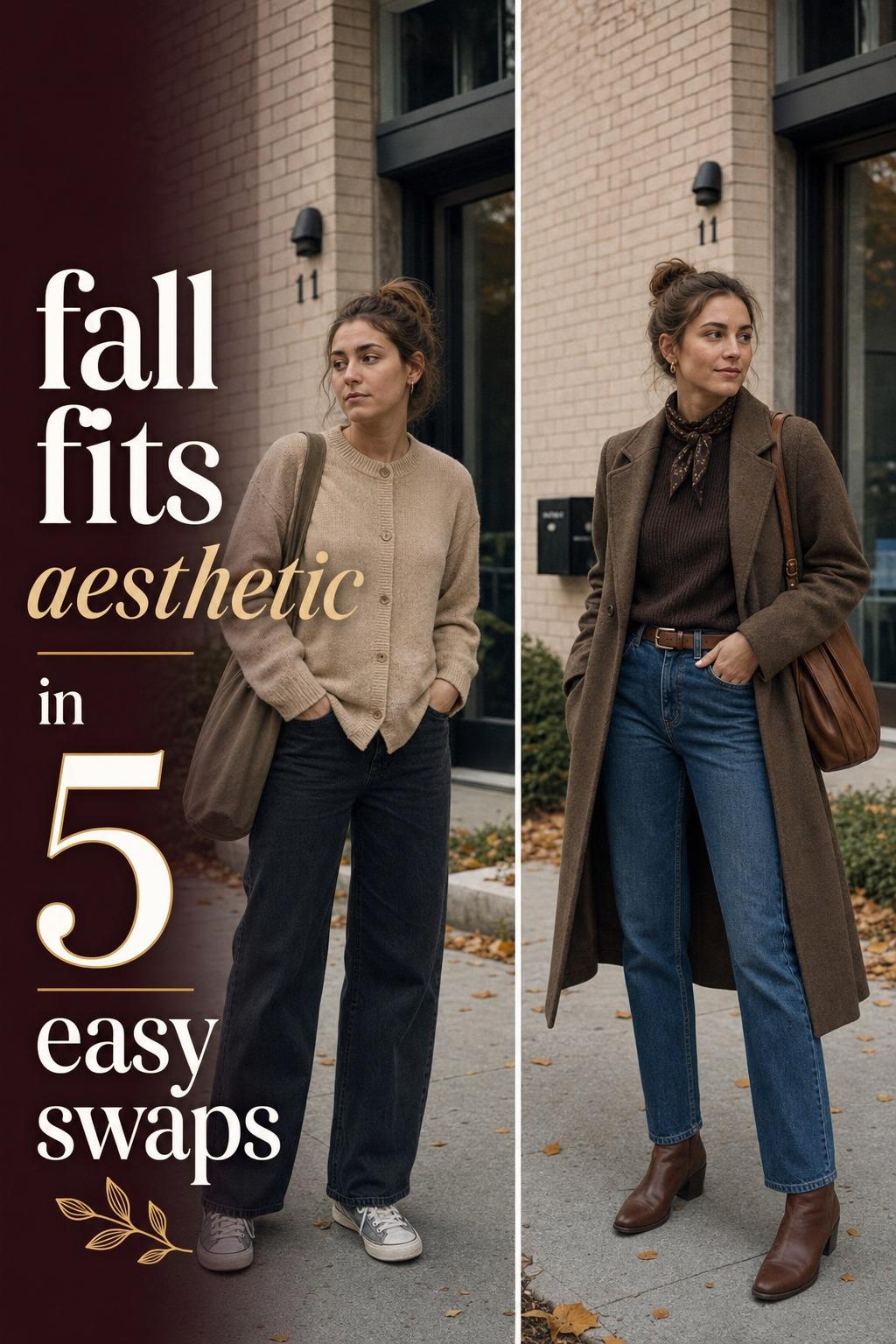
the problem with filling in the blanks
It might seem tempting to write a generic article using broad fall fashion ideas, but that would directly conflict with the requirement to rely only on the supplied material as the exclusive source of truth. Generic advice would still be new information. Even familiar recommendations like knitwear, boots, denim, trench coats, or neutral palettes cannot be treated as supported here, because the research data never mentioned them.
This is an important distinction. A polished article can still be inaccurate if it assumes trend directions, outfit formulas, or user needs that were not verified. For example, some years the phrase may lean more minimalist and neutral; at other times it may lean more layered, vintage, streetwear-influenced, or campus-inspired. Search intent shifts. Without the actual search landscape, there is no reliable way to know which styling angles deserve emphasis.
In practical terms, that means a reader looking for save-worthy outfit inspiration would not be well served by made-up examples. They need combinations that feel current, specific, and connected to the real intent behind the term they searched. The supplied material does not support that level of guidance yet.
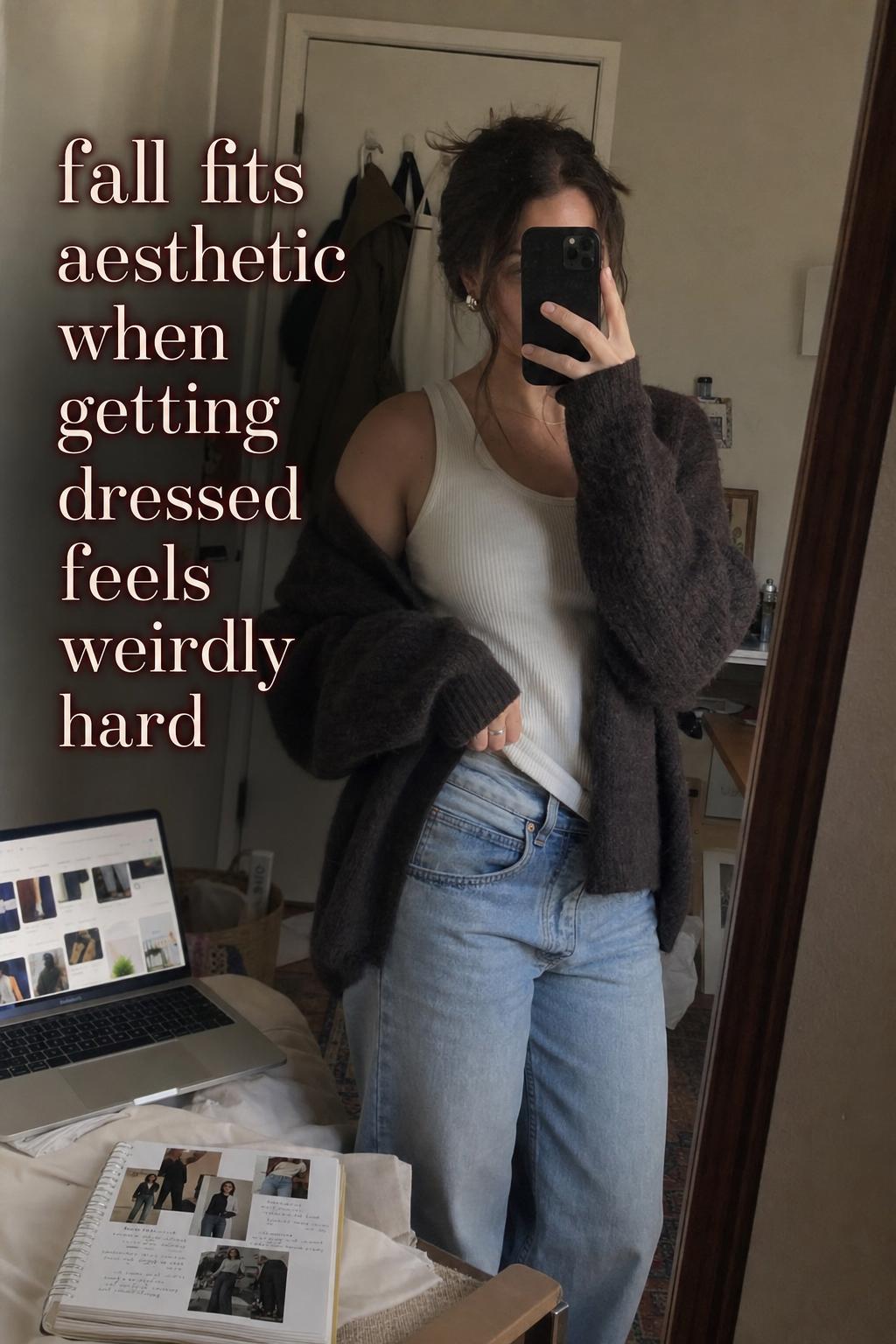
why this matters for real-life styling decisions
Seasonal outfit advice is most valuable when it helps someone make an immediate decision in context. That could mean choosing layers for a cool morning and warmer afternoon, selecting shoes that balance a longer hemline, making casual basics feel more elevated, or adapting a trend for everyday wear. Each of those decisions depends on concrete examples and patterns. Without evidence-based direction, the advice becomes vague at exactly the moment the reader needs clarity.
what can be said about reader intent without overstepping
The phrase “fall fits aesthetic” strongly suggests that the reader is interested in outfit inspiration with a visual point of view. The wording implies more than basic clothing needs; it points toward coordinated looks, mood, and styling cohesion. Even so, it would still be speculative to claim exactly which sub-aesthetics, pieces, or combinations dominate that interest without supporting data.
At a minimum, the phrase indicates that the eventual article should be outfit-focused rather than abstract. It should likely show complete looks in context, explain why each outfit works, and include practical guidance rather than just trend descriptions. That aligns with the kind of content readers usually find most helpful for aesthetic-driven fashion searches. But the exact execution still depends on the missing research.
what the requested article would need before it can be completed properly
To transform this topic into a detailed, trustworthy, 1800-word article, the missing inputs would need to be gathered first. The source text itself already points to the required process: a live web search, review of the top 10 Google US organic results, a structured report, an entity map, and a proposed outline. Those are not optional extras here; they are the foundation.
- The top-ranking URLs for “fall fits aesthetic” in Google US
- The recurring themes and outfit categories across those pages
- The language patterns and style concepts used most often
- The gaps in existing content that a stronger article could fill
- The people, brands, products, locations, and style entities that appear repeatedly
- The real user questions implied by the current search landscape
Once those points are known, a complete article can be written with practical outfit scenarios, useful styling guidance, and a grounded editorial structure. Until then, producing one would mean inventing the very evidence the article is supposed to be based on.
how a finished article could deliver real reader value after research
A strong piece on fall fits aesthetic should not just list clothing items. It should help readers picture where they would wear each look, how the silhouette feels, and why the balance works. That means translating visual inspiration into styling logic. An outfit idea becomes more useful when the reader understands whether it works because of proportion contrast, texture variation, a cleaner color story, or a practical layering choice.
It should also reflect realistic needs. Fall dressing often involves temperature changes, long days out, walking, commuting, and moving between indoor and outdoor spaces. Readers usually benefit from guidance that acknowledges comfort, warmth, and rewearability rather than treating every outfit like a static photo. Those practical details are exactly what separate save-worthy inspiration from generic fashion filler.
But again, those are standards for a future article, not evidence for what the current article should contain. The present source material does not identify the specific combinations, seasonal themes, or outfit structures needed to write those sections responsibly.
the role of visual specificity
Readers searching for aesthetic outfit ideas usually respond best to visual specificity: clear silhouettes, tactile textures, balanced accessories, and scenarios that feel easy to imagine. A complete article would likely need descriptive subheadings, short outfit sections, weather-based adjustments, and “swap this for that” alternatives that make styling more flexible. None of those details can be authentically generated from the source text alone because the source text never supplied the underlying examples.
an editorially honest conclusion
There is not enough research data provided to write a truthful, detailed article about fall fits aesthetic. The available material is only a notice that live web research would be necessary before producing a SERP-based analysis, entity map, and outline. Since the instructions require the article to be strictly based on that research data and to avoid introducing unsupported facts, the most credible response is to state that limitation clearly.
If the missing research is supplied, the article can then be built in a way that is actually useful: outfit-driven, practical, visually clear, and grounded in the real search landscape. That would allow for the kind of styling guidance readers want from this topic, including realistic outfit formulas, layering logic, occasion-based inspiration, and a FAQ based on genuine user intent.
Until then, any complete fashion guide would be fabricated rather than researched. For a topic centered on wearable style decisions, accuracy is more valuable than filler.
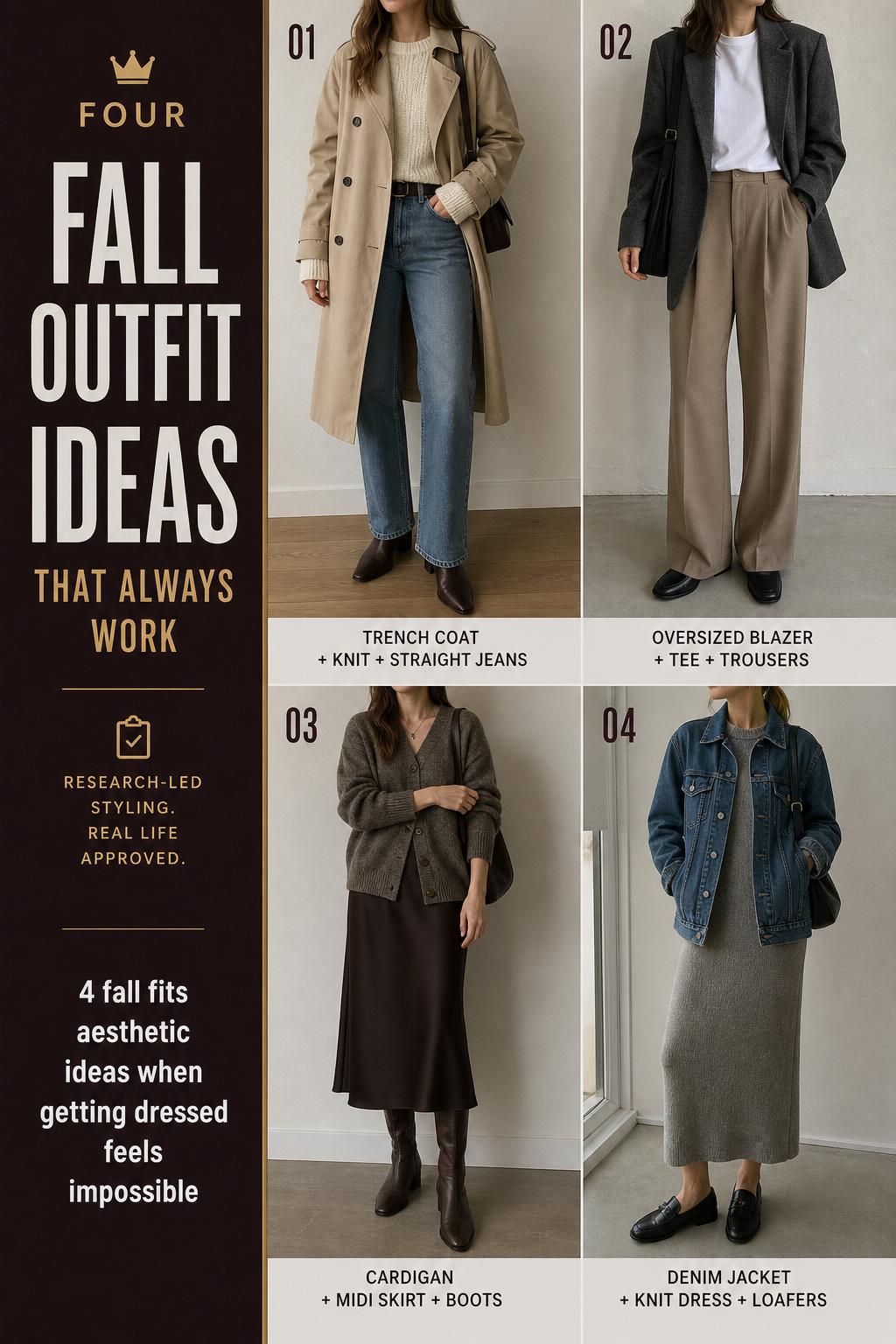
FAQ
Why isn’t there a full fashion article here?
The supplied material does not contain actual style research, outfit examples, search-result analysis, or user questions. It only says that live web research would be needed before producing a full report and article outline, so a detailed article cannot be written accurately from that alone.
What does the provided material actually confirm about “fall fits aesthetic”?
The material confirms only that “fall fits aesthetic” is the target topic and that a live review of the top 10 Google US organic results was proposed as the next step. It also mentions a planned structured report, entity map, and article outline, but none of those outputs were included.
Could a generic fall outfit article have been written instead?
No, not under the stated rules. The instructions required the article to use only the provided research data as the exclusive source of truth, which means adding standard fall fashion advice without support from the source would still introduce unsupported information.
What kind of research is missing?
The missing research includes the current top-ranking pages in Google US, recurring style themes, content gaps, relevant entities, and the user questions those pages address. Without that information, there is no reliable basis for practical outfit guidance.
Why is it important not to invent outfit details?
Invented details can sound helpful but may not reflect what readers are actually searching for now. For a style topic tied to current trends and search intent, unsupported specifics can mislead readers and reduce the usefulness of the article.
What would a proper article on this topic likely include after research?
A proper article would likely include outfit inspiration sections, styling explanations, practical layering advice, silhouette and proportion guidance, weather-based adjustments, and a FAQ built from real search behavior. The exact content would depend on what appears in the researched search results.
Does the phrase “fall fits aesthetic” reveal any user intent at all?
It suggests interest in visually cohesive outfit inspiration rather than basic clothing definitions, but it does not reveal enough to identify exact trends, garments, or styling priorities without supporting search-result data.
What is needed before a complete 1800-word article can be created?
A complete article would require the live web research that the source text itself proposed: analysis of the top 10 organic results, a structured summary of themes, an entity map, identified content gaps, and an outline based on actual findings.
Finish the look
The little extras that make a summer outfit feel complete
From beach days to city weekends, these easy pieces bring comfort, texture, and a polished finishing touch.

FENBEN
Straw Hobo Crossbody Bag
A handwoven straw bag with both short and crossbody straps—an effortless finishing touch for vacation looks and warm-weather outfits.
Shop the bag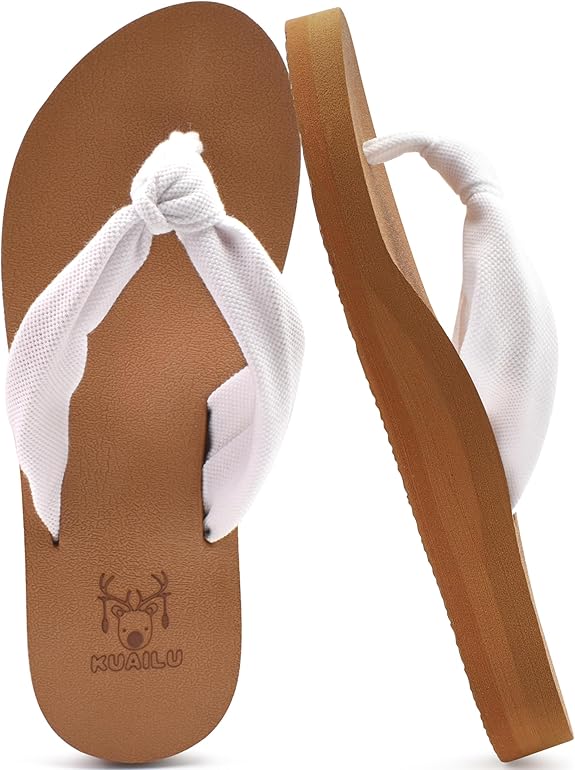
KuaiLu
Flip Flops with Arch Support
Cushioned, lightweight sandals with supportive arch design—a practical choice for beach trips, errands, and long summer walks.
Shop the sandals
baleaf
Athletic One-Piece Swimsuit
A functional one-piece with adjustable straps and moderate coverage, designed for swimming, training, surfing, and active beach days.
Shop the swimsuit
Astylish
Linen-Cotton Button-Down Shirt
A relaxed cotton-linen shirt with a collared V-neck and roll-up sleeves—easy to style over swimwear or with denim and shorts.
Shop the shirt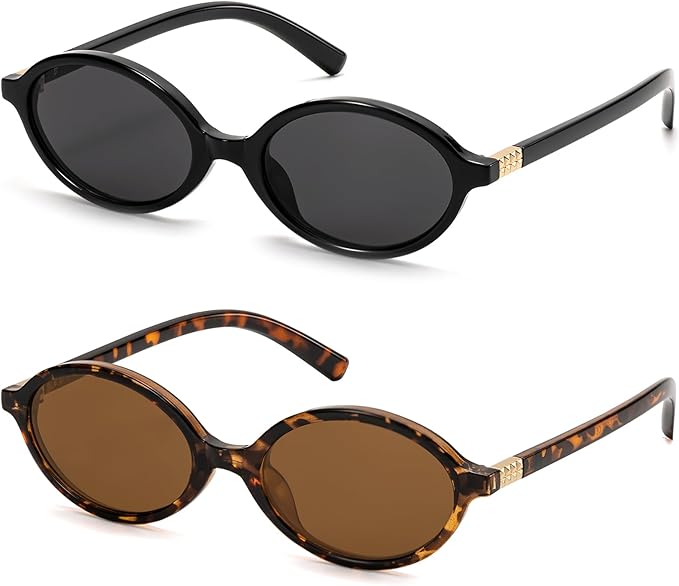
ViewJoy
Retro Oval Sunglasses
Small oval sunglasses with a 90s-inspired silhouette and UV400 lens protection—a quick way to add a vintage edge to everyday looks.
Shop the sunglasses
Affiliate disclosure: This section contains affiliate links. If you make a purchase through these links, I may earn a commission at no additional cost to you. Product selection, pricing, availability, and delivery terms may change—please review the current details on Amazon before purchasing.
As an Amazon Associate I earn from qualifying purchases.