80’s Rock Fashion: From Performer Image to Fan Identity
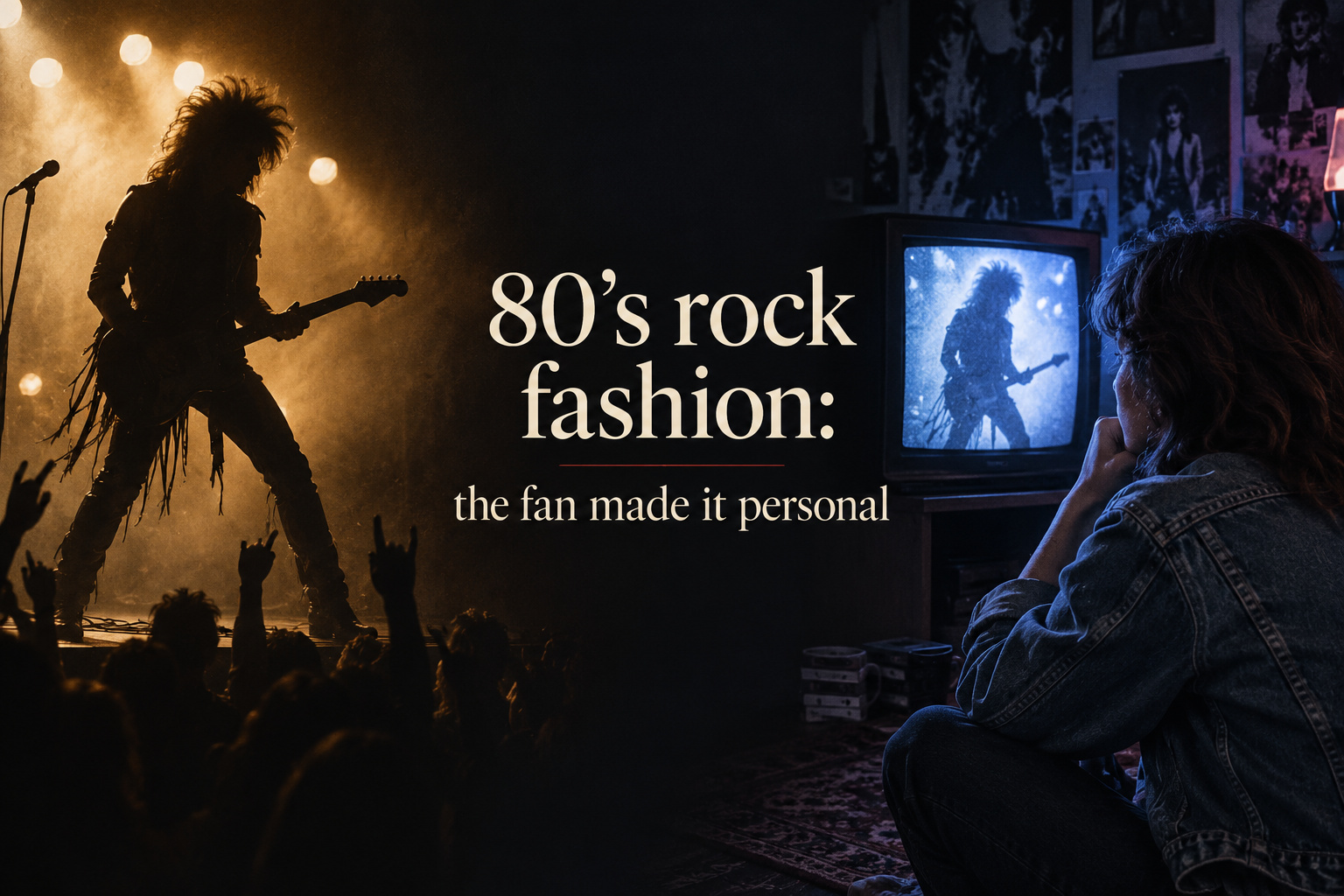
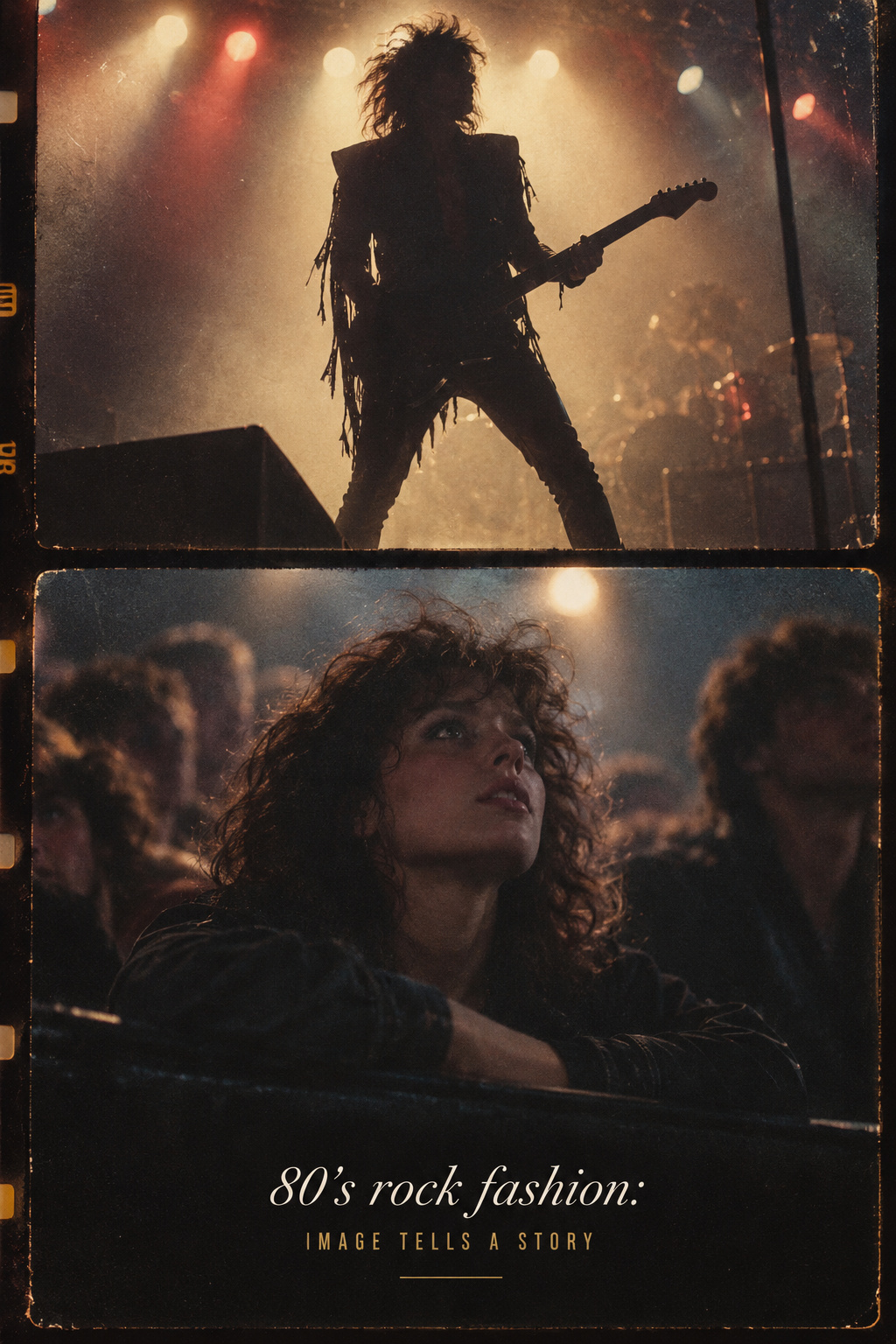
Think of two images from the 1980s: a rock singer framed by stage lights, and a teenager wearing a band shirt on an ordinary afternoon. The visual connection may be obvious, but the two outfits do different jobs. One has to read across a venue or camera frame. The other can signal taste, belonging, memory, or a small act of personal style. That difference is the key to a more useful history of 80’s rock fashion.
Rather than build another list of leather jackets, teased hair, and subgenre uniforms, this comparison follows three routes through which rock style gained meaning: the performer’s image, the music video that repeated it, and the fan’s decision to borrow or change it. Each route had different constraints and audiences. Seeing those differences helps explain why the decade’s rock fashion was not a single look that everyone copied in the same way.
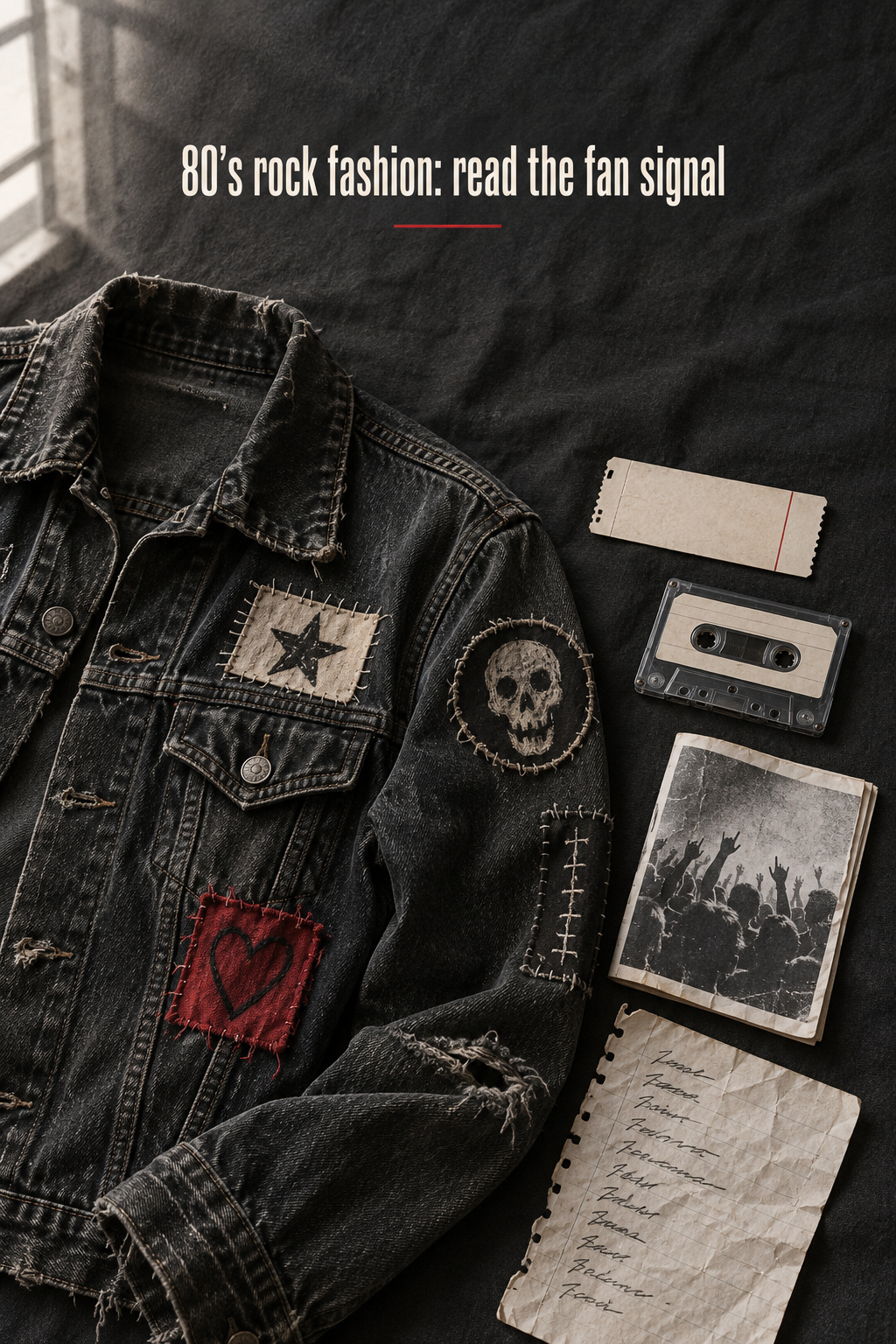
The practical payoff is a better way to read a reference. When you encounter a photograph, vintage garment, or modern revival, ask who made the image, where it appeared, and what the wearer chose to keep. Those questions reveal more than a checklist of decade details. They also make clear why a stage costume, a television image, and a fan’s everyday clothes can share a visual cue without carrying the same message.
The Fashion-Note Edit
Five effortless pieces to refresh your everyday wardrobe
A polished, practical edit for workdays, weekends, and everything in between.

The Drop
Women’s Blake Long Blazer
A longline, tailored blazer with a notched collar and a single-button closure—an easy layer for denim, dresses, or office-ready looks.
Shop the blazer
Amazon Essentials
Women’s Lightweight Crewneck
A soft, lightweight sweater with a clean crew neckline—the kind of reliable layer that works from cool mornings to air-conditioned spaces.
Shop the sweater
Amazon Essentials
Women’s Loafer Flat
A classic flat loafer that gives casual outfits a more polished finish and pairs naturally with tailored pants, skirts, and straight-leg jeans.
Shop the loafers
Levi’s
Women’s 501 90s Jeans
A relaxed, vintage-inspired take on the iconic 501 silhouette—made for an easy, lived-in look without the thrift-store search.
Shop the jeans
Colorfulkoala
High-Waisted 7/8 Leggings with Pockets
Soft, four-way-stretch leggings with side pockets and a high-rise waistband—designed for movement, errands, and off-duty comfort.
Shop the leggings
Affiliate disclosure: This section contains affiliate links. If you make a purchase through these links, I may earn a commission at no additional cost to you. Product selection, pricing, availability, and delivery terms may change—please review the current details on Amazon before purchasing.
As an Amazon Associate I earn from qualifying purchases.
What Does 80’s Rock Fashion Compare?
Rock fashion is often described through visible objects: a dark jacket, a graphic shirt, a dramatic hairstyle, a particular finish or silhouette. Objects matter, but their meaning depends on use. A garment designed for a performer may be exaggerated for distance, movement, lighting, or a recognisable stage persona. A fan may take only one element from that image, then combine it with clothes already in their wardrobe. Similarity does not prove that the two outfits were created for the same reason.

Your wedding style is personal.
Your plan should feel that way, too.
Zarellea keeps your guest list, budget, vendors, and every next step beautifully organized — so you can focus on the moments that feel like you.
For this guide, compare three points in a chain. The performer creates or adopts a public image. A video, photograph, album cover, or concert makes that image visible. A fan interprets it in a different setting. The chain is not always orderly: performers borrow from street style, designers shape stage clothes, and fans influence what artists wear next. It is a useful lens rather than a claim that every look followed one direction.
Four questions help keep the comparison grounded. Who is the intended audience? Does the clothing need to work at a distance, on a screen, or in daily life? Is the image repeated widely, or encountered in one local scene? Finally, what did the wearer change? These criteria separate spectacle from affiliation and help avoid treating a whole decade as a costume rack.
This is also a way to read fashion without assuming that one item has a fixed meaning. Black clothing, shine, denim, or a band graphic can appear in very different contexts. The outfit’s setting, the image around it, and the wearer’s choices add information. A useful comparison therefore begins with the situation, then looks at the clothes.
The Performer: A Look Built to Read from the Stage
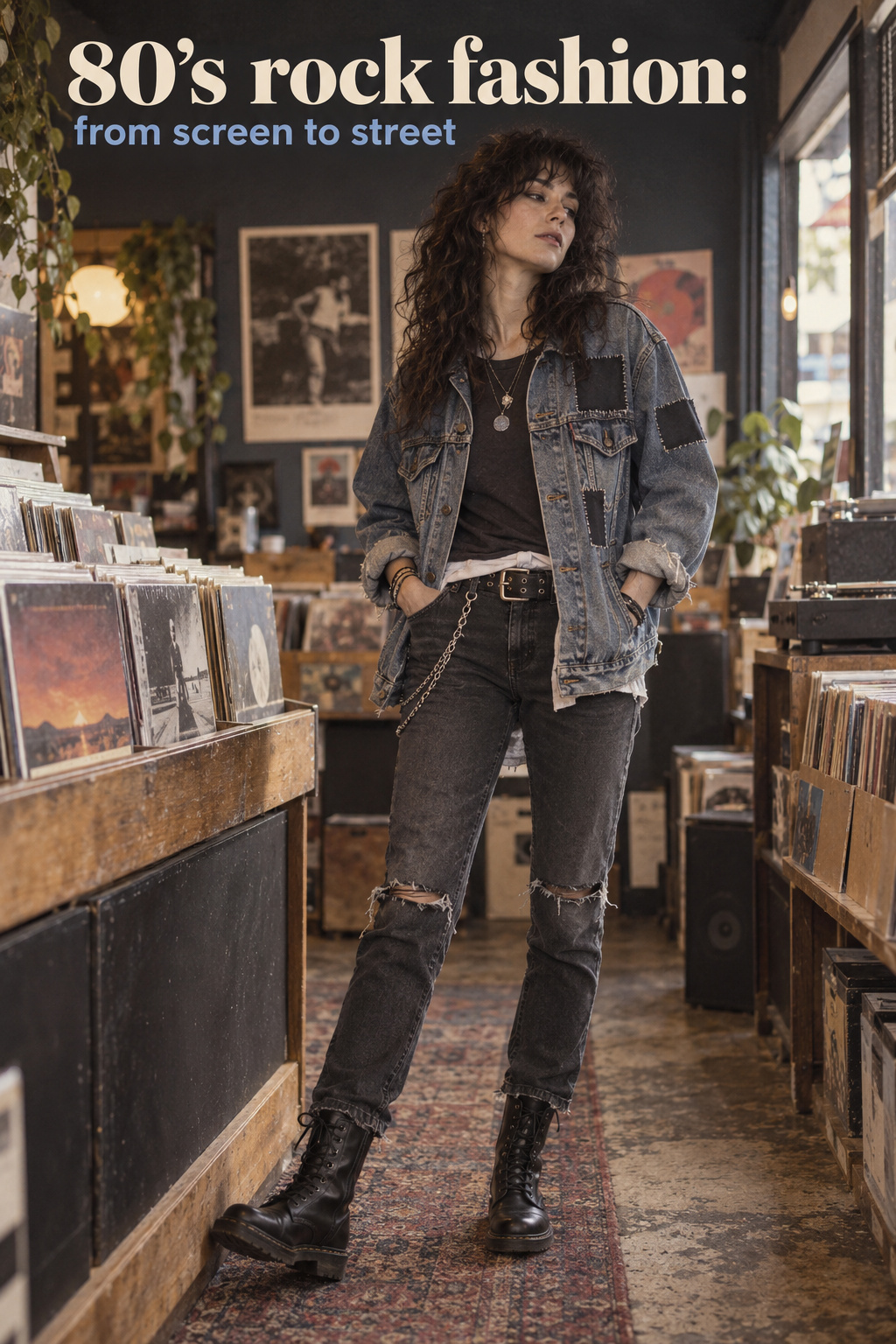
A performer is dressing in public. The audience may be far away, the lighting may change, and movement can alter how fabric and shape appear. A stage image has to remain legible under those conditions. That can encourage stronger contrast, a distinct outline, or a repeated signature detail. The goal is not simply to look fashionable in a close portrait. The clothes help make a performance recognisable.
Performance dress can also work as a kind of visual shorthand. Before a singer speaks, the audience may already read confidence, glamour, defiance, romance, or theatricality from the silhouette and styling. This does not mean that one garment automatically communicates one idea. The music, gesture, lighting, set, and other performers all affect the reading. The clothes are one part of a deliberately assembled image.
The Metropolitan Museum of Art’s Rock Style exhibition treated performer garments as part of fashion history, bringing together clothing worn by artists and pieces from museum and Rock and Roll Hall of Fame collections. That kind of record is useful because it preserves the distinction between a garment as an object and the image it helped create. A stage piece can be memorable precisely because it was designed for a particular person, song, tour, or performance context.
When you compare a performer image with a fan’s clothes, look for what would be difficult to translate directly. A dramatic shape may depend on a custom fit or a specific movement. A surface treatment may be built to catch stage light. A complete look may be recognisable because several details appear together. These qualities explain the image’s force, but they do not make a full copy the only meaningful response.
There is a trade-off here. The more a look is tailored to one performer and one context, the more vivid it may be in a photograph or onstage, but the less useful it may be as an everyday reference. That is not a flaw. Stagewear and daily clothing have different jobs. The mistake is to judge both by the same standard, or to assume that the most theatrical image represents what every listener wore.
The Music Video: A Stage Image That Could Travel
Television changed how widely a music image could circulate. A concert audience saw a performance at a particular place and time. A video could be replayed, discussed, photographed in magazines, and watched by people who had never been to that venue. The camera also offered close views of details that a distant audience might miss. Clothing could become part of a repeated visual story rather than a fleeting impression from the back of a crowd.
The Historic Costume and Textiles Collection at Ohio State describes the arrival of MTV as a new form of visual access to music and notes that fans commonly emulated bands’ appearance and dress. Its overview includes a broad range of artists and styles, which matters for this topic: rock imagery reached audiences through a channel that also carried new wave, metal, rap, and pop. The medium widened exposure, but it did not erase the differences between those scenes.
A video also compresses an image into repeatable choices. A viewer might remember the outline of a jacket, the contrast between dark and bright surfaces, a hairstyle, or the way accessories move during a performance. Repeated viewing makes the combination easier to recognise and reinterpret. Still, seeing an outfit on screen does not tell us how many viewers copied it, what they could afford, or how closely their real clothes matched the production image.
That distinction is especially important when looking back through surviving photographs. Popular media often preserves the most memorable or carefully constructed images, while ordinary outfits leave fewer records. A music video is evidence of an artist’s visual presentation, not a census of fan wardrobes. Treat it as a designed source: notice what the camera emphasises, what the setting contributes, and which details recur.
Music videos made fashion easier to observe, but the screen did not dictate a single response. One viewer could adopt a color or accessory; another might be drawn to the attitude or movement instead of the clothes. A third might reject the polished image and create something more local or personal. The broadcast expanded the available reference points. Meaning still depended on the person watching.

The Fan: Recognition, Affiliation, and Personal Editing
A fan’s clothing can express a relationship to music without reproducing a performer’s full image. A shirt, pin, jacket, or chosen color may make a preference visible to other people. It can also hold a private association: a song, a friend, a first show, or an artist whose work mattered at a particular time. The garment becomes a portable sign, but its meaning is never entirely fixed by the person who designed it.
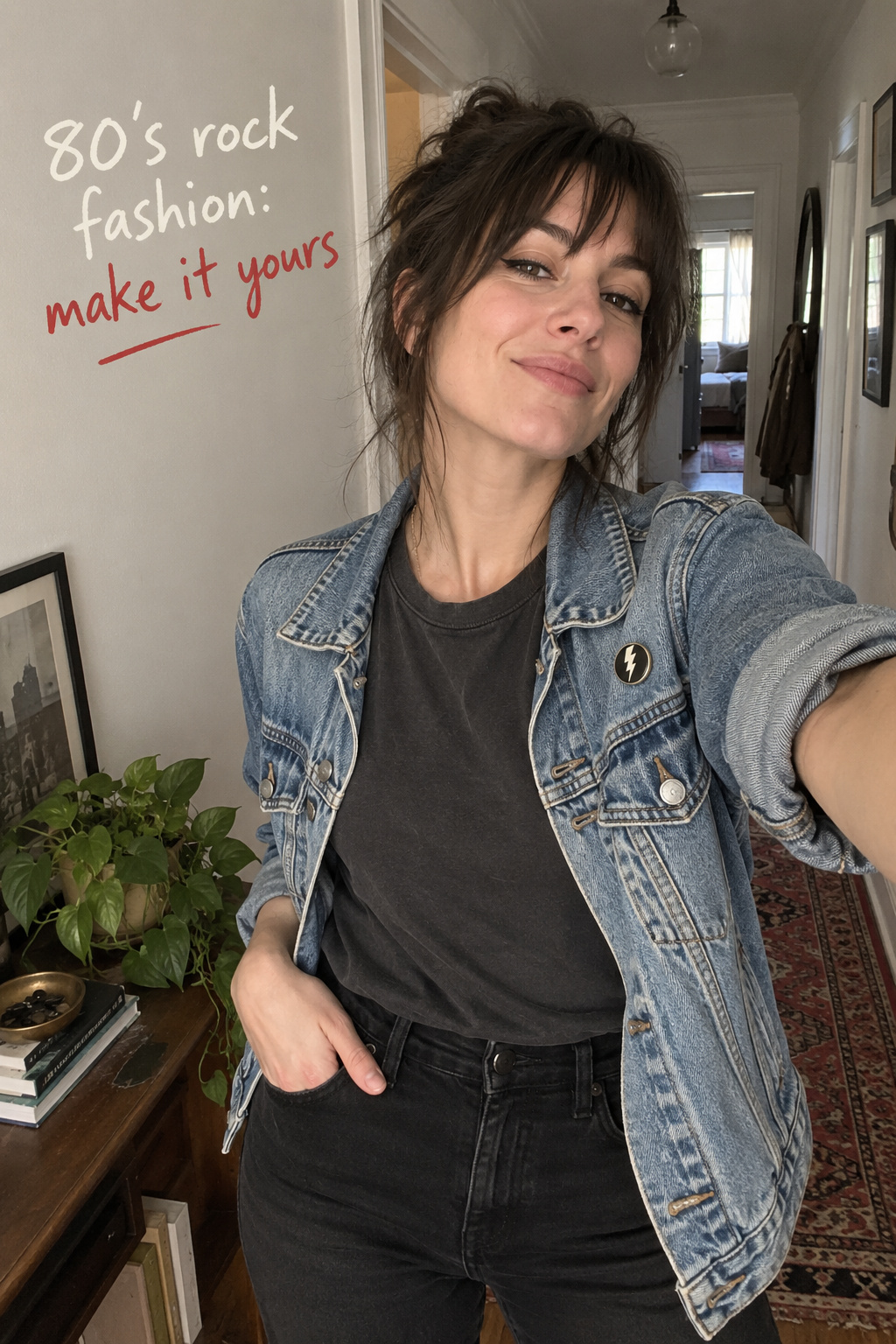
This is where interpretation enters. Fans select, combine, and adjust references to fit their lives. Someone may borrow one visual cue from a video and pair it with an existing everyday piece. Another may use secondhand clothing or personal alterations to make a look feel less like a replica. A third may wear a direct band reference precisely because recognition is the point. These choices are not lesser versions of the stage image; they are different forms of authorship.
A University of Technology Sydney doctoral study of fashion, identity, and music video uses Duran Duran as one case through which to examine image-making and fan culture. Its discussion connects the band’s attention to fashion with the ways young listeners encountered and adapted style. The example is specific, not a claim that every rock act or fan behaved alike. It helps show how a public image can invite participation rather than simple copying.
Personal editing also explains why a photograph of a crowd can look less coordinated than a band’s promotional image. Fans may share an interest while disagreeing about what that interest should look like. Even a close-knit scene can contain different budgets, tastes, ages, and ideas about belonging. Some visual codes are recognisable from a distance; others make sense only to people who know the music or the local context.
For a reader examining an old garment, ask whether it appears to be performer clothing, fan clothing, or a later retail interpretation. Look for provenance when it is available, but do not infer an owner’s history from appearance alone. A band-related design may signal affiliation, yet it cannot establish that the wearer attended a specific concert or belonged to a particular scene. Separate what the object shows from what you would need additional evidence to know.
The fan’s version can be the most revealing part of the story because it shows how a style travels beyond its original setting. The choice to repeat a detail, soften it, combine it with another reference, or leave it out altogether tells us something about how the image was received. That is different from asking which outfit is most authentic. Authenticity is not a contest in which the closest copy automatically wins.
Compare the Three Routes When Reading a Rock Look
Use the same criteria for each route, then compare the answers. Start with audience. The performer’s look addresses a live crowd or a camera. A music video addresses viewers at home and can be replayed. A fan’s look may address friends, fellow listeners, or no one beyond the wearer. The intended audience changes what counts as a successful visual choice.
Next, compare the setting. Stage clothes must work with movement, distance, and performance. Screen clothes are framed, edited, and repeated. Fan clothing moves through ordinary settings such as school, a record shop, a street, or a concert queue. One visual cue can shift meaning as it moves between those spaces. A dramatic choice can read as character onstage and as affiliation in a crowd.
Then ask how much of the image is repeated. A signature look may be reproduced across publicity photographs and performances. A music video can fix a particular combination in a viewer’s memory. A fan may repeat one detail or assemble a new combination. Repetition helps an image become familiar, but variation is evidence of interpretation. It is useful to record both the recognisable element and what changed.
Finally, look for authorship. Was the clothing made or selected for a performance? Is the image a constructed media scene? Does the wearer appear to have adapted a reference? Sometimes the evidence is clear, such as a credited costume or a documented photograph. Often it is not. Use careful language: “evokes,” “suggests,” or “is consistent with” can be more accurate than declaring that a garment proves a particular identity or intention.
This comparison is useful in different situations. If you are looking at a stage photograph, focus on performance and image design. If you are studying a video, note how framing and repetition shape what becomes memorable. If you are evaluating a candid fan photograph or a vintage item, distinguish visible details from assumptions about its owner. The same method works whether the image feels polished, improvised, or somewhere between the two.
It also prevents a familiar historical shortcut: taking a few famous images and treating them as proof that an entire generation dressed alike. Media records are selective. They show what was photographed, preserved, or repeatedly circulated. They do not automatically reveal what was common, affordable, or acceptable in every place. A good reading keeps the image vivid while staying modest about what it can prove.
Sources and Methodology
This comparison draws on a university costume and textiles collection’s account of MTV-era music and fashion, a doctoral study examining music video, fashion, identity, and Duran Duran’s fan culture, and museum documentation of performer garments. These sources support the discussion of media exposure, artist image, and audience interpretation. The article uses them as focused examples, not as a complete survey of every rock scene or every fan in the 1980s.
Descriptions of audience, setting, repetition, and authorship are an interpretive framework for reading images. They are not claims that every musician carefully planned every garment or that every viewer responded in the same way. Where a photograph or object lacks provenance, the article avoids assigning it an owner, event, or intention that the available evidence cannot establish.
FAQ
What made 80’s rock fashion influential?
Its influence came from more than memorable garments. Performers built public images, videos and photographs made those images widely visible, and fans interpreted selected details in their own settings. The combination of image and audience response helped rock fashion circulate beyond the stage.
Did fans copy exactly what rock musicians wore?
Some fans closely echoed artists, while others borrowed a single detail or made a more personal version. Available evidence supports emulation as a pattern, but it does not mean every listener copied a complete outfit or responded in the same way.
How did MTV affect rock fashion?
Music television gave viewers repeated visual access to musicians and their clothing. That made artist images easier to notice and remember. MTV also showed different genres, so its influence was not limited to one rock look.
What is the difference between stage fashion and fan fashion?
Stage fashion is presented as part of a performance and may be designed to read from a distance or on camera. Fan fashion is worn in personal and social settings. It may refer to an artist or scene while serving the wearer’s own purposes.
Can a band shirt tell you what scene someone belonged to?
A band shirt can show an association or interest, but it cannot prove a person’s full identity, concert history, or membership in a specific scene. Use the garment as one piece of evidence and avoid assuming more than its context supports.
How can I tell whether a rock image was made for a stage or everyday wear?
Look at the setting, the garment’s construction, the image framing, and any reliable provenance. A performance photograph suggests a stage context, but visual details alone may not reveal who made or owned the clothing. When the source is uncertain, describe what is visible rather than making a definitive claim.
Is 80’s rock fashion only about copying a celebrity?
No. Artist images offered references, but fans could select, combine, or alter details. The relationship between performer and audience includes recognition and interpretation, not only imitation.
Finish the look
The little extras that make a summer outfit feel complete
From beach days to city weekends, these easy pieces bring comfort, texture, and a polished finishing touch.

FENBEN
Straw Hobo Crossbody Bag
A handwoven straw bag with both short and crossbody straps—an effortless finishing touch for vacation looks and warm-weather outfits.
Shop the bag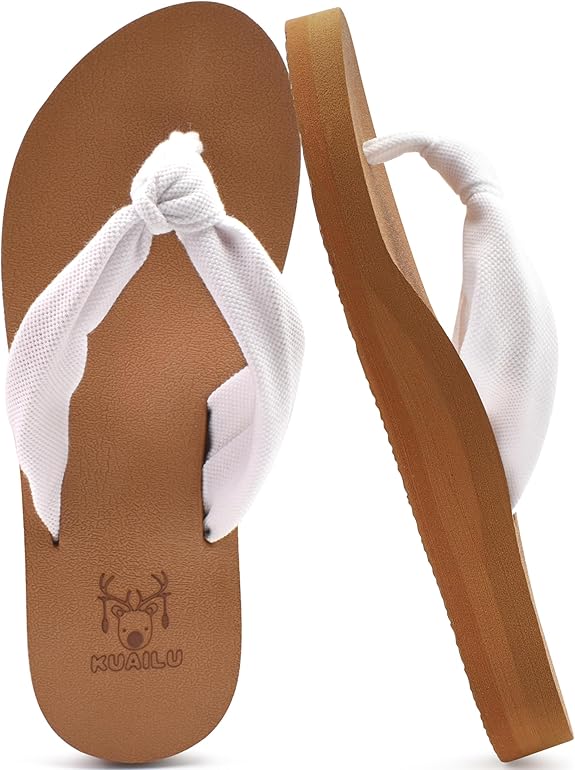
KuaiLu
Flip Flops with Arch Support
Cushioned, lightweight sandals with supportive arch design—a practical choice for beach trips, errands, and long summer walks.
Shop the sandals
baleaf
Athletic One-Piece Swimsuit
A functional one-piece with adjustable straps and moderate coverage, designed for swimming, training, surfing, and active beach days.
Shop the swimsuit
Astylish
Linen-Cotton Button-Down Shirt
A relaxed cotton-linen shirt with a collared V-neck and roll-up sleeves—easy to style over swimwear or with denim and shorts.
Shop the shirt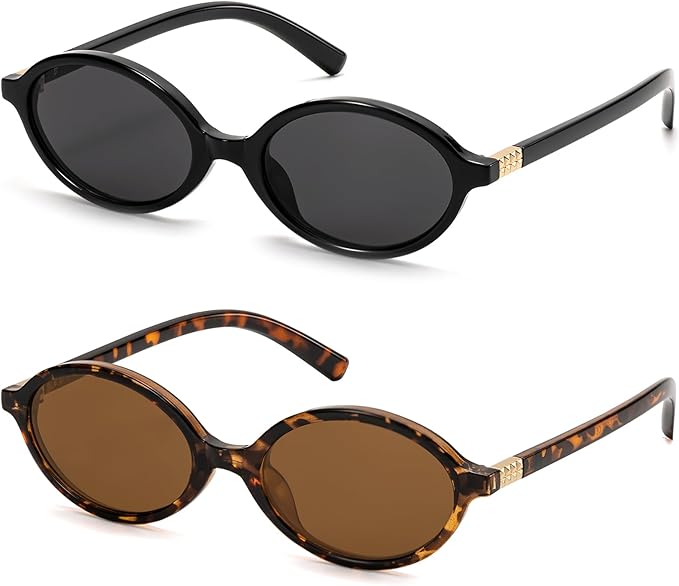
ViewJoy
Retro Oval Sunglasses
Small oval sunglasses with a 90s-inspired silhouette and UV400 lens protection—a quick way to add a vintage edge to everyday looks.
Shop the sunglasses
Affiliate disclosure: This section contains affiliate links. If you make a purchase through these links, I may earn a commission at no additional cost to you. Product selection, pricing, availability, and delivery terms may change—please review the current details on Amazon before purchasing.
As an Amazon Associate I earn from qualifying purchases.