School Uniform Fashion: 5 Ways to Make It Feel Like You
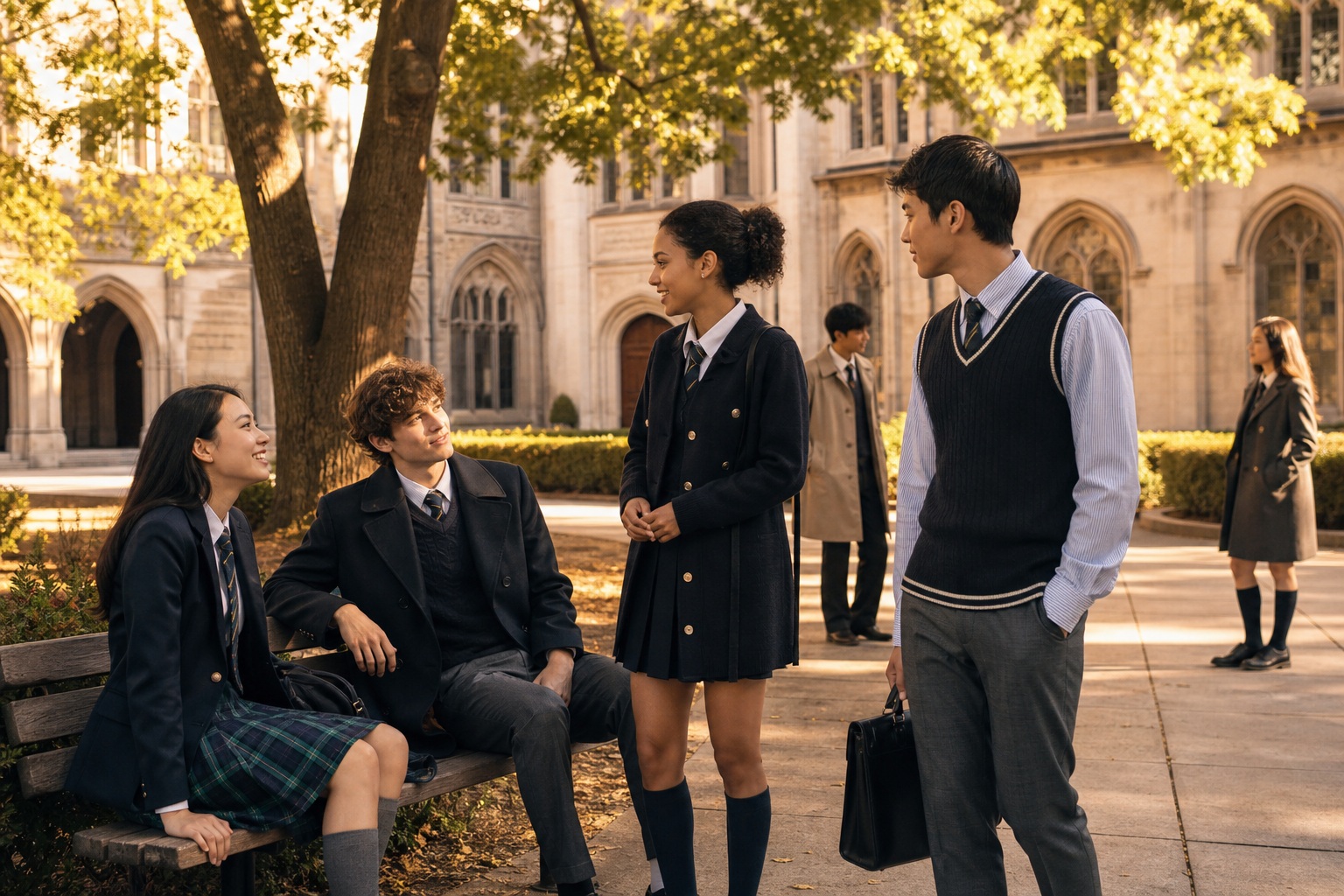
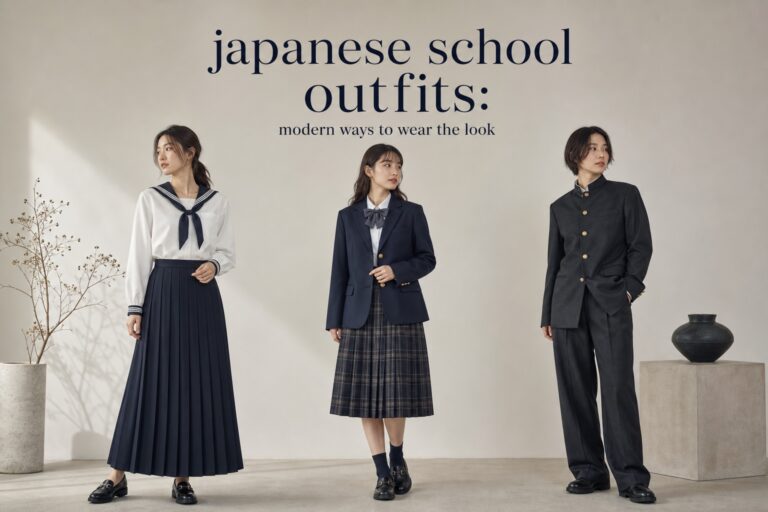
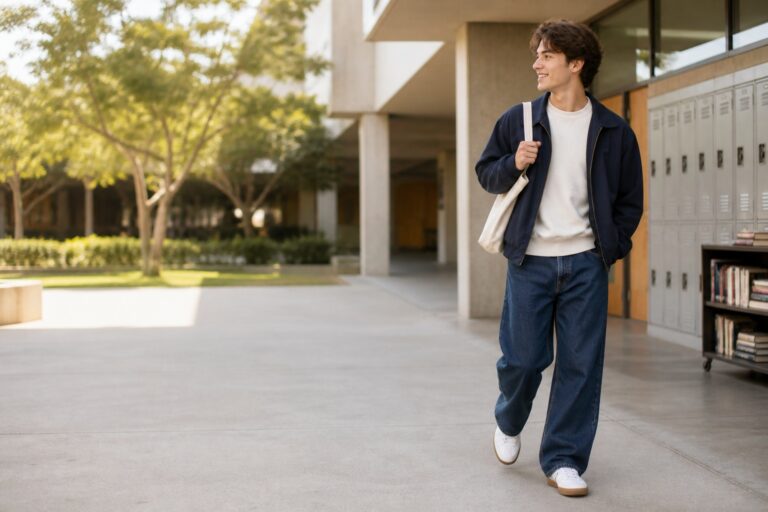
At 7:30 in the morning, a school uniform can feel like a decision that has already been made for you. The shirt is prescribed, the colors are familiar, and the same skirt or trousers wait on the chair because there is no point pretending the wardrobe offers endless options. Then you notice the details: how the collar sits, whether the cardigan creates a clean line, how a loafer changes the mood, and whether the bag feels like yours. That is where school uniform fashion begins. It is not about ignoring the rules. It is about understanding the small spaces where fit, proportion, texture, and personality can work together.
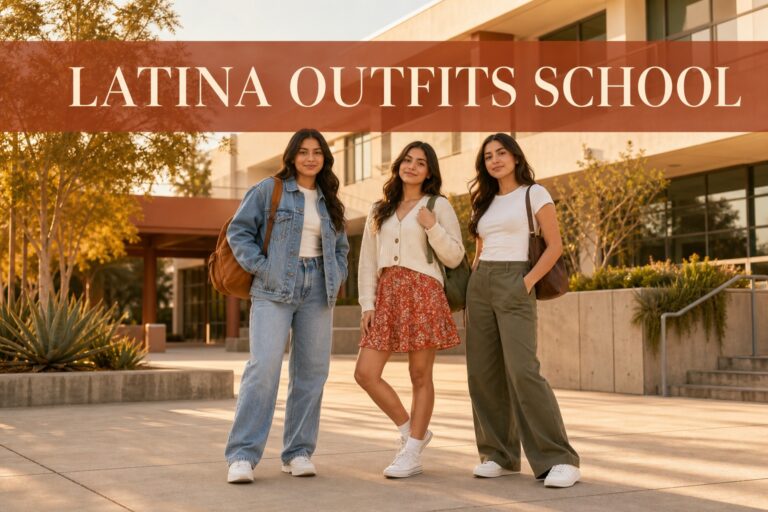
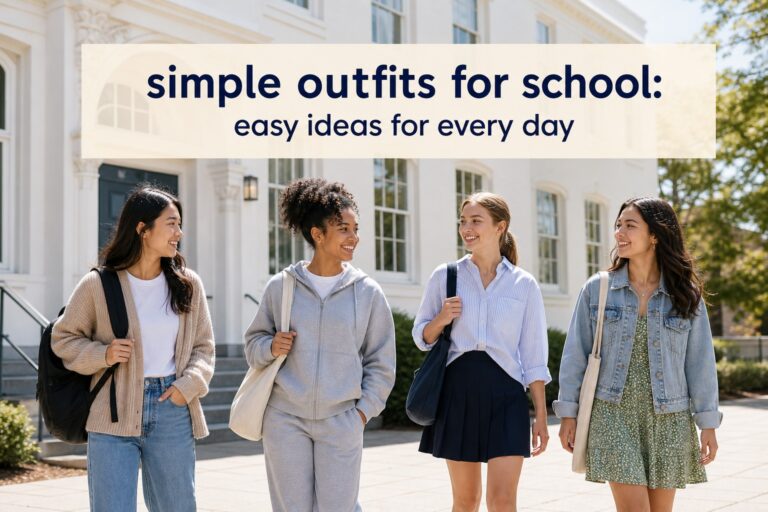
The most useful approach is to treat the uniform as a framework rather than a finished outfit. Start with the policy, then build a few repeatable styling lanes for different days. One may feel classic and polished, another soft and bookish, another practical for a long commute. When every choice has a reason, the uniform stops looking like a limitation and starts behaving like a compact wardrobe system. The ideas below are designed for students who want to look considered while remaining comfortable, recognizable, and within the boundaries of their school.
Read the Rules Before You Build the Look
The first stylish move is also the least glamorous: read the current dress code. Policies can differ on skirt length, trouser color, shoe finish, logos, jewelry, hair accessories, outerwear, and the number of uniform items that must be visible. A styling idea is only useful if it survives the school day. If you are unsure, ask a parent, office administrator, or teacher before buying something for the uniform. A quick check can prevent an expensive mistake and gives you a clearer creative boundary.
The Fashion-Note Edit
Five effortless pieces to refresh your everyday wardrobe
A polished, practical edit for workdays, weekends, and everything in between.

The Drop
Women’s Blake Long Blazer
A longline, tailored blazer with a notched collar and a single-button closure—an easy layer for denim, dresses, or office-ready looks.
Shop the blazer
Amazon Essentials
Women’s Lightweight Crewneck
A soft, lightweight sweater with a clean crew neckline—the kind of reliable layer that works from cool mornings to air-conditioned spaces.
Shop the sweater
Amazon Essentials
Women’s Loafer Flat
A classic flat loafer that gives casual outfits a more polished finish and pairs naturally with tailored pants, skirts, and straight-leg jeans.
Shop the loafers
Levi’s
Women’s 501 90s Jeans
A relaxed, vintage-inspired take on the iconic 501 silhouette—made for an easy, lived-in look without the thrift-store search.
Shop the jeans
Colorfulkoala
High-Waisted 7/8 Leggings with Pockets
Soft, four-way-stretch leggings with side pockets and a high-rise waistband—designed for movement, errands, and off-duty comfort.
Shop the leggings
Affiliate disclosure: This section contains affiliate links. If you make a purchase through these links, I may earn a commission at no additional cost to you. Product selection, pricing, availability, and delivery terms may change—please review the current details on Amazon before purchasing.
As an Amazon Associate I earn from qualifying purchases.
Separate fixed pieces from flexible pieces
Make two short lists. The fixed list includes items the school specifies precisely, such as a logo polo, tartan skirt, navy trouser, blazer, tie, or particular shoe. The flexible list includes items you can choose within limits, such as a cardigan, coat, socks, backpack, hair tie, belt, or plain undershirt. This distinction makes shopping calmer. You do not need to reinvent the shirt if the interesting choice is actually the layer or the shoe.
Your wedding style is personal.
Your plan should feel that way, too.
Zarellea keeps your guest list, budget, vendors, and every next step beautifully organized — so you can focus on the moments that feel like you.
Decide where personal expression is safest
Some schools allow almost no visible variation, while others leave room for small details. In a strict setting, focus on care, fit, grooming, and the way approved pieces work together. In a more flexible setting, you may have room for a colored scrunchie, a subtle pin, a textured sock, a different cardigan, or a low-profile sneaker. Personal style does not need to be loud to be real. A neat braid, a favorite watch, or a bag in a color you love can be enough.
Think about the whole route, not just the mirror
School clothes have to handle a bus ride, stairs, sitting, weather, sports equipment, crowded hallways, and a full backpack. Check whether the waistband stays flat, whether the shirt pulls when you reach forward, and whether the shoes remain comfortable after several thousand steps. A beautiful outfit that needs constant adjustment will not feel polished for long. Comfort is not separate from style. It is what lets the styling decisions remain visible throughout the day.
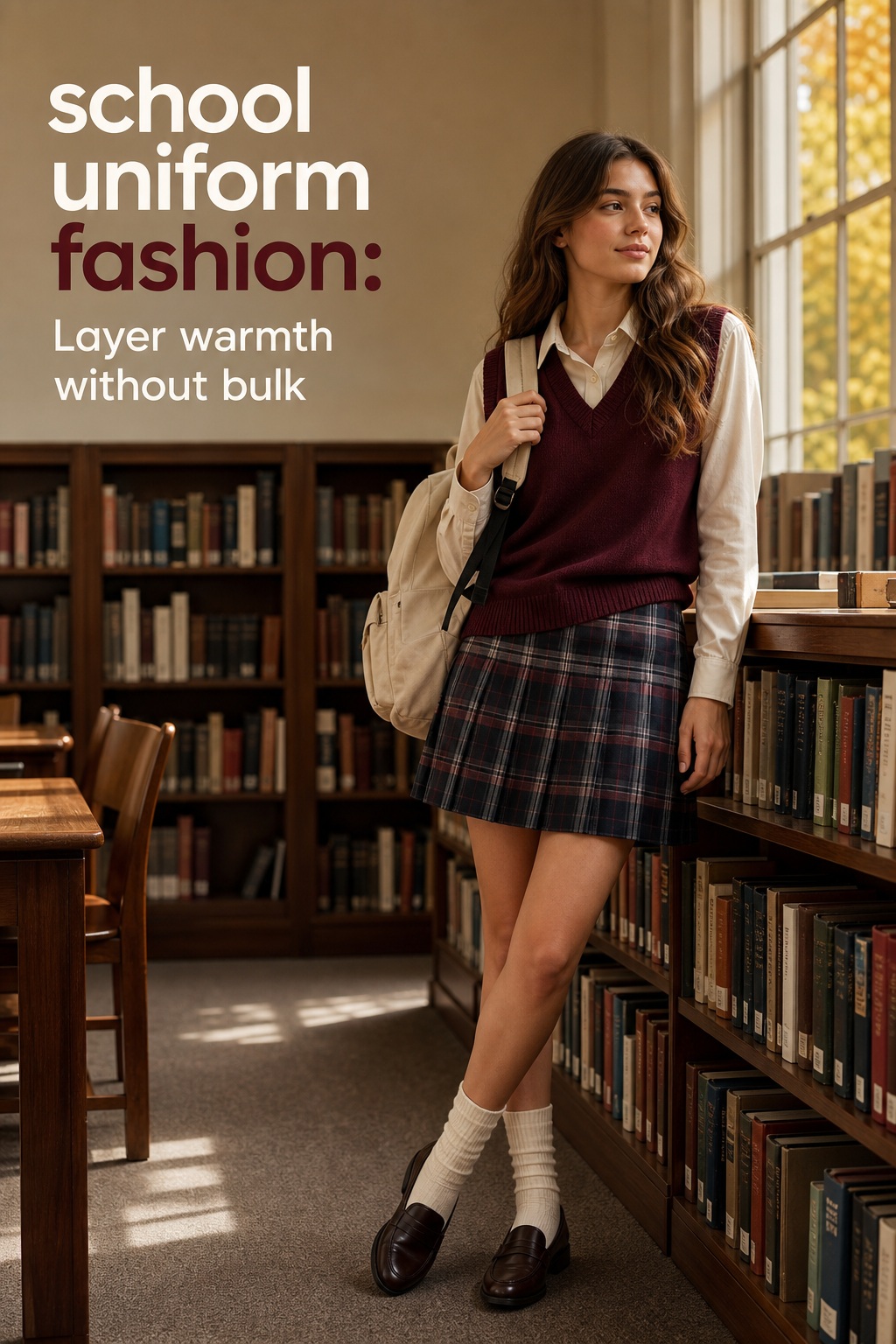
Make the Uniform Base Look Deliberate
A uniform usually looks more personal when the base is clean and intentional. Before adding accessories, look at the fit of the main pieces. The shoulder seam should sit in a sensible place, buttons should not strain, and the hem should meet the policy without making movement difficult. If the uniform is supplied in broad size ranges, a tailor may be able to make small adjustments such as shortening sleeves or taking in a loose waist. Do not alter anything that would remove a required logo or change a regulated length without permission.
Use proportion to create a clear silhouette
Proportion is often more powerful than an extra accessory. With a pleated skirt, a tucked shirt or a short approved cardigan can define the waist and keep the outfit from looking shapeless. With straight-leg trousers, a neat shirt and a sweater that ends at the hip can create a balanced line. If the school requires a longer blazer, keep the base streamlined so the layer feels purposeful rather than bulky. These are visual adjustments, not instructions about one ideal body. Choose the amount of ease and coverage that makes you feel secure.
Let texture add interest when color is fixed
Uniform palettes are often limited, but texture gives them depth. A smooth shirt can sit under a ribbed sweater vest. A matte blazer can make a polished loafer feel modern. A brushed cardigan, canvas backpack, woven belt, or wool coat can make navy, gray, khaki, or burgundy feel less flat. Keep the textures practical and easy to wash. One or two contrasting surfaces are usually enough. When every item is shiny, fuzzy, ribbed, and patterned at once, the outfit loses the quiet clarity that makes school style convincing.
Choose a repeatable grooming rhythm
Grooming can function as a daily styling signature. You might prefer a low ponytail, two braids, a clean bun, a headband, or hair left loose with the front controlled. The goal is not perfection. It is finding a routine that takes a realistic amount of time and stays comfortable in class. Keep a small brush, spare hair tie, and lip balm in your bag if those items help. If your school permits makeup, a simple routine can support the outfit, but polished school uniform fashion does not depend on cosmetics.
Press and maintain the pieces that frame your face
A crisp collar, clean neckline, and smooth front change the impression of the entire uniform. Follow the care label, remove lint, and repair loose buttons before they become a morning emergency. If ironing is not realistic, hang the shirt as soon as it comes out of the dryer and use a steamer when needed. Shoes matter too. Wiping dust from a leather loafer or cleaning the edge of a sneaker can make an ordinary outfit appear more considered without adding anything new.
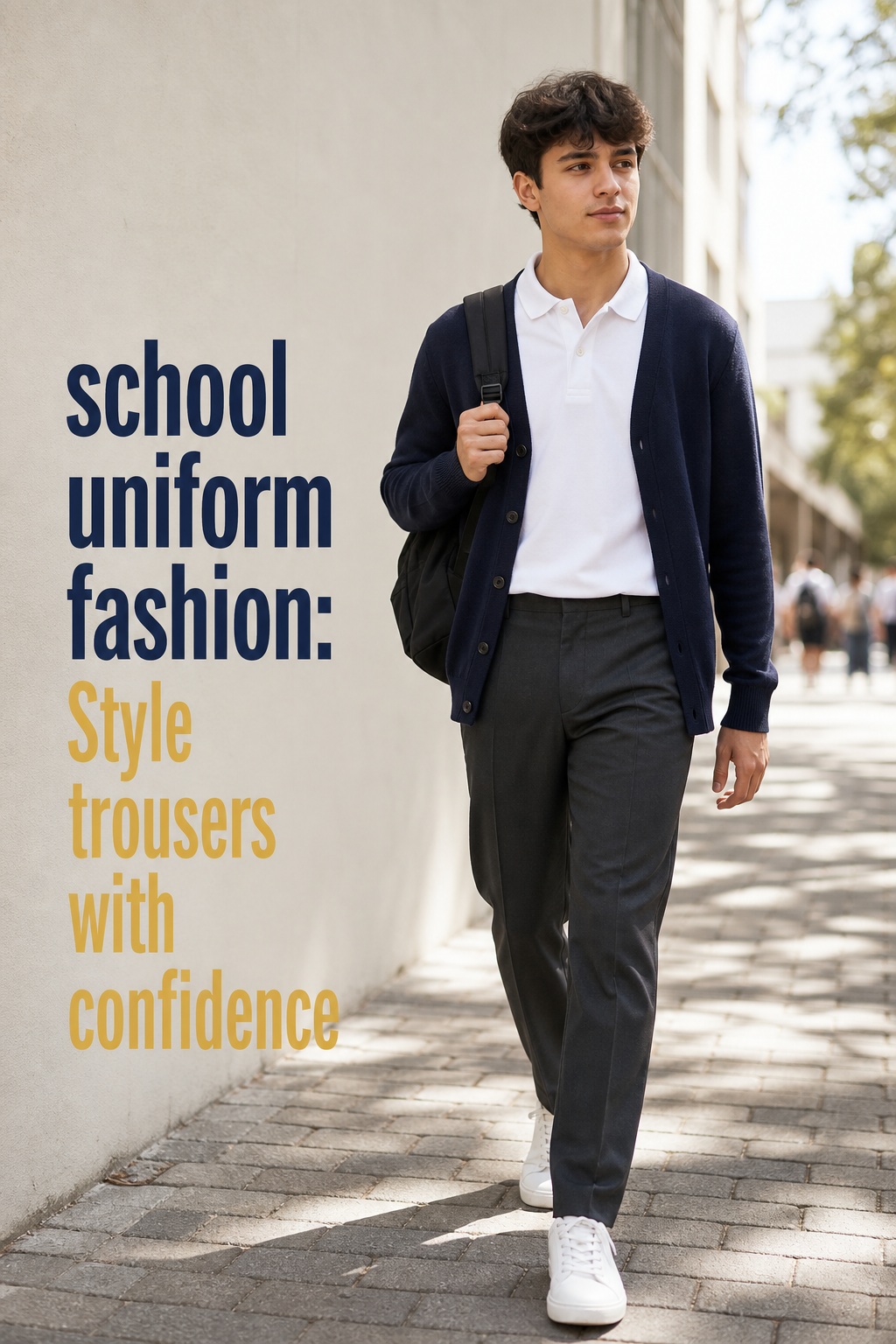
Choose a Styling Lane for the Day
Instead of searching for a completely different outfit every morning, create a handful of styling lanes. A lane is a small formula with a clear mood and practical purpose. It helps you use the same approved pieces in fresh combinations while reducing decision fatigue. The five options below are not rankings. Choose the one that matches your schedule, weather, comfort needs, and the amount of expression your school allows.
1. Classic prep with a crisp, balanced finish
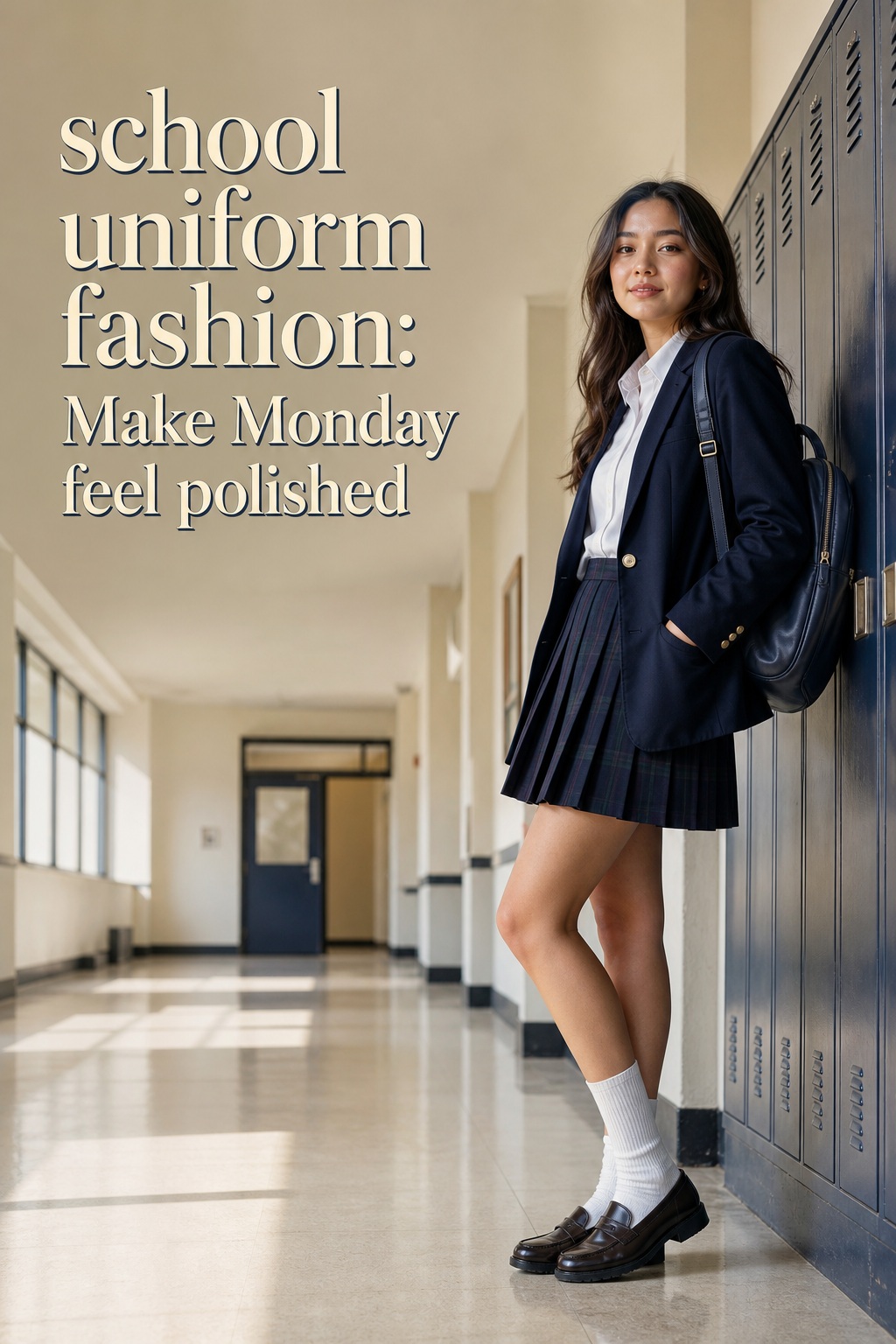
For the classic lane, start with the cleanest version of the uniform: a pressed collared shirt, properly fitted blazer or cardigan, approved skirt or trousers, and polished loafers or Mary Janes. If a tie is required, let it sit neatly rather than pulling it too loose. A simple belt can connect the shoe and trouser color. If socks are flexible, choose a solid pair with a subtle rib. The look works because every line is easy to read, and it suits presentations, assemblies, photographs, and days when you want to feel especially prepared.
Keep the accessories restrained. A watch, small studs, or a narrow headband can add personality without competing with the uniform. If the palette is navy and white, try a burgundy or forest green detail only if it is permitted. A structured backpack keeps the academic feeling coherent, but make sure it has enough room for your actual books. Style should not force you to carry a second bag just to make the first one look more fashionable.
2. Soft academic with layers and gentle texture
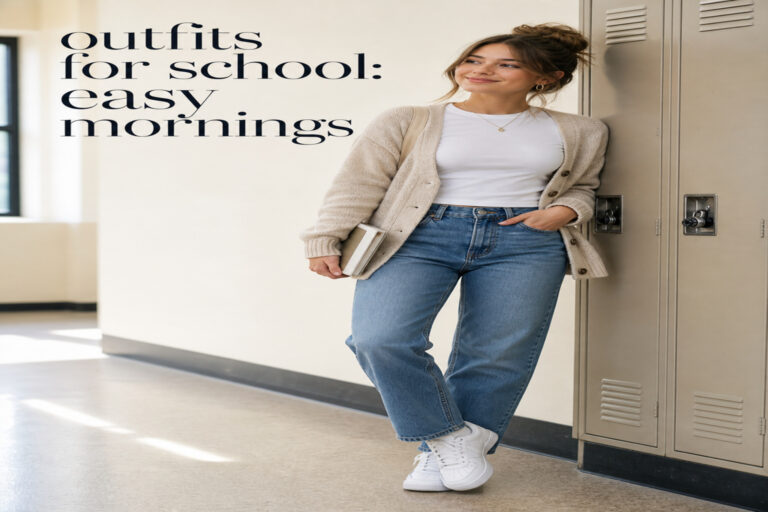
The soft academic lane is useful when you like a quieter, more tactile outfit. Pair the uniform shirt with an approved cardigan, sweater vest, or fine crewneck. Let a small amount of collar show and keep the knit fitted enough at the shoulder that it does not swallow the shirt. A pleated skirt can work with loafers and ribbed socks, while uniform trousers can take a cardigan in a complementary neutral. The overall effect is warm, approachable, and easy to repeat through fall and winter.
Texture should support comfort. Look for cotton, merino, or soft blends that do not itch or overheat the classroom. If you have to move between cold outdoor air and warm rooms, choose a button cardigan or vest that can be removed without disturbing the shirt. A simple canvas tote or backpack can soften the formality, but it should still protect notebooks and close securely. This lane is especially good for long reading days, library work, and schedules with changing temperatures.
3. Sporty clean for movement and commuting
A sporty clean lane begins with practical footwear and a layer that has a little structure. If sneakers are allowed, choose a low-profile pair in a school color, white, black, or another approved neutral. Keep them clean and pair them with socks that sit comfortably rather than slipping into the shoe. Add a zip cardigan, simple bomber, approved fleece, or neat quarter-zip if the policy allows it. The key is to use one athletic signal, not turn the entire uniform into activewear.
This formula helps on days filled with walking, public transit, clubs, or after-school activities. Check that the shoe has real support and that the backpack distributes weight comfortably. A sleek ponytail, cap for the commute if permitted, or a practical watch can finish the idea. If sneakers are not allowed, a supportive lace-up school shoe can create the same functional feeling. The result should look ready for motion without suggesting that you are dressed for practice.
4. Modern neutral with sharper proportions
For a modern neutral lane, keep the color palette short and pay attention to shape. Try a neatly tucked polo with straight trousers, a fine knit under a blazer, or an approved skirt with a simple belt and clean flats. If the school allows a coat of your choice, a long wool coat or a simple peacoat can create a strong outer line on the way to school. Choose one metal tone for jewelry and avoid adding multiple logos. Minimal does not mean boring when the proportions are deliberate.
Consider a backpack or crossbody that looks clean but still meets school requirements. If you carry a laptop, lunch, or sports gear, test the bag before committing to the outfit. The modern lane is ideal when you want to feel older or more streamlined, but it should not depend on uncomfortable shoes, a blazer that restricts your arms, or trousers that need constant pulling. A polished silhouette is strongest when it makes the day easier.
5. Expressive detail for a little more personality
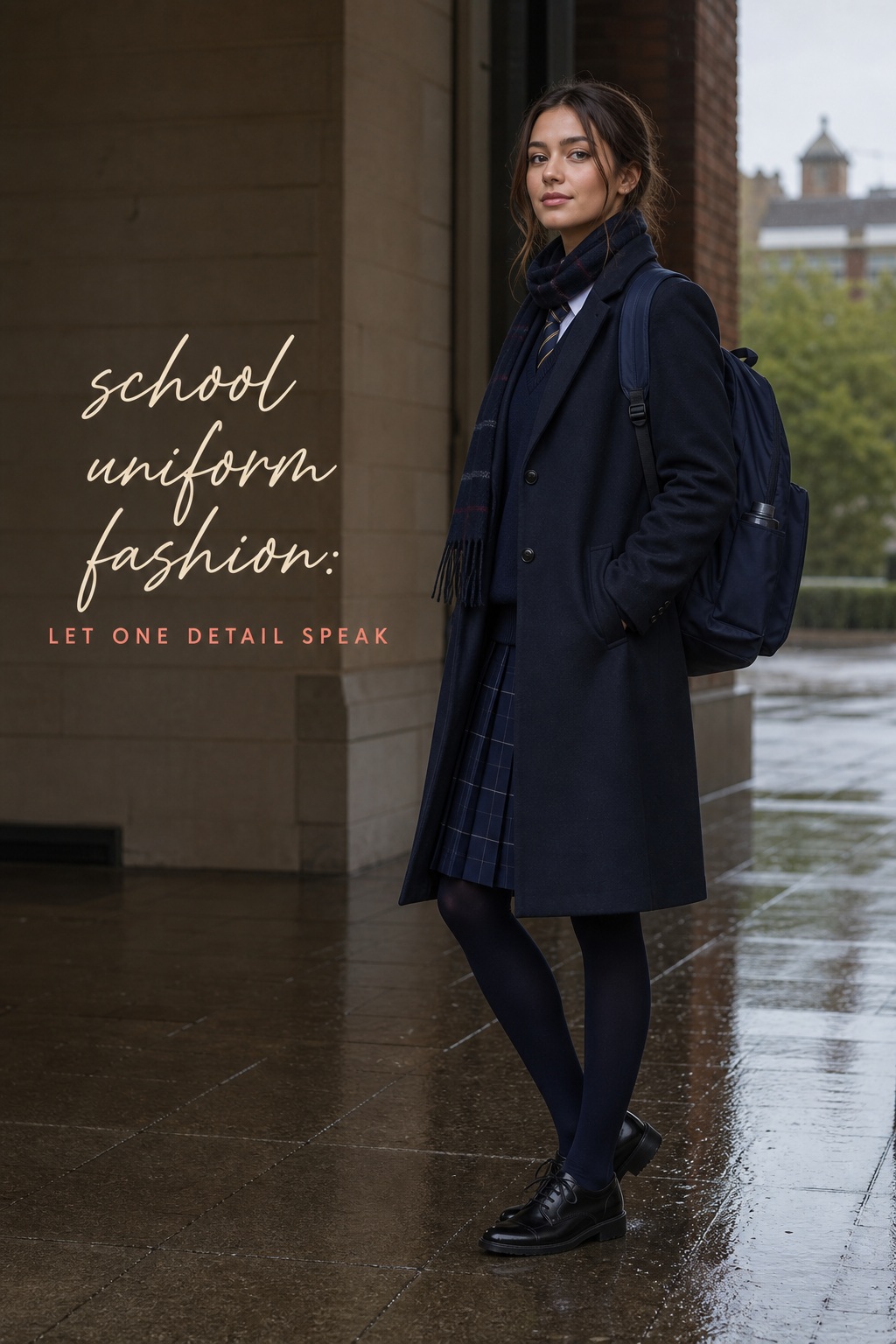
The expressive lane keeps the uniform recognizable and lets one detail carry the mood. Depending on policy, that detail could be a patterned sock, a colored hair bow, a small enamel pin, a vintage-inspired watch, a bright backpack, a striped belt, or a scarf worn only during the commute. Choose one focal point and let the rest of the outfit stay calm. This prevents the look from becoming visually crowded and makes the personal choice feel intentional.
Think about visibility and permission. A pin may not be allowed on a logo shirt. A scarf may need to be removed indoors. A bright bag may be fine on a flexible campus but distracting in a formal setting. The best expressive detail is one you can remove, move, or replace easily. That flexibility lets you show taste without putting yourself in a stressful conversation about the rules. It also gives you more combinations from the same uniform capsule.
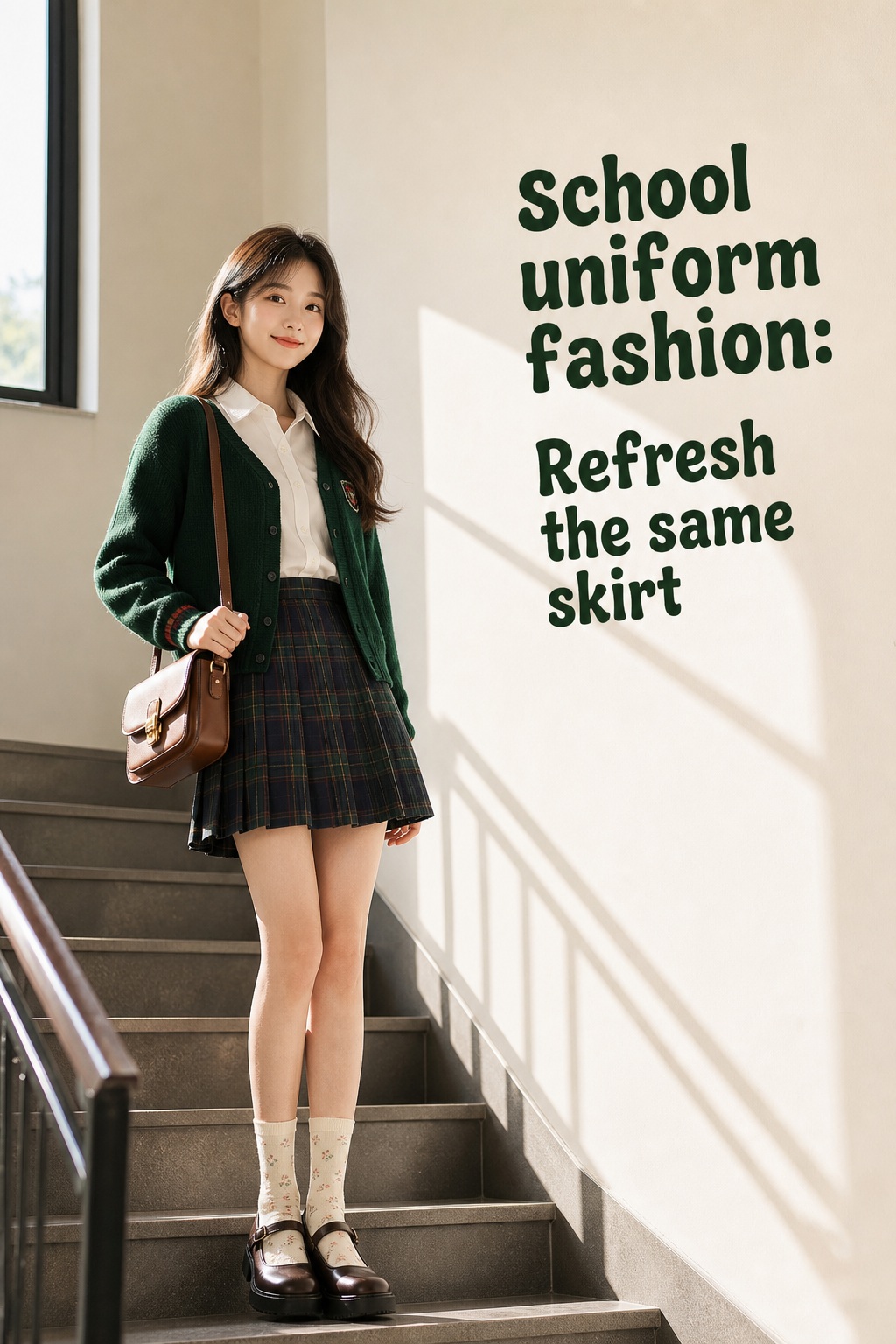
Rotate Shoes, Bags, and Layers Through the Seasons
Once the base and styling lanes are clear, seasonal changes become easier. You do not need a completely new uniform wardrobe every few months. A small rotation of layers, legwear, shoes, and outerwear can make the same approved pieces feel appropriate and fresh. Build around the weather you actually experience, including wet commutes, overheated classrooms, windy hallways, and cold morning starts.
Spring: lighten the layer and the mood
Spring is a good time for a lightweight cardigan, cotton sweater vest, or thin jacket. Keep the shirt crisp but avoid heavy knitwear that makes the outfit feel left over from winter. If socks or hair accessories are flexible, a lighter color or small pattern can bring energy to a dark uniform palette. Choose shoes that can handle rain and puddles, and keep a compact umbrella in the bag if your route requires it. A breathable layer is more useful than a dramatic one when temperatures change between morning and afternoon.
Summer: prioritize breathable comfort
In warm weather, fabric and fit do most of the work. Choose the lightest approved shirt, avoid unnecessary layers, and make sure socks and shoes allow airflow. If a blazer is required for part of the day, carry it neatly or select a breathable version if the school offers one. A simple hair style that keeps the neck clear can make a real difference. Keep accessories light so they do not stick to the skin or catch on desks. The polished summer uniform is fresh, practical, and free from details that create extra heat.
Fall: use texture and a clear outer layer
Fall is the easiest season for visible school uniform fashion because approved layers can add texture. Try a cardigan, sweater vest, blazer, or neat coat in a color that works with the uniform. A ribbed sock, leather loafer, or canvas bag can reinforce the autumn mood without breaking the palette. Keep a rain-ready option nearby and check whether the school allows a coat that is not part of the uniform. One dependable outer layer is better than several thin pieces that make the outfit bulky.
Winter: protect movement while staying polished
Winter styling should begin with warmth and movement. Wear an approved base layer under the shirt if it does not show through or violate the rules. Add a cardigan, sweater, blazer, and coat in a sequence that can be adjusted indoors. Warm socks or tights can make skirts more practical, while trousers may be the better choice for a long outdoor commute if the uniform permits them. Choose a coat with room for the blazer underneath, and test whether you can lift your arms comfortably before wearing it to school.
Winter is also a good time to check the bag and shoe combination. A wet-weather shoe needs traction and enough space for warm socks. A backpack should close securely if snow or rain is part of the route. Keep the visual details simple: one scarf, one hat if allowed, and one texture such as wool or corduroy. A uniform looks more elevated when the layers have a clear order and do not fight for attention.
Build a five-day rotation without buying five wardrobes
A small rotation might include the classic prep lane on Monday, soft academic on Tuesday, sporty clean on Wednesday, modern neutral on Thursday, and expressive detail on Friday. Repeat the base pieces as needed while changing only the approved layer, shoe, bag, or hair detail. Keep a note on your phone of combinations that worked. After two weeks, you will have a practical personal lookbook based on clothes you actually own. This is more useful than saving dozens of outfit photos that depend on pieces your school does not permit.
Fix the Mistakes That Make a Uniform Look Unfinished
Most uniform outfits do not need more decoration. They need one small correction. Before leaving, stand in front of a mirror and check the collar, shoulder line, shirt tuck, hem, shoes, and bag. Ask whether the outfit is comfortable enough for the route and whether every visible extra is allowed. A two-minute review can prevent the loose tie, slipping sock, overflowing bag, or uncomfortable shoe that makes you feel distracted all day.
- Do not size up so far that the shoulders, sleeves, or waistband look accidental.
- Do not use a trend accessory that hides a school logo or conflicts with a written rule.
- Do not choose shoes only for color when the day requires walking, stairs, or wet pavement.
- Do not add several statement details at once. Let one accessory or layer lead.
- Do not ignore fabric comfort, especially when classrooms are warm and outdoor commutes are cold.
- Do not assume a skirt is the only stylish uniform option. Trousers, dresses, and neutral layers can be equally expressive.
The strongest school uniform fashion is personal without being anxious. It respects the policy, supports the body through a long day, and gives the wearer a few meaningful choices. Start with the piece you must wear, identify the detail you can control, and build the rest around comfort. When the outfit works for the actual day ahead, confidence becomes part of the styling rather than something you have to add afterward.
FAQ
How can I make my school uniform look more fashionable?
Begin with fit, neatness, and proportion, then add one approved personal detail such as a cardigan, polished shoe, textured sock, hair accessory, belt, or bag. Check the dress code before changing anything visible.
What is the easiest way to personalize a strict school uniform?
Focus on details that do not alter required pieces. A tidy hairstyle, clean shoes, a permitted watch, a simple hair tie, or a well-chosen backpack can make the outfit feel personal while keeping the uniform intact.
Which shoes work best with school uniforms?
Loafers, Mary Janes, supportive lace-up shoes, ballet flats, and school-approved low-profile sneakers can all work. Choose based on walking distance, weather, traction, and the exact footwear policy, not color alone.
How do I style a school uniform in cold weather?
Layer an approved base layer, cardigan or sweater, blazer if required, and a coat that has room for the uniform underneath. Warm socks or tights, practical shoes, and a scarf or hat where permitted can add comfort without creating bulk.
Can a school uniform look stylish with trousers instead of a skirt?
Yes. Use a clean trouser fit, a properly tucked shirt, a shaped cardigan or blazer, and shoes that match the formality of the uniform. A narrow palette and one textured layer can make trousers feel just as distinctive as a skirt.
How many accessories should I wear with a school uniform?
One or two intentional details are usually enough. Try a watch with a hair accessory, or a permitted pin with a simple bag. The right number depends on your school rules and whether the accessories remain comfortable and practical throughout the day.
Finish the look
The little extras that make a summer outfit feel complete
From beach days to city weekends, these easy pieces bring comfort, texture, and a polished finishing touch.

FENBEN
Straw Hobo Crossbody Bag
A handwoven straw bag with both short and crossbody straps—an effortless finishing touch for vacation looks and warm-weather outfits.
Shop the bag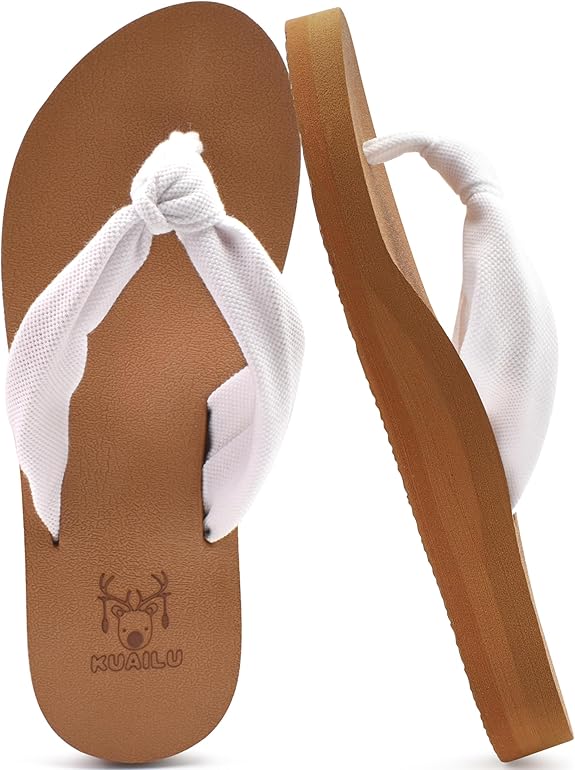
KuaiLu
Flip Flops with Arch Support
Cushioned, lightweight sandals with supportive arch design—a practical choice for beach trips, errands, and long summer walks.
Shop the sandals
baleaf
Athletic One-Piece Swimsuit
A functional one-piece with adjustable straps and moderate coverage, designed for swimming, training, surfing, and active beach days.
Shop the swimsuit
Astylish
Linen-Cotton Button-Down Shirt
A relaxed cotton-linen shirt with a collared V-neck and roll-up sleeves—easy to style over swimwear or with denim and shorts.
Shop the shirt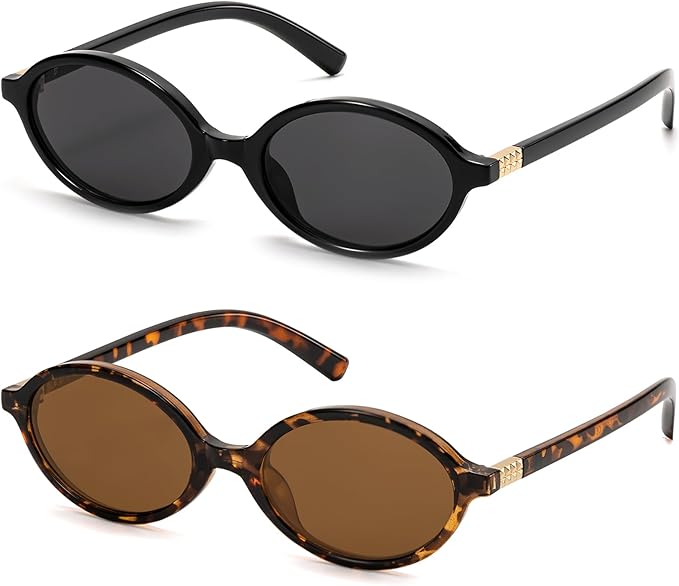
ViewJoy
Retro Oval Sunglasses
Small oval sunglasses with a 90s-inspired silhouette and UV400 lens protection—a quick way to add a vintage edge to everyday looks.
Shop the sunglasses
Affiliate disclosure: This section contains affiliate links. If you make a purchase through these links, I may earn a commission at no additional cost to you. Product selection, pricing, availability, and delivery terms may change—please review the current details on Amazon before purchasing.
As an Amazon Associate I earn from qualifying purchases.