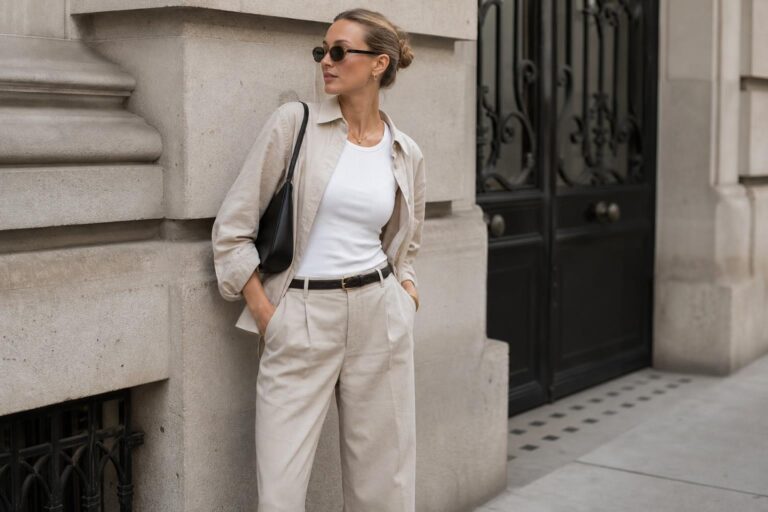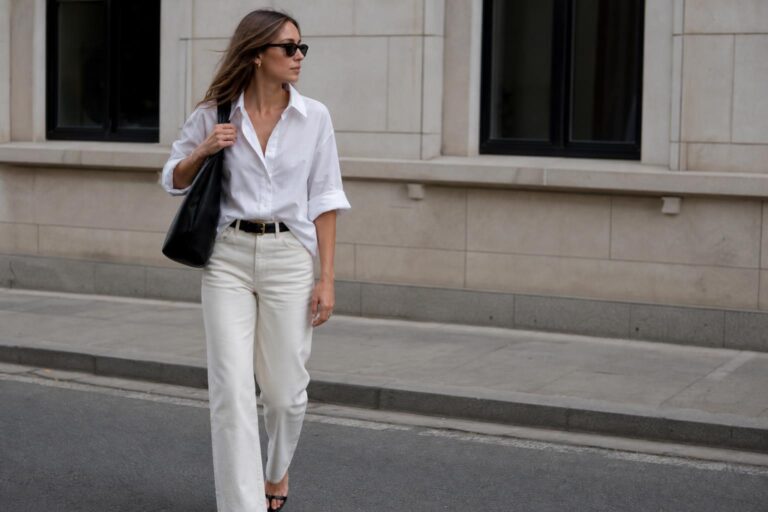
Modern Modest Everyday Outfits for Polished Daily Style
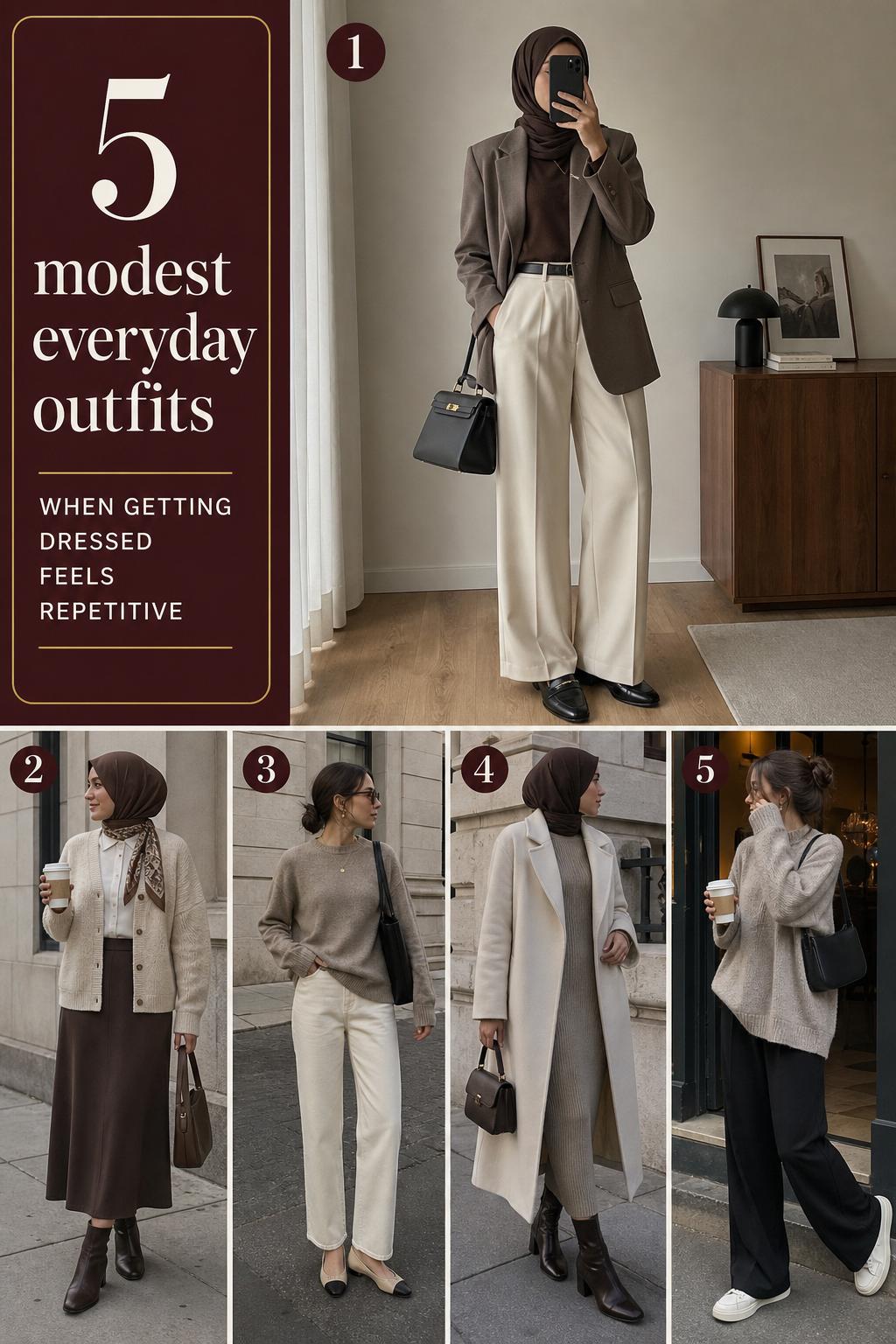
Some of the most memorable modest everyday outfits are not dramatic at all. They are the quiet, reliable combinations you reach for on a work morning, on an errand-filled Saturday, or during that in-between part of the day when you want to feel covered, comfortable, and still completely like yourself. The appeal comes from balance: soft structure, breathable layers, clean silhouettes, and styling that feels intentional without looking overworked.
Modern modest fashion has a relaxed elegance to it. A midi skirt that moves easily, a long-sleeve tee under a lightweight knit, wide-leg pants with a blouse that skims instead of clings, or a knit dress grounded with simple layers all create that understated mood people return to again and again. These outfits naturally fit real life because they work across settings, from office hours to casual meetups, while still feeling polished enough for photos, coffee runs, and everyday routines.
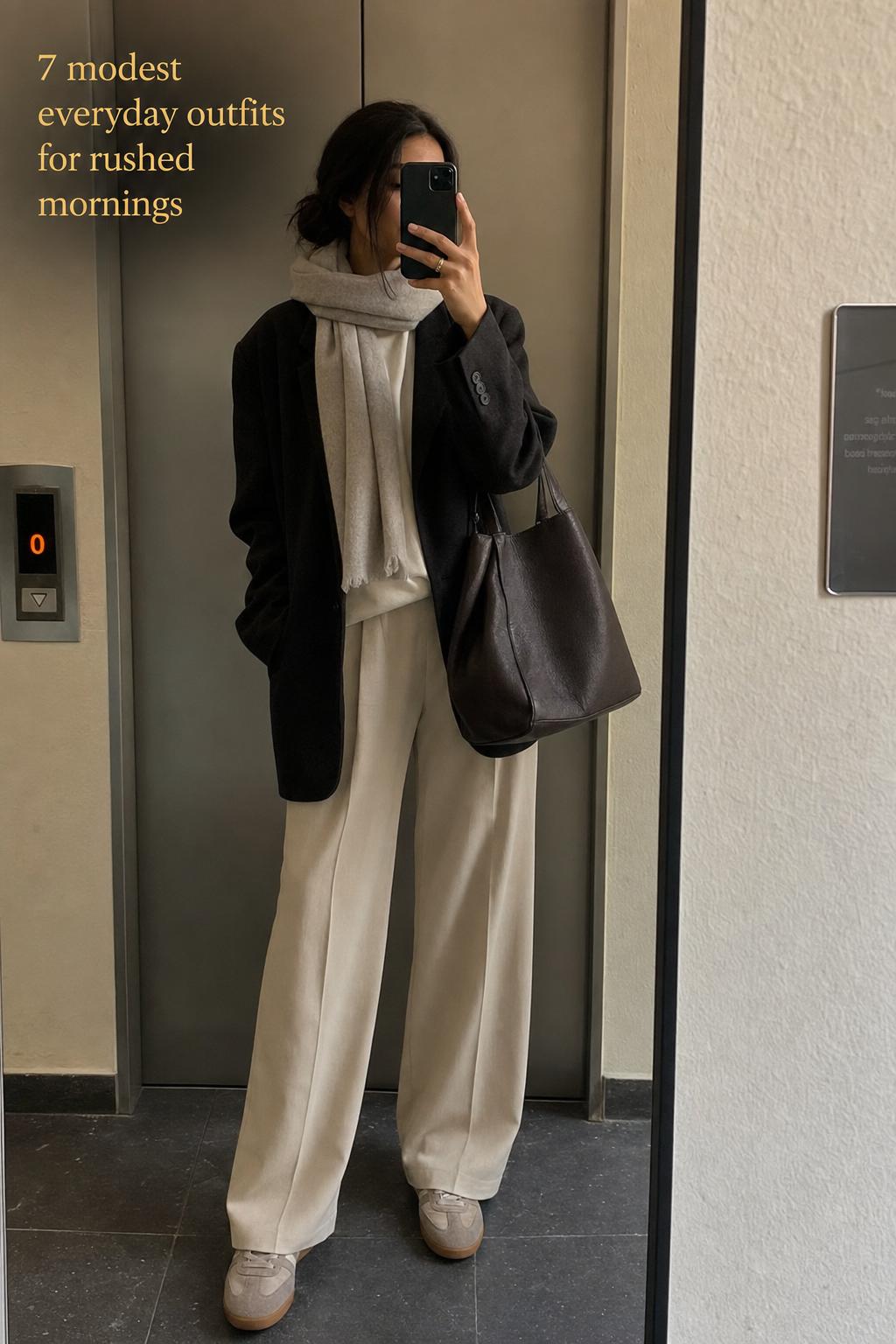
What draws people to modest everyday outfits is how wearable they are. The visual appeal is in the textures and proportions rather than in anything loud: cotton against ribbed knits, linen under a cardigan, monochrome layering with subtle contrast, and accessories that finish the look without competing with it. The result is timeless with a modern edge, practical enough for daily dressing, and easy to adapt to personal style.
The Fashion-Note Edit
Five effortless pieces to refresh your everyday wardrobe
A polished, practical edit for workdays, weekends, and everything in between.

The Drop
Women’s Blake Long Blazer
A longline, tailored blazer with a notched collar and a single-button closure—an easy layer for denim, dresses, or office-ready looks.
Shop the blazer
Amazon Essentials
Women’s Lightweight Crewneck
A soft, lightweight sweater with a clean crew neckline—the kind of reliable layer that works from cool mornings to air-conditioned spaces.
Shop the sweater
Amazon Essentials
Women’s Loafer Flat
A classic flat loafer that gives casual outfits a more polished finish and pairs naturally with tailored pants, skirts, and straight-leg jeans.
Shop the loafers
Levi’s
Women’s 501 90s Jeans
A relaxed, vintage-inspired take on the iconic 501 silhouette—made for an easy, lived-in look without the thrift-store search.
Shop the jeans
Colorfulkoala
High-Waisted 7/8 Leggings with Pockets
Soft, four-way-stretch leggings with side pockets and a high-rise waistband—designed for movement, errands, and off-duty comfort.
Shop the leggings
Affiliate disclosure: This section contains affiliate links. If you make a purchase through these links, I may earn a commission at no additional cost to you. Product selection, pricing, availability, and delivery terms may change—please review the current details on Amazon before purchasing.
As an Amazon Associate I earn from qualifying purchases.
What modest everyday style really looks like now
Modest style in everyday life is less about one rigid formula and more about coverage, comfort, and personal interpretation. For some, that means long sleeves, mid-length hemlines, and loose silhouettes. For others, it means using layering to create more coverage while still wearing familiar basics like dresses, denim, and sweaters. The strongest modest wardrobes usually feel cohesive because they are built around repeatable shapes rather than one-off statement pieces.
Your wedding style is personal.
Your plan should feel that way, too.
Zarellea keeps your guest list, budget, vendors, and every next step beautifully organized — so you can focus on the moments that feel like you.
That is also why the best modest outfits rarely feel dull. They use proportion, fabric, and color to create depth. A wide-leg pant brings movement. A lightweight sweater softens tailored lines. A midi skirt creates a clean vertical shape. Layering makes simple garments feel complete. In editorial-style inspiration from sites like Fashionacy and She What Wear, this balance between practicality and style is what keeps daily modest dressing current.
There is room here for different style identities too. One person may lean toward clean city minimalism inspired by a New York wardrobe rhythm, while another may prefer hijab-friendly styling with coordinated neutral tones and comfortable knits. Both sit comfortably under the same modest fashion umbrella because the goal is not uniformity. It is creating outfits that feel covered-up, comfortable, and visually thoughtful.
The wardrobe basics that make daily dressing easier
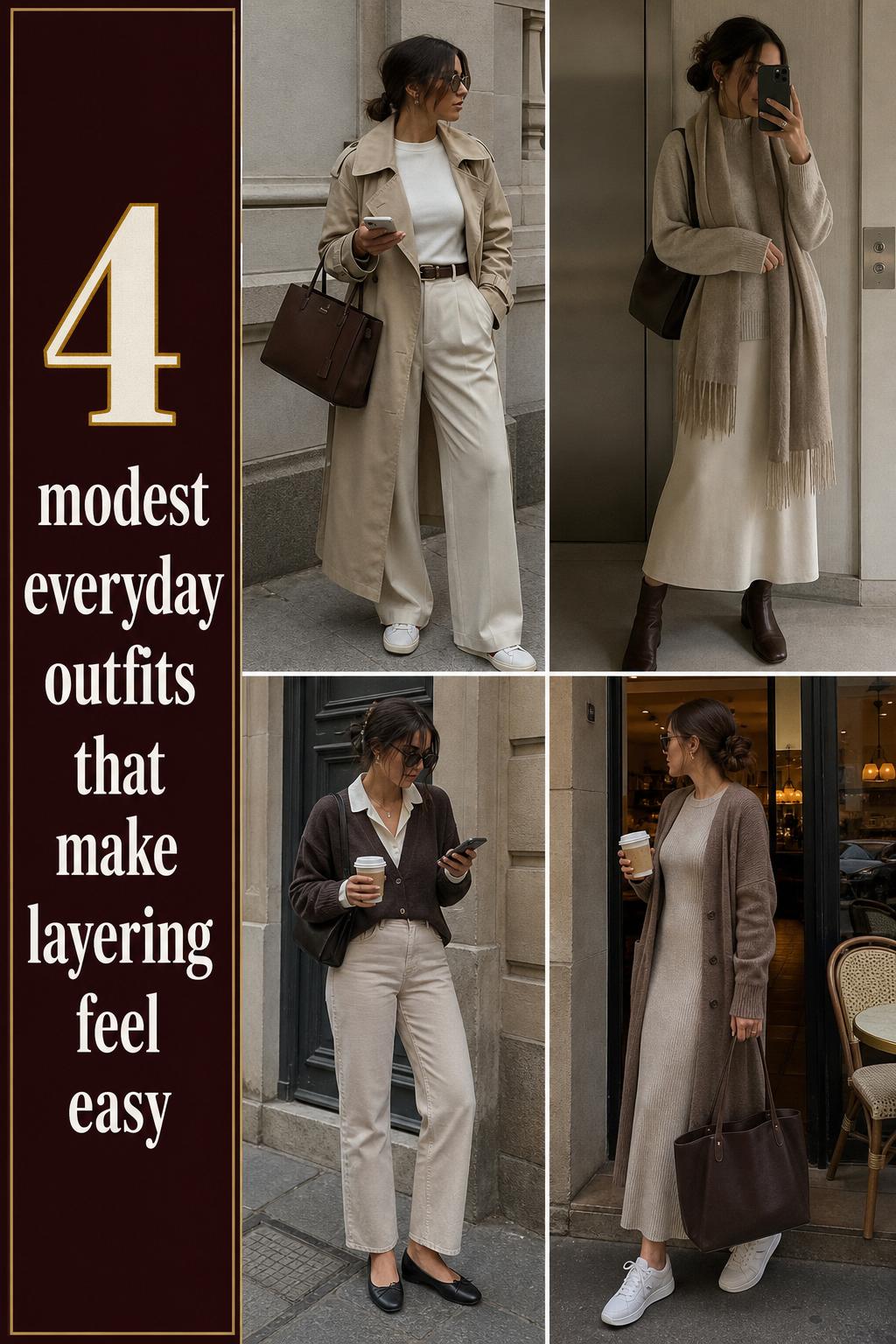
Before outfit inspiration gets interesting, the foundation has to be solid. The recurring basics across modest clothing ideas are consistent for a reason: they layer well, they work across seasons, and they can be dressed up or down without losing their shape. Long-sleeve tees, blouses with sleeves, midi skirts, wide-leg pants, straight-leg pants, lightweight sweaters, and knit dresses create a wardrobe that supports both ease and variety.
- Long-sleeve tees in soft cotton for layering under knits, cardigans, or outerwear
- Blouses with sleeves for work, errands, and dressy casual settings
- Midi skirts that move easily and pair well with both flat shoes and boots
- Wide-leg pants for relaxed structure and comfortable coverage
- Straight-leg pants when you want a slightly sharper line
- Mid-length dresses and ribbed knit dresses for one-piece simplicity
- Lightweight sweaters and cardigans for seasonless layering
Fabric matters just as much as shape. Cotton keeps basics breathable. Linen helps in warmer weather, especially when you still want coverage. Wool blends and soft knits make cooler outfits feel refined rather than bulky. When these pieces are chosen in easy-to-repeat shades, getting dressed becomes faster because every item naturally works with the next.
Style tip: if your wardrobe feels repetitive, the issue is often not the number of clothes but the lack of variety in texture. Two modest outfits in the same color can feel completely different when one uses smooth cotton and the other combines ribbed knits, a woven skirt, and structured outerwear.
Look: soft neutral layers for work and errands
This is the kind of outfit that handles a full day without asking much from you. The mood is calm, clean, and effortlessly polished, with a silhouette that feels easy rather than stiff. A long-sleeve tee or blouse sits close to the body, while a midi skirt creates movement below. Over the top, a lightweight cardigan or soft knit brings gentle structure and just enough warmth for office air conditioning, a quick grocery stop, or a casual lunch in between.
The palette works best in tonal neutrals that keep the outfit looking intentional: cream, stone, oatmeal, muted taupe, or soft gray. Cotton or linen underlayers keep the base light, while a ribbed knit cardigan adds texture. Simple shoes and a practical bag keep the outfit grounded. If you want a little extra shape, a belt can define the waist without taking away from the modest line.
What makes this combination work is the contrast between fluidity and neatness. The skirt brings softness, the top keeps the upper half clean, and the layer on top makes the whole outfit feel complete. If your day starts at work and ends with errands, this kind of modest outfit gives enough polish for both without needing a full change.
Easy ways to elevate the look
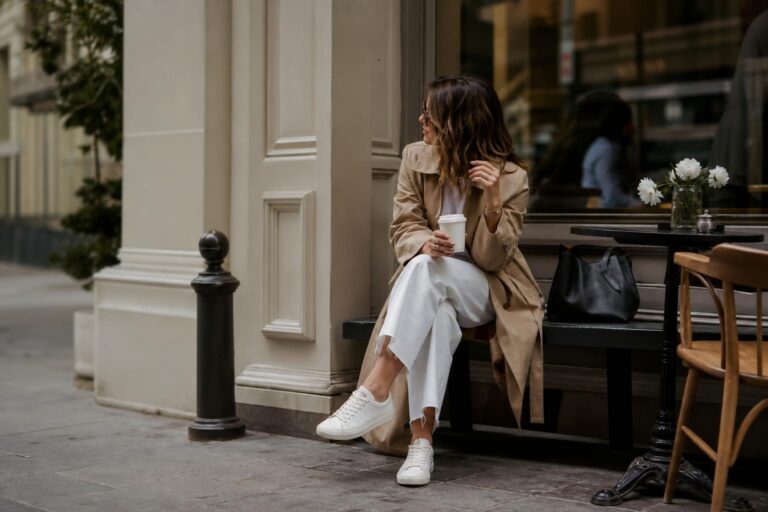
A scarf, a structured bag, or a slightly more refined shoe can shift this outfit from purely practical to quietly elevated. If the skirt feels too dressy for your routine, swap it for wide-leg pants in a similar tone and keep the cardigan. The visual effect stays soft and cohesive, but the mood becomes even more relaxed.
Look: relaxed city minimalism
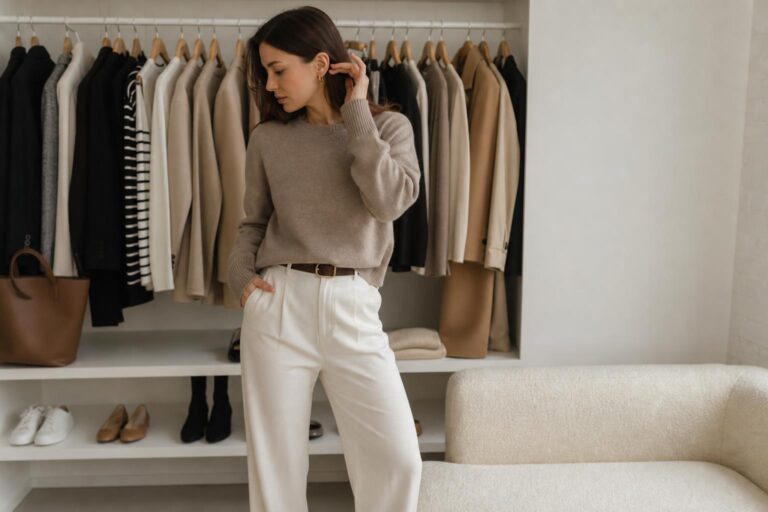
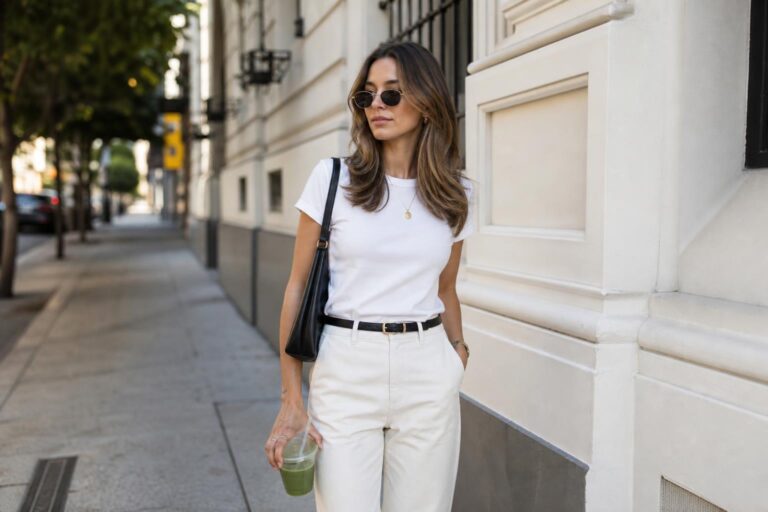
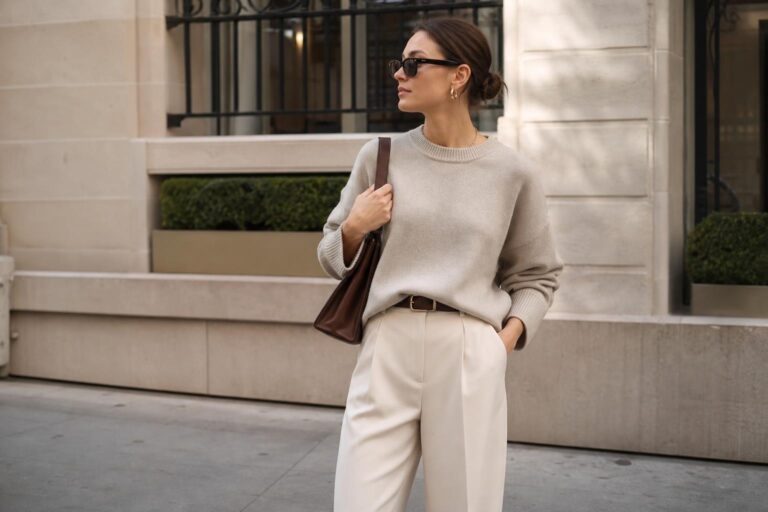
For days when you want modest casual outfits that feel current, wide-leg pants and a lightweight sweater create that model-off-duty energy without losing wearability. The silhouette is long and balanced, with volume through the legs and a smoother line on top. It feels especially right for commuting, casual meetings, museum afternoons, or a coffee run in a city setting where comfort matters but you still want to look composed.
Choose wide-leg pants in a fabric that drapes well rather than clings. Pair them with a soft knit or long-sleeve top in cotton or a wool blend, then add a structured outerwear layer if the weather calls for it. Monochrome layering or tonal combinations make the outfit feel cleaner and more modern. Leather accents in shoes or a bag help sharpen the softness of the knit.
The reason this silhouette works so well in modest fashion is that it creates coverage without looking heavy. A wider leg gives space and movement, while the fitted or neatly tucked top prevents the outfit from becoming shapeless. If you prefer a little more coverage at the hip, a longer cardigan or jacket can extend the line beautifully.
Look: knit dress simplicity with thoughtful layering
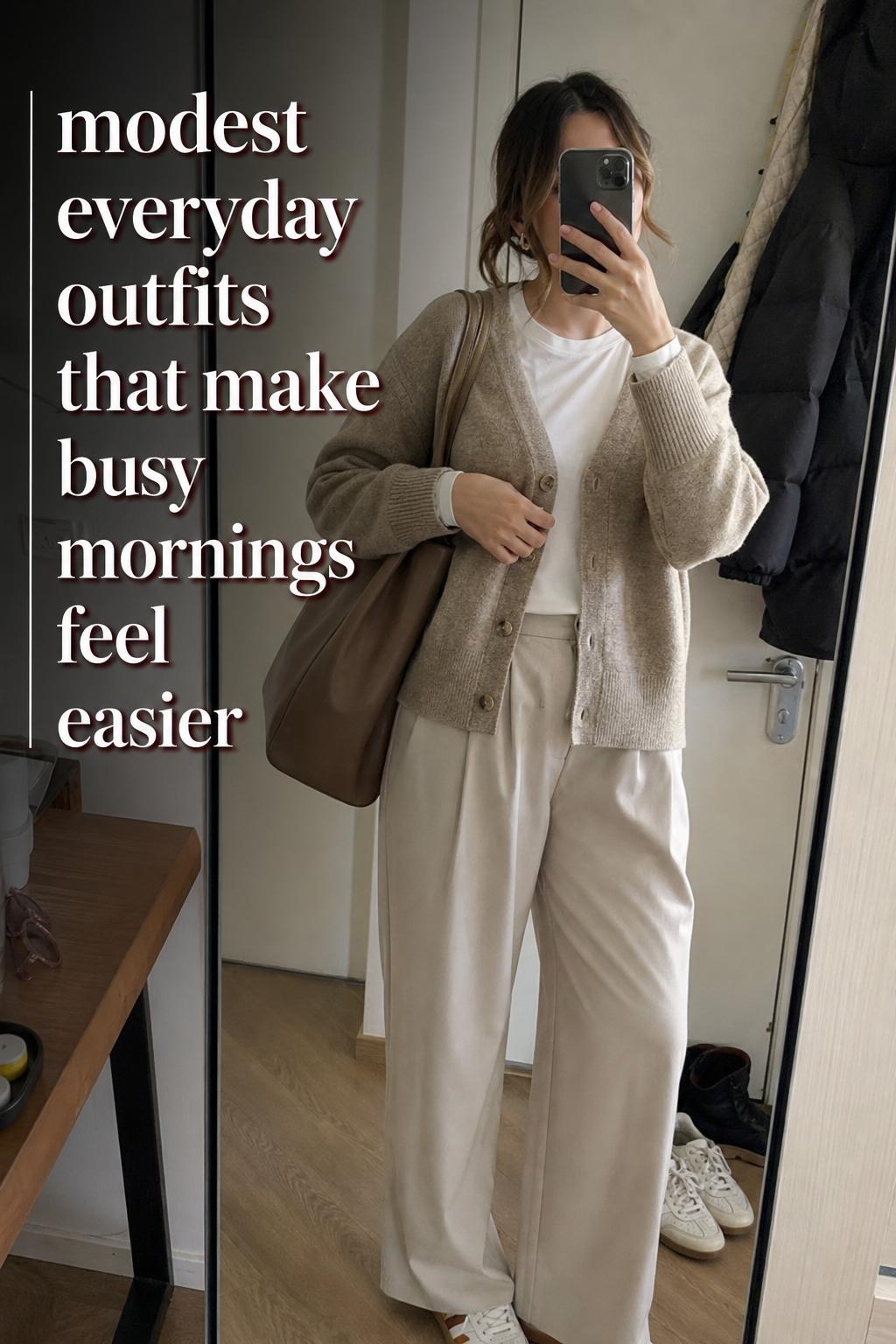
Some modest everyday outfits are most effective when they start with one piece. A mid-length or ribbed knit dress creates an easy base that already feels put together, then layering turns it into something more personal. The mood here is cozy but refined, ideal for cooler mornings, casual office days, or a dinner plan that comes after a regular afternoon.
A knit dress in a neutral tone pairs well with a cardigan, a sweater draped over the shoulders, or more structured outerwear when you want a sharper finish. Wool blends and ribbed textures add depth, especially if the rest of the palette stays simple. Shoes can change the direction quickly: flat styles keep it practical, while boots bring a more autumn-ready feel. Add a bag and, if you like, a scarf to reinforce the layered look.
This outfit works because it reduces visual clutter. Instead of managing separate top and bottom proportions, the dress creates one continuous line. The outer layer then becomes the main styling tool. If the dress feels too body-aware on its own, an open cardigan or slightly oversized sweater immediately softens the outline.
How to make the look more wearable
If knit dresses sometimes feel too polished for daytime, keep the accessories casual and practical. A simpler bag, softer cardigan, and everyday shoes make the outfit feel ready for errands and daytime movement rather than only for an event.
Look: warm-weather modest dressing that still feels light
One of the most common style challenges with modest everyday outfits is summer dressing. You want coverage, but you do not want to feel overheated or weighed down. The best answer is not adding random layers. It is choosing breathable fabrics and lighter silhouettes that already do most of the work. Think long sleeves in linen or soft cotton, airy midi skirts, and dresses that skim the body instead of holding onto it.
A light blouse with sleeves and a flowing midi skirt creates an outfit that looks fresh without sacrificing modesty. A long-sleeve tee in lightweight cotton can also work with wide-leg pants in linen for a softer, more casual direction. Neutral tones tend to look especially clean in warm weather, and they make repeated layering feel less visually busy. If you wear hijab-friendly modest outfits, color coordination becomes even more important, since keeping tones close can make the whole silhouette feel cooler and more streamlined.
The success of warm-weather layering comes from restraint. Heavy knits or thick underlayers can make the outfit look and feel cumbersome. A lighter fabric mix creates airflow and keeps the modest line natural. This is one area where simple styling often looks best because the fabric behavior carries the look.
- Choose cotton and linen first when planning summer coverage
- Keep the base silhouette loose rather than adding bulk through extra layers
- Use tonal combinations to make covered-up outfits feel visually lighter
- Let accessories stay minimal so the outfit keeps its airy mood
Look: cooler-day layering with texture contrast
When the weather turns, modest dressing becomes easier in some ways because layering is naturally part of the season. The risk is bulk. A strong cold-weather outfit keeps the coverage but still shows shape through proportion. A long-sleeve top under a sweater, paired with straight-leg pants or a midi skirt, creates a practical base. From there, cardigans and structured outerwear help define the line.
Wool blends, soft knits, and heavier cottons are useful here because they layer smoothly and add visual richness. A ribbed knit against a smoother skirt fabric immediately creates interest. If the palette stays tonal, the outfit feels relaxed yet sophisticated rather than busy. Scarves can become part of the silhouette, especially in outfits where the outerwear is simple and the texture needs a little more dimension.
Texture contrast is what keeps cooler modest outfits from feeling flat. A knit over a woven bottom, or a smooth blouse under a chunky cardigan, gives the eye somewhere to rest. If you want to avoid a bulky finish, keep only one piece oversized and let the rest stay clean and close to the body.
Look: weekend ease with denim-inspired comfort
Some everyday modest outfits need to feel as easy as possible without sliding into carelessness. This is where the knit-and-denim mood often comes in. Editorial-style modest outfit ideas frequently return to that mix because it is comfortable, approachable, and simple to adapt. The setting could be a casual campus day, a family outing, a neighborhood lunch, or an easy Sunday that includes both relaxing and moving around.
A sweater or long-sleeve top paired with jeans or a similarly casual bottom creates that grounded feeling. If denim is part of your regular wardrobe, keeping the top slightly more refined helps the look stay intentional. Layer with a cardigan or light outerwear if needed, and keep accessories straightforward. Neutral shoes and a practical bag maintain the understated line.
This combination works because it draws from familiar pieces but adjusts the balance. Instead of tight shapes or overly cropped layers, the modest version keeps the line smoother and more relaxed. It is also one of the easiest outfits to recreate from basics you already own, which is why it tends to become a repeat favorite.
Look: hijab-friendly styling with coordinated tones
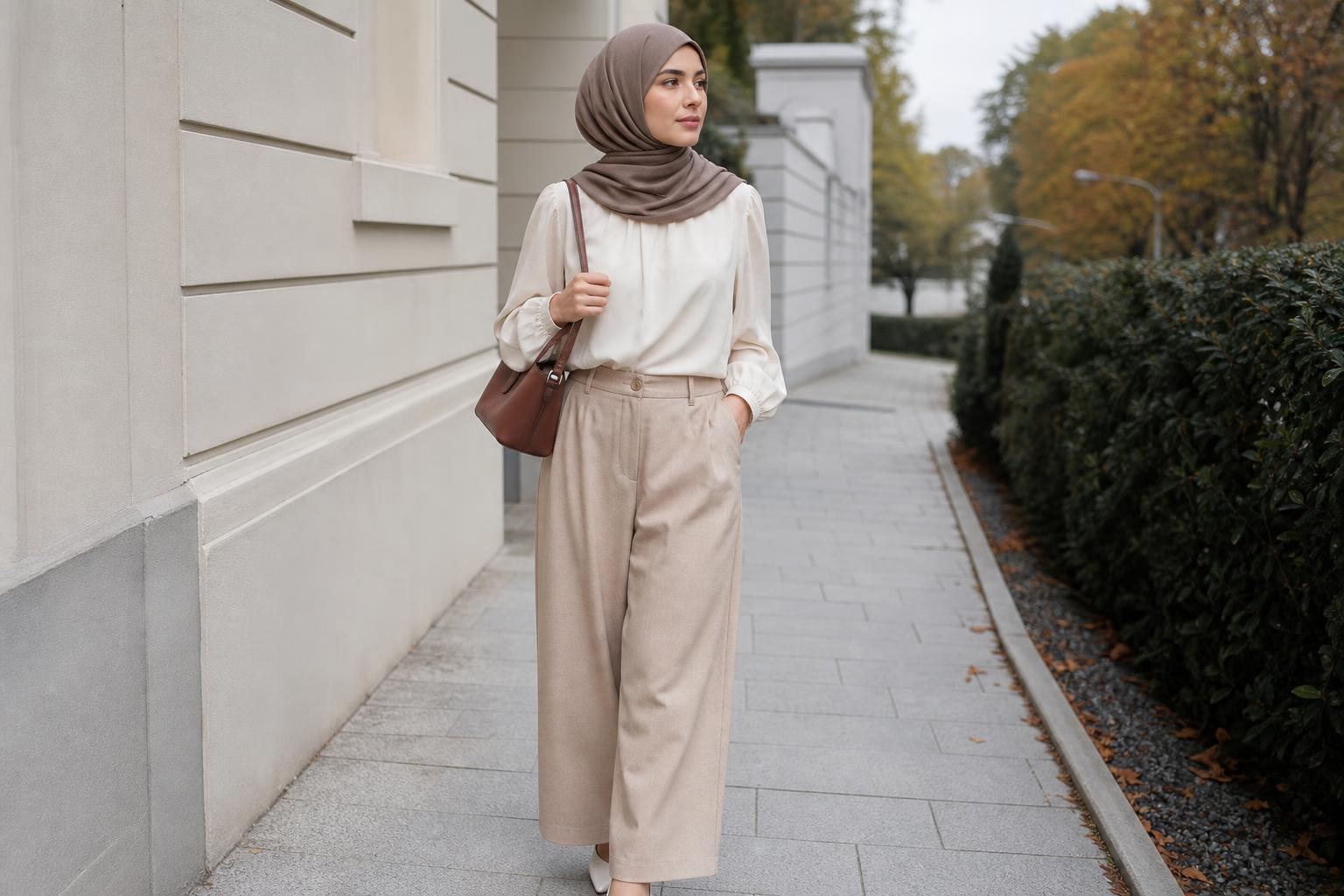
Hijab-friendly modest outfits often stand out because they rely on cohesion. The silhouette tends to be fluid, covered, and calm, with enough structure to feel complete from head to toe. This kind of outfit is especially effective for everyday wear because it simplifies decision-making: once the palette and line are clear, the rest falls into place. It works well for daily routines, social visits, casual work settings, and any day when you want comfort with a polished finish.
Neutral-toned pieces, ribbed knit dresses, loose silhouettes, and comfortable fabrics are recurring choices for a reason. They make coordination easier and help the outfit feel balanced rather than crowded. When the hijab relates closely to the outfit palette, the result is soft and streamlined. Footwear and bag choices can then add personality without disrupting the overall mood.
The strongest part of this styling approach is that it treats color as structure. Instead of relying only on shape, it uses tonal harmony to keep the outfit clean. If you want more contrast, choose it through fabric texture rather than through too many competing shades. That keeps the overall look modest, practical, and easy to wear repeatedly.
Why this aesthetic works
Coordinated tones reduce visual interruption. That matters in covered-up dressing because layered silhouettes can quickly feel heavy if every element competes for attention. By keeping the color story focused, the outfit feels more refined and more comfortable to style day after day.
Accessories that lift the outfit without overdoing it
Accessories often decide whether a modest outfit feels purely functional or thoughtfully finished. The goal is not excess. It is choosing a few pieces that support the clothing’s shape and mood. Shoes, bags, belts, and scarves are especially effective because they add contrast and polish without interrupting coverage.
A scarf can soften a structured outfit or add warmth to knit-based looks. A belt can define a looser dress or cardigan when you want more shape. Shoes can shift the mood more than people expect: flatter, simpler options make the outfit feel practical and relaxed, while a more structured shoe can bring it closer to workwear. Bags matter too, particularly in neutral wardrobes, because they can add subtle leather detail and visual weight.
- Use scarves to add softness and a finished line to simple layers
- Choose belts only when the outfit needs definition, not by default
- Let shoes set the tone between casual, polished, and dressy casual
- Keep bags practical enough for daily wear so the outfit stays realistic
If your modest wardrobe already leans neutral, accessories are also where you can create gentle contrast. A bag with leather accents, a textured scarf, or a more structured shoe can make elevated basics feel intentional without changing the core simplicity of the outfit.
How to build a modest wardrobe that lasts
The most wearable modest wardrobes are built for repetition. Instead of chasing constant novelty, they focus on versatile pieces that can move between work, errands, casual meetups, and seasonal transitions. This is why so many practical guides return to wardrobe longevity: if the basics fit well, layer well, and hold up over time, getting dressed becomes easier and your outfits become more consistent.
Durability starts with fabric choice. Cotton, linen, knits, and wool blends all appear often because they support everyday styling and different climates. Versatility comes from silhouette. A midi skirt should work with both a blouse and a sweater. Wide-leg pants should feel right with a simple tee, a cardigan, or more structured outerwear. A knit dress should function on its own or with layers. When every piece has at least two or three styling paths, the wardrobe feels larger than it is.
Color also matters. A cohesive palette does not mean every item has to match perfectly, but it should allow easy pairing. Tonal combinations and monochrome layering are especially useful in modest dressing because they create cleaner silhouettes. That visual continuity helps layered outfits feel refined instead of random.
Key pieces that define the style
- One or two dependable midi skirts in easy-to-style tones
- Wide-leg or straight-leg pants that work across casual and work settings
- Several long-sleeve tops in breathable cotton
- Lightweight sweaters and cardigans for layering in every season
- A knit dress or mid-length dress that can be styled multiple ways
- Accessories that add polish without making daily dressing harder
Practical outfit planning for real life
One reason people struggle with modest everyday dressing is that they build outfits only for ideal moments. Real life usually asks for more. An outfit may need to work for a morning commute, a cool office, an afternoon outside, and a quick store stop before heading home. Planning around those mixed settings is what makes a modest wardrobe genuinely useful.
A practical approach is to start with a stable base and then add one adaptable layer. For example, a blouse and wide-leg pants can become work-appropriate with a cardigan, then feel softer and more casual once the cardigan comes off. A knit dress can work through changing temperatures with a lightweight sweater or structured outerwear. A midi skirt and long-sleeve tee can shift from errands to a casual dinner with a shoe change and a better bag.
This is also where many elevated basics prove their value. A wardrobe built around repeatable shapes means fewer styling mistakes and less rushing. It is easier to look polished when your pieces already belong to the same silhouette family.
Tips for making simple outfits feel more dimensional
- Mix at least two textures, such as cotton with ribbed knits or linen with smoother tailoring
- Use tonal combinations instead of stark contrast for a softer, cleaner line
- Balance one looser piece with one neater piece so the silhouette stays intentional
- Add one accessory with structure, such as a bag or shoe, when the clothing feels very soft
Where US-based modest fashion inspiration often lands
In the U.S., modest fashion often sits at the meeting point of practicality and editorial styling. New York comes up naturally in this conversation because it reflects a pace of dressing that values layers, comfort, and polish all at once. Lina Mahiar, with her FIT background and New York context, represents that more styled but still wearable interpretation of modest outfits: easy pieces, modern proportions, and everyday combinations that still feel current.
There is also a more shopping-oriented side of the conversation, where readers look to places like Zalando and New Look for accessible references tied to basics and outfit building. Even when brand mentions are limited, they point to a practical mindset. People want ideas they can actually translate into daily wear, not only admire from a distance.
That is why modest everyday style in a U.S. context often centers on repeatable combinations rather than dramatic styling. Work and errands are part of the same outfit conversation. Casual modest looks still need to feel current. Layering is not just visual; it is functional. And whether the influence is city minimalism, editorial street-style energy, or hijab-friendly coordination, the common thread is real-life wearability.
Common styling mistakes that can make modest outfits feel heavier than they need to
Modest dressing becomes most flattering when it respects movement and proportion. The most common issue is not too much coverage. It is too much weight in every part of the outfit at once. Thick layers over heavy fabrics, combined with no clear shape, can make even beautiful pieces feel cumbersome.
Another common mistake is ignoring the role of fabric. A modest silhouette in breathable cotton or linen can feel light and easy, while the same shape in stiffer or heavier materials may lose fluidity. The same goes for color. If every layer is high contrast, the outfit can feel chopped up. Tonal dressing and monochrome layering often solve that by creating one cleaner visual line.
There is also the temptation to over-accessorize simple outfits in an effort to make them more interesting. Usually, one considered accessory does more than several competing ones. A scarf, a shoe with structure, or a good bag is often enough. Modest style tends to look strongest when the silhouette leads and the accessories support.
What stylists typically recommend
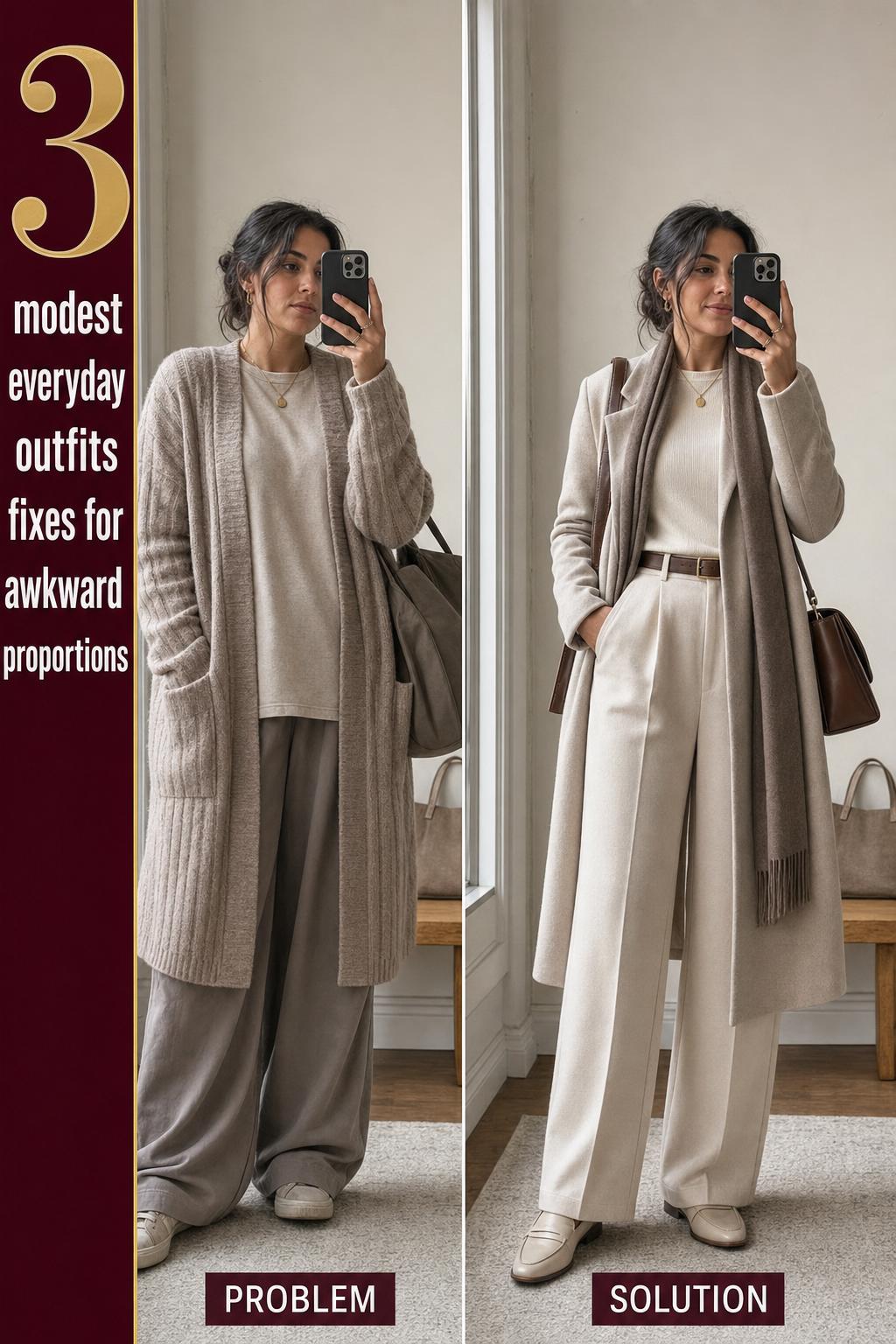
Start by deciding where the volume should live. If the skirt or pants are wide, keep the top neater. If the sweater is oversized, let the lower half stay cleaner. This single decision creates more balance than adding extra details later.
Adapting the same modest aesthetic across occasions
The beauty of modest everyday outfits is how easily they move across settings when the foundation is right. A work look and a weekend look may use many of the same pieces, but the styling choices shift the mood. A blouse with sleeves and straight-leg pants reads more office-ready with structured outerwear and a polished bag. The same pants can feel more casual with a soft knit and simpler accessories.
Dressy casual moments also fit naturally into this wardrobe. A knit dress, a midi skirt with a refined blouse, or tonal wide-leg pants with a more elegant sweater all work for social dinners, casual gatherings, and semi-formal settings that do not require an entirely separate wardrobe. The key is usually the fabric finish and the accessories, not a complete change in silhouette.
This kind of flexibility is why modest wardrobe staples are worth investing attention in. When the clothing already supports coverage, comfort, and proportion, adapting it becomes a matter of styling rather than starting over.
Final styling perspective
Modest everyday style resonates because it solves a real need while still leaving room for personality. It offers comfort without carelessness, coverage without stiffness, and polish without forcing a dramatic wardrobe shift. The most successful outfits are usually the simplest ones: a good skirt, a dependable knit, wide-leg pants that drape well, a dress that layers beautifully, and accessories that know when to stay quiet.
That is what makes this aesthetic so wearable. It works for work, errands, warm afternoons, cool mornings, city days, and quiet routines. Whether your version leans toward neutral layering, hijab-friendly coordination, or clean editorial minimalism, the strength of the look is always the same. It feels considered, grounded, and easy to live in.
The best way to make it your own is to begin with the shapes you naturally repeat, then refine them through fabric, color, and layering. From there, modest fashion stops feeling like a category and starts feeling like your everyday uniform in the best sense.
FAQ
What counts as modest everyday style?
Modest everyday style usually refers to outfits that prioritize coverage, comfort, and personal ease while still looking polished. That can include long sleeves, mid-length hemlines, loose silhouettes, and layering, but the exact definition varies by personal preference and daily context.
How can I make modest everyday outfits look stylish instead of plain?
Focus on texture, proportion, and color harmony rather than trying to add too many statement details. A simple outfit becomes more refined when it combines fabrics like cotton, linen, or ribbed knits, uses balanced silhouettes such as a neat top with wide-leg pants, and keeps the palette tonal or cohesive.
What are the best wardrobe staples for modest daily dressing?
Reliable staples include long-sleeve tees, blouses with sleeves, midi skirts, wide-leg pants, straight-leg pants, lightweight sweaters, cardigans, and mid-length or knit dresses. These pieces work well because they layer easily and can move between work, errands, and casual social settings.
How do I layer modestly without adding bulk?
Use lighter base layers and let only one part of the outfit carry volume. For example, pair a smooth long-sleeve top with a cardigan and wide-leg pants, or a knit dress with one outer layer. Breathable fabrics and tonal combinations also help layered outfits feel cleaner and less heavy.
What fabrics work best for modest outfits in warm weather?
Cotton and linen are especially useful in warm weather because they provide coverage without feeling overly heavy. Lightweight versions of long-sleeve tops, airy skirts, and loose dresses usually work better than trying to create modesty through thick extra layers.
Can modest outfits work for both office days and errands?
Yes, and that is one of their biggest strengths. Pieces like blouses with sleeves, midi skirts, and wide-leg pants can be styled with a cardigan or structured outerwear for work, then worn more casually later in the day with simpler accessories or lighter layering.
How do accessories change the mood of modest outfits?
Accessories shape the finish of the outfit more than the core clothing usually does. Shoes can make a look feel more casual or more polished, scarves can soften simple layering, and bags with subtle structure or leather accents can give elevated basics a more intentional feel.
What makes hijab-friendly styling feel cohesive?
Hijab-friendly styling often feels most cohesive when the outfit uses coordinated tones, fluid silhouettes, and comfortable fabrics. Keeping the color story focused helps layered looks appear streamlined, while texture can provide interest without making the outfit feel crowded.
How can I build a modest wardrobe that lasts?
Choose versatile pieces in durable fabrics that can be styled several ways across seasons and occasions. A lasting wardrobe usually relies on repeatable silhouettes, practical layers, and a cohesive palette so that getting dressed feels easy and the same pieces continue working over time.
Finish the look
The little extras that make a summer outfit feel complete
From beach days to city weekends, these easy pieces bring comfort, texture, and a polished finishing touch.

FENBEN
Straw Hobo Crossbody Bag
A handwoven straw bag with both short and crossbody straps—an effortless finishing touch for vacation looks and warm-weather outfits.
Shop the bag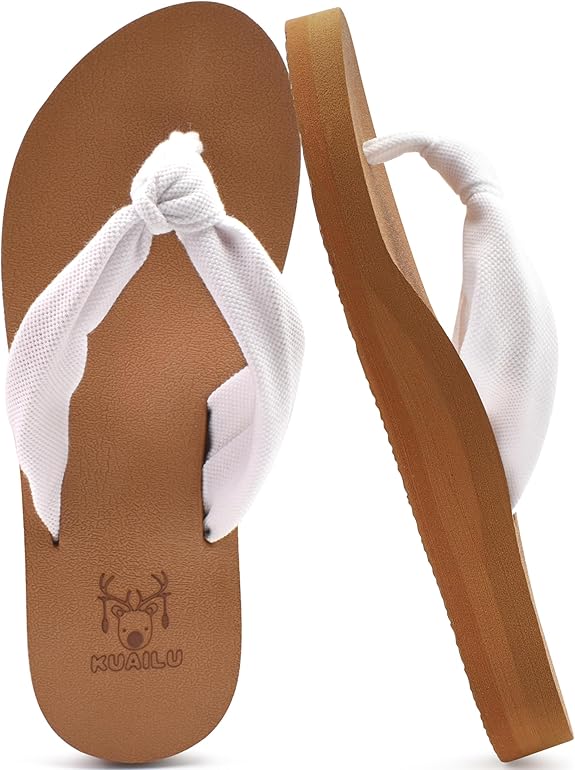
KuaiLu
Flip Flops with Arch Support
Cushioned, lightweight sandals with supportive arch design—a practical choice for beach trips, errands, and long summer walks.
Shop the sandals
baleaf
Athletic One-Piece Swimsuit
A functional one-piece with adjustable straps and moderate coverage, designed for swimming, training, surfing, and active beach days.
Shop the swimsuit
Astylish
Linen-Cotton Button-Down Shirt
A relaxed cotton-linen shirt with a collared V-neck and roll-up sleeves—easy to style over swimwear or with denim and shorts.
Shop the shirt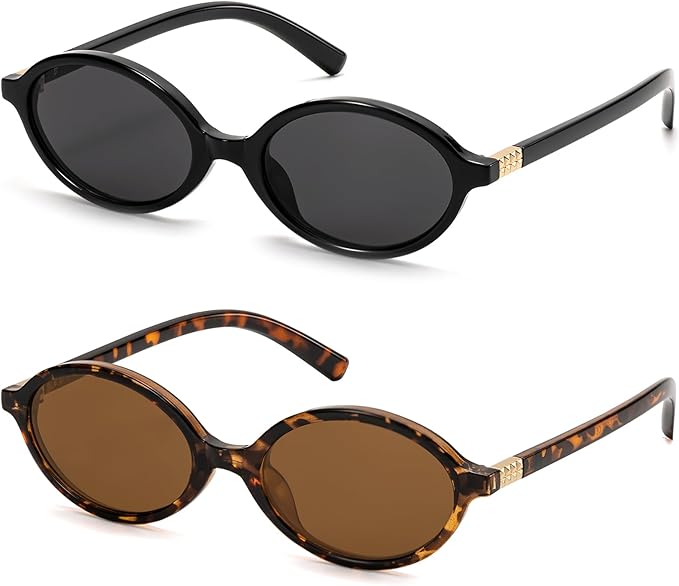
ViewJoy
Retro Oval Sunglasses
Small oval sunglasses with a 90s-inspired silhouette and UV400 lens protection—a quick way to add a vintage edge to everyday looks.
Shop the sunglasses
Affiliate disclosure: This section contains affiliate links. If you make a purchase through these links, I may earn a commission at no additional cost to you. Product selection, pricing, availability, and delivery terms may change—please review the current details on Amazon before purchasing.
As an Amazon Associate I earn from qualifying purchases.