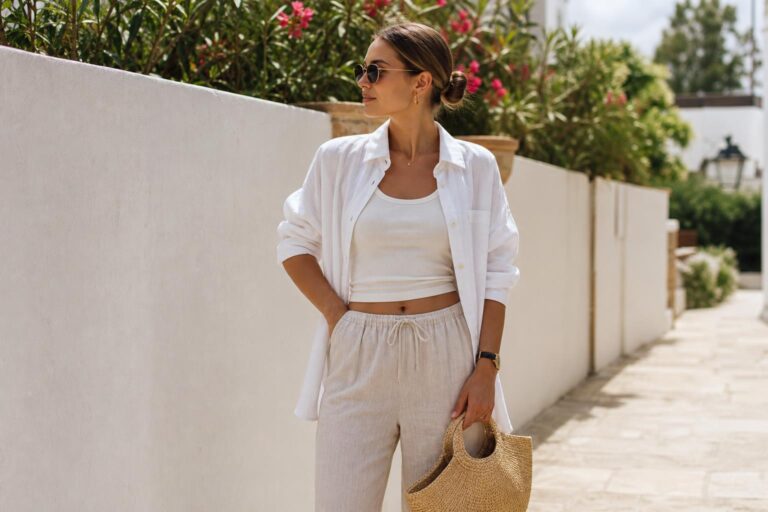
Modern Fashion Capsule Wardrobe for Polished Everyday Style
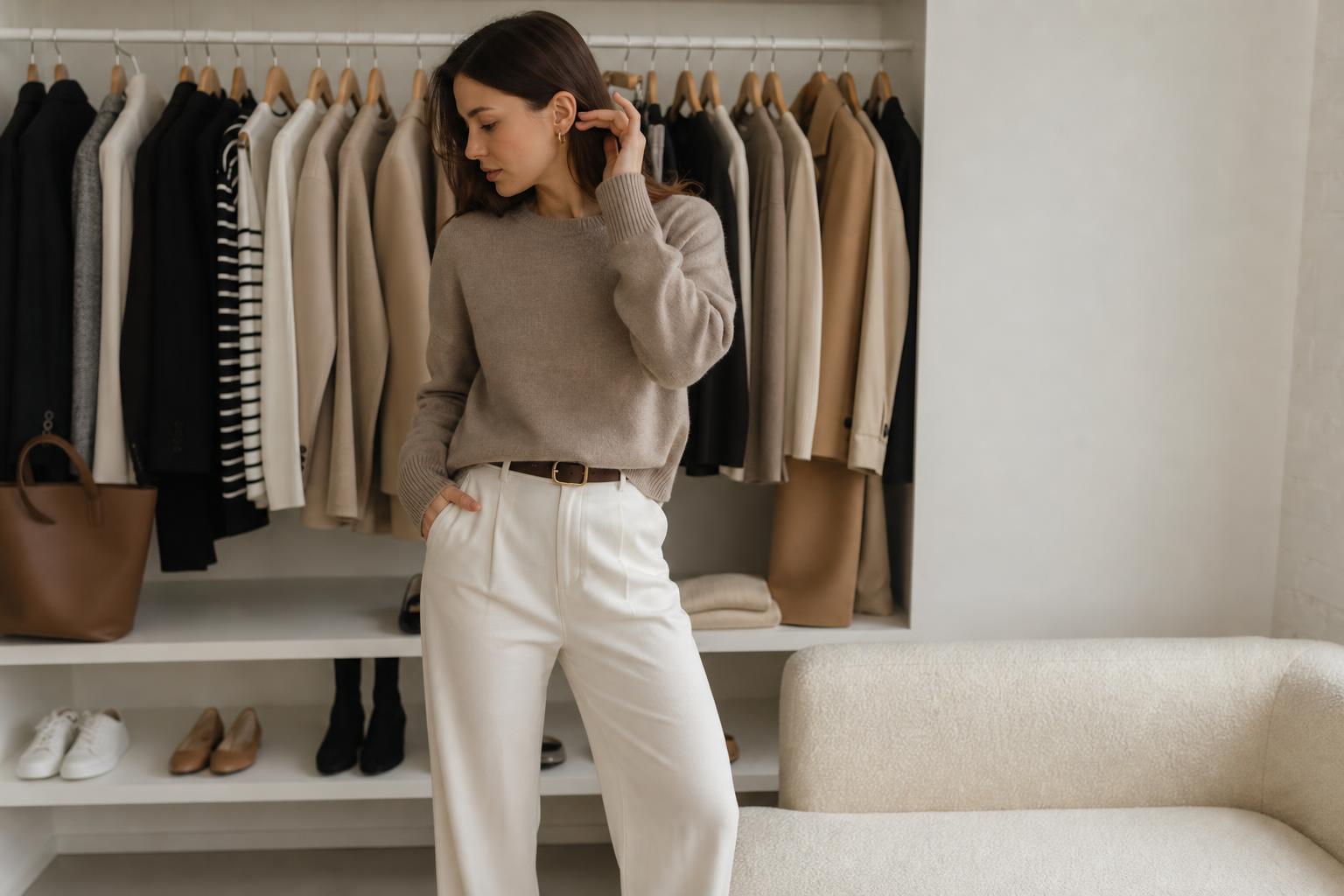
The appeal of a fashion capsule wardrobe usually becomes obvious on a rushed weekday morning: a closet full of clothes, but very few outfits that feel easy, polished, and right for real life. A good capsule changes that. Instead of relying on random trend pieces or overbuying each season, it creates a small, intentional system of basics that work together—tees, jeans, coats, knitwear, dresses, and shoes that can be mixed into many looks without feeling repetitive. That is why the idea has stayed relevant across brand pages from COS and Free People to editorial guides from Harper’s Bazaar, Who What Wear, and Woman & Home.
At its best, a capsule wardrobe is not restrictive or bland. It is a practical wardrobe strategy built around versatility, longevity, and personal style. It can be minimal, but it can also feel soft, elevated, relaxed, or modern depending on your silhouette preferences, color palette, lifestyle, and climate. The real goal is not owning the fewest pieces possible. The goal is owning the right pieces and wearing them often.
Why the capsule wardrobe still matters
The traditional definition is simple: a capsule wardrobe is a curated set of clothing designed to mix and match easily. Many modern guides suggest a range of roughly 25 to 50 items, while some simplify the concept into a 30-piece capsule that can create more than 100 outfits. Harper’s Bazaar also connects the idea to Donna Karan’s “Seven Easy Pieces,” which remains an important origin point because it framed fashion around flexible, repeatable essentials rather than constant novelty.
The Fashion-Note Edit
Five effortless pieces to refresh your everyday wardrobe
A polished, practical edit for workdays, weekends, and everything in between.

The Drop
Women’s Blake Long Blazer
A longline, tailored blazer with a notched collar and a single-button closure—an easy layer for denim, dresses, or office-ready looks.
Shop the blazer
Amazon Essentials
Women’s Lightweight Crewneck
A soft, lightweight sweater with a clean crew neckline—the kind of reliable layer that works from cool mornings to air-conditioned spaces.
Shop the sweater
Amazon Essentials
Women’s Loafer Flat
A classic flat loafer that gives casual outfits a more polished finish and pairs naturally with tailored pants, skirts, and straight-leg jeans.
Shop the loafers
Levi’s
Women’s 501 90s Jeans
A relaxed, vintage-inspired take on the iconic 501 silhouette—made for an easy, lived-in look without the thrift-store search.
Shop the jeans
Colorfulkoala
High-Waisted 7/8 Leggings with Pockets
Soft, four-way-stretch leggings with side pockets and a high-rise waistband—designed for movement, errands, and off-duty comfort.
Shop the leggings
Affiliate disclosure: This section contains affiliate links. If you make a purchase through these links, I may earn a commission at no additional cost to you. Product selection, pricing, availability, and delivery terms may change—please review the current details on Amazon before purchasing.
As an Amazon Associate I earn from qualifying purchases.
That logic still works now because daily dressing has not become simpler. Most people still need clothes that move between casual mornings, work settings, dinner plans, travel days, and seasonal shifts. A capsule wardrobe helps reduce decision fatigue, supports more conscious consumption, and gives your closet a clearer visual identity. It also makes shopping easier because every new piece has to earn its place by working with what you already own.
Your wedding style is personal.
Your plan should feel that way, too.
Zarellea keeps your guest list, budget, vendors, and every next step beautifully organized — so you can focus on the moments that feel like you.
There is also a style benefit that is easy to miss until you try it: repeated coordination tends to make outfits look more expensive. A wardrobe built around consistent shapes, materials, and colors creates visual harmony. A structured coat over straight-leg denim and a simple knit often looks more refined than a louder outfit with no clear line or balance. This is one reason anti-trend capsule conversations, including those highlighted by Who What Wear, continue to resonate.
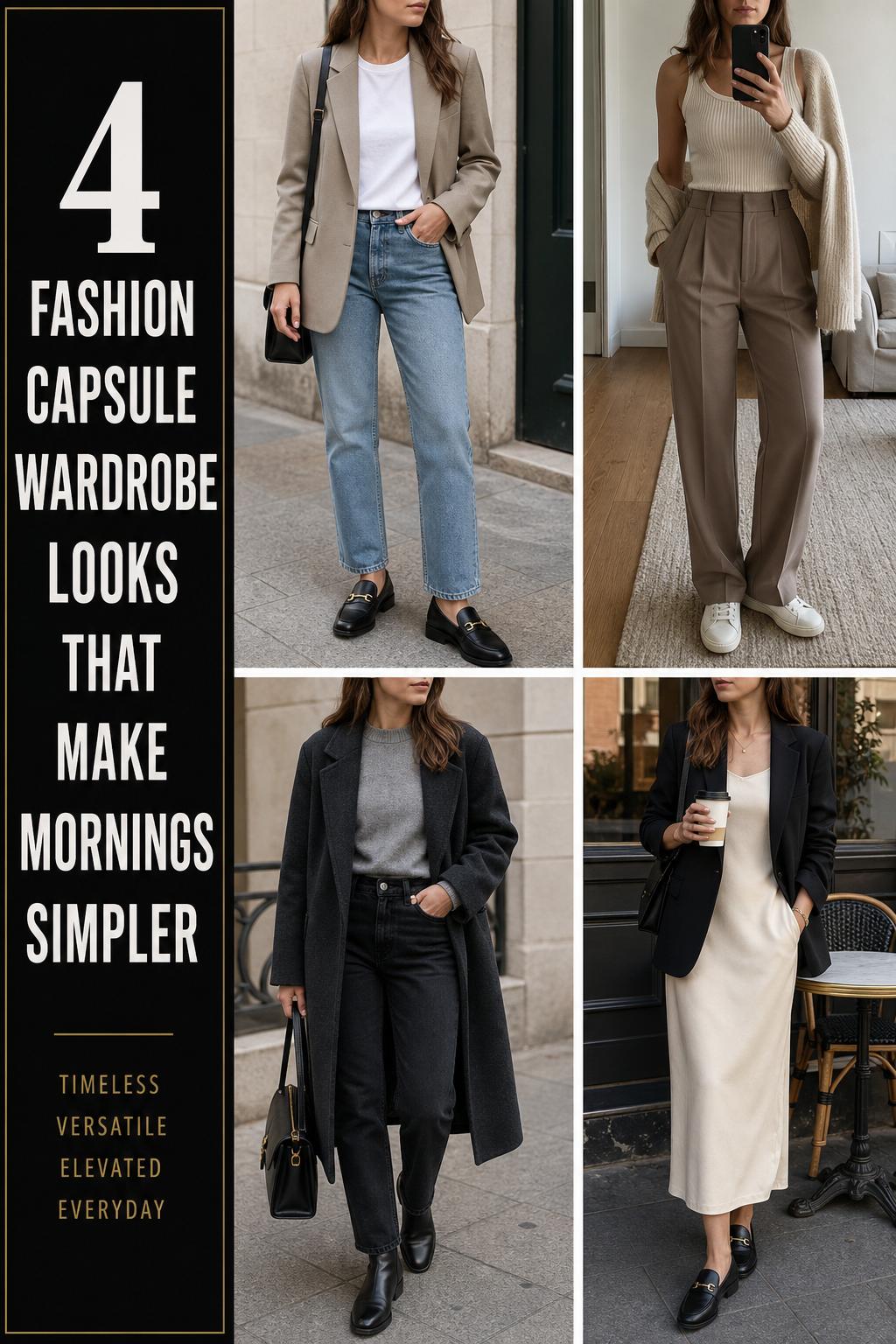
The core of a timeless fashion capsule wardrobe
Most capsule wardrobes revolve around a familiar group of essentials. The exact count can vary, but the categories stay consistent: tops, bottoms, outerwear, dresses, knitwear, shoes, and a few accessories. Brand-led examples from COS, Three Dots, and Free People all reinforce the same idea—interoperable basics matter more than one-off statement items.
- T-shirts and tanks in easy neutral shades
- Jeans, especially straight-leg or other clean everyday denim shapes
- Trousers or another polished bottom for workwear balance
- Knitwear such as sweaters or cardigans
- A tailored coat, blazer, or practical outerwear layer
- A dress that can shift between casual and slightly elevated settings
- Comfortable shoes like sneakers or loafers
- A few accessories that finish outfits without overwhelming them
Materials matter almost as much as the item itself. Cotton, wool, denim, silk, cashmere, and merino show up repeatedly in capsule conversations because they add texture, comfort, and staying power. COS, for example, frames the capsule through fabric-led staples such as silk T-shirts, cashmere T-shirts, ribbed cotton tanks, jeans, and outerwear. That fabric mix is useful because it creates quiet variation even when the palette is restrained.
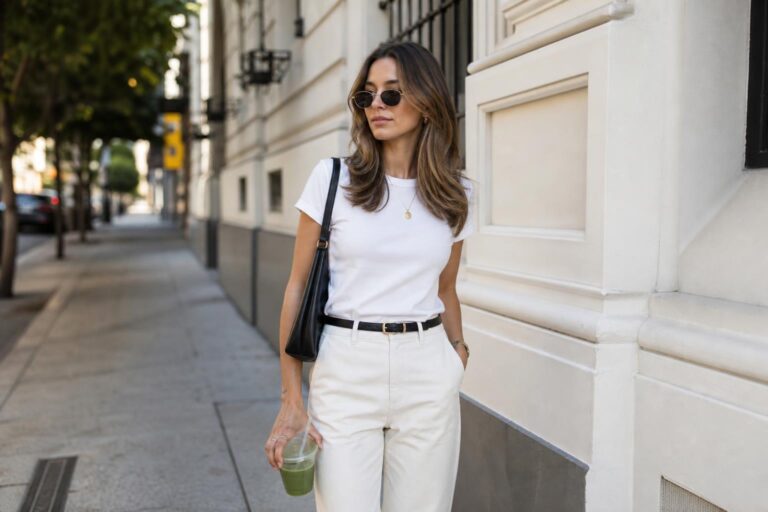
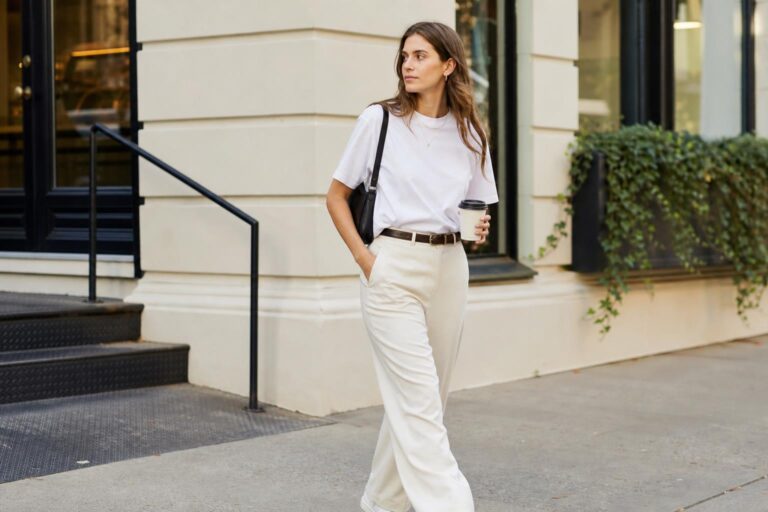
A white or cream tee, dark denim, and a tailored coat may sound simple, but simplicity is exactly what gives a capsule flexibility. The same tee can work under a blazer for daytime, under knitwear on colder days, or with a dressier coat and loafers when you want to look a little more put-together without trying too hard.
How to choose pieces that actually earn repeat wear
The strongest capsule pieces are the ones that solve more than one problem. A straight jean that works with sneakers, loafers, and boots will get more wear than a difficult silhouette that only suits one shoe. A coat with clean shoulders will elevate knitwear and denim instantly. A ribbed tank can layer under shirts, cardigans, and jackets while also standing alone in warm weather. Versatility often comes down to shape, not just color.
Fit should be treated as part of styling, not an afterthought. If you prefer oversized tops, pair them with slimmer or straighter bottoms to keep the silhouette intentional. If you love wide trousers or fuller skirts, a more fitted knit or tucked tee usually creates cleaner balance. This is the kind of micro decision that makes a capsule wardrobe feel chic rather than accidental.
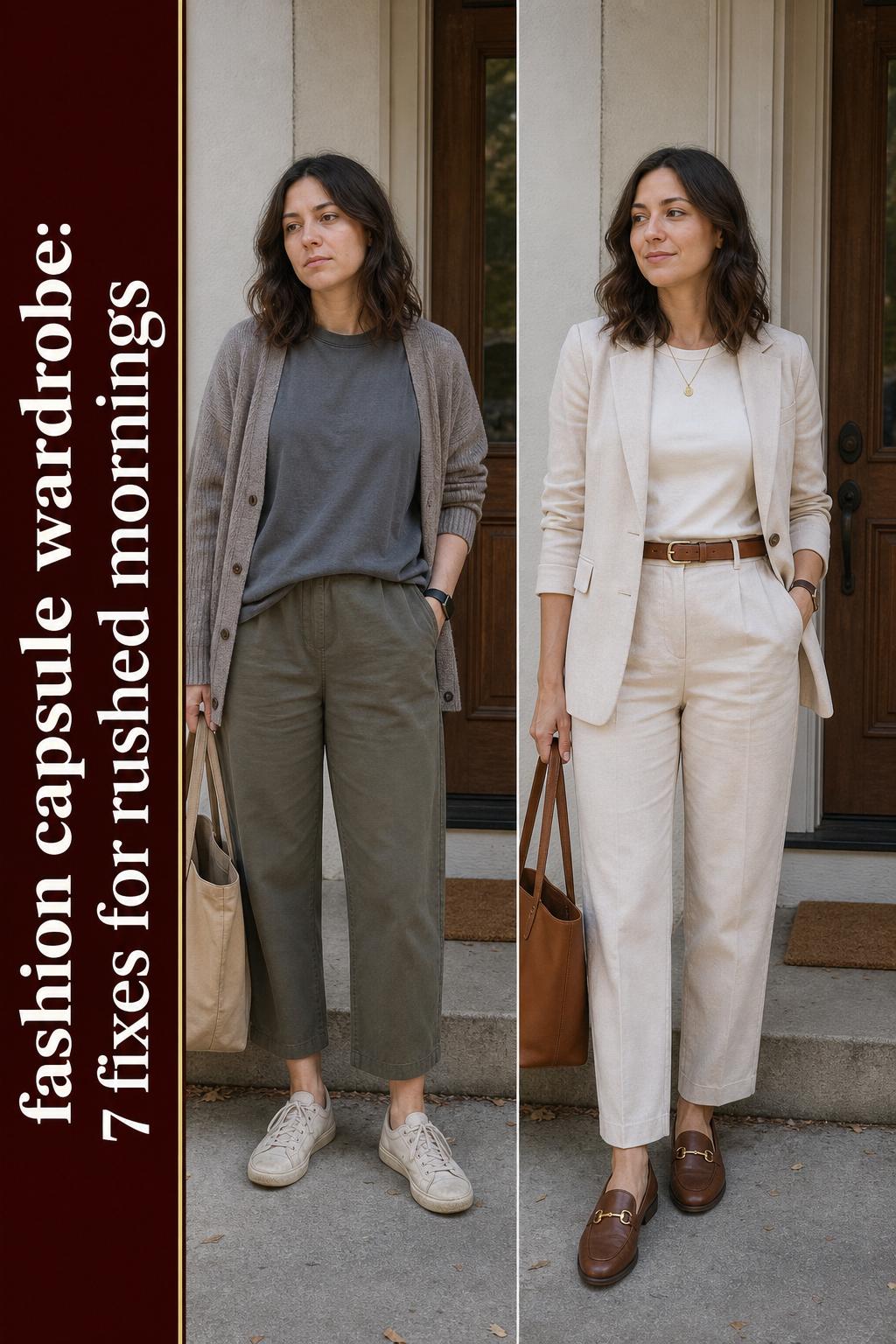
Building your capsule starts with a closet audit, not a shopping list
Many people approach a capsule wardrobe by searching for the perfect list of essentials. In practice, the better starting point is a closet audit. Process-oriented guides consistently place this step early because it tells you what you already rely on, what never gets worn, and where the real gaps are.
- Pull out the pieces you wear on repeat
- Separate items that fit poorly, feel uncomfortable, or no longer match your style
- Notice your natural palette—what colors do you already reach for most?
- Group by lifestyle needs: casual, workwear, travel, evening, seasonal layers
- Identify missing basics before buying duplicates
This step matters because not every wardrobe needs the same balance. Someone dressing for a casual city lifestyle may need more denim, knitwear, and lightweight outerwear. Someone with office-heavy routines may need stronger trouser, blazer, and loafer options. A capsule wardrobe should simplify your life, not copy another person’s formula.
It also helps to be honest about comfort. A dress that looks beautiful but requires constant adjusting will not become a real staple. The same goes for stiff denim, shoes that only work for short outings, or fabrics that feel too delicate for daily life. Capsule wardrobes succeed when they align style with wearability.
A simple 6-step framework
- Audit what you own and what you actually wear
- Set a realistic piece range, such as 25 to 50 items or a tighter 30-piece plan
- Choose a cohesive palette built around neutrals and a few accent shades
- Fill category gaps with quality basics
- Build outfits before buying more
- Review seasonally and rotate pieces thoughtfully
The best part of this framework is that it prevents emotional shopping. When you know your categories and your palette, a random item is much easier to assess. Can it work with your jeans, coat, knitwear, and shoes? Can it create at least three distinct outfits? If not, it may be attractive, but it is probably not capsule-friendly.
The color palette that makes everything feel easier
A cohesive color system is one of the quietest but most powerful parts of a capsule wardrobe. Neutrals such as black, white, navy, and gray appear often because they anchor outfit combinations and make layering feel natural. Earth tones can play a similar role if they reflect your style better. The point is not choosing the “right” colors in an abstract sense. It is choosing colors that coordinate often enough to remove friction from daily dressing.
Monochrome and near-monochrome outfits are especially useful when you want a cleaner silhouette. A navy knit with dark denim and a structured coat reads polished because the eye moves smoothly through the look. This is an easy everyday styling trick for making basics feel more elevated.
If your wardrobe starts to feel flat, texture can do the work that extra color would normally do. Ribbed cotton, brushed wool, cashmere, denim, and silk create depth without clutter. This is why a neutral capsule does not have to feel boring. Texture contrast is often what makes minimalist dressing feel sophisticated.
Tips for choosing your palette
- Use two to four neutrals as your base
- Add one or two accent colors that repeat across tops, accessories, or dresses
- Keep outerwear especially versatile since coats affect the whole wardrobe
- If you love prints, choose versions that connect back to your main color family
Readers who enjoy a more fashion-forward look can still stay within a capsule structure. The key is using modern accents sparingly while keeping the core stable. That is where the anti-trend approach becomes practical: you can adapt trends for everyday wear without rebuilding your closet every few months.
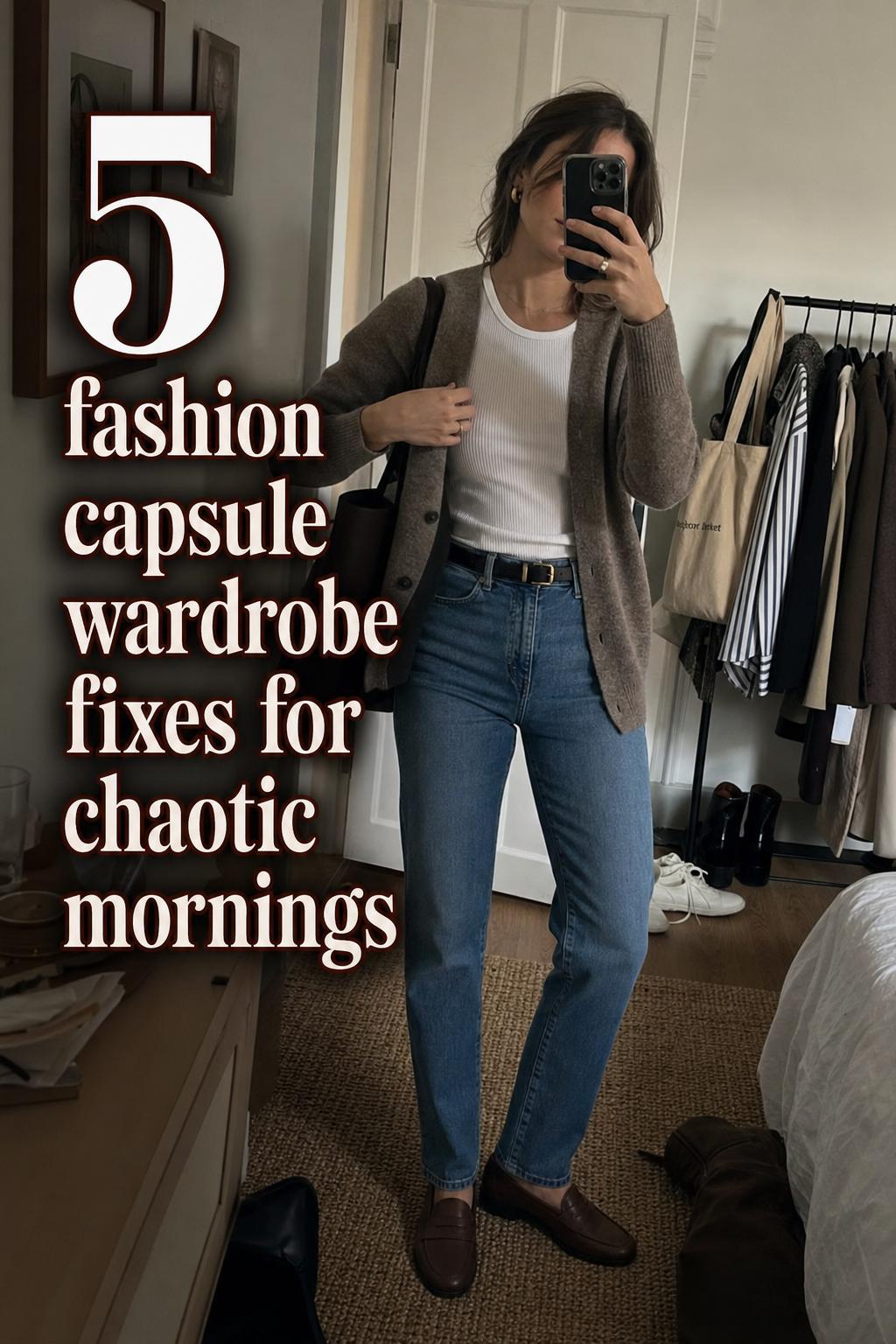
Real-life outfit logic: how 30 pieces can create endless combinations
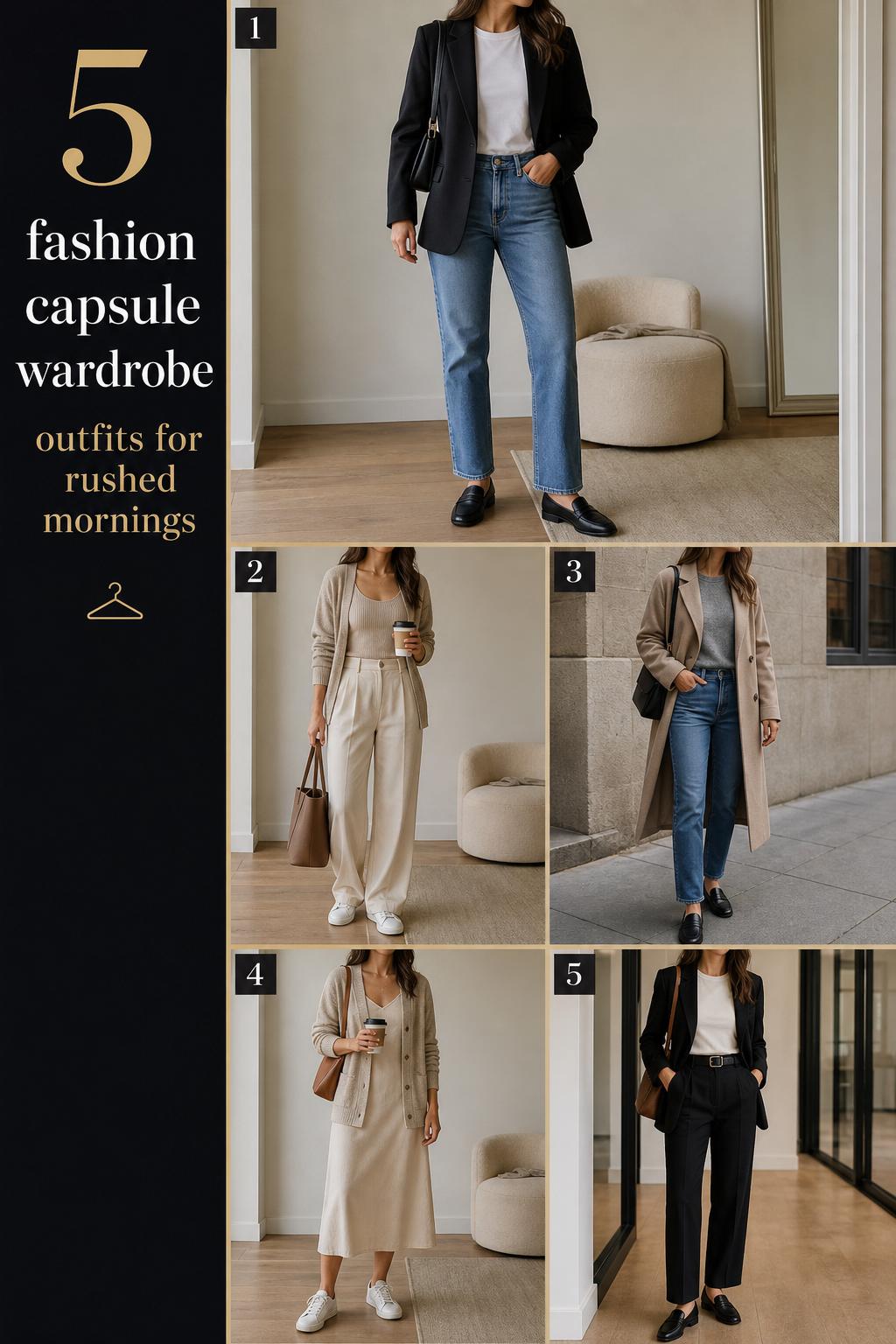
The promise of 100-plus outfits from 30 pieces works because each category supports the others. A small set of tops can rotate through jeans, trousers, skirts, and layered looks. Outerwear changes the mood quickly. Shoes shift the level of polish. The result is not endless novelty, but a reliable range of outfits that feel appropriate in different situations.
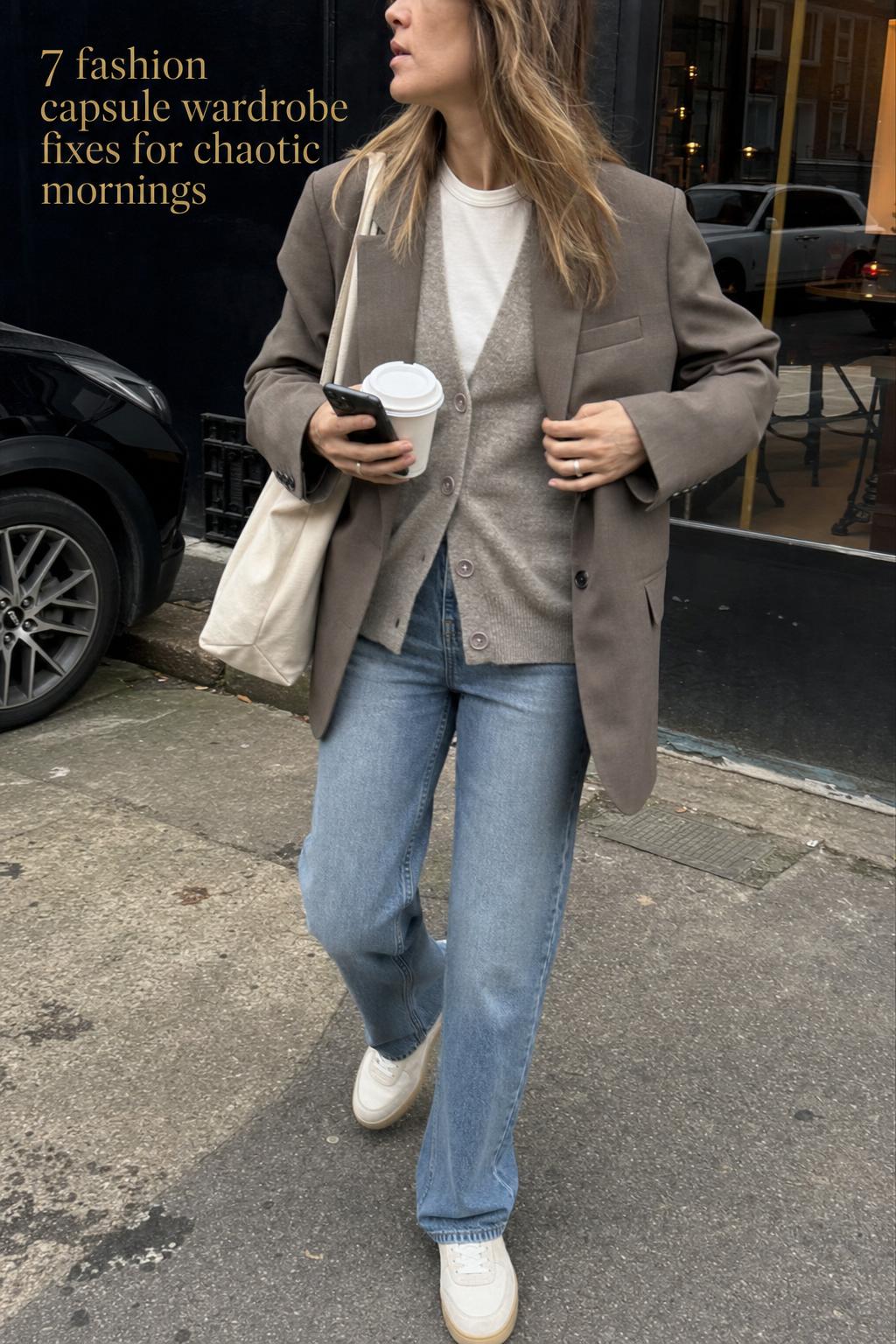
Casual city morning: tee, straight jeans, oversized coat
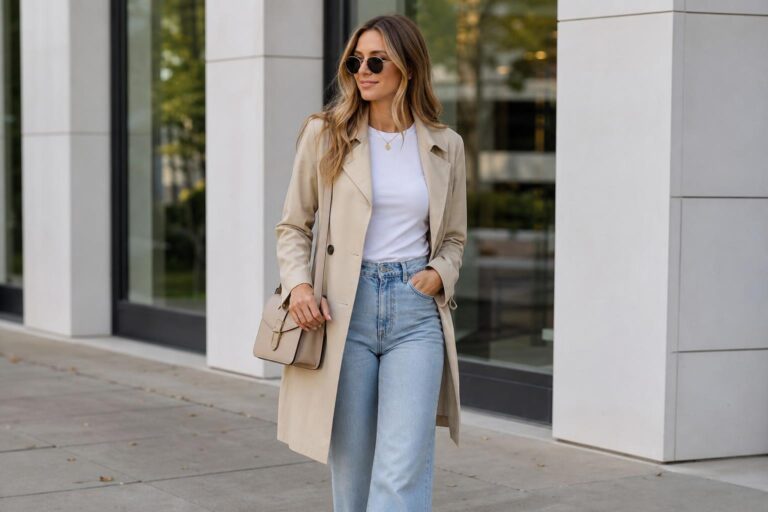
A clean T-shirt, straight-leg jeans, and an oversized mock-neck coat create an easy everyday silhouette that feels casual yet put-together. Add sneakers for comfort or loafers if you want a sharper finish. This outfit works because the straight denim keeps the oversized outerwear from looking bulky, while the simple base makes the coat feel intentional rather than dramatic.
For body-shape balance, this kind of look is especially flattering when the jeans hit cleanly at the ankle or top of the shoe. That small line break keeps the outfit light. If the coat is long and roomy, a more fitted tee underneath helps preserve structure.
Office-friendly and unfussy: knitwear, trousers, tailored coat
A fine knit or cashmere T-shirt with tailored trousers and a classic coat is one of the most useful workwear formulas in a fashion capsule wardrobe. It feels polished without being stiff, and the pieces can all be worn separately on weekends. Why this outfit works is simple: soft knitwear relaxes the sharpness of tailored pieces, while the coat adds clean vertical lines that visually elongate the frame.
If you want the look to feel more expensive, keep accessories restrained and let fabric quality do the work. Wool, merino, and cashmere naturally look more refined than flimsy materials, even in simple shapes.
Weekend brunch with a modern twist: ribbed tank, cardigan, denim
A ribbed cotton tank with relaxed denim and a cardigan gives that cozy but polished feeling that works well for a low-key brunch, coffee run, or casual afternoon plan. Neutral sandals in warmer weather or sneakers in cooler weather keep it grounded. The reason it looks finished is the mix of fitted and relaxed proportions: the slim tank balances the softness of the cardigan and the ease of the denim.
This is also a strong outfit for transitional weather. If the morning is cool and the afternoon warms up, the cardigan can be worn open, draped over the shoulders, or removed entirely without disrupting the look.
Minimal evening plan: simple dress, structured outerwear, loafers or sleek shoes
A dress from your capsule should not be reserved for special occasions only. A simple silhouette paired with structured outerwear instantly becomes evening-ready in a quiet, effortless way. If you want a modern look, keep the palette tonal. If you want more softness, choose a silk or fluid fabric under a more tailored layer. This outfit works because contrast in structure creates visual interest without needing extra pieces.
For comfort, choose a dress that allows easy movement and layering. A good capsule item should handle both daytime and evening styling, not live in the closet waiting for a rare event.
How to make basics feel personal, not generic
One common fear around capsule dressing is looking too plain. That usually happens when people copy a checklist without thinking about style identity. Basics are only boring when the shape, texture, or color feels disconnected from the wearer.
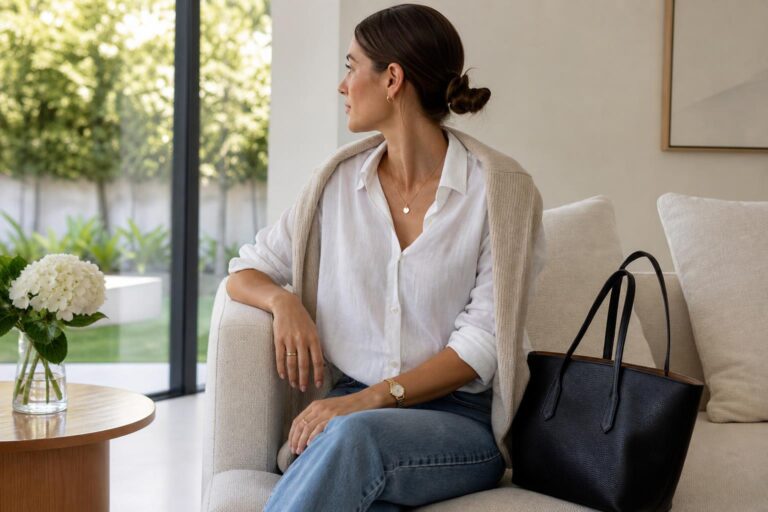
If you lean toward relaxed silhouettes, choose roomier shirts, straighter denim, and softer knitwear. If you prefer something cleaner and more tailored, keep your basics crisp and structured. Free People, COS, and Three Dots all approach the capsule idea through their own product language, which is a helpful reminder that a capsule can be bohemian-leaning, minimal, or polished while still following the same core logic.
Small styling choices also matter. Rolling a sleeve, tucking only the front of a shirt, or layering a tank under a cardigan can completely change how familiar pieces feel. These are minor shifts, but they help keep a wardrobe from becoming visually repetitive.
Tips for making a capsule look elevated
- Use structured outerwear to sharpen casual basics
- Mix textures like denim, wool, cotton, and silk to add depth
- Keep hemlines and proportions intentional rather than accidental
- Repeat a consistent shoe shape to create visual cohesion
- Favor clean, wearable silhouettes over pieces that are difficult to style
Seasonal shifts without rebuilding the whole closet
The strongest capsule wardrobes evolve by season instead of starting over. COS describes this well as a seasonal evolution of permanent icons. That is the right mindset. Your core identity stays intact, while fabrics and layering pieces rotate according to climate and daily routine.
In cooler months, knitwear, coats, and heavier denim naturally take the lead. In warmer weather, tanks, tees, lighter dresses, and breathable cotton pieces move forward. The styling logic should stay consistent. If your wardrobe works in one season but falls apart in another, the issue is usually not fashion taste. It is that the climate adaptation was not planned.
Climate-aware styling in real life
A winter capsule in the United States may need stronger outerwear and knit layering than a milder wardrobe plan. A travel-heavy wardrobe may need pieces that resist wrinkling and work across multiple settings. Transitional weather especially rewards thoughtful layering: tanks under shirts, cardigans over tees, and coats that fit comfortably over knits. This is where a capsule proves its value because every layer is chosen to cooperate with the others.
When adapting outfits across weather conditions, footwear balance matters. Sneakers keep heavier layers feeling approachable. Loafers or sleeker shoes can refine the same outfit instantly. That one switch often changes whether a look reads weekend-casual or quietly polished.
Where many capsule wardrobes go wrong
The idea sounds simple, but there are predictable mistakes. Some wardrobes become too minimal to support real life. Others are filled with “basics” that do not actually work together. A capsule should reduce friction, not create it.
- Buying duplicates before identifying actual gaps
- Choosing pieces that fit a fantasy lifestyle rather than daily reality
- Ignoring color coordination
- Keeping uncomfortable items because they seem essential on paper
- Overcommitting to trends that date quickly
- Skipping quality in pieces that will carry the most wear
Another subtle mistake is treating every basic as equal. It is worth investing more attention in the pieces that shape almost every outfit: coats, denim, knitwear, and shoes. A weak version of any of those can drag the whole wardrobe down. By contrast, a well-cut coat or reliable straight jean can make even the simplest top feel deliberate.
There is also a practical limit to how strict a capsule should be. If reducing your wardrobe too far leaves you without enough options for work, weather, or social settings, it is no longer useful. The best capsule is edited, not deprived.
Care, longevity, and the sustainability side of a capsule
Capsule wardrobes are often linked with sustainability and waste reduction, but the connection only holds when the clothes are worn repeatedly and cared for well. Longevity is not just about buying fewer pieces. It is about maintaining the pieces you keep.
Fabrics such as wool, cotton, silk, cashmere, and denim each have different needs, so care labels matter. Gentle maintenance, timely repair, and thoughtful storage all support the purpose of a capsule: extending the life of clothes you genuinely use. This is an overlooked part of wardrobe planning, but it has real impact on how refined your basics continue to look over time.
There is also a broader lifestyle benefit. Once you start noticing wear frequency and rotation, shopping decisions usually become calmer and more intentional. A capsule wardrobe encourages a longer view—less about quick replacement, more about durability, repair, and even resale when something no longer fits your needs.
An inclusive capsule works better than a rigid one
One of the biggest opportunities in capsule dressing is making it more inclusive and realistic. Body shape, size needs, gender expression, and comfort preferences all affect what “essential” really means. A flattering capsule is not built from one fixed uniform. It is built from categories that can be interpreted differently.
For some readers, that may mean straighter silhouettes that feel clean and non-fussy. For others, it may mean more fluid layers, softer dresses, or stronger outerwear to create shape. The useful principle is this: choose proportions that make you feel comfortable and balanced. Oversized layers tend to work best when grounded by a neater base. More fitted tops often pair well with wider or more relaxed bottoms. Structured pieces can add definition when the rest of an outfit is soft.
This kind of flexibility makes a capsule wardrobe more wearable in daily life and more likely to last beyond one season or one trend cycle.
The future-facing capsule: smarter wardrobe decisions
Some of the most interesting new directions in capsule dressing focus on wardrobe analytics, wear counts, rotation rate, and more personalized planning. Even without formal tools, the underlying idea is useful: pay attention to what gets worn, what sits untouched, and what combinations repeat naturally. That information is often more valuable than inspiration alone.
A data-aware approach does not make style less creative. It makes it more honest. If a coat works across commuting, travel, and weekend outfits, it deserves space. If a top looks appealing but never leaves the hanger, it may not align with your actual wardrobe system. Over time, this kind of observation helps refine your fashion capsule wardrobe into something highly personal, efficient, and still visually interesting.
That is also why strong capsule wardrobes tend to age well. They are not built around constant replacement. They are built around better information: what fits, what layers well, what survives weather changes, what flatters your proportions, and what you genuinely enjoy wearing.
FAQ
What is a capsule wardrobe in fashion?
A capsule wardrobe is a curated collection of versatile clothing designed to mix and match easily, usually built around basics like tees, jeans, coats, knitwear, and dresses. The goal is to create many wearable outfits from a smaller number of well-coordinated pieces.
How many items should a fashion capsule wardrobe have?
There is no single correct number, but common approaches range from about 25 to 50 items, with many people using a 30-piece capsule as a practical starting point. The right number depends on your climate, lifestyle, and how much variety you need for work, casual wear, and seasonal changes.
Who started the capsule wardrobe idea?
Donna Karan is often connected to the modern origin story through “Seven Easy Pieces,” a concept that emphasized flexible, repeatable wardrobe essentials. That idea still influences how many fashion editors and brands explain capsule dressing today.
What are the essential pieces in a capsule wardrobe?
Most capsule wardrobes include T-shirts, tanks, jeans, trousers, knitwear, a coat or blazer, a versatile dress, and practical shoes such as sneakers or loafers. Fabrics like cotton, wool, cashmere, silk, and denim are especially useful because they layer well and add texture to simple outfits.
How do I start building a capsule wardrobe?
Start with a closet audit rather than shopping immediately. Identify what you wear most, remove pieces that do not fit your life or style, choose a cohesive color palette, and then fill only the genuine gaps with quality basics that coordinate well with the rest of your wardrobe.
Do capsule wardrobes actually make getting dressed easier?
Yes, when they are built around your real routine. A good capsule reduces decision fatigue because the pieces already work together, but it has to reflect your climate, comfort needs, and daily activities or it can feel too limited.
Can a capsule wardrobe still feel modern and not boring?
Absolutely. A modern capsule usually relies on strong silhouettes, good fabric choices, texture contrast, and a consistent palette rather than constant trend turnover. Even simple outfits can feel elevated when proportions are balanced and outerwear, denim, and knitwear are chosen carefully.
What colors work best in a capsule wardrobe?
Neutrals like black, white, navy, and gray are popular because they coordinate easily, but earth tones can work just as well if they suit your style. The most important thing is choosing a palette that allows repeated mixing and layering without making outfits feel disconnected.
Is a capsule wardrobe good for sustainability?
It can support sustainability when the wardrobe is built around longevity, frequent wear, and good care. Buying fewer but more useful pieces, maintaining fabrics properly, and thinking about repair or resale all strengthen that benefit.
How often should I update my capsule wardrobe?
Most people benefit from reviewing it seasonally rather than replacing it constantly. The core pieces can stay the same while heavier layers, lighter fabrics, and a few weather-specific items rotate in and out based on climate and lifestyle needs.
Finish the look
The little extras that make a summer outfit feel complete
From beach days to city weekends, these easy pieces bring comfort, texture, and a polished finishing touch.

FENBEN
Straw Hobo Crossbody Bag
A handwoven straw bag with both short and crossbody straps—an effortless finishing touch for vacation looks and warm-weather outfits.
Shop the bag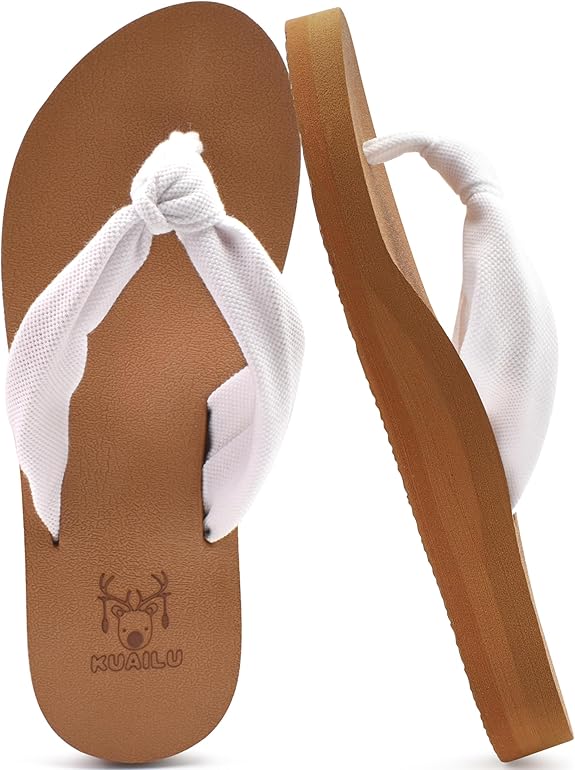
KuaiLu
Flip Flops with Arch Support
Cushioned, lightweight sandals with supportive arch design—a practical choice for beach trips, errands, and long summer walks.
Shop the sandals
baleaf
Athletic One-Piece Swimsuit
A functional one-piece with adjustable straps and moderate coverage, designed for swimming, training, surfing, and active beach days.
Shop the swimsuit
Astylish
Linen-Cotton Button-Down Shirt
A relaxed cotton-linen shirt with a collared V-neck and roll-up sleeves—easy to style over swimwear or with denim and shorts.
Shop the shirt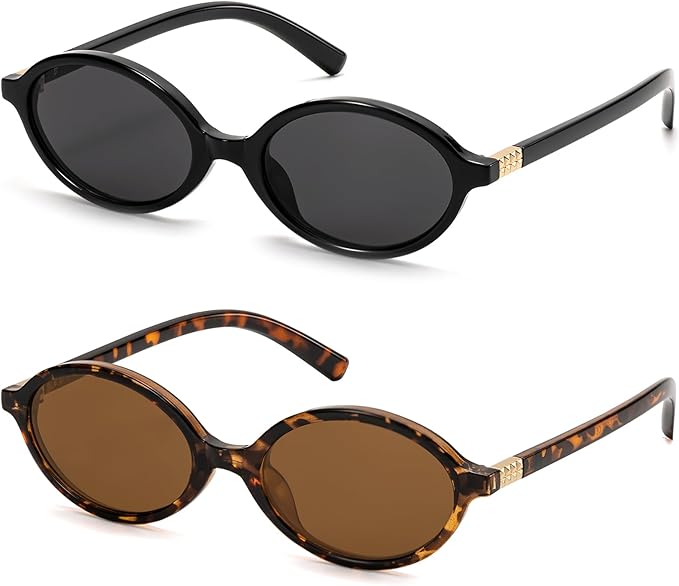
ViewJoy
Retro Oval Sunglasses
Small oval sunglasses with a 90s-inspired silhouette and UV400 lens protection—a quick way to add a vintage edge to everyday looks.
Shop the sunglasses
Affiliate disclosure: This section contains affiliate links. If you make a purchase through these links, I may earn a commission at no additional cost to you. Product selection, pricing, availability, and delivery terms may change—please review the current details on Amazon before purchasing.
As an Amazon Associate I earn from qualifying purchases.