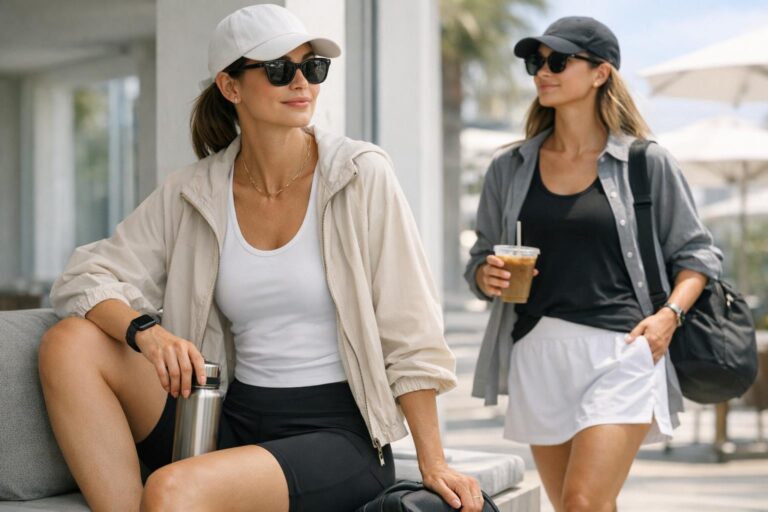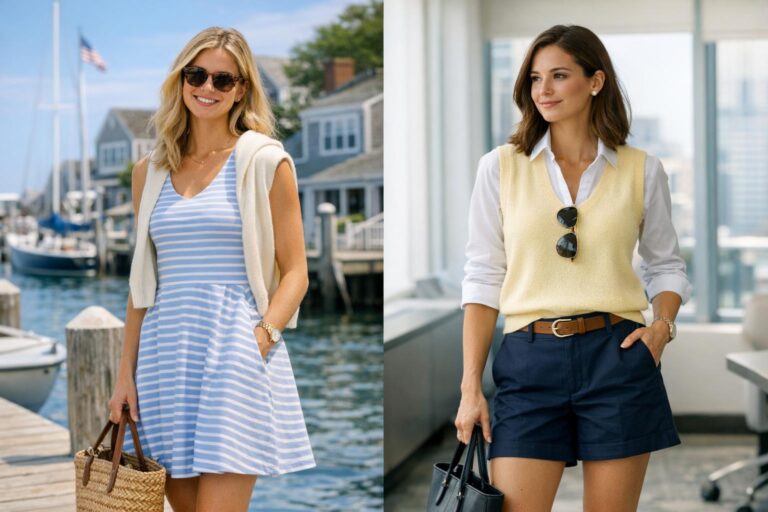
What to Wear: Summer Clothes That Keep Cool and Polished
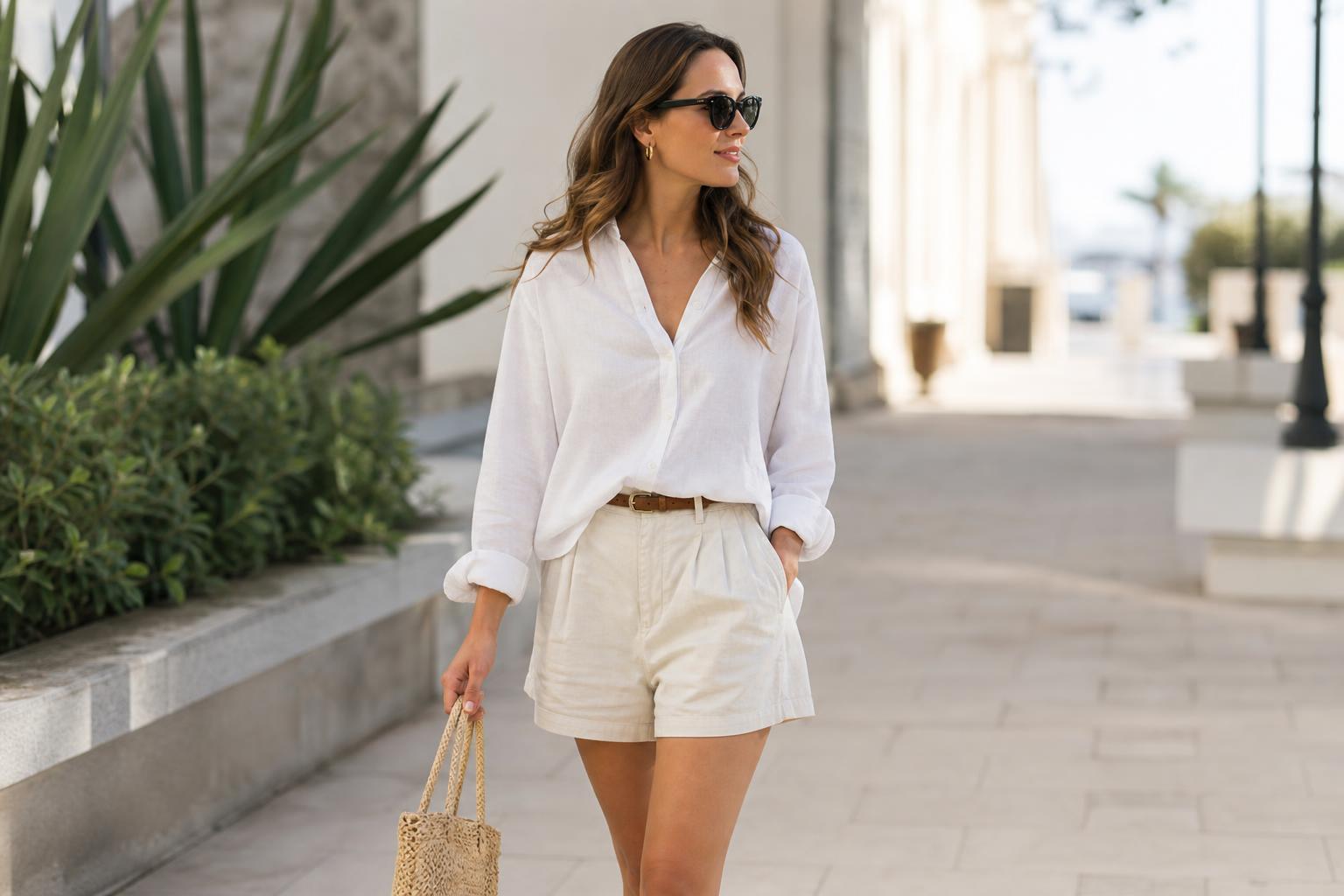
Hot weather dressing sounds simple until real life gets involved. A summer day in the United States can mean a humid commute, strong sun at lunch, aggressive air conditioning indoors, and an evening that still calls for looking put together. That is why so many people buy summer clothes and still feel like they have nothing easy to wear.
The challenge is rarely just about finding cute pieces. It is about choosing breathable fabrics, getting the balance right between comfort and polish, and building outfits that work for travel, work, weekends, and everyday errands without feeling heavy or overstyled. A floaty dress may look right for the season, but if the fabric traps heat or the fit limits movement, it stops being useful.
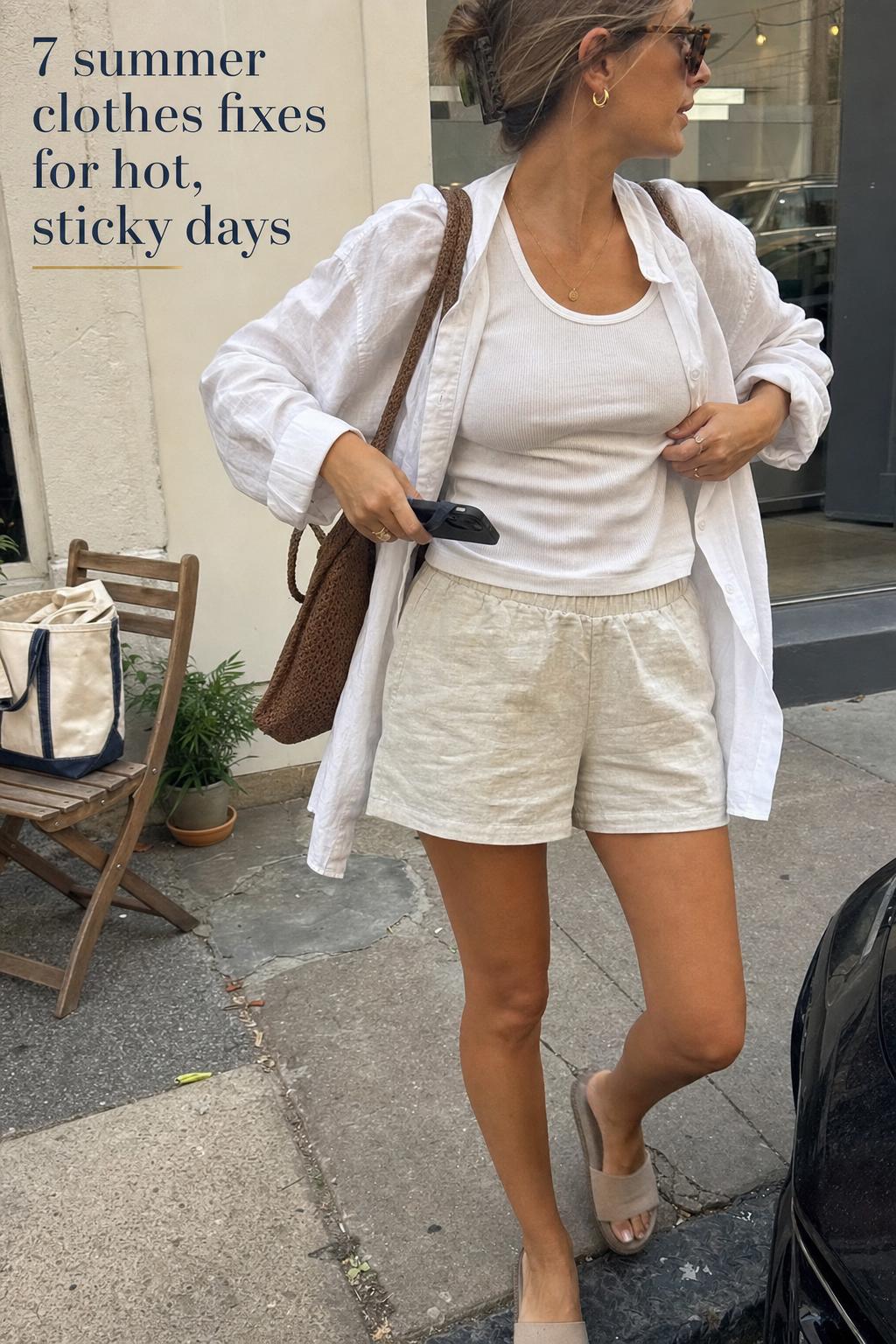
This guide is designed to solve that problem in a practical way. You will find a clear breakdown of what makes summer clothing actually work, how to choose between linen, cotton, lightweight knits, and performance fabrics, which product categories matter most, and how to turn them into realistic outfits for coastal days, desert heat, humid cities, travel, and casual everyday wear.
The Fashion-Note Edit
Five effortless pieces to refresh your everyday wardrobe
A polished, practical edit for workdays, weekends, and everything in between.

The Drop
Women’s Blake Long Blazer
A longline, tailored blazer with a notched collar and a single-button closure—an easy layer for denim, dresses, or office-ready looks.
Shop the blazer
Amazon Essentials
Women’s Lightweight Crewneck
A soft, lightweight sweater with a clean crew neckline—the kind of reliable layer that works from cool mornings to air-conditioned spaces.
Shop the sweater
Amazon Essentials
Women’s Loafer Flat
A classic flat loafer that gives casual outfits a more polished finish and pairs naturally with tailored pants, skirts, and straight-leg jeans.
Shop the loafers
Levi’s
Women’s 501 90s Jeans
A relaxed, vintage-inspired take on the iconic 501 silhouette—made for an easy, lived-in look without the thrift-store search.
Shop the jeans
Colorfulkoala
High-Waisted 7/8 Leggings with Pockets
Soft, four-way-stretch leggings with side pockets and a high-rise waistband—designed for movement, errands, and off-duty comfort.
Shop the leggings
Affiliate disclosure: This section contains affiliate links. If you make a purchase through these links, I may earn a commission at no additional cost to you. Product selection, pricing, availability, and delivery terms may change—please review the current details on Amazon before purchasing.
As an Amazon Associate I earn from qualifying purchases.
Why summer dressing gets complicated so quickly
Summer style problems usually come from competing needs. You want clothes that feel light, but you may also want enough structure for work or city wear. You want sun-ready outfits, but not every piece offers the same level of comfort in direct heat. You may need a wardrobe that moves between beachwear, urban errands, outdoor wear, and indoor spaces without multiple changes.
Your wedding style is personal.
Your plan should feel that way, too.
Zarellea keeps your guest list, budget, vendors, and every next step beautifully organized — so you can focus on the moments that feel like you.
That is also why the same shopping page can highlight dresses, tops, shorts, tees, swimwear, skirts, bottoms, outerwear, and lightweight jackets all under the same seasonal umbrella. Summer clothes are not one single category. They are a set of solutions built around breathable fabrics, lightweight layering, and the specific conditions you are dressing for.
For some people, the main issue is humidity. For others, it is intense sun exposure, travel packing, or the need to create a capsule wardrobe that works from daytime walking to dinner. Once you treat summer dressing as a comfort-and-function problem instead of just a trend problem, outfit decisions become much easier.
The principles that make summer outfits work
The most reliable summer wardrobe starts with a few clear rules. These are the decisions that make the biggest difference before you even think about styling details.
- Choose breathable fabrics first, then choose silhouettes.
- Build around versatile categories such as dresses, tops, tees, shorts, and skirts.
- Use lightweight layering for changing indoor and outdoor temperatures.
- Match the outfit to the climate, not just the calendar.
- Let accessories support comfort, especially hats, sunglasses, bags, and summer footwear.
In practice, this means a linen shirt may be more useful than a purely decorative top, and a cotton tee may outperform a more structured piece on a long day. It also means a lightweight jacket or knit can still belong in a summer wardrobe, especially for evening wear or heavily air-conditioned spaces.
Brands such as UNIQLO and Adidas often organize their summer collections around this logic: fabric attributes first, then use-case. That approach is worth borrowing no matter where you shop, whether you are considering premium lines, affordable summer clothes, or a simple travel wardrobe.
What defines useful summer clothes
Useful summer clothing usually has four qualities: breathability, light weight, ease of movement, and situational flexibility. Breathability refers to how the fabric helps with comfort in heat. Light weight keeps outfits from feeling dense or stiff. Ease of movement matters for everyday wear, travel, and outdoor activity. Flexibility means the same piece can work across more than one setting.
Sun and UV considerations also matter. Some summer wardrobes are built for casual city use, while others need stronger outdoor functionality for beach days, active wear, or all-day time outside. That is where performance fabrics and UV-protective clothing become more relevant than standard casual basics.
A strong summer wardrobe is not necessarily the biggest one. It is the one where product categories connect clearly to use. Dresses for hot afternoons, tees for casual layering, shorts for movement, swimwear for beachwear, and one or two light layers for cooler interiors can cover more situations than a closet full of one-note pieces.
The fabric decisions that solve most warm-weather problems
Linen and linen blends for airflow and ease
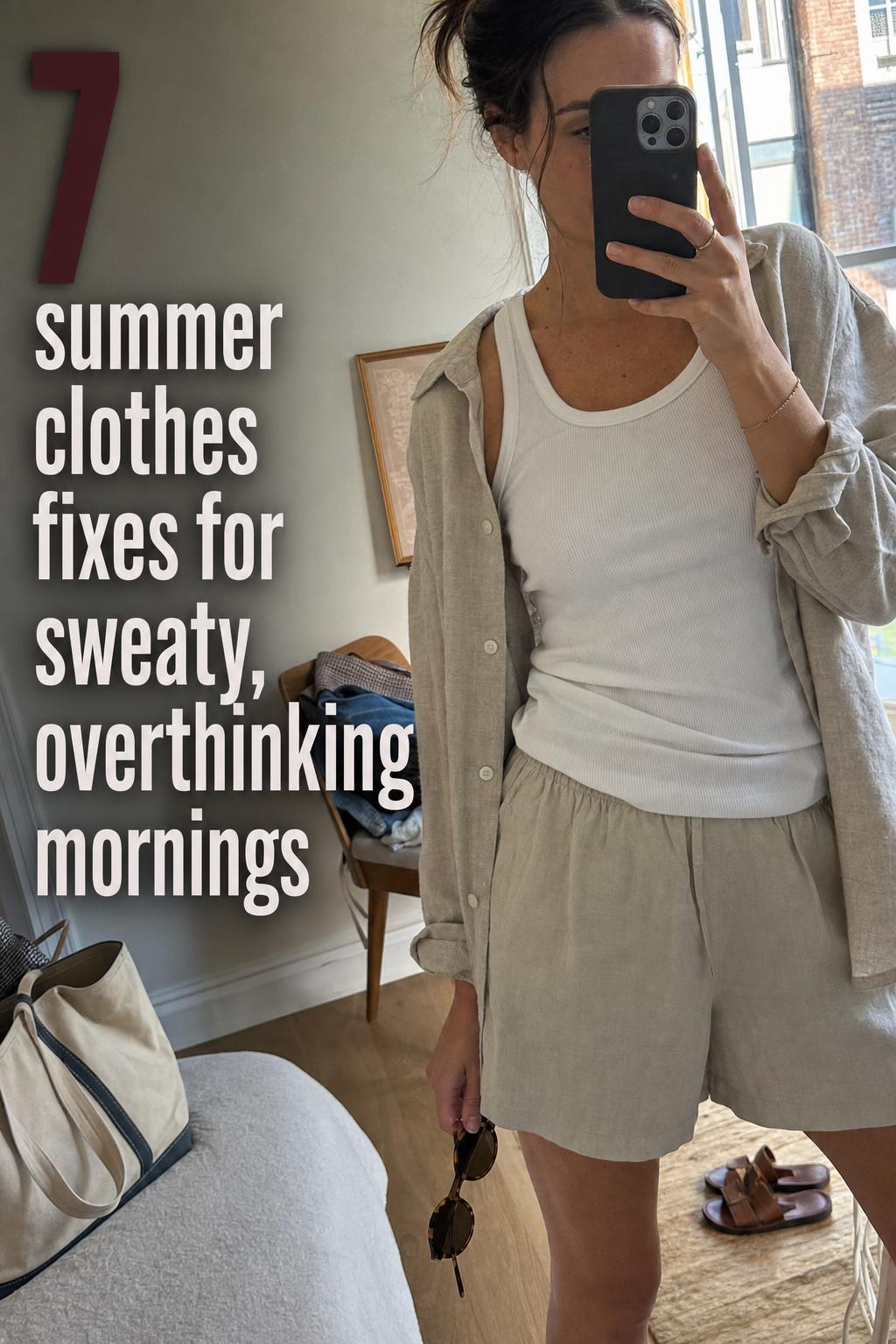
Linen is one of the most useful summer fabrics because it directly supports the main goal of hot-weather dressing: staying cool without looking heavy. It works especially well in shirts, dresses, skirts, and relaxed bottoms. Linen-blend fabrics can be even easier for everyday wear if you want a slightly smoother feel while keeping that breathable, airy quality.
This is the kind of fabric choice that supports a capsule wardrobe. A linen shirt can work over swimwear, with shorts for day, or with a skirt for dinner. UNIQLO places strong emphasis on linen within seasonal summer editing for exactly this reason. The appeal is not just visual; it is practical.
Cotton, Supima, and cotton blends for everyday versatility
Cotton remains one of the most wearable options for daily summer clothes because it sits comfortably in so many categories: tees, shirts, dresses, and kids’ clothing. It is often the easiest place to start if you need uncomplicated pieces for errands, travel days, or repeated wear through the week.
Cotton blends can be especially practical when you want some moisture management or a little more resilience in shape. For readers trying to simplify shopping, cotton is often the bridge between style inspiration and real-life usefulness.
Lightweight knits for evenings and air-conditioned spaces
Summer wardrobes often fail because they ignore temperature changes across the day. Lightweight knitwear solves that issue. A breathable knit top or fine summer knit can make sense for late dinners, travel, office settings, and overcooled interiors where a sleeveless look suddenly feels impractical.
Adidas uses lightweight knits and even a cashmere summer angle to position knitwear as warm-weather layering rather than cold-season clothing. The useful takeaway is not that everyone needs luxury knitwear, but that summer layering works best when it stays light, breathable, and compact enough to carry.
Performance fabrics and UV-protective materials for active days
For outdoor wear, beach days, athleisure, or long stretches in direct sun, performance fabrics can be more practical than standard casual fabrics. These materials are associated with movement, activity, and comfort in changing conditions. UV-protective summer clothing also becomes relevant when your day includes more sun exposure than a quick city errand.
This is where Adidas and UNIQLO offer a useful contrast in summer fashion: one leans toward activity-oriented style and performance, while the other often highlights lightweight layering, linen, and UV-related comfort. Neither approach is universally better. The right choice depends on whether your day is more urban, active, or travel-focused.
Brand perspectives: how different retailers approach summer style
Looking at major U.S.-facing retailers helps clarify your own needs. Not every summer collection solves the same problem, so the best choice depends on budget, category depth, and how you actually dress.
UNIQLO frames summer around breathable materials, linen, UV protection, and easy outfits. That makes it especially useful for readers building an everyday summer wardrobe with practical layering and a capsule mindset.
Adidas approaches women’s summer clothing through dresses, tees, shorts, swimwear, athleisure, and performance fabrics. It makes sense if your version of summer includes movement, outdoor activity, or casual sport-inspired dressing.
Blue Bungalow presents a curated summer shop with breathable fabrics and comfort-led styling. The appeal here is the seasonal collection feel: fewer technical details, more immediate warm-weather outfit direction.
SHEIN focuses on trends, affordable fashion, and broad access to categories such as dresses, tops, shorts, and swimwear. It can be useful for price-driven shopping, though it helps to be selective and focus on the same practical criteria you would use anywhere else: fabric feel, climate suitability, and versatility.
H&M brings the summer conversation into kids’ clothing as well, highlighting shorts, shirts, cotton tees, and lightweight jackets. That matters because the same principles apply to family wardrobes: light fabrics, easy movement, and practicality first.
A 7-piece summer capsule that handles most real-life situations
If your closet feels full but your outfits still feel difficult, a small capsule is usually more effective than buying random pieces. The goal is to cover work, weekends, travel, and casual summer outings with a tight mix of categories that naturally pair together.
- One breathable dress for hot-weather days
- Two tops or tees in lightweight cotton or linen
- One pair of shorts
- One skirt or easy bottom
- One light layer such as a knit or lightweight jacket
- One swimwear option if beachwear or pool time is realistic
- One set of summer accessories such as sunglasses, a hat, and a versatile bag
This kind of edit mirrors the seasonal collection logic used across leading summer pages: fewer pieces, more outfit combinations, and a clearer connection between fabric and purpose. It also makes packing easier for travel and reduces the common problem of owning nice pieces that only work in one setting.
Outfit solutions for different summer situations
Effortless city walk outfit
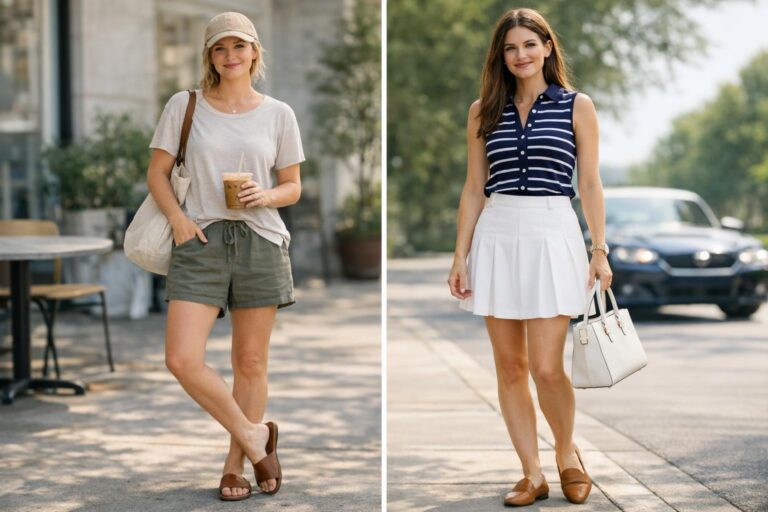
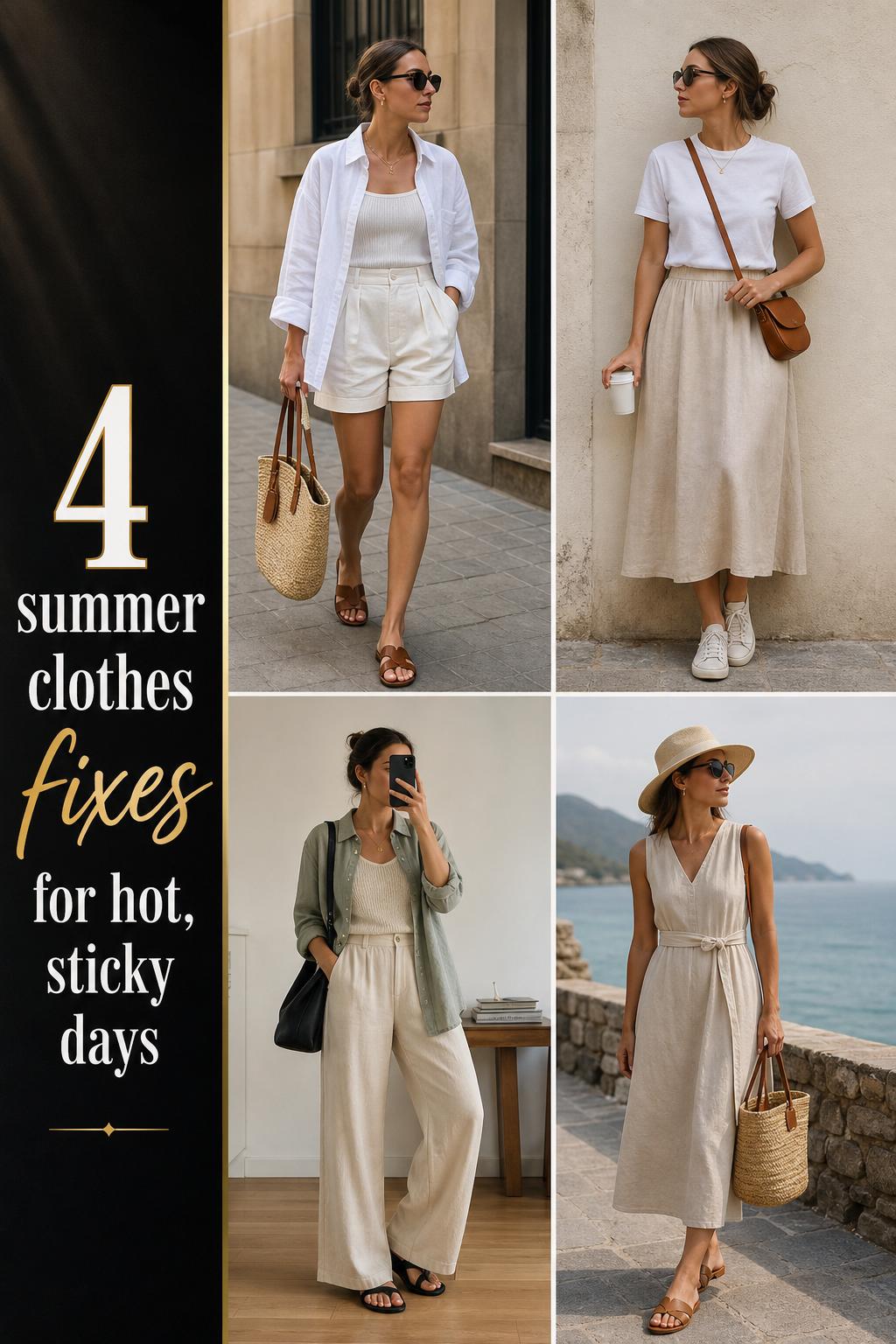
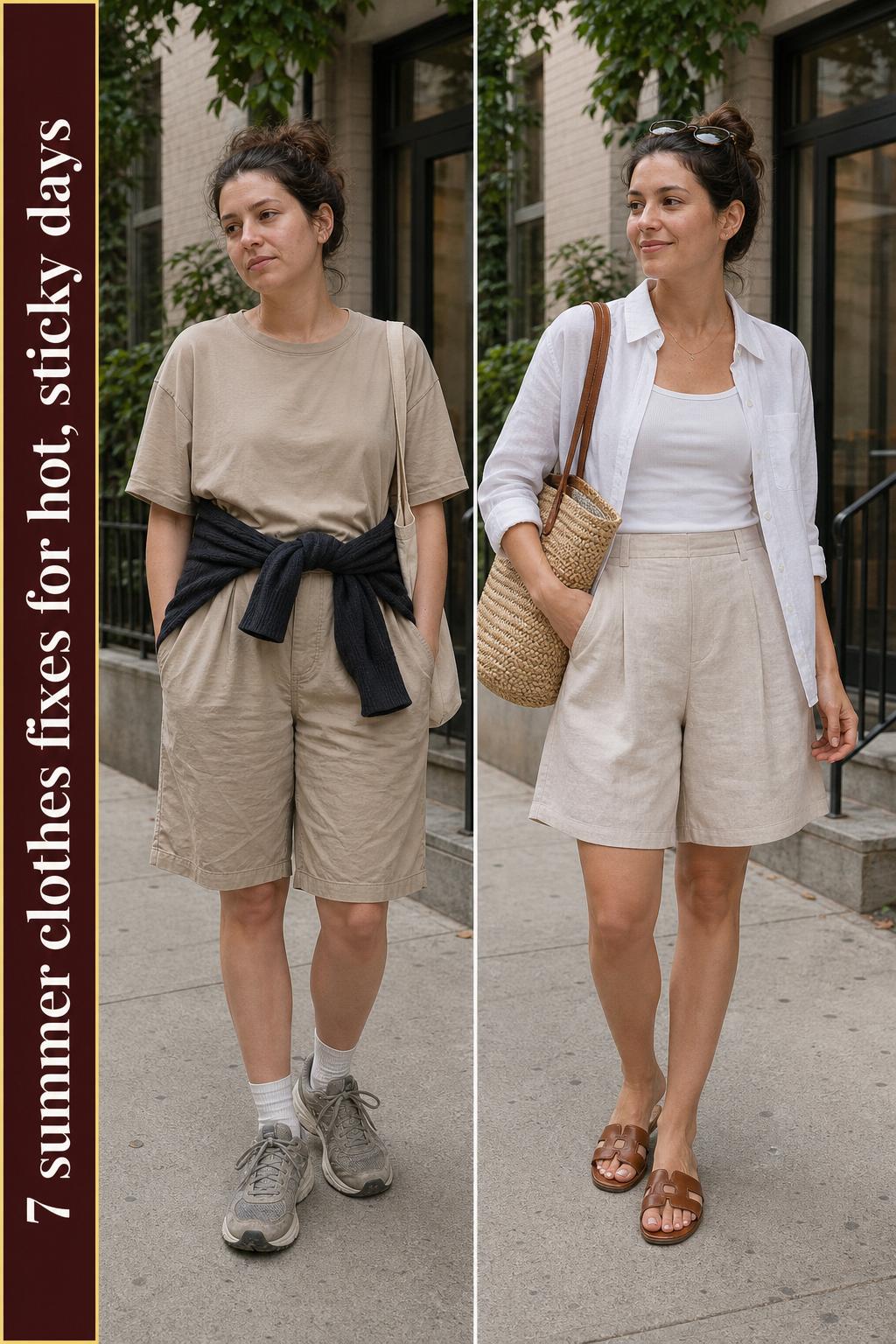
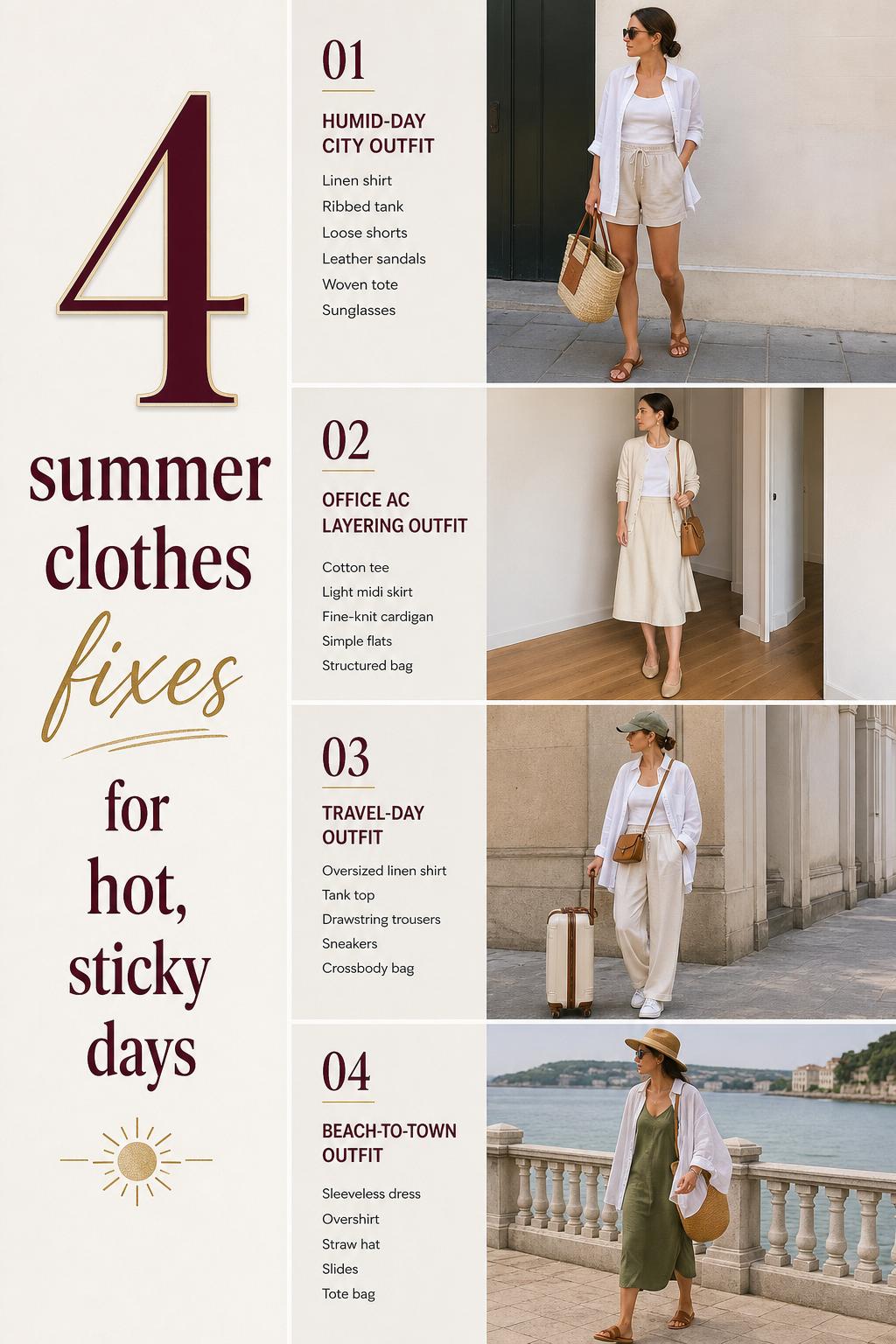
For a day that includes walking, quick stops indoors, and long hours in the heat, start with a breathable cotton tee or a relaxed linen-blend top and pair it with easy shorts or a light skirt. The silhouette should feel loose enough for airflow but not oversized to the point of looking shapeless. Add sunglasses, a simple bag, and comfortable summer footwear that can handle pavement and standing.
This outfit works because it solves several problems at once. It keeps the body cool, allows movement, and still looks intentional. A clean tee-and-shorts combination often performs better than a more complicated outfit when you are navigating an urban summer in the Midwest or Northeast.
Light coastal look for a breezy day
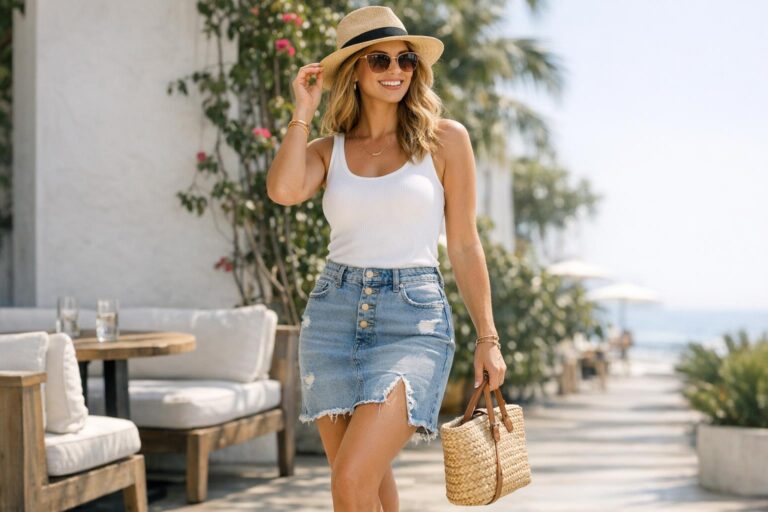
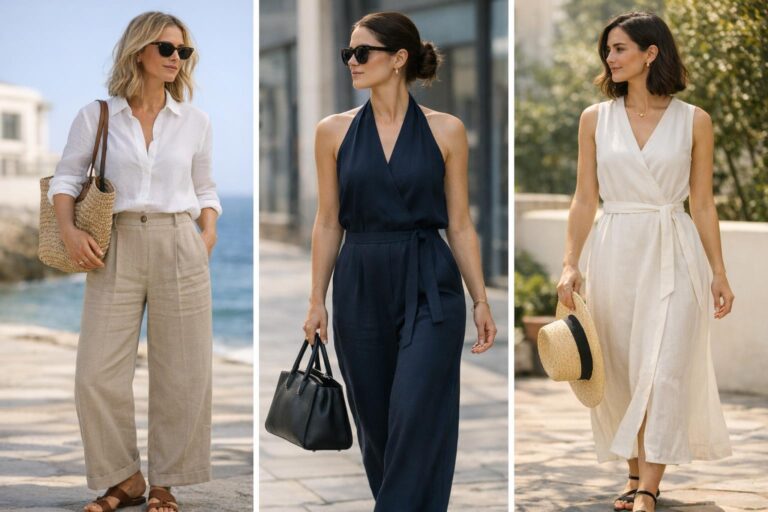
Coastal summer style in places like California or New England tends to work best with soft layers and light textures. A breezy dress or a linen shirt over a simple top with relaxed bottoms creates a look that feels natural near the water. Keep the palette easy and understated, then finish with a hat, sunglasses, and a bag that feels casual rather than structured.
The reason this combination works is that coastal weather often shifts. You may need sun protection in the afternoon and a small extra layer later on. A lightweight knit or soft outerwear piece belongs here more than it does in a peak midday city outfit.
Humidity-friendly outfit for long, hot days
When the day feels heavy before noon, go straight to the most breathable categories in your closet. A loose linen dress, a cotton tee with lightweight shorts, or a sleeveless top with a breathable skirt can all work well. The key is to avoid unnecessary layering and choose fabrics that do not cling quickly in heat.
This is where many summer outfits fail: the pieces may look seasonal, but the fabric still feels too dense. In humid climates, simpler combinations almost always win. Let the texture of the fabric do the work instead of relying on extra styling elements.
Desert heat outfit with sun-ready practicality
For Arizona, Texas, or any hot, dry setting with strong sun, coverage and breathability need to work together. A light long-sleeve layer in a breathable fabric over a simple top can be more comfortable than bare skin in direct sun. Pair it with easy shorts, a skirt, or loose bottoms depending on the activity, then include UV-conscious accessories like a hat and sunglasses.
This is also the setting where UV-protective summer clothing and performance fabrics become more useful. The best outfit is not always the smallest one. It is the one that helps with exposure, movement, and heat management over several hours.
Smart casual balance for work and after-hours plans
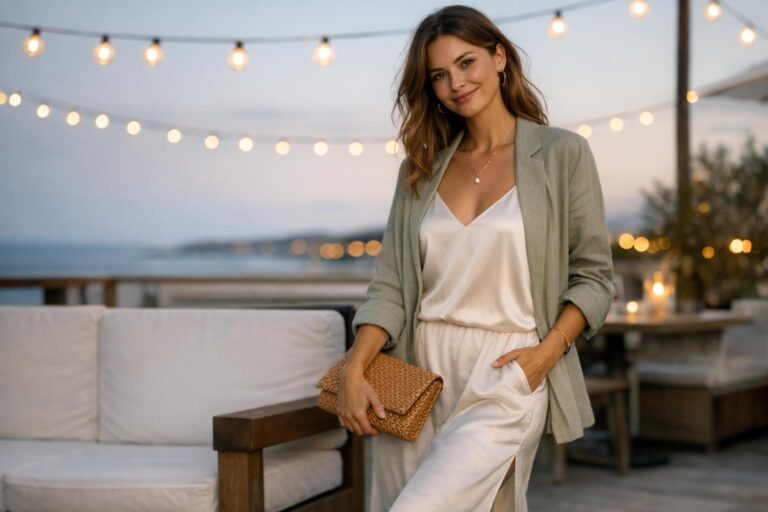
A polished summer outfit does not need heavy tailoring. Try a clean dress in a breathable fabric, or a structured-feeling top paired with a light skirt or refined shorts if your setting allows it. Add a lightweight knit or jacket for indoor air conditioning. The final look should feel neat, not rigid.
This is where capsule thinking pays off. One of the easiest summer wardrobe upgrades is choosing pieces that can move from daytime work to dinner without requiring a full change. A dress with simple lines or a high-quality tee with the right bottom can do that better than a trend piece with limited range.
Travel outfit that packs well and repeats easily
Travel wardrobes work best when each item serves more than one role. Pack a breathable dress, two tops, one bottom, one light layer, and accessories that instantly shift the outfit. A linen shirt can function as a top, a layer, or a beach cover. A cotton tee can work for transit, walking, or a low-key lunch. Swimwear earns its place when it can also sit neatly under resort or beachwear styling.
The point is not to create endless variety. It is to avoid packing pieces that only make sense once. Summer outfits ideas for travel should feel repeatable, easy to wash or rewear, and adaptable to climate changes from morning to evening.
Regional summer style in the United States
One reason generic summer fashion advice falls short is that the U.S. covers very different warm-weather conditions. A useful wardrobe in Miami is not identical to a useful wardrobe in Arizona, and neither one looks exactly like a practical city wardrobe in the Northeast.
Coastal areas usually benefit from light layers, soft dresses, easy shirts, and accessories that complement a relaxed seaside rhythm. Humid subtropical areas call for the most breathable fabrics possible, with less layering and faster-drying, easy-wearing pieces. Arid regions benefit from a more thoughtful balance between skin exposure and sun protection. Urban summers often require versatility: a look that survives a hot sidewalk, a cool office, and dinner plans without losing shape.
That regional lens makes shopping much clearer. Instead of asking whether a piece looks summery, ask whether it fits your actual summer.
Accessories that make summer clothes more functional
Accessories are often treated as optional, but in summer they help solve comfort problems as much as style problems. Hats and sunglasses support sun-readiness. Bags affect mobility and how much you can carry through a long day. Footwear determines whether the outfit remains practical once walking and heat become factors.
A simple dress can feel beach-ready, city-ready, or travel-ready depending on the accessories around it. The same is true for a basic shorts-and-tee outfit. This is why non-clothing categories belong in the summer wardrobe conversation even when the focus is on apparel.
Tips for using accessories well
- Choose sunglasses and hats when the day includes prolonged outdoor time.
- Keep bags light and easy to carry, especially for travel or city walking.
- Use summer footwear that fits the day’s movement level rather than the outfit photo in your head.
- Let accessories add polish to simple outfits instead of compensating for uncomfortable clothing.
Sustainability and care: the often-missed part of summer shopping
Many summer clothing pages focus on product categories and trends, but a more thoughtful wardrobe also considers fabric ethics, certifications, and longevity. Sustainable fabrics and standards such as GOTS, OEKO-TEX, Better Cotton, and recycled polyester programs can help shoppers make more informed choices when comparing similar items.
This matters because summer clothes usually get worn often, washed frequently, and exposed to sun, sweat, and travel. If a piece does not hold up, it quickly stops being useful. Looking at eco-friendly fabrics, circular fashion programs, or better-made basics is not only an ethical question. It is also a practicality question.
Care is part of this conversation too. Lightweight fabrics can perform beautifully in hot weather, but they also benefit from thoughtful laundering and storage. Extending garment life reduces waste and makes a capsule wardrobe more effective over more than one season.
What shoppers often get wrong with summer wardrobes
Most summer wardrobe mistakes come from buying for an image instead of a situation. A piece can look perfect on a collection page and still be wrong for your climate, activity level, or daily routine.
- Buying trend-led items without checking fabric weight or breathability
- Ignoring UV and sun exposure for outdoor plans
- Skipping light layers and then feeling uncomfortable indoors
- Choosing too many single-use pieces instead of a repeatable capsule wardrobe
- Forgetting that accessories and footwear affect comfort just as much as tops and dresses
The fix is usually simple: buy fewer pieces, pay more attention to fabric and use-case, and build around categories you know you wear regularly. Summer fashion becomes easier once every item has a job.
Practical shopping notes for fit, inclusivity, and ease
Fit can matter as much as fabric in hot weather. A breathable textile will still feel frustrating if the cut restricts movement or clings in the wrong places during a long day. That is why summer shopping should include realistic checks for sizing, ease through the body, and return policies.
Body inclusivity and size diversity also deserve attention. Summer clothing is often more exposed and less layered, so comfort with fit becomes even more important. The most useful wardrobe is one that supports confidence and movement, not one that forces you into silhouettes that only work in theory.
If you are choosing between two similar pieces, the better one is usually the item you can wear across more settings without adjusting it all day. In practice, that often means relaxed but not oversized shapes, easy waistlines, and fabrics that feel light from the first try-on.
A simple way to plan summer outfits week by week
Instead of creating separate wardrobes for every kind of day, group your summer clothes by use-case: casual daily wear, work-friendly looks, outdoor wear, beachwear, and travel. Then check whether each group contains the same practical ingredients: a breathable top or dress, a bottom option, a layer if needed, and accessories that suit the environment.
This approach makes a mixed wardrobe from UNIQLO, Adidas, H&M, Blue Bungalow, or SHEIN much easier to manage because you stop thinking only in terms of retailers and start thinking in terms of function. A strong summer wardrobe is rarely built from one brand alone. It is built from clear choices that work together.
Tips for planning without overbuying
Start with your hottest, busiest, and most common summer day. Build one reliable outfit for that scenario first. Then add one work-ready look, one travel-ready look, and one outfit for outdoor leisure or beachwear. Once those needs are covered, extra purchases become easier to judge because you can tell whether they truly add function or just duplicate what you already own.
Conclusion
The easiest way to improve summer dressing is to stop treating it like a purely seasonal shopping problem and start treating it like a comfort strategy. Breathable fabrics, lightweight layers, versatile product categories, and climate-aware outfit choices solve most of the frustration people have with summer clothes.
Whether you lean toward the clean practicality of UNIQLO, the activity-led approach of Adidas, the curated ease of Blue Bungalow, the affordability of SHEIN, or the accessible basics of H&M, the same logic applies. Choose fabrics with purpose, build outfits around real situations, and let your wardrobe work across heat, movement, sun, travel, and everyday life.
FAQ
What materials are best for hot weather?
The most useful materials for hot weather are breathable, lightweight fabrics such as linen, cotton, linen blends, and some lightweight knits for layering. For outdoor activity or stronger sun exposure, performance fabrics and UV-protective materials can be more practical than standard casual fabrics.
How can I build a simple summer capsule wardrobe?
Start with a small group of versatile pieces: a breathable dress, two lightweight tops or tees, one pair of shorts, one skirt or bottom, one light layer, and practical accessories such as sunglasses, a hat, and a bag. The goal is to create repeatable combinations for work, weekends, and travel rather than collect too many one-use outfits.
What are the best summer outfits for humid climates?
In humid weather, the best outfits are usually the simplest ones: a loose linen dress, a breathable cotton tee with lightweight shorts, or a sleeveless top with a light skirt. The focus should be on airflow, low fabric density, and minimal layering rather than complicated styling.
Do I need layers in a summer wardrobe?
Yes, but they should be light and breathable. A summer knit or lightweight jacket helps with cool evenings, coastal breezes, and air-conditioned offices or stores. The key is choosing layers that add comfort without adding bulk.
How should I shop for summer clothes for travel?
Shop for pieces that can repeat easily and work across more than one setting. A linen shirt, cotton tee, easy dress, and one light layer usually pack well and can be styled for walking, casual meals, and warm-weather sightseeing. Travel wardrobes work best when every piece has more than one use.
Which brands are commonly associated with summer clothing in the U.S. market?
Commonly visible brands in the U.S. summer clothing space include UNIQLO, Adidas, Blue Bungalow, SHEIN, and H&M. Each approaches summer differently, from breathable basics and UV-focused pieces to athleisure, trend-led styles, curated collections, and kids’ summer clothing.
What accessories make summer outfits more practical?
Hats, sunglasses, bags, and suitable summer footwear make a big difference because they support sun protection, comfort, and mobility. They also help simple outfits feel complete without adding heavy layers or unnecessary extra pieces.
How can I make my summer wardrobe more sustainable?
Look for eco-friendly fabrics and recognized standards such as GOTS, OEKO-TEX, Better Cotton, and recycled polyester initiatives when available. It also helps to buy fewer, more useful items and care for them well so they last through repeated summer wear and washing.
What is the biggest mistake people make when buying summer clothes?
The biggest mistake is choosing pieces based only on appearance instead of climate, fabric, and use. A garment may look summery on a product page, but if it is too heavy, too restrictive, or too single-purpose, it usually becomes one of the least useful items in the closet.
Finish the look
The little extras that make a summer outfit feel complete
From beach days to city weekends, these easy pieces bring comfort, texture, and a polished finishing touch.

FENBEN
Straw Hobo Crossbody Bag
A handwoven straw bag with both short and crossbody straps—an effortless finishing touch for vacation looks and warm-weather outfits.
Shop the bag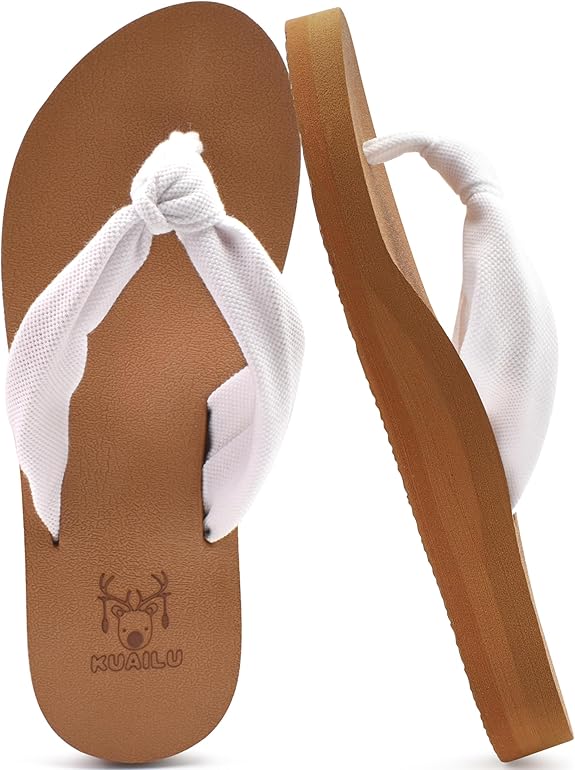
KuaiLu
Flip Flops with Arch Support
Cushioned, lightweight sandals with supportive arch design—a practical choice for beach trips, errands, and long summer walks.
Shop the sandals
baleaf
Athletic One-Piece Swimsuit
A functional one-piece with adjustable straps and moderate coverage, designed for swimming, training, surfing, and active beach days.
Shop the swimsuit
Astylish
Linen-Cotton Button-Down Shirt
A relaxed cotton-linen shirt with a collared V-neck and roll-up sleeves—easy to style over swimwear or with denim and shorts.
Shop the shirt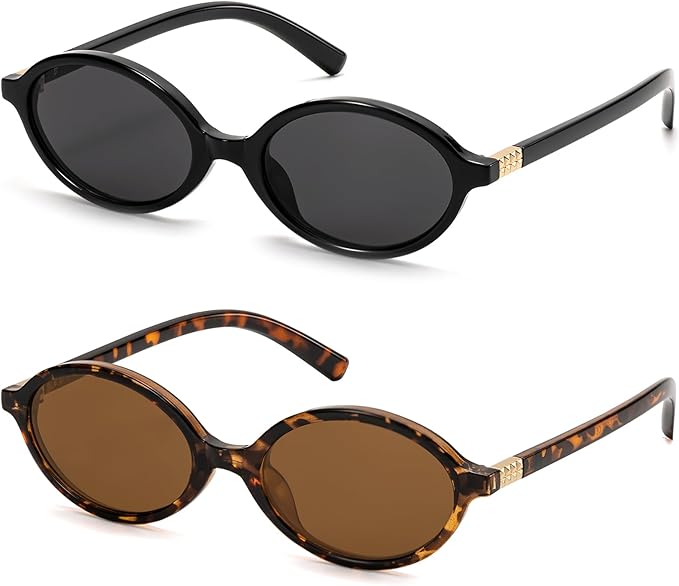
ViewJoy
Retro Oval Sunglasses
Small oval sunglasses with a 90s-inspired silhouette and UV400 lens protection—a quick way to add a vintage edge to everyday looks.
Shop the sunglasses
Affiliate disclosure: This section contains affiliate links. If you make a purchase through these links, I may earn a commission at no additional cost to you. Product selection, pricing, availability, and delivery terms may change—please review the current details on Amazon before purchasing.
As an Amazon Associate I earn from qualifying purchases.