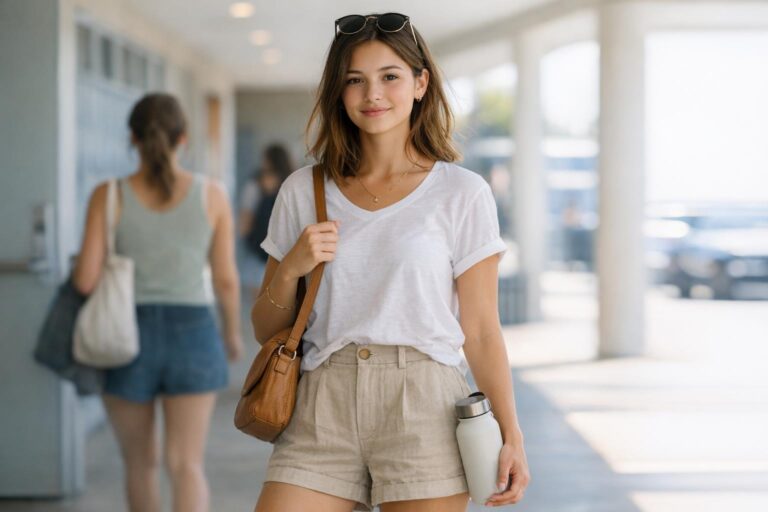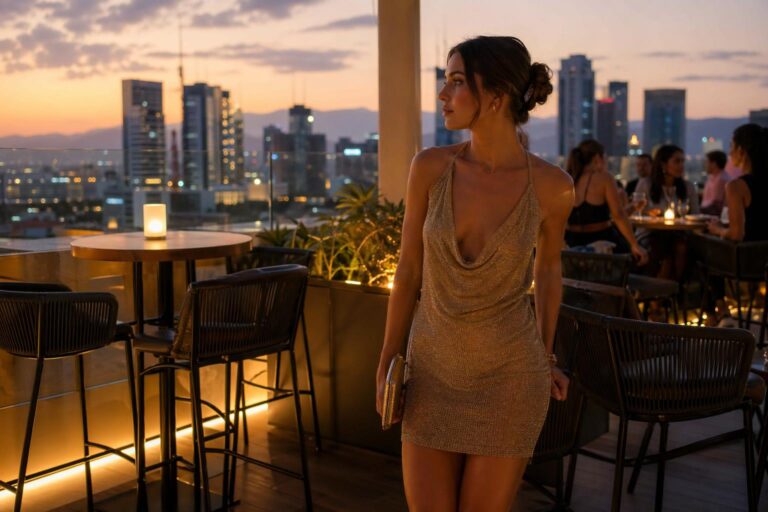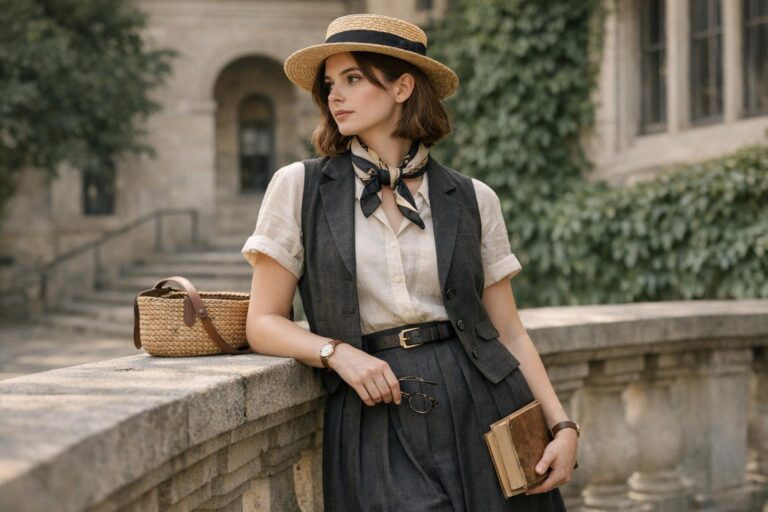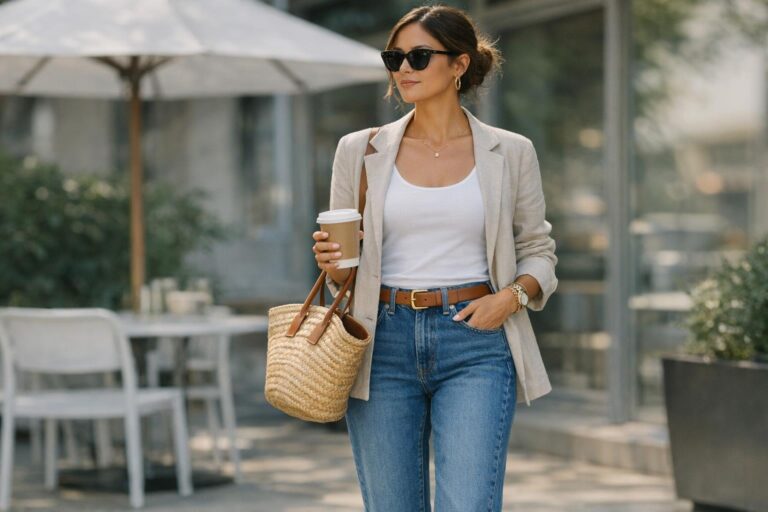
Trail-to-Town Mountain Outfit Summer for Aspen Weekends
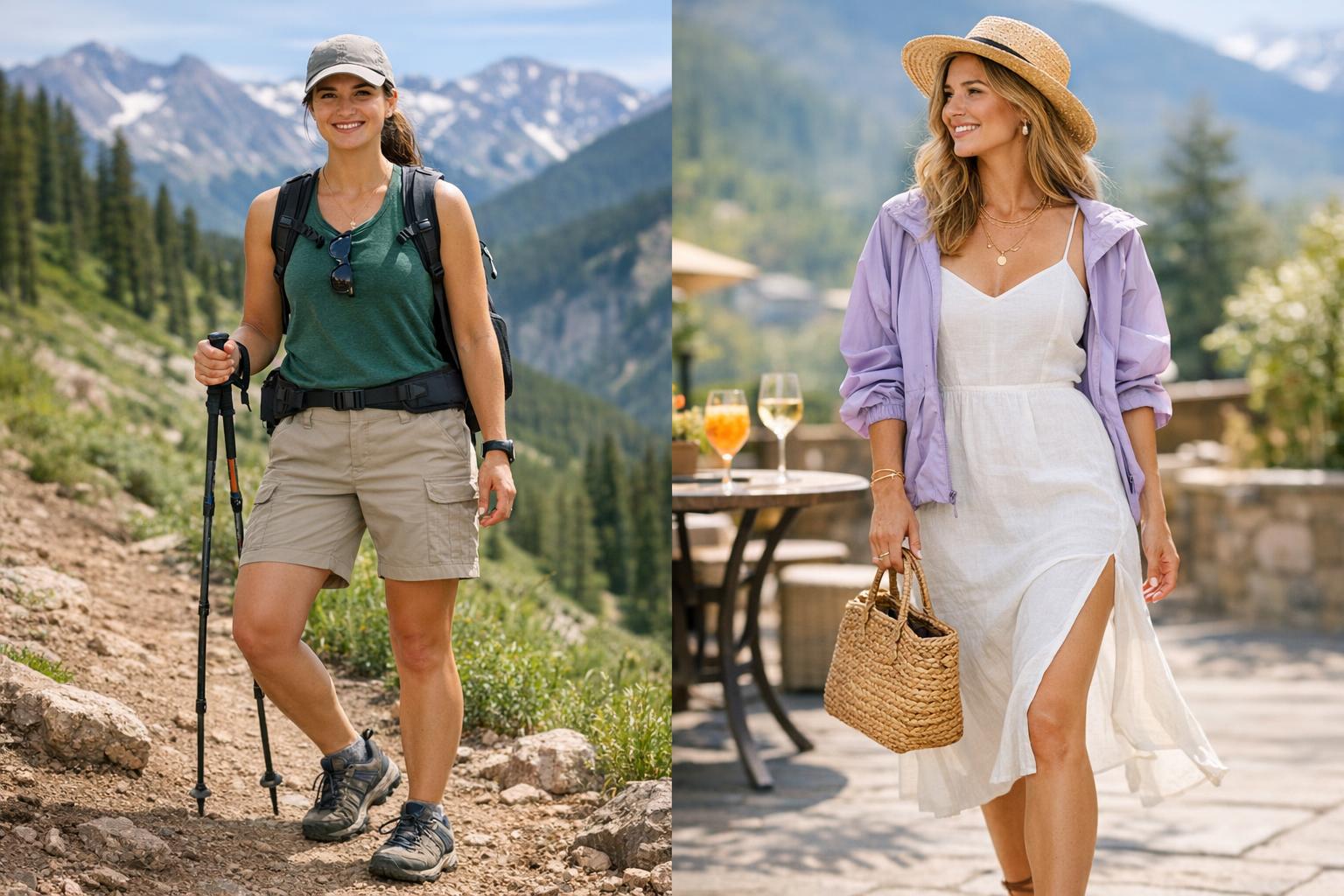
Mountain outfit summer, decoded: why “cute mountain style” and “hiking outfit” aren’t the same thing
A summer mountain day can start with bright sun on a café patio and end with a cold breeze on a lookout. That’s why “mountain outfit summer” searches pull in two very different style instincts at once: the trail-minded approach (breathable, protective, move-all-day pieces) and the mountain-town approach (easy, photo-ready outfits that still handle elevation swings).
These aesthetics get discussed together because real trips blur the lines. You might hike in the morning, drive a scenic loop in the afternoon, then change for dinner—without wanting to overpack. Summer mountain style inspiration tends to spotlight destinations like Telluride and Aspen in Colorado, Jackson Hole in Wyoming, and the broader vibes of Idaho, while summer hiking outfits lean into functional choices like lightweight layers and UV protection.
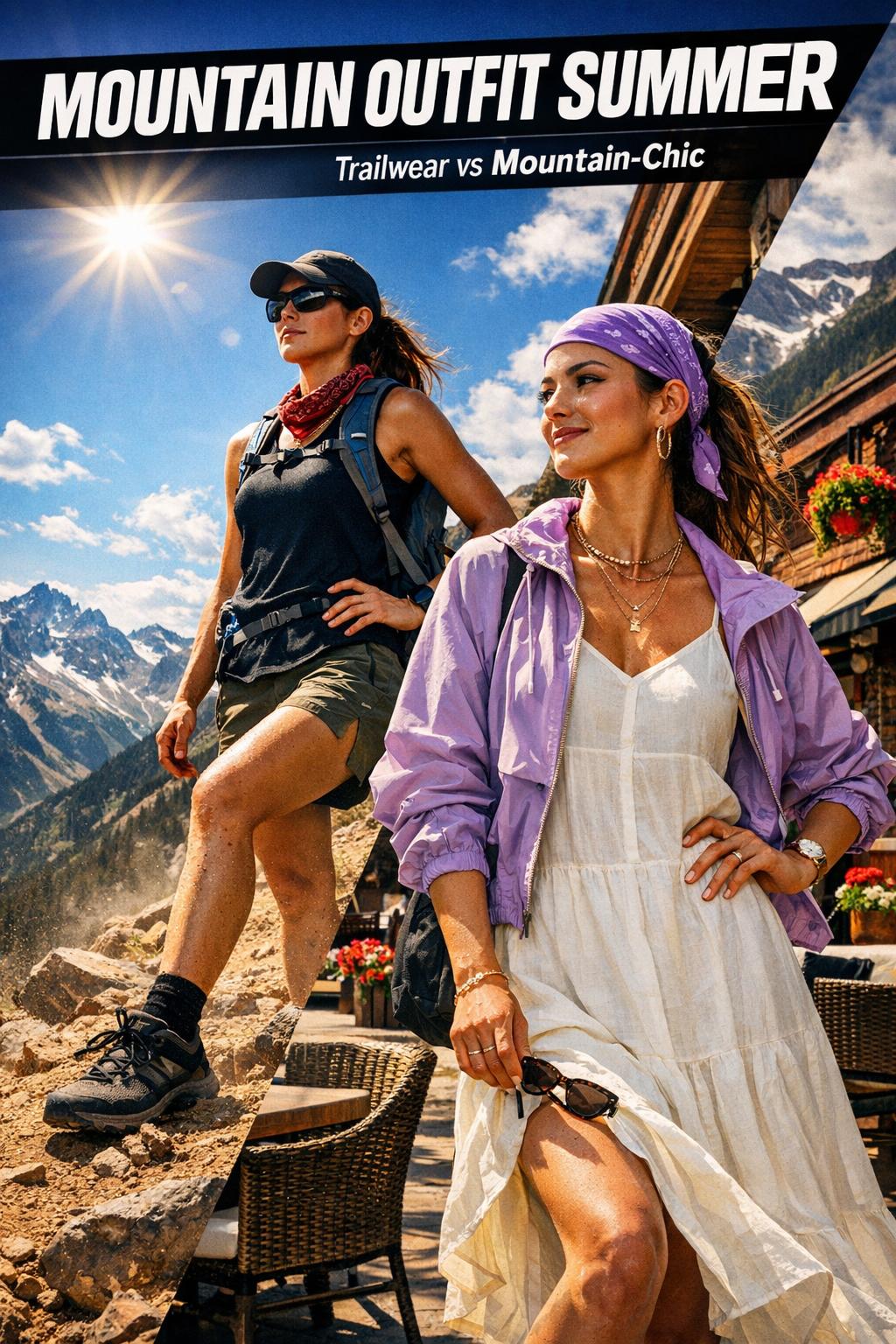
This comparison-style breakdown separates two main approaches—technical trailwear (think Mammut’s buyer-guide mindset) versus mountain-chic vacation styling (the Hunter Bell, AzureGlam, and Girl Shares Tips lane)—then shows how to blend them. You’ll get clear visual differences, outfit logic for specific situations, and practical tips for building mountain outfits summer wardrobes that feel right on both trails and town streets. Along the way, you’ll also see how a granola style / granola aesthetic fits into the conversation, plus how to adapt a hike outfit spring mindset for cool summer mornings at elevation.
The Fashion-Note Edit
Five effortless pieces to refresh your everyday wardrobe
A polished, practical edit for workdays, weekends, and everything in between.

The Drop
Women’s Blake Long Blazer
A longline, tailored blazer with a notched collar and a single-button closure—an easy layer for denim, dresses, or office-ready looks.
Shop the blazer
Amazon Essentials
Women’s Lightweight Crewneck
A soft, lightweight sweater with a clean crew neckline—the kind of reliable layer that works from cool mornings to air-conditioned spaces.
Shop the sweater
Amazon Essentials
Women’s Loafer Flat
A classic flat loafer that gives casual outfits a more polished finish and pairs naturally with tailored pants, skirts, and straight-leg jeans.
Shop the loafers
Levi’s
Women’s 501 90s Jeans
A relaxed, vintage-inspired take on the iconic 501 silhouette—made for an easy, lived-in look without the thrift-store search.
Shop the jeans
Colorfulkoala
High-Waisted 7/8 Leggings with Pockets
Soft, four-way-stretch leggings with side pockets and a high-rise waistband—designed for movement, errands, and off-duty comfort.
Shop the leggings
Affiliate disclosure: This section contains affiliate links. If you make a purchase through these links, I may earn a commission at no additional cost to you. Product selection, pricing, availability, and delivery terms may change—please review the current details on Amazon before purchasing.
As an Amazon Associate I earn from qualifying purchases.
Style overview: technical summer hiking outfits (trail-first, function-led)
This style is built around the needs of hiking and high-elevation comfort: breathability, lightweight layers, and sun-ready coverage. It’s the mindset behind a buyer’s guide like Mammut’s “summer hiking outfits for men and women,” where clothing is framed as gear—chosen for performance first, then styled through clean, sporty silhouettes.
Your wedding style is personal.
Your plan should feel that way, too.
Zarellea keeps your guest list, budget, vendors, and every next step beautifully organized — so you can focus on the moments that feel like you.
Defining characteristics: practical pieces you can move in, quick-dry feel, and purposeful accessories (like caps). The look is streamlined rather than decorative, and it tends to read “ready to hike” at a glance.
- Typical silhouettes: athletic tees or tanks, hiking shorts, zip-off pants, light layers that don’t add bulk
- Color palette: usually grounded and outdoorsy, designed to mix easily across a short trip
- Fabrics and textures: breathable fabrics, moisture-wicking feel, UV-protection focus; lightweight technical textures rather than crochet or heavy knits
- Aesthetic mood: clean, capable, “trail-ready”
Named product examples in this lane include Mammut pieces like the Core T-Shirt, Trovat T-Shirt, Aenergy FL Tank Top, Hiking Cargo Shorts, Taiss SO Shorts, Runbold Zip Off Pants, Sertig II Low, and a Sun Peak Cap. The brand framing matters: it signals that the outfit’s job is to keep you comfortable through heat, sun, and movement—not just look good for a mountain-town photo.
Style overview: summer mountain-chic (destination-led, outfit storytelling)
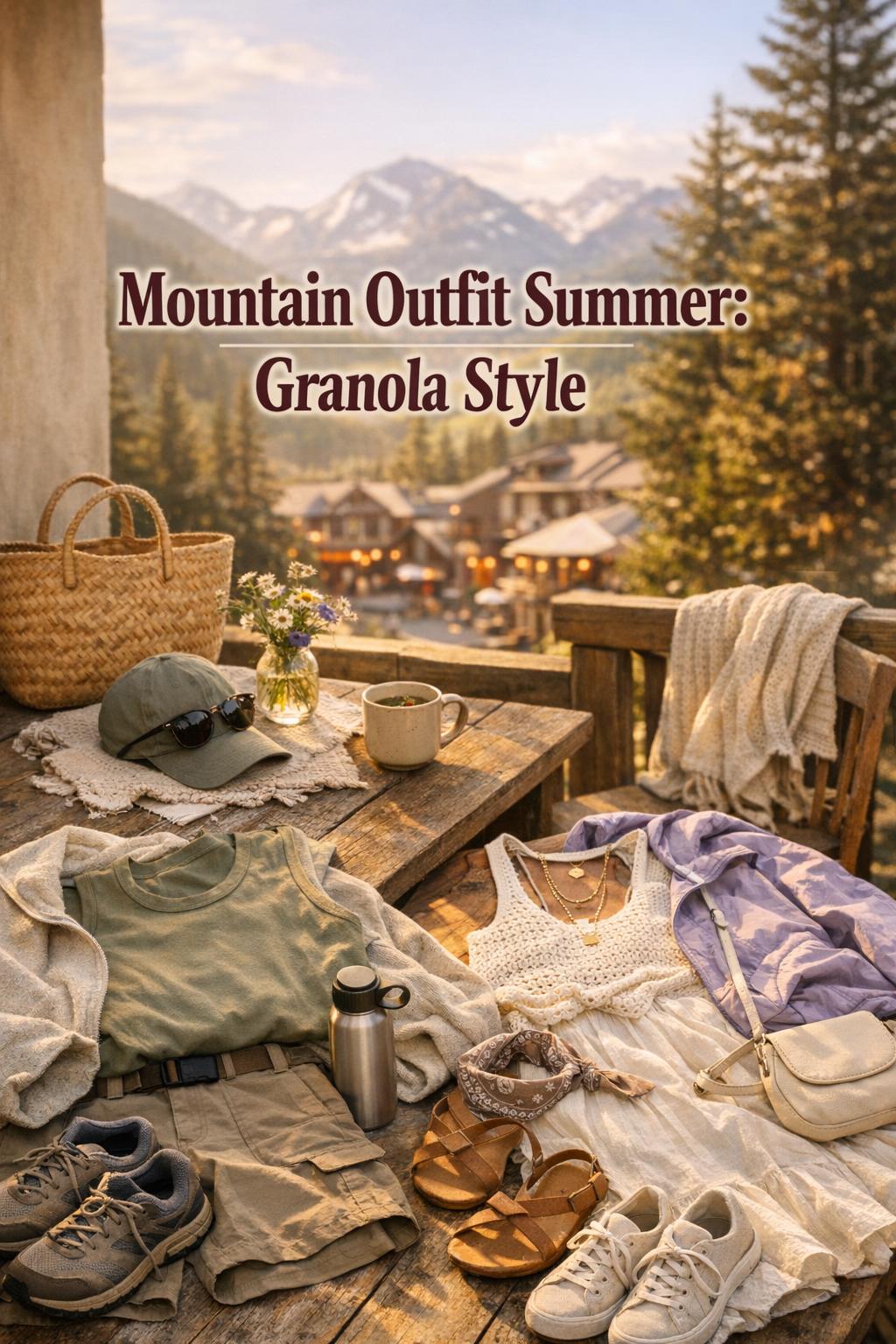
Mountain-chic is what you wear when the “mountain” is as much about the town as the trail: an Aspen stroll, a Telluride shopping afternoon, a Jackson Hole gallery stop, or an Idaho lake day. In this lane, outfits are described as scenes—Colorado cool, Idaho inspo, Wyoming wardrobe—and they often lean into resort-meets-casual dressing.
Defining characteristics: outfits with a clear visual vibe—flowing linen, crochet textures, skirts, windbreakers layered over fitted basics. This style often nods to recognizable aesthetics like “old money” polish or Korean-inspired trends (as seen in trend-led mountain outfit ideas), but it stays wearable and vacation-friendly.
- Typical silhouettes: midi dresses, denim shorts with crochet tops, tennis skirts with fitted tees, maxi skirts with crop tops, joggers with graphic tees, bike shorts with oversized sweatshirts
- Color palette: lots of neutrals (white, cream, navy, sage), with occasional bright accents (neon sweatshirts, a colorful silk bandana)
- Fabrics and textures: linen and crochet show up often; light windbreakers and soft knits appear for cooler evenings
- Aesthetic mood: “mountain vacation,” relaxed but intentional; trail-adjacent rather than trail-specific
Specific mountain-chic entities from this space include Hunter Bell’s destination styling (with locations like Telluride, Aspen, Jackson Hole, Coeur d’Alene, and Sandpoint) and the brand’s pieces like the Howard Dress and Stratton Skirt. You’ll also see a wide spread of outfit titles and concepts from roundup-style inspiration—like “Ethereal Explorer,” “Alpine Athleisure,” “Chic Summit Style,” “Lakeside Leisure,” and “Glacier Glam”—that focus on vibe and outfit balance.
The key differences (and why they matter when you’re packing)
Silhouette: streamlined mobility vs. styled proportions
Technical hiking outfits prioritize friction-free movement: tees or tanks with hiking shorts, or zip-off pants that adjust as the day warms up. Mountain-chic styling plays with proportion—an oversized plaid flannel over a white crop tank, a fitted ribbed tank dress with hoop earrings, or a floral maxi skirt paired with a fitted ribbed crop top. Both can be comfortable, but only one is built around repetitive movement and sweat management.
Fabric logic: breathable/UV-protective vs. texture-led vacation fabrics
Trail-first outfits revolve around breathable fabrics and UV protection—ideas directly emphasized in summer hiking outfit guidance. Mountain-chic outfits often elevate texture: linen dresses, crochet tops, soft knits, and layered jewelry. Those textures photograph beautifully and feel “vacation,” but they can be less practical if your day is mostly hiking rather than strolling.
Formality and finish: minimal gear vs. accessories that signal “destination”
Technical outfits tend to look finished through function: clean shoes like a low hiking shoe, a cap, and coordinated basics. Mountain-chic often adds personality with a sunhat, layered necklaces, a colorful silk bandana, or hoop earrings. It’s not about being dressy in a formal sense; it’s about looking intentional in a place that feels like a postcard.
Styling philosophy: “choose pieces that solve problems” vs. “build a vibe around a setting”
A buyer’s-guide approach (like Mammut’s) starts with the problem: heat, sun, and active movement. A mountain-style editorial approach starts with the setting: Colorado cool, Wyoming wardrobe, or a waterfall moment, then builds outfits that match the mood. Neither is wrong—the difference is what you want the outfit to do for you that day.
Visual style breakdown: how you can spot each look in real life
Layering approach: planned adaptability vs. cozy accents
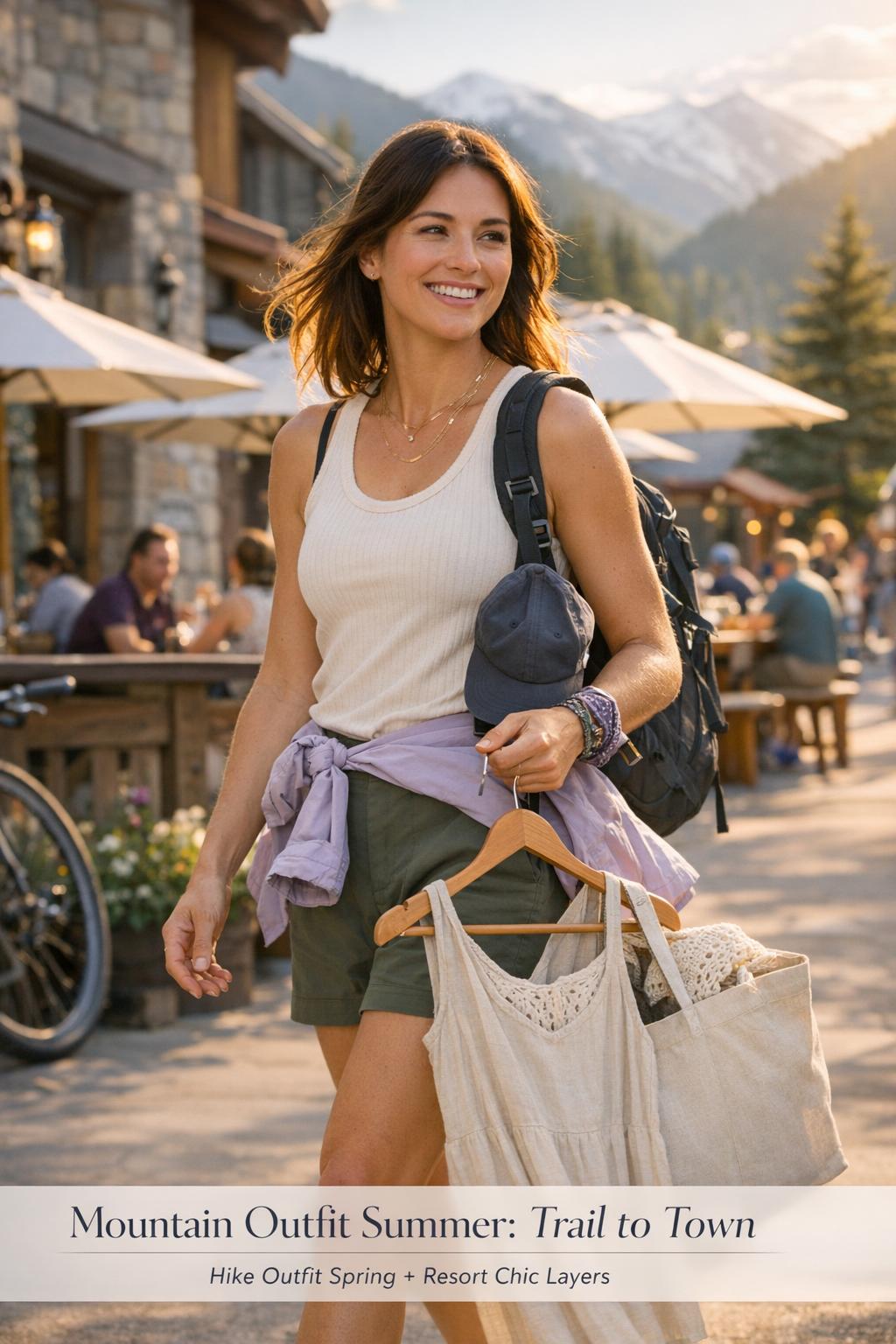
Technical summer hiking outfits layer lightly and intentionally. Think: a breathable tee or tank, hiking shorts or zip-off pants, and a simple cap—pieces you can adjust fast. Mountain-chic layering is often about warmth and style cues: a lilac windbreaker over a fitted tee and tennis skirt, or a cream knit sweater with black leggings and fuzzy socks for an evening indoors. Both are layers, but the “why” is different: rapid comfort changes versus visual finishing.
Garment proportions: athletic balance vs. silhouette play
Trail-first looks usually keep proportions athletic and close to the body for movement—shorts that don’t ride, tees that don’t cling, and pants that convert. Mountain-chic outfits use proportion to create a scene: flowing midi dresses, maxi skirts, oversized sweatshirts with bike shorts, or joggers with a bold graphic tee and platform sneakers. If you want photos that read “mountain vacation,” proportion play does a lot of work.
Accessories and footwear: cap-and-shoe practicality vs. hat-and-sandal styling
In technical outfits, footwear and accessories are often minimal but purposeful: a low hiking shoe like Mammut’s Sertig II Low and a Sun Peak Cap for sun coverage. In mountain-chic, footwear becomes part of the outfit story—brown strappy sandals with a white linen midi dress, espadrille wedges with a wrap midi dress, or chunky white sneakers with bike shorts and an oversized neon sweatshirt. This is where the looks diverge fastest: trail surfaces push you toward stable footwear, while town scenes allow more playful shoes.
Where granola style fits: the bridge between trail-first and mountain-chic
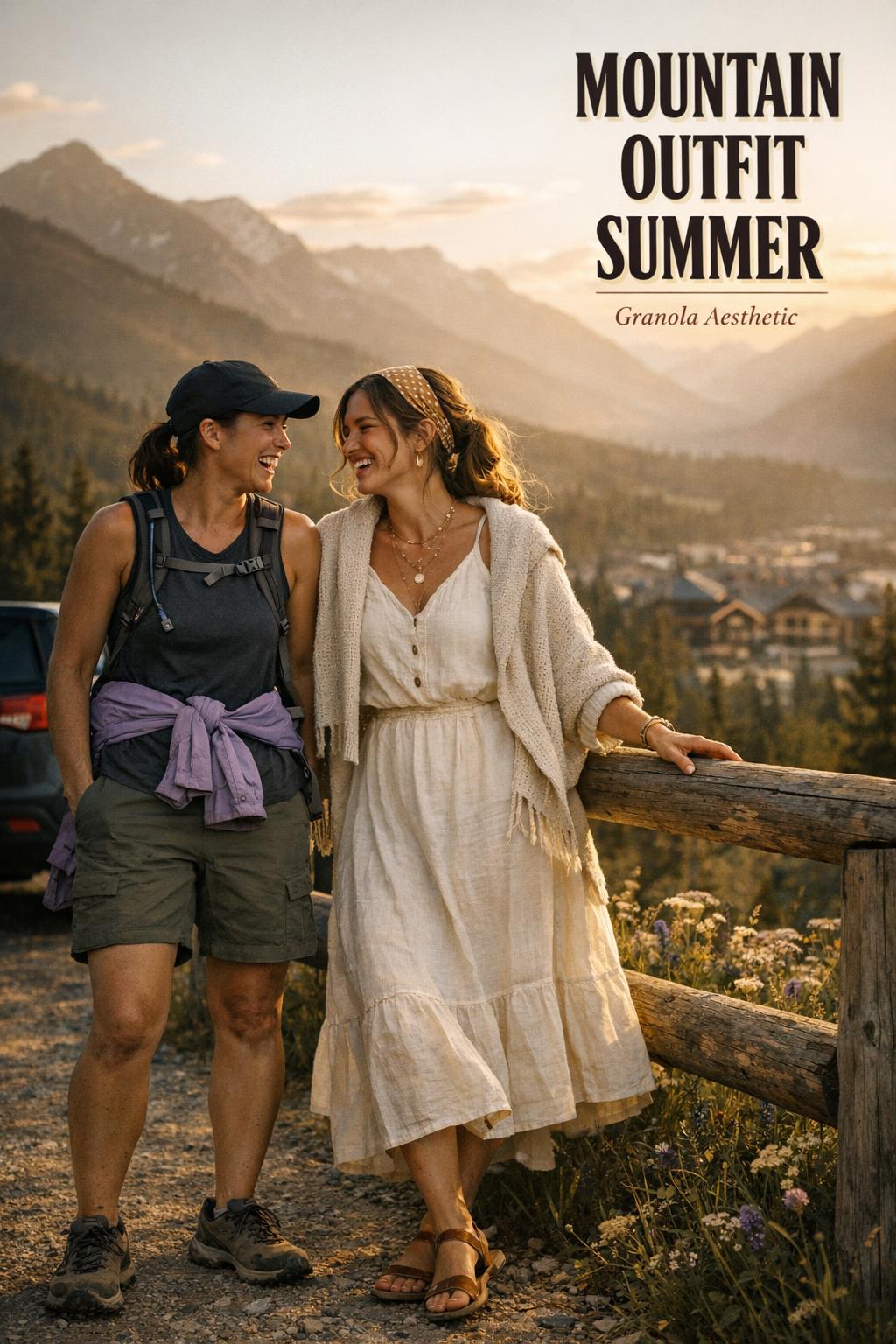
Granola style (and the broader granola aesthetic) sits in the middle: outdoorsy enough to feel appropriate near trails, styled enough to work in town. In practice, it borrows the comfort logic of hiking outfits—breathability, easy layers—but expresses it through relaxed, nature-friendly outfit combinations that look right at a lakeside overlook or a casual market stop.
You can see granola-adjacent cues across the summer mountain outfit ideas space: “Alpine Athleisure” and “Trail-Runner’s Trend” read functional, while “Rustic Redefined” and “Forest Fashionista” lean more styled. The granola aesthetic is what happens when you keep the trail outfit backbone but soften the edges with texture, relaxed layering, and vacation accessories.
Tips: an easy “granola style formula” that still looks put-together
Start with one technical anchor piece (a breathable tee, hiking shorts, or zip-off pants), then add one vacation cue (a windbreaker color you love, a simple sunhat, or a bandana). Keeping it to one “statement” piece prevents the outfit from feeling like you’re wearing hiking gear to dinner or wearing a dinner outfit on a dusty trail.
Outfit comparisons for real mountain moments (trail, town, and everything between)
Instead of treating mountain outfits summer as one big list, use the same situation and style it two ways: a technical version and a mountain-chic version. This makes it easier to pack for mixed plans—especially in places like Colorado, Wyoming, and Idaho where a day can shift quickly.
Example comparison: early morning coffee in Aspen, then a short hike
Technical hiking outfit approach: A breathable tee like a Mammut Core T-Shirt with hiking shorts (Hiking Cargo Shorts) keeps the look simple and heat-ready. Add a Sun Peak Cap so you’re not thinking about sun exposure once you leave town. The silhouette is clean and sporty, with everything chosen for comfort once the walk turns into a climb.
Mountain-chic approach: A navy tennis skirt with a fitted white tee gives an easy, crisp shape for town, then a lilac windbreaker becomes your “just in case” layer for shade and breezes. Visually, it reads more styled—slim on top, light movement on the bottom—while still feeling casual enough to wander into a trail-adjacent viewpoint without changing outfits.
Example comparison: Telluride sightseeing day (shops, photos, and a late sunset)
Technical hiking outfit approach: Runbold zip-off pants paired with a lighter top like the Trovat T-Shirt is a smart “all-day temperature swing” combination: pants in the shade, zip off if it warms up. The look reads minimalist and capable—ideal if you expect to walk a lot and don’t want to carry extra clothing.
Mountain-chic approach: A flowing white linen midi dress with brown strappy sandals is the classic mountain vacation picture: airy movement, clean color, and an outfit that looks intentional without feeling fussy. If you know you’ll be out late, you’d rely on an outer layer (like a windbreaker or a cozy knit) for the temperature drop rather than changing the whole look.
Example comparison: Jackson Hole day with “rugged-chic” energy
Technical hiking outfit approach: A tank like the Mammut Aenergy FL Tank Top with technical shorts (Taiss SO Shorts) keeps it cool and movement-friendly. It’s a clear “I might be active today” signal—good if your plans include time on uneven ground.
Mountain-chic approach: Sage green cargo pants with a black cropped hoodie and rugged hiking boots capture the rugged-chic idea without going full performance. The cargo shape gives structure, the hoodie adds a cozy layer, and the boots keep the outfit grounded for walking. It reads more like a “Wyoming wardrobe” outfit—styled, but outdoors-aware.
Example comparison: Idaho lakeside afternoon (Coeur d’Alene or Sandpoint mood)
Technical hiking outfit approach: Keep it minimal and sun-ready: a breathable tee, shorts, and a cap. The goal is comfort through heat and movement, even if you’re just walking the shoreline and hopping in and out of the car for viewpoints.
Mountain-chic approach: A cream crochet top with high-waisted denim shorts and layered necklaces leans into the “Idaho inspo” vacation feel. It’s visually textured and photogenic, and it works best when your plan is more strolling than sweating—think shops, lunch, lake photos, repeat.
Example comparison: waterfall stop (quick hike, lots of mist, lots of photos)
Technical hiking outfit approach: Choose pieces that won’t feel heavy if they get damp: a breathable top and practical bottoms. If you’re walking near spray, the biggest win is comfort—clothing that doesn’t cling and footwear that keeps you steady.
Mountain-chic approach: This is where a concept like “Waterfall Wanderlust” shines: fitted basics with a light layer that looks good in photos. A windbreaker over a simple outfit can give you shape and color contrast without committing to a heavy jacket.
Men’s vs. women’s outfit logic: similar needs, different styling cues
One reason “summer hiking outfits for men and women” content performs well is that the core needs are the same—breathability, sun readiness, lightweight comfort—while the styling cues often differ. Men’s outfit inspiration frequently stays close to tees, shorts, and convertible pants; women’s mountain outfit inspiration spans a wider range from athletic sets to dresses, skirts, and layered accessories.
That doesn’t mean you need separate packing lists. It means you can use the same framework: start with one high-function base (a tee or tank, shorts or pants), then decide whether you want your second layer to be performance-led (cap, technical piece) or destination-led (windbreaker color, jewelry, dress silhouette). It’s a simple way to keep mountain outfit summer planning consistent while still matching your personal style.
Fabric and comfort priorities that show up in every good mountain outfit summer plan
Even the most styled mountain-chic looks work better when you respect a few mountain realities: direct sun, quick weather shifts, and long walking days. This is where trail-first guidance—breathable fabrics, UV protection, lightweight gear—improves almost any outfit category, including dresses and skirts.
Breathable fabrics and moisture comfort (without overthinking it)
If you’ve ever felt fine in the shade and overheated the moment you hit a sunny trail, you already understand why breathable fabrics matter. Technical outfits lead here naturally, but you can apply the same logic to mountain-chic: favor lighter pieces (linen-like ease, breezy silhouettes) and keep a simple layer available for temperature drops.
Sun and UV protection: the accessory strategy that looks intentional
Sun protection doesn’t have to look sporty if you don’t want it to. A cap like Mammut’s Sun Peak Cap reads athletic; a sunhat in a mountain-chic outfit reads vacation. Both solve the same problem. The key is choosing the version that matches your day: more hiking points to a cap; more town photos points to a sunhat.
Footwear as the “truth teller” of your plan
Footwear is often what decides whether an outfit is truly trail-ready or simply trail-inspired. A low hiking shoe like the Mammut Sertig II Low makes a shorts-and-tee outfit look prepared for uneven ground. Sandals, espadrille wedges, and heeled sandals belong more naturally to town days—great for dinners and boardwalk-like strolls, less ideal for rocky viewpoints. If you’re trying to pack light, choose one pair that matches the majority of your itinerary, then bring a second pair only if your plans genuinely split between hiking and dining.
Destination cues: how Colorado, Wyoming, and Idaho change the vibe of the same outfit
Mountain style isn’t one uniform look. The most helpful inspiration often attaches outfits to places—Colorado cool, Wyoming wardrobe, Idaho inspo—because it forces you to picture how you’ll actually spend your day.
Telluride: alpine glam with practical layers
Telluride cues often feel polished but not precious. This is a great place for a clean, simple base outfit with one elevated detail—like a dress silhouette (a Howard Dress moment) or a crisp skirt-and-tee combination—plus a light layer for evening. If you lean more trail-first, Telluride is where convertible pants and a breathable tee still feel appropriate because walking is part of the day.
Aspen: resort-meets-trail balance
Aspen style often reads like “I might hike, but I also have lunch plans.” Tennis skirts with fitted tees, wrap midi dresses with sunglasses, and neat sneakers fit naturally here. If you want to keep it functional, a technical tee and shorts can still look sharp in town when the fit is clean and the accessories are minimal.
Jackson Hole: rugged-chic, with real walking built in
Jackson Hole styling can handle more rugged pieces without looking out of place: cargo pants, cropped hoodies, and hiking boots live comfortably here. It’s also an easy destination for a granola aesthetic—functional shapes, cozy layers, and outdoor-ready footwear—especially if your day includes a mix of scenic drives and short walks.
Idaho (Coeur d’Alene and Sandpoint): lakeside leisure with texture
Idaho lake-town inspiration is where texture really shines: crochet tops, denim shorts, layered necklaces, and relaxed dresses. These outfits are less about summiting and more about easy vacation movement—walking, sitting, and taking photos. If you’re doing more active exploring, anchor the look with a breathable base and keep the accessories simpler.
Practical packing: building a 3–4 day mountain outfits summer mini-wardrobe
A short mountain trip is where these two style approaches can either clash or cooperate. The easiest way to avoid overpacking is to decide your “default lane” (trail-first or mountain-chic) and then add a few bridge pieces that switch the vibe. This is also where a hike outfit spring mentality helps: mornings and evenings can feel like a different season, even in summer.
The trail-first capsule (Mammut-style logic)
- Breathable tops: options like the Mammut Core T-Shirt, Trovat T-Shirt, or Aenergy FL Tank Top
- Bottoms that adapt: Hiking Cargo Shorts, Taiss SO Shorts, or Runbold zip-off pants
- One pair of practical footwear: a low hiking shoe such as the Sertig II Low
- Sun coverage: a cap such as the Sun Peak Cap
This capsule works best when hiking is the point of the trip and town time is secondary. The limitation: you may feel underdressed for a nice dinner unless you add one “town look” piece.
The mountain-chic capsule (vacation outfit logic)
- One easy dress silhouette: a linen midi dress, a wrap midi dress, or a fitted ribbed tank dress
- One texture top: a cream crochet top for denim shorts days
- One skirt option: a tennis skirt or maxi skirt for movement and photos
- A light layer: a windbreaker (like the lilac windbreaker idea) or a cozy knit sweater for evenings
- Footwear split: sneakers for long walking + one dressier option (sandals or espadrille wedges) if your plans include dinners
This capsule shines for town-heavy itineraries in Colorado, Idaho, or Wyoming where you still want to look pulled together. The limitation: if you end up hiking more than planned, crochet and heeled footwear can feel impractical fast.
Tips: the “one outfit change” trick that saves luggage space
For mixed days, plan one quick change item rather than a full outfit swap. Example: keep the same fitted tee and sneakers, but switch from hiking shorts to a tennis skirt for town; or keep the same breathable top and switch from denim shorts to zip-off pants for a trail add-on. The less you change at once, the more cohesive (and packable) your mountain outfit summer wardrobe feels.
Common styling mistakes (and what to do instead)
Mistake: dressing only for the noon temperature
Mountain days often include cooler starts and late temperature drops, which is why windbreakers, light layers, and convertible bottoms show up repeatedly in mountain styling content. Fix it by building at least one outfit per day that can handle a shift—zip-off pants, a windbreaker, or a cozy layer that doesn’t overwhelm your silhouette.
Mistake: choosing shoes for photos, not surfaces
Heeled sandals can look great with denim or a crocheted top, and espadrille wedges can elevate a wrap midi dress. But if your itinerary includes scenic pull-offs with uneven ground, a sneaker or hiking shoe will keep the day comfortable. Fix it by matching footwear to your most demanding activity first, then styling the outfit around that reality.
Mistake: mixing too many “vibes” in one look
A granola aesthetic can be the perfect bridge, but only if you keep the outfit clear. If you combine heavy jewelry, a neon oversized sweatshirt, and overly technical pieces all at once, the look can feel confused. Fix it by choosing one lane to lead (trail-first or mountain-chic) and letting the other lane appear through one supporting detail (a windbreaker color, a cap, a bandana, or a single textured piece).
How to blend the styles without looking like you packed two wardrobes
The best mountain outfits summer often look effortless because they’re built on a simple base: a breathable top, a comfortable bottom, and shoes that match the day. From there, style is mostly small adjustments—texture, proportion, and accessories.
- To make trailwear look more town-ready: keep the fit clean, add one intentional accessory (cap or sunglasses), and avoid over-layering bulky pieces.
- To make mountain-chic outfits more trail-capable: swap delicate footwear for sneakers or a low hiking shoe, and add a light layer like a windbreaker instead of a heavy knit.
- To lean into granola style: combine one technical piece (zip-off pants or hiking shorts) with one vacation cue (crochet texture, bandana, or a sunhat) and keep the rest neutral.
If you’re someone who searches “hike outfit spring” for transitional weather ideas, use that same instinct in summer mountains: plan for variability. A summer look can still borrow spring logic—light layers, flexible bottoms, and an outfit that stays comfortable when the sun disappears behind trees.
Where a madeira hiking outfit fits in (and how to keep it consistent with your mountain wardrobe)
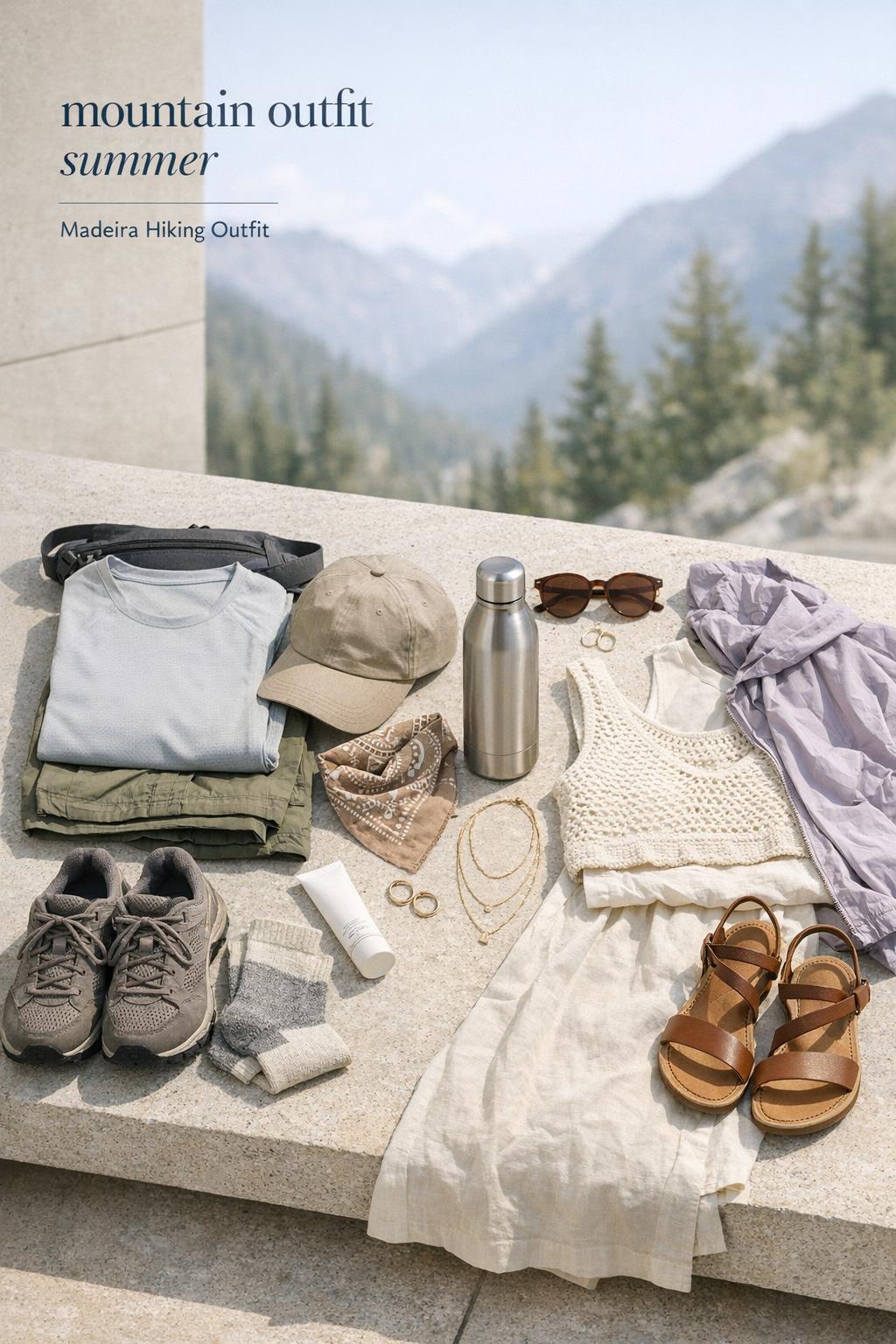
People often use “madeira hiking outfit” as shorthand for a warm-weather hiking look that still photographs well—light layers, breathable comfort, and a clean silhouette you’d wear for viewpoints. Even though the destination name changes, the outfit challenge is the same one you face in U.S. mountain towns: you want trail comfort without feeling like you’re in full-on gym gear.
The easiest way to translate that idea into a U.S. mountain outfit summer plan is to borrow from the trail-first framework (breathable tops, practical shorts or zip-off pants, sun coverage), then add a mountain-chic finishing cue—like a color-coordinated windbreaker or a simple accessory. That approach also keeps your wardrobe consistent if your trip includes both “hiking outfit” days and “mountain town” days.
Kids’ mountain outfits summer: a quick note on the Target approach
Mountain trips often involve shopping for the whole family, and that’s where a retailer category like Target’s “mountain: kids’ summer outfits” fits into the landscape. The logic is straightforward: simple summer staples (like a short sleeve graphic tee) that suit active days and casual plans.
If you’re building a family packing list, treat kids’ outfits the same way you treat your own: prioritize comfort and flexibility first, then add fun details. Brands shown in this space include Cat & Jack and All in Motion, which align naturally with casual, movement-friendly summer dressing.
When to choose each style (so your outfit matches your actual day)
Choose technical trailwear when:
- Your day includes longer hikes or consistent activity
- You need sun-ready coverage and breathable comfort as the main priority
- You want a simple outfit system that repeats easily across multiple days
Choose mountain-chic when:
- Your itinerary is town-forward: restaurants, shopping, scenic drives, photos
- You want outfit variety (dresses, skirts, layered accessories) without looking overdressed
- You’re inspired by destination styling—Colorado cool, Idaho inspo, Wyoming wardrobe
Choose a granola style blend when:
You’re doing “a bit of everything” and want one outfit to stretch across contexts. This is the sweet spot for looks like “Alpine Athleisure” or “Trail-Runner’s Trend,” where comfort leads but the outfit still has a clear, casual vacation feel.
FAQ
What makes a mountain outfit summer-ready compared to a regular summer outfit?
A mountain outfit summer plan usually adds three things to a typical warm-weather outfit: breathable comfort for long walking, sun/UV awareness (often through hats or coverage), and a light layering strategy for quick temperature shifts between sunny afternoons and cooler mornings or evenings.
How do I choose between a technical hiking outfit and mountain-chic vacation style?
Use your most demanding activity as the deciding factor: if hiking is the main event, go technical with breathable pieces and practical footwear; if town time and photos are the focus, lean mountain-chic with dresses, skirts, and textured pieces, then add a light layer like a windbreaker for comfort.
What are the most reliable “bridge pieces” if I want one outfit for trail-to-town?
A breathable top, versatile bottoms (including convertible options like zip-off pants), and a light layer like a windbreaker are the easiest bridge pieces, because they support movement and temperature changes while still looking clean enough for cafés and casual dinners in mountain towns.
How can I make a granola aesthetic look intentional instead of messy?
Pick one lane to lead (trail-first or mountain-chic) and let the granola aesthetic show through one supporting detail, such as a cap, a bandana, a textured top, or a relaxed layer; keeping the rest of the outfit simple prevents the look from feeling like mixed costumes.
What should I wear in places like Telluride, Aspen, or Jackson Hole in summer?
These destinations all reward outfits that handle walking and shifting temperatures: Telluride often suits polished-but-practical layers, Aspen balances resort-meets-trail looks like skirts with light outer layers, and Jackson Hole pairs well with rugged-chic pieces like cargo pants and supportive footwear.
How do I plan mountain outfits summer packing for a 3–4 day trip without overpacking?
Choose a default style lane (technical or mountain-chic), then add a few bridge items so outfits can shift context; planning one quick-change item per day—like swapping bottoms or adding a windbreaker—usually creates more outfit variety than packing multiple complete looks.
Are dresses and skirts practical for a summer mountain vacation?
They’re practical for town-heavy days and scenic drives, especially in silhouettes like midi and wrap dresses or tennis and maxi skirts, but they can be limiting for longer hikes; if your day might include uneven ground, pair them with walkable shoes and keep a light layer on hand.
How do I adapt a hike outfit spring mindset to summer in the mountains?
Use the same transitional logic—light layers and flexible pieces—because summer mountain mornings and evenings can feel cooler than expected; windbreakers, convertible pants, and breathable tops help you adjust without needing a full outfit change.
What is a madeira hiking outfit, and how does it relate to U.S. mountain summer style?
A madeira hiking outfit is often used to describe a warm-weather hiking look that’s breathable, practical, and photo-friendly, and the same approach works for U.S. mountain trips: start with trail-comfort basics, then add a simple style cue like a coordinated layer or accessory so the outfit fits both viewpoints and town stops.
Finish the look
The little extras that make a summer outfit feel complete
From beach days to city weekends, these easy pieces bring comfort, texture, and a polished finishing touch.

FENBEN
Straw Hobo Crossbody Bag
A handwoven straw bag with both short and crossbody straps—an effortless finishing touch for vacation looks and warm-weather outfits.
Shop the bag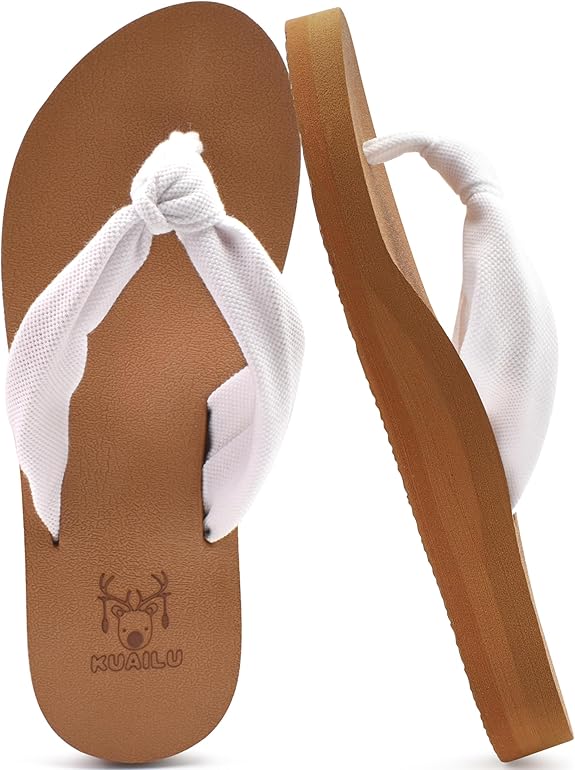
KuaiLu
Flip Flops with Arch Support
Cushioned, lightweight sandals with supportive arch design—a practical choice for beach trips, errands, and long summer walks.
Shop the sandals
baleaf
Athletic One-Piece Swimsuit
A functional one-piece with adjustable straps and moderate coverage, designed for swimming, training, surfing, and active beach days.
Shop the swimsuit
Astylish
Linen-Cotton Button-Down Shirt
A relaxed cotton-linen shirt with a collared V-neck and roll-up sleeves—easy to style over swimwear or with denim and shorts.
Shop the shirt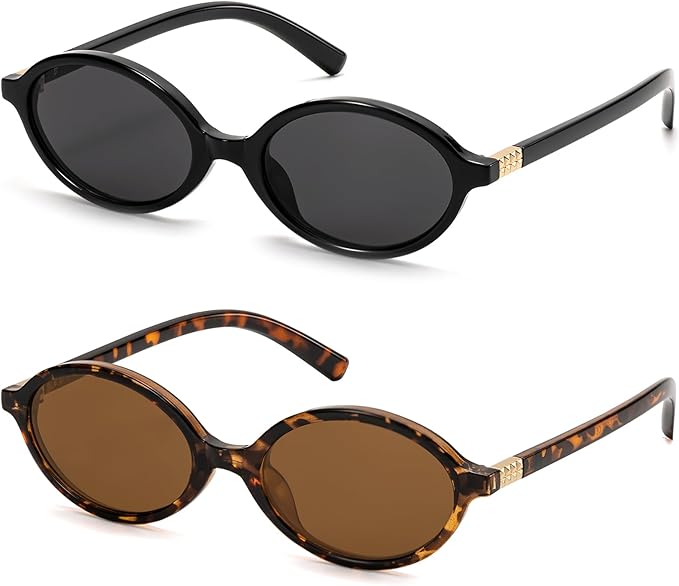
ViewJoy
Retro Oval Sunglasses
Small oval sunglasses with a 90s-inspired silhouette and UV400 lens protection—a quick way to add a vintage edge to everyday looks.
Shop the sunglasses
Affiliate disclosure: This section contains affiliate links. If you make a purchase through these links, I may earn a commission at no additional cost to you. Product selection, pricing, availability, and delivery terms may change—please review the current details on Amazon before purchasing.
As an Amazon Associate I earn from qualifying purchases.