Simple Thanksgiving Outfits: An Easy Editing Method
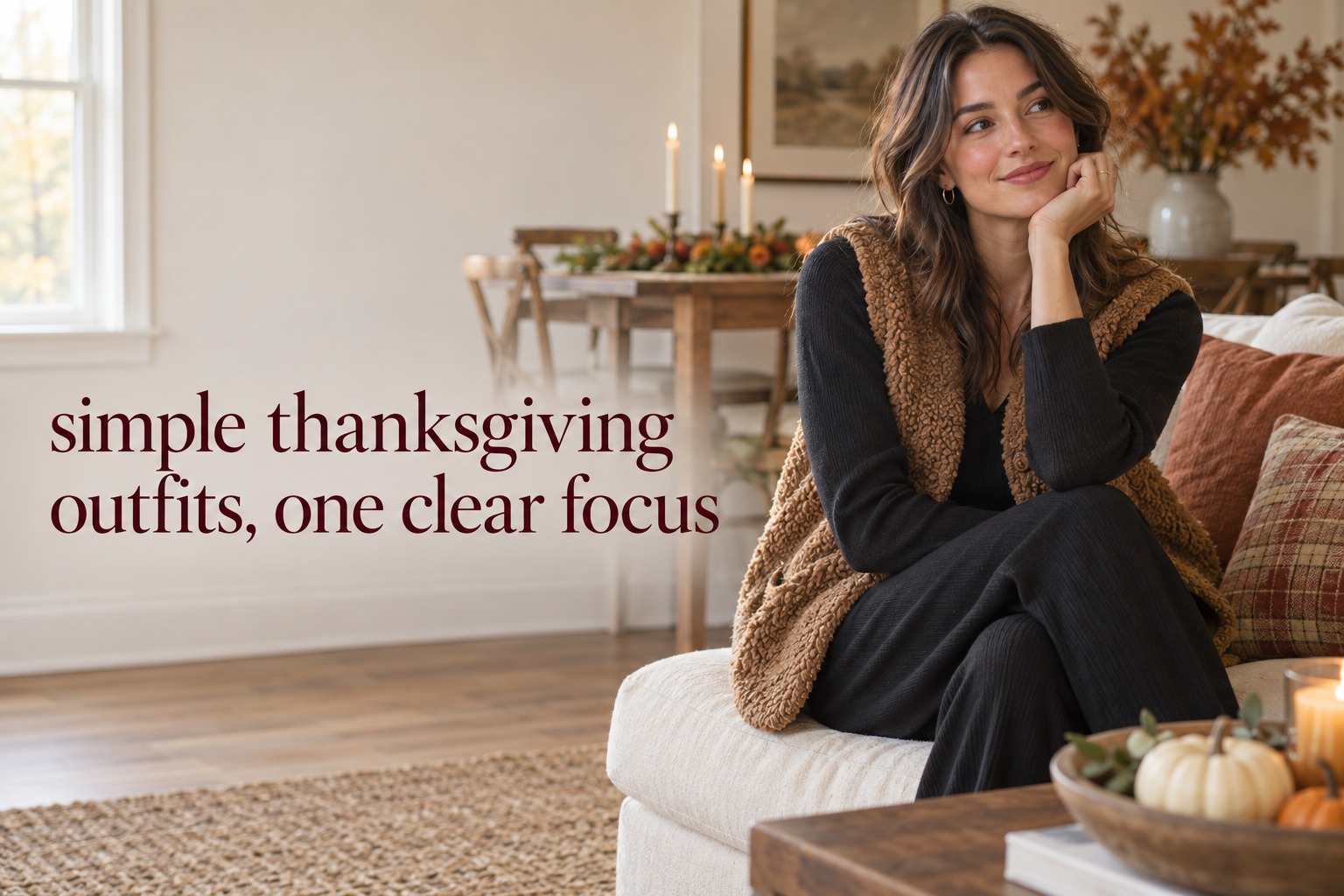
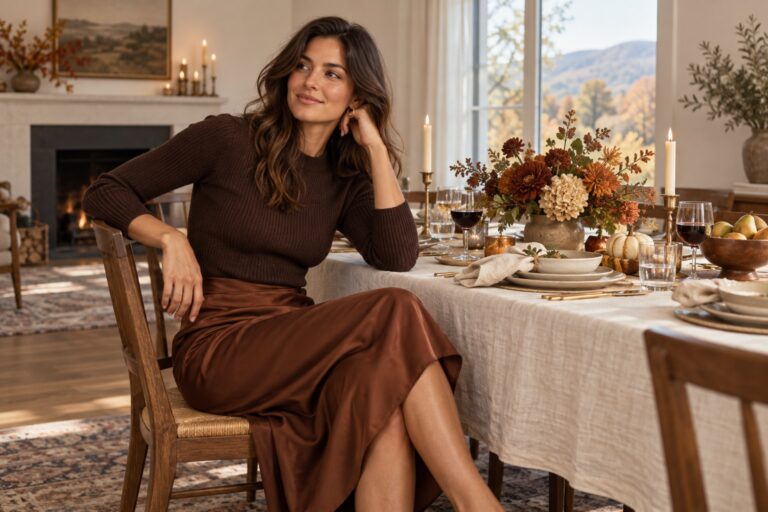
A Thanksgiving outfit does not need a special theme, a new purchase, or several carefully coordinated layers. Start with one piece you already like wearing, give it room to stand out, and add only the details that help the outfit feel finished. That small editing rule makes simple thanksgiving outfits easier to choose and easier to wear through a long afternoon or evening.
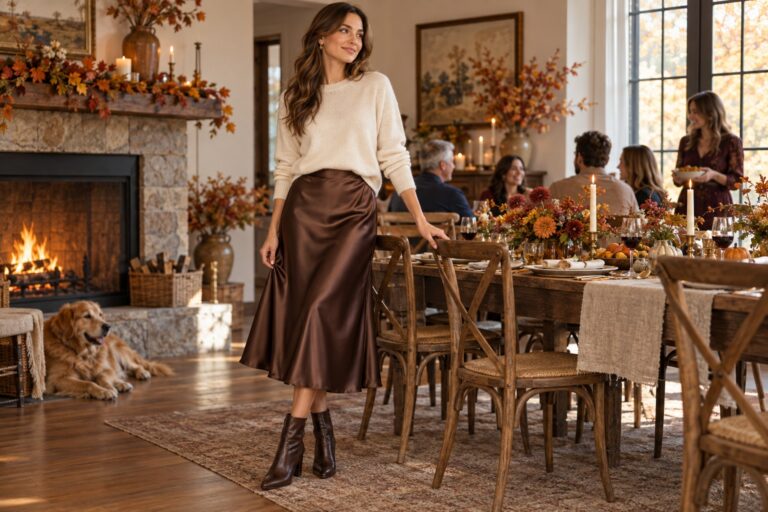
The useful question is not how to make a basic look more elaborate. It is which one decision will make the look feel deliberate. A soft sweater can be the point of interest because of its texture. A skirt can supply movement. A clean pair of jeans can give a dressier top a relaxed base. Once one element leads, the rest of the outfit can support it quietly.
Use the method below as a short sequence: choose an anchor, build around it, edit one competing detail, and make a small adjustment for the invitation. You can use the clothes already in your closet and keep the result personal rather than matching a prescribed holiday palette.
The Fashion-Note Edit
Five effortless pieces to refresh your everyday wardrobe
A polished, practical edit for workdays, weekends, and everything in between.

The Drop
Women’s Blake Long Blazer
A longline, tailored blazer with a notched collar and a single-button closure—an easy layer for denim, dresses, or office-ready looks.
Shop the blazer
Amazon Essentials
Women’s Lightweight Crewneck
A soft, lightweight sweater with a clean crew neckline—the kind of reliable layer that works from cool mornings to air-conditioned spaces.
Shop the sweater
Amazon Essentials
Women’s Loafer Flat
A classic flat loafer that gives casual outfits a more polished finish and pairs naturally with tailored pants, skirts, and straight-leg jeans.
Shop the loafers
Levi’s
Women’s 501 90s Jeans
A relaxed, vintage-inspired take on the iconic 501 silhouette—made for an easy, lived-in look without the thrift-store search.
Shop the jeans
Colorfulkoala
High-Waisted 7/8 Leggings with Pockets
Soft, four-way-stretch leggings with side pockets and a high-rise waistband—designed for movement, errands, and off-duty comfort.
Shop the leggings
Affiliate disclosure: This section contains affiliate links. If you make a purchase through these links, I may earn a commission at no additional cost to you. Product selection, pricing, availability, and delivery terms may change—please review the current details on Amazon before purchasing.
As an Amazon Associate I earn from qualifying purchases.
Start With a Few Reliable Building Blocks
A simple outfit can still feel special. Simplicity comes from giving the eye a clear place to land, not from wearing only plain clothes or sticking to one color. Think of a look as three choices: an anchor, a point of interest, and a useful finish. The anchor establishes the outfit, the point of interest adds character, and the finish handles the practical details such as shoes or a layer.
Your wedding style is personal.
Your plan should feel that way, too.
Zarellea keeps your guest list, budget, vendors, and every next step beautifully organized — so you can focus on the moments that feel like you.
Sometimes one item can do two jobs. A textured cardigan may be both the anchor and the interesting detail. A printed skirt may provide the visual focus while a plain knit and simple flats complete the look. The point is to avoid asking every piece to compete. If the top has a strong pattern, let the jewelry and bag stay quiet. If the shoes are a statement, keep the rest of the accessories spare.
This is different from building a capsule wardrobe. You do not need to select a set number of coordinated pieces or plan several outfits in advance. You are making one look legible by choosing what matters most and removing what distracts from it. A familiar pair of jeans can look considered when the fit, top, and shoes have clear roles.
It is also different from dressing in a strict holiday color palette. Rust, burgundy, forest green, and cream can feel seasonal, but a color is not a requirement. A black knit with blue denim, a navy dress with a camel layer, or a favorite neutral outfit can suit the occasion. The more useful test is whether the pieces work together and feel right for the gathering.
Before getting dressed, decide what you want people to notice first. Maybe it is the shape of a wide-leg trouser, the texture of a cable-knit sweater, or the clean line of a simple dress. Let that answer guide the next choices. If you cannot name a focus, the outfit may have too many equally loud details. Removing one is often more effective than adding another.
Choose an Anchor You Already Enjoy Wearing
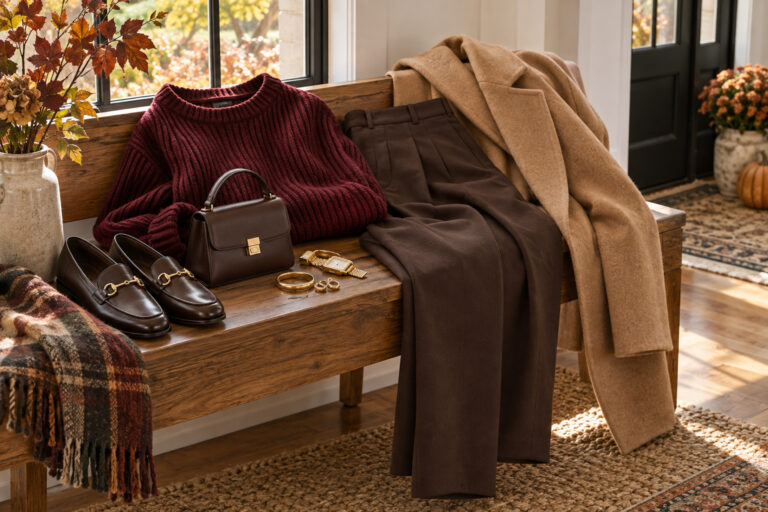
Begin with the garment you would reach for on an ordinary day when you want to feel like yourself. That might be straight-leg jeans, relaxed trousers, a skirt, a knit dress, or a soft matching set. You are not choosing the most festive option. You are choosing the item that makes the rest of the decisions easier.
Consider what the garment does for the outfit. Jeans provide a familiar, casual base. Trousers can make a knit top feel more polished without changing its comfort level. A skirt introduces movement or pattern. A dress gives you a single main shape to finish with shoes and an optional layer. Each can work; the right anchor depends on the clothes you reach for and the formality of the invitation.
Next, notice the anchor’s strongest quality. Is it a rich color, a relaxed shape, a crisp structure, or a tactile surface? Choose one quality to carry through the rest of the look. If the color is already vivid, keep additional colors restrained. If the silhouette is generous, use one closer-fitting layer or a neat tuck to show where the outfit is meant to sit. If the garment has texture, avoid adding several competing textures just to make the look feel seasonal.
Then choose a quiet partner from your closet. A plain top can balance patterned bottoms. A soft cardigan can settle a crisp shirt. A simple belt can define trousers without creating a new focal point. The partner does not need to be an exact color match. It should make the anchor easier to wear and let its best quality remain visible.
Finally, select a practical finish. Shoes should make sense for the amount of standing, walking, or travel in your plans. A removable layer may help if the temperature changes from the ride to the gathering, but it does not need to become the main event. Keep a bag and jewelry in proportion to the rest of the look. A single deliberate choice, such as small hoops or a structured tote, is often enough.
Combinations That Give One Piece the Lead
These examples are starting points, not shopping lists. Use the pieces you own, then follow the editing note to keep the look clear. A substitution is useful when it solves a real problem, such as needing a warmer layer or a shoe you can stand in. You do not need to copy every detail for the idea to work.
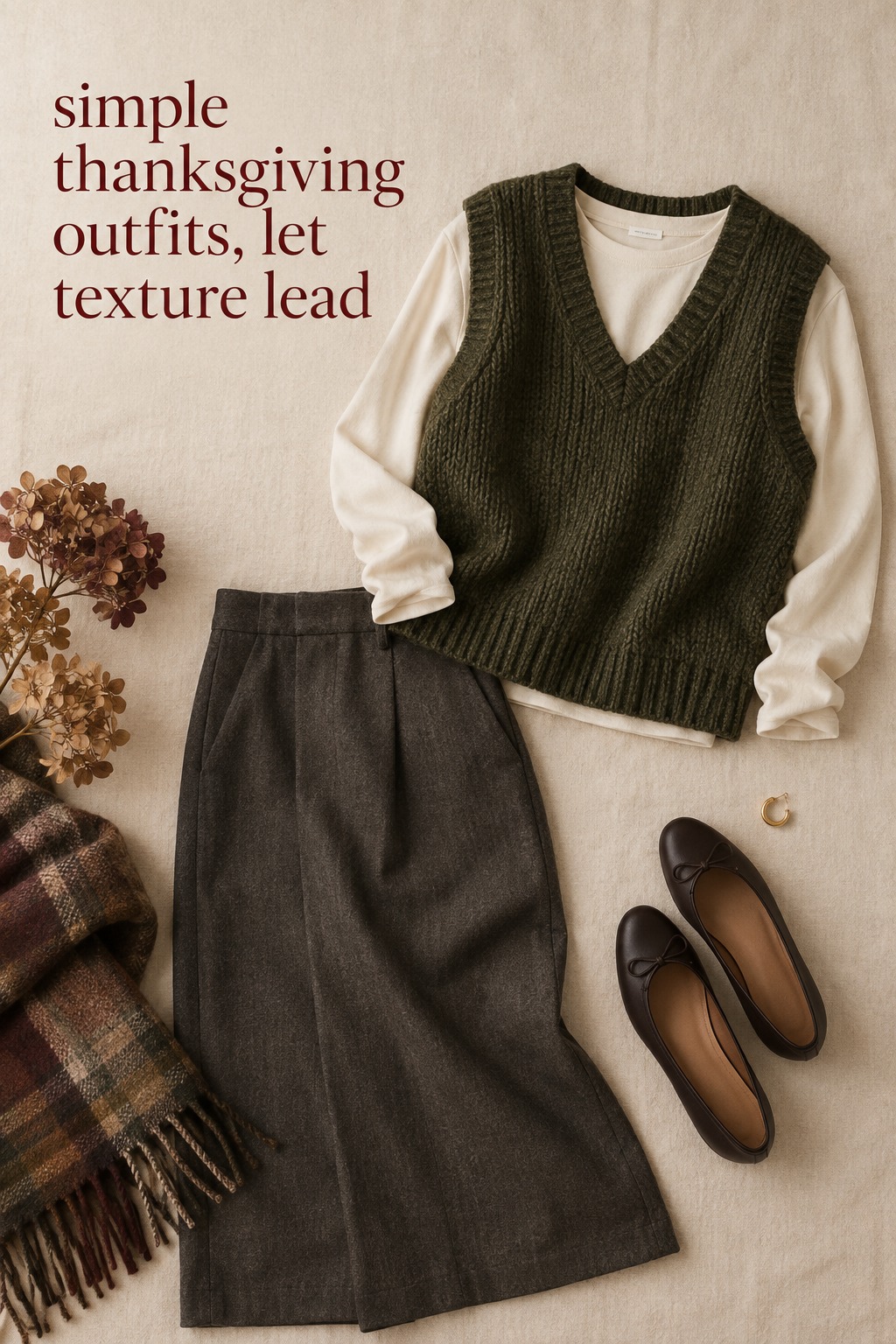
A textured vest over a smooth base
Try a simple knit vest over a smooth long-sleeve top, then pair it with a straight skirt or tailored shorts with opaque tights if that suits the weather and your style. The vest provides texture and shape, so keep the base and accessories quiet. A flat shoe lets the layered top remain the focus.
To edit the combination, check the neckline and hem where the layers meet. If both layers show strong edges or patterns, swap one for a solid piece. A small earring is enough to finish the outfit; a scarf may add a competing shape near the vest.
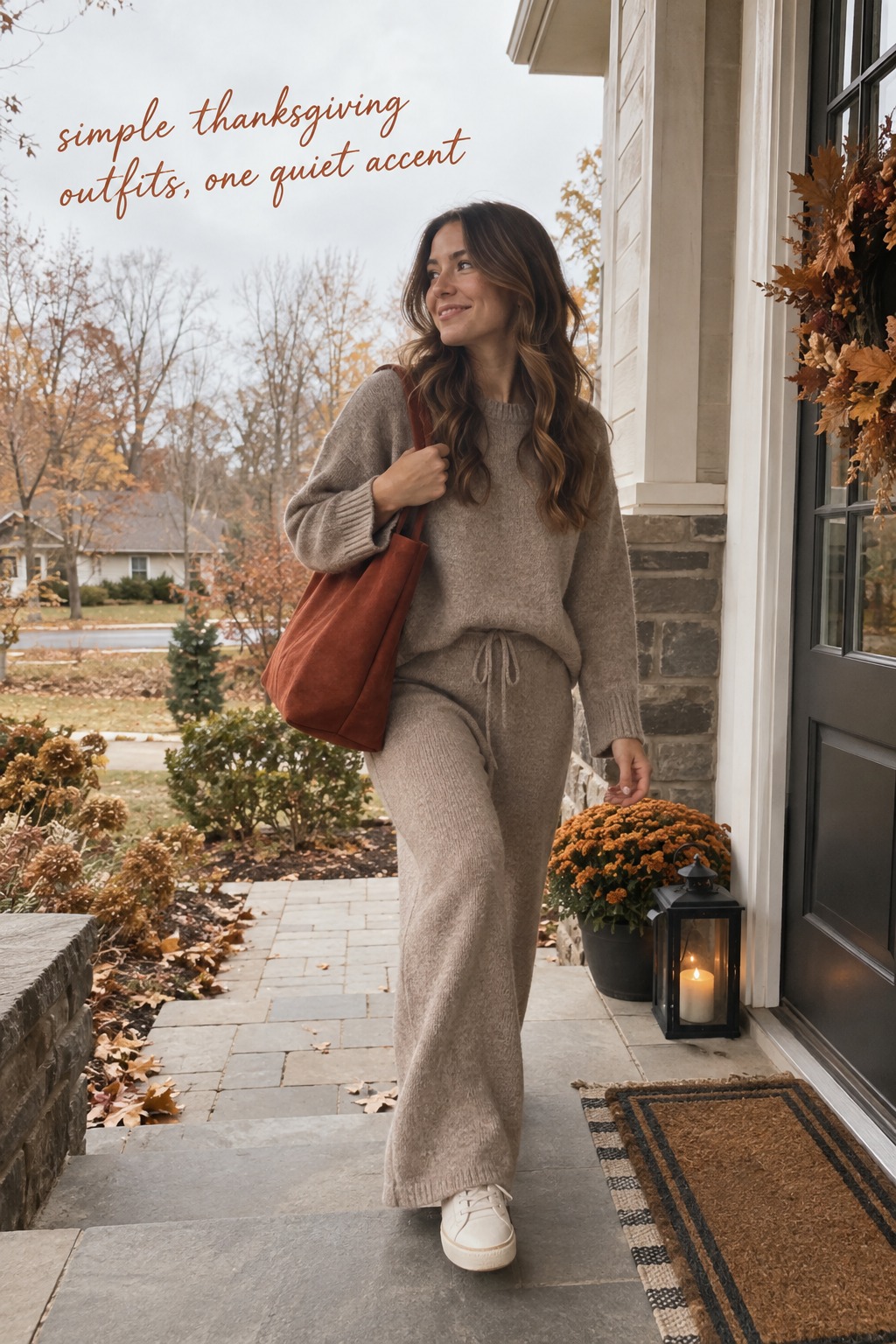
A relaxed matching set with one contrasting accessory
A matching knit or soft two-piece set creates a consistent outline with very few decisions. Choose one accessory in a different texture or color, such as a smooth bag against a matte set, and let that be the only contrast. This works for someone who wants a complete look without combining several separate pieces.
Keep the shoes simple and avoid adding another contrasting layer. If the set already has a visible pattern, choose an accessory in one of its quieter colors. The outfit remains easy because the set supplies continuity and the single accent makes it feel deliberate.
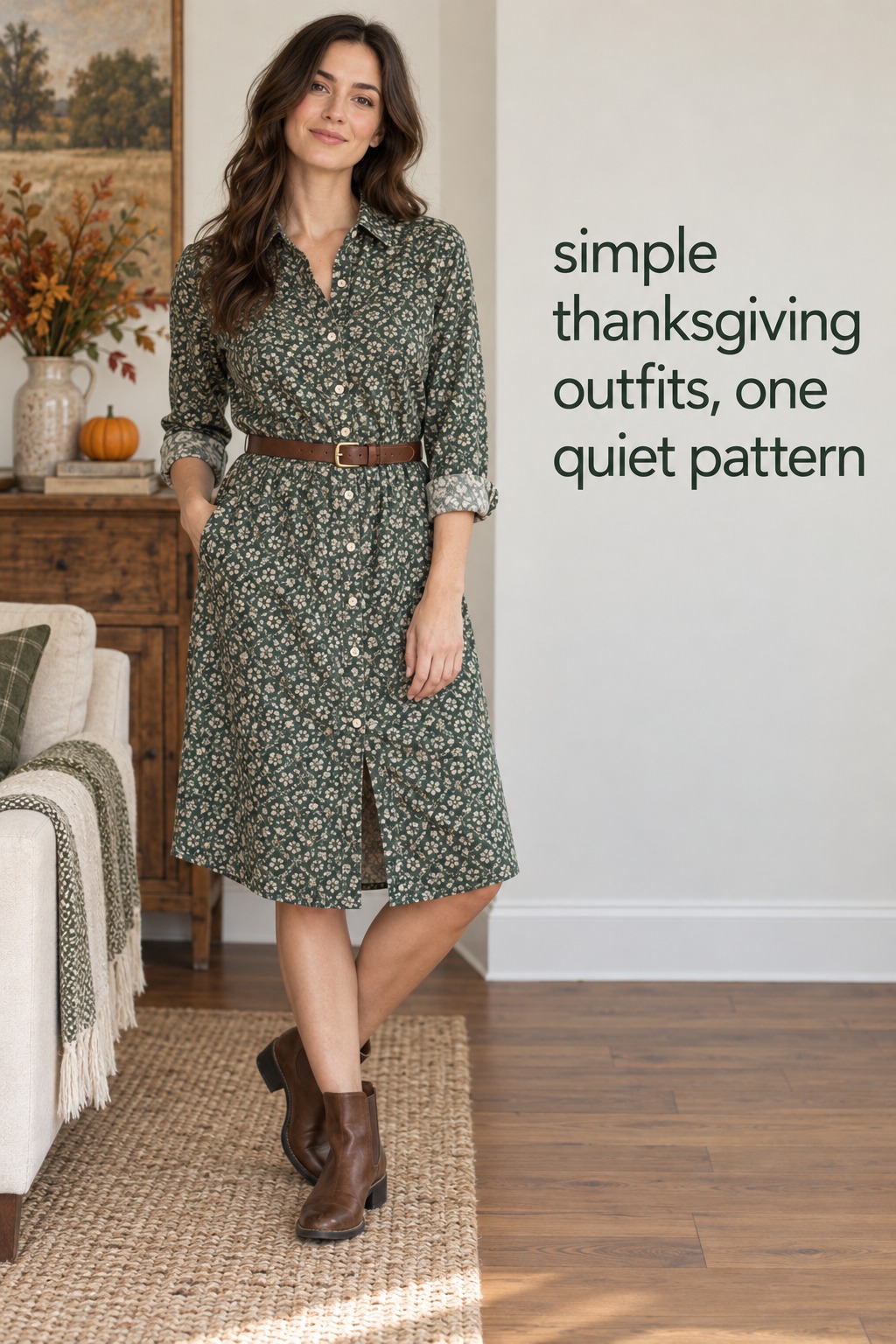
A patterned shirt dress with quiet finishing pieces
Let the print do the talking. A shirt dress with a small-scale or familiar pattern can stand on its own with a plain belt only if you want more definition. Choose an uncomplicated shoe and bag so the outfit does not accumulate extra lines and textures around the print.
If you add a layer, make it solid and close in mood to one of the dress colors. You can leave the collar open or button it as you prefer; there is no need to add a necklace if the neckline and print already give the outfit enough detail.
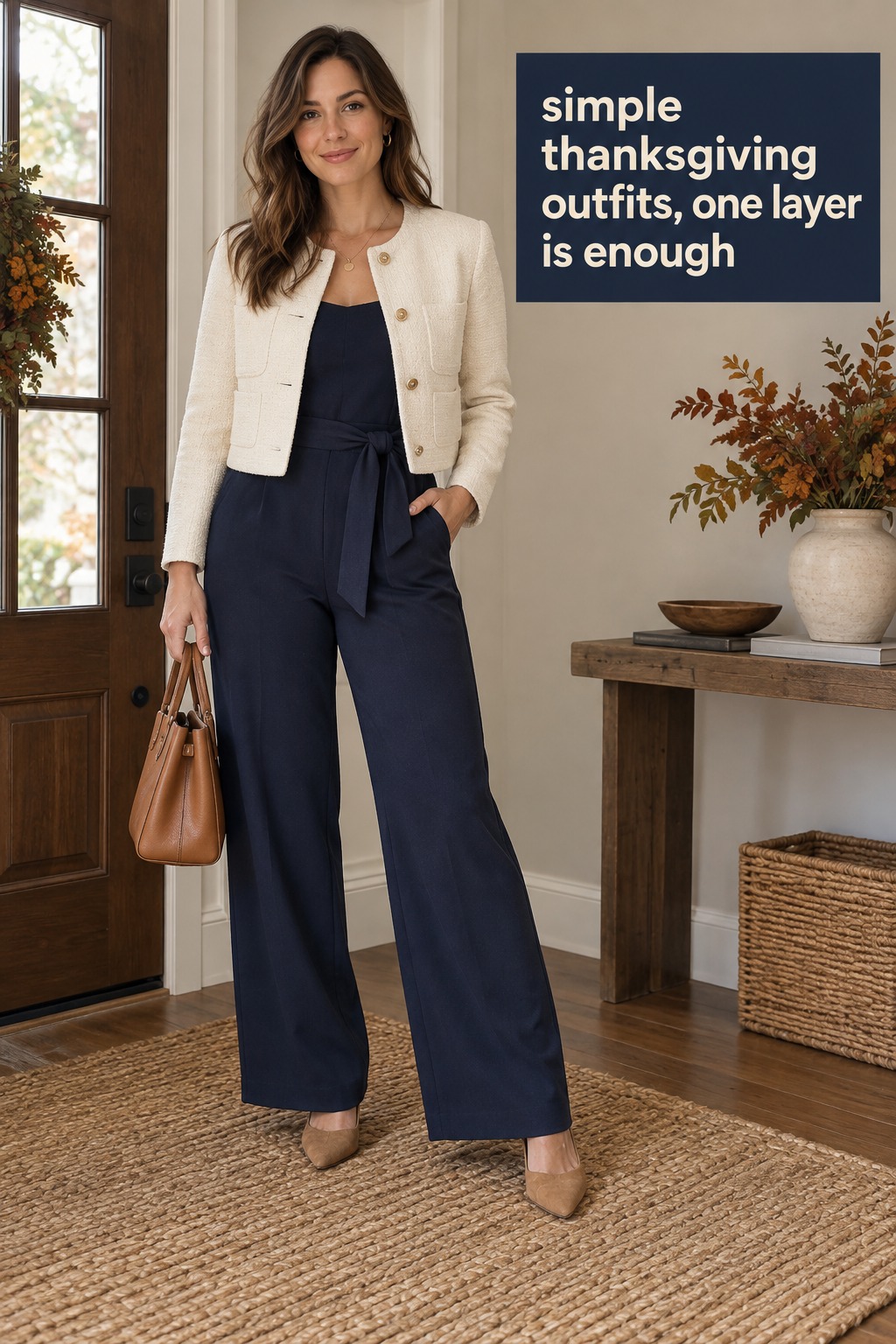
A crisp jacket over a simple one-piece outfit
A simple jumpsuit or other one-piece outfit can be the quiet foundation for a crisp jacket. The one-piece creates a clean base, while the jacket gives the look structure. Keep the jacket as the single point of interest by choosing a plain bag and familiar shoes.
Check the proportions with the jacket on and off. If the one-piece already has a strong neckline or belt, a softer jacket may be enough. If both pieces have bold details, remove the belt or choose a plainer layer so the outfit does not feel overworked.
A printed top with a clean, uninterrupted lower half
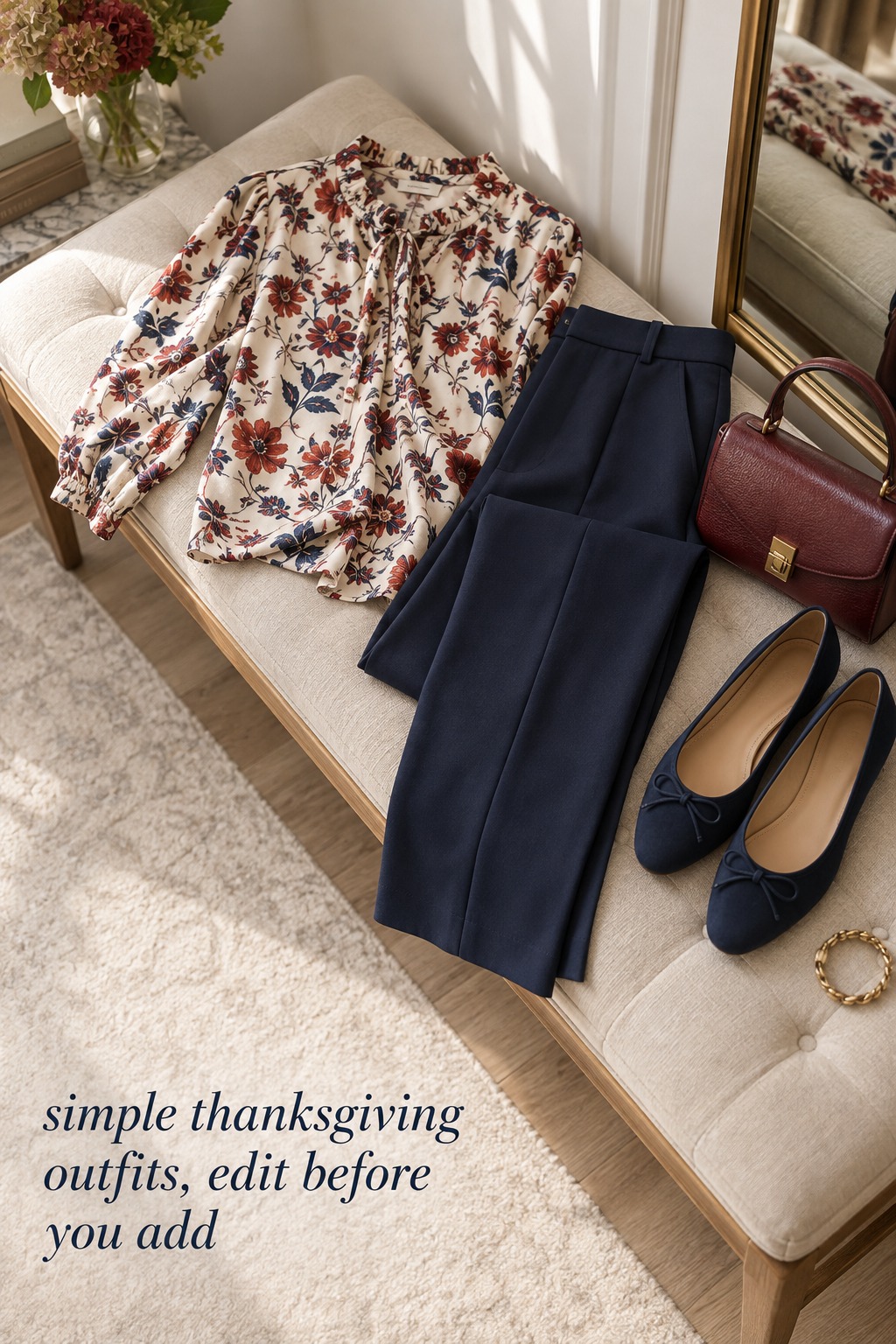
Choose a printed top as the focus, then pair it with a solid lower piece that has a clean outline, such as a straight skirt or neat trousers. Keep the top untucked if its hem is designed to hang, or tuck it lightly if that makes the proportions feel clearer. The goal is to let the print lead without adding a second focal point.
Repeat one quiet color from the print in the shoes or bag if you want a link between the pieces. Skip a second pattern and avoid stacking several jewelry details near the neckline. One small finishing choice is enough to make the combination feel complete.
Set Buying Priorities Before Adding New Clothes
A simple base can move between plans with one thoughtful change. You do not have to create a separate outfit for every part of the day. Keep the anchor garment and overall shape, then adjust the element that matters most for the setting. This makes the choice manageable and helps avoid last-minute additions that compete with one another.
If you are hosting
Think about the tasks you expect to do. Sleeves that stay out of the way, a layer you can remove, and shoes that feel fine while standing may be more useful than a delicate accessory. Start with the outfit you like, then make the most practical change first. A cardigan can be replaced by a shorter layer, or a shoe that feels precious can be swapped for a familiar flat.
Keep the visual finish simple. If you wear an apron while preparing food, the outfit underneath can remain clean and uncluttered. You do not need a second decorative layer to look dressed. One neat detail, such as a cuff, a simple earring, or a well-chosen knit, can carry the look.
If you are visiting
Use the gathering as your guide. A relaxed meal may call for jeans and a sweater; a more polished family dinner may feel right with trousers or a skirt. If you are unsure, choose a familiar base and make one element slightly neater, such as a clean shoe or a cardigan that holds its shape. Avoid adding several dressy details just to guess at an unwritten dress code.
Travel can affect the same decision. If you will be in a car for a while, wear pieces that remain comfortable seated and bring a layer you can take off. Keep the layer coordinated with the anchor rather than using it to introduce a completely new color or pattern. That way, the outfit still reads as one look when the coat comes off.
If the meal feels dressier
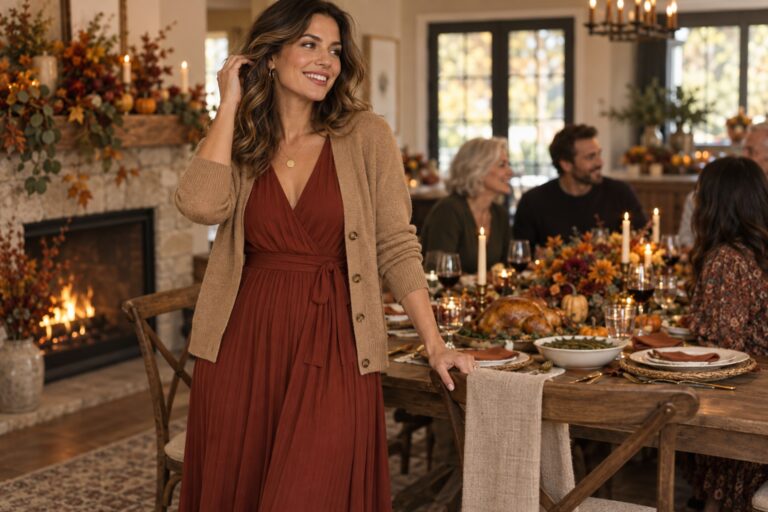
Keep the base you already like and refine one finish. A knit dress can take a structured bag; jeans can work with a sharper cardigan or a more polished shoe; trousers can pair with a smooth top instead of a casual tee. You can choose a richer color or a small piece of jewelry if that feels special to you, but a full change of outfit is rarely necessary.
Consider the whole look before deciding that it needs more. If one polished element already shifts the mood, stop there. Adding a dressier shoe, a statement necklace, a bold belt, and a formal jacket all at once can make the outfit feel less like you. One controlled change preserves the simplicity that made the original outfit comfortable.
Make a Two-Minute Final Edit
Once you are dressed, pause before adding anything else. Look at the outfit from a little distance and name its focal point. If your eye moves immediately to the sweater, skirt, or clean silhouette you intended to feature, the outfit is doing its job. If several details demand attention at once, remove one rather than rearranging everything.
Check the outline. If both top and bottom feel loose, a small tuck, a shorter layer, or a more defined shoe may restore a sense of shape. If the look feels too formal for the plan, change just one piece to something more familiar. If it feels too casual, refine a finish before reaching for a completely different outfit. These small edits keep the main idea intact.
Then test ordinary movement. Sit in the outfit for a moment, reach forward as if picking something up, and walk a few steps in the shoes. Notice whether a waistband, sleeve, hem, or layer needs constant attention. If so, make a practical swap now. This is not a demand to make every garment feel perfect; it is a quick way to catch an avoidable distraction before leaving.
Last, decide whether the outfit needs an accessory at all. A bag, a watch, or small earrings may finish it. You can leave the rest out. Seasonal dressing does not depend on adding a scarf, a holiday color, and a piece of statement jewelry together. A simple look can feel appropriate because you chose it with care, even when its individual pieces are ordinary.
If you want one sentence to remember, use this: keep the piece you like, give it one supporting detail, and remove one thing that competes. That is enough to turn a familiar combination into a considered Thanksgiving outfit without making getting dressed another project.
Sources and Methodology
This guide was shaped by reviewing US search results for simple Thanksgiving outfits and comparing how outfit roundups handle comfort, formality, and familiar wardrobe pieces. Who What Wear’s casual Thanksgiving roundup shows a range of relaxed outfit pairings, while Vogue’s easy Thanksgiving looks frames the occasion around versatile pieces and the plans of the day. The editing sequence and examples here are original styling suggestions, not product testing or personal experience.
FAQ
What is an easy outfit to wear on Thanksgiving?
A soft sweater with jeans and comfortable loafers is an easy starting point for a casual gathering. Choose a sweater you already enjoy wearing, then keep the shoes and accessories simple so the outfit feels finished without adding extra decisions.
How can I make a simple Thanksgiving outfit look more polished?
Refine one element, such as wearing a crisp shirt, choosing a structured cardigan, or switching to a cleaner-looking shoe. Keep the rest of the outfit familiar. One clear adjustment usually looks more intentional than adding several accessories at once.
Do Thanksgiving outfits have to use fall colors?
No. Rust, burgundy, olive, and cream are common seasonal choices, but they are optional. Wear colors you like and use the anchor, point-of-interest, and finish method to keep the look visually clear.
What should I wear if I do not know the dress code?
Start with a familiar outfit that is a little more finished than everyday loungewear, such as dark jeans and a neat knit or relaxed trousers with a simple top. Bring a removable layer and use one polished detail if the gathering feels dressier when you arrive.
How do I keep a Thanksgiving outfit comfortable through dinner?
Choose pieces that let you sit and move without constant adjustment, and wear shoes you are comfortable keeping on. A short try-on before leaving can reveal whether a waistband, sleeve, or layer is distracting. Make one practical change if needed.
Can I wear jeans to Thanksgiving dinner?
Yes, jeans can suit a relaxed or smart-casual meal. Pair them with a knit, crisp shirt, or cardigan that matches the gathering’s formality, then choose shoes that make the outfit feel deliberate. If the invitation suggests a dressier setting, refine one piece rather than assuming jeans cannot work.
Finish the look
The little extras that make a summer outfit feel complete
From beach days to city weekends, these easy pieces bring comfort, texture, and a polished finishing touch.

FENBEN
Straw Hobo Crossbody Bag
A handwoven straw bag with both short and crossbody straps—an effortless finishing touch for vacation looks and warm-weather outfits.
Shop the bag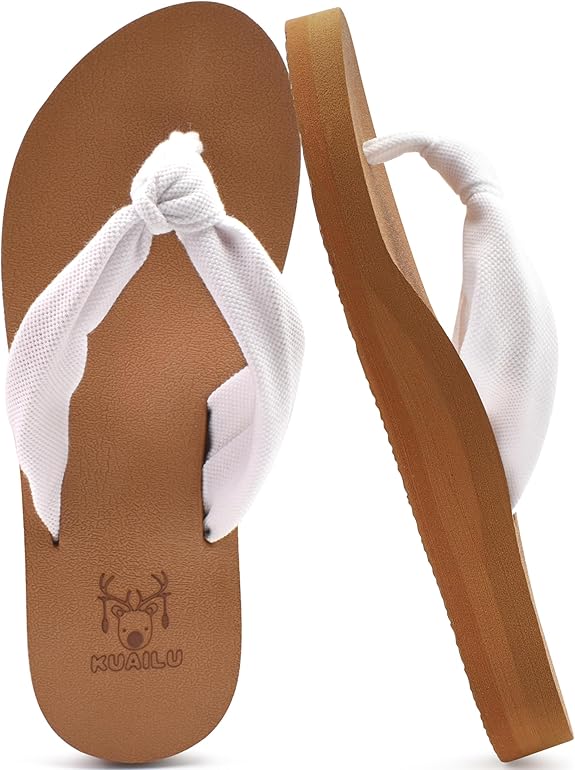
KuaiLu
Flip Flops with Arch Support
Cushioned, lightweight sandals with supportive arch design—a practical choice for beach trips, errands, and long summer walks.
Shop the sandals
baleaf
Athletic One-Piece Swimsuit
A functional one-piece with adjustable straps and moderate coverage, designed for swimming, training, surfing, and active beach days.
Shop the swimsuit
Astylish
Linen-Cotton Button-Down Shirt
A relaxed cotton-linen shirt with a collared V-neck and roll-up sleeves—easy to style over swimwear or with denim and shorts.
Shop the shirt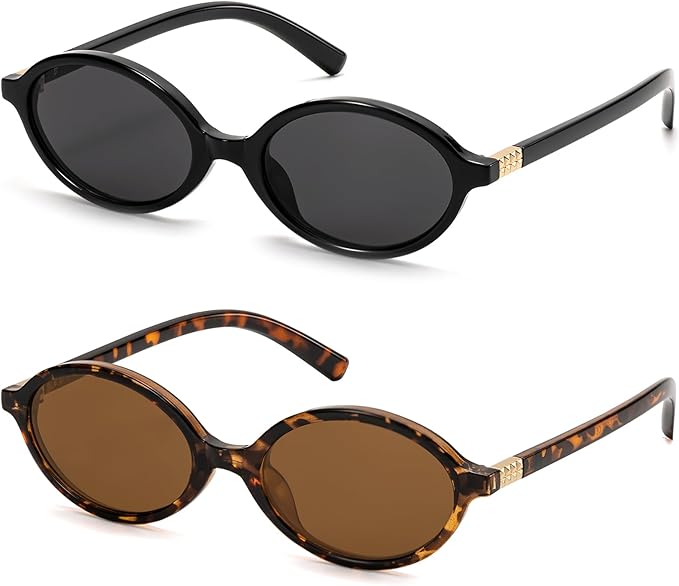
ViewJoy
Retro Oval Sunglasses
Small oval sunglasses with a 90s-inspired silhouette and UV400 lens protection—a quick way to add a vintage edge to everyday looks.
Shop the sunglasses
Affiliate disclosure: This section contains affiliate links. If you make a purchase through these links, I may earn a commission at no additional cost to you. Product selection, pricing, availability, and delivery terms may change—please review the current details on Amazon before purchasing.
As an Amazon Associate I earn from qualifying purchases.