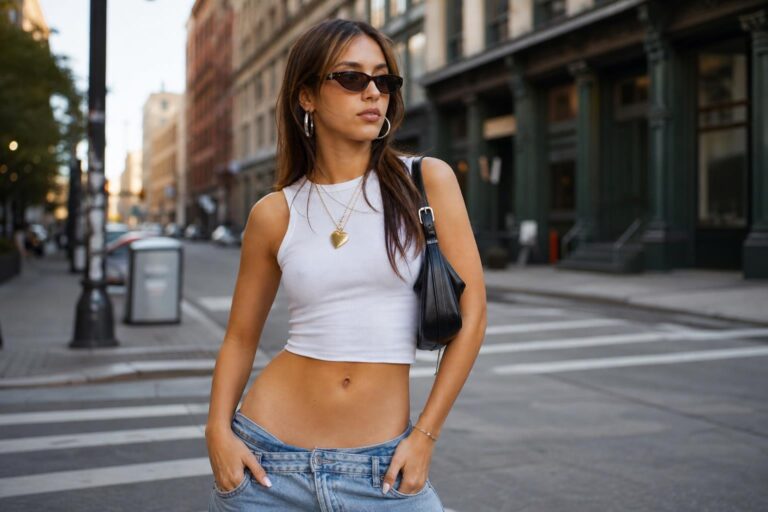
Modern 90s Grunge Outfits With a Raw, Lived-In Edge
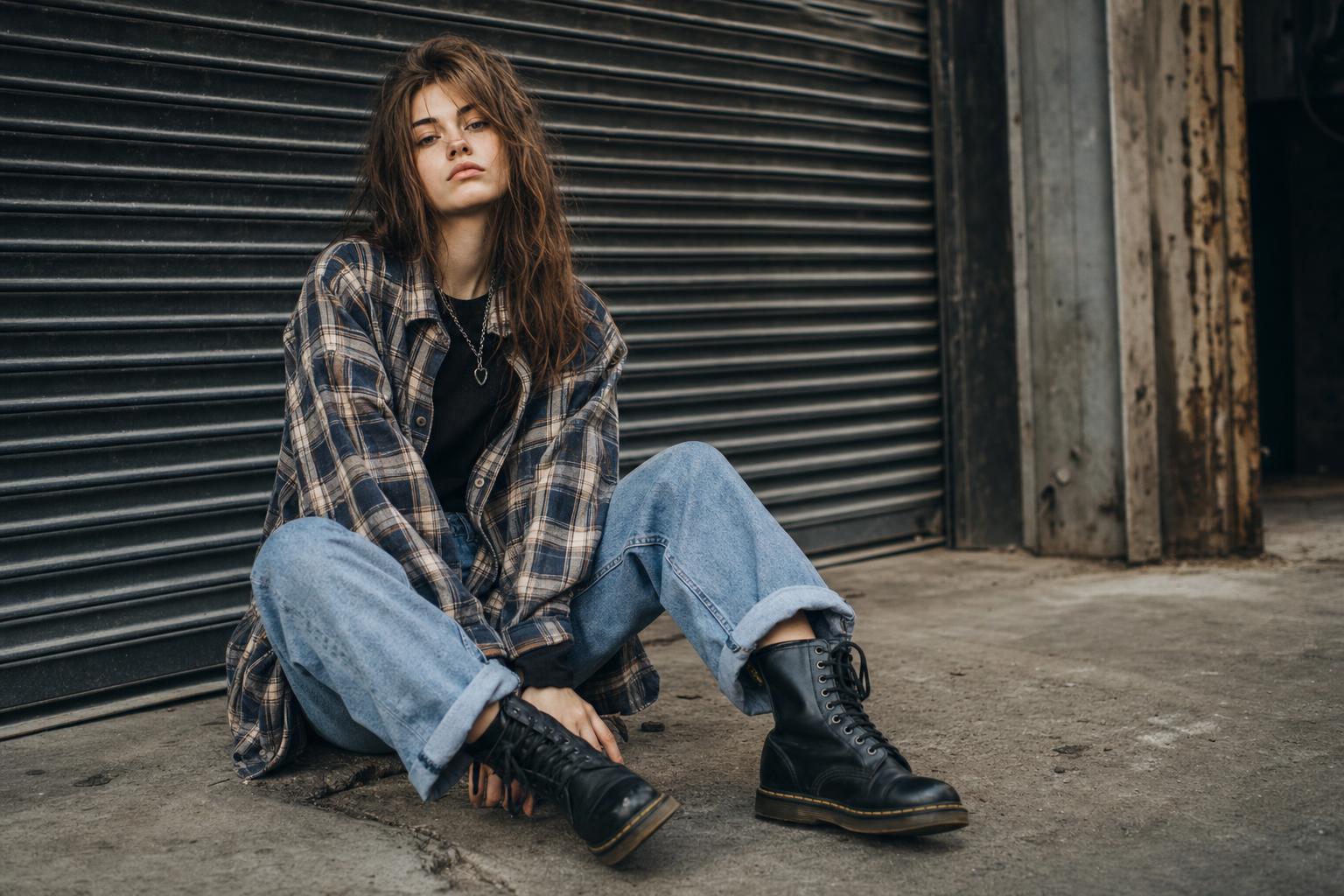
Some aesthetics look effortless because they are polished. 90s grunge outfits work in the opposite way: they look intentional because they are slightly undone. That tension is what still makes grunge feel relevant. A flannel thrown over a band tee, ripped denim with heavy boots, a slip dress made tougher with layered knits—none of it looks overworked, but every piece changes the mood.
People often group every dark, oversized, vintage-leaning outfit under the same label, yet classic grunge, kinderwhore, soft grunge, and modern runway-inspired versions do not create the same impression. The difference matters if you want the outfit to feel authentic rather than costume-like. The right silhouette, layering, and footwear can make a look read as Seattle-rooted and anti-fashion, or polished and trend-driven.
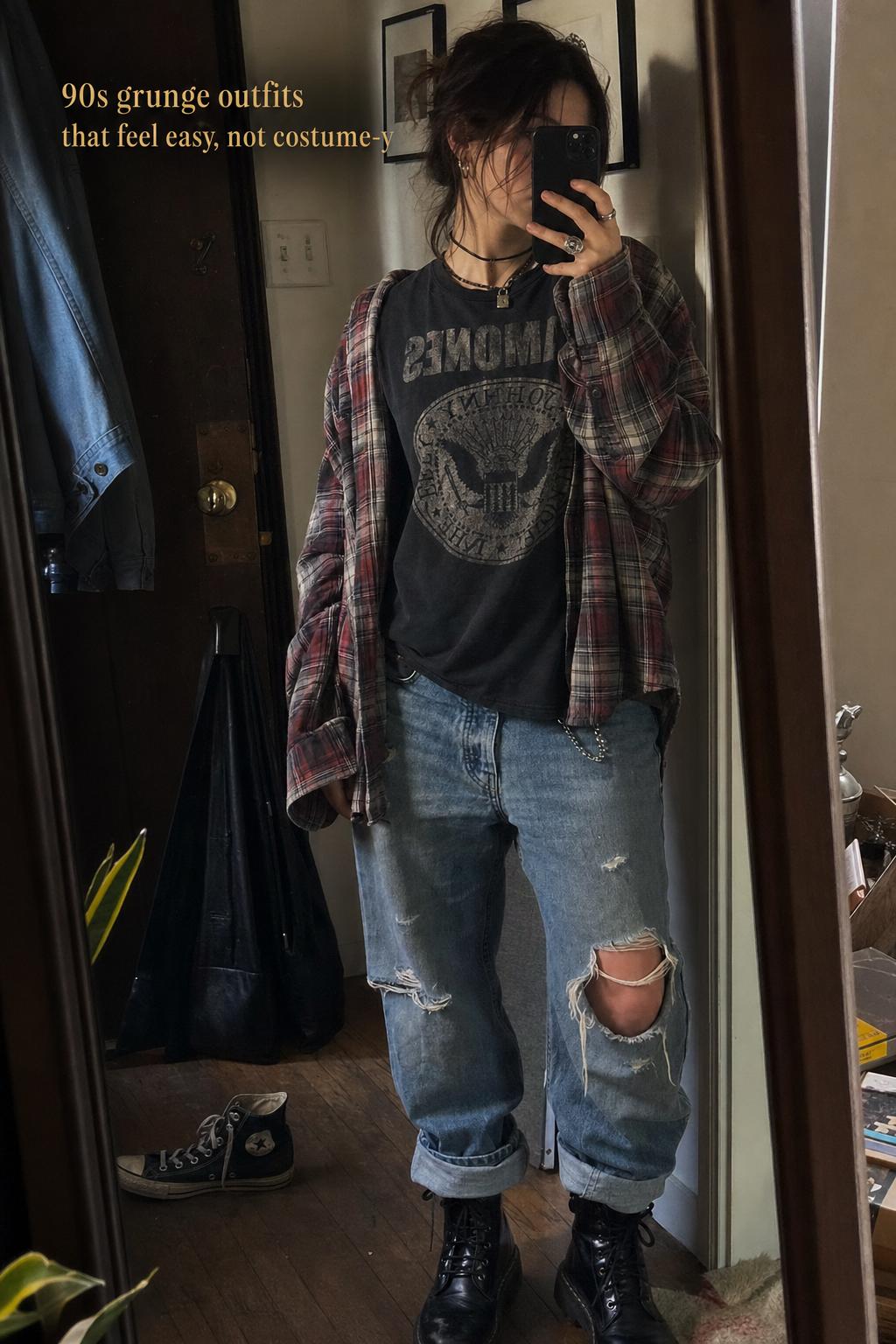
This breakdown looks closely at what defines grunge fashion, how the visual language changed from the Sub Pop and MTV era to current reinterpretations, and how to build wearable outfits that still feel grounded in the original spirit.
The Fashion-Note Edit
Five effortless pieces to refresh your everyday wardrobe
A polished, practical edit for workdays, weekends, and everything in between.

The Drop
Women’s Blake Long Blazer
A longline, tailored blazer with a notched collar and a single-button closure—an easy layer for denim, dresses, or office-ready looks.
Shop the blazer
Amazon Essentials
Women’s Lightweight Crewneck
A soft, lightweight sweater with a clean crew neckline—the kind of reliable layer that works from cool mornings to air-conditioned spaces.
Shop the sweater
Amazon Essentials
Women’s Loafer Flat
A classic flat loafer that gives casual outfits a more polished finish and pairs naturally with tailored pants, skirts, and straight-leg jeans.
Shop the loafers
Levi’s
Women’s 501 90s Jeans
A relaxed, vintage-inspired take on the iconic 501 silhouette—made for an easy, lived-in look without the thrift-store search.
Shop the jeans
Colorfulkoala
High-Waisted 7/8 Leggings with Pockets
Soft, four-way-stretch leggings with side pockets and a high-rise waistband—designed for movement, errands, and off-duty comfort.
Shop the leggings
Affiliate disclosure: This section contains affiliate links. If you make a purchase through these links, I may earn a commission at no additional cost to you. Product selection, pricing, availability, and delivery terms may change—please review the current details on Amazon before purchasing.
As an Amazon Associate I earn from qualifying purchases.
The visual identity of 90s grunge
At its core, grunge fashion is built on resistance to polish. The look came out of Seattle in the 1990s and was tied to bands and scenes around Nirvana, Pearl Jam, Mudhoney, Soundgarden, and Sub Pop. Its clothing language was practical, layered, thrift-driven, and anti-fashion, but it developed such a strong visual identity that it became fashion anyway.
Your wedding style is personal.
Your plan should feel that way, too.
Zarellea keeps your guest list, budget, vendors, and every next step beautifully organized — so you can focus on the moments that feel like you.
The easiest way to recognize true grunge is to look at proportion and texture. Clothes tend to feel lived-in rather than crisp. Shirts hang loosely, denim looks worn or distressed, boots add weight, and layers create a slightly offbeat silhouette. There is usually contrast between softness and roughness: a slip dress with combat boots, a faded graphic tee under an open plaid shirt, or oversized knitwear against ripped jeans.
It is also an aesthetic with clear emotional mood. Classic grunge reads detached, comfortable, practical, and intentionally unconcerned with perfection. That is why it still appeals to people who want everyday outfits with personality but do not want to look overly styled.
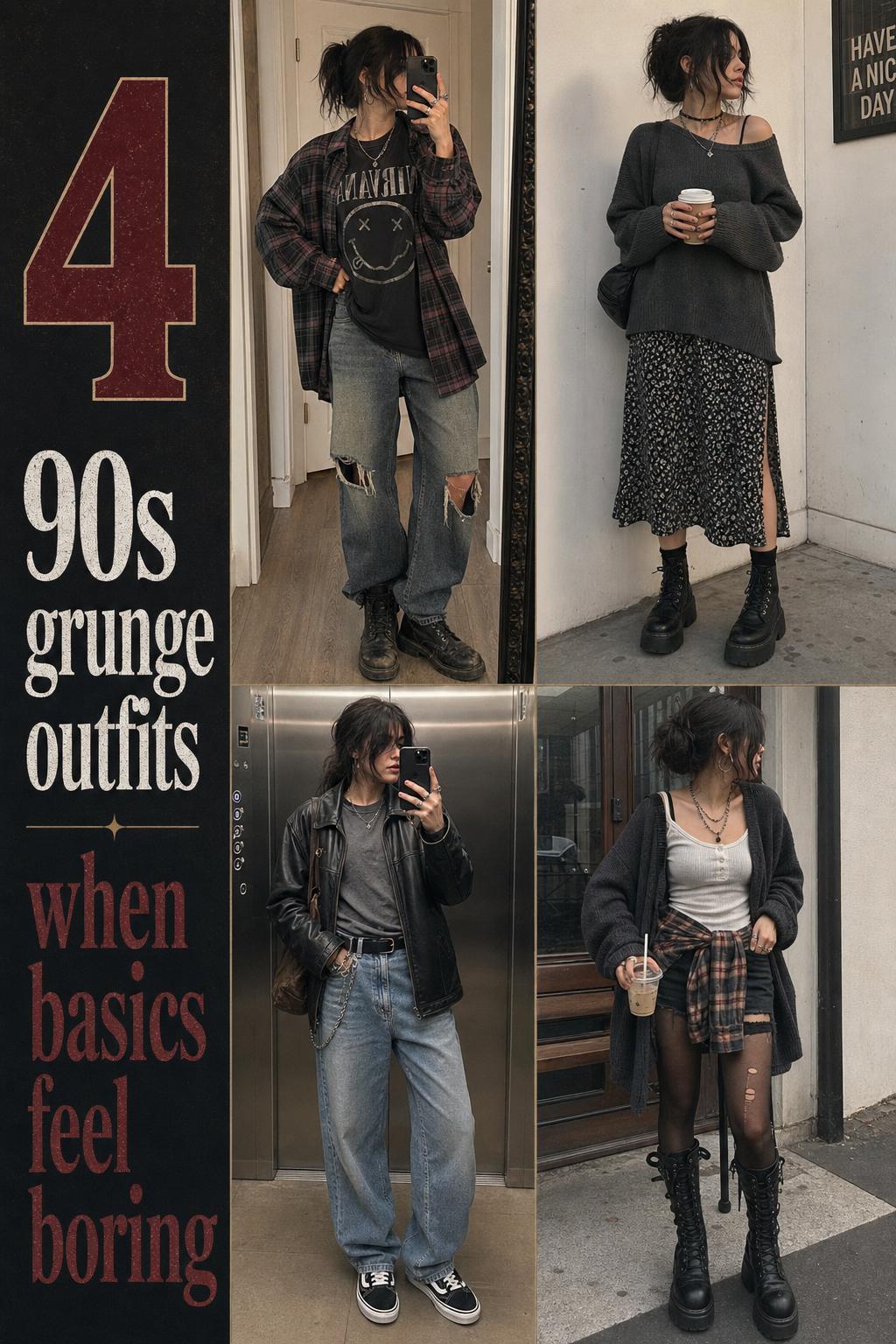
Before the comparison: the main grunge style directions
Classic Seattle grunge
This is the foundation. Think flannel shirts, oversized T-shirts, band tees, distressed denim, baggy jeans, thermals, and combat boots. The silhouette is loose and layered, often with a slightly slouchy shape through the shoulders and legs. The palette leans dark, muted, or washed out, and the fabrics feel durable rather than delicate.
Classic Seattle grunge works because it does not chase balance in a polished way. A shirt may be oversized, the jeans may bunch slightly at the boot, and the whole outfit can look casual to the point of indifference. That relaxed imbalance is part of the point.
Kinderwhore and the Courtney Love effect
Kinderwhore takes grunge in a more provocative and recognizable direction. Courtney Love is the defining reference here. The mood shifts from slouchy and practical to doll-like and disruptive. Slip dresses, short silhouettes, layered cardigans, heavy shoes, and chokers create tension between softness and aggression.
Visually, kinderwhore is more direct than classic grunge. It often looks more styled because the contrast is sharper. If classic grunge feels thrifted and accidental, kinderwhore feels messy in a deliberate way.
Soft grunge and modern streetwear crossover
Soft grunge keeps the dark palette, oversized layers, and graphic pieces, but usually reads cleaner and more internet-era than 1990s original grunge. Modern streetwear-grunge hybrids can add cargo pants, platform boots, more coordinated jewelry, and sharper outfit composition. The result is often easier to wear day to day, but it can lose some of the rawness that made the original aesthetic compelling.
This is where many people get confused. A modern grunge-inspired outfit may use the same ingredients as a 90s look, but the proportions are often more controlled and the accessories more intentional. It borrows the visual codes without fully embracing the anti-fashion attitude.
How to instantly tell the difference
The quickest way to separate classic grunge from newer interpretations is to ask what the outfit is trying to communicate. Original grunge tends to look functional first and expressive second. A current retail version often flips that logic, using grunge as a recognizable style formula.
- Classic grunge: looser silhouette, thrift-store energy, less polish, worn textures, practical layering.
- Kinderwhore: more contrast, shorter hemlines or slip-dress shapes, stronger accessory signal, more theatrical tension.
- Soft grunge: darker and moodier than basic casualwear, but cleaner and more curated than original grunge.
- Runway grunge: designer reinterpretation, stronger shape control, elevated fabrication, fashion-first styling.
That distinction matters because wearing a flannel shirt alone does not automatically create a grunge outfit. The whole visual balance has to support the mood.
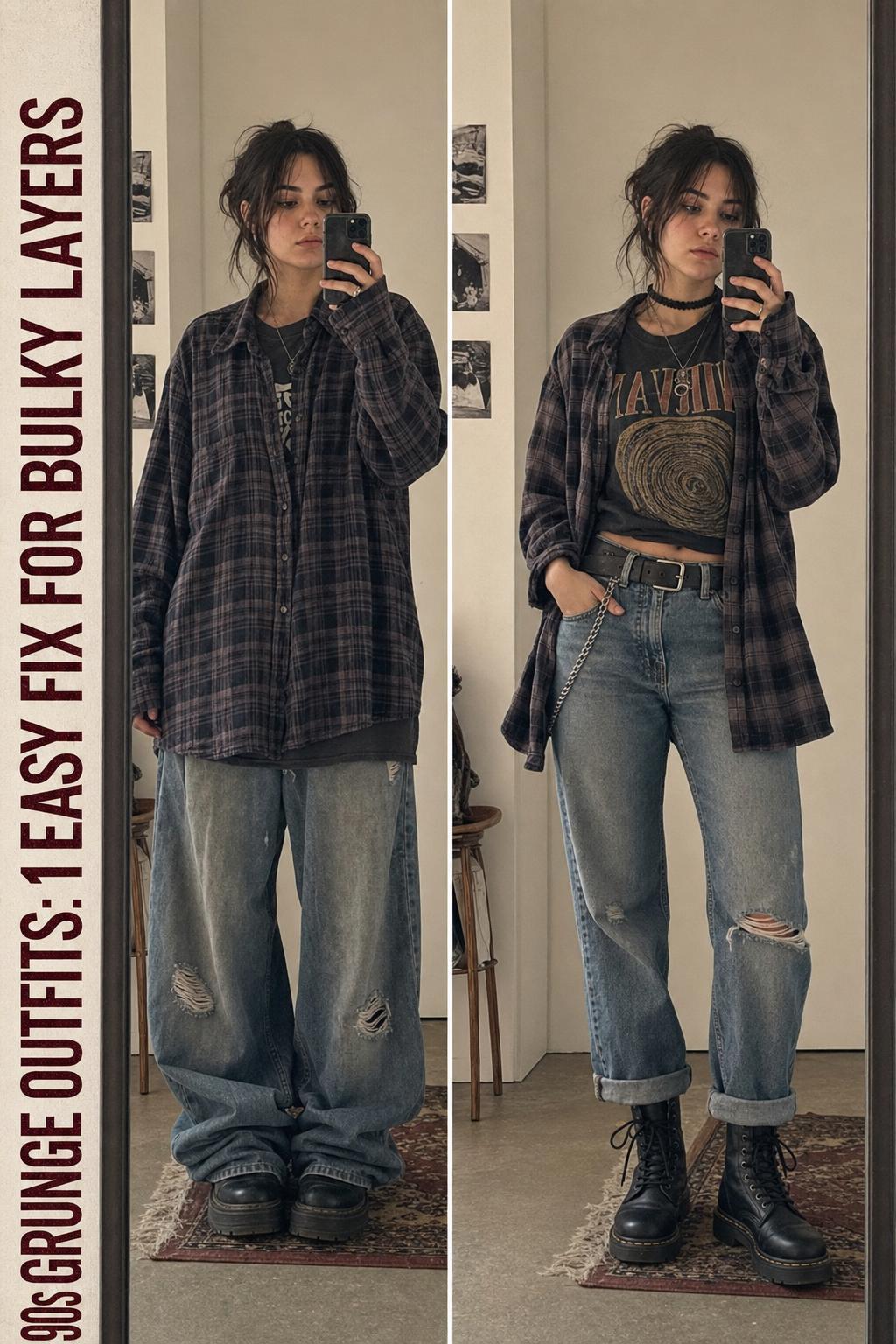
The core pieces that make the look believable
Flannel shirts and plaid layers
The flannel shirt is probably the clearest shorthand for grunge fashion. In classic form, it is worn open over a tee, tied around the waist, or layered under outerwear without looking too neat. Plaid and check shirts carry the Seattle association immediately, especially when the fit is relaxed and the texture feels soft from wear.
A fitted plaid shirt can still reference the era, but it will not create the same visual weight. Grunge flannel works best when it feels borrowed, lived in, and easy to throw on.
Band tees and oversized graphic T-shirts
Band tees link the clothing directly to the music culture that shaped the style. Nirvana and Pearl Jam are especially important references because they connect the outfit to the scene rather than just to a trend. Oversized graphic tees create a different effect from fitted ones: they soften the line of the torso and make the outfit feel less polished.
In real outfits, the tee often does the emotional work. A faded print, loose sleeves, and slightly dropped shoulder can make denim and boots feel naturally grunge instead of simply casual.
Distressed denim, ripped jeans, and baggy shapes
Denim gives grunge its roughness. Distressed denim, ripped jeans, and baggy or wide-leg cuts all show up because they break the clean line of an outfit. This is one reason polished skinny jeans rarely capture the same mood. Grunge denim looks better when it feels worn, loose, and a little unbothered.
Vintage Levi’s fit naturally into this conversation because they support the thrift and vintage side of the aesthetic. A distressed pair with a slightly slouchy leg makes flannel and boots feel grounded. A too-dark, too-perfect denim wash tends to push the outfit away from grunge and toward generic casualwear.
Combat boots, Dr. Martens, Converse, and Vans
Footwear changes the whole message. Combat boots, especially in the Dr. Martens conversation, add density and toughness. They stop layered shirts and loose denim from feeling too soft. Converse and Vans can work too, especially for a skate-grunge crossover, but they create a lighter finish.
If you want the outfit to feel more rooted in 90s grunge, heavy boots are usually the strongest move. If you want a more casual, wearable everyday version, Converse or Vans can relax the look without losing the reference.
Slip dresses and textural contrast
The slip dress is one of the most important pieces for understanding why grunge never stayed one-note. In outfits associated with Courtney Love and other 1990s references, a slip dress with boots or layered knits creates a visual clash that feels instantly grunge. It is delicate fabric meeting heavy footwear and rougher outer layers.
This contrast is also why the look still feels modern. A slip dress on its own can read minimal. A slip dress under a check shirt or with combat boots reads grunge because the styling interrupts the softness.
Layering pieces, leather, and oversized knitwear
Layering is not just extra clothing in grunge; it is the structure of the outfit. Thermals under tees, flannel over a longline layer, leather jackets over denim, or oversized knits over a slip dress all create the slightly chaotic balance that defines the style. A faux leather jacket or worn leather layer can sharpen a look that otherwise feels too plain.
Oversized silhouettes matter here. If every layer is fitted, the outfit loses its grunge ease. You need at least one piece that introduces looseness and movement.
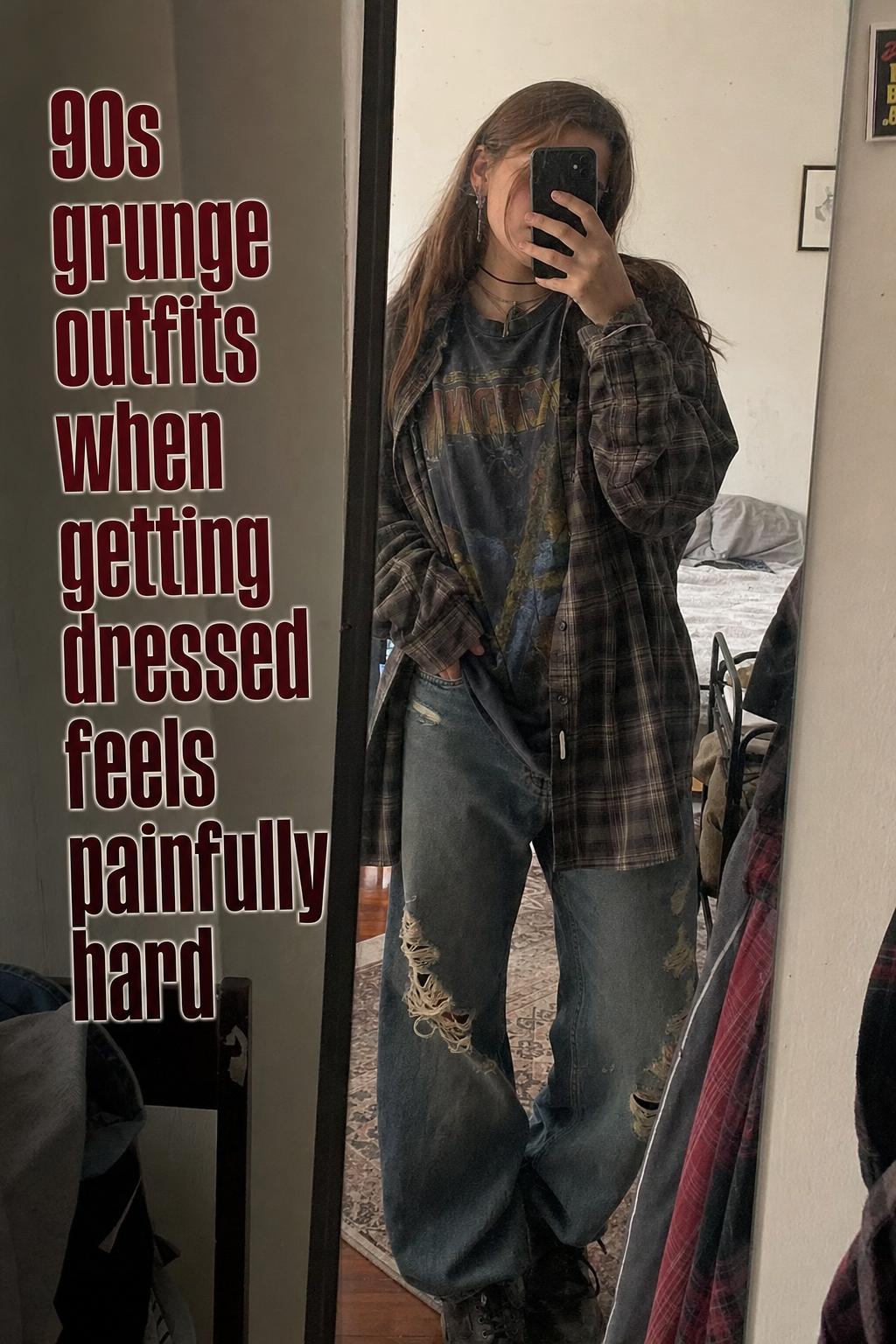
The people, places, and moments behind the clothes
Grunge is one of those aesthetics that cannot be separated from the people who wore it and the scenes that shaped it. Seattle is central not just as a place name, but as the cultural setting that gave the style its attitude. The connection to bands like Nirvana, Pearl Jam, Mudhoney, and Soundgarden is what keeps grunge from becoming just another vintage look.
Kurt Cobain and the ease of anti-fashion
Kurt Cobain remains the clearest visual reference for grunge because his clothing felt inseparable from the music and the attitude. Flannel, oversized knitwear, band tees, and worn denim all become more meaningful when seen through that lens. The appeal was never precision. It was comfort, disinterest in polish, and refusal to perform conventional style rules.
Courtney Love and the sharper edge of grunge
Courtney Love introduced a version of grunge that was more overtly styled and more visually confrontational. Her influence matters because it expanded what grunge could look like. Instead of only loose shirts and denim, the aesthetic could include slip dresses, chokers, and a more disruptive contrast between feminine and worn-in pieces.
Winona Ryder and the quieter interpretation
Winona Ryder often represents the more understated side of the mood. The appeal here is less theatrical than kinderwhore and less rugged than Seattle-stage grunge. It is a reminder that grunge can be subtle: dark layers, easy denim, boots, and a natural sense of cool without over-accessorizing.
From Sub Pop to the runway
The style eventually moved from subculture into fashion interpretation. The 1993 Perry Ellis Marc Jacobs moment is a key milestone in that shift. More recent names like Marine Serre, MM6 Maison Margiela, Diesel, DSquared2, Givenchy, Chloé, and Ann Demeulemeester show how grunge keeps returning in designer form. These versions usually refine the silhouette, heighten the styling, or make the distressing and layering more deliberate.
That runway connection does not erase the original attitude, but it does explain why modern grunge can look more composed. A runway grunge look often borrows the codes of anti-fashion while still being highly constructed.
Why these styles are often confused now
Current shopping culture tends to flatten style categories. A product page may place cargo pants, platform boots, oversized tees, chokers, and faux leather jackets under one broad grunge label. Urban Outfitters and Primark both show how the aesthetic is translated into accessible retail language, often through familiar staples like check shirts, slip dresses, graphic tees, and distressed denim.
That makes grunge easier to shop, but it can also blur the visual differences between original 90s grunge outfits and modern trend versions. The original look came from scene, music, thrift, and function. The modern version often begins with styling intent. Neither is invalid, but they do not create the same effect.
One practical way to avoid confusion is to focus less on individual pieces and more on overall finish. Ask whether the outfit looks discovered, built from worn staples, and slightly resistant to polish. If it looks too coordinated, too crisp, or too decorative, it is probably closer to a grunge-inspired fashion look than to grunge itself.
Visual breakdown: how grunge works in real outfits
An easy city coffee run look
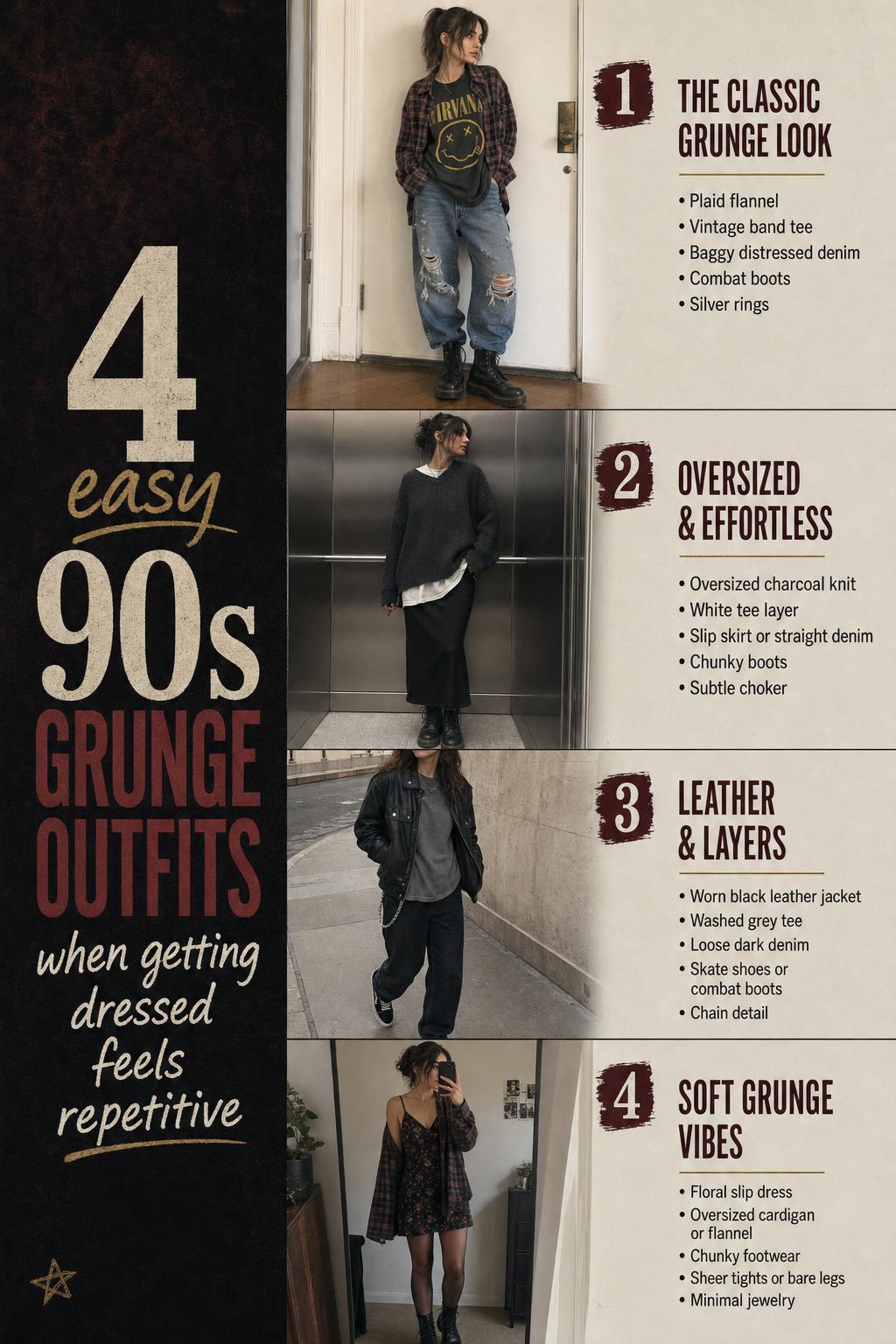
In a classic version, this outfit starts with baggy ripped jeans, a faded Nirvana or Pearl Jam tee, and an open flannel shirt. Dr. Martens keep the base grounded and heavy. The proportions are loose through the torso and relaxed through the leg, so the outfit looks comfortable first and stylish second.
A softer modern version of the same idea might keep the oversized graphic tee and distressed denim but trade the heavy boot for platform boots or even cleaner sneakers. Add chokers and layered rings, and the look starts to read more retail-grunge than Seattle grunge. The difference is small but visible: one feels naturally undone, the other more intentionally composed.
A fall layering outfit for everyday wear
Classic fall grunge works well because the season naturally supports texture. Start with a thermal under a band tee, then add a plaid flannel and a leather jacket. Pair it with distressed denim and combat boots. The layers should not fit too cleanly together; a little bunching, length contrast, or uneven texture gives the look depth.
For a more modern city version, the same formula can be tightened. A faux leather jacket, cleaner wide-leg denim, and a neater check shirt will create a more wearable daily outfit. It still nods to grunge, but it loses some of the roughness. This is often the best approach for people who like the mood of grunge but want easier styling for work-adjacent casual settings.
A slip-dress outfit that leans Courtney Love
This look depends on contrast. A slip dress on its own can feel sleek or minimal, but once you add a chunky cardigan, combat boots, and a choker, it changes direction completely. The softness of the dress becomes part of the tension rather than the focus.
If the dress is too delicate and every accessory is too polished, the outfit can drift into generic 90s-inspired dressing. To keep the grunge mood, the surrounding pieces need some weight, wear, or slight visual messiness.
A skate-grunge crossover for casual weekends
Here the outfit can lean on Vans or Converse, cargo pants or baggy denim, and a large graphic tee with an extra flannel tied at the waist. This variation feels a bit lighter and more streetwear-adjacent. It works especially well when you want a grunge reference without the full heaviness of combat boots and leather outerwear.
The key is not to over-style it. If every accessory is chosen for impact, the look can feel trend-driven rather than effortless.
The small details that change the entire outfit
Grunge is unusually sensitive to finishing choices. The wrong hem, boot shape, or accessory balance can shift the mood fast. This is why some outfits with all the “right” pieces still do not read as grunge.
- Heavy boots make the outfit feel more authentic and grounded.
- A cleaner, fitted tee makes the look feel less grunge and more basic casual.
- Layered rings and chokers can strengthen the mood, but too many polished accessories can make the outfit look costume-like.
- Loose proportions usually work better than sharp tailoring.
- Distressing and faded texture matter because they stop the outfit from looking newly assembled.
DIY elements such as patches or safety pins can support the anti-fashion spirit, but they work best when they feel integrated rather than decorative. Grunge has room for personality, but it rarely looks strongest when it feels over-explained.
Tips for building a wearable grunge wardrobe now
The easiest way to wear grunge today is to treat it like a capsule wardrobe with attitude. You do not need endless outfit combinations. You need a small group of pieces that layer well and create texture together.
- Start with a plaid flannel, one oversized band tee, one pair of distressed or baggy denim, and heavy boots.
- Add a slip dress only if you like stronger contrast and a slightly sharper visual statement.
- Keep the palette dark, washed, or muted so the layers blend naturally.
- Use one or two accessories like a choker, leather belt, or rings instead of piling everything on at once.
- Let at least one piece stay oversized in every outfit so the look keeps its ease.
Tip: if an outfit feels too neat, remove one polished element. Swap a structured jacket for a softer knit, trade pristine denim for more worn texture, or choose Dr. Martens over a sleeker boot. Small changes often make the look more convincing.
Tip: if an outfit feels too costume-like, simplify. A single flannel over a graphic tee with straight or baggy denim is often stronger than adding every grunge signifier at once.
Where each version of grunge works best
For casual daily dressing
Classic grunge staples are very practical here because they are built around comfortable layering. Oversized tees, denim, flannel, and boots are easy to repeat. This version works especially well in cooler weather and for people who want outfits that feel relaxed but still expressive.
For trend-focused city outfits
Soft grunge and modern streetwear crossovers make more sense if you like current fashion but still want some edge. Cargo pants, platform boots, cleaner layering, and more intentional jewelry create a version that fits modern retail styling without losing the darker mood.
For a more feminine but still disruptive look
Kinderwhore-inspired outfits work when you want stronger contrast. Slip dresses, heavy shoes, and chokers can create a memorable silhouette, but this direction often feels less subtle. It is best for social settings, concerts, or situations where the outfit can carry more personality.
For men’s grunge outfits and unisex styling
Men’s grunge outfits are often underexplained, even though the style is rooted in unisex staples. Flannel, band tees, distressed or baggy denim, oversized knits, Converse, Vans, and Dr. Martens all translate naturally. The biggest difference is usually not the pieces but the styling restraint. A simpler outfit often looks stronger than one overloaded with accessories.
Tip: for menswear or unisex dressing, prioritize shape and fabric wear over extra styling. The more the denim, tee, and flannel already carry texture and ease, the less you need to add.
Then versus now: what changed and what stayed the same
The original 1990s grunge scene was inseparable from Seattle, thrift culture, and music communities. Clothes reflected that world: worn shirts, secondhand denim, practical layers, and footwear that could handle real life. The mood was anti-fashion, even when it became highly visible through MTV, celebrity style, and editorial attention.
Today, grunge survives because its visual codes are still strong. Marine Serre, MM6 Maison Margiela, Diesel, Givenchy, Chloé, DSquared2, and Ann Demeulemeester show that the language of oversized layers, distressing, dark texture, and disruption still resonates. But modern grunge is often cleaner in execution. It is more likely to be assembled with full awareness of proportion and styling impact.
What stayed the same is the appeal of imbalance. Grunge still works best when a look does not feel too perfect. What changed is the level of control. In the 1990s, the look often came from real wardrobes and real scenes. Now it is just as likely to come from fashion curation.
Common styling mistakes that weaken the grunge effect
Most grunge styling mistakes happen when the outfit leans too far in one direction. Too polished, and it loses the attitude. Too theatrical, and it can feel like a costume.
- Using only dark colors without adding texture, which makes the outfit look flat rather than grunge.
- Choosing fitted silhouettes across every piece, which removes the easy, anti-fashion shape.
- Adding too many statement accessories at once, which can make the look feel forced.
- Wearing pristine, undistressed pieces that mimic grunge items but do not carry the same visual depth.
- Ignoring footwear, even though boots or skate shoes are often what finish the outfit properly.
A good grunge outfit usually has one element of softness, one element of roughness, and one element of looseness. That balance keeps the look believable.
How to blend original grunge with a modern wardrobe
Most people do not want to dress in full 1990s grunge every day, and they do not need to. The easiest approach is to anchor the outfit with one clear grunge piece, then build around it with more wearable modern basics. A plaid shirt over a neutral tee and vintage-style denim can be enough. A slip dress with combat boots and an oversized knit can do the same in a more feminine direction.
This is also where modern retailers and brands become useful. Urban Outfitters-style curation, Primark basics, and runway reinterpretations from labels like Marine Serre or MM6 Maison Margiela all show different ways the aesthetic can be translated. The trick is choosing how raw or refined you want the final result to feel.
If you want the outfit to feel closer to the original, lean into thrift energy, distressed textures, and simpler accessories. If you want it to feel more current, keep the layering and dark mood but sharpen the fit slightly. Either way, the strongest outfits still respect the central idea of grunge: personality over perfection.
FAQ
What defines 90s grunge outfits?
90s grunge outfits are defined by anti-fashion styling, thrift-inspired layering, oversized silhouettes, flannel shirts, band tees, distressed denim, and heavy footwear like combat boots. The look is closely tied to Seattle, the 1990s music scene, and a relaxed, intentionally undone mood.
How is grunge different from soft grunge?
Classic grunge usually feels rougher, looser, and more rooted in thrift culture and music history, while soft grunge tends to look cleaner and more curated. Soft grunge often keeps the dark palette and oversized pieces but presents them in a more polished, modern way.
Can you wear grunge outfits today without looking like a costume?
Yes, but the easiest approach is restraint. Use a few core pieces such as a plaid flannel, oversized graphic tee, distressed denim, and Dr. Martens or Converse instead of adding every grunge reference at once. Keeping the outfit wearable and slightly undone helps it feel current.
What shoes work best with grunge fashion?
Combat boots are the strongest choice because they add weight and toughness, especially styles associated with Dr. Martens. Converse and Vans also work, particularly in skate-grunge or more casual outfits, but they create a lighter finish than heavy boots.
Are slip dresses really part of grunge style?
Yes, especially in the kinderwhore direction associated with Courtney Love. A slip dress becomes grunge when it is styled with contrast, such as chunky knitwear, plaid layers, chokers, or combat boots that interrupt its softness.
Who are the main icons linked to grunge fashion?
Kurt Cobain, Courtney Love, and Winona Ryder are among the most recognizable style references. Their looks represent different sides of the aesthetic, from slouchy anti-fashion to sharper, more disruptive interpretations.
What colors work best for a grunge wardrobe?
Dark, muted, washed, and earthy tones tend to work best because they support the lived-in quality of grunge. Plaid flannel, faded black tees, worn denim, and darker outerwear usually create a more natural result than bright, polished color combinations.
Are men’s grunge outfits different from women’s grunge outfits?
The main staples are often the same: flannel, band tees, oversized knits, distressed denim, and boots or skate shoes. The difference usually comes down to styling emphasis, with many men’s grunge outfits leaning more straightforward and less accessory-heavy.
Why does some grunge-inspired clothing not actually look grunge?
Because grunge depends on more than individual items. A plaid shirt or graphic tee alone is not enough if the overall outfit is too fitted, too pristine, or too polished. Texture, looseness, footwear, and layering all affect whether the look reads as true grunge or just trend-based casualwear.
Which grunge pieces are best to buy first?
Start with a flannel shirt, an oversized band or graphic tee, distressed or baggy denim, and a sturdy pair of boots. Those four pieces create the strongest base and can be worn in multiple combinations before you add extras like slip dresses, chokers, or leather outerwear.
Finish the look
The little extras that make a summer outfit feel complete
From beach days to city weekends, these easy pieces bring comfort, texture, and a polished finishing touch.

FENBEN
Straw Hobo Crossbody Bag
A handwoven straw bag with both short and crossbody straps—an effortless finishing touch for vacation looks and warm-weather outfits.
Shop the bag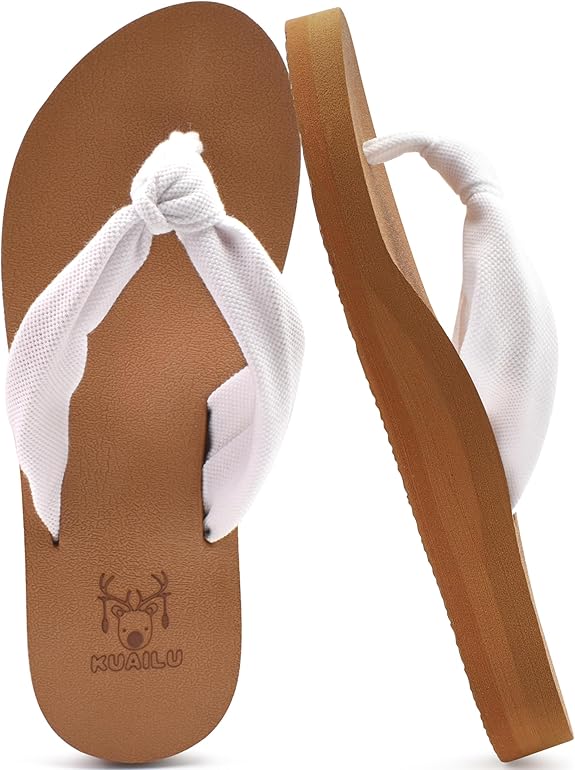
KuaiLu
Flip Flops with Arch Support
Cushioned, lightweight sandals with supportive arch design—a practical choice for beach trips, errands, and long summer walks.
Shop the sandals
baleaf
Athletic One-Piece Swimsuit
A functional one-piece with adjustable straps and moderate coverage, designed for swimming, training, surfing, and active beach days.
Shop the swimsuit
Astylish
Linen-Cotton Button-Down Shirt
A relaxed cotton-linen shirt with a collared V-neck and roll-up sleeves—easy to style over swimwear or with denim and shorts.
Shop the shirt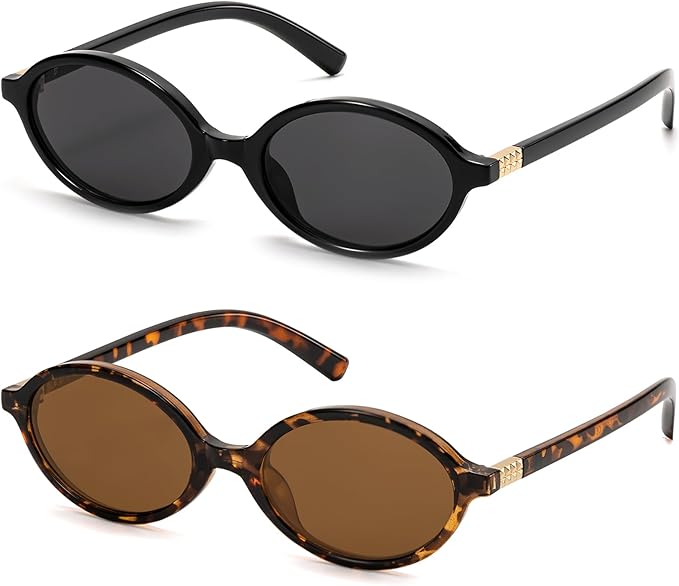
ViewJoy
Retro Oval Sunglasses
Small oval sunglasses with a 90s-inspired silhouette and UV400 lens protection—a quick way to add a vintage edge to everyday looks.
Shop the sunglasses
Affiliate disclosure: This section contains affiliate links. If you make a purchase through these links, I may earn a commission at no additional cost to you. Product selection, pricing, availability, and delivery terms may change—please review the current details on Amazon before purchasing.
As an Amazon Associate I earn from qualifying purchases.