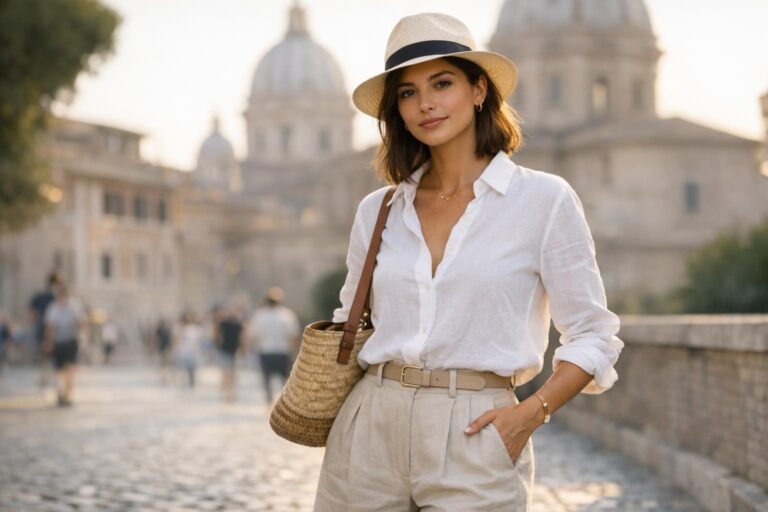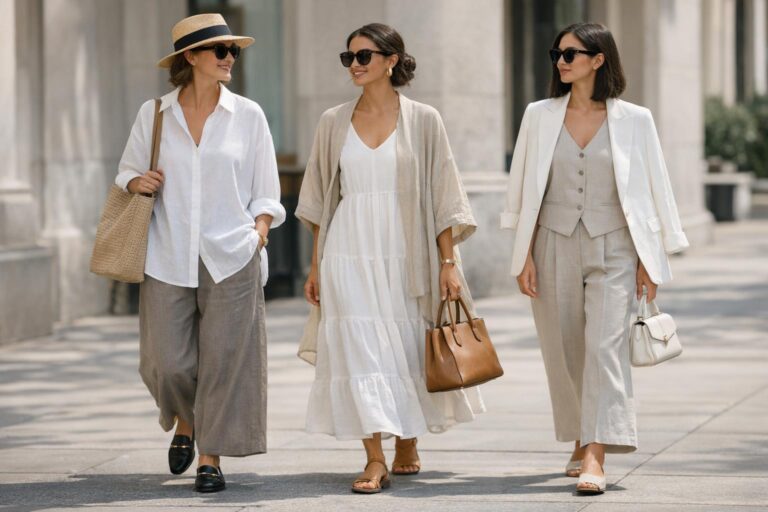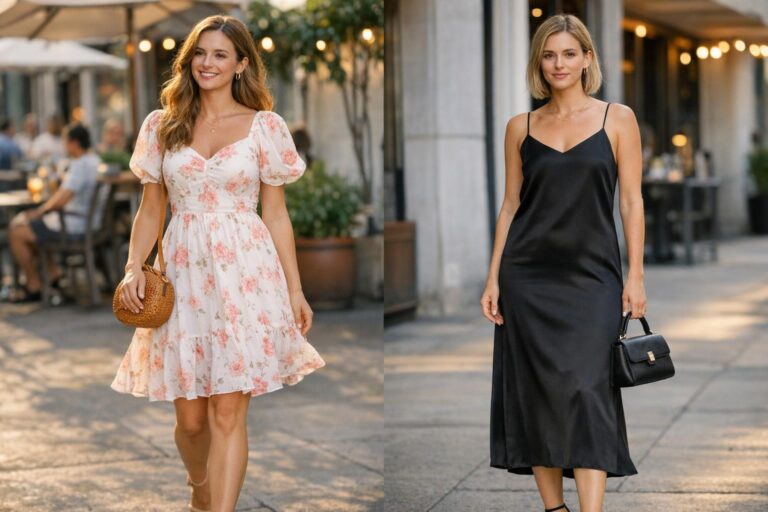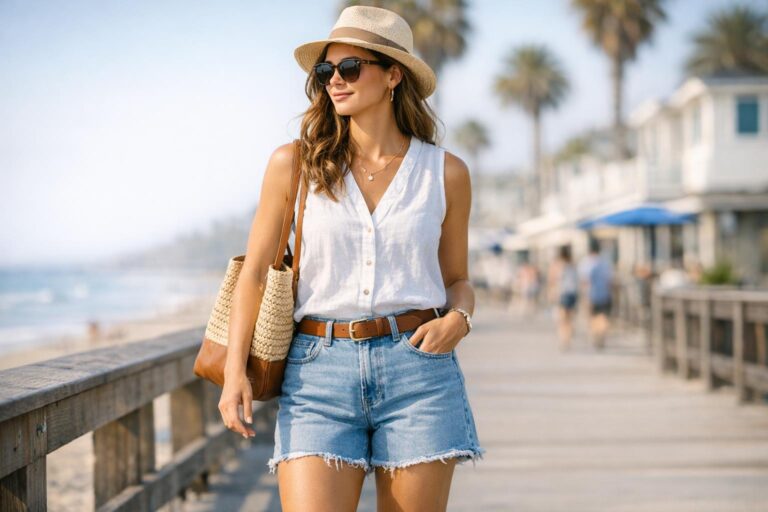
Cute Hiking Outfit Summer: Trail-Ready Athleisure vs. Set Style
Cute hiking outfit summer: why “trail style” splits into two very different aesthetics
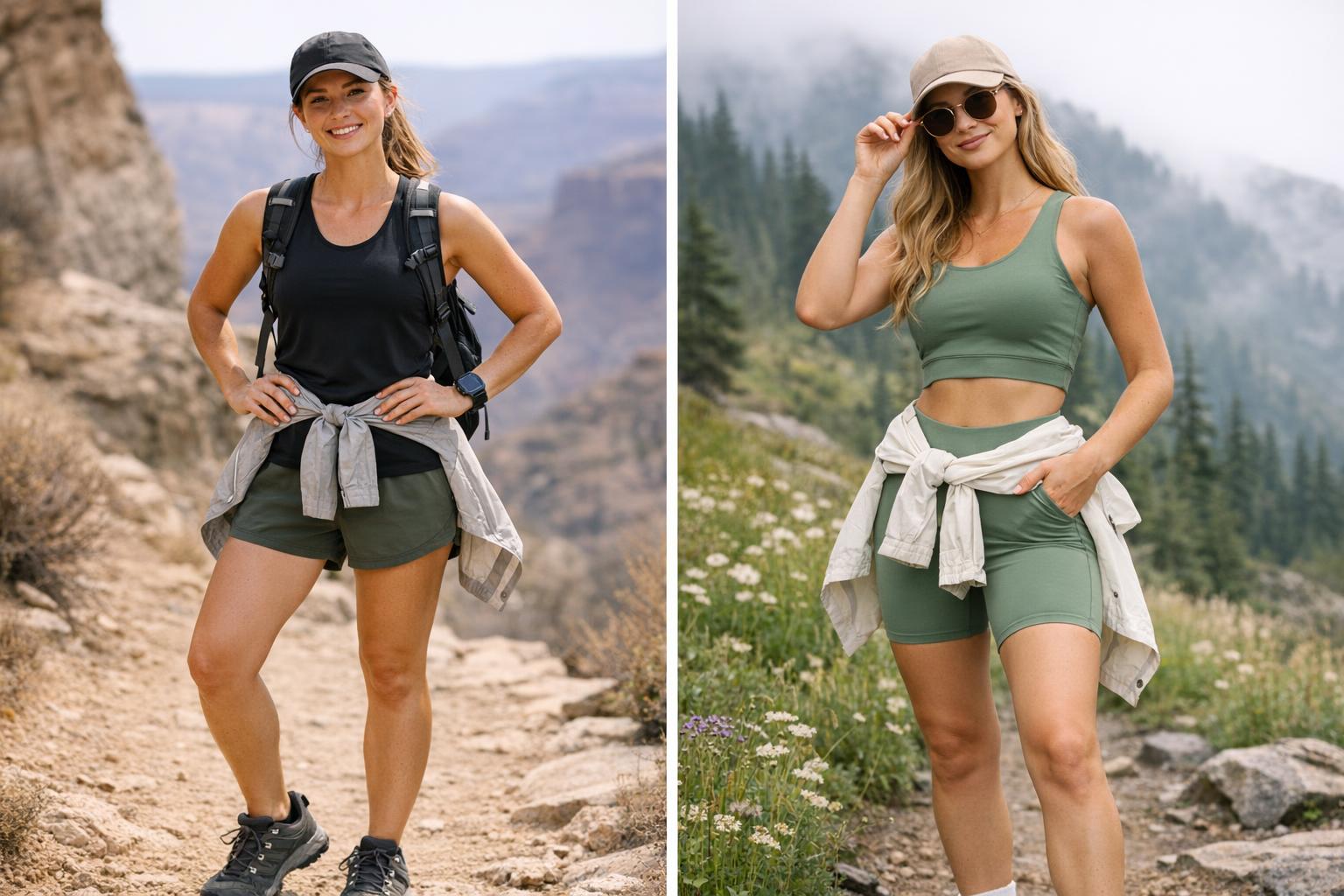
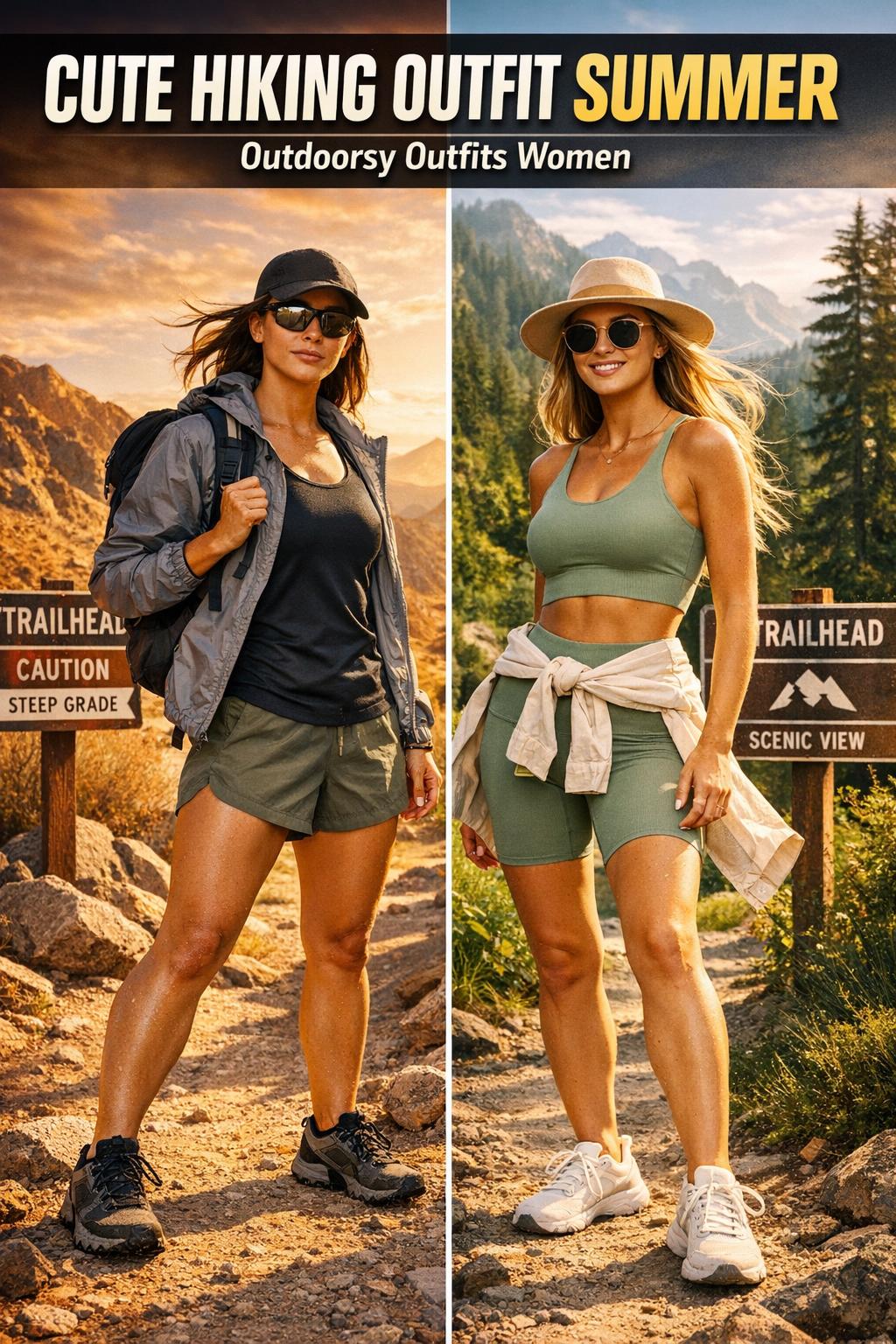
You can spot it instantly at a summer trailhead: two hikers, both dressed “cute,” but in completely different languages. One leans sporty and minimal—quick-dry layers, a packable windbreaker, breathable footwear, a look that reads outdoor-ready athleisure. The other looks styled on purpose—coordinated sets, a photogenic color palette, an alpine-meadow mood that feels made for a scenic overlook photo. Both belong under the umbrella of a cute hiking outfit summer, but they solve comfort, heat, and weather in different ways.
These aesthetics get discussed together because they often borrow the same building blocks: moisture-wicking fabrics, lightweight jackets, hiking-appropriate footwear, and that summer layering logic where you dress for sun but plan for wind. Add in the way outdoor fashion travels from inspiration boards to real outfits, and it’s easy for “trail-ready” to blur with “styled for the moment.”
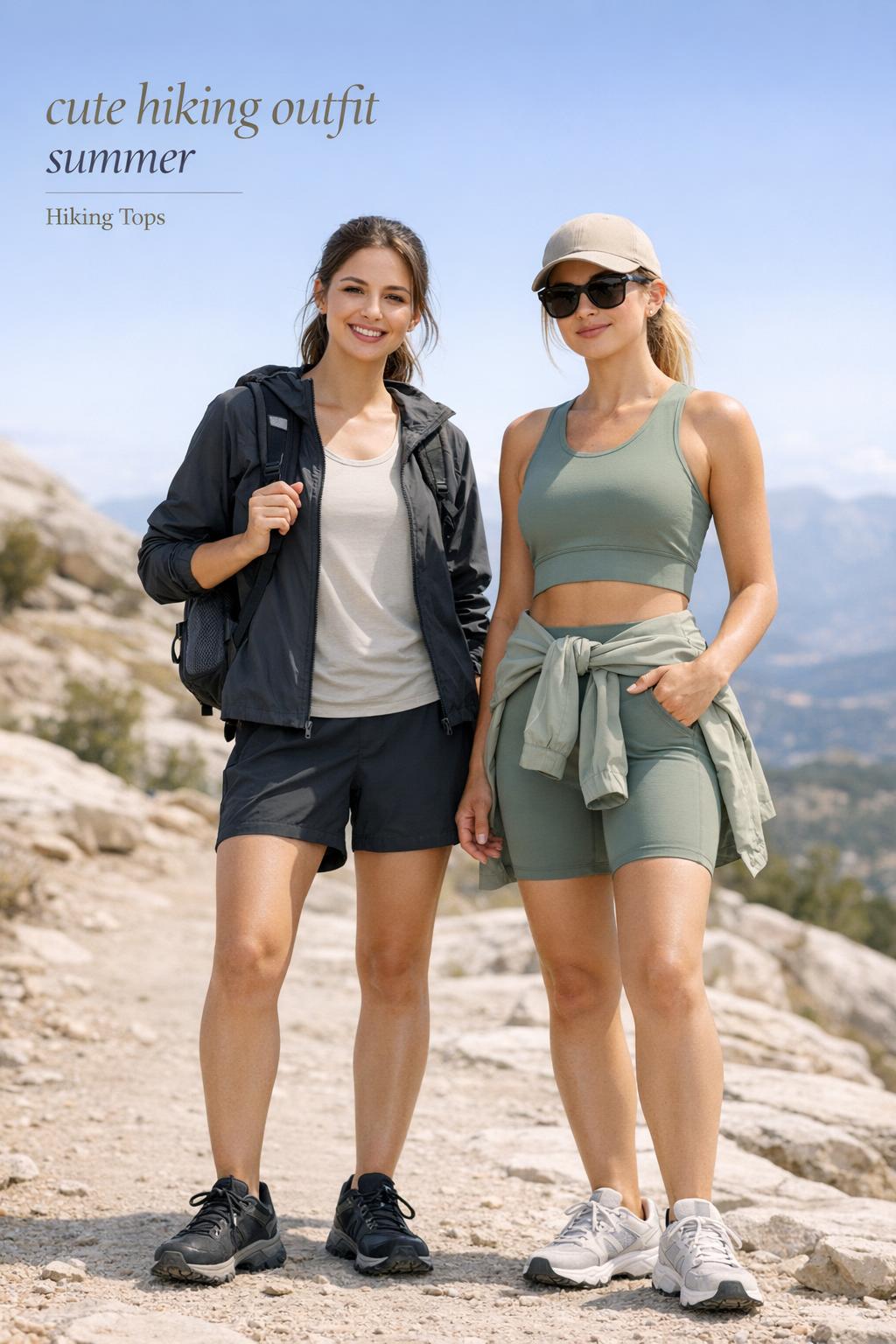
This style breakdown compares two common approaches—performance-forward outdoor-ready athleisure (think windbreakers, shell jackets, and practical fabric choices) versus trend-forward coordinated trail looks (the “mountain outfits summer” vibe with matching sets and intentional color stories). You’ll see how they differ in silhouette, fabrics, accessories, and where each one shines, plus a few side-by-side outfit scenarios you can actually picture wearing in the U.S. in warm weather—from the Pacific Northwest to the Desert Southwest, and even that unpredictable “sun-then-rain” day in the Northeast.
The Fashion-Note Edit
Five effortless pieces to refresh your everyday wardrobe
A polished, practical edit for workdays, weekends, and everything in between.

The Drop
Women’s Blake Long Blazer
A longline, tailored blazer with a notched collar and a single-button closure—an easy layer for denim, dresses, or office-ready looks.
Shop the blazer
Amazon Essentials
Women’s Lightweight Crewneck
A soft, lightweight sweater with a clean crew neckline—the kind of reliable layer that works from cool mornings to air-conditioned spaces.
Shop the sweater
Amazon Essentials
Women’s Loafer Flat
A classic flat loafer that gives casual outfits a more polished finish and pairs naturally with tailored pants, skirts, and straight-leg jeans.
Shop the loafers
Levi’s
Women’s 501 90s Jeans
A relaxed, vintage-inspired take on the iconic 501 silhouette—made for an easy, lived-in look without the thrift-store search.
Shop the jeans
Colorfulkoala
High-Waisted 7/8 Leggings with Pockets
Soft, four-way-stretch leggings with side pockets and a high-rise waistband—designed for movement, errands, and off-duty comfort.
Shop the leggings
Affiliate disclosure: This section contains affiliate links. If you make a purchase through these links, I may earn a commission at no additional cost to you. Product selection, pricing, availability, and delivery terms may change—please review the current details on Amazon before purchasing.
As an Amazon Associate I earn from qualifying purchases.
Style overview: outdoor-ready athleisure (the performance-first cute)
Outdoor-ready athleisure is the side of cute hiking outfits that starts with function and then edits for style. The defining characteristic is a clean, sporty silhouette built around breathable, quick-dry pieces and a light outer layer you can pull on fast—especially a windbreaker or shell jacket. You’ll see a lot of streamlined shapes: a breathable tee or tank, hiking pants/leggings or shorts, and footwear chosen for traction and comfort rather than purely for aesthetics.
Your wedding style is personal.
Your plan should feel that way, too.
Zarellea keeps your guest list, budget, vendors, and every next step beautifully organized — so you can focus on the moments that feel like you.
The color palette can be neutral or quietly technical, but it’s not “boring.” Many hikers add a pop of color through an outer layer or a single bright item, the way trend coverage sometimes frames hiking style as outdoor-ready but still fashion aware. Fabrics and textures are the point: moisture-wicking, quick-dry materials that handle sweat and sudden weather shifts, plus that crisp, slightly swishy hand-feel of a windbreaker. If you’ve ever packed a jacket “just in case” and ended up wearing it at a windy ridge, you already understand the mood—prepared, practical, and casually polished.
In the wider conversation about hiking fashion trends, this aesthetic is often linked with performance cues like Gore-Tex, and it’s where brand names like Berghaus get referenced in the context of shell jackets and outdoor layering. The vibe is less “lookbook” and more “I can keep moving comfortably.”
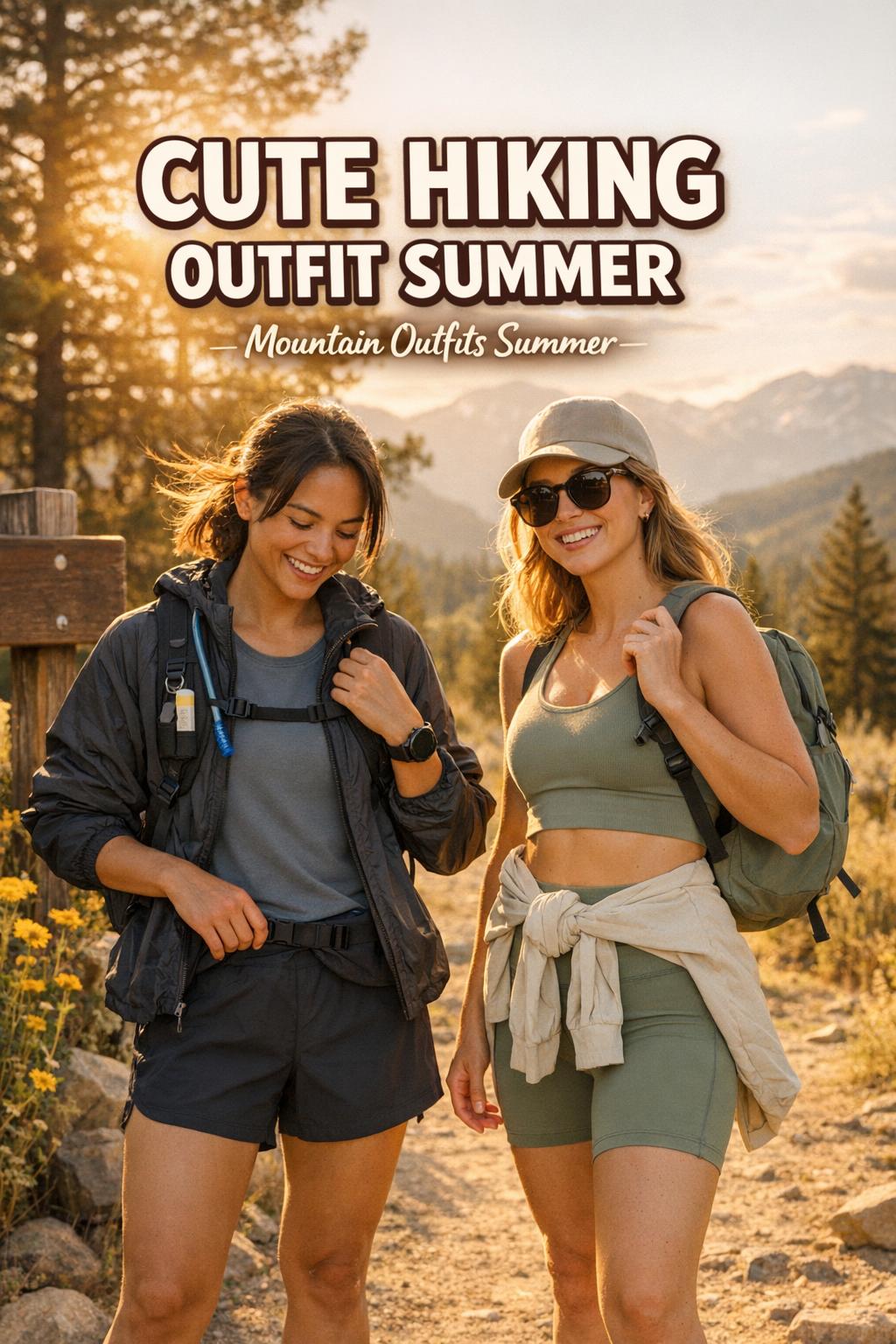
Style overview: coordinated trail looks (the trend-forward cute)
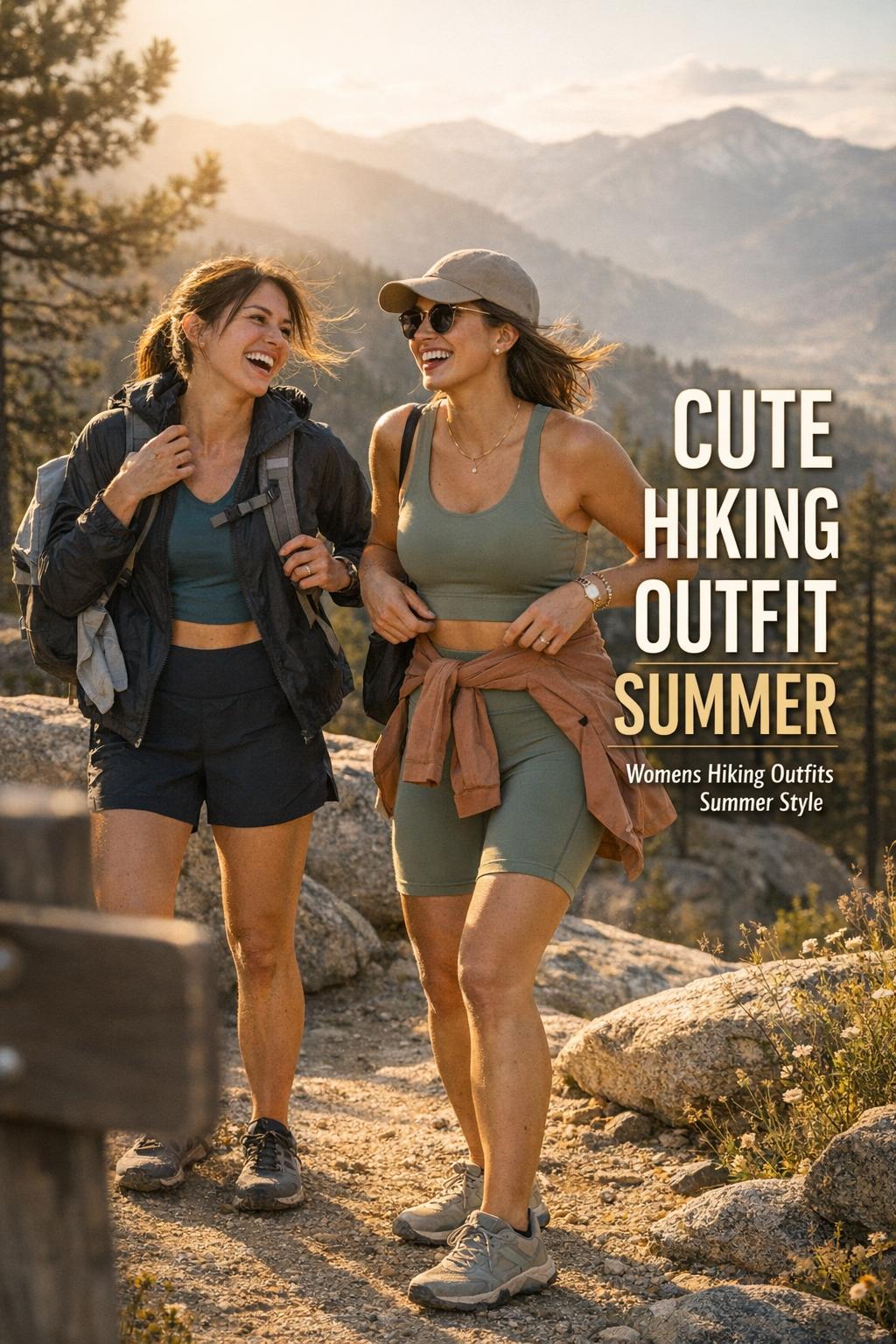
Coordinated trail looks start with the visual story. The defining characteristic is the matching or intentionally coordinated outfit: sets that look planned, color palettes that photograph well, and silhouettes that feel current—crop tops, biker shorts, and coordinated outfits that read as outdoorsy outfits women can wear from trail to casual post-hike errands without changing.
This style is often anchored by “alpine meadow” imagery—soft greens, sky blues, earthy tones, and bright accents that feel cheerful in summer light. Fabrics are still expected to perform (nobody wants a clingy cotton top on a hot climb), but the styling logic leads with proportion and color harmony. Think fitted top + streamlined short, or a sleek set balanced with a lightweight jacket tied around the waist for shape.
Because it’s trend-driven, this aesthetic shows up in “stylish hiking outfit summer” inspiration galleries and boards more than in technical gear guides. It’s not anti-performance; it’s simply more image-led. The best versions still respect real hiking needs: breathable layers, sun protection, and footwear that won’t ruin the day.
The key differences that actually matter on a summer hike
Silhouette: streamlined utility vs styled proportions
Outdoor-ready athleisure tends to be straight and functional: tops that skim the body, bottoms designed for movement, and an outer layer that doesn’t change how you walk. Coordinated trail looks use proportion as part of the “cute” factor—cropped or fitted tops paired with biker shorts, or a matching set that creates a clean line in photos. Neither is inherently better; the trade-off is how much you want your outfit to “read” as technical versus styled.
Fabric priorities: performance cues upfront vs performance woven into the look
In outdoor-ready athleisure, the fabric story is obvious: moisture-wicking fabric, quick-dry materials, and packable outerwear are the headline. In coordinated looks, the fabric has to behave well but is less visible in the styling narrative. If you’re planning a longer hike—or a humid one—this difference matters. A cute set can still be breathable and quick-dry, but you’ll want to vet the fabric behavior the way you would with dedicated hiking tops.
Layering philosophy: “bring it because weather changes” vs “layer for shape and photos”
Both aesthetics use layers, but with different intent. Outdoor-ready athleisure centers the windbreaker or shell jacket as a real tool. That’s the lane where references to Gore-Tex and classic shell construction show up, because the goal is to handle wind and surprise weather. Coordinated looks still use lightweight jackets, but often as a styling device too—tied at the waist, draped over shoulders, or chosen to echo the set’s color palette.
Accessory mindset: safety and comfort first vs curated finishing touches
Outdoor-ready athleisure accessories are usually chosen for function: sun protection, hydration, and a pack that carries what you need. Coordinated looks keep those basics, but you’ll notice more attention to the “frame” of the outfit—how sunglasses balance the face, how a hat finishes the look, and how a small pack sits against a sleek silhouette.
Visual style breakdown: how each approach looks from top to bottom
Hiking tops: the difference between “breathable basics” and “intentional styling”
Hiking tops are where these aesthetics separate fast. In outdoor-ready athleisure, a breathable tee, lightweight jersey, or simple tank is chosen to manage heat and sweat—moisture-wicking and quick-dry are non-negotiable in warm weather. The shape is uncomplicated: enough room to move, and easy to layer under a windbreaker.
In coordinated trail looks, hiking tops can be more silhouette-driven—cropped lengths, fitted tanks, or pieces that visually “match” the bottom. The best styling move is keeping the fabric performance while playing with proportion. If you love a cropped top look, balance it with a higher-rise bottom so the outfit still feels secure and practical while you’re stepping up rocks or reaching for a water bottle.
Bottoms: leggings and hiking pants vs biker shorts and coordinated sets
Outdoor-ready athleisure bottoms skew classic: hiking pants/leggings, shorts with movement, and sometimes convertible pants for those days that start cool and get hot. The visual is simple and athletic, and the comfort is consistent. This is the lane where “womens hiking outfits summer style” often looks like a clean top + performance bottom + light jacket combination.
Coordinated looks lean into biker shorts and matching sets—sleek, modern, and easy to photograph. The practicality question is coverage and conditions: biker shorts can be perfect on a dry, warm trail, but some hikers prefer more coverage for brushy areas or unpredictable weather. Your terrain and comfort preferences decide whether the cute factor stays fun or becomes distracting.
Outer layers: windbreaker and shell jacket energy, even in summer
A windbreaker is the signature piece that ties hiking fashion trends to real function. Outdoor-ready athleisure often picks a true shell jacket or lightweight jacket that packs down, with the kind of performance cues that bring Gore-Tex into the conversation. Berghaus is another brand name that gets associated with this “shell-forward” mindset—outerwear that’s meant to be used, not just carried.
Coordinated trail looks still benefit from a windbreaker, but the styling choices widen. A lightweight jacket can be chosen to complement your color palette, add structure to a fitted set, or give you that effortless “layered” look in photos. The real win is choosing one that feels light and easy, so you’ll actually bring it along instead of leaving it behind when the forecast looks warm.
Footwear: where “cute” has to meet hiking-appropriate reality
Across both styles, outdoor footwear suitable for hiking is a core requirement. The difference is how visible the choice becomes. Outdoor-ready athleisure treats footwear as a primary gear decision—comfort, grip, and the ability to handle sweat and long miles. Coordinated looks can still pick hiking-appropriate footwear, but the shoe becomes part of the outfit balance, often kept sleek so it doesn’t overpower a streamlined set.
If you’re building outfits for real summer trails, footwear is one of the places to avoid “almost works” compromises. A cute outfit stops being cute when you’re thinking about blisters instead of views.
Two summer trail aesthetics, three U.S. regions: how climate changes the styling choice
Summer hiking in the U.S. isn’t one weather situation. The same stylish hiking outfit summer formula behaves differently depending on heat, humidity, and wind. Thinking regionally helps you choose whether your day calls for performance-first athleisure, coordinated trail looks, or a hybrid of both.
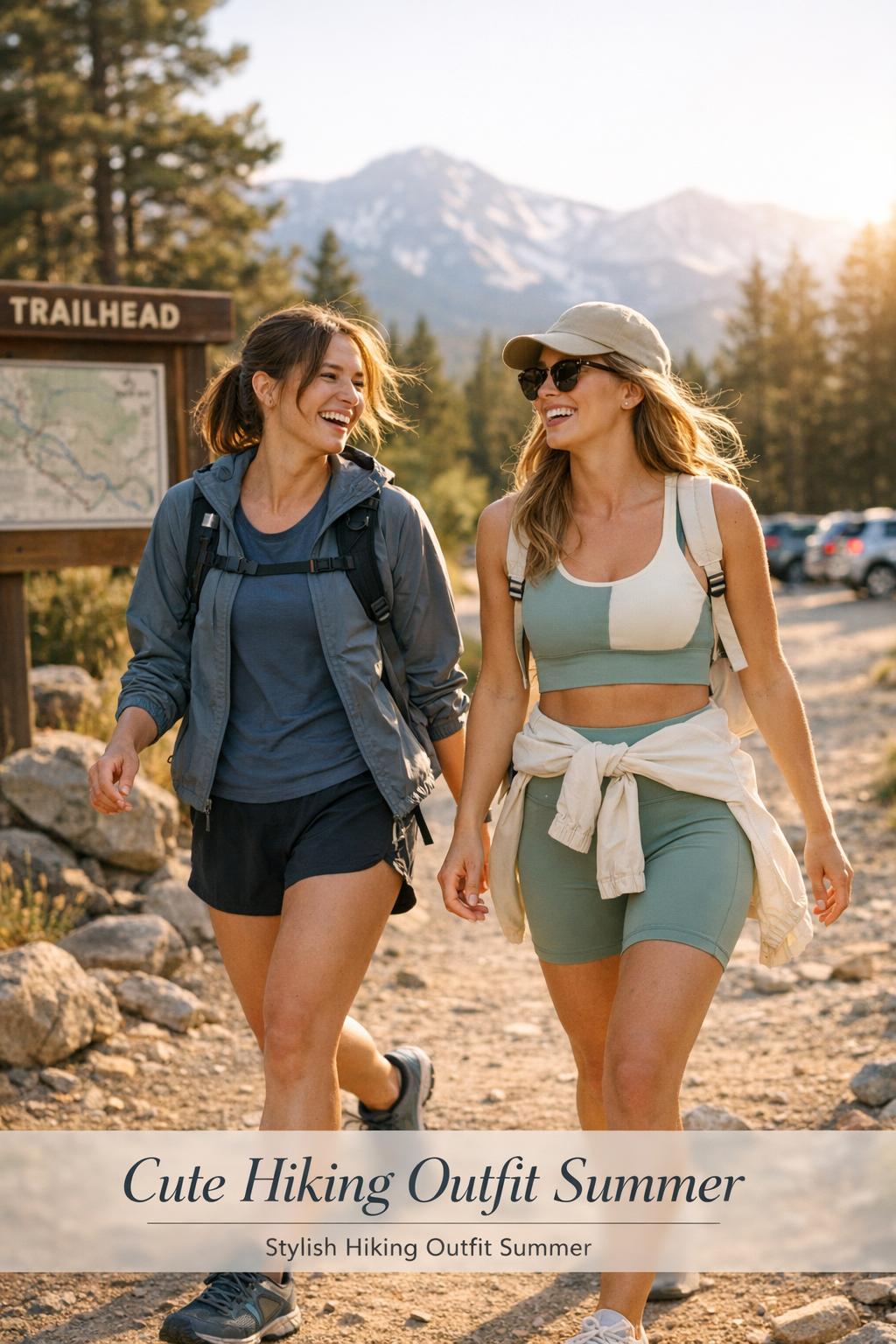
Desert Southwest: light fabrics, sun strategy, and desert colorways
In the Desert Southwest, heat management and sun protection drive every outfit decision. Outdoor-ready athleisure naturally fits here because moisture-wicking, quick-dry fabrics and breathable hiking tops keep you comfortable when the temperature feels relentless. Coordinated looks work too, but they’re best when the set is truly breathable and the styling is kept simple—sleek pieces that don’t trap heat, plus practical sun-focused accessories.
Visually, this is where lighter color palettes can feel more comfortable and “desert appropriate,” and where a packable layer still matters for wind, even on a sunny day.
Pacific Northwest: humidity and layering that you actually use
The Pacific Northwest gets name-checked in hiking-date style conversations for a reason: it’s a place where the hike can feel romantic and misty, but also changeable. Outdoor-ready athleisure has an advantage because a windbreaker or shell jacket isn’t theoretical—it’s often the difference between staying comfortable and feeling chilled when clouds roll in.
Coordinated looks can still work beautifully in the PNW, especially if you build the outfit around a layer you’ll put on and take off easily. Think of the jacket as both a practical piece and the visual “third layer” that makes the outfit look finished in photos.
Appalachian/Northeast: sun, rain, and the late-spring-to-mid-summer swing
In the Appalachian and Northeast summer pattern—warm starts, sudden rain, and humidity—hybrid styling is often the most realistic. Outdoor-ready athleisure gives you the fabric logic for sweat and weather; coordinated trail looks bring the clean lines and color harmony that make the outfit feel intentional. A lightweight jacket earns its place here because it bridges those transitions without making your outfit feel heavy.
Aesthetic crossover: when outdoor fashion meets trend forecasting
Part of the reason these styles get blended is that hiking fashion has been treated as trend material, not just gear. The idea of hiking style showing up in broader fashion moments—like Paris Fashion Week references in trend coverage—pulls performance pieces into everyday wardrobes. Suddenly, a windbreaker isn’t only for the trail; it’s also a styling tool. And destination imagery like the Dolomites or the Brecon Beacons becomes shorthand for an outdoorsy outfit mood: crisp air, big views, layered looks.
That crossover can be genuinely useful for summer hikes, as long as the “fashion lens” doesn’t erase the basics: moisture management, sun protection, and footwear that can handle uneven ground. The most wearable cute hiking outfit summer approach is often a split decision—performance where it matters, trend where it’s comfortable.
Outfit examples: side-by-side comparisons you can picture wearing
Instead of treating these as totally separate wardrobes, it helps to see how each aesthetic approaches the same real-life situation. Use these as templates and adjust based on trail length, weather swings, and how “styled” you want to feel.
Example comparison: a hot midday hike with full sun
Outdoor-ready athleisure: A breathable hiking top in a quick-dry fabric paired with lightweight shorts or hiking leggings creates a clean athletic line that won’t feel clingy. Add a packable windbreaker in your bag for exposed, windy sections. The look is simple, but it reads sharp because everything fits with purpose—nothing extra, nothing fussy, and the fabric choices do the heavy lifting.
Coordinated trail look: A coordinated set—fitted tank and biker shorts—creates an intentional silhouette that looks great in bright light. To keep it practical, treat sun protection as part of styling: sunglasses and a hat that frames the face and keeps the outfit looking finished. A lightweight jacket can still come along, but pick one that doesn’t feel bulky against the sleek set.
Example comparison: a breezy overlook with quick weather shifts
Outdoor-ready athleisure: This is windbreaker territory. Start with a moisture-wicking tee or tank, then add a shell jacket when the breeze hits the ridge. If you gravitate to performance cues like Gore-Tex, this is when they feel worth it—your layer becomes a tool, not just a styling accent. The silhouette stays streamlined, and your comfort stays consistent.
Coordinated trail look: Keep the base outfit sleek and photo-friendly, then choose an outer layer that’s both functional and visually coherent—something that ties into the set’s colors. The difference is how you wear it: instead of stuffing it away immediately, you might leave it on longer because it completes the outfit shape in pictures while still doing its job.
Example comparison: a hiking date outfit that still feels trail-appropriate
Outdoor-ready athleisure: For a hiking-date scenario, the cute factor can come from clean lines and a touch of color—think a simple hiking top, fitted hiking pants/leggings, and a lightweight jacket ready for changes in temperature. The vibe is understated and confident, the kind of outfit that works whether you’re hiking in the Pacific Northwest or taking a walk that turns into a longer route than expected.
Coordinated trail look: This is where coordinated outfits shine because they look intentional without requiring complicated styling. A matching set reads polished in photos, and the silhouette feels “put together” even after some movement. Keep the outfit anchored in hiking-appropriate footwear so the look stays grounded in reality—especially if the date includes uneven terrain.
Example comparison: a travel day that includes an easy hike
Outdoor-ready athleisure: Travel-friendly hiking clothes often look like simple layers you can re-wear: breathable hiking tops, quick-dry bottoms, and a windbreaker that functions as your plane layer and your trail layer. The goal is packing efficiency—pieces that do more than one job and don’t punish you in heat.
Coordinated trail look: A coordinated set is appealing on travel days because it’s a complete outfit in one move—no overthinking. If you’re also shopping for “cute travel outfits” energy, this aesthetic overlaps naturally, but you’ll want to keep the hiking part honest: fabrics that breathe, and a jacket that can handle real wind instead of only looking cute in a mirror.
Tips: the “cute but capable” checklist for summer trail outfits
Most outfit regrets on summer hikes come from small oversights: a top that doesn’t dry fast enough, a layer you didn’t bring because it looked too warm, or an outfit that photographs well but distracts you after an hour. Use these practical checks to keep your cute hiking outfit summer plans grounded in comfort.
- Choose moisture-wicking and quick-dry fabrics first, then decide the silhouette you want.
- Keep a windbreaker or lightweight jacket in play even when the forecast looks warm; summer wind at elevation can feel surprisingly sharp.
- Let footwear be the anchor decision, then build the outfit around it.
- Use color intentionally: a single pop (often the jacket) can make outdoor-ready athleisure feel styled without sacrificing practicality.
- If you love coordinated sets, test them on a short walk first to make sure the fabric stays comfortable when you sweat.
A small mindset shift helps: treat sun protection as part of styling, not an afterthought. When your hat and sunglasses feel integrated into the look, you’re more likely to keep them on—and that’s when a “cute” outfit stays wearable for the whole hike.
Common styling mistakes that make summer hiking outfits feel off
Over-layering for the photo, under-planning for the heat
A jacket looks great in a picture, but if it’s not packable or breathable enough to carry comfortably, it becomes dead weight. The fix is choosing a windbreaker or lightweight jacket that can be worn, tied, or packed without fuss—so it supports both the visual and the practical side of the outfit.
Assuming any “athleisure” top behaves like a hiking top
Inspiration boards can make any tank look trail-ready, but summer hiking tops need to manage moisture and dry quickly. If you’re building womens hiking outfits summer style from your closet, prioritize the pieces that stay comfortable when you sweat; cute stops being cute when fabric holds moisture.
Forgetting that region changes everything
Outfits that work in an alpine-meadow aesthetic moment don’t always translate to the Desert Southwest, and a set that feels perfect on a dry day can feel heavy in Pacific Northwest humidity. The most reliable approach is choosing a base outfit you can tolerate in heat, then adding a layer strategy that matches your region.
Where to invest vs where to keep it simple
If you’re balancing budget with performance, the easiest way is to spend where the consequences are highest and simplify the rest. A cute hiking outfit summer can look expensive or affordable depending on fit and cohesion, but comfort usually comes down to a few key categories.
Investment pieces: outer layers and footwear
Outerwear and footwear carry the most functional responsibility. A windbreaker or shell jacket is the piece that saves a day when conditions shift, which is why performance signifiers like Gore-Tex appear in hiking style discussions. Similarly, hiking-appropriate footwear supports comfort across miles. If you’re going to “upgrade” anything, these categories tend to return the most real-world value.
Budget basics: breathable tops and simple bottoms
You can keep hiking tops and bottoms simple as long as the fabric behavior is right. A breathable tee or tank and comfortable shorts or leggings can look clean and modern without being complicated. This is where outdoor-ready athleisure is forgiving: the outfit looks intentional when the fit is tidy and the layers make sense.
Mixing the two aesthetics: a practical formula for mountain outfits summer
If you’re torn between the two, the most wearable middle ground is a hybrid that borrows structure from coordinated looks and function from outdoor-ready athleisure. This is especially helpful if you want outdoorsy outfits women can wear for hiking, travel, and casual summer days without building separate wardrobes.
- Start with a coordinated base (top + bottom that feel cohesive), but keep the fabric performance front and center.
- Add a packable windbreaker as the “third piece” that makes the outfit look finished and handles weather.
- Keep accessories minimal but deliberate: sun protection items that also frame the face well in photos.
- Let one item carry the color story (often the jacket), and keep everything else quiet and breathable.
This formula also fits travel scenarios where you want a small capsule of pieces that mix easily, photograph well, and still feel like real hiking clothes when you’re actually moving.
When to choose each style (and when it might not work)
Choose outdoor-ready athleisure when the hike is the priority
If the day is about distance, heat, or unpredictable weather, outdoor-ready athleisure keeps decision-making simple. It’s also the safest choice if you’re unsure how a new trail will feel underfoot. The limitation is that it can read more sporty than styled if you don’t pay attention to color and proportions—an easy fix with a pop-color windbreaker and a clean silhouette.
Choose coordinated trail looks when the plan includes photos, a casual stop, or a date
For a hiking date outfit idea, a scenic day in the Dolomites-inspired “big view” mindset, or a casual post-hike coffee stop, coordinated looks deliver that intentional outfit feeling with minimal effort. The limitation is that some coordinated pieces prioritize look over climate flexibility. You’ll want to make sure you still have a real layer plan—especially in regions like the Pacific Northwest or the Appalachian/Northeast summer swing.
Choose the hybrid when you want one wardrobe to do it all
If you want a stylish hiking outfit summer approach that covers travel, short hikes, and everyday wear, the hybrid is the most realistic. Keep the coordinated base if it makes you feel put-together, but bring the windbreaker and choose fabrics like you mean it. It’s the easiest way to avoid outfit overthinking while still respecting the trail.
A quick note on responsibility: the style choices that support Leave No Trace
Hiking style doesn’t exist in a vacuum, and it’s worth linking “what you wear” to “how you hike.” The Leave No Trace mindset shows up in conversations about modern outdoor fashion for a reason: being prepared reduces the chance you’ll need to improvise in ways that impact the environment (like going off-trail to avoid mud because your footwear can’t handle it). A practical outfit—breathable layers, a packable jacket, and the right shoes—supports better decisions on the trail.
Even if your outfit leans coordinated and photo-friendly, the most responsible version is the one that keeps you comfortable enough to stay on-route and focused on the hike, not on managing avoidable discomfort.
Pulling it together: how to recognize each style at a glance
Outdoor-ready athleisure is defined by visible function: moisture-wicking and quick-dry basics, a windbreaker or shell jacket that’s clearly meant to be used, and a silhouette that stays streamlined when you move. Coordinated trail looks are defined by visual cohesion: matching sets, proportion-led styling, and a color palette designed to look good in bright summer light—often with that alpine meadow feel.
The easiest way to combine them is simple: build your base outfit like a coordinated look, then layer and accessorize like outdoor-ready athleisure. You’ll end up with a cute hiking outfit summer that feels current in photos and genuinely comfortable on the trail, whether you’re hiking near the Pacific Northwest, chasing sun in the Desert Southwest, or navigating the mixed-weather reality of the Northeast.
FAQ
What fabrics work best for a cute hiking outfit summer?
Prioritize moisture-wicking and quick-dry materials so your outfit stays comfortable in heat and sweat; these fabric behaviors matter more than the exact silhouette, whether you’re wearing breathable tees, tanks, biker shorts, or hiking leggings.
Do I really need a windbreaker or lightweight jacket for summer hiking?
Yes, a packable windbreaker or lightweight jacket is a practical summer layer because weather and wind can change quickly, especially at exposed overlooks or in regions where humidity and sudden shifts are common.
How do I make womens hiking outfits summer style look cute without sacrificing comfort?
Keep the base simple and breathable (a hiking top plus shorts or leggings), then add visual intention through a cohesive color palette and a single statement layer like a windbreaker, while keeping footwear hiking-appropriate.
What’s the difference between outdoor-ready athleisure and coordinated trail looks?
Outdoor-ready athleisure leads with performance and layering logic—think moisture management and shell-jacket utility—while coordinated trail looks lead with visual cohesion like matching sets and proportion-driven styling, ideally with performance fabrics woven in.
How should I dress differently for the Desert Southwest vs the Pacific Northwest in summer?
In the Desert Southwest, focus on heat and sun strategy with lightweight, breathable, quick-dry pieces; in the Pacific Northwest, keep humidity and changing conditions in mind by making sure your layering plan includes a windbreaker or shell jacket you’ll actually wear.
Can a coordinated set work as real hiking clothes?
Yes, coordinated outfits can work well if the fabric is breathable and quick-dry and you pair the set with hiking-appropriate footwear and a practical outer layer, so the look stays comfortable beyond the first few photos.
What are the most important pieces to invest in for a stylish hiking outfit summer?
Footwear and outer layers tend to matter most because they influence comfort and weather readiness; this is why shell jackets and performance cues like Gore-Tex show up in hiking style discussions more than, say, basic tops.
How do I style hiking tops so they look intentional in photos?
Choose a breathable hiking top with a clean fit, then create a clear outfit line with your bottoms (sleek shorts, leggings, or a matching set) and finish with one cohesive layer—like a windbreaker that echoes your color palette.
Finish the look
The little extras that make a summer outfit feel complete
From beach days to city weekends, these easy pieces bring comfort, texture, and a polished finishing touch.

FENBEN
Straw Hobo Crossbody Bag
A handwoven straw bag with both short and crossbody straps—an effortless finishing touch for vacation looks and warm-weather outfits.
Shop the bag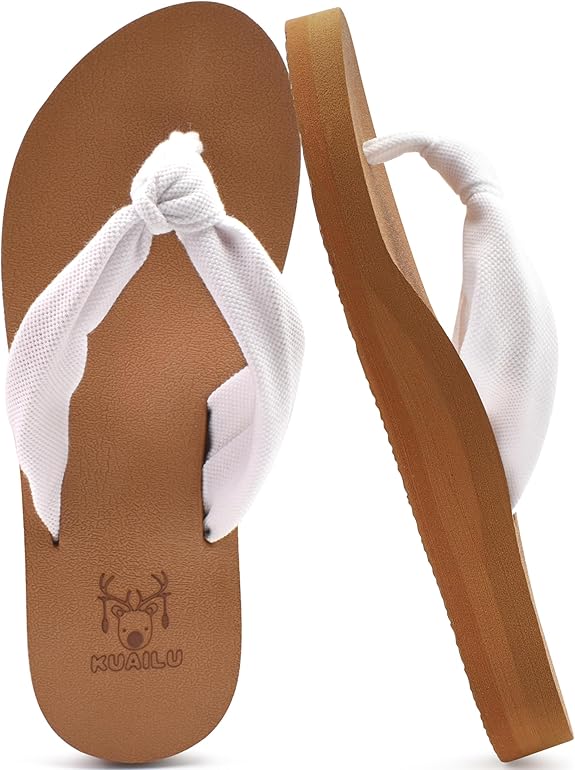
KuaiLu
Flip Flops with Arch Support
Cushioned, lightweight sandals with supportive arch design—a practical choice for beach trips, errands, and long summer walks.
Shop the sandals
baleaf
Athletic One-Piece Swimsuit
A functional one-piece with adjustable straps and moderate coverage, designed for swimming, training, surfing, and active beach days.
Shop the swimsuit
Astylish
Linen-Cotton Button-Down Shirt
A relaxed cotton-linen shirt with a collared V-neck and roll-up sleeves—easy to style over swimwear or with denim and shorts.
Shop the shirt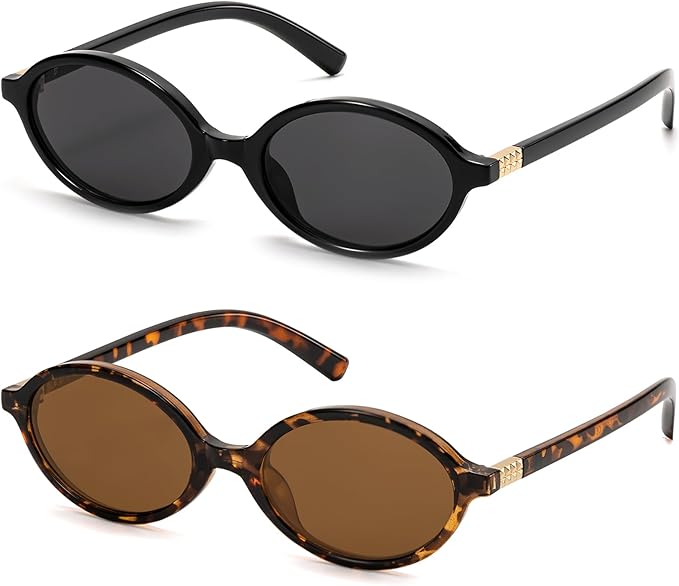
ViewJoy
Retro Oval Sunglasses
Small oval sunglasses with a 90s-inspired silhouette and UV400 lens protection—a quick way to add a vintage edge to everyday looks.
Shop the sunglasses
Affiliate disclosure: This section contains affiliate links. If you make a purchase through these links, I may earn a commission at no additional cost to you. Product selection, pricing, availability, and delivery terms may change—please review the current details on Amazon before purchasing.
As an Amazon Associate I earn from qualifying purchases.