
Chic Winter Boots Outfits: Stylish Everyday Looks for 2025
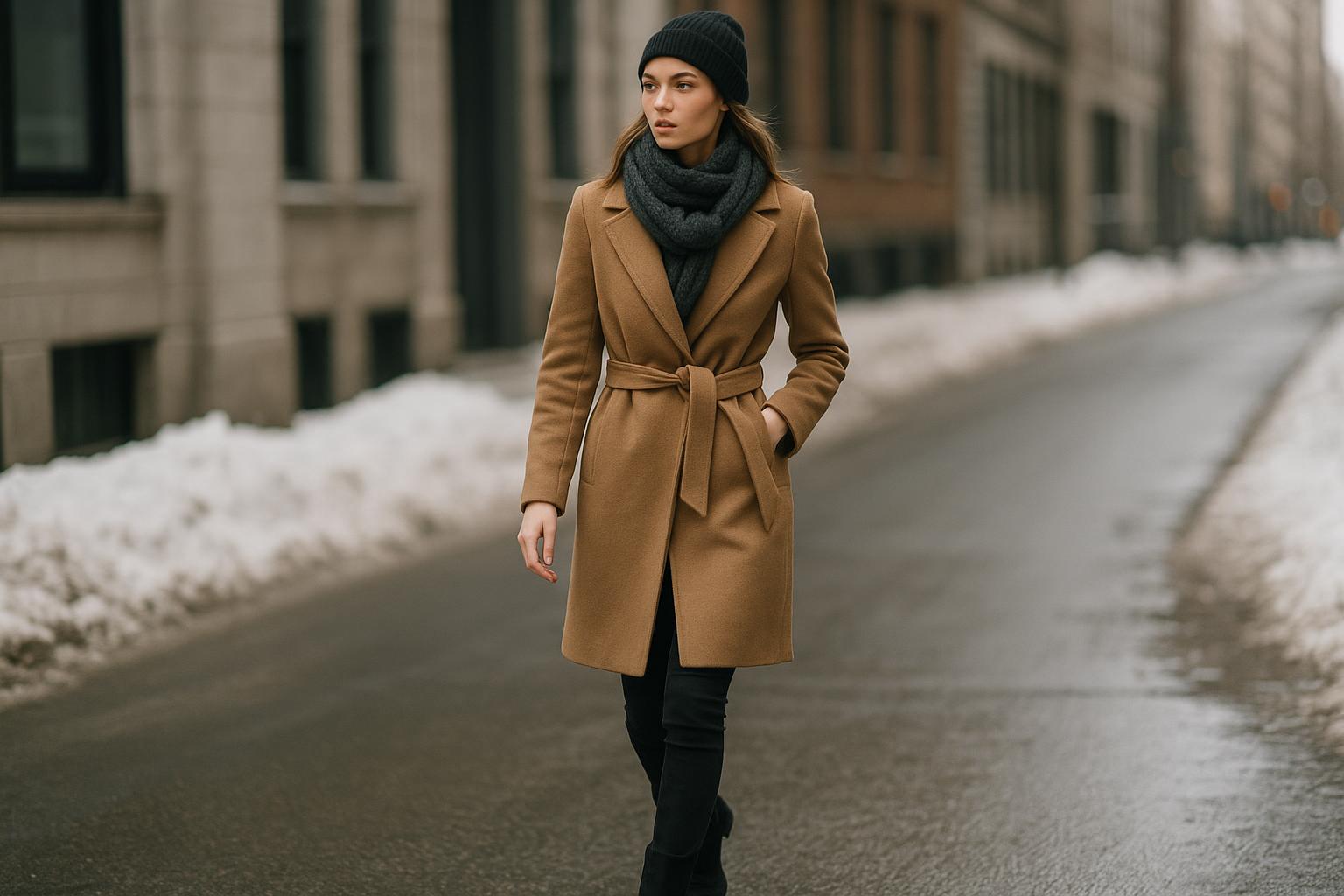
Stylish Winter Boots Outfits: Complete Guide to Looking Chic and Staying Warm
Winter boots outfits are the foundation of a cold-weather wardrobe that actually works in real life. The right pair of boots can pull an outfit together, keep you warm and dry, and still look polished whether you are running errands, heading to the office, or going out at night. Building a versatile rotation is less about owning every trendy style and more about knowing how to pair the boots you have with jeans, leggings, dresses, and outerwear you already love.
This guide walks through the most useful types of winter boots, how to style them for different occasions, and practical ideas for outfits that balance comfort, function, and style. You will also find tips for layering, choosing the right socks, and making outfits look intentional instead of bulky or mismatched.
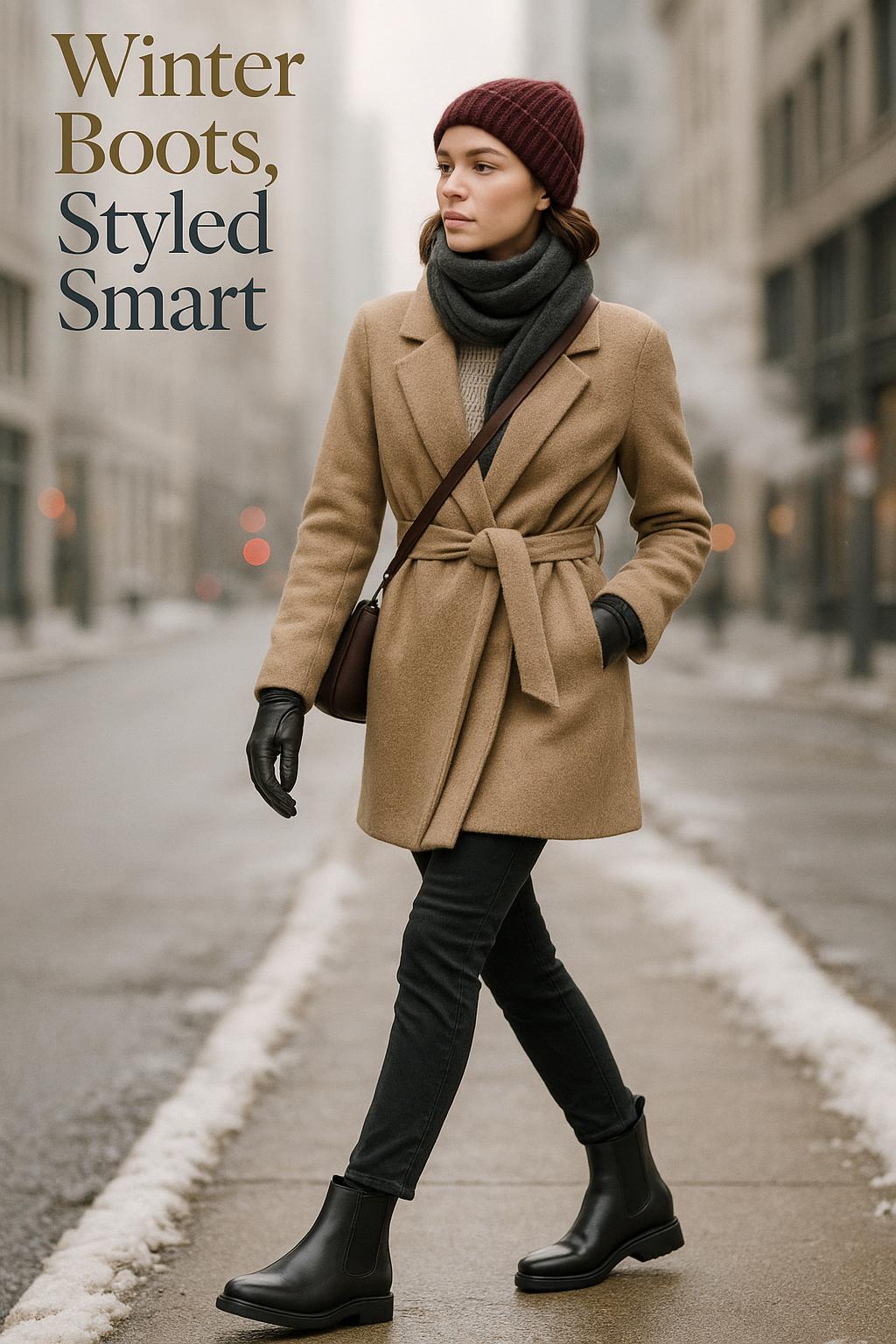
Key Types of Winter Boots and How They Change Your Outfits
Understanding the main categories of winter boots helps you build outfits faster because you know what each style does best. Rather than treating all winter boots the same, think of them as tools in a kit: some are made for deep snow, some for city slush, and others for dressier days when you still need warmth.
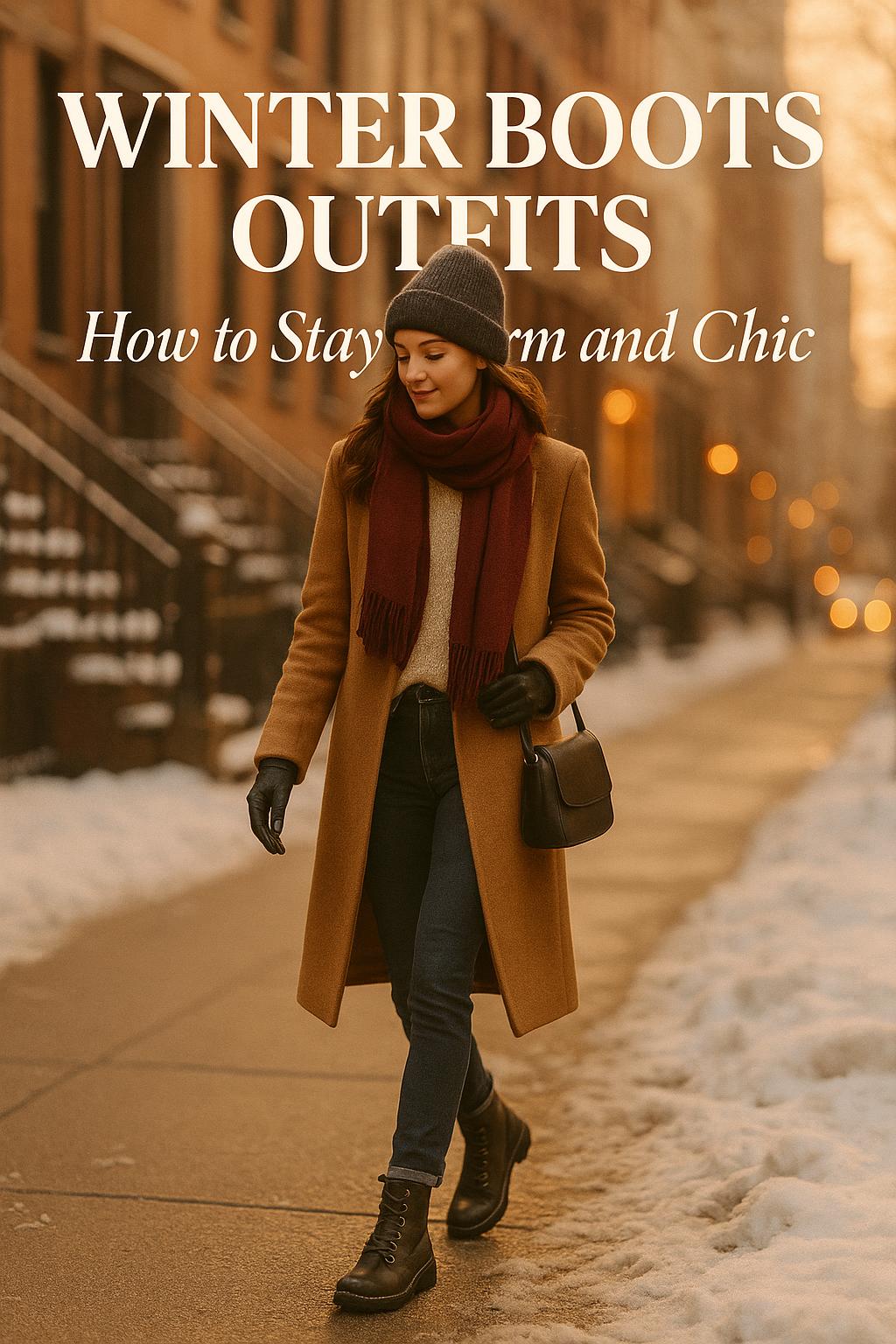
Classic Lace-Up Snow Boots
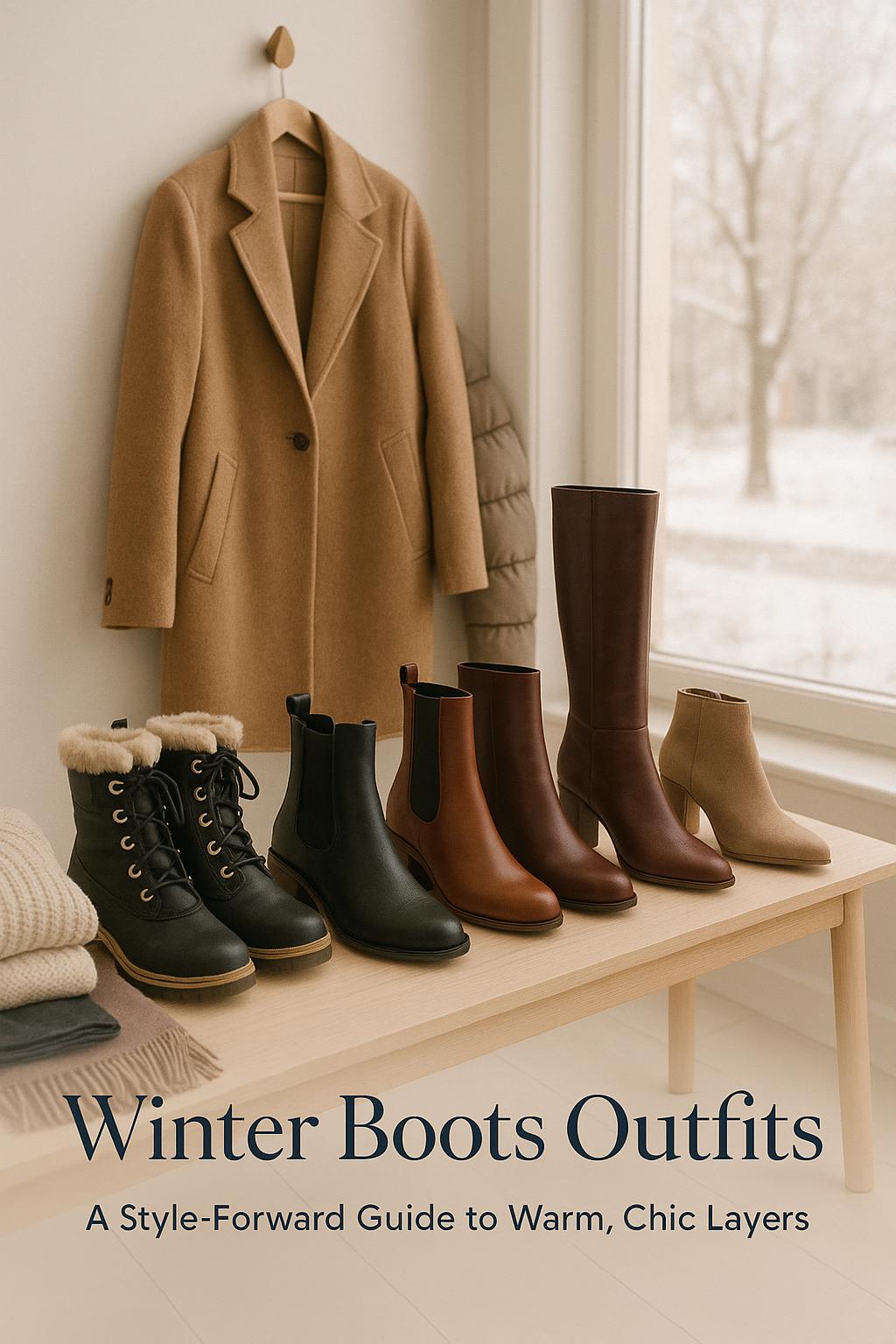
Classic lace-up snow boots usually have a sturdy rubber sole, an insulated lining, and a water-resistant or waterproof upper. They are designed to handle snow banks, icy sidewalks, and freezing temperatures, which means they add bulk to your lower half but pay you back in warmth and traction. Use them for the coldest days, weekend trips, and casual routines where practicality comes first.
Because these boots add visual weight, they balance best with slim or straight-leg bottoms, fitted leggings, or tights under skirts. The key to good-looking outfits with heavy snow boots is creating definition at the waist and keeping some portion of your leg line visible rather than completely swallowed in fabric.
Insulated Chelsea and Ankle Boots
Insulated Chelsea boots and ankle boots are the most versatile options for city winters. They usually feature a lower shaft that hits around the ankle, slip-on styling or a zipper, and a slimmer profile than traditional snow boots. Many are lined or weatherized, so they work on cold, wet days but still look sleek enough for work, dinners, and everyday errands.
These boots pair effortlessly with skinny jeans, straight-leg jeans, cropped trousers, sweater dresses, and midi skirts. Their lower height makes them ideal for outfits where you want your pants to drape nicely without bunching or where you want to show a bit of sock or skin for a modern look.
Knee-High and Over-the-Knee Winter Boots
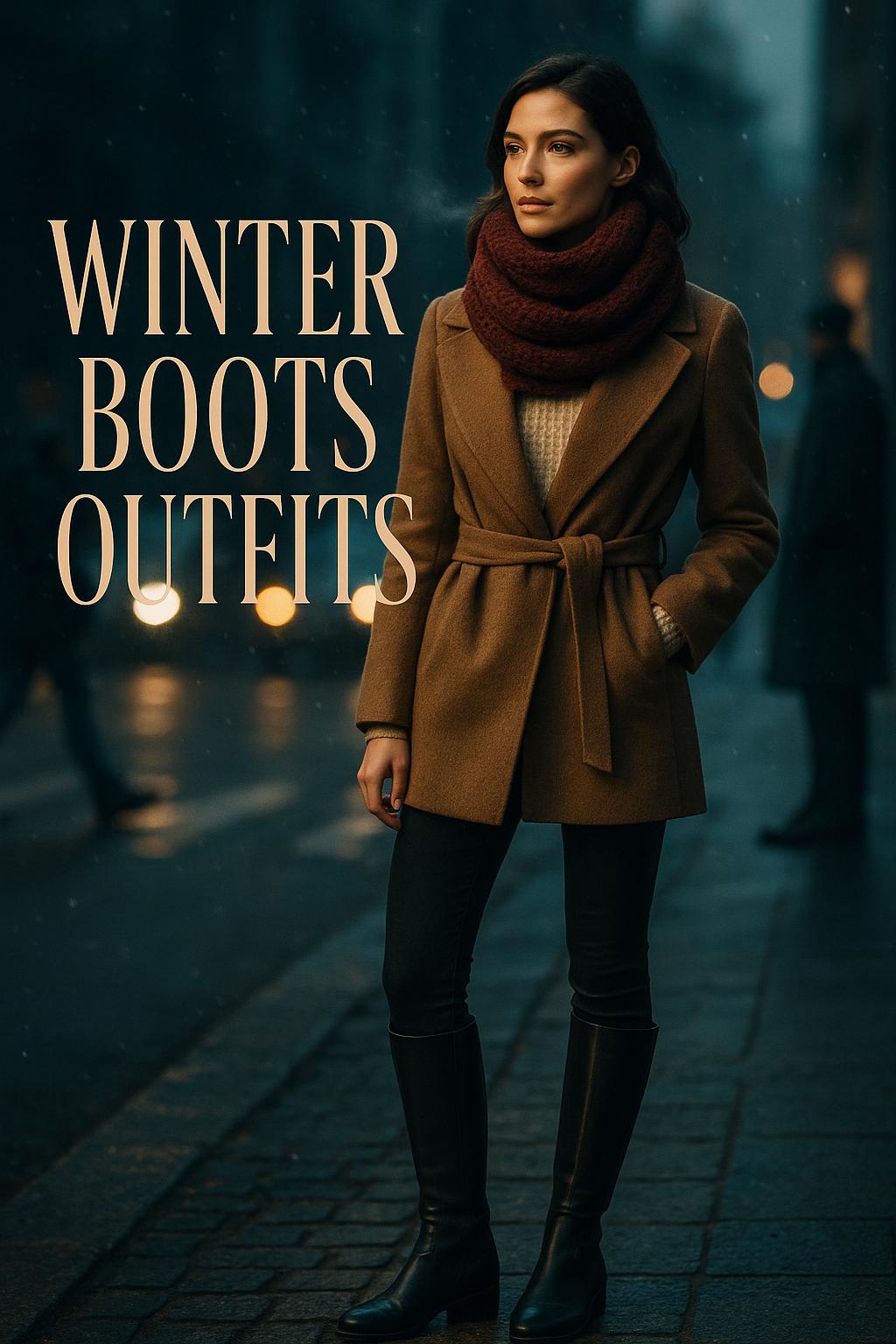
Knee-high and over-the-knee boots give instant polish to winter outfits while adding extra warmth on your legs. Look for lined or weather-treated versions with a block or flat heel for real-world wear. These boots can make a basic sweater and leggings combination look intentional and styled, and they work especially well with dresses and skirts when you still want coverage.
If you choose a close-fitting shaft, they will slide under longer coats and over skinny jeans without bulk. A more relaxed, riding-boot style works best with leggings, sweater dresses, and casual denim.
Heeled and Dress Winter Boots
Heeled winter boots bridge the gap between fashion and function. These can be ankle, mid-calf, or knee-high boots with stable block heels or wedges, often in leather or suede with some level of insulation. They are not meant for deep snow but work well on cleared sidewalks, office days, and evenings out when you want height and a dressier look without sacrificing all practicality.
Styling revolves around balance: pair them with tailored or refined pieces—wool coats, structured blazers, knit dresses, or smart trousers—to avoid clashing with overly casual items like athletic leggings or performance jackets.
Foundations of Warm, Flattering Winter Boots Outfits
Before diving into specific outfit formulas, it helps to understand the elements that make winter outfits look cohesive instead of bulky or thrown together. Once you have a framework, you can plug in different boots and garments and still get reliable results.
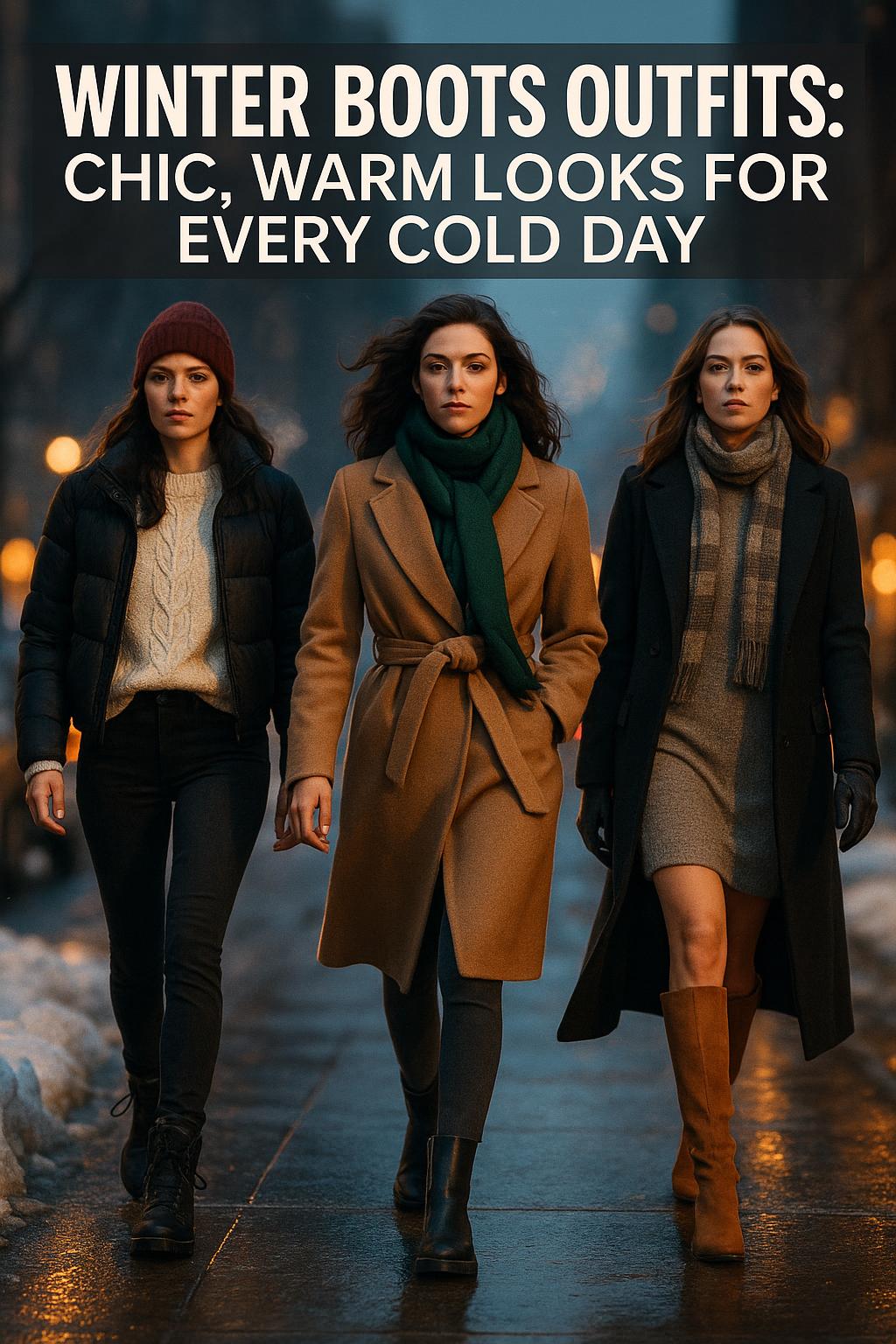
Layering Without Bulk
Effective layering starts with slim, insulating base layers and builds up to more substantial knits and outerwear. Fleece-lined tights, thermal leggings, and thin wool or synthetic base tops allow you to stay warm in streamlined silhouettes. This leaves room for chunkier sweaters and coats without overwhelming your frame, especially when you are pairing them with substantial winter boots.
When you add outerwear, consider the shape of your boots. Bulky snow boots can handle an oversized puffer or parka, while sleek ankle boots typically look best with more tailored coats, wrap coats, or trench-style outerwear that defines the waist.
Balancing Proportions With Boot Height
The height of your boots plays a big role in overall proportions. High boots visually shorten the distance between hemline and ground, which can make your legs look shorter if you are not careful with hemlines and layers. Lower boots add a break at the ankle, which can be flattering or tricky depending on pant length.
Creating a long, continuous line—by matching boot color to your pants or tights, or by keeping similar tones from hips to toes—helps offset the visual weight of winter footwear. Cropped pants that hit right above the top of slim ankle boots can also lengthen the leg while showing off the boot shape.
Choosing Socks and Tights That Work With Your Boots
Socks and tights are small details that have a big impact on both warmth and style. Thin wool socks insulate better than thick cotton and fit more comfortably in snug boots, while merino blends manage moisture when you are moving between indoors and outdoors. Fleece-lined tights and leggings offer warmth without adding heavy bulk at the ankle.
From a style standpoint, matching the color of socks or tights to your boots or pants creates a sleek line, while a deliberate contrast—like bright hiking socks peeking out of lace-up boots—adds a casual, playful element to otherwise simple outfits.
Casual Everyday Winter Boots Outfits
Most people need winter boots outfits that work for errands, commuting, coffee runs, and relaxed weekends. These looks prioritize comfort and warmth but still feel put-together enough for most daytime activities.
With Skinny Jeans or Slim-Fit Jeans
Skinny and slim-fit jeans are classics with winter boots because they press close to the leg and tuck easily into most shafts. They also create a clean line that balances chunkier footwear. Dark washes in blue, charcoal, or black tend to look more polished and mask salt and slush stains better than very light denim.
One reliable formula is slim jeans, a lightweight base layer, a chunky knit sweater, and lace-up snow boots. Add a puffer or parka on top, and you have a go-to outfit for school drop-offs, dog walks, and snowy weekends. Swapping the snow boots for insulated Chelsea boots and topping the outfit with a wool coat instantly makes it more city-friendly.
With Leggings and Oversized Sweaters
Leggings are comfortable and warm when layered properly, but the key to making them look like a real outfit is pairing them with longer tops that cover the hips and provide structure through shoulders and neckline. Oversized sweaters, long cardigans, and tunic-length sweatshirts all work well.
For colder days, try fleece-lined leggings, a long turtleneck sweater, tall insulated boots, and a hip-length parka. This combination keeps your legs warm while creating a clear top-and-bottom proportion that looks intentional rather than like loungewear.
Weekend and Outdoor-Ready Looks
When you know you will be outside for longer stretches—at winter markets, outdoor events, or casual hikes—lean into performance-minded pieces without sacrificing style. Pair thermal leggings or straight-leg jeans with sturdy snow boots, a warm base layer, a fleece or down mid-layer, and a weatherproof jacket.
To keep these outfits from feeling too technical, mix in everyday pieces like a knit beanie instead of a purely athletic hat, a textured scarf, or a casual sweater under the performance outerwear. Neutrals like black, navy, and olive photograph well and mix easily with brighter accessories.
Polished Work and Office Winter Boots Outfits
Dressing for a professional environment in winter is often a balancing act between staying warm on the commute and looking appropriate indoors. The best strategies either use boots that are polished enough to wear all day or rely on weatherproof commute boots plus a change of shoes at your destination.
Business Casual With Ankle Boots
Weather-friendly ankle boots are often the easiest choice for business casual settings. Choose streamlined silhouettes with minimal hardware in neutral shades such as black, brown, or cognac. Low-block heels and slightly pointed or almond toes generally read more polished than very chunky soles for office environments.
Combine these boots with tailored trousers that skim the top of the boot, fine-gauge knitwear, and structured blazers. Another option is dark skinny or straight-leg jeans with a refined blouse and a long coat. Matching belt and boots or coordinating leather tones across your bag and footwear can further elevate the look without much effort.
Smart Looks With Knee-High Boots
In offices where dresses and skirts are common, knee-high boots are a practical solution for warmth. Look for sleek leather or suede with minimal detailing and a stable heel. Pair them with opaque tights and knee-length or midi-length skirts, or with knit dresses and a belt to define the waist.
Long wool coats worn over these combinations keep you warm outdoors while maintaining a cohesive, vertical line from shoulders to hem. Choose coat lengths that either hit just above the knee boot shaft or extend to mid-calf to avoid awkward horizontal breaks.
Commuter Strategy: Switching Shoes at the Office
If your office dress code is more formal than winter streets allow, build outfits around indoor shoes and use rugged boots purely for the commute. Wear thick socks, insulated boots, and a practical coat outside, then change into loafers, pumps, or dressier ankle boots once you arrive. Keep a pair of neutral work shoes at your desk so that your commute footwear does not dictate your entire outfit.
Dressy and Night-Out Winter Boots Outfits
Even in freezing weather, it is possible to create elevated, evening-ready outfits without resorting to flimsy shoes. The key is choosing boots that look intentional with dressier pieces and layering in a way that keeps you warm while traveling between venues.
Winter Boots With Dresses and Skirts
For nights out or special occasions, pair heeled ankle or knee-high boots with dresses made from substantial fabrics like sweater knits, velvet, or thick jersey. Opaque tights or tonal sheer tights add warmth and finish the look. Midi lengths are particularly forgiving in winter because they offer coverage while showcasing your boots.
A simple formula is a ribbed midi dress, block-heeled ankle boots, and a long wrap coat. Accessories like statement earrings or a structured clutch can shift this from daytime chic to evening-appropriate while your boots continue to provide traction and warmth.
Elevating Jeans and Boots for Evenings
If you prefer jeans at night, choose dark, non-distressed denim or coated jeans with a slight sheen. Pair them with heeled boots—either slim ankle styles or sleek knee-high boots—and a more refined top, such as a silk blouse, fitted turtleneck, or structured sweater.
Layer on a dressier coat, like a tailored wool overcoat or a faux-fur-trimmed style, to instantly upgrade the outfit. This combination is practical for dinner dates, low-key parties, and events where you will be indoors but still want a sophisticated look in transit.
Sporty, Waterproof, and Functional Winter Boots Outfits
Not every day requires polished looks. For snowy vacations, ski trips, or stormy days when your main goal is staying dry and upright, sporty and functional outfits dominate. Even then, a bit of planning helps you look considered rather than bundled at random.
Après-Ski and Mountain-Trip Looks
On mountain trips, you may move between slopes, lodges, and town; this makes layers and weather-conscious fabrics essential. Pair insulated snow boots with thermal leggings or snow pants, a base top, and a cozy sweater. Add a technical jacket or down coat on top, plus accessories like a beanie and warm gloves.
To keep the look from feeling overly utilitarian when you head into cafés or restaurants, choose boots and outerwear in cohesive color palettes—think black and gray with one accent color—or opt for textured knits and scarves that add style without compromising function.
Rain, Slush, and Mixed-Weather Days
On days that are more wet than snowy, waterproof winter boots or lined rain boots become the smart choice. Pair them with slim or straight-leg pants that either tuck into the boots or hit just above them; avoid hems that drag in slush. Top with a water-resistant trench, parka, or anorak.
Under the outer layers, keep your base outfit simple and comfortable—jeans and a sweater, leggings and a long sweatshirt, or casual trousers and a knit top. That way, when you remove your outerwear indoors, your outfit still works on its own.
Color, Texture, and Accessory Choices for Winter Boots Outfits
Once you have the basic boot styles and outfit formulas down, color and texture are what keep winter dressing from feeling repetitive. Accessories like scarves, hats, and bags can also transform the same pair of boots into multiple distinct looks.
Choosing Neutral vs Statement Boots
Neutral boots in black, brown, gray, or tan offer the most flexibility. They pair easily with denim, neutrals, and color and can be worn multiple days in a row without drawing attention. For your primary pair of winter boots, a neutral color generally provides the highest value.
Statement boots—whether in white, bold colors, or patterned materials—work best when you already have a dependable neutral option and want variety. Wear them with otherwise simple outfits to let the boots stand out, such as monochromatic clothing with one high-impact boot color, or color-blocked looks that echo a shade in your coat or accessories.
Mixing Textures for Interest
Winter is the ideal season for texture. Leather, suede, shearling, wool, and chunky knits all interact nicely in outfits when you pay attention to balance. Smooth leather boots often look best with textured coats or sweaters, while suede boots can soften sharp tailoring or structured outerwear.
Try combining a wool coat, ribbed knitwear, and leather boots in one outfit, or pairing shearling-lined boots with sleek leggings and a smooth puffer. The interplay between matte and glossy, soft and structured, adds depth without relying solely on color contrast.
Using Scarves, Hats, and Bags to Complete the Look
Accessories tie winter boots outfits together by repeating colors, echoing textures, or adding a single focal point. A bag in the same leather tone as your boots instantly makes an outfit look coordinated. Hats and scarves in complementary or contrasting colors draw attention upward and balance the visual weight of heavy footwear.
Rotating a few different accessory sets—like a neutral set, a bright set, and a patterned set—allows you to change the overall feel of your outfits even if your boots and coats stay the same.
Tips for Building a Versatile Winter Boots Wardrobe
Rather than accumulating multiple pairs of boots that rarely get worn, focus on a small collection that covers all the situations in your life. Strategic choices prevent overlap and help every pair earn its space.
Selecting Core Pairs That Cover Your Lifestyle
Start by identifying where you spend most of your time in winter: city sidewalks, offices, outdoor activities, or social events. Then prioritize boots that suit those contexts first. Many people get the most use from one pair of rugged snow boots, one pair of versatile insulated ankle boots, and one pair of dressier heeled or knee-high boots.
Once these bases are covered, you can add specialized boots for specific needs, like lined hiking boots or statement colors, knowing your daily requirements are already met.
Comfort, Fit, and Sizing Considerations
Fit is especially important in winter boots outfits because you may be walking on icy surfaces or wearing the boots for long periods. Make sure there is enough room for warm socks without cutting off circulation. Your heel should stay relatively secure with minimal slipping, and your toes should not press against the front of the boot when walking downhill or on inclines.
Trying boots on at the end of the day or with the socks you usually wear in winter helps ensure realistic fit. Prioritizing traction, insulation, and support makes it much more likely you will reach for them regularly.
Caring for Boots So Outfits Look Sharp All Season
Winter conditions are hard on footwear. Clean off salt and slush regularly to prevent staining, and consider treating leather or suede with appropriate protective sprays at the beginning of the season. Let boots dry fully between wears to preserve shape and prevent odors, and store them upright using shapers or rolled towels so shafts do not crease unnecessarily.
Well-maintained boots instantly elevate outfits, while neglected ones can drag down even otherwise polished looks. A small amount of care extends their life and keeps your winter wardrobe cohesive.
Quick Styling Tips for Better Winter Boots Outfits
Simple adjustments can dramatically improve how your winter outfits look and feel. Keep these practical guidelines in mind when getting dressed on busy mornings.
- Tuck slim pants cleanly into snow boots rather than partially covering the shaft.
- Roll or hem straight-leg jeans so they graze the top of ankle boots instead of bunching.
- Match tights to boots for a longer leg line under dresses and skirts.
- Choose coats that match the formality level of your boots; pair rugged boots with casual outerwear and sleek boots with structured coats.
- Introduce one focal point per outfit—a bold boot, a bright scarf, or a patterned coat—rather than competing statement pieces.
- Use belts or waist-defining layers to offset the visual weight of chunky boots and heavy coats.
FAQ
How should winter boots fit for all-day wear?
Winter boots should have enough room for thicker socks without feeling loose or unstable, with a secure heel, wiggle space for your toes, and no pinching along the sides. Aim for a snug but not tight fit so that insulation can trap warm air while still allowing you to walk comfortably on slippery surfaces.
What pants work best with chunky winter boots?
Chunky winter boots pair best with skinny or slim-fit jeans, leggings, and straight-leg pants that can either tuck into the boots or stop just above the shaft. These silhouettes balance the volume of the footwear and prevent excess fabric from bunching around the ankles.
Can I wear winter boots with dresses and skirts?
Yes, winter boots can look great with dresses and skirts when you choose the right combination of boot height and hemline. Knee-high or heeled ankle boots worn with opaque tights and knee-length or midi dresses create a warm, cohesive look that works for both daytime and evening.
How do I make winter boots outfits look less bulky?
To reduce bulk, start with slim base layers, choose fitted or straight-leg bottoms, and define your waist with belts or tailored outerwear. Matching the color of your boots to your pants or tights also creates a longer, leaner leg line that offsets heavy footwear and thick coats.
Are ankle boots warm enough for winter?
Insulated or lined ankle boots can be warm enough for many winter days, especially in city environments with cleared sidewalks. Pair them with warm socks and appropriate outerwear, but keep heavier, taller snow boots on hand for deep snow, very low temperatures, or extended time outdoors.
What color winter boots are the most versatile?
Black, dark brown, and medium tan are the most versatile colors because they coordinate easily with jeans, neutrals, and many outerwear colors. Choosing one of these shades for your main pair of winter boots makes it easier to build multiple outfits around them without clashing.
How can I dress up winter boots for the office?
For the office, choose sleek leather or suede boots with minimal hardware and stable heels, then pair them with tailored trousers, knitwear, blazers, or structured dresses. Keeping colors neutral and matching your boots with a polished coat or bag helps the overall outfit read professional rather than casual.
What socks should I wear with winter boots?
Thin to medium-weight wool or wool-blend socks are ideal for winter boots because they provide insulation, manage moisture, and fit comfortably inside most styles. Avoid very thick cotton socks that can bunch and hold sweat, and choose sock lengths that match or slightly exceed the boot shaft for comfort.
Can I wear the same pair of winter boots for casual and dressy outfits?
A streamlined pair of insulated ankle boots or simple knee-high boots in leather can often work for both casual and slightly dressier outfits, especially in neutral colors. You may still want a separate pair of rugged snow boots for severe weather, but a versatile mid-range style can cover many everyday and evening situations.
How many pairs of winter boots do I really need?
Most people can manage with two to three well-chosen pairs: one rugged, weatherproof pair for snow and very cold days, one versatile ankle or Chelsea-style pair for everyday wear, and an optional dressier heeled or knee-high pair for work and social events. The exact number depends on your climate and lifestyle, but focusing on function and versatility prevents overcrowding your closet.