What to Wear: Cute Party Outfits for Every Party Mood
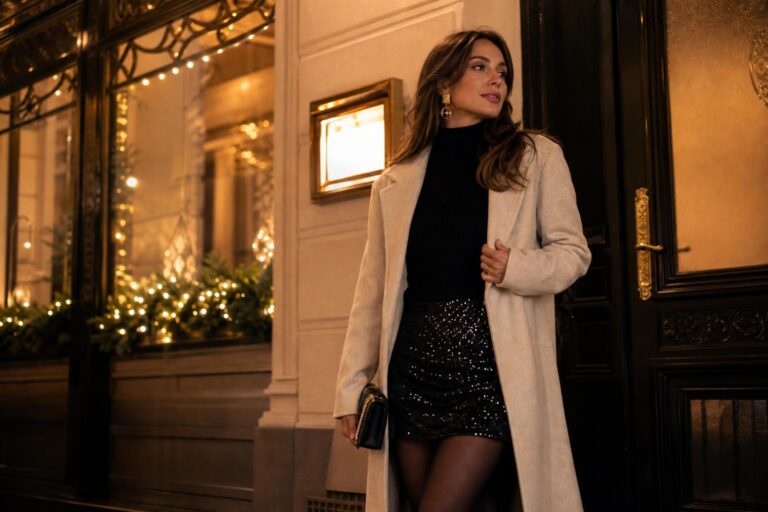
Some party looks feel instantly right the moment you see them. A sequin mini dress reads nightlife. A satin slip dress feels lighter and a little more refined. A jumpsuit can look sleek, modern, and practical all at once. That is why cute party outfits are not really one single style category. They are a mix of moods, silhouettes, and occasion cues that create very different impressions, even when they belong to the same party wear space.
That difference matters more now because party dressing sits between inspiration and real-life use. A birthday party, an office party, a Christmas party, and a casual going-out night all ask for different styling logic. The outfit has to work visually, but it also has to make sense for the setting, the dress code, and how long you will actually be wearing it.
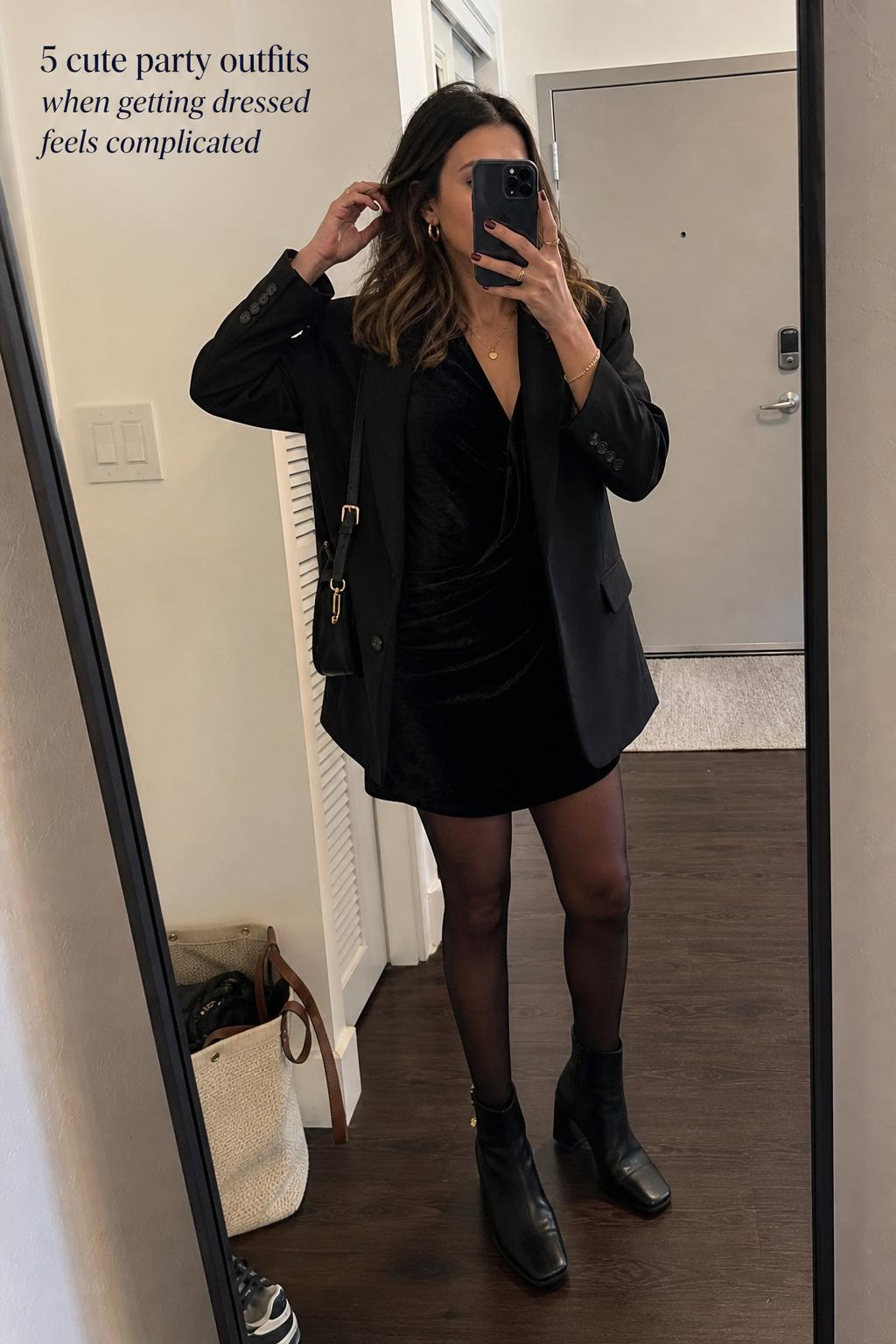
This breakdown looks at how party outfits function, why certain combinations feel glam while others read effortless or playful, and how dresses, co-ords, jumpsuits, accessories, and footwear shape the final result. It also helps you tell the difference between styles that are often grouped together under the same idea of party wear.
The Fashion-Note Edit
Five effortless pieces to refresh your everyday wardrobe
A polished, practical edit for workdays, weekends, and everything in between.

The Drop
Women’s Blake Long Blazer
A longline, tailored blazer with a notched collar and a single-button closure—an easy layer for denim, dresses, or office-ready looks.
Shop the blazer
Amazon Essentials
Women’s Lightweight Crewneck
A soft, lightweight sweater with a clean crew neckline—the kind of reliable layer that works from cool mornings to air-conditioned spaces.
Shop the sweater
Amazon Essentials
Women’s Loafer Flat
A classic flat loafer that gives casual outfits a more polished finish and pairs naturally with tailored pants, skirts, and straight-leg jeans.
Shop the loafers
Levi’s
Women’s 501 90s Jeans
A relaxed, vintage-inspired take on the iconic 501 silhouette—made for an easy, lived-in look without the thrift-store search.
Shop the jeans
Colorfulkoala
High-Waisted 7/8 Leggings with Pockets
Soft, four-way-stretch leggings with side pockets and a high-rise waistband—designed for movement, errands, and off-duty comfort.
Shop the leggings
Affiliate disclosure: This section contains affiliate links. If you make a purchase through these links, I may earn a commission at no additional cost to you. Product selection, pricing, availability, and delivery terms may change—please review the current details on Amazon before purchasing.
As an Amazon Associate I earn from qualifying purchases.
The three party style directions readers mix up most often
Most cute party outfits fall into three broad visual directions: glam, minimalist, and playful trend-led dressing. They can overlap, but each one creates a distinct mood. Once you can identify that mood, shopping and styling become much easier.
Your wedding style is personal.
Your plan should feel that way, too.
Zarellea keeps your guest list, budget, vendors, and every next step beautifully organized — so you can focus on the moments that feel like you.
Glam party style
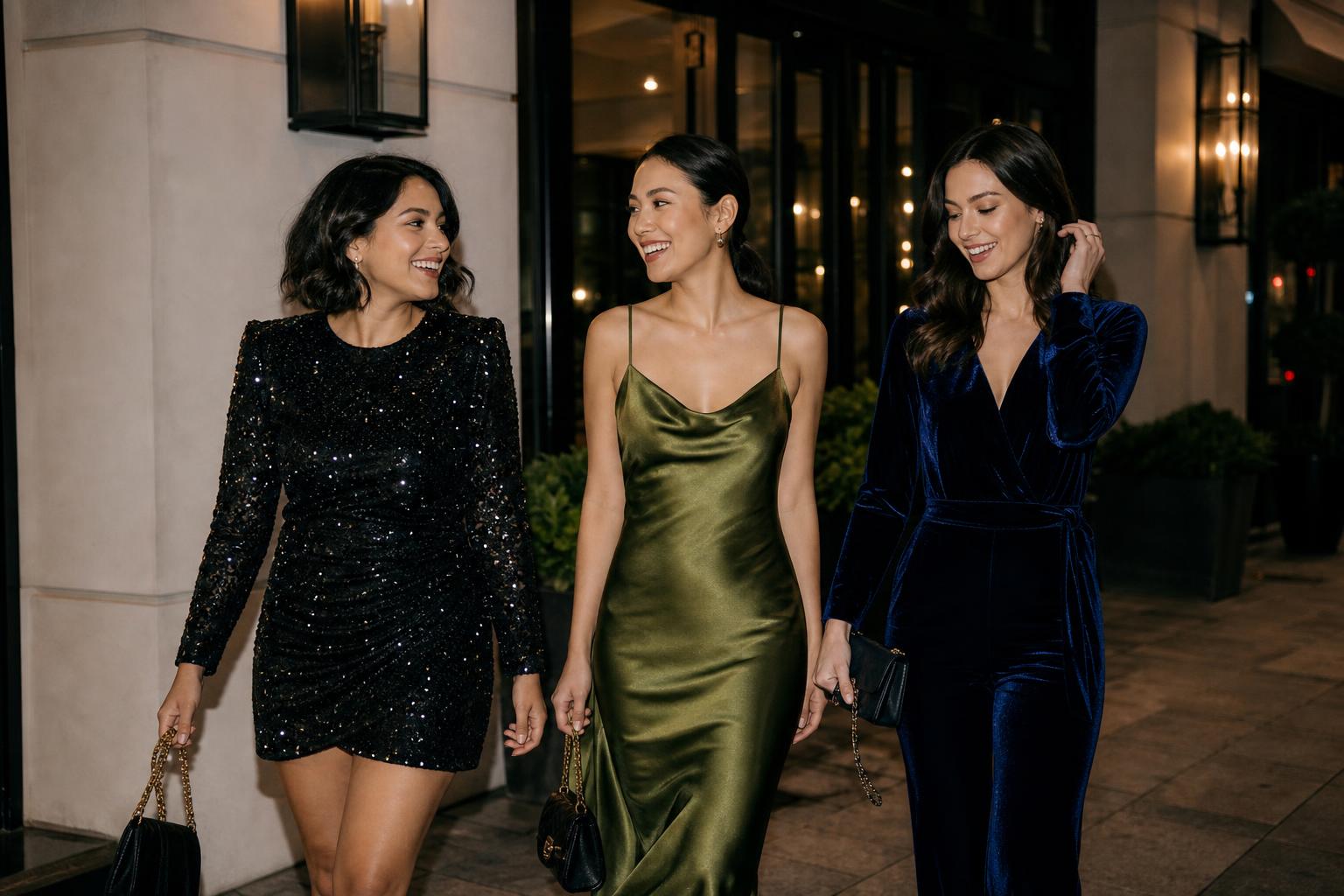
Glam party wear is the most obvious party category in the current market. It leans into sequins, satin, velvet, shimmer, metallic finishes, and silhouettes that feel dressier at first glance. Think a sequin mini dress for a club night, a satin maxi for a more elevated evening, or a fitted party dress with statement accessories. The visual message is clear: this look is meant to be seen.
The silhouette direction here is usually more body-aware or more dramatic in texture. Even simple shapes become more striking when the fabric catches light. That is why ASOS-style party wear pages often foreground sequins, satin, corset details, and glitzy finishes. The shape may be familiar, but the texture does most of the work.
Minimalist party style
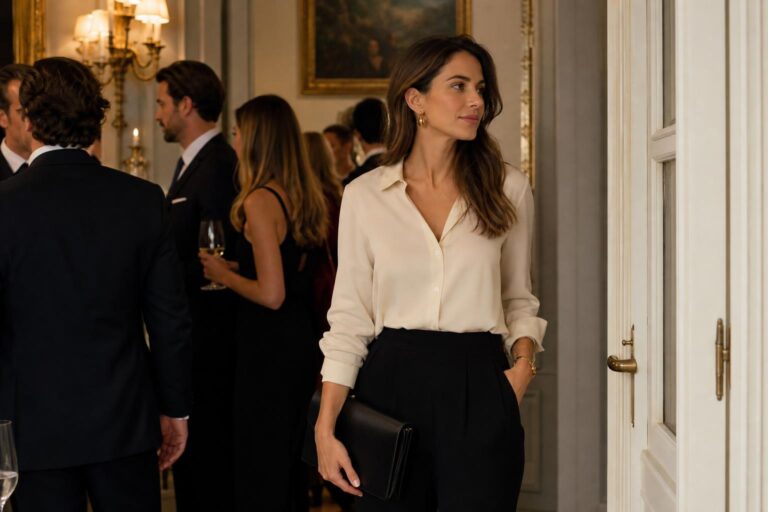
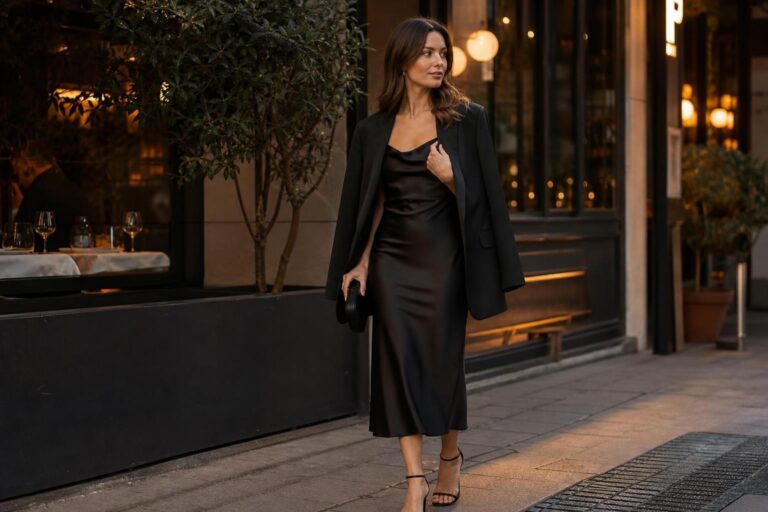
Minimalist party outfits are quieter, but not less intentional. They rely on cleaner lines, softer structure, and a more controlled use of color and detail. A slip dress, a simple midi, a sleek jumpsuit, or a matching set can all fall into this category when the styling stays pared back. The effect is polished without looking overloaded.
This direction works especially well when the occasion is semi-formal or when you want a party look that still feels comfortable and wearable. American Eagle and Aerie-inspired styling often leans toward this comfort-focused side of party dressing, where the outfit still feels cute and occasion-ready but not overly fussy.
Playful trend-led party style
This is where going-out outfits, co-ords, two-piece sets, Y2K revival details, bold color choices, and more directional styling live. The mood is younger, more experimental, and often built around trend energy rather than classic occasionwear rules. Showpo, Princess Polly, and Tillys-style collections often sit naturally in this area because they mix party dressing with casual streetwear ease.
The visual appeal comes from contrast and attitude. A skirt-and-top set, a cutout dress, or a colorful co-ord can feel playful and high-energy without needing the full formal weight of satin maxi dresses or heavy holiday textures.
Why these styles are often confused
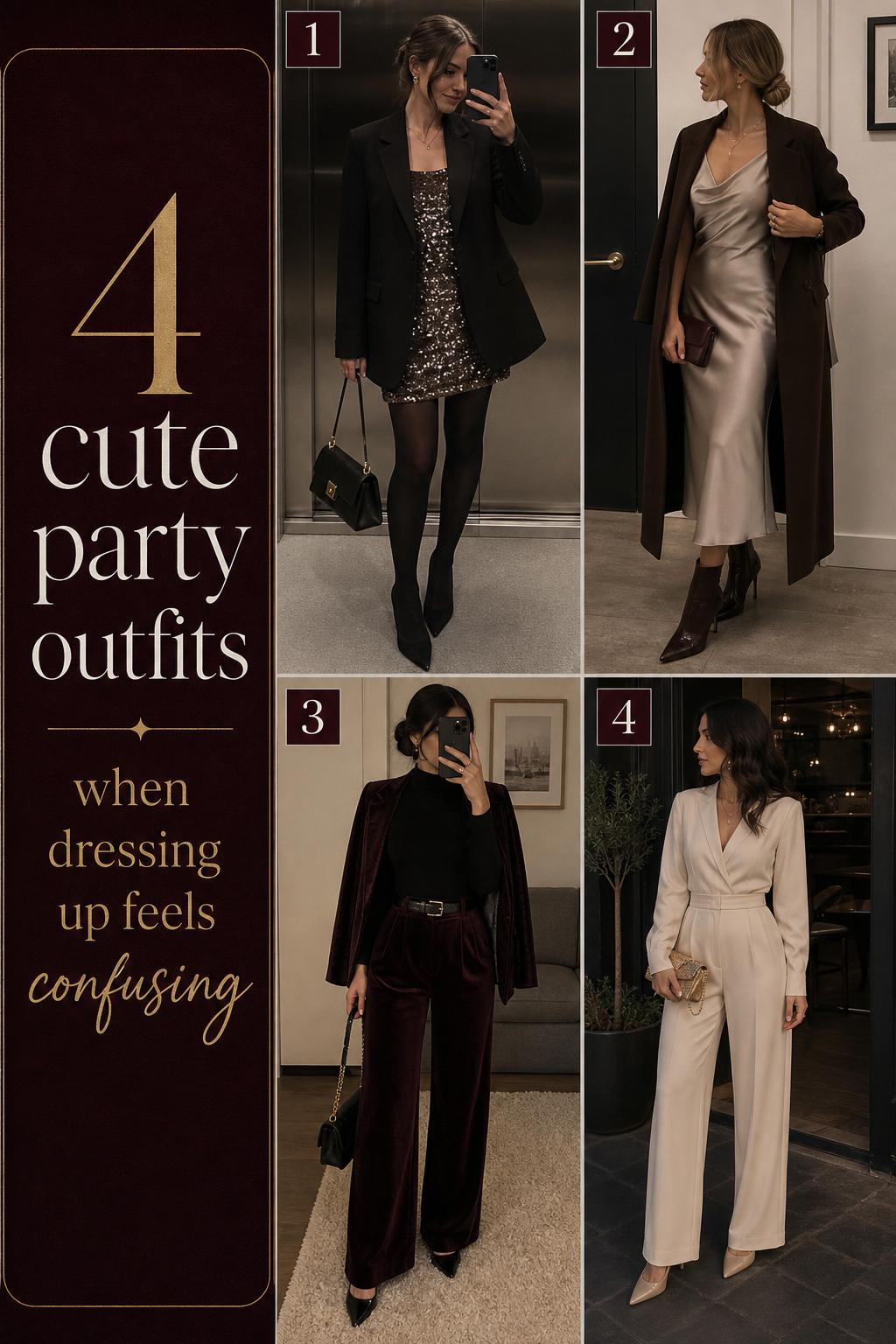
Part of the confusion comes from how brands organize party outfits. A party wear collection can place mini dresses, jumpsuits, sets, accessories, and festive dresses side by side, even though they are built for different dress codes and different visual effects. A satin dress and a glittery bodycon may both be labeled party dresses, but they do not create the same mood.
The second reason is that the same piece can shift categories depending on styling. A black jumpsuit with statement jewelry and heels can read glam. The same jumpsuit with lighter accessories and minimal footwear can feel more understated. Cute going-out outfits often live in that flexible middle ground where styling decisions matter more than the garment alone.
How to instantly tell the difference in real outfits
If you are standing in front of your closet or scrolling through party wear for women, the fastest way to identify the style is to look at four things first: fabric, silhouette, accessories, and overall polish.
- Glam uses visible texture first: sequins, satin, velvet, shimmer, metallic finishes.
- Minimalist styling uses cleaner lines first: simpler dresses, sleek jumpsuits, tonal sets.
- Trend-led looks use shape or contrast first: co-ords, cutouts, bold color, playful proportions.
- Holiday looks add festive textures and stronger event cues, especially for Christmas parties.
This is why a sequin dress usually looks party-ready before accessories are even added, while a simple slip dress often needs the right bag, shoes, or jewelry to fully read as evening. One style announces itself through fabric. The other relies more on styling balance.
Silhouette logic: why shape changes the mood of party outfits
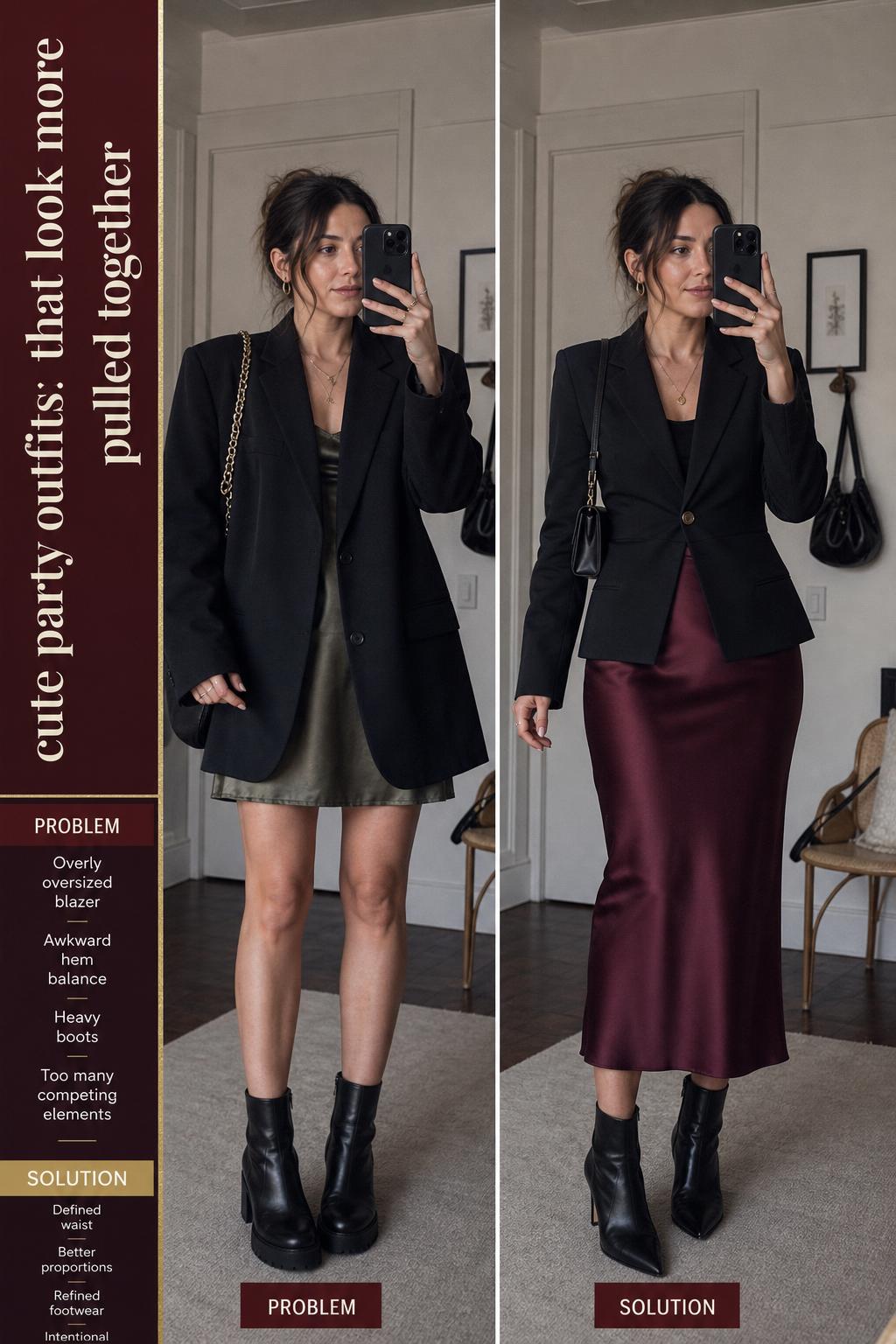
Silhouette is where cute party outfits stop being random and start looking intentional. Mini, midi, maxi, one-piece, or two-piece silhouettes all carry their own message. A mini dress tends to feel lively and nightlife-friendly. A midi often reads more controlled and slightly more formal. A maxi can look elegant, especially in satin or other fluid fabrics.
Dresses: the easiest category to read visually
Dresses dominate party wear because they communicate the vibe quickly. A sequin mini gives instant energy. A shirt dress can bridge day-to-night more smoothly. A green dress or another color-focused piece can feel trend-driven without needing much extra styling. The simpler the shape, the more the fabric and color define the impression.
That is also why mini, midi, and maxi dresses are not just length options. They signal how much drama, ease, or formality the look carries. For many readers, this is the most useful starting point when choosing party dresses for women.
Jumpsuits and rompers: streamlined but statement-making
Jumpsuits and rompers sit in a very practical corner of party dressing. They feel modern, polished, and easy to move in, which matters if the event lasts for hours. A satin jumpsuit can look elevated without the movement concerns of a shorter dress. A romper can feel playful and casual-to-chic, especially for an informal party.
This category works best for readers who want party outfits that feel styled but not overworked. It is especially useful when you want one clear silhouette instead of balancing separate pieces.
Co-ords and two-piece sets: the trend-focused middle ground
Co-ords and two-piece outfits are popular because they give structure without the commitment of a dress. A skirt-and-top pairing or a pants-and-top set creates a finished look quickly, but still gives room to play with proportion. This is where color blocking and trend-led styling become more visible.
Compared with dresses, co-ords feel more styled on purpose. Compared with jumpsuits, they feel more flexible. That is why they are such a strong option for cute going-out outfits and birthday party looks that need personality.
The small details that change the entire outfit
Many party looks are decided by the last 20 percent of styling. Accessories, footwear, and texture contrast often determine whether an outfit feels casual, festive, polished, or slightly unfinished.
Accessories create the dress-code signal
Statement accessories can pull a simpler outfit into party territory very quickly. A minimal dress with a stronger bag or more visible jewelry becomes evening-ready in a way that reads intentional rather than plain. On the other hand, piling too many statement pieces onto an already embellished dress can make the outfit look visually crowded.
This balance matters most with shimmer, sequins, and velvet. If the dress is already doing the work, accessories should support rather than compete. If the base outfit is simple, accessories can become the main point of interest.
Footwear shifts formality faster than most people expect
Footwear has a direct effect on how party outfits are perceived. Heels usually sharpen the line of the outfit and make satin, sequins, or tailored shapes feel more elevated. Flats or simpler shoes can soften the look and make it feel more relaxed, which can be useful for longer events or lower-key gatherings.
This is one reason casual party fashion and dressy outfits can start with similar clothing but end in completely different places. The shoes decide whether the look feels nightlife-ready, holiday polished, or more easygoing.
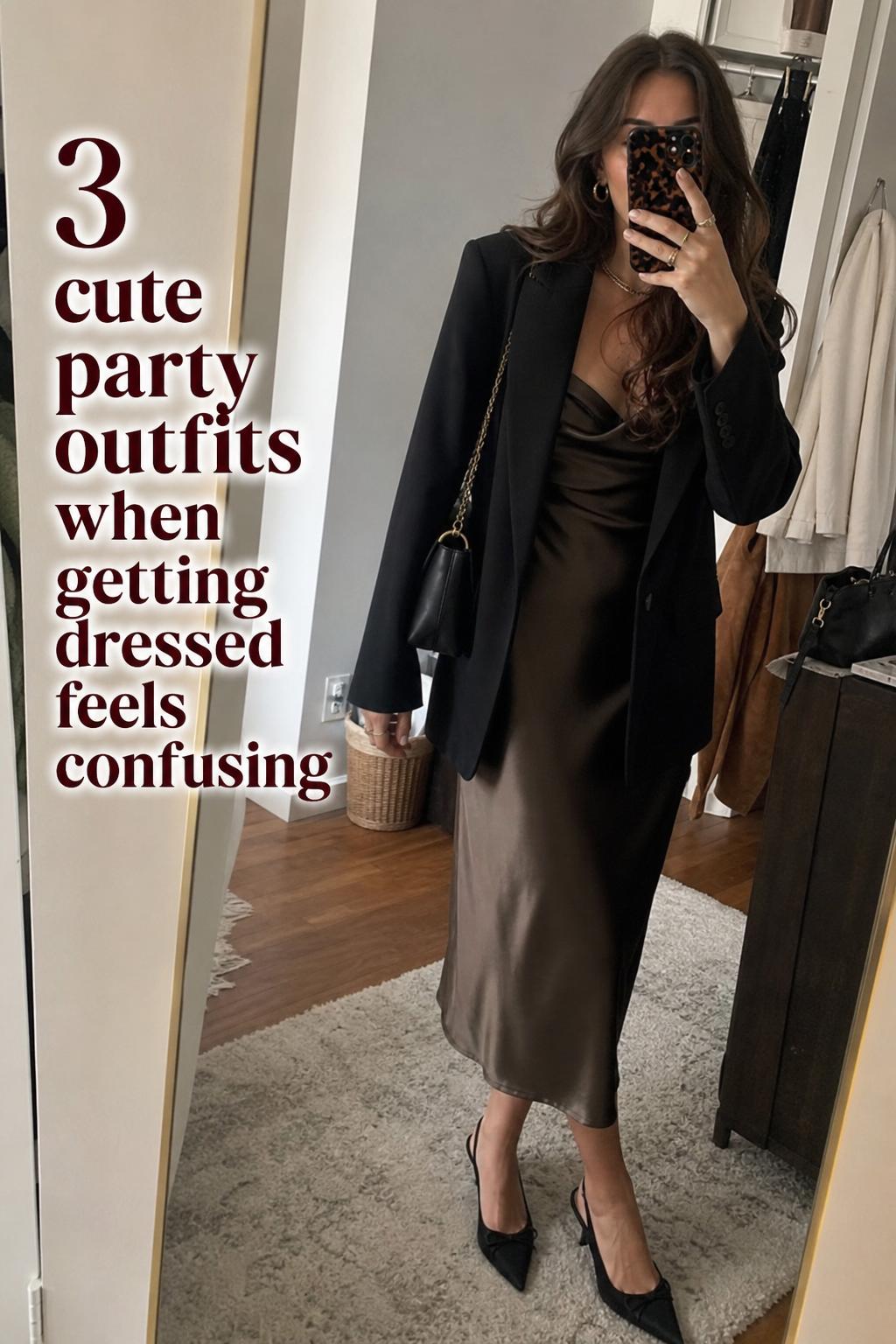
Party settings that call for different styling logic
One of the biggest mistakes in party dressing is treating all events as visually interchangeable. They are not. The same dress can feel perfect at a birthday dinner and off at an office party. The key is to let the event shape the level of shine, fit, and styling intensity.
Birthday party outfits
Birthday outfits usually allow more personality. This is where a shimmer dress, a colorful mini, a co-ord, or a playful jumpsuit feels at home. The look can be a little more expressive because the setting often supports bolder styling. Cute party outfit ideas for birthdays work best when the outfit feels energetic without becoming difficult to wear for an entire evening.
Office party dressing
Office party outfits need more dress-code awareness. A minimalist dress, a satin midi, or a sleek jumpsuit often works better than the most overtly nightlife-focused pieces. The goal is usually polished and festive rather than club-ready. This is where cleaner lines and more controlled accessories become especially useful.
Christmas party outfits
Christmas parties bring in the strongest seasonal cues. Windsor-style festive dressing makes this obvious: velvet, metallics, shimmer, and richer textures instantly feel more appropriate in a holiday setting. A cute outfit for a Christmas party can still be simple, but it usually benefits from one clearly festive element so it does not feel disconnected from the occasion.
Nightlife and going-out outfits
Going-out outfits tend to carry more contrast, more trend visibility, and more confidence in shorter hemlines, fitted shapes, or statement details. Showpo and Princess Polly-style party categories often build around this energy. The outfit can be bolder because the setting expects a stronger visual presence.
Real-life comparison: how different party styles interpret the same moment
A birthday dinner downtown
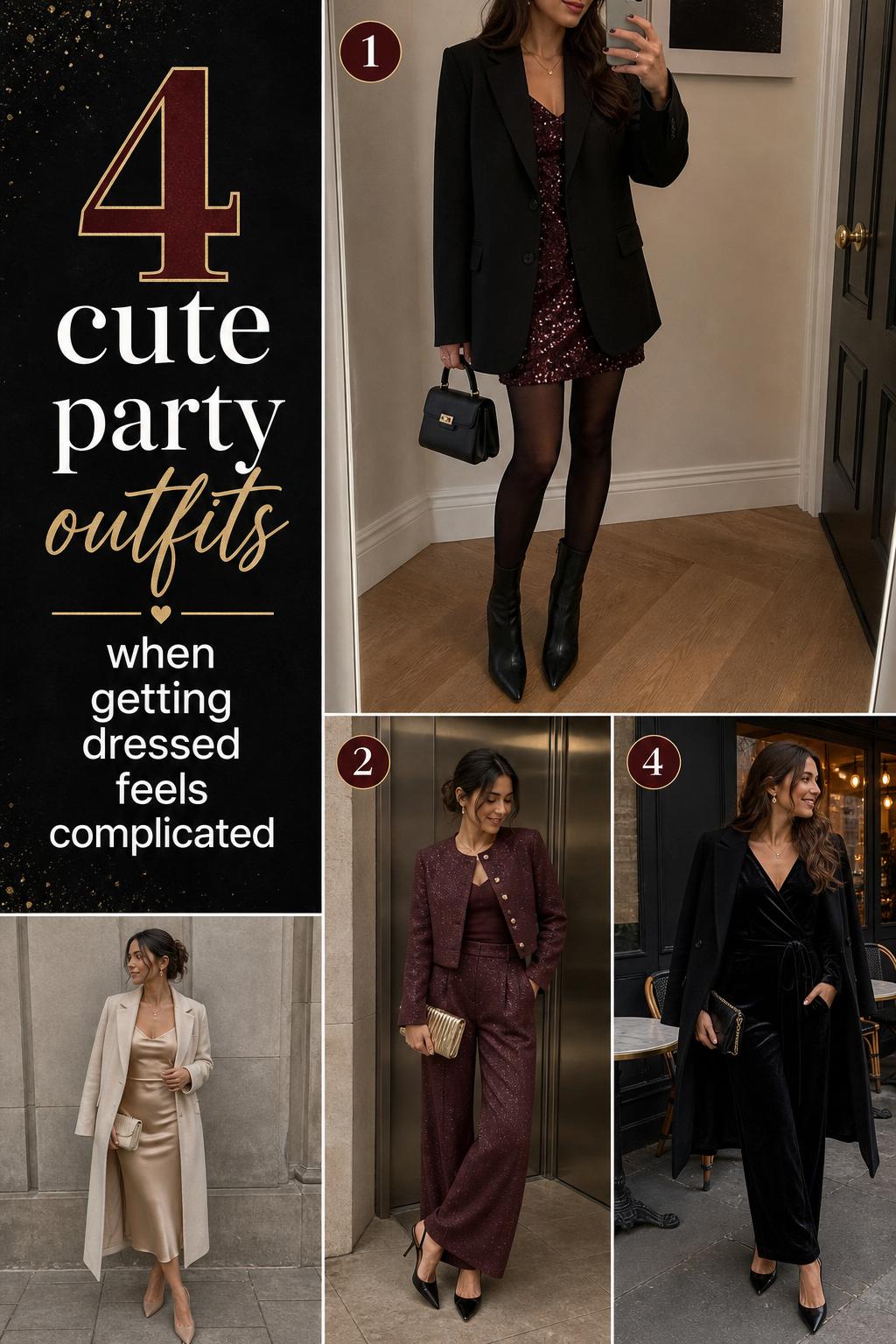
A glam version might be a sequin mini dress with simple accessories and heels, where the texture does all the work. A minimalist version could be a satin midi with a sleek bag and restrained jewelry, creating a cleaner silhouette that still feels dressed up. A trend-led version may choose a co-ord or a bold-color dress, using proportion and color for impact rather than sparkle.
The difference is not just what each person wears. It is what the outfit wants to communicate. Glam says celebration first. Minimal says polish first. Trend-led dressing says personality first.
A holiday party with friends
The glam route naturally leans into velvet or metallic shine. The minimalist route may choose a simple dress in a richer fabric with more subtle festive styling. The playful route could bring in a brighter palette or a more obvious statement top with a skirt set. All three can work, but they create very different holiday moods.
A casual going-out night
This is where party tops, sets, shorter dresses, and easy accessories often make more sense than formal occasionwear. Tillys-style casual party dressing and American Eagle’s casual-to-chic approach fit this setting well because they keep the look approachable. A full sequin dress could work, but it may feel too heavy if the night is more relaxed than dressed-up.
Seasonal texture matters more than trend labels
Readers often focus on whether a look is trendy, but seasonality usually shapes the outfit more effectively. Summer party looks tend to rely on lighter fabrics, easier movement, and brighter color energy. Holiday party outfits often feel right because of texture before anything else. Velvet, satin, shimmer, and metallic finishes naturally sync with festive settings.
This is also why the same silhouette can work across seasons if the material changes. A slip dress can feel airy for summer parties and more formal for a holiday event depending on the finish and styling. Fabrics are not just surface details; they change the emotional tone of the outfit.
Tips for building cute party outfits that actually work in real life
Practical styling matters because party outfits are worn for more than a photo. Comfort, movement, and how the look holds up over a full evening make a real difference.
- If the fabric is high-impact, keep the accessories more controlled.
- If the silhouette is simple, use jewelry, bags, or shoes to add party energy.
- For long events, jumpsuits and coordinated sets often feel easier to wear than very fitted dresses.
- For holiday dressing, add one festive texture rather than trying to make every element dramatic.
- When moving from day to night, shirt dresses and simpler party dresses transition more easily than heavily embellished pieces.
Tip: if you are unsure whether an outfit is reading too casual or too formal, look at the balance between fabric and accessories. Usually one side is doing too much while the other is doing too little. Adjusting that balance is often easier than changing the full outfit.
Size-inclusive styling and fit choices that make party wear look better
Fit has a stronger effect on party outfits than trend level. A simple dress that fits well usually looks more polished than a more dramatic item that pulls, slips, or feels awkward to move in. That is why inclusive sizing and fit notes matter in party wear collections like Beginning Boutique’s. They help readers choose the right silhouette instead of chasing the loudest trend.
Petite, tall, plus size, and adaptive fashion needs all change how an outfit functions. A mini may wear more like a true mini on one person and closer to a tunic on another. A jumpsuit may look sleek in photos but require better length and waist alignment to work comfortably in real life. Body-positive styling is not about following one formula. It is about choosing shapes that let the outfit sit properly and feel secure for the event.
Tip: if a silhouette almost works, tailoring or small fit adjustments can matter more than replacing the entire look. Party wear usually benefits from cleaner fit because the fabrics and lighting make every detail more visible.
Brand mood breakdown: what different partywear labels tend to signal
Not every brand approaches party wear with the same styling philosophy, which is useful when you already know the mood you want.
- American Eagle and Aerie often reflect a casual-to-chic, comfort-focused approach.
- Showpo leans into going-out outfits, co-ords, dresses, and nightlife energy.
- Beginning Boutique emphasizes party wear with inclusive sizing notes and a designer-led vibe.
- Princess Polly tends to sit in trend-led, occasion-ready party dressing.
- ASOS offers wide variety, from sequins and satin to corset details and glitzy looks.
- Windsor is especially strong for Christmas party outfits and festive dressing cues.
- Tillys brings in more casual streetwear influence through party tops, dresses, and accessories.
This kind of brand contrast can save time. If you want a cleaner, easier outfit, you may naturally gravitate toward a different collection than someone shopping for a club-focused or festive holiday look.
Common styling mistakes that flatten a party look
Party outfits usually fall flat for one of three reasons: the texture is disconnected from the event, the accessories compete with the clothing, or the silhouette does not match the mood the wearer actually wants.
A heavily embellished dress can feel too intense for a lower-key party. A very simple dress can look unfinished if nothing in the styling signals evening. A playful trend-led set can lose its energy if the shoes and accessories feel too serious. These are not dramatic mistakes, but they are often why an outfit looks slightly off instead of fully resolved.
Another common issue is choosing party wear based only on trend images rather than context. Cute party outfits work best when they match the venue, the timing, and how social or active the event will be. What looks ideal in a product image may feel very different after several hours of standing, sitting, dancing, or moving between indoor and outdoor spaces.
How to blend aesthetics without losing the outfit
Some of the best party outfits sit between categories. A minimalist base with glam accessories can feel modern and wearable. A trend-led co-ord in satin can combine playful shape with a more elevated finish. A simple jumpsuit with stronger shoes can move from understated to going-out ready without changing the full silhouette.
This blended approach often feels more realistic for readers building a wardrobe rather than buying a single statement piece. It lets one outfit move across multiple events. That flexibility is especially useful in the U.S. market, where party dressing can range from casual birthday dinners to more polished holiday gatherings under the same broad label of party wear.
When each style works best in a real wardrobe
Choose glam when the event itself is the statement
Glam party outfits work best for nightlife, celebratory dinners, festive holiday events, and any setting where visual impact feels natural. Sequins, satin, velvet, and metallics thrive when the atmosphere supports them.
Choose minimalist party wear when you want repeatable pieces
Minimalist dresses, jumpsuits, and sets often offer the most wardrobe mileage. They adapt well to office parties, semi-formal events, and dressy evenings where you want polish without looking overdressed. They are also easier to re-style with different accessories.
Choose trend-led looks when personality is the priority
Co-ords, bold color choices, Y2K revival touches, and playful going-out outfits make the most sense when you want the look to feel current and expressive. They are strong for birthdays, casual parties, and settings where style experimentation feels welcome.
The most useful way to shop for party outfits
Instead of shopping by trend name alone, it helps to narrow choices by event, then by silhouette, then by texture. That order usually leads to better results because it keeps the look grounded in real use. Start with the party type, choose whether you want a dress, jumpsuit, or set, and then decide how much shine or structure you actually want.
Budget-friendly and premium-feeling options can exist in all three style directions. What matters more is whether the outfit communicates the right mood and fits well enough to wear confidently. Cute party outfits do not need to be complicated. They need to look coherent.
Final take on the styles behind cute party outfits
The core difference between party styles comes down to visual intention. Glam relies on texture and shine. Minimalist party wear relies on cleaner shape and controlled styling. Trend-led looks rely on playful proportion, color, and attitude. Once you start reading those signals, it becomes much easier to understand why two outfits in the same party category can feel completely different.
That is also why the best party wardrobe usually includes a mix. A sequin dress for high-energy nights, a sleek jumpsuit or satin midi for polished occasions, and a co-ord or statement set for more expressive going-out dressing. Each one serves a different moment, and together they cover the full range of modern party wear without feeling repetitive.
FAQ
What makes an outfit look like party wear instead of regular daywear?
Party wear usually signals itself through fabric, styling, or both. Sequins, satin, velvet, shimmer, and metallic finishes immediately read more event-ready, while simpler pieces can still look like party outfits when they are styled with stronger accessories, dressier footwear, and a more polished silhouette.
Are dresses the best option for cute party outfits?
Dresses are often the easiest option because they create a clear party mood quickly, but they are not the only strong choice. Jumpsuits, rompers, co-ords, and two-piece sets can work just as well, especially when you want more movement, a more modern shape, or a look that feels slightly less expected.
How do I choose between a mini, midi, and maxi for a party?
A mini usually feels more playful and nightlife-focused, a midi often feels more balanced and semi-formal, and a maxi tends to read more elegant or elevated. The best choice depends on the event, the dress code, and whether you want the outfit to feel high-energy, polished, or more formal.
What works best for a Christmas party outfit?
Christmas party outfits usually look best with at least one festive texture or finish, such as velvet, satin, shimmer, or metallic detail. Even a simple silhouette can feel appropriate for the season when the fabric reflects that holiday mood, especially when paired with refined accessories.
Can cute going-out outfits be casual?
Yes, especially for lower-key nights, casual birthdays, or relaxed social plans. Party tops, shorter dresses, coordinated sets, and casual-to-chic styling can all work well when the event does not call for full formal occasionwear. The key is making sure the outfit still has enough visual energy to feel intentional.
How important are accessories in party dressing?
Accessories are often what complete the dress-code signal. They can elevate a simple dress, sharpen a jumpsuit, or balance a high-shine outfit. The most effective approach is usually contrast and restraint: if the clothing is dramatic, keep accessories supportive, and if the outfit is simple, let accessories add the party mood.
Can I wear white to a party?
White can work for a party, but it depends on the event and the styling. In general party settings, a white dress or set can look clean and polished, especially with evening accessories. The main consideration is whether the occasion has any specific etiquette or dress expectations that make another color a better choice.
How do I accessorize a gown or more formal party dress?
The easiest approach is to let the gown determine the accessory level. If the dress has shimmer, satin shine, or strong texture, choose cleaner accessories so the outfit stays balanced. If the gown is visually simpler, statement jewelry, a more noticeable bag, or dressier footwear can help the look feel complete.
What is the most versatile party outfit to buy first?
A sleek midi dress, a simple satin dress, or a well-fitting jumpsuit is often the most versatile starting point. These options can move across birthdays, office parties, dinners, and holiday events more easily than highly embellished pieces, especially if you change the accessories to suit the occasion.
How can I make party outfits feel more flattering and comfortable?
Fit is usually the deciding factor. A silhouette that stays in place, allows movement, and matches your comfort level will almost always look better than a trend-driven piece that feels awkward to wear. Choosing the right length, considering inclusive sizing, and making small tailoring adjustments can improve both the appearance and the confidence of the outfit.
Finish the look
The little extras that make a summer outfit feel complete
From beach days to city weekends, these easy pieces bring comfort, texture, and a polished finishing touch.

FENBEN
Straw Hobo Crossbody Bag
A handwoven straw bag with both short and crossbody straps—an effortless finishing touch for vacation looks and warm-weather outfits.
Shop the bag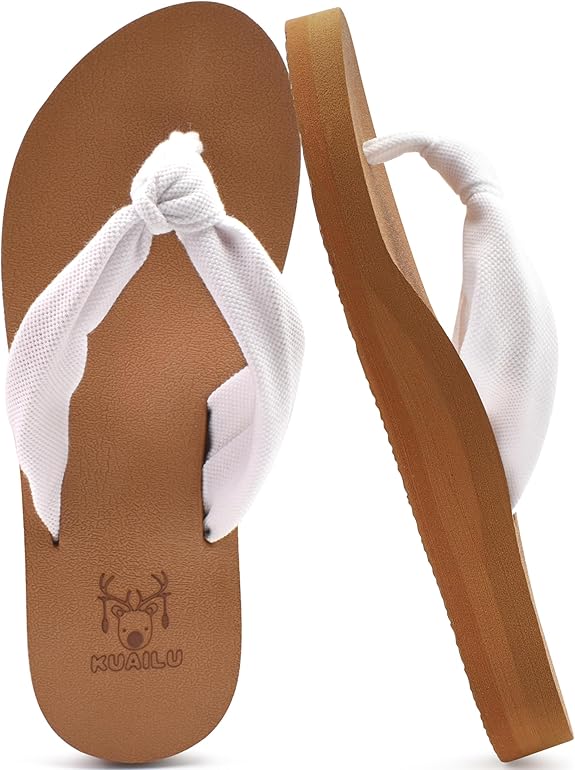
KuaiLu
Flip Flops with Arch Support
Cushioned, lightweight sandals with supportive arch design—a practical choice for beach trips, errands, and long summer walks.
Shop the sandals
baleaf
Athletic One-Piece Swimsuit
A functional one-piece with adjustable straps and moderate coverage, designed for swimming, training, surfing, and active beach days.
Shop the swimsuit
Astylish
Linen-Cotton Button-Down Shirt
A relaxed cotton-linen shirt with a collared V-neck and roll-up sleeves—easy to style over swimwear or with denim and shorts.
Shop the shirt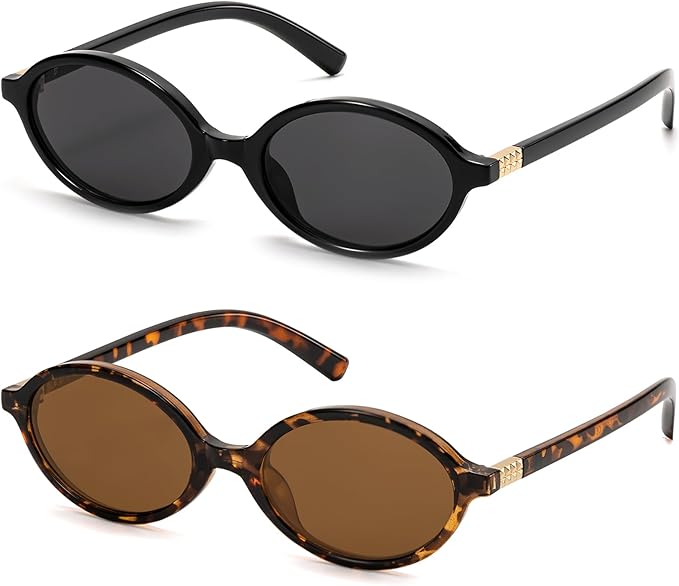
ViewJoy
Retro Oval Sunglasses
Small oval sunglasses with a 90s-inspired silhouette and UV400 lens protection—a quick way to add a vintage edge to everyday looks.
Shop the sunglasses
Affiliate disclosure: This section contains affiliate links. If you make a purchase through these links, I may earn a commission at no additional cost to you. Product selection, pricing, availability, and delivery terms may change—please review the current details on Amazon before purchasing.
As an Amazon Associate I earn from qualifying purchases.