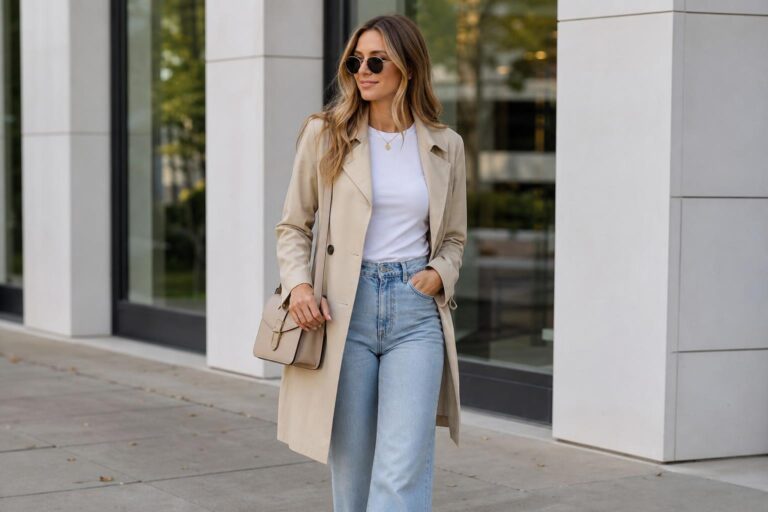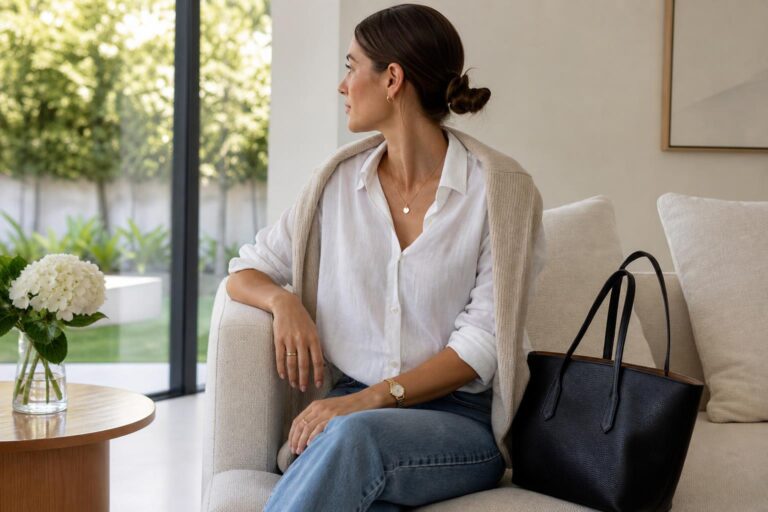
Why Neutral Beige Aesthetic Feels So Polished Right Now
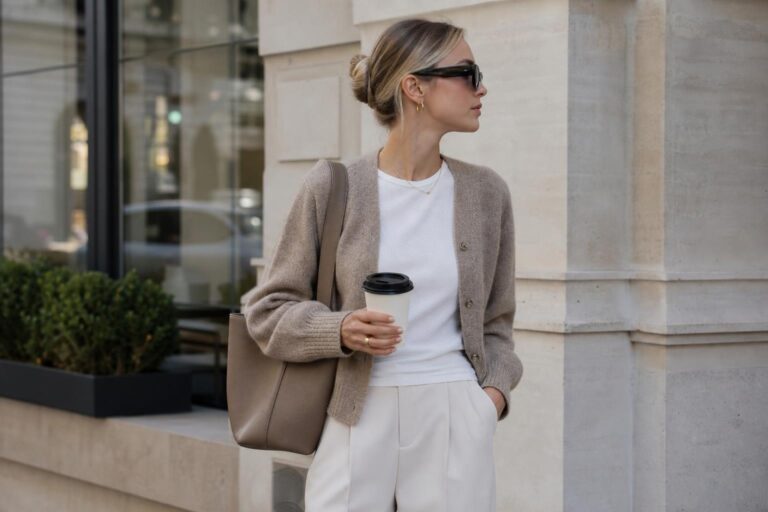
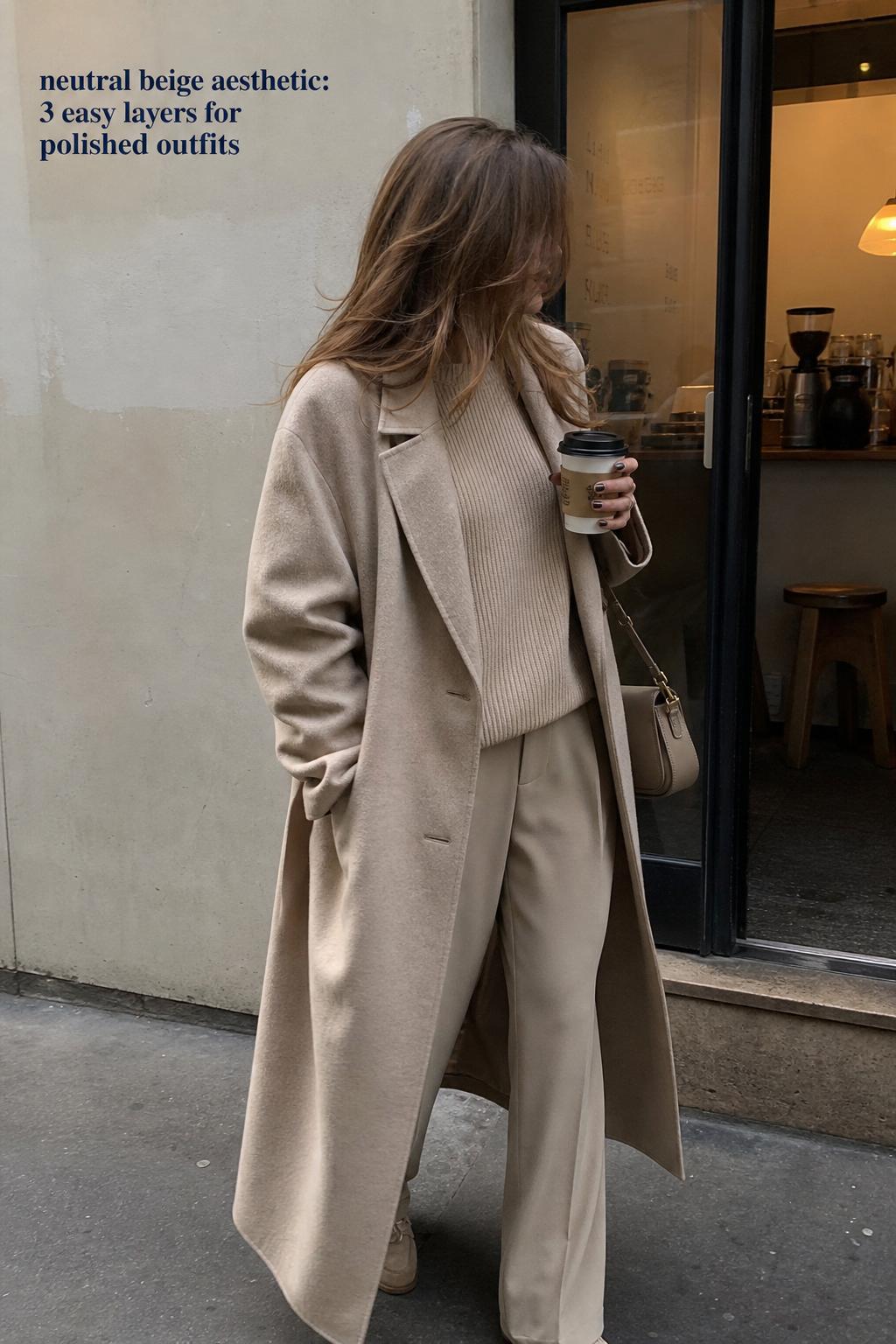
Morning light, a soft knit, a cream wall, a warm oat-toned coat draped over the arm: that is the quiet pull of the neutral beige aesthetic. It feels calm without being plain, polished without looking overworked, and easy to wear in the places real life actually happens, from coffee runs and city walks to office days and weekend dinners. The palette is restrained, but the effect is anything but flat when silhouette, texture, and tonal layering are handled with intention.
Part of the appeal is how naturally this style fits into everyday dressing. Beige, cream, sand, taupe, and soft brown create a clean visual line that makes even simple pieces feel more considered. There is a quiet luxury mood in it, but it can lean cozy, minimal, feminine, or modern streetwear depending on the cut of the clothes and the materials involved. A ribbed knit reads differently from crisp cotton, and suede changes the feeling again.
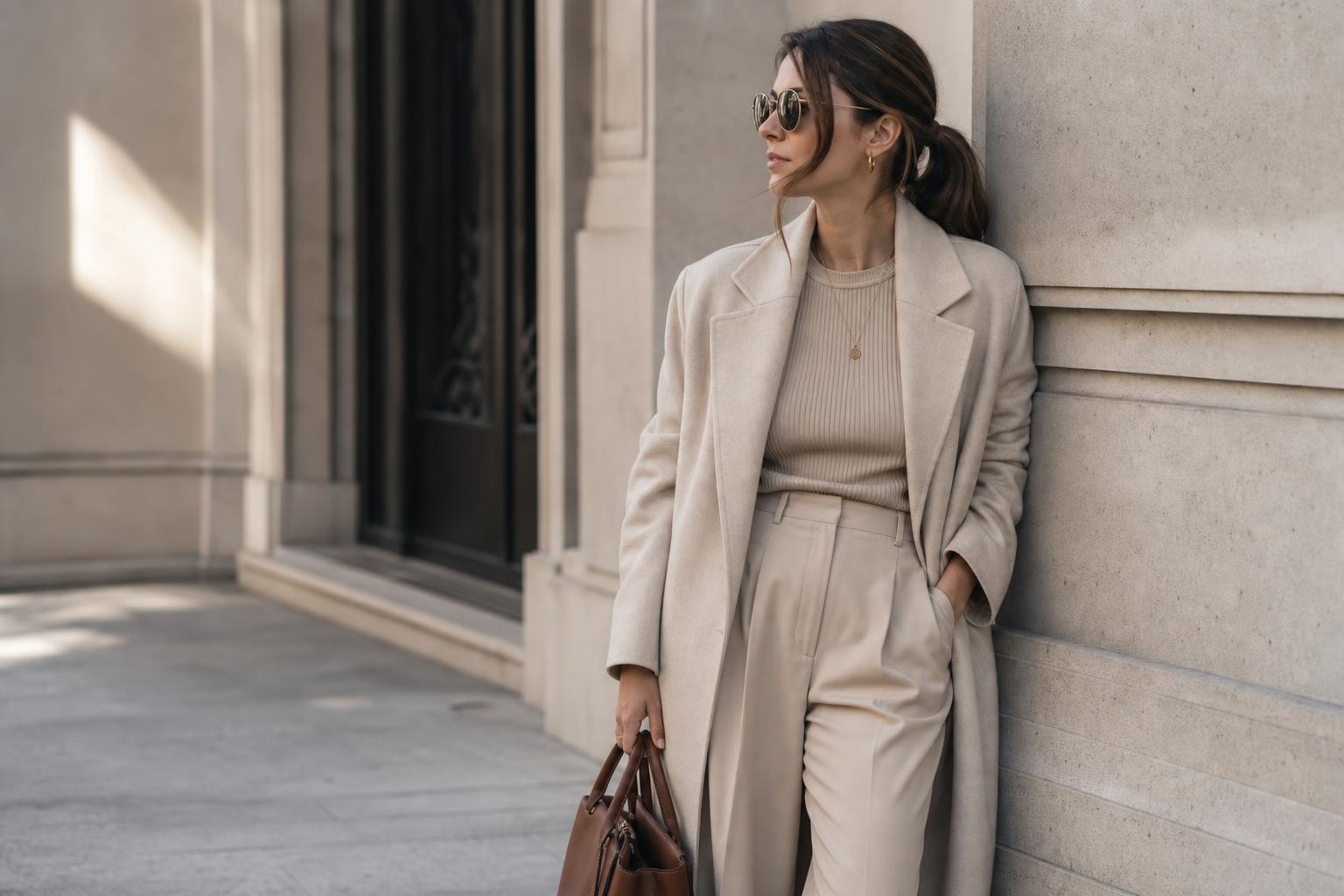
What makes the neutral beige aesthetic so wearable is balance. It invites elevated basics, oversized tailoring, soft structured layers, and monochrome dressing, but it also leaves room for practicality. A relaxed sweater can still feel refined with the right trousers. A long wool coat can sharpen a casual base. When done well, the result is understated elegance that feels realistic enough to recreate from staples already sitting in the wardrobe.
The Fashion-Note Edit
Five effortless pieces to refresh your everyday wardrobe
A polished, practical edit for workdays, weekends, and everything in between.

The Drop
Women’s Blake Long Blazer
A longline, tailored blazer with a notched collar and a single-button closure—an easy layer for denim, dresses, or office-ready looks.
Shop the blazer
Amazon Essentials
Women’s Lightweight Crewneck
A soft, lightweight sweater with a clean crew neckline—the kind of reliable layer that works from cool mornings to air-conditioned spaces.
Shop the sweater
Amazon Essentials
Women’s Loafer Flat
A classic flat loafer that gives casual outfits a more polished finish and pairs naturally with tailored pants, skirts, and straight-leg jeans.
Shop the loafers
Levi’s
Women’s 501 90s Jeans
A relaxed, vintage-inspired take on the iconic 501 silhouette—made for an easy, lived-in look without the thrift-store search.
Shop the jeans
Colorfulkoala
High-Waisted 7/8 Leggings with Pockets
Soft, four-way-stretch leggings with side pockets and a high-rise waistband—designed for movement, errands, and off-duty comfort.
Shop the leggings
Affiliate disclosure: This section contains affiliate links. If you make a purchase through these links, I may earn a commission at no additional cost to you. Product selection, pricing, availability, and delivery terms may change—please review the current details on Amazon before purchasing.
As an Amazon Associate I earn from qualifying purchases.
The visual identity behind the neutral beige aesthetic
At its core, this aesthetic is built on tonal combinations rather than loud contrast. Instead of one statement piece doing all the work, the outfit relies on color harmony, fabric variation, and proportion. Think monochrome layering in several shades of beige rather than a single matching set. Cream with camel, stone with taupe, soft white with warm sand: these combinations create depth while still keeping the overall impression calm and cohesive.
Your wedding style is personal.
Your plan should feel that way, too.
Zarellea keeps your guest list, budget, vendors, and every next step beautifully organized — so you can focus on the moments that feel like you.
The mood often overlaps with effortless minimalism and quiet luxury, but it does not have to feel formal. In practice, the same palette can support cozy femininity through soft knits and fluid shapes, or a model-off-duty direction through oversized outerwear and clean sneakers. That range is what makes it especially appealing for readers who want one aesthetic that can move through different parts of daily life.
Another reason this style resonates is that it naturally makes outfits look more intentional. Monochrome palettes create cleaner silhouettes because the eye moves through the outfit without interruption. That does not mean every piece must match exactly. In fact, slight shifts in tone usually make the outfit more dimensional and easier to wear.
Why beige outfits can look elevated instead of flat
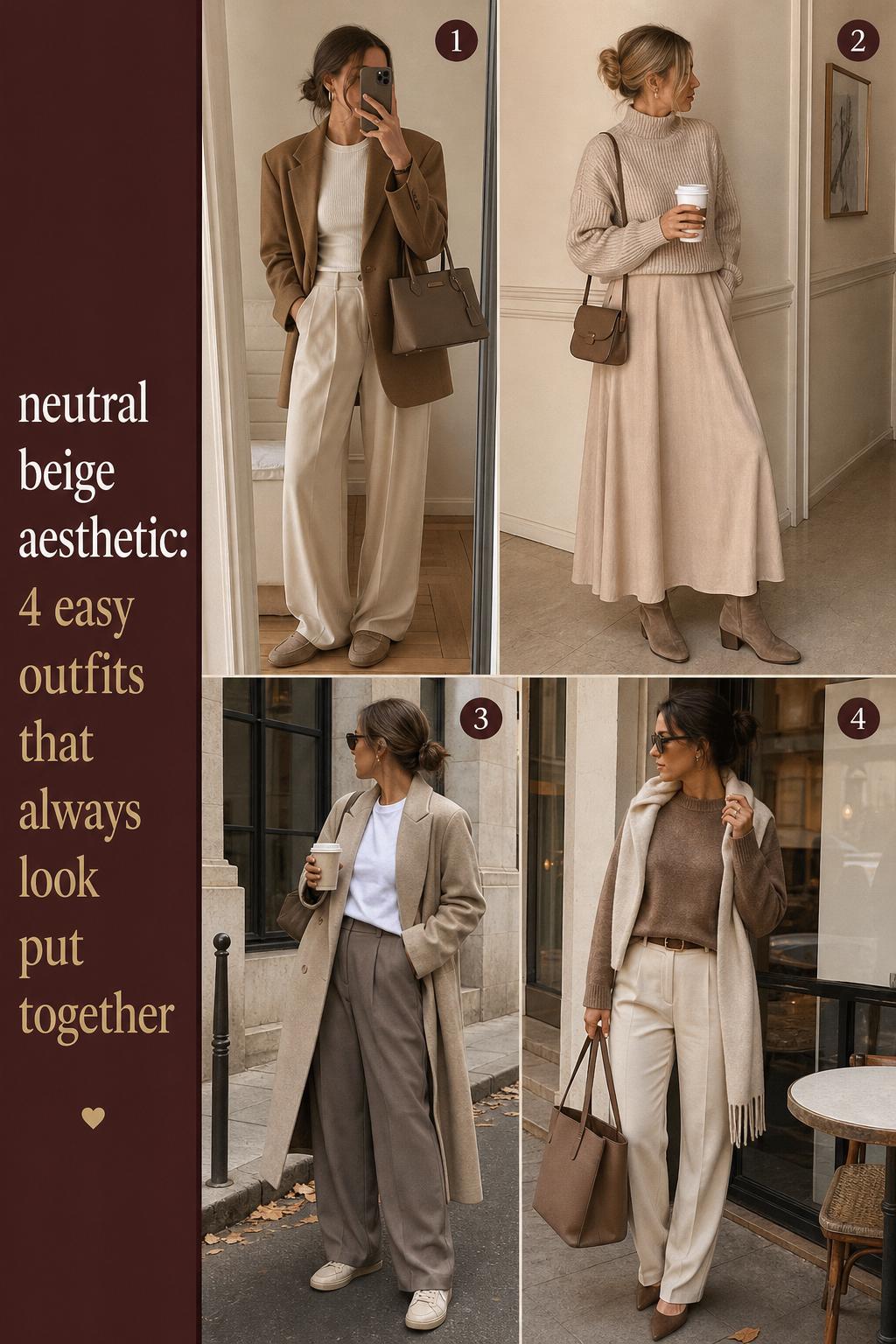
Neutral dressing only becomes dull when texture and structure are ignored. A head-to-toe beige outfit in one fabric can disappear visually, while the same color story becomes rich when it mixes wool, soft cotton, ribbed knits, suede, leather accents, and structured outerwear. The palette stays quiet, but the materials keep the eye interested.
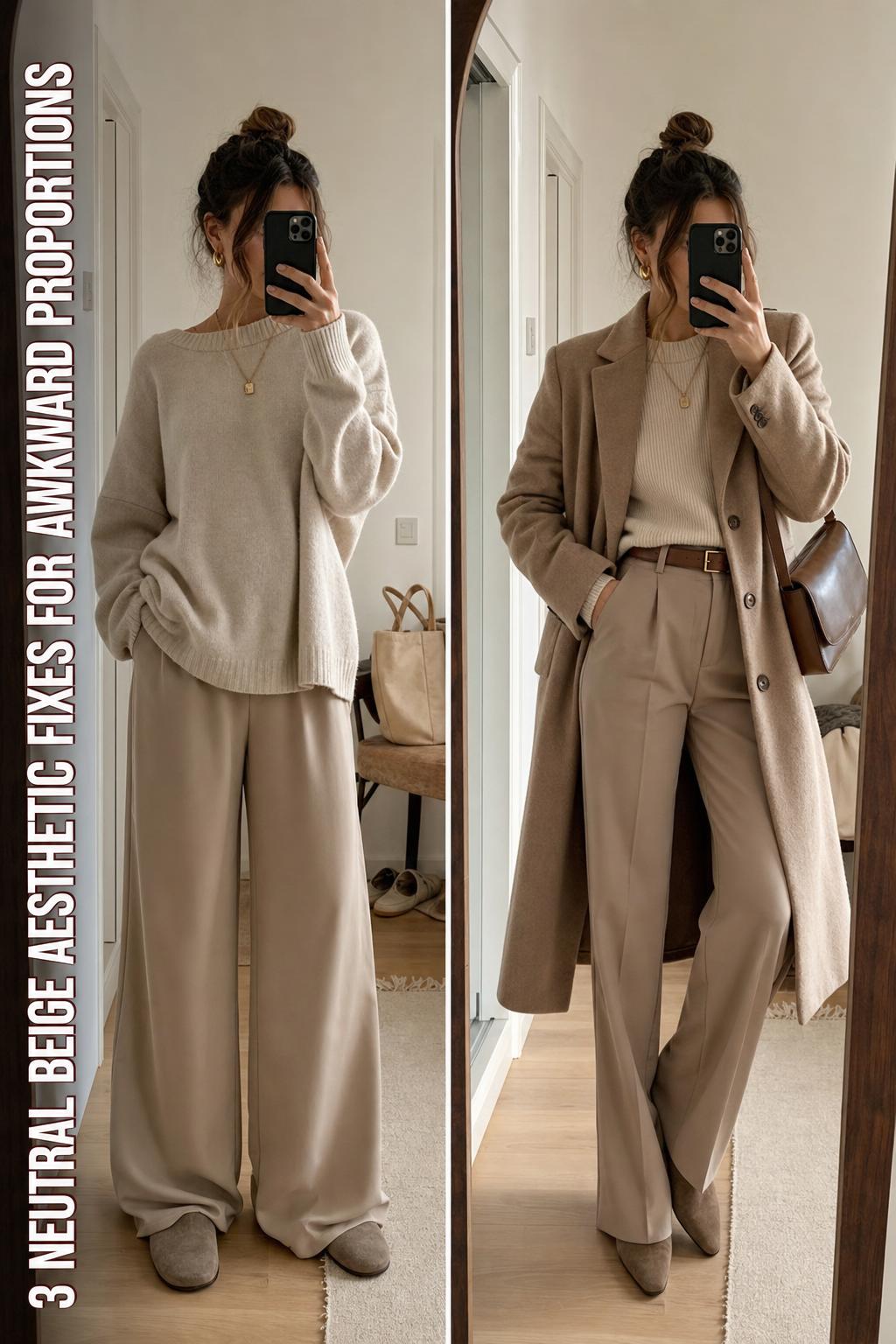
Silhouette matters just as much. Oversized layers can look effortlessly polished when one area remains defined. A roomy knit with straight trousers, or wide-leg pants with a more fitted ribbed top, keeps the proportions from feeling heavy. The neutral beige aesthetic works best when softness is balanced with shape.
Key pieces that define the style
- Ribbed knit sweaters and fitted knit tops
- Wide-leg trousers and relaxed tailoring
- Long wool coats and other structured outerwear
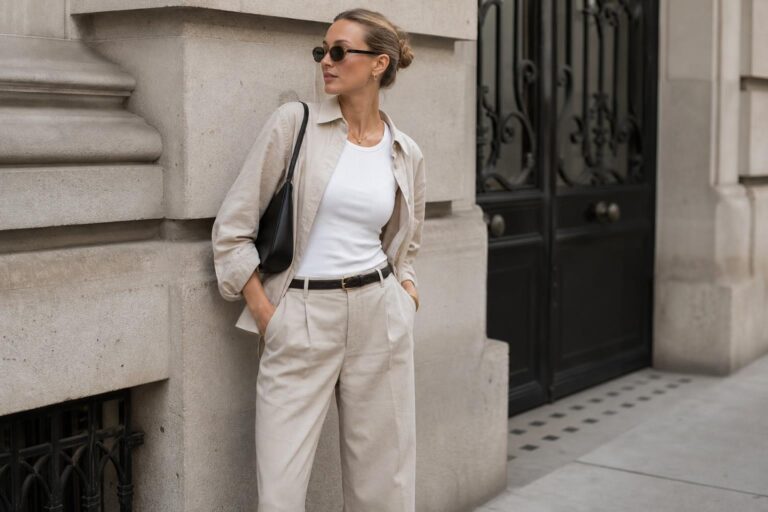
- Soft cotton shirts for light layering
- Linen pieces for an airy, casual finish
- Suede shoes or bags for warmth and texture
- Leather accents that sharpen soft tonal outfits
These pieces are simple on their own, but together they build the visual language people often associate with clean girl aesthetic dressing and relaxed yet sophisticated styling. The difference is in the combination, not the complexity.
Look: soft neutral layers for slow mornings
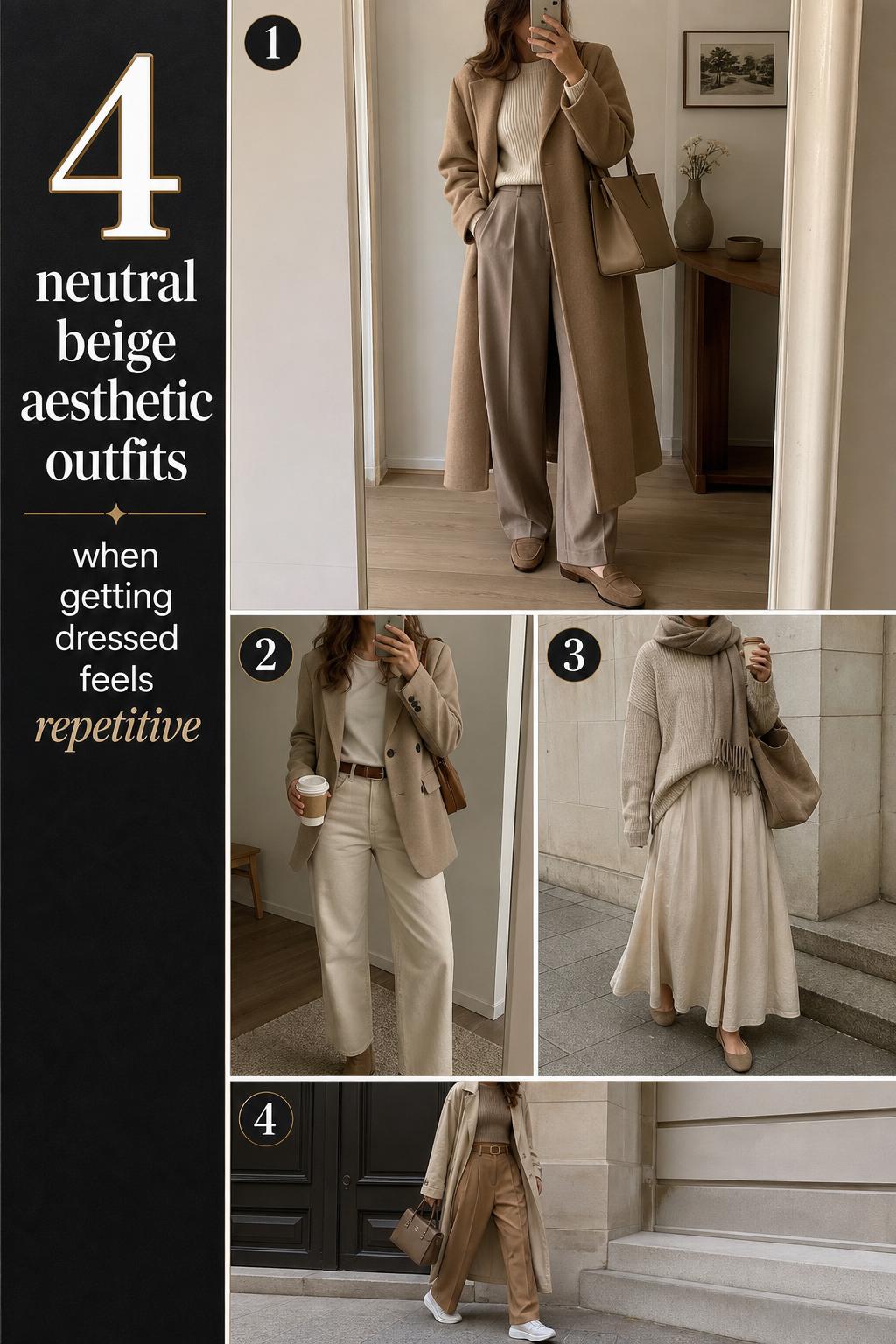
This is the version of beige dressing that feels most naturally at home in everyday routines: a coffee stop, a casual brunch, a bookstore afternoon, or a slow weekend walk. The silhouette is easy and slightly cocooned, with soft volume through the top layer and a long line through the lower half. Nothing feels sharp or rigid, but the outfit still reads polished because the colors stay within one quiet family.
A chunky ribbed knit in oatmeal works beautifully over straight or softly wide cream trousers, finished with a wool coat in camel or warm taupe. The mix of ribbing, brushed wool, and smooth trouser fabric creates the texture contrast that keeps the outfit from blending into itself. Add suede ankle boots or understated flats, then finish with a structured bag for a little shape against the softness.
What makes this outfit work is the conversation between comfort and control. The knit gives the cozy side of the neutral beige aesthetic, while the cleaner trouser line and structured outerwear bring it back to refined territory. If a thick sweater feels bulky, swap it for a lighter fitted knit and let the coat provide the volume instead.
Style tip
When the palette is this quiet, even small changes matter. A cream trouser instead of a darker tan one will brighten the whole look, while suede footwear makes it feel softer and more relaxed than polished leather.
Look: relaxed city minimalism
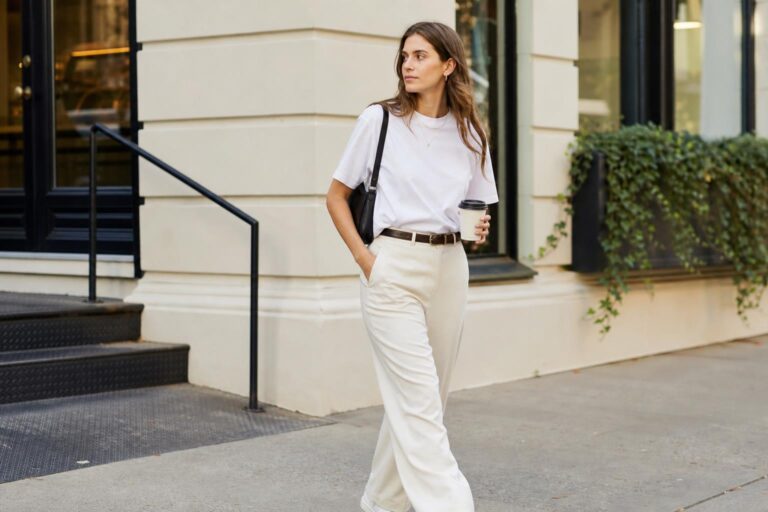
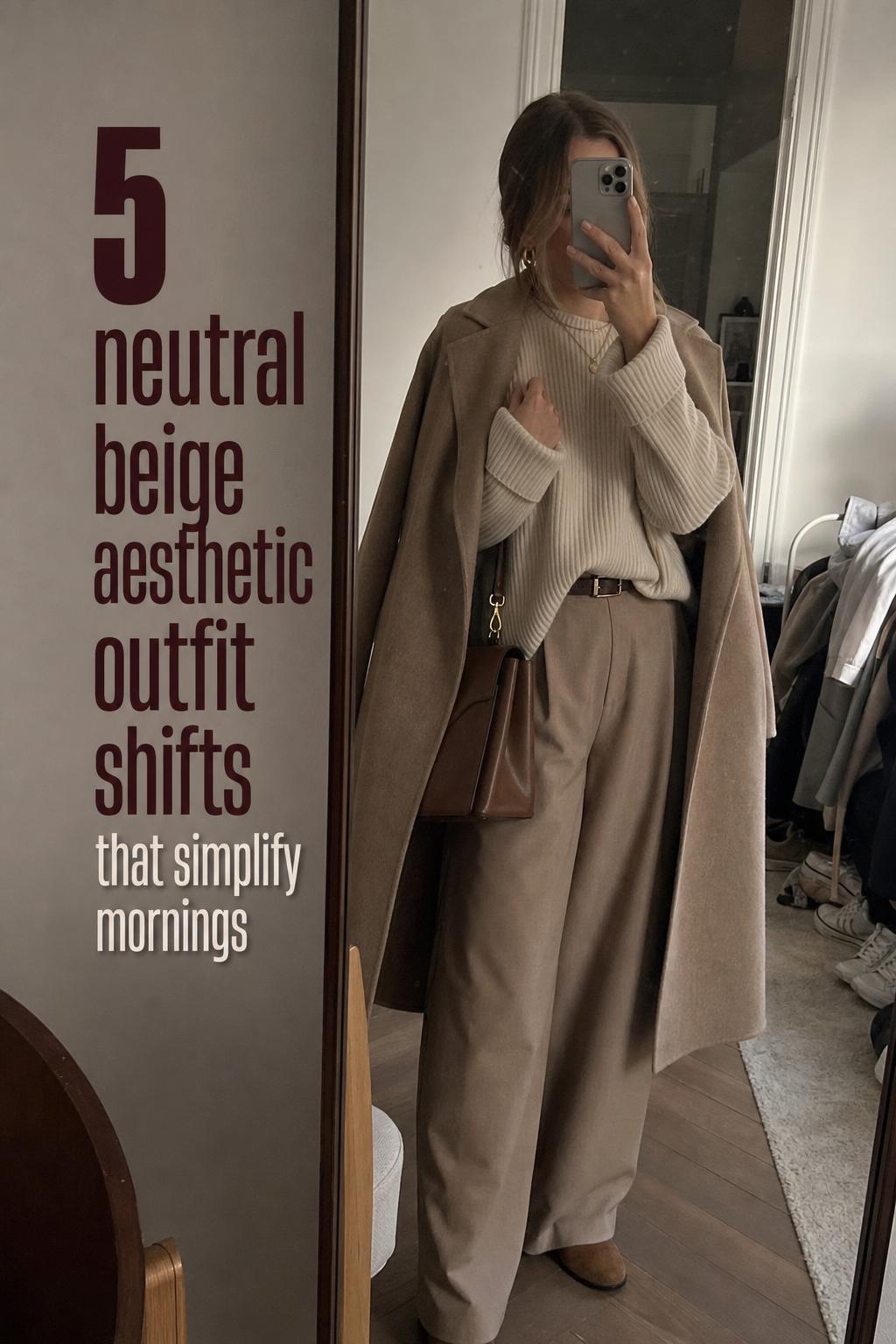
For weekdays, errands, or a casual office setting, beige can shift into a cleaner and more urban direction. This interpretation has more line and a little more structure, but it still keeps that calm, understated energy. The silhouette usually starts with one oversized element, such as a roomy blazer or long coat, anchored by straighter, simpler pieces underneath.
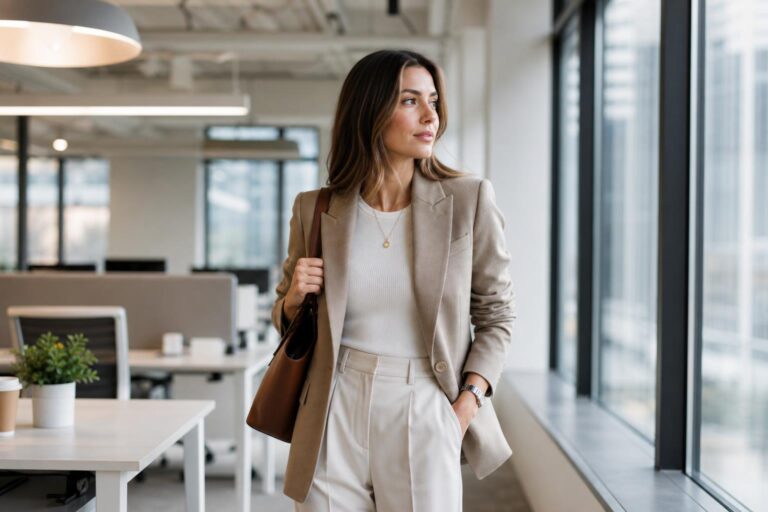
A soft cotton top or lightweight knit in ivory tucked into beige tailored trousers creates the base. Over that, oversized tailoring in a slightly deeper sand or camel tone gives the outfit its modern edge. Leather accents become especially effective here, whether through a belt, bag, or sleek shoe, because they sharpen the softness of the palette without breaking it. Tonal combinations in cream, beige, and taupe maintain the monochrome feel while still creating separation between layers.
This is where the neutral beige aesthetic starts to feel effortlessly polished rather than simply cozy. The tailoring makes the outfit look intentional, but the neutral range keeps it from feeling stiff. For readers who want model-off-duty energy in a wearable format, this is often the easiest place to start: clean base layers, one oversized tailored piece, and accessories that stay quiet but structured.
Look: cozy Scandinavian mood
Some beige outfits feel airy and light; this one leans warm, grounded, and softly wrapped. It is ideal for colder days when comfort matters, but you still want to look put together for lunch out, a relaxed workday, or an afternoon of moving around the city. The silhouette is built on layered warmth, often with longer hems and substantial knits that create a gentle sense of volume.
A long wool coat over a cream sweater and knit skirt or tailored trousers creates that cozy but refined mood immediately. The richness comes from materials more than from color. Wool, ribbed knits, brushed textures, and suede all sit beautifully in this palette because they add softness and depth. Keep accessories restrained and tonal so the outfit feels clean rather than busy.
This interpretation works because heavy textures can still read elegant when the colors remain quiet. In brighter or more contrasting palettes, the same layers might feel bulky. In beige and cream, they feel harmonious. If you tend to feel overwhelmed by oversized winter layers, choose a longer coat with a straighter line and keep the base layer more fitted.
How to transition the look between seasons
As temperatures shift, keep the same color story and simply reduce the weight of the fabrics. Replace thick wool with lighter knits, or swap a heavy coat for a structured jacket in soft cotton or linen blend fabric. The aesthetic stays intact because the tonal harmony remains the same.
Look: effortless off-duty styling
There is a version of the neutral beige aesthetic that feels more casual with intention than dressed up. It suits airport mornings, quick errands, casual lunch plans, and travel days when comfort matters but you still want the outfit to photograph well and feel pulled together. The silhouette is usually relaxed from top to bottom, though one thoughtful detail keeps it from slipping into loungewear territory.
A soft beige sweatshirt or knit, relaxed pants in a close tonal shade, and clean outerwear create the base. The upgrade comes from choosing pieces with shape: a trouser-style waistband instead of a drawstring, a coat with structure instead of a puffer, or a suede bag that adds warmth and finish. Monochrome layering is particularly useful here because it makes simple, comfortable pieces feel like part of a complete look rather than separate basics.
The reason this works so well in real life is that it leaves room for movement. Comfortable fabrics like soft cotton and knitwear make the outfit practical for long days, while the tonal palette keeps it elevated. If you want to make it feel more styled, add one clean leather accent. If you want it softer, keep the accessories matte and tonal.
Look: feminine layers with texture contrast
Beige does not have to read austere. In a more feminine direction, the palette becomes softer and more romantic through movement, drape, and texture shifts. This is the kind of outfit that feels right for a dinner date, a gallery visit, or any moment when you want quiet elegance with a little more delicacy.
A fitted ribbed knit top in cream paired with a flowing beige skirt creates a flattering contrast between structure and softness. Add a cropped jacket or a long coat depending on the season, then finish with suede or smooth leather accessories that stay within the same muted spectrum. The contrast between a clean knit and a fluid lower half gives the outfit its movement, while the tonal palette keeps it from becoming overly sweet.
This outfit works visually because it uses shape to create interest instead of relying on color contrast. The top defines the silhouette, the skirt adds ease, and the neutral range keeps everything calm and cohesive. If skirts do not feel practical for your day, the same idea translates well to wide-leg trousers with a close-fitting knit and a softly structured coat.
Look: beige tailoring for everyday polish
Not every neutral outfit needs to feel soft and undone. Sometimes the most appealing version is the one that feels crisp enough for meetings, dinners, or any setting where you want to appear composed without wearing dark colors. Beige tailoring delivers that effect in a lighter, more approachable way than black or navy often does.
Start with tailored trousers and a matching or near-matching blazer in beige, then soften the structure with a cream knit or soft cotton top underneath. The beauty of oversized tailoring in this palette is that it can look modern rather than severe. A little room in the shoulders or leg line keeps the suit from feeling corporate, while monochrome layering creates a long, clean silhouette.
The practical advantage here is versatility. Remove the blazer and the outfit becomes more relaxed. Trade the knit for a lighter top and it shifts toward warmer weather. Add suede shoes and it feels softer; add leather accents and it becomes sharper. The foundation stays the same, but the styling personality changes easily.
Easy ways to elevate the outfit
- Choose slightly different beige tones instead of one exact match from head to toe
- Use one textured element, such as suede or ribbed knit, to add depth
- Keep accessories clean and minimal so the silhouette remains the focus
- Let one piece provide structure, especially if the rest of the outfit is soft
How to make neutral outfits feel more dimensional
The most common challenge with a beige wardrobe is not finding pieces. It is making those pieces feel interesting. The answer is usually not adding more color, but adding more variation within the same family. Cream against camel reads more nuanced than one flat beige. Matte cotton against brushed wool reads more thoughtful than two smooth fabrics side by side.
Texture contrast is often the fastest fix. A ribbed knit layered under a wool coat, suede shoes under fluid trousers, or leather accents against a soft monochrome base all create visual depth without disturbing the calm of the look. This is especially important in photos, where tonal outfits can lose detail if every surface looks the same.
Length also helps. A longer coat over shorter inner layers creates movement and gives the eye a clear structure to follow. Likewise, a tucked or semi-fitted top can define the waist when wide or oversized pieces dominate the rest of the outfit. Small proportional decisions make a quiet palette feel much stronger.
Footwear and accessories that shift the mood
In a neutral beige aesthetic, footwear does more than finish the outfit. It often decides whether the look reads relaxed, refined, cozy, or modern. Because the clothing colors stay restrained, shoes and accessories carry more visual influence than they might in a brighter outfit.
Suede usually softens the mood. It works especially well with wool, knitwear, and other tactile fabrics because it continues that warm, understated feeling. Leather accents, by contrast, create a cleaner edge. They are useful when an outfit feels too soft or when you want more city polish from simple basics. The key is not to overload the look. One or two thoughtful finishing elements are often enough.
This is also where readers can make the aesthetic more personal. A minimal bag and sleek shoes push the look toward modern minimalism, while softer accessories and layered knit textures create a cozier, more lived-in finish. The same cream and beige base can support both directions.
A practical note on wearability in real life
Beige outfits are appealing because they look calm and clean, but real life asks more of clothing than a still image does. A beautiful tonal look still needs to hold up through commuting, weather changes, long hours, and movement. That is why fabric choice matters as much as color. Soft cotton and lighter knits work better for active days, while wool and structured outerwear help maintain shape when the outfit needs to look polished for longer.
It is also helpful to think about where the outfit will be worn. For a long day out, an entirely oversized silhouette may feel comfortable at first but can start to look sloppy if the fabrics collapse too much. In that case, keep one element crisp, such as a straight trouser or cleaner coat line. For dinners or social plans, a more fitted knit against a relaxed lower half often feels easier to wear than a fully body-skimming tonal outfit.
The neutral beige aesthetic is most successful when it feels natural on the body. The goal is not perfection. It is a balance of softness, practicality, and quiet visual intention.
Common styling mistakes that make beige look flat
One frequent mistake is choosing every piece in the exact same mid-beige tone. Without tonal variation, the outfit can lose shape and detail. A better approach is to blend light and deeper neutrals so each layer remains visible. Cream, sand, taupe, and camel naturally create more definition than one single note repeated throughout.
Another issue is relying on soft pieces only. An outfit made entirely of loose knits and draped basics may feel cozy, but it often needs one structured component to keep it looking intentional. That could be tailored trousers, a sharper coat, or even cleaner accessories with leather accents.
Finally, texture is often underestimated. If everything is smooth, the outfit can read unfinished. If at least one element brings visible texture, such as wool, suede, or ribbing, the whole look tends to feel richer and more complete.
Quick reset if your outfit feels too plain
- Add a longer outer layer to create line and movement
- Swap one piece for a different texture, such as suede or ribbed knit
- Introduce a lighter or darker neutral for tonal contrast
- Use one structured accessory to sharpen the softness
Building the aesthetic from basic wardrobe staples
One of the strongest things about this style is that it does not depend on overly specific statement pieces. It can be built from familiar staples as long as they work together in tone and shape. A cream knit, beige trousers, a wool coat, a soft cotton shirt, and one pair of understated shoes can already create several outfits with different moods.
The easiest way to start is by choosing a base tone that feels most natural to you, then layering nearby shades around it. If your wardrobe already has cream and warm white, bring in camel or taupe through outerwear or accessories. If you already own beige trousers, add texture through knitwear or suede rather than buying more of the same fabric. This keeps the wardrobe functional and avoids a closet full of pieces that all read identical.
Readers often find this approach useful because it is both inspiring and realistic. The neutral beige aesthetic looks refined, but it is often made from pieces people already wear often. The difference comes from styling with more intention: cleaner color harmony, stronger layering, and a better understanding of proportion.
Where this aesthetic fits best
This style naturally suits moments where you want to look pulled together without appearing overdressed. It works well for city coffee runs, casual offices, travel days, daytime dates, gallery afternoons, and simple dinners out. Because the palette is quiet, it adapts easily to many settings. What changes is the silhouette and the finish.
For daytime, softer fabrics and relaxed layers create an easy mood. For evening, a more defined shape and smoother textures make beige feel dressier. In colder weather, wool and knitwear deepen the palette. In warmer weather, linen and cotton keep it light. The visual identity stays consistent even as the outfit shifts with season and situation.
That adaptability is a big reason the aesthetic remains so popular. It offers a clear style identity without locking the wearer into one fixed formula.
FAQ
What is the neutral beige aesthetic?
The neutral beige aesthetic is a style built around soft, warm neutral tones such as cream, beige, taupe, sand, and camel. Its appeal comes from tonal layering, clean silhouettes, and texture contrast rather than bold color or obvious statement pieces.
How do I keep beige outfits from looking boring?
The easiest way is to mix textures and slightly different shades. Ribbed knits, wool, soft cotton, suede, and leather accents add depth, while tonal variation between cream, camel, and taupe keeps the outfit visually defined.
Can oversized layers still look flattering in this aesthetic?
Yes, but balance matters. If one piece is oversized, it helps to keep another part of the outfit cleaner or more fitted so the silhouette does not feel heavy. A roomy coat with straighter trousers or a wide-leg pant with a fitted knit usually works well.
What fabrics work best for a neutral beige wardrobe?
Wool, linen, ribbed knits, soft cotton, suede, and pieces with leather accents all work well because they bring dimension to a muted palette. The best choices depend on season, but texture is always important in this style.
Is the neutral beige aesthetic only for fall and winter?
No. The same palette can work year-round. In cooler months, it leans into wool coats and heavier knits. In warmer weather, the look feels lighter through linen, soft cotton, and less layered silhouettes while keeping the same tonal harmony.
How can I make the look feel more casual?
Use softer fabrics, relaxed shapes, and simpler base layers, then keep the outfit tonal so it still feels intentional. A comfortable knit with relaxed trousers and clean outerwear often captures that casual with intention mood very well.
How do accessories change the mood of beige outfits?
Accessories often decide whether the outfit feels cozy, polished, or minimal. Suede usually creates a softer and warmer finish, while leather accents add sharpness and structure. Even one bag, belt, or shoe choice can noticeably shift the overall mood.
Can I recreate this aesthetic with basic wardrobe staples?
Yes. A cream knit, beige trousers, a structured coat, a soft cotton shirt, and simple tonal accessories are often enough to build several outfits. The style depends more on color harmony, proportion, and layering than on owning highly specific pieces.
Why does monochrome layering work so well in beige?
Monochrome layering creates a clean visual line, which makes outfits appear more cohesive and refined. In beige dressing, it also allows texture and silhouette to stand out more clearly because the eye is not distracted by strong color contrast.
The lasting charm of the neutral beige aesthetic is that it feels both aspirational and usable. It offers quiet polish, soft structure, and an easy sense of calm that translates beautifully into real wardrobes. Whether your version leans cozy, minimal, feminine, or tailored, the strongest outfits come from the same place: thoughtful tones, tactile fabrics, and silhouettes that make simple pieces feel intentional.
That is also why the aesthetic stays so relevant. It does not ask for a complete reinvention of personal style. It simply asks for more attention to harmony, texture, and balance. Start with the staples you already trust, build around soft beige tones, and let the outfit take shape through subtle contrast. The result is timeless with a modern edge, and easy to adapt to everyday life.
Finish the look
The little extras that make a summer outfit feel complete
From beach days to city weekends, these easy pieces bring comfort, texture, and a polished finishing touch.

FENBEN
Straw Hobo Crossbody Bag
A handwoven straw bag with both short and crossbody straps—an effortless finishing touch for vacation looks and warm-weather outfits.
Shop the bag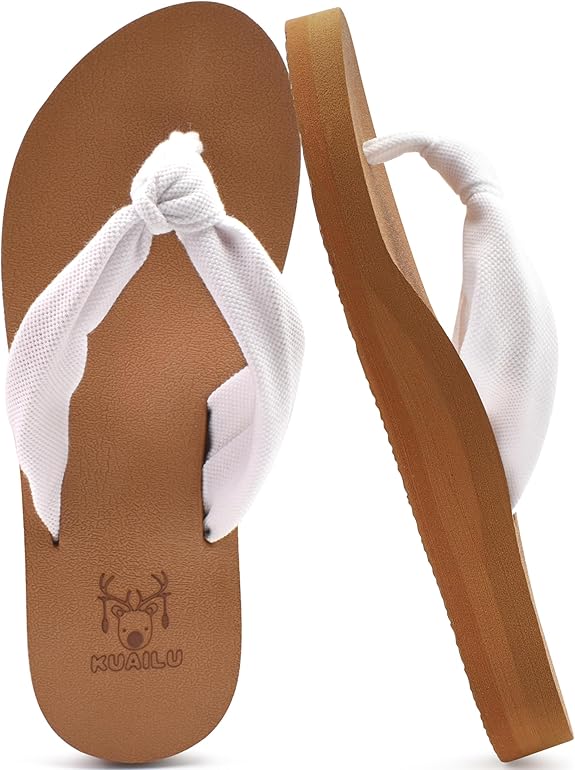
KuaiLu
Flip Flops with Arch Support
Cushioned, lightweight sandals with supportive arch design—a practical choice for beach trips, errands, and long summer walks.
Shop the sandals
baleaf
Athletic One-Piece Swimsuit
A functional one-piece with adjustable straps and moderate coverage, designed for swimming, training, surfing, and active beach days.
Shop the swimsuit
Astylish
Linen-Cotton Button-Down Shirt
A relaxed cotton-linen shirt with a collared V-neck and roll-up sleeves—easy to style over swimwear or with denim and shorts.
Shop the shirt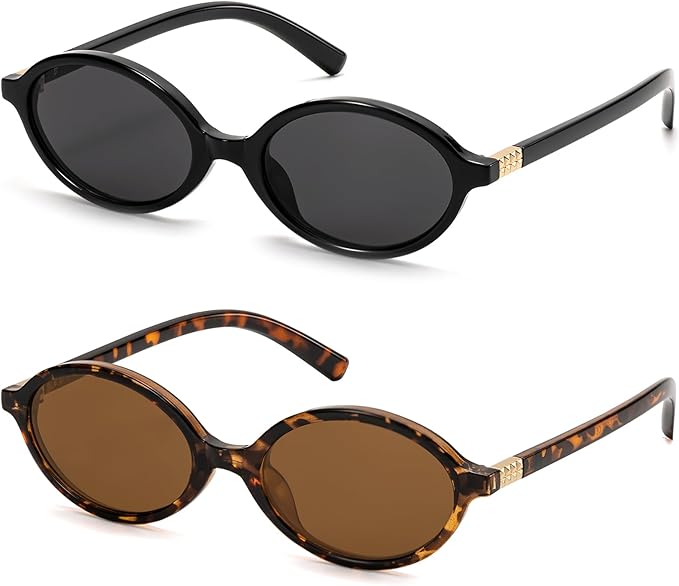
ViewJoy
Retro Oval Sunglasses
Small oval sunglasses with a 90s-inspired silhouette and UV400 lens protection—a quick way to add a vintage edge to everyday looks.
Shop the sunglasses
Affiliate disclosure: This section contains affiliate links. If you make a purchase through these links, I may earn a commission at no additional cost to you. Product selection, pricing, availability, and delivery terms may change—please review the current details on Amazon before purchasing.
As an Amazon Associate I earn from qualifying purchases.