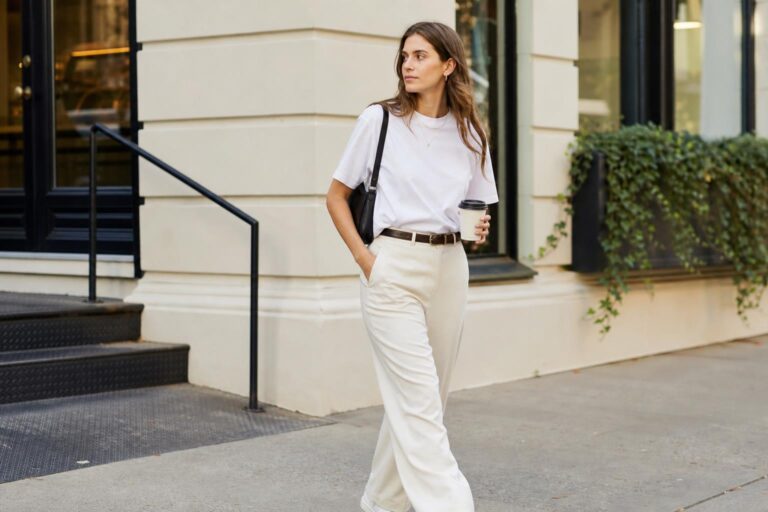
White and Black Outfits for a Polished City Wardrobe
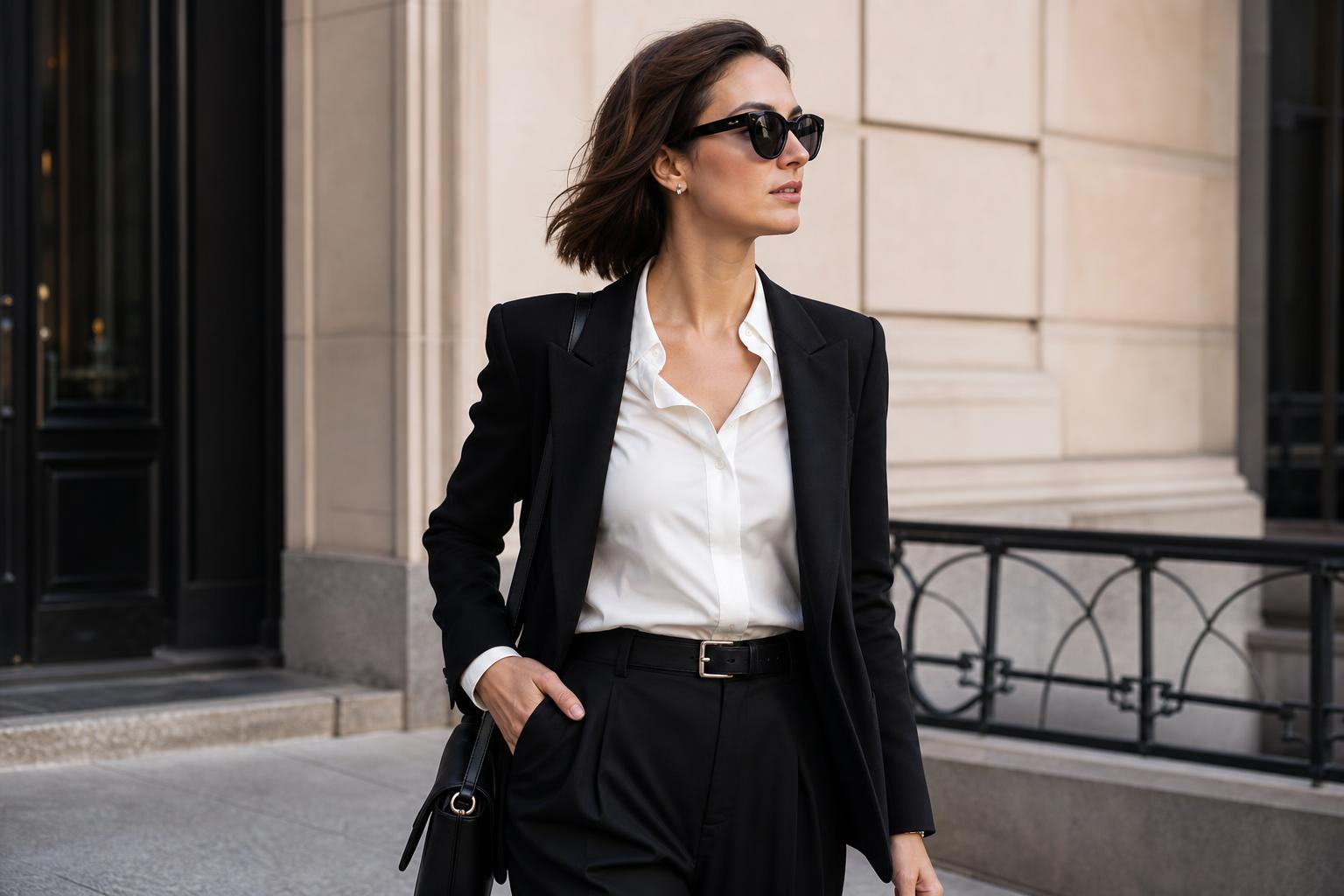
A great black-and-white outfit often solves the exact style problem many women run into during busy weeks: you want to look polished quickly, but you do not want to overthink color. That is why white and black outfits remain such a reliable fashion-girl staple. They feel clean, modern, and versatile enough for a work meeting, city errands, dinner, travel days, and even dressier events. The beauty of this palette is not just that it looks chic. It creates visual clarity, helps pieces mix easily, and gives even simple wardrobe basics a more elevated finish.
What makes white and black outfits especially useful is how many directions they can take. They can lean minimalist, classic, urban chic, retro, office-ready, cozy for fall, or sharp enough for evening. A crisp white shirt with black trousers reads differently from a black dress with white accessories, even though both stay within the same monochrome language. Once you understand the building blocks, styling becomes much easier, and getting dressed feels less random and more intentional.
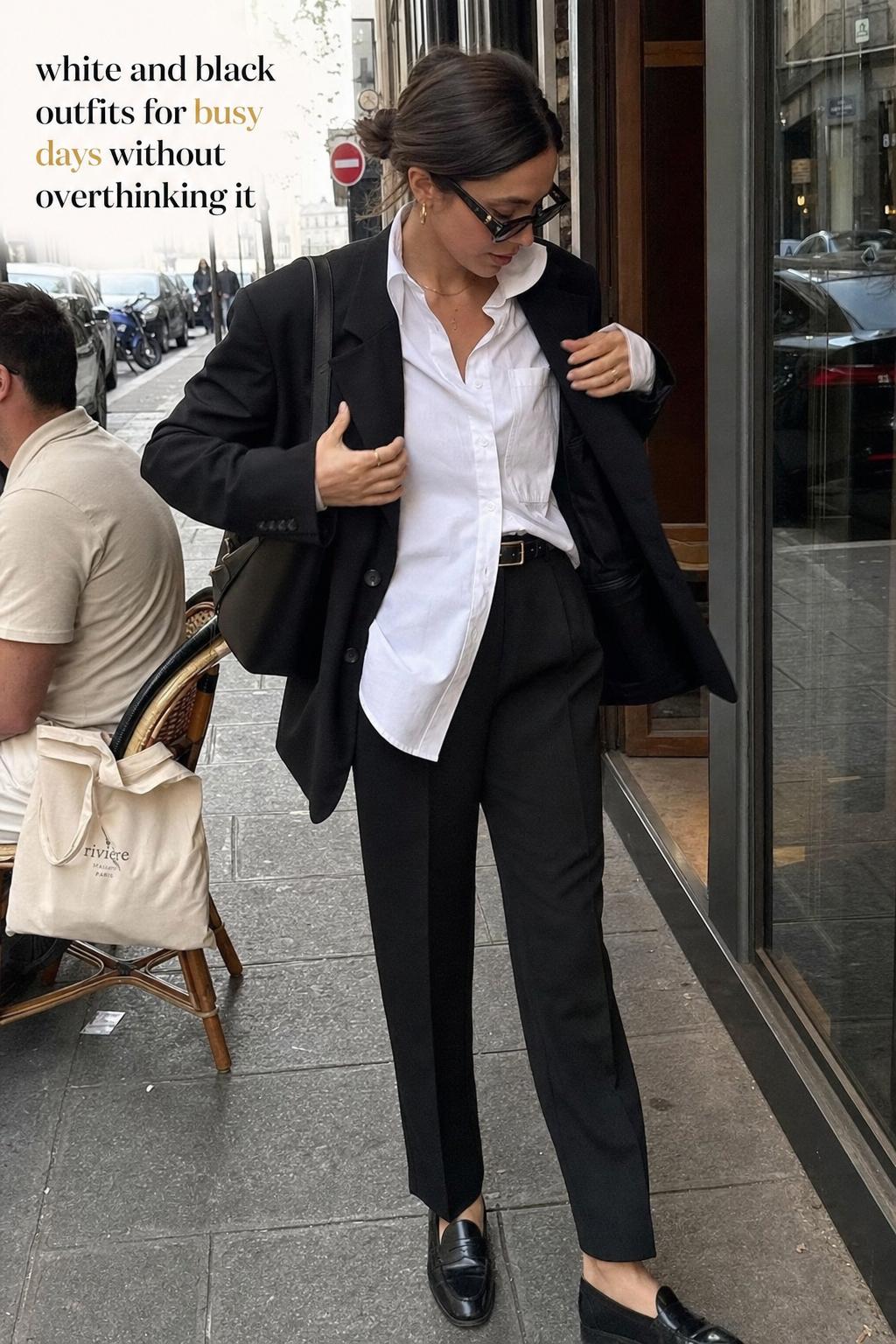
Why white and black outfits always feel timeless
Monochrome styling works because it reduces visual noise. Black grounds an outfit, while white brings light and contrast. Together, they create a balanced look that flatters many body types and adapts well to different silhouettes. A clean palette also makes it easier to notice good tailoring, fabric quality, and proportion, which is one reason these combinations often look more expensive than they are.
The Fashion-Note Edit
Five effortless pieces to refresh your everyday wardrobe
A polished, practical edit for workdays, weekends, and everything in between.

The Drop
Women’s Blake Long Blazer
A longline, tailored blazer with a notched collar and a single-button closure—an easy layer for denim, dresses, or office-ready looks.
Shop the blazer
Amazon Essentials
Women’s Lightweight Crewneck
A soft, lightweight sweater with a clean crew neckline—the kind of reliable layer that works from cool mornings to air-conditioned spaces.
Shop the sweater
Amazon Essentials
Women’s Loafer Flat
A classic flat loafer that gives casual outfits a more polished finish and pairs naturally with tailored pants, skirts, and straight-leg jeans.
Shop the loafers
Levi’s
Women’s 501 90s Jeans
A relaxed, vintage-inspired take on the iconic 501 silhouette—made for an easy, lived-in look without the thrift-store search.
Shop the jeans
Colorfulkoala
High-Waisted 7/8 Leggings with Pockets
Soft, four-way-stretch leggings with side pockets and a high-rise waistband—designed for movement, errands, and off-duty comfort.
Shop the leggings
Affiliate disclosure: This section contains affiliate links. If you make a purchase through these links, I may earn a commission at no additional cost to you. Product selection, pricing, availability, and delivery terms may change—please review the current details on Amazon before purchasing.
As an Amazon Associate I earn from qualifying purchases.
This timeless appeal is closely tied to classic silhouettes and minimalist dressing. The black-and-white palette has long been associated with refined fashion thinking, and the conceptual influence of Coco Chanel still lingers in the way people view these colors together: simple, deliberate, and elegant without needing much decoration. In everyday styling, that translates into outfits that feel polished even when built from basics like a white blouse, black pants, a blazer, or a knit.
Your wedding style is personal.
Your plan should feel that way, too.
Zarellea keeps your guest list, budget, vendors, and every next step beautifully organized — so you can focus on the moments that feel like you.
There is also a practical reason this palette lasts. White and black pieces tend to pair universally across seasons, which makes them ideal for a capsule wardrobe approach. If your closet contains a strong white shirt, black trousers, a black dress, a blazer, and a few well-chosen accessories, you can create a surprising number of outfits without feeling repetitive.
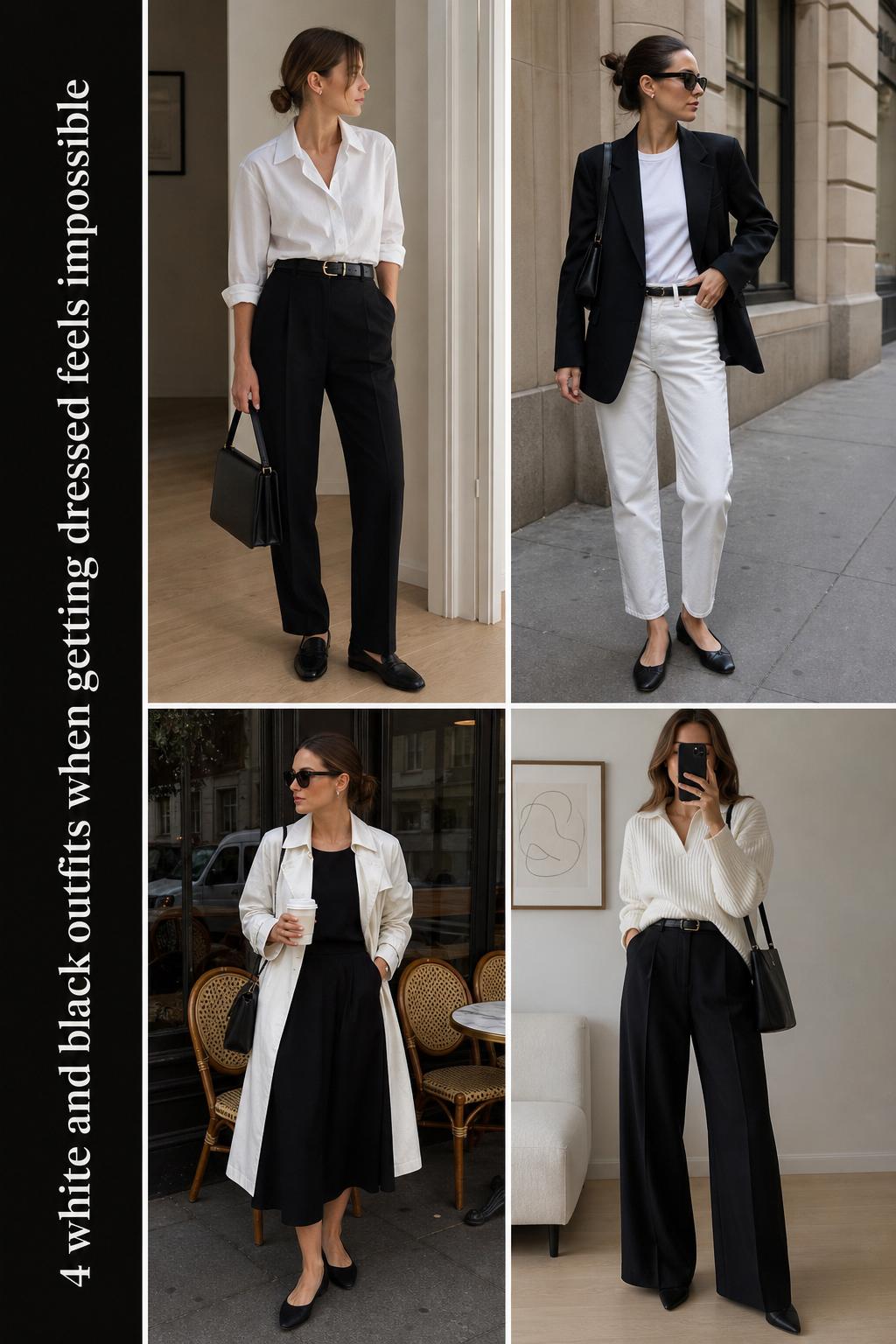
The building blocks that make monochrome dressing easier
The easiest way to wear white and black outfits well is to think in core pieces rather than isolated trends. Most successful looks in this space are built from familiar items that can be repeated in different combinations: shirts, trousers, dresses, denim, blazers, outerwear, belts, bags, and shoes. The styling interest comes from silhouette, texture, and how the pieces are balanced.
The essentials worth reaching for again and again
- A white shirt or white blouse for office looks, casual layering, and day-to-night outfits
- Black trousers for workwear, smart casual dressing, and clean city styling
- A black dress that can shift from daytime to evening depending on accessories
- White denim for a fresher, lighter take on monochrome
- A structured blazer or trench for outerwear that sharpens the whole silhouette
- Bags, belts, and shoes that help anchor the contrast without adding clutter
If you are building a monochrome capsule, start with pieces that can work across multiple occasions. A white blouse should look just as natural tucked into black pants for work as it does worn more loosely with denim for a casual lunch. Black trousers should be comfortable enough for all-day wear, not just visually sharp. This is where practical styling matters more than dramatic statement dressing.
Texture is what keeps a simple palette from looking flat
One of the most underused styling tricks in black-and-white dressing is fabric contrast. Cotton, silk, wool, denim, leather, and knits all change how the outfit is perceived. A matte cotton shirt with tailored black wool trousers feels crisp and office-ready. A silk top with leather or satin-adjacent pieces feels more evening-appropriate. A chunky knit with sleek pants creates cozy but polished balance, especially in fall.
This is also how monochrome outfits gain depth without adding extra color. If both pieces are plain and flat in finish, the outfit can feel unfinished. But when you mix soft against structured, matte against sheen, or lightweight against heavy, the look becomes more intentional. It is a small shift that creates a big visual difference.
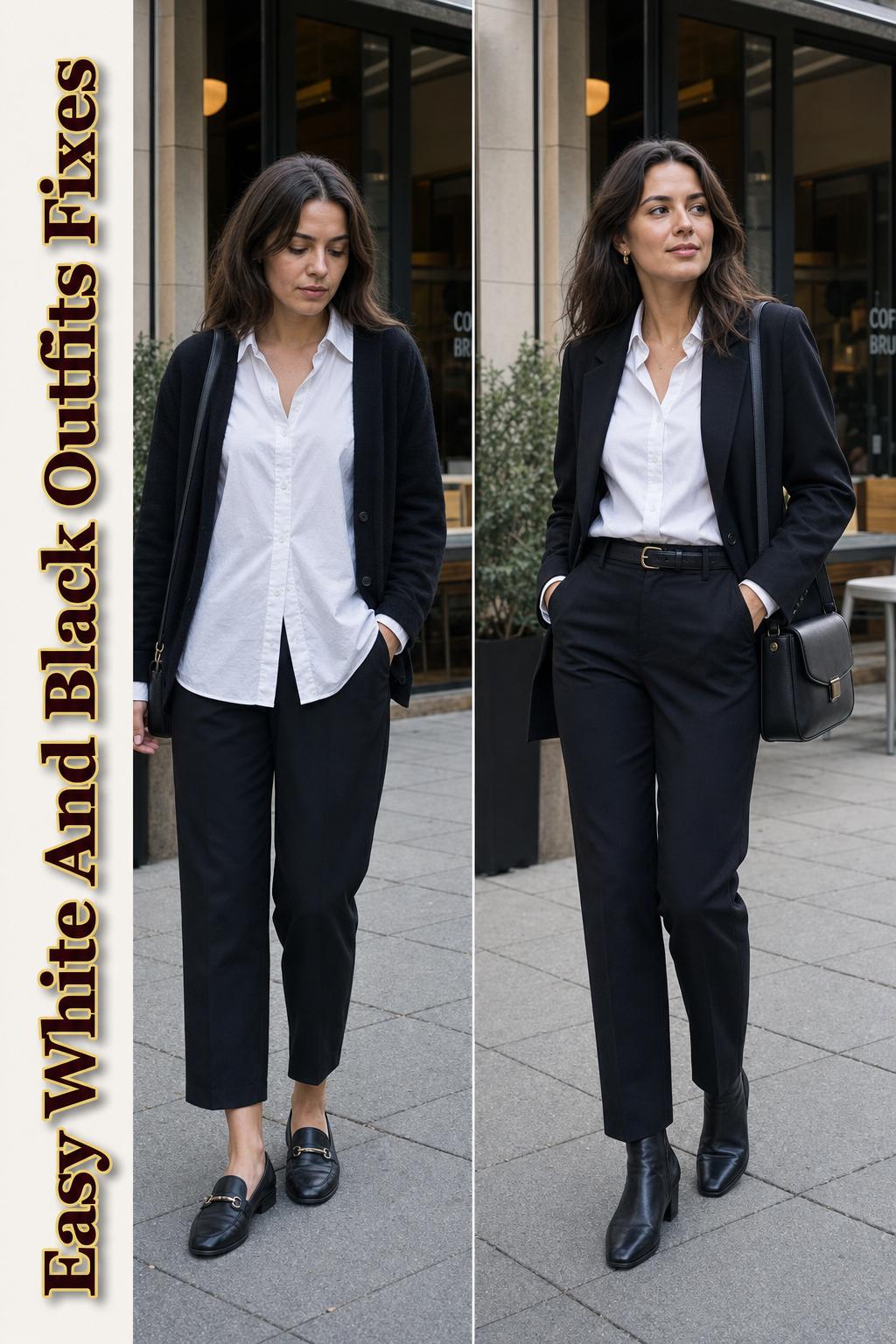
Easy outfit formulas that work in real life
The best white and black outfits are usually the ones you can repeat without needing to copy them exactly. A good formula gives you a reliable structure, then lets you switch shoes, outerwear, or accessories depending on the day. These combinations are practical, save-worthy, and easy to imagine in daily life.
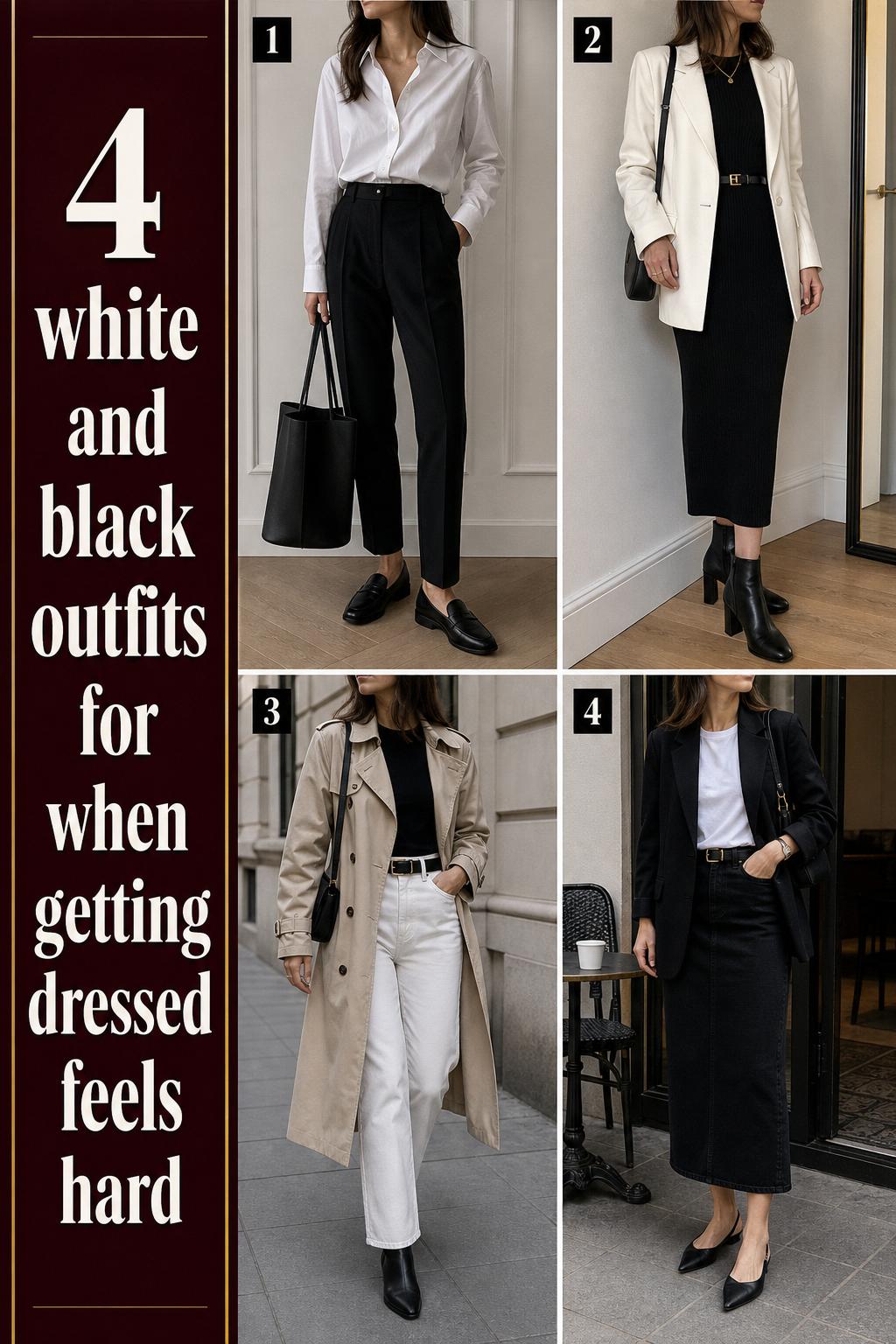
The office-ready white shirt and black trousers combination
For work meetings, gallery visits, or city days when you need to look put-together quickly, a white shirt with black trousers is one of the strongest formulas you can use. A tucked or half-tucked shirt keeps the waistline clear, while black trousers create a long, uninterrupted line through the legs. This often feels flattering because the contrast sits on the upper body rather than breaking the lower half into shorter sections.
Why this outfit works: it balances structure and simplicity. The white top brightens the face, and the black trousers give weight to the outfit so it feels grounded. If the shirt is slightly relaxed, tailored trousers stop the look from becoming sloppy. If the shirt is crisp and fitted, a wider-leg trouser can soften it and feel more modern.
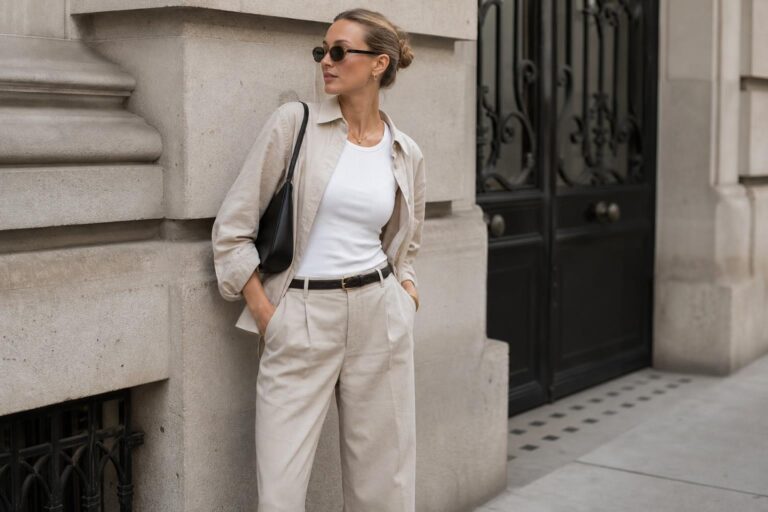
For a more expensive-looking finish, add a belt and a structured bag. This is the kind of monochrome workwear seen often in city settings, and it translates especially well to office outfits for women who want something classic but not dull.
A black dress with white accessories for easy event dressing
A black dress is already a reliable anchor piece, but adding white accessories gives it a fresh, graphic feel. Think of a clean black dress paired with a white bag, white shoes, or a white layer. This combination works for dinner, events, promos, and dressier everyday moments because the white details sharpen the look without overwhelming it.
Why this outfit works: the dress keeps the silhouette simple, and the white accessories create strategic contrast that draws attention to movement and shape. If you want the look to feel softer, keep the accessories minimal. If you want more impact, a belt or brighter white shoes can define the outfit more strongly.
This formula also photographs beautifully, which is one reason black-and-white event dressing continues to show up in celebrity styling and editorial examples.
White denim with black accents for relaxed but polished days
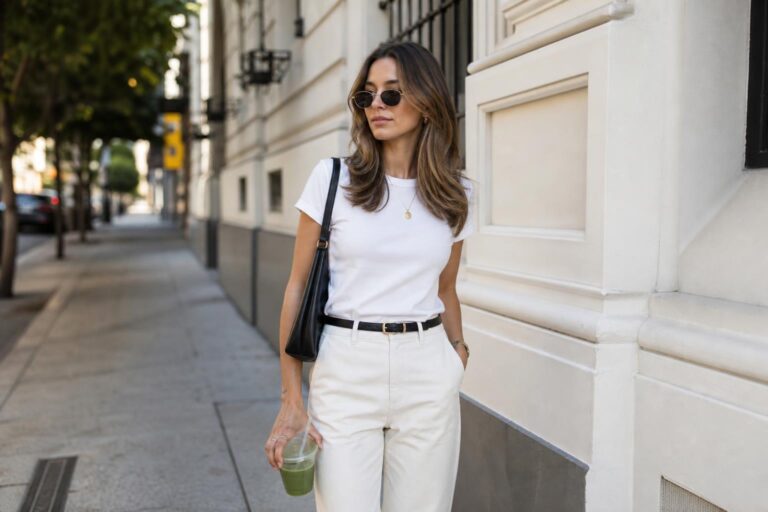
White denim instantly makes monochrome feel more casual and daytime-friendly. A pair of white jeans or white denim trousers with a black top, black blazer, or black leather jacket works well for brunch, urban errands, and travel days. It keeps the outfit light but still defined.
Why this outfit works: the lighter bottom half feels fresh, while the black accents create enough structure to keep the look from drifting into overly casual territory. White denim can also visually brighten the outfit in spring and summer, especially when heavier black trousers would feel too dense.
If you prefer a cleaner silhouette, choose shoes close to the tone of the bottom half for a longer leg line. If you want stronger contrast, black shoes can connect back to the top and make the outfit feel more graphic.
The city-chic blazer look for casual-to-dressy transitions
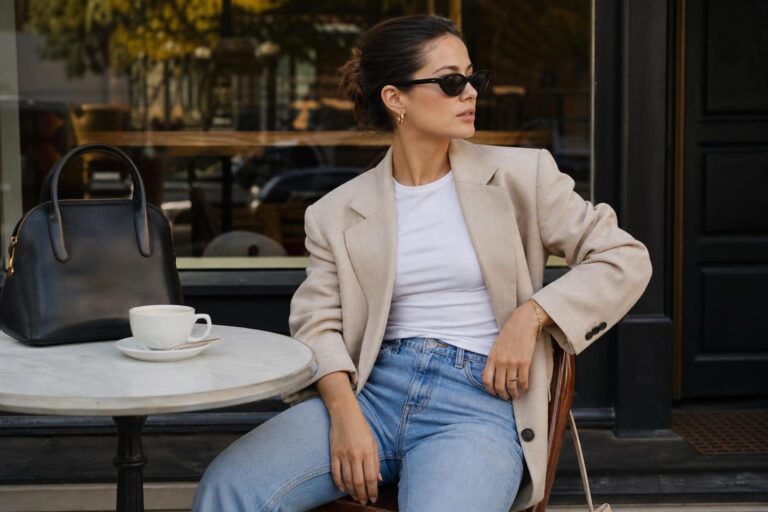
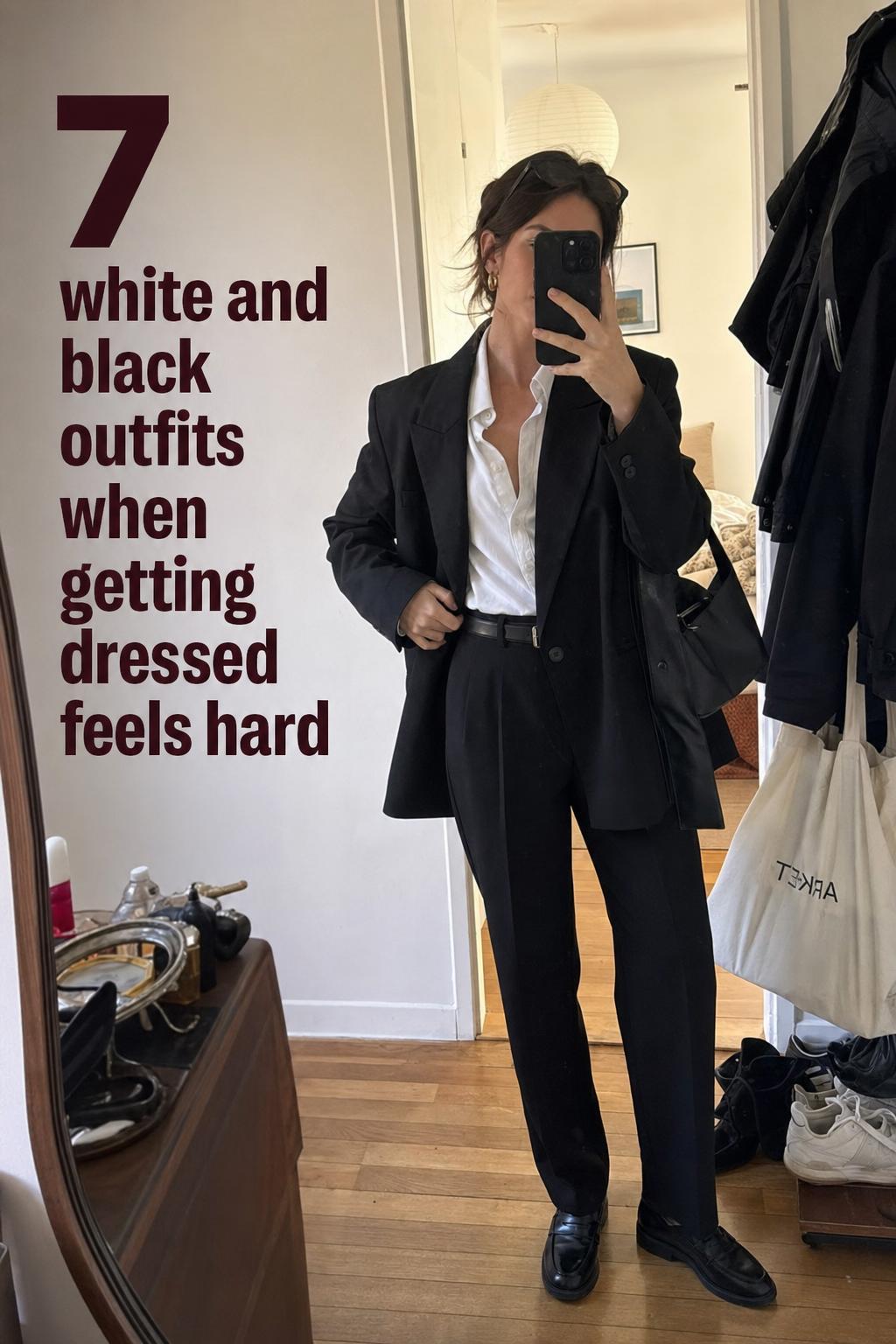
A black blazer over a white top with black pants, or a white blazer layered over darker pieces, is one of the easiest ways to move between casual and polished settings. This is especially useful for days when you start with errands or lunch and end with dinner or a meeting. The blazer acts as the bridge.
Why this outfit works: structured outerwear elevates basics immediately. Even a simple T-shirt and trousers can look intentional once the blazer is added. This is also a smart way to adapt influencer-style monochrome looks into something more wearable for everyday life.
The monochrome dress look with belt and bag details
A white-and-black dress, including striped or color-blocked variations, can be styled very simply with a belt, bag, and clean shoes. This formula is especially effective when you want one piece to do most of the work. A belt can add shape, while the bag helps set the tone, whether more casual or more polished.
Why this outfit works: the dress already contains the contrast, so the accessories only need to support it. This makes getting dressed easier and can be a good option for days when separate pieces feel too fussy.
What celebrity and designer styling can teach everyday dressing
Celebrity styling is most useful when it shows how strong silhouettes and smart accessories can make a limited palette feel memorable. Charlize Theron is a clear example of this in black-and-white dressing. Her looks connect the monochrome concept to designer pieces from Alaïa, Bottega Veneta, and Givenchy, often moving between red carpet polish and more wearable promo dressing.
The takeaway is not that every outfit needs designer labels. It is that monochrome tends to look best when the shape is deliberate. A clean neckline, a strong shoulder, tailored pants, or a striking accessory can carry the look far more effectively than adding unnecessary detail. Runway-to-street translation works best when you keep the idea but simplify the execution.
Influencer-driven examples do something slightly different. They often show how a white tee, black trousers, and the right shoes can still feel directional in an urban context. This is where city styling references from places like NYC, LA, and London become useful. The same color palette shifts depending on climate and pace: sharper layers in NYC, lighter pieces in LA, and smart layering in cooler, moodier settings.
Seasonal shifts that change the mood of monochrome
One reason white and black outfits stay relevant is that they adapt easily to changing temperatures. The formula does not need to change completely with the season. Instead, the fabrics, layers, and weight of the accessories do the work.
Fall layering that feels cozy but polished
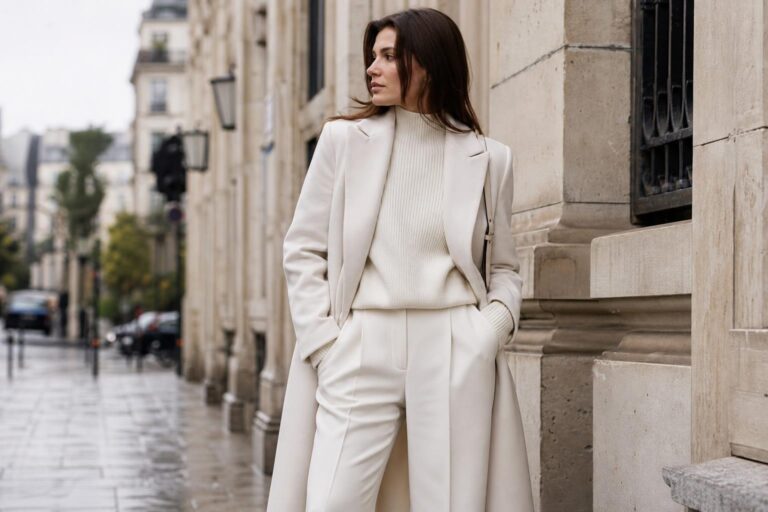
Fall is where monochrome can look especially rich. Black outerwear, knit layers, trousers, and boots paired with white tops or lighter knitwear create contrast without losing warmth. WOAHSTYLE’s fall-focused approach points to layering and texture as the key elements here, and that makes sense in real life. A black coat or leather jacket over a white knit and dark pants creates immediate depth.
Why this outfit works: heavier fabrics give black more visual weight, while a white layer keeps the outfit from feeling too dark. This is also a strong season for wool, leather, and textured knits, which naturally make monochrome more interesting.
Spring and summer looks that feel lighter
In warmer weather, the best white and black outfits usually rely on breathable fabrics and simpler shapes. White takes up more space in the outfit, and black appears in accents, trim, or one key piece. White denim, a white blouse with black pants, or a black dress with white accessories all feel seasonally appropriate without abandoning the monochrome theme.
Why this outfit works: reducing the visual heaviness makes the outfit more comfortable and easier to wear in daylight. Lightweight fabrics also move better, which helps monochrome feel effortless rather than severe.
Accessories are often what make monochrome look finished
Accessories are central to black-and-white dressing because they determine whether the outfit feels minimal, work-ready, soft, or fashion-forward. In many monochrome outfits, the clothing is intentionally simple, so bags, belts, shoes, and jewelry carry more visual responsibility than they would in a colorful outfit.
How to choose bags, belts, jewelry, and shoes
- Use a belt when the outfit needs shape or a stronger waistline
- Choose structured bags when you want casual basics to look more polished
- Keep jewelry clean and intentional so it enhances rather than distracts
- Let shoes either blend for a lengthening effect or contrast for a sharper statement
A useful trick is to decide which part of the outfit should feel anchored. If the look already has strong contrast in the clothing, simple shoes often work best. If the outfit is mostly one color with one opposite accent, shoes can be used to repeat and balance that contrast. This prevents the look from feeling top-heavy or visually disconnected.
When a small color pop can help
Although monochrome styling is built around black and white, subtle color accents can still complement it. A touch of red or metallics can add energy without taking over. The key is restraint. In a strong black-and-white outfit, a color pop works best as a deliberate accent rather than a competing third story.
This is particularly useful for date night or events, when a fully grayscale look may feel a little strict. A metallic shoe, a red lip-inspired accessory choice, or one standout bag can soften the formality while keeping the outfit cohesive.
Real-life styling notes for body shape, comfort, and proportion
The reason some white and black outfits feel effortless and others feel awkward usually comes down to proportion. Color contrast naturally draws the eye, so where you place white and black matters. If you want to highlight the upper body, keep white near the face with a white blouse or shirt. If you prefer a longer, uninterrupted lower half, black trousers or a black skirt can create that effect more easily.
Oversized layers usually work best with a more fitted or cleaner bottom. A relaxed blazer or chunky knit over slim or straight trousers creates visual balance. If both top and bottom are very oversized, the outfit can lose structure unless the fabrics are crisp enough to hold shape. On the other hand, a fitted top with wider trousers often feels modern and comfortable while still looking intentional.
Footwear also changes proportion more than many people expect. Shoes that visually connect with black trousers can make the legs look longer because they create less interruption. White shoes can feel fresher and more directional, but they draw attention downward, so they work best when that contrast feels intentional and repeated elsewhere in the outfit.
Tips for making monochrome feel wearable all day
- Choose fabrics based on how long you will be wearing the outfit, not just how it looks in the mirror
- Use layers you can remove easily if your day moves between indoor and outdoor settings
- Do not force a highly structured look for casual days if comfort will make you adjust it constantly
- Keep at least one element soft, such as knitwear, a relaxed shirt, or easier trousers, so the outfit feels natural
This is especially important for work meetings, city commutes, travel, and event days. The most successful outfits are not only visually strong; they also stay comfortable enough to wear confidently for hours.
Inclusive styling and everyday elegance
White and black outfits are often described as universal, but how they feel on the body and against the skin can still vary. Inclusive styling matters because the goal is not just contrast for its own sake. It is choosing silhouettes and tones within the black-and-white palette that feel sharp, flattering, and expressive on the person wearing them. This is one reason guidance centered on Black women and everyday elegance feels important within this category.
In practice, this may mean paying more attention to neckline, fabric finish, and how bright white sits near the face. It may also mean choosing stronger silhouettes or accessories that bring warmth and personality into the outfit. Elevated basics work especially well here because they let the wearer control the balance between softness and contrast rather than letting the palette dominate the look.
The strongest inclusive styling advice is often the most practical: let the fit lead, let the texture add dimension, and use accessories to make the outfit feel personal. That approach keeps monochrome from feeling generic.
Common mistakes that can make white and black outfits feel flat
Even timeless outfit formulas have weak versions. The issue is rarely the colors themselves. It is usually a matter of finish, shape, or lack of contrast in the right place.
- Using identical flat textures throughout the outfit, which can make monochrome look dull
- Ignoring proportion, especially with oversized pieces that do not have a balancing element
- Adding too many accessories, which fights against the clean strength of the palette
- Choosing pieces that are too formal for the setting, making the look feel stiff instead of polished
- Forgetting practicality, such as delicate fabrics for long workdays or heavy layers in warmer climates
A better approach is to keep the outfit simple, then improve one thing at a time: sharper outerwear, a cleaner shoe choice, a better belt, or more thoughtful texture contrast. Small adjustments usually have more impact than adding more pieces.
A smart monochrome capsule for busy weeks
If you want white and black outfits to become easier, think in terms of a small rotation rather than endless options. A monochrome capsule wardrobe works because most pieces already belong together. It reduces decision fatigue and makes weekday dressing faster.
A practical starter wardrobe might include a white shirt, a white blouse, black trousers, white denim, a black dress, a blazer, one outerwear piece, and a few accessories such as a bag, belt, and shoes. From there, you can create office looks, casual city outfits, dinner combinations, and seasonal layers without rebuilding the whole outfit every time.
There is also a useful sustainability angle here. Durable monochrome pieces are often reworn more often because they mix so easily. A smaller wardrobe of dependable black-and-white basics can be more useful than a larger collection of trend-led items that only work once or twice.
FAQ
What makes white and black outfits look so polished?
They create immediate contrast and visual clarity, which helps silhouettes, tailoring, and accessories stand out more clearly. Because the palette is simple, the outfit often looks more deliberate, especially when the fit is good and the textures are varied.
How do I start a black-and-white capsule wardrobe?
Start with versatile pieces that pair easily across occasions: a white shirt, a white blouse, black trousers, a black dress, white denim, a blazer, and a few simple accessories. Choose items you can wear for work, casual days, and evening plans so the wardrobe stays practical.
What fabrics work best for monochrome outfits?
Cotton, silk, wool, denim, leather, and knits all work well because they add texture and depth to a limited color palette. Mixing matte and slightly shiny finishes helps the outfit feel more dimensional and prevents black and white from looking flat.
How can I make a black-and-white outfit look more expensive?
Focus on clean proportions, structured outerwear, and thoughtful accessories such as a belt or polished bag. Monochrome outfits usually look more elevated when they are not overloaded, so a crisp silhouette and strong fabric choice matter more than adding extra detail.
Are white and black outfits good for fall?
Yes, especially when you use layering and texture. Black outerwear, wool trousers, leather pieces, and knitwear paired with white tops or lighter knit layers create contrast while still feeling seasonally warm and cozy.
How do I style a black dress with white accessories?
Keep the dress as the anchor and use white accessories to sharpen the outfit rather than overwhelm it. A white bag, shoes, or layer can brighten the look and make it feel modern, while a belt can add shape if the silhouette needs more structure.
Can I add color to a monochrome outfit?
Yes, but it works best as a small accent. A touch of red or metallics can complement black and white without taking away from the clean contrast that makes the outfit effective in the first place.
What should I avoid when styling white and black outfits?
Avoid relying on flat textures only, wearing proportions that fight each other, or adding too many accessories at once. The strongest monochrome outfits usually feel clean, balanced, and appropriate for the setting rather than overly complicated.
How can I make monochrome outfits work for everyday wear?
Use familiar basics and adapt them to real life with comfortable fabrics, easy layers, and practical shoes. A white blouse with black pants, white denim with a black top, or a black dress with simple accessories all work well because they are easy to repeat and adjust throughout the week.
Finish the look
The little extras that make a summer outfit feel complete
From beach days to city weekends, these easy pieces bring comfort, texture, and a polished finishing touch.

FENBEN
Straw Hobo Crossbody Bag
A handwoven straw bag with both short and crossbody straps—an effortless finishing touch for vacation looks and warm-weather outfits.
Shop the bag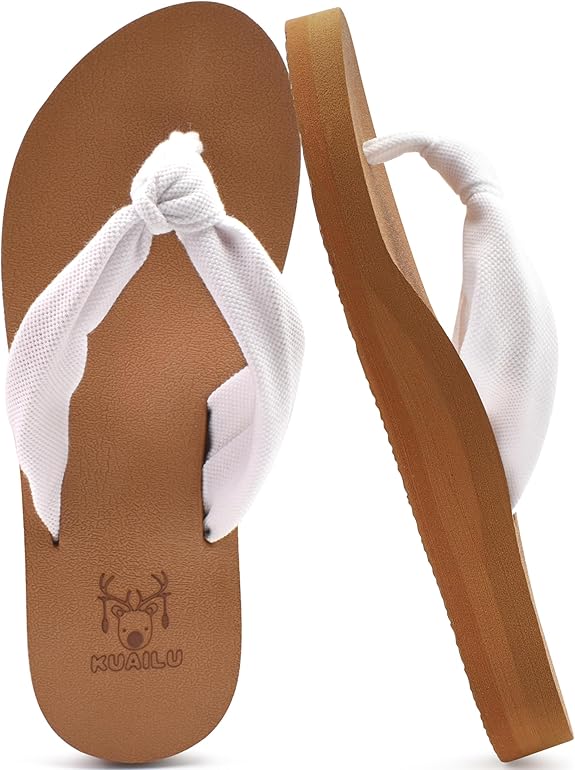
KuaiLu
Flip Flops with Arch Support
Cushioned, lightweight sandals with supportive arch design—a practical choice for beach trips, errands, and long summer walks.
Shop the sandals
baleaf
Athletic One-Piece Swimsuit
A functional one-piece with adjustable straps and moderate coverage, designed for swimming, training, surfing, and active beach days.
Shop the swimsuit
Astylish
Linen-Cotton Button-Down Shirt
A relaxed cotton-linen shirt with a collared V-neck and roll-up sleeves—easy to style over swimwear or with denim and shorts.
Shop the shirt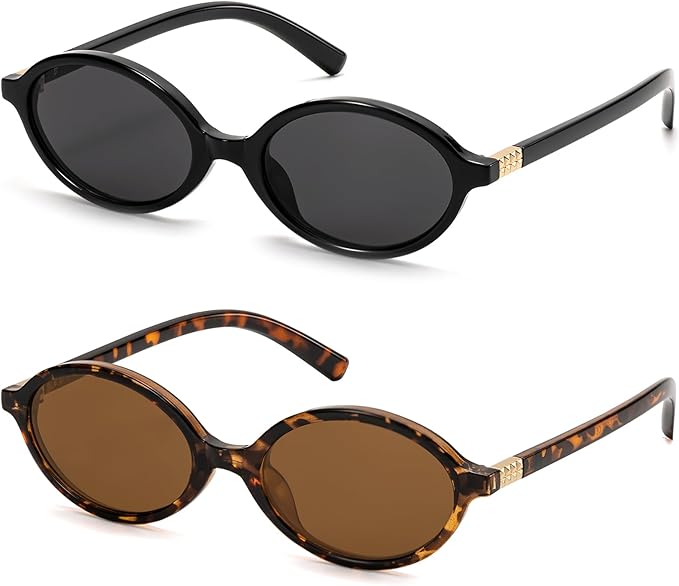
ViewJoy
Retro Oval Sunglasses
Small oval sunglasses with a 90s-inspired silhouette and UV400 lens protection—a quick way to add a vintage edge to everyday looks.
Shop the sunglasses
Affiliate disclosure: This section contains affiliate links. If you make a purchase through these links, I may earn a commission at no additional cost to you. Product selection, pricing, availability, and delivery terms may change—please review the current details on Amazon before purchasing.
As an Amazon Associate I earn from qualifying purchases.