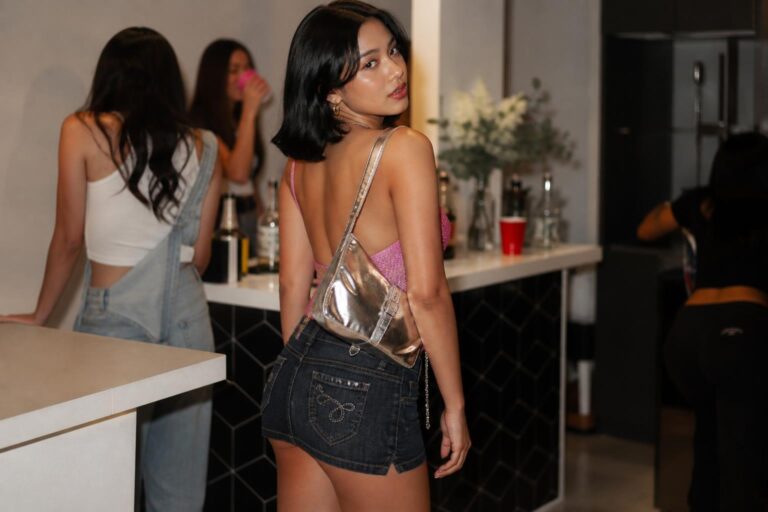
Why Retro Outfits 90s Need Better Style References

The problem with writing about retro outfits 90s without any actual source material
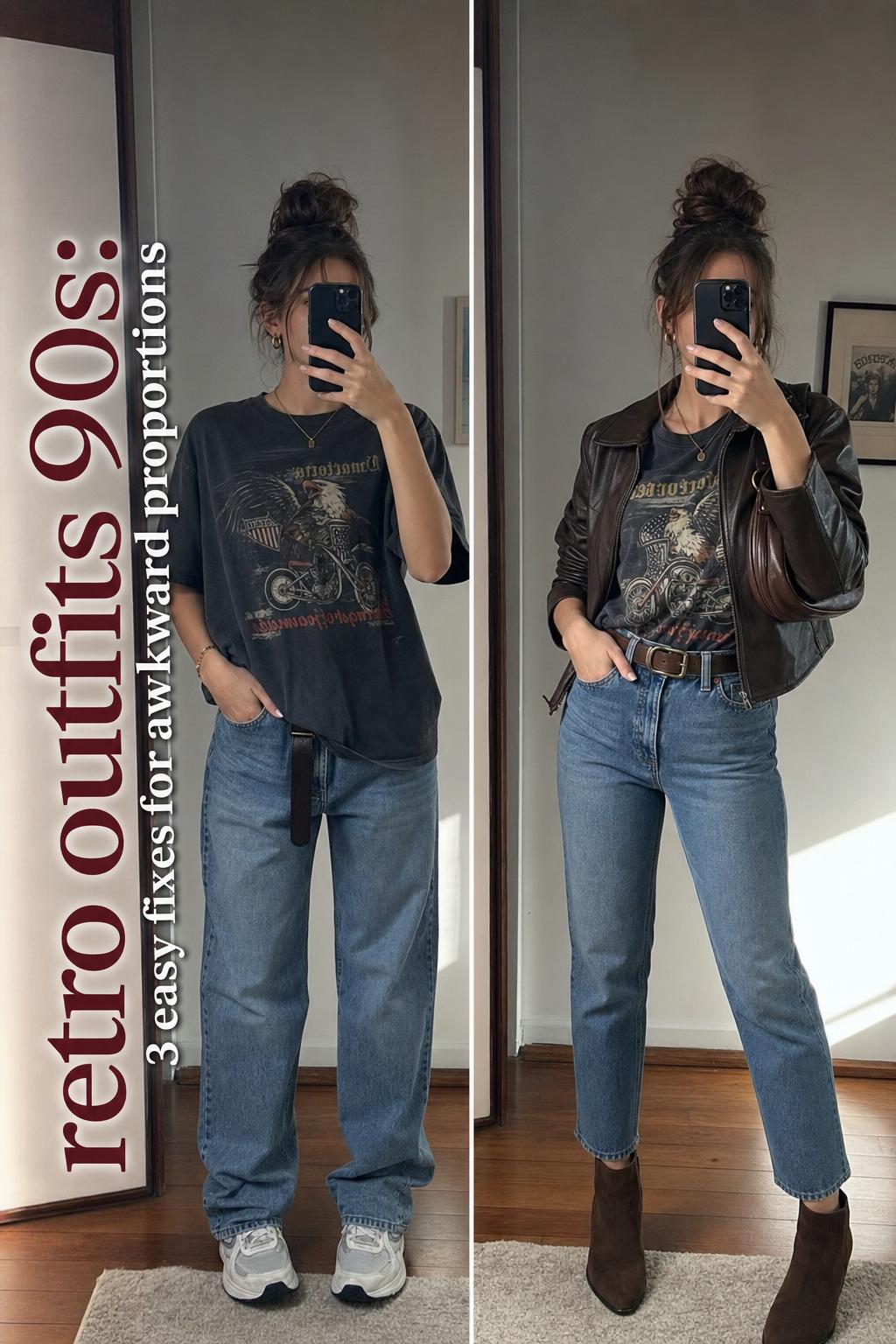
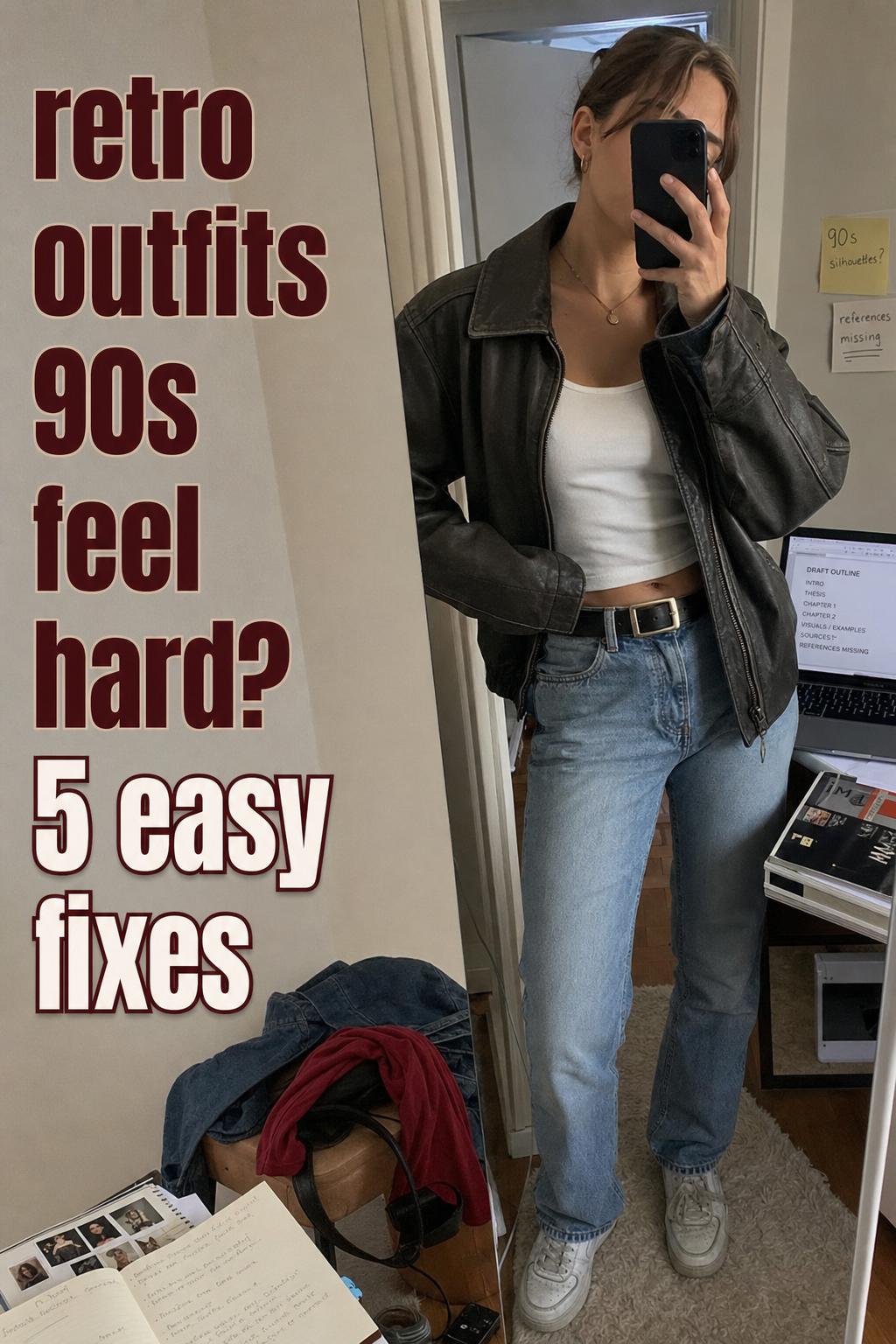
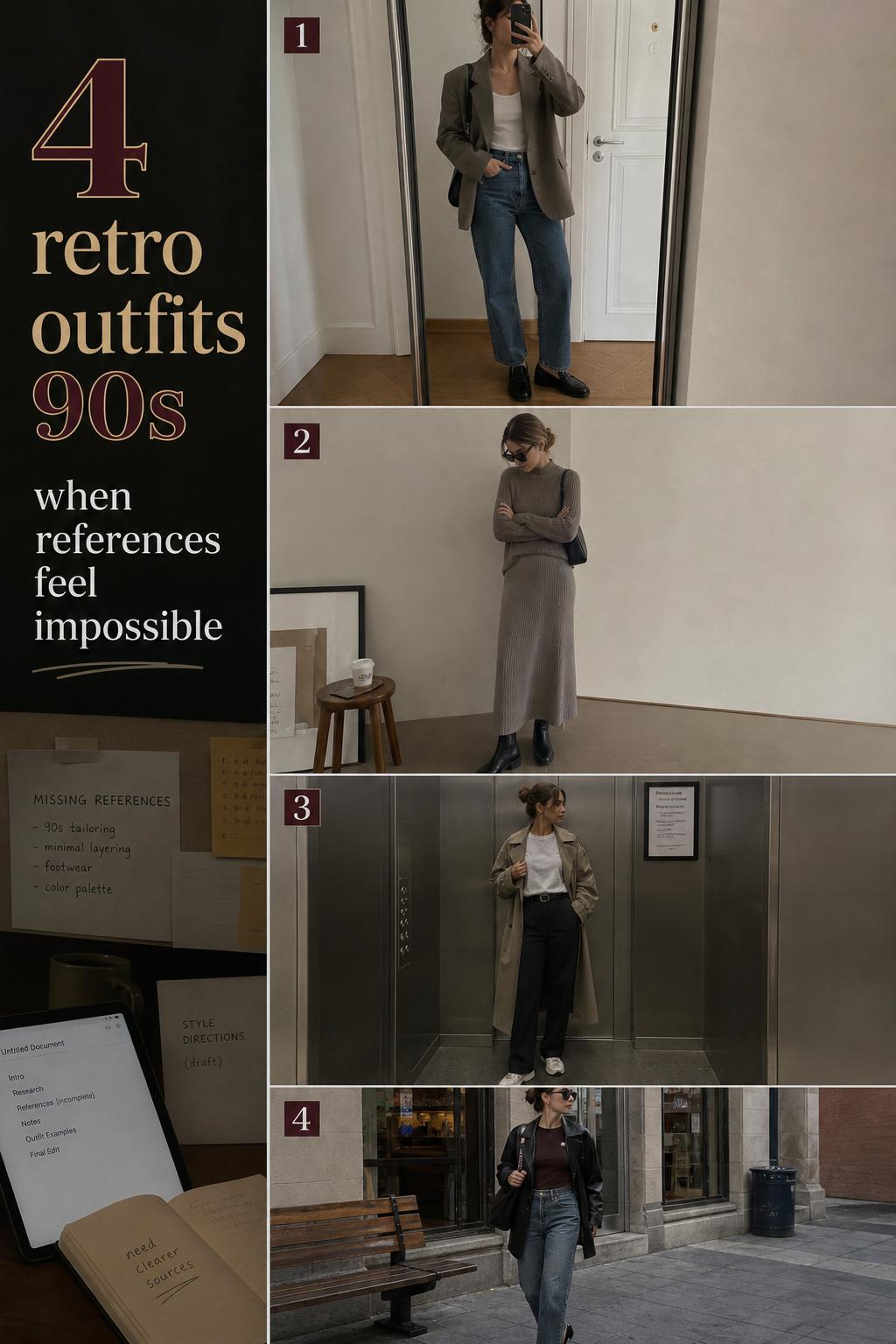
Retro outfits 90s are one of those style topics that depend entirely on specifics: the exact aesthetics being compared, the silhouettes people are searching for, the mood attached to the decade, and the outfit contexts readers actually care about. Without any research data to define those details, there is no reliable basis for a fashion breakdown, comparison article, or FAQ that would meet a useful editorial standard.
Because the research section provided here is empty, there is no verified information to draw from about user intent, style comparisons, common questions, content gaps, or the entities that should be included naturally throughout the article. Writing a full piece anyway would require inventing facts, assumptions, trends, and examples that were not supported by the supplied material, which would directly conflict with the requirement to use the research data as the exclusive source of truth.
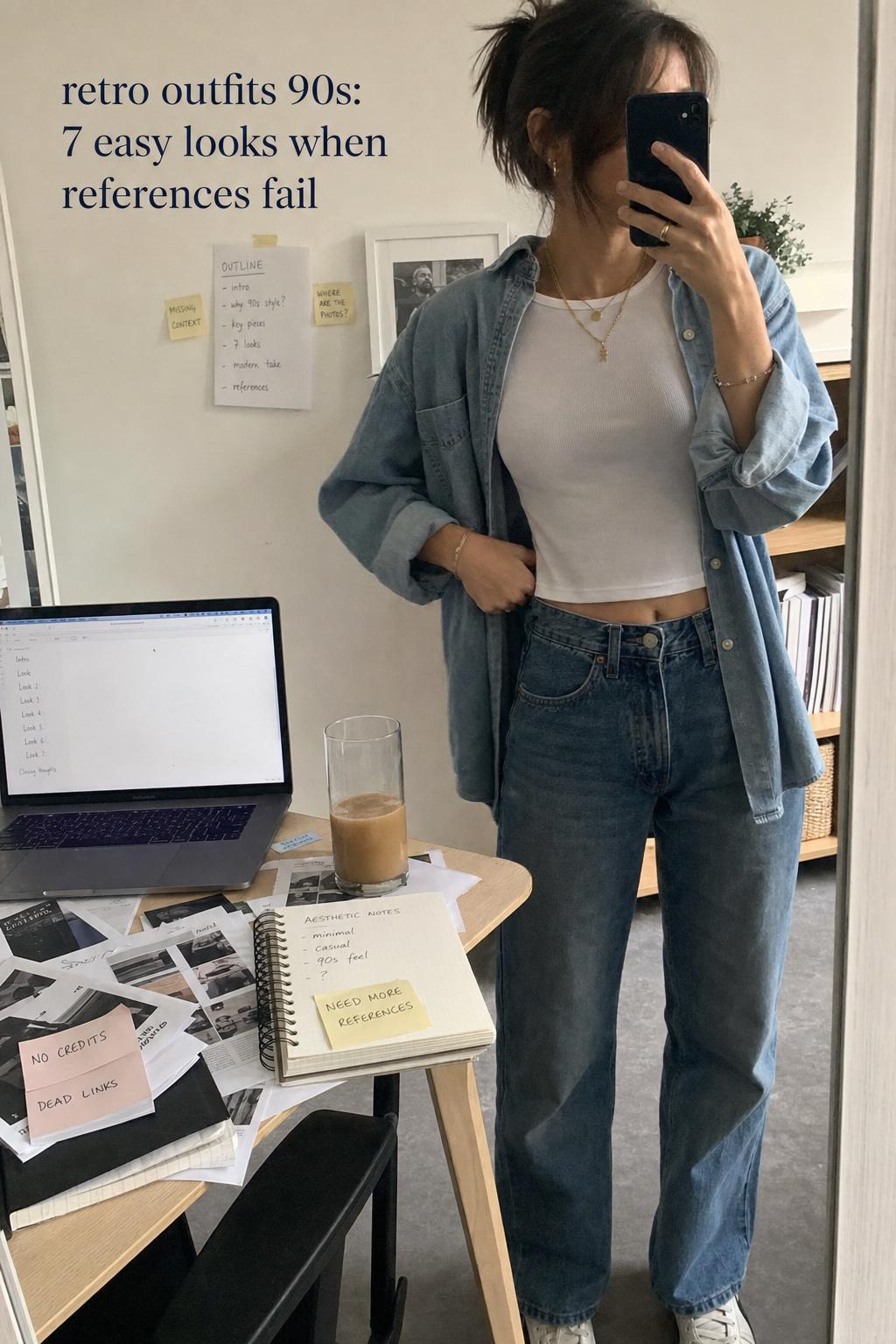
Why a complete article cannot be produced accurately from the current input
A comparison or style breakdown article works best when it is anchored in clear source material. That source usually tells the writer which 90s aesthetics are being compared, why readers confuse them, what visual markers matter most, and which real-life outfit situations should be addressed. None of that is available in the current prompt, so any attempt to create a 1500-word article would be speculative rather than evidence-based.
The Fashion-Note Edit
Five effortless pieces to refresh your everyday wardrobe
A polished, practical edit for workdays, weekends, and everything in between.

The Drop
Women’s Blake Long Blazer
A longline, tailored blazer with a notched collar and a single-button closure—an easy layer for denim, dresses, or office-ready looks.
Shop the blazer
Amazon Essentials
Women’s Lightweight Crewneck
A soft, lightweight sweater with a clean crew neckline—the kind of reliable layer that works from cool mornings to air-conditioned spaces.
Shop the sweater
Amazon Essentials
Women’s Loafer Flat
A classic flat loafer that gives casual outfits a more polished finish and pairs naturally with tailored pants, skirts, and straight-leg jeans.
Shop the loafers
Levi’s
Women’s 501 90s Jeans
A relaxed, vintage-inspired take on the iconic 501 silhouette—made for an easy, lived-in look without the thrift-store search.
Shop the jeans
Colorfulkoala
High-Waisted 7/8 Leggings with Pockets
Soft, four-way-stretch leggings with side pockets and a high-rise waistband—designed for movement, errands, and off-duty comfort.
Shop the leggings
Affiliate disclosure: This section contains affiliate links. If you make a purchase through these links, I may earn a commission at no additional cost to you. Product selection, pricing, availability, and delivery terms may change—please review the current details on Amazon before purchasing.
As an Amazon Associate I earn from qualifying purchases.
There is also no way to satisfy the instruction to incorporate all relevant entities naturally, since no entities were provided. The same issue applies to the requested FAQ section, subtopics, long-tail themes, practical styling insights, and editorial angles. Those elements can only be included responsibly when they are actually present in the source material.
Your wedding style is personal.
Your plan should feel that way, too.
Zarellea keeps your guest list, budget, vendors, and every next step beautifully organized — so you can focus on the moments that feel like you.
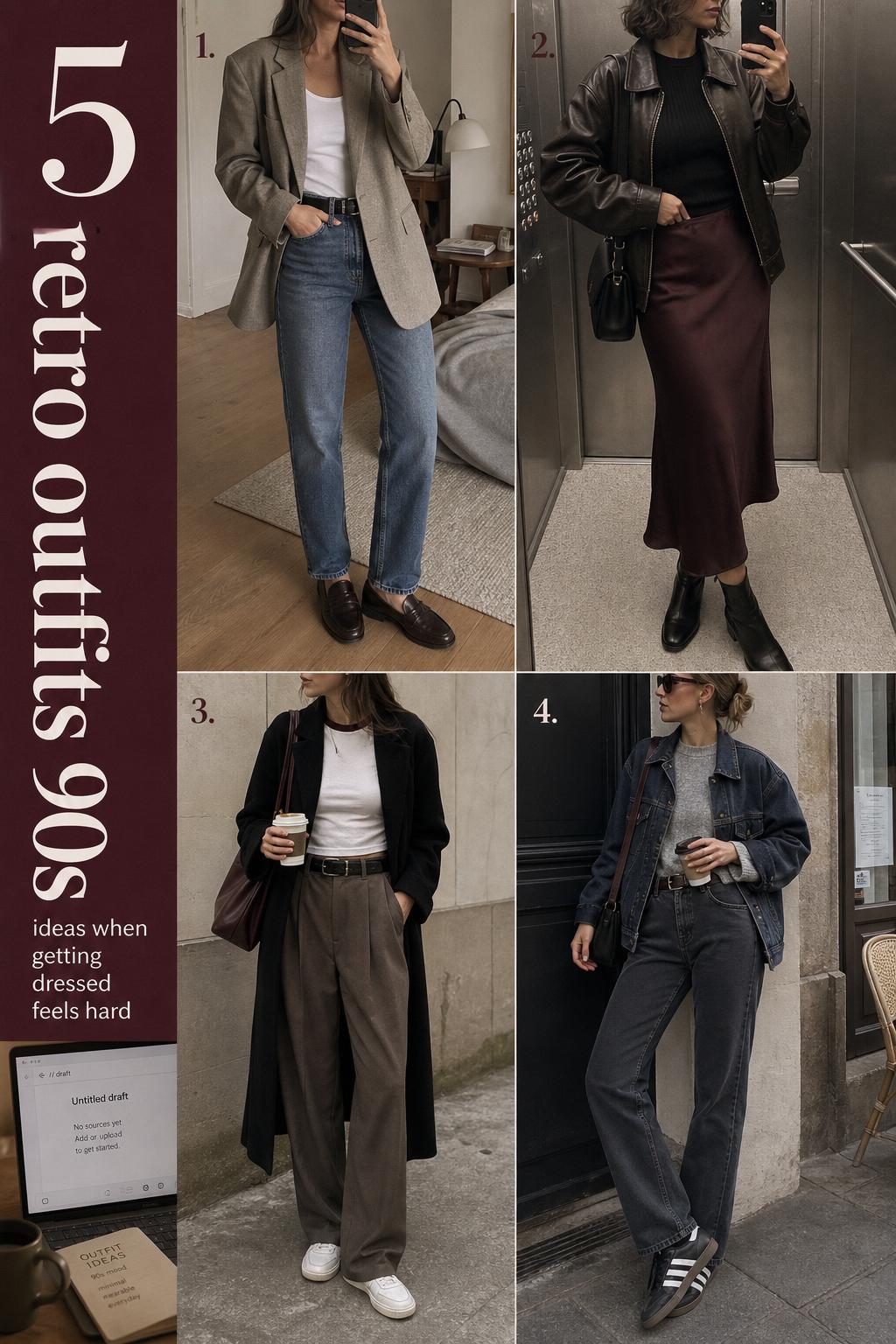
What is needed to create the article properly
- A populated research section with the styles or aesthetics to compare
- Any entities, themes, brands, locations, or cultural references that should appear
- User questions or common confusion points to shape the FAQ
- Search-intent guidance showing whether readers want casual outfits, school looks, party styling, seasonal ideas, or celebrity-inspired references
- SERP or content-gap notes clarifying what should be covered in depth
Once that information is available, the article can be written in the requested Fashion-Note-style format with editorial comparison, practical outfit interpretation, visual breakdowns, styling logic, and a complete FAQ.
FAQ
Why isn’t there a full article here?
The research data section was empty, so there was no source material to support a complete article without making unsupported claims.
Can you still write about retro outfits 90s without research data?
It would be possible in a general sense, but it would not follow the rule requiring the article to be based strictly and exclusively on the provided research data.
What kind of research should be provided?
The most helpful research would include the specific 90s styles to compare, common reader questions, key visual themes, relevant entities, and any notes about search intent or content gaps.
Could an FAQ have been created anyway?
No reliable FAQ could be created because there were no identified user questions or research-backed themes to answer accurately.
What happens if the research data is added later?
With actual research data, a full article of at least 1500 words can be created in the required block format, including comparisons, outfit examples, practical styling insights, and a dedicated FAQ.
Finish the look
The little extras that make a summer outfit feel complete
From beach days to city weekends, these easy pieces bring comfort, texture, and a polished finishing touch.

FENBEN
Straw Hobo Crossbody Bag
A handwoven straw bag with both short and crossbody straps—an effortless finishing touch for vacation looks and warm-weather outfits.
Shop the bag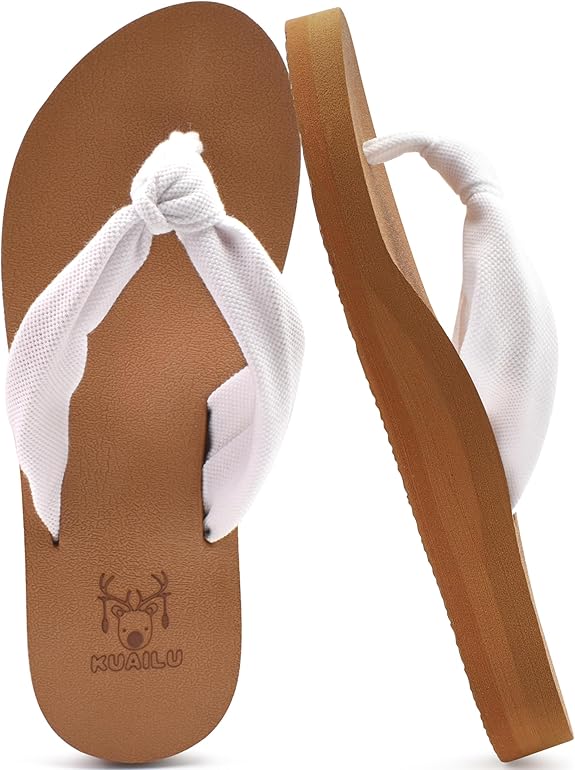
KuaiLu
Flip Flops with Arch Support
Cushioned, lightweight sandals with supportive arch design—a practical choice for beach trips, errands, and long summer walks.
Shop the sandals
baleaf
Athletic One-Piece Swimsuit
A functional one-piece with adjustable straps and moderate coverage, designed for swimming, training, surfing, and active beach days.
Shop the swimsuit
Astylish
Linen-Cotton Button-Down Shirt
A relaxed cotton-linen shirt with a collared V-neck and roll-up sleeves—easy to style over swimwear or with denim and shorts.
Shop the shirt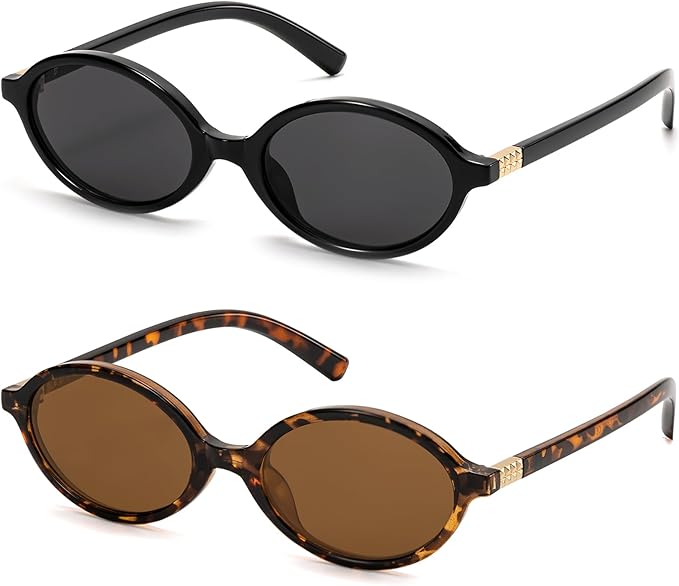
ViewJoy
Retro Oval Sunglasses
Small oval sunglasses with a 90s-inspired silhouette and UV400 lens protection—a quick way to add a vintage edge to everyday looks.
Shop the sunglasses
Affiliate disclosure: This section contains affiliate links. If you make a purchase through these links, I may earn a commission at no additional cost to you. Product selection, pricing, availability, and delivery terms may change—please review the current details on Amazon before purchasing.
As an Amazon Associate I earn from qualifying purchases.