London Winter Outfits: Chic, Warm Looks for Your Next Trip
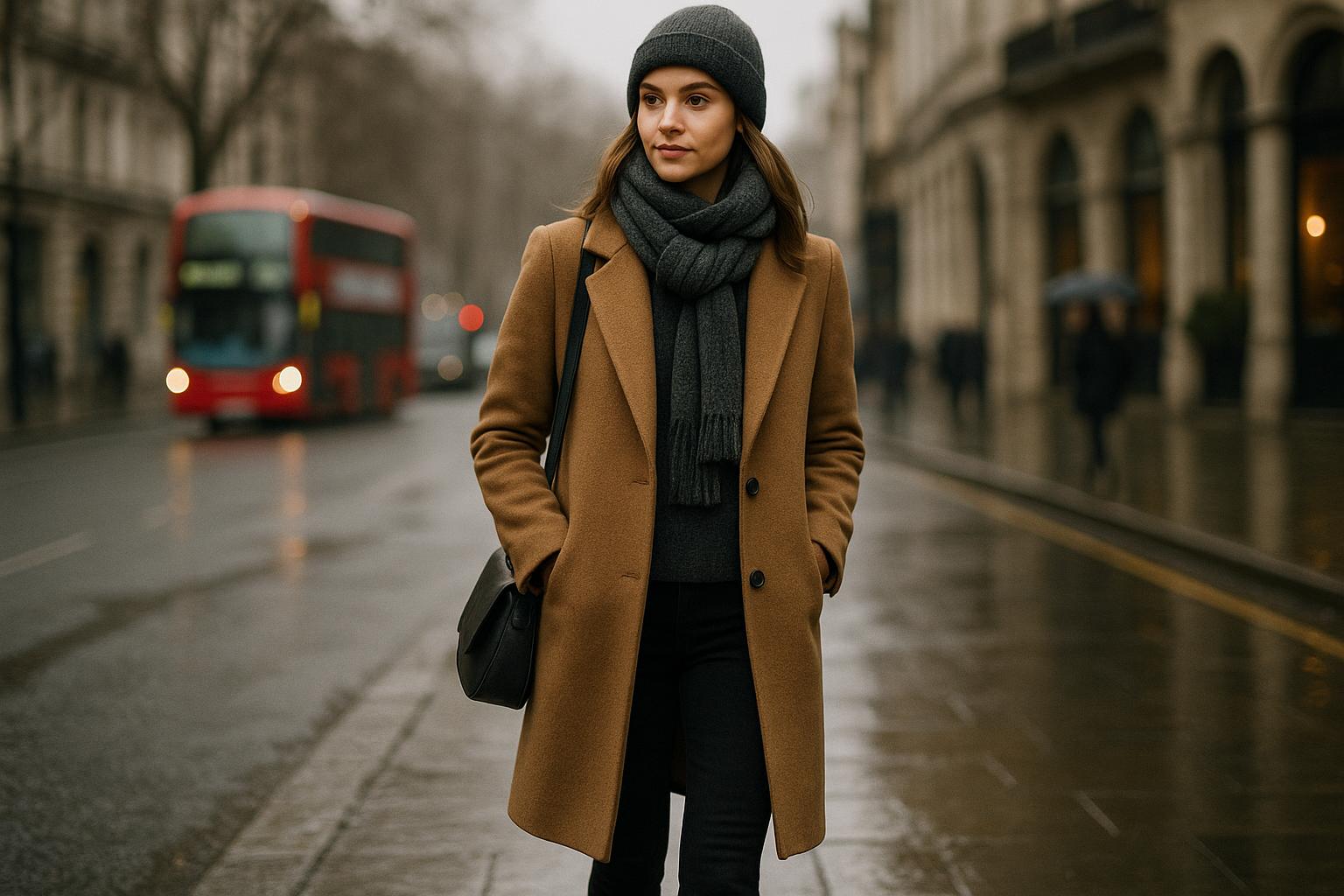
London Winter Outfits: How to Dress Smart, Warm, and Stylish
Winter days in London often begin with misty mornings, crowded underground stations, and the familiar rhythm of city life returning after the holidays. Unlike resort destinations, London style tends to balance practicality with understated elegance. Locals move quickly between cafés, galleries, offices, and evening dinners, so outfits need to feel comfortable for walking while still looking polished. The key to dressing well in London during winter is thoughtful layering, versatile outerwear, and shoes that can handle long days in the city.
Looking for a complete guide? Read our Winter Outfit Ideas Guide.
This guide walks through what to wear in London in winter, essential items to pack, outfit formulas for different occasions, and practical tips for staying comfortable in unpredictable city weather while maintaining a polished, city-appropriate look.
The Fashion-Note Edit
Five effortless pieces to refresh your everyday wardrobe
A polished, practical edit for workdays, weekends, and everything in between.

The Drop
Women’s Blake Long Blazer
A longline, tailored blazer with a notched collar and a single-button closure—an easy layer for denim, dresses, or office-ready looks.
Shop the blazer
Amazon Essentials
Women’s Lightweight Crewneck
A soft, lightweight sweater with a clean crew neckline—the kind of reliable layer that works from cool mornings to air-conditioned spaces.
Shop the sweater
Amazon Essentials
Women’s Loafer Flat
A classic flat loafer that gives casual outfits a more polished finish and pairs naturally with tailored pants, skirts, and straight-leg jeans.
Shop the loafers
Levi’s
Women’s 501 90s Jeans
A relaxed, vintage-inspired take on the iconic 501 silhouette—made for an easy, lived-in look without the thrift-store search.
Shop the jeans
Colorfulkoala
High-Waisted 7/8 Leggings with Pockets
Soft, four-way-stretch leggings with side pockets and a high-rise waistband—designed for movement, errands, and off-duty comfort.
Shop the leggings
Affiliate disclosure: This section contains affiliate links. If you make a purchase through these links, I may earn a commission at no additional cost to you. Product selection, pricing, availability, and delivery terms may change—please review the current details on Amazon before purchasing.
As an Amazon Associate I earn from qualifying purchases.
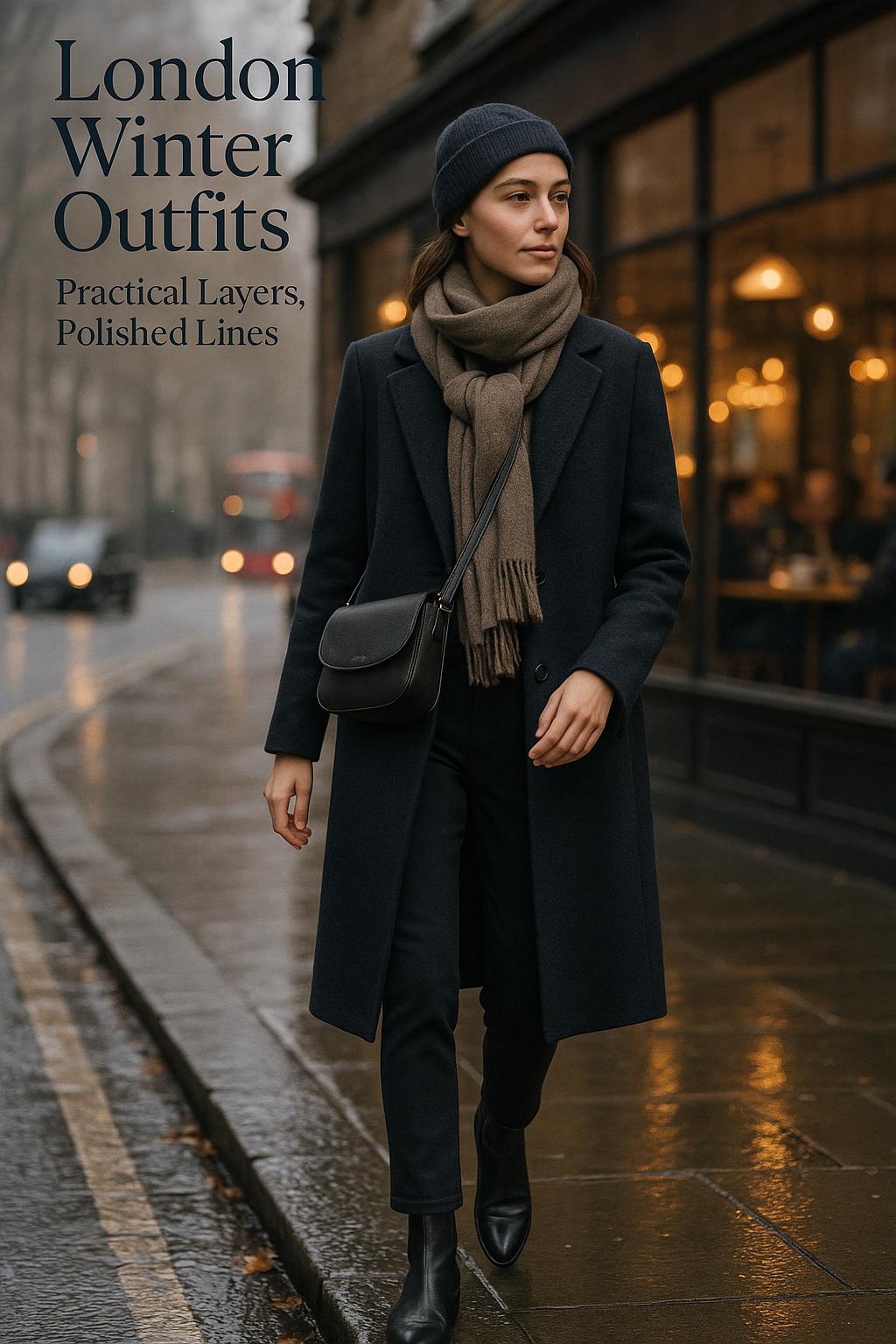
The Effortless Winter Style London Is Known For
London winter fashion is often described as effortless but intentional. Many locals rely on simple pieces such as wool coats, dark denim, structured blazers, and leather boots that can be mixed into multiple outfits. Neutral tones like black, charcoal, navy, and camel dominate winter wardrobes, creating a cohesive look that works across different parts of the city. The result is a style that feels relaxed but still refined, perfectly suited to busy urban days.

Your wedding style is personal.
Your plan should feel that way, too.
Zarellea keeps your guest list, budget, vendors, and every next step beautifully organized — so you can focus on the moments that feel like you.
Dressing for Long Days in the City
Exploring London usually involves a surprising amount of walking. Even when using the Underground, visitors often walk between stations, neighborhoods, and attractions. Because of this, outfits that combine warmth with mobility tend to work best. Soft knit layers, comfortable trousers, and supportive footwear make it easier to move between outdoor sightseeing and indoor spaces like museums, cafés, or historic pubs.
What Winter in London Really Feels Like
London winters are typically cold, damp, and overcast rather than brutally freezing. Temperatures often hover in the 30s to 40s Fahrenheit (low single digits in Celsius) with occasional colder snaps and frequent light rain or drizzle. Wind can make it feel colder, especially along the Thames or in open squares and parks. Because you will likely be moving between outdoor streets, public transport, and heated indoor spaces, your outfits should be easy to adapt by removing or adding layers without losing style.
Footpaths can get wet and occasionally slushy, and daylight hours are short, which affects color and fabric choices. Darker tones and practical materials that handle moisture and city grime well tend to be both functional and aligned with local style. Think of London winter outfits as a balance between weatherproof performance and sophisticated urban aesthetics.
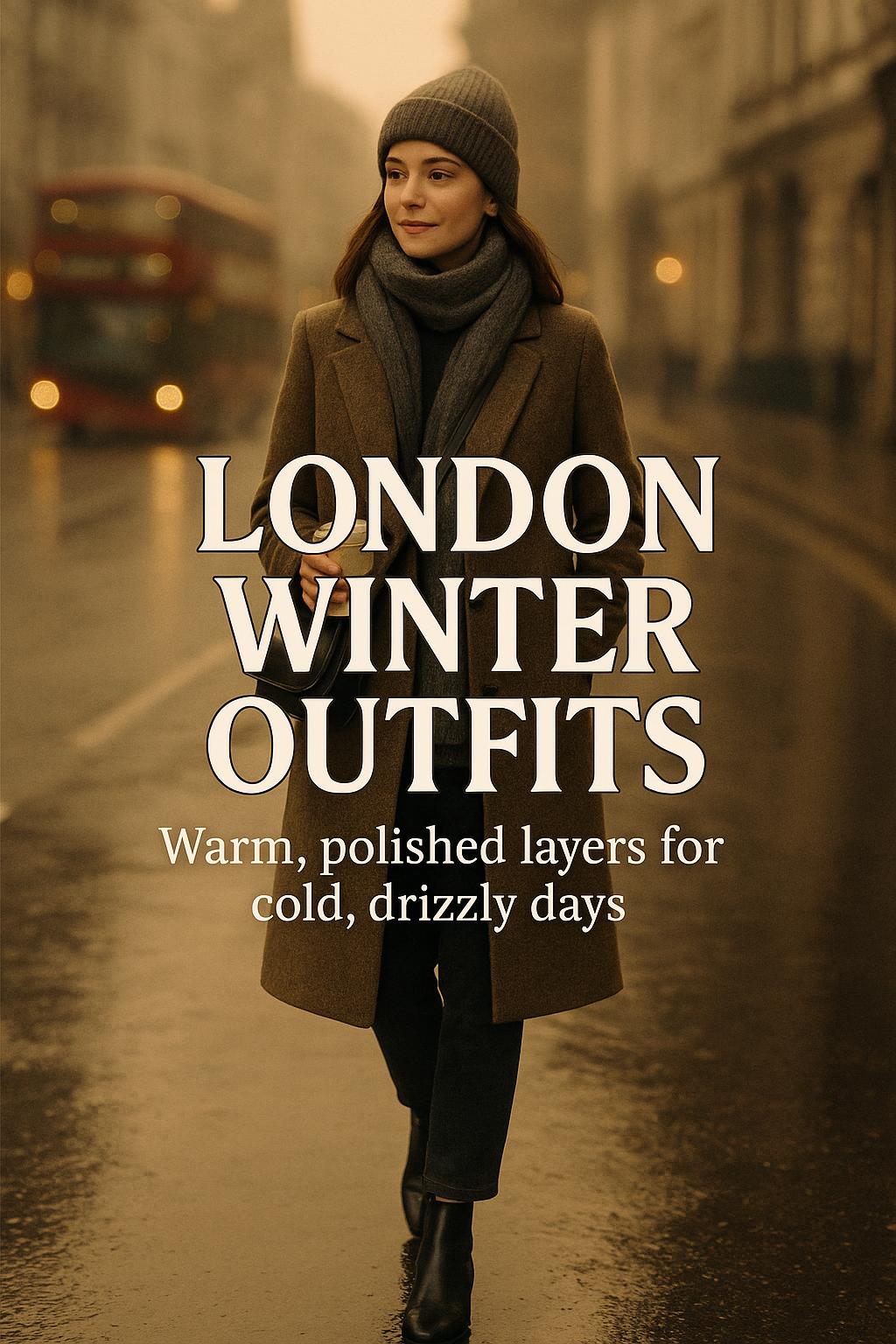
Core Principles for London Winter Outfits
To build reliable London winter outfits, it helps to follow a few core principles that underlie everything from outerwear to accessories. These ideas guide choices so you always feel prepared without overpacking or resorting to purely technical clothing that clashes with the city’s smart-casual vibe.
Layering Is Non-Negotiable
Layering lets you adapt to the constant shifts between cold streets, heated shops, packed Tube trains, and cozy cafes. Instead of relying on one bulky coat, build your look with a warm base layer, a midlayer like a sweater or cardigan, and a weather-resistant outer layer. This approach prevents overheating indoors while still keeping you insulated outside.
Water-Resistant, Not Just Warm
Because London winter is often wet as much as it is cold, your outer layer and footwear benefit from being water-resistant or quick-drying. A stylish wool-blend coat can still work if you pair it with an umbrella or a thin, packable rain layer. For many, the ideal combination is a coat that looks tailored yet has at least some level of water resistance so you can handle light rain without sacrificing your outfit.
Comfort for Walking and Public Transport
Most days in London involve a lot of walking and stair-climbing, especially if you rely on the Underground or buses. London winter outfits should prioritize mobility and comfort without appearing overly casual. That means shoes with proper support and grip, coats that allow for arm movement, and bags that are secure but easy to carry in crowded spaces.
Neutral, Mix-and-Match Color Palette
Neutrals such as black, navy, camel, charcoal, and cream dominate winter style in London. They hide rain spots and city grime, coordinate easily across multiple outfits, and align with the understated aesthetic you will see on the streets. You can still introduce color—especially in scarves, hats, and sweaters—but using a neutral base ensures your wardrobe works together and requires fewer pieces to create many different looks.
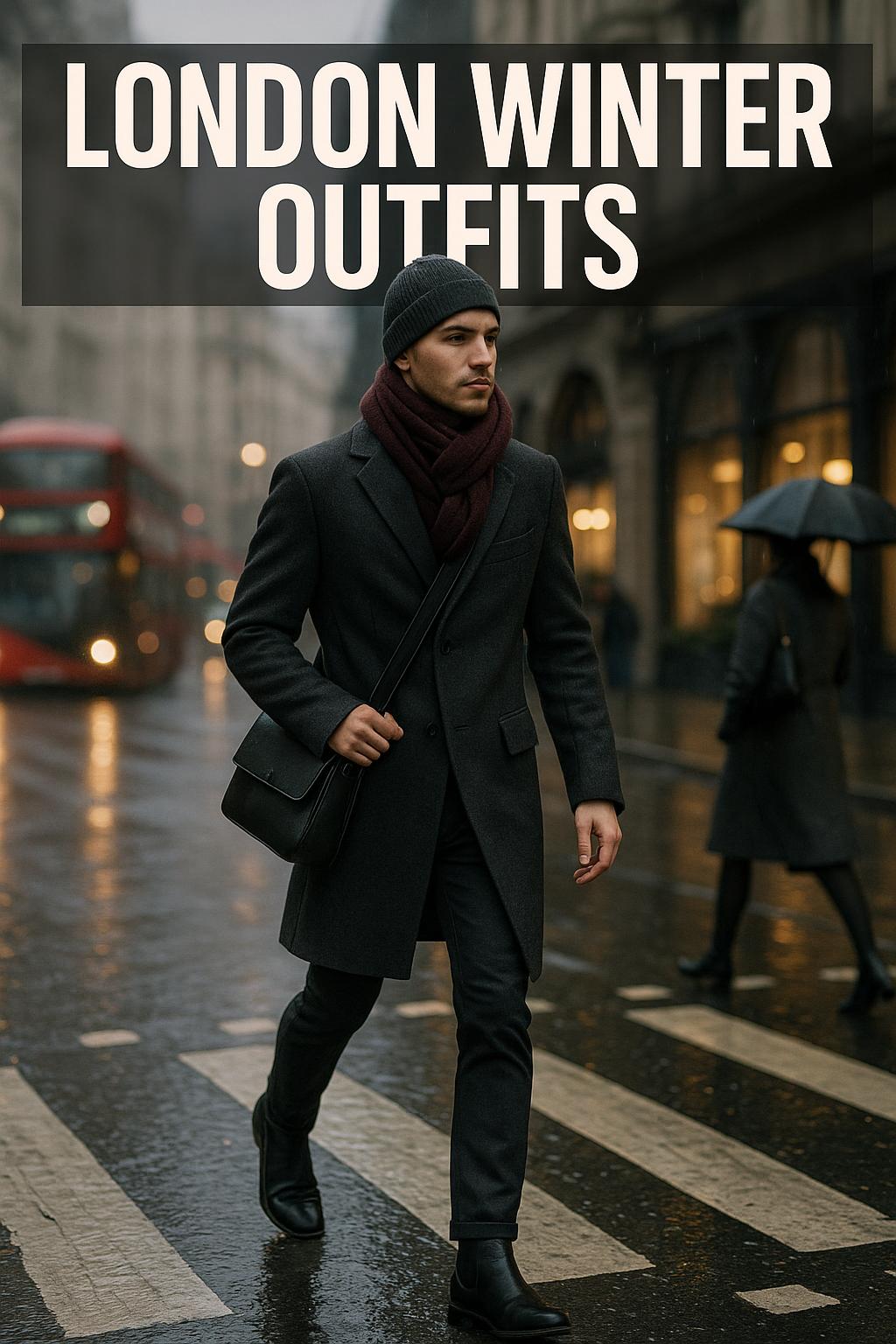
Essential Clothing Items for London Winter
Once you understand the conditions and principles, the next step is choosing the essential items that anchor your London winter outfits. With these pieces, you can create polished combinations that work for sightseeing, work, museums, dinners, and theatre evenings.
Outerwear: The Centerpiece of Your Look
Your coat is the first thing people see, and in winter it will feature in nearly every photo and memory. It needs to be warm, functional, and aligned with your personal style while fitting in with the city’s generally refined aesthetic.
- Wool or wool-blend tailored coat (knee-length or longer) for a classic city look
- Insulated parka with a streamlined silhouette for colder or windier days
- Trench or raincoat layer for wetter conditions, ideally with room for layers underneath
- Lightweight packable puffer to wear under a looser overcoat on particularly cold days
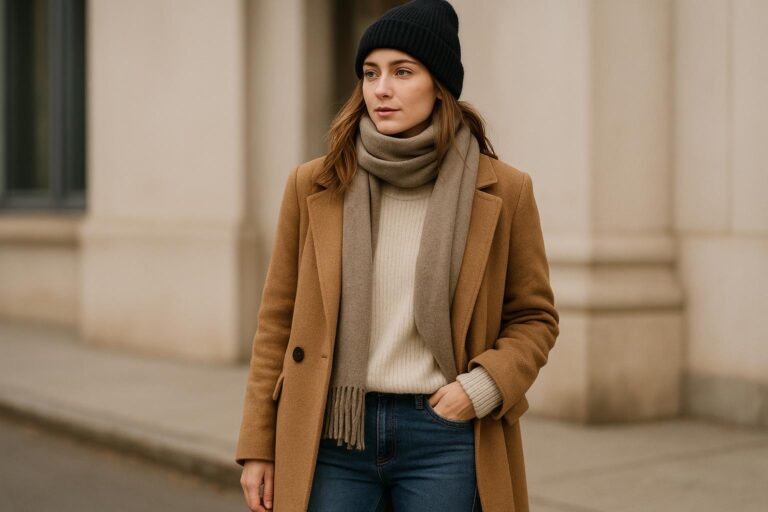
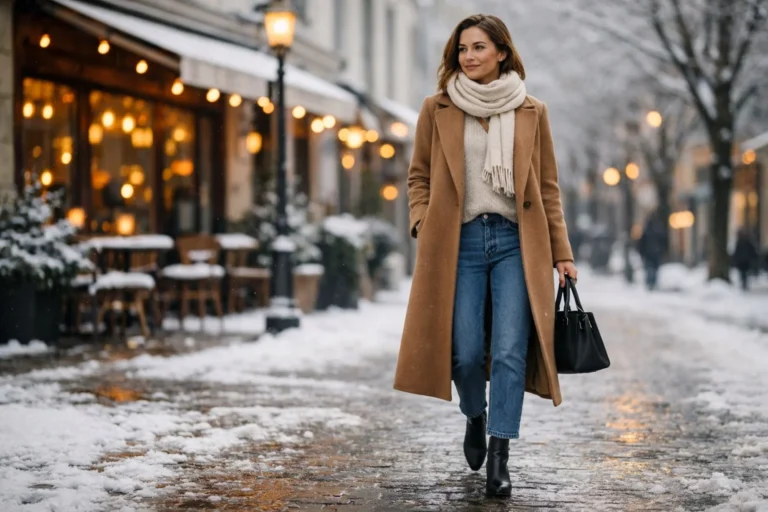
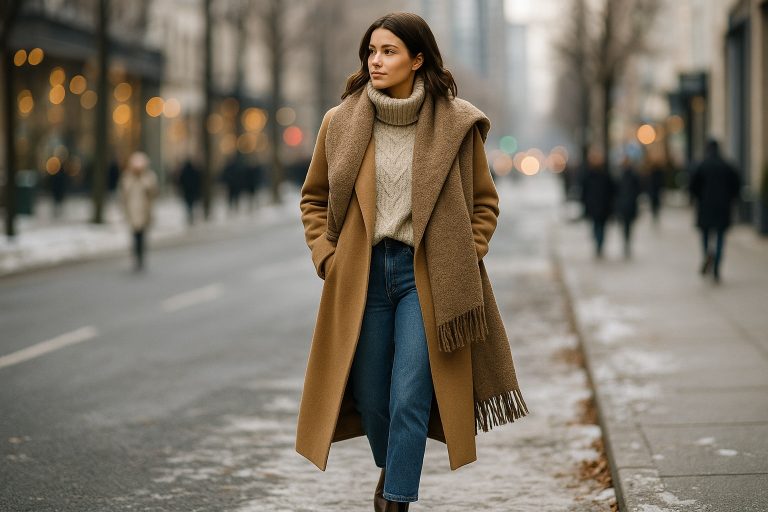
Choose darker tones like black, navy, or charcoal for versatility and practicality. A camel or oatmeal coat adds a chic contrast and photographs beautifully against London’s stone architecture.
Warm Tops and Midlayers
Midlayers trap warmth and provide visual interest under your coat. The most useful pieces are those that layer without bulk, allowing you to peel off as you move indoors but still look polished.
- Lightweight merino or cashmere sweaters, both crewneck and turtleneck
- Fine-knit cardigans that can button or unbutton depending on the temperature
- Cotton or modal turtlenecks and long-sleeved tops as base layers
- Smart blouses or shirts that can be worn under a sweater for work or evenings
Prioritize fabrics that are warm yet breathable, such as merino wool, cashmere blends, or quality cotton. Chunky knits can be cozy but consider how easily they fit under your coat and whether they cause overheating on the Tube.
Bottoms: From Jeans to Tailored Trousers
Bottoms for London winter should be comfortable for long walks but smart enough for a city that rarely dresses in full athleisure for everyday outings. Darker colors are most practical in wet weather and pair easily with nearly any top.
- Dark, straight-leg or slim jeans with a bit of stretch
- Black or navy tailored trousers in wool or heavier twill
- Thick tights or fleece-lined tights to wear under skirts and dresses
- Midi skirts in heavier fabrics that pair well with boots and tights
Opt for cuts that skim the body but leave enough room for base layers like thermal leggings on colder days. Cropped lengths can work if paired with tall boots and warm socks, but full-length trousers are usually more versatile in damp weather.
Dresses and Skirts for a City Winter
Dresses and skirts absolutely work in London during winter as long as you combine them with tights and appropriate footwear. They are especially convenient for evenings at restaurants or theatre performances, where you might prefer something more elevated than jeans.
- Long-sleeved knit dresses that skim the body and work with ankle or knee-high boots
- Midi skirts in wool, knit, or heavier blends for extra warmth
- Wrap or shirt dresses that can be layered with tights and a long coat
Stick to lengths around the knee or mid-calf to shield more of your legs from wind. Pair with opaque or thermal tights and boots that cover the ankle at minimum.
Footwear for Wet Pavements and Long Days
Footwear can make or break your experience of London in winter. Streets can be wet, slick, and uneven, and you may walk several miles in a single day without realizing it. Stylish yet sturdy shoes with proper grip and support are essential.
Boots That Balance Style and Practicality
Boots are the backbone of London winter outfits. Focus on pairs that work across casual and smart settings while protecting your feet from moisture and cold.
- Ankle boots with a low or block heel in leather or water-resistant materials
- Chelsea boots with grippy soles for easy on-off at security checks and indoors
- Knee-high boots for extra warmth with skirts and dresses
- Weatherproof leather boots or well-designed waterproof styles for particularly rainy days
All-day comfort is more important than a high heel. Many Londoners opt for sleek flat or low-heeled boots that look refined but can handle cobblestones, Tube escalators, and long commutes.
Supportive Sneakers and Alternative Options
Sneakers can be appropriate in many parts of London, especially if they are clean and minimalist rather than athletic-looking. They are ideal for travel days and heavy sightseeing, provided they hold up to damp conditions.
- Leather or coated sneakers that resist light rain
- Supportive insoles for added comfort on long days
- Closed-toe flats or loafers for days with less walking or drier weather
Avoid shoes with thin, slippery soles or open designs that expose your feet to the elements. Even on milder days, the combination of cold ground and damp air can make unsupportive footwear uncomfortable very quickly.
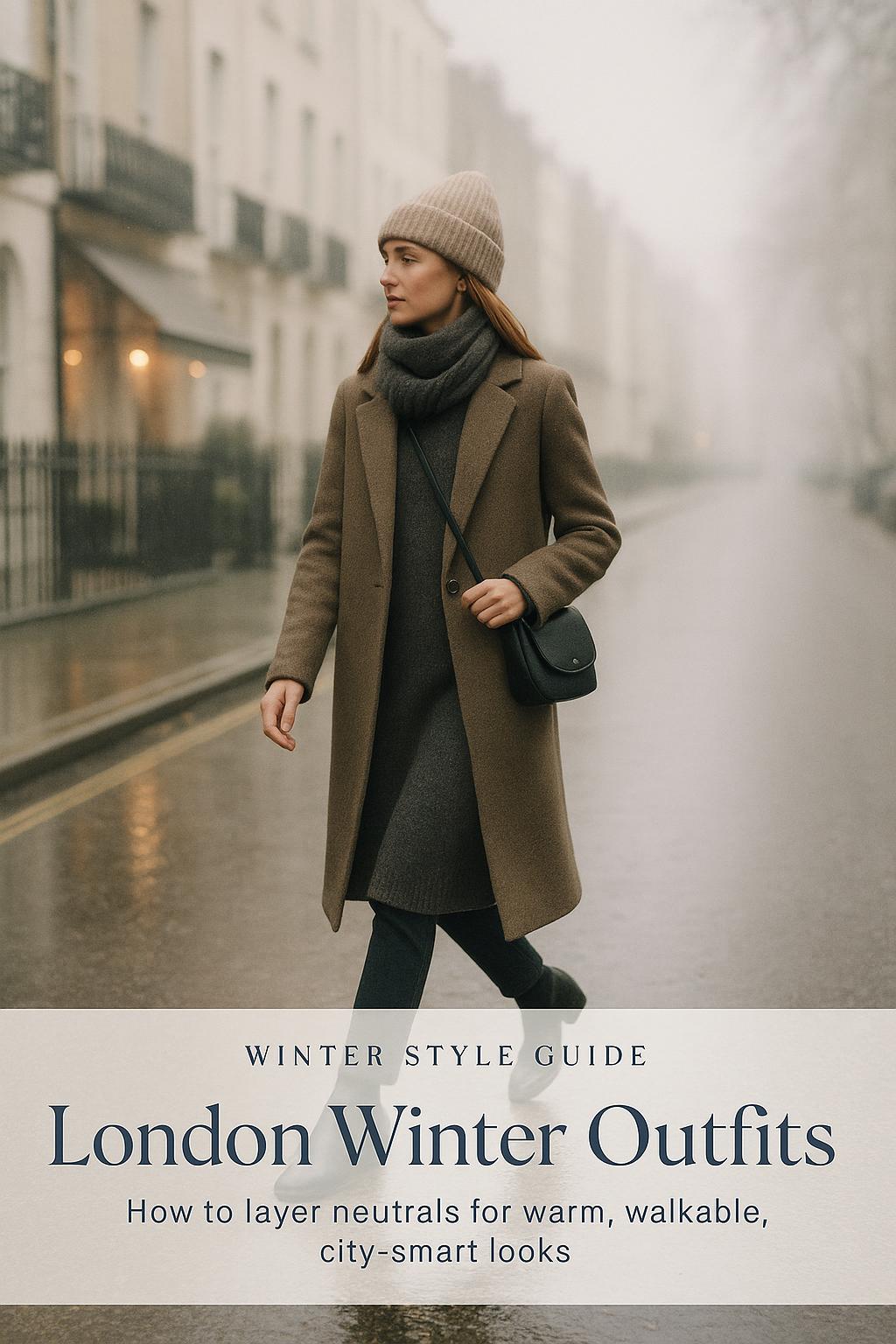
Key Accessories to Complete London Winter Outfits
Accessories are where London winter outfits can really come alive. They add warmth, personality, and practicality, helping you transition between different settings without changing your entire look. They also pack small but significantly expand your wardrobe options.
Scarves, Hats, and Gloves
Because a lot of heat escapes through your head, neck, and hands, accessories that protect these areas have an outsized impact on how warm you feel. In London’s damp chill, they also serve as style accents against a neutral coat.
- Wool or cashmere-blend scarves in classic solids or subtle patterns
- Beanies or berets that fit snugly and stay put in wind
- Gloves, preferably touchscreen-friendly, so you can navigate your phone without removing them
Rotate scarves and hats to refresh outfits in photos, especially if you are relying on one main coat. A bold scarf or patterned knit can dramatically change the overall feel of your look while still serving a practical purpose.
Bags and Daytime Essentials
A practical bag matters in London, where you might be carrying an umbrella, camera, water bottle, and layers. It should be secure enough for crowded transport but also coherent with your overall look.
- Crossbody bag with a zipper closure for everyday use
- Structured backpack or tote for work or heavier sightseeing days
- Compact umbrella that fits in your bag without adding too much weight
Look for materials that can handle light rain and resist scuffs. Neutral tones again provide the most flexibility with different outfit combinations, though a statement bag can function like an accessory to brighten darker winter wardrobes.
Layering Strategies for Unpredictable Winter Days
Knowing which pieces to own is only half the equation; how you layer them determines whether you feel comfortable across varying temperatures and settings. London days can start cold and foggy, turn drizzly, and then clear up slightly by afternoon, all while you move in and out of heated interiors.
Base Layers That Don’t Add Bulk
Base layers sit closest to your skin and help regulate temperature. The goal is a thin, breathable layer that traps warmth without creating visible bulk under your clothes.
- Thermal tops in merino or synthetic blends that wick moisture
- Thin long-sleeved tees that sit smoothly under sweaters
- Thermal leggings beneath jeans or trousers on colder days
When chosen well, these pieces are nearly invisible but significantly increase comfort in cold, damp air, especially during early mornings and late nights.
Midlayers for Flexible Warmth
Midlayers such as sweaters, cardigans, and thin fleece items provide insulation that can be adjusted easily. A versatile midlayer should look good both with and without a coat, as you will be removing outerwear frequently indoors.
Neutral crewneck sweaters work especially well because they pair with collared shirts, dresses, or base layers while remaining simple enough for everyday wear. Cardigans let you fine-tune warmth by opening or closing as needed, which is particularly helpful in overheated indoor spaces.
Outer Layers for Rain and Wind
Outer layers should address wind and precipitation without overwhelming your silhouette. A well-cut coat or parka can block gusts while still allowing you to move easily through busy streets and on public transport. Consider whether your main coat allows room for a midlayer without feeling tight, which can reduce warmth and comfort.
Tips for Smart Layering
When planning your layers, think in terms of flexibility rather than sheer thickness. Choose pieces that slide smoothly over each other, avoid overly bulky items that restrict movement, and test your outfit by fully zipping or buttoning your coat while wearing all intended layers. Prioritize breathable fabrics next to your skin and wind-resistant fabrics on the outside for maximum comfort across different environments.
Outfit Ideas for Different Winter Scenarios in London
To make these principles tangible, it helps to imagine specific days and occasions. These outfit formulas show how to combine essentials into practical, stylish looks tailored to common winter activities in London.
Casual Sightseeing Day
For a full day exploring museums, markets, and landmarks, you want maximum comfort and warmth with a relaxed but polished aesthetic that looks appropriate in photos and in nicer cafes.
- Base: Thermal long-sleeved top
- Midlayer: Merino crewneck sweater
- Bottom: Dark, stretchy jeans or lined leggings under trousers
- Outer: Knee-length wool coat or insulated parka
- Shoes: Waterproof ankle boots or leather sneakers
- Accessories: Warm scarf, beanie, touchscreen gloves, crossbody bag
This combination keeps you comfortable walking between attractions, waiting at bus stops, and moving through crowds while still feeling neat and photo-ready.
Work or Business Days in the City
If you are commuting to an office or attending meetings, your London winter outfits need to strike a professional, tailored tone without leaving you cold during commutes or lunches out.
- Base: Lightweight undershirt or thin thermal
- Top: Button-down shirt or blouse
- Midlayer: Fine-knit sweater or blazer (depending on dress code)
- Bottom: Wool or tailored trousers, or a structured midi skirt with tights
- Outer: Long wool coat in a dark neutral shade
- Shoes: Leather ankle boots or classic loafers with warm socks
This structure keeps your silhouette sharp while layering subtle warmth under your suit components and coat. Accessories like a sleek scarf and leather gloves maintain a professional impression.
Evening Out: Theatre, Restaurants, or Bars
Evenings in London often involve a mix of walking, public transport, and time sitting in heated venues. For theatre or restaurant nights, elevate your look while maintaining enough warmth for getting there and back.
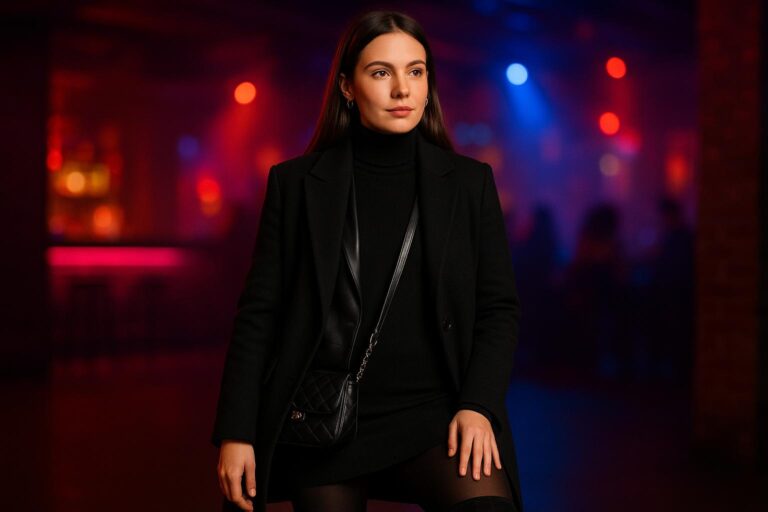
- Option 1: Long-sleeved knit dress with opaque tights, heeled ankle boots, tailored wool coat
- Option 2: Dark jeans or tailored trousers with a silk blouse, cashmere sweater, and sleek boots
- Accessories: Refined scarf, compact crossbody or clutch, and subtle jewelry
Choose outerwear that pairs well with your evening outfit, often a classic wool coat that looks equally suitable over dresses or trousers. Keep footwear comfortable enough for walking to and from stations.
Day Trips and Outdoor-Focused Activities
If you are heading to parks, riverside walks, or nearby towns during winter, expect more exposure to wind and colder air. Your outfit should lean more functional without abandoning city-appropriate aesthetics.
- Base: Thermal top and leggings
- Midlayer: Warm fleece or thick sweater
- Outer: Insulated parka or weatherproof coat
- Bottom: Lined jeans or outdoor trousers
- Shoes: Weatherproof boots with good traction
- Accessories: Wool hat, thick scarf, and sturdy gloves
This approach ensures you stay comfortable during extended periods outdoors, whether strolling through large parks or exploring historic sites with limited indoor shelter.
Packing Checklist for a Winter Trip to London
If you are visiting rather than living in London, narrowing your wardrobe to a suitcase-friendly selection can be challenging. Use this checklist to cover essential categories while keeping outfits cohesive and efficient.
- 2 outer layers (for example, a wool coat and a more weatherproof parka or trench)
- 3–4 sweaters in neutral colors (mix of crewnecks and turtlenecks)
- 4–6 base-layer tops (including at least 2 thermal options)
- 2 pairs of jeans or casual trousers
- 1 pair of tailored trousers or a midi skirt for smarter occasions
- 1–2 dresses suitable for evenings with tights
- 7–10 pairs of socks, including thicker wool or thermal pairs
- 2 pairs of shoes (ideally one waterproof boot and one leather sneaker or smart flat)
- 1–2 scarves, 1 hat, and 1 pair of gloves
- Underlayers such as thermal leggings and tights
Choose items that all coordinate with each other in terms of color and formality level. This makes it easier to adjust outfits on the fly depending on weather and plans without feeling like you have overpacked.
Tips for Staying Warm, Dry, and Stylish
A few practical choices can significantly improve how you experience London in winter. Use these tips to refine your wardrobe so it holds up in real-world conditions while still reflecting a considered sense of style.
Tips: Smart Fabric and Color Choices
Prioritize fabrics that balance warmth and breathability, such as merino wool, cashmere blends, and quality cotton or technical layers. For outerwear and footwear, opt for options with at least some water resistance. In terms of color, lean into dark neutrals for your main pieces, adding pops of color through accessories to avoid a monotonous look while still keeping your wardrobe adaptable.
Tips: Managing Temperature Indoors and on the Tube
Public transport and indoor spaces can become quite warm even when it is cold outside. To avoid overheating, wear layers that are easy to remove and carry, such as a scarf that can be stowed in your bag and a coat that opens smoothly. Avoid extremely bulky sweaters that become uncomfortable once inside; instead, use thin thermals under moderate knits so you can adjust quickly as temperatures change.
Tips: Planning for Rain Without Sacrificing Style
Assume you will encounter at least some rain or drizzle. A compact umbrella, water-resistant boots, and a coat that can handle light showers are essential. Rather than wearing only technical rain gear, consider sleek coats with subtle water-repellent finishes or layering a thin rain shell over a stylish wool coat when the forecast predicts heavier downpours. This way, you stay dry while maintaining a refined silhouette.
Tips: How Locals Tend to Dress
Local winter style in London tends to be smart-casual and understated. You will see a lot of tailored coats, ankle boots, neutral tones, and minimal branding. Sportswear is usually reserved for exercise rather than everyday city wear. To blend in, aim for neat, streamlined silhouettes and avoid overly bright or bulky outerwear unless it is part of your personal style and still coordinates with your overall outfits.
Common Mistakes to Avoid with London Winter Outfits
Understanding what not to do can be as helpful as knowing what to pack. A few frequent missteps can lead to discomfort or outfits that feel out of place in the city context.
- Relying on a single heavyweight coat with no layering options, which makes it hard to adjust when conditions change
- Wearing non-supportive shoes or thin flats that become painful over long walking days
- Ignoring rain and wind and packing only fashion-oriented pieces with no weather protection
- Choosing overly bright, mismatched items that limit how many cohesive outfits you can assemble
- Skipping accessories like scarves, hats, and gloves that significantly impact warmth
Avoiding these pitfalls will make your wardrobe feel more versatile, weather-appropriate, and aligned with the city’s practical yet polished approach to winter dressing.
Bringing It All Together
Effective London winter outfits are built on thoughtful layering, weather-aware materials, and a neutral, mix-and-match palette that works across city activities. With a well-chosen coat, a few reliable pairs of boots, warm but breathable layers, and strategic accessories, you can stay comfortable in damp, chilly conditions while still feeling confident and put-together in any neighborhood or setting.
Whether you are walking along the South Bank, commuting to a Canary Wharf office, browsing markets in east London, or settling into a West End theatre seat, a smart winter wardrobe makes it easy to focus on the experience rather than the weather. By planning around layers, versatility, and practical style, you can enjoy everything the city offers during its colder months without compromising on comfort or aesthetics.
Why Outerwear Matters More in London Winter
London winters are rarely extremely cold, but the combination of wind, humidity, and frequent light rain can make the air feel colder than expected. Because of this, outerwear often becomes the defining piece of a winter outfit. A well-structured wool coat, trench coat with warm layers, or insulated coat can instantly elevate a simple outfit while providing the protection needed for unpredictable weather.
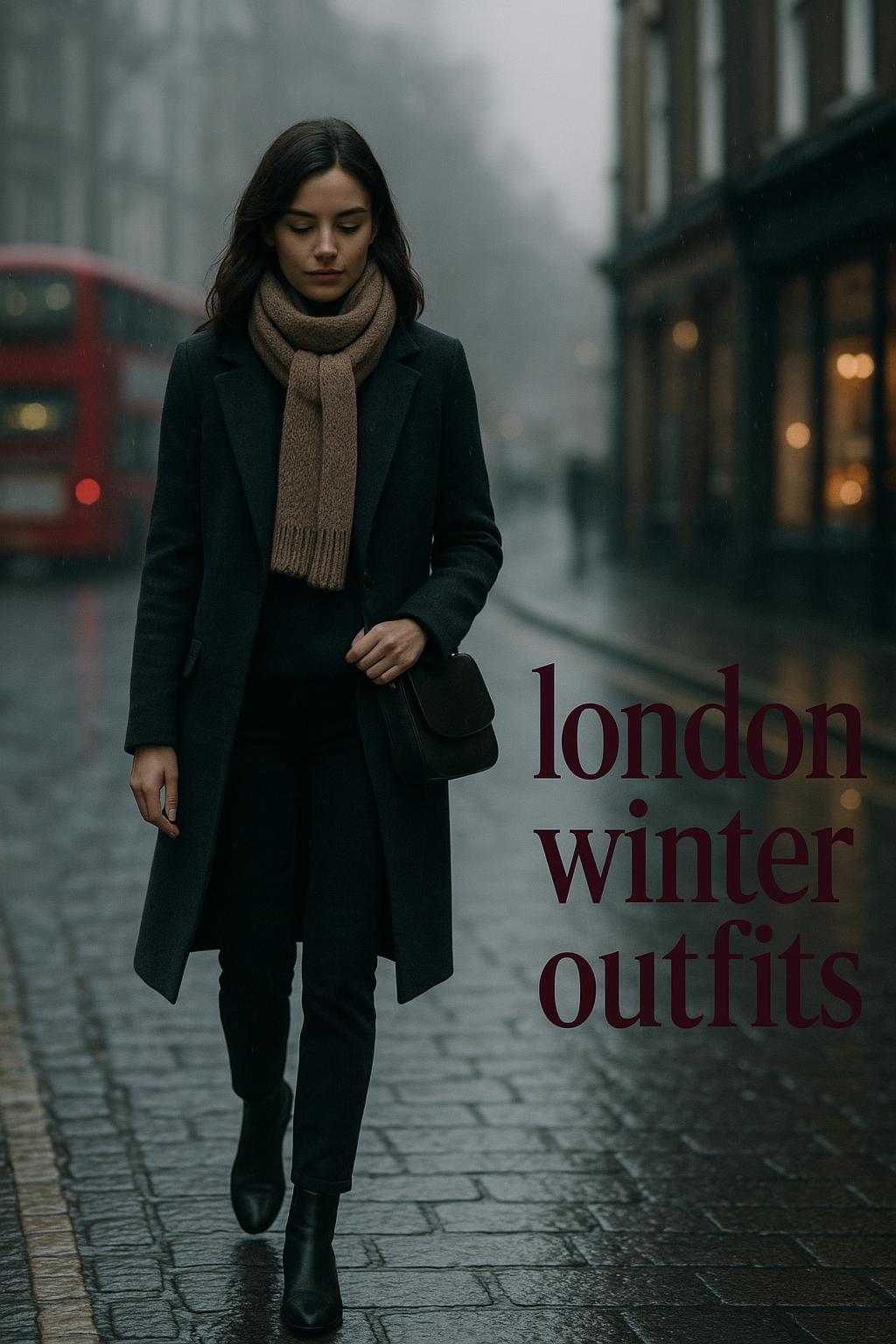
Shoes That Work Best on London Streets
Comfortable footwear becomes essential when spending full days exploring London. Leather ankle boots are one of the most versatile choices because they pair well with both casual outfits and slightly dressier looks. Supportive sneakers are also common in the city, especially when walking long distances between neighborhoods. Choosing shoes with thicker soles helps provide comfort when walking on pavement for hours at a time.
Common Winter Outfit Mistakes Visitors Make in London
Visitors sometimes pack winter outfits that are either too heavy or not practical for a city environment. Thick ski jackets, for example, can feel too bulky when moving between indoor spaces like cafés, museums, and restaurants. Another common mistake is bringing shoes that look stylish but become uncomfortable after hours of walking. Instead, most travelers find that simple layers and versatile footwear create outfits that work better throughout the day.
FAQ
How cold does London get in winter, and how should I dress for it?
London winters are usually cool rather than brutally cold, with temperatures often in the 30s to 40s Fahrenheit and a damp chill that can feel colder than it looks on paper. Dress in layers: a breathable base layer, a warm sweater or midlayer, and a coat that blocks wind and light rain. Combine this with closed, comfortable footwear and accessories like a scarf, hat, and gloves to stay warm while still being able to adjust when you enter heated buildings or public transport.
What kind of coat is best for London winter outfits?
The most useful coat for London winter is a knee-length wool or wool-blend style in a dark neutral color that you can layer over sweaters and base layers. It should be warm, tailored enough for city wear, and roomy enough to add an extra layer on colder days. If you expect a lot of rain or outdoor time, pairing this with a more weatherproof parka or a rain-resistant trench gives you flexibility for wetter conditions while keeping a stylish look.
Are sneakers okay to wear in London in the winter?
Sneakers are fine for London in winter if they are supportive, closed, and reasonably water-resistant. Leather or coated sneakers in simple, minimalist designs work best and can handle light rain and long days of walking. Avoid thin canvas styles for wetter periods and consider packing an additional pair of waterproof boots for heavy rain or very cold days so you always have dry, warm footwear available.
Can I wear dresses and skirts in London during winter?
You can absolutely wear dresses and skirts in London in winter as long as you style them with warmth in mind. Choose long-sleeved knit dresses or midi skirts in heavier fabrics and always pair them with opaque or thermal tights. Complete the outfit with ankle or knee-high boots and a long coat. This combination keeps you warm enough outdoors while offering a polished look for evenings, restaurants, and theatre outings.
Do I need thermals or base layers for London winter?
Thermals or base layers are very helpful in London winter, especially if you plan to spend a lot of time outdoors sightseeing or walking between neighborhoods. Thin thermal tops and leggings add significant warmth without visible bulk and allow you to wear sleeker sweaters and trousers. They are particularly useful on colder or windier days and give you the flexibility to stay comfortable when the temperature drops or you are out from early morning to late evening.
What shoes are best for walking around London in winter?
The best shoes for walking around London in winter are waterproof or water-resistant ankle boots with good arch support and non-slip soles. They protect you from wet pavements and keep your feet warm while being smart enough for most city settings. A pair of comfortable leather sneakers can serve as a second option for drier days. Whichever you choose, prioritize cushioning and grip, as you are likely to walk much more than you expect.
How many layers should I wear on a typical winter day in London?
On a standard winter day in London, three main layers work well for most people: a breathable base layer, a warm midlayer such as a sweater or cardigan, and a weather-appropriate outer layer like a wool coat or parka. If you tend to feel cold or expect to be outdoors for long periods, you can add thermal leggings under your trousers or choose a slightly thicker midlayer. The key is to have at least one layer you can easily remove indoors without compromising your outfit.
Is a puffer jacket suitable for London winter, or should I stick to wool coats?
A puffer jacket is suitable for London winter, especially if it has a streamlined, city-friendly design and offers decent water resistance. Many people choose a wool coat for a classic, polished look and keep a lighter puffer as an additional layer or alternative for particularly cold or casual days. If you prefer a puffer as your main coat, just ensure it pairs well with your other clothing and does not look overly bulky for indoor spaces or smarter venues.
What should I avoid wearing in London in winter?
Avoid thin, unsupportive shoes, open-toed styles, or high heels that are hard to walk in on wet, uneven pavements. Steer clear of very light fabrics without layering options, as they will not protect you from damp cold. Extremely bright, mismatched items can also limit your ability to mix and match outfits, especially when you travel with a small wardrobe. Finally, avoid relying on a single heavy coat with no base layers, as this makes it hard to stay comfortable indoors and does not adapt well to changing conditions.
Do I need an umbrella, or will a hooded coat be enough?
A hooded coat is helpful, but a compact umbrella is still worth carrying in London during winter because rain can be frequent and sometimes windy or prolonged. A hood protects your head and hair in light showers, while an umbrella offers better coverage for your face, clothes, and bag during heavier or more persistent rain. Combining both gives you flexibility and helps keep your london winter outfits looking sharp throughout the day.
Building a Small Winter Wardrobe for London
A few versatile pieces can easily create multiple winter outfits for a London trip. A wool coat, two or three knit sweaters, comfortable trousers or jeans, and supportive boots can form the base of a practical travel wardrobe. Neutral colors help ensure everything mixes well together, making it possible to pack lighter while still looking polished throughout the trip.
More Winter Travel Outfit Ideas
- Elegant Winter Outfits: Chic Cold-Weather Looks for 2026
- 9 Late Winter Early Spring Outfits for U.S. City Weather
- 9 Winter to Spring Transition Outfits for Unpredictable US Weather
- Chic Winter Dress Outfit Ideas to Stay Warm and Polished
Finish the look
The little extras that make a summer outfit feel complete
From beach days to city weekends, these easy pieces bring comfort, texture, and a polished finishing touch.

FENBEN
Straw Hobo Crossbody Bag
A handwoven straw bag with both short and crossbody straps—an effortless finishing touch for vacation looks and warm-weather outfits.
Shop the bag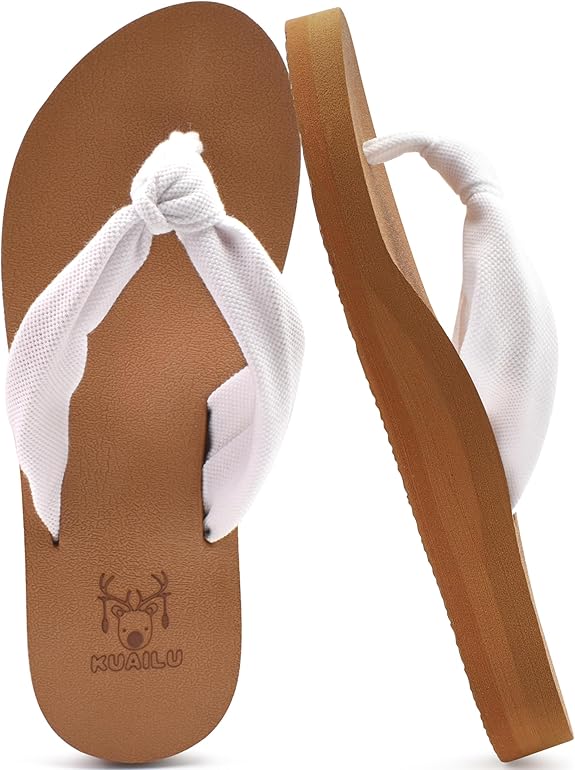
KuaiLu
Flip Flops with Arch Support
Cushioned, lightweight sandals with supportive arch design—a practical choice for beach trips, errands, and long summer walks.
Shop the sandals
baleaf
Athletic One-Piece Swimsuit
A functional one-piece with adjustable straps and moderate coverage, designed for swimming, training, surfing, and active beach days.
Shop the swimsuit
Astylish
Linen-Cotton Button-Down Shirt
A relaxed cotton-linen shirt with a collared V-neck and roll-up sleeves—easy to style over swimwear or with denim and shorts.
Shop the shirt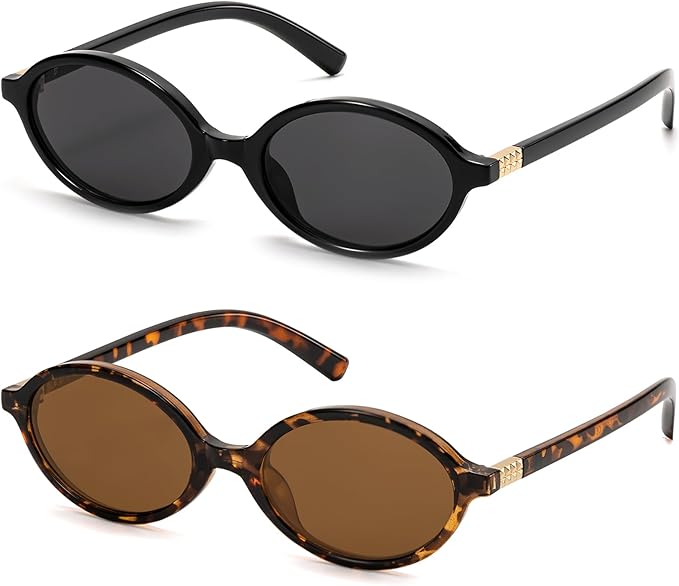
ViewJoy
Retro Oval Sunglasses
Small oval sunglasses with a 90s-inspired silhouette and UV400 lens protection—a quick way to add a vintage edge to everyday looks.
Shop the sunglasses
Affiliate disclosure: This section contains affiliate links. If you make a purchase through these links, I may earn a commission at no additional cost to you. Product selection, pricing, availability, and delivery terms may change—please review the current details on Amazon before purchasing.
As an Amazon Associate I earn from qualifying purchases.