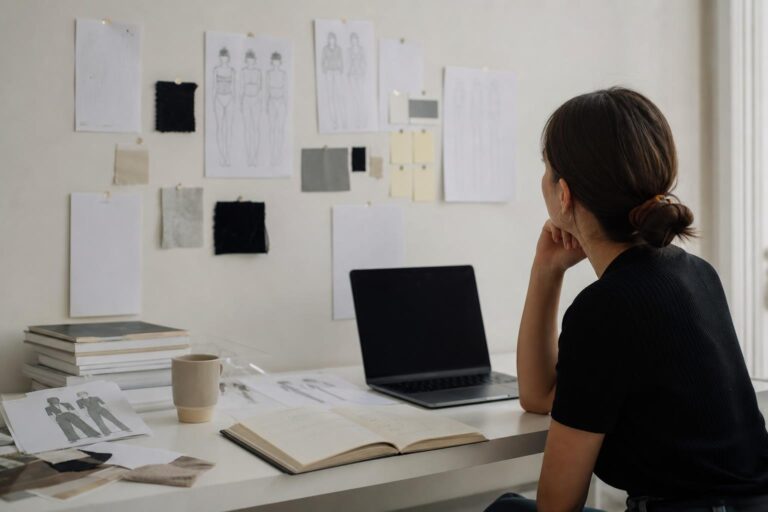
2000s Outfits That Feel Current Now

The mood behind 2000s outfits
There is not enough verified source material available here to create a factual, detailed article about 2000s outfits without adding unsupported information. The available material only states that a live Google analysis was not performed and offers to fetch current top results, but it does not provide actual findings, themes, styles, brands, outfit elements, or user questions to build from.
Because the article must rely only on the provided data as the exclusive source of truth, the most accurate approach is to stay within that limit. That means avoiding invented trend details, named aesthetics, celebrity references, garment lists, or historical fashion claims that were not supplied.

Even so, one clear point does emerge: readers searching for 2000s outfits are looking for inspiration that feels current, wearable, and visually specific. They are likely drawn to the idea of recreating a recognizable style identity in a way that fits real life, whether for everyday dressing, themed occasions, photos, or trend-driven styling content.
The Fashion-Note Edit
Five effortless pieces to refresh your everyday wardrobe
A polished, practical edit for workdays, weekends, and everything in between.

The Drop
Women’s Blake Long Blazer
A longline, tailored blazer with a notched collar and a single-button closure—an easy layer for denim, dresses, or office-ready looks.
Shop the blazer
Amazon Essentials
Women’s Lightweight Crewneck
A soft, lightweight sweater with a clean crew neckline—the kind of reliable layer that works from cool mornings to air-conditioned spaces.
Shop the sweater
Amazon Essentials
Women’s Loafer Flat
A classic flat loafer that gives casual outfits a more polished finish and pairs naturally with tailored pants, skirts, and straight-leg jeans.
Shop the loafers
Levi’s
Women’s 501 90s Jeans
A relaxed, vintage-inspired take on the iconic 501 silhouette—made for an easy, lived-in look without the thrift-store search.
Shop the jeans
Colorfulkoala
High-Waisted 7/8 Leggings with Pockets
Soft, four-way-stretch leggings with side pockets and a high-rise waistband—designed for movement, errands, and off-duty comfort.
Shop the leggings
Affiliate disclosure: This section contains affiliate links. If you make a purchase through these links, I may earn a commission at no additional cost to you. Product selection, pricing, availability, and delivery terms may change—please review the current details on Amazon before purchasing.
As an Amazon Associate I earn from qualifying purchases.
What can be responsibly said about the appeal of 2000s outfits
At a broad level, the appeal of 2000s outfits comes from nostalgia, personal expression, and the desire to revisit a fashion period with a fresh point of view. That kind of style interest usually works best when the outfit feels intentional rather than costume-like. In practical terms, people tend to respond to outfits that capture the spirit of an era while still feeling easy to wear now.
Your wedding style is personal.
Your plan should feel that way, too.
Zarellea keeps your guest list, budget, vendors, and every next step beautifully organized — so you can focus on the moments that feel like you.
That balance matters. A look inspired by a past decade often becomes more wearable when it is edited with modern proportions, clean styling, and a clear sense of context. In real life, that means thinking about where the outfit is going, how long it will be worn, what kind of movement it needs to allow, and whether the styling feels authentic to the person wearing it.
Without more concrete research findings, the safest conclusion is that 2000s outfits resonate because they offer a recognizable aesthetic identity that people want to reinterpret in a personal way. The attraction is not only visual. It is also emotional, tied to memory, mood, and the fun of dressing with a stronger point of view.

How to approach the aesthetic without turning it into a costume
One of the most useful styling principles for any decade-inspired wardrobe is restraint. When every element tries to announce the theme at once, the outfit can lose the ease that makes style feel believable. A more convincing approach is to let one or two clear references lead the look, then keep the rest simple and grounded.
This is especially important for people who want 2000s outfits to feel wearable in everyday settings. A casual lunch, a shopping day, a concert, a party, or a content shoot each asks for a slightly different level of visual intensity. The same era-inspired idea may read playful in one setting and overdone in another, so context should shape the final styling choices.
Style tip
If the goal is modern wearability, build around one strong focal point and keep the supporting pieces calm. That creates a cleaner silhouette, makes the outfit easier to repeat, and helps the reference feel deliberate instead of theatrical.

What readers are likely trying to solve when they search for this style
Search interest around a specific fashion decade usually reflects more than simple curiosity. In practice, readers tend to want outfit ideas they can immediately picture on themselves. They may be choosing a look for a themed event, looking for social-ready inspiration, rebuilding a wardrobe around revived trends, or trying to understand what makes a decade reference feel accurate without looking dated.
That means useful guidance should do two things at once: inspire visually and reduce uncertainty. Readers often need help deciding how far to take the theme, what kinds of combinations feel current, and how to make the outfit fit their lifestyle instead of just a mood board. Those are real-world styling questions, and they matter more than trend labels alone.
Another likely need is versatility. Most people do not want a wardrobe built for a single moment. They want pieces and combinations that can shift between settings, photographs well, and still feel comfortable after several hours of wear. Any successful interpretation of 2000s outfits would need to account for that practical side of dressing.

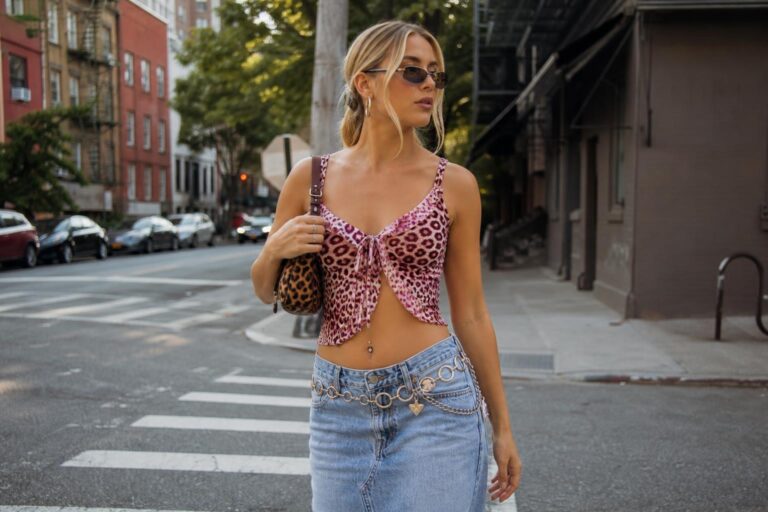
Look: a focused decade reference for everyday wear
The strongest version of a throwback-inspired outfit is often the one that feels effortless first and referential second. Visually, this kind of look depends on clarity. The silhouette should make sense at a glance, the styling should not compete with itself, and the overall impression should feel confident enough to stand on its own even if the viewer does not identify every era cue immediately.
Because there are no verified garment-specific details in the source material, the practical styling lesson here is more structural than item-based. Start with a simple shape, keep the palette controlled, and let the era influence show through selected details rather than through excess. That makes the outfit easier to wear to casual social settings and easier to adapt to personal taste.
What makes this approach work is balance. When a look has one clear visual message, it appears more polished. In everyday life, that matters because people tend to feel more comfortable in outfits they do not have to keep adjusting or over-explaining. A focused look reads more natural, photographs better, and leaves room for personal styling choices.
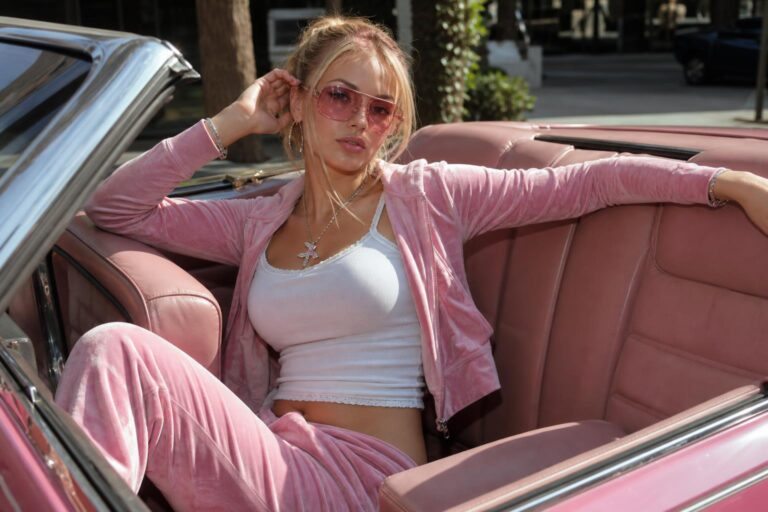
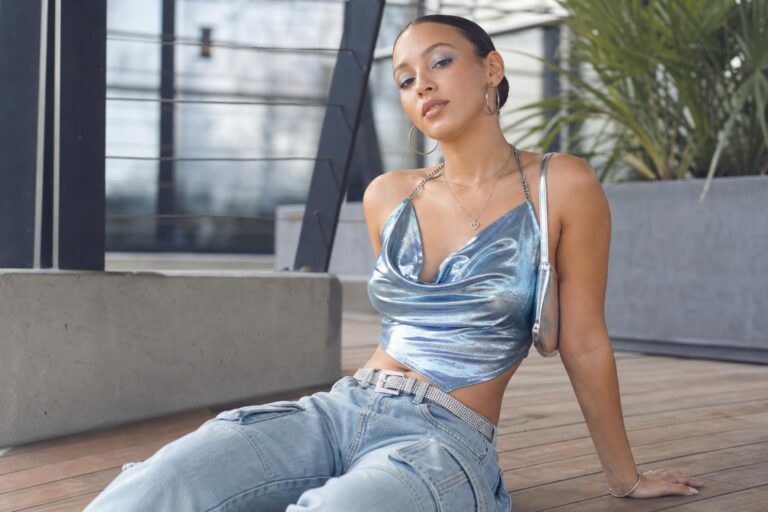
Look: going bolder for a themed event or party
There are moments when a softer interpretation is not enough. A themed party, birthday event, dress-up gathering, or nightlife setting can support a stronger version of 2000s outfits, especially when everyone around you is also dressing with the same level of intention. In that context, a more obvious visual reference can feel fun rather than exaggerated.
The key difference is not only what you wear, but how much emphasis the setting can hold. Evening events allow for more expressive styling because the social expectation is already heightened. What might seem too direct for a daytime coffee run can feel exactly right under party lighting or in group photos. The styling logic changes with the environment.
Even in a bolder outfit, editing still matters. Stronger references work best when they are intentional and cohesive. If every piece belongs to a different visual story, the outfit can become confusing. A party look usually feels most successful when all elements support one clear mood.
Why this works
Readers often think a themed outfit needs more of everything. In reality, what creates impact is consistency. A clear direction usually feels sharper than a pile of references. That is true in photos, in person, and especially during long events where comfort and confidence shape how the outfit is experienced.
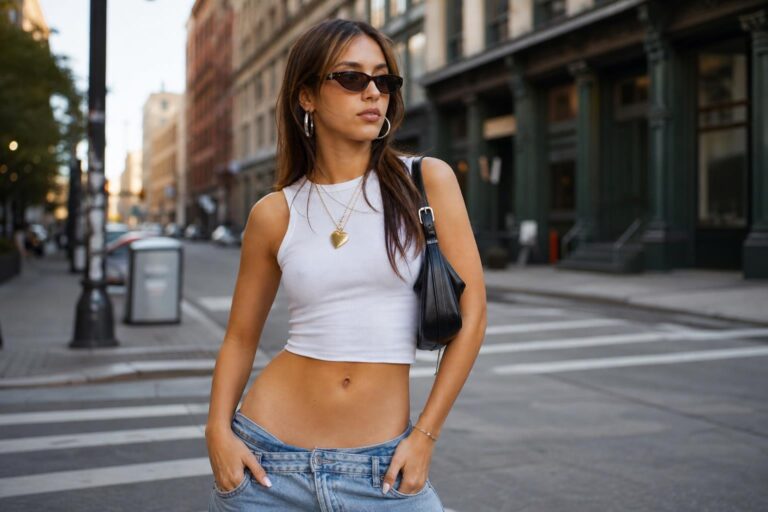
Look: subtle 2000s outfits for casual routines
Not every interpretation needs to announce itself immediately. Some of the most wearable 2000s outfits are the ones that fit naturally into ordinary routines like meeting friends, running errands, grabbing lunch, or spending a relaxed weekend in the city. The mood here is lighter, easier, and less performative.
In this type of look, the silhouette should support movement and simplicity. A casual outfit tends to feel stronger when the proportions are easy to live in and the styling feels intentional without looking overworked. That keeps the decade influence present while letting the outfit still function as a real wardrobe option.
This approach is often the most useful for readers who want inspiration they can repeat. A subtle reference is easier to style again in different combinations, easier to tone up or down, and more adaptable across seasons. It also reduces the pressure to get every detail exactly right.
What changes the mood most: proportion, context, and confidence
When people think about decade dressing, they often focus first on individual pieces. In actual styling, mood is usually shaped more by proportion and context. The same idea can feel playful, polished, casual, or overly theatrical depending on the setting, the silhouette, and how the outfit is carried.
Proportion affects how readable the outfit becomes. Context determines whether the styling feels appropriate. Confidence influences whether the outfit looks lived-in or self-conscious. These are not abstract concepts. They are practical decisions that affect how the outfit feels after an hour outside, in photos, or during a full day of activity.
- A simpler silhouette usually makes a stronger visual statement than a crowded one.
- An outfit meant for a party can support more intensity than one meant for daytime errands.
- Repeating a look in real life is easier when the styling leaves room for comfort and movement.
- The most convincing decade-inspired outfits usually feel personal, not copied exactly.
A practical way to build your own version
For most readers, the goal is not historical reconstruction. It is creating a recognizable mood that still works with an existing wardrobe. That usually starts with identifying how visible you want the reference to be. Some people prefer a nod. Others want a clear, photo-ready statement. Neither approach is better by default; they simply serve different situations.
From there, the useful question becomes whether the outfit needs to work once or many times. A one-night party look can be more specific. An everyday version should be easier to remix, easier to layer, and easier to tone down. This kind of decision-making saves money, reduces styling frustration, and leads to outfits that feel more realistic to maintain.
Key styling questions to ask yourself
- Do you want the outfit to read as obvious nostalgia or as a subtle reference?
- Will you wear it for a few hours, an entire day, or a special event?
- Does the outfit need to work in photos, in motion, or both?
- Can the main pieces be restyled in other ways afterward?
- Does the final result still feel like you?
Common mistakes that make the aesthetic harder to wear
The most common styling mistake with throwback dressing is trying to prove the reference too forcefully. Once an outfit starts feeling like a checklist, it often loses the ease that makes fashion look believable. Another issue is ignoring the setting. Something that works for a themed event may feel uncomfortable or out of place during a normal day.
There is also the question of comfort. An outfit can look strong in a mirror for five minutes but become frustrating if it restricts movement, needs constant adjustment, or feels disconnected from the weather and the occasion. Practical wearability is not separate from style. It is part of what makes the styling successful.
Finally, some readers get stuck between accuracy and personal taste. A better approach is to treat inspiration as a direction rather than a rulebook. The goal is not to disappear into a reference. It is to create a version of the aesthetic that feels coherent on your body, in your climate, and in your routine.
How to make 2000s outfits feel more current
The easiest way to make 2000s outfits feel current is to give them breathing room. That can mean simplifying the styling, reducing competing details, or grounding the look with more familiar everyday pieces. Modern wearability often comes from editing rather than adding.
A current interpretation also depends on self-awareness. Not every nostalgic idea translates equally well into every wardrobe or every occasion. What feels exciting online may not feel natural in your day-to-day life. A thoughtful version considers how the outfit functions once you leave the house, not just how it looks in a saved image.
Easy ways to make the look more wearable
- Keep the outfit centered around one recognizable idea instead of several at once.
- Choose occasions that support the level of styling you want to try.
- Let comfort guide your final edit, especially for longer wear.
- Use repetition to your advantage by building outfits you can rework, not just wear once.
Context matters more than trend language
A useful outfit guide should help readers imagine where a look belongs. That is especially true with 2000s outfits, because decade references can shift quickly from stylish to costume-like depending on the environment. A daytime outfit for casual plans should not be styled the same way as a nightlife look, and a party outfit should not be judged by the same standards as an everyday one.
Thinking in context makes styling more intuitive. It helps you decide how much visual impact the moment can hold, how practical the outfit needs to be, and whether the look should prioritize comfort, photos, nostalgia, or statement value. Those trade-offs are normal. Good styling usually comes from choosing the right priority for the moment.
This is why the most wearable version of any throwback aesthetic tends to feel selective. It respects the inspiration but leaves enough space for the present. That balance is what turns a reference into an outfit you would actually want to wear.
For readers building inspiration boards
One practical way to approach this aesthetic is to organize your inspiration by mood instead of by quantity. Save looks that share a similar energy, silhouette direction, and setting. That makes it easier to see what you are genuinely drawn to and easier to spot which ideas can translate into your own wardrobe.
This also helps avoid a common problem: mixing too many unrelated references just because they come from the same decade. A tighter inspiration board usually leads to stronger outfits. It reveals whether you prefer a more casual interpretation, a party-driven version, a subtle everyday nod, or a more dramatic statement approach.
Tip for recreating saved looks
Before buying anything new, identify what is doing the visual work in the image you saved. It is often the shape, attitude, or styling contrast rather than the exact item itself. Once you know what creates the effect, it becomes much easier to recreate the mood with pieces you already own.
Why this aesthetic continues to hold attention
Style cycles return because people want familiar references that still leave room for reinvention. 2000s outfits fit that pattern well. They carry enough identity to feel distinct, but they also invite interpretation. That makes them appealing to readers who want clothing to say something more visible about mood and personality.
They also work well in image-led spaces because the styling can be immediate and easy to recognize. But recognition alone is not what keeps an aesthetic relevant. Longevity comes from adaptability. A style idea lasts when people can scale it up for events, tone it down for everyday life, and personalize it without losing the central mood.
That is ultimately why decade-inspired dressing remains useful. It gives people a starting point, not a script. The strongest outfits do not copy the past word for word. They translate it into something that feels believable now.
Closing perspective
2000s outfits continue to resonate because they combine nostalgia with the pleasure of visible styling. They offer a clear aesthetic direction, but they are most successful when interpreted with context, editing, and personal taste in mind. Whether the goal is a subtle everyday reference or a more expressive party look, the best version is the one that feels intentional and wearable at the same time.
A good decade-inspired outfit does not need to chase every possible reference. It only needs a clear mood, a believable silhouette, and enough confidence to feel lived-in. When those elements are in place, the styling becomes easier to imagine, easier to wear, and easier to make your own.

FAQ
What are 2000s outfits?
Based on the limited information available here, 2000s outfits refers broadly to clothing looks inspired by fashion from the 2000s era, usually recreated for modern wear, themed events, or nostalgia-driven styling.
How can I make 2000s outfits feel modern?
The most reliable approach is to keep the styling edited and intentional, using a focused reference rather than layering too many decade cues at once. Simpler silhouettes and context-aware styling usually feel more current.
Are 2000s outfits only for parties or themed events?
No. A stronger version may suit parties or themed occasions, but a softer interpretation can work for casual daily plans if the outfit feels balanced, comfortable, and appropriate for the setting.
What is the biggest mistake people make with 2000s outfits?
A common mistake is trying to include too many obvious references at once. That can make the outfit feel more like a costume than a wearable look, especially outside of a party environment.
How do I choose between a subtle and bold version of the aesthetic?
Start with the occasion. If you need something for everyday wear, a subtle version is usually easier to repeat and style naturally. If the setting is social, themed, or photo-focused, a bolder interpretation may make more sense.
Can I wear 2000s outfits without buying a whole new wardrobe?
Yes. A practical way to start is by identifying the mood or silhouette you want and recreating that effect with pieces you already own, rather than trying to replace your entire closet for one aesthetic.
Why are people still drawn to 2000s outfits?
The appeal comes from nostalgia, identity, and the fun of dressing with a recognizable point of view. People are often drawn to styles that feel memorable but still open to personal interpretation.
How do I know if a 2000s-inspired outfit is too much?
If the outfit feels difficult to wear, overly crowded, or out of sync with where you are going, it may need editing. A clearer focus usually makes the look feel more confident and more believable.
Finish the look
The little extras that make a summer outfit feel complete
From beach days to city weekends, these easy pieces bring comfort, texture, and a polished finishing touch.

FENBEN
Straw Hobo Crossbody Bag
A handwoven straw bag with both short and crossbody straps—an effortless finishing touch for vacation looks and warm-weather outfits.
Shop the bag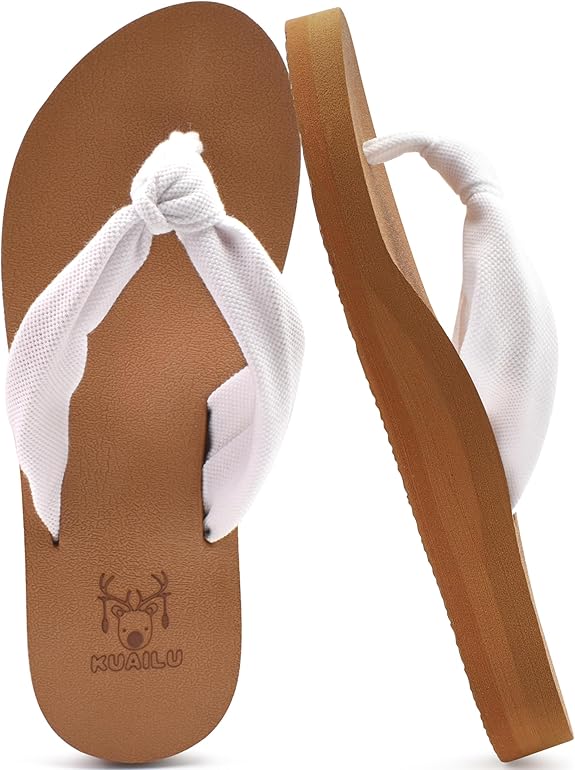
KuaiLu
Flip Flops with Arch Support
Cushioned, lightweight sandals with supportive arch design—a practical choice for beach trips, errands, and long summer walks.
Shop the sandals
baleaf
Athletic One-Piece Swimsuit
A functional one-piece with adjustable straps and moderate coverage, designed for swimming, training, surfing, and active beach days.
Shop the swimsuit
Astylish
Linen-Cotton Button-Down Shirt
A relaxed cotton-linen shirt with a collared V-neck and roll-up sleeves—easy to style over swimwear or with denim and shorts.
Shop the shirt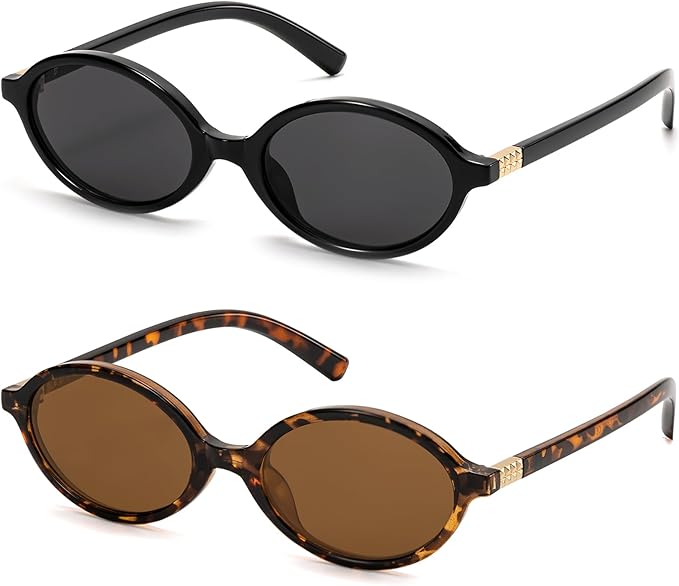
ViewJoy
Retro Oval Sunglasses
Small oval sunglasses with a 90s-inspired silhouette and UV400 lens protection—a quick way to add a vintage edge to everyday looks.
Shop the sunglasses
Affiliate disclosure: This section contains affiliate links. If you make a purchase through these links, I may earn a commission at no additional cost to you. Product selection, pricing, availability, and delivery terms may change—please review the current details on Amazon before purchasing.
As an Amazon Associate I earn from qualifying purchases.