20 Chic Winter Outfits Ideas for Cozy Everyday Style
Winter Outfit Ideas: Stylish, Warm Looks For Every Occasion
Winter outfits ideas do not have to be bulky, boring, or complicated. With the right layering strategy, fabric choices, and outfit formulas, you can feel warm and look put-together from weekday commutes to weekend getaways. This guide breaks down winter outfit ideas that work for different temperatures, lifestyles, and dress codes so you can build a cold-weather wardrobe that feels intentional instead of thrown together.
Foundations Of A Warm And Stylish Winter Wardrobe
Understanding Functional Layering
Effective winter outfits start with smart layering. Instead of relying on one very heavy piece, combine thinner, high-performing layers that trap heat and manage moisture without restricting movement. A typical system includes a base layer close to the skin, a middle insulating layer, and an outer protective layer to block wind and precipitation. This structure makes it easier to adapt to changing indoor and outdoor temperatures by adding or removing pieces.
Choosing The Right Winter Fabrics
Fabric choice has a bigger impact on warmth and comfort than the sheer thickness of your clothing. Natural fibers such as wool and cashmere provide excellent insulation, regulate body temperature, and often remain warm even when slightly damp. Cotton, while comfortable, tends to hold moisture and can feel cold when temperatures drop, so it is best used for non-technical pieces or layered away from the skin. Blends that include synthetics like polyester or nylon can add durability, stretch, and water resistance, making them useful for outerwear and performance-oriented layers.
Core Pieces Worth Investing In
A practical winter wardrobe benefits from a few reliable staples that can be worn repeatedly in different combinations. A quality wool or down coat, a versatile pair of winter boots with good traction, a selection of knit sweaters, insulating tights or thermal leggings, and lined trousers form the backbone of many outfits. By keeping these core pieces in neutral colors such as black, camel, gray, or navy, you gain maximum mix-and-match potential while using accessories and layers to add color and texture.
Casual Winter Outfit Ideas For Everyday Wear
Denim-Based Looks That Stay Warm
Jeans are a year-round favorite and can work in winter if you balance them with warmer layers. Straight-leg or slightly relaxed denim provides room for thermal leggings or fleece-lined tights underneath without feeling tight. Dark washes and black denim tend to look more polished and are easy to pair with both sneakers and heeled boots, making them versatile for errands, coffee dates, and casual Fridays.
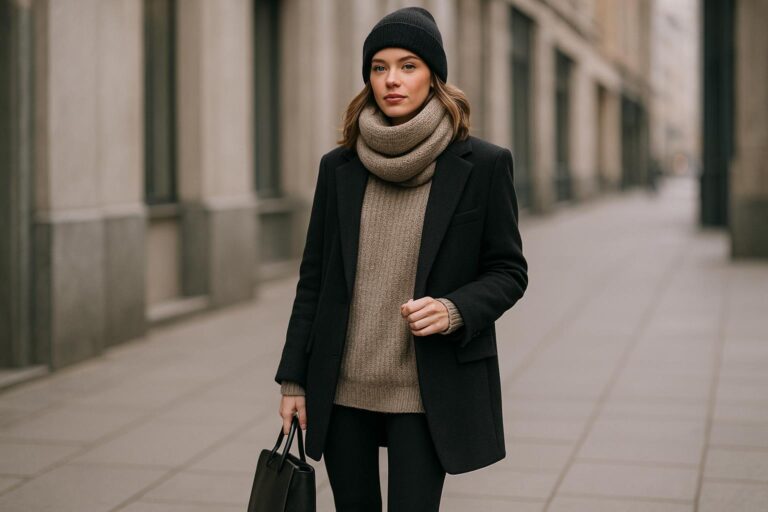
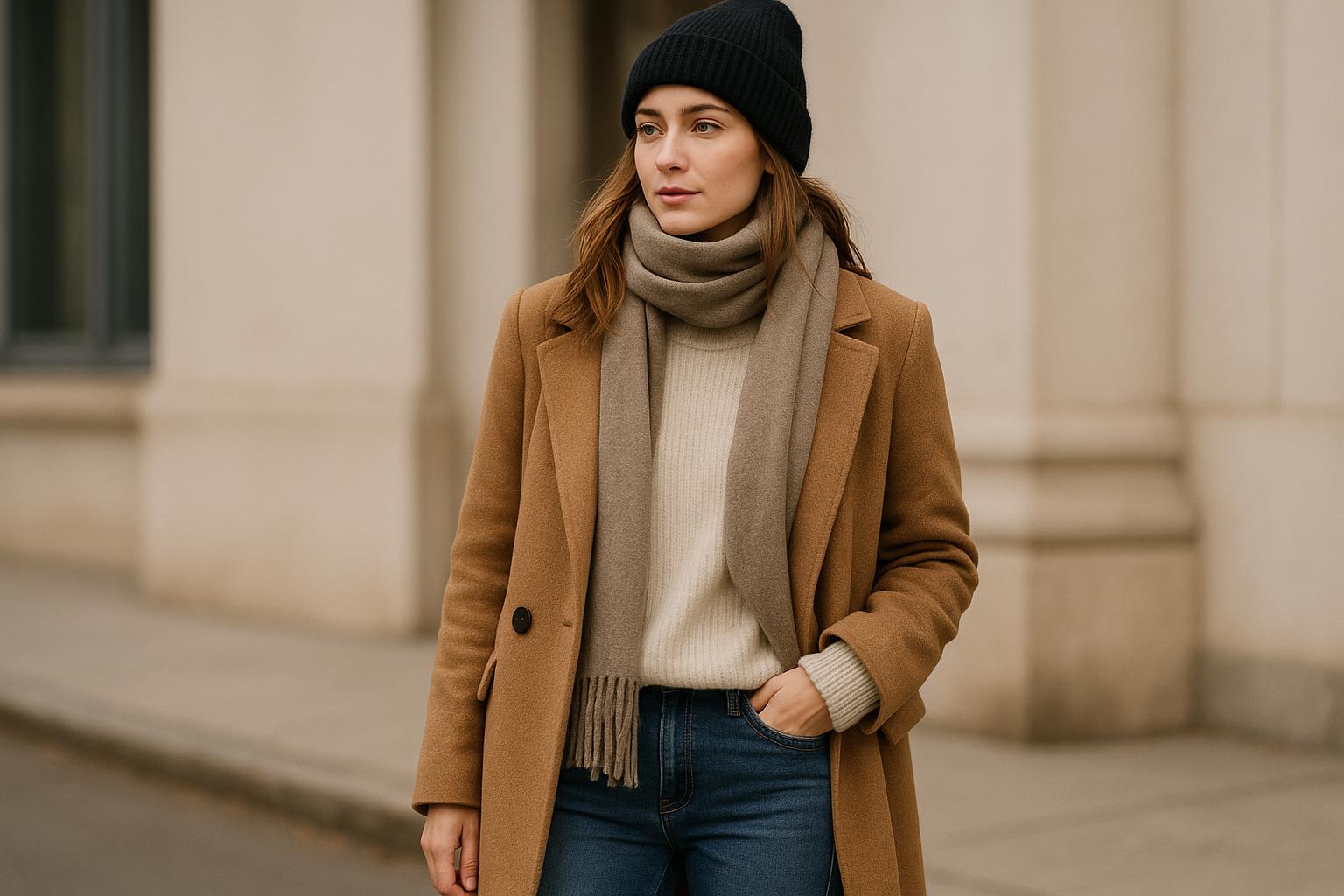
For milder winter days, a heavy knit sweater, straight-leg jeans, and ankle boots create a reliable combination. On colder days, add a thin thermal top under the sweater, then layer on a long wool coat or puffer and a thick scarf. This approach allows you to maintain the look of a simple jeans outfit while boosting warmth through invisible layers.
Leggings, Joggers, And Athleisure Options
Leggings and joggers are comfortable choices for relaxed winter days, especially when upgraded in heavier fabrics. Fleece-lined leggings or performance leggings designed for cold weather can serve as a base under long sweaters or shirt dresses. Joggers in thick cotton blends or fleece work well with hoodies, puffer vests, or quilted jackets. To avoid athleisure looking too casual, you can balance sporty pieces with structured outerwear, such as a wool coat, and more refined accessories.
Casual Outfit Formulas To Try
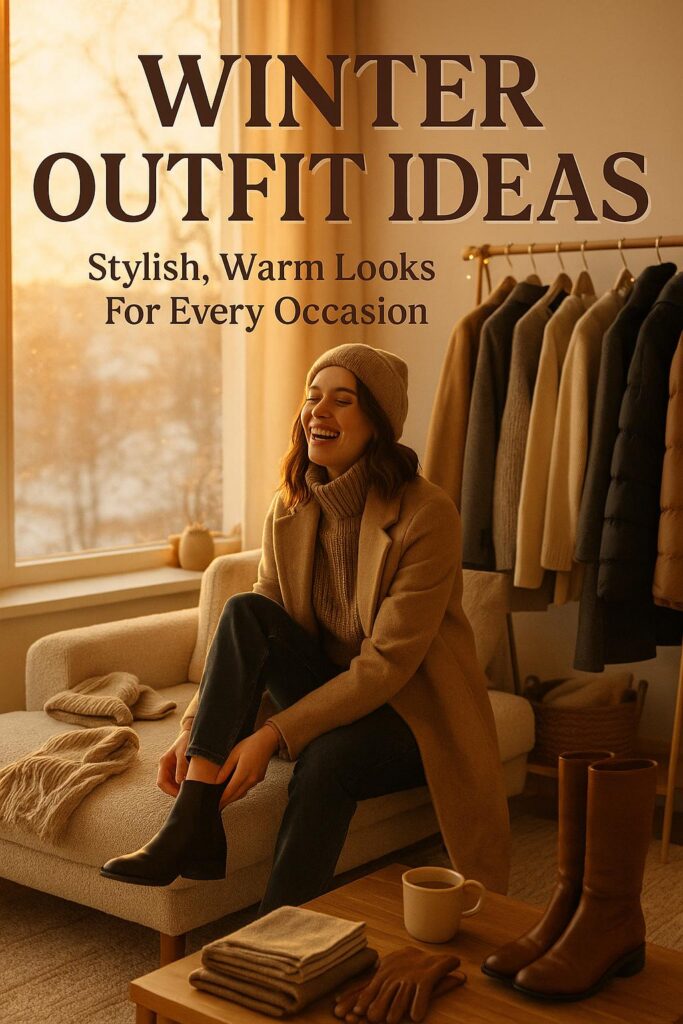
- Chunky turtleneck sweater + straight-leg jeans + ankle boots + long wool coat
- Thermal top + crewneck sweatshirt + puffer jacket + leggings + insulated sneakers
- Long flannel shirt + turtleneck base layer + black jeans + lace-up boots
- Hoodie + quilted vest + joggers + beanie and gloves
Tips For Casual Winter Style
To keep casual winter outfits from feeling bulky, prioritize fitted base layers and slightly oversized outer layers instead of the reverse. Stick to a simple color palette for your everyday pieces and introduce pattern through scarves, beanies, or a statement sweater. When in doubt, choosing a slightly longer coat adds polish and coverage, especially if you often wear leggings or thinner pants.
Chic Winter Outfit Ideas For Work And Office
Professional Layers That Look Polished Indoors
Winter office outfits need to navigate cold commutes and heated indoor spaces. The aim is to be warm on the way in and still comfortable once seated at a desk or conference table. Light but warm underlayers, such as thin merino wool tops, can be hidden under blouses, shirts, or dresses and removed or left in place as needed. Structured pieces, like blazers and tailored trousers, instantly elevate winter outfits and help them feel deliberate even with practical footwear.
Outfit Ideas For Different Office Dress Codes
For more formal work environments, a tailored wool coat worn over a blazer-and-trouser combo strikes a balance between professional and weather-appropriate. Opt for lined trousers or layer thermal tights underneath wide-leg pants, and finish the outfit with leather ankle boots or sleek knee-high boots that work with both skirts and pants. Neutral sweaters with refined details, such as mock necks or subtle ribbing, pair well with pencil skirts, midi skirts, and dress pants.
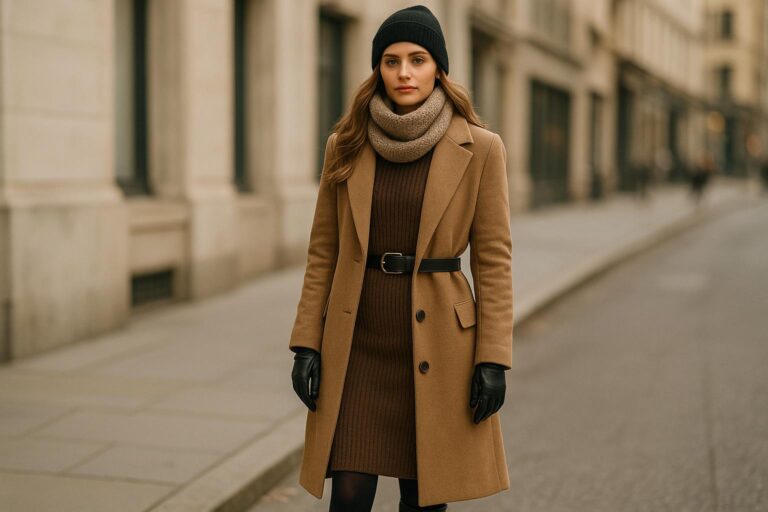
In business-casual offices, a smart combination might be a knit midi dress layered under a long cardigan or blazer with opaque tights and boots. Alternatively, a turtleneck under a sleeveless dress or jumpsuit can convert fall pieces into winter-appropriate outfits. Switching from bulky parkas to minimalist wool or wool-blend coats instantly sharpens the overall impression while still providing warmth.
Workwear Outfit Formulas
- Merino turtleneck + tailored trousers + ankle boots + structured wool coat
- Slim base layer + button-down shirt + blazer + straight-leg pants + loafers or boots
- Knit midi dress + opaque tights + knee-high boots + long wrap coat
- Turtleneck + sleeveless sheath dress + belt + wool coat
Tips For Winter Office Dressing
When planning winter office outfits, consider temperature differences between your commute and your workplace. Choose removable layers that will not disrupt your outfit’s proportions if you take off a sweater or jacket. Keep at least one extra layer, such as a neutral cardigan or blazer, at the office in case the building is colder than expected. For footwear, prioritize warm materials and non-slip soles while maintaining a streamlined silhouette suitable for professional settings.
Dressy Winter Outfit Ideas For Parties, Dinners, And Events
Winter Dresses That Balance Style And Warmth
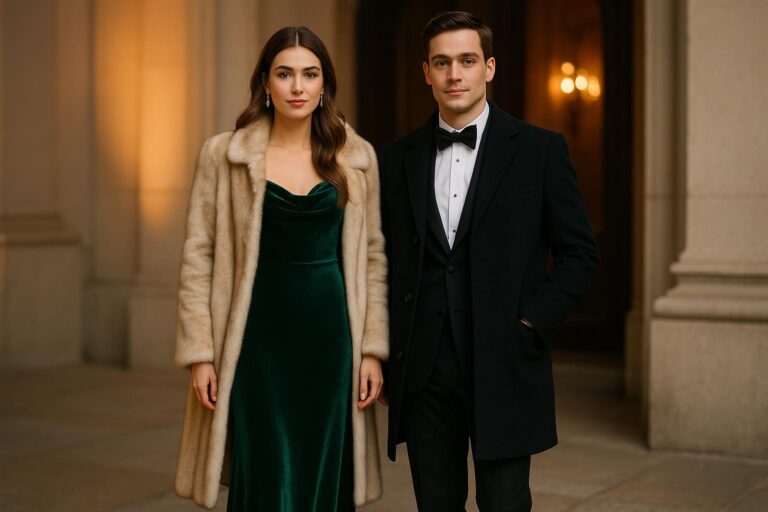
Dresses are still practical in winter when chosen in heavier fabrics and combined with warm accessories. Knit dresses, velvet options, and long-sleeve silhouettes naturally provide more coverage. Midi and maxi lengths are especially useful because they allow for thermal tights or even leggings underneath without showing. Dark jewel tones, metallics, and classic black work well for evening events and can be highlighted with statement jewelry or a bold lip color.
Layering For Winter Parties And Nights Out
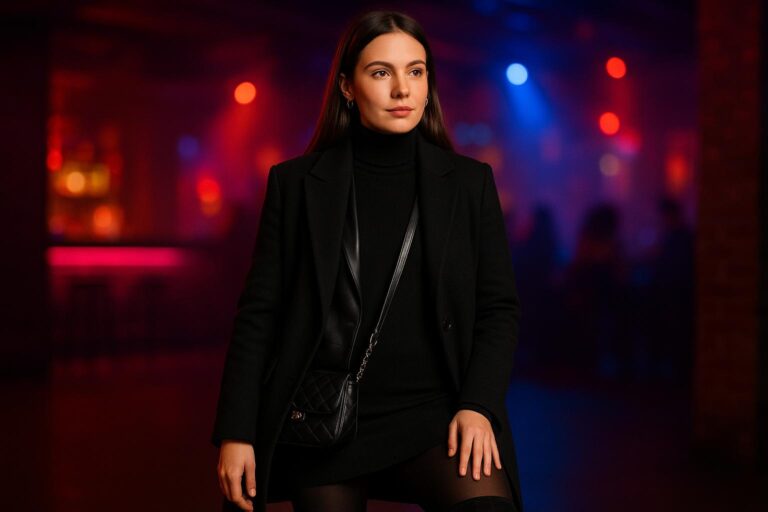
Even if an event is mostly indoors, you still need protection from the cold while in transit. A long wool or faux-fur coat worn over a dress instantly elevates the outfit and provides practical warmth. For cocktail outfits that expose more skin, such as sleeveless or strappy dresses, plan on opaque tights, tall boots, or elegant closed-toe heels. Adding a lightweight thermal top or bodysuit under certain dresses can offer warmth without disrupting the silhouette, particularly when the fabric is not too thin or clingy.
Dressy Outfit Formulas To Consider
- Knit midi dress + opaque tights + heeled ankle boots + long wool coat
- Velvet mini dress + sheer or opaque tights + knee-high boots + faux-fur coat
- Silk or satin skirt + fitted turtleneck + heeled boots + tailored coat
- Wide-leg trousers + statement blouse + structured coat + pointed-toe boots
Tips For Winter Event Dressing
When choosing winter outfits for events, think through your full journey, including waiting for rides or walking between locations. Prioritize coats that complement dressier outfits instead of relying solely on technical outerwear; a tailored long coat or dressy wrap coat usually works best. Consider carrying a compact scarf, gloves, or a wrap that can be folded into your bag once indoors. Finally, choose footwear with enough traction for icy sidewalks while still fitting the formality of the occasion.
Winter Outfit Ideas For Extreme Cold
Layering Strategies For Very Low Temperatures
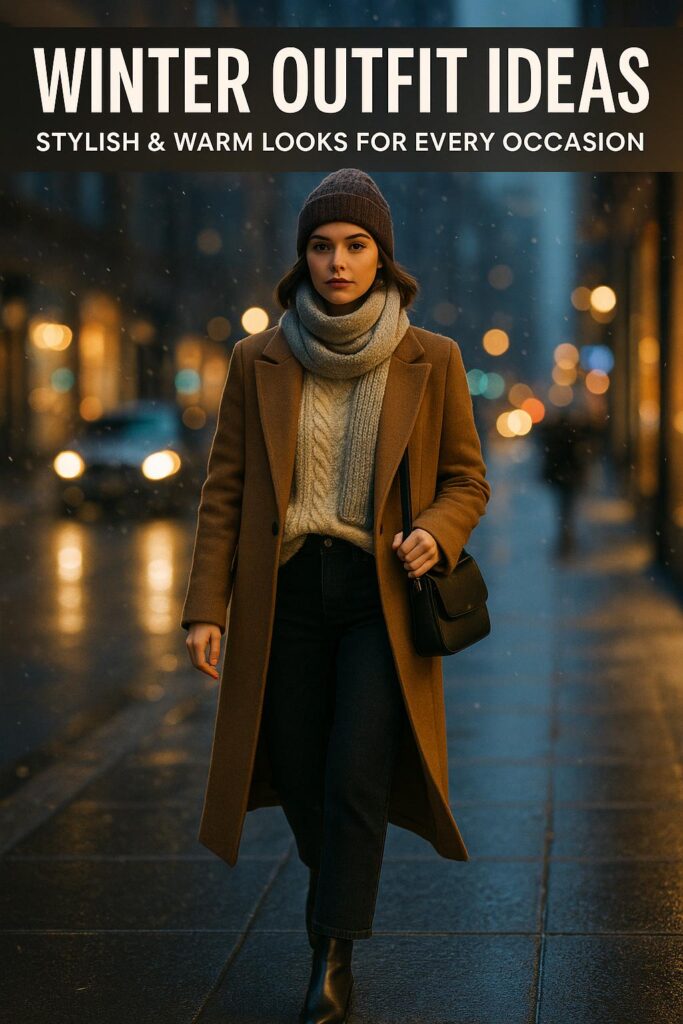
In extremely cold conditions, staying warm depends on both insulation and protection from wind and moisture. Start with a moisture-wicking base layer to keep sweat away from your skin. Add an insulating mid-layer, such as a thick fleece or down sweater, then top with a weather-resistant coat that covers the hips or thighs. Focus on minimizing exposed skin and creating overlapping layers so cold air does not sneak in at the wrists, waist, or ankles.
Key Pieces For Harsh Winter Weather
For extreme cold, long down or synthetic insulated coats with hoods offer strong protection. Windproof gloves or mittens, thermal socks, and insulated boots are essential. Accessories such as balaclavas, neck gaiters, or thick scarves can protect your face and neck when temperatures are particularly harsh. Pants lined with fleece or worn over base-layer tights provide insulation for your legs, which are easily overlooked in cold-weather planning.
Practical Extreme-Cold Outfit Ideas
- Thermal base top + fleece mid-layer + insulated parka + thermal leggings + lined snow pants
- Merino base layer + wool sweater + long down coat + fleece-lined jeans + insulated boots
- Thermal bodysuit + wool dress + thick tights + knee-length down coat + heavy scarf and beanie
Tips For Dressing In Extreme Cold
In very low temperatures, prioritize function over trend, then refine the look with color and silhouette choices. Avoid cotton next to the skin, because once it becomes damp from sweat it can lead to chills. Pay attention to your extremities: choose insulated, waterproof boots, warm socks that are not overly tight, and gloves with enough dexterity for daily tasks. If you move between warm and cold environments, choose layers that are easy to remove to avoid overheating and sweating, which can make you feel colder later.
Winter Outfit Ideas For Different Body Types And Heights
Balancing Proportions With Heavy Layers
Winter clothing is often bulkier, which can make proportions feel tricky. Using visual balance can help outfits look intentional. If your top half is heavier due to a chunky sweater or puffer jacket, consider more streamlined bottoms, such as straight-leg pants or leggings, to keep the silhouette from feeling overwhelming. Conversely, if you are wearing wide-leg pants or a voluminous skirt, pairing them with a fitted or slightly cropped top can define the waist and maintain clarity of shape.
Ideas For Petite, Tall, And Curvy Figures
Petite individuals often benefit from coats that hit just above the knee or mid-thigh to avoid feeling swallowed by fabric, while monochromatic outfits can create the illusion of height. Tall individuals can embrace long coats and dramatic silhouettes, using boots and wide-leg pants without worrying about shortening the leg line. Curvy figures may prefer structured pieces that follow the body’s shape, such as belted coats, wrap dresses, and high-waisted trousers that highlight the waist rather than hiding it under overly boxy layers.
Tips For Flattering Winter Silhouettes
Defining your waist, even subtly, can keep winter outfits from looking shapeless. Try half-tucking sweaters, using belts over dresses and coats, or choosing pieces with built-in waist definition. Vertical details such as long scarves, open cardigans, or column-like outfits in a single color help streamline the figure. When experimenting with trends such as oversized coats or chunky boots, balance them with at least one tailored piece to maintain proportion.
Winter Outfit Ideas By Color Palette And Aesthetic
Classic Neutrals For Timeless Winter Looks
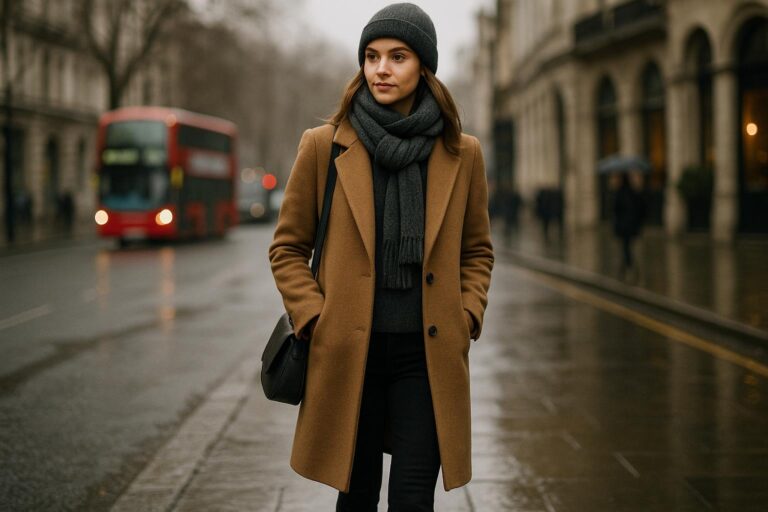
Neutral winter outfits feel sophisticated and are easy to build from a small collection of pieces. Shades like camel, beige, charcoal, cream, and navy mix well and can create both soft and sharp looks. A simple palette allows you to re-wear outfits frequently without them feeling repetitive. For instance, a camel coat can be combined with black trousers one day, blue jeans the next, and cream knitwear for a monochrome moment.
Bold Colors And Patterns To Brighten Gray Days
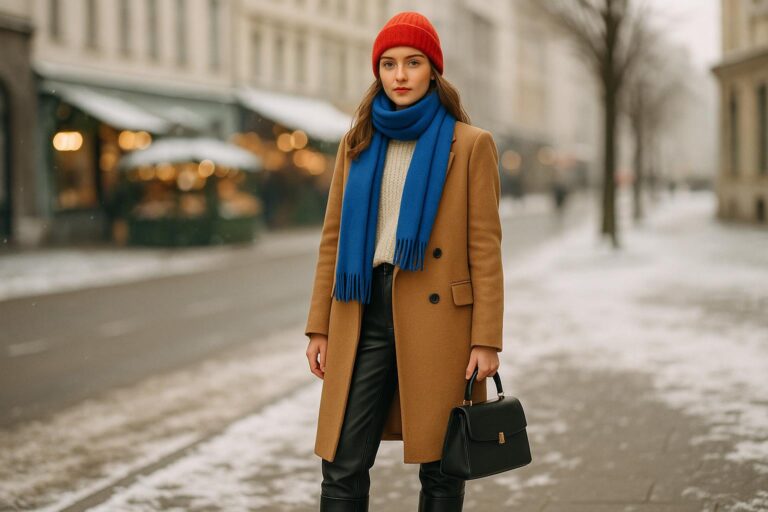
While winter often leans toward darker tones, bright colors and patterns can make outfits feel more energetic. Statement coats in red, cobalt, or emerald stand out against neutral outfits underneath. Patterned scarves, plaid skirts, or striped sweaters add visual interest without overwhelming the overall look. If you are hesitant about color, start with accessories—beanies, gloves, or handbags in bold shades can transform staple neutrals without demanding a full wardrobe shift.
Different Style Aesthetics For Winter
Winter outfits can reflect a wide range of style aesthetics. Minimalist looks emphasize clean lines, neutral colors, and high-quality basic pieces like wool coats, plain turtlenecks, and tailored trousers. A more casual or “cozy” aesthetic might focus on oversized knits, sherpa or teddy textures, and relaxed denim. Edgier styles might lean on leather jackets, combat boots, and darker color palettes. Understanding your preferred aesthetic helps guide choices, so each new winter piece fits naturally into your existing wardrobe.
Tips For Building A Cohesive Winter Look
To keep your winter wardrobe cohesive, choose one or two main color families and ensure most of your key items fall within them. Use accessories to experiment with trends or accent colors rather than investing heavily in statement pieces that are hard to style repeatedly. When adding a new coat, pair it mentally with at least three existing outfits to confirm it suits your overall style and lifestyle.
Accessorizing Winter Outfits For Function And Style
Hats, Scarves, And Gloves As Style Anchors
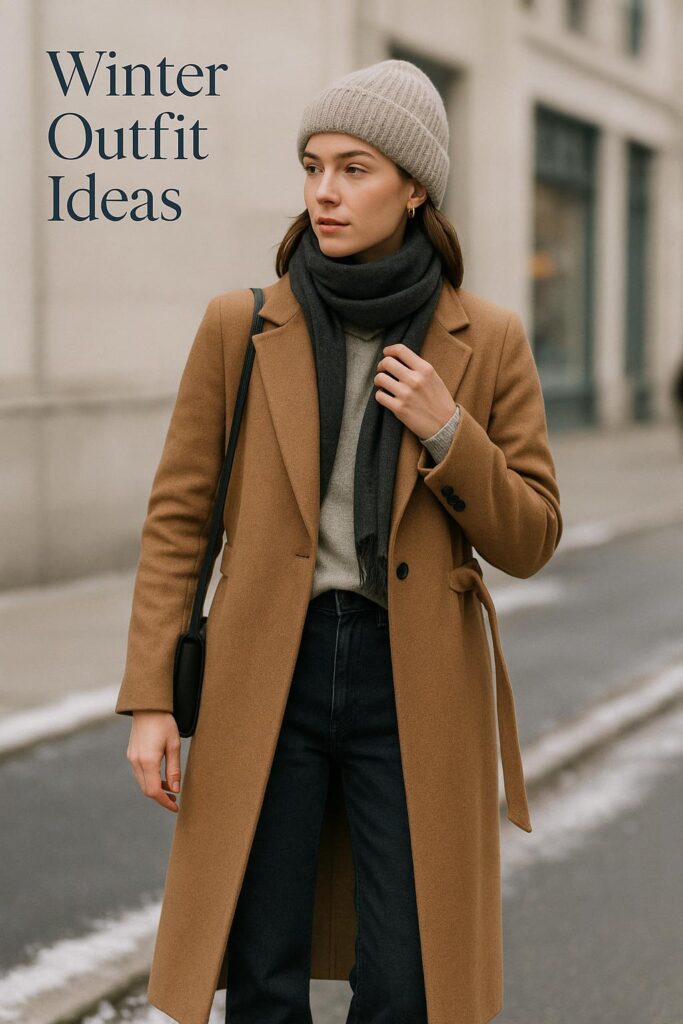
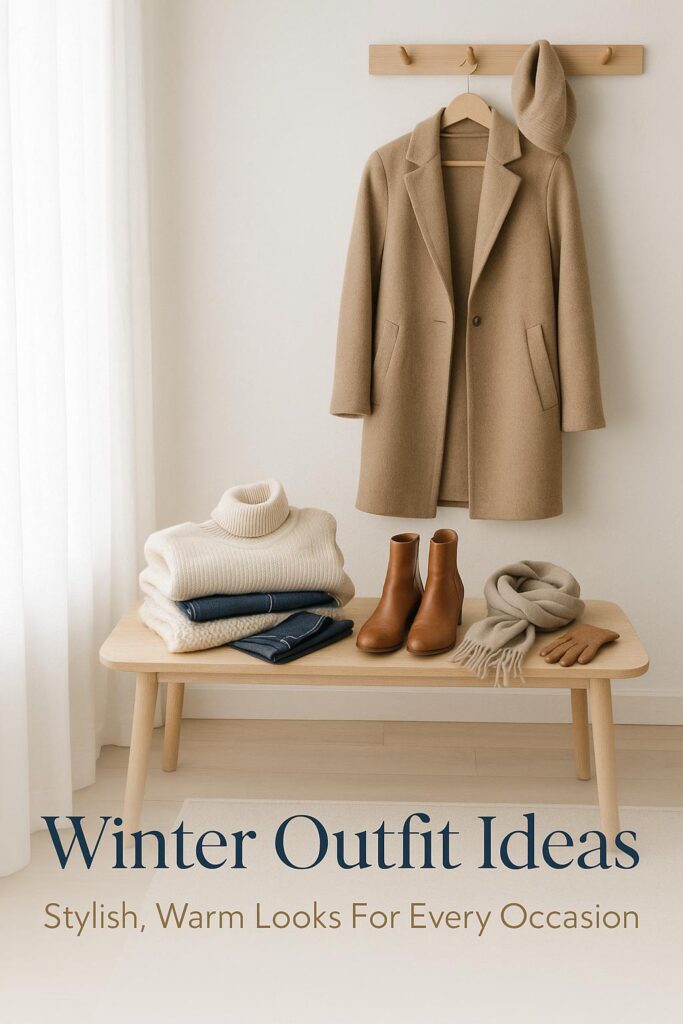
Accessories are essential in winter, both for warmth and for finishing an outfit. Beanies and berets keep heat from escaping while adding texture and color near the face. Scarves can change the mood of a look entirely; a chunky knit scarf suggests casual coziness, while a slim wool or cashmere scarf appears more refined. Gloves or mittens in leather, wool, or technical fabrics protect your hands and can either blend seamlessly with your coat or serve as a contrasting accent.
Footwear Options For Different Conditions
Footwear can make or break a winter outfit, both visually and practically. Ankle boots are highly versatile, pairing with jeans, trousers, and many dresses. Knee-high or over-the-knee boots add warmth along the leg and work well with skirts and skinny pants. For snow and ice, insulated boots with strong traction are vital, and they can still look intentional when matched with slim pants and a substantial coat. When indoor shoes differ from what you wear outside, plan outfits that transition easily once you change footwear.
Jewelry, Bags, And Other Details
Jewelry and bags provide personality without affecting warmth. Chunky earrings or layered necklaces can dress up simple knitwear, while structured handbags or crossbody bags keep essentials accessible when you are bundled up. Sunglasses are still useful in winter, especially when snow reflects sunlight, and choosing frames that complement your coat and hats contributes to a polished appearance.
Tips For Choosing Winter Accessories
When selecting winter accessories, aim for a mix of practical neutrals and a few accent pieces. Own at least one set of hat, scarf, and gloves in a neutral shade that matches most coats, then add one or two colorful sets for variety. Pay attention to fabric content, choosing wool blends or technical fabrics for warmth and durability. If you frequently commute or walk outdoors, prioritize gloves that work with touchscreens and bags that can be worn hands-free.
Creating A Capsule Of Go-To Winter Outfits
Identifying Your Most-Used Winter Pieces
Building a small, reliable rotation of winter outfits reduces decision fatigue and ensures you are ready for different situations. Start by identifying the pieces you reach for most—perhaps a favorite coat, your warmest boots, and two or three sweaters you consistently wear. Use these items as anchors and create specific outfits around them for work, weekends, and special occasions.
Sample Winter Outfit Capsule
- Two coats: one casual puffer, one tailored wool coat
- Three to four sweaters: a neutral turtleneck, a statement knit, a lightweight layering sweater, and a cardigan
- Two pairs of jeans: one dark wash, one black
- One pair of tailored trousers and one knit or sweater dress
- Thermal base layers: tops and leggings
- Two pairs of boots: casual insulated boots and dressier leather boots
- Multiple accessories: neutral and colored scarves, beanies, gloves
Tips For Maintaining Winter Outfits
Winter clothing often encounters salt, slush, and frequent wear, so maintenance matters. Clean and waterproof boots regularly to extend their life and keep them looking polished. Follow care labels for knitwear, often opting for gentle hand washing or specialized detergents to prevent stretching and pilling. At the end of the season, store coats and sweaters clean and fully dry in breathable garment bags or containers to protect them for the next year.
FAQ
What are some easy winter outfit ideas for everyday wear?
Easy winter outfit ideas for everyday wear include combinations like a chunky sweater with straight-leg jeans and ankle boots, a hoodie layered under a puffer jacket with leggings and sneakers, or a long flannel shirt over a turtleneck with black jeans and lace-up boots, all of which rely on simple layers that can be adjusted based on the temperature.
How can I stay warm in winter without looking bulky?
To stay warm without looking bulky, focus on thin but effective base layers such as thermal or merino wool tops, add a medium-weight insulating layer like a sweater, then finish with a tailored coat, keeping bulkier pieces on the outside and choosing slim-fitting layers closer to your body so your shape still shows through.
What should I wear to the office in winter?
For the office in winter, pair light but warm base layers with tailored pieces such as blazers, lined trousers, knit dresses, or midi skirts, then add a structured wool coat and polished boots, creating an outfit that keeps you warm on the commute yet remains comfortable and professional indoors.
How do I dress up for winter parties or holiday events?
To dress up for winter parties or holiday events, choose heavier or longer dresses like knit or velvet midis, wear opaque tights or warm leggings underneath, opt for heeled ankle or knee-high boots, and top everything with a dressy coat such as a long wool or faux-fur style to stay warm while still looking festive.
What are the best fabrics for winter outfits?
The best fabrics for winter outfits include wool, merino wool, cashmere, and quality wool blends for warmth and temperature regulation, as well as down or synthetic insulation for outerwear and performance synthetics or fleece for base layers and mid-layers that manage moisture and retain heat.
How can I make dresses work in cold weather?
To make dresses work in cold weather, choose long-sleeve, knit, or heavier-fabric styles, layer thermal tights or leggings underneath, pair them with knee-high or over-the-knee boots, and add a long coat and warm accessories like scarves and gloves to keep exposed areas covered.
What shoes are best for winter outfits?
The best shoes for winter outfits are ankle and knee-high boots with good traction, insulated snow boots for harsh conditions, and closed-toe dress boots or shoes for formal occasions, all chosen in materials and styles that coordinate with your coats and pants while offering warmth and grip.
How many coats do I really need for winter?
Most people can manage winter well with two main coats, such as a casual insulated or puffer coat for everyday and a more structured wool or wool-blend coat for work and dressier occasions, adding specialized outerwear only if their climate or activities require it.
What is a good winter outfit for extreme cold?
A good winter outfit for extreme cold includes a moisture-wicking base layer, a warm insulating mid-layer like fleece or wool, an insulated and wind-resistant long coat, thermal leggings or base-layer pants under lined trousers or snow pants, insulated boots, and fully covering accessories such as a beanie, scarf, and gloves or mittens.
How can I build a small but versatile winter wardrobe?
To build a small but versatile winter wardrobe, choose a limited neutral color palette, invest in two reliable coats, a few mix-and-match sweaters, jeans and tailored pants, thermal base layers, two pairs of boots, and a selection of hats, scarves, and gloves, then create repeatable outfit formulas for work, casual days, and special events.