Winter Outfit Inspo: Chic, Cozy Looks to Copy This Season
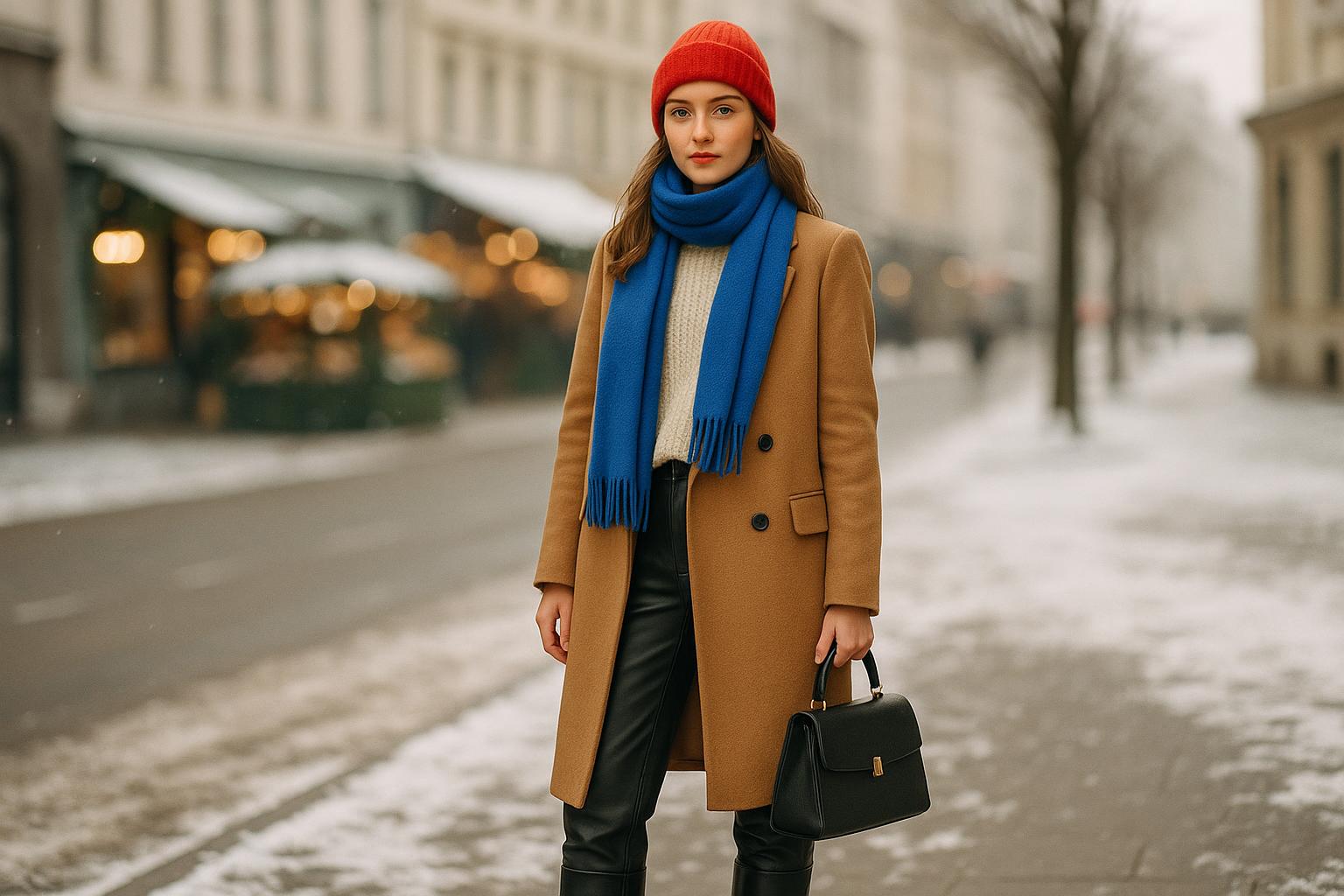
Winter Outfit Inspo: How To Look Stylish And Stay Warm All Season
Finding fresh winter outfit inspo can feel challenging once the temperatures drop and you want to reach for the same black parka every day. The key to building stylish cold-weather looks is understanding how to layer, choosing the right fabrics, and having a set of go-to formulas you can repeat with small tweaks. This guide walks through practical ways to stay warm, look current, and build a winter wardrobe that actually works for your real life.
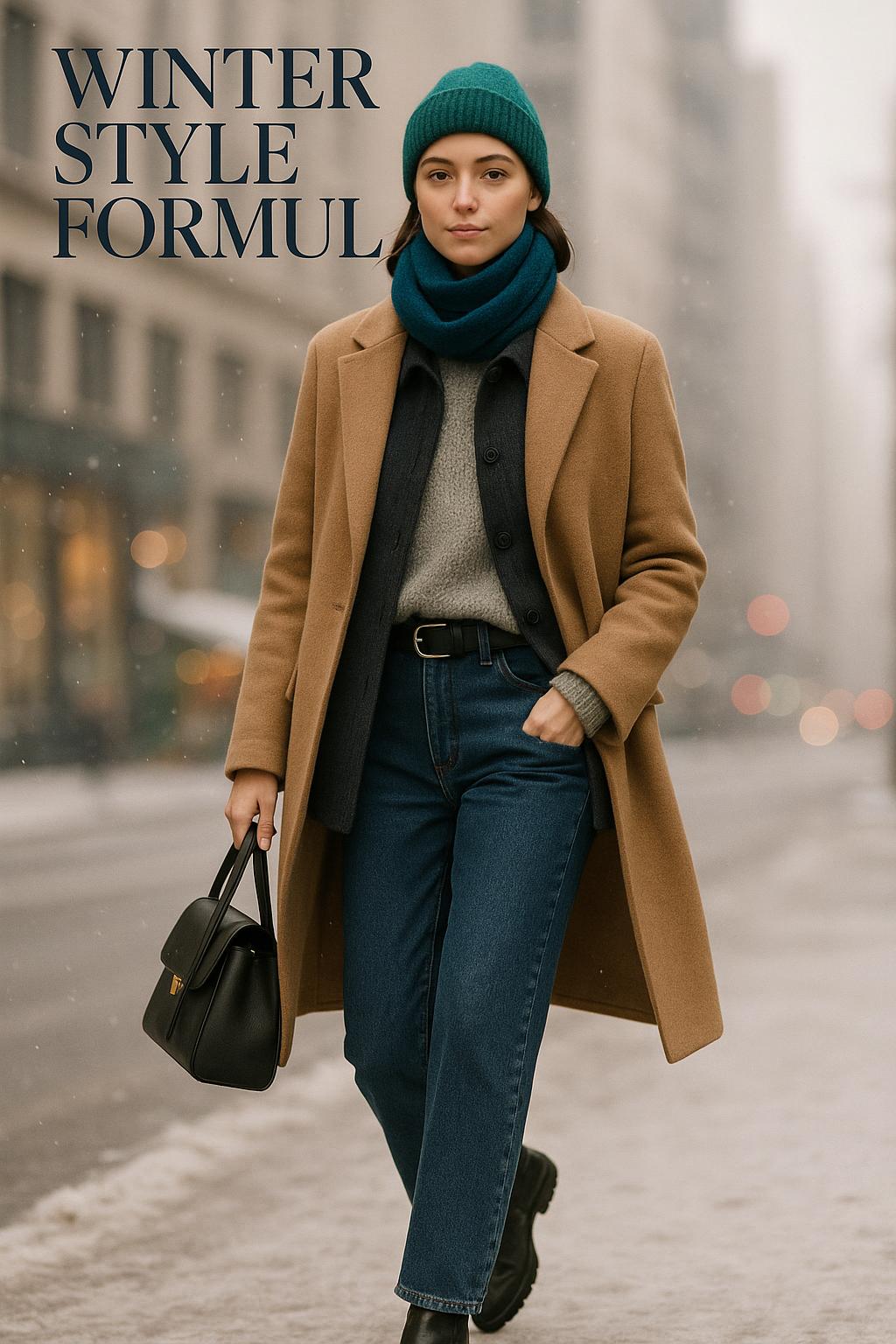
Why Winter Style Feels So Tricky
Winter outfits have to work harder than any other season. You are trying to balance warmth, comfort, function, and personal style, often while commuting, dealing with slush or snow, and moving between overheated interiors and cold exteriors. Without a plan, it is easy to default to bulky layers that feel practical but not polished. Building a few reliable outfit formulas and investing in versatile pieces takes the guesswork out of getting dressed on the coldest days.
Foundation Pieces For Effortless Winter Outfits
Before getting into specific looks, you need a core lineup of winter essentials that can mix and match. These are the pieces that make winter outfit inspo realistic instead of aspirational. They do the heavy lifting for warmth and structure so you can have fun with colors, textures, and accessories.
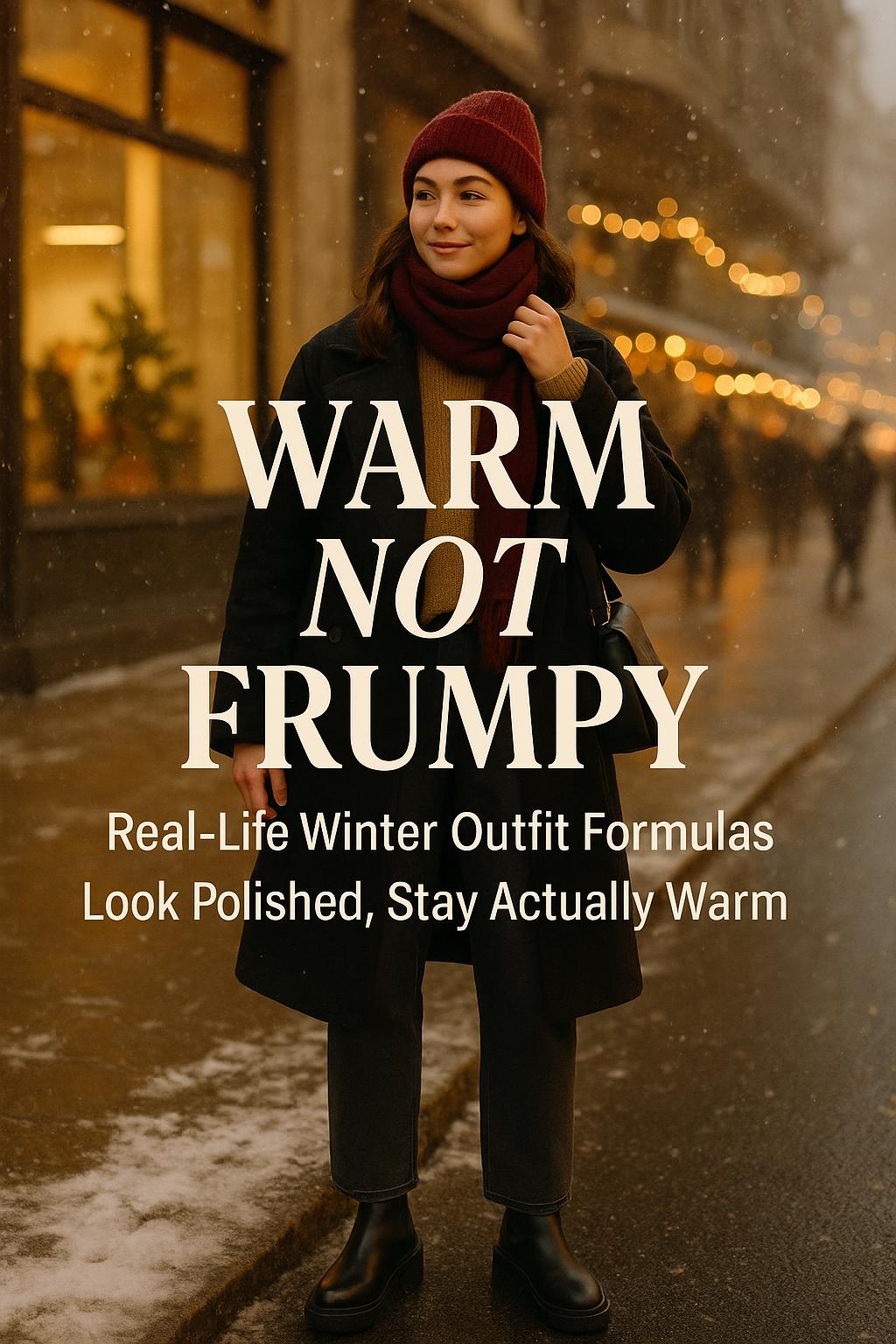
Warm Base Layers You Actually Want To Wear
Base layers are the unsung heroes of winter wardrobes. Thin but warm pieces let you wear slimmer silhouettes, lighter coats, and dressier outfits without freezing. Look for lightweight turtlenecks, long-sleeve tees, and thermal leggings that fit smoothly under jeans or trousers. Neutral colors like black, gray, and cream give maximum flexibility, while a few striped or ribbed options add subtle interest if they peek out at the cuffs or neckline.
When shopping, prioritize soft, non-itchy fabrics so you are not tempted to skip them. If you live in a milder climate, a breathable long-sleeve tee may be enough. In colder areas, opt for more insulating options you can still tuck comfortably into pants or skirts.
Mid-Layers: Sweaters, Hoodies, And Shirt Jackets
Mid-layers are where your personality really shows. This is the layer people see most of the time indoors, once you remove your coat. Build a small rotation of sweaters and knits in different fits and necklines: chunky cable knits for off-duty days, slim merino or cashmere for work, and cropped cardigans or sweater vests for trend-driven looks. Neutrals like camel, navy, and charcoal are easy to pair, but one or two bold colors or patterns keep your outfits from feeling flat.
Shirt jackets and hoodies also belong in the mid-layer category. A tailored shacket gives a casual-cool vibe over a turtleneck, while a clean, structured hoodie can look modern under a wool coat. Aim for pieces that are warm but not so bulky that they make your outer layer feel tight.
Outerwear That Mixes Style And Function
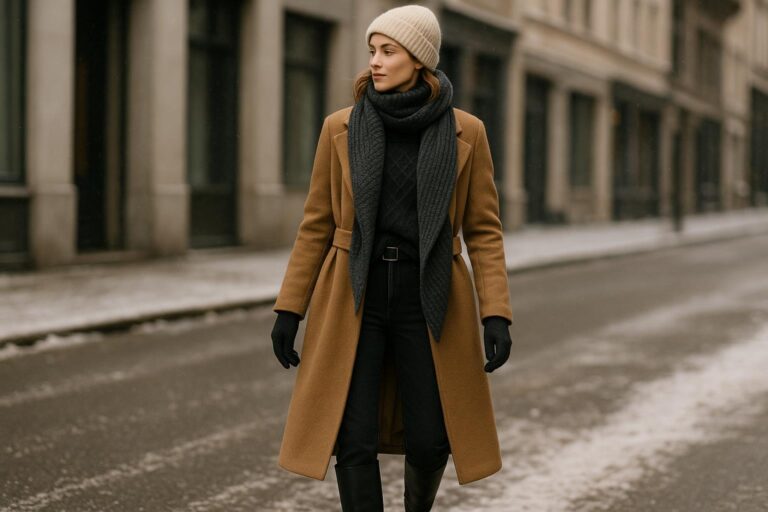
Outerwear is the centerpiece of most winter looks. Because it is the first thing people see, investing in one or two coats that genuinely fit your lifestyle and climate makes a big visual impact. A long, tailored wool coat instantly sharpens everything from jeans and sneakers to office dresses and boots. A puffer coat or parka is non-negotiable for very cold days, and current designs range from sporty cropped versions to sleek, belt-tied maxi puffers that feel more refined than purely utilitarian.
If you live somewhere with unpredictable weather, a water-resistant or water-repellent finish is especially helpful. Consider at least one neutral coat you can wear multiple times a week, plus one statement option if your budget allows, such as a bold color, plaid pattern, or faux-fur texture that instantly elevates simple base outfits.
Cold-Weather Bottoms That Go Beyond Basic Jeans
Denim is a winter staple, but it is not your only option. Straight-leg and wide-leg jeans remain versatile, especially in medium to dark blue washes and black. If you plan to layer thermal leggings underneath, choose styles with a bit of room through the thigh. For work or dressier settings, wool-blend trousers, tailored joggers, or lined pants offer warmth with a polished look.
For trend-forward winter outfit inspo, consider faux-leather leggings or trousers, which bring both wind resistance and visual edge, and sweater skirts or knit midi skirts paired with opaque tights. These pieces broaden your options so you are not stuck in heavy denim every day.
Boots And Shoes That Work With Real Winter Weather
Footwear can make or break a winter outfit, especially when sidewalks are wet or icy. Ankle boots with lug soles offer grip and a current silhouette that pairs well with straight or wide-leg denim. Knee-high boots are ideal with dresses, skirts, and tucked-in leggings, keeping more of your leg warm. For extremely cold or snowy days, insulated or shearling-lined boots keep you comfortable without sacrificing style if you choose minimal, streamlined designs in black, brown, or taupe.
Sneakers still have a place in winter wardrobes in milder areas or for dry days. High-top and leather sneakers provide more coverage and pair well with full-length trousers or relaxed jeans. Just be mindful of traction and avoid wearing shoes that cannot handle the weather you actually face outside.
Accessories That Pull Every Look Together
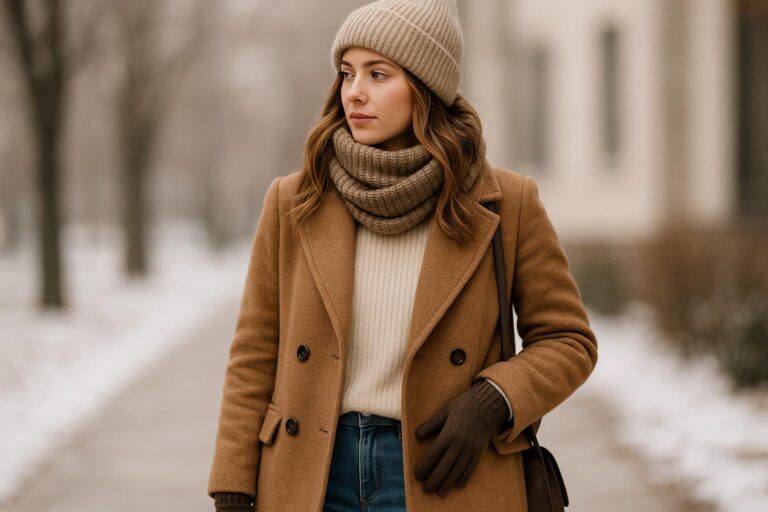
Winter accessories are both functional and aesthetic. Scarves, hats, and gloves trap heat at key points, and they also add color, texture, and pattern to otherwise simple outfits. A single bold scarf can transform a basic black coat, while a ribbed beanie or structured wool hat frames your face and makes even a puffer look intentionally styled.
Choose gloves or mittens that work with your lifestyle—touchscreen compatibility is a real plus if you use your phone frequently outdoors. For a polished feel, leather or faux-leather gloves look sleek with wool coats, while chunky knit mittens feel cozy and casual.
Essential Winter Outfit Formulas For Everyday Life
Once you have key pieces in place, building winter outfits becomes about combining them in smart ways. Having a few go-to formulas you can repeat with small variations makes mornings faster and outfits more consistent. The goal is to look intentional, not overthought.
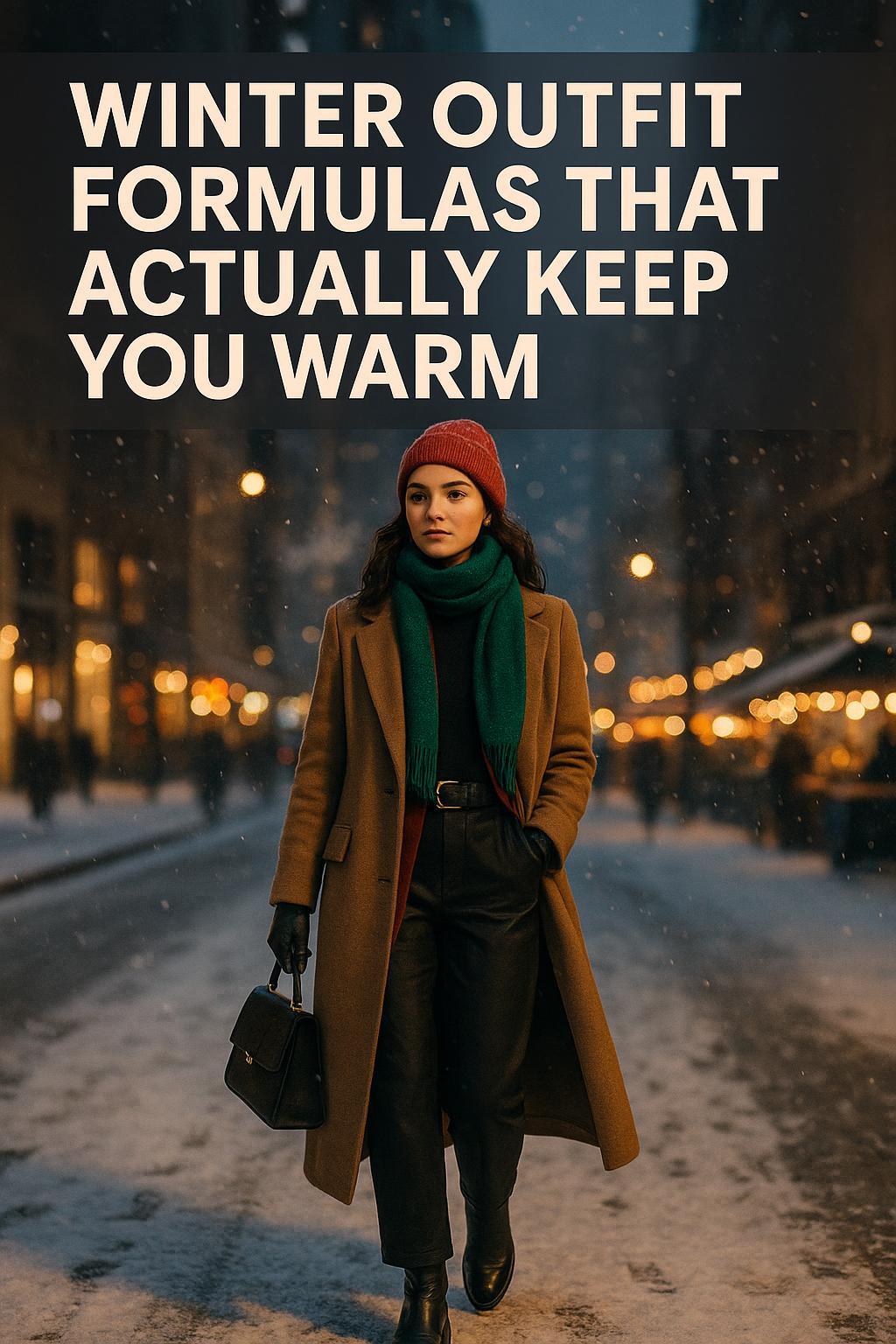
Casual Everyday Outfit Ideas
Casual winter days call for comfort without sacrificing polish. When you are running errands, meeting friends, or working from home, focus on breathable layers and pieces that move easily with you. A typical formula might include a base long-sleeve tee, an oversized sweater or hoodie, relaxed jeans or joggers, and warm boots or sneakers, topped with a puffer or parka when needed.
- Long-sleeve tee + crewneck sweater + straight-leg jeans + ankle boots + puffer coat
- Thermal top + zip hoodie + lined joggers + high-top sneakers + quilted jacket
- Ribbed turtleneck + faux-leather leggings + chunky cardigan + shearling boots
These combinations are easy to repeat with different colors and patterns. Keeping fits streamlined on at least one half of your body—a slimmer top with relaxed bottoms, or vice versa—prevents casual outfits from feeling shapeless.
Work And Office-Ready Winter Outfits
Dressing for work in winter often requires layering that still looks tailored when you take your coat off. Start with a smooth base layer that will not add bulk under blouses or knitwear. Choose mid-weight sweaters or long-sleeve tops in refined fabrics, then add trousers or a midi skirt with tights. Finish with a structured coat and polished boots or loafers suitable for your office dress code.
- Fine-gauge turtleneck + wool trousers + heeled ankle boots + long wool coat
- Button-down shirt + crewneck sweater + straight-leg pants + loafers + tailored wrap coat
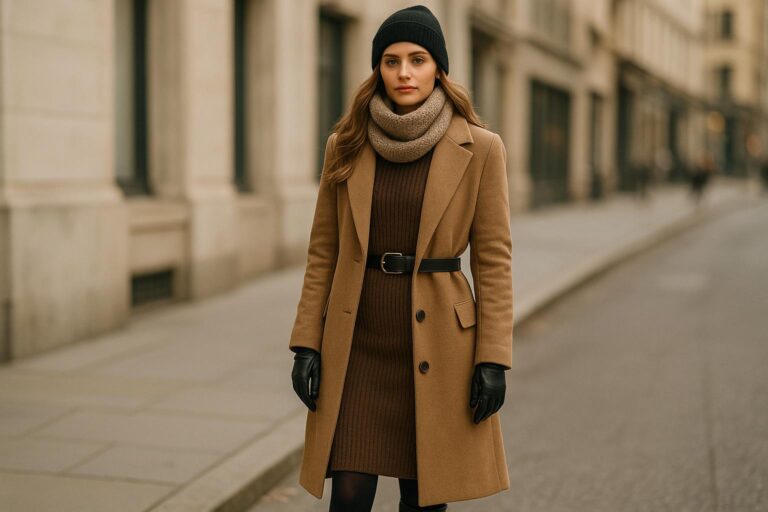
- Knit midi dress + opaque tights + knee-high boots + belted coat
Maintaining clean lines and a cohesive color palette makes layering look professional rather than bulky. Use accessories like leather belts, sleek scarves, and understated jewelry to finish your look without overwhelming it.
Date Night And Going-Out Winter Looks
Even on the coldest nights, you can create outfits that feel special without sacrificing comfort. Prioritize warmth on your legs and feet, since those areas tend to get cold first. Think fitted turtlenecks tucked into skirts, slim sweaters with faux-leather pants, and sweater dresses styled with heeled boots. Add an eye-catching coat or statement accessory so your look still feels intentional with outerwear on.
Balance is key: if you are wearing a shorter skirt or dress, pair it with opaque tights and tall boots. If your top has an open neckline or sheer elements, make sure your coat and lower layers are especially warm. This way you can be comfortable walking between locations without needing to layer so heavily that you lose the outfit’s overall shape.
Outdoor And Snow-Day Outfit Inspo
For snow days, tailgates, winter markets, or outdoor events, functionality has to come first, but you can still look put-together. Focus on windproof and water-resistant outer layers, moisture-wicking base layers, and insulating mid-layers that trap heat. Choose boots with real traction and consider wool socks for extra warmth.
- Thermal top + fleece half-zip + insulated parka + lined leggings + snow boots
- Base tee + thick hoodie + puffer coat + straight-leg jeans with thermal leggings + lug-sole boots
- Merino base layer + quilted vest + shell jacket + ski pants + waterproof boots
Small style touches make these practical looks feel more intentional: coordinated color schemes, matching hat and glove sets, and a scarf in a contrasting shade all help your outfit feel styled rather than thrown together.
Layering Strategies That Keep You Warm Without Bulk
Layering is the backbone of smart winter dressing, but piling on clothing without a plan leads to stiffness and overheating indoors. When done well, layering lets you adapt to different temperatures while maintaining a clean silhouette.
How To Build A Three-Layer System
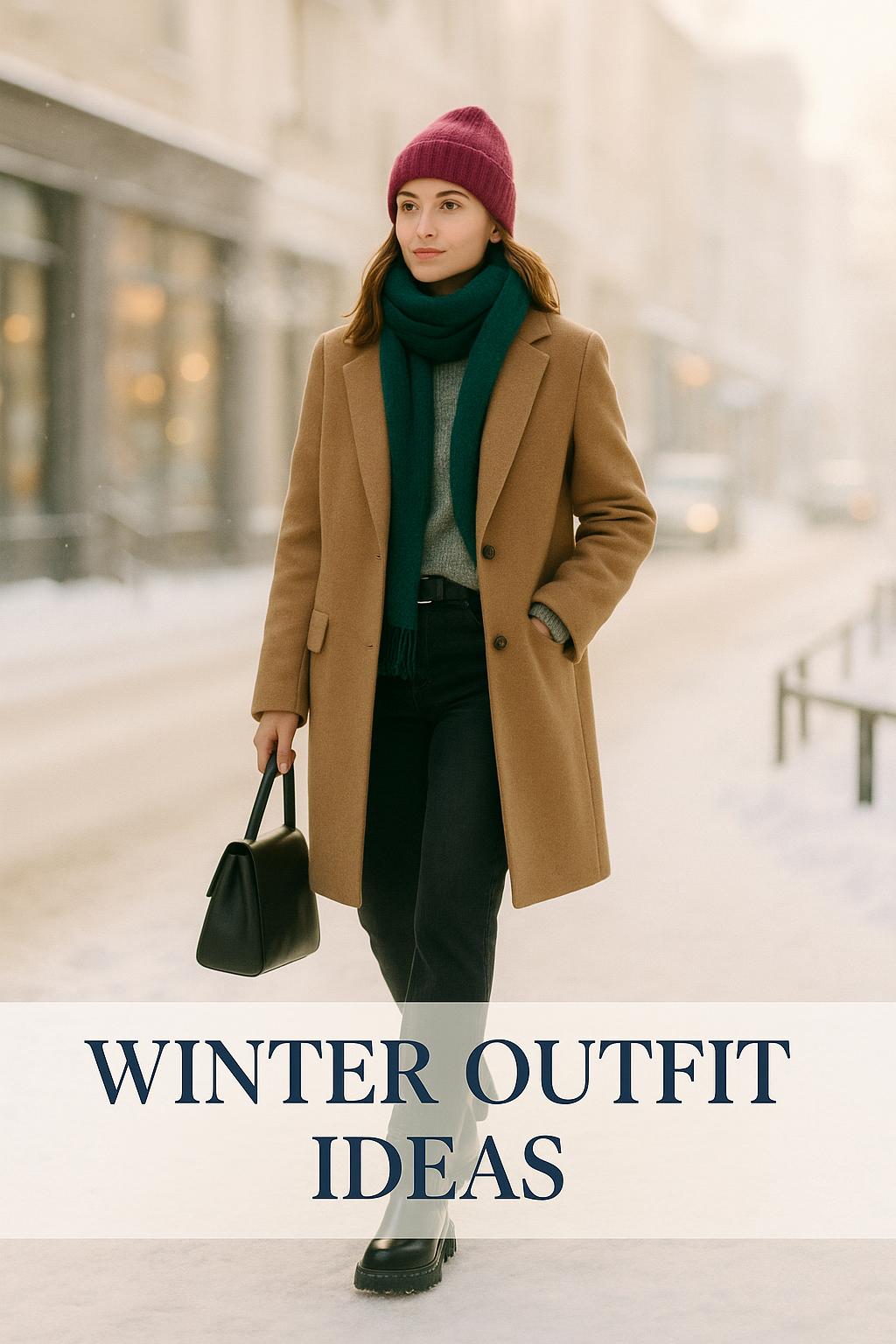
A simple three-layer system works for most winter situations. The base layer sits closest to your skin and should be smooth and either moisture-wicking or soft cotton, depending on how active you will be. The mid-layer provides insulation and can be a sweater, hoodie, or fleece. The outer layer protects against wind, rain, or snow and includes your coat or jacket.
Adjust the thickness of each layer according to your climate. In very cold regions, your base and mid-layers may need to be substantial, while your outer layer must be windproof and possibly insulated. In milder areas, a thin base layer and a mid-weight coat might be enough, with the option to add or remove a scarf or hat as temperatures shift.
Balancing Proportions When Layering
Staying warm does not require sacrificing shape. Consider proportion and volume as you add layers. If your coat is oversized, choose slimmer pieces underneath, like straight-leg pants and a fitted sweater. If you are wearing wide-leg trousers or a voluminous skirt, opt for a more tailored coat or cropped jacket to define your upper body.
Pay attention to hemlines as well. A long coat paired with slightly cropped pants can show off boots and keep your look modern. If your coat is shorter, full-length pants or tall boots help keep more of your legs covered and warm.
Smart Fabric Choices For Real Warmth
Fabric choice influences how many layers you truly need. Wool and wool blends offer excellent insulation in relatively thin profiles, which makes them ideal for sweaters and coats. Down and synthetic fills provide serious warmth in puffers and parkas while remaining lightweight. Cotton feels soft but can hold onto moisture, so it is better suited for casual mid-layers than for high-activity base layers in very cold conditions.
On especially cold days, prioritize wool socks, lined boots, and accessories that cover exposed areas like your ears and neck. Keeping your extremities warm often makes the biggest difference in overall comfort, even if your main clothing layers remain relatively streamlined.
Tips For Comfortable Indoor-Outdoor Transitions
Winter days often involve moving between cold streets and overheated buildings. To stay comfortable, choose layers you can easily remove and carry. Avoid wearing your bulkiest sweater under your warmest coat unless you know you will be outside for extended periods. Instead, aim for a slightly lighter sweater and rely on accessories like scarves and hats for adjustable warmth. When you go inside, remove your outerwear and heavier accessories quickly to prevent overheating and keep your outfit underneath looking neat.
Elevating Your Winter Style With Color, Texture, And Details
Once you have practical layering down, small style-focused choices are what transform basic outfits into inspirational winter looks. Color, texture, and details all have a big impact, especially when much of your outfit is covered by a coat for part of the day.
Using Color To Brighten Dark Winter Days
Winter wardrobes often lean heavily on black, gray, and navy, which are versatile but can start to feel repetitive. Introducing even a small amount of color can refresh your entire closet. A red, cobalt, or forest green coat turns a simple jeans-and-sweater combo into a statement. Colored scarves, beanies, and gloves are low-commitment ways to experiment with brighter tones without overhauling your base pieces.
For a subtler approach, try deep jewel tones like burgundy, bottle green, or royal blue that still feel seasonally appropriate but more interesting than basic neutrals. You can also layer colors tonally: different shades of beige and camel together look sophisticated and create dimension even in a monochrome outfit.
Playing With Texture For Visual Interest
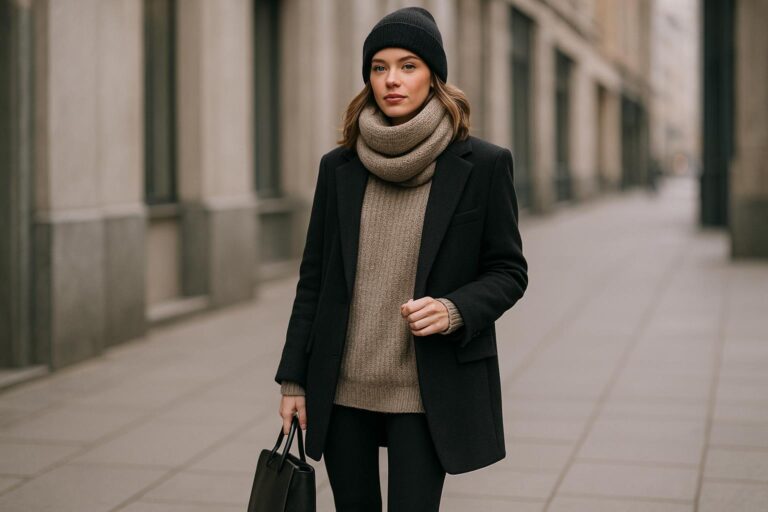
Texture is one of the easiest ways to elevate cold-weather looks. Cable-knit sweaters, ribbed turtlenecks, quilted jackets, faux-fur trims, shearling linings, and leather or faux-leather pieces all create depth. When worn together thoughtfully, they make even an all-black outfit look layered and intentional.
Try pairing a smooth wool coat with a chunky knit scarf, or a sleek turtleneck with soft corduroy trousers. Mixing matte and slightly shiny finishes—such as a puffer coat with leather boots—also gives your outfit dimension without relying on bold prints or colors.
Finishing Touches: Belts, Bags, And Jewelry
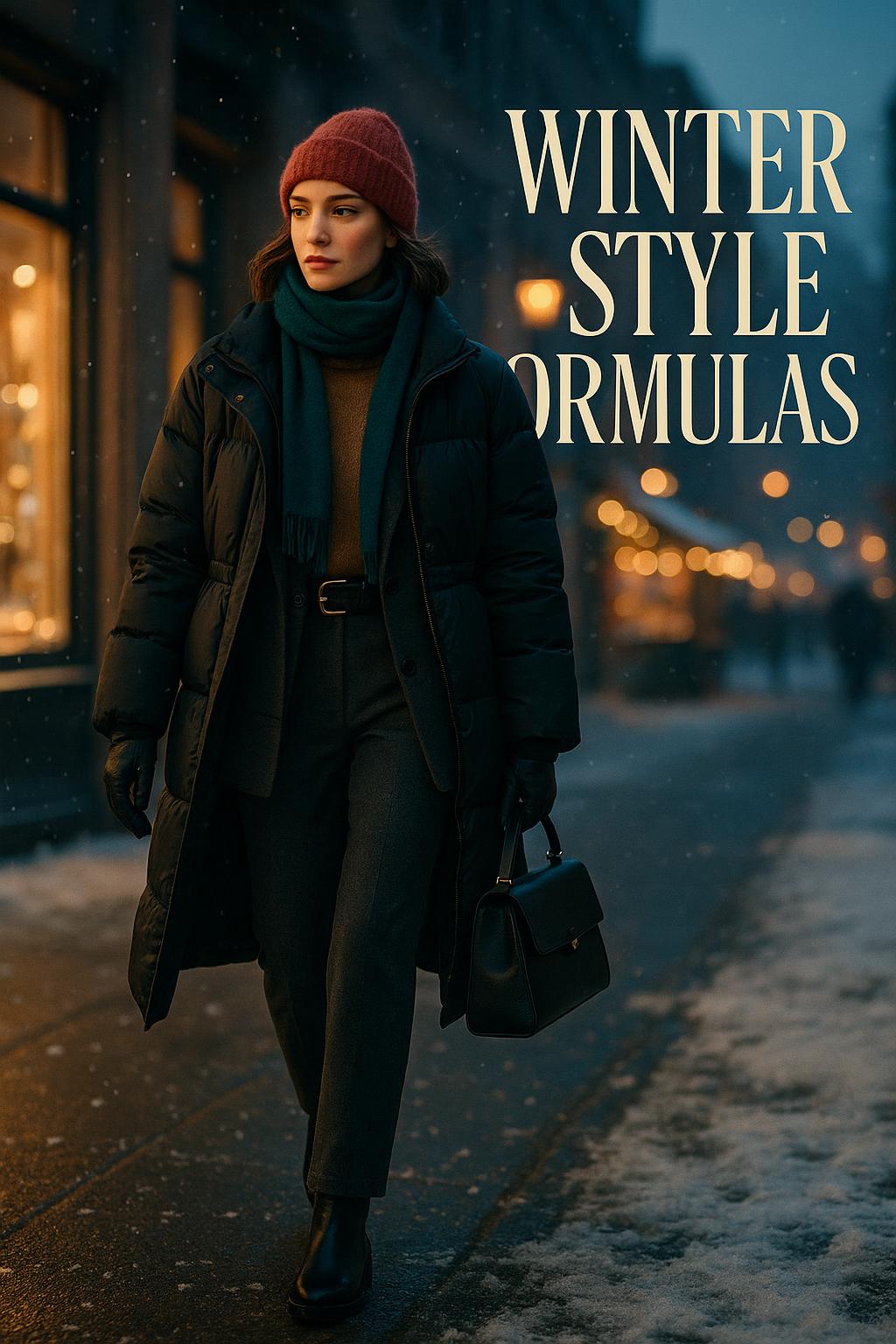
The right finishing touches can transform practical layers into a cohesive look. Belting a coat at the waist defines your shape and instantly adds polish, especially over thick sweaters. Structured handbags or crossbody bags look refined and keep your hands free for gloves or hot coffee. Simple jewelry like hoop earrings, layered necklaces, or a sleek watch remains visible even when you are bundled up and gives your outfit a more complete feel.
Keep accessories in proportion to your outerwear. Chunky scarves pair best with substantial coats, while slim silk or lightweight wool scarves flatter more tailored jackets. The goal is harmony, not competition, between layers.
Tips For Building A Versatile Winter Wardrobe
When planning winter purchases, think in outfits, not standalone pieces. Before you buy a new coat or sweater, consider how many existing items it works with. Favor pieces that can be styled for both casual and slightly dressier settings—for example, a wool coat that looks good with sneakers and with heeled boots, or a sweater dress that can be layered differently for daytime and evening.
Aim for a mix of timeless items and a few trend-led pieces each season. Classic coats, neutral boots, and well-fitting trousers will serve you year after year. Then add one or two current silhouettes or colors to keep your wardrobe feeling updated without rebuilding it from scratch each winter.
Winter Outfit Inspo For Different Personal Styles
Personal style does not disappear just because temperatures drop. You can adapt almost any aesthetic to winter by choosing the right materials and layering techniques. Consider what you naturally gravitate toward—minimal, edgy, romantic, sporty—and use that as a filter for outfit ideas.
Minimal And Classic
If you prefer clean lines and neutral palettes, focus on quality fabrics and impeccable fits. A black or camel coat, straight-leg jeans or tailored trousers, and solid turtlenecks form the core of your wardrobe. Add interest through subtle details like a tonal striped scarf, a structured bag, or sleek leather boots. Repeating similar silhouettes in different textures—wool, cashmere, leather—keeps your winter style refined and cohesive.
Edgy Or Trend-Forward
If you like a bolder look, lean into statement outerwear, faux-leather pieces, and unexpected layering. Oversized coats, wide-leg pants, and chunky boots can all work in winter when balanced with fitted layers underneath. Graphic knits, moto jackets layered under long coats, or all-black outfits with mixed textures provide lots of outfit inspiration while remaining practical in cold weather.
Romantic And Feminine
For a softer aesthetic, look for sweater dresses, knit skirts, wrap coats, and pieces in winter-friendly florals or soft pastels. Opaque tights and knee-high boots extend the wearability of dresses and skirts into the coldest months. Adding faux-fur collars, textured scarves, or delicate jewelry over sweaters keeps your outfits feeling romantic and polished even when layered.
Sporty And Casual
If your style leans sporty, base your wardrobe on elevated basics: high-quality hoodies, joggers with structure, quilted jackets, and sleek sneakers or snow boots. Monochrome tracksuit-style sets under a puffer coat look put-together while remaining incredibly comfortable. Adding one tailored layer, like a wool coat over a hoodie and jeans, can give your casual outfits a stylish twist without making them feel formal.
Practical Tips For Staying Warm And Stylish All Winter
Winter outfit inspo is most useful when it translates into everyday routines. Small habits and choices help your clothes perform better and last longer throughout the season.
Plan Your Outfits Around The Forecast
Checking the daily forecast before choosing your clothes saves frustration later. On truly frigid days, prioritize warmth with thermal layers, insulated outerwear, and accessories that cover exposed skin. On slightly warmer or drier days, you have more flexibility to experiment with lighter coats, skirts with tights, or sneakers instead of heavy boots. Matching your outfit to actual conditions makes it easier to enjoy what you are wearing.
Rotate And Care For Your Winter Pieces
Winter fabrics benefit from proper care. Allow boots to dry fully between wears, especially if they have been exposed to snow or rain. Brush off salt marks and condition leather periodically to prevent cracking. For wool coats and sweaters, follow care instructions carefully—most do best with spot cleaning between occasional professional cleanings. Rotating your sweaters and coats not only extends their lifespan but also keeps your outfits feeling fresh, as you are less likely to get stuck in a one-coat rut.
Build A Small Library Of Go-To Looks
To make winter dressing easier, pay attention to which outfits you feel most comfortable and confident in, and mentally (or literally) document them. Aim to have several default formulas: a casual errand-running outfit, a work-ready look, a date-night ensemble, and an outdoor-activity uniform. Once you know these combinations work, you can recreate them with slight variations in color, accessories, or footwear, staying stylish without starting from scratch every morning.
FAQ
How can I stay warm in winter without looking bulky?
Focus on a strategic three-layer system using efficient fabrics instead of piling on random pieces. Start with a thin, warm base layer, add an insulating mid-layer like a sweater, and finish with a tailored coat or puffer that blocks wind. Choose wool, down, and quality synthetics that insulate well without excess thickness, and balance proportions by pairing oversized items with slimmer pieces so your overall shape still looks defined.
What are some easy winter outfit formulas I can repeat?
Reliable winter formulas include a turtleneck, straight-leg jeans, ankle boots, and a wool coat; a fine-knit sweater, tailored trousers, loafers, and a long coat for work; and a sweater dress, opaque tights, knee-high boots, and a belted coat for evenings. For casual days, a long-sleeve tee under a hoodie or crewneck sweater with relaxed jeans and a puffer coat works well. Repeat these basics with different colors or accessories to keep them feeling fresh.
How do I style a long coat for everyday wear?
A long coat is surprisingly versatile for daily outfits. Wear it open over a sweater and jeans with ankle boots for a relaxed but polished look, or belt it over a knit dress and tights for added shape. To keep proportions balanced, pair long coats with either slim or straight-leg bottoms, and make sure the coat shoulders and sleeves fit properly so it looks intentional rather than overwhelming your frame.
What shoes are best for winter outfits if I walk a lot?
If you spend significant time on your feet, prioritize boots with good traction and cushioning, such as lug-sole ankle boots, insulated lace-up boots, or streamlined snow boots. Look for water-resistant materials and grippy soles to handle wet or icy sidewalks. On dry, milder days, leather or high-top sneakers with supportive insoles can also work, especially paired with full-length pants that keep your ankles covered.
How can I wear dresses or skirts in cold weather?
Dresses and skirts can work well in winter when you treat them as part of a layered system. Choose heavier fabrics like knits or wool blends, and pair them with opaque tights or thermal leggings plus knee-high or over-the-knee boots for extra coverage. Layer a turtleneck under sleeveless dresses, add a cardigan or blazer on top, and finish with a warm coat and scarf so that exposed areas stay minimal.
What colors work best for a winter wardrobe?
Neutrals such as black, gray, navy, camel, and cream form a flexible base for winter outfits, making it easy to mix and match layers. To keep things from feeling dull, introduce deeper accent colors like burgundy, forest green, or cobalt, or add a single bold piece such as a colorful coat or scarf. Layering similar tones together—for example different shades of beige—can also create a sophisticated, cohesive look.
How many coats do I really need for winter?
The exact number depends on your climate and lifestyle, but most people do well with two or three key coats: a warm, weather-resistant puffer or parka for very cold or wet days; a tailored wool or wool-blend coat for work and dressier occasions; and optionally a lighter or more casual jacket, like a quilted coat or shacket, for milder weather. Choosing versatile colors and fits ensures each coat works with multiple outfits.
How do I make my winter outfits look more put-together?
To elevate winter looks, pay attention to fit, proportion, and finishing touches. Make sure your outerwear fits well in the shoulders and sleeves, balance voluminous pieces with slimmer ones, and stick to a cohesive color story instead of mixing too many unrelated shades. Adding a structured bag, a coordinated hat and scarf, or a belt over your coat instantly makes layers feel intentional, even when the outfit is built from simple basics.
What should I look for when buying winter boots?
When choosing winter boots, prioritize traction, weather resistance, and comfort. Look for soles with a defined tread pattern to reduce slipping, materials that repel water or snow, and enough insulation or lining to keep your feet warm for the amount of time you spend outside. Consider how the boot height works with your wardrobe—ankle boots pair well with most pants, while knee-high styles are ideal with dresses, skirts, and tucked-in leggings.
How can I refresh my winter style without buying a whole new wardrobe?
Start by identifying a few gaps that limit your current outfits, such as a missing neutral coat, warm base layers, or weather-appropriate boots. Then add a small number of high-impact pieces like a statement scarf, a textured sweater, or a colorful beanie to update your existing clothes. Reworking how you layer—pairing different tops and bottoms, belting coats, or mixing textures—often makes familiar items feel new without a major shopping overhaul.