
Smart Winter College Outfits for Warm, Stylish Campus Days
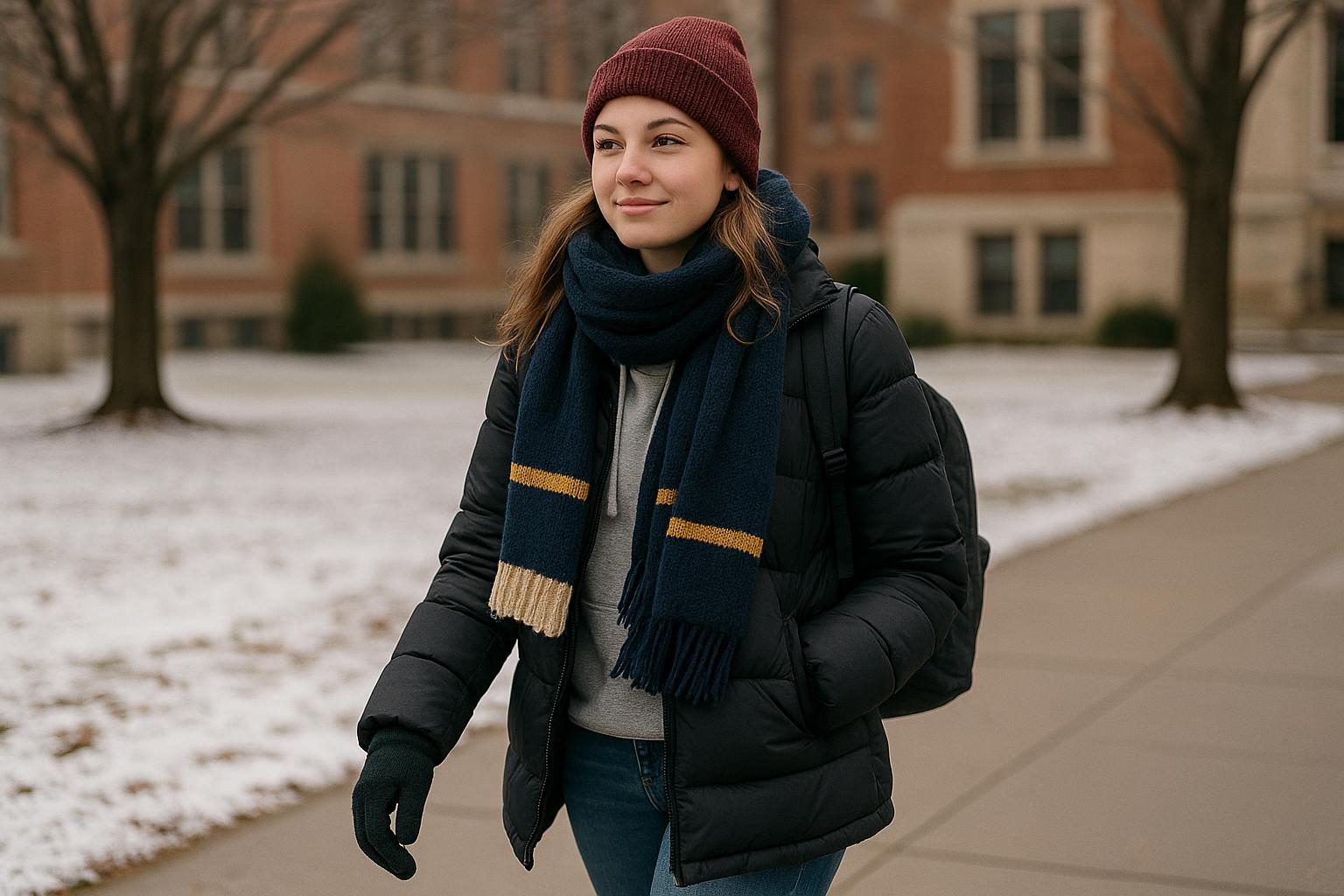
Winter College Outfits: A Complete Guide to Staying Warm and Stylish on Campus
Winter college outfits have to do more than just look cute for class; they need to keep you warm on the walk across campus, feel comfortable for long lectures and library sessions, and still work for everything from club meetings to casual nights out. Building a smart winter wardrobe for college is about mixing practical layering pieces, campus-friendly shoes, and a few standout items that express your style, all while dealing with unpredictable weather and a student budget.
This guide walks through essential winter pieces, outfit formulas for different campus situations, how to layer without looking bulky, and practical tips for laundry, storage, and shopping. Whether you go to school in a mild climate or somewhere with heavy snow, you can create a winter rotation that feels intentional rather than random.
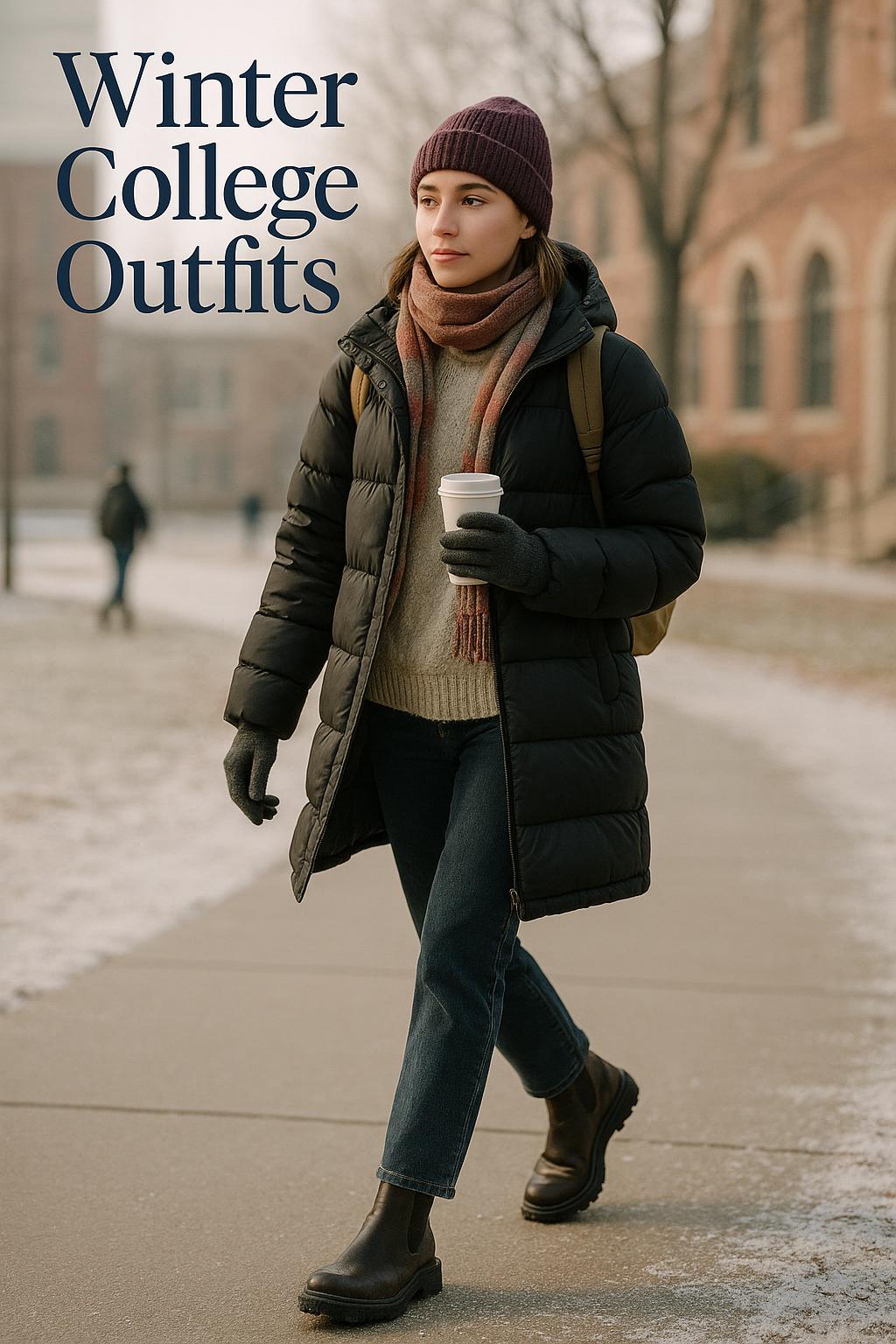
Core Principles of Winter Dressing for College Students
Before diving into specific winter college outfits, it helps to understand a few basic principles that make getting dressed easier. When your alarm goes off for an 8 a.m. class and it’s freezing outside, having a clear strategy matters more than owning a ton of clothes.
Think in Layers, Not Single Pieces
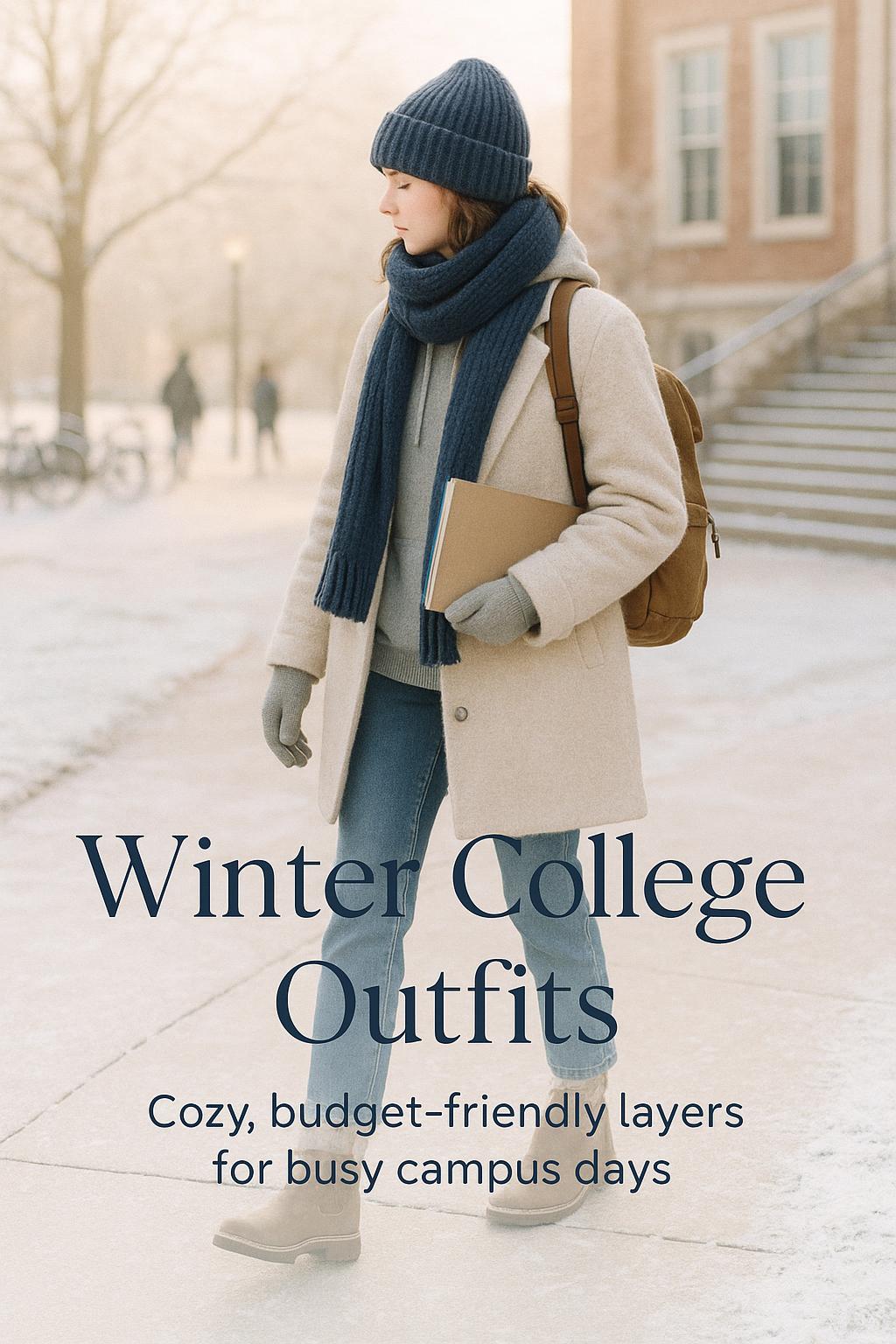
The most effective way to stay warm in winter is to build outfits from several lighter pieces instead of relying on one bulky sweater. Layers trap air, which insulates you, and they give you flexibility when you move between cold outdoor walks and heated lecture halls. A typical structure is base layer, mid layer, and outer layer, with accessories to fill the gaps around your neck, head, and hands.
Balance Warmth, Mobility, and Classroom Comfort
In college, you might walk twenty minutes in freezing wind and then sit for hours in an overheated room. Winter outfits should keep you warm outside but not make you miserable indoors. That’s why removable layers and breathable fabrics are key. You want to be able to take off a coat or sweater and still have a presentable base outfit you’re comfortable wearing all day.
Build a Reusable Color Palette
Choosing a simple color scheme makes winter dressing faster and helps a small wardrobe stretch farther. Neutrals such as black, gray, navy, cream, and brown mix easily with college gear like team sweatshirts, graphic tees, or colorful beanies. A limited palette means you can grab any sweater, any pair of pants, and any coat and know they’ll likely work together, which is especially helpful in rushed mornings or shared dorm closets.
Plan Around Your Actual Campus Life
Students with mostly lab classes will have different needs than those with long days in the library or lots of internships and presentations. Take note of how far you walk daily, how cold your classrooms tend to be, and how often you go straight from class to social events, then prioritize pieces that work across those situations. A realistic wardrobe beats one packed with clothes you never reach for.
Essential Winter Clothing Pieces for College Students
Creating versatile winter college outfits starts with a set of core pieces you can wear repeatedly in different combinations. You do not need an entirely new closet; a handful of well-chosen basics can carry you through most of the season.
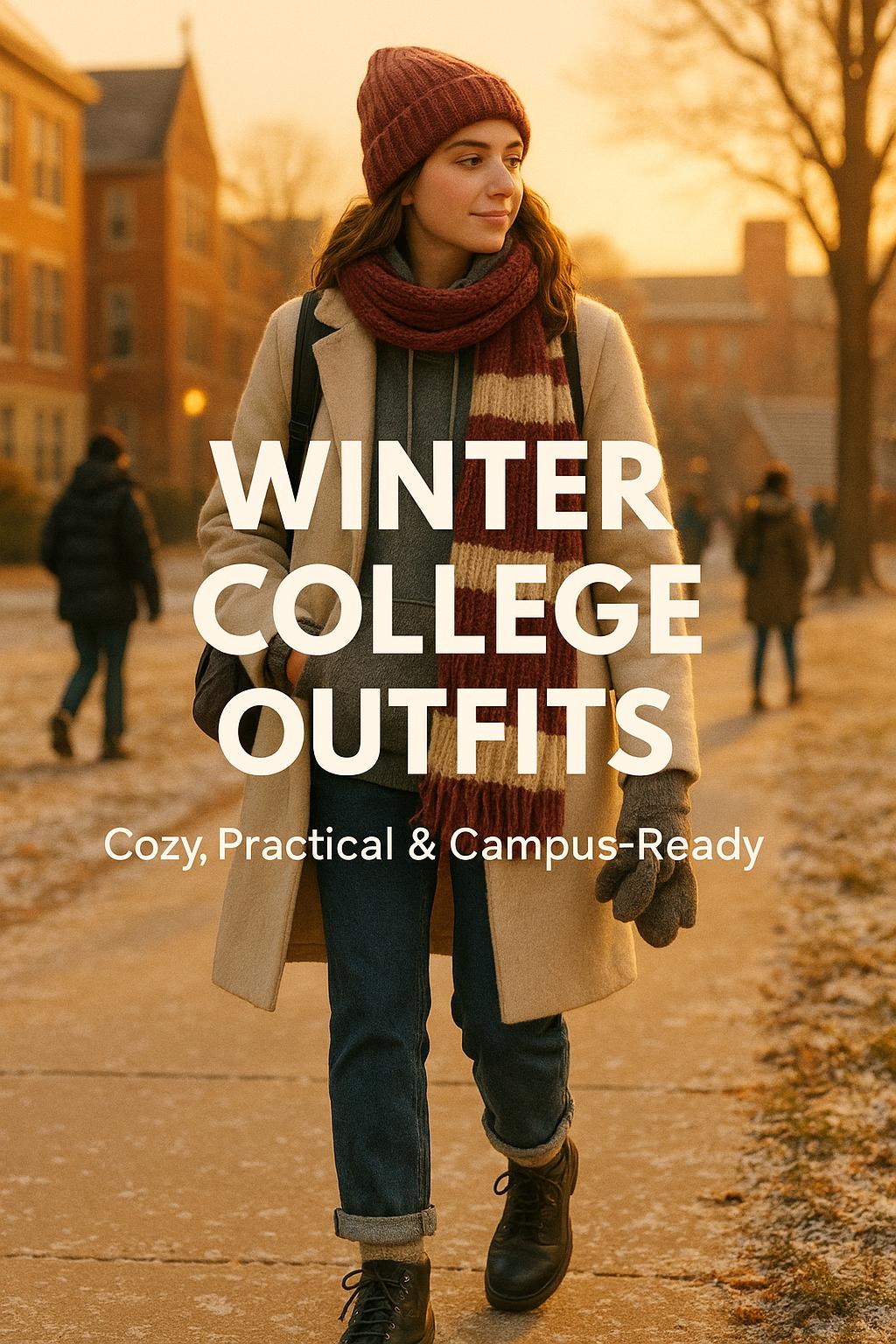
Warm Outerwear for Campus Weather
Outerwear is the most visible part of your winter wardrobe and often the first thing people see when you walk into class. On many campuses you’ll wear the same coat daily, so it’s worth choosing carefully, even on a budget.
A puffer jacket is especially useful for very cold or windy campuses. Mid-thigh or knee-length puffers keep more of your body warm than cropped ones and pair well with leggings, jeans, and joggers. For milder winters, a wool-blend coat or parka can give a more polished look while still providing insulation. Students who bike or walk long distances should look for features like hoods, secure pockets, and water-resistant materials.
Base Layers: The Foundation of Warmth
Base layers sit closest to your skin and keep you warm without adding bulk. Long-sleeve tees, thin turtlenecks, and lightweight thermal tops work well under sweaters, hoodies, and jackets. On particularly cold days, leggings or thermal tights under jeans or trousers can make the difference between comfortable and miserable on your walk between buildings.
Mid Layers: Sweaters, Hoodies, and Crewnecks
Mid layers are what you end up wearing most of the day inside. Neutral crewneck sweaters, cable-knit pullovers, hoodies, and quarter-zips are all strong options. Neutral tones combined with one or two school-spirited pieces (like a college sweatshirt) give you enough variety to rotate through the week. The key is finding styles that are warm yet easy to remove when classrooms heat up.
Bottoms: From Leggings to Jeans and Trousers
Bottoms for winter college outfits should be comfortable for sitting in class but sturdy enough for walking in cold weather. High-waisted jeans, straight-leg or wide-leg trousers, thicker leggings, and joggers all work well. If your campus gets very cold, having a few lined or heavier-weight options can be useful. Darker colors tend to hide salt stains, mud, and general wear better than light washes in winter.
Footwear: Shoes and Boots That Can Handle Campus
Because college involves so much walking, winter footwear needs to prioritize traction and comfort. Sneakers with good grip work for many dry, cold days, while waterproof boots become essential in snow, slush, or heavy rain. Ankle boots are a versatile option that pair well with jeans and leggings and still look put-together for class or casual nights out. If your campus is particularly icy, consider soles with tread that can handle slick sidewalks.
Winter Accessories That Make a Big Difference
Accessories often determine whether you actually feel warm. Beanies, scarves, and gloves are small items that have a big impact on your comfort, especially during morning and evening walks. A thick scarf can also double as a wrap in cold libraries, and touchscreen-friendly gloves mean you can answer texts without freezing your fingers. These pieces also offer an easy way to add color or personality to otherwise neutral outfits.
Outfit Ideas for Different College Situations
Once you have your essentials, you can combine them into winter college outfits tailored to specific parts of campus life. Below are practical outfit formulas that you can adapt to your style and climate.
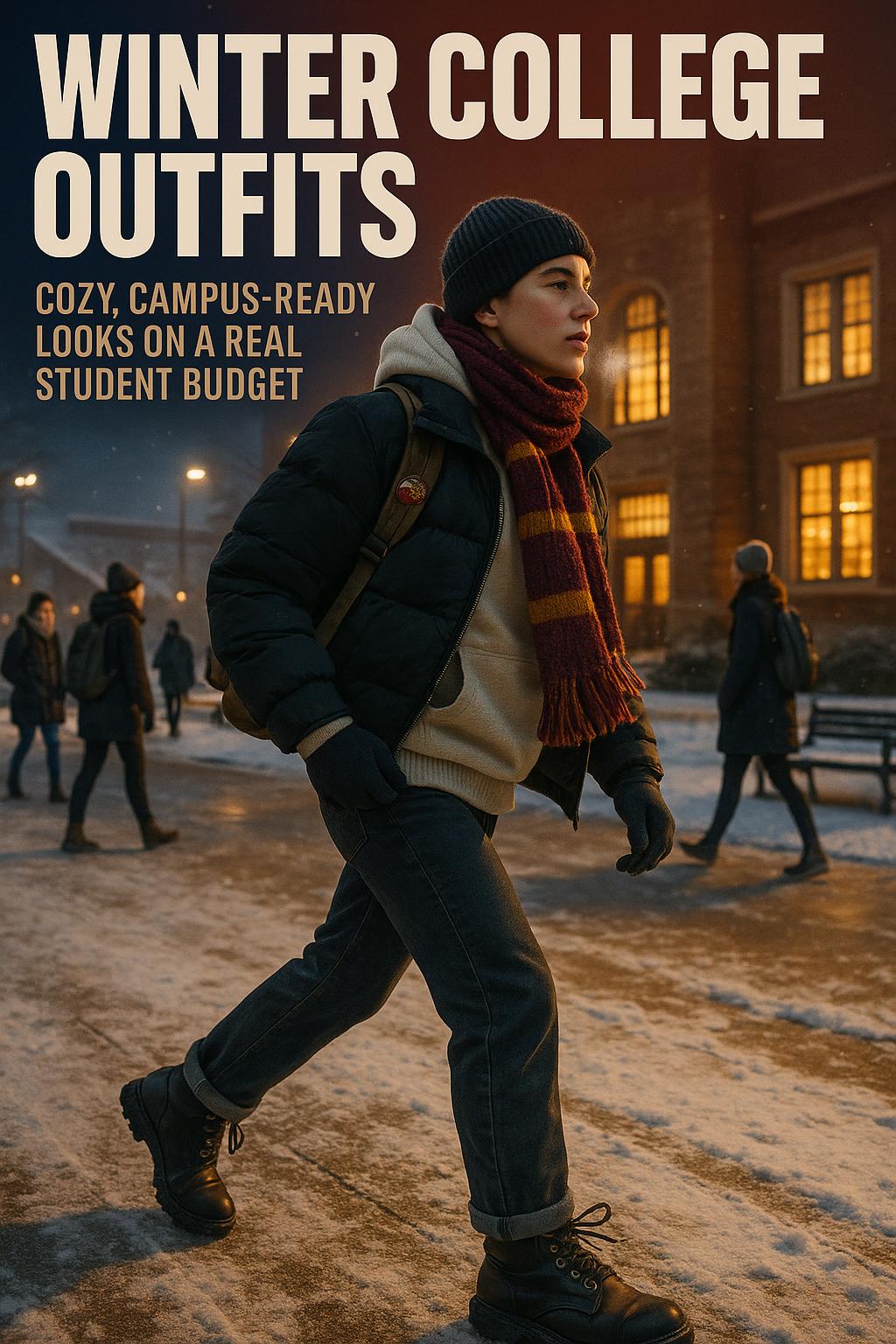
Everyday Class Outfits for Cold Weather
Daily class outfits should be comfortable enough to sit through lectures, easy to layer, and simple to repeat with small variations. A standard formula combines a base top, warm mid layer, sturdy bottoms, and campus-friendly shoes.
One typical look might be a long-sleeve tee, oversized crewneck sweatshirt, straight-leg jeans, and sneakers with warm socks, topped with a puffer coat for the walk to class. Another option is a thin turtleneck layered under a cardigan or quarter-zip with leggings and ankle boots. By rotating colors and swapping out accessories like beanies and scarves, you can wear similar formulas all week without feeling like you’re in a uniform.
Library and Study-Day Outfits
Study days call for extra comfort since you might be sitting, reading, and working on your laptop for hours. Soft joggers or thick leggings paired with a longline hoodie or comfy sweater make it easy to focus without feeling restricted. Adding a lighter base layer under your top helps you adjust in case the library is warmer or colder than expected.
For libraries that tend to be chilly, bring a cardigan or fleece you can throw on while you work. Shoes still matter on study days; choose sneakers or slip-on shoes that are comfortable for walking to and from the library and around campus if you’re running errands in between.
Winter Outfits for Presentations and Internships
Students who have class presentations, internship days, or on-campus job shifts often need slightly more polished winter outfits. The trick is to stay warm on your commute while looking appropriate in more professional settings.
A smart formula is a neat base top, like a fitted turtleneck or blouse, layered with a blazer or refined cardigan, and paired with tailored trousers or dark, structured denim if allowed. Top everything with a wool or wool-blend coat for warmth. Finish with ankle boots or sleek, supportive flats that can handle campus walking. This kind of outfit transitions smoothly from classroom presentations to office environments without sacrificing practicality.
Game Days, Social Events, and Casual Nights Out
College life in winter includes social events, club meetings, campus performances, and game days. For outdoor events, especially in stadiums, warmth comes first: layer your school sweatshirt or hoodie over a thermal top, add your heaviest coat, and pair with thick socks, jeans or lined leggings, and boots that can stand on cold concrete or bleachers.
For casual nights out or on-campus events, a more styled version of your daily look works well. Think straight-leg jeans with a fitted long-sleeve and a cropped puffer or wool coat, or a sweater dress over tights with ankle boots. You can keep your base outfit relatively simple and rely on a statement coat, earrings, or a bold scarf to add interest.
Layering Strategies That Actually Work on Campus
Layering is central to winter college outfits, but doing it well means avoiding bulk and making sure every layer looks intentional. With shared living spaces and limited closet room, you also want combinations that are easy to repeat and remix.
Building With Base, Mid, and Outer Layers
Start with a fitted base layer made from breathable fabric that won’t feel too hot indoors. Add a mid layer—a sweater, sweatshirt, or fleece—that provides warmth and can stand on its own when you take off your coat. Finally, choose an outer layer that suits the day’s weather, whether that’s a parka, puffer, or wool coat. You should be able to remove the outer layer and still feel presentable and comfortable in class.
Avoiding Bulky, Uncomfortable Layering
Wearing too many thick pieces at once can make you feel restricted, especially when carrying a backpack or sitting in lecture halls with narrow desks. Focus on one or two warm pieces at a time instead of piling on multiple heavy items. For instance, pair a thin thermal top with a chunky sweater, rather than wearing two thick sweaters together. Similarly, if your coat is very insulated, keep your mid layer lighter to avoid overheating indoors.
Using Accessories as Adjustable Layers
Scarves, beanies, and gloves function as removable mini-layers you can easily stuff in your backpack. On days when the temperature swings a lot between morning and afternoon, you might rely more on these pieces than on heavy clothing. A large scarf can be wrapped tightly outdoors and then draped loosely as a shawl in chilly classrooms, giving you control over how warm you stay.
Practical Tips for Winter Dressing in College
Even the best clothes won’t help if they’re not practical for everyday college routines. From laundry schedules to walking logistics, small details can make winter easier or harder.
Building a Capsule-Style Winter Wardrobe on a Budget
Most students have limited funds and limited space, so focusing on a small number of versatile pieces is more realistic than trying to chase every trend. A winter capsule might include a primary coat, a secondary lighter jacket, several sweaters or sweatshirts, a few long-sleeve tops, two or three pairs of go-to bottoms, and a couple of footwear options. Thrift stores, swaps with friends, and off-season sales can be useful for finding quality coats and sweaters without overspending.
Planning Outfits Around Your Weekly Schedule
Looking at your weekly calendar helps you decide which pieces to prioritize. If you know Tuesdays are your longest campus days with back-to-back classes, plan comfortable, layered outfits for those. If certain days include labs or studio work, choose clothing that’s easy to move in and not too precious. Having a mental rotation—like specific outfits for heavy-walking days versus mostly-indoor days—simplifies morning decisions.
Dealing With Wet, Slushy, or Snowy Conditions
On campuses with real winter weather, water-resistant gear becomes essential. Wet socks can ruin your day quickly, so reliable boots and thick, moisture-wicking socks deserve attention. It can be helpful to keep an extra pair of socks in your backpack for surprise puddles or snow. For coats, features like storm flaps, hoods, and high necklines keep you warmer and drier on windy or snowy walks between buildings.
Care, Laundry, and Storage in Dorms and Apartments
Winter clothes are often bulkier and slower to dry, and shared laundry facilities mean you need a plan. Rotating your heaviest pieces, like your main coat and thick sweaters, so they have time to dry fully between wears helps them last longer and smell fresher. Hanging damp scarves, gloves, and hats in a well-ventilated area instead of tossing them in a pile prevents musty odors. During transitional weeks, storing off-season items under the bed or in bins frees up closet space and makes daily outfit selection easier.
Specific Winter Outfit Formulas to Copy
Having a set of ready-made outfit formulas makes winter mornings faster. You can adjust details based on your climate and personal style, but the underlying structures stay the same.
- Cold Lecture Day: Thermal long-sleeve top + oversized crewneck sweatshirt + straight-leg jeans + wool socks + sneakers or boots + puffer coat + beanie and gloves.
- Library Marathon: Soft leggings or joggers + longline hoodie + thin base tee underneath + cozy socks + slip-on sneakers + lighter puffer or fleece jacket.
- Presentation or Internship: Fitted turtleneck + blazer or structured cardigan + tailored trousers + ankle boots + wool coat + simple scarf.
- Game Day in the Cold: Thermal top + college hoodie or team sweatshirt + thick jeans or lined leggings + wool socks + waterproof boots + insulated coat + knit hat and scarf.
- Casual Night Out: Long-sleeve fitted top or knit bodysuit + high-waisted jeans + heeled or flat ankle boots + statement coat or faux-fur trimmed jacket + small crossbody bag.
You can swap pieces within each formula as long as you keep the general structure. Over time, you’ll notice which combinations keep you comfortable in various temperatures, and those can become your default choices.
Tips for Making Winter Outfits Feel More Stylish, Not Just Practical
Staying warm is essential, but many students also want winter college outfits that feel like an expression of their personality. You do not need a huge wardrobe to achieve this; small styling choices go a long way.
Use Texture and Proportion
Winter fabrics naturally bring texture into outfits: knits, fleece, denim, and wool all interact differently. Pairing a chunky sweater with sleek leggings or straight trousers balances volume. Long coats over cropped tops and high-waisted bottoms create clear lines that look intentional. Paying attention to proportion keeps layered outfits from feeling shapeless or overwhelming.
Rely on a Few Signature Accessories
If your main clothes are mostly neutral basics, a small set of signature accessories can make outfits recognizable and personal. This might mean one favorite scarf pattern, a particular color of beanie, or simple jewelry you wear most days. Because winter gear is often worn repeatedly, sticking to pieces you truly like makes the repetition feel more like a signature style than a limitation.
Mix Casual and Slightly Polished Pieces
College wardrobes naturally lean casual, but combining one more elevated item with comfortable basics can immediately change the feel of an outfit. For example, pair joggers with a structured coat instead of a hoodie, or wear a simple crewneck sweatshirt with tailored trousers and boots. These small swaps let you stay campus-appropriate while looking more put-together for classes, meetings, or office hours.
Adapting Winter Outfits to Different Climates
Not all winters are the same. A student in the Northeast will experience a very different season than someone in a Southern or West Coast climate. The same outfit formulas apply, but the weight of your fabrics and number of layers will change.
Mild Winter Campuses
In areas with mild winters, you may rarely need heavy parkas or snow boots. Lightweight puffer jackets, denim or leather-style jackets layered over sweaters, and breathable long-sleeve tops are often enough. You can still use layering principles, but you may wear more single-layer outfits, like a sweatshirt and jeans, with a lighter jacket kept in your bag for cooler evenings.
Cold and Snowy Campuses
In colder climates, coats, boots, and thermal layers become non-negotiable. You might need heavier down or synthetic insulated jackets, lined boots, and thicker socks as your daily standard. Many students in these areas develop a clear “outdoor uniform” for walking across campus—such as the same parka, boots, and hat—while changing up mid layers and base layers for variety inside classrooms and dorms.
Simple Winter Outfit Planning Routine for Busy Students
To make winter dressing less stressful, build a small planning habit into your week. You don’t need a complex system; just a bit of forethought ensures you have clean, ready pieces for the coldest days and busiest schedules.
- Check the weekly forecast and identify the coldest or wettest days.
- Match your heaviest coats and footwear to those days and set them aside.
- Choose two to three go-to outfit formulas you’ll rely on for morning classes.
- Make sure base layers, socks, and key mid layers are clean before your busiest days.
- Keep a backup outfit in mind for surprise weather changes or last-minute events.
This routine helps you avoid grabbing mismatched pieces when rushing out the door and reduces the chance that your warmest coat or boots are unusable when you need them most.
FAQ
How many winter coats does a college student really need?
Most college students can manage well with one main heavy coat for the coldest days and, if possible, one lighter jacket for milder weather or layering. If your campus has intense winters with snow and wind, prioritize a warm, water-resistant coat as your primary piece, and consider adding a lighter puffer or wool coat only if your budget and storage space allow.
What shoes are best for walking around campus in winter?
The best shoes for winter on campus are those that combine traction, comfort, and weather protection. Many students rely on a pair of everyday sneakers with good grip for dry, cold days and waterproof ankle or mid-calf boots for snow, slush, or heavy rain. Whichever style you choose, focus on sturdy soles and enough support for long walks between buildings.
How can I stay warm in class without wearing a giant coat all day?
Use a layered approach so your coat is only for the walk to class. Wear a fitted base layer under a warm but comfortable mid layer like a sweater, sweatshirt, or fleece. Once you arrive, take off your coat and rely on the base and mid layers to keep you warm. Bringing a scarf or light cardigan you can remove easily gives you extra flexibility if the room temperature changes.
What are some easy winter outfits that look put-together for class?
Simple combinations like a crewneck sweater with straight-leg jeans and ankle boots, or a turtleneck with tailored trousers and sneakers, look polished without much effort. Add a structured coat or a neat puffer, and you have an outfit that works for class, office hours, and casual events. Sticking to a few neutral colors makes it easier to mix and match these pieces through the week.
How do I dress for winter if I walk or bike across a large campus?
If you cover long distances, you need wind-resistant outerwear, gloves, and a hat or headband that covers your ears. A longer puffer or parka keeps your core warm, and layering a breathable top under a warm mid layer prevents overheating once you arrive indoors. Footwear with good grip is important for icy paths, and if you bike, consider a coat that doesn’t get caught in the wheels, plus gloves that let you grip handlebars securely.
What should I wear on winter game days or outdoor events?
For outdoor events, focus on insulation and layers you can remove. A thermal or long-sleeve tee under a college hoodie or sweatshirt, combined with thick jeans or lined leggings, warm socks, and waterproof boots, creates a solid base. Add your warmest coat, a knit hat, and a scarf, and consider hand warmers in your pockets for especially cold games or concerts.
How can I build a winter wardrobe on a tight student budget?
Start with the essentials: one reliable coat, a few sweaters or sweatshirts, a couple of long-sleeve tops, two or three pairs of bottoms you wear often, and at least one pair of weather-appropriate shoes. Look for these pieces secondhand, during sales, or at discount retailers, focusing on neutral colors and simple styles you can wear many ways. Once you have the basics covered, you can slowly add accessories and statement pieces when your budget allows.
How many sweaters and hoodies do I need for a typical winter semester?
The number varies, but many students find that three to five mid layers—like sweaters, hoodies, or crewnecks—are enough to rotate through a week, especially if they also have a few long-sleeve base tops. Choose styles that work with multiple bottoms and outerwear pieces so you can create several outfits from a small collection, and plan your laundry schedule around how often you re-wear items between washes.
What should I do if my dorm or apartment doesn’t have much closet space for bulky winter clothes?
With limited space, focus on a compact set of versatile winter pieces and store off-season items under the bed or in bins. Use slim hangers for coats and sweaters, and fold bulkier knits instead of hanging them if possible. You can also keep frequently used items like scarves, hats, and gloves in small baskets or bins near the door so they don’t crowd your main closet space.
How can I keep my winter outfits from feeling repetitive during the semester?
Even with a small wardrobe, you can vary your looks by changing accessories, swapping mid layers, and experimenting with different proportions. For example, alternate between tucking tops into high-waisted jeans, wearing sweaters untucked over leggings, or layering shirts under sweatshirts. Rotating scarves, hats, and jewelry, and occasionally changing your shoe choice, can also make familiar items feel fresh throughout the winter.