Europe Winter Outfits: Chic Capsule Wardrobe Guide for Travel
Europe Winter Outfits: A Complete Guide to Staying Warm and Stylish
Planning cold-weather travel and wondering how to build practical yet stylish Europe winter outfits? Dressing for a European winter means preparing for a mix of chilly sidewalks, cozy cafés, possible snow, and plenty of walking, all while blending in with local style. This guide walks through what to pack, how to layer, and how to adapt your outfits for different regions and activities so you stay warm without feeling bulky or out of place.
Understanding European Winter Weather and Dress Codes
Before building Europe winter outfits, it helps to understand how winter feels across the continent and how locals typically dress. Winter temperatures vary widely, but you can expect a mix of cold, damp days, icy wind, short daylight hours, and a bigger focus on practical yet polished clothing than in many casual U.S. cities.
Typical Winter Temperatures and Conditions
In many major cities like Paris, London, Rome, and Barcelona, winter temperatures often hover around the 30s and 40s Fahrenheit, sometimes dipping below freezing at night or during cold snaps. Northern destinations and alpine regions regularly see below-freezing temperatures, snow, and icy wind. Even in milder areas, damp air and wind can make it feel colder than the numbers suggest, so Europe winter outfits need to focus on insulation and wind protection rather than just what the weather app shows.
How Locals Dress in Winter
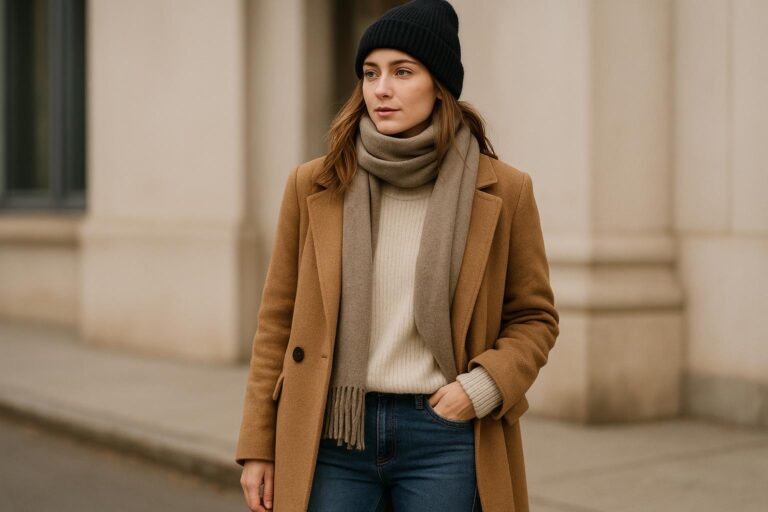
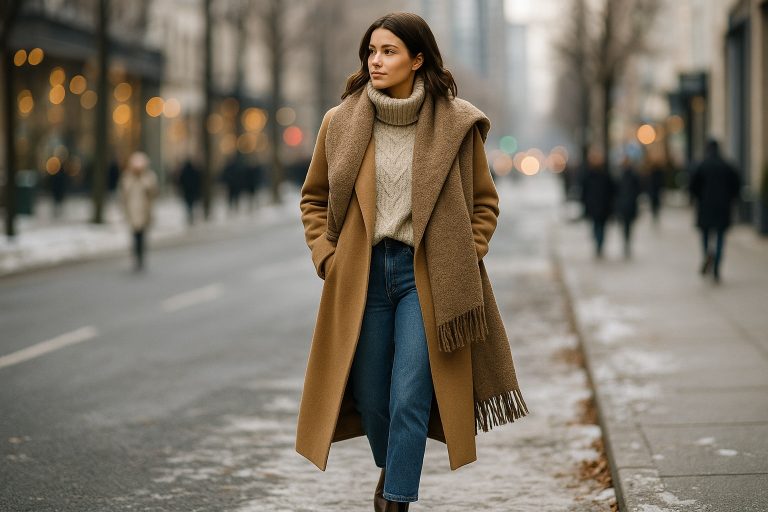
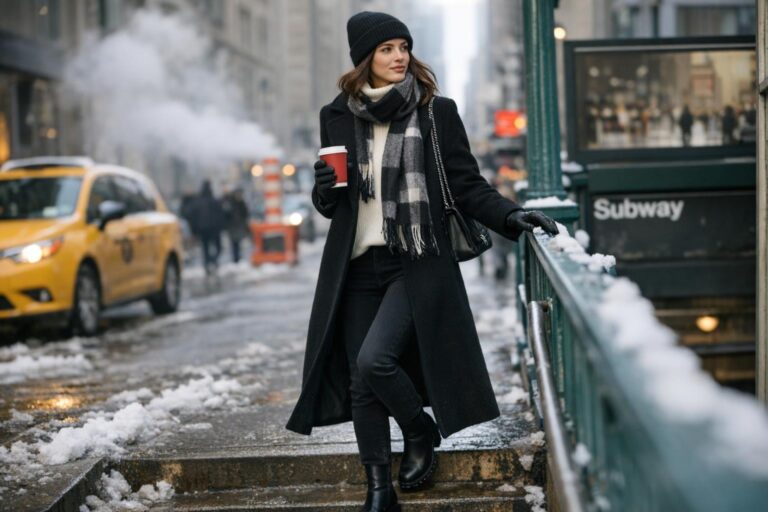
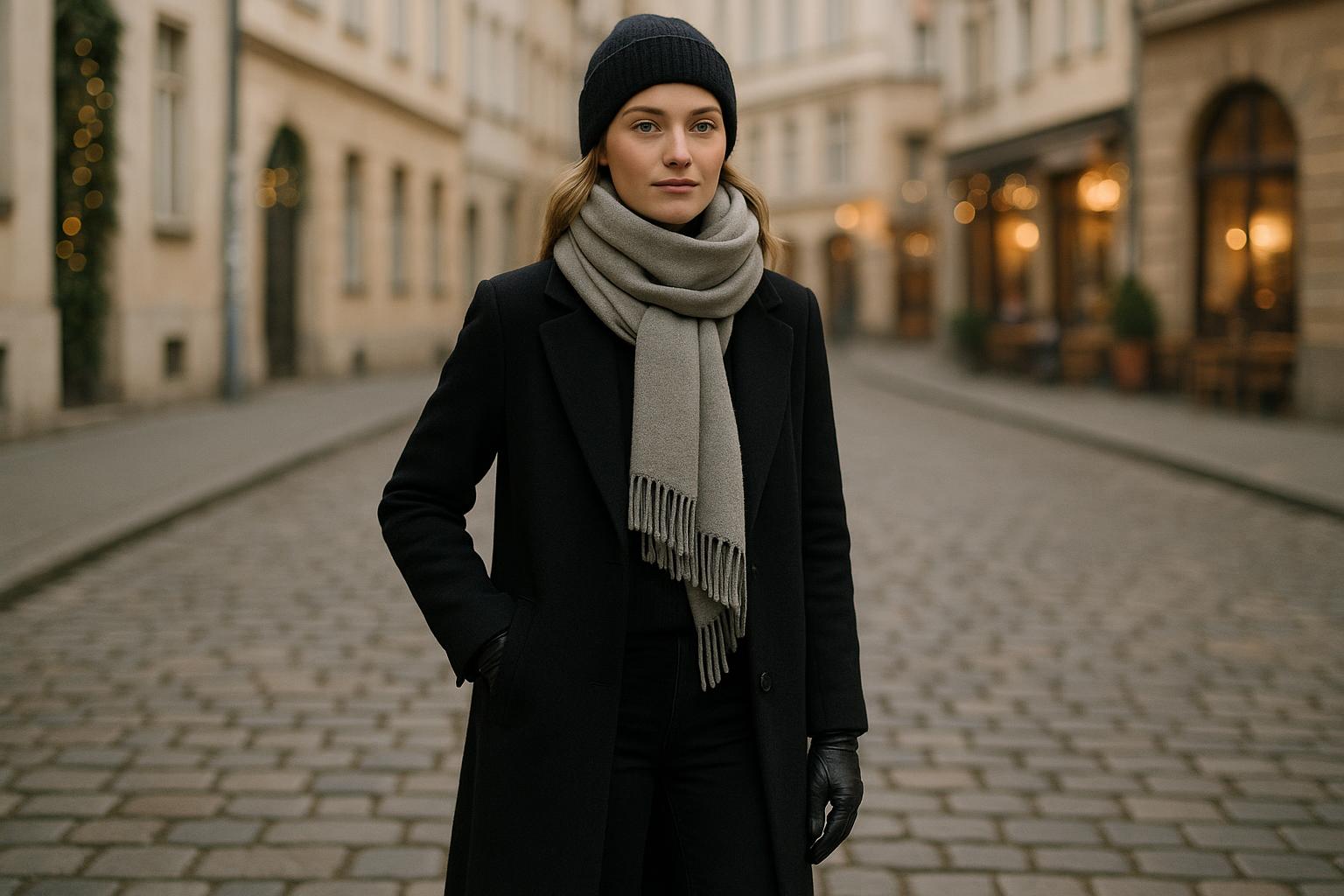
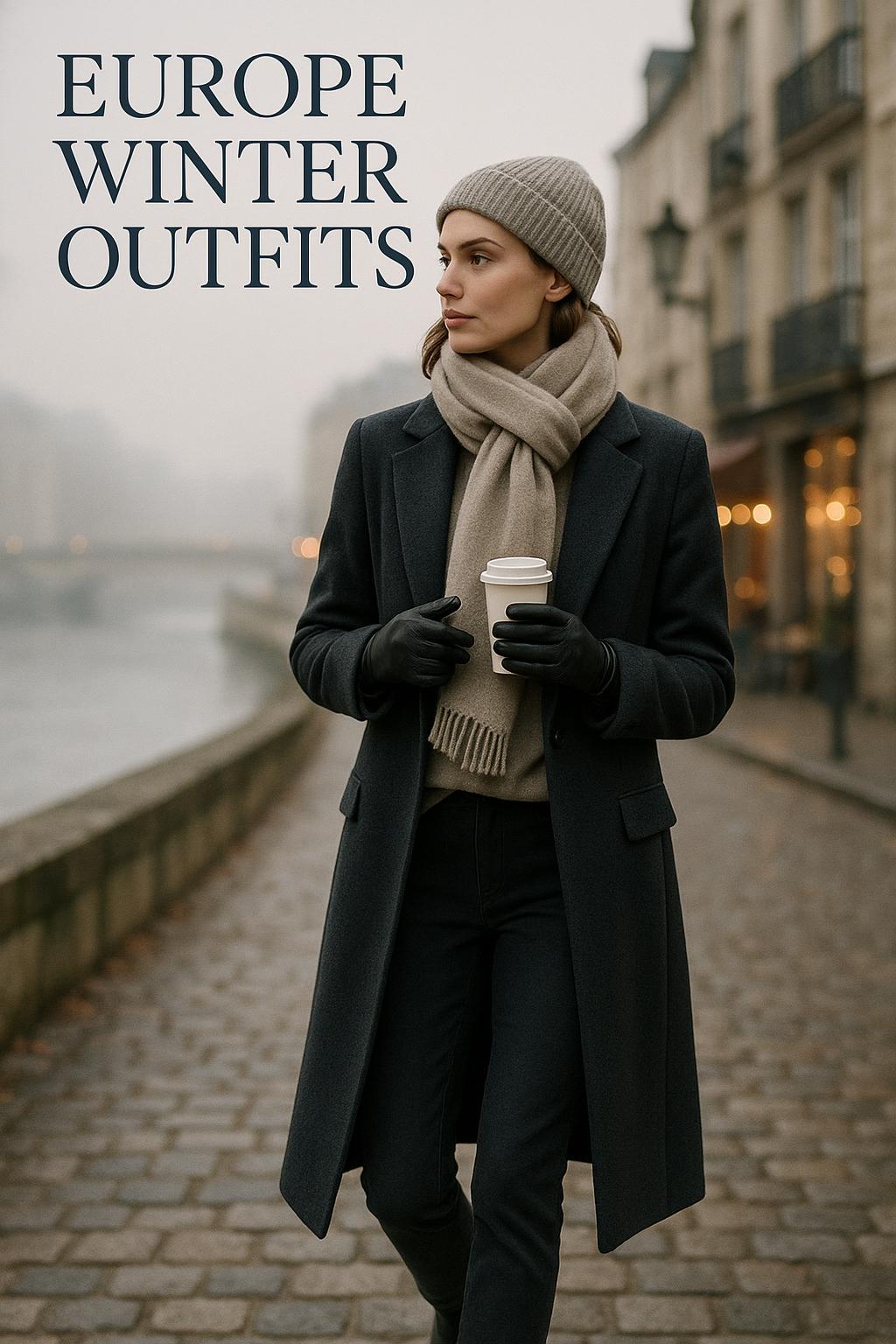
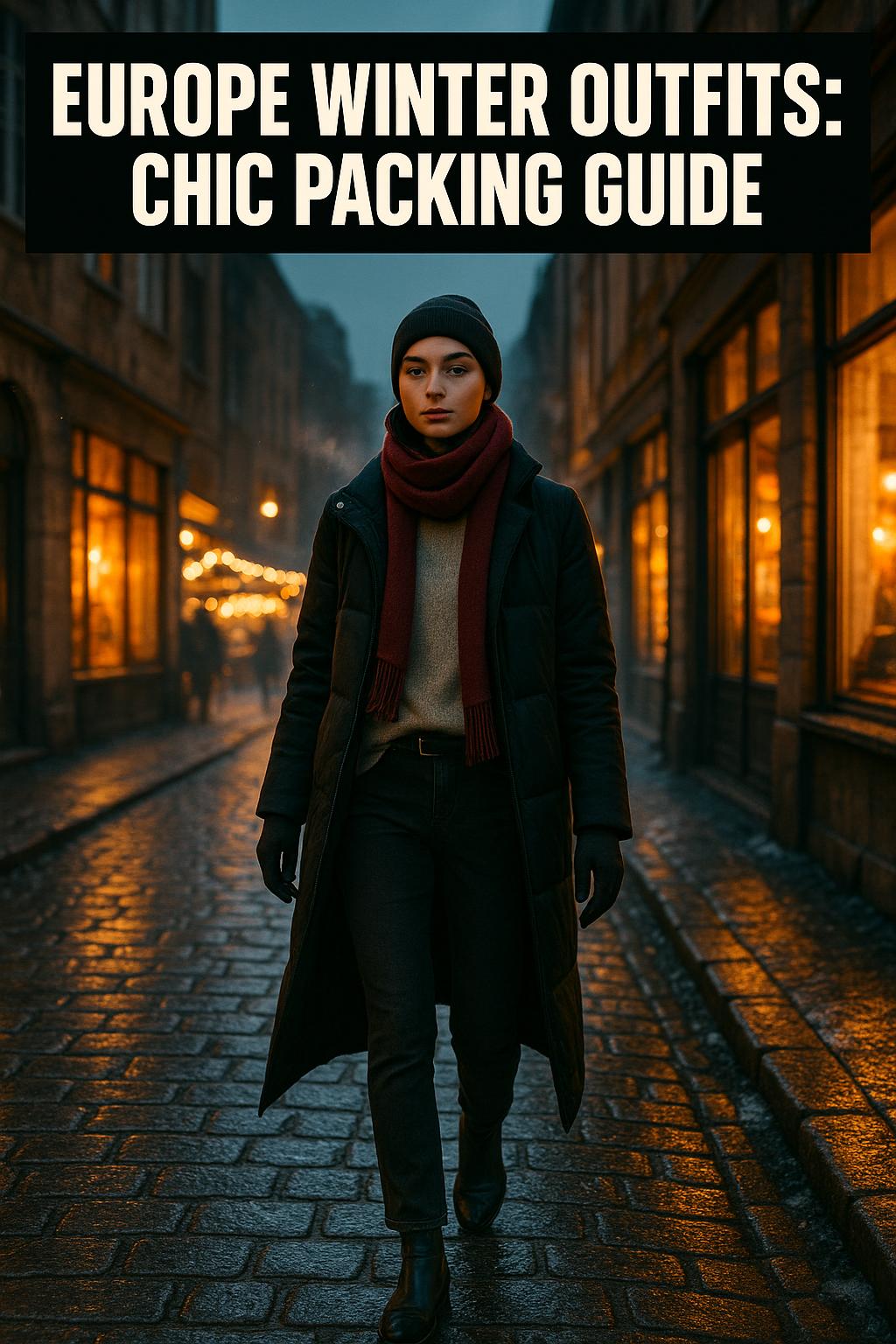
Across much of Europe, winter style tends to be streamlined, neutral, and slightly more polished than typical American casual wear. Long wool or puffer coats, dark jeans or tailored trousers, leather or sleek waterproof boots, and structured scarves are common. You’ll see fewer athletic leggings and bright technical jackets in city centers and more curated, mix-and-match pieces that transition from sightseeing to dinner easily. This doesn’t mean you have to dress formally, but winter outfits that look tidy and cohesive will both keep you comfortable and help you blend in.
Layering 101: The Foundation of Europe Winter Outfits
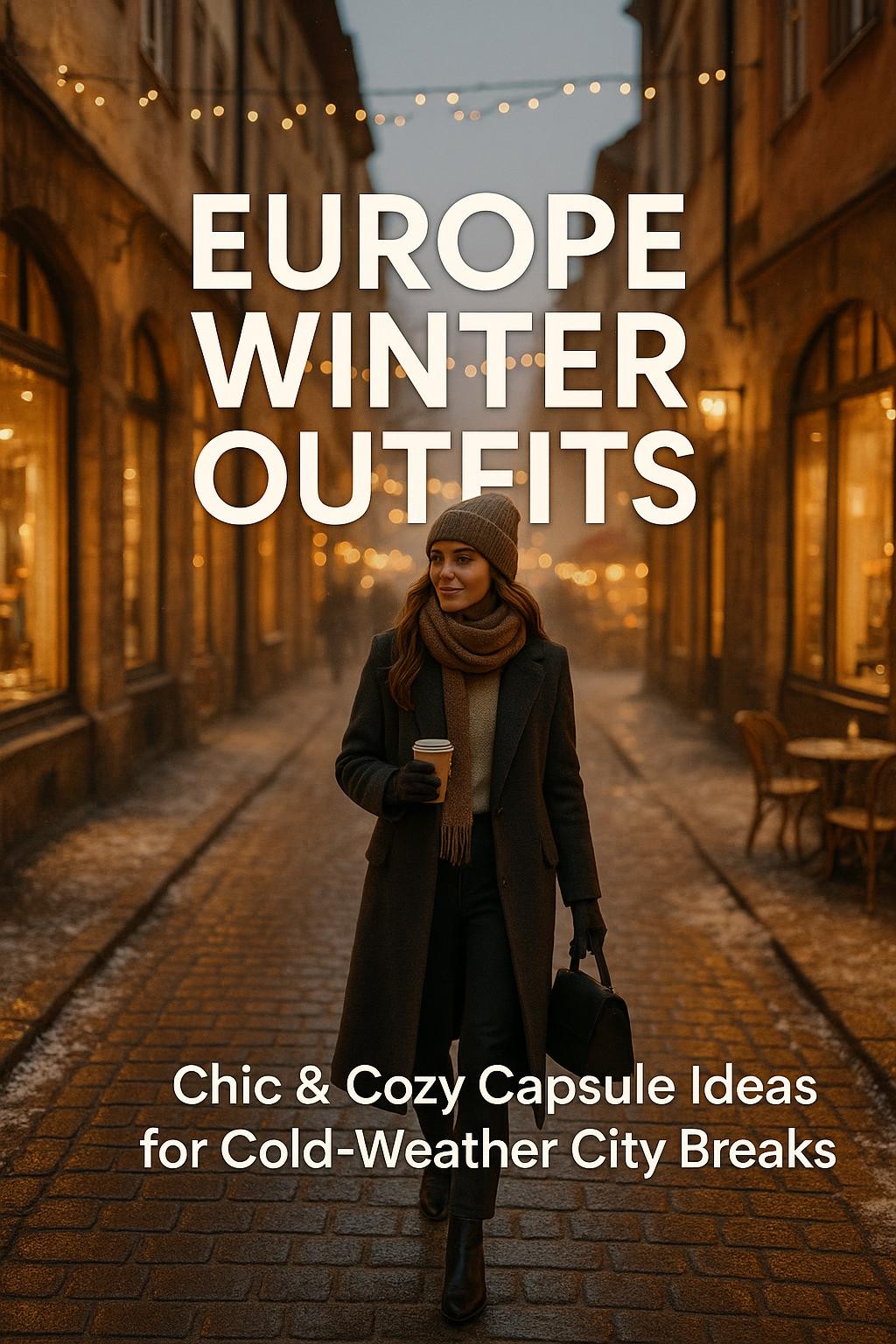
Successful Europe winter outfits are all about layering. The goal is to stay warm outside without overheating in museums, shops, restaurants, and public transport. A three-layer system—base, mid, and outer—lets you adapt to changing conditions throughout the day.
The Base Layer: Warmth Without Bulk
The base layer sits directly against your skin and manages warmth and moisture. For most trips, lightweight to midweight thermal tops and leggings are ideal. In colder climates, consider merino-style fabrics or synthetic thermals that are thin yet insulating and easy to wash and dry. Choose neutral colors like black, gray, or nude that disappear under your outfits. A good base layer means you can re-wear your outer clothing several times while staying comfortable.
The Mid Layer: Versatile Insulation
The mid layer adds insulation that you can easily remove indoors. Sweaters, cardigans, lightweight fleeces, or thin down vests all work well. Prioritize pieces that are warm yet not overly bulky so they fit smoothly under your coat. Simple crewneck or turtleneck sweaters in wool-blend or similar fabrics pair well with jeans, skirts, and dresses, giving you plenty of outfit combinations without overstuffing your luggage.
The Outer Layer: Protection from Wind, Rain, and Snow
Your outer layer is your coat or jacket, and it needs to stand up to the cold, wind, and potential precipitation. For most European city trips, a knee-length wool-blend coat or a long puffer is ideal. Look for details like a high collar, optional hood, secure closures, and pockets. In wetter climates, consider a water-resistant finish or pair your coat with a compact umbrella. Having one solid, reliable outer layer reduces the number of bulky pieces you need to pack.
Tips for Smart Layering
Build outfits starting with the warmest day you might have and add layers for colder conditions so you can adjust as you go. Aim for breathable, non-itchy fabrics for your base and mid layers to avoid discomfort during long days. Make sure your coat comfortably fits over at least one sweater and a base layer without feeling tight in the shoulders or arms. Lastly, prioritize pieces that work together in multiple combinations to keep your wardrobe efficient.
Essential Clothing Pieces for Europe Winter Outfits
Once you understand layering, it’s time to choose the specific items that make up a versatile winter travel wardrobe. These essentials will form the backbone of your outfits, whether you’re strolling through holiday markets or heading out to a nice dinner.
Coats and Jackets
For most travelers, one main coat is enough if you choose wisely. A long wool-blend coat in a dark neutral color offers warmth and a polished look suitable for city streets, museums, and evening events. Alternatively, a long puffer coat offers extra insulation and often better protection against snow and wind, making it a strong choice for colder destinations or extended time outdoors. If you expect varied conditions, some travelers add a second, lighter jacket, such as a packable down jacket, but many manage fine with a single high-quality coat.
Sweaters and Warm Tops
Sweaters are where you can express more personal style while staying practical. Choose a mix of thin and midweight sweaters that can be layered under your coat and over thermal tops. Solid colors in black, cream, navy, or camel are easy to mix and match, while one or two patterned pieces add variety. Turtlenecks and mock necks provide extra warmth at the neck, particularly useful if you plan to spend hours outside or prefer smaller scarves.
Pants, Jeans, and Skirts
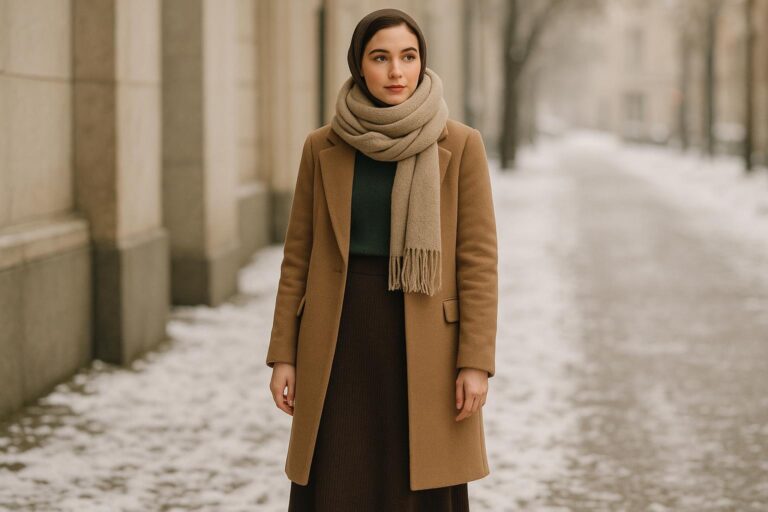
Dark, well-fitting jeans are a go-to for Europe winter outfits because they work for daytime sightseeing and many casual evening plans. Consider at least one pair of thicker, stretch jeans or lined pants for especially cold days. Tailored trousers in wool-blend fabrics give a more dressed-up option that still holds warmth. If you like skirts or dresses, bring at least one that pairs well with opaque tights or thermal leggings and boots; this combination can look polished yet practical when styled with a good coat and scarf.
Dresses for Winter City Days and Evenings
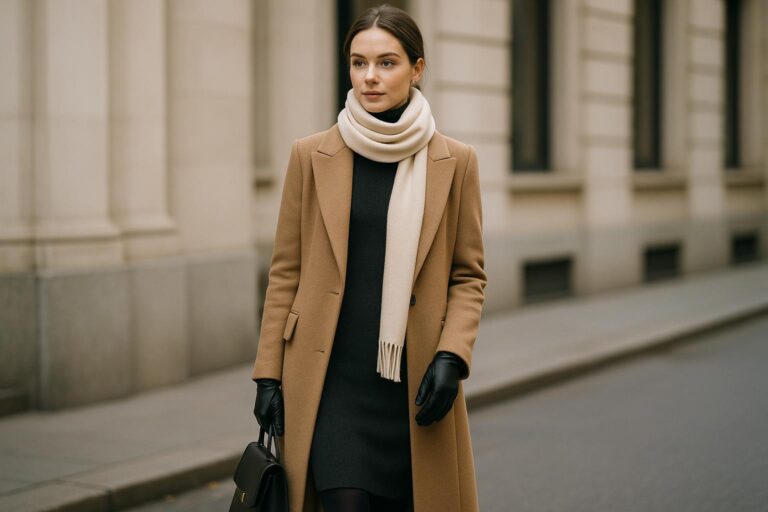
Winter dresses work well when built into a layered outfit. Long-sleeve knit dresses, sweater dresses, or heavier fabric midi dresses can be worn with thermal tights or leggings underneath and boots on your feet. Choose silhouettes that you can layer over a thin base layer and under your coat without bunching. Dark or jewel-tone colors often transition seamlessly from daytime museums to dinner reservations.
Footwear and Accessories: The Key to Real Warmth
The most carefully planned outfit can still leave you miserable if your feet, head, or hands are cold and wet. Investing attention in footwear and accessories will make the biggest difference to your comfort during a European winter trip.
Boots for European Winters
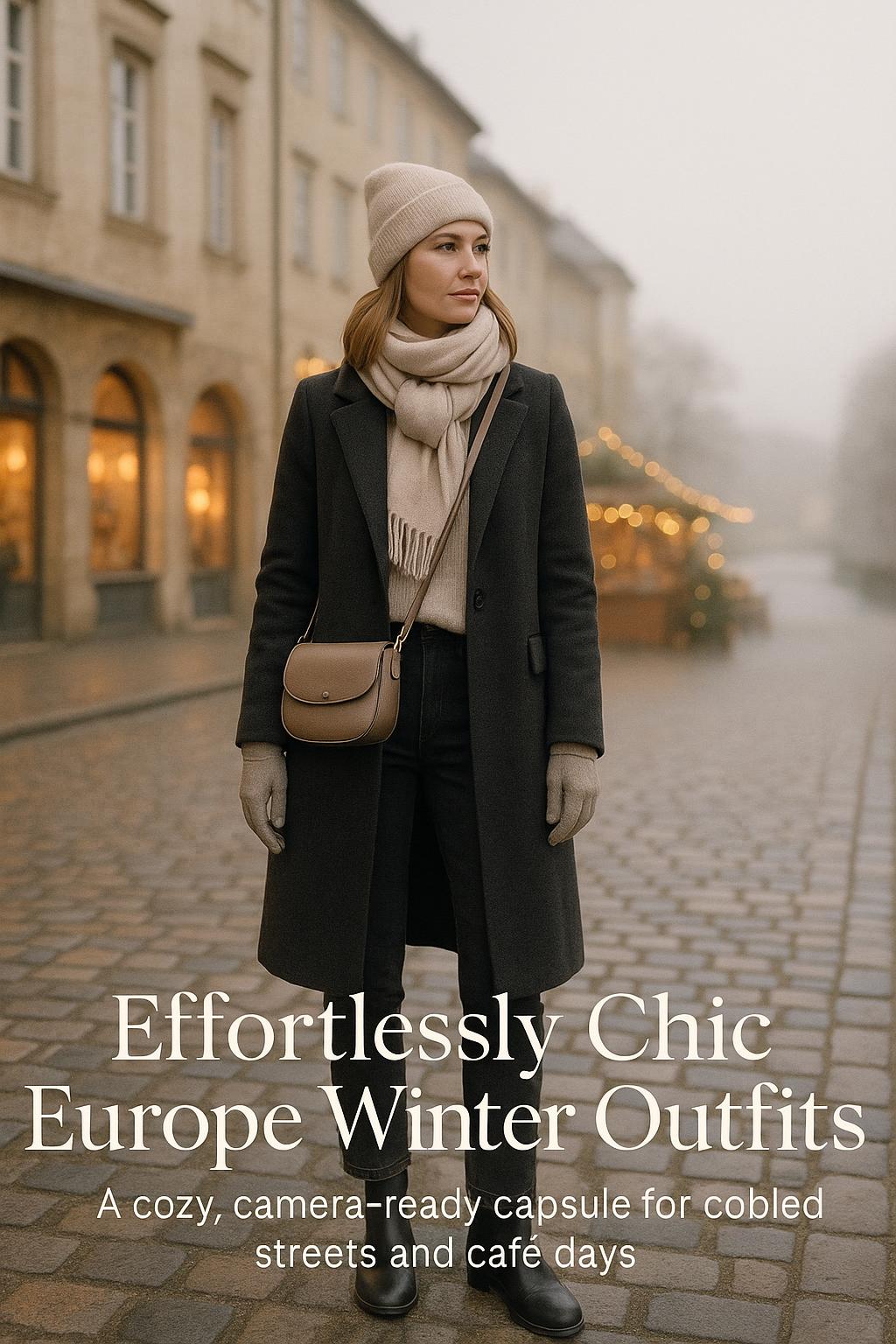
Boots should be comfortable for long walks, warm enough for cold sidewalks, and weather-resistant for rain or slush. Ankle or mid-calf boots with sturdy, non-slip soles are a practical choice for city trips. A sleek leather or waterproof style in black or dark brown will pair well with jeans, trousers, and dresses, and it looks appropriate at both tourist sights and restaurants. In colder or snow-prone regions, insulated boots or lined leather boots offer extra warmth, especially if you’ll be outdoors for extended periods.
Socks and Leg Layers
Warm socks are an underrated part of Europe winter outfits. Thicker socks made from insulating, breathable fabrics will keep your feet comfortable in boots during long walking days. Pack several pairs so you can rotate and dry them thoroughly. For those who feel the cold easily, thermal leggings or fleece-lined tights under jeans, trousers, or skirts add significant warmth and allow you to keep wearing favorite outer pieces even on colder days.
Hats, Scarves, and Gloves
Because so much body heat escapes from your head and extremities, a good set of winter accessories is non-negotiable. A close-fitting beanie or other winter hat that covers your ears provides immediate warmth. A large, soft scarf can be wrapped multiple ways for style and extra insulation at the neck and chest, and can also double as a wrap on chilly trains or planes. Gloves should allow you to use your phone, handle tickets, and manage zippers, so look for a pair that balances warmth with dexterity.
Tips for Choosing Accessories
Select accessories in neutral or complementary colors so they coordinate with all your Europe winter outfits. Consider one practical set with high warmth for colder days and one lighter or more decorative set for milder weather or evening outfits. Keep bulk down by packing a single, versatile scarf rather than many smaller ones, and prioritize gloves that dry quickly overnight.
Outfit Ideas by Region: Northern, Central, and Southern Europe
Different areas of Europe call for slightly different outfit strategies. While your core wardrobe can remain largely the same, small adjustments will help you stay comfortable whether you’re in a snowy northern city or a milder southern destination.
Northern Europe: Cold, Wind, and Possible Snow
Destinations like Scandinavia and parts of Northern and Eastern Europe often experience below-freezing temperatures and wind in winter. For these trips, build Europe winter outfits around stronger insulation and wind protection. Use a thermal base layer most days, choose a thick, long puffer or heavily lined coat, and opt for insulated boots with gripping soles. Accessories like ear-covering hats, thick scarves, and lined gloves move from “nice to have” to essential. Even with these practical pieces, you can maintain a streamlined, city-appropriate look by sticking to simple designs and dark colors.
Central Europe: Variable Cold and Festive Markets
Many travelers visit central regions in winter for holiday markets and historic city centers. Expect a mix of near-freezing days, occasional snow or rain, and lots of time outdoors strolling from sight to sight. Thermal tops under sweaters, a warm mid-length coat, dark jeans or trousers, and comfortable weather-resistant boots form a reliable uniform. Add festive touches through accessories such as a patterned scarf or a rich-tone beanie while still keeping your foundation layers practical and warm.
Southern Europe: Milder but Often Damp
In southern countries, winter can feel cool and damp without reaching extreme lows. You might alternate between chilly mornings, pleasant afternoons, and breezier evenings. Here, flexible layering is especially helpful. A lighter thermal base under a sweater, topped with a wool coat that you can open or remove indoors, often works well. Waterproof or water-resistant footwear remains important because rain and wet streets can quickly chill your feet, even in relatively mild temperatures. A midweight scarf and compact umbrella often serve as your most-used accessories.
Packing a Winter Capsule Wardrobe for Europe
Creating a capsule wardrobe—limited, highly mixable pieces—keeps your luggage manageable while still giving you plenty of Europe winter outfits. The goal is to pack items that all work together, so you can easily adjust to shifts in temperature, weather, and plans.
Core Pieces for a One- to Two-Week Trip
- 1 long, warm coat (wool-blend or puffer)
- 2–3 sweaters in varying weights
- 2–3 long-sleeve tops or thin knits
- 1–2 pairs of jeans or casual trousers
- 1 pair of slightly dressier trousers or a winter-appropriate dress
- 1–2 sets of thermal tops and leggings
- 1 pair of comfortable, weather-resistant boots
- 1 extra pair of shoes if space allows (such as dressier boots or sturdy sneakers for milder days)
- Several pairs of warm socks and undergarments
- 1–2 scarves, 1 hat, and 1 pair of gloves
With these pieces, you can rotate outfits by changing your base layers, swapping sweaters, and updating accessories, while your outer coat and boots remain consistent. This keeps your packing list streamlined but still feels fresh in your travel photos.
Color Palette and Coordination
Select a cohesive color palette so nearly everything can be worn together. Many travelers lean toward dark neutrals—black, navy, charcoal, and deep brown—for coats, pants, and boots because they hide dirt and look refined. You can add interest with one or two accent colors in sweaters or scarves. This approach makes dressing each morning faster and minimizes the risk of packing pieces that only work in a single outfit.
Laundry and Rewear Strategy
During winter trips, it’s common to rewear outer layers multiple times since they rarely get directly soiled. Focus on having enough base layers, underwear, and socks to last several days between washes. Thin base layers can often be washed in a sink and air-dried overnight or over a day while you’re out. Sweaters and trousers typically require less frequent washing, which keeps your packing list smaller.
Europe Winter Outfits for Different Activities
Not every day of your trip looks the same. You might spend one day walking miles in the cold and another lingering indoors at galleries and restaurants. Planning a few go-to outfit formulas by activity ensures you’re prepared for each type of day.
Sightseeing and Walking Days
For sightseeing-heavy days, prioritize comfort and warmth. Build your outfit with a breathable base layer, a cozy sweater or fleece, and your warm coat. Choose your most supportive, weather-resistant boots and warm socks. Accessories like a hat and scarf can be added or removed as temperatures change. Since you’ll likely go in and out of buildings often, make sure you can easily remove one layer—often your sweater or scarf—without disrupting the rest of your outfit.
Evening Outfits for Dinners and Shows
Evenings may call for a slightly dressier look, but you still need warmth getting to and from your plans. One approach is to wear a simple knit dress or tailored trousers with a polished sweater or blouse, then rely on your long coat, refined boots, and a sleek scarf to elevate the overall appearance. Dark colors and clean lines help even basic pieces feel more sophisticated. You can often re-style daytime pieces—like black jeans or a neutral sweater—with sharper accessories for a more evening-appropriate feel.
Outdoor Markets and Light Winter Activities
Outdoor markets, light hikes, or visits to hilltop viewpoints often mean standing still or moving slowly in cold air. This is when your warmest layers matter most. Thermal tops, thick sweaters, lined boots, substantial scarves, and insulated gloves all come into play. Dress as if it’s several degrees colder than forecast, especially if wind or dampness is expected, and remember that a warm hat can dramatically improve your comfort level while you linger over market stalls or views.
Common Mistakes to Avoid with Europe Winter Outfits
A few simple missteps can leave you cold, uncomfortable, or overloaded with luggage. Being aware of these common pitfalls makes it easier to refine your packing list and outfit planning.
Packing Bulky but Inefficient Clothing
Large, heavy sweaters that don’t layer well can quickly fill a suitcase while providing less flexibility than a set of thinner, high-performing layers. Instead of multiple chunky pieces, focus on a well-fitting, warm coat, strategic base layers, and a few medium-weight sweaters. This approach keeps you just as warm with far less bulk.
Ignoring Footwear Practicality
Underestimating the importance of footwear is one of the most uncomfortable mistakes to make. Fashion-only boots without proper support, traction, or weather resistance can lead to cold, sore feet and slippery sidewalks. Choose boots you’ve worn before, that you can comfortably walk in for several miles, and that give you enough room for warm socks without tightness.
Overlooking Indoor Heat
While it’s crucial to be warm outside, remember that many indoor spaces—from shops and trains to restaurants and museums—can be quite warm in winter. If you wear only thick, non-breathable pieces, you may find yourself overheated and uncomfortable inside. Layering with an easily removable mid layer keeps you adaptable and helps prevent drastic temperature swings on your body.
Practical Tips for Building Winter Outfits for Europe
Translating all these guidelines into real packing decisions can feel overwhelming. A few practical strategies help you stay focused, efficient, and confident in your choices.
Plan Outfits in Advance
Instead of packing items individually, think in terms of complete outfits you can rotate. For example, one pair of jeans might pair with two sweaters, each worn over the same base layer, with a single coat and set of accessories. Planning outfits in this way reveals gaps or redundancies early and helps you avoid bringing pieces that don’t fit the rest of your wardrobe.
Test Your Gear at Home
Wear your planned Europe winter outfits in conditions similar to what you expect on your trip whenever possible. Walk around your neighborhood in your coat and boots for an extended period, test how warm your gloves actually feel, and check that your hat stays put in the wind. This trial run often reveals if you need an extra layer, different socks, or a more comfortable shoe option.
Balance Style and Function
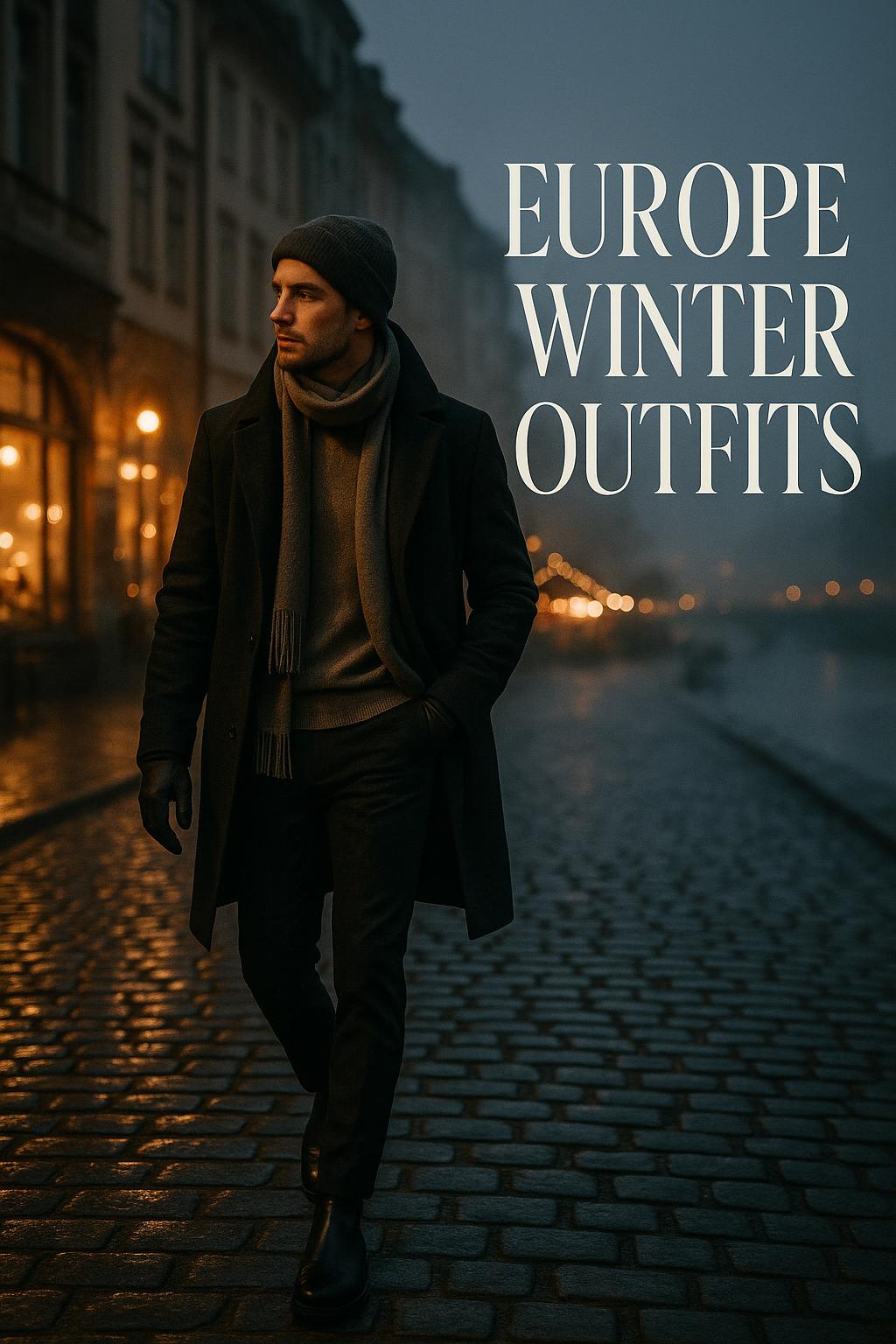
While warmth and comfort must come first, you don’t need to sacrifice style entirely. Choose functional pieces in flattering cuts and classic colors. A tailored coat, sleek boots, and a well-chosen scarf can elevate even simple base layers. When you stick to a cohesive palette and clean lines, your outfits look intentional and pulled together, even when they’re built primarily around staying warm.
FAQ
What should I wear in Europe in winter to stay warm and still look stylish?
Focus on a layered system built from a thermal base layer, a medium-weight sweater or similar mid layer, and a long wool or puffer coat as your outer layer, then add slim, dark jeans or trousers, a pair of comfortable weather-resistant boots, and polished accessories like a neutral scarf and structured hat to achieve both warmth and a streamlined, city-appropriate look.
How many coats do I need for a winter trip to Europe?
Most travelers can manage with one high-quality, versatile coat that is warm enough for the coldest conditions they expect, ideally a knee-length wool-blend coat or long puffer in a dark neutral color, and then rely on layering underneath with thermals and sweaters to adjust to day-to-day temperature changes.
Are jeans warm enough for European winter weather?
Jeans can be warm enough when you wear them over thermal leggings or tights and pair them with proper winter accessories and a good coat, but on particularly cold or windy days you may prefer thicker, lined, or wool-blend trousers for additional insulation, especially in northern regions or when spending long hours outdoors.
What kind of shoes or boots should I bring for winter in Europe?
Bring at least one pair of comfortable, broken-in boots with good traction, weather resistance, and enough room for warm socks, such as ankle or mid-calf leather or waterproof boots in a dark color that can handle wet sidewalks and light snow while still pairing well with jeans, trousers, and dresses.
Do I need thermal underwear for a European winter trip?
Thermal tops and leggings are highly recommended if you are visiting colder or more northern destinations, spending lots of time outdoors, or tend to feel the cold easily, because they provide substantial warmth without bulk and let you wear regular-looking outfits over them while staying comfortable.
How can I pack light but still have enough winter outfits for Europe?
Build a capsule wardrobe with mix-and-match pieces in a cohesive color palette, such as one long coat, two or three sweaters, a few base layers, two or three pairs of pants, and one pair of versatile boots, then rely on layering and rewearing outer items while changing base layers and accessories to create fresh combinations.
Will I stand out if I wear bright athletic jackets and sneakers?
In many European cities bright athletic jackets and running shoes look more casual and sporty than what locals typically wear in winter, so if you want to blend in more, opt for darker, streamlined coats and simple leather or weather-resistant boots, keeping any athletic pieces for specific activities like hiking or exercise.
What accessories are essential for Europe winter outfits?
Essential accessories include a warm hat that covers your ears, a substantial scarf that can wrap around your neck and chest, and a pair of gloves that allow you to move your fingers easily while still providing insulation, since these items dramatically improve overall warmth with minimal extra packing space.
Can I wear dresses and skirts in Europe during winter?
You can absolutely wear dresses and skirts if you choose winter-appropriate styles like knit or sweater dresses and pair them with thermal tights or leggings, tall or ankle boots, and a long coat, which together create outfits that feel polished yet still provide adequate warmth for many city conditions.
How do I adjust my outfits for milder southern European winters?
For milder southern regions, you can usually rely on lighter thermals or even skip them on warmer days, wear midweight sweaters instead of very thick ones, and choose a wool coat that is warm but not overly heavy, while still keeping weather-resistant shoes and a good scarf on hand for damp, windy, or cooler evenings.