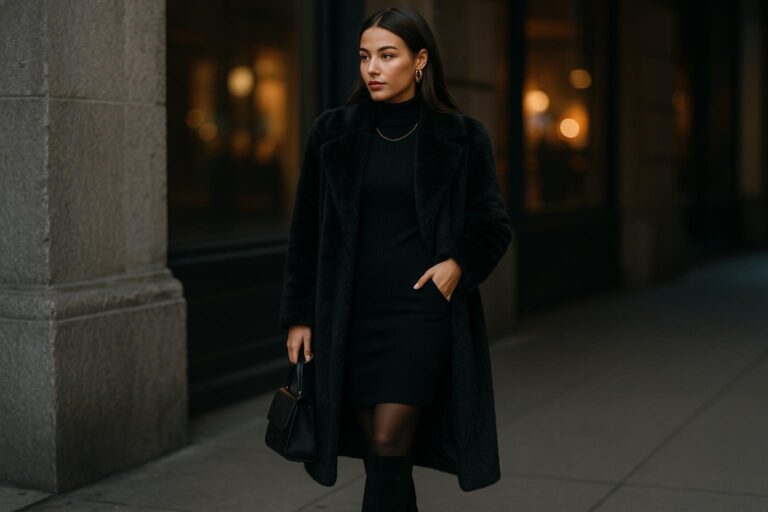
Cozy Winter Fashion Outfits: Stylish Looks for Cold Days
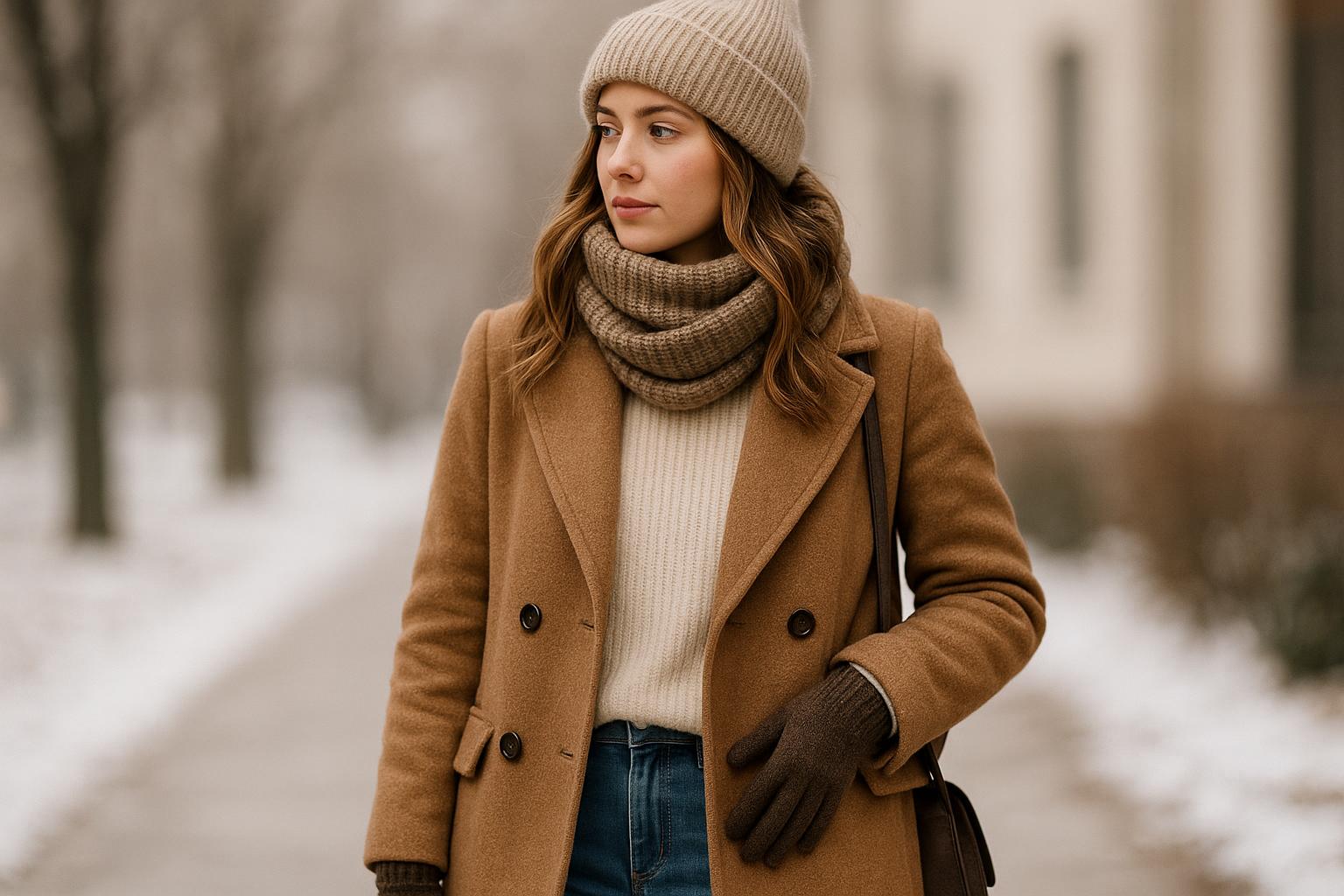
Winter Fashion Outfits: A Complete Style Guide
Winter fashion outfits do more than just keep you warm—they express your style, work with your lifestyle, and help you feel confident in cold weather. From layering basics to statement coats and the right winter shoes, building a thoughtful cold-weather wardrobe means balancing practicality, comfort, and aesthetics. This guide walks through how to create polished looks for work, weekends, going out, and special occasions, with clear ideas you can adapt to your own closet.
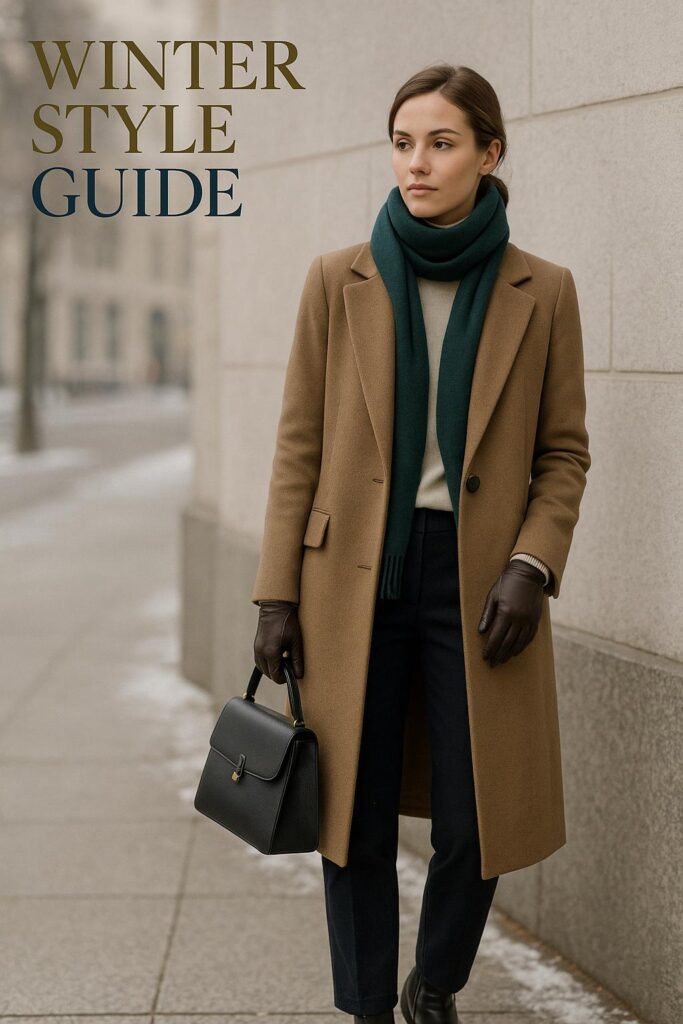
Core Principles Of Stylish Winter Dressing
The Importance Of Layering
Layering is the foundation of most winter fashion outfits. Instead of relying on one heavy piece, you build warmth by combining multiple lighter layers. This gives you the flexibility to adjust throughout the day as you move between cold streets, heated offices, and indoor gatherings. Start with a breathable base, add an insulating middle layer for warmth, and finish with a protective outer layer that shields you from wind, rain, or snow.
Balancing Warmth, Comfort, And Style
Effective winter outfits balance three needs: warmth, comfort, and style. Warmth comes from insulation and coverage, comfort from fabrics that feel good against your skin and allow movement, and style from silhouettes, colors, and details that match your personal taste. When you evaluate pieces, ask whether they check at least two of these three boxes; reserve your budget for items that can realistically deliver all three.
Building A Versatile Winter Capsule
A winter capsule wardrobe focuses on a smaller collection of pieces that mix and match easily. Instead of buying one-off items that only work with a single outfit, choose neutral layers, a couple of statement coats, two to three pairs of winter-ready shoes, and accessories in a limited color palette. With these building blocks, you can rotate looks for work, casual days, and nights out without needing a closet full of clothes.
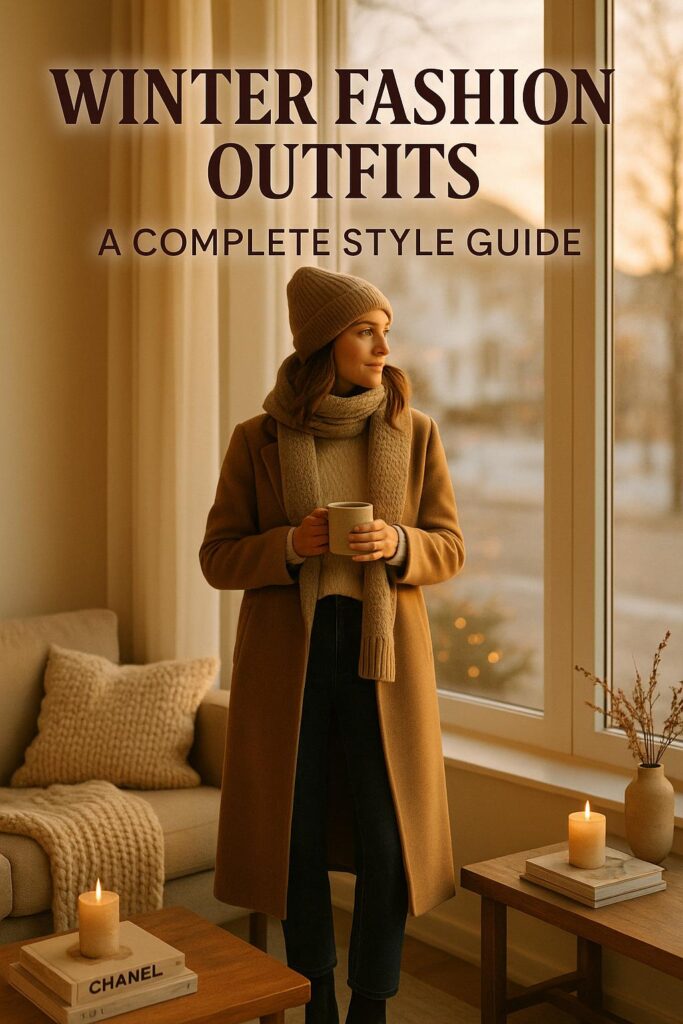
Essential Pieces For Winter Fashion Outfits
Coats And Jackets To Anchor Your Look
Your outerwear is often the first thing people notice during the cold months, so investing in the right coats and jackets has a big impact on your overall style. Many people find it helpful to have at least one polished everyday coat that works for the office and dressier settings, and one more casual, performance-oriented option that can tolerate messy weather and outdoor time.
Knitwear And Sweaters
Sweaters are the backbone of winter fashion outfits. A few well-chosen knits in crewneck, turtleneck, and cardigan styles will cover most needs, from professional to relaxed. Medium-weight knits already add warmth but still fit under tailored coats, while heavier knits are ideal for very cold days or for wearing as a top layer during milder winter stretches.
Warm Pants, Jeans, And Bottoms
Winter bottoms should keep you comfortable outdoors while still pairing well with your shoes and coat. Dark-wash jeans are one of the easiest foundations and can adapt to both casual and smart-casual outfits. Tailored trousers in heavier fabrics extend your office wardrobe into colder months, while lined tights or thicker leggings allow you to continue wearing dresses and skirts even when temperatures drop.
Boots And Cold-Weather Footwear
Footwear can make or break your winter experience. Look for boots with enough traction for wet sidewalks or snow and enough room for warm socks. You may prefer one pair that leans dressy, such as sleek ankle boots, and another that is more rugged and functional. The goal is to maintain stability and warmth without sacrificing your personal aesthetic.
Cold-Weather Accessories
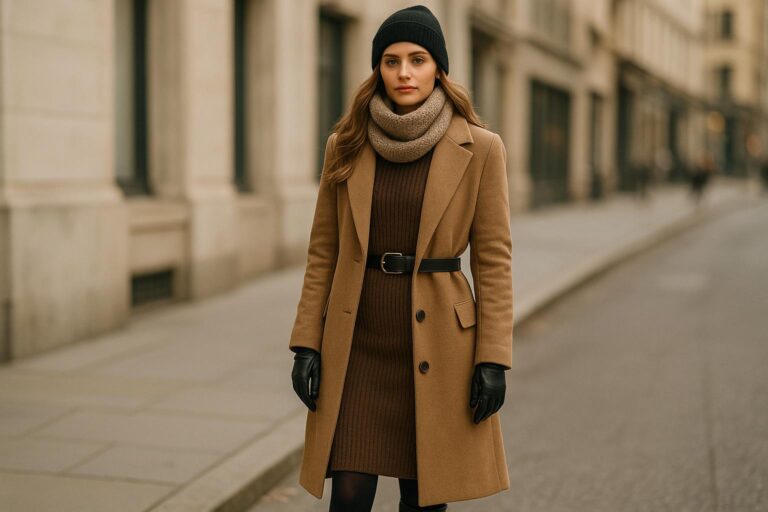
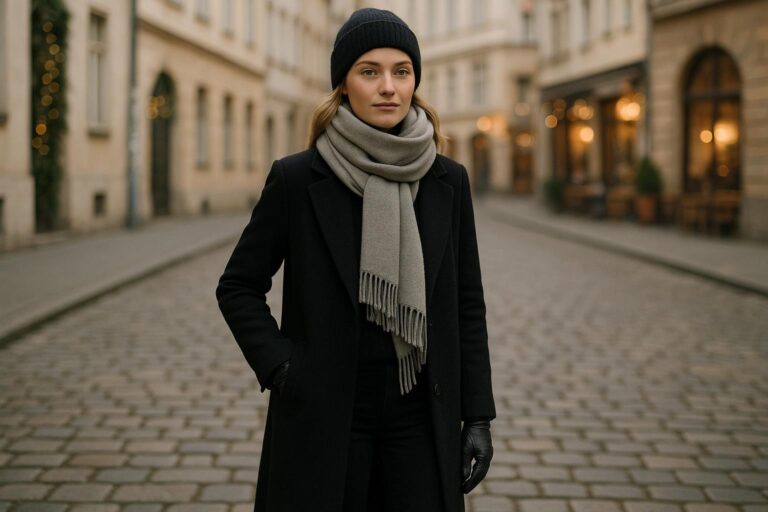
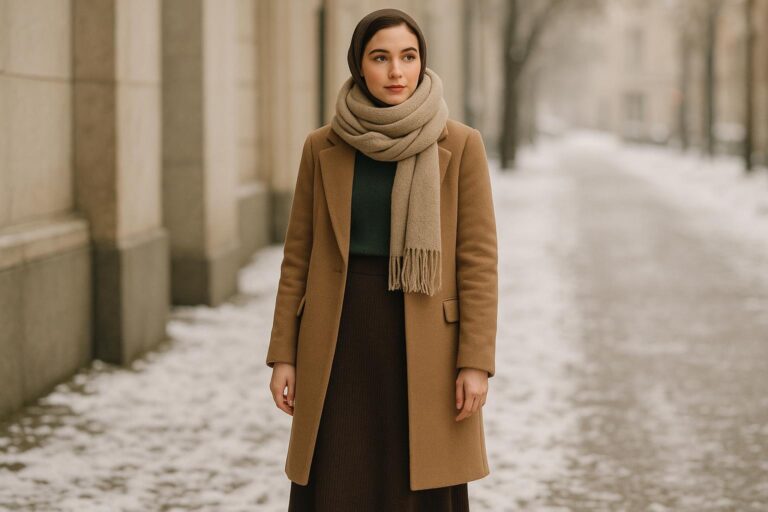
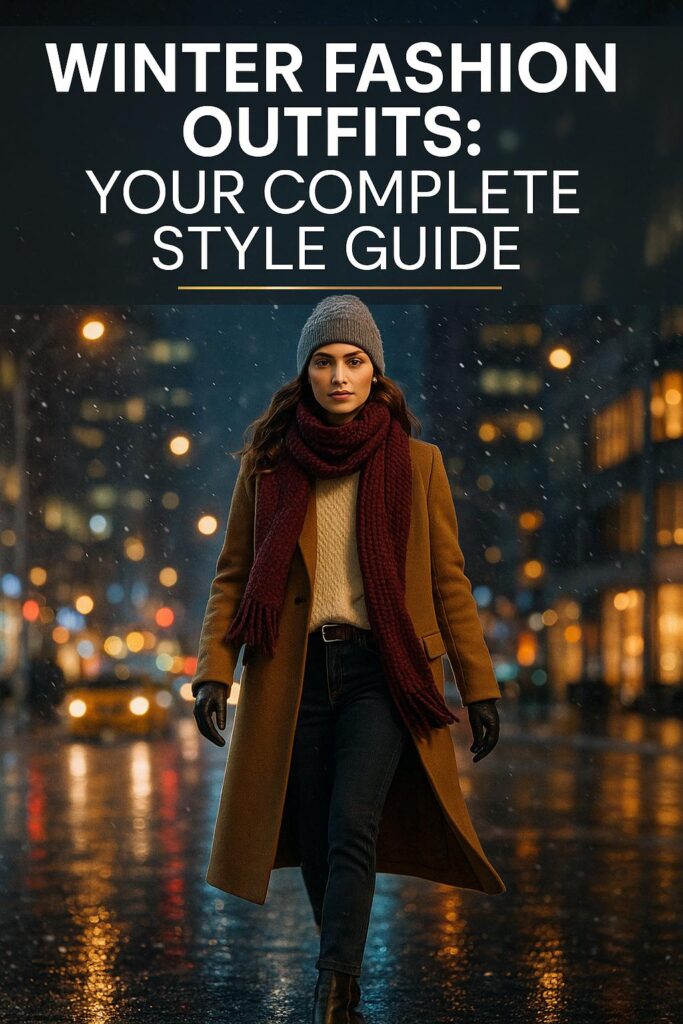
Accessories like scarves, gloves, and hats are the finishing touches that make winter outfits feel complete. They also add significant warmth, especially by protecting your extremities and neck from wind. Because these pieces are highly visible, they are an easy way to incorporate color, pattern, or texture into an otherwise neutral outfit without overwhelming it.
How To Layer Winter Outfits Step By Step
Base Layer: Your First Line Of Defense
The base layer sits directly against your skin and helps regulate your temperature. It should be breathable enough to handle indoor heating yet warm enough that you do not feel chilled when you step outside. Long-sleeve tees, light thermals, and fitted turtlenecks are all useful options that sit comfortably under sweaters and shirts without feeling bulky.
Mid Layer: Insulating Without Bulk
The mid layer is your main source of insulation. This is where you use sweaters, cardigans, shirt jackets, or light vests to trap warm air around your body. Aim for pieces that fit easily under your coat so you can remove or add layers as needed. Neutral knits in black, gray, navy, or camel are particularly versatile because they coordinate with both casual and office-ready outfits.
Outer Layer: Weather Protection And Style
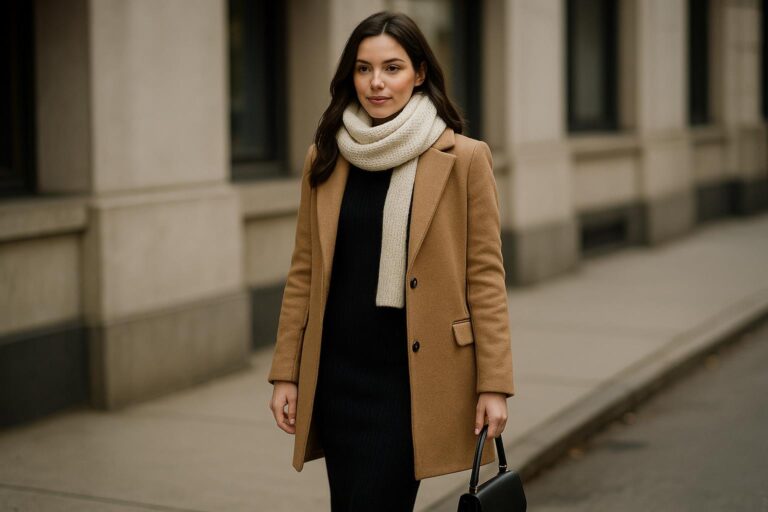
Your outer layer protects you from wind, precipitation, and colder air. Depending on your climate and lifestyle, this might be a tailored wool coat for city life, a technical parka for harsher conditions, or a puffer jacket for everyday errands. Choose a length that works with your typical outfits; mid-thigh to knee-length styles are practical because they cover more of your body while still leaving room for movement.
Using Accessories As Part Of Your Layering System
Think of accessories as an extension of your layering. A large scarf effectively acts as an extra insulating layer across your chest and neck, while beanies and headbands prevent heat loss at the top of your body. Gloves keep your hands functional and improve comfort in cold wind. Incorporating these items not only completes your look visually but also reduces the need for excessively heavy main layers.
Tips For Comfortable Layering
To keep winter fashion outfits both warm and wearable, pay attention to fabric feel, fit, and how easy it is to remove or add a layer as your environment changes. Avoid combinations that restrict your arms or shoulders, and make sure your base layer is smooth enough that sweaters and coats slide on and off without catching. Consider how your outfit will feel after several hours indoors as well as outside.
Everyday Casual Winter Outfit Ideas
Denim-Based Looks For Errands And Weekends
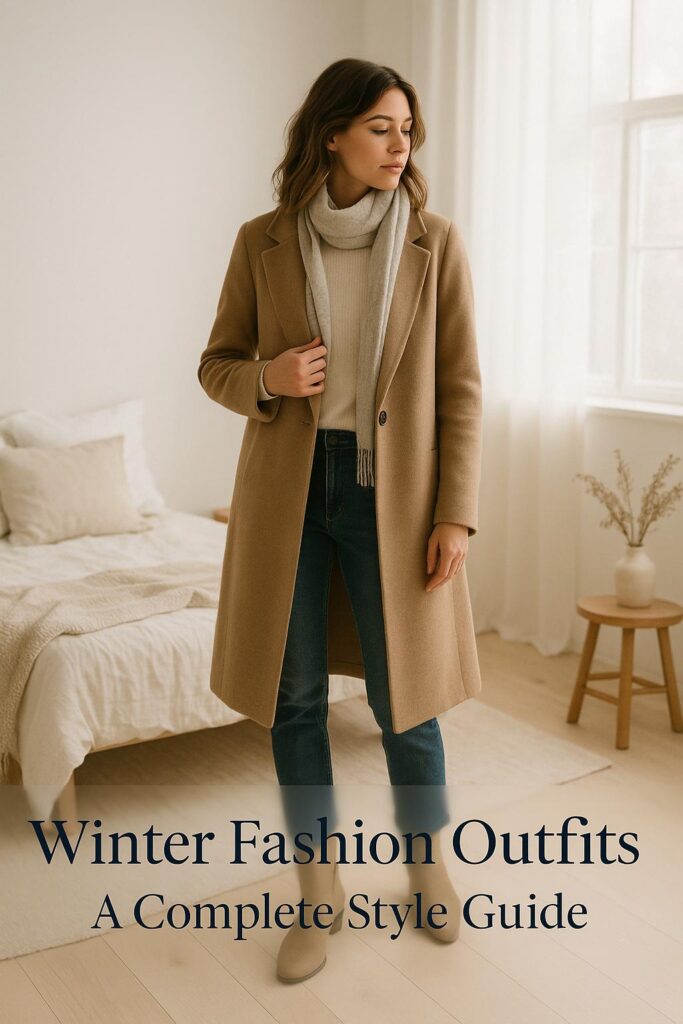
Denim is one of the easiest starting points for casual winter fashion outfits. Dark or medium-wash jeans matched with a cozy sweater and ankle boots create a reliable formula you can repeat all season. You can vary the mood simply by switching your sweater style—from a relaxed crewneck to a more refined turtleneck—or by swapping boots for casual sneakers on milder days.
Elevated Athleisure For Cold Days
On days when comfort is the priority, athleisure pieces can still look put-together. Pair heavy leggings or joggers with a structured sweatshirt or knit and finish with a sleek puffer coat and clean sneakers or simple boots. Keeping colors cohesive, such as sticking to all black, gray, or earth tones, makes the look appear more intentional instead of simply thrown together.
Cozy Yet Polished Weekend Layers
For brunches, casual dates, or family visits, combine comfort with style by layering a longline cardigan over a fitted base top and straight-leg jeans. Add a scarf in a complementary color and ankle or knee-high boots. This silhouette feels relaxed yet thoughtful, and it transitions easily from indoor gatherings to short walks outside.
Tips For Casual Winter Style
When you dress casually in winter, focus on clean lines and a limited color palette so outfits feel cohesive rather than sloppy. Avoid overly worn-out pieces in favor of sturdy fabrics that hold their shape. Even on low-effort days, a structured coat or neat shoes can elevate sweats, leggings, or basic jeans into something that looks intentional.
Winter Fashion Outfits For Work And The Office
Smart Layers For Commutes And Indoor Offices
Workwear in winter has to perform double duty: it must keep you warm during your commute but still be comfortable and professional indoors. A common approach is to rely on a polished coat that you remove once inside, while keeping your main outfit relatively light. Button-down shirts under fine-gauge sweaters, worn with tailored trousers, hit a balance between warmth and a refined appearance.
Business Casual Winter Outfit Formulas
Reliable business casual formulas simplify getting dressed on dark, cold mornings. A typical combination might be a turtleneck under a blazer, straight-leg trousers, and ankle boots. Another option is a knit dress with opaque tights and a long coat. Reusing these formulas with slight variations in color and accessories lets you maintain a consistent aesthetic without needing dozens of different pieces.
Using Color And Texture In Professional Settings
Winter wardrobes often lean dark, but strategic use of color and texture prevents work outfits from feeling dull. Incorporating one lighter or brighter element, such as a soft-colored blouse, a patterned scarf, or shoes in a warmer tone, adds depth without breaking dress codes. Textured fabrics—like subtle knits or brushed finishes—also make neutrals more visually interesting.
Tips For Office-Ready Winter Looks
To keep professional outfits streamlined, plan a few go-to combinations that you know look good and feel warm enough, then rotate them throughout the season. Make sure your coat and work bag coordinate reasonably well so they do not clash when worn together. If you walk or take transit, consider shoes that can handle slippery conditions, even if you change into more formal footwear once you arrive.
Dressy And Going-Out Winter Outfit Ideas
Evening Looks That Still Keep You Warm
Evening plans in winter often require balancing a more dressed-up look with the reality of low temperatures. Rather than sacrificing warmth by wearing thin, bare outfits, focus on pairing dressier pieces with insulated layers and smart outerwear. Long coat silhouettes, opaque tights, and heeled boots allow you to maintain a sleek line while still staying covered.
Winter Date Night Outfits
For date nights, a simple formula is a fitted sweater tucked into a midi skirt, worn with boots and a tailored coat. Another approach is slim dark jeans with a statement top and heeled ankle boots. In both cases, keep the outer layers polished enough that you feel put-together arriving and leaving, since these may be what people see most if you spend time walking or taking transportation.
Holiday Parties And Special Occasions
For holiday gatherings or special winter events, lean into richer colors and more luxe-feeling textures. A statement coat layered over a simple dress or chic separates can carry you from outdoor arrival photos to indoor celebrations. Because venues can range from warm to drafty, it is helpful to have at least one stylish layer you can keep on inside, such as a refined cardigan or structured jacket.
Tips For Staying Warm In Dressy Outfits
When you dress up in winter, plan warmth into your outfit from the start instead of treating it as an afterthought. Choose longer hemlines where possible, rely on lined or thicker tights, and factor in how much walking or waiting outdoors you will do. Having at least one elegant coat that closes fully and covers most of your outfit is especially useful during the holiday season.
Trendy Touches To Update Your Winter Wardrobe
Current Silhouettes And Proportions
Silhouettes in winter fashion outfits regularly shift between more fitted and more relaxed shapes. Recently, many wardrobes combine roomier outerwear and knits with more streamlined bottoms, or vice versa. Mixing one oversized element with more tailored pieces keeps you comfortable and modern-looking without losing structure.
Statement Coats As The Focus
Because your coat is visible every time you step outside, updating this single piece can make your entire winter wardrobe feel more current. A statement coat might stand out because of its color, pattern, or shape, while still being practical enough for daily wear. When the rest of your outfit is simple—such as jeans and a sweater—a distinctive coat instantly makes you look styled.
On-Trend Knits And Details
Knits with interesting stitches, subtle patterns, or thoughtfully placed details breathe new life into cold-weather basics. Features like distinctive necklines, sleeve emphasis, or textures can make even neutral sweaters feel current. These pieces still function as warm layers but add visual interest when worn under coats or blazers.
How To Incorporate Trends Without Overhauling Your Closet
Rather than chasing every seasonal trend, choose one or two updates that genuinely fit your lifestyle and pair well with what you already own. Often, a modern coat, a pair of contemporary boots, or a new knit is enough to refresh your winter outfits. This approach keeps your wardrobe cohesive and prevents you from ending up with items that only work in very specific combinations.
Color Palettes And Patterns For Winter
Classic Winter Neutrals
Neutrals like black, gray, navy, camel, and cream form the backbone of many winter wardrobes because they pair easily and look refined. Building most of your big-ticket winter items, such as coats and boots, in these shades makes everything mix and match more smoothly. You can then introduce color on a smaller scale through tops and accessories.
Rich, Seasonal Accent Colors
Deep, rich colors naturally suit winter’s atmosphere and lighting. Jewel tones and warm, earthy hues stand out against darker coats and denim, and they often look more polished than very bright or summery shades. Adding one colorful piece, such as a sweater or scarf, can instantly revive a neutral look.
Patterns That Work Well In Cold Weather
Patterns like checks, plaids, and subtle stripes are common in winter layers, especially in scarves, coats, and tailored pieces. These designs add visual dimension without feeling overwhelming when layered. If you prefer minimal outfits, even a single patterned scarf worn with a solid coat and jeans provides enough interest.
Tips For Building A Cohesive Winter Color Story
To keep your winter outfits harmonious, choose two or three main neutrals and a small set of accent colors you enjoy. Before bringing a new piece into your closet, consider how it will work with your existing coats, shoes, and bottoms. When your palette is consistent, it becomes much easier to layer and combine pieces without planning every detail in advance.
Practical Winter Outfit Tips For Different Climates
Mild Winter Climates
In milder regions where winter is cool rather than freezing, your priority is usually flexible layering instead of heavy insulation. Lightweight coats, medium-weight sweaters, and breathable shoes that still cover your feet usually meet most needs. You may find that you can re-use many of your fall pieces by simply adding an extra layer or swapping in a warmer coat.
Cold, Dry Climates
In colder, drier climates, warmth becomes more important than water resistance. Heavier coats, insulated boots, and substantial knitwear are particularly valuable. However, because air is dry, breathable layers help prevent you from overheating indoors. Outfits that rely on multiple thinner layers instead of one extremely heavy piece give you more control over your comfort throughout the day.
Cold, Wet, Or Snowy Regions
If your winters are wet or snowy, your outermost layers and footwear need to stand up to moisture and slush. Water-resistant coats and boots with reliable grip keep you safer and drier, especially when sidewalks are slippery. When you expect messy conditions, avoid long hemlines that drag in snow or puddles, and consider keeping a spare pair of shoes at work or in your car.
Tips For Adapting Outfits To Your Weather
When planning winter fashion outfits, start with your local conditions and typical daily activities. Think about how long you are actually outside versus indoors, how often you deal with snow or rain, and whether you walk, drive, or take public transit. Build your wardrobe around the coat and footwear that suit those realities, then add layers and accessories that work well with those core pieces.
Comfort, Fit, And Care In Winter Clothing
Getting The Right Fit For Layered Looks
Fit is especially important in winter because you are wearing multiple layers at once. If your coat or blazer is too tight, it becomes difficult to wear a sweater or inner jacket underneath. Leave enough room in your outer layers for your mid layers while keeping shoulders and sleeves structured so outfits still look sharp. Similarly, choose bottoms that accommodate warmer socks without feeling restrictive.
Prioritizing Comfort For Long Days
Most winter days involve transitions between outdoor cold and heated indoor spaces. Outfits that are slightly adjustable—such as those with removable scarves, cardigans, or vests—will serve you better than fixed combinations. Whenever possible, test how an outfit feels after sitting, walking, and carrying bags so you know you can move comfortably throughout your day.
Basic Care For Winter Pieces
Taking modest care of your winter wardrobe extends its life and keeps outfits looking fresh. Giving coats time to air out between wears, brushing off surface dirt, and storing boots properly after exposure to moisture all help preserve their appearance. Rotating sweaters and allowing them to rest between uses can also reduce stretching and wear.
Tips For A Long-Lasting Winter Wardrobe
When you choose winter clothing with some attention to quality, fit, and versatility, you need fewer items overall and can rely on them for multiple seasons. Prioritize pieces you reach for repeatedly, since they deliver the most value. Over time, investing in durable coats, boots, and frequently worn knits builds a winter wardrobe that is both stylish and dependable.
FAQ
What are some easy winter fashion outfits I can put together quickly?
Simple winter outfit formulas include dark jeans, a crewneck sweater, ankle boots, and a long coat; or a knit dress with opaque tights, knee-high boots, and a scarf. You can also rely on leggings, an oversized sweatshirt or sweater, and a puffer coat for casual errands. Having a few of these combinations in mind makes getting dressed on busy mornings much easier.
How can I stay warm without looking bulky in winter?
To stay warm without bulk, focus on layering thinner pieces rather than relying on one very heavy item. Start with a fitted long-sleeve base layer, add a medium-weight sweater, and finish with a well-cut coat that has enough room to move. Choose streamlined silhouettes on at least one part of your body, such as slim trousers with a roomier coat, to keep your overall look balanced.
What should I wear to work in winter that is still professional?
Professional winter outfits often combine a fine-knit sweater or turtleneck with tailored trousers and ankle boots, topped with a structured coat. You can also wear a button-down layered under a sweater with dress pants, or a knit dress with tights and a long coat. Keeping colors mostly neutral and opting for clean, simple silhouettes helps maintain a polished appearance.
How do I style boots with winter outfits?
Boots pair easily with jeans, trousers, dresses, and skirts in winter. Ankle boots work well with straight or slim jeans and cropped or full-length trousers, while knee-high boots look good under midi skirts and dresses or over fitted jeans. When styling, make sure the hem of your pants or skirt meets or slightly overlaps the top of the boot to avoid leaving gaps where cold air can get in.
Can I wear dresses and skirts in cold weather?
You can absolutely wear dresses and skirts in winter by choosing thicker fabrics and layering with tights or leggings. Midi and knee-length styles are especially practical because they offer more coverage. Combine them with warm boots, a substantial coat, and possibly an extra layer like a cardigan or blazer to stay comfortable outdoors.
How many coats do I really need for winter?
Most people can cover their winter needs with two or three coats: one polished option for work and formal settings, one casual or performance-focused style for everyday wear and bad weather, and an optional third that serves as a statement piece or fills a specific gap. The exact number depends on your climate and how varied your daily activities are.
What colors work best for winter fashion outfits?
Neutrals such as black, gray, navy, camel, and cream are especially practical in winter because they pair well and tend to look refined. You can add interest with rich accent colors like deep greens, reds, or warm browns. Limiting your palette to a few coordinating shades makes it easier to mix and match layers and accessories.
How do I choose the right winter coat length?
The right coat length depends on your climate and typical outfits. Hip-length jackets work well for casual wear and driving, while mid-thigh to knee-length coats provide more warmth and pair nicely with both pants and dresses. Longer styles are especially useful in very cold climates, whereas slightly shorter cuts may feel more practical in milder areas or if you are frequently in and out of a car.
What are some practical accessories to complete winter outfits?
Scarves, gloves, and hats are the most practical winter accessories because they add both style and warmth. A large scarf can function almost like an additional layer, a beanie or headband helps retain body heat, and gloves keep your hands comfortable in wind and cold. Choosing accessories in colors or patterns that complement your coat makes your outerwear look more finished.