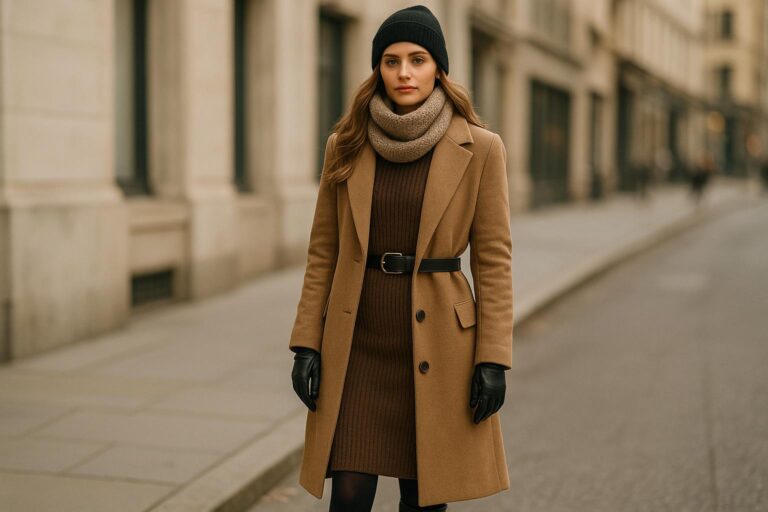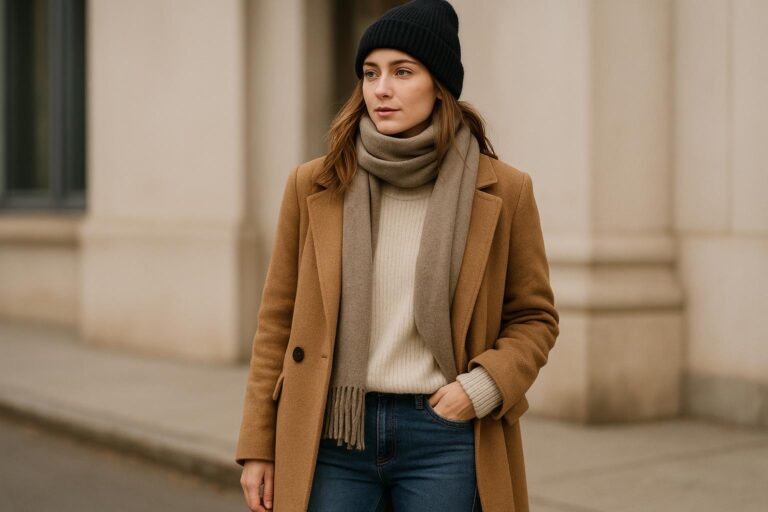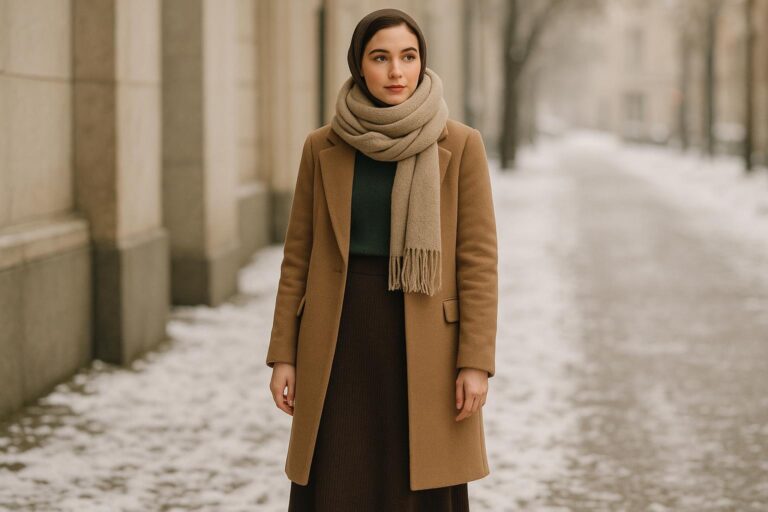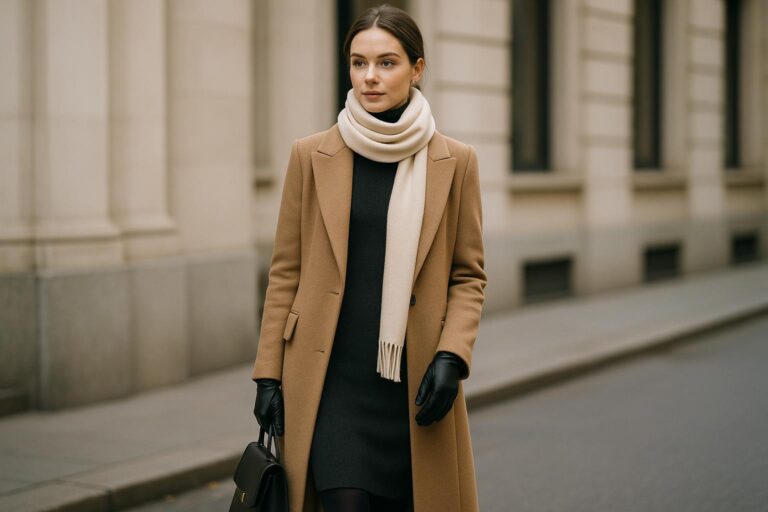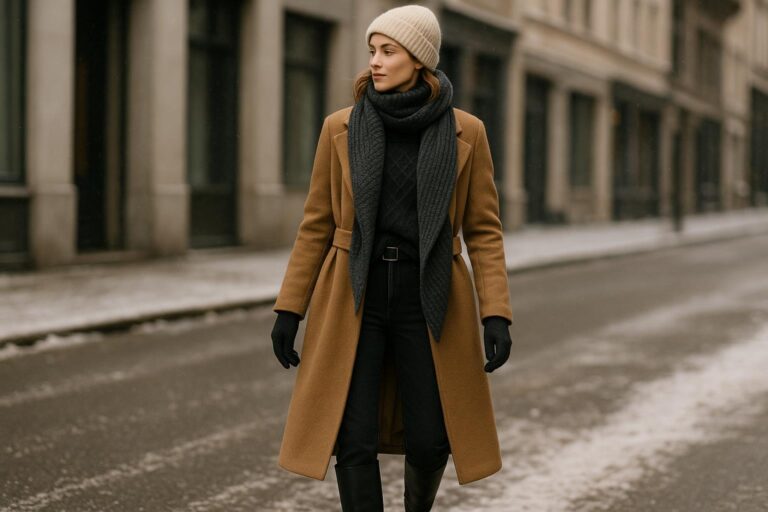
Chic Winter Maternity Outfits for Cozy Cold-Weather Style
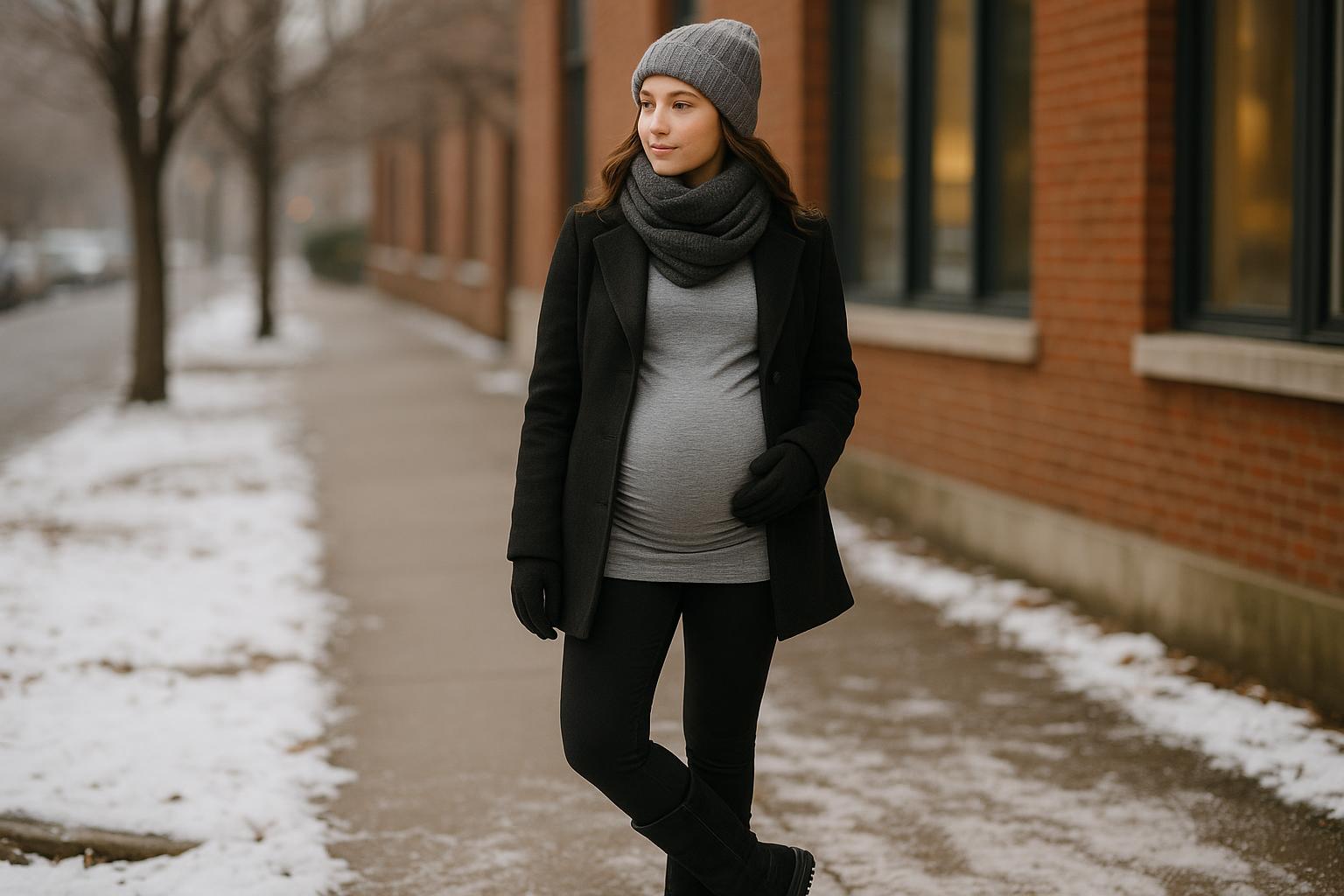
Winter Maternity Outfits: Stay Warm, Comfortable, and Stylish All Season
Winter maternity outfits need to do three things well: keep you warm, support your changing body, and help you feel confident through every trimester. Cold weather can make getting dressed during pregnancy feel complicated, but with a clear strategy and a few key pieces, building a functional and stylish winter wardrobe becomes much easier.
This guide walks through essential winter maternity clothing, layering techniques, outfit ideas for different occasions, and practical tips for comfort and safety in colder months. Whether you are newly pregnant or nearing your due date during winter, you can create outfits that balance warmth, fit, and style.
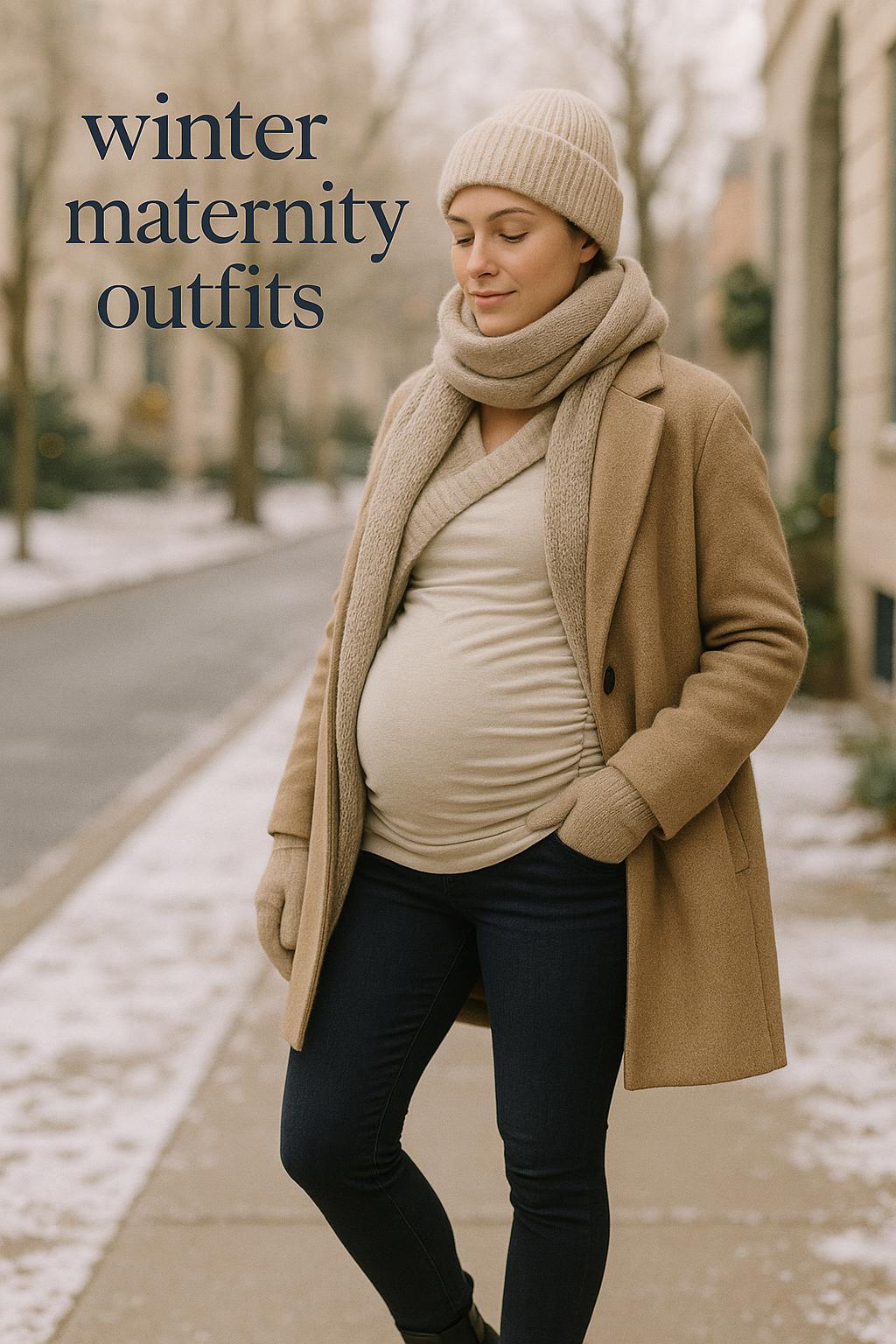
Core Principles for Winter Maternity Dressing
Prioritizing Comfort, Warmth, and Safety
Your body is working hard, and winter adds extra demands. When choosing winter maternity outfits, comfort and safety should guide every decision. Fabrics should be soft and non-restrictive, seams and waistbands should not dig into your bump, and shoes must provide stability and traction in wet or icy conditions.
Breathable layers are crucial. Your temperature can fluctuate more during pregnancy, so you want the option to remove a cardigan or scarf without compromising overall warmth. Choosing moisture-wicking base layers and insulating but lightweight mid-layers helps you stay comfortable outdoors, in overheated offices, and at holiday gatherings.
Building a Capsule Winter Maternity Wardrobe
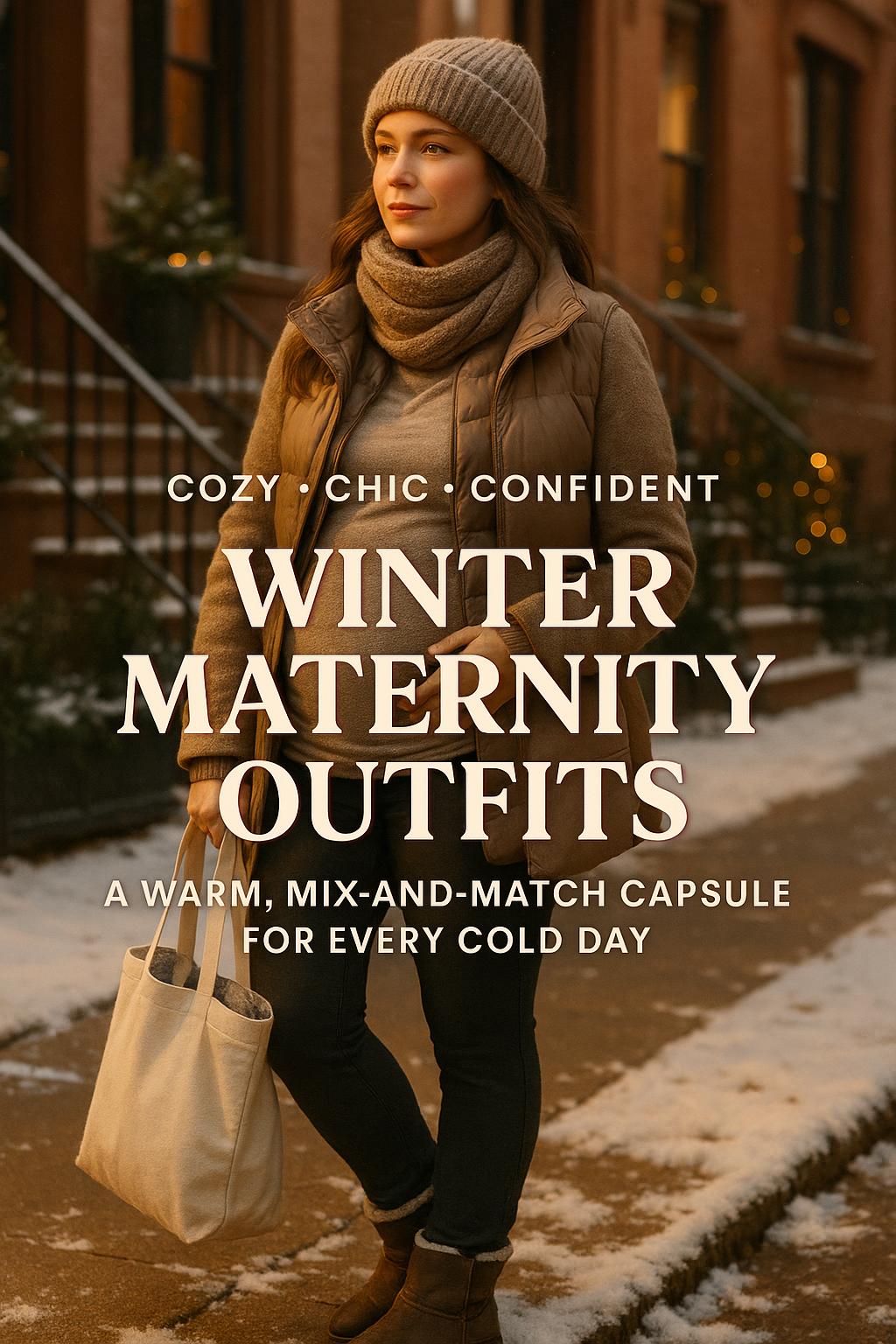
Instead of buying a whole new closet, it helps to think in terms of a winter maternity capsule wardrobe. A small set of versatile pieces can mix and match into many outfits. Focus on neutral colors for outerwear and bottoms so you can repeat items often, then add color through sweaters, scarves, and accessories.
Start by identifying your daily routine. If you work in an office, prioritize trousers, blouses, and structured layers that look polished. If you are mostly at home or on the go, stretchy leggings, soft tops, and easy outerwear will be more useful. A capsule approach keeps your closet manageable and helps ensure every piece is truly wearable during pregnancy.
Essential Winter Maternity Clothing Pieces
Maternity Leggings and Tights
Leggings and tights are the foundation of many winter maternity outfits. Over-the-bump styles provide gentle support and help keep your belly warm, while under-the-bump options can feel cooler and less constricting if you run warm. Look for thicker, opaque fabrics that can double as pants under tunics and sweater dresses.
Fleece-lined leggings are particularly helpful in colder climates. They trap heat without adding bulk and pair well with long sweaters, tunic tops, and boots. For dressier occasions, maternity tights with a supportive belly panel can extend the life of your favorite winter dresses and skirts.
Maternity Jeans and Pants for Cold Weather
Jeans and tailored pants provide structure and make it easy to dress outfits up or down. In winter, many people prefer dark washes and thicker denim, which visually slims and holds warmth better. Over-bump panels add coverage and prevent drafts, especially when paired with shorter sweaters or jackets.
For work or more polished settings, maternity trousers in ponte or wool-blend knits offer both warmth and a clean silhouette. Because you will likely rotate only a few pairs all season, pay attention to fit around the hips and thighs and choose styles with stretch that can adapt as your body changes week by week.
Cozy Maternity Sweaters and Knitwear
Maternity sweaters are the heroes of winter dressing. Look for styles with extra length in the front to cover your bump, plus some stretch to prevent pulling across the chest and shoulders. Chunky knits give a cozy feel while thinner knits are ideal for layering under coats and jackets.
Wrap sweaters, tunic sweaters, and cardigans are especially useful because they can adjust with your changing shape and often work postpartum as well. Necklines matter too: turtlenecks and mock necks provide extra warmth, while V-necks help balance your proportions as your bust grows.
Long-Sleeve Maternity Tops and Base Layers
Long-sleeve tops act as both standalone pieces and base layers. Stretchy cotton, bamboo, or modal fabrics are gentle on sensitive skin and breathable under heavier knits. Ruched sides can provide room for growth while still looking neat in early pregnancy.
Having a few neutral long-sleeve tees and fitted layering tops allows you to re-wear the same sweaters and jackets more often. Some tops are designed for both maternity and nursing, with hidden openings or cross-front designs that can be useful after birth, especially in the colder months when you still need coverage and warmth.
Winter Maternity Coats and Outerwear
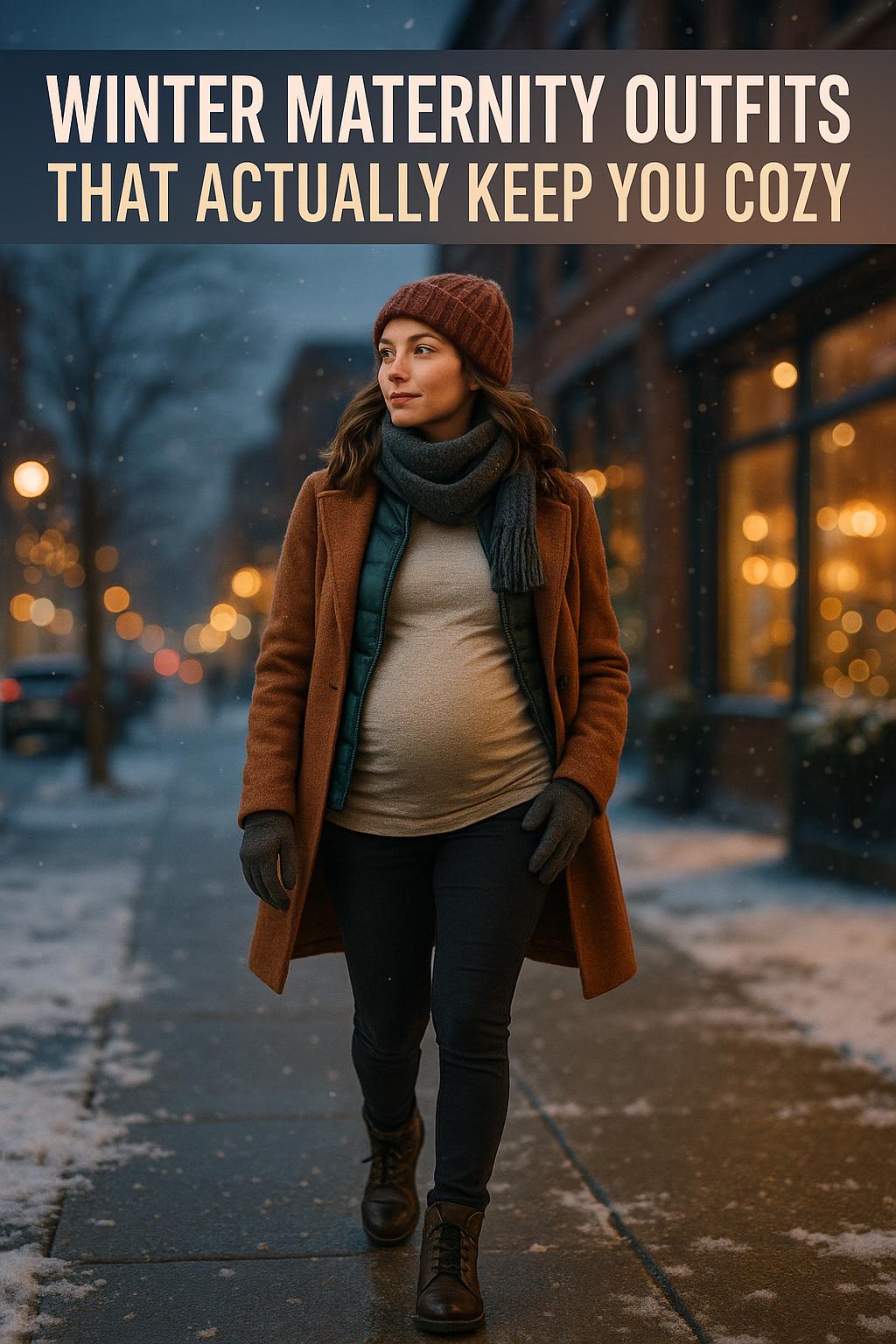
A well-chosen maternity-friendly coat can make winter outings much more comfortable. Some coats are specifically designed for pregnancy with extra room in the belly and adjustable panels, while others in your existing wardrobe may work if they are roomy and can be layered strategically.
If you purchase a dedicated coat, consider length and insulation. Longer styles that cover your hips and upper thighs trap more warmth. Down or synthetic insulation offers lightweight heat, while wool blends provide both polish and protection from the cold. Removable belt ties, side zips, or front expansion panels can help the coat grow with your bump.
Layering Strategies for Cold Weather Pregnancy
Smart Base Layers That Support and Insulate
Layering begins with an effective base. In very cold climates, thermal or merino wool maternity base layers worn under regular clothes can make outdoor time more comfortable. These should fit close to the body without compressing your abdomen and should wick moisture away from your skin to prevent chills.
On milder days, a simple long-sleeve tee or fitted tank is often enough as a base. Avoid heavy, non-breathable fabrics right next to your skin, since pregnancy can make you more prone to feeling overheated, even when it is cold outside. A flexible base layer strategy means you can adapt to temperature swings throughout the day.
Mid-Layers: Sweaters, Cardigans, and Vests
The mid-layer is where much of your warmth comes from. Cardigans and open-front sweaters are practical choices, since you can wear them open over your bump early on and then tie or button them later if there is enough room. Sleeveless puffer vests layered over long-sleeve tops can keep your core warm while allowing more movement in your arms.
This layer is also where you can play with texture and pattern: cable knits, ribbed sweaters, or softly patterned cardigans make simple outfits feel intentional. Having two or three mid-weight layers you love wearing can carry you through most winter scenarios, from errands to workdays.
Outer Layers and Weather Protection
Outer layers must protect you from wind, snow, and rain while working with the layers underneath. When trying on coats or jackets, wear a sweater or mid-layer to ensure there is enough room for comfortable movement. Look for details like high collars, snug cuffs, and adjustable waists to keep cold air out.
In very wet or snowy climates, pairing a water-resistant shell with a warm inner layer can be more flexible than a single heavy coat. This approach lets you remove the shell when you go indoors while keeping your insulating layer on for warmth.
Casual Winter Maternity Outfit Ideas
Everyday Errands and At-Home Comfort
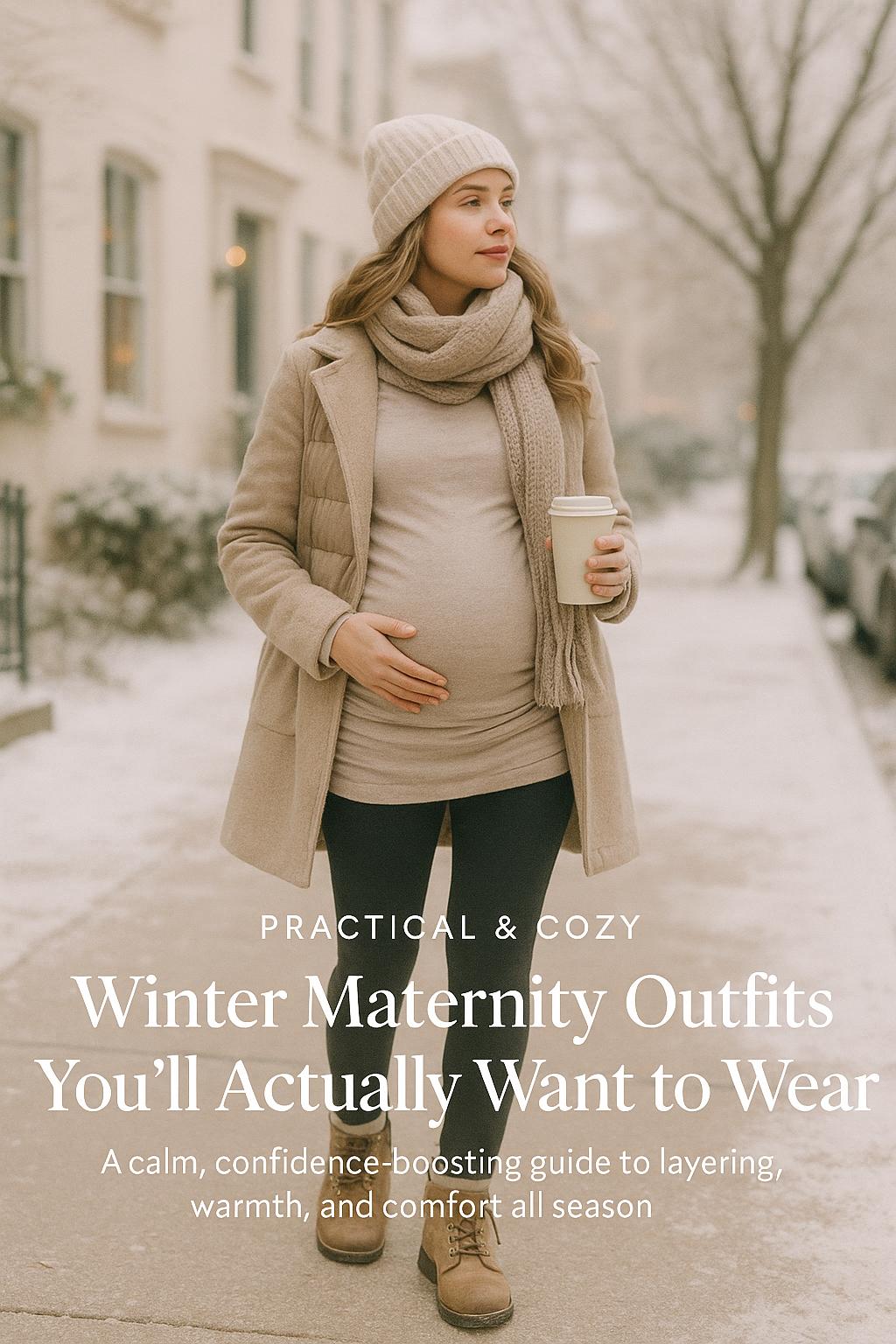
For daily wear, your winter maternity outfits should be easy to move in and simple to put together. Many people rely on a combination of leggings or soft joggers, long-sleeve tops, and cozy cardigans. Neutral bottoms paired with a rotation of a few favorite sweaters can create different looks without requiring a large wardrobe.
At home, you might prefer looser clothing that still has some structure, such as maternity lounge pants and tunics. Soft fabrics like brushed cotton or fleece add extra warmth. Since you may spend more time resting or sitting, prioritize waistbands and seams that do not dig in or leave marks on your skin.
Outdoor Walks and Light Activity
Many pregnant people enjoy walks in winter for fresh air and light exercise, and the right clothing makes this more enjoyable. Pair moisture-wicking leggings or joggers with a long-sleeve base layer, a warm sweatshirt or fleece, and a weather-appropriate jacket. Add a warm hat, scarf, and gloves to protect extremities, which are more prone to feeling cold.
Footwear is especially important for outdoor activity in winter. Choose supportive shoes or boots with good traction and enough room for warm socks. Slip-on or easy-closure styles are helpful as your bump grows and bending becomes more difficult.
Work-Appropriate Winter Maternity Outfits
Office-Ready Looks for Cold Weather
For professional environments, winter maternity outfits need to balance polish with practicality. Maternity trousers in dark, structured fabrics paired with knit tops or blouses create a simple uniform. Add a blazer or long cardigan for warmth that still looks sharp.
Knee-length sweater dresses or knit dresses are another winter-friendly option for offices. When paired with opaque maternity tights and ankle or knee boots, they feel put-together without constricting your midsection. Subtle patterns or solid jewel tones can add visual interest while remaining work-appropriate.
Business Casual and Hybrid Work Days
On days when your dress code is more flexible or you work between home and office, consider outfits that can shift with your setting. Dark maternity jeans with a polished knit top and structured cardigan can look professional on video calls but remain comfortable for long stretches of sitting or commuting.
Layering is particularly useful for hybrid work. You can wear a lighter layer at home, then add a blazer or coat for in-person meetings or travel. Choosing soft, stretch fabrics that mimic the look of tailored pieces helps bridge the gap between lounge and office wear.
Special Occasion and Holiday Winter Maternity Outfits
Dressy Looks for Parties and Events
Winter often brings holiday gatherings, showers, and special events. For these occasions, gravitate toward maternity dresses made from thicker knit, velvet, or ponte fabrics that offer both structure and warmth. Empire waistlines and wrap styles can highlight your bump in a flattering way while leaving room for movement.
Rich seasonal colors like burgundy, emerald, navy, and deep plum work particularly well in winter and can easily be dressed up with jewelry or a shawl. Add maternity tights, low-heeled boots or pumps, and a warm wool coat to complete the look without sacrificing comfort.
Celebrating Holidays Comfortably
For family gatherings at home, aim for outfits that feel festive but practical. Soft sweater dresses, longline cardigans over bump-friendly tops, or a coordinated knit set can look special without requiring restrictive silhouettes. If you expect to be sitting for long periods, choose garments with gentle stretch and avoid tight waist seams.
Because indoor heating can vary, prepare for temperature changes by layering a lighter top under your sweater or dress. This way, you can remove a layer if you start to feel too warm from activity, crowded rooms, or pregnancy-related temperature shifts.
Footwear and Accessories for Winter Pregnancy
Safe, Supportive Winter Footwear
As your center of gravity changes, balance and support become even more important. Winter shoes and boots should have non-slip soles, a stable base, and ideally a low heel or flat profile. Cushioning can help reduce fatigue if you are on your feet for work or errands.
Look for styles that are easy to put on and take off, such as side-zip boots, pull-on Chelsea boots, or sturdy slip-ons. Many people find their feet swell slightly during pregnancy, so choosing footwear with a bit of extra room or adjustable closures can keep you more comfortable throughout the day.
Cold-Weather Accessories That Work With Your Bump
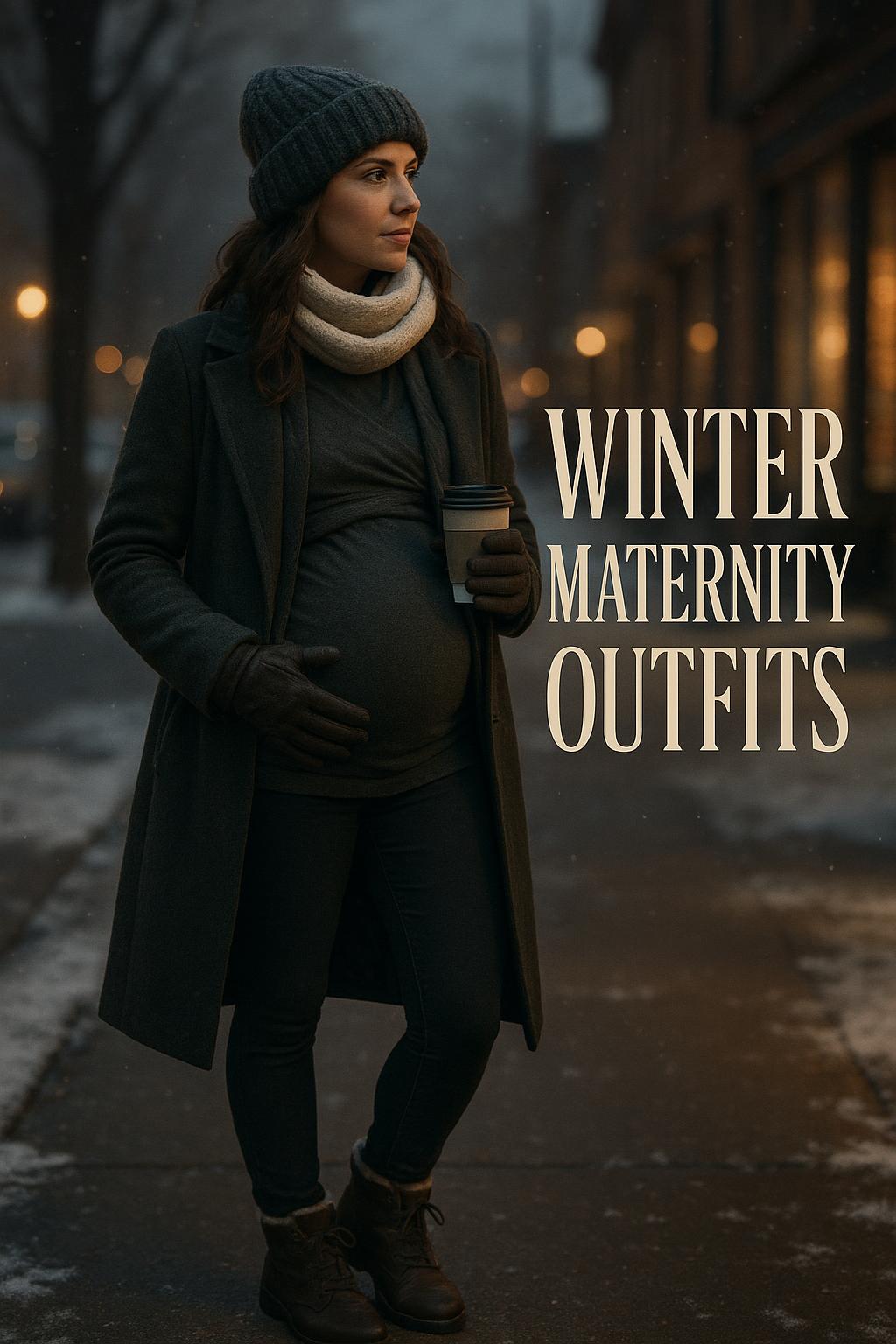
Accessories play a big role in warmth and style without needing to be maternity-specific. Scarves add insulation around your neck and chest and can be removed easily if you get warm. Hats and headbands protect against heat loss from your head and ears, which is crucial on very cold days.
Gloves or mittens with good insulation keep hands comfortable in cold air, especially if you are pushing a stroller or carrying bags. If rings start to feel tight due to swelling, it can be more comfortable to switch to simple bands or keep jewelry minimal until swelling subsides after birth.
Tips for Choosing Fabrics and Fits
Fabric Types to Look For in Winter
In winter, fabric choice has a direct impact on warmth and comfort. Natural fibers like wool, cotton, and merino can provide breathability and insulation, while blends with a small amount of spandex or elastane offer needed stretch. For base layers, moisture-wicking materials help keep you dry if you overheat and then cool down quickly.
For outer layers and sweaters, mid-weight knits often work better than extremely heavy ones because they layer more easily under coats. Soft linings in leggings, jeans, and coats can reduce irritation on sensitive skin, which is common during pregnancy.
Finding the Right Fit Through Each Trimester
Fit can change rapidly, especially in the second and third trimesters. When selecting winter pieces, think about how they will feel not only today but in a few weeks. Items with adjustable waistbands, ruching, and wrap-style closures often adapt better to growth and can remain comfortable longer.
Many people find they do not need fully specialized maternity versions of every garment. Some non-maternity pieces, such as oversized sweaters or open-front cardigans, can work well when layered over maternity basics. Focus your dedicated maternity purchases on bottoms, dresses, and any items that must fit closely over your belly and hips.
Comfort and Health Considerations in Winter
Managing Temperature Fluctuations
During pregnancy, it is common to feel warmer than usual at times and very chilled at others. Dressing in layers you can easily add or remove is more practical than relying on a single heavy sweater. Breathable fabrics help reduce overheating, while removable scarves or cardigans let you adjust quickly when moving between outdoor cold and indoor heating.
Staying dry is just as important as staying warm. If you get caught in snow or rain, changing out of damp clothes promptly and into dry layers helps prevent chills and discomfort. For feet, moisture-wicking socks under insulated boots can keep you more comfortable during longer outings.
Supporting Joints and Reducing Strain
Winter surfaces can be slippery, and pregnancy can already place extra strain on joints and ligaments. Supportive footwear, as well as clothing that allows free movement, can help reduce the risk of slips and discomfort. Avoid pants or dresses that are so long they drag on the ground, as this can create tripping hazards.
Some people find mild belly support from over-bump waistbands or soft support bands helpful, especially in later trimesters. These should feel snug but not restrictive and should never make breathing or movement difficult. If anything feels too tight when you sit, bend, or climb stairs, it is better to size up or switch styles.
Practical Shopping Tips for Winter Maternity Wear
Planning Purchases by Trimester and Climate
Before buying winter maternity outfits, consider how far along you will be at the coldest part of the season and what your climate is like. If your third trimester coincides with deep winter, investing in a warm, bump-friendly coat and a few high-quality pairs of leggings or pants may be worthwhile. If your due date is early winter, lighter layers that transition into postpartum life might be more practical.
Think about your calendar as well: upcoming events, work obligations, and travel plans can influence which pieces will get the most wear. A small, intentional set of garments that you reach for often is usually more satisfying than a larger number of items that do not fit quite right or feel uncomfortable.
Maximizing Versatility and Longevity
Whenever possible, look for items that can serve multiple purposes or seasons. Many maternity pieces are designed to be worn postpartum, especially those with nursing-friendly necklines or adjustable wraps. Neutral-colored coats, cardigans, and boots can remain part of your wardrobe after pregnancy, making them smarter long-term investments.
Building outfits around a few key basics also allows you to experiment with style through accessories rather than buying many different statement garments. Scarves, hats, bags, and jewelry can completely change the mood of a look while keeping your core wardrobe small and functional.
Tips for Styling Winter Maternity Outfits
Use color and proportion intentionally to create outfits that feel balanced and put-together. Darker bottoms and lighter or brighter tops can help highlight your face and bump, while longer cardigans or jackets can elongate your frame. If you enjoy defining your shape, belts worn above the bump over dresses or cardigans can create a flattering empire line, as long as they are not too tight.
Do not be afraid to repeat outfits; most people notice your overall look and confidence more than individual pieces. Rotating a small set of favorite combinations and varying accessories is often simpler and more sustainable than aiming for completely unique looks every day.
FAQ
What should I look for when buying winter maternity outfits?
Focus on comfort, warmth, and versatility. Look for stretchy fabrics, over-the-bump support in leggings or pants, and pieces that can be layered easily, such as long-sleeve tops, sweaters, and a warm yet roomy coat. Make sure seams and waistbands do not dig into your bump and choose footwear with good traction for winter conditions.
Do I need a specific maternity winter coat?
You do not always need a dedicated maternity coat, but many people find one helpful in late second and third trimesters during very cold weather. Some regular coats with an oversized fit can work if you wear them open over layers, but a maternity coat with extra belly room or expansion panels will usually keep you warmer and more comfortable when fully zipped.
How can I stay warm in winter maternity outfits without overheating?
The key is breathable layering. Start with a moisture-wicking base layer, add a mid-weight sweater or cardigan, and top it with a weather-appropriate coat. Choose accessories like scarves and hats you can remove easily if you get warm indoors, and avoid very heavy, non-breathable fabrics directly against your skin.
Can I wear regular clothes in winter instead of maternity-specific items?
You can often combine regular and maternity clothing. Many non-maternity items like oversized sweaters, open-front cardigans, and stretchy dresses can work well over your bump, especially in early to mid-pregnancy. However, for bottoms such as jeans, trousers, and tights, maternity-specific designs usually provide better support and comfort in later trimesters.
What are the best shoes to wear during pregnancy in winter?
Choose flat or low-heeled shoes or boots with good arch support and non-slip soles. Look for styles that are easy to put on, such as zip-up or pull-on boots, because bending can become harder as your bump grows. Make sure there is enough room for warm socks and potential swelling in your feet by the end of the day.
How many winter maternity pieces do I really need?
The exact number depends on your lifestyle and climate, but many people manage well with a small capsule: a few pairs of leggings or pants, several long-sleeve tops, two or three sweaters or cardigans, a dress or two for work or occasions, and one warm coat. Prioritize mix-and-match pieces you can wear repeatedly in different combinations.
What should I wear to work when pregnant in winter?
For work, combine structured yet stretchy maternity trousers or dark jeans with knit tops, blouses, or sweater dresses, then add cardigans, blazers, or tailored coats for warmth. Maternity tights under dresses, closed-toe flats or boots, and subtle accessories can help you look professional while staying comfortable throughout the day.
How can I dress for a winter holiday party while pregnant?
Choose a bump-friendly dress in a warm fabric like knit or velvet with an empire waist or wrap design, then layer it with maternity tights, low-heeled boots or pumps, and a wool coat for travel. Rich seasonal colors and simple jewelry can make the outfit feel festive without compromising comfort or warmth.
Are fleece-lined leggings safe and comfortable during pregnancy?
Fleece-lined maternity leggings are generally a comfortable and practical option for winter, as long as they are not too tight. Look for over-the-bump styles that provide gentle support and check that the waistband does not feel restrictive when you sit or bend. Pair them with long sweaters or tunic tops for added coverage and warmth.
What fabrics should I avoid in winter maternity wear?
It is best to limit very stiff, non-stretch fabrics around your midsection, as they can feel restrictive and uncomfortable as your bump grows. Also be cautious with materials that do not breathe well, since pregnancy can make you more prone to overheating. Instead, prioritize soft, stretchy fabrics and breathable blends that allow both warmth and ventilation.