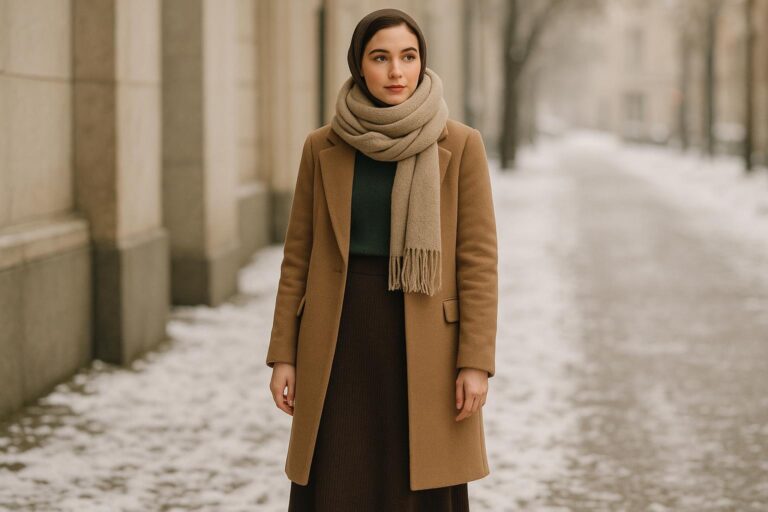
Chic Winter Dress Outfit Ideas to Stay Warm and Polished
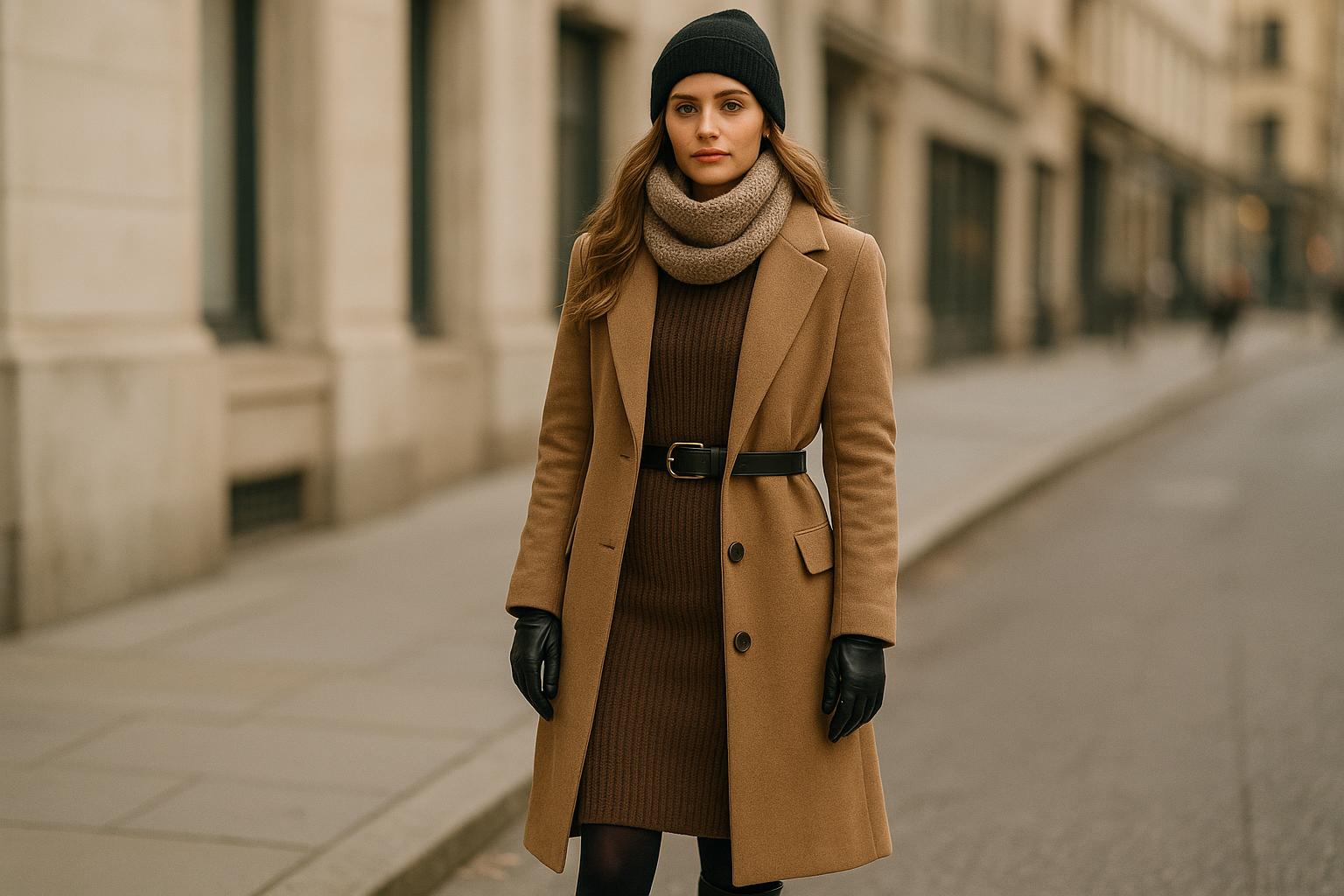
Winter Dress Outfit Guide: How to Stay Warm and Stylish All Season
Building a winter dress outfit that feels warm, comfortable, and stylish can be challenging, especially when temperatures drop and layers are essential. With the right fabrics, silhouettes, and styling tricks, dresses can become a core part of your cold-weather wardrobe instead of something you only wear in spring and summer. This guide walks through how to choose dresses for winter, the best ways to layer them, and plenty of outfit ideas for work, weekends, holidays, and special occasions.
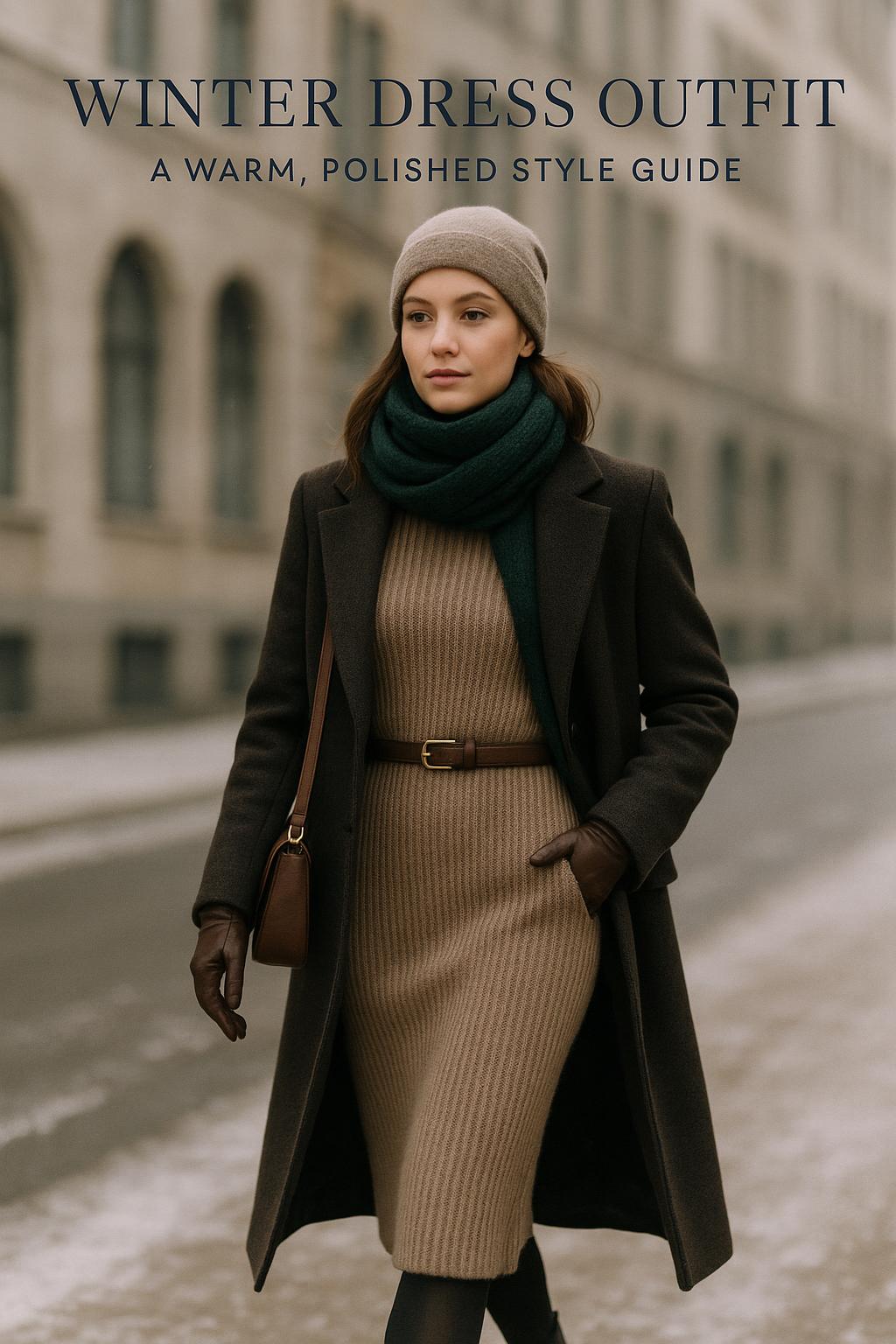
Foundations of a Warm and Stylish Winter Dress Outfit
Choosing the Right Dress Fabrics for Cold Weather
The fabric of your dress is the foundation of any winter dress outfit. While lightweight cotton and linen are ideal for warmer months, they rarely provide enough insulation when temperatures fall. For a winter-ready wardrobe, focus on thicker, more insulating materials that can trap heat and layer smoothly under coats and knitwear.
Wool and wool-blend dresses are among the best options for winter. They naturally retain warmth, resist wrinkles, and feel elevated enough for both office and evening wear. Sweater dresses made from wool, cashmere blends, or high-quality acrylics offer a cozy feel with a soft drape that flatters many body types. For more formal occasions, ponte knit, scuba knit, and heavier jerseys strike a balance between structure and comfort, holding their shape while still providing stretch.
Velvet and corduroy dresses create a rich, seasonal look that transitions easily from day to night. Velvet has a subtle sheen that suits parties and dinners, while corduroy feels more casual and works well for daytime or office wear. For those who like dresses year-round, look for lined versions of your favorite silhouettes or heavier versions of classic fabrics, such as brushed cotton or flannel, so you can extend their wear into winter with proper layering.
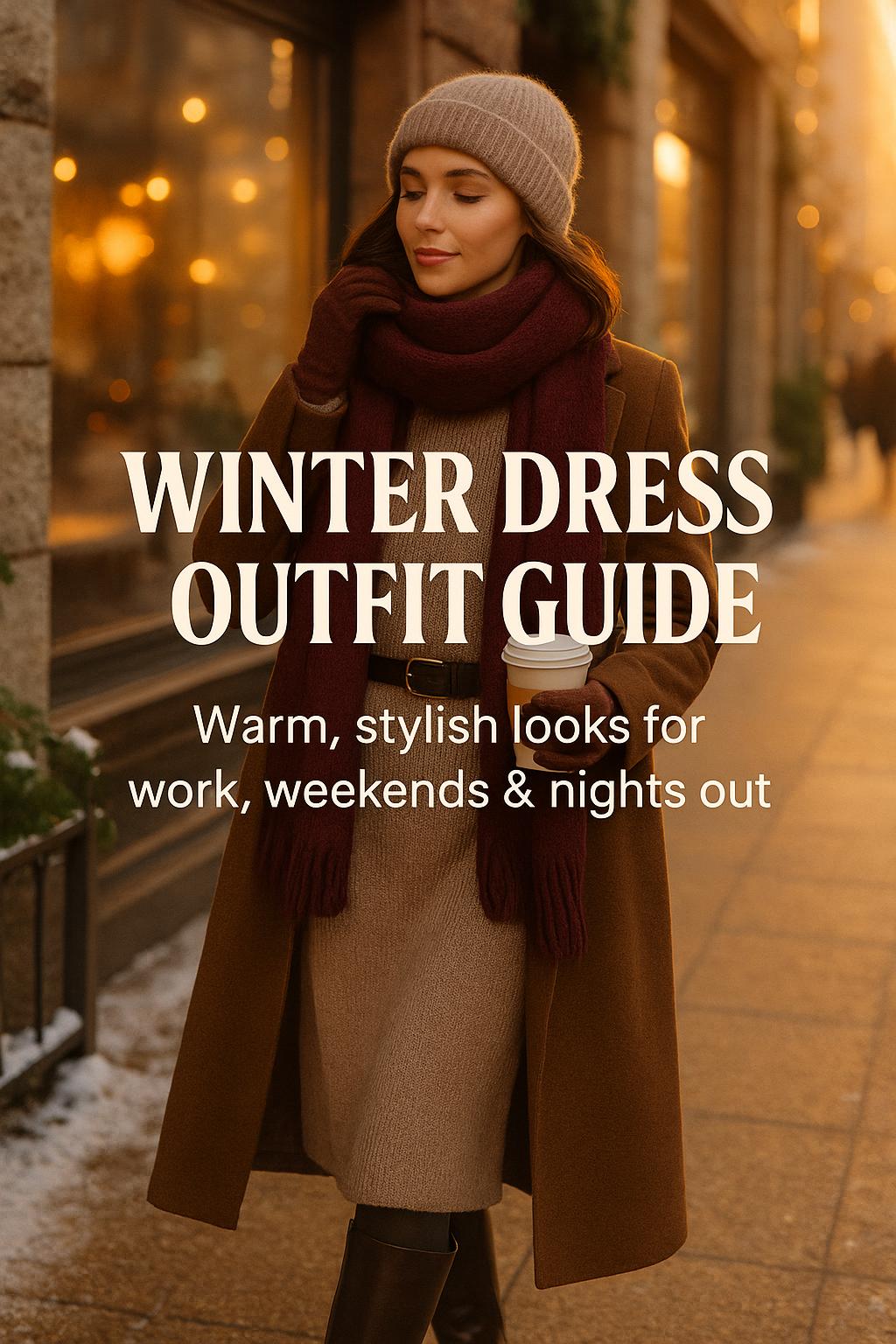
Winter-Ready Dress Silhouettes That Layer Well
Certain dress shapes naturally lend themselves to layering and are easier to adapt to varying levels of cold. Long-sleeve sweater dresses and knit midi dresses are staples because they cover more skin while leaving room under or over the dress for added layers. Straight and A-line cuts skim the body, creating an insulating air layer without clinging too tightly, which can make layering tights and slips uncomfortable.
Fit-and-flare and skater dresses also work well in winter when paired with opaque tights and tall boots. The fitted bodice holds warmth close to your core, while the flared skirt allows you to move comfortably even with thicker tights. Shirt dresses—especially in heavier fabrics like flannel or denim—can be worn buttoned up with a belt or left slightly open with a turtleneck underneath for extra warmth and visual interest.
Maxi dresses and midi dresses are particularly useful in colder weather because of the extra length. A long hemline not only feels elegant but also offers more coverage for your legs, especially when used with tall boots and lined tights. When choosing a maxi or midi for winter, look for styles that aren’t overly loose or sheer; a moderate amount of structure keeps the outfit from feeling drafty while still allowing for layers beneath.
Building a Base Layer for Warmth
The base layer is what you wear closest to your skin, and it plays a huge role in how warm and comfortable a winter dress outfit feels. Thermal tops, thin turtlenecks, and long-sleeve heat-retaining shirts can be worn beneath sleeveless, short-sleeve, or even some long-sleeve dresses without adding too much bulk. Opt for materials that are smooth and stretchy so they don’t bunch under fitted bodices or cling awkwardly to your dress fabric.
Similarly, thermal leggings or fleece-lined tights are a powerful tool on very cold days. Opaque black tights work with most dresses and boots, while neutral tones can create a streamlined, leg-lengthening effect when matched to your skin tone. For extra insulation, some people layer thin, heat-retaining tights under a more opaque pair, which can extend dress wear even in freezing temperatures.
Key Layering Pieces for Winter Dress Outfits
Coats and Jackets That Complement Dresses
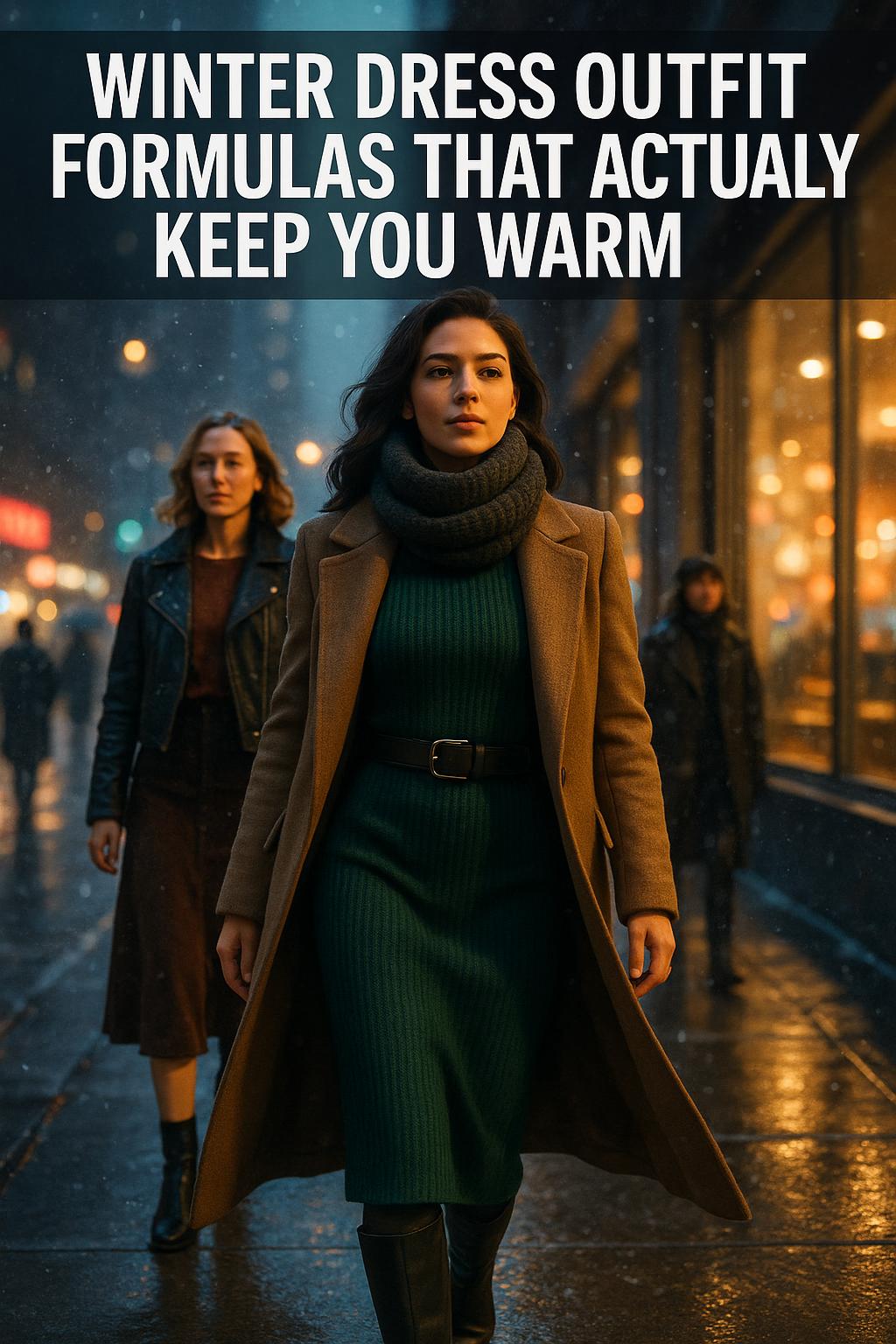
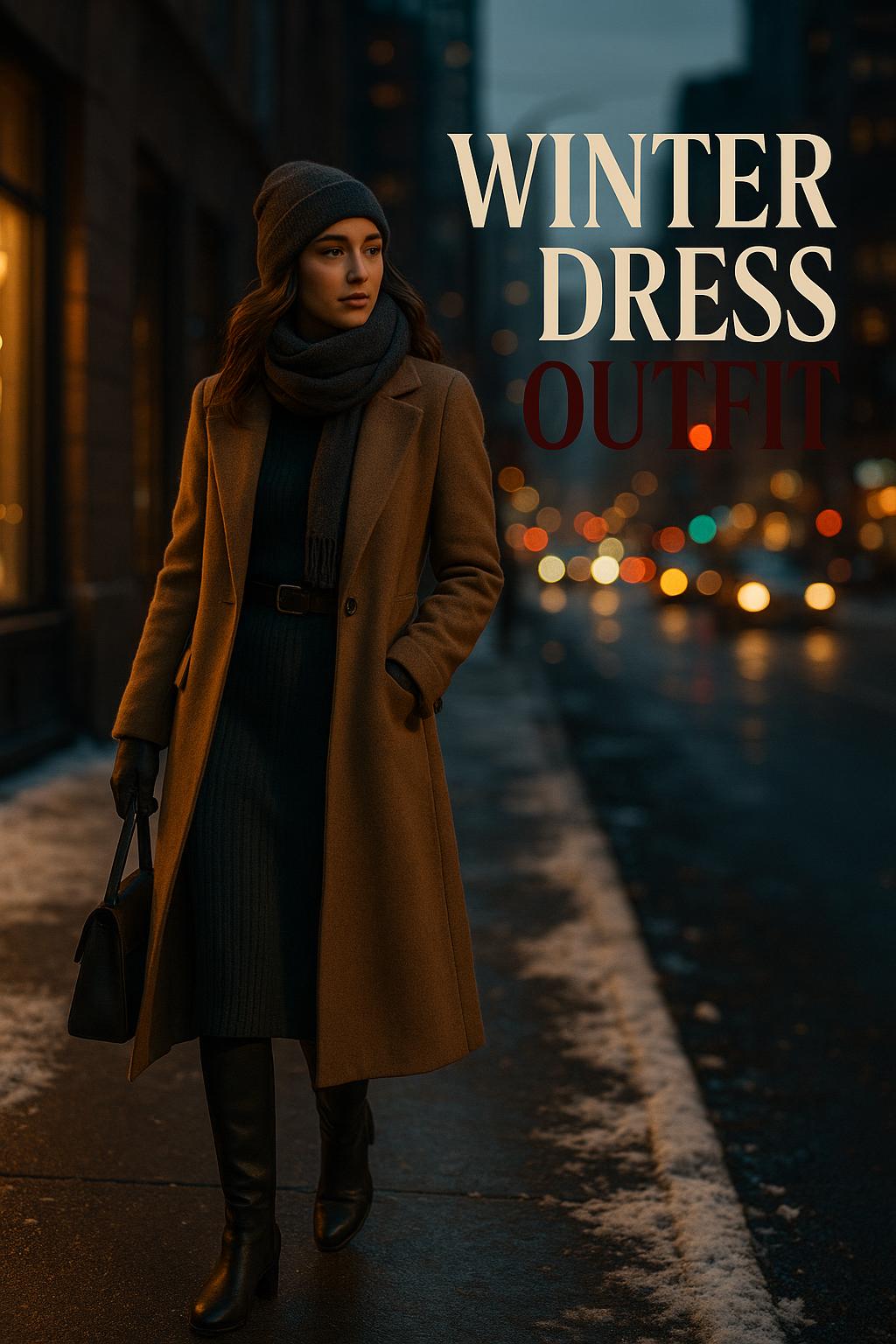
Outerwear is often the first thing people notice in winter, so your coat should not only keep you warm but also work harmoniously with your dresses. Long wool coats and tailored overcoats are classics that layer beautifully over both fitted and flowy silhouettes. Their clean lines create a polished look over midi and maxi dresses, and the extra length provides added coverage against wind and cold.
For a more casual feel, puffer jackets and quilted coats can work surprisingly well with dresses, especially when the proportions are balanced. Cropped puffers look modern over sweater dresses and longer hemlines, while knee-length puffers provide serious warmth for commuting or running errands. When wearing a bulky coat, keep the rest of the outfit relatively streamlined—think a ribbed knit dress with sleek boots—to avoid feeling overwhelmed by layers.
Leather and faux leather jackets are useful transitional pieces that can take a lighter dress into chilly but not frigid temperatures. Styled over a turtleneck dress or a long-sleeve knit, they add structure and an edge that contrasts nicely with softer fabrics. Similarly, a tailored blazer—especially in wool or tweed—can winterize thinner dresses for the office, giving you enough coverage indoors without needing a heavy coat.
Cardigans, Sweaters, and Vests for Easy Layering
Cardigans and sweaters are some of the most versatile pieces for transforming a dress into a winter-ready outfit. A longline cardigan over a fitted dress elongates the body and creates a cozy, relaxed look suitable for daytime or at-home wear. Chunky knit cardigans work particularly well with simple, body-skimming dresses, adding texture and warmth without requiring a heavy coat indoors.
Pull-over sweaters also open up many styling options. You can wear a slightly cropped or waist-length sweater over a slim dress to create the illusion of a two-piece outfit, turning a fitted dress into a “skirt” and “top” combination. This can double the usefulness of your dresses and lets you adjust the weight of your outfit based on changing indoor and outdoor temperatures.
Sweater vests and long vests add warmth to your core while leaving your arms more free, which can be useful in offices or heated spaces. They also add vertical lines to your outfit, which many find visually elongating. Worn over a turtleneck and dress or layered beneath a coat, a vest can be a smart way to gain warmth without adding a lot of bulk in the sleeves.
Footwear to Anchor Your Winter Dress Looks
Footwear is essential for making a winter dress outfit both practical and stylish. Boots are generally the most functional choice when conditions are cold or wet. Knee-high and over-the-knee boots provide significant coverage and work especially well with midi or above-the-knee dresses, leaving only a small strip of leg exposed. Combined with thick tights, this pairing offers both insulation and a sleek, balanced silhouette.
Ankle boots are also a flexible option and can look sophisticated with midi and maxi dresses. To avoid cutting off the leg line, choose hemlines that either meet the top of the boot or fall a few inches above the ankle bone. Heeled ankle boots can dress up a sweater dress for evening, while flat or low-heeled styles pair well with casual shirt dresses or corduroy styles for everyday wear.
In very harsh weather, winterized boots with good traction and waterproofing are non-negotiable. Look for insulated linings and soles with grip, then style them with thicker knitted dresses, wool coats, and substantial scarves to match the heavier footwear. Indoors or in milder climates, loafers, brogues, or closed-toe heels can still work with dresses, provided you use opaque tights or knee-high socks to maintain warmth.
Accessories That Add Warmth and Style
Accessories play a dual role in winter outfits: they keep you warm and complete your look. Scarves are both functional and decorative; thick, oversized scarves wrapped snugly around your neck prevent heat loss and add a cozy, layered dimension to your dress-and-coat combination. Neutral colors such as black, gray, camel, and cream create a versatile base, while rich jewel tones or patterns can lift the mood of a darker winter outfit.
Hats and gloves are often overlooked but can make a big difference when temperatures drop. Beanies, berets, and felt fedoras can all be styled with dresses, depending on how casual or polished you want the look to be. Leather or knit gloves keep your hands warm and add a refined touch to more formal dress outfits, especially when coordinated with your coat or boots.
Belts are another useful tool in shaping winter dress outfits. They can be worn over coats, cardigans, or the dress itself to define the waist and add structure to bulkier layers. This is particularly effective with oversized knitwear or puffer coats, helping maintain a flattering silhouette when you are wearing multiple layers for warmth.
Winter Dress Outfit Ideas for Everyday Life
Casual Winter Dress Looks for Daytime
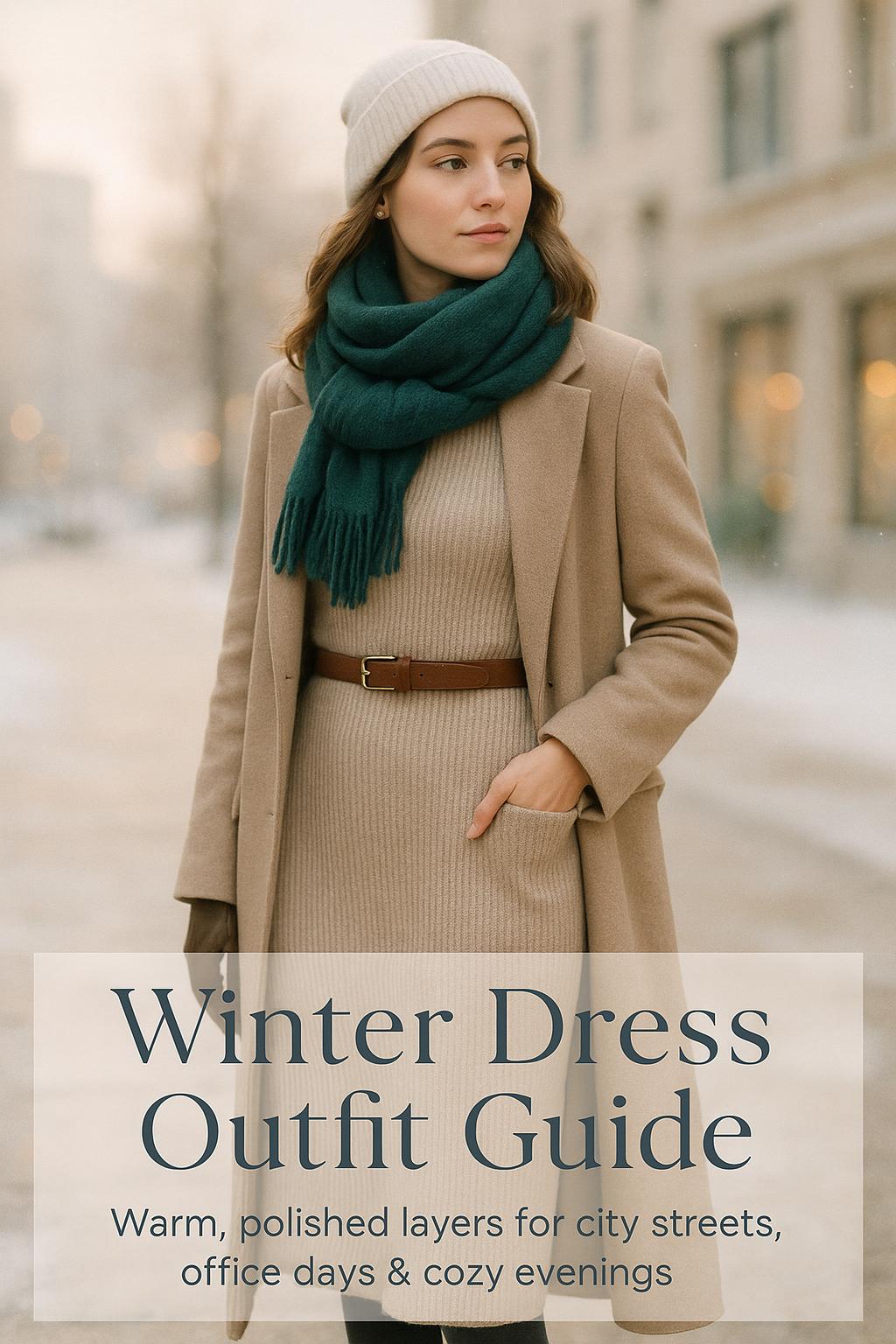
For everyday wear, your winter dress outfit should feel effortless and practical while still put-together. One of the easiest combinations is a ribbed knit sweater dress with opaque tights and ankle boots. This outfit can be worn with a long cardigan at home, then topped with a wool coat and scarf when you step outside. Neutral shades like gray, camel, black, and navy mix easily with existing scarves, bags, and boots in your closet.
Shirt dresses in flannel or denim provide another comfortable option. Layer them over a thin turtleneck or thermal top, add fleece-lined leggings, then finish with lace-up boots and a puffer jacket. This kind of outfit is practical for errands, short walks, or casual meetups, as it balances mobility and warmth without feeling overly dressed up.
On milder days, a long-sleeve cotton or jersey dress can still work when supported by strong layers. Style it under a chunky cardigan or half-zip knit and pair with combat boots or Chelsea boots. A warm, lined parka will make the ensemble ready for colder temperatures, while keeping the dress central to the look instead of burying it under too many heavy pieces.
Work-Appropriate Winter Dress Outfits
For the office or professional settings, a polished winter dress outfit needs to deliver warmth without sacrificing structure. Tailored knit dresses, sweater dresses with clean lines, and ponte-knit sheaths all serve this purpose well. Pair a long-sleeve midi dress with opaque tights and heeled ankle boots, then add a structured blazer in wool or tweed. This combination works in many workplaces and looks put-together from commute to desk.
If your office is business-casual, a shirt dress or wrap dress in a heavier fabric can be styled with a belt and tall boots. Layer a thin turtleneck underneath for warmth, top with a classic trench or wool overcoat, and bring a scarf for the commute. Once inside, you can remove the outer layers and still have a neat, professional silhouette.
For presentations, important meetings, or days when you want a more elevated impression, choose a structured knit dress with seaming details or a modest slit for movement. Wear it with refined leather boots or closed-toe heels and a tailored coat that matches the formality of your workplace. Simple jewelry and a leather bag can complete the outfit without overwhelming the clean lines of the dress.
Cozy Weekend and At-Home Dress Outfits
Dresses can be surprisingly comfortable for relaxing at home or low-key weekends when you choose soft, stretchy fabrics and relaxed cuts. Oversized sweater dresses or T-shirt dresses layered over leggings create an easy base that still looks more intentional than loungewear alone. Add an open-front cardigan or longline hoodie for extra coziness, and slide into thick socks or slipper-style house shoes.
When you need to step out briefly—for a coffee run, grocery trip, or casual walk—you can quickly elevate this base by changing footwear to ankle boots, throwing on a puffer or wool coat, and adding a simple beanie. This makes it easier to transition between indoor comfort and outdoor practicality without rebuilding your outfit from scratch.
Dressy and Holiday Winter Dress Outfit Ideas
Holiday Parties and Festive Gatherings
The cooler months often come with more celebrations, and a winter dress outfit can feel particularly special for these occasions. Velvet dresses, especially in jewel tones like emerald, burgundy, or deep navy, create a rich seasonal look that photographs beautifully in evening light. Pair a velvet midi dress with sheer or opaque tights, heeled ankle boots or pumps, and a tailored coat or faux-fur-trimmed jacket to stay warm en route to your event.
Metallic or subtly shimmering knit dresses are another festive option that fits both casual and more formal gatherings. They can be styled with tall boots and a sleek coat for an outdoor party, or with heeled sandals and lighter layering for indoor events. Keep accessories relatively simple if the fabric is already eye-catching—small earrings, a bracelet, and a clutch bag are usually enough.
For family gatherings or events that call for dressy-casual attire, a classic wrap dress in a heavier material works well. It provides adjustability for comfort and typically suits a wide range of body types. Add a knit slip or thermal underlayer if you run cold, and finish with suede or leather boots, a cozy scarf, and a wool coat that complements the dress color.
Date Night and Evening Winter Dress Looks
Evening outings in winter call for outfits that look refined but keep the chill at bay. A fitted knit midi dress with a high neckline and long sleeves offers both sophistication and coverage. Style it with heeled boots or sleek pumps, add sheer or opaque tights depending on the temperature, and wear a long, tailored coat over top. A scarf, gloves, and hat can be worn outdoors and removed indoors without disrupting the core of the outfit.
Slip dresses can also be adapted for winter with thoughtful layering. Wear a thin turtleneck or fitted knit top underneath, then add a cropped cardigan or blazer for structure. Opaque tights and ankle boots or knee-high boots keep the look grounded and warm. This combination mixes the femininity of a slip dress with the practicality of layered knits, making it suitable for dinners, concerts, or winter evenings out.
If you prefer something bolder, a bodycon sweater dress or ribbed dress can be a strong option for night events. To maintain comfort, choose one with some stretch and a thicker knit that conceals base layers. A statement coat—such as a faux-fur coat, a rich-colored wool wrap coat, or a leather trench—can turn the entire look into a standout ensemble while still functioning as practical outerwear.
Styling Tips for a Flattering and Functional Winter Dress Outfit
Balancing Proportions and Layers
When layering in winter, it’s easy to feel weighed down or overwhelmed by fabric. Balancing proportions helps your outfit look intentional rather than bulky. One useful guideline is to pair more fitted pieces with looser ones: a slim sweater dress with an oversized coat, or a flowy midi dress with a more fitted leather jacket. This contrast creates shape and keeps your silhouette from appearing boxy.
Length is another key factor. If your coat and dress hems are similar, the result often feels sleek and elongating. When the coat is significantly shorter than the dress, aim for a deliberate contrast, such as a cropped puffer over a long, straight dress, so it looks modern rather than mismatched. Belting your dress, cardigan, or coat at the waist can reintroduce definition if the layers start to feel too voluminous.
Selecting Colors and Patterns for Winter
Winter styling often leans toward darker, richer tones, but there is plenty of flexibility to align with your preferences. Neutrals like black, gray, navy, camel, and cream form a reliable base that makes mixing and matching easier. A neutral sweater dress can be worn repeatedly with different coats, scarves, and boots, offering better value and versatility.
Patterns add personality to winter wardrobes. Plaid and check shirt dresses feel seasonal and work well with solid coats and boots. Striped knit dresses can create visual length, especially when the stripes are vertical or diagonal. Florals in deeper hues can carry summer dresses into winter when styled with dark tights, boots, and substantial outerwear, softening the starkness sometimes associated with cold-weather outfits.
Tips for Staying Warm Without Overheating Indoors
One of the biggest challenges in winter dressing is managing temperature changes between cold outdoors and heated indoor spaces. Layering with intention helps you adapt comfortably. Start with breathable, moisture-wicking base layers so that you stay warm outside but don’t feel stifled inside. Then, add mid-layers like cardigans or light sweaters that can be removed easily without compromising your overall look.
When you know you’ll be indoors for extended periods—such as in an office, restaurant, or event venue—prioritize a dress that feels comfortable at room temperature. Your warmest pieces, like heavy coats, scarves, and some hats, can be removed once you arrive. This way, the central outfit—dress, tights, and footwear—is neither too hot nor too cold, and you rely on removable outer layers to handle the climate extremes of commuting.
Practical Tips for Building a Versatile Winter Dress Wardrobe
Key Dress Styles Worth Owning for Winter
- A neutral sweater dress (midi length) that pairs with most coats and boots
- A structured knit or ponte dress suitable for work and more formal settings
- A casual shirt dress in flannel, denim, or corduroy for weekends
- A festive or evening-ready dress in velvet, satin, or a refined knit
- A versatile maxi or midi dress that can be layered over and under for very cold days
These styles cover the majority of winter scenarios, from working days to evenings and weekends. Choose colors that coordinate with your existing outerwear and footwear so you can create multiple outfits from a smaller number of pieces. When possible, look for dresses with lining or heavier fabrics that feel comfortable against your skin even with tights or thermals underneath.
Layering Essentials to Support Your Dresses
- Opaque and fleece-lined tights in black and one or two neutral tones
- Thermal tops or thin turtlenecks for wearing under lighter dresses
- A long wool coat and a casual puffer or quilted jacket
- One or two versatile cardigans and a neutral pullover sweater
- Knee-high or over-the-knee boots plus everyday ankle boots
- Warm accessories: a wool or knit scarf, hat, and gloves
By investing in these supporting pieces, you can extend the wear of dresses you already own and make new ones more functional in cold conditions. The goal is to create combinations where each new layer feels intentional, rather than an afterthought added only for warmth.
Care and Maintenance for Winter Dresses
Heavier fabrics and knits require some attention to stay looking their best through the season. Many sweater dresses and wool-blend pieces benefit from gentle washing, air drying, and occasional de-pilling to remove surface fuzz. Hanging knits, especially when wet, can cause stretching, so folding them between wears often preserves their shape better.
Velvet and delicate materials may need more careful handling; always follow care labels and consider spot cleaning or gentle cycles. Proper storage between seasons—such as keeping dresses clean, folded, and protected from dust—helps ensure that your favorite winter dresses are ready to wear when temperatures drop again.
FAQ
How do I wear a dress in winter without getting cold?
Start with warm base layers such as thermal tops and fleece-lined or opaque tights, choose dresses in thicker fabrics like wool or knits, and add insulating layers like cardigans, vests, and a substantial coat, then finish with weather-appropriate boots, a scarf, hat, and gloves so your core, legs, and extremities are all protected.
What kind of dress is best for a winter dress outfit?
The most practical choices are sweater dresses, knit midi dresses, wool-blend sheaths, and shirt dresses in heavier materials, because they offer more coverage, trap warmth, and layer easily under coats and over base layers while still looking polished.
Can I wear a maxi dress in winter?
Yes, maxi dresses work well in winter when they are made from thicker or lined fabrics and paired with warm layers such as thermal leggings or tights, tall boots, a cozy knit or cardigan, and a long coat that covers much of the dress length to shield you from wind and cold.
What shoes should I wear with dresses in cold weather?
Boots are usually the best choice, with knee-high or over-the-knee boots offering the most warmth with shorter dresses and tights, ankle boots working well with midi and maxi lengths, and insulated winter boots being appropriate in snow or ice when paired with thicker dresses and substantial outerwear.
How do I style a sweater dress for winter?
Style a sweater dress with opaque or fleece-lined tights, ankle or tall boots, and a coat that matches the formality of the occasion, then add a scarf and, if needed, a belt at the waist to define your shape, and choose simple accessories so the texture of the knit remains the focus.
Is it okay to wear a short dress in winter?
You can wear shorter dresses in winter as long as you balance them with warm layers such as thick tights or leggings, tall boots, and a substantial coat, and in very cold conditions you may also want a longer coat that covers more of your legs while you are outside.
How can I make a summer dress work in winter?
To adapt a lighter or summer dress for winter, layer a fitted turtleneck or thermal top underneath, add opaque tights and boots, and top with a warm cardigan or sweater plus a wool or puffer coat, focusing on darker or richer accessories so the overall look feels seasonally appropriate.
What tights are best for winter dress outfits?
For warmth and durability, look for opaque tights with a higher denier or fleece-lined options in black and neutral shades, and if you are facing very low temperatures you can combine a thin thermal layer underneath an opaque pair to keep your legs comfortable outdoors.
How do I keep my winter dress outfit from looking bulky?
Choose a mix of fitted and relaxed pieces, rely on thin but warm base layers instead of only heavy knits, belt dresses or coats to define your waist, and pay attention to length so coats and dresses either align or form a deliberate contrast rather than several competing hemlines.
What coat style looks best over dresses in winter?
Long wool coats and tailored overcoats are the most versatile over dresses because their clean lines work with both fitted and flowy silhouettes, and they provide enough length and warmth for most winter conditions while still appearing polished for work, evenings, and everyday wear.