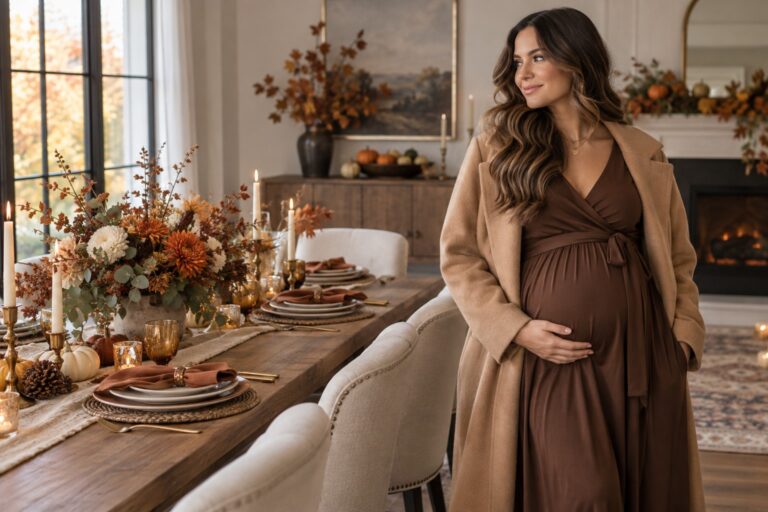
Outfits for Thanksgiving: A Closet-First Styling Guide
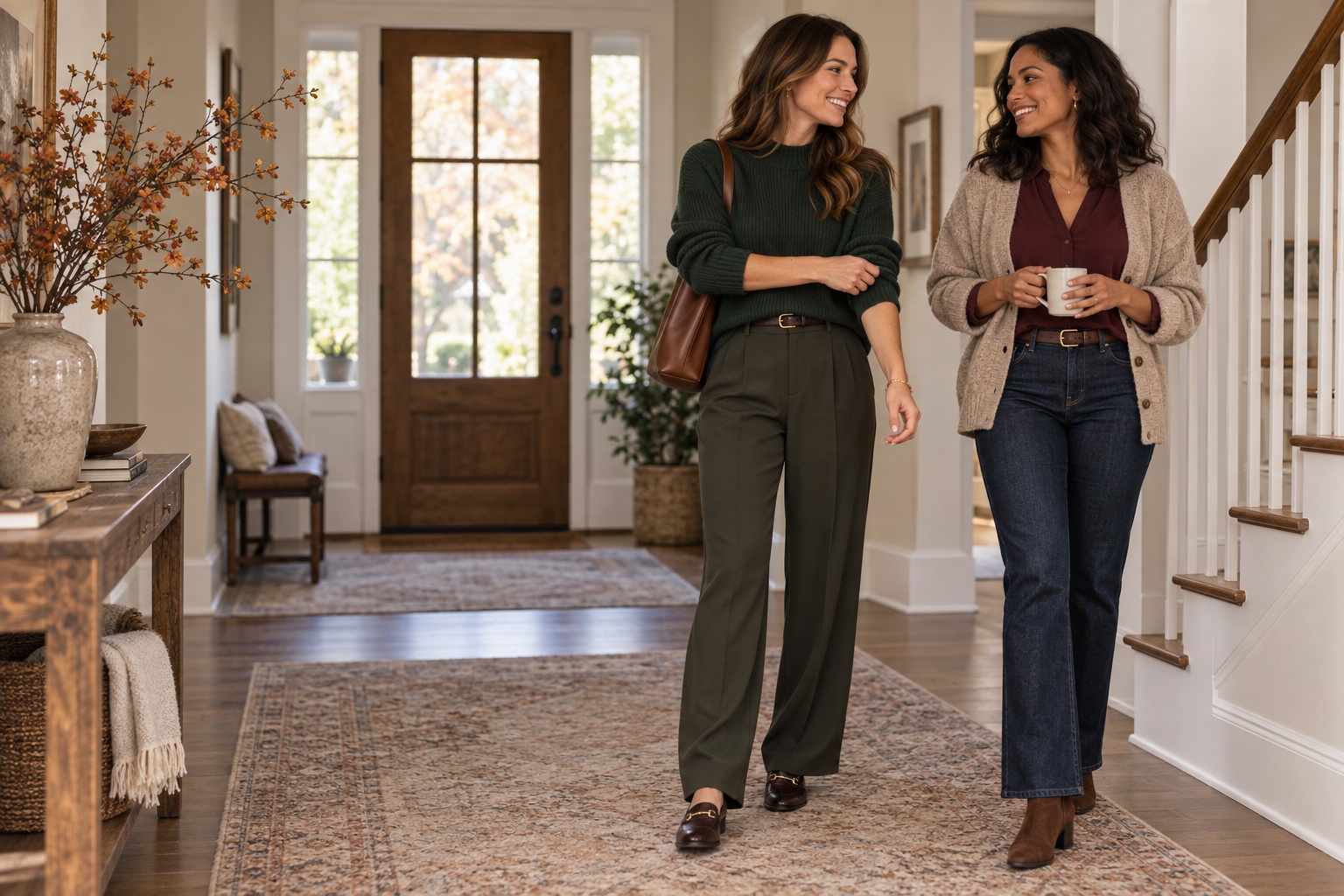
When the Thanksgiving plans are set but the outfit still feels uncertain, start with your closet instead of a shopping list. The strongest outfits for Thanksgiving usually come together when one familiar piece sets the direction, a second piece balances it, and the final details feel comfortable enough for a long meal. That approach gives you room to look polished without dressing like someone else or buying a look for one afternoon.
This guide is a practical way to get there. You will choose an anchor item, build a simple base, add one supporting texture or color, and check how the full outfit behaves when you sit, move, and add a layer. Use the combinations as starting points and swap in the clothes that already feel like you.
Why a simple outfit system works on Thanksgiving
A holiday outfit has to feel appropriate without requiring a complicated dress code. One household may treat dinner like a regular family meal; another may make a point of dressing up. Rather than guess what every person expects, build a look with an adjustable level of polish. A knit and denim base can stay relaxed with clean sneakers, then feel more considered with a structured jacket, a belt, or refined shoes. The same base can move in either direction without becoming a costume.
The Fashion-Note Edit
Five effortless pieces to refresh your everyday wardrobe
A polished, practical edit for workdays, weekends, and everything in between.

The Drop
Women’s Blake Long Blazer
A longline, tailored blazer with a notched collar and a single-button closure—an easy layer for denim, dresses, or office-ready looks.
Shop the blazer
Amazon Essentials
Women’s Lightweight Crewneck
A soft, lightweight sweater with a clean crew neckline—the kind of reliable layer that works from cool mornings to air-conditioned spaces.
Shop the sweater
Amazon Essentials
Women’s Loafer Flat
A classic flat loafer that gives casual outfits a more polished finish and pairs naturally with tailored pants, skirts, and straight-leg jeans.
Shop the loafers
Levi’s
Women’s 501 90s Jeans
A relaxed, vintage-inspired take on the iconic 501 silhouette—made for an easy, lived-in look without the thrift-store search.
Shop the jeans
Colorfulkoala
High-Waisted 7/8 Leggings with Pockets
Soft, four-way-stretch leggings with side pockets and a high-rise waistband—designed for movement, errands, and off-duty comfort.
Shop the leggings
Affiliate disclosure: This section contains affiliate links. If you make a purchase through these links, I may earn a commission at no additional cost to you. Product selection, pricing, availability, and delivery terms may change—please review the current details on Amazon before purchasing.
As an Amazon Associate I earn from qualifying purchases.
A small system also saves time. When every item is competing to be the statement, getting dressed becomes a series of uncertain swaps. Choosing one anchor gives the rest of the outfit a job: support its color or texture, create balance, or make the look practical. You can stop when those jobs are done. There is no need to add another accessory simply because the calendar says holiday.
Your wedding style is personal.
Your plan should feel that way, too.
Zarellea keeps your guest list, budget, vendors, and every next step beautifully organized — so you can focus on the moments that feel like you.
The anchor-first method is useful whether your starting point is a favorite sweater, a skirt you rarely wear, polished trousers, or a dress. It keeps the process personal because it begins with something you already like. It also produces more than one answer: the same item can look casual, festive, or dressier depending on the supporting pieces.
Comfort belongs in the design, not as a rescue plan after the outfit is finished. A waistband that feels fine while standing may feel different when you sit through a meal. Sleeves that look beautiful may get in the way if you are serving food. Shoes may be fine indoors but awkward for a walk from the car. A few small checks catch those problems before they interrupt the day.
Core principles for outfits for thanksgiving
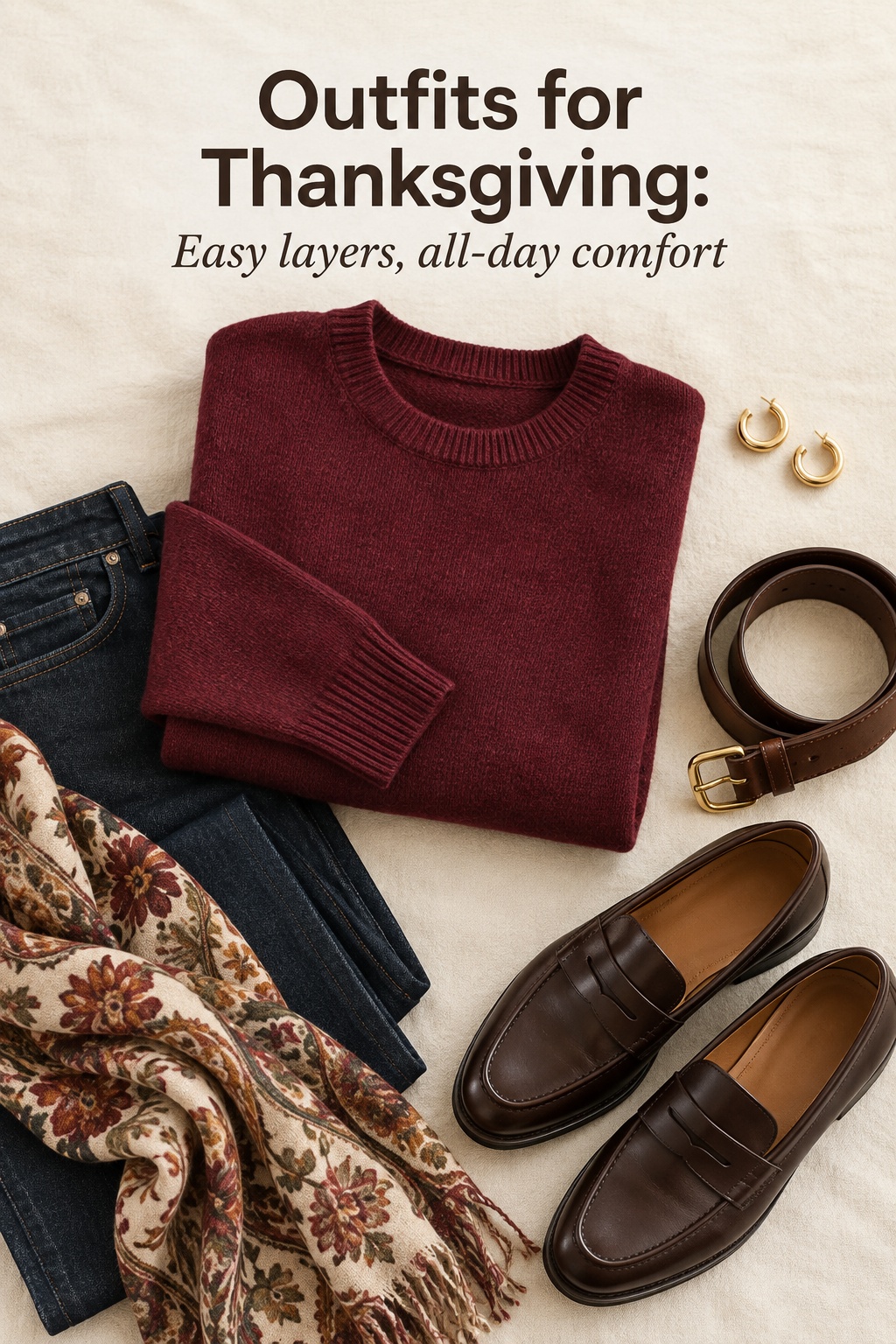
Give the outfit one anchor. An anchor is the item that gives the look its direction. It might be a deep-color cardigan, a plaid skirt, a soft jumpsuit, a textured jacket, or a pair of well-fitting jeans. It does not have to be new, expensive, or especially dramatic. It only needs to make the rest of the decisions easier. If the anchor already has a print or a strong texture, keep the other pieces quieter. If it is simple, you have more room to add interest elsewhere.
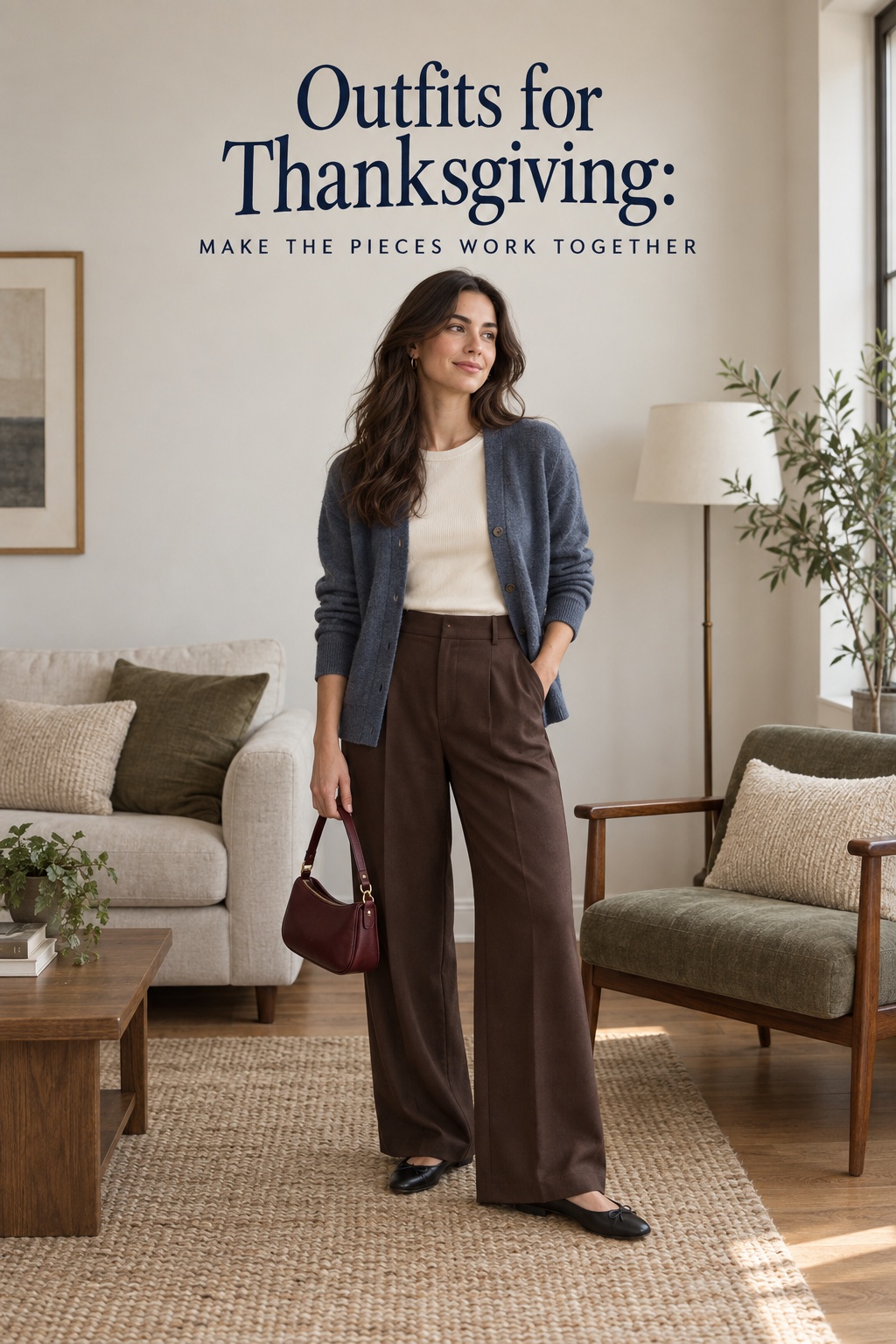
Balance shape instead of matching every item. A roomy top often looks intentional with a cleaner leg line; a fuller skirt can pair with a more compact knit or a tucked-in blouse. These are options, not rules about bodies. The goal is to see where fabric gathers and where the outfit has visual space. If the top and bottom are both voluminous, use a clear hem, cuff, or open layer to give the eye a point of definition.
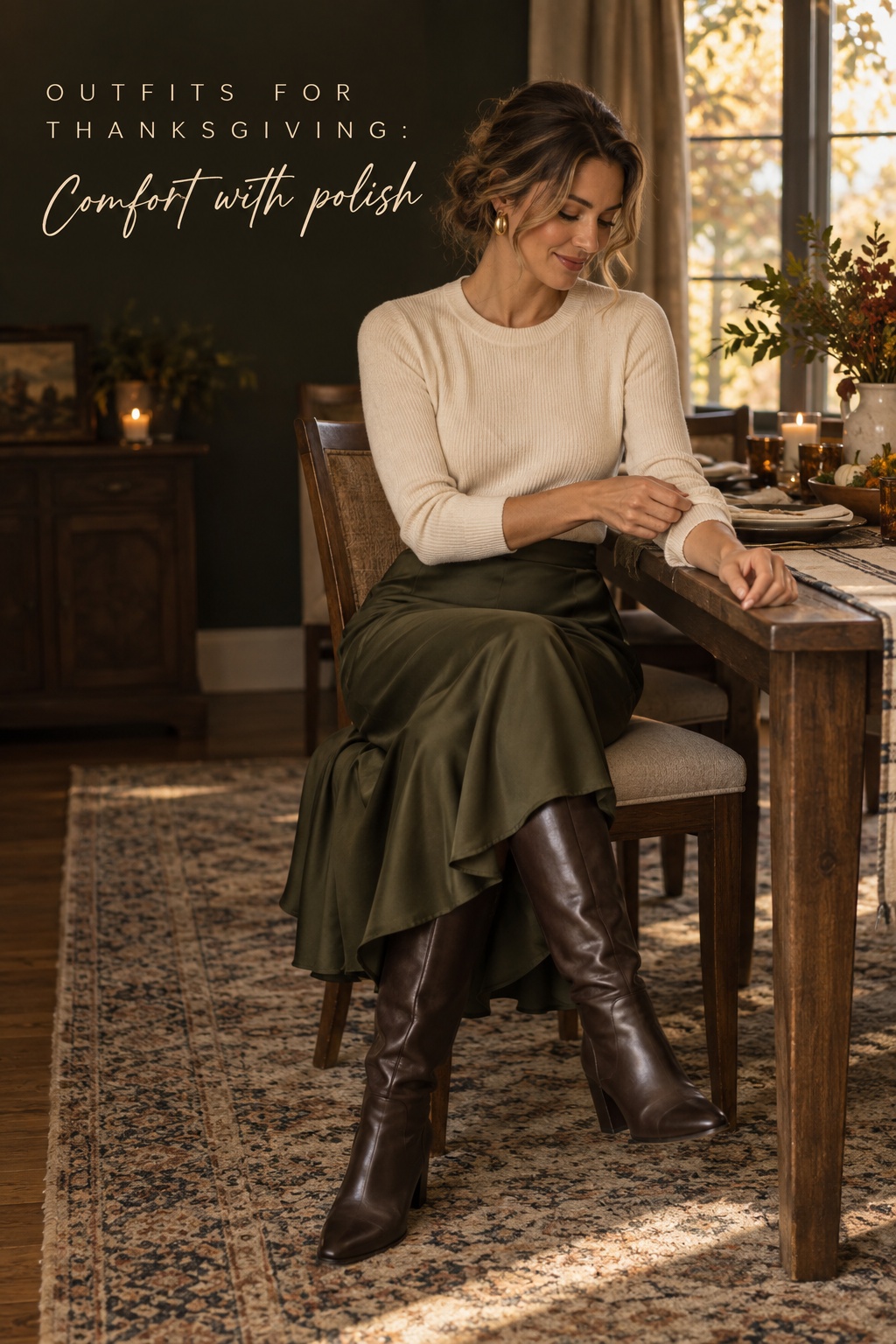
Use texture as a quiet festive detail. A ribbed knit, brushed wool, corduroy, velvet, satin, leather, or polished metal can make a familiar color feel more intentional. Start with one texture that you enjoy wearing, then add a contrasting surface if the outfit feels flat. For example, a soft knit can sit beside a smoother skirt, while denim can make a satin-like blouse feel less formal. The contrast is enough; not every piece needs shine.
Keep comfort specific. Instead of asking only whether an outfit is comfortable, test the part that matters. Can you sit without pulling at the waistband? Can you reach forward without a sleeve sliding into your hands? Does a skirt stay where you want it when you stand? Can you walk naturally in the shoes? Specific checks lead to useful fixes, such as changing the tuck, loosening a belt, rolling a cuff, or choosing a different shoe.
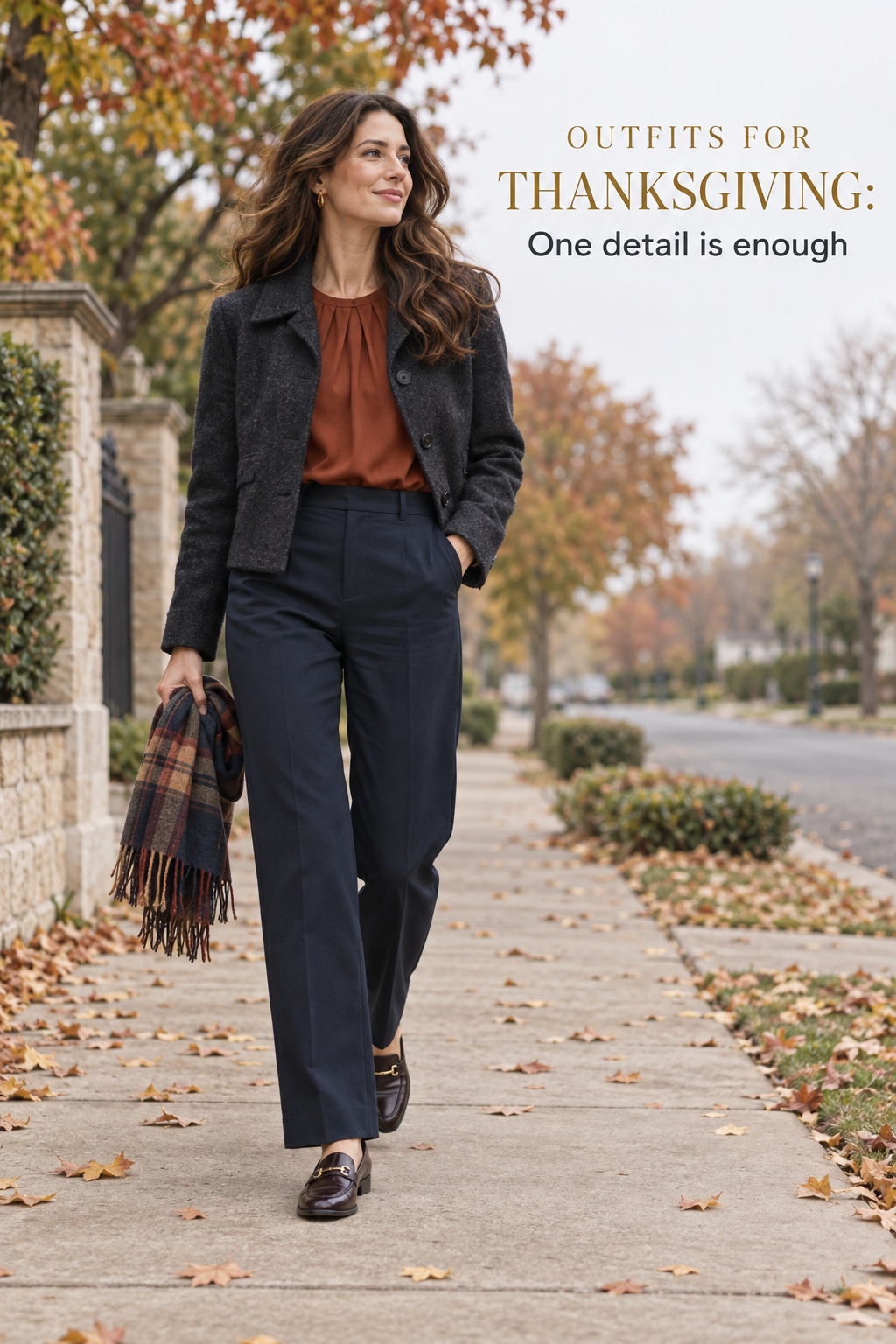
Choose one finishing signal. A finishing signal tells the eye that the look is complete. It might be a warm-toned earring, a neat belt, a textured shoe, a soft scarf, or a color repeated in a small accessory. Pick the signal that best connects to your anchor. Two thoughtful points of focus can work together; five unrelated points can make an outfit feel busy. Keep the choice simple enough that you still recognize yourself in the mirror.
Build outfits for Thanksgiving in five steps
1. Start with the piece you want to wear
Open your closet and take out three possible anchors, not the whole wardrobe. Choose pieces that suit the day you expect and that you genuinely enjoy wearing. If you have no favorite in mind, start with a dependable base such as dark denim, tailored trousers, a knit dress, or a skirt that moves easily. Lay the candidates side by side and notice which one gives you the clearest idea for the rest of the look.
Consider what the item already contributes. A patterned skirt brings visual interest. A dark trouser creates a clean foundation. A cardigan gives you a layer that can be worn open or closed. A dress solves the question of separates but may need a different shoe or outer layer to change its level of polish. Naming the anchor’s role will stop you from adding duplicate details.
2. Add a calm base around it
Choose the next piece for balance, not novelty. A solid knit under a patterned jacket, a simple shirt with a textured skirt, or a neat tee under a cardigan can let the anchor remain visible. If the anchor is plain, the base may be where a subtle stripe, soft color, or interesting neckline appears. Keep the palette to a few related colors so the outfit reads as one thought. You can repeat a color from your anchor in a sock, belt, bag, or earring instead of matching every shade exactly.
Try the base before choosing accessories. Button or tuck the shirt the way you plan to wear it. Put on the actual underlayer you expect to use. Check that no extra bulk is creating a line you dislike beneath the knit or jacket. If something feels fussy at this stage, simplify it. A clean foundation makes the later choices easier.
3. Add one supporting texture or layer
Now decide whether the outfit needs warmth, softness, structure, or a little contrast. A cropped jacket can define a long skirt; a long cardigan can soften tailored trousers; a scarf can bring color near the face; tights can make a dress or skirt feel more season-ready. The supporting item should help the anchor rather than cover it up. If you want the layer to come off indoors, check that the outfit underneath still looks finished on its own.
Think about the full outline from head to toe. Where does the jacket end in relation to the waistband or skirt? Does the trouser hem meet the shoe cleanly? Is there enough room in the sleeve to layer without pulling? You do not need a perfect silhouette from every angle, but a quick full-length check can reveal when two hems are landing at awkward points or when a second layer is hiding the most interesting part of your outfit.
4. Finish with one visible detail
Choose one detail that will still show when you are seated or wearing your outer layer. Earrings, a collar, a scarf, a distinctive neckline, a belt, or a visible shoe can all do the job. If the table or room is busy, a clear detail near the face may feel more intentional than a complicated hem. If your outfit already has a strong print, let that count as the focal point and keep the accessories understated.
Take one photo from a few feet away, either in a mirror or with a timer. This is not a test of your body; it is a way to see the outfit as other people will. Look for the anchor first. If your eye moves immediately to an unrelated accessory, decide whether that is what you want. Remove one item if it competes. Add a small repeated color if the outfit needs a connection.
5. Test the outfit in the positions you will use
Sit in a chair, lean forward, raise your arms, and take a short walk in the finished outfit. Notice the waistband, neckline, sleeve length, skirt placement, and shoe grip. If a belt presses when you sit, loosen it or try the top untucked. If a cuff keeps falling, fold it once and see whether it stays. If the shoe changes your stride, switch to one you already know you can wear comfortably.
Finally, put on the coat or jacket you plan to travel in. Check whether it catches on the hem or flattens a detail you wanted to show. Decide where your bag will go when you sit down and whether the outfit needs a small indoor layer. This final run-through takes only a minute and can prevent repeated adjustments once you have arrived.
Closet-first outfit directions to try
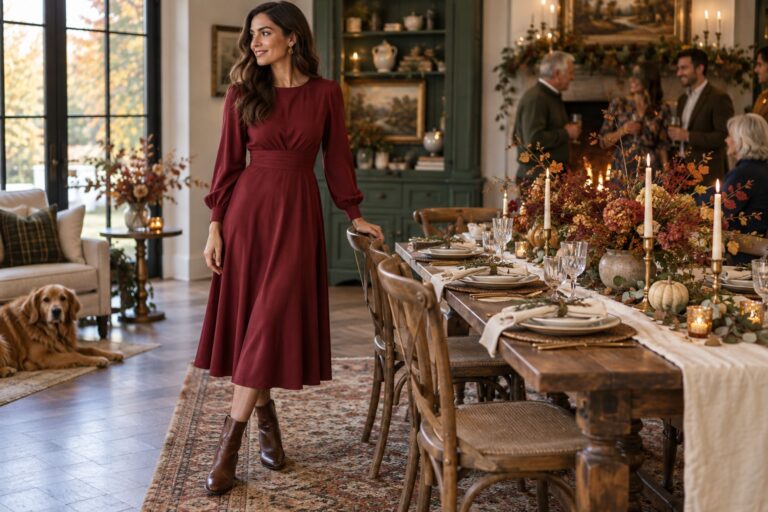
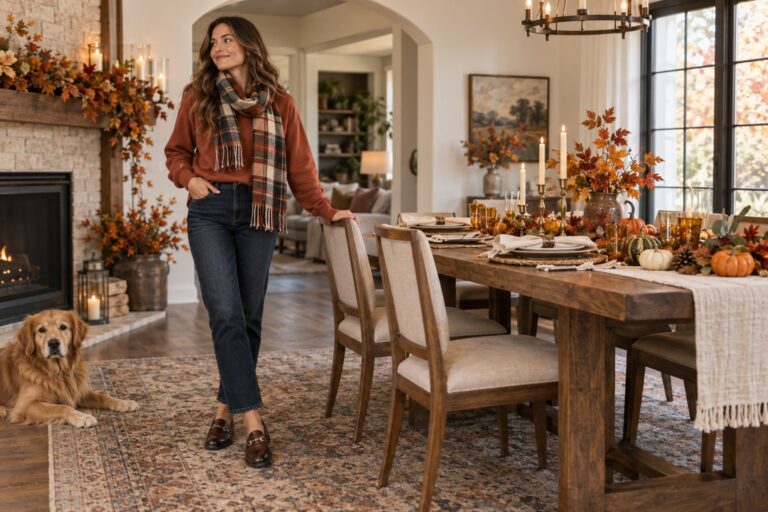
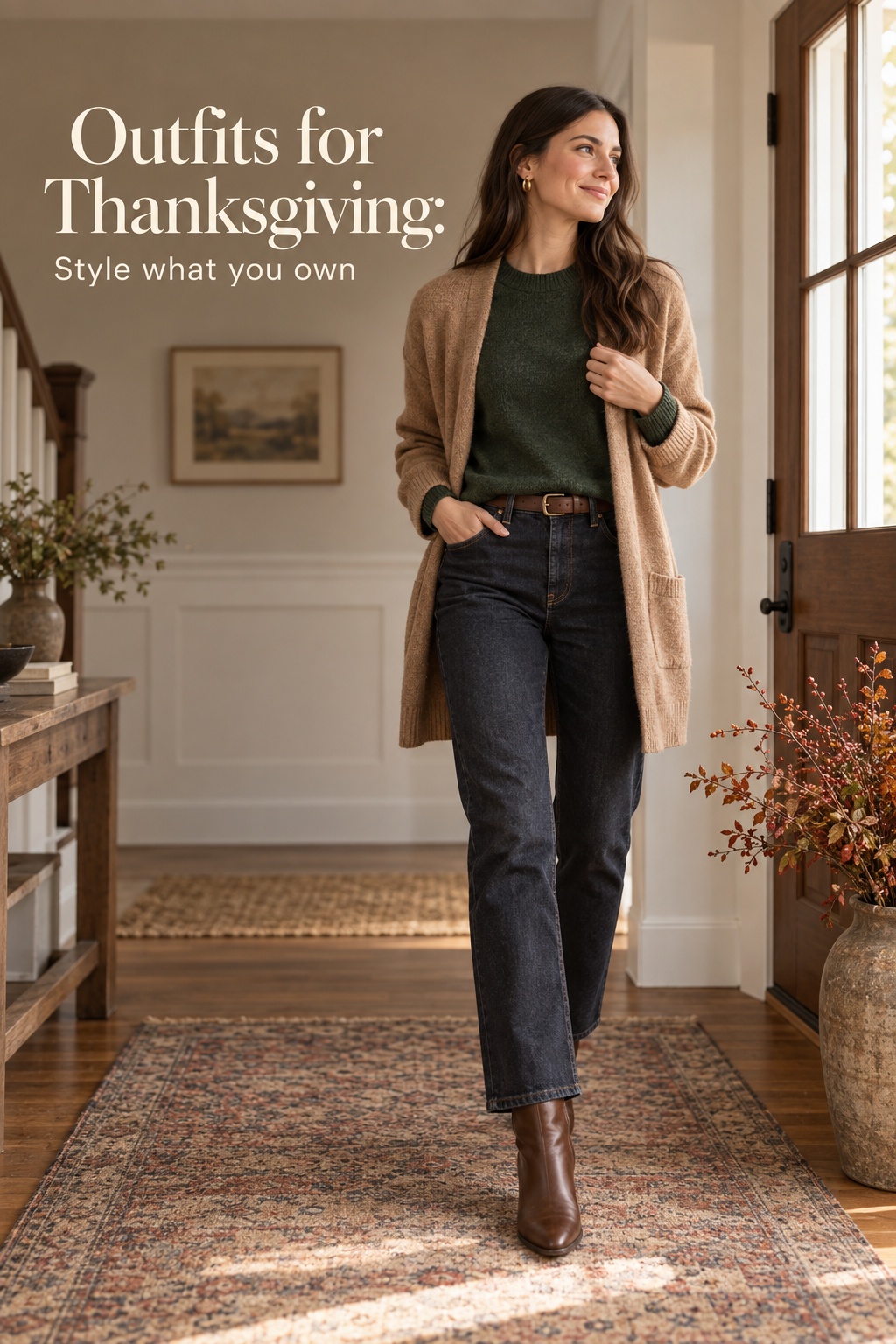
Dark jeans with a soft knit. Let the denim be the anchor and choose a sweater with a neckline or texture you like. Add loafers, ankle boots, or clean sneakers according to how dressed up you want to feel. A belt can make the outfit sharper; a cardigan worn open can keep it relaxed. If the sweater is oversized, try a partial tuck or push the sleeves back so the shape does not disappear.
Tailored trousers with a relaxed top. A smooth trouser can make an everyday blouse or knit feel more considered without asking you to wear a dress. Leave the top loose if the fabric falls cleanly, or tuck a small section to show the waistband. Add a flat shoe for ease or a low heel if that is already part of your wardrobe. A necklace or neat earring is often enough to finish the look.
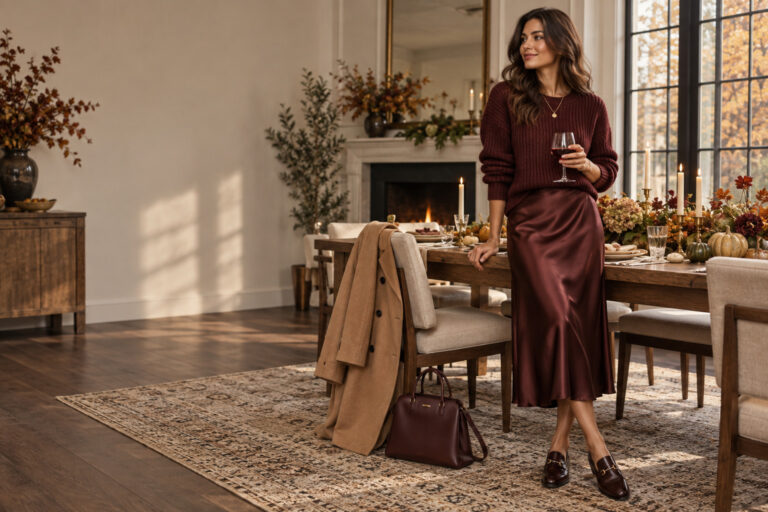
A skirt with a grounded layer. If your anchor is a pleated, plaid, or satin-feel skirt, try it with a fine sweater, a simple button-front shirt, or a fitted tee under a jacket. Keep the shoe practical and related to the rest of the outfit: boots, flats, or loafers can each work depending on the hem. If the skirt has pattern, repeat one of its colors in a smaller piece rather than introducing another print.
A knit dress with a changeable finish. A knit dress can be the entire base. A belt, scarf, long necklace, or jacket changes the mood without making you start over. If the dress is close to the body, check that it remains comfortable while seated and that the layer does not pull at the shoulders. If it is relaxed, use a structured bag or shoe to add definition rather than tightening it with several accessories.
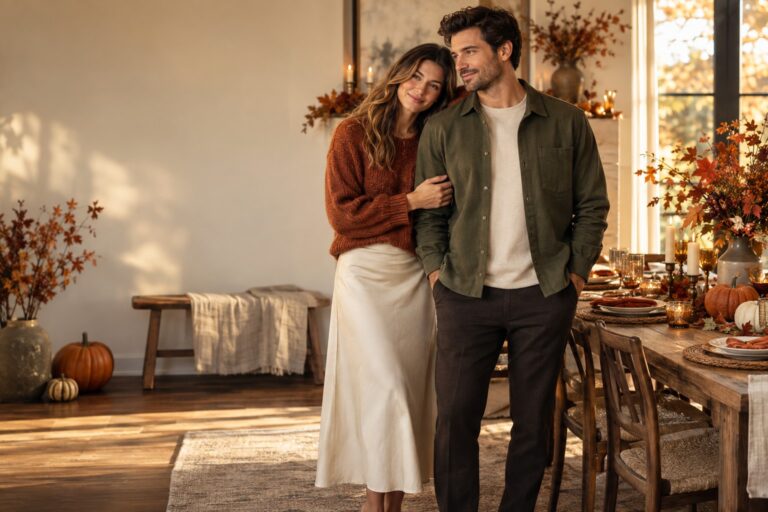
A matching set with one personal detail. A coordinated top and bottom already create a visual line, so avoid adding a second statement just to prove the outfit is dressed. Try a different shoe from the set’s original styling, a favorite earring, or an open layer in a related color. If you do not own a matching set, two pieces in similar tones can create a similar effect without looking overly uniform.
A dressy top with familiar bottoms. A blouse with an interesting collar, sheen, or sleeve can give straight-leg jeans or simple trousers a more occasion-ready feel. Keep the bottom clean and the accessories edited. This is a useful direction when you want to wear something special but do not want a full formal outfit. Check the sleeve while reaching and the neckline while leaning forward before you decide it is finished.
These directions are deliberately flexible. A color you already own can replace the suggested neutral; a flat can replace a heel; a cardigan can replace a jacket. The point is to preserve the balance between anchor, support, and comfort. When you can explain in one sentence why each piece is there, the look is usually coherent enough to wear with confidence.
Mistakes that make a good outfit feel unfinished
Adding several focal points at once. A bold print, statement jewelry, shiny shoes, and a strong bag may each be appealing on their own. Together they can pull attention in different directions. Decide which item you want people to notice first, then let the rest support it. You do not have to remove all personality; just give the eye a clear order.
Judging fit only while standing. A waistband, skirt slit, or tucked shirt may shift when you sit. Try the movements you expect to make and adjust before leaving. A change in tuck or layer can solve the problem without replacing the whole outfit. If the garment needs constant fixing, choose another piece that lets you focus on the people around you.
Choosing shoes after the rest is done. The wrong shoe can change a trouser hem, make a skirt feel too formal, or interrupt a color line. Put the real shoes on during the full-length check. If they feel too delicate for the route or too heavy for the outfit, select another pair and reassess the hem. You want the shoe to finish the look and work for the path you will take.
Layering for an imagined temperature. A thick layer can feel bulky indoors, while a bare outfit may not work for the trip. Think in removable pieces. The base should look complete on its own, and the outer layer should add warmth without hiding every detail. If tights, socks, or a base layer are part of the plan, try them with the outfit rather than assuming they will fit seamlessly.
Buying something before checking the closet. Inspiration pages can make a new purchase seem like the missing answer. Before shopping, try two combinations with the anchor you have chosen. Change one thing at a time: shoe, layer, belt, or jewelry. If the look still lacks something, name the actual gap. The answer may be a simple accessory you own, a small alteration in proportion, or a different anchor altogether.
Copying a formula without adapting it. A combination can look appealing online and still feel unlike you. Keep the useful relationship between pieces, such as soft against structured or dark against light, and change the exact garments. You do not need a specific brand, color, or body type to use a styling idea. A familiar outfit that fits your preferences is more convincing than a copied look you keep adjusting.
Sources and methodology
This guide was shaped by a review of ten English-language search results for Thanksgiving outfit queries. Established outfit round-ups such as Good Housekeeping’s Thanksgiving outfit ideas and Who What Wear’s editor outfit examples show that comfort, personal style, and occasion flexibility recur in the search results. The contribution here is a closet-first method with a short fit and movement check, not product recommendations or claims of firsthand testing.
FAQ
What should I wear for Thanksgiving if I do not know the dress code?
Start with a familiar base that feels a little more polished than your everyday errand clothes, such as dark jeans with a soft knit or trousers with a relaxed blouse. Keep one removable layer and one finishing detail ready. If you can, ask the host whether the gathering is casual or dressy; otherwise choose a middle level you can adjust with shoes or jewelry.
Can I wear jeans to Thanksgiving dinner?
Yes, jeans can work when they suit the gathering and you feel comfortable sitting in them. A darker wash or clean finish can make denim feel more intentional, while a knit, blouse, belt, or polished shoe adds a little structure. If your family prefers dressier clothes, switch the top or shoe before deciding you need entirely different bottoms.
How can I make a Thanksgiving outfit feel festive without buying anything?
Use a detail already in your closet: a textured knit, a richer color, a scarf, a favorite earring, a belt, or a shoe with a polished finish. Let one detail lead and keep the rest simple. Repeating a color from your anchor in a small accessory can make the combination feel considered without adding another statement piece.
What shoes work with Thanksgiving outfits?
Boots, loafers, flats, and clean sneakers can all work, depending on the outfit and how much walking you expect. Try the shoes with the actual trouser or skirt hem before the day. Choose a pair that lets you walk naturally and does not require constant adjustment; then use its shape and finish to set the outfit’s level of polish.
How do I dress up a casual Thanksgiving outfit?
Change one supporting detail rather than replacing every piece. Add a structured jacket, a more refined shoe, a belt, or a piece of jewelry with a clear shape. Keep the comfortable base and let the chosen detail do the work. This preserves the relaxed feel while making the outfit look more deliberate.
How can I stay comfortable through a long meal?
Test the outfit sitting down before you leave. Check the waistband, neckline, sleeves, and footwear, then make one adjustment if needed. Choose a removable layer if you may move between indoor and outdoor spaces, and avoid pieces you have to keep pulling into place. Comfort is personal, so trust the movement test over a rule about a particular garment.
Which colors work well for outfits for Thanksgiving?
Wear colors you already enjoy. Deep red, brown, olive, cream, navy, and black are easy starting points, but no seasonal palette is required. A single warm or rich accent can make a neutral outfit feel connected to the occasion. If you choose a bright or patterned anchor, keep the other colors supportive rather than matching everything exactly.
Finish the look
The little extras that make a summer outfit feel complete
From beach days to city weekends, these easy pieces bring comfort, texture, and a polished finishing touch.

FENBEN
Straw Hobo Crossbody Bag
A handwoven straw bag with both short and crossbody straps—an effortless finishing touch for vacation looks and warm-weather outfits.
Shop the bag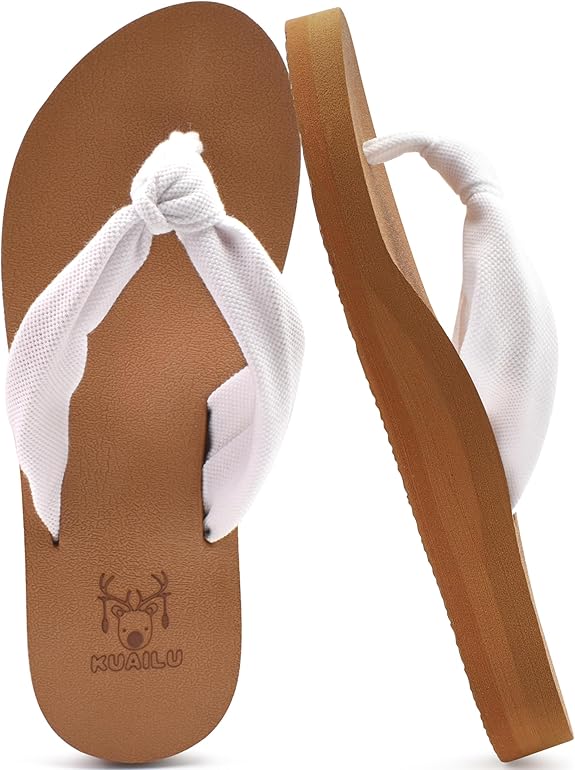
KuaiLu
Flip Flops with Arch Support
Cushioned, lightweight sandals with supportive arch design—a practical choice for beach trips, errands, and long summer walks.
Shop the sandals
baleaf
Athletic One-Piece Swimsuit
A functional one-piece with adjustable straps and moderate coverage, designed for swimming, training, surfing, and active beach days.
Shop the swimsuit
Astylish
Linen-Cotton Button-Down Shirt
A relaxed cotton-linen shirt with a collared V-neck and roll-up sleeves—easy to style over swimwear or with denim and shorts.
Shop the shirt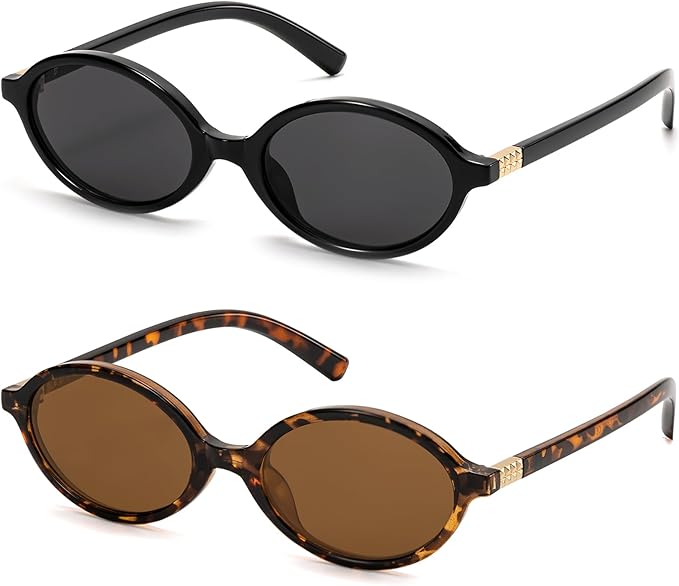
ViewJoy
Retro Oval Sunglasses
Small oval sunglasses with a 90s-inspired silhouette and UV400 lens protection—a quick way to add a vintage edge to everyday looks.
Shop the sunglasses
Affiliate disclosure: This section contains affiliate links. If you make a purchase through these links, I may earn a commission at no additional cost to you. Product selection, pricing, availability, and delivery terms may change—please review the current details on Amazon before purchasing.
As an Amazon Associate I earn from qualifying purchases.