Yoga Style Outfits: A Practical Guide for Every Class
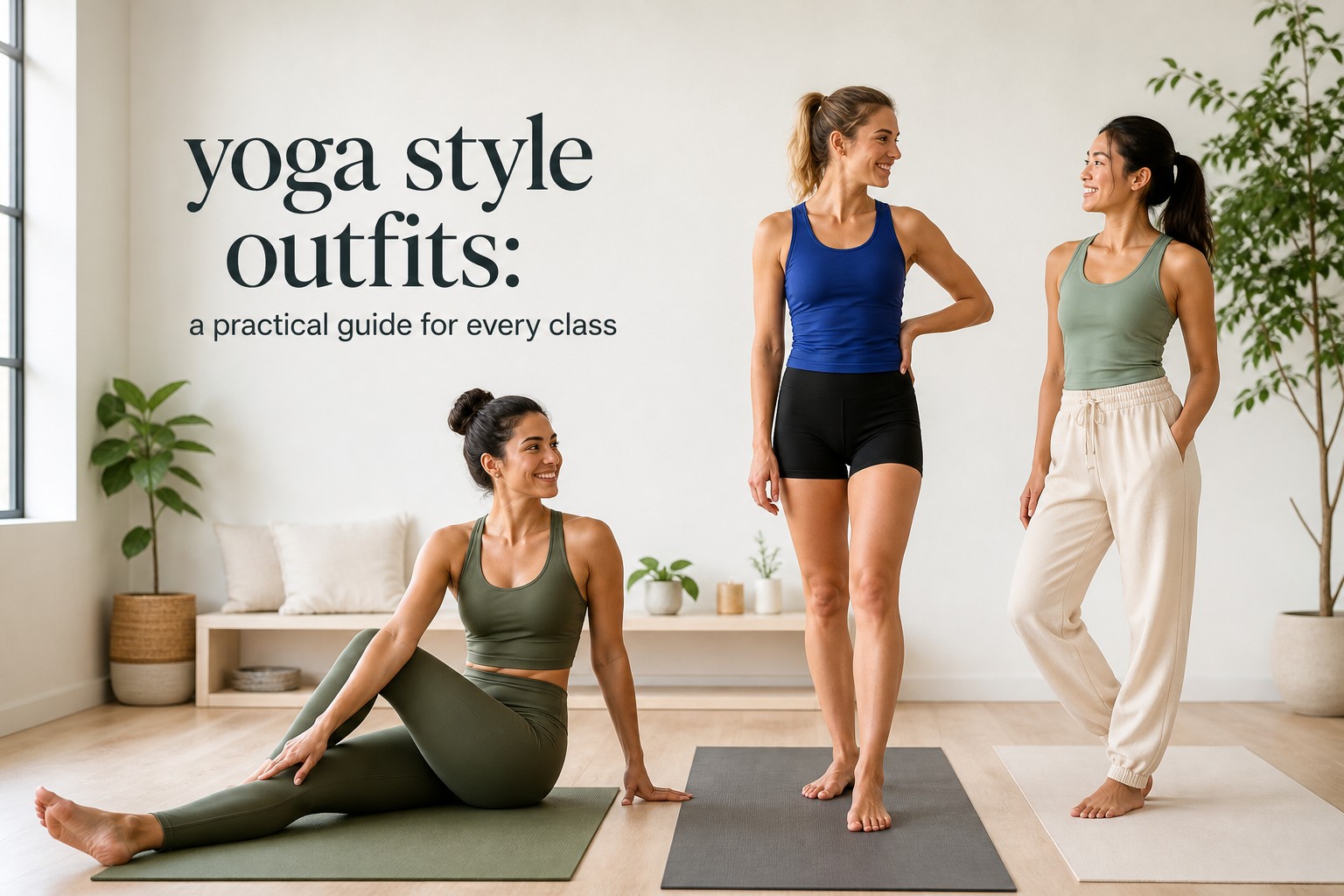
The best yoga style outfits do something quietly useful: they let you stop thinking about your clothes. Your waistband stays in place through a forward fold, your top does not fall toward your face in downward dog, and your layers are easy to remove when your body warms up. That freedom matters more than wearing the most technical or expensive set in the studio.
Style still has a place on the mat. Color, proportion, texture, and a thoughtful layer can make a familiar practice feel more personal. The key is to start with the type of yoga, then choose a secure foundation and add visual interest without creating extra adjustments. This guide gives you a simple system for building yoga style outfits from pieces you may already own.
Why the best yoga style outfits are class-specific
Yoga is not one uniform activity. A fast Vinyasa class can include repeated transitions, inversions, and a lot of heat. Yin may involve long seated or reclined holds in a cooler room. Hatha often sits between those extremes, while outdoor practice adds sun, wind, and the practical need to carry a layer. An outfit that feels perfect for one session can feel distracting in another.
The Fashion-Note Edit
Five effortless pieces to refresh your everyday wardrobe
A polished, practical edit for workdays, weekends, and everything in between.

The Drop
Women’s Blake Long Blazer
A longline, tailored blazer with a notched collar and a single-button closure—an easy layer for denim, dresses, or office-ready looks.
Shop the blazer
Amazon Essentials
Women’s Lightweight Crewneck
A soft, lightweight sweater with a clean crew neckline—the kind of reliable layer that works from cool mornings to air-conditioned spaces.
Shop the sweater
Amazon Essentials
Women’s Loafer Flat
A classic flat loafer that gives casual outfits a more polished finish and pairs naturally with tailored pants, skirts, and straight-leg jeans.
Shop the loafers
Levi’s
Women’s 501 90s Jeans
A relaxed, vintage-inspired take on the iconic 501 silhouette—made for an easy, lived-in look without the thrift-store search.
Shop the jeans
Colorfulkoala
High-Waisted 7/8 Leggings with Pockets
Soft, four-way-stretch leggings with side pockets and a high-rise waistband—designed for movement, errands, and off-duty comfort.
Shop the leggings
Affiliate disclosure: This section contains affiliate links. If you make a purchase through these links, I may earn a commission at no additional cost to you. Product selection, pricing, availability, and delivery terms may change—please review the current details on Amazon before purchasing.
As an Amazon Associate I earn from qualifying purchases.
Think of your outfit as a response to four questions: How much will I move? How warm will I get? How much support and coverage do I want? What will I do before and after class? Those questions are more useful than sorting clothes into categories such as “cute” or “basic.” They also make shopping easier because every new piece has a job.
Your wedding style is personal.
Your plan should feel that way, too.
Zarellea keeps your guest list, budget, vendors, and every next step beautifully organized — so you can focus on the moments that feel like you.
Match support to movement, not to a trend
For a dynamic flow, look for a sports bra or built-in bra that keeps you comfortable during twisting, reaching, and occasional inversions. Medium support is a useful starting point for many students, but the right choice depends on your body and personal comfort. A gentle restorative class may call for softer support, while a vigorous power class may make a more secure design feel reassuring.
Let the room temperature guide your layers
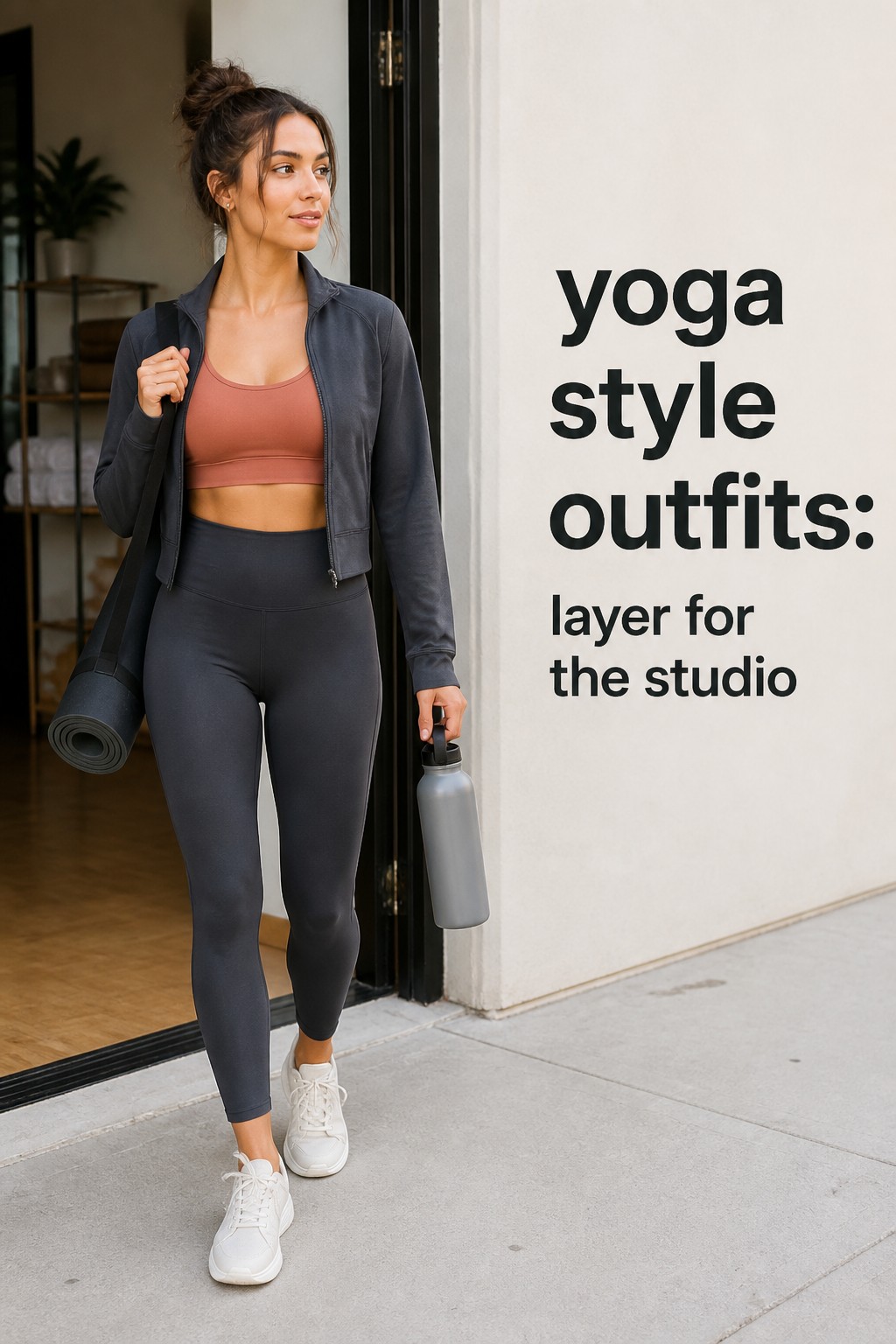
Studios can feel cool before class and warm ten minutes later. A lightweight zip jacket, cropped sweatshirt, or soft wrap gives you an easy transition without forcing you to wear a bulky top on the mat. For outdoor sessions, a long-sleeve sun layer or thin fleece may matter more than a fashion-forward extra. The best layer can be removed quickly and carried without becoming a nuisance.
The four-part yoga outfit formula
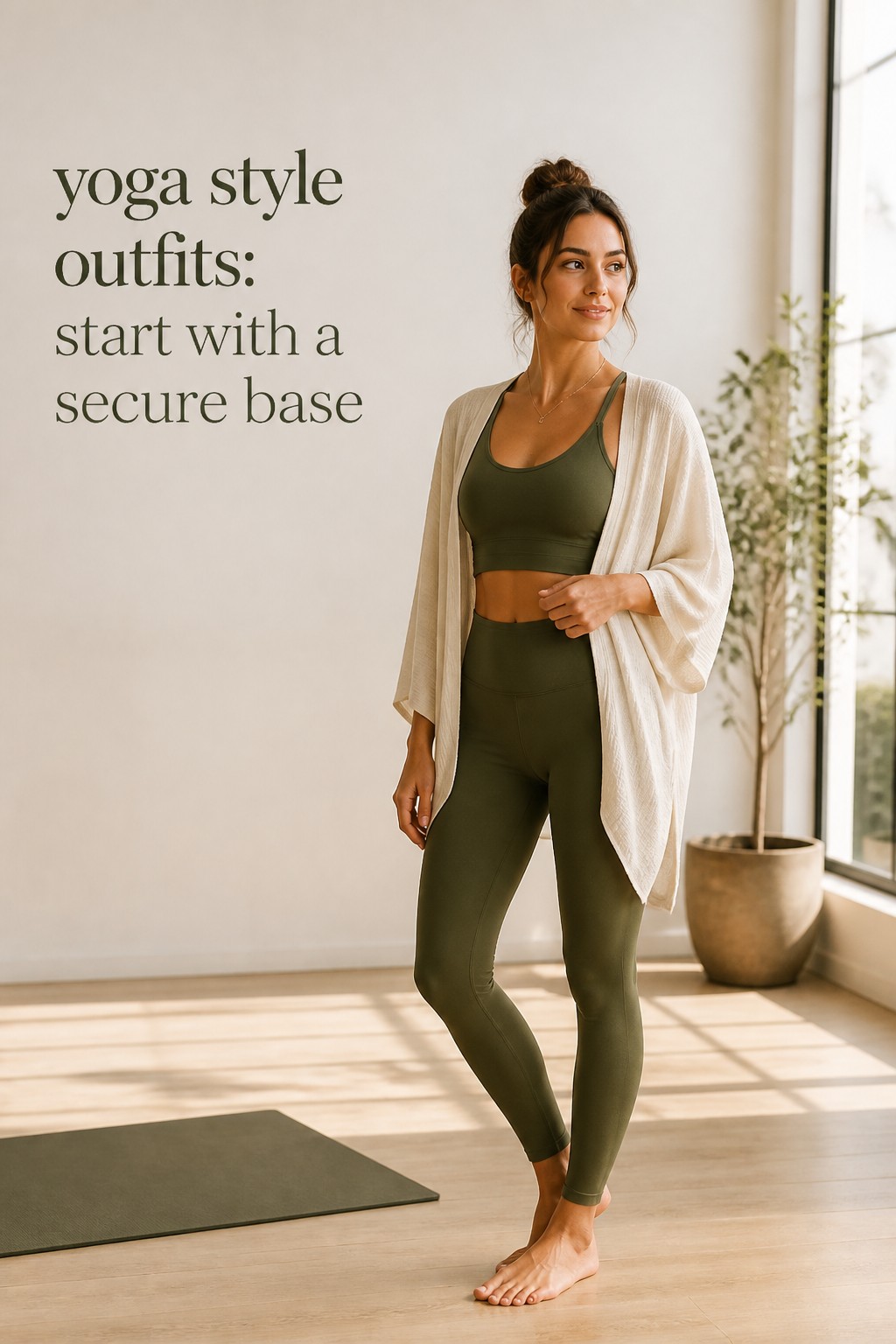
A reliable yoga wardrobe does not need dozens of matching sets. Start with four roles: a base, support, a bottom, and a layer. When those roles are covered, you can change the mood with color and proportion instead of buying a completely new outfit for every class.
1. Choose a breathable base
Your base is the piece closest to your skin: a fitted tank, longline bra, short-sleeve performance tee, or soft camisole with a shelf bra. Choose fabric that moves easily and does not become heavy when damp. A close fit is helpful during inversions, but close does not mean restrictive. You should be able to breathe fully and move your arms overhead without the neckline cutting in.
If you prefer more coverage, try a slim tank under a relaxed tee rather than a very oversized shirt. The underlayer gives you security, while the outer layer can be tied, removed, or worn for the commute. For a polished look, keep one layer tonal with the bottom and let the second layer add a subtle contrast.
2. Pick support that disappears into the outfit
Straps should lie flat and stay put when you reach back or rotate your shoulders. A racerback can reduce strap movement, while a square neck or scoop neck may suit a lower-intensity practice. If you dislike tight compression, look for a wide band and adjustable straps rather than simply sizing up. A poor fit creates more distraction than a simple design ever will.
3. Select bottoms for the poses you actually do
High-rise leggings are a dependable choice because they cover the midsection during folds and usually stay anchored through transitions. Cropped leggings and bike shorts work well in warmer rooms, provided the waistband does not roll and the fabric is opaque when stretched. For slower classes, tapered joggers or harem pants can feel relaxed, but check that the volume will not fall over your face or catch under your hands.
Flare leggings can look elegant for arriving and leaving, but a very wide hem may become awkward in standing poses. If you love the silhouette, reserve it for classes where the leg opening does not interfere, or choose a subtle bootcut with a close-fitting ankle. The most flattering bottom is the one you never need to pull up.
4. Add one purposeful layer
Use a layer to solve a temperature problem or complete the outfit, not to hide the base under unnecessary bulk. A cropped zip jacket works with leggings and bike shorts. A soft cardigan or wrap can be useful for Yin and savasana. A lightweight button-up worn open creates an easy studio-to-street look. Keep hardware minimal if you will lie down in it, and remove anything with a zipper or stiff seam before floor work.
- Base: breathable tank, bra, or fitted tee.
- Support: secure enough for your class and personal comfort.
- Bottom: opaque, flexible, and stable at the waist.
- Layer: lightweight, removable, and easy to carry.
Yoga style outfits by practice
Once the four-part formula is clear, adapt it to the room and the rhythm. These combinations are starting points, not rules. Change the coverage, color, or silhouette to suit your body and the way you want to feel while practicing.
Vinyasa and power flow
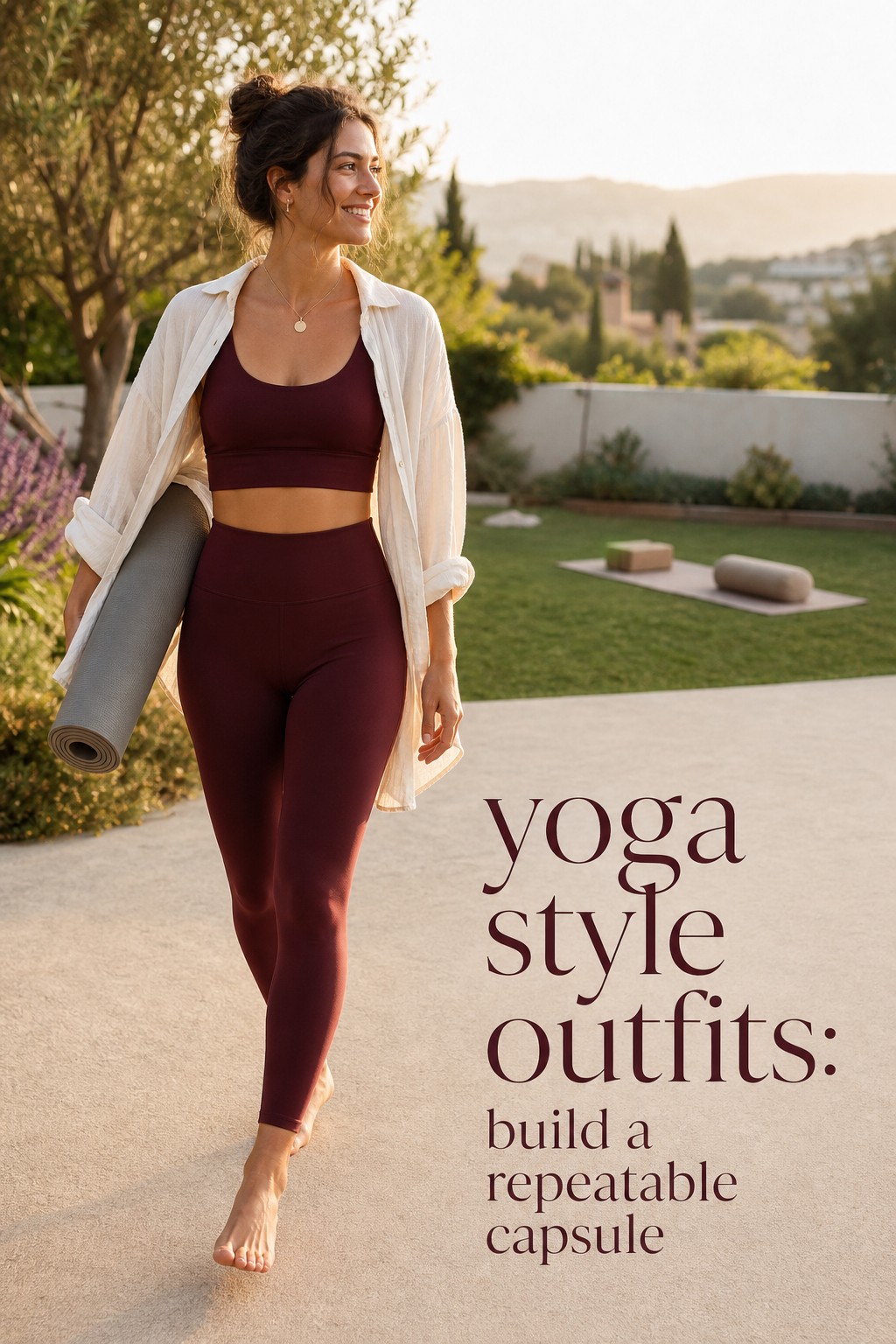
Choose a moisture-managing tank or longline bra with high-rise leggings that have four-way stretch. A gentle compression can feel supportive without making the outfit look overly technical. Add a cropped hoodie for the walk to the studio and a headband if loose hair tends to distract you. Keep the palette simple—charcoal with cream, espresso with pale blue, or black with a muted berry accent—so the performance details look intentional.
Hot yoga and heated classes
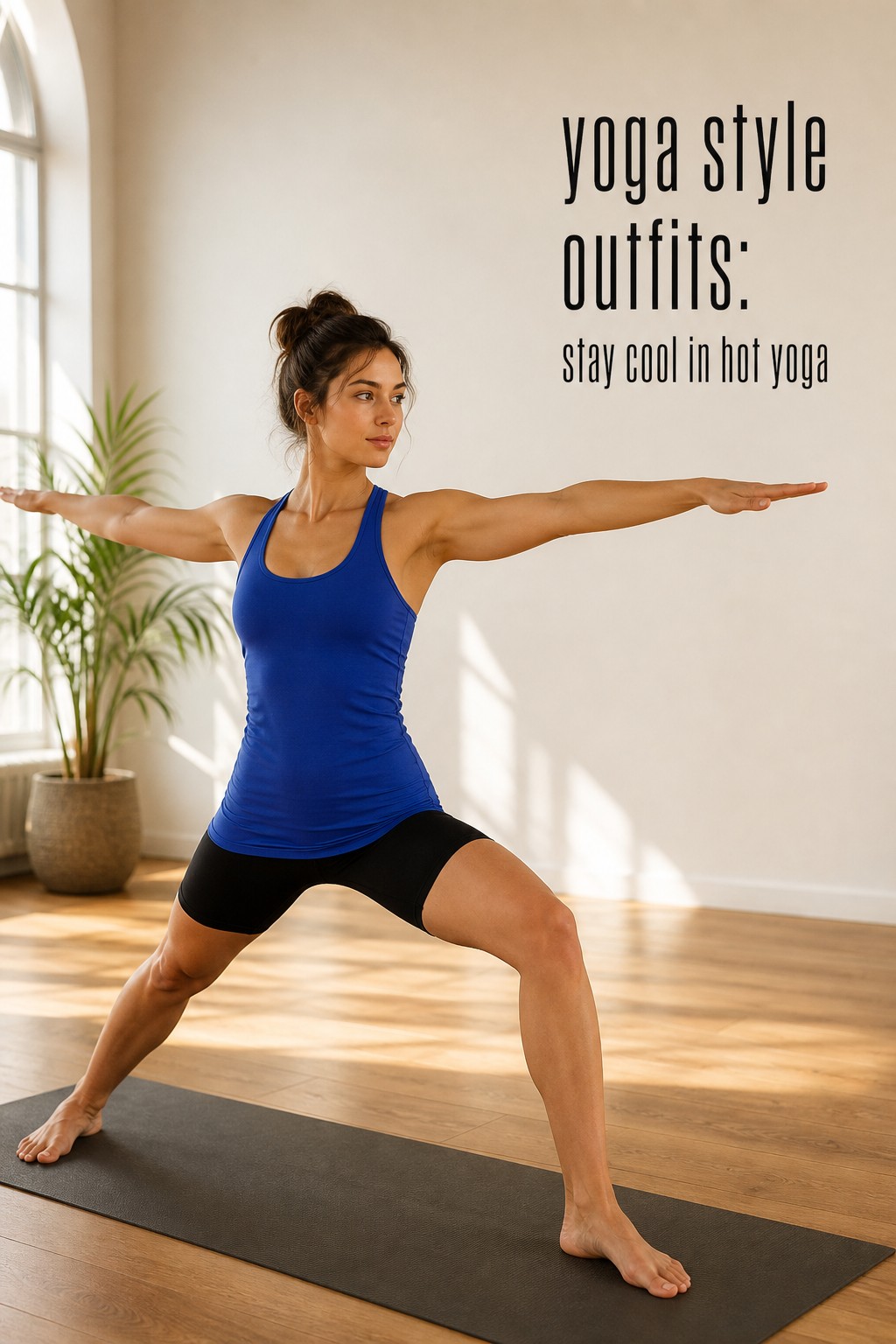
For a heated practice, less fabric is often more comfortable. Try a supportive sports bra with high-waisted bike shorts, or a fitted tank with lightweight shorts. Choose a secure leg opening and sweat-friendly fabric, and avoid anything that becomes heavy when wet. Darker bottoms can make you feel less self-conscious about sweat, while a bright bra or colorful hair tie adds personality without adding heat.
Yin, restorative, and slow flow
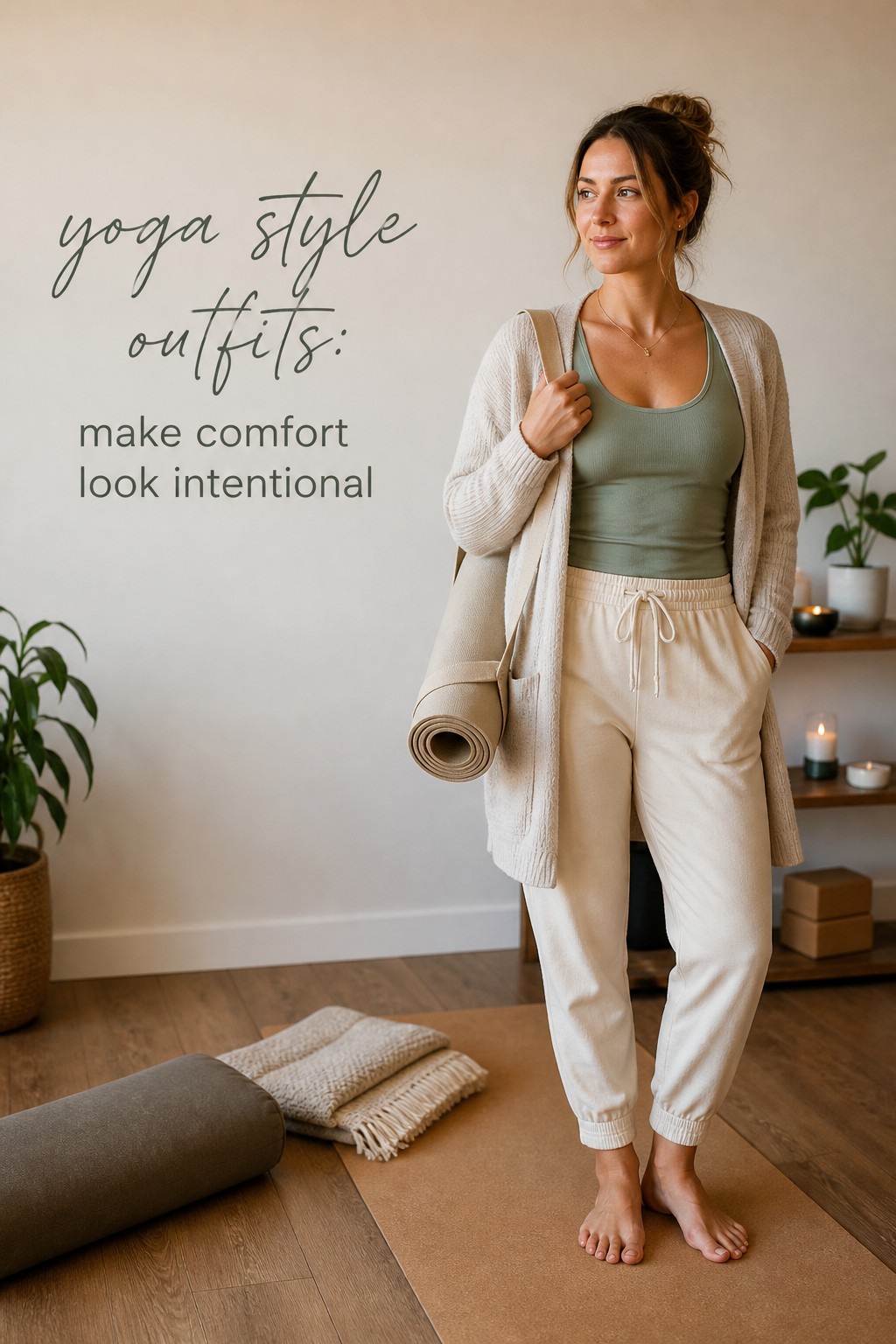
Slower practices allow softer silhouettes, but comfort should not mean fabric in your way. Tapered joggers, slim harem pants, or a relaxed long-sleeve top can work beautifully. Layer a fitted camisole underneath so you can adjust coverage as the room changes. For a calm visual effect, try a tonal outfit in oat, sage, soft gray, or dusty rose. Avoid hard buttons and thick seams if you will spend long periods reclining.
Hatha and beginner classes
If you are still learning what feels comfortable, start with a fitted tee or tank and full-length leggings. This combination gives you coverage while making it easy to see whether fabric shifts in common poses. Add a thin zip layer for arrival and bring a hair tie. A neutral outfit can reduce decision fatigue, but a single color accent—such as a blue tank or patterned sock for the walk home—keeps it from feeling anonymous.
Outdoor yoga
Outdoor yoga calls for practical protection. Start with a breathable base, then add a lightweight long sleeve if you need sun coverage. A cap, sunglasses, and a layer that resists a light breeze may be more useful than jewelry or a decorative scarf. Choose bottoms that will not collect grass or snag on the mat. If you are walking to the location, finish with a roomy button-up or overshirt that can become part of the outfit after practice.
Six outfit formulas to copy from a small wardrobe
These formulas keep the focus on combinations rather than brands. Each one can be repeated with different colors, textures, or accessories, which is the easiest way to create more yoga style outfits without creating a crowded drawer.
The polished monochrome set
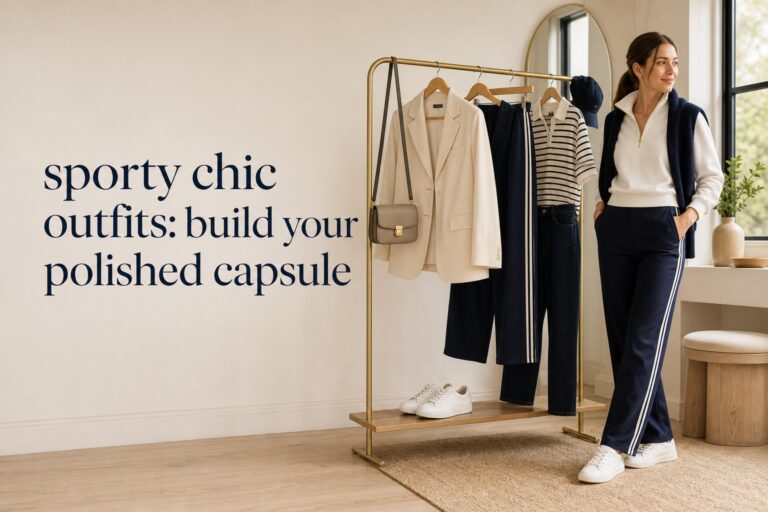
Pair a matching bra and legging in one color, then add a contrasting neutral layer. Chocolate brown with a cream zip jacket feels softer than basic black, while navy with heather gray reads athletic and refined. Monochrome creates a clean line and makes mixed pieces look coordinated even when they are not from the same collection.
The tank-and-overshirt combination
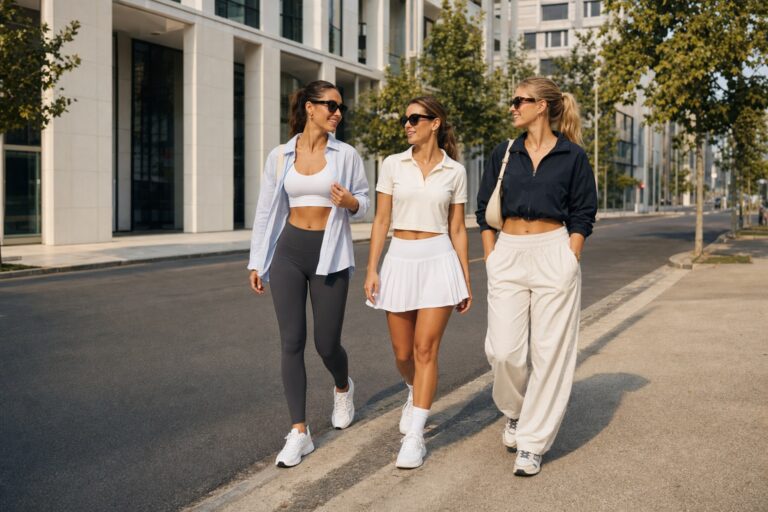
Wear a fitted tank with leggings or bike shorts, then use a lightweight cotton or performance overshirt for the commute. Tie it at the waist after warm-up or remove it completely. Keep the tank and bottom related in color and let the shirt provide the style moment with stripes, washed denim blue, or a small check.
The soft jogger look
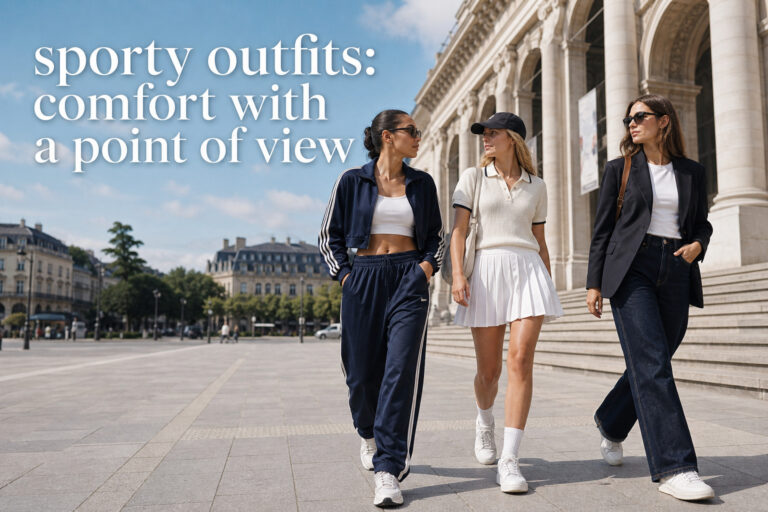
Choose tapered joggers, a close-fitting tank, and a short sweatshirt. The fitted top balances the relaxed bottom, while the ankle cuff keeps fabric controlled. This is especially useful for Yin, Hatha, or a cool studio. If the jogger is gray or black, try a muted lilac or olive top to make the outfit feel styled rather than purely utilitarian.
The one-piece shortcut
A one-piece can solve the constant waistband and top-riding-up problem in one decision. Look for a washable, flexible style with a neckline and leg opening that feel secure in your practice. Add a cropped jacket before and after class. Because the base is simple, you can change the mood with a bright layer, tonal socks, or a compact tote.
The covered-up studio formula
For more coverage, layer a slim long-sleeve top over a supportive bra and pair it with full-length leggings. Choose a lightweight fabric that follows your arms rather than a loose shirt that falls toward your face. A longline tank underneath gives you an extra option if the room gets warm. This formula works for beginners, outdoor classes, and anyone who wants a calmer, more covered feeling.
The bright-bottom statement
Let a color, subtle print, or textured bottom be the focal point, then keep the top clean and supportive. Burgundy leggings with a cream bra, cobalt bike shorts with a graphite tank, or a small botanical print with black all feel expressive without becoming busy. Before wearing a light or patterned bottom, perform a squat and forward fold in bright light to check opacity.
How to choose flattering details without sacrificing movement
Flattering style is not about hiding your body or copying one ideal silhouette. It is about deciding where you want the eye to go and choosing proportions that help you feel at ease. A high waist can create a clean starting point. A square neckline can frame the face. A cropped layer can balance a full-length bottom, while a longer open shirt creates movement over a fitted base.
Use color strategically. One continuous tone can feel sleek, while a darker bottom and lighter top can bring attention upward. If you prefer less contrast, choose two shades from the same family. Texture also adds interest: ribbed fabric, a matte finish, or a soft brushed layer can make a simple outfit feel considered without adding buttons, straps, or loose pieces.
Most importantly, do not confuse “snatched” with secure. You should be able to take a full breath, rotate your torso, and bend your knees without pressure points. If a waistband digs in while standing still, it will probably become more noticeable in a long class. If a bra band rides up during a reach, a different cut or wider band will improve both comfort and the finished look.
Common mistakes and a five-minute pre-class fit test
The most common mistake is choosing an outfit for the mirror instead of for movement. Loose shirts can fall over your face. Shiny fabrics can become transparent when stretched. Decorative hardware can press into your back. Heavy cotton can stay damp for too long. Another mistake is wearing a brand-new outfit to an important class without testing it first.
Before leaving home, spend five minutes checking the outfit. Reach both arms overhead, take a forward fold, move into a lunge, sit cross-legged, and lie on your back. Notice whether the waistband rolls, the neckline gaps, the bra shifts, or any seam scratches. Walk around for a few minutes with your layer on. This quick rehearsal catches almost every distraction that appears on the mat.
- Check opacity in a deep squat and forward fold.
- Check the waistband after sitting and twisting.
- Check straps and necklines with both arms overhead.
- Remove hard hardware before reclined poses.
- Pack a removable layer for the cool-down and commute.
Build your own small rotation around two bottoms, two supportive tops, one relaxed option, and two layers. Keep the colors compatible so every piece creates at least two outfits. This gives you variety while making laundry and packing easier. A good yoga wardrobe is not a collection of perfect photos; it is a dependable set of clothes that helps you show up consistently.
FAQ
What should I wear for a first yoga class?
Start with a fitted or semi-fitted breathable top, a supportive bra if you wear one, and high-waisted leggings or stable shorts. Add a light removable layer for the trip to and from the studio. Test the outfit in a forward fold before class so you are not learning about slipping fabric on the mat.
Are leggings or shorts better for yoga?
Both can work. Leggings offer coverage and warmth, while shorts are often more comfortable in heated rooms. Choose the option that stays opaque, does not roll, and lets your hips and knees move freely. Your class temperature and personal comfort should decide.
Can I wear a loose top to yoga?
You can wear a loose top for slower practices, but pair it with a secure base and check how it behaves upside down. A tapered or cropped shape is usually easier than a very wide shirt. For Vinyasa or inversions, a fitted tank or a top with a stable hem is less distracting.
What are the best yoga style outfits for hot yoga?
Try a sweat-wicking sports bra with high-waisted bike shorts, or a fitted tank with lightweight shorts. Keep layers outside the heated room and avoid heavy cotton. Darker bottoms can make sweat less visible, while a bright top or simple color accent keeps the look personal.
How can I look stylish in basic yoga clothes?
Use proportion and color. Pair a fitted base with one purposeful layer, try a tonal palette, or make one piece—the bra, bottom, or jacket—the focal point. Clean sneakers, a practical tote, and a neat hair tie can complete the studio-to-street look without adding anything that interferes with practice.
Should yoga clothes be tight or loose?
They should be close enough to stay in place but loose enough for full breathing and movement. A fitted bottom with a relaxed top can work, as can a softer bottom with a close-fitting top. Avoid extremes that require repeated adjusting or restrict your ribcage, hips, shoulders, or knees.
How do I know if a yoga outfit fits correctly?
Perform a forward fold, lunge, twist, overhead reach, seated pose, and reclined pose. The waistband should remain comfortable, the top should stay put, and the fabric should remain opaque. If you notice the outfit during each movement, try another size, cut, or layer before class.
Finish the look
The little extras that make a summer outfit feel complete
From beach days to city weekends, these easy pieces bring comfort, texture, and a polished finishing touch.

FENBEN
Straw Hobo Crossbody Bag
A handwoven straw bag with both short and crossbody straps—an effortless finishing touch for vacation looks and warm-weather outfits.
Shop the bag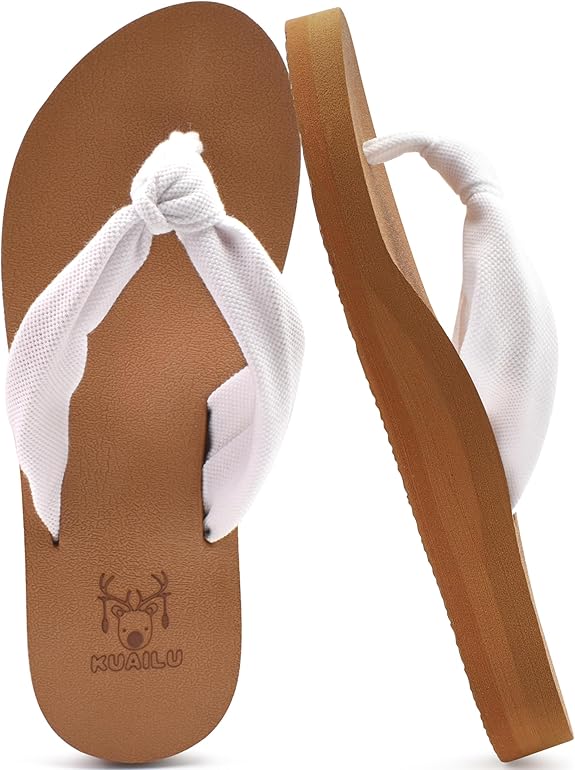
KuaiLu
Flip Flops with Arch Support
Cushioned, lightweight sandals with supportive arch design—a practical choice for beach trips, errands, and long summer walks.
Shop the sandals
baleaf
Athletic One-Piece Swimsuit
A functional one-piece with adjustable straps and moderate coverage, designed for swimming, training, surfing, and active beach days.
Shop the swimsuit
Astylish
Linen-Cotton Button-Down Shirt
A relaxed cotton-linen shirt with a collared V-neck and roll-up sleeves—easy to style over swimwear or with denim and shorts.
Shop the shirt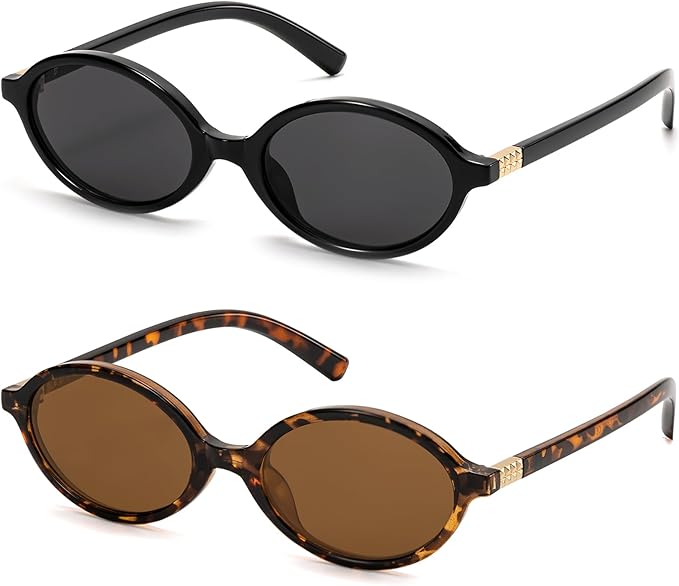
ViewJoy
Retro Oval Sunglasses
Small oval sunglasses with a 90s-inspired silhouette and UV400 lens protection—a quick way to add a vintage edge to everyday looks.
Shop the sunglasses
Affiliate disclosure: This section contains affiliate links. If you make a purchase through these links, I may earn a commission at no additional cost to you. Product selection, pricing, availability, and delivery terms may change—please review the current details on Amazon before purchasing.
As an Amazon Associate I earn from qualifying purchases.