Cute Running Outfits: The Style Shift That Works
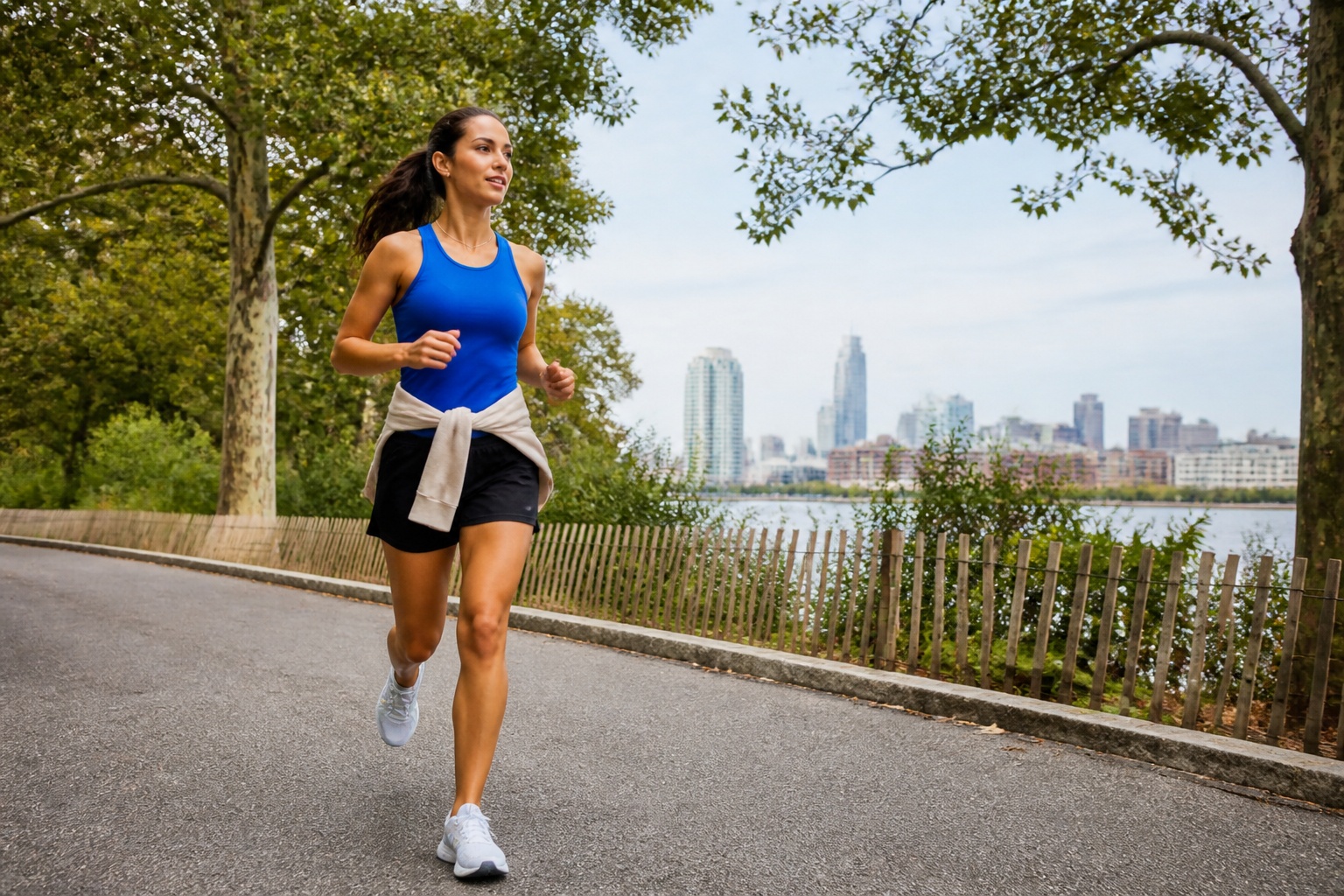
Cute running outfits are having a useful style moment. The best new looks are not asking runners to choose between a practical kit and a personality-filled one. They combine breathable fabrics, secure support, useful pockets, and weather-aware layers with colors and proportions that feel genuinely fun to wear. That matters because the outfit you reach for before a run has to do more than photograph well. It has to stay comfortable when your pace changes, your temperature rises, and the weather refuses to behave.
The current shift is away from treating running clothes as a single matching set. Instead, runners are building small visual systems: a technical base, one expressive color or shape, and a layer that solves the conditions of the day. This guide looks at that change without overclaiming that every trend belongs on every run. You will find the ideas worth borrowing, the performance details that should not be edited out, and six ways to translate the mood into outfits you can actually run in.
The Fashion-Note Edit
Five effortless pieces to refresh your everyday wardrobe
A polished, practical edit for workdays, weekends, and everything in between.

The Drop
Women’s Blake Long Blazer
A longline, tailored blazer with a notched collar and a single-button closure—an easy layer for denim, dresses, or office-ready looks.
Shop the blazer
Amazon Essentials
Women’s Lightweight Crewneck
A soft, lightweight sweater with a clean crew neckline—the kind of reliable layer that works from cool mornings to air-conditioned spaces.
Shop the sweater
Amazon Essentials
Women’s Loafer Flat
A classic flat loafer that gives casual outfits a more polished finish and pairs naturally with tailored pants, skirts, and straight-leg jeans.
Shop the loafers
Levi’s
Women’s 501 90s Jeans
A relaxed, vintage-inspired take on the iconic 501 silhouette—made for an easy, lived-in look without the thrift-store search.
Shop the jeans
Colorfulkoala
High-Waisted 7/8 Leggings with Pockets
Soft, four-way-stretch leggings with side pockets and a high-rise waistband—designed for movement, errands, and off-duty comfort.
Shop the leggings
Affiliate disclosure: This section contains affiliate links. If you make a purchase through these links, I may earn a commission at no additional cost to you. Product selection, pricing, availability, and delivery terms may change—please review the current details on Amazon before purchasing.
As an Amazon Associate I earn from qualifying purchases.
What is changing in cute running outfits
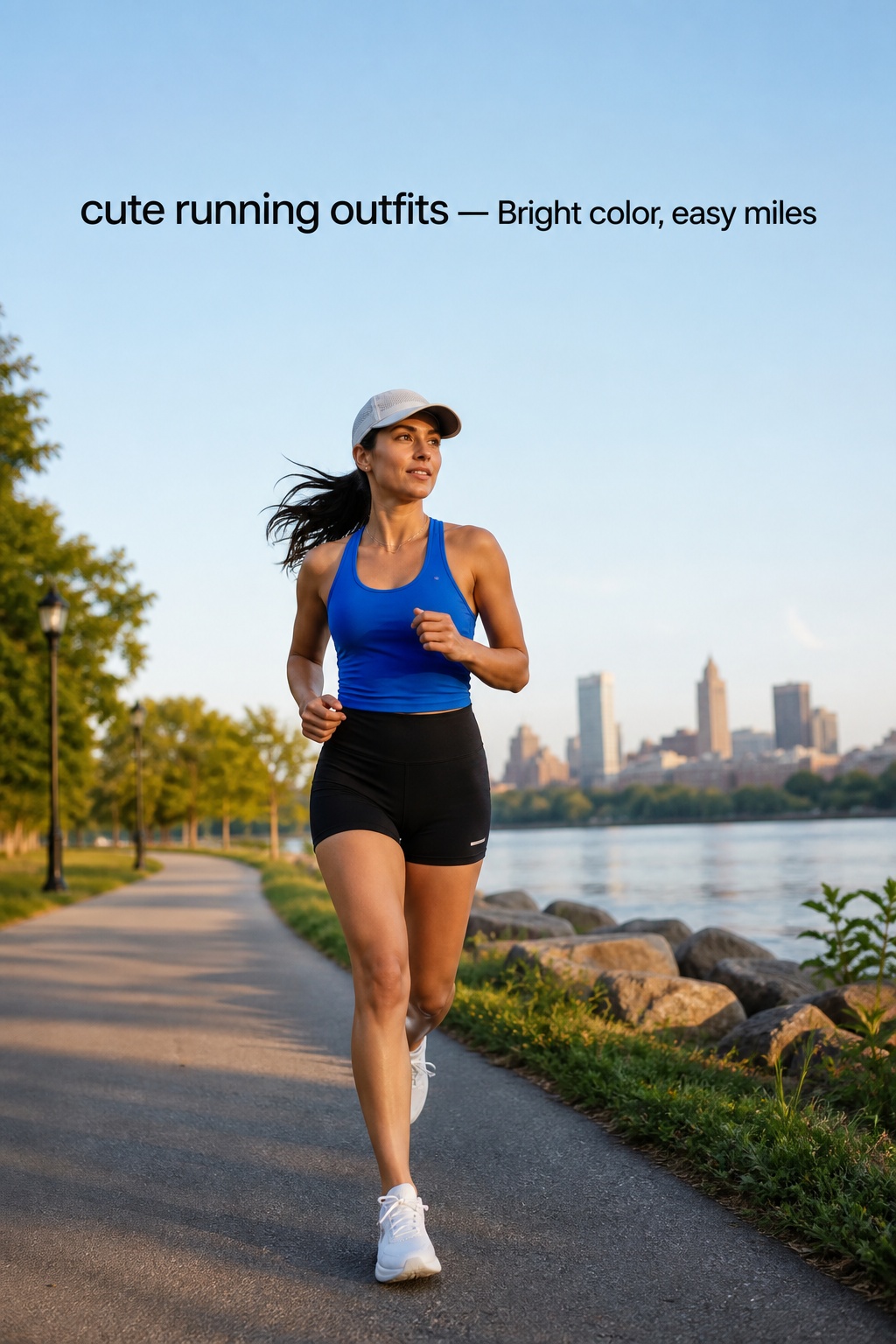
The most interesting change is not one specific color or garment. It is the permission to make running clothes look considered without making them precious. A bright bra under an open shell, a skort with a simple technical tee, a tonal outfit with one reflective accent, or a cropped zip layer over high-rise tights can all feel styled while remaining functional. The outfit has a point of view, but the point of view is built around movement rather than placed on top of it.
Your wedding style is personal.
Your plan should feel that way, too.
Zarellea keeps your guest list, budget, vendors, and every next step beautifully organized — so you can focus on the moments that feel like you.
Color is becoming a motivation tool
Neutrals still earn their place in a running drawer because they mix easily and make reflective details visible. What is changing is the way color is used beside them. Soft pink with black, butter yellow with gray, cobalt with white, cherry red with navy, and lavender with espresso can make a familiar outfit feel new without requiring an entirely new wardrobe. The easiest approach is to choose one color as the emotional reason you want to wear the outfit, then keep the remaining pieces quiet.
Color can also organize a rotation. Choose a dark base for longer or messier runs, a pale or bright base for sunny short runs, and one layer in a signature shade that works across both. Repeating a color in a sock, cap, shoe detail, or hair tie is enough to make the look feel connected. Matching every piece often creates more shopping pressure than style. A short palette gives you more combinations and makes laundry-day decisions faster.
Silhouettes are loosening around the technical base
Running still needs clothing that will not catch, rub, or bounce unpredictably, but the whole outfit does not need to be skin-tight. A fitted base can sit under a lightweight windbreaker, a relaxed half-zip, an open shirt made for training, or a short vest. A close-to-the-body tank can balance a slightly roomier short. The result feels more like personal style because the eye can see contrast between a stable foundation and a layer with movement.
Shorts are also being treated as a choice rather than a default. Split running shorts, longer liner shorts, bike shorts, and skorts each solve different comfort and coverage needs. A skort can bring a playful line to a summer outfit, while a longer short may be better for a long run when you want more coverage. The cute element is not the hem length itself. It is the way the bottom works with the top, shoe, and weather layer.
The run-club influence is moving into everyday styling
Running groups and social runs have made the outfit part of the ritual. That does not mean wearing a costume or buying a new kit for every event. It means runners are more willing to show a small signature: a funny cap, a bright sock, a vintage-looking tee over a sports bra, a coordinated color story, or a jacket that looks good on the walk to the meeting point. The useful lesson is to choose one piece that communicates your personality and let the rest work quietly.
Why the style shift matters for a real run
Trends are only worth discussing when they solve a real reader problem. Cute running outfits can make it easier to start, but motivation is not a substitute for a proper fit. The outfit needs to move moisture away from the skin, manage heat, reduce friction, support the body, and keep essentials secure. Those requirements are not visually boring. They are the design brief that makes a good-looking outfit wearable.
Start with the work your base layer has to do
For most runs, the base layer should dry quickly and sit smoothly against the body. Technical polyester, nylon, merino blends, and stretch fabrics are common because they help manage sweat better than everyday cotton. That does not mean every synthetic fabric feels identical. A soft hand, flat seams, mesh panels, and a waistband that stays put can matter more than a familiar fabric name. If a top is cute but leaves you damp and cold, it is a styling prop rather than a running piece.
Support is equally personal. A high-impact sports bra should feel secure without making breathing difficult, and the correct fit may come from adjustable straps, encapsulated cups, a wider band, or a longline shape. A larger bust, a faster pace, or a longer distance can change what feels comfortable. Try the bra with the exact top you plan to wear. Necklines, armholes, and straps should cooperate instead of competing for the same space.
Weather changes the formula more than the trend does
Temperature is only one part of the forecast. Humidity, wind, rain, sun, and the length of the route all change the outfit. A lightweight tank and liner shorts may feel perfect for a humid summer morning, while the same temperature on a windy route may call for a thin shell or arm coverage. In cold weather, layers should be light enough to shed. A long-sleeve base, vest, gloves, and a packable shell can be more useful than one heavy sweatshirt that becomes impossible to carry.
A practical rule is to dress as though conditions will feel warmer once you are moving. You should not be shivering for a long time before starting, but standing still in a very comfortable outfit can be a sign that you will overheat. Choose layers with a job and a storage plan. Thumbholes can keep sleeves in place, a vest can protect the core without trapping heat in the arms, and a shell should pack or tie away if the forecast is changeable.
Visibility and pockets are part of the look
Reflective details do not need to ruin a color story. They can appear as a logo, piping, a heel strip, a vest, a belt, or a small accessory. If you run at dawn, dusk, or night, visibility is a safety requirement, not an optional finishing touch. Bright colors can help in daylight, but reflective elements are the detail that matters when light is low. Add them deliberately to a mostly tonal outfit and they can look graphic rather than random.
Pockets deserve the same respect. A secure phone pocket, a key pocket, or a waistband that can hold a card will keep you from carrying more than you need. Test the pocket while jogging because an item that feels stable while standing can bounce once you accelerate. The prettiest outfit is not successful if you have to hold your phone, tug your shorts, or stop to rearrange your keys.
Usable interpretations of the trend
These six directions translate the current mood into repeatable combinations. Treat them as starting points. Change the coverage, support level, color intensity, and shoe according to your body, route, and weather. Each outfit has one visual idea and one practical reason it works.
1. The hot-weather color pop
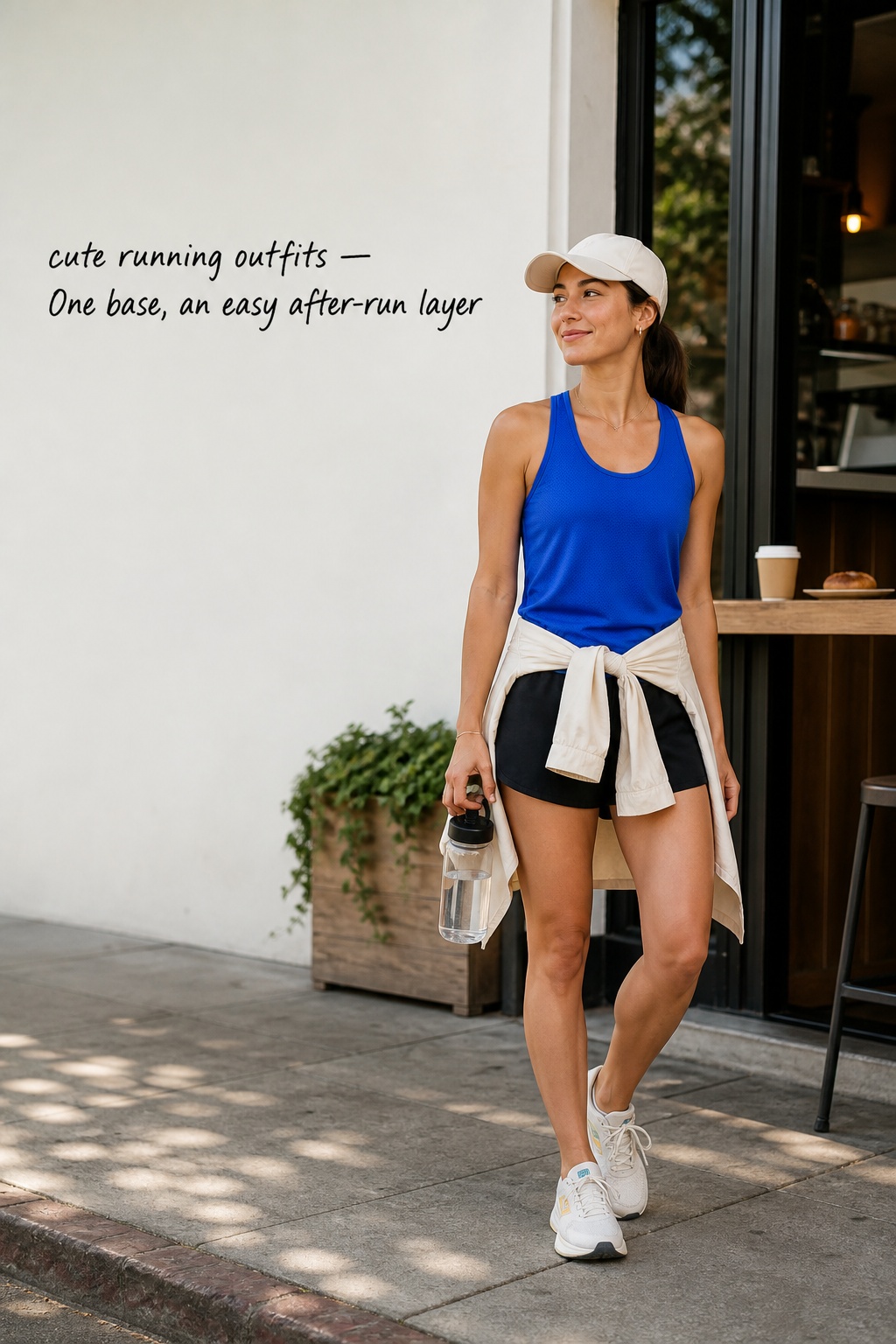
Pair a breathable racerback tank or supportive sports bra with lightweight liner shorts in a contrasting neutral. Try coral with cocoa, sky blue with navy, or lime with charcoal. Add low-profile socks, a breathable cap, and shoes that repeat either the neutral or the accent color. This look works for a warm short run because it keeps the silhouette simple and lets color create the interest. Choose a tank with enough coverage for your route and a short with an inner liner that does not ride up.
2. The tonal early-morning set
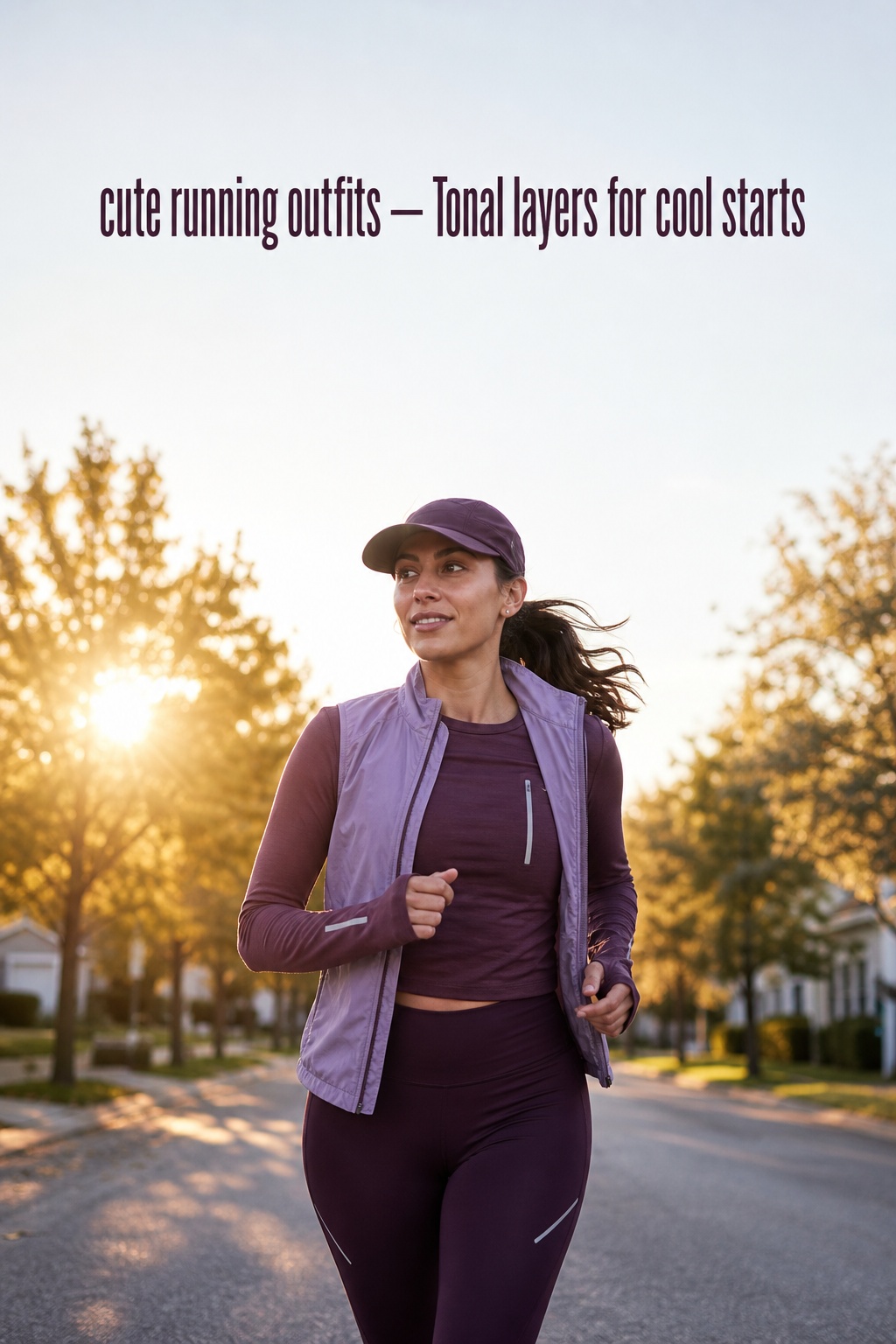
Build the base in one family—ink, olive, plum, espresso, or gray—then add a lighter or brighter layer. High-rise tights, a long-sleeve technical top, and a vest create a clean column that is easy to see in low light when paired with reflective trim. A bright cap or shoe detail gives the outfit energy without making it visually loud. This formula is especially useful when the air is cool at the start but you expect to warm up quickly.
3. The skort and visor combination
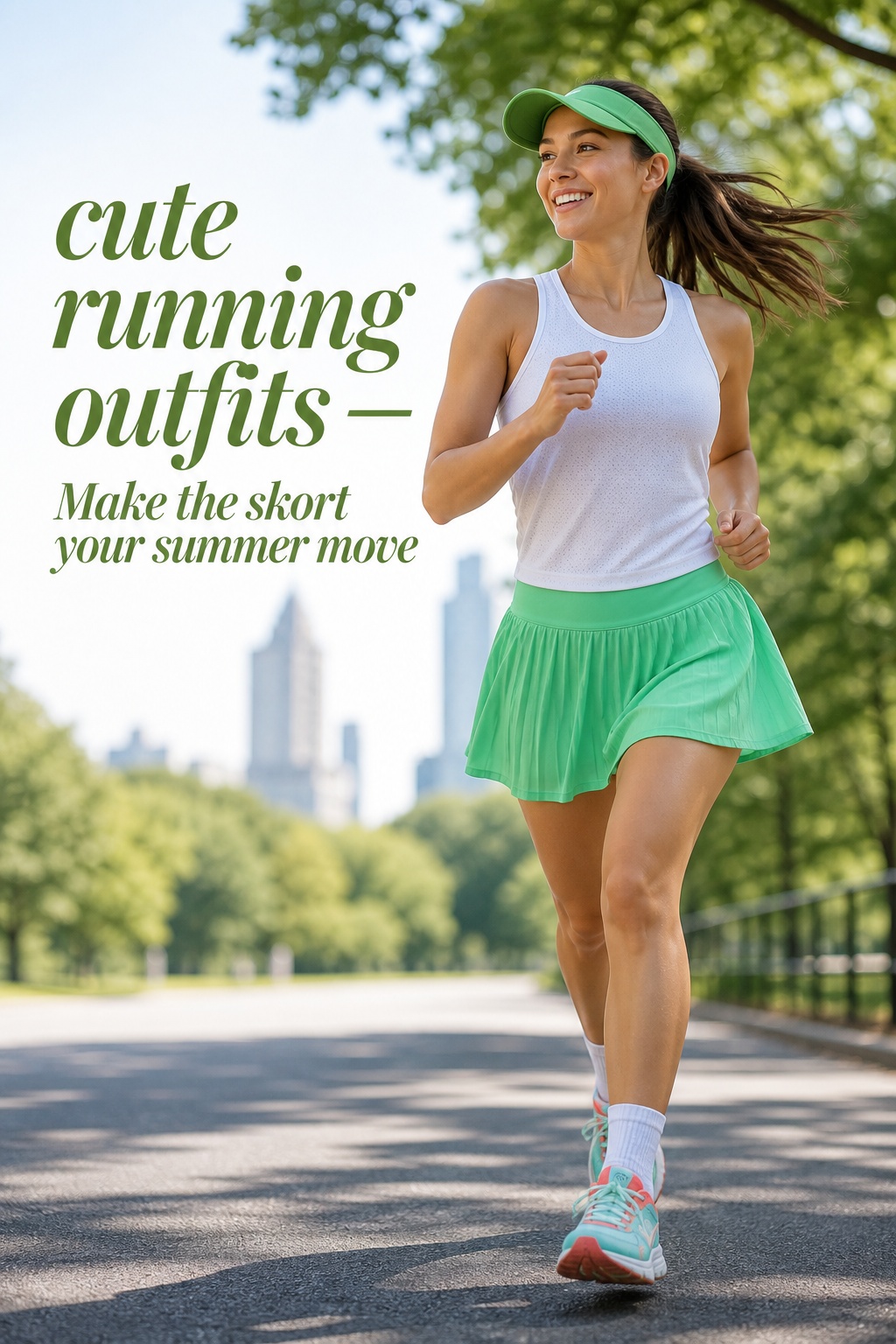
A running skort brings a playful line to a technical outfit while the built-in short supplies coverage and freedom of movement. Pair it with a close-fitting tee or a supportive tank, then finish with a visor or cap in a shade pulled from the skort. Keep the shoe simple so the lower half does not feel busy. Check that the liner stays in place, the waistband does not roll, and the skirt panel does not flap into your stride before choosing this for a longer route.
4. The cool-weather half-zip
Use full-length tights or a comfortable running pant with a sweat-wicking long-sleeve top and a half-zip in a fresh color. A half-zip is useful because it gives you ventilation without forcing you to remove a layer. Choose thumbholes if sleeves tend to slide and look for a back or side pocket if you need storage. A small contrast at the collar, cuff, or sock can keep a covered outfit from feeling heavy.
5. The bright rainy-day shell
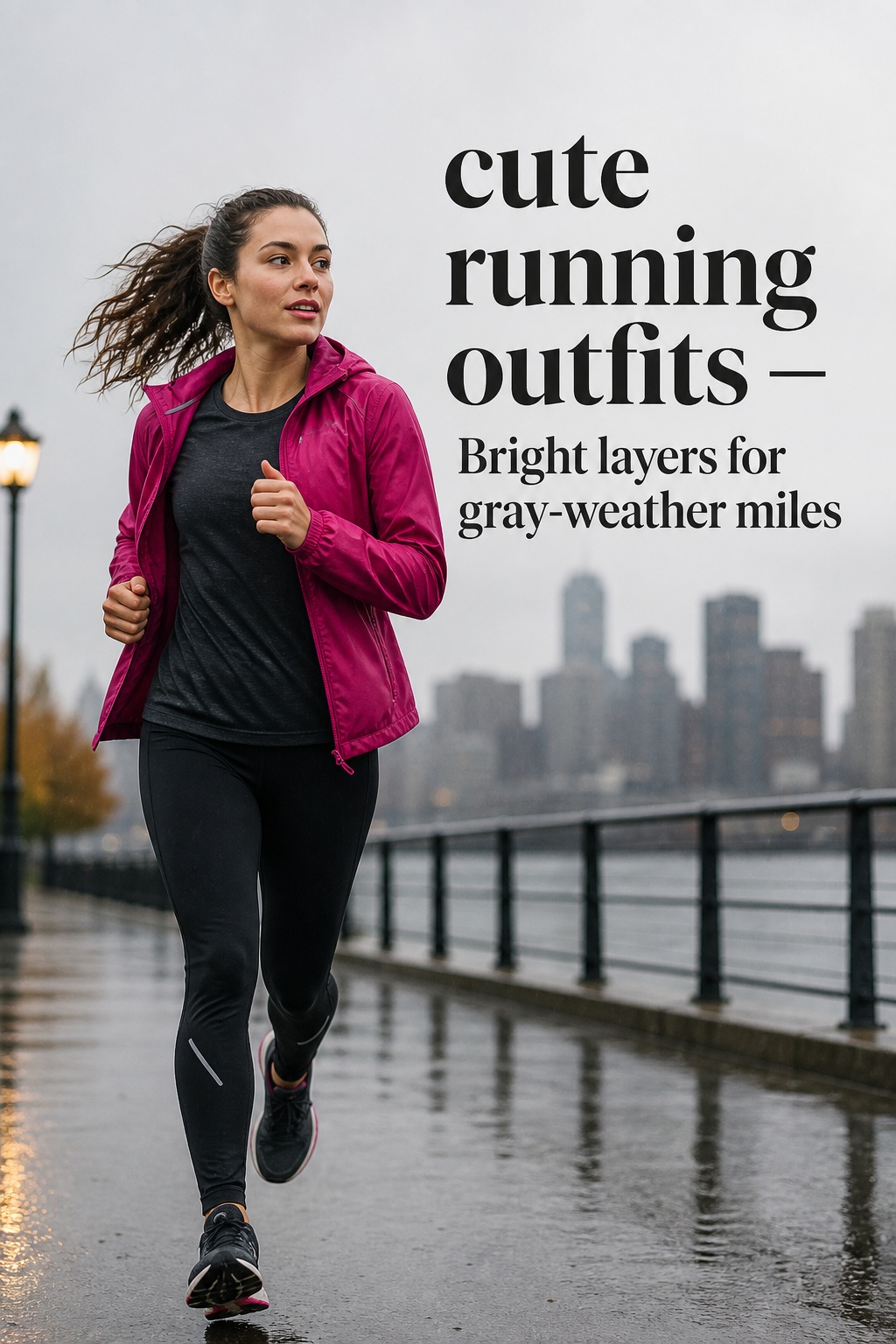
On a wet day, let a lightweight water-resistant shell be the statement piece. Wear it over a quick-drying tee, supportive bra, and shorts or tights chosen for the actual temperature. A saturated yellow, berry, blue, or green can make a gray route feel more cheerful, while reflective panels add function. Keep the shell light enough to breathe and pair it with shoes that have appropriate traction for your surface. No cute color is worth running in a jacket that traps heat or flaps constantly.
6. The run-to-coffee transition
For a short run followed by an errand, start with a polished technical base and add one everyday cue. A matching tank and short can work with a clean overshirt, a cap, a small crossbody worn after the run, or a light sweatshirt tied around the waist. The key is to keep the accessory separate from the high-impact work. Do not add a bulky bag or cotton layer that will become uncomfortable while running. Make the transition after the route with a dry layer and a practical place for your essentials.
How to make cute running outfits last beyond one trend
A trend becomes useful when it can be repeated without looking identical. Build around a few dependable categories: two or three bottoms in different lengths, supportive bras that suit your intensity, breathable tanks and tees, one long sleeve, one insulating layer, one rain or wind shell, and accessories that solve sun, sweat, storage, or visibility. The exact number depends on your running schedule, but the principle is the same: each piece should work in more than one combination.
Use proportion as your signature
You do not need to adopt every cropped top, flared leg, or tiny short to look current. Maybe your signature is a close-fitting base under an easy layer. Maybe you prefer a longer tank with a clean straight short, or a high-rise legging with a boxy jacket. Repeat the proportion that makes you feel comfortable and change the color or accessory when you want novelty. This is a more sustainable way to participate in trends because it starts with what you will actually wear.
Shop for the problem you keep solving
If your waistband moves, look for a different rise, drawcord, or fabric recovery rather than another color. If you chafe, prioritize liner length, seam placement, and a smoother fabric. If you overheat, look for mesh ventilation and lighter layers. If you run after dark, buy reflective visibility before another cute top. When you name the problem, shopping becomes more precise and the resulting outfit feels better because its style is attached to a real improvement.
Do a five-minute pre-run review
Before leaving, jog in place, bend, lift your arms, and sit briefly. Check the waistband, bra band, armholes, and liner. Put your phone and keys in their intended pockets and walk or jog long enough to notice movement. If it is dark, check the reflective details under a light. Look at the forecast again and decide where an extra layer will go if you remove it. This small review catches most outfit problems before they become route problems.
The most convincing cute running outfits are not the ones with the most color, the newest silhouette, or the most expensive logo. They are the ones that let you feel prepared and recognizable at the same time. Start with the run, choose the technical details honestly, then add one styling decision that makes you happy to put the clothes on. That is enough trend, and it is enough personality.
FAQ
What makes cute running outfits practical?
They combine a breathable, sweat-managing base with secure support, comfortable seams, useful pockets, appropriate coverage, and weather-ready layers. Color and silhouette add personality after those movement needs are handled.
What should I wear for a cute summer run?
Try a moisture-wicking tank or supportive sports bra with liner shorts or a running skort. Add a breathable cap, performance socks, and a reflective detail if you run early or late. Choose the lightest fabric that still gives you the coverage and support you prefer.
How can I make running clothes look stylish?
Use one clear color story, balance a fitted base with a relaxed layer, and repeat one shade in a cap, sock, shoe, or shell. One non-technical accent can show personality, but keep the pieces that affect comfort and safety performance-focused.
Are running skorts good for long runs?
They can be, provided the built-in liner stays in place, the waistband does not roll, and the length works for your stride. Test the skort on a shorter run first. If it causes chafing or distraction, choose a longer liner short or a different bottom.
How do I choose a running outfit for cold weather?
Start with a sweat-wicking base, add tights or pants suited to the temperature, then layer a vest, half-zip, or lightweight jacket. Choose pieces that can be ventilated or removed as you warm up, and add gloves, a hat, or reflective accessories when needed.
Do cute running outfits need to match?
No. A coordinated palette or repeated accent color usually looks more personal than a fully matching set. Mix a neutral base with one bright layer, or combine similar tones in different textures. The goal is a clear visual idea, not identical pieces.
Finish the look
The little extras that make a summer outfit feel complete
From beach days to city weekends, these easy pieces bring comfort, texture, and a polished finishing touch.

FENBEN
Straw Hobo Crossbody Bag
A handwoven straw bag with both short and crossbody straps—an effortless finishing touch for vacation looks and warm-weather outfits.
Shop the bag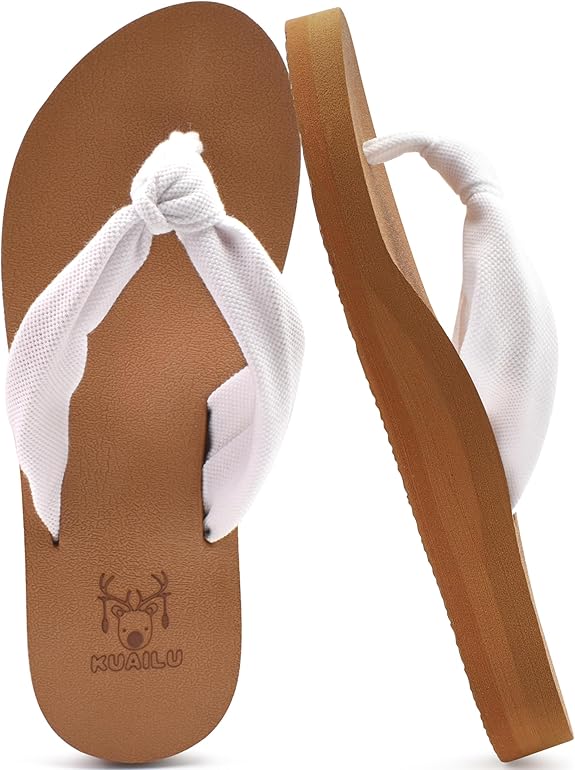
KuaiLu
Flip Flops with Arch Support
Cushioned, lightweight sandals with supportive arch design—a practical choice for beach trips, errands, and long summer walks.
Shop the sandals
baleaf
Athletic One-Piece Swimsuit
A functional one-piece with adjustable straps and moderate coverage, designed for swimming, training, surfing, and active beach days.
Shop the swimsuit
Astylish
Linen-Cotton Button-Down Shirt
A relaxed cotton-linen shirt with a collared V-neck and roll-up sleeves—easy to style over swimwear or with denim and shorts.
Shop the shirt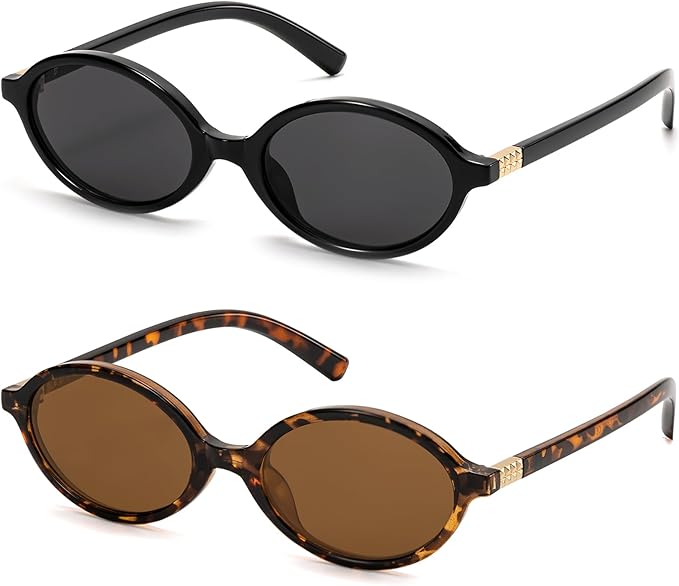
ViewJoy
Retro Oval Sunglasses
Small oval sunglasses with a 90s-inspired silhouette and UV400 lens protection—a quick way to add a vintage edge to everyday looks.
Shop the sunglasses
Affiliate disclosure: This section contains affiliate links. If you make a purchase through these links, I may earn a commission at no additional cost to you. Product selection, pricing, availability, and delivery terms may change—please review the current details on Amazon before purchasing.
As an Amazon Associate I earn from qualifying purchases.