Gym Outfits for Women Plus Size: 4 Easy Formulas
Getting dressed for the gym should be the easy part of moving your body, but the wrong outfit can turn a good intention into a constant fitting-room problem. A waistband rolls when you squat, a sports bra needs rearranging between sets, a top climbs during a stretch, or a pair of leggings looks opaque in the bedroom but not under bright gym lights. When those details take over, it is hard to focus on your workout or enjoy your own style.
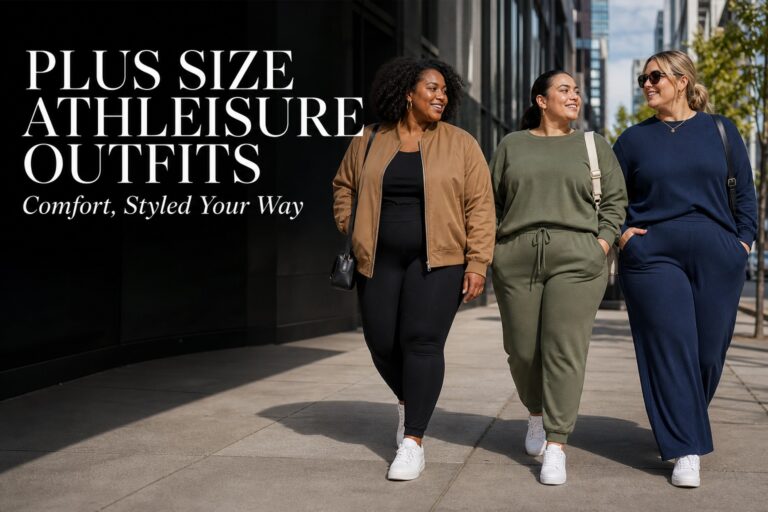
The best gym outfits for women plus size are not built around hiding a body or following one approved silhouette. They are built around the session you actually plan to do, the level of support you need, the coverage that lets you move freely, and the colors and proportions that make you feel like yourself. This guide breaks that process into four dependable outfit formulas, then shows how to troubleshoot the most common fit issues before they cost you another workout.
Start by diagnosing why the outfit is not working
Before buying a new matching set, identify the moment when your current clothes fail. “I need better gym clothes” is too broad to solve the problem. You may actually need a firmer waistband for squats, a higher neckline for bending forward, a longer top for treadmill intervals, a wider shoe, or a lighter layer for the walk from the car. Naming the friction gives you a useful shopping brief instead of another attractive item that stays in the drawer.
The Fashion-Note Edit
Five effortless pieces to refresh your everyday wardrobe
A polished, practical edit for workdays, weekends, and everything in between.

The Drop
Women’s Blake Long Blazer
A longline, tailored blazer with a notched collar and a single-button closure—an easy layer for denim, dresses, or office-ready looks.
Shop the blazer
Amazon Essentials
Women’s Lightweight Crewneck
A soft, lightweight sweater with a clean crew neckline—the kind of reliable layer that works from cool mornings to air-conditioned spaces.
Shop the sweater
Amazon Essentials
Women’s Loafer Flat
A classic flat loafer that gives casual outfits a more polished finish and pairs naturally with tailored pants, skirts, and straight-leg jeans.
Shop the loafers
Levi’s
Women’s 501 90s Jeans
A relaxed, vintage-inspired take on the iconic 501 silhouette—made for an easy, lived-in look without the thrift-store search.
Shop the jeans
Colorfulkoala
High-Waisted 7/8 Leggings with Pockets
Soft, four-way-stretch leggings with side pockets and a high-rise waistband—designed for movement, errands, and off-duty comfort.
Shop the leggings
Affiliate disclosure: This section contains affiliate links. If you make a purchase through these links, I may earn a commission at no additional cost to you. Product selection, pricing, availability, and delivery terms may change—please review the current details on Amazon before purchasing.
As an Amazon Associate I earn from qualifying purchases.
Begin with the workout. Strength training usually rewards a stable high-rise bottom, a supportive bra, and a top that stays close enough to the body not to catch on equipment. Cardio creates different demands: sweat management, bounce control, a secure phone pocket, and fabric that will not feel heavy when you warm up. Yoga, Pilates, stretching, and mobility work need freedom across the hips and shoulders, plus coverage that feels comfortable when you are close to the floor.
Your wedding style is personal.
Your plan should feel that way, too.
Zarellea keeps your guest list, budget, vendors, and every next step beautifully organized — so you can focus on the moments that feel like you.
Next, decide what support means for you. A plus-size body is not one shape, and a larger bust does not automatically require the tightest possible bra. Some people want encapsulation and adjustable straps for running; others prefer a supportive longline bra for lifting or a soft, low-impact layer for walking. The right choice is the one that keeps you secure without creating pressure, pinching, or the urge to pull it down every few minutes.
Coverage is equally personal. A fitted top, a cropped layer, a loose tee, and a longline tank can all work. Consider where you want fabric to end when you raise your arms, sit on a bench, or hinge forward. A top that hits around the high hip often gives useful coverage without swallowing the legs. If you prefer a longer hem, choose side vents or a curved shape so the fabric follows movement rather than bunching under your stomach.
Finally, consider temperature and transition time. A cold studio, an overheated weight room, and an outdoor walk to the gym all call for different layers. A lightweight zip jacket, open shirt, or breathable overshirt can make the same base outfit feel more complete without forcing you to train in excess fabric. Think in layers that can be removed and carried, not in one heavy piece that becomes annoying as soon as your heart rate rises.
Four gym outfit formulas that solve different workout days
A formula is more useful than a list of isolated outfit ideas because it tells you why the pieces belong together. Once you understand the job of each layer, you can repeat the combination in different colors and fabrics. The four formulas below cover the most common gym situations: strength training, cardio, low-impact movement, and a layered warm-up or travel day. Adjust the compression, hem length, and shoe according to your own comfort and the activity.
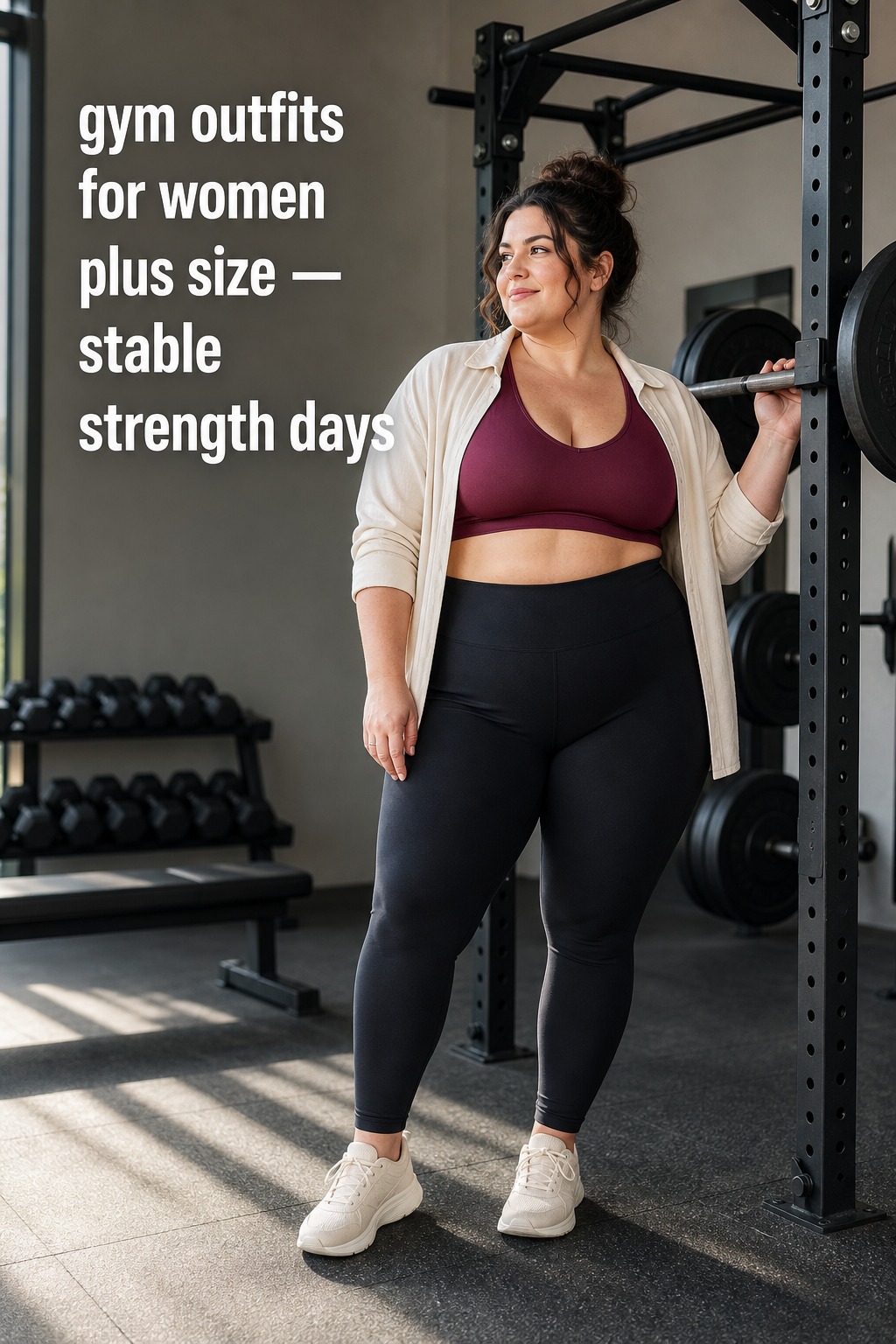
Formula one: high-rise leggings, supportive bra, and a structured tee
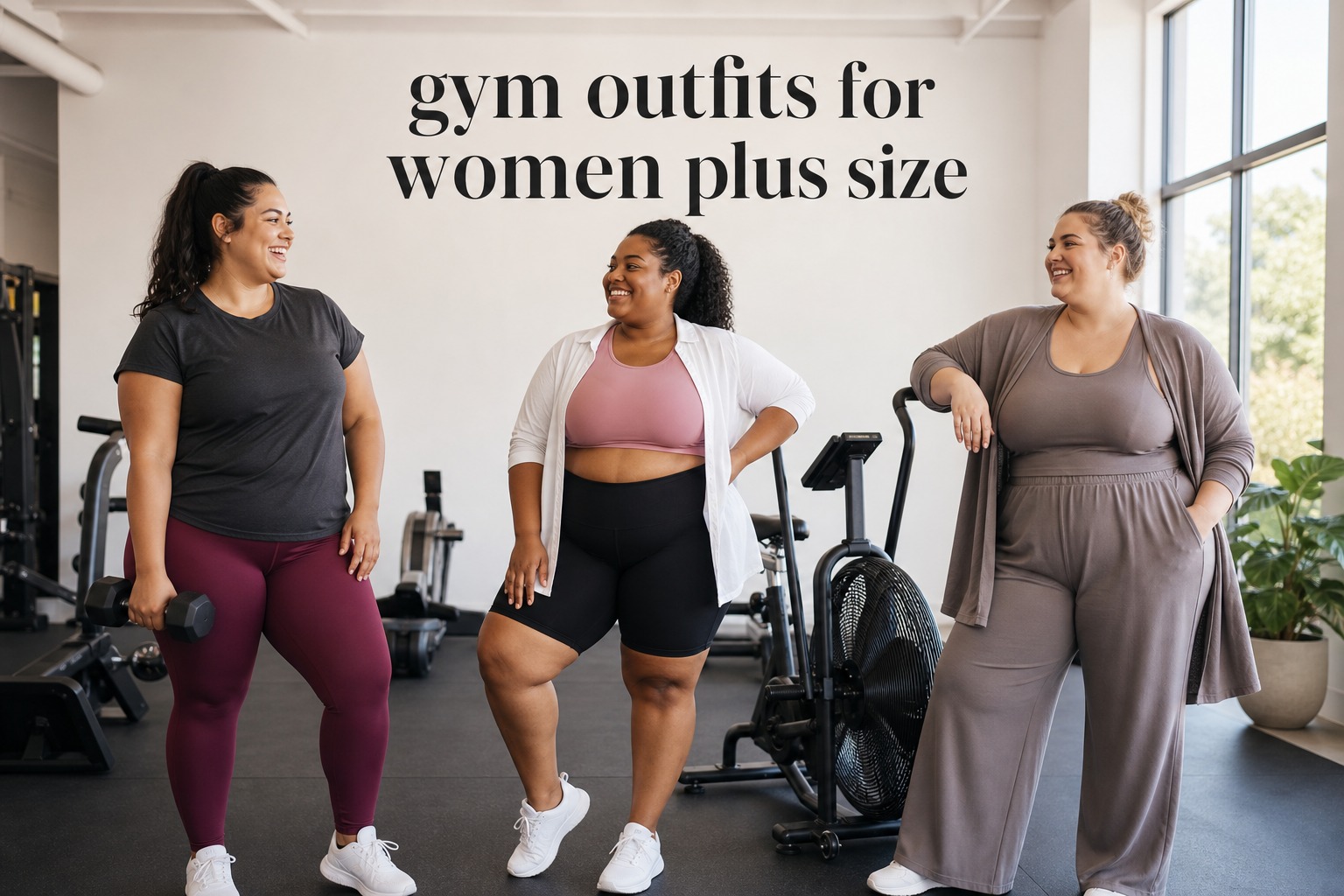
For lifting days, start with high-rise leggings that stay in place when you bend, brace, and sit. Look for a waistband that feels broad and secure rather than simply tight. Add a supportive bra with a neckline and straps that let you move your shoulders, then finish with a fitted or semi-fitted tee that has enough structure to avoid clinging to every damp spot. Black, espresso, navy, or deep plum make a calm base, while a bright sneaker or contrasting tee adds energy.
The strength of this formula is balance. The legging supplies stability, the bra handles movement, and the tee gives you a clear top layer without creating a tent around the torso. If you prefer more coverage, choose a tee that reaches the high hip and has a side split. If you dislike a close fit, try a slightly boxy performance tee with a shorter hem, so it skims rather than hangs heavily over the hips.
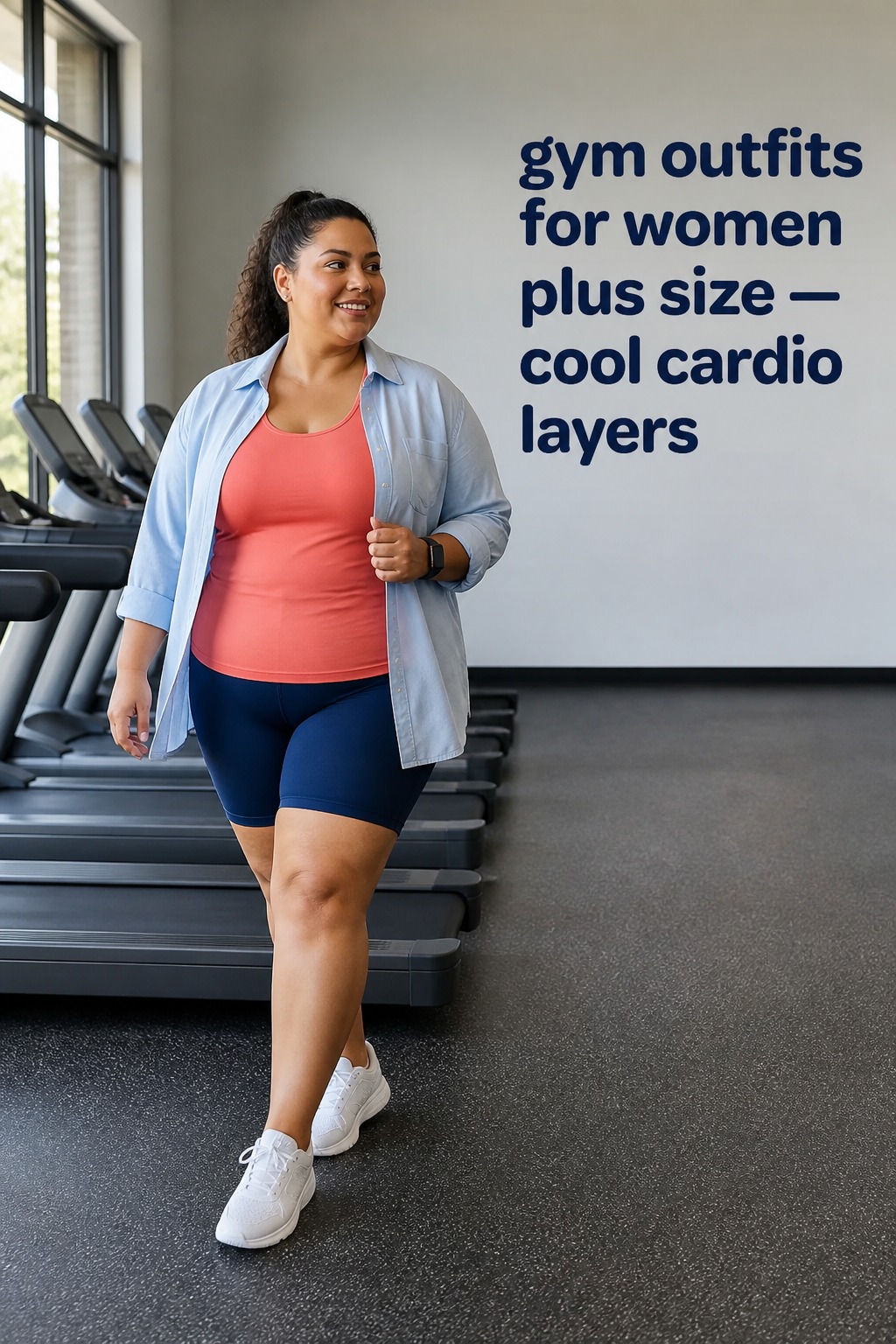
Formula two: bike shorts, longline tank, and an open shirt
For warm-weather cardio, indoor cycling, or a brisk treadmill session, pair supportive bike shorts with a longline tank and an open cotton or performance shirt. The shorts keep the base cool and reduce extra fabric around the legs. The tank gives the outfit a clean vertical line, while the open shirt provides optional coverage that can be removed once you heat up. Choose a shirt with sleeves you can push up or secure so it does not interfere with equipment.
Length matters in this combination. Bike shorts tend to feel easiest when they finish at a point that does not pinch the widest part of the thigh. A longer inseam can feel reassuring for walking or strength work, while a shorter inseam may feel cooler for cycling. Test the waistband while seated and standing. If it digs when you bend, the issue is not your body; it is a mismatch between the garment’s cut, stretch, and rise.
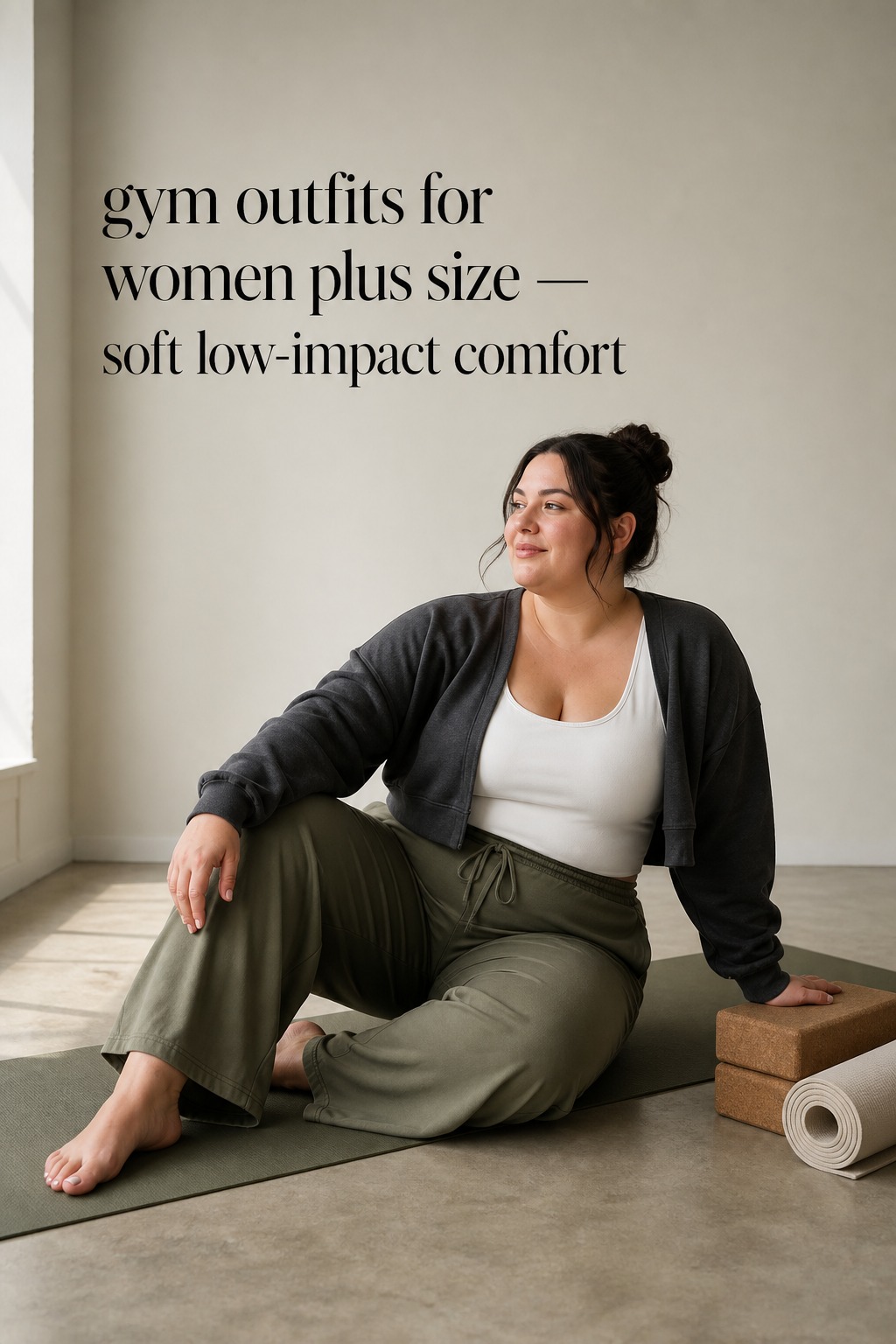
Formula three: soft pants, low-impact bra, and a cropped sweatshirt
For yoga, Pilates, mobility work, or a gentle walk, try soft wide-leg or relaxed straight-leg pants with a low-impact bra and a cropped sweatshirt. The pants should move easily through a seated fold and not drag under your heel. A cropped sweatshirt does not have to expose the midriff; it can simply finish near the natural waist or high hip. That shorter proportion keeps a relaxed outfit from looking shapeless and leaves room for your hips to move.
Use texture to make this simple formula feel intentional. A ribbed tank under a smooth sweatshirt, a tonal pant with a contrast sock, or a soft gray base with one saturated color can create visual interest without sacrificing ease. If you want more coverage during floor work, add a lightweight longline tank under the sweatshirt. The goal is not to create a complicated look; it is to make comfort look considered.
Formula four: matching set, lightweight jacket, and dependable trainers
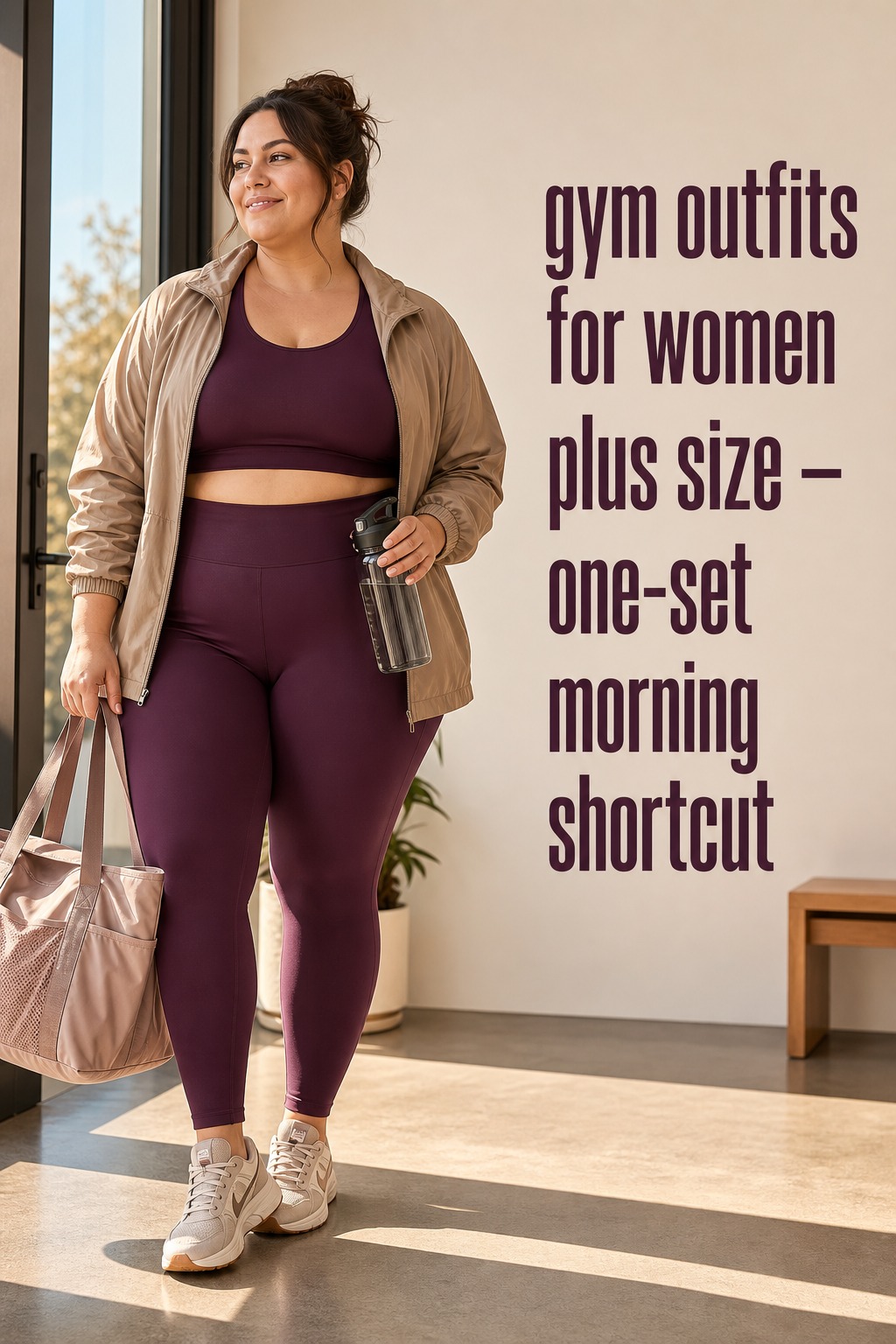
For days when you want to feel pulled together quickly, a matching legging-and-top set creates an uninterrupted color line and removes one decision. Choose a set with enough contrast between the pieces and your skin to make the silhouette feel clear, or try a tonal set in olive, cobalt, berry, or warm taupe. Add a lightweight jacket for the commute and a shoe chosen for the session, not just the outfit.
A matching set is not automatically a good set. Check whether the waistband remains stable, whether the top rises when you reach overhead, and whether the fabric is transparent under a deep squat. If all three work, the set earns its place as a reliable shortcut. If the top or bottom fails, keep the pieces separate and use the color as a styling idea rather than forcing the entire outfit to match.
Use proportion, color, and layers to make gym basics feel personal
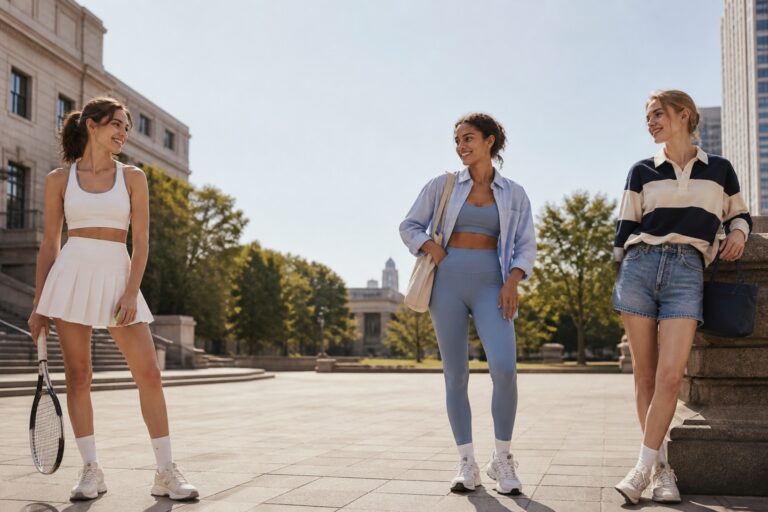
Practical does not have to mean anonymous. One of the easiest ways to make gym outfits for women plus size feel stylish is to vary proportion on purpose. If the bottom is close and compressive, try a boxy tee, a cropped sweatshirt, or an open shirt. If the bottom is wide or relaxed, a closer tank or a shorter jacket can keep the outfit from feeling visually heavy. These are styling options, not rules about what a body should look like.
Color can also reduce decision fatigue. Build a base of two neutrals you genuinely enjoy wearing, then add two accent colors. Navy and cream can support berry or citron; black and gray can support cobalt or tomato red; chocolate and ivory can support dusty pink or soft green. When your pieces share one color family, you can mix them quickly without needing a new set for every day of the week.
Monochrome is especially useful when you want the outfit to look finished in under a minute. A single color from bra to legging creates a simple foundation, and a contrasting jacket, sock, or shoe supplies the personality. You can also reverse the approach: wear a neutral base and make the top layer the focal point. A bright windbreaker or patterned tee often delivers more impact than a full head-to-toe print.
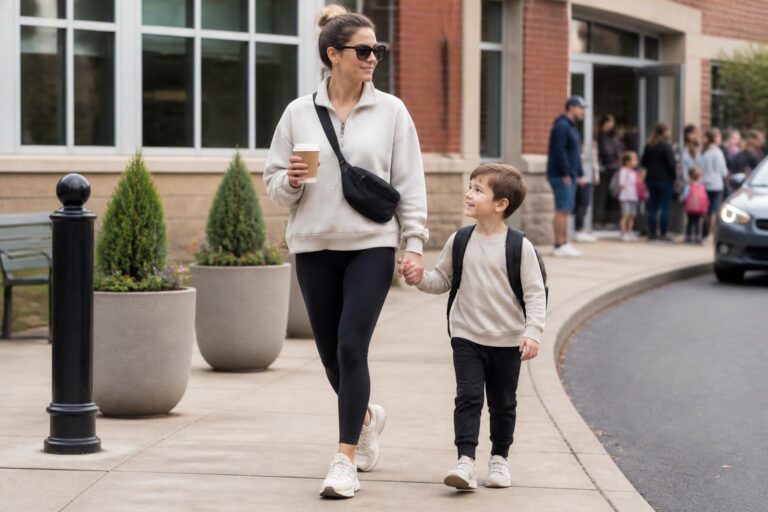
Open layers are valuable because they let you control coverage while moving. An unbuttoned shirt, light bomber, or sleeveless vest creates a vertical frame and can be taken off when you warm up. Choose smooth fabrics that will not catch on machines, and avoid oversized sleeves near cables or weights. Raglan sleeves and dropped armholes generally allow more shoulder movement than stiff, narrow armholes.
Shoes should complete the job, not only the color story. A stable training shoe can feel better for lifting, while a cushioned running shoe may suit treadmill intervals or outdoor walks. If you need a wide fit, prioritize that over a perfect color match. Socks, a secure hair tie, and a bag with an easy water-bottle pocket are small details, but they can determine whether the outfit supports the whole gym experience.
Fix the fit problems that make activewear distracting
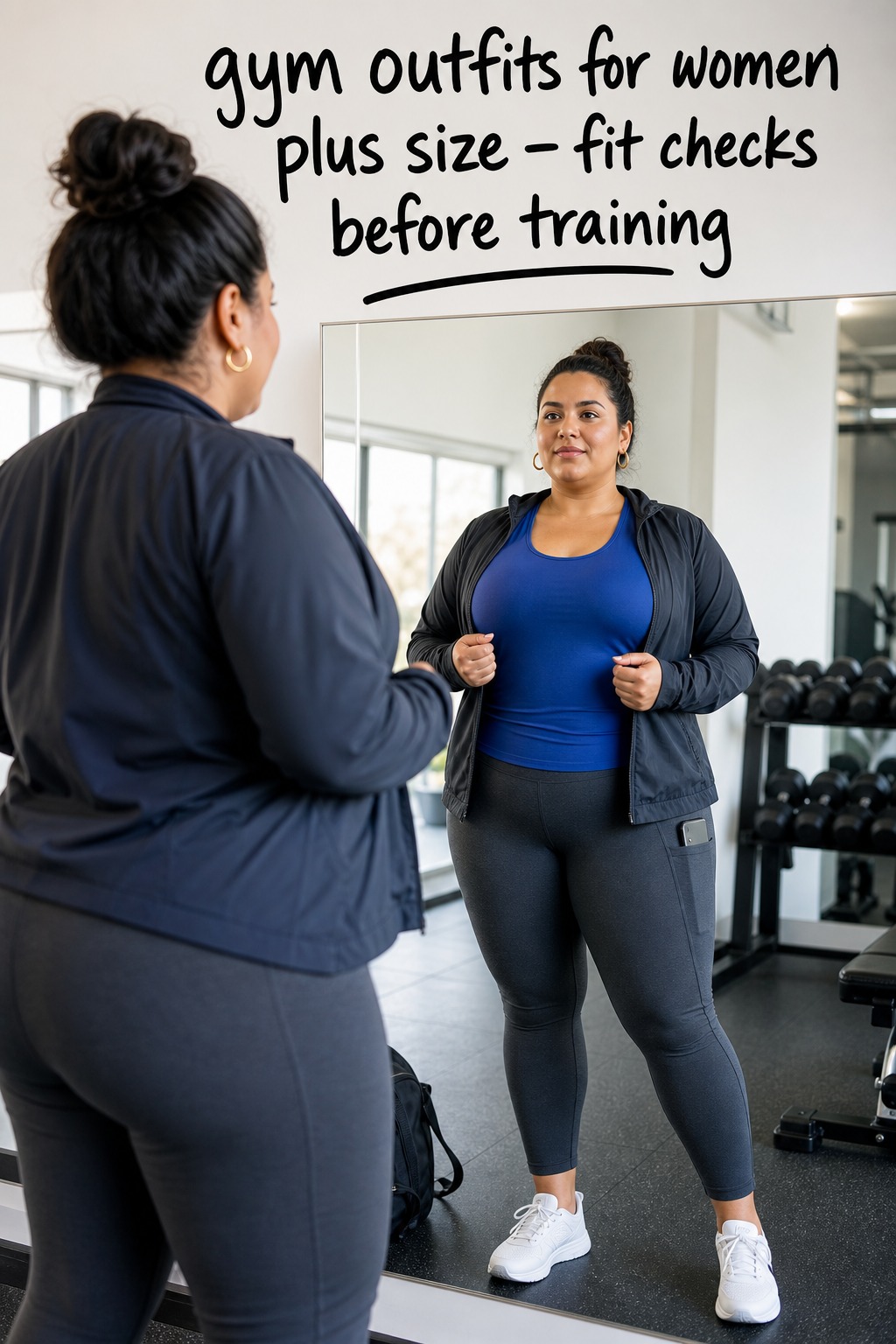
Rolling waistbands are usually a design or size issue, not a sign that you need to pull the garment tighter. Look for a wider waistband, a supportive inner panel, and enough stretch to sit flat. Try the leggings through a squat, hinge, and seated position before judging them. If the top edge rolls immediately or the fabric cuts into your stomach, go up or try another rise and construction instead of sizing down.
Sheerness deserves a real movement test. Put on the leggings with the underwear you would actually wear, then check a deep squat in bright light and in a mirror placed behind you. Bend forward, step wide, and sit. Dark color does not guarantee opacity, and a thicker fabric can still become see-through when stretched. If the fabric passes but the pocket lining shows, decide whether that is a functional trade-off you are comfortable with.
Sports-bra discomfort can come from the band, straps, cups, or neckline. A band that rides up may need a different size or a firmer back construction. Straps that dig may be too narrow or adjusted too tightly. If you are spilling at the top or sides, the cup shape may not be right even when the band feels secure. Try arm circles, jumping jacks, and a forward fold in the bra before keeping it for high-impact workouts.
Chafing is often solved by the relationship between two garments. A longer bike short can reduce thigh friction, while a smoother inner seam can make a bigger difference than extra compression. Check the gusset and side seams for bulky stitching. For tops, look for flat seams and fabrics that dry quickly. If a garment is comfortable for ten minutes but irritating after thirty, treat that as a failed test even if the mirror image is excellent.
Overheating can make even a beautiful outfit feel wrong. Choose a moisture-wicking base for sweaty sessions and keep cotton for lower-intensity days or a cover layer that will not sit against your skin for long. Mesh panels, lighter colors, and sleeveless options can help in a warm room. You do not have to wear the smallest or most fitted item to stay cool; fabric weight, breathability, and a removable layer matter more.
If clothes ride up, check whether the rise and length match your movement. A tank may need a curved hem or side slit; a tee may need a little more width at the hip; a cropped layer may need a higher rise underneath. The fix is often a different proportion rather than more adhesive grip. For any piece that moves out of place, repeat the exact action that causes the problem before deciding what feature to look for next.
Build a small gym wardrobe you will actually repeat
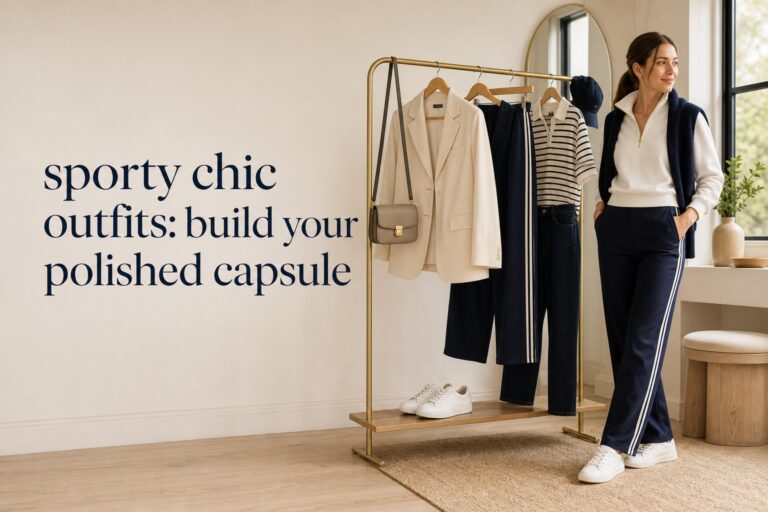
A useful gym wardrobe does not need to contain a new outfit for every workout. Start with two bottoms that pass your squat and chafing tests, two tops with different levels of coverage, one supportive bra for higher-impact sessions, one softer option for low-impact days, and one removable layer. Add a second bra and another bottom when you know which shapes you reach for. This approach keeps the closet practical and makes laundry easier to plan.
When shopping, record the details that affect your own fit: the size you tried, the rise, the inseam, the waistband behavior, and whether the fabric remained opaque. Brand size charts are useful starting points, but they are not universal. Read the garment measurements when available, check the return policy, and avoid buying several colors before you have tested one item through your normal movements.
Pack outfits by activity rather than by color. One small drawer or gym bag section can hold a strength formula, a cardio formula, and a low-impact formula. Add a spare top if you sweat heavily, a layer for the commute, and shoes that match the session. If you prefer to lay everything out the night before, keep the base pieces together and decide the color accent in the morning. This makes getting dressed feel like a routine instead of a negotiation.
Most importantly, let the outfit serve the workout. You do not need to earn activewear by changing your body, and you do not need to wait until you feel perfectly confident to enter the gym. Choose clothes that let you breathe, bend, lift, walk, stretch, and leave without spending the entire session adjusting them. Style is part of the solution when it gives you agency, comfort, and a reason to reach for the outfit again.
FAQ
What should women plus size wear to the gym?
Wear a breathable base that matches your workout, such as high-rise leggings or bike shorts, a supportive bra, and a top that stays in place when you move. Add a removable layer for the commute or a cool studio. The best outfit is the one that feels secure, comfortable, and expressive without needing constant adjustment.
How can I stop plus-size leggings from rolling down?
Try a wider waistband, a different rise, and a fabric with enough recovery to lie flat after stretching. Test the leggings while standing, squatting, hinging, and sitting. If the waistband digs or rolls immediately, sizing down will usually make the problem worse; try another cut or size instead.
What kind of sports bra is best for a larger bust?
Choose support according to the activity, then look for a secure band, adjustable straps, a comfortable neckline, and enough coverage that you can bend forward without spilling out. Encapsulation or a supportive longline style can work well for higher-impact workouts. Always test the bra with the movements you plan to do.
Are matching sets good gym outfits for women plus size?
Matching sets are useful when both pieces pass separate fit tests. Check waistband stability, opacity, top length, breathability, and support rather than buying only because the color is attractive. If one piece fails, wear the successful item with your existing wardrobe instead of forcing the set to work.
What should I wear for cardio versus strength training?
Cardio usually benefits from sweat-wicking fabric, bounce control, secure pockets, and shoes with the right cushioning for the activity. Strength training often benefits from a stable waistband, a supportive bra, and a top that does not catch on equipment. Both should allow full movement and feel comfortable for the entire session.
How do I choose a gym top when I want more coverage?
Look for a high-hip or longline hem, side vents, a curved shape, or an open layer that can be removed when you warm up. A slightly shorter boxy tee can also provide coverage without bunching. Test the top with overhead reaches, seated movements, and forward bends before deciding whether the length works.
Can plus-size gym clothes still look stylish and colorful?
Absolutely. Try a tonal set, a neutral base with a bright jacket, a patterned bottom with a solid top, or colorful sneakers with simple layers. Style comes from proportion, color, and details that feel intentional; it does not depend on minimizing your body or wearing only black.
Finish the look
The little extras that make a summer outfit feel complete
From beach days to city weekends, these easy pieces bring comfort, texture, and a polished finishing touch.

FENBEN
Straw Hobo Crossbody Bag
A handwoven straw bag with both short and crossbody straps—an effortless finishing touch for vacation looks and warm-weather outfits.
Shop the bag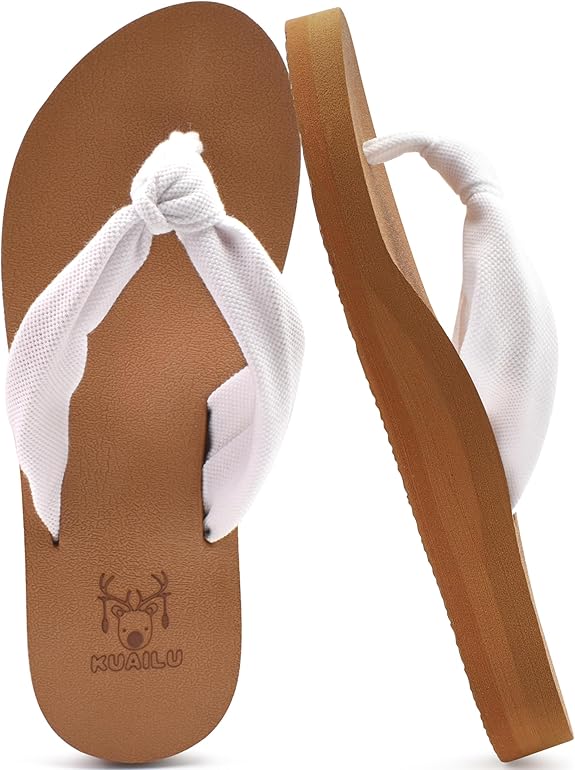
KuaiLu
Flip Flops with Arch Support
Cushioned, lightweight sandals with supportive arch design—a practical choice for beach trips, errands, and long summer walks.
Shop the sandals
baleaf
Athletic One-Piece Swimsuit
A functional one-piece with adjustable straps and moderate coverage, designed for swimming, training, surfing, and active beach days.
Shop the swimsuit
Astylish
Linen-Cotton Button-Down Shirt
A relaxed cotton-linen shirt with a collared V-neck and roll-up sleeves—easy to style over swimwear or with denim and shorts.
Shop the shirt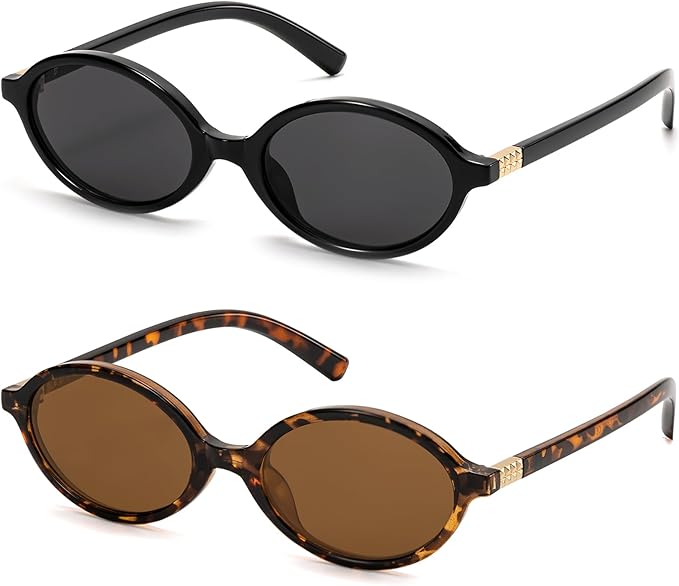
ViewJoy
Retro Oval Sunglasses
Small oval sunglasses with a 90s-inspired silhouette and UV400 lens protection—a quick way to add a vintage edge to everyday looks.
Shop the sunglasses
Affiliate disclosure: This section contains affiliate links. If you make a purchase through these links, I may earn a commission at no additional cost to you. Product selection, pricing, availability, and delivery terms may change—please review the current details on Amazon before purchasing.
As an Amazon Associate I earn from qualifying purchases.