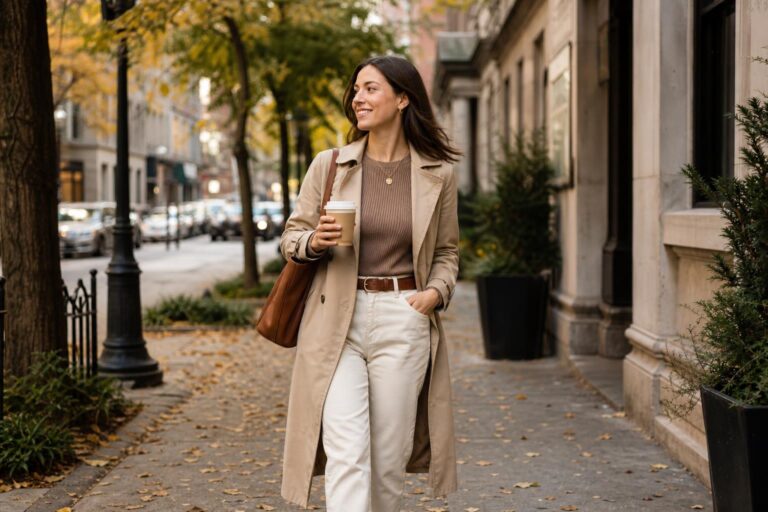
Modest Fall Outfits That Feel Polished
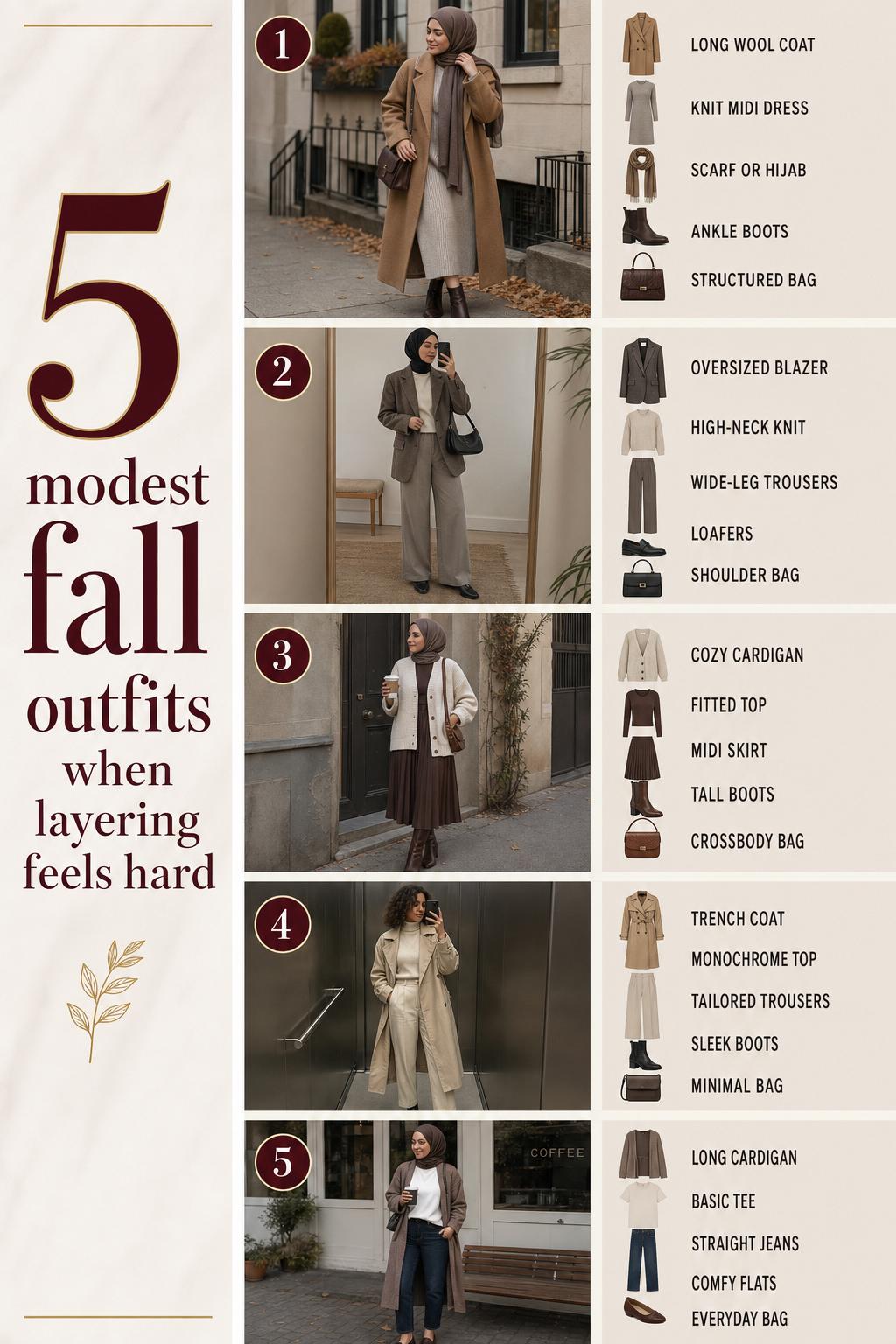
A fall closet often looks simple from a distance: coats, knitwear, boots, dresses, maybe a scarf tossed over the top. But modest fall outfits are rarely just about adding more fabric. The real difference is in how coverage, proportion, and layering work together to create a look that feels intentional rather than heavy, polished rather than overdone, and practical enough for daily life in the United States.
That is why modest fall style gets compared in so many different ways. Some outfits lean cozy and casual, built around cardigans, knit dresses, and boots. Others feel sharper, with oversized blazers, wide-leg trousers, or a structured coat that changes the entire mood. For hijab-friendly styling, church-appropriate dressing, plus-size proportions, and regional weather shifts, the same season can produce very different outfit logic.
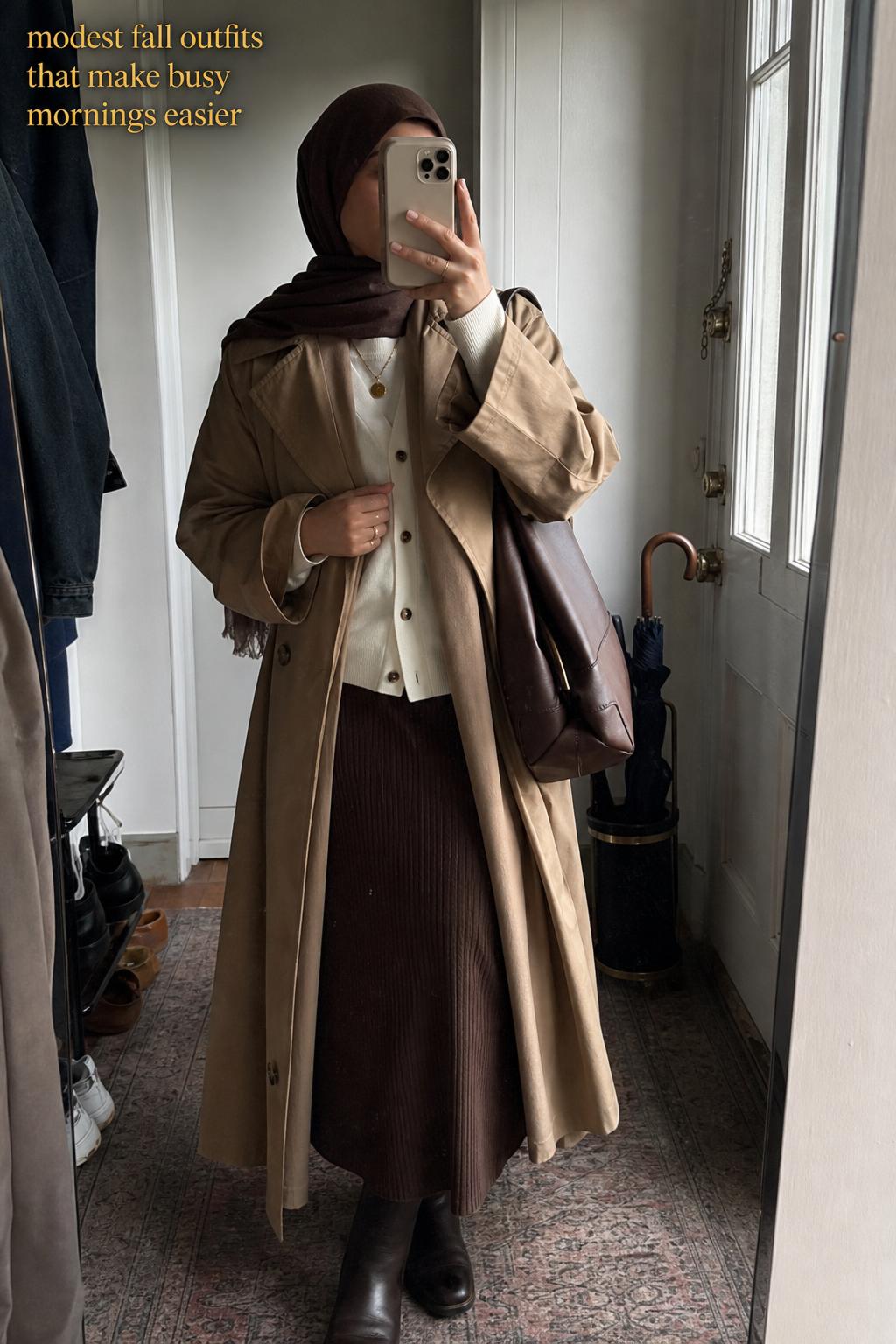
This breakdown looks at how modest fall dressing actually works: the silhouettes that create coverage without bulk, the pieces that repeat across the strongest wardrobes, and the visual difference between casual, work-ready, church-ready, and evening looks. The goal is not just more outfit ideas, but a clearer understanding of why some combinations feel effortless while others feel complicated.
The Fashion-Note Edit
Five effortless pieces to refresh your everyday wardrobe
A polished, practical edit for workdays, weekends, and everything in between.

The Drop
Women’s Blake Long Blazer
A longline, tailored blazer with a notched collar and a single-button closure—an easy layer for denim, dresses, or office-ready looks.
Shop the blazer
Amazon Essentials
Women’s Lightweight Crewneck
A soft, lightweight sweater with a clean crew neckline—the kind of reliable layer that works from cool mornings to air-conditioned spaces.
Shop the sweater
Amazon Essentials
Women’s Loafer Flat
A classic flat loafer that gives casual outfits a more polished finish and pairs naturally with tailored pants, skirts, and straight-leg jeans.
Shop the loafers
Levi’s
Women’s 501 90s Jeans
A relaxed, vintage-inspired take on the iconic 501 silhouette—made for an easy, lived-in look without the thrift-store search.
Shop the jeans
Colorfulkoala
High-Waisted 7/8 Leggings with Pockets
Soft, four-way-stretch leggings with side pockets and a high-rise waistband—designed for movement, errands, and off-duty comfort.
Shop the leggings
Affiliate disclosure: This section contains affiliate links. If you make a purchase through these links, I may earn a commission at no additional cost to you. Product selection, pricing, availability, and delivery terms may change—please review the current details on Amazon before purchasing.
As an Amazon Associate I earn from qualifying purchases.
The visual language of modest fall style
At its core, modest fashion in fall is built on balance. Coverage matters, but so does movement. A midi dress under a blazer reads differently from a knit dress under a cape coat, even though both are equally covered. One feels tailored and city-ready; the other feels softer and more dramatic. The distinction comes from silhouette direction, not from modesty alone.
Your wedding style is personal.
Your plan should feel that way, too.
Zarellea keeps your guest list, budget, vendors, and every next step beautifully organized — so you can focus on the moments that feel like you.
Most strong modest fall outfits share a few visual habits. They use layering as structure, not decoration. They mix texture such as knitwear against wool-like outerwear or soft dresses against boots. And they let one piece lead the outfit, whether that is a trench coat, a cardigan, a wide-leg trouser, or a scarf that ties the palette together.
That is also why fall styling can look polished without feeling formal. A covered outfit does not need to be severe. Relaxed shapes, cozy fabrics, and practical accessories keep the look approachable, while longer hemlines, outerwear, and thoughtful pairings give it a clear sense of purpose.
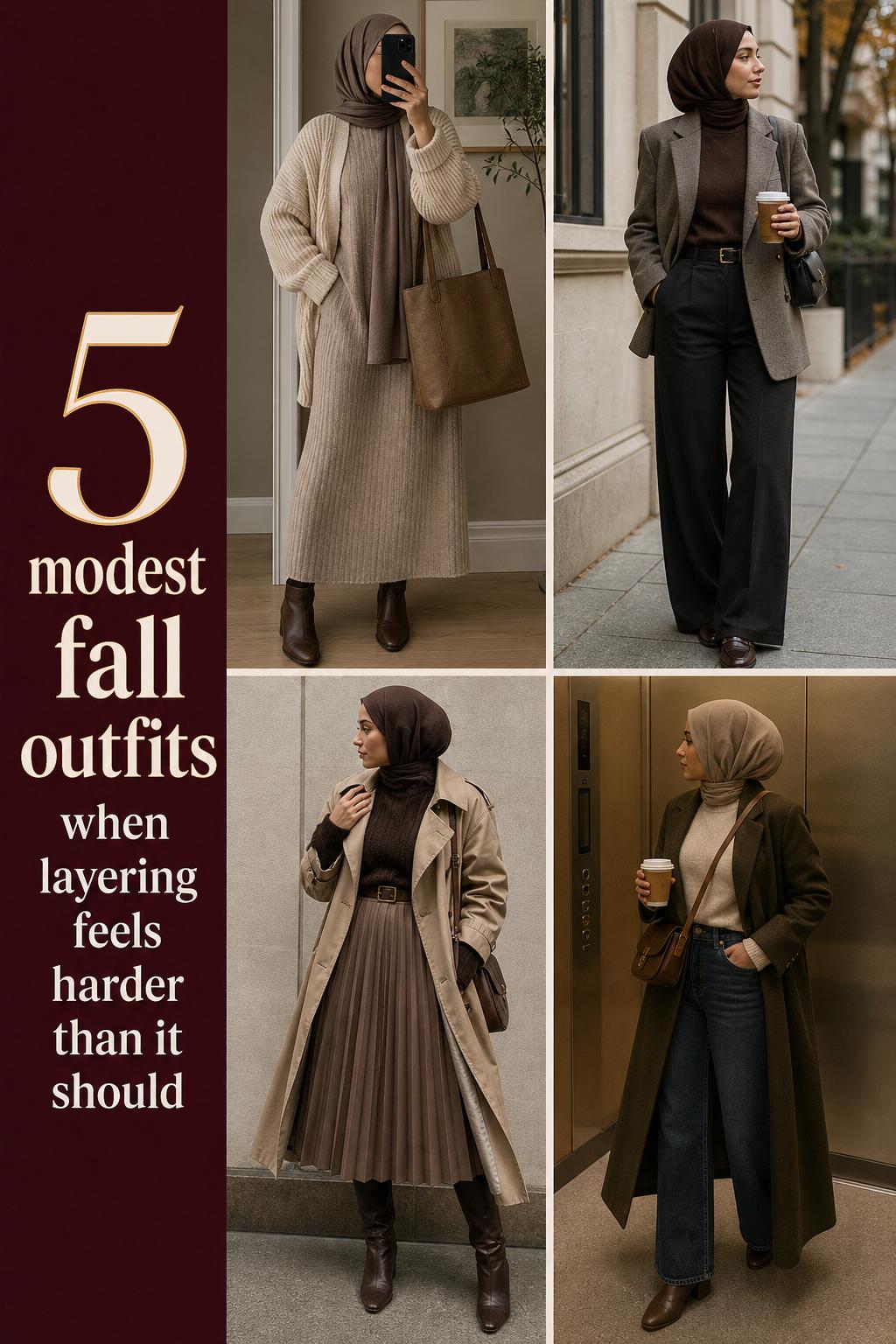
Two main directions readers often confuse
Many modest fall outfits fall into two broad style directions that regularly overlap in photos but feel different in real life: the cozy everyday approach and the polished editorial approach. Understanding this difference makes shopping and outfit planning much easier.
Style overview: cozy everyday modest fall outfits
This direction centers on comfort, warmth, and easy movement. Think cardigans over dresses, sherpa jackets with ankle-length silhouettes, knitwear layered over skirts, and boots that make an outfit feel grounded. The proportions are usually soft rather than sharp. Color palettes often lean into classic fall tones and cozy neutrals, and the fabrics do a lot of visual work through texture.
The mood is relaxed but still put together. This is the kind of outfit that works for errands, casual lunches, everyday city wear, or a simple church service where you want to look polished without feeling dressed up. It is also one of the most adaptable directions for plus-size modest fall outfits because soft layers can be adjusted more easily than rigid tailoring.
Style overview: polished editorial modest fall outfits
This direction is more structured and visually composed. Oversized blazers with knit dresses, coats over trousers, capes, and carefully styled accessories create a stronger line through the outfit. The palette may still be seasonal, but the emphasis is less on coziness alone and more on shape, proportion, and finish.
The mood is refined, modern, and often urban. It suits workwear, dinner plans, a city setting, or any situation where you want your modest outfit to feel elevated. In editorial-style modest fashion, layering is precise. Instead of piling on pieces, the outfit is edited so that each item adds to the silhouette.
How to instantly tell the difference
If two modest fall outfits use the same basic ingredients, the fastest way to tell them apart is to look at shape and tension. Cozy everyday styling usually lets pieces sit naturally. A cardigan drapes. A knit dress follows the body without feeling tight. A boot anchors the hem. The outfit feels easy before it feels impressive.
Polished styling creates more deliberate contrast. A structured blazer over a soft dress. A cape coat over slim or straight lines. Trousers with cleaner volume and fewer casual details. Even when the clothing is loose, the outfit looks designed. That is why modest fall outfits in magazine-style features often feel sharper than similar pieces in casual blogs or personal style posts.
- Cozy everyday looks rely on softness, texture, and comfort-first layering.
- Polished editorial looks rely on shape, cleaner proportions, and stronger outerwear.
- Cozy looks usually feel more approachable for daily wear.
- Polished looks usually feel more intentional for work, events, or city dressing.
The 10-piece foundation behind the best modest fall outfits
A practical modest fall wardrobe does not need endless variety. It needs a foundation that can shift across casual, work, church, and evening settings. The strongest wardrobes repeat a small cluster of pieces and change the mood through styling.
Outerwear that creates coverage and shape
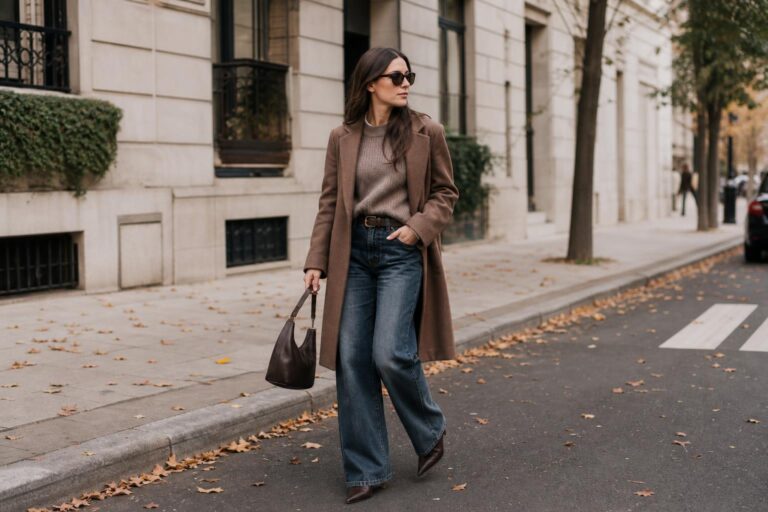
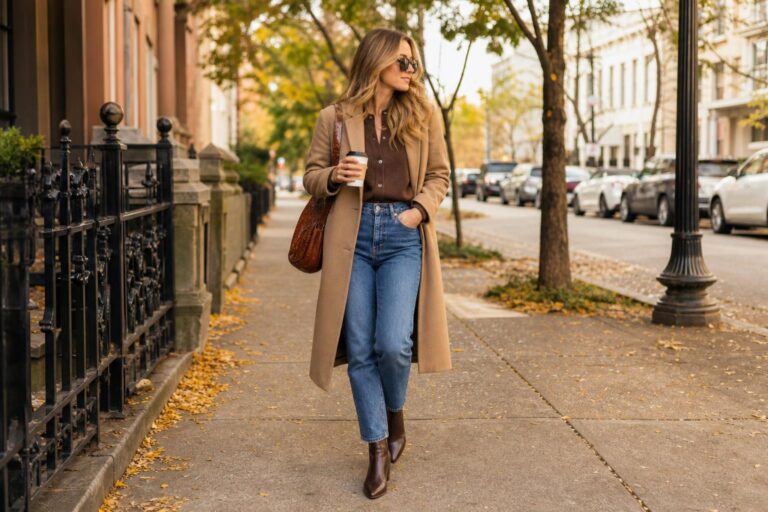
Coats, cape coats, trench coats, blazers, and jackets are some of the most important pieces in fall because they determine the silhouette from the outside first. A long coat instantly makes a simple dress feel more refined. A trench coat creates cleaner vertical lines. An oversized blazer gives structure to knitwear and dresses without making the outfit feel formal.
For readers building a capsule wardrobe, outerwear is where investment makes the most visible difference. Even a simple base outfit looks stronger when the coat has a clear shape.
Knitwear that softens the outfit
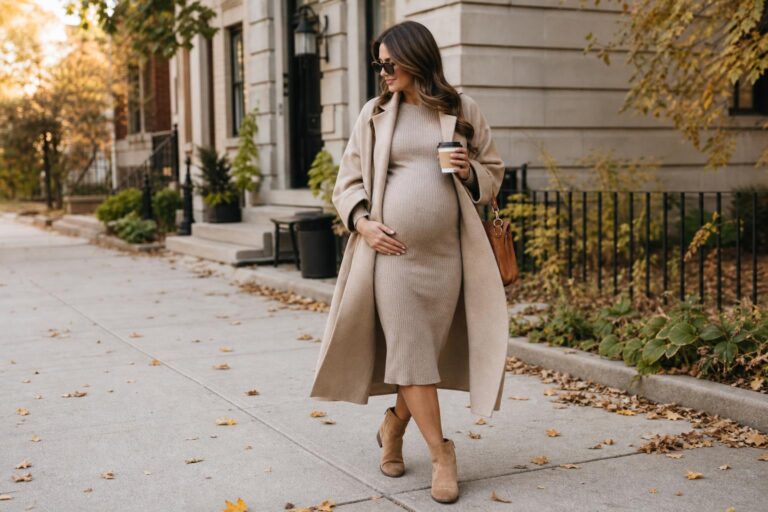
Sweaters, cardigans, and knit dresses are central to modest fall styling because they add warmth without disrupting coverage. Knitwear also changes the emotional tone of an outfit. A cardigan feels familiar and casual. A sleek knit dress feels streamlined. A sweater layered over a midi skirt creates more softness and volume.
This is one reason knitwear appears across so many modest fashion posts: it makes layering feel natural rather than forced.
Bottoms that bring comfort without losing polish
Wide-leg trousers, midi skirts, ankle-length skirts, and modest pants help balance heavier layers on top. When the weather cools, these pieces keep the outfit grounded. Wide-leg trousers give a modern line under a coat or blazer. Midi skirts create movement with boots and cardigans. The key is choosing bottoms that leave enough room for walking and layering without feeling oversized everywhere.
Dresses that work as base layers
Long-sleeve dresses, midi dresses, and knit dresses do a lot of work in a modest fall closet because they simplify the outfit. Add a coat, scarf, boots, or a blazer and the look is already complete. Dresses are especially useful for church outfits and evening outfits because the silhouette starts off cohesive.
Accessories that finish the look
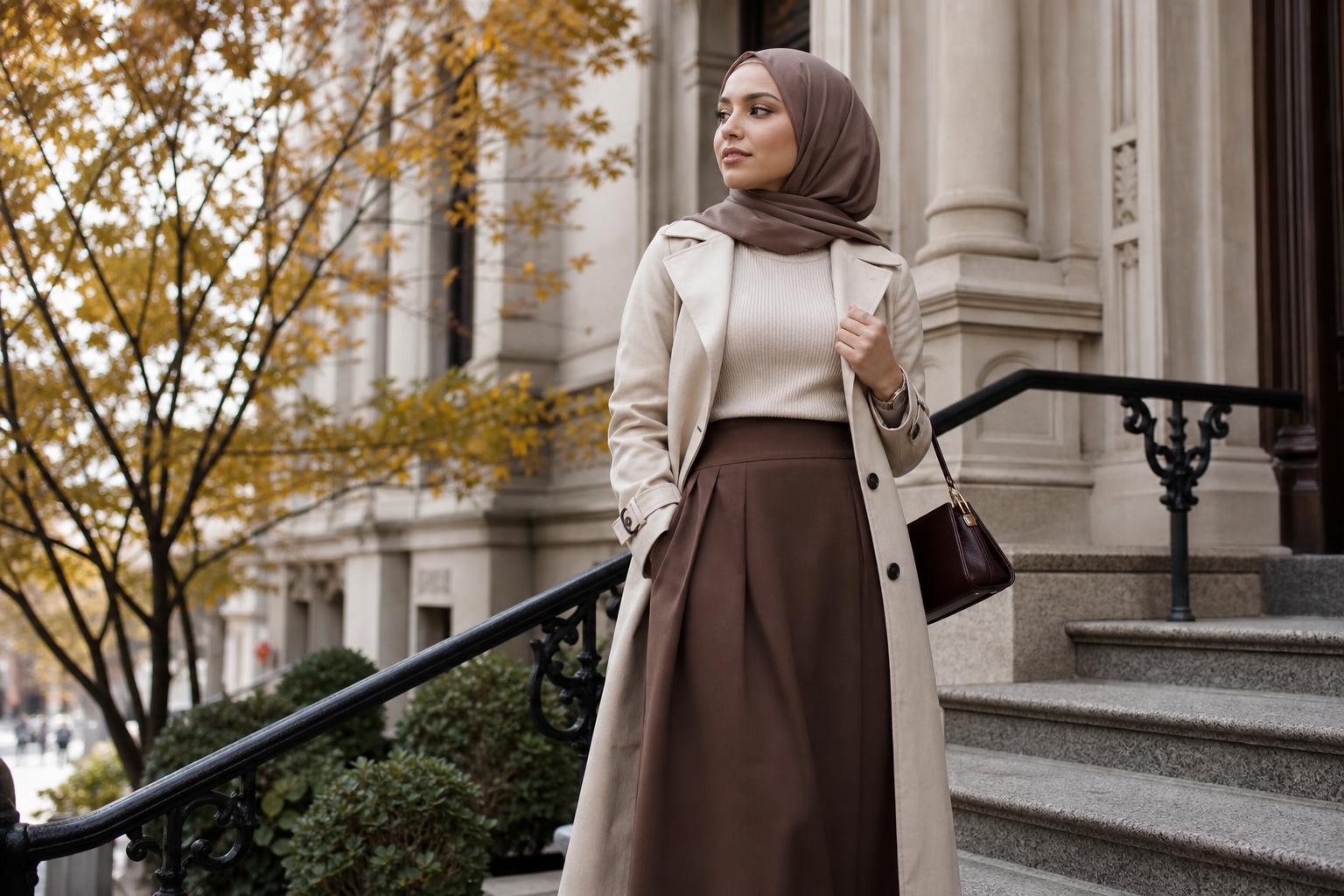
Hijabs, scarves, tights, hats, jewelry, and bags are not just finishing touches in fall. They often solve the practical side of modest dressing. Tights extend the wear of dresses and skirts. A scarf can add warmth and pull the color story together. For hijab-friendly fall outfits, the headscarf becomes a central styling element, especially when paired with knitwear, coats, or blazers.
Boots also matter here because they connect the lower half of the outfit. They can make a soft look feel more grounded or make a polished look feel more weather-ready.
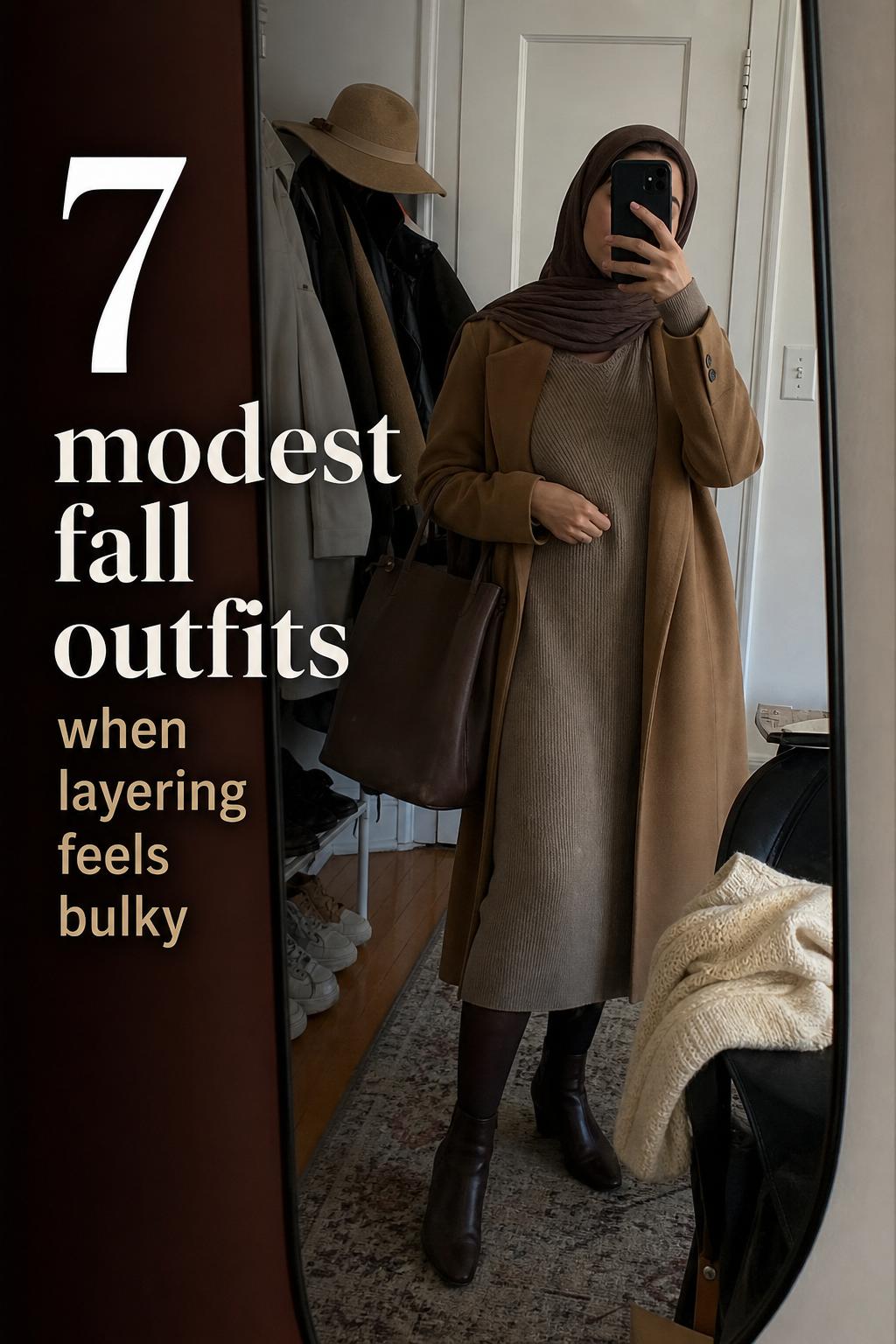
What changes the mood of a modest fall outfit
The same modest outfit formula can feel casual, professional, or church-ready depending on a few small decisions. This is where styling logic matters more than simply owning the right pieces.
- A blazer makes a knit dress feel more structured than a cardigan does.
- Boots make skirts and dresses feel seasonal and grounded.
- A cape or longer coat adds drama and elegance without changing coverage.
- Trousers and shirts create a more work-focused impression than a soft dress-and-cardigan combination.
- Scarves and hijabs can either soften an outfit or make it feel more composed, depending on the shape of the outerwear.
Texture is especially important in fall. Knitwear, sherpa, wool-like coatings, and layered fabrics create visual depth that helps modest dressing look intentional. Without texture, a covered outfit can look flat. With texture, it looks seasonal and complete.
Real-life outfit comparisons that make the differences clear
A casual coffee run or weekend brunch
The cozy version starts with a midi knit dress, a cardigan, and ankle boots. Add a scarf or hijab in a related fall tone and the outfit feels comfortable, soft, and easy to wear for hours. This kind of combination works because the pieces blend into one relaxed line.
The polished version might use that same dress but layer an oversized blazer instead of a cardigan. Suddenly the look feels more directional. The blazer introduces shoulder shape and a clearer outline, which is why the outfit reads more city-ready and less lounge-inspired.
An everyday office or professional setting
For work-appropriate modest fall outfits, trousers usually shift the outfit into a more professional category. A shirt under a coat or blazer creates clean lines and visual control. Compared with softer casual layers, the overall effect is more composed and less cozy.
If you prefer dresses for work, a knit dress under a trench or structured coat gives a similarly polished result. The reason it works is simple: the outerwear defines the look before the softer fabric can make it feel too relaxed.
A church service in fall
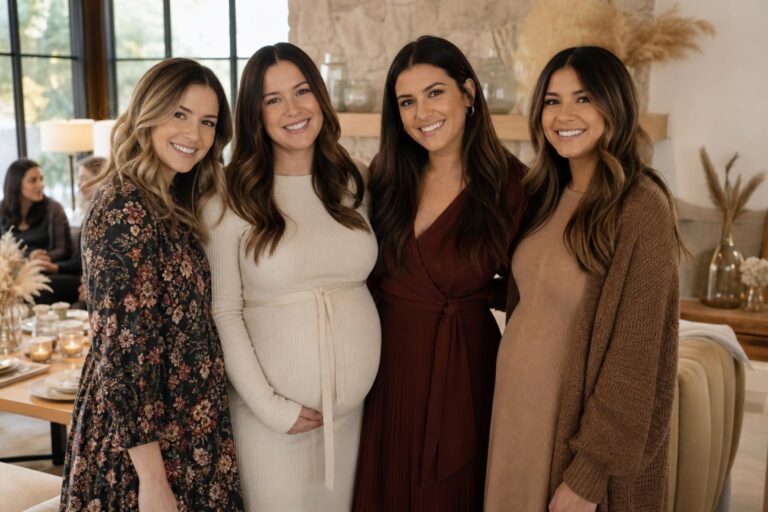
Church-appropriate modest outfits often sit in the middle of the style spectrum. They need coverage and elegance, but they should not feel severe. A midi or longer dress, tights, a cardigan or tailored coat, and simple accessories usually strike the right balance. The silhouette should feel calm and respectful, with enough structure to look dressed but enough softness to feel approachable.
This is one area where color storytelling matters. Rich but gentle autumn tones and clean accessories tend to feel more fitting than highly contrasting or overly busy combinations.
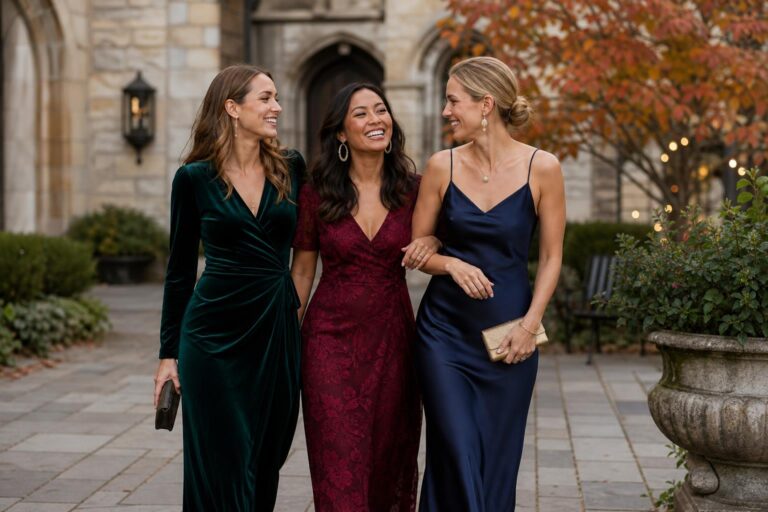
An evening dinner or dressed-up autumn event
Evening modest looks often rely on the same foundational pieces but use more dramatic layering. A cape coat over a dress feels elevated because the outer layer adds movement and presence. A sleek long coat with boots and a refined bag can also create an evening feel without changing the level of coverage.
The key difference from daytime styling is editing. Fewer visible layers, stronger outerwear, and more intentional accessories usually make the outfit feel appropriate for evening.
Regional U.S. differences that genuinely affect the outfit
One reason modest fall outfits vary so much across the United States is that “fall weather” is not one experience. The layering philosophy changes depending on where you live, and a wardrobe that works in New York City will not behave exactly the same way in Atlanta or San Francisco.
Northeast and city dressing
In places shaped by cooler urban fall weather, longer coats, boots, and layered knitwear make the most sense. This is where polished outerwear matters most because it is visible all day. Modest outfits here often lean structured, with blazers, coats, and more deliberate layering.
Southeast and warmer fall days
Warmer days call for lighter layers and more flexibility. A shirt over a dress, a light cardigan instead of a heavy coat, or breathable knitwear works better than dense layering. In these regions, modest dressing often depends on adaptable pieces that can come off indoors without leaving the outfit incomplete.
Midwest and wind-driven layering
When wind is part of the daily equation, the outfit needs stability. Coats, boots, tights, and scarves become more practical, and looser layers benefit from an anchor piece so they do not feel unruly. This is one place where a trench or longer coat can outperform softer open layers.
West Coast and lighter fall transitions
In places like San Francisco, lighter layering and transitional outfits often make more sense than heavy autumn dressing. A blazer with a dress, a cardigan over a skirt, or lighter outerwear keeps the look aligned with the season without making it feel too winter-focused. The mood is usually easier and less bundled.
Why modest fall outfits work so well with a capsule wardrobe
A capsule approach is especially effective for modest fashion because many of the same pieces repeat naturally. One coat can top dresses, skirts, and trousers. One cardigan can soften multiple outfits. One pair of boots can carry casual and church-ready combinations. Instead of chasing variety through constant shopping, the wardrobe becomes more versatile through smarter layering.
A useful fall capsule usually includes a small but reliable mix of outerwear, knitwear, dresses, bottoms, and accessories. The advantage is not only simplicity. It also makes the visual identity of your wardrobe clearer. Your outfits start to look connected rather than random.
- Choose one strong coat and one lighter layering piece.
- Keep at least one knit dress and one everyday dress in rotation.
- Add a cardigan and a sweater for softer styling options.
- Use wide-leg trousers or midi skirts for balance under heavier layers.
- Rely on scarves, hijabs, tights, and boots to shift outfits across occasions.
Where plus-size modest fall outfits need a slightly different approach
Plus-size modest dressing in fall is not about hiding under extra layers. It works best when the outfit keeps a readable shape. Tunics, coats, dresses, and pants can all work beautifully, but too many loose pieces at once can blur the silhouette and make the outfit feel heavier than necessary.
A better approach is to let one layer provide volume while another brings definition. For example, a flowing dress under a cleaner coat usually feels more balanced than a bulky cardigan over a very loose tunic and wide bottom. Tights can also help dresses and skirts transition into fall without requiring too many extra layers.
This is also where comfort matters in a real way. A flattering modest outfit should allow movement, sitting, and walking without constant adjustment. That practical ease often makes an outfit look better because the wearer looks more at ease in it.
Hijab-friendly styling that feels integrated, not added on
The strongest hijab-friendly fall outfits do not treat the hijab as an afterthought. The scarf is part of the outfit architecture. It interacts with coats, knitwear, necklines, and overall color balance. When that relationship is considered from the start, the whole look feels calmer and more cohesive.
A blazer with a knit dress and a neatly styled hijab creates a more structured result than a soft cardigan with the same dress and scarf. A trench coat paired with a scarf often looks long and clean, while bulkier outerwear can create a cozier effect. Neither is wrong. They simply produce different impressions.
One useful styling habit is to think of the hijab or scarf as either the softening element or the finishing element. In a sharper outfit with trousers and a coat, it can soften the look. In a softer knitwear outfit, it can bring the final polish.
Sustainable and practical choices that make more sense in fall
Fall is one of the easiest seasons to shop with a more thoughtful mindset because the wardrobe naturally depends on repeat pieces. Organic cotton, recycled blends, and durable fabrics fit well into modest fashion when the goal is longevity rather than constant replacement. A coat, cardigan, or dress that layers well will usually earn far more wear than a novelty item.
This also connects to the investment-piece conversation. A well-chosen outerwear piece, strong boots, or reliable knitwear can shape dozens of outfits. Fast changes in trend matter less when the wardrobe is built around practical silhouettes and repeat use. That is especially true in modest dressing, where versatility and comfort are major factors.
The small details that change the entire outfit
Many readers focus on the biggest items first, but modest fall style often succeeds because of the smaller decisions. Tights can make a dress feel complete rather than transitional. The difference between a cardigan and a blazer can change the entire setting the outfit suits. A sherpa jacket can make the same base look feel casual and cozy instead of polished.
Footwear is another major mood shifter. Boots tend to add seasonality and visual weight, which helps balance long skirts, dresses, and coats. If the outfit feels too light for fall, the shoes are often the first place to check. A stronger boot can solve what extra layering cannot.
Common styling mistakes that make modest fall outfits feel heavy
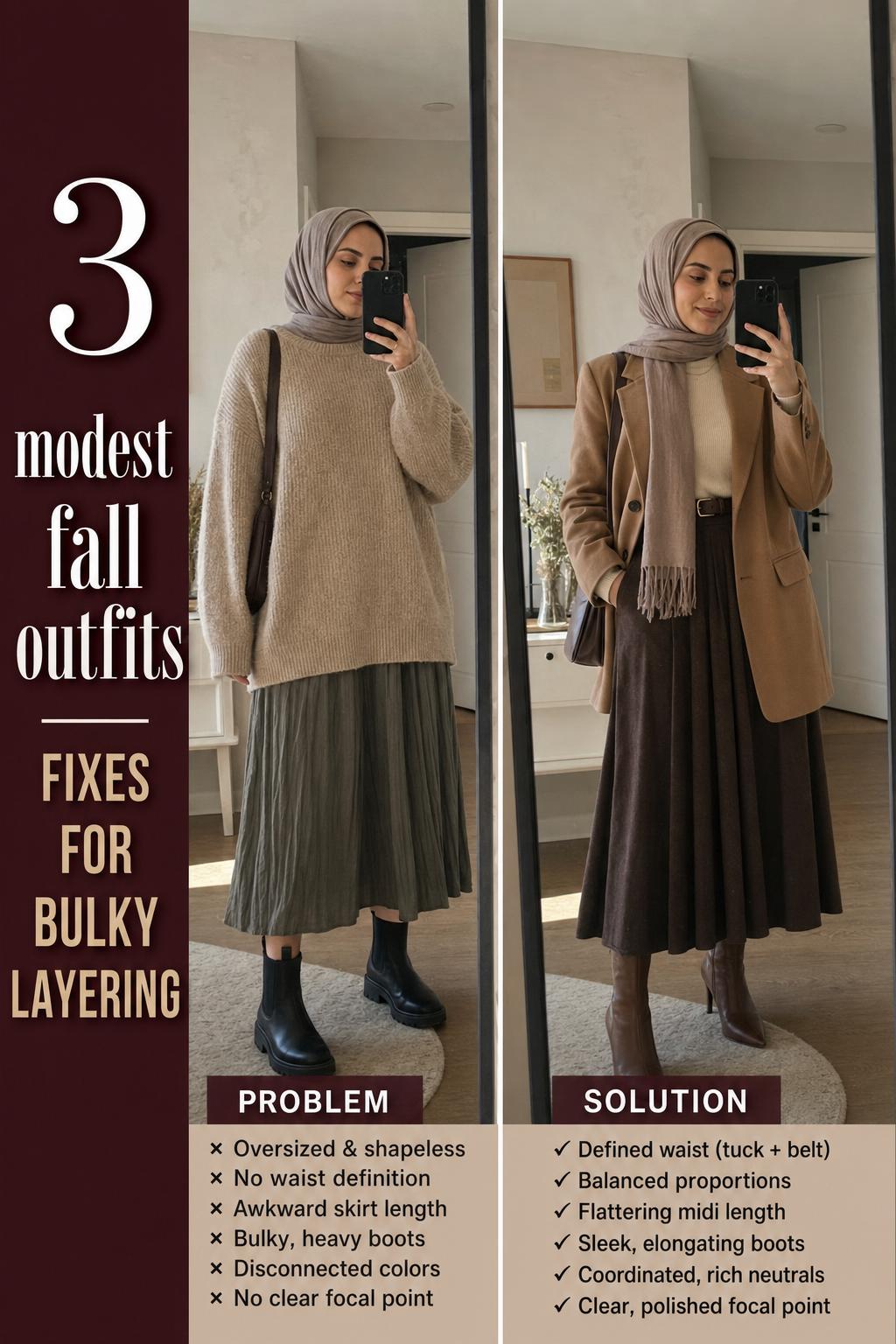
Coverage does not need to mean excess. In real wardrobes, outfits usually feel off for one of three reasons: too many bulky layers, no clear leading piece, or too little contrast in texture and shape.
- Layering multiple oversized pieces at once can erase the silhouette.
- Using only soft textures can make the outfit look visually flat.
- Ignoring footwear can leave a fall outfit feeling unfinished.
- Adding outerwear that fights the base outfit can create unnecessary bulk.
- Choosing every piece in the same weight can make the look feel stiff rather than fluid.
A better method is to combine one soft element, one defining element, and one grounding element. That might mean a knit dress, a structured coat, and boots. Or a midi skirt, a cardigan, and a stronger scarf or bag. The exact pieces can change, but the balance matters.
Tips for building modest fall outfits that actually get worn
In everyday life, the best outfit is rarely the most complicated one. It is the one that makes sense for your weather, your schedule, and the way you move through the day. That is why practical modest styling tends to outperform overly styled combinations.
Tip: start with the occasion, not the trend. A church outfit, a work outfit, and an errand outfit can all use the same coat, but they should not be styled with the same level of polish. Matching the silhouette to the setting keeps the outfit believable and easy to wear.
Tip: let outerwear do some of the work. In fall, a strong coat or blazer often reduces the need for extra accessories and layers. This keeps modest outfits cleaner and easier to manage throughout the day.
Tip: build around repetition. If your knitwear, dresses, trousers, scarves, and boots all work with each other, getting dressed becomes faster and the wardrobe feels more coherent.
When each style direction makes the most sense
The cozy everyday approach works best for casual daily dressing, flexible schedules, church mornings, family plans, and wardrobes built around comfort. It is practical, easy to repeat, and especially useful in regions where temperatures shift through the day.
The polished editorial approach works best for offices, city settings, evening plans, and anyone who prefers a more composed look with fewer pieces. It often creates a stronger first impression because the silhouette is clearer and the outfit feels more finished from a distance.
Most real wardrobes benefit from both. A cardigan-and-dress formula may carry the week, while a blazer, trench, or cape coat handles the moments that need more structure. The smartest modest fall wardrobes are not locked into one mood. They know when to soften and when to sharpen.
Bringing it all together
The clearest way to understand modest fall outfits is to stop thinking of them as one single style. They are a system of coverage, layering, texture, and proportion that can lean cozy, polished, conservative, church-ready, work-appropriate, or hijab-friendly depending on how the pieces are arranged.
Once you start noticing those differences, the season becomes easier to dress for. A cardigan and boots create one kind of softness. A blazer and trousers create another kind of authority. A coat over a knit dress can move between the two. That flexibility is exactly what makes modest fall fashion feel so wearable in real life.
The best outfits do not just provide coverage. They create visual calm, suit the setting, and feel natural on the body. That is the real style advantage of a well-built modest fall wardrobe.
FAQ
How do I layer modestly in fall without looking bulky?
Use one defining layer and one softer layer instead of stacking multiple bulky pieces. A knit dress with a blazer, or a midi dress with a structured coat, usually looks cleaner than combining several oversized layers at once.
What are the easiest modest fall outfits to wear every day?
Some of the easiest combinations are a knit dress with boots, a midi skirt with a cardigan, or wide-leg trousers with a shirt and light outerwear. These outfits work because they balance comfort, coverage, and enough structure to feel finished.
What makes an outfit feel church-appropriate in fall?
Church-appropriate fall outfits usually combine modest lengths, calm layering, and refined accessories. Dresses with cardigans or tailored coats, tights, and simple boots often feel respectful and polished without becoming too formal.
How can I style hijabs with coats and sweaters in fall?
Think of the hijab as part of the outfit structure rather than an extra piece. With coats, it can help create a long, clean line, and with sweaters or cardigans it can soften the overall look. Coordinating the scarf with the outfit palette helps the layers feel connected.
Which shoes work best with modest fall outfits?
Boots are usually the most versatile choice because they add visual weight, warmth, and seasonality. They work especially well with midi dresses, skirts, and trousers, and they help covered outfits feel grounded rather than transitional.
Are modest fall outfits easy to build from a capsule wardrobe?
Yes, because many modest fall pieces naturally repeat across outfits. A small wardrobe built around coats, knitwear, dresses, skirts or trousers, scarves, tights, and boots can create a wide range of casual, work, and church-ready looks.
How should plus-size readers approach modest fall layering?
It helps to keep a visible silhouette by pairing one fuller piece with one cleaner layer. For example, a flowing dress with a structured coat often looks more balanced than several loose pieces worn together.
What is the difference between cozy and polished modest fall style?
Cozy style usually depends on soft knitwear, cardigans, and relaxed layering, while polished style uses stronger outerwear, blazers, cleaner proportions, and more defined shapes. Both can be modest, but they create different moods and suit different settings.
How do regional U.S. weather differences affect modest fall outfits?
In cooler regions, longer coats, boots, and heavier layering are more practical, while warmer areas often need lighter layers that can be adjusted during the day. The best modest fall wardrobe matches its layering strategy to local weather rather than following one fixed formula.
Finish the look
The little extras that make a summer outfit feel complete
From beach days to city weekends, these easy pieces bring comfort, texture, and a polished finishing touch.

FENBEN
Straw Hobo Crossbody Bag
A handwoven straw bag with both short and crossbody straps—an effortless finishing touch for vacation looks and warm-weather outfits.
Shop the bag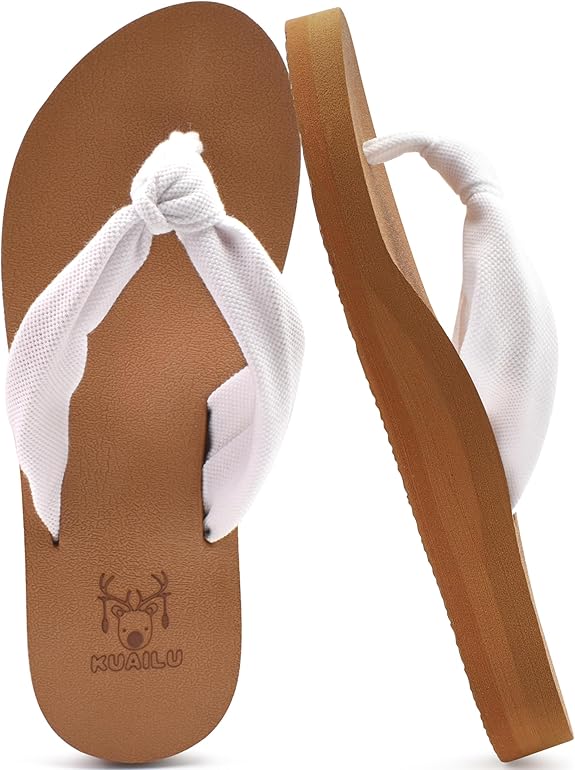
KuaiLu
Flip Flops with Arch Support
Cushioned, lightweight sandals with supportive arch design—a practical choice for beach trips, errands, and long summer walks.
Shop the sandals
baleaf
Athletic One-Piece Swimsuit
A functional one-piece with adjustable straps and moderate coverage, designed for swimming, training, surfing, and active beach days.
Shop the swimsuit
Astylish
Linen-Cotton Button-Down Shirt
A relaxed cotton-linen shirt with a collared V-neck and roll-up sleeves—easy to style over swimwear or with denim and shorts.
Shop the shirt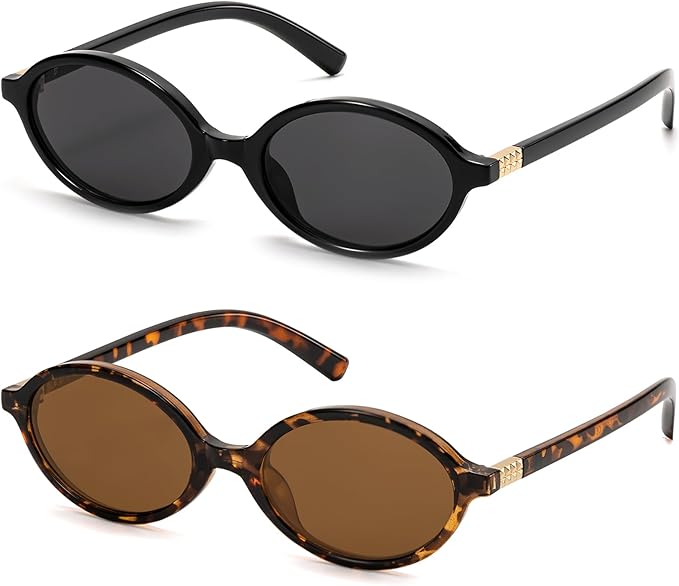
ViewJoy
Retro Oval Sunglasses
Small oval sunglasses with a 90s-inspired silhouette and UV400 lens protection—a quick way to add a vintage edge to everyday looks.
Shop the sunglasses
Affiliate disclosure: This section contains affiliate links. If you make a purchase through these links, I may earn a commission at no additional cost to you. Product selection, pricing, availability, and delivery terms may change—please review the current details on Amazon before purchasing.
As an Amazon Associate I earn from qualifying purchases.